AB 2018: Mental health workforce planning: loan forgiveness, loan repayment, and scholarship programs.
- Session Year: 2017-2018
- House: Assembly
- Latest Version Date: 2018-06-12
Existing law defines practice setting, for these purposes, to include a community clinic, as defined, a clinic owned or operated by a public hospital and health system, or a clinic owned and operated by a hospital that maintains the primary contract with a county government to fulfill the countys role to serve its indigent population, that is located in a medically underserved area and at least 50% of whose patients are from a medically underserved population. Existing law also defines practice setting, for these purposes, to include a physician owned and operated medical practice setting that provides primary care located in a medically underserved area and has a minimum of 50% of patients who are uninsured, Medi-Cal beneficiaries, or beneficiaries of another publicly funded program that serves patients who earn less than 250% of the federal poverty level.
This bill also would define practice setting to include a program or facility operated by, or contracted to, a county mental health plan. The bill would require the guidelines established by the foundation and the office to include providing early loan repayment consideration for trainees who satisfy all application requirements for the California Physician Corps Program. By providing that a continuously appropriated fund may be spent for a new purpose, By expanding the group of persons eligible for financial incentives payable from a continuously appropriated fund, this bill would make an appropriation.
Existing law, the Mental Health Services Act, an initiative measure enacted by the voters as Proposition 63 at the November 2, 2004, statewide general election, requires the Office of Statewide Health Planning and Development (OSHPD), in coordination with the California Behavioral Health Planning Council, to identify the total statewide needs for each professional and other occupational category utilizing county needs assessment information and develop a 5-year education and training development plan. Existing law requires OSHPD to include specified components in the 5-year plan, including expansion plans for the forgiveness and scholarship programs offered in return for a commitment to employment in Californias public mental health system and making loan forgiveness programs available to current employees of the mental health system who want to obtain Associate of Arts, Bachelor of Arts, masters degrees, or doctoral degrees.
This bill would clarify that OSHPD needs to include in the 5-year plan both expansion plans for loan forgiveness and scholarship programs offered in return for a commitment to employment in Californias public mental health system and expansion plans for making loan forgiveness programs available to current employees of the mental health system who want to obtain Associate of Arts, Bachelor of Arts, masters degrees, or doctoral degrees. The bill would also make specified findings and declarations.
Existing law establishes the Steven M. Thompson Physician Corps Loan Repayment Program (program) in the California Physician Corps Program within the Health Professions Education Foundation, which provides financial incentives, including repayment of educational loans, to a physician and surgeon who practices in a medically underserved area, as defined. Existing law establishes the Medically Underserved Account for Physicians, a continuously appropriated account, within the Health Professions Education Fund, to primarily provide funding for the ongoing operations of the program. Existing law requires the foundation and the Office of Statewide Health Planning and Development (office) to develop guidelines using specified criteria for selection and placement of applicants.
Existing law defines practice setting, for these purposes, to include a community clinic, as defined, a clinic owned or operated by a public hospital and health system, or a clinic owned and operated by a hospital that maintains the primary contract with a county government to fulfill the countys role to serve its indigent population, that is located in a medically underserved area and at least 50% of whose patients are from a medically underserved population. Existing law also defines practice setting, for these purposes, to include a physician owned and operated medical practice setting that provides primary care located in a medically underserved area and has a minimum of 50% of patients who are uninsured, Medi-Cal beneficiaries, or beneficiaries of another publicly funded program that serves patients who earn less than 250% of the federal poverty level.
This bill also would define practice setting to include a program or facility operated by, or contracted to, a county mental health plan. The bill would require the guidelines established by the foundation and the office to include providing early loan repayment consideration for psychiatric trainees who have committed to working in county mental health plans or county mental health plan contracted services and are enrolled in specialized community psychiatry training tracks or fellowships for this purpose. satisfy all application requirements for the California Physician Corps Program. By providing that a continuously appropriated fund may be spent for a new purpose, this bill would make an appropriation.
Existing law, the Mental Health Services Act, an initiative measure enacted by the voters as Proposition 63 at the November 2, 2004, statewide general election, requires the Office of Statewide Health Planning and Development (OSHPD), in coordination with the California Behavioral Health Planning Council, to identify the total statewide needs for each professional and other occupational category utilizing county needs assessment information and develop a 5-year education and training development plan. Existing law requires OSHPD to include specified components in the 5-year plan, including expansion plans for the forgiveness and scholarship programs offered in return for a commitment to employment in Californias public mental health system and making loan forgiveness programs available to current employees of the mental health system who want to obtain Associate of Arts, Bachelor of Arts, masters degrees, or doctoral degrees.
This bill would clarify that OSHPD needs to include in the 5-year plan both expansion plans for loan forgiveness and scholarship programs offered in return for a commitment to employment in Californias public mental health system and expansion plans for making loan forgiveness programs available to current employees of the mental health system who want to obtain Associate of Arts, Bachelor of Arts, masters degrees, or doctoral degrees. The bill would also make specified findings and declarations.
Existing law establishes the Steven M. Thompson Physician Corps Loan Repayment Program (program) in the California Physician Corps Program within the Health Professions Education Foundation, which provides financial incentives, including repayment of educational loans, to a physician and surgeon who practices in a medically underserved area, as defined. Existing law establishes the Medically Underserved Account for Physicians, a continuously appropriated account, within the Health Professions Education Fund, to primarily provide funding for the ongoing operations of the program. Existing law requires the foundation and the Office of Statewide Health Planning and Development (office) to develop guidelines using specified criteria for selection and placement of applicants.
Existing law defines practice setting, for these purposes, to include a community clinic, as defined, a clinic owned or operated by a public hospital and health system, or a clinic owned and operated by a hospital that maintains the primary contract with a county government to fulfill the countys role to serve its indigent population, that is located in a medically underserved area and at least 50% of whose patients are from a medically underserved population. Existing law also defines practice setting, for these purposes, to include a physician owned and operated medical practice setting that provides primary care located in a medically underserved area and has a minimum of 50% of patients who are uninsured, Medi-Cal beneficiaries, or beneficiaries of another publicly funded program that serves patients who earn less than 250% of the federal poverty level.
This bill also would define practice setting to include a program or facility operated by, or contracted to, a county mental health plan. The bill would require the guidelines established by the foundation and the office to include providing early loan repayment consideration for psychiatric trainees who have committed to working in county mental health plans or county mental health plan contracted services and are enrolled in specialized community psychiatry training tracks or fellowships for this purpose. By providing that a continuously appropriated fund may be spent for a new purpose, this bill would make an appropriation.
Existing law, the Mental Health Services Act, an initiative measure enacted by the voters as Proposition 63 at the November 2, 2004, statewide general election, requires the Office of Statewide Health Planning and Development (OSHPD), in coordination with the California Behavioral Health Planning Council, to identify the total statewide needs for each professional and other occupational category utilizing county needs assessment information and develop a 5-year education and training development plan. Existing law requires OSHPD to include specified components in the 5-year plan, including expansion plans for the forgiveness and scholarship programs offered in return for a commitment to employment in Californias public mental health system and making loan forgiveness programs available to current employees of the mental health system who want to obtain Associate of Arts, Bachelor of Arts, masters degrees, or doctoral degrees.
This bill would clarify that OSHPD needs to include in the 5-year plan both expansion plans for loan forgiveness and scholarship programs offered in return for a commitment to employment in Californias public mental health system and expansion plans for making loan forgiveness programs available to current employees of the mental health system who want to obtain Associate of Arts, Bachelor of Arts, masters degrees, or doctoral degrees. The bill would also make specified findings and declarations.
Existing law, the Mental Health Services Act, an initiative measure enacted by the voters as Proposition 63 at the November 2, 2004, statewide general election, requires the Office of Statewide Health Planning and Development (OSHPD), in coordination with the California Behavioral Health Planning Council, to identify the total statewide needs for each professional and other occupational category utilizing county needs assessment information and develop a 5-year education and training development plan. Existing law requires OSHPD to include specified components in the 5-year plan, including expansion plans for the forgiveness and scholarship programs offered in return for a commitment to employment in Californias public mental health system and making loan forgiveness programs available to current employees of the mental health system who want to obtain Associate of Arts, Bachelor of Arts, masters degrees, or doctoral degrees.
This bill would clarify that OSHPD needs to include in the 5-year plan both expansion plans for loan forgiveness and scholarship programs offered in return for a commitment to employment in Californias public mental health system and expansion plans for making loan forgiveness programs available to current employees of the mental health system who want to obtain Associate of Arts, Bachelor of Arts, masters degrees, or doctoral degrees. The bill would also make specified findings and declarations.
Existing law, the Mental Health Services Act, an initiative measure enacted by the voters as Proposition 63 at the November 2, 2004, statewide general election, requires the Office of Statewide Health Planning and Development (OSHPD), in coordination with the California Behavioral Health Planning Council, to identify the total statewide needs for each professional and other occupational category utilizing county needs assessment information and develop a 5-year education and training development plan. Existing law requires OSHPD to include specified components in the 5-year plan, including expansion plans for the forgiveness and scholarship programs offered in return for a commitment to employment in Californias public mental health system and making loan forgiveness programs available to current employees of the mental health system who want to obtain Associate of Arts, Bachelor of Arts, masters degrees, or doctoral degrees.
This bill would clarify that OSHPD needs to include in the 5-year plan both expansion plans for loan forgiveness and scholarship programs offered in return for a commitment to employment in Californias public mental health system and expansion plans for making loan forgiveness programs available to current employees of the mental health system who want to obtain Associate of Arts, Bachelor of Arts, masters degrees, or doctoral degrees. The bill would also make specified findings and declarations.
The Legislature finds and declares all of the following:
(a)Despite escalating tuition costs, medical students across the nation are willing to take on more and more loan debt. This has led to a median indebtedness of $190,000 in 2016; compared with $32,000 in 1986 ($70,000 in 2017 dollars), according to a survey published in the Journal of the American Medical Association, Internal Medicine on September 5, 2017.
(b)It is not unusual in California to find psychiatric residents in training with debt loads that exceed $200,000.
(c)Student indebtedness solutions are a high priority issue for many medical students, driving career choices towards higher paying specialties or practice settings and away from practice settings in underserved and community mental health systems.
(d)Californias 58 counties consistently have one psychiatrist vacancy for every four psychiatrist positions in county-operated community mental health systems.
(e)Effective debt relief options are part of a comprehensive strategy to recruit medical students to a career in psychiatry, and steering psychiatric residents into training as community psychiatry specialists.
(f)An effective loan repayment or forgiveness strategy acts as an incentive to attract medical students to specialize in psychiatry, and psychiatric residents in training to further specialize in community psychiatry. This will help increase access to psychiatric care in community mental health systems.
(g)One innovative practice is to provide access to early loan repayment during the pendency of training to trainees in psychiatry who are committed to working in the community mental health system.
(h)The Legislature intends the changes made by this act to clarify that the Office of Statewide Health Planning and Development is authorized to provide for early loan repayment under current law and to emphasize the importance of this option.
SEC. 2.Section 128552 of the Health and Safety Code is amended to read:128552.For purposes of this article, the following definitions shall apply:
(a)Account means the Medically Underserved Account for Physicians established within the Health Professions Education Fund pursuant to this article.
(b)Foundation means the Health Professions Education Foundation.
(c)Fund means the Health Professions Education Fund.
(d)Medi-Cal threshold languages means primary languages spoken by limited-English-proficient (LEP) population groups meeting a numeric threshold of 3,000, eligible LEP Medi-Cal beneficiaries residing in a county, 1,000 Medi-Cal eligible LEP beneficiaries residing in a single ZIP Code, or 1,500 LEP Medi-Cal beneficiaries residing in two contiguous ZIP Codes.
(e)Medically underserved area means an area defined as a health professional shortage area in Part 5 of Subchapter A of Chapter 1 of Title 42 of the Code of Federal Regulations or an area of the state where unmet priority needs for physicians exist as determined by the California Healthcare Workforce Policy Commission pursuant to Section 128225.
(f)Medically underserved population means the Medi-Cal program, Healthy Families Program, and uninsured populations.
(g)Office means the Office of Statewide Health Planning and Development (OSHPD).
(h)Physician Volunteer Program means the Physician Volunteer Registry Program established by the Medical Board of California.
(i)Practice setting, for the purposes of this article only, means any of the following:
(1)A community clinic as defined in subdivision (a) of Section 1204 and subdivision (c) of Section 1206, a clinic owned or operated by a public hospital and health system, or a clinic owned and operated by a hospital that maintains the primary contract with a county government to fulfill the countys role pursuant to Section 17000 of the Welfare and Institutions Code, which is located in a medically underserved area and at least 50 percent of whose patients are from a medically underserved population.
(2)A physician owned and operated medical practice setting that provides primary care located in a medically underserved area and has a minimum of 50 percent of patients who are uninsured, Medi-Cal beneficiaries, or beneficiaries of another publicly funded program that serves patients who earn less than 250 percent of the federal poverty level.
(3)A program or facility operated by, or contracted to, a county mental health plan.
(j)Primary specialty means family practice, internal medicine, pediatrics, or obstetrics/gynecology.
(k)Program means the Steven M. Thompson Physician Corps Loan Repayment Program.
(l)Selection committee means a minimum three-member committee of the board, that includes a member that was appointed by the Medical Board of California.
SEC. 3.Section 128553 of the Health and Safety Code is amended to read:128553.(a)Program applicants shall possess a current valid license to practice medicine in this state issued pursuant to Section 2050 of the Business and Professions Code or pursuant to the Osteopathic Act.(b)The foundation and the office shall develop guidelines using the criteria specified in subdivision (c) for selection and placement of applicants. The foundation shall interpret the guidelines to apply to both osteopathic and allopathic physicians and surgeons.(c)The guidelines shall meet all of the following criteria:(1)Provide priority consideration to applicants that are best suited to meet the cultural and linguistic needs and demands of patients from medically underserved populations and who meet one or more of the following criteria:(A)Speak a Medi-Cal threshold language.(B)Come from an economically disadvantaged background.(C)Have received significant training in cultural and linguistically appropriate service delivery.(D)Have three years of experience providing health care services to medically underserved populations or in a medically underserved area, as defined in subdivision (e) of Section 128552.(E)Have recently obtained a license to practice medicine.(2)Include a process for determining the needs for physician services identified by the practice setting and for ensuring that the practice setting meets the definition specified in subdivision (h) of Section 128552.(3)Give preference to applicants who have completed a three-year residency in a primary specialty.(4)Give preference to applicants who agree to practice in a medically underserved area, as defined in subdivision (e) of Section 128552, and who agree to serve a medically underserved population.(5)Give priority consideration to applicants from rural communities who agree to practice in a physician owned and operated medical practice setting as defined in paragraph (2) of subdivision (i) of Section 128552.(6)Include a factor ensuring geographic distribution of placements.(7)Provide priority consideration to applicants who agree to practice in a geriatric care setting and are trained in geriatrics, and who can meet the cultural and linguistic needs and demands of a diverse population of older Californians. On and after January 1, 2009, up to 15 percent of the funds collected pursuant to Section 2436.5 of the Business and Professions Code shall be dedicated to loan assistance for physicians and surgeons who agree to practice in geriatric care settings or settings that primarily serve adults over the age of 65 years or adults with disabilities.(8)Provide early loan repayment consideration for trainees who otherwise satisfy all application requirements.(d)(1)The foundation may appoint a selection committee that provides policy direction and guidance over the program and that complies with the requirements of subdivision (l) of Section 128552.(2)The selection committee may fill up to 20 percent of the available positions with program applicants from specialties outside of the primary care specialties.(e)Program participants shall meet all of the following requirements:(1)Shall be working in or have a signed agreement with an eligible practice setting.(2)Shall have full-time status at the practice setting. Full-time status shall be defined by the board and the selection committee may establish exemptions from this requirement on a case-by-case basis.(3)Shall commit to a minimum of three years of service in a medically underserved area. Leaves of absence shall be permitted for serious illness, pregnancy, or other natural causes. The selection committee shall develop the process for determining the maximum permissible length of an absence and the process for reinstatement. Loan repayment shall be deferred until the physician is back to full-time status.(f)The office shall adopt a process that applies if a physician is unable to complete his or her three-year obligation.(g)The foundation, in consultation with those identified in subdivision (b) of Section 128551, shall develop a process for outreach to potentially eligible applicants.(h)The foundation may recommend to the office any other standards of eligibility, placement, and termination appropriate to achieve the aim of providing competent health care services in approved practice settings.SEC. 4.SEC. 3.Section 5822 of the Welfare and Institutions Code is amended to read:5822.The Office of Statewide Health Planning and Development shall include in the five-year plan:
(a)Expansion plans for the capacity of postsecondary education to meet the needs of identified mental health occupational shortages.
(b)Expansion plans for loan forgiveness and scholarship programs offered in return for a commitment to employment in Californias public mental health system.
(c)Expansion plans for making loan forgiveness programs available to current employees of the mental health system who want to obtain Associate of Arts, Bachelor of Arts, masters degrees, or doctoral degrees.
(d)Creation of a stipend program modeled after the federal Title IV-E program for persons enrolled in academic institutions who want to be employed in the mental health system.
(e)Establishment of regional partnerships between the mental health system and the educational system to expand outreach to multicultural communities, increase the diversity of the mental health workforce, reduce the stigma associated with mental illness, and promote the use of Internet Web-based technologies and distance learning techniques.
(f)Strategies to recruit high school students for mental health occupations, increasing the prevalence of mental health occupations in high school career development programs such as health science academies, adult schools, and regional occupation centers and programs, and increasing the number of human service academies.
(g)Curriculum to train and retrain staff to provide services in accordance with the provisions and principles of Part 3 (commencing with Section 5800), Part 3.2 (commencing with Section 5830), Part 3.6 (commencing with Section 5840), and Part 4 (commencing with Section 5850) of this division.
(h)Promotion of the employment of mental health consumers and family members in the mental health system.
(i)Promotion of the meaningful inclusion of mental health consumers and family members and incorporating their viewpoint and experiences in the training and education programs in subdivisions (a) through (g).
(j)Promotion of meaningful inclusion of diverse, racial, and ethnic community members who are underrepresented in the mental health provider network.
(k)Promotion of the inclusion of cultural competency in the training and education programs in subdivisions (a) through (g).
The Legislature finds and declares all of the following:
(a)Despite escalating tuition costs, medical students across the nation are willing to take on more and more loan debt. This has led to a median indebtedness of $190,000 in 2016; compared with $32,000 in 1986 ($70,000 in 2017 dollars), according to a survey published in the Journal of the American Medical Association, Internal Medicine on September 5, 2017.
(b)It is not unusual in California to find psychiatric residents in training with debt loads that exceed $200,000.
(c)Student indebtedness solutions are a high priority issue for many medical students, driving career choices towards higher paying specialties or practice settings and away from practice settings in underserved and community mental health systems.
(d)Californias 58 counties consistently have one psychiatrist vacancy for every four psychiatrist positions in county-operated community mental health systems.
(e)Effective debt relief options are part of a comprehensive strategy to recruit medical students to a career in psychiatry, and steering psychiatric residents into training as community psychiatry specialists.
(f)An effective loan repayment or forgiveness strategy acts as an incentive to attract medical students to specialize in psychiatry, and psychiatric residents in training to further specialize in community psychiatry. This will help increase access to psychiatric care in community mental health systems.
(g)One innovative practice is to provide access to early loan repayment during the pendency of training to trainees in psychiatry who are committed to working in the community mental health system.
(h)The Legislature intends the changes made by this act to clarify that the Office of Statewide Health Planning and Development is authorized to provide for early loan repayment under current law and to emphasize the importance of this option.
SEC. 2.Section 128552 of the Health and Safety Code is amended to read:128552.For purposes of this article, the following definitions shall apply:
(a)Account means the Medically Underserved Account for Physicians established within the Health Professions Education Fund pursuant to this article.
(b)Foundation means the Health Professions Education Foundation.
(c)Fund means the Health Professions Education Fund.
(d)Medi-Cal threshold languages means primary languages spoken by limited-English-proficient (LEP) population groups meeting a numeric threshold of 3,000, eligible LEP Medi-Cal beneficiaries residing in a county, 1,000 Medi-Cal eligible LEP beneficiaries residing in a single ZIP Code, or 1,500 LEP Medi-Cal beneficiaries residing in two contiguous ZIP Codes.
(e)Medically underserved area means an area defined as a health professional shortage area in Part 5 of Subchapter A of Chapter 1 of Title 42 of the Code of Federal Regulations or an area of the state where unmet priority needs for physicians exist as determined by the California Healthcare Workforce Policy Commission pursuant to Section 128225.
(f)Medically underserved population means the Medi-Cal program, Healthy Families Program, and uninsured populations.
(g)Office means the Office of Statewide Health Planning and Development (OSHPD).
(h)Physician Volunteer Program means the Physician Volunteer Registry Program established by the Medical Board of California.
(i)Practice setting, for the purposes of this article only, means any of the following:
(1)A community clinic as defined in subdivision (a) of Section 1204 and subdivision (c) of Section 1206, a clinic owned or operated by a public hospital and health system, or a clinic owned and operated by a hospital that maintains the primary contract with a county government to fulfill the countys role pursuant to Section 17000 of the Welfare and Institutions Code, which is located in a medically underserved area and at least 50 percent of whose patients are from a medically underserved population.
(2)A physician owned and operated medical practice setting that provides primary care located in a medically underserved area and has a minimum of 50 percent of patients who are uninsured, Medi-Cal beneficiaries, or beneficiaries of another publicly funded program that serves patients who earn less than 250 percent of the federal poverty level.
(3)A program or facility operated by, or contracted to, a county mental health plan.
(j)Primary specialty means family practice, internal medicine, pediatrics, or obstetrics/gynecology.
(k)Program means the Steven M. Thompson Physician Corps Loan Repayment Program.
(l)Selection committee means a minimum three-member committee of the board, that includes a member that was appointed by the Medical Board of California.
SEC. 3.Section 128553 of the Health and Safety Code is amended to read:128553.(a)Program applicants shall possess a current valid license to practice medicine in this state issued pursuant to Section 2050 of the Business and Professions Code or pursuant to the Osteopathic Act.
(b)The foundation and the office shall develop guidelines using the criteria specified in subdivision (c) for selection and placement of applicants. The foundation shall interpret the guidelines to apply to both osteopathic and allopathic physicians and surgeons.
(c)The guidelines shall meet all of the following criteria:
(1)Provide priority consideration to applicants that are best suited to meet the cultural and linguistic needs and demands of patients from medically underserved populations and who meet one or more of the following criteria:
(A)Speak a Medi-Cal threshold language.
(B)Come from an economically disadvantaged background.
(C)Have received significant training in cultural and linguistically appropriate service delivery.
(D)Have three years of experience providing health care services to medically underserved populations or in a medically underserved area, as defined in subdivision (e) of Section 128552.
(E)Have recently obtained a license to practice medicine.
(2)Include a process for determining the needs for physician services identified by the practice setting and for ensuring that the practice setting meets the definition specified in subdivision (h) of Section 128552.
(3)Give preference to applicants who have completed a three-year residency in a primary specialty.
(4)Give preference to applicants who agree to practice in a medically underserved area, as defined in subdivision (e) of Section 128552, and who agree to serve a medically underserved population.
(5)Give priority consideration to applicants from rural communities who agree to practice in a physician owned and operated medical practice setting as defined in paragraph (2) of subdivision (i) of Section 128552.
(6)Include a factor ensuring geographic distribution of placements.
(7)Provide priority consideration to applicants who agree to practice in a geriatric care setting and are trained in geriatrics, and who can meet the cultural and linguistic needs and demands of a diverse population of older Californians. On and after January 1, 2009, up to 15 percent of the funds collected pursuant to Section 2436.5 of the Business and Professions Code shall be dedicated to loan assistance for physicians and surgeons who agree to practice in geriatric care settings or settings that primarily serve adults over the age of 65 years or adults with disabilities.
(8)Provide early loan repayment consideration for psychiatric trainees who have committed to working in county mental health plans or county mental health plan contracted services and are enrolled in specialized community psychiatry training tracks or fellowships for this purpose. trainees who otherwise satisfy all application requirements.
(d)(1)The foundation may appoint a selection committee that provides policy direction and guidance over the program and that complies with the requirements of subdivision (l) of Section 128552.
(2)The selection committee may fill up to 20 percent of the available positions with program applicants from specialties outside of the primary care specialties.
(e)Program participants shall meet all of the following requirements:
(1)Shall be working in or have a signed agreement with an eligible practice setting.
(2)Shall have full-time status at the practice setting. Full-time status shall be defined by the board and the selection committee may establish exemptions from this requirement on a case-by-case basis.
(3)Shall commit to a minimum of three years of service in a medically underserved area. Leaves of absence shall be permitted for serious illness, pregnancy, or other natural causes. The selection committee shall develop the process for determining the maximum permissible length of an absence and the process for reinstatement. Loan repayment shall be deferred until the physician is back to full-time status.
(f)The office shall adopt a process that applies if a physician is unable to complete his or her three-year obligation.
(g)The foundation, in consultation with those identified in subdivision (b) of Section 128551, shall develop a process for outreach to potentially eligible applicants.
(h)The foundation may recommend to the office any other standards of eligibility, placement, and termination appropriate to achieve the aim of providing competent health care services in approved practice settings.
SEC. 4.Section 5822 of the Welfare and Institutions Code is amended to read:5822.The Office of Statewide Health Planning and Development shall include in the five-year plan:
(a)Expansion plans for the capacity of postsecondary education to meet the needs of identified mental health occupational shortages.
(b)Expansion plans for loan forgiveness and scholarship programs offered in return for a commitment to employment in Californias public mental health system.
(c)Expansion plans for making loan forgiveness programs available to current employees of the mental health system who want to obtain Associate of Arts, Bachelor of Arts, masters degrees, or doctoral degrees.
(d)Creation of a stipend program modeled after the federal Title IV-E program for persons enrolled in academic institutions who want to be employed in the mental health system.
(e)Establishment of regional partnerships between the mental health system and the educational system to expand outreach to multicultural communities, increase the diversity of the mental health workforce, reduce the stigma associated with mental illness, and promote the use of Internet Web-based technologies and distance learning techniques.
(f)Strategies to recruit high school students for mental health occupations, increasing the prevalence of mental health occupations in high school career development programs such as health science academies, adult schools, and regional occupation centers and programs, and increasing the number of human service academies.
(g)Curriculum to train and retrain staff to provide services in accordance with the provisions and principles of Part 3 (commencing with Section 5800), Part 3.2 (commencing with Section 5830), Part 3.6 (commencing with Section 5840), and Part 4 (commencing with Section 5850) of this division.
(h)Promotion of the employment of mental health consumers and family members in the mental health system.
(i)Promotion of the meaningful inclusion of mental health consumers and family members and incorporating their viewpoint and experiences in the training and education programs in subdivisions (a) through (g).
(j)Promotion of meaningful inclusion of diverse, racial, and ethnic community members who are underrepresented in the mental health provider network.
(k)Promotion of the inclusion of cultural competency in the training and education programs in subdivisions (a) through (g).
The Legislature finds and declares all of the following:
(a)Despite escalating tuition costs, medical students across the nation are willing to take on more and more loan debt. This has led to a median indebtedness of $190,000 in 2016; compared with $32,000 in 1986 ($70,000 in 2017 dollars), according to a survey published in the Journal of the American Medical Association, Internal Medicine on September 5, 2017.
(b)It is not unusual in California to find psychiatric residents in training with debt loads that exceed $200,000.
(c)Student indebtedness solutions are a high priority issue for many medical students, driving career choices towards higher paying specialties or practice settings and away from practice settings in underserved and community mental health systems.
(d)Californias 58 counties consistently have one psychiatrist vacancy for every four psychiatrist positions in county-operated community mental health systems.
(e)Effective debt relief options are part of a comprehensive strategy to recruit medical students to a career in psychiatry, and steering psychiatric residents into training as community psychiatry specialists.
(f)An effective loan repayment or forgiveness strategy acts as an incentive to attract medical students to specialize in psychiatry, and psychiatric residents in training to further specialize in community psychiatry. This will help increase access to psychiatric care in community mental health systems.
(g)One innovative practice is to provide access to early loan repayment during the pendency of training to trainees in psychiatry who are committed to working in the community mental health system.
(h)The Legislature intends the changes made by this act to clarify that the Office of Statewide Health Planning and Development is authorized to provide for early loan repayment under current law and to emphasize the importance of this option.
SEC. 2.Section 128552 of the Health and Safety Code is amended to read:128552.For purposes of this article, the following definitions shall apply:
(a)Account means the Medically Underserved Account for Physicians established within the Health Professions Education Fund pursuant to this article.
(b)Foundation means the Health Professions Education Foundation.
(c)Fund means the Health Professions Education Fund.
(d)Medi-Cal threshold languages means primary languages spoken by limited-English-proficient (LEP) population groups meeting a numeric threshold of 3,000, eligible LEP Medi-Cal beneficiaries residing in a county, 1,000 Medi-Cal eligible LEP beneficiaries residing in a single ZIP Code, or 1,500 LEP Medi-Cal beneficiaries residing in two contiguous ZIP Codes.
(e)Medically underserved area means an area defined as a health professional shortage area in Part 5 of Subchapter A of Chapter 1 of Title 42 of the Code of Federal Regulations or an area of the state where unmet priority needs for physicians exist as determined by the California Healthcare Workforce Policy Commission pursuant to Section 128225.
(f)Medically underserved population means the Medi-Cal program, Healthy Families Program, and uninsured populations.
(g)Office means the Office of Statewide Health Planning and Development (OSHPD).
(h)Physician Volunteer Program means the Physician Volunteer Registry Program established by the Medical Board of California.
(i)Practice setting, for the purposes of this article only, means either any of the following:
(1)A community clinic as defined in subdivision (a) of Section 1204 and subdivision (c) of Section 1206, a clinic owned or operated by a public hospital and health system, or a clinic owned and operated by a hospital that maintains the primary contract with a county government to fulfill the countys role pursuant to Section 17000 of the Welfare and Institutions Code, which is located in a medically underserved area and at least 50 percent of whose patients are from a medically underserved population.
(2)A physician owned and operated medical practice setting that provides primary care located in a medically underserved area and has a minimum of 50 percent of patients who are uninsured, Medi-Cal beneficiaries, or beneficiaries of another publicly funded program that serves patients who earn less than 250 percent of the federal poverty level.
(3)A program or facility operated by, or contracted to, a county mental health plan.
(j)Primary specialty means family practice, internal medicine, pediatrics, or obstetrics/gynecology.
(k)Program means the Steven M. Thompson Physician Corps Loan Repayment Program.
(l)Selection committee means a minimum three-member committee of the board, that includes a member that was appointed by the Medical Board of California.
SEC. 3.Section 128553 of the Health and Safety Code is amended to read:128553.(a)Program applicants shall possess a current valid license to practice medicine in this state issued pursuant to Section 2050 of the Business and Professions Code or pursuant to the Osteopathic Act.
(b)The foundation and the office shall develop guidelines using the criteria specified in subdivision (c) for selection and placement of applicants. The foundation shall interpret the guidelines to apply to both osteopathic and allopathic physicians and surgeons.
(c)The guidelines shall meet all of the following criteria:
(1)Provide priority consideration to applicants that are best suited to meet the cultural and linguistic needs and demands of patients from medically underserved populations and who meet one or more of the following criteria:
(A)Speak a Medi-Cal threshold language.
(B)Come from an economically disadvantaged background.
(C)Have received significant training in cultural and linguistically appropriate service delivery.
(D)Have three years of experience providing health care services to medically underserved populations or in a medically underserved area, as defined in subdivision (e) of Section 128552.
(E)Have recently obtained a license to practice medicine.
(2)Include a process for determining the needs for physician services identified by the practice setting and for ensuring that the practice setting meets the definition specified in subdivision (h) of Section 128552.
(3)Give preference to applicants who have completed a three-year residency in a primary specialty.
(4)Give preference to applicants who agree to practice in a medically underserved area, as defined in subdivision (e) of Section 128552, and who agree to serve a medically underserved population.
(5)Give priority consideration to applicants from rural communities who agree to practice in a physician owned and operated medical practice setting as defined in paragraph (2) of subdivision (i) of Section 128552.
(6)Include a factor ensuring geographic distribution of placements.
(7)Provide priority consideration to applicants who agree to practice in a geriatric care setting and are trained in geriatrics, and who can meet the cultural and linguistic needs and demands of a diverse population of older Californians. On and after January 1, 2009, up to 15 percent of the funds collected pursuant to Section 2436.5 of the Business and Professions Code shall be dedicated to loan assistance for physicians and surgeons who agree to practice in geriatric care settings or settings that primarily serve adults over the age of 65 years or adults with disabilities.
(8)Provide early loan repayment consideration for psychiatric trainees who have committed to working in county mental health plans or county mental health plan contracted services and are enrolled in specialized community psychiatry training tracks or fellowships for this purpose.
(d)(1)The foundation may appoint a selection committee that provides policy direction and guidance over the program and that complies with the requirements of subdivision (l) of Section 128552.
(2)The selection committee may fill up to 20 percent of the available positions with program applicants from specialties outside of the primary care specialties.
(e)Program participants shall meet all of the following requirements:
(1)Shall be working in or have a signed agreement with an eligible practice setting.
(2)Shall have full-time status at the practice setting. Full-time status shall be defined by the board and the selection committee may establish exemptions from this requirement on a case-by-case basis.
(3)Shall commit to a minimum of three years of service in a medically underserved area. Leaves of absence shall be permitted for serious illness, pregnancy, or other natural causes. The selection committee shall develop the process for determining the maximum permissible length of an absence and the process for reinstatement. Loan repayment shall be deferred until the physician is back to full-time status.
(f)The office shall adopt a process that applies if a physician is unable to complete his or her three-year obligation.
(g)The foundation, in consultation with those identified in subdivision (b) of Section 128551, shall develop a process for outreach to potentially eligible applicants.
(h)The foundation may recommend to the office any other standards of eligibility, placement, and termination appropriate to achieve the aim of providing competent health care services in approved practice settings.
SEC. 2.SEC. 4.Section 5822 of the Welfare and Institutions Code is amended to read:5822.The Office of Statewide Health Planning and Development shall include in the five-year plan:
(a)Expansion plans for the capacity of postsecondary education to meet the needs of identified mental health occupational shortages.
(b)Expansion plans for loan forgiveness and scholarship programs offered in return for a commitment to employment in Californias public mental health system.
(c)Expansion plans for making loan forgiveness programs available to current employees of the mental health system who want to obtain Associate of Arts, Bachelor of Arts, masters degrees, or doctoral degrees.
(d)Creation of a stipend program modeled after the federal Title IV-E program for persons enrolled in academic institutions who want to be employed in the mental health system.
(e)Establishment of regional partnerships between the mental health system and the educational system to expand outreach to multicultural communities, increase the diversity of the mental health workforce, reduce the stigma associated with mental illness, and promote the use of web-based Web-based technologies and distance learning techniques.
(f)Strategies to recruit high school students for mental health occupations, increasing the prevalence of mental health occupations in high school career development programs such as health science academies, adult schools, and regional occupation centers and programs, and increasing the number of human service academies.
(g)Curriculum to train and retrain staff to provide services in accordance with the provisions and principles of Part 3 (commencing with Section 5800), Part 3.2 (commencing with Section 5830), Part 3.6 (commencing with Section 5840), and Part 4 (commencing with Section 5850) of this division.
(h)Promotion of the employment of mental health consumers and family members in the mental health system.
(i)Promotion of the meaningful inclusion of mental health consumers and family members and incorporating their viewpoint and experiences in the training and education programs in subdivisions (a) through (g).
(j)Promotion of meaningful inclusion of diverse, racial, and ethnic community members who are underrepresented in the mental health provider network.
(k)Promotion of the inclusion of cultural competency in the training and education programs in subdivisions (a) through (g).
The Legislature finds and declares all of the following:
(a)Despite escalating tuition costs, medical students across the nation are willing to take on more and more loan debt. This has led to a median indebtedness of $190,000 in 2016; compared with $32,000 in 1986 ($70,000 in 2017 dollars), according to a survey published in the Journal of the American Medical Association, Internal Medicine on September 5, 2017.
(b)It is not unusual in California to find psychiatric residents in training with debt loads that exceed $200,000.
(c)Student indebtedness solutions are a high priority issue for many medical students, driving career choices towards higher paying specialties or practice settings and away from practice settings in underserved and community mental health systems.
(d)Californias 58 counties consistently have one psychiatrist vacancy for every four psychiatrist positions in county-operated community mental health systems.
(e)Effective debt relief options are part of a comprehensive strategy to recruit medical students to a career in psychiatry, and steering psychiatric residents into training as community psychiatry specialists.
(f)An effective loan repayment or forgiveness strategy acts as an incentive to attract medical students to specialize in psychiatry, and psychiatric residents in training to further specialize in community psychiatry. This will help increase access to psychiatric care in community mental health systems.
(g)One innovative practice is to provide access to early loan repayment during the pendency of training to trainees in psychiatry who are committed to working in the community mental health system.
(h)The Legislature intends the changes made by this act to clarify that the Office of Statewide Health Planning and Development is authorized to provide for early loan repayment under current law and to emphasize the importance of this option.
SEC. 2.Section 5822 of the Welfare and Institutions Code is amended to read:5822.The Office of Statewide Health Planning and Development shall include in the five-year plan:
(a)Expansion plans for the capacity of postsecondary education to meet the needs of identified mental health occupational shortages.
(b)Expansion plans for loan forgiveness and scholarship programs offered in return for a commitment to employment in Californias public mental health system.
(c)Expansion plans for making loan forgiveness programs available to current employees of the mental health system who want to obtain Associate of Arts, Bachelor of Arts, masters degrees, or doctoral degrees.
(d)Creation of a stipend program modeled after the federal Title IV-E program for persons enrolled in academic institutions who want to be employed in the mental health system.
(e)Establishment of regional partnerships between the mental health system and the educational system to expand outreach to multicultural communities, increase the diversity of the mental health workforce, to reduce the stigma associated with mental illness, and to promote the use of web-based technologies, technologies and distance learning techniques.
(f)Strategies to recruit high school students for mental health occupations, increasing the prevalence of mental health occupations in high school career development programs such as health science academies, adult schools, and regional occupation centers and programs, and increasing the number of human service academies.
(g)Curriculum to train and retrain staff to provide services in accordance with the provisions and principles of Part 3 (commencing with Section 5800), Part 3.2 (commencing with Section 5830), Part 3.6 (commencing with Section 5840), and Part 4 (commencing with Section 5850) of this division.
(h)Promotion of the employment of mental health consumers and family members in the mental health system.
(i)Promotion of the meaningful inclusion of mental health consumers and family members and incorporating their viewpoint and experiences in the training and education programs in subdivisions (a) through (g).
(j)Promotion of meaningful inclusion of diverse, racial, and ethnic community members who are underrepresented in the mental health provider network.
(k)Promotion of the inclusion of cultural competency in the training and education programs in subdivisions (a) through (g).
The Legislature finds and declares all of the following:
(a)Despite escalating tuition costs, medical students across the nation are willing to take on more and more loan debt. This has led to a median indebtedness of $190,000 in 2016; compared with $32,000 in 1986 ($70,000 in 2017 dollars), according to a survey published in the Journal of the American Medical Association, Internal Medicine on September 5, 2017.
(b)It is not unusual in California to find psychiatric residents in training with debt loads that exceed $200,000.
(c)Student indebtedness solutions are a high priority issue for many medical students, driving career choices towards higher paying specialties or practice settings and away from practice settings in underserved and community mental health systems.
(d)Californias 58 counties consistently have one psychiatrist vacancy for every four psychiatrist positions in county-operated community mental health systems.
(e)Effective debt relief options are part of a comprehensive strategy to recruit medical students to a career in psychiatry, and steering psychiatric residents into training as community psychiatry specialists.
(f)An effective loan repayment or forgiveness strategy acts as an incentive to attract medical students to specialize in psychiatry, and psychiatric residents in training to further specialize in community psychiatry. This will help increase access to psychiatric care in community mental health systems.
(g)One innovative practice is to provide access to early loan repayment during the pendency of training to trainees in psychiatry who are committed to working in the community mental health system.
SEC. 2.Section 5822 of the Welfare and Institutions Code is amended to read:5822.The Office of Statewide Health Planning and Development shall include in the five-year plan:
(a)Expansion plans for the capacity of postsecondary education to meet the needs of identified mental health occupational shortages.
(b)Expansion plans for the loan forgiveness and scholarship programs offered in return for a commitment to employment in Californias public mental health system and make loan system.
(c)Expansion plans for making loan forgiveness programs available to current employees of the mental health system who want to obtain Associate of Arts, Bachelor of Arts, masters degrees, or doctoral degrees.
(c)(d)Creation of a stipend program modeled after the federal Title IV-E program for persons enrolled in academic institutions who want to be employed in the mental health system.
(d)(e)Establishment of regional partnerships between the mental health system and the educational system to expand outreach to multicultural communities, increase the diversity of the mental health workforce, to reduce the stigma associated with mental illness, and to promote the use of web-based technologies, and distance learning techniques.
(e)(f)Strategies to recruit high school students for mental health occupations, increasing the prevalence of mental health occupations in high school career development programs such as health science academies, adult schools, and regional occupation centers and programs, and increasing the number of human service academies.
(f)(g)Curriculum to train and retrain staff to provide services in accordance with the provisions and principles of Part 3 (commencing with Section 5800), Part 3.2 (commencing with Section 5830), Part 3.6 (commencing with Section 5840), and Part 4 (commencing with Section 5850) of this division.
(g)(h)Promotion of the employment of mental health consumers and family members in the mental health system.
(h)(i)Promotion of the meaningful inclusion of mental health consumers and family members and incorporating their viewpoint and experiences in the training and education programs in subdivisions (a) through (f). (g).
(i)(j)Promotion of meaningful inclusion of diverse, racial, and ethnic community members who are underrepresented in the mental health provider network.
(j)(k)Promotion of the inclusion of cultural competency in the training and education programs in subdivisions (a) through (f). (g).
|
Date
|
Status
|
|---|---|
| Aug 16, 2018 | In committee: Held under submission. |
| Jun 25, 2018 | In committee: Referred to APPR. suspense file. |
| Jun 12, 2018 | Read second time and amended. Re-referred to Com. on APPR. |
| Jun 11, 2018 | From committee: Amend, and do pass as amended and re-refer to Com. on APPR. (Ayes 8. Noes 0.) (June 6). |
| May 17, 2018 | Referred to Com. on HEALTH. |
| May 3, 2018 | In Senate. Read first time. To Com. on RLS. for assignment. |
| May 3, 2018 | Read third time. Passed. Ordered to the Senate. |
| Apr 26, 2018 | Read second time. Ordered to Consent Calendar. |
| Apr 25, 2018 | From committee: Do pass. To Consent Calendar. (Ayes 17. Noes 0.) (April 25). |
| Apr 9, 2018 | Re-referred to Com. on APPR. |
| Apr 5, 2018 | Read second time and amended. |
| Apr 4, 2018 | From committee: Amend, and do pass as amended and re-refer to Com. on APPR. (Ayes 15. Noes 0.) (April 3). |
| Mar 13, 2018 | Re-referred to Com. on HEALTH. |
| Mar 12, 2018 | From committee chair, with author's amendments: Amend, and re-refer to Com. on HEALTH. Read second time and amended. |
| Feb 21, 2018 | Re-referred to Com. on HEALTH. |
| Feb 20, 2018 | From committee chair, with author's amendments: Amend, and re-refer to Com. on HEALTH. Read second time and amended. |
| Feb 12, 2018 | Referred to Com. on HEALTH. |
| Feb 6, 2018 | From printer. May be heard in committee March 8. |
| Feb 5, 2018 | Read first time. To print. |
|
Date
|
Description
|
Location
|
Votes
|
|
|---|---|---|---|---|
| Jun 25, 2018 | Placed on suspense file | Senate Standing Committee on Appropriations |
Passed |
|
| Jun 6, 2018 | Do pass as amended, but first amend, and re-refer to the Committee on [Appropriations] | Senate Standing Committee on Health |
Passed |
|
| May 3, 2018 | AB 2018 MAIENSCHEIN Consent Calendar Second Day Regular Session | Assembly Floor |
Passed |
|
| Apr 25, 2018 | Do pass. To Consent Calendar. | Assembly Standing Committee on Appropriations |
Passed |
|
| Apr 3, 2018 | Do pass as amended and be re-referred to the Committee on [Appropriations] | Assembly Standing Committee on Health |
Passed |
This list shows positions taken on this bill by organizations on the date displayed, which is linked to the original source.
Positions by individuals are not included.
|
Organization
|
Position
|
Date
|
|---|---|---|
| American Academy Of Pediatrics, California | ** Support | Jun 4, 2018 |
| Association of California Healthcare Districts | * Support | Jun 6, 2018 |
| California Academy Of Family Physicians | * Support | Jun 6, 2018 |
| California Chapter of the American College of Emergency Physicians | * Support | Apr 3, 2018 |
| California Council Of Community Behavioral Health Agencies | ** Support | Jun 4, 2018 |
| California County Welfare Directors Association | * Support | Jun 6, 2018 |
| California Hospital Association | ** Support | Jun 4, 2018 |
| California Medical Association | * Support | Jun 6, 2018 |
| California Psychiatric Association | * Support | Jun 6, 2018 |
| California State Association Of Counties | * Support | Apr 3, 2018 |
| County Behavioral Health Director Association Of California | ** Support | Mar 29, 2018 |
| County Behavioral Health Directors Association | * Support | Jun 6, 2018 |
| County Behavioral Health Directors Association of California | ** Support | Jun 4, 2018 |
| Engineers And Scientists Of California, Afl-Cio | ** Support | Jun 4, 2018 |
| Monterey County Board of Supervisors | * Support | Jun 6, 2018 |
| Rural County Represenatatives of California | * Support | Jun 6, 2018 |
| Steinberg Institute | * Support | Jun 6, 2018 |
| UC San Diego | * Support | Apr 3, 2018 |
| UC San Francisco | * Support | Apr 3, 2018 |
| United Ways Of California | * Support | Jun 6, 2018 |
| University of California San Francisco | * Support | Apr 3, 2018 |
SENATE COMMITTEE ON
Senator Anthony Portantino, Chair
2017 - 2018 Regular Session
AB 2018 (Maienschein) - Mental health workforce planning: loan forgiveness, loan repayment, and scholarship programs
Version: | Policy Vote: |
Urgency: | Mandate: |
Hearing Date: | Consultant: |
This bill meets the criteria for referral to the Suspense File.
Bill Summary:
Assembly Bill 2018 expands eligibility of the Steven M. Thompson Loan Physician Corps Loan Repayment Program (STLRP) by expanding the definition of “practice setting” to include a program or facility operated by, or contracted to, a county mental health plan. The bill requires the Office of Statewide Healthcare Planning and Development (OSHPD) to include, in its five-year plan, expansion plans for loan forgiveness and scholarship programs for a commitment to employment in California’s public mental health system.
Fiscal Impact:
- OSHPD estimates costs in the range of several hundred thousand for additional resources to manage the increased number of applications. The current level of resources dedicated to STLRP cannot absorb new, additional workload related to new applications from additional practice sites. Because this bill expands eligibility criteria and does not provide additional funding for awards, it would create cost pressure on a program that is already oversubscribed under current criteria.
Background:
- The Steven M. Thompson Loan Physician Corps Loan Repayment Program was established in 2003, and offers up to $105,000 in loan repayment to physicians in exchange for three years of service in eligible practice settings, which include community clinics or physician offices in medically underserved areas. The purpose is to increase the number of linguistically and culturally competent physicians practicing in underserved areas. It is primarily funded through special funds, with most funding provided through a $25 fee at physician license renewal.
To be considered for an award, an applicant must be an allopathic or osteopathic physician or surgeon; be free of any contractual service obligations (e.g., the National Health Service Corps Federal Loan Repayment Program or other financial incentive programs); have outstanding educational debt from a government or commercial lending institution; have a valid, unrestricted MD or DO license to practice medicine in California; be currently employed or have accepted employment as a primary care doctor or as a specialist at a qualifying practice site in a Health Professional Shortage Area-Primary Care (HPSA-PC) or Primary Care Shortage Area (PCSA) in California; and commit to providing full-time medical services in a HPSA-PC or PCSA for a minimum of three years.
The Workforce Education and Training (WET) component of the 2004 Mental Health Services Act (Proposition 63, a tax on high-income earners to fund community mental health) set aside $445 million for mental health workforce development, including loan repayment programs, over the past decade. Pursuant to current law and funding plans, the current fiscal year is the final year funds are available through the WET program. A four-year, $31 million grant from the California Endowment that provided funding to the STLRP ended in July 2017.
Proposed Law:
AB 2018 includes the following provisions:
- Expands the definition of “practice setting” to include a program or facility operated by, or contracted to, a county mental health plan.
- Requires OSHPD to include, in its five-year plan, expansion plans for loan forgiveness and scholarship programs for a commitment to employment in California’s public mental health system.
- Makes legislative findings and declarations related to student indebtedness and to increase access to early loan repayment during psychiatry training.
Related Legislation:
- AB 2143 (Caballero) adds physician assistants who work in a psychiatric mental health setting and nurse practitioners, as specified, to those eligible for educational loan repayment grants under the Licensed Mental Health Service Provider Education Program. AB 2143 is pending consideration in the Senate Public Safety Committee.
- AB 2539 (Mathis) expands the definition of “practice setting” for purposes of applying to participate in the STLRP to include practice settings in rural areas with at least 30% of patients who are uninsured, Medi-Cal beneficiaries, or beneficiaries of another publicly funded program. The bill is pending consideration in the Senate Appropriations Committee.
Staff Comments:
According to OSHPD’s STLRP Annual Report to the Legislature, from July 1, 2015 to November 30, 2016, HPEF received 187 STLRP applications; 63 applicants were awarded. Given the current over-subscription of the current program, the bill’s expansion of eligibility criteria would add further pressure to the program.
-- END --
SENATE COMMITTEE ON HEALTH
Senator Ed Hernandez, O.D., Chair
BILL NO: AB 2018
AUTHOR: | Maienschein | ||
VERSION: | April 5, 2018 | ||
HEARING DATE: | June 6, 2018 | ||
CONSULTANT: | Reyes Diaz | ||
SUBJECT: Mental health workforce planning: loan forgiveness, loan repayment, and scholarship programs
SUMMARY:
Expands the definition of “practice setting” for purposes of the Steven M. Thompson Physician Corps Loan Repayment Program (STLRP) to include a program or facility operated by, or contracted to, a county mental health plan. Adds to the criteria for guidelines developed by the Office of Statewide Health Planning and Development and the Health Professions Education Fund early loan repayment consideration for trainees who otherwise satisfy all application requirements of the STLRP.
Existing law:
- Creates the STLRP within the Health Professions Education Fund (HPEF), administered by the Office of Statewide Health Planning and Development (OSHPD), which provides for the repayment of educational loans for physicians and surgeons who practice in medically underserved areas of the state, as defined. [HSC §128550, et seq.]
- Creates the Medically Underserved Account for Physicians within the HPEF for the primary purpose of providing funding for the STLRP to repay loans per agreements made with physicians, including loan repayments do not exceed $105,000 per individual licensed physician and do not exceed the amount of the educational loans incurred by the physician participant. [HSC §128555]
- Requires OSHPD and the HPEF to develop guidelines for the selection and placement of STLRP applicants with priority consideration given to applicants best suited to meet the cultural and linguistic needs of patients by meeting such criteria as speaking a Medi-Cal threshold language, being from an economically disadvantaged background, having significant training in culturally and linguistically appropriate service delivery, having three years of experience working in a medically underserved areas or with a medically underserved population, and agreeing to practice in a medically underserved area. [HSC §128553]
- Defines “practice setting” as either:
- A community clinic, a clinic owned or operated by a public hospital and health system, or a clinic owned and operated by a hospital that maintains the primary contract with a county government, as specified, and which is located in a medically underserved area and at least 50% of the patients are from a medically underserved population; or,
- A physician owned and operated medical practice setting that provides primary care located in a medically underserved area and has a minimum of 50% of patients who are uninsured, Medi-Cal beneficiaries, or beneficiaries of another publicly funded program that serves patients who earn less than 250% of the federal poverty level. [HSC §128552]
- Defines “medically underserved area” as a health professional shortage area (HPSA), as specified, or an area of the state where unmet priority needs for physicians exist as determined by the California Healthcare Workforce Policy Commission. Defines “medically underserved population” as the Medi-Cal Program, Healthy Families Program, and uninsured populations. [HSC §128552]
- Requires the HPEF to report annually to the Legislature on such information that includes the number of STLRP participants, practice setting with program participants, the amount of funds expended for the STLRP, and information on annual performance reviews by the practice settings and program participants. [HSC §128557]
This bill:
- Expands the definition of “practice setting” in existing law for purposes of the STLRP to include a program or facility operated by, or contracted to, a county mental health plan.
- Adds to the criteria for guidelines that OSHPD and the HPEF must meet under existing law early loan repayment consideration for trainees who otherwise satisfy all application requirements of the STLRP.
- Makes technical, nonsubstantive changes.
- Makes findings and declarations about escalating tuition costs and debt for medical students, including psychiatric residents in training in California, as well as the effectiveness of loan repayment or forgiveness as an incentive to attract medical students to specialize in psychiatry, and for psychiatric residents to further specialize in community psychiatry, in order to help increase access to psychiatric care in community mental health systems.
FISCAL EFFECT:
According to the Assembly Appropriations Committee:
- Minor and absorbable administrative costs to OSHPD to modify current eligibility requirements (HPEF, Medically Underserved Account for Physicians).
- Administrative and program cost pressure to increase funding for awards (General Fund or special funds). Expanding eligibility criteria increases pressure on a program that is already oversubscribed under current criteria. Only 91 applications were awarded in 2016-17 of a total of 405 received.
PRIOR VOTES:
Assembly Floor: | 71 - 0 |
Assembly Appropriations Committee: | 17 - 0 |
Assembly Health Committee: | 15 - 0 |
COMMENTS:
- Author’s statement. According to the author, the shortage of psychiatrists in the U.S. has reached crisis levels, and California is suffering the fallout. In its 2017 report outlining the challenges, the National Council for Behavioral Health projected demand for psychiatry would outstrip services by 25% in 2025, and as it now stands, 55% of counties in the U.S. have no psychiatrists and 77% have a severe shortage. The dynamic is evident in California, where county mental health departments labor, often in vain, to fill psychiatrist vacancies. According to state records, 23 of California’s 58 counties have fewer than one psychiatrist per 10,000 residents, while six counties have no psychiatrists at all, and the shortage has created critical weaknesses in our public mental health care delivery system that counties are struggling to patch by expanding the roles of other categories of workers, such as physician assistants, nurse practitioners, and peer providers. A lasting solution requires a more substantive fix that revitalizes the field of psychiatry and must include a powerful incentive to steer promising students into careers in community psychiatry, ensuring our most vulnerable residents have access to quality psychiatric care.
- Mental health in California. According to the March 2018 California Health Care Foundation (CHCF) Almanac, mental health conditions are among the most common health conditions faced by Californians: nearly one in six California adults experience mental illness of some kind, and one in 24 have a serious mental illness that makes it difficult to carry out major life activities. One in 13 children has an emotional disturbance that limits participation in daily activities. Mental health disorders encompass many diagnoses, including depression, anxiety, schizophrenia, attention deficit hyperactivity disorder, and post-traumatic stress disorder. From 2011 to 2015, slightly more than one-third of California adults with a mental illness reported receiving mental health treatment or counseling during the past year, lower than the national rate of 42.9%. Adults may often not be aware that they have a mental disorder, they may fear the stigma of mental illness, or they may encounter barriers to treatment. Even among California adults with any mental illness who sought treatment, 17% reported that they did not get it. The national rate of unmet need was higher (20%). Common barriers to accessing services include lack of health insurance, lack of available treatment providers or programs, and inability to pay for treatment.
- Behavioral health workforce in California. The CHCF Almanac reported that in 2016 California had about 75,000 licensed mental health professionals, with marriage and family therapists (31,349) comprising the greatest share, almost double the number of licensed psychologists (16,683). This workforce does not reflect the racial and ethnic diversity of the state, and many professionals, particularly psychiatrists (5,806) and psychologists will reach retirement age within the next decade (45% of psychiatrists and 37% of psychologists are over age 60.) Per-population rates of behavioral health professionals varied by California region: the Greater Bay Area’s rates were 38% to 67% greater than the state average while the Inland Empire and San Joaquin Valley regions had rates that were 39% to 88% lower than average. The Northern and Sierra regions had rates of psychiatrists and psychologists that were at least 40% lower than average. Under the HPSA designation, areas are identified as having a shortage of primary care, dental care, or mental health providers. For mental health providers, the shortage is based on the availability of psychiatrists and other mental health professionals. Approximately 16% of Californians live in a mental health HPSA. According to OSHPD’s Web site, to qualify for designation as a mental health HPSA, an area must be a rational service area; the population-to-core mental health professional and/or the population-to-psychiatrist ratio meet established shortage criteria; and there is a lack of access to mental health care in surrounding areas because of excessive distance, overutilization, or access barriers.
- STLRP. The STLRP was created in response to the physician shortage problem in underserved areas, but funding for this program has been unpredictable and insufficient, with demand exceeding available funding every year. According to OSHPD, the STLRP encourages recently licensed physicians to practice in HPSAs in California. The program repays up to $105,000 in educational loans in exchange for full-time service for at least three years. To be considered eligible for an award, applicants must:
- Be an allopathic or osteopathic physician;
- Be free of any contractual service obligations (i.e. the National Health Service Corps Federal Loan Repayment Program or other financial incentive programs);
- Have outstanding educational debt from a government or commercial lending institution;
- Have a valid, unrestricted license to practice medicine in California;
- Be employed or have accepted employment in a HPSA-Primary Care or Primary Care Shortage Area (PCSA) in California; and,
- Commit to providing full-time direct patient care in a HPSA-Primary Care or PCSA.
Up to 20% of the available STLRP funds may be awarded to program applicants from specialties outside of the primary care specialties, including psychiatry.
- HPEF report to the Legislature on the STLRP. According to the June 2017 report, since its inception in 2003, the STLRP has received 1,228 applications and has awarded more than $47 million and monitored the progress of 538 physicians providing direct patient care in 47 of the state’s 58 counties. Between July 1, 2015, and November 30, 2016, the STLRP received 187 applications representing 31 counties and more than $45 million of program applicant educational debt. Of the applicants, 63 were awarded grants; 92 were eligible but did not receive an award due to regulatory limits on awarded applicants with outside specialties or limited funding; and 32 were ineligible due to practice setting or part-time employment. Priority consideration is given to applicants best suited to meet the cultural and linguistic needs of patients by meeting such criteria as speaking a Medi-Cal threshold language, being from an economically disadvantaged background, having significant training in culturally and linguistically appropriate service delivery, and having three years of experience working in a medically underserved area or with a medically underserved population. Of the 63 recipients, seven worked in a HPSA; four worked in a PCSA, which have a shortage of family physicians, nurse practitioners, and physician assistants; 30 worked in both a HPSA and PCSA; four worked in a PCSA and a Federally Qualified Health Center (FQHC); 15 worked in an FQHC; one worked in a site located on tribal land; one worked in a rural health center; and one worked in a designated HPSA facility. Additionally, 47 of the recipients came from an economically disadvantaged background, and 56 spoke at least one of the Medi-Cal threshold languages.
- Related legislation. AB 2143 (Caballero) adds physician assistants who work in a psychiatric mental health setting and nurse practitioners, as specified, to those eligible for educational loan repayment grants under the Licensed Mental Health Service Provider Education Program. AB 2143 is pending in the Senate.
AB 2539 (Mathis) creates a two-year pilot program to change the definition of “practice setting” for purposes of applying to participate in the STLRP to include practice settings in rural areas with at least 30% of patients who are uninsured, Medi-Cal beneficiaries, or beneficiaries of another publicly funded program. AB 2539 is set for hearing on June 13, 2018, in this Committee.
- Prior legislation. AB 148 (Mathis of 2017) was substantially similar to AB 2539. AB 148 was held on the Senate Appropriations Committee suspense file.
AB 1188 (Nazarian, Chapter 557, Statutes of 2017) raises the additional biennial renewal fee, from $10 to $20, for specified licensed mental health service providers and adds licensed professional clinical counselors (LPCCs) and LPCC interns to the types of licensed mental health service providers eligible to participate in the Licensed Mental Health Education Program.
SB 1471 (Hernandez of 2016) would have required, on and after January 1, 2017, any funds over $2 million in the Managed Care Administrative Fines and Penalties Fund to annually be transferred to the Medically Underserved Account for Physicians in the HPEF, to be used for the purposes of the STLRP. SB 1471 was held on the Assembly Appropriations Committee suspense file.
AB 565 (Salas, Chapter 378, Statutes of 2013) revised the definition of a practice setting for purposes of the STLRP to include a physician owned and operated medical practice setting that provides primary care located in a medically underserved area.
- Support. The California Psychiatric Association and the Steinberg Institute, cosponsors of this bill, and other supporters, largely health care providers, state that tuition costs for medical schools are escalating at an alarming rate as students take on increasing amounts of debt, which can exceed $200,000 for some students. Supporters argue indebtedness drives away career choices from relatively lower paying practices, such as the public mental health care delivery system, which is unable to fill psychiatric vacancies. Supporters state that for decades governments have used loan repayment and loan forgiveness programs to fuel interest in hard-to-fill practice sectors deemed vital to the public interest. Supporters further note that many psychiatrists and psychologists are over the age of 60 and are likely to retire or reduce their work hours within the next decade, and addressing the shortage involves tackling the heavy burden of debt that so many students shoulder as they pursue an advanced medical degree.
- Policy comments.
- As currently drafted, this bill allows physician trainees to be eligible for early loan repayment through the STLRP who otherwise satisfy all application requirements. One requirement of the STLRP is that applicants have a current valid license to practice medicine in the state. Resident physicians can obtain licenses after one year of residency, and according to OSHPD, approximately nine such residents have been awarded grants from the STLRP over the past few years, indicating that the trainees identified in this bill are already eligible for early loan repayment. OSHPD also provides a STLRP “Frequently Asked Questions” documents on its Web site that states physicians in fellowships can apply for STLRP loan repayment as long as they meet all the criteria.
- This bill expands the potential pool of applicants for STLRP awards by broadening eligibility, but it does not increase the funding available for awards. Demand for the STLRP program already exceeds supply, and this bill has the potential to exacerbate that problem.
SUPPORT AND OPPOSITION:
Support: California Psychiatric Association (cosponsor)
Steinberg Institute (cosponsor)
American Academy of Pediatrics, California
Association of California Healthcare Districts
California Academy of Family Physicians
California Council of Community Behavioral Health Agencies
California Hospital Association
California Medical Association
County Behavioral Health Directors Association of California
Engineers and Scientists of California, AFL-CIO
United Ways of California
Oppose: None received
-- END --
Date of Hearing: April 25, 2018
ASSEMBLY COMMITTEE ON APPROPRIATIONS
Lorena Gonzalez Fletcher, Chair
ABPCA Bill Id:AB 2018
Author:(Maienschein) – As Amended Ver:April 5, 2018
Policy Committee: | Health | Vote: | 15 - 0 |
Urgency: No State Mandated Local Program: No Reimbursable: No
SUMMARY:
This bill expands eligibility criteria for a physician loan repayment program by expanding eligible practice settings to include a program or facility operated by, or contracted to, a county mental health plan, as well as by providing early loan repayment consideration to trainees who otherwise satisfy all application requirements.
FISCAL EFFECT:
- Minor and absorbable administrative costs to Office of Statewide Health Planning and Development (OSHPD) to modify current eligibility requirements (Health Professions Education Fund, Medically Underserved Account for Physicians).
- Administrative and program cost pressure to increase funding for awards (GF or special funds). Expanding eligibility criteria increases pressure on a program that is already oversubscribed under current criteria. Only 91 applications were awarded in 2016-17 of a total of 405 received.
COMMENTS:
- Purpose. Co-sponsored by the Steinberg Institute and the County Behavioral Health Directors Association, this bill seeks to increase the availability of loan repayment for psychiatrists who work in public mental health systems in order to help address a workforce shortage.
- Background. The Steven M. Thompson Loan Repayment Program (STLRP), administered by the Health Professions Education Foundation within OSHPD, offers up to $105,000 in loan repayment to physicians in exchange for three years of service in eligible practice settings, which include community clinics or physician offices in medically underserved areas. The purpose is to increase the number of linguistically and culturally competent physicians practicing in underserved areas. It is primarily funded through special funds, with most funding provided through a $25 fee at physician license renewal.
State funding allocated for mental health workforce development is decreasing, while mental health workforce shortages exist in many practice specialties and geographic areas in California. The Workforce Education and Training (WET) component of the 2004 Mental Health Services Act (Proposition 63, a tax on high-income earners to fund community mental health) set aside $445 million for mental health workforce development, including loan repayment programs, over the past decade. Pursuant to current law and funding plans, the current fiscal year is the final year funds are available through the WET program. A four-year, $31 million grant from the California Endowment that provided funding to the STLRP also ended in July 2017.
- Related Legislation. AB 2539 (Mathis), also being heard today, temporarily expands STLRP-eligible practice settings to include rural areas that meet specified criteria.
Analysis Prepared by: Lisa Murawski / APPR. / (916) 319-2081
Date of Hearing: April 3, 2018
ASSEMBLY COMMITTEE ON HEALTH
Jim Wood, Chair
ABPCA Bill Id:AB 2018
Author:(Maienschein) – As Amended Ver:March 12, 2018
SUBJECT: Mental health workforce planning: loan forgiveness, loan repayment, and scholarship programs.
SUMMARY: Adds psychiatric trainees who have committed to working in county mental health plans or county mental health plan contracted services to the list of healthcare providers eligible to participate in the Steven M. Thompson Physician Corps Loan Repayment Program (STLRP). Specifically, this bill:
- Changes the definition of "practice setting" within the STLRP to include a program or facility operated by, or contracted to, a county mental health plan.
- Revises the guidelines for selection and placement of STLRP applicants to include providing early loan repayment consideration for psychiatric trainees who have committed to working in county mental health plans or county mental health plan contracted services and are enrolled in specialized community psychiatry training tracks or fellowships for this purpose.
- Clarifies that the Office of Statewide Health Planning and Development (OSHPD) will include expansion plans for loan forgiveness and scholarship programs offered in return for a commitment to employment in California's public mental health system as part of its five year mental health education and training development plan.
EXISTING LAW:
- Establishes the Health Professions Education Foundation (HPEF) within OSHPD to develop criteria for evaluating applicants for various scholarships and loan programs. Establishes within HPEF, the California Physician Corps Program, which consists of the STLRP and the Physician Volunteer Program.
- Establishes the Health Professions Education Fund (Fund), and the Medically Underserved Account for Physicians (MUAP) within the Fund, the primary purpose of which is to provide funding for the operations of the STLRP. Allows HPEF to seek and receive matching funds from foundations and private sources to be placed in the MUAP.
- Requires STLRP to provide financial incentives to applicants who possess a current valid medical or osteopathic license who practice in medically underserved areas (MUAs). Allows up to 20% of the available positions to be awarded to applicants from specialties outside of primary care and requires up to 15% of funds to be dedicated to loan assistance for physician and surgeons who agree to practice in geriatric settings.
- Defines an MUA as a federal health professional shortage area (HPSA) or an area of the state where unmet priority needs for physicians exist as determined by the California Healthcare Workforce Policy Commission. Indicates that HPSAs are designations that indicate health care provider shortages in primary care, dental health, or mental health and these shortages may be geographic-, population-, or facility-based.
- Defines medically underserved population (MUP) as the Medi-Cal program, Healthy Families Program, and uninsured populations.
- Defines practice setting for purposes of the STLRP as either:
- A community clinic as defined, a clinic owned or operated by a public hospital and health system, or a clinic owned and operated by a hospital that maintains the primary contract with a county government to fulfill the county’s role to serve indigent population, which is located in a MUA and at least 50% of whose patients are from a MUP; or,
- A physician owned and operated medical practice located in a MUA and at least 50% of whose patients are from a MUP.
FISCAL EFFECT: This bill has not yet been analyzed by a fiscal committee.
COMMENTS:
- PURPOSE OF THIS BILL. According to the author, the shortage of psychiatrists in the United States has reached crisis levels, and California is suffering the fallout. The author notes that in its 2017 report outlining the challenges, the National Council for Behavioral Health projected demand for psychiatry would outstrip services by 25% in 2025, and as it now stands, 55% of counties in the U.S. have no psychiatrists and 77% have a severe shortage. The author states the dynamic is evident in California, where county mental health departments labor, often in vain, to fill psychiatrist vacancies. The author contends that according to state records 23 of California’s 58 counties have fewer than one psychiatrist per 10,000 residents, while six counties have no psychiatrists at all, and the shortage has created critical weaknesses in our public mental health care delivery system that counties are struggling to patch by expanding the roles of other categories of workers, such as physician assistants, nurse practitioners, and peer providers. The author concludes that a lasting solution requires a more substantive fix that revitalizes the field of psychiatry and must include a powerful incentive to steer promising students into careers in community psychiatry, ensuring our most vulnerable residents have access to quality psychiatric care.
- BACKGROUND. The provision of services and treatment to those who suffer from mental illness or who are at risk of mental illness is an issue of statewide and national importance. According to the U.S. Department of Health and Human Services’ 2015-16 data, 17% of California adults (nearly 5 million people) have mental health needs, while about 4% suffer from serious mental illnesses. Moreover, the U.S. Department of Housing and Urban Development estimated that in 2016 more than one fourth (31,000 individuals) of California’s homeless population suffered from serious mental illnesses.
To help address these needs, in 2004 California voters approved Proposition 63, or the Mental Health Services Act (MHSA) to expand services and treatment for those who suffer from mental illness or who are at risk of mental illness. To support its purposes, the MHSA imposes a 1% income tax on individuals earning more than $1 million a year. In fiscal year 2015-16, the MHSA generated $1.5 billion, of which the State allocated $1.4 billion to local mental health programs. The State deposits MHSA funds into the Mental Health Services Fund (MHS Fund) and distributes the majority of these funds to the 59 county and local mental health agencies. The local mental health agencies use the funds to expand existing mental health programs and services, to prevent mental illnesses from becoming severe and disabling, and to provide programs that use innovative approaches to increase the quality of mental health services and improve access to underserved groups. The local mental health agencies must spend MHSA funds to expand mental health services and cannot use them to replace existing state or county funding.
- HPEF and STLRP. The HPEF is a state non-profit established in 1987. HPEF has awarded more than 12,882 scholarships and loan repayments totaling more than $146.7 million to California health professionals serving in all 58 counties in areas of unmet need. STLRP was established in 2003 to increase access to healthcare and promote the retention of primary care physicians in MUAs. The program is counseled by an advisory committee of seven members, with two members recommended by the California Medical Association. Physicians and surgeons can receive up to $105,000 every year in exchange for providing direct patient care in a MUA for a minimum of three years. To be considered for an award, an applicant must:
- Be an allopathic or osteopathic physician or surgeon;
- Be free of any contractual service obligations (i.e. the National Health Service Corps Federal Loan Repayment Program or other financial incentive programs);
- Have outstanding educational debt from a government or commercial lending institution;
- Have a valid, unrestricted license to practice medicine in California;
- Be currently employed or have accepted employment in an HPSA or Primary Care Shortage Area (PCSA) in California; and,
- Commit to providing full-time medical services in a HPSA or PCSA for a minimum of three years.
- Workforce Education and Training Program (WET). The MHSA included a component for WET programs. A 10-year budget allocated $210 million to counties for local WET program implementation and $234.5 million for state administration of WET programs. The WET program aims to remedy the shortage of mental health practitioners in the public mental health system via programs that fund stipends, mental health loan assumption, education capacity, consumer and family member employment, and regional partnerships
- Mental Health Loan Assumption Program (MHLAP). MHLAP was created by the MHSA. Through the WET, $10 million is allocated yearly to loan assumption awards. An award recipient may receive up to $10,000 to repay educational loans in exchange for a 12-month service obligation in a hard-to-fill or retain position within the county public mental health system. Counties determine which professions are eligible for their county’s hard-to-fill or retain positions. Some of the eligible professions include, but are not limited to, Registered or Licensed Psychologists, Registered or Licensed Psychiatrists, Postdoctoral Psychological Assistants, Postdoctoral Psychological Trainees, Registered or Licensed Marriage and Family Therapists, Registered or Licensed Clinical Social Workers, Licensed Professional Clinical Counselors, Licensed Professional Clinical Counselor Interns, and Registered or Licensed Psychiatric Mental Health Nurse Practitioners in California. Support, managerial and/or fiscal staff may also be eligible. However, according to the Department of Health Care Services (DHCS), there are no additional allocation of MHSA funds available for the WET program after FY 2017-18.
- Licensed Mental Health Service Provider Education Program (LMHSPEP). The LMHSPEP is one of several scholarship and loan repayment programs administered by the HPEF under OSHPD. Like the other HPEF programs, the LMHSPEP was statutorily created to encourage individuals from underrepresented communities to become health professionals and increase access to health providers in MUAs.
- HPEF and STLRP. The HPEF is a state non-profit established in 1987. HPEF has awarded more than 12,882 scholarships and loan repayments totaling more than $146.7 million to California health professionals serving in all 58 counties in areas of unmet need. STLRP was established in 2003 to increase access to healthcare and promote the retention of primary care physicians in MUAs. The program is counseled by an advisory committee of seven members, with two members recommended by the California Medical Association. Physicians and surgeons can receive up to $105,000 every year in exchange for providing direct patient care in a MUA for a minimum of three years. To be considered for an award, an applicant must:
An awardee under the LMHSPEP may receive up to $10,000 to repay educational loans for up to a 24-month commitment practicing and providing direct patient care in a qualified facility. Qualified facilities include publicly funded or public mental health facilities, non-profit mental health facilities that contract with a county entity to provide mental health services, and designated mental health professions shortage areas. The LMHSPEP and the MHLAP are distinct in nature, due to their funding sources, selection criteria and guidelines.
- Budget request. On March 12, 2018 Assemblymember Kansen Chu submitted a letter to the Assembly Budget Subcommittee on Health and Human Services requesting an appropriation of $25 million from the General Fund for a one-year extension of the WET program. The letter states that the current five-year plan under the MHSA has only been budgeted for four years through the end of June 2018, and a one year extension is needed to continue funding to the program. The total approved budget for SFY 2017-18 was $25,436,022.
- California State Auditor (CSA) report regarding unspent MHSAC funds. On February 27, 2018 the CSA released a report, “Mental Health Services Act: The State Could Better Ensure the Effective Use of Mental Health Services Act Funding” (CSA report). The report finds that, despite having significant responsibility for the MHSA program since 2012, DHCS has allowed local mental health agencies to amass hundreds of millions in unspent MHSA funds because DHCS has not developed a process to recover unspent MHSA funds that under state law must be reallocated to other local mental health agencies. The CSA report also notes that, absent DHCS guidance, the local mental health agencies have accumulated $81 million in unspent interest and set aside between $157 million and $274 million in excessive reserves that they could better use to provide additional mental health services. The Mental Health Services Oversight and Accountability Commission (Oversight Commission), which also oversees the MHSA, is implementing processes to evaluate the effectiveness of MHSA-funded programs, and helping local mental health agencies understand how to develop projects that meet MHSA requirement and provide mental health services, which should assist them in spending MHSA funds appropriately.
There is currently $60,711,000 in unspent WET funds spread across 52 counties that could potentially have gone toward forgiving loans and training the mental health providers that counties so desperately need. The counties who have spent down their WET funds are: Kings, Lassen, Madera, Placer, San Francisco, and Sonoma.
- SUPPORT. The Steinberg Institute is a cosponsor of this bill and states that the shortage of psychiatrists has created critical weaknesses in our public mental health care delivery system, and that this bill will help achieve the goals of recruiting medical students to a career in psychiatry and steer high-caliber psychiatric residents into training as community specialists.
The Association of California Healthcare Districts supports this bill stating that this bill would allow trainees that meet certain criteria to be eligible for loan repayment during their training, and addressing the psychiatric shortage involves addressing pipeline issues. The County Behavioral Health Directors Association of California states this bill bolsters support of mental health professionals serving in California's public mental health system, and notes that California's 58 counties have one psychiatrist vacancy for every four psychiatrist positions in county-operated systems. - RELATED LEGISLATION.
- AB 2143 (Caballero) adds physician assistants who specialize in mental health services and psychiatric-mental health nurse practitioners to the list of licensed mental health service providers eligible for educational loan repayment grants under LMHSPEP. AB 2143 is currently pending a hearing in the Assembly Health Committee.
- AB 2539 (Mathis) temporarily modifies the definition of "practice setting" for purposes of applying to participate in the STLRP to include practice settings in rural areas with at least 30% of patients who are uninsured, Medi-Cal beneficiaries, or beneficiaries of another publicly funded program. AB 2539 is currently pending a hearing in the Assembly Health Committee.
- SB 192 (Beall) establishes the Mental Health Services Act Reversion Fund into which reverted unspent funds, as specified, will be deposited for allocation, by the Legislature, to specified counties for services and supports targeting youth populations, as specified. Requires annual reporting to the Legislature about the funds, as well as recommendations to the Legislature from specified entities on the allocation of the funds. SB 192 is currently pending in the Assembly Health Committee.
- PREVIOUS LEGISLATION. SB 1471 (Hernandez) of 2016 would have required, on and after January 1, 2017, any funds over $2 million in the Managed Care Administrative Fines and Penalties Fund to annually be transferred to the MUAP in the HPEF, to be used for the purposes of the STLRP. SB 1471 was held in the Assembly Appropriations Committee.
- POLICY COMMENT. As previously noted, counties have yet to spend over $60 million in WET funds, which are scheduled to revert back to the state at the end of this year. According to DHCS, counties can use other MHSA funds, community service and support funds, for the WET program; however it is unclear whether any counties will choose to do so. Within HPEF, the LMHSPEP exists to provide loan forgiveness for mental health professionals working in publicly funded or public mental health facilities, non-profit mental health facilities that contract with a county entity to provide mental health services, and designated mental health professions shortage areas. Because the demand for the STLRP, which was created to expand access to primary care, already exceeds the supply of available funds, the Committee may wish to consider if expanding access to STLRP awards for psychiatric trainees is appropriate at this time.
- AUTHOR'S AMENDMENT. In response to concerns raised over providing early loan repayments to psychiatric trainees, effectively allowing them to apply for grants earlier in the process than primary care physicians, the author and sponsors are proposing amendments to allow all current health care practitioners eligible for STLRP to apply for early loan repayments.
REGISTERED SUPPORT / OPPOSITION:
Support
Steinberg Institute (cosponsor)
American Academy of Pediatrics - California
Association of California Healthcare Districts
California Hospital Association
County Behavioral Health Director Association of California
Engineers and Scientists of California, AFL-CIO
Opposition
None on file.
Analysis Prepared by: Lara Flynn / HEALTH / (916) 319-2097
Discussed in Hearing
 1H
Senate Standing Committee on Appropriations
 5MIN
Senate Standing Committee on Health
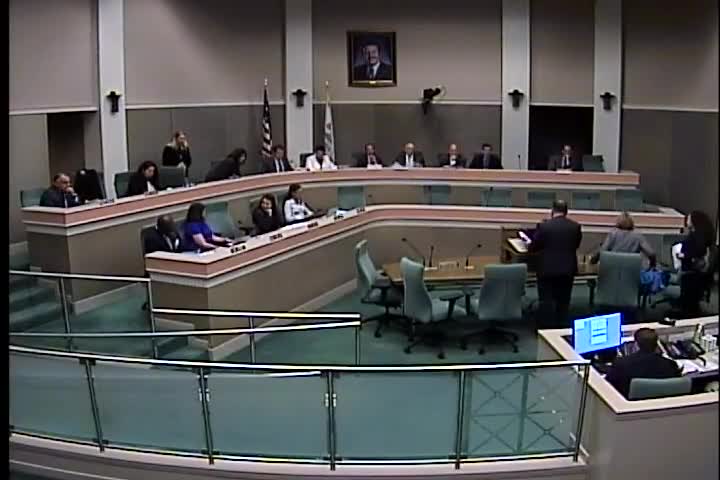 11MIN
Assembly Standing Committee on Health
Bill Author