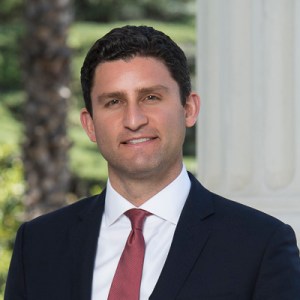
AB 2103: Firearms: license to carry concealed.
- Session Year: 2017-2018
- House: Assembly
- Latest Version Date: 2018-09-26
Existing law authorizes the sheriff of a county or the chief or other head of a municipal police department of any city or city and county to issue a license to carry a concealed firearm to an applicant for that license if the applicant is of good moral character, good cause exists for issuance of the license, the applicant meets specified residency requirements, and the applicant has completed a specified course of training, acceptable to the licensing authority.
Under existing law, the required course of training for an applicant must be no more than 16 hours and must cover firearm safety and laws regarding the permissible use of a firearm.
This bill would require that the course of training be at least 8 but not be required to exceed 16 hours. The bill would require the course of training to include instruction on firearm handling and shooting technique and to also include a demonstration by the applicant of shooting proficiency and safe handling of each firearm the applicant will be licensed to carry and to include live-fire exercises conducted on a firing range. The bill would require a licensing authority to establish, and make available to the public, standards it uses when issuing licenses with regards to the live-fire shooting exercises it requires, as specified. By imposing additional requirements on local licensing authorities, this bill would create a state-mandated local program.
The California Constitution requires the state to reimburse local agencies and school districts for certain costs mandated by the state. Statutory provisions establish procedures for making that reimbursement.
This bill would provide that, if the Commission on State Mandates determines that the bill contains costs mandated by the state, reimbursement for those costs shall be made pursuant to the statutory provisions noted above.
Existing law authorizes the sheriff of a county or the chief or other head of a municipal police department of any city or city and county to issue a license to carry a concealed firearm to an applicant for that license if the applicant is of good moral character, good cause exists for issuance of the license, the applicant meets specified residency requirements, and the applicant has completed a specified course of training, acceptable to the licensing authority.
Under existing law, the required course of training for an applicant must be no more than 16 hours and must cover firearm safety and laws regarding the permissible use of a firearm.
This bill would require that the course of training be at least 8 but not more than be required to exceed 16 hours. The bill would require the course of training to include instruction on firearm handling and shooting technique and to also include a demonstration by the applicant of shooting proficiency and safe handling of each firearm the applicant will be licensed to carry and to include live-fire exercises conducted on a firing range. The bill would require a licensing authority to establish, and make available to the public, standards it uses when issuing licenses with regards to the live-fire shooting exercises it requires, as specified. By imposing additional requirements on local licensing authorities, this bill would create a state-mandated local program.
The California Constitution requires the state to reimburse local agencies and school districts for certain costs mandated by the state. Statutory provisions establish procedures for making that reimbursement.
This bill would provide that, if the Commission on State Mandates determines that the bill contains costs mandated by the state, reimbursement for those costs shall be made pursuant to the statutory provisions noted above.
Existing law authorizes the sheriff of a county or the chief or other head of a municipal police department of any city or city and county to issue a license to carry a concealed firearm to an applicant for that license if the applicant is of good moral character, good cause exists for issuance of the license, the applicant meets specified residency requirements, and the applicant has completed a specified course of training, acceptable to the licensing authority.
Under existing law, the required course of training for an applicant must be no more than 16 hours and must cover firearm safety and laws regarding the permissible use of a firearm.
This bill would require that the course of training be at least 8 but not more than 16 hours. The bill would require the course of training to include instruction on firearm handling and shooting technique and to also include a demonstration by the applicant of shooting proficiency and safe handling of each firearm the applicant will be licensed to carry and to include live-fire exercises conducted on a firing range.
(a)For new license applicants, the course of training for issuance of a license under Section 26150 or 26155 may be any course acceptable to the licensing authority that meets all of the following criteria:
(1)The course shall be no less than eight hours, but shall not be required to exceed 16 hours in length.
(2)The course shall include instruction on firearm safety, firearm handling, shooting technique, and laws regarding the permissible use of a firearm.
(3)The course shall include live-fire shooting exercises on a firing range and shall include a demonstration by the applicant of safe handling of, and shooting proficiency with, each firearm that the applicant is applying to be licensed to carry.
(b)A licensing authority shall establish, and make available to the public, the standards it uses when issuing licenses with regards to the required live-fire shooting exercises, including, but not limited to, a minimum number of rounds to be fired and minimum passing scores from specified firing distances.
(c)Notwithstanding subdivision (a), the licensing authority may require a community college course certified by the Commission on Peace Officer Standards and Training, up to a maximum of 24 hours, but only if required uniformly of all license applicants without exception.
(d)For license renewal applicants, the course of training may be any course acceptable to the licensing authority, shall be no less than four hours, and shall satisfy the requirements of paragraphs (2) and (3) of subdivision (a). No course of training shall be required for any person certified by the licensing authority as a trainer for purposes of this section, in order for that person to renew a license issued pursuant to this article.
(e)The applicant shall not be required to pay for any training courses prior to the determination of good cause being made pursuant to Section 26202.
SEC. 2.If the Commission on State Mandates determines that this act contains costs mandated by the state, reimbursement to local agencies and school districts for those costs shall be made pursuant to Part 7 (commencing with Section 17500) of Division 4 of Title 2 of the Government Code.
(a)For new license applicants, the course of training for issuance of a license under Section 26150 or 26155 may be any course acceptable to the licensing authority that meets the following criteria:
(1)The course shall be no less than eight hours, but shall not be required to exceed 16 hours in length.
(2)The course shall include instruction on firearm safety, firearm handling, shooting technique, and laws regarding the permissible use of a firearm.
(3)The course shall include live-fire shooting exercises on a firing range and shall include a demonstration by the applicant of safe handling of, and shooting proficiency with, each firearm the applicant is applying to be licensed to carry.
(b)A licensing authority shall establish, and make available to the public, the standards it uses when issuing licenses with regards to the required live-fire shooting exercises it requires, exercises, including, but not limited to, a minimum number of rounds to be fired and minimum passing scores from specified firing distances.
(c)Notwithstanding subdivision (a), the licensing authority may require a community college course certified by the Commission on Peace Officer Standards and Training, up to a maximum of 24 hours, but only if required uniformly of all license applicants without exception.
(d)For license renewal applicants, the course of training may be any course acceptable to the licensing authority, shall be no less than four hours, and shall satisfy the requirements of paragraphs (2) and (3) of subdivision (a). No course of training shall be required for any person certified by the licensing authority as a trainer for purposes of this section, in order for that person to renew a license issued pursuant to this article.
(e)The applicant shall not be required to pay for any training courses prior to the determination of good cause being made pursuant to Section 26202.
SEC. 2.If the Commission on State Mandates determines that this act contains costs mandated by the state, reimbursement to local agencies and school districts for those costs shall be made pursuant to Part 7 (commencing with Section 17500) of Division 4 of Title 2 of the Government Code.
(a)For new license applicants, the course of training for issuance of a license under Section 26150 or 26155 may be any course acceptable to the licensing authority that meets the following criteria:
(1)The course shall be no less than eight hours, but shall not be required to exceed 16 hours in length.
(2)The course shall include instruction on firearm safety, firearm handling, shooting technique, and laws regarding the permissible use of a firearm.
(3)The course shall include live-fire shooting exercises on a firing range and shall include a demonstration by the applicant of safe handling of, and shooting proficiency with, each firearm the applicant is applying to be licensed to carry.
(b)A licensing authority shall establish, and make available to the public, standards it uses when issuing licenses with regards to the live-fire shooting exercises it requires, including, but not limited to, a minimum number of rounds to be fired and minimum passing scores from specified firing distances.
(b)(c)Notwithstanding subdivision (a), the licensing authority may require a community college course certified by the Commission on Peace Officer Standards and Training, up to a maximum of 24 hours, but only if required uniformly of all license applicants without exception.
(c)(d)For license renewal applicants, the course of training may be any course acceptable to the licensing authority, shall be no less than four hours, and shall satisfy the requirements of paragraphs (2) and (3) of subdivision (a). No course of training shall be required for any person certified by the licensing authority as a trainer for purposes of this section, in order for that person to renew a license issued pursuant to this article.
(d)(e)The applicant shall not be required to pay for any training courses prior to the determination of good cause being made pursuant to Section 26202.
SEC. 2.If the Commission on State Mandates determines that this act contains costs mandated by the state, reimbursement to local agencies and school districts for those costs shall be made pursuant to Part 7 (commencing with Section 17500) of Division 4 of Title 2 of the Government Code.
(a)For new license applicants, the course of training for issuance of a license under Section 26150 or 26155 may be any course acceptable to the licensing authority, shall not exceed 16 hours, and shall include instruction on at least firearm safety and the law regarding the permissible use of a firearm. authority that meets the following criteria:
(1)The course shall be no less than eight hours, but shall not exceed 16 hours in length.
(2)The course shall include instruction on firearm safety, firearm handling, shooting technique, and laws regarding the permissible use of a firearm.
(3)The course shall include live-fire shooting exercises on a firing range and shall include a demonstration by the applicant of safe handling of, and shooting proficiency with, each firearm the applicant is applying to be licensed to carry.
(b)Notwithstanding subdivision (a), the licensing authority may require a community college course certified by the Commission on Peace Officer Standards and Training, up to a maximum of 24 hours, but only if required uniformly of all license applicants without exception.
(c)For license renewal applicants, the course of training may be any course acceptable to the licensing authority, shall be no less than four hours, and shall include instruction on at least firearm safety and the law regarding the permissible use of a firearm. satisfy the requirements of paragraphs (2) and (3) of subdivision (a). No course of training shall be required for any person certified by the licensing authority as a trainer for purposes of this section, in order for that person to renew a license issued pursuant to this article.
(d)The applicant shall not be required to pay for any training courses prior to the determination of good cause being made pursuant to Section 26202.
|
Date
|
Status
|
|---|---|
| Sep 26, 2018 | Chaptered by Secretary of State - Chapter 752, Statutes of 2018. |
| Sep 26, 2018 | Approved by the Governor. |
| Sep 5, 2018 | Enrolled and presented to the Governor at 3 p.m. |
| Aug 27, 2018 | Senate amendments concurred in. To Engrossing and Enrolling. |
| Aug 22, 2018 | In Assembly. Concurrence in Senate amendments pending. May be considered on or after August 24 pursuant to Assembly Rule 77. |
| Aug 21, 2018 | Read third time. Passed. Ordered to the Assembly. |
| Aug 20, 2018 | Read second time. Ordered to third reading. |
| Aug 17, 2018 | From committee: Amend, and do pass as amended. (Ayes 5. Noes 2.) (August 16). |
| Jul 2, 2018 | In committee: Referred to APPR. suspense file. |
| Jun 13, 2018 | From committee: Do pass and re-refer to Com. on APPR. (Ayes 5. Noes 2.) (June 12). Re-referred to Com. on APPR. |
| May 21, 2018 | From committee chair, with author's amendments: Amend, and re-refer to committee. Read second time, amended, and re-referred to Com. on PUB. S. |
| May 10, 2018 | Referred to Com. on PUB. S. |
| Apr 30, 2018 | In Senate. Read first time. To Com. on RLS. for assignment. |
| Apr 30, 2018 | Read third time. Passed. Ordered to the Senate. |
| Apr 23, 2018 | Read third time and amended. Ordered to third reading. |
| Apr 5, 2018 | Read second time. Ordered to third reading. |
| Apr 4, 2018 | From committee: Do pass. (Ayes 11. Noes 3.) (April 4). |
| Mar 21, 2018 | From committee: Do pass and re-refer to Com. on APPR. (Ayes 6. Noes 1.) (March 20). Re-referred to Com. on APPR. |
| Mar 15, 2018 | Re-referred to Com. on PUB. S. |
| Mar 14, 2018 | From committee chair, with author's amendments: Amend, and re-refer to Com. on PUB. S. Read second time and amended. |
| Feb 22, 2018 | Referred to Com. on PUB. S. |
| Feb 9, 2018 | From printer. May be heard in committee March 11. |
| Feb 8, 2018 | Read first time. To print. |
|
Date
|
Description
|
Location
|
Votes
|
|
|---|---|---|---|---|
| Aug 27, 2018 | AB 2103 GLORIA Concurrence in Senate Amendments | Assembly Floor |
Passed |
|
| Aug 21, 2018 | Assembly 3rd Reading AB2103 Gloria et al. By Portantino | Senate Floor |
Passed |
|
| Aug 16, 2018 | Do pass as amended | Senate Standing Committee on Appropriations |
Passed |
|
| Jul 2, 2018 | Placed on suspense file | Senate Standing Committee on Appropriations |
Passed |
|
| Jun 12, 2018 | Do pass, but first be re-referred to the Committee on [Appropriations] | Senate Standing Committee on Public Safety |
Passed |
|
| Apr 30, 2018 | AB 2103 GLORIA Assembly Third Reading | Assembly Floor |
Passed |
|
| Apr 4, 2018 | Do pass. | Assembly Standing Committee on Appropriations |
Passed |
|
| Mar 20, 2018 | Do pass and be re-referred to the Committee on [Appropriations] | Assembly Standing Committee on Public Safety |
Passed |
This list shows positions taken on this bill by organizations on the date displayed, which is linked to the original source.
Positions by individuals are not included.
|
Organization
|
Position
|
Date
|
|---|---|---|
| 66 Individuals | ** Support | Aug 20, 2018 |
| American Academy Of Pediatrics California | ** Support | Aug 20, 2018 |
| Bay Area Student Activists | ** Support | Aug 20, 2018 |
| Brady Campaign to Prevent Gun Violence | ** Support | Aug 20, 2018 |
| California Federation Of Teachers | ** Support | Aug 20, 2018 |
| California Police Chiefs Association | ** Support | Aug 20, 2018 |
| California Rifle and Pistol Association | * Against | Mar 20, 2018 |
| California State Sheriffs' Association | ** Support | Aug 20, 2018 |
| Equality California | * Support | Apr 4, 2018 |
| Everytown for Gun Safety | ** Support | Aug 20, 2018 |
| Firearms Policy Coalition | ** Against | Aug 20, 2018 |
| Giffords Law Center To Prevent Gun Violence | ** Support | Aug 20, 2018 |
| Good Cause Exists For Issuance Of The License; | ** Against | Jun 11, 2018 |
| Gun Owners California | * Against | Jun 12, 2018 |
| Moms Demand Action for Gun Sense in America | * Support | Jun 12, 2018 |
| National Rifle Assocation | * Against | Jun 12, 2018 |
| PURPOSE | ** Against | Jun 11, 2018 |
| The Applicant Fulfills Residency Requirements; And | ** Against | Jun 11, 2018 |
| The Applicant Has Completed Required Course Of Training. | ** Against | Jun 11, 2018 |
| The Applicant Is Of Good Moral Character; | ** Against | Jun 11, 2018 |
| Youth ALIVE! | * Support | Mar 20, 2018 |
CONCURRENCE IN SENATE AMENDMENTS
CSA1 Bill Id:AB 2103
Author:(Gloria)
As Amended Ver:August 17, 2018
Majority vote
ASSEMBLY: | 57-20 | (April 30, 2018) | SENATE: | 28-9 | (August 21, 2018) |
Original Committee Reference: PUB. S.
SUMMARY: Requires that the training for applicants for a license to carry a concealed firearm (CCW) shall be no less than eight hours in length, and specifies safe handling and shooting proficiency requirements. Specifically, this bill:
The Senate amendments make a technical non-substantive change.
EXISTING LAW:
- Provides a county sheriff or municipal police chief may issue a CCW upon proof that:
- The person applying is of good moral character;
- Good cause exists for the issuance;
- The person applying meets the appropriate residency requirements; and,
- The person has completed the appropriate training course.
- Provides that the license may either:
- Allow the person to carry a concealed firearm on his or her person; or,
- Allow the person to carry a loaded and exposed firearm in a county whose population is less than 200,000 persons according to the most recent federal decennial census.
- States that for a new applicant for a CCW, the course of training for issuance of a CCW may be any course acceptable to the licensing authority and shall not exceed 16 hours, and shall include instruction on at least firearm safety and the law regarding the permissible use of a firearm.
- Provides that a CCW license is valid for up to two years, three years for judicial officers, or four years in the case of a reserve or auxiliary peace officer.
- Provides that a license may include any reasonable restrictions or conditions that the issuing authority deems warranted, which shall be listed on the license.
- Provides that the fingerprints of each applicant are taken and submitted to the Department of Justice (DOJ). Provides criminal penalties for knowingly filing a false application for a concealed weapon license.
- Specifies that applications for CCW licenses, applications for amendments to CCW licenses, amendments to CCW licenses, and CCW licenses under this article shall be uniform throughout the state, upon forms to be prescribed by the Attorney General.
- Provides that the Attorney General shall convene a committee composed of one representative of the California State Sheriffs' Association, one representative of the California Police Chiefs Association, and one representative of the DOJ to review, and, as deemed appropriate, revise the standard application form for CCW licenses. The committee shall meet for this purpose if two of the committee's members deem that necessary.
- States that the application shall include a section summarizing the statutory provisions of state law that result in the automatic denial of a license.
- Provides that the standard application form for CCW licenses shall require information from the applicant, including, but not limited to, the name, occupation, residence, and business address of the applicant, the applicant's age, height, weight, color of eyes and hair, and reason for desiring a license to carry the weapon.
- Specifies that applications for licenses shall be filed in writing and signed by the applicant.
- Provides that applications for amendments to CCW licenses shall be filed in writing and signed by the applicant, and shall state what type of amendment is sought and the reason for desiring the amendment.
- States that the forms shall contain a provision whereby the applicant attests to the truth of statements contained in the application.
- Provides that an applicant shall not be required to complete any additional application or form for a license, or to provide any information other than that necessary to complete the standard application form, except to clarify or interpret information provided by the applicant on the standard application form.
- States that the standard application form is deemed to be a local form expressly exempt from the requirements of the Administrative Procedures Act.
- Provides that any CCW license issued upon the application shall set forth the licensee's name, occupation, residence and business address, the licensee's age, height, weight, color of eyes and hair, and the reason for desiring a license to carry the weapon, and shall, in addition, contain a description of the weapon or weapons authorized to be carried, giving the name of the manufacturer, the serial number, and the caliber. The license issued to the licensee may be laminated.
- Provides that except as authorized by the DOJ, no firearms dealer may deliver a handgun unless the recipient performs a safe handling demonstration with the handgun, and the safe handling demonstration must be performed in front of a DOJ certified instructor.
- States that is the intent of the Legislature to require that persons who obtain a firearm to have a basic familiarity with those firearms, including, but not limited to, the safe handling and storage of those firearms.
- Provides that a person shall not do either of the following:
- Purchase or receive any firearm, except an antique firearm, without a valid handgun safety certificate, except that in the case of a handgun, an unexpired handgun safety certificate may be used; and
- Sell, deliver, loan, or transfer any firearm, except an antique firearm, to any person who does not have a valid firearm safety certificate, except in the case of a handgun, an unexpired handgun safety certificate.
AS PASSED BY THE ASSEMBLY, this bill:
- Provided that the course of training for applicants for a CCW license may be any course acceptable to the licensing authority that meets the following criteria:
- The course shall be no less than eight hours, but shall not exceed 16 hours in length;
- The course shall include instruction on firearm safety, firearm handling, shooting technique, and laws regarding the permissible use of a firearm; and,
- The course shall include live-fire shooting exercises on a firing range and shall include a demonstration by the applicant of safe handling of, and shooting proficiency with each firearm the applicant is applying for a license to carry.
- Required the licensing authority to establish, and make available to the public, standards for live-fire shooting exercises that include, without limitation, a minimum number of rounds to be fired and minimum passing scores at specified firing distances.
- Required that an applicant for a renewal of a CCW to satisfy safe handling and shooting proficiency requirements.
FISCAL EFFECT: According to the Senate Appropriations Committee, unknown, potentially- reimbursable one-time costs over $50,000 in the aggregate for county sheriffs and police chiefs to establish live-fire shooting exercise standards used to when issuing a CCW license if one is not currently in place and to make those standards available to the public. Ongoing costs likely would be negligible. Local costs to comply with this measure would be subject to reimbursement by the state to the extent that the Commission on State Mandates determines that this bill imposes a state-mandated local program. Considering that there are 58 county sheriffs and a large number of police chiefs that issue CCW licenses, initial costs to comply with this measure could be substantial in the aggregate. (General Fund/local funds)
COMMENTS: According to the author, "Under current law, a person who has never even fired a gun or received proper training on how to safely handle one can receive a concealed carry permit from a local jurisdiction and then legally carry a loaded firearm in public. This puts public safety in jeopardy as these deadly weapons could end up in the wrong and untrained hands. AB 2103 will set a minimum time training standard as well as mandate concealed carry applicants demonstrate safe-handling proficiency on a firing range.
"Additionally, while current law sets a maximum time training standard at 16 hours, it is silent on how many hours a concealed carry applicant should receive training. AB 2103 would mandate all concealed carry applicants complete no less than eight hours of training on firearm safety, proper handling, and the laws governing the permissible use of a firearm.
"Finally, AB 2103 would establish a new requirement that concealed carry applicants must perform live-fire shooting exercises on a firing range to demonstrate proficiency with handling a firearm. If an applicant cannot demonstrate proficiency, then the license cannot be granted. To put this in perspective: California requires applicants for driver's licenses to demonstrate proficiency behind-the-wheel of a vehicle before the DMV issues a driver's license. In fact, we require first-time young drivers to receive 25 hours of classroom training in addition to another 50 hours behind-the-wheel. Adults must take a written exam as well as a behind-the-wheel exam. Yet, state law fails to prescribe similar requirements for firearms.
"Throughout California, many local licensing authorities have already adopted these kinds of provisions in their local policies; they have recognized the gap that exists in current law. That is why AB 2103 is necessary – to set a statewide standard across California. It is my belief that this will ultimately ensure that every person who wishes to receive a concealed carry permit has been through the appropriate instruction and training and can demonstrate safe-handling proficiency."
Analysis Prepared by: Gregory Pagan / PUB. S. / (916) 319-3744 FN: 0004407
Office of Senate Floor Analyses (916) 651-1520 Fax: (916) 327-4478 | AB |
THIRD READING
Bill No: AB 2103
Amended: 8/17/18 in Senate
SENATE PUBLIC SAFETY COMMITTEE: 5-2, 6/12/18
AYES: Skinner, Bradford, Jackson, Mitchell, Wiener
NOES: Anderson, Stone
SENATE APPROPRIATIONS COMMITTEE: 5-2, 8/16/18
AYES: Portantino, Beall, Bradford, Hill, Wiener
NOES: Bates, Nielsen
ASSEMBLY FLOOR: 57-20, 4/30/18 - See last page for vote
SOURCE: Everytown for Gun Safety
DIGEST:
This bill requires the training for license to carry a concealed firearm to be at least eight hours and to include firearm handling and shooting proficiency requirements.
Existing law:
- States that a sheriff may issue a license to carry a concealed firearm (CCW) upon proof of the following (Pen. Code § 26150, subds. (a)(1)-(4)):
- The applicant is of good moral character;
- Good cause exists for issuance of the license;
- The applicant fulfills residency requirements; and
- The applicant has completed required course of training.
- States that for new CCW applicants, the course of training shall not exceed 16 hours, and shall include instruction on at least firearm safety and the law regarding the permissible use of a firearm. (Pen. Code § 26165, subd. (a).)
- States that the chief of other head of a municipal police department may issue a CCW in either of the following formats. (Pen. Code § subds. (b)(1)-(2)):
- A license to carry concealed a pistol, revolver, or other firearm capable of being concealed upon a person; or
- A license to carry a firearm loaded and exposed in a county of less than 200,000 people.
- States that a CCW is valid for two years from the date of the issuance. (Pen. Code § 26220, subd. (a).)
- States that the CCW is valid for three years from the date of the issuance if the license were issued to a judicial officer, or four years if issued to a reserve or auxiliary peace officer. (Pen. Code § 26220, subds. (c) & (d).)
- States that an issued CCW may include any reasonable restrictions or conditions that the issuing authority deems warranted, and these restrictions shall be indicated on the license. (Pen. Code § 26200, subds. (a) & (b).)
- Requires the fingerprints of each CCW applicant be taken and copies forwarded to the Department of Justice (DOJ). (Pen. Code § 26185, subd. (a).)
- States that no CCW shall be issued by any licensing authority until after the receipt of the report from DOJ. (Pen. Code § 26185, subd. (a)(3).)
- Provides criminal penalties for knowingly filing in a false application for a CCW license. (Pen. Code § 26180, (a).)
- States that the Attorney General shall develop uniform applications for CCWs and application for amendments to licenses throughout the state. (Pen. Code § 26175, (a)(1) & (a)(3)(A).)
- Requires the CCW application to include a section summarizing the requirements of state law that result in the automatic denial of a license. (Pen. Code § 26175, subd. (c).)
- Requires the standard application form for CCW to include information from the applicant, but not limit to, the name, occupation, residence, and business address of the applicant, the applicant’s age, height, weight, color of eyes and hair, and reason for desiring a license to carry the weapon. (Pen. Code § 26175, subd (c).)
- Specifies that the applicants for CCWs shall be filed with writing and signed by the applicant. (Pen. Code § 26175, subd (d).)
- Specifies that applications for amendments to CCW licenses shall be filed in writing and signed by the applicant, and shall state what type of amendment is sought and the reason for desiring the amendment. (Pen. Code § 26175, subd (e).)
- Requires the forms to contain a provision whereby the applicant attests to the truth of the statements contained in the application. (Pen. Code § 26175, subd (f).)
- States that an applicant shall not be required to complete any additional application or form for a license, or to provide any information other than that necessary to complete the standard application form, except to clarify or interpret information provided by the applicant on the standard application form. (Pen. Code § 26175, subd (g).)
- States that the standard application form is deemed to be a local form expressly exempt from the requirement of the Administrative Procedure Act. (Pen. Code § 26175, subd (h).)
- Provides that any CCW license issued upon the application shall set forth the licensee's name, occupation, residence and business address, the licensee's age, height, weight, color of eyes and hair, and the reason for desiring a license to carry the weapon, and shall, in addition, contain a description of the weapon or weapons authorized to be carried, giving the name of the manufacturer, the serial number, and the caliber. The license issued to the licensee may be laminated. (Pen. Code § 26175, subd (i).)
- States that no firearms dealer may deliver a handgun unless the recipient performs a safe handling demonstration with that handgun. (Pen. Code § 26850, subd. (a).)
- Requires that the safe handling demonstration commence with the handgun unloaded and locked with the firearm safety device with which it is required to be delivered, if applicable. (Pen. Code § 26850, subd. (b).)
- States that while maintaining muzzle awareness and trigger discipline at all times, the handgun recipient shall correctly and safely perform specified steps if the handgun is a semiautomatic pistol, double-action revolver, or single-action revolver. (Pen. Code § 26850, subd. (b)(1)-(3).)
- States that the firearms dealer shall sign and date an affidavit stating that the fulfillment of safe handling demonstration and specified steps have been met. The firearms dealer shall additionally obtain the signature of the handgun purchaser on the same affidavit and the dealer shall retain the original affidavit as proof of compliance with the requirement. (Pen. Code § 26850, subd. (d).)
- Specifies that the recipient shall perform the safe handling demonstration for a department-certified instructor. (Pen. Code § 26850, subd. (e).)
- States that it is the intent of the Legislature to require that persons who obtain a firearm have basic familiarity with those firearms including, but not limited to, the safe handling and storage of those firearms. (Pen. Code § 31610.)
- Prohibits a person from doing either of the following (Pen. Code § 31615, subds. (a) & (b).):
- Except an antique firearm, purchase or receive any firearm without a valid handgun safety certificate;
- Except an antique firearm, sell, deliver, loan, or transfer any firearm to any person who does not have a valid firearm safety certificate; and
- Except that in the case of a handgun, an unexpired handgun safety certificate may be used.
This bill requires the training for license to CCW to be at least eight hours and to include firearm handling and shooting proficiency requirements.
Background
Current California statute states that for CCW applicants, the course of training shall not exceed 16 hours, and shall include instruction on at least firearm safety and the law regarding the permissible use of a firearm. (Pen. Code § 26165, subd. (a).)
Many counties and existing training providers often require training that is at least eight hours or more. Many CCW training academies provide two day trainings with safety procedures, handgun operations, live-fire exercises, firearm malfunctions, demonstration of familiarity, and more.
Any person purchasing or obtaining a firearm in California must obtain a valid firearm or handgun safety certificate or a CCW (Pen. Code, § 31615). To obtain a CCW, an applicant must pass a written test developed by the DOJ (Pen. Code, § (31645).
Furthermore, a person cannot possess a firearm from a firearms dealer unless the recipient performs a safe handling demonstration with a handgun. The safe handing demonstration must be performed in front of a DOJ certified instructor (Pen. Code § 26850, subd. (a).) The safe handling demonstration must begin with an unloaded handgun and a locked safety device (Pen. Code § 26850, subd. (b).)While maintaining muzzle awareness, pointing the firearm in a safe direction, and maintaining trigger discipline, correctly and safety performing a number of steps articulated in Penal Code Section 26853, 26856, and 26859, as specified.
Under current law, handgun recipient must correctly and safely perform specified steps if the handgun is a semiautomatic pistol, double-action revolver, or single-action revolver while maintaining muzzle awareness and trigger discipline at all times (Pen. Code § 26850, subd. (b)(1)-(3).) Thus, at the issuance of a CCW, an applicant would presumably have basic knowledge regarding firearms safety and safe storage, as well as being able to safety handle any firearm in their possession.
This bill requires that the training course for the issuance of a CCW include instruction on firearm safety, handling, shooting technique, and laws regarding the permissible use of a firearm.
FISCAL EFFECT: Appropriation: Fiscal Com.: Local:
According to the Senate Appropriations Committee, unknown, potentially- reimbursable one-time costs over $50,000 in the aggregate for county sheriffs and police chiefs to establish live-fire shooting exercise standards used to when issuing a CCW license if one is not currently in place and to make those standards available to the public. Ongoing costs likely would be negligible. Local costs to comply with this measure would be subject to reimbursement by the state to the extent that the Commission on State Mandates determines that this bill imposes a state-mandated local program. Considering that there are 58 county sheriffs and a large number of police chiefs that issue CCW licenses, initial costs to comply with this measure could be substantial in the aggregate. (General Fund/local funds)
Everytown for Gun Safety (source)
American Academy of Pediatrics California
Bay Area Student Activists
Brady Campaign to Prevent Gun Violence
California Federation of Teachers
California Police Chiefs Association
California State Sheriffs’ Association
Giffords Law Center to Prevent Gun Violence
66 individuals
OPPOSITION: (Verified 8/16/18)
Firearms Policy Coalition
ASSEMBLY FLOOR: 57-20, 4/30/18
AYES: Acosta, Aguiar-Curry, Arambula, Baker, Berman, Bloom, Bonta, Burke, Caballero, Calderon, Carrillo, Cervantes, Chau, Chiu, Chu, Cooper, Dahle, Daly, Eggman, Frazier, Friedman, Gallagher, Eduardo Garcia, Gipson, Gloria, Gonzalez Fletcher, Gray, Grayson, Holden, Irwin, Jones-Sawyer, Kalra, Kamlager-Dove, Lackey, Levine, Limón, Low, Maienschein, McCarty, Medina, Mullin, Muratsuchi, Nazarian, O'Donnell, Quirk, Quirk-Silva, Reyes, Rodriguez, Rubio, Salas, Santiago, Mark Stone, Thurmond, Ting, Weber, Wood, Rendon
NOES: Travis Allen, Bigelow, Brough, Chávez, Chen, Choi, Cooley, Cunningham, Flora, Fong, Harper, Kiley, Mathis, Mayes, Melendez, Obernolte, Patterson, Steinorth, Voepel, Waldron
NO VOTE RECORDED: Cristina Garcia
8/20/18 9:15:24
**** END ****
SENATE COMMITTEE ON APPROPRIATIONS
Senator Anthony Portantino, Chair
2017 - 2018 Regular Session
AB 2103 (Gloria) - Firearms: license to carry concealed
Version: May 21, 2018 | Policy Vote: PUB. S. 5 - 2 |
Urgency: No | Mandate: Yes |
Hearing Date: August 16, 2018 | Consultant: Shaun Naidu |
Bill Summary:
AB 2103 would specify minimum training requirements for applicants for a license to carry a concealed weapon (CCW) and would require the licensing law enforcement agency to establish, and make publicly available, standards used when issuing licenses, as specified.
*********** ANALYSIS ADDENDUM – SUSPENSE FILE ***********
The following information is revised to reflect amendments
adopted by the committee on August 16, 2018
Fiscal Impact:
Unknown, potentially- reimbursable one-time costs over $50,000 in the aggregate for county sheriffs and police chiefs to establish live-fire shooting exercise standards used to when issuing a CCW license if one is not currently in place and to make those standards available to the public. Ongoing costs likely would be negligible. Local costs to comply with this measure would be subject to reimbursement by the state to the extent that the Commission on State Mandates determines that this bill imposes a state-mandated local program. Considering that there are fifty-eight county sheriffs and a large number of police chiefs that issue CCW licenses, initial costs to comply with this measure could be substantial in the aggregate. (General Fund/local funds)
Author Amendments:
Add a coauthor.
-- END --
SENATE COMMITTEE ON
Senator Anthony Portantino, Chair
2017 - 2018 Regular Session
AB 2103 (Gloria) - Firearms: license to carry concealed
Version: | Policy Vote: |
Urgency: | Mandate: |
Hearing Date: | Consultant: |
This bill meets the criteria for referral to the Suspense File.
Bill Summary:
AB 2103 would specify minimum training requirements for applicants for a license to carry a concealed weapon (CCW) and would require the licensing law enforcement agency to establish, and make publicly available, standards used when issuing licenses, as specified.
Fiscal Impact:
Unknown, potentially- reimbursable one-time costs over $50,000 in the aggregate for county sheriffs and police chiefs to establish live-fire shooting exercise standards used to when issuing a CCW license if one is not currently in place and to make those standards available to the public. Ongoing costs likely would be negligible. Local costs to comply with this measure would be subject to reimbursement by the state to the extent that the Commission on State Mandates determines that this bill imposes a state-mandated local program. Considering that there are fifty-eight county sheriffs and a large number of police chiefs that issue CCW licenses, initial costs to comply with this measure could be substantial in the aggregate. (General Fund/local funds)
Background:
Current law allows a county sheriff or municipal police chief to issue a CCW license provided the applicant meets certain requirements. Among existing statutory requirements is that the applicant must complete a course of training of no more than sixteen hours in length. It is the responsibility of each sheriff or police chief to determine more specifically the type of training required within the sixteen-hour maximum for issuance of a CCW license.
Proposed Law:
This bill would:
- Require that the course of training needed to apply for a CCW license be at least eight but not more than sixteen hours.
- Require the course of training to include the following:
- Instruction on firearm handling and shooting technique.
- A demonstration by the applicant of shooting proficiency and safe handling of each firearm the applicant will be licensed to carry.
- Live-fire exercises conducted on a firing range.
- Require a licensing authority to establish, and make publicly available, standards it uses when issuing licenses with regards to the live-fire shooting exercises, including a minimum number of rounds to be fired and minimum passing scores from specified firing distances.
Related Legislation:
AB 450 (McCarty, 2016), which was vetoed, would have repealed the statutory cap on fees that a sheriff could charge for issuing a CCW license.
-- END --
SENATE COMMITTEE ON PUBLIC SAFETY
Senator Nancy Skinner, Chair
2017 - 2018 Regular
Bill No: AB 2103 Hearing Date: June 12, 2018
Author: | Gloria | ||
Version: | May 21, 2018 | ||
Urgency: | No | Fiscal: | Yes |
Consultant: | EC | ||
Subject: Firearms: License to Carry Concealed
HISTORY
Source: Everytown for Gun Safety
Prior Legislation: AB 450 (McCarty), 2016, vetoed by the Governor
Support: American Academy of Pediatrics California; Bay Area Student Activists; Brady Campaign to Prevent Gun Violence; California Federation of Teachers; California Police Chiefs Association; California State Sheriffs’ Association; Giffords Law Center to Prevent Gun Violence; 64 Individuals
Opposition: Firearms Policy Coalition
Assembly Floor Vote: 57 - 20
PURPOSE
The purpose of this bill is to require the training for license to carry a concealed firearm to be at least 8 hours and to include firearm handling and shooting proficiency requirements.
Existing law states that a sheriff may issue a license to carry a concealed firearm (CCW) upon proof of the following (Pen. Code § 26150, subds. (a)(1)-(4)):
- The applicant is of good moral character;
- Good cause exists for issuance of the license;
- The applicant fulfills residency requirements; and
- The applicant has completed required course of training.
Existing law states that for new CCW applicants, the course of training shall not exceed 16 hours, and shall include instruction on at least firearm safety and the law regarding the permissible use of a firearm. (Pen. Code § 26165, subd. (a).)
Existing law states that the chief of other head of a municipal police department may issue a CCW in either of the following formats. (Pen. Code § subds. (b)(1)-(2)):
- A license to carry concealed a pistol, revolver, or other firearm capable of being concealed upon a person; or
- A license to carry a firearm loaded and exposed in a county of less than 200,000 people.
Existing law states that a CCW is valid for two years from the date of the issuance. (Pen. Code § 26220, subd. (a).)
Existing law states that the CCW is valid for three years from the date of the issuance if the license were issued to a judicial officer, or four years if issued to a reserve or auxiliary peace officer. (Pen. Code § 26220, subds. (c) & (d).)
Existing law states that an issued CCW may include any reasonable restrictions or conditions that the issuing authority deems warranted, and these restrictions shall be indicated on the license. (Pen. Code § 26200, subds. (a) & (b).)
Existing law requires the fingerprints of each CCW applicant be taken and copies forwarded to the Department of Justice. (Pen. Code § 26185, subd. (a).)
Existing law states that no CCW shall be issued by any licensing authority until after the receipt of the report from the Department of Justice. (Pen. Code § 26185, subd. (a)(3).)
Existing law provides criminal penalties for knowingly filing in a false application for a CCW license. (Pen. Code § 26180, (a).)
Existing law states that the Attorney General shall develop uniform applications for CCWs and application for amendments to licenses throughout the state. (Pen. Code § 26175, (a)(1) & (a)(3)(A).)
Existing law requires the CCW application to include a section summarizing the requirements of state law that result in the automatic denial of a license. (Pen. Code § 26175, subd. (c).)
Existing law requires the standard application form for CCW to include information from the applicant, but not limit to, the name, occupation, residence, and business address of the applicant, the applicant’s age, height, weight color of eyes and hair, and reason for desiring a license to carry the weapon. (Pen. Code § 26175, subd (c).)
Existing law specifies that the applicants for CCWs shall be filed with writing and signed by the applicant. (Pen. Code § 26175, subd (d).)
Existing law specifies that applications for amendments to CCW licenses shall be filed in writing and signed by the applicant, and shall state what type of amendment is sought and the reason for desiring the amendment. (Pen. Code § 26175, subd (e).)
Existing law requires the forms to contain a provision whereby the applicant attests to the truth of the statements contained in the application. (Pen. Code § 26175, subd (f).)
Existing law states that an applicant shall not be required to complete any additional application or form for a license, or to provide any information other than that necessary to complete the standard application form, except to clarify or interpret information provided by the applicant on the standard application form. (Pen. Code § 26175, subd (g).)
Existing law states that the standard application form is deemed to be a local form expressly exempt from the requirement of the Administrative Procedure Act. (Pen. Code § 26175, subd (h).)
Existing law provides that any CCW license issued upon the application shall set forth the licensee's name, occupation, residence and business address, the licensee's age, height, weight, color of eyes and hair, and the reason for desiring a license to carry the weapon, and shall, in addition, contain a description of the weapon or weapons authorized to be carried, giving the name of the manufacturer, the serial number, and the caliber. The license issued to the licensee may be laminated. (Pen. Code § 26175, subd (i).)
Existing law states that no firearms dealer may deliver a handgun unless the recipient performs a safe handling demonstration with that handgun. (Pen. Code § 26850, subd. (a).)
Existing law requires that the safe handling demonstration commence with the handgun unloaded and locked with the firearm safety device with which it is required to be delivered, if applicable. (Pen. Code § 26850, subd. (b).)
Existing law states that while maintaining muzzle awareness and trigger discipline at all times, the handgun recipient shall correctly and safely perform specified steps if the handgun is a semiautomatic pistol, double-action revolver, or single-action revolver. (Pen. Code § 26850, subd. (b)(1)-(3).)
Existing law states that the firearms dealer shall sign and date an affidavit stating that the fulfillment of safe handling demonstration and specified steps have been met. The firearms dealer shall additionally obtain the signature of the handgun purchaser on the same affidavit and the dealer shall retain the original affidavit as proof of compliance with the requirement. (Pen. Code § 26850, subd. (d).)
Existing law specifies that the recipient shall perform the safe handling demonstration for a department-certified instructor. (Pen. Code § 26850, subd. (e).)
Existing law states that it is the intent of the Legislature to require that persons who obtain a firearm have basic familiarity with those firearms including, but not limited to, the safe handling and storage of those firearms. (Pen. Code § 31610.)
Existing law prohibits a person from doing either of the following (Pen. Code § 31615, subds. (a) & (b).):
- Except an antique firearm, purchase or receive any firearm without a valid handgun safety certificate;
Except an antique firearm, sell, deliver, loan, or transfer any firearm to any person who does not have a valid firearm safety certificate; and - Except that in the case of a handgun, an unexpired handgun safety certificate may be used.
- Except an antique firearm, purchase or receive any firearm without a valid handgun safety certificate;
This bill requires the training for license to carry a concealed firearm to be at least 8 hours and to include firearm handling and shooting proficiency requirements.
COMMENTS
1. Need for this Bill
The author states:
Under current law, a person who has never even fired a gun or received proper training on how to safely handle one can receive a concealed carry permit from a local jurisdiction and then legally carry a loaded firearm in public. This puts public safety in jeopardy as these deadly weapons could end up in the wrong and untrained hands. AB 2103 will set a minimum time training standard as well as mandate concealed carry applicants demonstrate safe-handling proficiency on a firing range.
Additionally, while current law sets a maximum time training standard at 16 hours, it is silent on how many hours a concealed carry applicant should receive training. AB 2103 would mandate all concealed carry applicants complete no less than eight hours of training on firearm safety, proper handling, and the laws governing the permissible use of a firearm.
Finally, AB 2103 would establish a new requirement that concealed carry applicants must perform live-fire shooting exercises on a firing range to demonstrate proficiency with handling a firearm. If an applicant cannot demonstrate proficiency, then the license cannot be granted. To put this in perspective: California requires applicants for driver’s licenses to demonstrate proficiency behind-the-wheel of a vehicle before the DMV issues a driver’s license. In fact, we require first-time young drivers to receive 25 hours of classroom training in addition to another 50 hours behind-the-wheel. Adults must take a written exam as well as a behind-the-wheel exam. Yet, state law fails to prescribe similar requirements for firearms.
Throughout California, many local licensing authorities have already adopted these kinds of provisions in their local policies; they have recognized the gap that exists in current law. That is why AB 2103 is necessary – to set a statewide standard across California. It is my belief that this will ultimately ensure that every person who wishes to receive a concealed carry permit has been through the appropriate instruction and training and can demonstrate safe-handling proficiency.
2. 8-Hour Training Requirements
Current California statute states that for CCW applicants, the course of training shall not exceed 16 hours, and shall include instruction on at least firearm safety and the law regarding the permissible use of a firearm. (Pen. Code § 26165, subd. (a).)
Many counties and existing training providers often require training that is at least 8-hours or more. Many CCW training academies provide two day trainings with safety procedures, handgun operations, live-fire exercises, firearm malfunctions, demonstration of familiarity, and more.[1]
3. Firearm Safety and Safe Handling Requirements
Any person purchasing or obtaining a firearm in California must obtain a valid firearm or handgun safety certificate or a CCW (Pen. Code, § 31615). To obtain a CCW, an applicant must pass a written test developed by the DO (Pen. Code, § (31645).
Furthermore, a person cannot possess a firearm from a firearms dealer unless the recipient performs a safe handling demonstration with a handgun. The safe handing demonstration must be performed in front of a DOJ certified instructor (Pen. Code § 26850, subd. (a).) The safe handling demonstration must begin with an unloaded handgun and a locked safety device (Pen. Code § 26850, subd. (b).)While maintaining muzzle awareness, pointing the firearm in a safe direction, and maintaining trigger discipline, correctly and safety performing a number of steps articulated in Penal Code section 26853, 26856, and 26859, as specified.
Under current law, handgun recipient must correctly and safely perform specified steps if the handgun is a semiautomatic pistol, double-action revolver, or single-action revolver while maintaining muzzle awareness and trigger discipline at all times (Pen. Code § 26850, subd. (b)(1)-(3).) Thus, at the issuance of a CCW, an applicant would presumably have basic knowledge regarding firearms safety and safe storage, as well as being able to safety handle any firearm in their possession.
This bill requires that the training course for the issuance of a CCW include instruction on firearm safety, handling, shooting technique, and laws regarding the permissible use of a firearm.
4. Argument in Support
According to the California State Sheriffs’ Association:
In order for a person to obtain a CCW, they must apply for the license through a chief of police or a county sheriff. The applicant must meet residency requirements, have a good cause for its issuance, and complete a firearms training course. While many sheriffs already require a minimum of eight hours of training, statute only specifies a maximum of training (16 hours) that can be required.
AB 2103 sets a minimum length for CCW courses (no less than eight hours), reflecting common practice in many Sheriffs’ offices. The bill additionally specifies that the CCW course must include instruction on firearm handling and shooting technique as well as requires a course to include live-fire shooting exercises.
Ensuring proper qualifications and training for prospective CCW holders is a paramount safety issue.
5. Argument in Opposition
According to the Firearms Policy Coalition:
AB 2103 would add new mandates for training on “firearm handling” and “shooting technique” but provides no standards for these terms. This would result in hundreds of sheriffs and police chiefs throughout the state having to draft, review, adopt, and monitor their own standards among thousands of individual CCW trainers and firms.
And firearm training philosophies and shooting techniques [necessarily] vary wildly based on many factors – even (perhaps especially) among law enforcement agencies and officers, and certainly among training professionals who constantly refine their curricula to suit the needs of their students and improve outcomes based on experience and new information. AB 2103 would also require “live-fire shooting exercises on a firing range.” This proposed requirement is vague and ambiguous, and again, casually enacts a burdensome new mandate then leaves it up to hundreds of difference law enforcement agencies to determine how it should be interpreted and applied.
-- END –
“California Concealed Carry Weapons (CCW) Course,” California Tactical Academy (blog), accessed May 31, 2018, https://californiatacticalacademy.com/product/california-ccw-course/. ↑
ASSEMBLY THIRD READING
ATR Bill Id:AB 2103
Author:(Gloria)
As Amended Ver:April 23, 2018
Majority vote
Committee | Votes | Ayes | Noes |
Public Safety | 6-1 | Jones-Sawyer, Lackey, Carrillo, Gonzalez Fletcher, Quirk, Santiago | Kiley |
Appropriations | 11-3 | Gonzalez Fletcher, Bloom, Bonta, Calderon, Carrillo, Chau, Eggman, Friedman, Eduardo Garcia, Quirk, Reyes | Bigelow, Fong, Obernolte |
SUMMARY: Requires that the training for applicants for a license to carry a concealed firearm (CCW) shall be no less than eight hours in length, and specifies safe handling and shooting proficiency requirements. Specifically, this bill:
- Provides that the course of training for applicants for a CCW license may be any course acceptable to the licensing authority that meets the following criteria:
- The course shall be no less than eight hours, but shall not exceed 16 hours in length;
- The course shall include instruction on firearm safety, firearm handling, shooting technique, and laws regarding the permissible use of a firearm; and,
- The course shall include live-fire shooting exercises on a firing range and shall include a demonstration by the applicant of safe handling of, and shooting proficiency with each firearm the applicant is applying for a license to carry.
- Requires the licensing authority to establish, and make available to the public, standards for live-fire shooting exercises that include, without limitation, a minimum number of rounds to be fired and minimum passing scores at specified firing distances.
- Requires that an applicant for a renewal of a CCW to satisfy safe handling and shooting proficiency requirements.
EXISTING LAW:
- Provides a county sheriff or municipal police chief may issue a CCW upon proof that:
- The person applying is of good moral character;
- Good cause exists for the issuance;
- The person applying meets the appropriate residency requirements; and,
- The person has completed the appropriate training course.
- Provides that the license may either:
- Allow the person to carry a concealed firearm on his or her person; or,
- Allow the person to carry a loaded and exposed firearm in a county whose population is less than 200,000 persons according to the most recent federal decennial census.
- States that for a new applicant for a CCW, the course of training for issuance of a CCW may be any course acceptable to the licensing authority and shall not exceed 16 hours, and shall include instruction on at least firearm safety and the law regarding the permissible use of a firearm.
- Provides that a CCW license is valid for up to two years, three years for judicial officers, or four years in the case of a reserve or auxiliary peace officer.
- Provides that a license may include any reasonable restrictions or conditions that the issuing authority deems warranted, which shall be listed on the license.
- Provides that the fingerprints of each applicant are taken and submitted to the Department of Justice (DOJ). Provides criminal penalties for knowingly filing a false application for a concealed weapon license.
- Specifies that applications for CCW licenses, applications for amendments to CCW licenses, amendments to CCW licenses, and CCW licenses under this article shall be uniform throughout the state, upon forms to be prescribed by the Attorney General.
- Provides that the Attorney General shall convene a committee composed of one representative of the California State Sheriffs' Association, one representative of the California Police Chiefs Association, and one representative of the DOJ to review, and, as deemed appropriate, revise the standard application form for CCW licenses. The committee shall meet for this purpose if two of the committee's members deem that necessary.
- States that the application shall include a section summarizing the statutory provisions of state law that result in the automatic denial of a license.
- Provides that the standard application form for CCW licenses shall require information from the applicant, including, but not limited to, the name, occupation, residence, and business address of the applicant, the applicant's age, height, weight, color of eyes and hair, and reason for desiring a license to carry the weapon.
- Specifies that applications for licenses shall be filed in writing and signed by the applicant.
- Provides that applications for amendments to CCW licenses shall be filed in writing and signed by the applicant, and shall state what type of amendment is sought and the reason for desiring the amendment.
- States that the forms shall contain a provision whereby the applicant attests to the truth of statements contained in the application.
- Provides that an applicant shall not be required to complete any additional application or form for a license, or to provide any information other than that necessary to complete the standard application form, except to clarify or interpret information provided by the applicant on the standard application form.
- States that the standard application form is deemed to be a local form expressly exempt from the requirements of the Administrative Procedures Act.
- Provides that any CCW license issued upon the application shall set forth the licensee's name, occupation, residence and business address, the licensee's age, height, weight, color of eyes and hair, and the reason for desiring a license to carry the weapon, and shall, in addition, contain a description of the weapon or weapons authorized to be carried, giving the name of the manufacturer, the serial number, and the caliber. The license issued to the licensee may be laminated.
- Provides that except as authorized by the DOJ, no firearms dealer may deliver a handgun unless the recipient performs a safe handling demonstration with the handgun, and the safe handling demonstration must be performed in front of a DOJ certified instructor.
- States that is the intent of the Legislature to require that persons who obtain a firearm to have a basic familiarity with those firearms, including, but not limited to, the safe handling and storage of those firearms.
- Provides that a person shall not do either of the following:
- Purchase or receive any firearm, except an antique firearm, without a valid handgun safety certificate, except that in the case of a handgun, an unexpired handgun safety certificate may be used; and
- Sell, deliver, loan, or transfer any firearm, except an antique firearm, to any person who does not have a valid firearm safety certificate, except in the case of a handgun, an unexpired handgun safety certificate.
FISCAL EFFECT: According to the Assembly Appropriations Committee, minor and absorbable costs to the California Department of Justice.
COMMENTS:
Author's Statement: According to the author, "Under current law, a person who has never even fired a gun or received proper training on how to safely handle one can receive a concealed carry permit from a local jurisdiction and then legally carry a loaded firearm in public. This puts public safety in jeopardy as these deadly weapons could end up in the wrong and untrained hands. AB 2103 will set a minimum time training standard as well as mandate concealed carry applicants demonstrate safe-handling proficiency on a firing range.
"Additionally, while current law sets a maximum time training standard at 16 hours, it is silent on how many hours a concealed carry applicant should receive training. AB 2103 would mandate all concealed carry applicants complete no less than eight hours of training on firearm safety, proper handling, and the laws governing the permissible use of a firearm.
"Finally, AB 2103 would establish a new requirement that concealed carry applicants must perform live-fire shooting exercises on a firing range to demonstrate proficiency with handling a firearm. If an applicant cannot demonstrate proficiency, then the license cannot be granted. To put this in perspective: California requires applicants for driver's licenses to demonstrate proficiency behind-the-wheel of a vehicle before the DMV issues a driver's license. In fact, we require first-time young drivers to receive 25 hours of classroom training in addition to another 50 hours behind-the-wheel. Adults must take a written exam as well as a behind-the-wheel exam. Yet, state law fails to prescribe similar requirements for firearms.
"Throughout California, many local licensing authorities have already adopted these kinds of provisions in their local policies; they have recognized the gap that exists in current law. That is why AB 2103 is necessary – to set a statewide standard across California. It is my belief that this will ultimately ensure that every person who wishes to receive a concealed carry permit has been through the appropriate instruction and training and can demonstrate safe-handling proficiency."
Please see the policy committee analysis for a full discussion of this bill.
Analysis Prepared by: Gregory Pagan / PUB. S. / (916) 319-3744 FN: 0002716
ASSEMBLY THIRD READING
ATR Bill Id:AB 2103
Author:(Gloria)
As Amended Ver:March 14, 2018
Majority vote
Committee | Votes | Ayes | Noes |
Public Safety | 6-1 | Jones-Sawyer, Lackey, Carrillo, Gonzalez Fletcher, Quirk, Santiago | Kiley |
Appropriations | 11-3 | Gonzalez Fletcher, Bloom, Bonta, Calderon, Carrillo, Chau, Eggman, Friedman, Eduardo Garcia, Quirk, Reyes | Bigelow, Fong, Obernolte |
SUMMARY: Requires that the training for applicants for a license to carry a concealed firearm (CCW) shall be no less than eight hours in length, and specifies safe handling and shooting proficiency requirements. Specifically, this bill:
- Provides that the course of training for applicants for a CCW license may be any course acceptable to the licensing authority that meets the following criteria:
- The course shall be no less than eight hours, but shall not exceed 16 hours in length;
- The course shall include instruction on firearm safety, firearm handling, shooting technique, and laws regarding the permissible use of a firearm; and,
- The course shall include live-fire shooting exercises on a firing range and shall include a demonstration by the applicant of safe handling of, and shooting proficiency with each firearm the applicant is applying for a license to carry.
- Requires the licensing authority to establish, and make available to the public, standards for live-fire shooting exercises that include, without limitation, a minimum number of rounds to be fired and minimum passing scores at specified firing distances.
- Requires that an applicant for a renewal of a CCW to satisfy safe handling and shooting proficiency requirements.
EXISTING LAW:
- Provides a county sheriff or municipal police chief may issue a CCW upon proof that:
- The person applying is of good moral character;
- Good cause exists for the issuance;
- The person applying meets the appropriate residency requirements; and,
- The person has completed the appropriate training course.
- Provides that the license may either:
- Allow the person to carry a concealed firearm on his or her person; or,
- Allow the person to carry a loaded and exposed firearm in a county whose population is less than 200,000 persons according to the most recent federal decennial census.
- States that for a new applicant for a CCW, the course of training for issuance of a CCW may be any course acceptable to the licensing authority and shall not exceed 16 hours, and shall include instruction on at least firearm safety and the law regarding the permissible use of a firearm.
- Provides that a CCW license is valid for up to two years, three years for judicial officers, or four years in the case of a reserve or auxiliary peace officer.
- Provides that a license may include any reasonable restrictions or conditions that the issuing authority deems warranted, which shall be listed on the license.
- Provides that the fingerprints of each applicant are taken and submitted to the Department of Justice (DOJ). Provides criminal penalties for knowingly filing a false application for a concealed weapon license.
- Specifies that applications for CCW licenses, applications for amendments to CCW licenses, amendments to CCW licenses, and CCW licenses under this article shall be uniform throughout the state, upon forms to be prescribed by the Attorney General.
- Provides that the Attorney General shall convene a committee composed of one representative of the California State Sheriffs' Association, one representative of the California Police Chiefs Association, and one representative of the DOJ to review, and, as deemed appropriate, revise the standard application form for CCW licenses. The committee shall meet for this purpose if two of the committee's members deem that necessary.
- States that the application shall include a section summarizing the statutory provisions of state law that result in the automatic denial of a license.
- Provides that the standard application form for CCW licenses shall require information from the applicant, including, but not limited to, the name, occupation, residence, and business address of the applicant, the applicant's age, height, weight, color of eyes and hair, and reason for desiring a license to carry the weapon.
- Specifies that applications for licenses shall be filed in writing and signed by the applicant.
- Provides that applications for amendments to CCW licenses shall be filed in writing and signed by the applicant, and shall state what type of amendment is sought and the reason for desiring the amendment.
- States that the forms shall contain a provision whereby the applicant attests to the truth of statements contained in the application.
- Provides that an applicant shall not be required to complete any additional application or form for a license, or to provide any information other than that necessary to complete the standard application form, except to clarify or interpret information provided by the applicant on the standard application form.
- States that the standard application form is deemed to be a local form expressly exempt from the requirements of the Administrative Procedures Act.
- Provides that any CCW license issued upon the application shall set forth the licensee's name, occupation, residence and business address, the licensee's age, height, weight, color of eyes and hair, and the reason for desiring a license to carry the weapon, and shall, in addition, contain a description of the weapon or weapons authorized to be carried, giving the name of the manufacturer, the serial number, and the caliber. The license issued to the licensee may be laminated.
- Provides that except as authorized by the DOJ, no firearms dealer may deliver a handgun unless the recipient performs a safe handling demonstration with the handgun, and the safe handling demonstration must be performed in front of a DOJ certified instructor.
- States that is the intent of the Legislature to require that persons who obtain a firearm to have a basic familiarity with those firearms, including, but not limited to, the safe handling and storage of those firearms.
- Provides that a person shall not do either of the following:
- Purchase or receive any firearm, except an antique firearm, without a valid handgun safety certificate, except that in the case of a handgun, an unexpired handgun safety certificate may be used; and
- Sell, deliver, loan, or transfer any firearm, except an antique firearm, to any person who does not have a valid firearm safety certificate, except in the case of a handgun, an unexpired handgun safety certificate.
FISCAL EFFECT: According to the Assembly Appropriations Committee, minor and absorbable costs to the California Department of Justice.
COMMENTS:
Author's Statement: According to the author, "Under current law, a person who has never even fired a gun or received proper training on how to safely handle one can receive a concealed carry permit from a local jurisdiction and then legally carry a loaded firearm in public. This puts public safety in jeopardy as these deadly weapons could end up in the wrong and untrained hands. AB 2103 will set a minimum time training standard as well as mandate concealed carry applicants demonstrate safe-handling proficiency on a firing range.
"Additionally, while current law sets a maximum time training standard at 16 hours, it is silent on how many hours a concealed carry applicant should receive training. AB 2103 would mandate all concealed carry applicants complete no less than eight hours of training on firearm safety, proper handling, and the laws governing the permissible use of a firearm.
"Finally, AB 2103 would establish a new requirement that concealed carry applicants must perform live-fire shooting exercises on a firing range to demonstrate proficiency with handling a firearm. If an applicant cannot demonstrate proficiency, then the license cannot be granted. To put this in perspective: California requires applicants for driver's licenses to demonstrate proficiency behind-the-wheel of a vehicle before the DMV issues a driver's license. In fact, we require first-time young drivers to receive 25 hours of classroom training in addition to another 50 hours behind-the-wheel. Adults must take a written exam as well as a behind-the-wheel exam. Yet, state law fails to prescribe similar requirements for firearms.
"Throughout California, many local licensing authorities have already adopted these kinds of provisions in their local policies; they have recognized the gap that exists in current law. That is why AB 2103 is necessary – to set a statewide standard across California. It is my belief that this will ultimately ensure that every person who wishes to receive a concealed carry permit has been through the appropriate instruction and training and can demonstrate safe-handling proficiency."
Please see the policy committee analysis for a full discussion of this bill.
Analysis Prepared by: Gregory Pagan / PUB. S. / (916) 319-3744 FN: 0002650
Date of Hearing: April 4, 2018
ASSEMBLY COMMITTEE ON APPROPRIATIONS
Lorena Gonzalez Fletcher, Chair
ABPCA Bill Id:AB 2103
Author:(Gloria) – As Amended Ver:March 14, 2018
Policy Committee: | Public Safety | Vote: | 6 - 1 |
|
| ||
|
|
Urgency: No State Mandated Local Program: Yes Reimbursable: No
SUMMARY:
This bill requires training for applicants for a license to carry a concealed weapon (CCW) be no less than 8 hours in length, and specifies safe handling and shooting proficiency requirements.
FISCAL EFFECT:
Minor and absorbable costs to the California Department of Justice.
COMMENTS:
- Background. Under existing law, a county sheriff or municipal police chief may issue a CCW provided the applicant meets certain requirements. Among the existing requirements is the completion of a training course, not to exceed 16 hours in length. It is the responsibility of each sheriff or police chief to determine more specifically the type of training required within the 16 hour maximum for issuance of a CCW.
- Purpose. This bill establishes certain minimum standards that all sheriffs and police chiefs must adhere to when issuing a CCW. According to the author:
Under current law, a person who has never even fired a gun or received proper training on how to safely handle one can receive a concealed carry permit from a local jurisdiction and then legally carry a loaded firearm in public. This puts public safety in jeopardy as these deadly weapons could end up in the wrong and untrained hands. AB 2103 will set a minimum time training standard as well as mandate concealed carry applicants demonstrate safe-handling proficiency on a firing range.
Analysis Prepared by: Jessica Peters / APPR. / (916) 319-2081
Date of Hearing:
Chief Counsel: Gregory Pagan
ASSEMBLY COMMITTEE ON PUBLIC SAFETY
Reginald Byron Jones-Sawyer, Sr., Chair
ABPCA Bill Id:AB 2103
Author:(Gloria) – As Amended Ver:March 14, 2018
SUMMARY: Requires that the training for applicants for a license to carry a concealed firearm (CCW) shall be no less than 8 hours in length, and specifies safe handling and shooting proficiency requirements. Specifically, this bill:
- Provides that the course of training for applicants for a CCW license may be any course acceptable to the licensing authority that meets the following criteria:
- The course shall be no less than eight hours, but shall not exceed 16 hours in length;
- The course shall include instruction on firearm safety, firearm handling, shooting technique, and laws regarding the permissible use of a firearm; and,
- The course shall include live-fire shooting exercises on a firing range and shall include a demonstration by the applicant of safe handling of, and shooting proficiency with each firearm the applicant is applying for a license to carry.
- The course shall be no less than eight hours, but shall not exceed 16 hours in length;
- Requires the licensing authority to establish, and make available to the public, standards for live-fire shooting exercises that include, without limitation, a minimum number of rounds to be fired and minimum passing scores at specified firing distances.
- Requires that an applicant for a renewal of a CCW to satisfy safe handling and shooting proficiency requirements.
EXISTING LAW:
- Provides a county sheriff or municipal police chief may issue a CCW upon proof that:
- The person applying is of good moral character (Pen. Code, §§ 26150 & 26155, subd. (a)(1).);
- Good cause exists for the issuance (Pen. Code, §§ 26150 & 26155, subd. (a)(2).);
- The person applying meets the appropriate residency requirements (Pen. Code, §§ 26150 & 26155, subd. (a)(3).); and,
- The person has completed the appropriate training course (Pen. Code, §§ 26150 & 26155, subd. (a)(4).).
- The person applying is of good moral character (Pen. Code, §§ 26150 & 26155, subd. (a)(1).);
- Provides that the license may either:
- Allow the person to carry a concealed firearm on his or her person (Pen. Code, §§ 26150 & 26155, subd. (b)(1).); or,
- Allow the person to carry a loaded and exposed firearm in a county whose population is less than 200,000 persons according to the most recent federal decennial census. (Pen. Code, §§ 26150 & 26155, subd. (b)(2).)
- Allow the person to carry a concealed firearm on his or her person (Pen. Code, §§ 26150 & 26155, subd. (b)(1).); or,
- States that for a new applicant for a CCW, the course of training for issuance of a CCW may be any course acceptable to the licensing authority and shall not exceed 16 hours, and shall include instruction on at least firearm safety and the law regarding the permissible use of a firearm. (Pen. Code, § 26165, subd. (a).)
- Provides that a CCW license is valid for up to two years, three years for judicial officers, or four years in the case of a reserve or auxiliary peace officer. (Pen. Code, § 26220.)
- Provides that a license may include any reasonable restrictions or conditions that the issuing authority deems warranted, which shall be listed on the license. (Pen. Code § 26200, subds. (a) & (b).)
- Provides that the fingerprints of each applicant are taken and submitted to the Department of Justice (DOJ). Provides criminal penalties for knowingly filing a false application for a concealed weapon license. (Pen. Code, §§ 26180 & 26185.)
- Specifies that applications for CCW licenses, applications for amendments to CCW licenses, amendments to CCW licenses, and CCW licenses under this article shall be uniform throughout the state, upon forms to be prescribed by the Attorney General. (Pen. Code, § 26175, subd (a)(1).)
- Provides that the Attorney General shall convene a committee composed of one representative of the California State Sheriffs' Association, one representative of the California Police Chiefs Association, and one representative of the DOJ to review, and, as deemed appropriate, revise the standard application form for CCW licenses. The committee shall meet for this purpose if two of the committee's members deem that necessary. (Pen. Code, § 26175, subd (a)(2).)
- States that the application shall include a section summarizing the statutory provisions of state law that result in the automatic denial of a license. (Pen. Code, § 26175, subd (b).)
- Provides that the standard application form for CCW licenses shall require information from the applicant, including, but not limited to, the name, occupation, residence, and business address of the applicant, the applicant's age, height, weight, color of eyes and hair, and reason for desiring a license to carry the weapon. (Pen. Code, § 26175, subd (c).)
- Specifies that applications for licenses shall be filed in writing and signed by the applicant. (Pen. Code, § 26175, subd (d).)
- Provides that applications for amendments to CCW licenses shall be filed in writing and signed by the applicant, and shall state what type of amendment is sought and the reason for desiring the amendment. (Pen. Code, § 26175, subd (e).)
- States that the forms shall contain a provision whereby the applicant attests to the truth of statements contained in the application. (Pen. Code, § 26175, subd (f).)
- Provides that an applicant shall not be required to complete any additional application or form for a license, or to provide any information other than that necessary to complete the standard application form, except to clarify or interpret information provided by the applicant on the standard application form. (Pen. Code, § 26175, subd (g).)
- States that the standard application form is deemed to be a local form expressly exempt from the requirements of the Administrative Procedures Act. (Pen. Code, § 26175, subd (h).)
- Provides that any CCW license issued upon the application shall set forth the licensee's name, occupation, residence and business address, the licensee's age, height, weight, color of eyes and hair, and the reason for desiring a license to carry the weapon, and shall, in addition, contain a description of the weapon or weapons authorized to be carried, giving the name of the manufacturer, the serial number, and the caliber. The license issued to the licensee may be laminated. (Pen. Code, § 26175, subd (i).)
- Provides that except as authorized by the DOJ, no firearms dealer may deliver a handgun unless the recipient performs a safe handling demonstration with the handgun, and the safe handling demonstration must be performed in front of a DOJ certified instructor. (Pen. Code § 26850, subds. (a) & (e).)
- States that is the intent of the Legislature to require that persons who obtain a firearm to have a basic familiarity with those firearms, including, but not limited to, the safe handling and storage of those firearms. (Pen. Code § 31610, subd. (a).)
- Provides that a person shall not do either of the following:
- Purchase or receive any firearm, except an antique firearm, without a valid handgun safety certificate, except that in the case of a handgun, an unexpired handgun safety certificate may be used; and
- Sell, deliver, loan, or transfer any firearm, except an antique firearm, to any person who does not have a valid firearm safety certificate, except in the case of a handgun, an unexpired handgun safety certificate. (Pen. Code § 31615, subds. (a) & (b).)
- Purchase or receive any firearm, except an antique firearm, without a valid handgun safety certificate, except that in the case of a handgun, an unexpired handgun safety certificate may be used; and
FISCAL EFFECT: Unknown
COMMENTS:
- Author's Statement: According to the author, "Under current law, a person who has never even fired a gun or received proper training on how to safely handle one can receive a concealed carry permit from a local jurisdiction and then legally carry a loaded firearm in public. This puts public safety in jeopardy as these deadly weapons could end up in the wrong and untrained hands. AB 2103 will set a minimum time training standard as well as mandate concealed carry applicants demonstrate safe-handling proficiency on a firing range.
“Additionally, while current law sets a maximum time training standard at 16 hours, it is silent on how many hours a concealed carry applicant should receive training. AB 2103 would mandate all concealed carry applicants complete no less than eight hours of training on firearm safety, proper handling, and the laws governing the permissible use of a firearm.
“Finally, AB 2103 would establish a new requirement that concealed carry applicants must perform live-fire shooting exercises on a firing range to demonstrate proficiency with handling a firearm. If an applicant cannot demonstrate proficiency, then the license cannot be granted. To put this in perspective: California requires applicants for driver’s licenses to demonstrate proficiency behind-the-wheel of a vehicle before the DMV issues a driver’s license. In fact, we require first-time young drivers to receive 25 hours of classroom training in addition to another 50 hours behind-the-wheel. Adults must take a written exam as well as a behind-the-wheel exam. Yet, state law fails to prescribe similar requirements for firearms.
“Throughout California, many local licensing authorities have already adopted these kinds of provisions in their local policies; they have recognized the gap that exists in current law. That is why AB 2103 is necessary – to set a statewide standard across California. It is my belief that this will ultimately ensure that every person who wishes to receive a concealed carry permit has been through the appropriate instruction and training and can demonstrate safe-handling proficiency.”
- Firearm Safety and Safe Handling Requirements: This bill would require that the course of training for the issuance of a CCW include instruction on firearm safety, firearm handling, shooting technique, and laws regarding the permissible use of a firearm. It should be noted that any person purchasing or obtaining a firearm in California must first obtain a valid firearm or handgun safety certificate pursuant to Pen. Code, § 31615. In order to obtain a firearm or handgun safety certificate an applicant must pass a written test developed by the DOJ (Pen. Code, § (31645.).
Additionally, a firearms dealer may not deliver a handgun to any person unless the recipient performs a safe handling demonstration with the handgun, and the safe handling demonstration must be performed in front of a DOJ certified instructor (Pen. Code § 26850).
Presumably, an applicant for the issuance of a CCW should already have a basic knowledge regarding firearms safety and safe storage, as well as being able to safely handle any firearm in their possession. - Argument in Support: According to the California State Sheriff's Association, "AB 2103 sets a minimum length for CCW courses (9no less than eight hours), reflecting common practices in many Sheriff's offices. This bill additionally specifies that the CCW course must include instruction on firearm handling and shooting technique as well as requires a course to include live-fire shooting exercises. Ensuring proper qualifications and training for prospective CCW holders is a paramount safety issue."
- Argument in Opposition: According to the National Rifle Association, "AB 2103 would add certain requirements in addition to the to the already mandated training courses for a citizen to obtain a concealed carry permit holder are required to receive up to 16 hours training prior to receiving a permit and at least four hours of additional training every two years prior to renewal
"Concealed carry permit holders have consistently proven across the nation and in California to be some of the most law-abiding people in the country. Incidents and accidents involving concealed carry permit holders are rare regardless of the amount of training required. This bill appears to be a solution in search of a problem that lacks any evidence to back up requiring additional standards be put in place."
REGISTERED SUPPORT / OPPOSITION:
Support
California Chapter of the Brady Campaign to Prevent Gun Violence
California State Sheriff's Association
Gifford's Law Center to Prevent Gun Violence
11 Private Individuals
Opposition
Gun Owners of California
National Rifle Association
Analysis Prepared by:
Gregory Pagan / PUB. S. / (916) 319-3744
Discussed in Hearing
 12MIN
Assembly Floor
 2MIN
Senate Floor
 1H
Senate Standing Committee on Appropriations
 17MIN
Senate Standing Committee on Public Safety
 11MIN
Assembly Floor
 5MIN
Assembly Standing Committee on Appropriations
 24MIN