AB 2729: California State Auditor.
- Session Year: 2017-2018
- House: Assembly
- Latest Version Date: 2018-06-19
Existing law establishes the California State Auditors Office, headed by the appointed California State Auditor and under the direction of the Milton Marks Little Hoover Commission on California State Government Organization and Economy, with specified duties that include, among others, conducting financial and performance audits as directed by statute. Existing law also establishes the State Audit Fund as a continuously appropriated fund for the expenses of the office. Existing law authorizes the auditor to establish a high-risk local government agency audit program for the purpose of identifying, auditing, and issuing reports on any local government agency he or she identifies as at high risk for, among other basis, fraud and abuse. Existing law requires the office to be responsible for the state costs associated with the program and further requires an audit conducted pursuant to the program to be approved by the Joint Legislative Audit Committee.
This bill would further require the auditor to obtain approval from the Joint Legislative Audit Committee to conduct any initial assessments, audits, and followup audit work at a local government agency. This bill would additionally authorize the California State Auditor, if in the course of work at a local agency the California State Auditor determines the local agency to be adequately addressing relevant risk factors or determines it is not a high-risk local agency, to conduct limited audit work or discontinue audit work at a local agency, as specified. authorize the California State Auditor to conduct an initial assessment at a local government agency prior to conducting an audit, during which he or she may gather any publicly available information from a local government agency and any information, including any interviews, that the local government agency is willing to provide, for the purpose of identifying whether or not it is a high-risk local government agency. The bill would require the California State Auditor, before beginning an initial assessment at a local government agency, to notify the Joint Legislative Audit Committee in writing which local government agency will be assessed.
Existing law establishes the California State Auditors Office, headed by the appointed California State Auditor and under the direction of the Milton Marks Little Hoover Commission on California State Government Organization and Economy, with specified duties that include, among others, conducting financial and performance audits as directed by statute. Existing law also establishes the State Audit Fund as a continuously appropriated fund for the expenses of the office. Existing law authorizes the auditor to establish a high-risk local government agency audit program for the purpose of identifying, auditing, and issuing reports on any local government agency he or she identifies as at high risk for, among other basis, fraud and abuse. Existing law requires the office to be responsible for the state costs associated with the program and further requires an audit conducted pursuant to the program to be approved by the Joint Legislative Audit Committee.
This bill would further require the auditor to obtain approval from the Joint Legislative Audit Committee to conduct onsite assessments or any initial assessments, audits, and followup audit work at a local government agency. This bill would additionally authorize the California State Auditor following approval from the Joint Legislative Audit Committee, Auditor, if in the course of work at a local agency the California State Auditor determines the local agency to be adequately addressing relevant risk factors or determines it is not a high-risk local agency, to conduct limited audit work or discontinue audit work at a local agency, as specified.
Existing law establishes the California State Auditors Office, headed by the appointed California State Auditor and under the direction of the Milton Marks Little Hoover Commission on California State Government Organization and Economy, with specified duties that include, among others, conducting financial and performance audits as directed by statute. Existing law also establishes the State Audit Fund as a continuously appropriated fund for the expenses of the office. Existing law authorizes the auditor to establish a high-risk local government agency audit program for the purpose of identifying, auditing, and issuing reports on any local government agency he or she identifies as at high risk for, among other basis, fraud and abuse. Existing law requires the office to be responsible for the state costs associated with the program and further requires an audit conducted pursuant to the program to be approved by the Joint Legislative Audit Committee.
This bill would further require the auditor to obtain approval from the Joint Legislative Audit Committee to conduct onsite assessments or any work at a local government agency. This bill would additionally authorize the California State Auditor following approval from the Joint Legislative Audit Committee, to conduct limited audit work or discontinue audit work at a local agency, as specified.
Existing law establishes the California State Auditors Office, headed by the appointed California State Auditor and under the direction of the Milton Marks Little Hoover Commission on California State Government Organization and Economy, with specified duties that include, among others, conducting financial and performance audits as directed by statute. Existing law also establishes the State Audit Fund as a continuously appropriated fund for the expenses of the office. Existing law authorizes the auditor to establish a high-risk local government agency audit program for the purpose of identifying, auditing, and issuing reports on any local government agency he or she identifies as at high risk for, among other basis, fraud and abuse. Existing law requires the office to be responsible for the state costs associated with the program and further requires an audit conducted pursuant to the program to be approved by the Joint Legislative Audit Committee.
This bill would further require the auditor to obtain approval from the Joint Legislative Audit Committee to conduct onsite assessments or any work at a local government agency.
(a)The California State Auditor may establish a high-risk local government agency audit program for the purpose of identifying, auditing, and issuing reports on any local government agency, including, but not limited to, any city, county, special district, or any publicly created entity, whether created by the California Constitution or otherwise, that the California State Auditor identifies as being at high risk for the potential of waste, fraud, abuse, or mismanagement or that has major challenges associated with its economy, efficiency, or effectiveness.
(b)In addition to identifying a local government agency as high risk on the basis of weaknesses identified in audit and investigative reports produced by the office, the California State Auditor may consult with the Controller, Attorney General, and other state agencies that have oversight responsibilities over any local government agency, in identifying local governments that are at high risk.
(c)The California State Auditors Office shall be responsible for the state costs associated with the high-risk local government agency audit program, shall conduct the program as funds permit, and shall only conduct the program to the extent that it does not interfere with duties related to mandated audits and requests from the Joint Legislative Audit Committee, and shall obtain approval from the Joint Legislative Audit Committee, as specified in subdivision (f), to conduct any initial assessments, audits, and followup audit work at a local government agency. Committee.
(d)(1)The California State Auditor shall notify the Joint Legislative Audit Committee whenever he or she identifies a local government as at high risk.
(2)The California State Auditor shall provide the Joint Legislative Audit Committee, at a public hearing of the committee, an annual update of all audits in progress.
(3)If a local government agency has taken significant corrective measures for deficiencies identified by the California State Auditor, that agency shall be removed from the high-risk local government agency audit program.
(e)Notwithstanding the requirements of Section 10231.5, if the California State Auditor establishes the program provided for in this section and the California State Auditor determines that a local agency is at high risk, the California State Auditor shall issue audit reports at least once every two years with recommendations for improvement in such a local government so identified.
(f)(1)Initial assessments, audits, Audits and followup audit work at a local government agency conducted pursuant to this section shall be approved by the Joint Legislative Audit Committee.
(2)Following approval pursuant to paragraph (1), if, in the course of work, the California State Auditor determines a local agency to be adequately addressing relevant risk factors or determines the local agency is not a high-risk local agency, the California State Auditor may, at his or her discretion, discontinue the audit work or limit all audit work at a local agency. The California State Auditor shall notify the Joint Legislative Audit Committee in writing of any decision to limit all audit work or discontinue work at a local agency.(g)(1)The California State Auditor may conduct an initial assessment at a local government agency prior to conducting an audit, during which he or she may gather any publicly available information from a local government agency and any information, including any interviews, that the local government agency is willing to provide, for the purpose of identifying whether or not it is a high-risk local government agency.
(2)Before beginning an initial assessment at a local government agency, the California State Auditor shall notify the Joint Legislative Audit Committee in writing which local government agency will be assessed.
(a)The California State Auditor may establish a high-risk local government agency audit program for the purpose of identifying, auditing, and issuing reports on any local government agency, including, but not limited to, any city, county, special district, or any publicly created entity, whether created by the California Constitution or otherwise, that the California State Auditor identifies as being at high risk for the potential of waste, fraud, abuse, or mismanagement or that has major challenges associated with its economy, efficiency, or effectiveness.
(b)In addition to identifying a local government agency as high risk on the basis of weaknesses identified in audit and investigative reports produced by the office, the California State Auditor may consult with the Controller, Attorney General, and other state agencies that have oversight responsibilities over any local government agency, in identifying local governments that are at high risk.
(c)The California State Auditors Office shall be responsible for the state costs associated with the high-risk local government agency audit program, shall conduct the program as funds permit, shall only conduct the program to the extent that it does not interfere with duties related to mandated audits and requests from the Joint Legislative Audit Committee, and shall obtain approval from the Joint Legislative Audit Committee, as specified in subdivision (f), to conduct any initial assessments, audits, and followup audit work at a local government agency.
(d)(1)The California State Auditor shall notify the Joint Legislative Audit Committee whenever he or she identifies a local government as at high risk.
(2)The California State Auditor shall provide the Joint Legislative Audit Committee, at a public hearing of the committee, an annual update of all audits in progress.
(3)If a local government agency has taken significant corrective measures for deficiencies identified by the California State Auditor, that agency shall be removed from the high-risk local government agency audit program.
(e)Notwithstanding the requirements of Section 10231.5, if the California State Auditor establishes the program provided for in this section and the California State Auditor determines that a local agency is at high risk, the California State Auditor shall issue audit reports at least once every two years with recommendations for improvement in such a local government so identified.
(f)(1)Audits, onsite Initial assessments, audits, and any other followup audit work at a local government agency conducted pursuant to this section shall be approved by the Joint Legislative Audit Committee.
(2)Following approval pursuant to paragraph (1), the California State Auditor may elect to conduct limited audit work at a local agency, including onsite assessments. If, if, in the course of limited audit work, the California State Auditor determines a local agency to be adequately addressing relevant risk factors or determines the local agency is not a high-risk local agency, the California State Auditor may, at his or her discretion, discontinue the audit work or limit all audit work at a local agency. The California State Auditor shall notify the Joint Legislative Audit Committee in writing of any decision to limit all audit work or discontinue audit work at a local agency.
(a)The California State Auditor may establish a high-risk local government agency audit program for the purpose of identifying, auditing, and issuing reports on any local government agency, including, but not limited to, any city, county, special district, or any publicly created entity, whether created by the California Constitution or otherwise, that the California State Auditor identifies as being at high risk for the potential of waste, fraud, abuse, or mismanagement or that has major challenges associated with its economy, efficiency, or effectiveness.
(b)In addition to identifying a local government agency as high risk on the basis of weaknesses identified in audit and investigative reports produced by the office, the California State Auditor may consult with the Controller, Attorney General, and other state agencies that have oversight responsibilities over any local government agency, in identifying local governments that are at high risk.
(c)The California State Auditors Office shall be responsible for the state costs associated with the high-risk local government agency audit program, shall conduct the program as funds permit, shall only conduct the program to the extent that it does not interfere with duties related to mandated audits and requests from the Joint Legislative Audit Committee, and shall obtain approval from the Joint Legislative Audit Committee Committee, as specified in subdivision (f), to conduct any work at a local government agency.
(d)(1)The California State Auditor shall notify the Joint Legislative Audit Committee whenever he or she identifies a local government as at high risk.
(2)The California State Auditor shall provide the Joint Legislative Audit Committee, at a public hearing of the committee, an annual update of all audits in progress.
(3)If a local government agency has taken significant corrective measures for deficiencies identified by the California State Auditor, that agency shall be removed from the high-risk local government agency audit program.
(e)Notwithstanding the requirements of Section 10231.5, if the California State Auditor establishes the program provided for in this section and the California State Auditor determines that a local agency is at high risk, the California State Auditor shall issue audit reports at least once every two years with recommendations for improvement in such a local government so identified.
(f)(1)Audits, onsite assessments, and any other work at a local government agency conducted pursuant to this section shall be approved by the Joint Legislative Audit Committee.
(2)Following approval pursuant to paragraph (1), the California State Auditor may elect to conduct limited audit work at a local agency, including onsite assessments. If, in the course of limited audit work, the California State Auditor determines a local agency to be adequately addressing relevant risk factors or determines the local agency is not a high-risk local agency, the California State Auditor may, at his or her discretion, discontinue the audit work or limit all audit work at a local agency. The California State Auditor shall notify the Joint Legislative Audit Committee in writing of any decision to limit all audit work or discontinue audit work at a local agency.
(a)The California State Auditor may establish a high-risk local government agency audit program for the purpose of identifying, auditing, and issuing reports on any local government agency, including, but not limited to, any city, county, special district, or any publicly created entity, whether created by the California Constitution or otherwise, that the California State Auditor identifies as being at high risk for the potential of waste, fraud, abuse, or mismanagement or that has major challenges associated with its economy, efficiency, or effectiveness.
(b)In addition to identifying a local government agency as high risk on the basis of weaknesses identified in audit and investigative reports produced by the office, the California State Auditor may consult with the Controller, Attorney General, and other state agencies that have oversight responsibilities over any local government agency, in identifying local governments that are at high risk.
(c)The California State Auditors Office shall be responsible for the state costs associated with the high-risk local government agency audit program, shall conduct the program as funds permit, and shall only conduct the program to the extent that it does not interfere with duties related to mandated audits and requests from the Joint Legislative Audit Committee. Committee, and shall obtain approval from the Joint Legislative Audit Committee to conduct any work at a local government agency.
(d)(1)The California State Auditor shall notify the Joint Legislative Audit Committee whenever he or she identifies a local government as at high risk.
(2)The California State Auditor shall provide the Joint Legislative Audit Committee, at a public hearing of the committee, an annual update of all audits in progress.
(3)If a local government agency has taken significant corrective measures for deficiencies identified by the California State Auditor, that agency shall be removed from the high-risk local government agency audit program.
(e)Notwithstanding the requirements of Section 10231.5, if the California State Auditor establishes the program provided for in this section and the California State Auditor determines that a local agency is at high risk, the California State Auditor shall issue audit reports at least once every two years with recommendations for improvement in such a local government so identified.
(f)Audits, onsite assessments, and any other work at a local government agency conducted pursuant to this section shall be approved by the Joint Legislative Audit Committee.
|
Date
|
Status
|
|---|---|
| Aug 8, 2018 | In committee: Hearing postponed by committee. |
| Aug 6, 2018 | In committee: Hearing postponed by committee. |
| Jun 26, 2018 | From committee: Do pass and re-refer to Com. on APPR. (Ayes 10. Noes 2.) (June 26). Re-referred to Com. on APPR. |
| Jun 19, 2018 | From committee chair, with author's amendments: Amend, and re-refer to committee. Read second time, amended, and re-referred to Com. on G.O. |
| Jun 7, 2018 | Referred to Com. on G.O. |
| May 30, 2018 | In Senate. Read first time. To Com. on RLS. for assignment. |
| May 29, 2018 | Read third time. Passed. Ordered to the Senate. |
| May 24, 2018 | Read second time. Ordered to third reading. |
| May 23, 2018 | From committee: Do pass. (Ayes 9. Noes 4.) (May 23). |
| Apr 25, 2018 | From committee: Do pass and re-refer to Com. on APPR. (Ayes 5. Noes 1.) (April 25). Re-referred to Com. on APPR. |
| Apr 23, 2018 | Re-referred to Com. on A. & A.R. |
| Apr 19, 2018 | From committee chair, with author's amendments: Amend, and re-refer to Com. on A. & A.R. Read second time and amended. |
| Apr 11, 2018 | In committee: Hearing postponed by committee. |
| Apr 5, 2018 | Re-referred to Com. on A. & A.R. |
| Apr 4, 2018 | From committee chair, with author's amendments: Amend, and re-refer to Com. on A. & A.R. Read second time and amended. |
| Mar 8, 2018 | Referred to Com. on A. & A.R. |
| Feb 16, 2018 | From printer. May be heard in committee March 18. |
| Feb 15, 2018 | Read first time. To print. |
|
Date
|
Description
|
Location
|
Votes
|
|
|---|---|---|---|---|
| Jun 26, 2018 | Do pass, but first be re-referred to the Committee on [Appropriations] | Senate Standing Committee on Governmental Organization |
Passed |
|
| May 29, 2018 | AB 2729 MURATSUCHI Assembly Third Reading | Assembly Floor |
Passed |
|
| May 23, 2018 | Do pass. | Assembly Standing Committee on Appropriations |
Passed |
|
| Apr 25, 2018 | Do pass and be re-referred to the Committee on [Appropriations] | Assembly Standing Committee on Accountability and Administrative Review |
Passed |
This list shows positions taken on this bill by organizations on the date displayed, which is linked to the original source.
Positions by individuals are not included.
|
Organization
|
Position
|
Date
|
|---|---|---|
| California Special Districts Association | * Support | Jun 26, 2018 |
SENATE COMMITTEE ON GOVERNMENTAL ORGANIZATION
Senator Bill Dodd
Chair
2017 - 2018 Regular
Bill No: AB Hearing Date: 6/26/2018
Author: | Muratsuchi | ||
Version: | Amended | ||
Urgency: | Fiscal: | ||
Consultant: | |||
SUBJECT:
DIGEST: This bill authorizes the California State Auditor (Auditor) to conduct an initial assessment at a local government agency as a part of the high-risk local government agency audit program, and requires the Auditor to notify the Joint Legislative Audit Committee (JLAC) in writing which agency will be assessed.
ANALYSIS:
Existing law:
- Establishes the Auditor’s Office headed by the Auditor, with specified duties that include, among others, conducting financial and performance audits as directed by statute and other government audits as requested by JLAC.
- Authorizes the Auditor to establish a high-risk local government agency audit program for the purpose of identifying, auditing, and issuing reports on any local government agency, including, but not limited to, any city, county, special district, or any publicly created entity, that the Auditor identifies as being at high-risk for the potential waste, fraud, abuse, or mismanagement or that has major challenges associated with its economy, efficiency, or effectiveness.
- Authorizes the Auditor to consult with the State Controller, Attorney General, and other state agencies that have oversight responsibilities over any local government agency, in identifying local governments that are at high-risk.
- Provides that the Auditor’s office shall be responsible for the state costs associated with the high-risk local government agency audit program, shall conduct the program as funds permit, and shall only conduct the program to the extent that it does not interfere with duties related to mandated audits and requests from JLAC.
- Provides that if a local government agency has taken significant corrective measures for deficiencies identified by the Auditor, that agency shall be removed from the high-risk local government agency audit program.
- Requires the Auditor to notify JLAC whenever he or she identifies a local government as high-risk.
- Requires that audits conducted pursuant to those provisions be approved by JLAC.
This bill:
- Authorizes the Auditor to conduct an initial assessment at a local government agency prior to conducting an audit.
- Provides that as part of the initial assessment, the Auditor may gather any publicly available information from a local government agency and any information, including any interviews that the local government agency is willing to provide, for the purpose of identifying whether or not it is a high-risk local government agency.
- Requires the Auditor, before beginning an initial assessment at a local government agency, to notify JLAC in writing which local government agency will be assessed.
- Makes conforming changes.
Background
Purpose of the bill. According to the author, “AB 2729 provides the State Auditor authority to conduct initial assessments at local government agencies as part of the High-Risk Local Government Agency Program. The bill also allows the Joint Legislative Audit Committee to be apprised of initial assessment work the State Auditor is conducting at local government agencies.”
High-risk local government agency audit program. AB 187 (Lara, Chapter 451, Statutes of 2011) authorized the Auditor to establish the high-risk local government agency audit program for the purpose of identifying, auditing, and issuing reports on any local government agency that the Auditor identifies as being at high-risk for the potential of waste, fraud, abuse, or mismanagement or that has major challenges associated with its economy, efficiency, or effectiveness.
In implementing the program, the Auditor worked with cities, counties, special districts, and others which resulted in California State Regulations Sections 61100-61149, establishing a 10-step process for the program. The initial assessment of that process includes using publicly available information, establishing formal contact with the local agency, holding an entrance conference to discuss risk factors, visiting the local agency, and holding an initial assessment closeout meeting.
Once the initial five steps are completed, the Auditor will either cease their work if he or she believes the local agency is not at high-risk, or, the Auditor will submit an audit proposal to JLAC for the committee’s consideration. While audits conducted under the high-risk local government agency audit program must be approved by JLAC, a recent opinion from Legislative Counsel has left room for interpretation whether current law authorizes the initial assessment portion of the process to include on-site reviews.
Competing bills. It is important to note that this committee unanimously approved a related bill earlier this year. SB 1293 (Lara) clarifies that the Auditor may first conduct an initial assessment, during which he or she may gather information from a local government agency for the purposes of identifying it as a high-risk local government agency. Under that bill, the Auditor may conduct that initial assessment without the approval of JLAC, and the Auditor is not required to notify JLAC of the initial assessment. That bill is pending in the Assembly Accountability & Administrative Review Committee.
Additionally, this committee will be considering AB 2822 (Obernolte), which codifies that the Auditor may review publicly available information in order to identify local governments that are at high risk. This bill appears to accomplish the stated intent of AB 2822.
Prior/Related Legislation
AB 2822 (Obernolte, 2018) clarifies that the Auditor may review publicly available information to identify local government agencies that are high risk under the high-risk local government agency audit program. (Pending in the Senate Governmental Organization Committee)
SB 1293 (Lara, 2018) authorizes Auditor to gather information from a local government agency as part of conducting an initial assessment in identifying a high-risk local government agency, prior to receiving approval from the JLAC. (Pending in the Assembly Accountability and Administrative Review Committee)
AB 32 (Rodriguez, Chapter 606, Statutes of 2017) set a recruitment process for Auditor candidates by requiring JLAC to conduct a comprehensive search before it selects three qualified individuals for the position to be forwarded to the Governor to appoint one of the three as the Auditor.
SB 187 (Lara, Chapter 451, Statutes of 2011) authorized the Auditor to establish a Program to identify, audit, and issue reports on any local government agency, including any city, county, or special district.
SB 1437 (Speier, Chapter 251, Statutes of 2004) authorized the Auditor to establish a high-risk government agency audit program for the purpose of identifying, auditing, and issuing reports on any state agency that the Auditor identified as high-risk for the potential of waste, fraud, abuse, and mismanagement, or that has major challenges associated with its economy, efficiency, or effectiveness.
SB 37 (Maddy, Chapter 251, Statutes of 1993) created the Bureau of State Audits under the direction of the Little Hoover Commission, and moved many of the duties and powers of the Officer of Auditor General to the Bureau of State Audits.
FISCAL EFFECT: Appropriation: No Fiscal Com.: Yes Local: No
SUPPORT:
None received
OPPOSITION:
None received
ASSEMBLY THIRD READING
ATR Bill Id:AB 2729
Author:(Muratsuchi and Gipson)
As Amended Ver:April 19, 2018
Majority vote
Committee | Votes | Ayes | Noes |
Accountability | 5-1 | Eggman, Burke, Frazier, Medina, Quirk-Silva | Lackey |
Appropriations | 9-4 | Bloom, Calderon, Carrillo, Chau, Eggman, Eduardo Garcia, Nazarian, Obernolte, Reyes | Bigelow, Mathis, Fong, Gallagher |
SUMMARY: Sets approval requirements for audits and related work under the California State Auditor's (Auditor) high-risk local government agency audit program (program) and allows the Auditor to limit or discontinue audit work. Specifically, this bill:
- Requires the Auditor to obtain approval from the Joint Legislative Audit Committee (JLAC) prior to conducting initial assessments, audits, and follow-up audit work, at a local agency.
- Allows the Auditor, after JLAC approval, to conduct specified audit and audit-related work.
- Allows the Auditor to limit or discontinue work at a local agency if the Auditor determines the local agency is not high risk or is already adequately addressing relevant risk factors.
- Requires the Auditor to notify JLAC in writing of a decision to limit or discontinue audit work.
EXISTING LAW:
- Allows the Auditor to establish a high-risk local audit program.
- Specifies the information to use when the Auditor assesses if an entity is high risk.
- Specifies that the Auditor is responsible for the state costs of conducting the high-risk local audit program.
- Requires the Auditor to notify JLAC when the Auditor identifies an entity as high risk.
- Requires JLAC approval prior to an audit of an entity.
FISCAL EFFECT: According to the Assembly Appropriations Committee, minor costs to the Auditor.
COMMENTS: This bill sets approval requirements for audits and related work under the program. Specifically, it requires the Auditor to obtain approval from JLAC before conducting initial assessments, audits, and follow-up audit work at a local agency. JLAC, which reviews and takes action on audit requests, is a legislative committee composed of members of both the Assembly and Senate.
Current law specifies that, when determining risk of a local entity, the Auditor can use weaknesses identified in its audit and investigative reports, and through consultation with the Controller, Attorney General, and other state agencies that have oversight responsibilities over any local government agency.
When implementing the high-risk program, the Auditor established a five step process prior to submitting an audit proposal to JLAC. That process includes identifying from available information a local agency as potentially high-risk; contacting it with initial concerns; meeting with its management to discuss risk factors and expected timeframes for the Auditor's analysis; visiting the agency and performing an initial assessment, in which the audit team spends approximately two to three weeks onsite; and holding an initial assessment closeout meeting with agency management.
After this process is complete, the Auditor either ceases its work if it does not determine that the agency is high risk or submits an audit proposal to JLAC for its consideration. If JLAC approves the audit, the Auditor returns to the agency to conduct it.
While audits conducted under the high-risk program must be approved by JLAC, current law does not authorize or include references to on-site reviews like those done during initial assessments.
A recent opinion from the Legislative Counsel of California (Counsel), the nonpartisan public agency that drafts legislative proposals and prepares legal opinions for the Legislature, found concerns related to the authority in the program. Counsel states "we think that a court would find, based upon the plain language of [Government Code] section 8546.10, that the Auditor has neither explicit nor implicit authority to gather information from a local government agency for the sole purpose of identifying it as a high-risk local government agency."
This bill provides more explicit direction about when JLAC approval is needed and the amount of discretion the Auditor has to manage audit work. It specifies that initial assessments, audits, and audit follow-up work at the local agency under the program must be approved by JLAC. Additionally, it allows the Auditor to discontinue or limit audit work at an agency if the Auditor determines that the entity is not a high-risk agency or if the agency is adequately addressing relevant risk factors. The Auditor would be required to notify JLAC of decisions to limit or stop audit work.
The author explains that the Auditor could submit to JLAC one request to review a local entity that would authorize an initial assessment, audit, and follow-up audit work.
"This bill will ensure the high-risk local government agency audit program's statutory language is more explicitly consistent with Legislative Counsel's opinion. It will also allow the State Auditor's Office to perform initial assessments, audits, and follow up audit work at a given local agency after obtaining a one-time approval from [JLAC]," the author states.
PRIOR LEGISLATION: AB 187 (Lara), Chapter 451, Statutes of 2011, allows the Auditor to establish a high-risk local audit program and specifies how it operates.
RELATED LEGISLATION:
- SB 1293 (Lara) of the current legislative session, which is pending referral in the Assembly, authorizes the Auditor to conduct an initial assessment of a local government agency prior to receiving approval from JLAC.
- AB 2822 (Obernolte) of the current legislative session, which is pending in the Senate Governmental Organization Committee, allows the Auditor to use publicly available information when determining if a local government is considered high risk under the program.
Analysis Prepared by: Scott Herbstman / A. & A.R. / (916) 319-3600 FN: 0003000
29Date of Hearing: May 23, 2018
ASSEMBLY COMMITTEE ON APPROPRIATIONS
Lorena Gonzalez Fletcher, Chair
ABPCA Bill Id:AB 2729
Author:(Muratsuchi) – As Amended Ver:April 19, 2018
Policy Committee: | Accountability and Administrative Review | Vote: | 5 - 1 |
|
| ||
|
|
Urgency: No State Mandated Local Program: No Reimbursable: No
SUMMARY:
This bill requires the California State Auditor (Auditor) to obtain approval from the Joint Legislative Audit Committee (JLAC) prior to conducting initial assessments, audits, and follow-up audit work under the high-risk local government agency audit program (program) at a local agency. The bill also allows the Auditor to limit or discontinue work at a local agency if the Auditor determines the local agency is not high risk or is already adequately addressing relevant risk factors. Finally, the bill requires the Auditor to notify JLAC in writing of a decision to limit or discontinue audit work.
FISCAL EFFECT:
Minor costs to the California State Auditor.
COMMENTS:
- Purpose. This bill responds to a recent Legislative Counsel of California (Counsel) opinion questioning the authority of the Auditor to conduct on-site reviews with a local government agency during the initial assessment phase of its high-risk audit program. According to the author:
This bill will ensure the high-risk local government agency audit program’s statutory language is more explicitly consistent with Legislative Counsel’s opinion. It will also allow the State Auditor’s Office to perform initial assessments, audits, and follow up audit work at a given local agency after obtaining a one-time approval from [JLAC].
- Background. Existing law authorizes the Auditor to establish a high-risk local government agency audit program to identify, audit, and issue reports on any local government agency the Auditor identifies as at high risk for waste, fraud, abuse, or mismanagement or that has other major challenges. Existing law requires an audit conducted pursuant to the program to be approved by JLAC.
When determining risk of a local entity, the Auditor can use weaknesses identified in its audit and investigative reports, and consult with the state controller, attorney general, and other state agencies that have oversight responsibilities over any local government agency. In practice, the Auditor also involves the local entity in its initial assessment, often through meetings and site visits. A recent opinion from Counsel questioned the Auditor’s authority to “gather information from a local government agency for the sole purpose of identifying it as a high-risk local government agency.”
This bill adds initial assessment and follow-up audit work to the items for which the Auditor is required to obtain JLAC approval.
- Related Legislation.
SB 1293 (Lara), of this legislative session, is a competing measure that instead authorizes the Auditor to gather information from a local government agency as part of conducting an initial assessment in identifying a high-risk local government agency, prior to receiving approval from JLAC. That bill is pending on the Senate Floor.
AB 2822 (Obernolte), of this legislative session, allows the Auditor to use publicly available information when determining if a local government is considered high risk under the program. That bill is pending referral in the Senate.
- Prior Legislation. AB 187 (Lara), Chapter 451 of 2011, allows the Auditor to establish a high-risk local audit program and specifies its operation.
Analysis Prepared by: Jennifer Swenson / APPR. / (916) 319-2081
Date of Hearing: April 25, 2018
ASSEMBLY COMMITTEE ON ACCOUNTABILITY AND ADMINISTRATIVE REVIEW
Susan Talamantes Eggman, Chair
ABPCA Bill Id:AB 2729 (
Author:Muratsuchi) – As Amended Ver:April 19, 2018
SUBJECT: California State Auditor
SUMMARY: Sets approval requirements for audits and related work under the California State Auditor's (Auditor) high-risk local government agency audit program (program) and allows the Auditor to limit or discontinue audit work. Specifically, this bill:
- Requires the Auditor to obtain approval from the Joint Legislative Audit Committee (JLAC) prior to conducting initial assessments, audits, and follow-up audit work, at a local agency.
- Allows the Auditor, after JLAC approval, to conduct specified audit and audit-related work.
- Allows the Auditor to limit or discontinue work at a local agency if the Auditor determines the local agency is not high risk or is already adequately addressing relevant risk factors.
- Requires the Auditor to notify JLAC in writing of a decision to limit or discontinue audit work.
EXISTING LAW:
- Allows the Auditor to establish a high-risk local audit program.
- Specifies the information to use when the Auditor assesses if an entity is high risk.
- Specifies that the Auditor is responsible for the state costs of conducting the high-risk local audit program.
- Requires the Auditor to notify JLAC when the Auditor identifies an entity as high risk.
- Requires JLAC approval prior to an audit of an entity.
FISCAL EFFECT: Unknown
COMMENTS: This bill sets approval requirements for audits and related work under the program. Specifically, it requires the Auditor to obtain approval from JLAC before conducting initial assessments, audits, and follow-up audit work at a local agency. JLAC, which reviews and takes action on audit requests, is a legislative committee composed of members of both the Assembly and Senate.
Current law specifies that, when determining risk of a local entity, the Auditor can use weaknesses identified in its audit and investigative reports, and through consultation with the Controller, Attorney General, and other state agencies that have oversight responsibilities over any local government agency.
When implementing the high-risk program, the Auditor established a five step process prior to submitting an audit proposal to JLAC. That process includes identifying from available information a local agency as potentially high-risk; contacting it with initial concerns; meeting with its management to discuss risk factors and expected timeframes for the Auditor's analysis; visiting the agency and performing an initial assessment, in which the audit team spends approximately two to three weeks onsite; and holding an initial assessment closeout meeting with agency management.
After this process is complete, the Auditor either ceases its work if it does not determine that the agency is high risk or submits an audit proposal to JLAC for its consideration. If JLAC approves the audit, the Auditor returns to the agency to conduct it.
While audits conducted under the high-risk program must be approved by JLAC, current law does not authorize or include references to on-site reviews like those done during initial assessments.
A recent opinion from the Legislative Counsel of California (Counsel), the nonpartisan public agency that drafts legislative proposals and prepares legal opinions for the Legislature, found concerns related to the authority in the program. Counsel states “we think that a court would find, based upon the plain language of [Government Code] section 8546.10, that the Auditor has neither explicit nor implicit authority to gather information from a local government agency for the sole purpose of identifying it as a high-risk local government agency.”
This bill provides more explicit direction about when JLAC approval is needed and the amount of discretion the Auditor has to manage audit work. It specifies that initial assessments, audits, and audit follow-up work at the local agency under the program must be approved by JLAC. Additionally, it allows the Auditor to discontinue or limit audit work at an agency if the Auditor determines that the entity is not a high-risk agency or if the agency is adequately addressing relevant risk factors. The Auditor would be required to notify JLAC of decisions to limit or stop audit work.
The author explains that the Auditor could submit to JLAC one request to review a local entity that would authorize an initial assessment, audit, and follow-up audit work.
"This bill will ensure the high-risk local government agency audit program’s statutory language is more explicitly consistent with Legislative Counsel’s opinion. It will also allow the State Auditor’s Office to perform initial assessments, audits, and follow up audit work at a given local agency after obtaining a one-time approval from [JLAC]," the author states.
PRIOR LEGISLATION: AB 187 (Lara), Chapter 451 of 2011, allows the Auditor to establish a high-risk local audit program and specifies how it operates.
RELATED LEGISLATION: AB 2822 (Obernolte), which is pending on the Assembly Floor, allows the Auditor to use publicly available information when determining if a local government is considered high risk under the program.
REGISTERED SUPPORT / OPPOSITION:
Support
None on file
Opposition
None on file
Analysis Prepared by: Scott Herbstman / A. & A.R. / (916) 319-3600
Date of Hearing: April 11, 2018
ASSEMBLY COMMITTEE ON ACCOUNTABILITY AND ADMINISTRATIVE REVIEW
Susan Talamantes Eggman, Chair
ABPCA Bill Id:AB 2729 (
Author:Muratsuchi) – As Amended Ver:April 4, 2018
SUBJECT: California State Auditor
SUMMARY: Sets approval requirements for audits under the California State Auditor's (Auditor) high-risk local government agency audit program (program) and allows the Auditor to limit or discontinue audit work. Specifically, this bill:
- Requires the Auditor to obtain approval from the Joint Legislative Audit Committee (JLAC) prior to beginning any work, including an on-site assessment, at a local agency.
- Allows the Auditor, after JLAC approval, to conduct limited audit work, including on-site assessments, and full audits.
- Allows the Auditor to limit or discontinue audit work at a local agency if the Auditor determines the local agency is not high risk or is already adequately addressing relevant risk factors.
EXISTING LAW:
- Allows the Auditor to establish a high-risk local audit program.
- Specifies the information to use when the Auditor assesses if an entity is high risk.
- Specifies that the Auditor is responsible for the state costs of conducting the high-risk local audit program.
- Requires the Auditor to notify JLAC when the Auditor identifies an entity as high risk.
- Requires JLAC approval prior to an audit of an entity.
FISCAL EFFECT: Unknown
COMMENTS: This bill sets approval requirements for audits and related work under the program. Specifically, it requires the Auditor to obtain approval from JLAC before beginning any work at a local agency. JLAC, which reviews and takes action on audit requests, is a legislative committee composed of members of both the Assembly and Senate.
Current law specifies that when determining risk of a local entity, the Auditor can use weaknesses identified in its audit and investigative reports, and through consultation with the Controller, Attorney General, and other state agencies that have oversight responsibilities over any local government agency.
When implementing the high-risk program, the Auditor established a five step process prior to submitting an audit proposal to JLAC. That process includes identifying from available information a local agency as potentially high-risk; contacting it with initial concerns; meeting with its management to discuss risk factors and expected timeframes for the Auditor's analysis; visiting the agency and performing an initial assessment, in which the audit team spends approximately two to three weeks onsite; and holding an initial assessment closeout meeting with agency management.
After this process is complete, the Auditor either ceases its work if it no longer believes the agency is high risk or submits an audit proposal to JLAC for its consideration. If JLAC approves the audit, the Auditor returns to the agency to conduct it.
While audits conducted under the high-risk program must be approved by JLAC, current law does not authorize or include references to on-site reviews like those done during initial assessments.
A recent opinion from the Legislative Counsel of California (Counsel), the nonpartisan public agency that drafts legislative proposals and prepares legal opinions for the Legislature, found concerns related to the authority in the program. Counsel states “we think that a court would find, based upon the plain language of [Government Code] section 8546.10, that the Auditor has neither explicit nor implicit authority to gather information from a local government agency for the sole purpose of identifying it as a high-risk local government agency.”
This bill provides more explicit direction about when JLAC approval is needed and the amount of discretion the Auditor has to manage audit work. It specifies that audits, onsite assessments, and any other work at the local agency under the program must be approved by JLAC. Additionally, it allows the Auditor to discontinue or limit audit work at an agency if the Auditor determines that the entity is not a high-risk agency or if the agency is adequately addressing relevant risk factors. The Auditor would be required to notify JLAC of decisions to limit or stop audit work.
According to the author, the bill will ensure the "program’s statutory language is more explicitly consistent with Legislative Counsel’s opinion. It will also allow the State Auditor’s Office to perform on-site assessments and audit work after [JLAC] approval is obtained."
PRIOR LEGISLATION: AB 187 (Lara), Chapter 451 of 2011, allows the Auditor to establish a high-risk local audit program and specifies how it operates.
RELATED LEGISLATION: AB 2822 (Obernolte), which is pending in this Committee, allows the Auditor to use publicly available information when determining if a local government is considered high risk under the program.
REGISTERED SUPPORT / OPPOSITION:
Support
None on file
Opposition
None on file
Analysis Prepared by: Scott Herbstman / A. & A.R. / (916) 319-3600
Discussed in Hearing
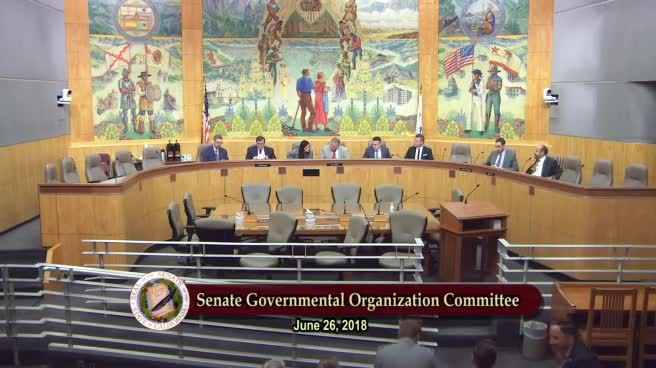 3MIN
Senate Standing Committee on Governmental Organization
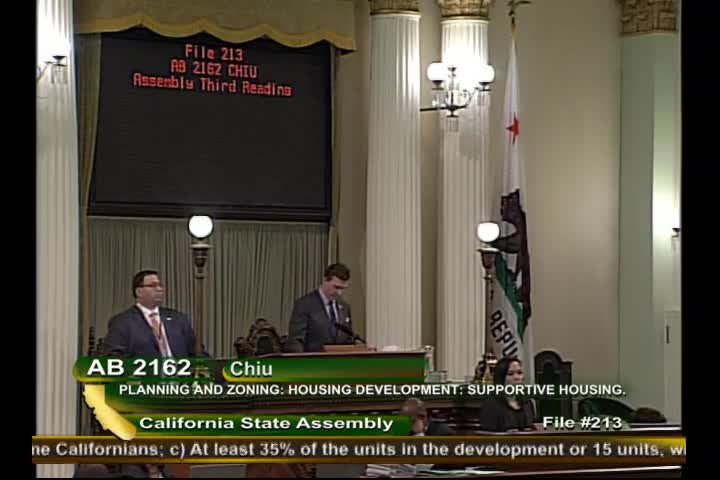 2MIN
Assembly Floor
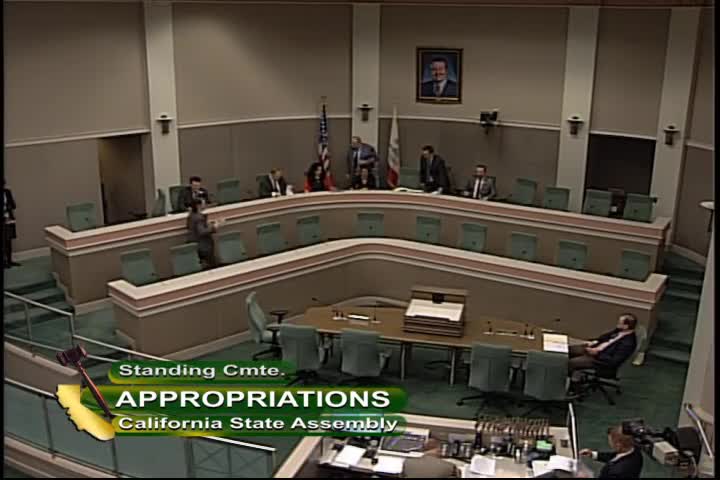 5MIN
Assembly Standing Committee on Appropriations
 21MIN
Assembly Standing Committee on Accountability and Administrative Review

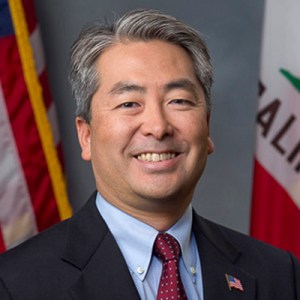
Bill Co-Author(s):