ACR 143: Day of Remembrance.
- Session Year: 2017-2018
- House: Assembly
- Latest Version Date: 2018-03-07
This measure would declare February 19, 2018, as a Day of Remembrance in order to increase public awareness of the events surrounding the incarceration of Americans of Japanese ancestry during World War II.
This measure would declare February 19, 2018, as a Day of Remembrance in order to increase public awareness of the events surrounding the incarceration of Americans of Japanese ancestry during World War II.
This measure would declare February 19, 2018, as a Day of Remembrance in order to increase public awareness of the events surrounding the incarceration of Americans of Japanese ancestry during World War II.
This measure would declare February 19, 2018, as a Day of Remembrance in order to increase public awareness of the events surrounding the incarceration of Americans of Japanese ancestry during World War II.
WHEREAS, On February 19, 1942, President Franklin D. Roosevelt signed Executive Order 9066 (EO9066), under which more than 120,000 people of Japanese ancestry were incarcerated in 10 concentration camps scattered throughout western states during World War II; and
WHEREAS, EO9066 deferred the American dream for more than 120,000 Americans and residents of Japanese ancestry by inflicting a great human cost of abandoned homes, businesses, farms, careers, professional advancements, disruption to family life, and public humiliation; and
WHEREAS, Despite their families being incarcerated behind barbed wire in the United States, approximately 33,000 veterans of Japanese ancestry fought bravely for our country during World War II, serving in the 100th Infantry Battalion, the 442nd Regimental Combat Team, the 522nd Field Artillery Battalion, and the Military Intelligence Service; and
WHEREAS, On June 21, 2000, President William Jefferson Clinton designated 20 Japanese Americans, who served in the 100th Infantry Battalion and the 442nd Regimental Combat Team to receive the nations highest military decoration, the Medal of Honor, bringing the total number of Japanese Americans who so received the Medal of Honor to 21; and
WHEREAS, In 2010, President Barack Obama granted the Congressional Gold Medal, collectively, to the 100th Infantry Battalion and 442nd Regimental Combat Team in recognition of their dedicated service during World War II; and
WHEREAS, Nearly 6,000 veterans of Japanese ancestry served with the Military Intelligence Service and have been credited for shortening the war by two years by translating enemy battle plans, defense maps, tactical orders, intercepted messages and diaries, and interrogating enemy prisoners; and
WHEREAS, Many Japanese American veterans continued a life of public service after the war, including Medal of Honor recipient and United States Senator Daniel Inouye, who passed away in December 2012 while representing his home state of Hawaii; and
WHEREAS, On February 19, 1976, President Gerald Rudolph Ford rescinded EO9066 and proclaimed, We now know what we should have known thennot only was that evacuation wrong, but Japanese-Americans were and are loyal Americans; and
WHEREAS, Nearly 40 years after the United States Supreme Court decisions upholding the convictions of Fred Korematsu, Min Yasui, and Gordon Hirabayashi for violations of curfew and EO9066, it was discovered that officials from the United States Department of War and the United States Department of Justice had altered, destroyed, and withheld information that testified to the loyalty of the people of Japanese ancestry from the United States Supreme Court; and
WHEREAS, On May 24, 2011, Acting Solicitor General Neal Katyal said World War II Solicitor General Charles Fahy, who represented the United States Department of Justice in the Korematsu, Yasui, and Hirabayashi cases, acted dishonorably by withholding relevant information; and
WHEREAS, Dale Minami, Peggy Nagae, Kathryn Bannai, Dennis Hayashi, Rod Kawakami, and many attorneys and interns contributed innumerable hours to win a reversal of the original convictions of Korematsu, Yasui, and Hirabayashi in 1983 by filing a petition for writ of error coram nobis on the grounds that fundamental errors and injustice occurred; and
WHEREAS, In 1980, the United States Congress created the Commission on Wartime Relocation and Internment of Civilians to examine the actions and impact of EO9066. The commission held 20 days of public hearings, conducted 18 months of thorough investigation, and published its findings in 1983, which concluded that EO9066 was not justified by military necessity but was due to racial prejudice, wartime hysteria, and a failure of political leadership; and
WHEREAS, On August 10, 1988, President Ronald Wilson Reagan signed into law the federal Civil Liberties Act of 1988, finding that EO9066 was not justified by military necessity and, instead, was caused by racial prejudice, wartime hysteria, and a failure of political leadership; and
WHEREAS, The federal Civil Liberties Act of 1988 apologized on behalf of the people of the United States for the evacuation, incarceration, and relocation of Americans and permanent residents of Japanese ancestry during World War II. The act also provided for restitution to those individuals of Japanese ancestry who were incarcerated; and
WHEREAS, Given recent national events, it is all the more important to learn from the mistakes of the past and to ensure that such an assault on freedom will never again happen to any community in the United States; and
WHEREAS, February 19, 2018, marks 76 years since the signing of EO9066 and a policy of grave injustice against American citizens and residents of Japanese ancestry; now, therefore, be it
Resolved by the Assembly of the State of California, the Senate thereof concurring, That the Legislature of the State of California declares February 19, 2018, as a Day of Remembrance in this state to increase public awareness of the events surrounding the incarceration of Americans of Japanese ancestry during World War II; and be it further
Resolved, That the Chief Clerk of the Assembly transmit copies of this resolution to the Governor, the Superintendent of Public Instruction, the California State Library, and the California State Archives.
WHEREAS, On February 19, 1942, President Franklin D. Roosevelt signed Executive Order 9066, 9066 (EO9066), under which more than 120,000 Americans and residents people of Japanese ancestry were incarcerated in 10 internment concentration camps scattered throughout western states during World War II; and
WHEREAS, Executive Order 9066 EO9066 deferred the American dream for more than 120,000 Americans and residents of Japanese ancestry by inflicting a great human cost of abandoned homes, businesses, farms, careers, professional advancements, and disruption to family life; life, and public humiliation; and
WHEREAS, Despite their families being incarcerated behind barbed wire in the United States, approximately 33,000 veterans of Japanese ancestry fought bravely for our country during World War II, serving in the 100th Infantry Battalion, the 442nd Regimental Combat Team, and the 522nd Field Artillery Battalion; Battalion, and the Military Intelligence Service; and
WHEREAS, On June 21, 2000, President William Jefferson Clinton elevated designated 20 Japanese Americans Americans, who served in the 100th Infantry Battalion and the 442nd Regimental Combat Team acounty among 52 individuals who received the nations second highest military decoration, the Distinguished Service Cross, to receive the nations highest military decoration, the Medal of Honor, bringing the total number of Japanese Americans who so received the Medal of Honor to 21; and
WHEREAS, In 2010, President Barack Obama granted the Congressional Gold Medal, collectively, to the 100th Infantry Battalion and 442nd Regimental Combat Team in recognition of their dedicated service during World War II; and
WHEREAS, Nearly 6,000 veterans of Japanese ancestry served with the Military Intelligence Service and have been credited for shortening the war by two years by translating enemy battle plans, defense maps, tactical orders, intercepted messages and diaries, and interrogating enemy prisoners; and
WHEREAS, Many Japanese American veterans continued a life of public service after the war, including Medal of Honor recipient and United States Senator Daniel Inouye, who passed away in December 2012 while representing his home state of Hawaii; and
WHEREAS, On February 19, 1976, President Gerald Rudolph Ford rescinded EO9066 and proclaimed, We now know what we should have known thennot only was that evacuation wrong, but Japanese-Americans were and are loyal Americans; and
WHEREAS, Nearly 40 years after the United States Supreme Court decisions upholding the convictions of Fred Korematsu, Min Yasui, and Gordon Hirabayashi for violations of curfew and Executive Order 9066, EO9066, it was discovered that officials from the United States Department of War and the United States Department of Justice had altered and destroyed evidence regarding the loyalty of Americans and residents of Japanese ancestry and withheld information altered, destroyed, and withheld information that testified to the loyalty of the people of Japanese ancestry from the United States Supreme Court; and
WHEREAS, On May 24, 2011, Acting Solicitor General Neal Katyal said World War II Solicitor General Charles Fahy, who represented the United States Department of Justice in the Korematsu, Yasui, and Hirabayashi cases, acted dishonorably by withholding relevant information; and
WHEREAS, Dale Minami, Peggy Nagae, Kathryn Bannai, Dennis Hayashi, Rod Kawakami, and many attorneys and interns contributed innumerable hours to win a reversal of the original convictions of Korematsu, Yasui, and Hirabayashi in 1983 by filing a petition for writ of error coram nobis on the grounds that fundamental errors and injustice occurred; and
WHEREAS, In 1980, the United States Congress created the Commission on Wartime Relocation and Internment of Civilians to examine the actions and impact of EO9066. The commission held 20 days of public hearings, conducted 18 months of thorough investigation, and published its findings in 1983, which concluded that EO9066 was not justified by military necessity but was due to racial prejudice, wartime hysteria, and a failure of political leadership; and
WHEREAS, On August 10, 1988, President Ronald Wilson Reagan signed into law the federal Civil Liberties Act of 1988, finding that Executive Order 9066 EO9066 was not justified by military necessity and, hence, instead, was caused by racial prejudice, war wartime hysteria, and a failure of political leadership; and
WHEREAS, The federal Civil Liberties Act of 1988 apologized on behalf of the people of the United States for the evacuation, incarceration, and relocation of Americans and permanent residents of Japanese ancestry during World War II. The act also provided for restitution to those individuals of Japanese ancestry who were incarcerated; and
WHEREAS, Given recent national events, it is all the more important to learn from the mistakes of the past and to ensure that such an assault on freedom will never again happen to any community in the United States; and
WHEREAS, February 19, 2018, marks 76 years since the signing of Executive Order 9066 EO9066 and a policy of grave injustice against American citizens and residents of Japanese ancestry; now, therefore, be it
Resolved by the Assembly of the State of California, the Senate thereof concurring, That the Legislature of the State of California declares February 19, 2018, as a Day of Remembrance in this state to increase public awareness of the events surrounding the incarceration of Americans of Japanese ancestry during World War II; and be it further
Resolved, That the Chief Clerk of the Assembly transmit copies of this resolution to the Governor, the Superintendent of Public Instruction, the California State Library, and the California State Archives.
WHEREAS, On February 19, 1942, President Franklin D. Roosevelt signed Executive Order 9066, under which more than 120,000 Americans and residents of Japanese ancestry were incarcerated in 10 internment camps scattered throughout western states during World War II; and
WHEREAS, Executive Order 9066 deferred the American dream for more than 120,000 Americans and residents of Japanese ancestry by inflicting a great human cost of abandoned homes, businesses, careers, professional advancements, and disruption to family life; and
WHEREAS, Despite their families being incarcerated behind barbed wire in the United States, approximately 33,000 veterans of Japanese ancestry fought bravely for our country during World War II, serving in the 100th Battalion, the 442nd Regimental Combat Team, and the 522nd Field Artillery Battalion; and
WHEREAS, On June 21, 2000, President William Jefferson Clinton elevated 20 Japanese Americans who served in the 100th Battalion and the 442nd Regimental Combat Team acounty among 52 individuals who received the nations second highest military decoration, the Distinguished Service Cross, to receive the nations highest military decoration, the Medal of Honor, bringing the total number of Japanese Americans who so received the Medal of Honor to 21; and
WHEREAS, In 2010, President Barack Obama granted the Congressional Gold Medal, collectively, to the 100th Infantry Battalion and 442nd Regimental Combat Team in recognition of their dedicated service during World War II; and
WHEREAS, Nearly 6,000 veterans of Japanese ancestry served with the Military Intelligence Service and have been credited for shortening the war by two years by translating enemy battle plans, defense maps, tactical orders, intercepted messages and diaries, and interrogating enemy prisoners; and
WHEREAS, Many Japanese American veterans continued a life of public service after the war, including Medal of Honor recipient and United States Senator Daniel Inouye, who passed away in December 2012 while representing his home state of Hawaii; and
WHEREAS, Nearly 40 years after the United States Supreme Court decisions upholding the convictions of Fred Korematsu, Min Yasui, and Gordon Hirabayashi for violations of curfew and Executive Order 9066, it was discovered that officials from the United States Department of War and the United States Department of Justice had altered and destroyed evidence regarding the loyalty of Americans and residents of Japanese ancestry and withheld information from the United States Supreme Court; and
WHEREAS, Dale Minami, Peggy Nagae, Dennis Hayashi, Rod Kawakami, and many attorneys and interns contributed innumerable hours to win a reversal of the original convictions of Korematsu, Yasui, and Hirabayashi in 1983 by filing a petition for writ of error coram nobis on the grounds that fundamental errors and injustice occurred; and
WHEREAS, On August 10, 1988, President Ronald Wilson Reagan signed into law the federal Civil Liberties Act of 1988, finding that Executive Order 9066 was not justified by military necessity and, hence, was caused by racial prejudice, war hysteria, and a failure of political leadership; and
WHEREAS, The federal Civil Liberties Act of 1988 apologized on behalf of the people of the United States for the evacuation, incarceration, and relocation of Americans and permanent residents of Japanese ancestry during World War II. The act also provided for restitution to those individuals of Japanese ancestry who were incarcerated; and
WHEREAS, Given recent national events, it is all the more important to learn from the mistakes of the past and to ensure that such an assault on freedom will never again happen to any community in the United States; and
WHEREAS, February 19, 2018, marks 76 years since the signing of Executive Order 9066 and a policy of grave injustice against American citizens and residents of Japanese ancestry; now, therefore, be it
Resolved by the Assembly of the State of California, the Senate thereof concurring, That the Legislature of the State of California declares February 19, 2018, as a Day of Remembrance in this state to increase public awareness of the events surrounding the incarceration of Americans of Japanese ancestry during World War II; and be it further
Resolved, That the Chief Clerk of the Assembly transmit copies of this resolution to the Governor, the Superintendent of Public Instruction, the California State Library, and the California State Archives.
|
Date
|
Status
|
|---|---|
| Mar 7, 2018 | Chaptered by Secretary of State - Res. Chapter 18, Statutes of 2018. |
| Mar 7, 2018 | Enrolled and filed with the Secretary of State at 11:45 a.m. |
| Mar 5, 2018 | In Assembly. Ordered to Engrossing and Enrolling. |
| Mar 5, 2018 | Adopted and to Assembly. |
| Feb 28, 2018 | From committee: Ordered to third reading. |
| Feb 21, 2018 | In Senate. To Com. on RLS. |
| Feb 20, 2018 | Coauthors revised. |
| Feb 16, 2018 | From committee: Be adopted. Ordered to Third Reading. (Ayes 7. Noes 0.) (February 16). |
| Feb 13, 2018 | Re-referred to Com. on RLS. |
| Feb 12, 2018 | From committee chair, with author's amendments: Amend, and re-refer to Com. on RLS. Amended. |
| Jan 8, 2018 | Referred to Com. on RLS. |
| Jan 5, 2018 | From printer. |
| Jan 4, 2018 | Introduced. To print. |
|
Date
|
Description
|
Location
|
Votes
|
|
|---|---|---|---|---|
| Mar 5, 2018 | A - 648267, Second Reading | Senate Floor |
Passed |
|
| Feb 16, 2018 | Be adopted. To third reading. | Assembly Standing Committee on Rules |
Passed |
This list shows positions taken on this bill by organizations on the date displayed, which is linked to the original source.
Positions by individuals are not included.
Office of Senate Floor Analyses (916) 651-1520 Fax: (916) 327-4478 | ACR 143 |
THIRD READING
Bill No: ACR 143
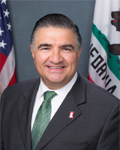
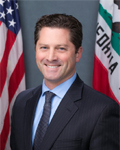
Author: Muratsuchi (D), et al.
Amended: 2/12/18 in Assembly
ASSEMBLY FLOOR: Read and adopted, 2/20/18
DIGEST:
This resolution declares February 19, 2018, as a Day of Remembrance in order to increase public awareness of the events surrounding the incarceration of Americans of Japanese ancestry during World War II.
ANALYSIS: This resolution makes the following legislative findings:
- On February 19, 1942, President Franklin D. Roosevelt signed Executive Order 9066 (EO9066), under which more than 120,000 people of Japanese ancestry were incarcerated in 10 concentration camps scattered throughout western states during World War II.
- EO9066 deferred the American dream for more than 120,000 Americans and residents of Japanese ancestry by inflicting a great human cost of abandoned homes, businesses, farms, careers, professional advancements, disruption to family life, and public humiliation.
- On February 19, 1976, President Ford rescinded EO9066 and proclaimed, “We now know what we should have known then—not only was that evacuation wrong, but Japanese-Americans were and are loyal Americans”.
- In 1980, the United States Congress created the Commission on Wartime Relocation and Internment of Civilians to examine the actions and impact of EO9066. The Commission held 20 days of public hearings, conducted 18 months of thorough investigation, and published its findings in 1983, which concluded that EO9066 was not justified by “military necessity” but was due to racial prejudice, wartime hysteria, and a failure of political leadership.
- On August 10, 1988, President Reagan signed into law the federal Civil Liberties Act of 1988, finding that EO9066 was not justified by military necessity and, instead, was caused by racial prejudice, wartime hysteria, and a failure of political leadership.
- The federal Civil Liberties Act of 1988 apologized on behalf of the people of the United States for the evacuation, incarceration, and relocation of Americans and permanent residents of Japanese ancestry during World War II. The Act also provided for restitution to those individuals of Japanese ancestry who were incarcerated.
- February 19, 2018, marks 76 years since the signing of EO9066 and a policy of grave injustice against American citizens and residents of Japanese ancestry.
This resolution declares February 19, 2018, as a Day of Remembrance in order to increase public awareness of the events surrounding the incarceration of Americans of Japanese ancestry during World War II.
Related/Prior Legislation
SCR 11 (Pan, Resolution Chapter 21, Statutes of 2017) declared February 19, 2017, as a Day of Remembrance in order to increase public awareness of the events surrounding the internment of Americans of Japanese ancestry during World War II.
ACR 1 (Muratsuchi, Resolution Chapter 19, Statutes of 2017) declared February 19, 2017, as a Day of Remembrance in order to increase public awareness of the events surrounding the incarceration of Americans of Japanese ancestry during World War II.
SCR 96 (Pan, Resolution Chapter 28, Statutes of 2016) declared February 19, 2016, as a Day of Remembrance in order to increase public awareness of the events surrounding the internment of Americans of Japanese ancestry during World War II.
ACR 126 (Ting, Resolution Chapter 16, Statutes of 2016) declared February 19, 2016, as a Day of Remembrance in order to increase public awareness of the events surrounding the internment of Americans of Japanese ancestry during World War II.
FISCAL EFFECT: Appropriation: No Fiscal Com.: No Local: No
American Federation of State, County and Municipal Employees
OPPOSITION: (Verified 2/27/18)
None received
ARGUMENTS IN SUPPORT: According to the author, “this resolution recognizes the importance of learning from the mistakes of the past in order to ensure that such an assault on freedom will never again happen to any community in the United States.”
Prepared by: Melissa Ward / SFA / (916) 651-1520
2/28/18 16:02:07
**** END ****
ASSEMBLY THIRD READING
ATR Bill Id:ACR 143
Author:(Muratsuchi)
As Amended Ver:February 12, 2018
Majority vote
Committee | Votes | Ayes | Noes |
Rules | 7-0 | Cooley, Cunningham, Cervantes, Grayson, Nazarian, Salas, Waldron |
SUMMARY: Declares February 19, 2018, as a Day of Remembrance in order to increase public awareness of the events surrounding the incarceration of Americans of Japanese ancestry during World War II. Specifically, this resolution makes the following legislative findings:
- On February 19, 1942, President Franklin D. Roosevelt signed Executive Order 9066 (EO9066), under which more than 120,000 people of Japanese ancestry were incarcerated in 10 concentration camps scattered throughout western states during World War II, inflicting a great human cost of abandoned homes, businesses, farms, careers, professional advancements, disruption to family life, and public humiliation.
- Despite their families being incarcerated behind barbed wire in the United States, approximately 33,000 veterans of Japanese ancestry fought bravely for our country during World War II, serving in the 100th Infantry Battalion, the 442nd Regimental Combat Team, the 522nd Field Artillery Battalion, and the Military Intelligence Service.
- On August 10, 1988, President Ronald Reagan signed the Civil Liberties Act of 1988, which found that EO9066 was not justified by military necessity but rather caused by racial prejudice and wartime hysteria; and, the Civil Liberties Act of 1988 apologized on behalf of the people of the United States for the evacuation, incarceration, and relocation of Americans and permanent residents of Japanese ancestry during World War II.
- On June 21, 2000, President William Jefferson Clinton designated 20 Japanese Americans, who served in the 100th Infantry Battalion and the 442nd Regimental Combat Team to receive the nation’s highest military decoration, the Medal of Honor, bringing the total number of Japanese Americans who so received the Medal of Honor to 21.
- In 2010, President Barack Obama granted the Congressional Gold Medal, collectively, to the 100th Infantry Battalion and 442nd Regimental Combat Team in recognition of their dedicated service during World War II.
- February 19, 2018, marks 76 years since the signing of EO9066 and a policy of grave injustice against American citizens and residents of Japanese ancestry.
FISCAL EFFECT: None
Analysis Prepared by: Nicole Willis / RLS. / (916) 319-2800 FN: 0002583
Date of Hearing: February 16, 2018
ASSEMBLY COMMITTEE ON RULES
Ken Cooley, Chair
ABPCA Bill Id:ACR 143
Author:(Muratsuchi) – As Amended Ver:February 12, 2018
SUBJECT: Day of Remembrance
SUMMARY: Declares February 19, 2018, as a Day of Remembrance in order to increase public awareness of the events surrounding the incarceration of Americans of Japanese ancestry during World War II. Specifically, this resolution makes the following legislative findings:
- On February 19, 1942, President Franklin D. Roosevelt signed Executive Order 9066 (EO9066), under which more than 120,000 people of Japanese ancestry were incarcerated in 10 concentration camps scattered throughout western states during World War II, inflicting a great human cost of abandoned homes, businesses, farms, careers, professional advancements, disruption to family life, and public humiliation.
- Despite their families being incarcerated behind barbed wire in the United States, approximately 33,000 veterans of Japanese ancestry fought bravely for our country during World War II, serving in the 100th Infantry Battalion, the 442nd Regimental Combat Team, the 522nd Field Artillery Battalion, and the Military Intelligence Service.
- On August 10, 1988, President Ronald Reagan signed the Civil Liberties Act of 1988, which found that EO9066 was not justified by military necessity but rather caused by racial prejudice and wartime hysteria; and, the Civil Liberties Act of 1988 apologized on behalf of the people of the United States for the evacuation, incarceration, and relocation of Americans and permanent residents of Japanese ancestry during World War II.
- On June 21, 2000, President William Jefferson Clinton designated 20 Japanese Americans, who served in the 100th Infantry Battalion and the 442nd Regimental Combat Team to receive the nation’s highest military decoration, the Medal of Honor, bringing the total number of Japanese Americans who so received the Medal of Honor to 21.
- In 2010, President Barack Obama granted the Congressional Gold Medal, collectively, to the 100th Infantry Battalion and 442nd Regimental Combat Team in recognition of their dedicated service during World War II.
- February 19, 2018, marks 76 years since the signing of EO9066 and a policy of grave injustice against American citizens and residents of Japanese ancestry.
FISCAL EFFECT: None
REGISTERED SUPPORT / OPPOSITION:
Support
None on file
Opposition
None on file
Analysis Prepared by: Nicole Willis / RLS. / (916) 319-2800
Discussed in Hearing
View Older Hearings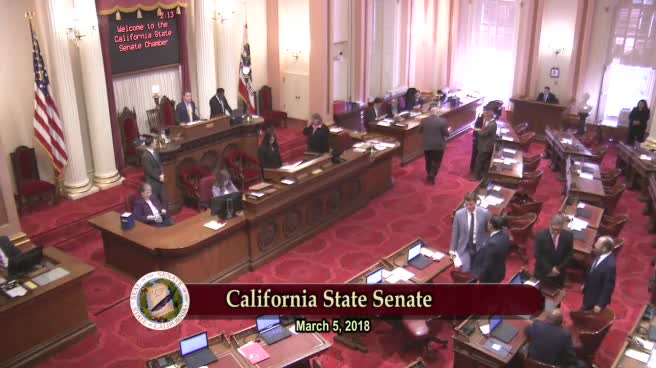
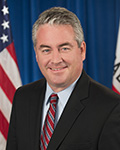
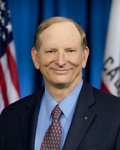
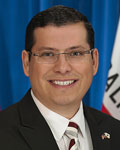
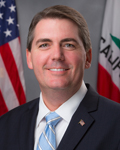
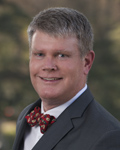
Bill Author

Bill Co-Author(s):