SB 1192: Children’s meals.
- Session Year: 2017-2018
- House: Senate
- Latest Version Date: 2018-09-20
Existing law, the California Retail Food Code, establishes uniform health and sanitation standards for, and provides for regulation by the State Department of Public Health of, retail food facilities, as defined, and requires local enforcement agencies to enforce these provisions. Under existing law, a person who violates any provision of the code is guilty of a misdemeanor with each offense punishable by a fine of not less than $25 or more than $1,000, or by imprisonment in a county jail for a term not exceeding 6 months, or by both that fine and imprisonment.
This bill would require a restaurant, as defined, that sells a childrens meal that includes a beverage, to make the default beverage water, sparkling water, or flavored water, as specified, or unflavored milk or a nondairy milk alternative, as specified. The bill would not prohibit a restaurants ability to sell, or a customers ability to purchase, an alternative beverage if the purchaser requests one. The bill would make a violation of its provisions an infraction, but would make the first violation subject to a notice of violation. Under the bill, the 2nd and 3rd violations would be punishable by fines of not more than $250 and $500, respectively. By imposing additional duties on local enforcement agencies and by creating a new crime, the bill would impose a state-mandated local program.
The California Constitution requires the state to reimburse local agencies and school districts for certain costs mandated by the state. Statutory provisions establish procedures for making that reimbursement.
This bill would provide that with regard to certain mandates no reimbursement is required by this act for a specified reason.
With regard to any other mandates, this bill would provide that, if the Commission on State Mandates determines that the bill contains costs so mandated by the state, reimbursement for those costs shall be made pursuant to the statutory provisions noted above.
Existing law, the California Retail Food Code, establishes uniform health and sanitation standards for, and provides for regulation by the State Department of Public Health of, retail food facilities, as defined, and requires local enforcement agencies to enforce these provisions. Under existing law, a person who violates any provision of the code is guilty of a misdemeanor with each offense punishable by a fine of not less than $25 or more than $1,000, or by imprisonment in a county jail for a term not exceeding 6 months, or by both that fine and imprisonment.
This bill would require a restaurant, as defined, that sells a childrens meal that includes a beverage, to make the default beverage water, sparkling water, or flavored water, as specified, or unflavored milk or a nondairy milk alternative, as specified. The bill would not prohibit a restaurants ability to sell, or a customers ability to purchase, an alternative beverage if the purchaser requests one. The bill would make a violation of its provisions an infraction, but would make the first violation subject to a notice of violation. Under the bill, the 2nd and 3rd violations would be punishable by a fine fines of not more than $250, and would prescribe limits in greater amounts for fines for subsequent violations. $250 and $500, respectively. By imposing additional duties on local enforcement agencies and by creating a new crime, the bill would impose a state-mandated local program.
The California Constitution requires the state to reimburse local agencies and school districts for certain costs mandated by the state. Statutory provisions establish procedures for making that reimbursement.
This bill would provide that with regard to certain mandates no reimbursement is required by this act for a specified reason.
With regard to any other mandates, this bill would provide that, if the Commission on State Mandates determines that the bill contains costs so mandated by the state, reimbursement for those costs shall be made pursuant to the statutory provisions noted above.
Existing law, the California Retail Food Code, establishes uniform health and sanitation standards for, and provides for regulation by the State Department of Public Health of, retail food facilities, as defined, and requires local health enforcement agencies to enforce these provisions. Under existing law, a person who violates any provision of the code is guilty of a misdemeanor with each offense punishable by a fine of not less than $25 or more than $1,000, or by imprisonment in a county jail for a term not exceeding 6 months, or by both that fine and imprisonment.
This bill would require a restaurant, as defined, that sells a childrens meal that includes a beverage, to make the default beverage water, sparkling water, or flavored water, as specified, or nonfat or 1% unflavored milk or a nondairy milk alternative, as specified. The bill would not restrict prohibit a restaurants ability to sell, or a customers ability to purchase, an alternative beverage if the purchaser requests one. The bill would make a violation of its provisions an infraction, punishable by a fine of not less than $50 nor more than $500, and would prescribe additional more than $250, and would prescribe limits in greater amounts for fines for subsequent violations. By imposing additional duties on local law enforcement agencies and by creating a new crime, the bill would impose a state-mandated local program.
The California Constitution requires the state to reimburse local agencies and school districts for certain costs mandated by the state. Statutory provisions establish procedures for making that reimbursement.
This bill would provide that with regard to certain mandates no reimbursement is required by this act for a specified reason.
With regard to any other mandates, this bill would provide that, if the Commission on State Mandates determines that the bill contains costs so mandated by the state, reimbursement for those costs shall be made pursuant to the statutory provisions noted above.
Existing law, the California Retail Food Code, establishes uniform health and sanitation standards for, and provides for regulation by the State Department of Public Health of, retail food facilities, as defined, and requires local health agencies to enforce these provisions. Existing law requires a food facility that is subject to specified federal law or state law relating to nutritional information and calorie content disclosure requirements to comply with the federal disclosure requirements and the regulations adopted pursuant to those requirements. Under existing law, a person who violates any provision of the code is guilty of a misdemeanor with each offense punishable by a fine of not less than $25 or more than $1,000, or by imprisonment in a county jail for a term not exceeding 6 months, or by both that fine and imprisonment.
This bill would make technical, nonsubstantive changes to that provision.This bill would require a restaurant, as defined, that sells a childrens meal that includes a beverage, to make the default beverage water, sparkling water, or flavored water, as specified, or nonfat or 1% milk or a nondairy milk alternative, as specified. The bill would not restrict a restaurants ability to sell, or a customers ability to purchase, an alternative beverage if the purchaser requests one. The bill would make a violation of its provisions an infraction, punishable by a fine of not less than $50 nor more than $500, and would prescribe additional fines for subsequent violations. By imposing additional duties on local law enforcement agencies and by creating a new crime, the bill would impose a state-mandated local program.
The California Constitution requires the state to reimburse local agencies and school districts for certain costs mandated by the state. Statutory provisions establish procedures for making that reimbursement.
This bill would provide that with regard to certain mandates no reimbursement is required by this act for a specified reason.
With regard to any other mandates, this bill would provide that, if the Commission on State Mandates determines that the bill contains costs so mandated by the state, reimbursement for those costs shall be made pursuant to the statutory provisions noted above.
Existing law, the California Retail Food Code, establishes uniform health and sanitation standards for, and provides for regulation by the State Department of Public Health of, retail food facilities, as defined, and requires local health agencies to enforce these provisions. Existing law requires a food facility that is subject to specified federal law or state law relating to nutritional information and calorie content disclosure requirements to comply with the federal disclosure requirements and the regulations adopted pursuant to those requirements.
This bill would make technical, nonsubstantive changes to that provision.
The Legislature finds and declares all of the following:
(a)From 1990 to 2016, inclusive, the obesity rate in California increased by 250 percent. While the increase was greatest from 1990 until 2003, recent trends suggest a continued increase in obesity among children. In 2009, 10.9 percent of children zero to five years of age, inclusive, and 12.2 percent of children six to 11 years of age, inclusive, were overweight. In 2015, the percentage of children who were overweight or obese for their age increased in both groups to 13.7 percent for children zero to five years of age, inclusive, and 16 percent for children six to 11 years of age, inclusive.
(b)Obese children are at least twice as likely as nonobese children to become obese adults. Obese children and adults are at greater risk for numerous adverse health consequences, including type 2 diabetes, heart disease, stroke, high blood pressure, high cholesterol, certain cancers, asthma, low self-esteem, depression, and other debilitating diseases.
(c)In California, 55 percent of adults have prediabetes or diabetes, including 33 percent of young adults 18 to 39 years of age, inclusive.
(d)Obesity-related health conditions have serious economic costs. The medical burden of obesity in the United States is about $147 billion annually, or almost 10 percent of all medical spending. Roughly one-half of these costs are paid through Medicare and Medicaid, which means that taxpayers assume much of the economic responsibility. Medicare and Medicaid spending would be reduced by 8.5 percent and 11.8 percent, respectively, in the absence of obesity-related spending. Obesity-related annual medical expenditures in California are estimated at $9.1 billion.
(e)Many families lack adequate time to obtain and prepare healthy food, making dining out an appealing and often necessary option. As a result, more than one-half of food expenditures in the United States are spent outside the home. Nationwide, American children eat 25 percent of their calories at fast food and other restaurants. Children consume almost twice as many calories when they eat a meal at a restaurant as they do when they eat at home.
(f)By enacting this act, it is the intent of the Legislature to support parents efforts to feed their children nutritiously by ensuring healthy beverages are the default options in childrens meals in restaurants.
SEC. 2.Chapter 12.8 (commencing with Section 114379) is added to Part 7 of Division 104 of the Health and Safety Code, to read:12.8.Childrens Meals114379.The purpose of this chapter is to support childrens health by setting nutritional standards for a restaurants childrens meals.
114379.10.For purposes of this chapter, the following terms have the following meanings:
(a)Childrens meal means a combination of food items and a beverage, or a single food item and a beverage, sold together at a single price, primarily intended for consumption by a child.
(b)Default beverage means the beverage automatically included or offered as part of a childrens meal, absent a specific request by the purchaser of the childrens meal for an alternative beverage.
(c)Restaurant means a retail food establishment that prepares, serves, and vends food directly to the consumer.
114379.20.(a)A restaurant that sells a childrens meal shall make the default beverage offered with the childrens meal one of the following:
(1)Water, sparkling water, or flavored water, with no added natural or artificial sweeteners.
(2)Unflavored milk.
(3)A nondairy milk alternative that contains no more than 130 calories per container or serving. For purposes of this paragraph, nondairy milk alternative means a non-dairy fluid milk substitute that meets the standards for the National School Lunch Program as set forth in Section 210.10 of Title 7 of the Code of Federal Regulations.
(b)The beverage listed or displayed on a restaurant menu or advertisement for a childrens meal shall be one of the default beverages listed in subdivision (a).
114379.30.This chapter does not prohibit a restaurants ability to sell, or a customers ability to purchase, an alternative beverage instead of the default beverage offered with the childrens meal, if requested by the purchaser of the childrens meal.
114379.40.The local enforcement agency, as set forth in Section 113713, shall implement, administer, and enforce this chapter. The department may issue rules and regulations as necessary to carry out the purposes of this chapter.
114379.50.A violation of this chapter is, notwithstanding Section 114395, an infraction, provided, however, that the first violation shall result in a notice of violation. A second violation within a five-year period from the notice of violation shall be punishable by a fine of not more than two hundred fifty dollars ($250). For a third or subsequent violation within a five-year period, the fine shall be not more than five hundred dollars ($500). A restaurant shall not be found to have committed a violation under this chapter more than once during an inspection visit.
114379.60.This chapter shall be construed so as not to conflict with any federal or state law, rule, or regulation. This chapter does not authorize a local agency to impose any duty or obligation in conflict with a limitation on a local authority established by a federal or state law. If a court or agency of competent jurisdiction holds that a federal or state law, rule, or regulation invalidates any clause, sentence, paragraph, or section of this chapter or the application thereof to any person or circumstances, it is the intent of the Legislature that the court or agency sever the clause, sentence, paragraph, or section so that the remainder of this chapter remains in effect.
SEC. 3.No reimbursement is required by this act pursuant to Section 6 of Article XIIIB of the California Constitution for certain costs that may be incurred by a local agency or school district because, in that regard, this act creates a new crime or infraction, eliminates a crime or infraction, or changes the penalty for a crime or infraction, within the meaning of Section 17556 of the Government Code, or changes the definition of a crime within the meaning of Section 6 of Article XIIIB of the California Constitution.
However, if the Commission on State Mandates determines that this act contains other costs mandated by the state, reimbursement to local agencies and school districts for those costs shall be made pursuant to Part 7 (commencing with Section 17500) of Division 4 of Title 2 of the Government Code.
The Legislature finds and declares all of the following:
(a)From 1990 to 2016, inclusive, the obesity rate in California increased by 250 percent. While the increase was greatest from 1990 until 2003, recent trends suggest a continued increase in obesity among children. In 2009, 10.9 percent of children zero to five years of age, inclusive, and 12.2 percent of children six to 11 years of age, inclusive, were overweight. In 2015, the percentage of children who were overweight or obese for their age increased in both groups to 13.7 percent for children zero to five years of age, inclusive, and 16 percent for children six to 11 years of age, inclusive.
(b)Obese children are at least twice as likely as nonobese children to become obese adults. Obese children and adults are at greater risk for numerous adverse health consequences, including type 2 diabetes, heart disease, stroke, high blood pressure, high cholesterol, certain cancers, asthma, low self-esteem, depression, and other debilitating diseases.
(c)In California, 55 percent of adults have prediabetes or diabetes, including 33 percent of young adults 18 to 39 years of age, inclusive.
(d)Obesity-related health conditions have serious economic costs. The medical burden of obesity in the United States is about $147 billion annually, or almost 10 percent of all medical spending. Roughly one-half of these costs are paid through Medicare and Medicaid, which means that taxpayers assume much of the economic responsibility. Medicare and Medicaid spending would be reduced by 8.5 percent and 11.8 percent, respectively, in the absence of obesity-related spending. Obesity-related annual medical expenditures in California are estimated at $9.1 billion.
(e)Many families lack adequate time to obtain and prepare healthy food, making dining out an appealing and often necessary option. As a result, more than one-half of food expenditures in the United States are spent outside the home. Nationwide, American children eat 25 percent of their calories at fast food and other restaurants. Children consume almost twice as many calories when they eat a meal at a restaurant as they do when they eat at home.
(f)By enacting this act, it is the intent of the Legislature to support parents efforts to feed their children nutritiously by ensuring healthy beverages are the default options in childrens meals in restaurants.
SEC. 2.Chapter 12.8 (commencing with Section 114379) is added to Part 7 of Division 104 of the Health and Safety Code, to read:12.8.Childrens Meals114379.The purpose of this chapter is to support childrens health by setting nutritional standards for a restaurants childrens meals.
114379.10.For purposes of this chapter, the following terms have the following meanings:
(a)Childrens meal means a combination of food items and a beverage, or a single food item and a beverage, sold together at a single price, primarily intended for consumption by a child.
(b)Default beverage means the beverage automatically included or offered as part of a childrens meal, absent a specific request by the purchaser of the childrens meal for an alternative beverage.
(c)Restaurant means a retail food establishment that prepares, serves, and vends food directly to the consumer.
114379.20.(a)A restaurant that sells a childrens meal shall make the default beverage offered with the childrens meal one of the following:
(a)(1)Water, sparkling water, or flavored water, with no added natural or artificial sweeteners.
(b)(2)Unflavored milk.
(c)(3)A nondairy milk alternative that contains no more than 130 calories per container or serving.
(b)The beverage listed or displayed on a restaurant menu or advertisement for a childrens meal shall be one of the default beverages listed in subdivision (a).
114379.30.This chapter does not prohibit a restaurants ability to sell, or a customers ability to purchase, an alternative beverage instead of the default beverage offered with the childrens meal, if requested by the purchaser of the childrens meal.
114379.40.The local enforcement agency, as set forth in Section 113713, shall implement, administer, and enforce this chapter. The department may issue rules and regulations as necessary to carry out the purposes of this chapter.
114379.50.A violation of this chapter is, notwithstanding Section 114395, an infraction, provided, however, that the first violation shall result in a notice of violation. A second violation within a five-year period from the notice of violation shall be punishable by a fine of not more than two hundred fifty dollars ($250). A second violation within a five-year period from a prior violation shall be punishable by a fine of not more than five hundred dollars ($500). For a third or subsequent violation within a five-year period, the fine shall be not more than seven hundred fifty dollars ($750). five hundred dollars ($500). A restaurant shall not be found to have committed a violation under this chapter more than once during an inspection visit.
114379.60.This chapter shall be construed so as not to conflict with any federal or state law, rule, or regulation. This chapter does not authorize a local agency to impose any duty or obligation in conflict with a limitation on a local authority established by a federal or state law. If a court or agency of competent jurisdiction holds that a federal or state law, rule, or regulation invalidates any clause, sentence, paragraph, or section of this chapter or the application thereof to any person or circumstances, it is the intent of the Legislature that the court or agency sever the clause, sentence, paragraph, or section so that the remainder of this chapter remains in effect.
SEC. 3.No reimbursement is required by this act pursuant to Section 6 of Article XIIIB of the California Constitution for certain costs that may be incurred by a local agency or school district because, in that regard, this act creates a new crime or infraction, eliminates a crime or infraction, or changes the penalty for a crime or infraction, within the meaning of Section 17556 of the Government Code, or changes the definition of a crime within the meaning of Section 6 of Article XIIIB of the California Constitution.
However, if the Commission on State Mandates determines that this act contains other costs mandated by the state, reimbursement to local agencies and school districts for those costs shall be made pursuant to Part 7 (commencing with Section 17500) of Division 4 of Title 2 of the Government Code.
The Legislature finds and declares all of the following:
(a)From 1990 to 2016, inclusive, the obesity rate in California increased by 250 percent. While the increase was greatest from 1990 until 2003, recent trends suggest a continued increase in obesity among children. In 2009, 10.9 percent of children zero to five years of age, inclusive, and 12.2 percent of children six to 11 years of age, inclusive, were overweight. In 2015, the percentage of children who were overweight or obese for their age increased in both groups to 13.7 percent for children zero to five years of age, inclusive, and 16 percent for children six to 11 years of age, inclusive.
(b)Obese children are at least twice as likely as nonobese children to become obese adults. Obese children and adults are at greater risk for numerous adverse health consequences, including type 2 diabetes, heart disease, stroke, high blood pressure, high cholesterol, certain cancers, asthma, low self-esteem, depression, and other debilitating diseases.
(c)In California, 55 percent of adults have prediabetes or diabetes, including 33 percent of young adults 18 to 39 years of age, inclusive.
(d)Obesity-related health conditions have serious economic costs. The medical burden of obesity in the United States is about $147 billion annually, or almost 10 percent of all medical spending. Roughly one-half of these costs are paid through Medicare and Medicaid, which means that taxpayers assume much of the economic responsibility. Medicare and Medicaid spending would be reduced by 8.5 percent and 11.8 percent, respectively, in the absence of obesity-related spending. Obesity-related annual medical expenditures in California are estimated at $9.1 billion.
(e)Many families lack adequate time to obtain and prepare healthy food, making dining out an appealing and often necessary option. As a result, more than one-half of food expenditures in the United States are spent outside the home. Nationwide, American children eat 25 percent of their calories at fast food and other restaurants. Children consume almost twice as many calories when they eat a meal at a restaurant as they do when they eat at home.
(f)By enacting this act, it is the intent of the Legislature to support parents efforts to feed their children nutritiously by ensuring healthy beverages are the default options in childrens meals in restaurants.
SEC. 2.Chapter 12.8 (commencing with Section 114379) is added to Part 7 of Division 104 of the Health and Safety Code, to read:12.8.Childrens Meals114379.The purpose of this chapter is to support childrens health by setting nutritional standards for a restaurants childrens meals.
114379.10.For purposes of this chapter, the following terms have the following meanings:
(a)Childrens meal means a combination of food items and a beverage, or a single food item and a beverage, sold together at a single price, primarily intended for consumption by a child.
(b)Default beverage means the beverage automatically included or offered as part of a childrens meal, absent a specific request by the purchaser of the childrens meal for an alternative beverage.
(c)Restaurant means a retail food establishment that prepares, serves, and vends food directly to the consumer.
114379.20.A restaurant that sells a childrens meal shall make the default beverage offered with the childrens meal one of the following:
(a)Water, sparkling water, or flavored water, with no added natural or artificial sweeteners.
(b)Nonfat or 1 percent milk or a Unflavored milk.
(c)A nondairy milk alternative that contains no more than 130 calories per container or serving.
114379.30.This chapter does not prohibit a restaurants ability to sell, or a customers ability to purchase, an alternative beverage instead of the default beverage offered with the childrens meal, if requested by the purchaser of the childrens meal.
114379.40.The local enforcement agency, as set forth in Section 113713, shall implement, administer, and enforce this chapter. The department may issue rules and regulations as necessary to carry out the purposes of this chapter.
114379.50.A violation of this chapter is, notwithstanding Section 114395, an infraction, punishable by a fine of not less than fifty dollars ($50) nor more than five hundred dollars ($500). more than two hundred fifty dollars ($250). A second violation within a five-year period from a prior violation shall be punishable by a fine of not less than one hundred dollars ($100) nor more than one thousand dollars ($1,000). more than five hundred dollars ($500). For a third or subsequent violation within a five-year period, the fine shall be not less than two hundred fifty dollars ($250) nor more than two thousand five hundred dollars ($2,500). more than seven hundred fifty dollars ($750). A restaurant shall not be found to have committed a violation under this chapter more than once during an inspection visit.
114379.60.This chapter shall be construed so as not to conflict with any federal or state law, rule, or regulation. This chapter does not authorize a local agency to impose any duty or obligation in conflict with a limitation on a local authority established by a federal or state law. If a court or agency of competent jurisdiction holds that a federal or state law, rule, or regulation invalidates any clause, sentence, paragraph, or section of this chapter or the application thereof to any person or circumstances, it is the intent of the Legislature that the court or agency sever the clause, sentence, paragraph, or section so that the remainder of this chapter remains in effect.
SEC. 3.No reimbursement is required by this act pursuant to Section 6 of Article XIIIB of the California Constitution for certain costs that may be incurred by a local agency or school district because, in that regard, this act creates a new crime or infraction, eliminates a crime or infraction, or changes the penalty for a crime or infraction, within the meaning of Section 17556 of the Government Code, or changes the definition of a crime within the meaning of Section 6 of Article XIIIB of the California Constitution.
However, if the Commission on State Mandates determines that this act contains other costs mandated by the state, reimbursement to local agencies and school districts for those costs shall be made pursuant to Part 7 (commencing with Section 17500) of Division 4 of Title 2 of the Government Code.
The Legislature finds and declares all of the following:
(a)From 1990 to 2016, inclusive, the obesity rate in California increased by 250 percent. While the increase was greatest from 1990 until 2003, recent trends suggest a continued increase in obesity among children. In 2009, 10.9 percent of children zero to five years of age, inclusive, and 12.2 percent of children six to 11 years of age, inclusive, were overweight. In 2015, the percentage of children who were overweight or obese for their age increased in both groups to 13.7 percent for children zero to five years of age, inclusive, and 16 percent for children six to 11 years of age, inclusive.
(b)Obese children are at least twice as likely as nonobese children to become obese adults. Obese children and adults are at greater risk for numerous adverse health consequences, including type 2 diabetes, heart disease, stroke, high blood pressure, high cholesterol, certain cancers, asthma, low self-esteem, depression, and other debilitating diseases.
(c)In California, 55 percent of adults have prediabetes or diabetes, including 33 percent of young adults 18 to 39 years of age, inclusive.
(d)Obesity-related health conditions have serious economic costs. The medical burden of obesity in the United States is about $147 billion annually, or almost 10 percent of all medical spending. Roughly one-half of these costs are paid through Medicare and Medicaid, which means that taxpayers assume much of the economic responsibility. Medicare and Medicaid spending would be reduced by 8.5 percent and 11.8 percent, respectively, in the absence of obesity-related spending. Obesity-related annual medical expenditures in California are estimated at $9.1 billion.
(e)Many families lack adequate time to obtain and prepare healthy food, making dining out an appealing and often necessary option. As a result, more than one-half of food expenditures in the United States are spent outside the home. Nationwide, American children eat 25 percent of their calories at fast food and other restaurants. Children consume almost twice as many calories when they eat a meal at a restaurant as they do when they eat at home.
(f)By enacting this act, it is the intent of the Legislature to support parents efforts to feed their children nutritiously by ensuring healthy beverages are the default options in childrens meals in restaurants.
SEC. 2.Chapter 12.8 (commencing with Section 114379) is added to Part 7 of Division 104 of the Health and Safety Code, to read:12.8.Childrens Meals114379.The purpose of this chapter is to support childrens health by setting nutritional standards for a restaurants childrens meals.
114379.10.For purposes of this chapter, the following terms have the following meanings:
(a)Childrens meal means a combination of food items and a beverage, or a single food item and a beverage, sold together at a single price, primarily intended for consumption by a child.
(b)Default beverage means the beverage automatically included or offered as part of a childrens meal, absent a specific request by the purchaser of the childrens meal for an alternative beverage.
(c)Restaurant means a retail food establishment that prepares, serves, and vends food directly to the consumer.
114379.20.A restaurant that sells a childrens meal shall make the default beverage offered with the childrens meal one of the following:
(a)Water, sparkling water, or flavored water, with no added natural or artificial sweeteners.
(b)Nonfat or 1 percent milk or a nondairy milk alternative that contains no more than 130 calories per container or serving.
114379.30.This chapter does not prohibit a restaurants ability to sell, or a customers ability to purchase, an alternative beverage instead of the default beverage offered with the childrens meal, if requested by the purchaser of the childrens meal.
114379.40.The local enforcement agency, as set forth in Section 113713, shall implement, administer, and enforce this chapter. The department may issue rules and regulations as necessary to carry out the purposes of this chapter.
114379.50.A violation of this chapter is, notwithstanding Section 114395, an infraction, punishable by a fine of not less than fifty dollars ($50) nor more than five hundred dollars ($500). A second violation within a five-year period from a prior violation shall be punishable by a fine of not less than one hundred dollars ($100) nor more than one thousand dollars ($1,000). For a third or subsequent violation within a five-year period, the fine shall be not less than two hundred fifty dollars ($250) nor more than two thousand five hundred dollars ($2,500). A restaurant shall not be found to have committed a violation under this chapter more than once during an inspection visit.
114379.60.This chapter shall be construed so as not to conflict with any federal or state law, rule, or regulation. This chapter does not authorize a local agency to impose any duty or obligation in conflict with a limitation on a local authority established by a federal or state law. If a court or agency of competent jurisdiction holds that a federal or state law, rule, or regulation invalidates any clause, sentence, paragraph, or section of this chapter or the application thereof to any person or circumstances, it is the intent of the Legislature that the court or agency sever the clause, sentence, paragraph, or section so that the remainder of this chapter remains in effect.
SEC. 3.No reimbursement is required by this act pursuant to Section 6 of Article XIIIB of the California Constitution for certain costs that may be incurred by a local agency or school district because, in that regard, this act creates a new crime or infraction, eliminates a crime or infraction, or changes the penalty for a crime or infraction, within the meaning of Section 17556 of the Government Code, or changes the definition of a crime within the meaning of Section 6 of Article XIIIB of the California Constitution.
However, if the Commission on State Mandates determines that this act contains other costs mandated by the state, reimbursement to local agencies and school districts for those costs shall be made pursuant to Part 7 (commencing with Section 17500) of Division 4 of Title 2 of the Government Code.
SECTION 1.Section 114094 of the Health and Safety Code is amended to read:114094.(a)A food facility subject to Section 343(q)(5)(H) of Title 21 of the United States Code or subject to this section as it read on July 1, 2011, shall comply with the requirements of that section of the United States Code and the regulations adopted pursuant thereto.(b)Notwithstanding the Sherman Food, Drug, and Cosmetic Law (Part 5 (commencing with Section 109875)), and to the extent permitted by federal law, both of the following shall apply:(1)Enforcement of this section shall be made pursuant to Section 113713.(2)(A)A violation of this section is, notwithstanding Section 114395, an infraction, punishable by a fine of not less than fifty dollars ($50) nor more than five hundred dollars ($500). A second violation within a five-year period from a prior violation shall be punishable by a fine of not less than one hundred dollars ($100) nor more than one thousand dollars ($1,000). For a third or subsequent violation within a five-year period, the fine shall not be less than two hundred fifty dollars ($250) nor more than two thousand five hundred dollars ($2,500). A food facility shall not be found to have committed a violation under this paragraph more than once during an inspection visit.(B)Alternatively, the enforcement agency may assess a civil penalty of an amount that is no less than or greater than the amounts specified for fines in this paragraph.(c)Except for the civil penalties authorized by this section, this section shall not be construed to create or enhance any claim, right of action, or civil liability that did not exist under state law prior to January 1, 2009, or limit any claim, right of action, or civil liability that otherwise existed under state law prior to January 1, 2009. The only enforcement mechanism of this section is the department or local enforcement agency, as set forth in Section 113713.(d)This section shall become operative only on and after the compliance date specified in the federal regulation implementing Section 343(q)(5)(H) of Title 21 of the United States Code.(a)A food facility subject to Section 343(q)(5)(H) of Title 21 of the United States Code or subject to this section as it read on July 1, 2011, shall comply with the requirements of that section of the United States Code and the regulations adopted pursuant thereto.
(b)Notwithstanding the Sherman Food, Drug, and Cosmetic Law (Part 5 (commencing with Section 109875) of Division 104), 109875)), and to the extent permitted by federal law: law, both of the following shall apply:
(1)Enforcement of this section shall be made pursuant to Section 113713.
(2)(A)A violation of this section is, notwithstanding Section 114395, an infraction, punishable by a fine of not less than fifty dollars ($50) nor more than five hundred dollars ($500). A second violation within a five-year period from a prior violation shall be punishable by a fine of not less than one hundred dollars ($100) nor more than one thousand dollars ($1,000). For a third or subsequent violation within a five-year period, the fine shall be not be less than two hundred fifty dollars ($250) nor more than two thousand five hundred dollars ($2,500). A food facility shall not be found to have committed a violation under this paragraph more than once during an inspection visit.
(B)Alternatively, the enforcement agency may assess a civil penalty of an amount that is no less than or greater than the amounts specified for fines in this paragraph.
(c)Except for the civil penalties authorized by this section, this section shall not be construed to create or enhance any claim, right of action, or civil liability that did not exist under state law prior to January 1, 2009, or limit any claim, right of action, or civil liability that otherwise existed under state law prior to January 1, 2009. The only enforcement mechanism of this section is the department or local enforcement agency, as set forth in Section 113713.
(d)This section shall become operative only on and after the compliance date specified in the federal regulation implementing Section 343(q)(5)(H) of Title 21 of the United States Code.
|
Date
|
Status
|
|---|---|
| Sep 20, 2018 | Chaptered by Secretary of State. Chapter 608, Statutes of 2018. |
| Sep 20, 2018 | Approved by the Governor. |
| Aug 28, 2018 | Enrolled and presented to the Governor at 3:30 p.m. |
| Aug 21, 2018 | Assembly amendments concurred in. (Ayes 29. Noes 9.) Ordered to engrossing and enrolling. |
| Aug 16, 2018 | In Senate. Concurrence in Assembly amendments pending. |
| Aug 16, 2018 | Read third time. Passed. Ordered to the Senate. |
| Jul 5, 2018 | Read third time and amended. |
| Jun 28, 2018 | Read second time. Ordered to third reading. |
| Jun 27, 2018 | From committee: Do pass. (Ayes 12. Noes 4.) (June 27). |
| Jun 20, 2018 | From committee: Do pass and re-refer to Com. on APPR. (Ayes 12. Noes 0.) (June 19). Re-referred to Com. on APPR. |
| Jun 12, 2018 | From committee with author's amendments. Read second time and amended. Re-referred to Com. on HEALTH. |
| May 31, 2018 | Referred to Com. on HEALTH. |
| May 21, 2018 | In Assembly. Read first time. Held at Desk. |
| May 21, 2018 | Read third time. Passed. (Ayes 32. Noes 7.) Ordered to the Assembly. |
| May 15, 2018 | Read second time. Ordered to third reading. |
| May 14, 2018 | From committee: Be ordered to second reading pursuant to Senate Rule 28.8. |
| May 9, 2018 | Set for hearing May 14. |
| Apr 19, 2018 | Withdrawn from committee. |
| Apr 19, 2018 | From committee: Do pass and re-refer to Com. on PUB. S. (Ayes 8. Noes 0.) (April 18). Re-referred to Com. on PUB. S. |
| Apr 11, 2018 | From committee with author's amendments. Read second time and amended. Re-referred to Com. on HEALTH. |
| Apr 6, 2018 | Set for hearing April 18. |
| Apr 4, 2018 | Re-referred to Coms. on HEALTH and PUB. S. |
| Mar 21, 2018 | From committee with author's amendments. Read second time and amended. Re-referred to Com. on RLS. |
| Mar 1, 2018 | Referred to Com. on RLS. |
| Feb 16, 2018 | From printer. May be acted upon on or after March 18. |
| Feb 15, 2018 | Introduced. Read first time. To Com. on RLS. for assignment. To print. |
|
Date
|
Description
|
Location
|
Votes
|
|
|---|---|---|---|---|
| Aug 21, 2018 | Unfinished Business SB1192 Monning Concurrence | Senate Floor |
Passed |
|
| Aug 16, 2018 | SB 1192 Monning Senate Third Reading By MCCARTY | Assembly Floor |
Passed |
|
| Jun 27, 2018 | Do pass. | Assembly Standing Committee on Appropriations |
Passed |
|
| Jun 19, 2018 | Do pass and be re-referred to the Committee on [Appropriations] | Assembly Standing Committee on Health |
Passed |
|
| May 21, 2018 | Senate 3rd Reading SB1192 Monning | Senate Floor |
Passed |
|
| Apr 18, 2018 | Do pass, but first be re-referred to the Committee on [Public Safety] | Senate Standing Committee on Health |
Passed |
This list shows positions taken on this bill by organizations on the date displayed, which is linked to the original source.
Positions by individuals are not included.
|
Organization
|
Position
|
Date
|
|---|---|---|
| American Academy of Pediatrics | ** Support | Aug 18, 2018 |
| American Cancer Society Cancer Action Network | ** Support | Aug 18, 2018 |
| American Diabetes Association | ** Support | Aug 18, 2018 |
| American Heart Association | ** Support | Aug 18, 2018 |
| American Stroke Association | ** Support | Aug 18, 2018 |
| Anaheim Family YMCA | ** Support | Aug 18, 2018 |
| Armed Services Ymca Twentynine Palms | ** Support | Aug 18, 2018 |
| Burbank Community YMCA | ** Support | Aug 18, 2018 |
| California Conference of Local Health Department Nutritionists | ** Support | Jun 15, 2018 |
| California Disability Rights | * Support | Apr 18, 2018 |
| California Food Policy Advocates | ** Support | Aug 18, 2018 |
| California Latinas for Reproductive Justice | ** Support | Aug 18, 2018 |
| California Medical Association | ** Support | Aug 18, 2018 |
| California Pan-Ethnic Health Network | ** Support | Aug 18, 2018 |
| California Public Health Association-North | ** Support | Jun 15, 2018 |
| California School Nurses | * Support | Apr 18, 2018 |
| California School Nurses Organization | ** Support | Aug 18, 2018 |
| California School-Based Health Alliance | ** Support | Aug 18, 2018 |
| California State Alliance Of YmcaS | ** Support | Aug 18, 2018 |
| Center for Science in the Public Interest | ** Support | Aug 18, 2018 |
| Central Valley Immigrant Integration Collaborative | ** Support | Aug 18, 2018 |
| ChangeLab Solutions | ** Support | Jun 15, 2018 |
| Channel Islands YMCA | ** Support | Aug 18, 2018 |
| City Of Long Beach | * Support | Jun 27, 2018 |
| City of Modesto | ** Support | Jun 15, 2018 |
| Corona-Norco Family YMCA | ** Support | Aug 18, 2018 |
| County Health Executives Association | * Support | Jun 27, 2018 |
| First 5 Monterey County | ** Support | Jun 15, 2018 |
| First 5 Santa Clara County | ** Support | Jun 15, 2018 |
| Fullerton Collaborative | ** Support | Jun 15, 2018 |
| Latino Coalition for a Healthy California | ** Support | Aug 18, 2018 |
| Local Environmental Health Directors | * Support | Jun 27, 2018 |
| Los Angeles Trust for Children's Health | ** Support | Aug 18, 2018 |
| Mi Familia Vota | ** Support | Aug 18, 2018 |
| Mid-City CAN | ** Support | Aug 18, 2018 |
| Name Of Ymca | ** Support | Aug 18, 2018 |
| Nutrition and Fitness Collaborative of the Central Coast | ** Support | Aug 18, 2018 |
| Prevention Institute | ** Support | Jun 15, 2018 |
| Public Health Advocates | ** Support | Aug 18, 2018 |
| Sacramento Food Policy Council | * Support | Apr 18, 2018 |
| San Luis Obispo County YMCA | ** Support | Aug 18, 2018 |
| Santa Maria Valley YMCA | ** Support | Aug 18, 2018 |
| Santa Monica Family YMCA | ** Support | Aug 18, 2018 |
| self | * Support | Apr 18, 2018 |
| Services, Immigrant Rights, and Education Network | ** Support | Aug 18, 2018 |
| Siskiyou Family Ymca | ** Support | Aug 18, 2018 |
| Slow Food California | * Support | Apr 18, 2018 |
| Social Justice Institute | ** Support | Aug 18, 2018 |
| Social Justice Learning Institute | ** Support | Jun 15, 2018 |
| West End Ymca | ** Support | Aug 18, 2018 |
| Western United Dairymen | * Support | Jun 27, 2018 |
| YMCA of Metropolitan Los Angeles | ** Support | Aug 18, 2018 |
| YMCA of Orange County | ** Support | Aug 18, 2018 |
| YMCA of San Diego County | ** Support | Aug 18, 2018 |
| YMCA of Silicon Valley | ** Support | Aug 18, 2018 |
| YMCA of Superior California | ** Support | Aug 18, 2018 |
| Ymca Of The East Family | ** Support | Aug 18, 2018 |
| YMCA of the Foothills | ** Support | Aug 18, 2018 |
| YMCA of West San Gabriel Valley | ** Support | Aug 18, 2018 |
| Youth of California | * Support | Apr 18, 2018 |
Office of Senate Floor Analyses (916) 651-1520 Fax: (916) 327-4478 | SB |
UNFINISHED BUSINESS
Bill No: SB 1192
:
SENATE HEALTH COMMITTEE: 8-0, 4/18/18
AYES: Hernandez, Nguyen, Leyva, Mitchell, Monning, Newman, Pan, Roth
NO VOTE RECORDED: Nielsen
SENATE APPROPRIATIONS COMMITTEE: Senate Rule 28.8
SENATE FLOOR: 32-7, 5/21/18
AYES: Allen, Atkins, Beall, Berryhill, Bradford, Cannella, De León, Dodd, Gaines, Galgiani, Glazer, Hernandez, Hertzberg, Hill, Hueso, Jackson, Lara, Leyva, McGuire, Mitchell, Monning, Moorlach, Newman, Nguyen, Pan, Portantino, Roth, Skinner, Stern, Wieckowski, Wiener, Wilk
NOES: Anderson, Bates, Fuller, Morrell, Nielsen, Stone, Vidak
ASSEMBLY FLOOR: 46-26, 8/16/18 - See last page for vote
SOURCE: American Heart Association/American Stroke Association
California State Alliance of YMCAs
Latino Coalition for a Healthy California
Public Health Advocates
DIGEST:
This bill requires restaurants that sell children’s meals to make either water, milk, or a nondairy milk alternative the default beverage that is offered with the children’s meal.
Assembly Amendments require the beverage listed or displayed on a menu or advertisement for a children’s meal to be the default beverage of water or milk, and reduce the penalty amounts so that the first violation only results in a notification, and the maximum penalty for repeated violations is only $500 instead of $750.
Existing law:
- Establishes the California Retail Food Code to regulate retail food facilities, which is enforced by local environmental health officers. [HSC §113700 et seq.]
- Defines a food facility as an operation that stores, prepares, packages, serves, vends, or otherwise provides food for human consumption, on or off the premises, regardless of whether there is a charge, at the retail level. [HSC §113789]
- Requires a food facility, as defined in federal law as a chain restaurant with 20 or more locations, to comply with federal menu labeling requirements that provide calorie and other nutritional information. Provides for local enforcement of the menu labeling requirement, and provides for a fine of between $50 and $500 for a first violation, between $100 and $1,000 for a second violation in a five-year period, and a fine of between $250 and $2,500 for subsequent violations. Specifies that this menu labeling requirement only becomes operative upon implementation of federal regulations, which have now been extended to May 7, 2018. [HSC §114094]
This bill:
- Requires a restaurant that sells a children’s meal, as defined, to make the default beverage offered with the children’s meal one of the following:
- Water, sparkling water, or flavored water, with no added natural or artificial sweeteners;
- Unflavored milk; or
- A nondairy milk alternative that contains no more than 130 calories per container or serving. Defines “nondairy milk alternative” as a non-dairy fluid milk substitute that meets the standards for the National School Lunch Program, as specified.
- Requires the beverage listed or displayed on a restaurant menu or advertisement for a children’s meal to be one of the default beverages listed in 1) above.
- Defines “children’s meal” as a combination of food items and a beverage, or a single food item and a beverage, sold together at a single price, primarily intended for consumption by a child.
- Defines “default beverage” as the beverage automatically included or offered as part of a children’s meal, absent a specific request by the purchaser of the children’s meal for an alternative beverage.
- Specifies that this bill does not prohibit a restaurant’s ability to sell, or a customer’s ability to purchase, an alternative beverage instead of the default beverage offered with the children’s meal, if requested by the purchaser of the children’s meal.
- Requires the local enforcement agency, as specified, to implement, administer, and enforce this bill, and permits the Department of Public Health (DPH) to issue rules and regulation as necessary to carry out the purposes of this bill.
- Specifies that a violation of this bill is an infraction, but requires the first violation to only result in a notice of violation. Requires a second violation within a five-year period from the notice of violation to be punishable by a fine of up to $250, and subsequent violations within a five year period punishable by a fine of up to $500. Prohibits a restaurant from being found to have committed a violation under this bill more than once during an inspection visit.
- Specifies that if a court holds that a federal or state law, rule, or regulation invalidates any clause, sentence, paragraph, or section of this bill, it is the intent of the Legislature that the court sever the clause, sentence, paragraph or section so that the remainder of this bill remains in effect.
- Makes various legislative findings and declarations, including that from 1990 to 2016, the obesity rate in California increased by 250%, and that recent trends suggest a continued increase in obesity among children. Finds that many families lack adequate time to obtain and prepare health food, making dining out an appealing and often necessary option. Finds that nationwide, American children eat 25% of their calories at fast food and other restaurants, and that children consume almost twice as many calories when they eat a meal at a restaurant as they do when they eat at home. States the intent of the Legislature to support parents’ efforts to feed their children nutritiously by ensuring healthy beverages are the default options in children’s meals.
Comments
- Author’s statement. According to the author, the rates of diabetes, obesity, cardiovascular and oral health diseases continue to rise to crisis levels in California. Sugary drinks are a major contributing factor to these diseases, and are the single leading source of added sugars in the American diet. Research has shown that the daily consumption of sugary drinks significantly increases a person’s risk of developing chronic and preventable diseases like obesity and type-2 diabetes. Californians’ dietary habits have shifted greatly in recent years, with families spending more and more of their food budgets on meals prepared outside of the home. Recent studies have shown as many as 34% of children consume fast food on a given day, and most kids’ meals include a sugary drink that can contain more than the weekly amount of sugar recommended for children. SB 1192 will improve children’s health by requiring a restaurant, which serves a meal primarily targeted and marketed to children, to make the default drink option served in those bundled meals a healthy beverage-water, sparkling water, flavored water with no added sweeteners, or milk. A sugary drink can still be provided at no additional cost, but the customer must explicitly ask to replace the healthful drink.
- Local default beverage ordinances and large chain policies. According to the author, several California localities, including Davis, Stockton, Perris, Cathedral City, Berkeley, Long Beach, Daly City, Santa Clara County, and San Francisco have passed ordinances or resolutions in recent years making a healthy beverage the default option. Most of these ordinances or resolutions are similar to this bill, in that they only permit water or milk as the default beverage, however some cities, such as Perris and Long Beach, permit 100% juice as well.
Several years ago, major restaurant chains, including McDonald’s, Burger King, Wendy’s, Dairy Queen and Jack in the Box, removed soda as the default beverage in children’s meal, generally in favor of juice boxes. Last year, McDonald’s went further by replacing the 100% apple juice box with a watered-down juice that had less sugar and calories. However, by excluding juice as an option, if this bill were to pass, McDonald’s and other chains would have to remove any kind of juice as the default option. - Obesity and other chronic diseases. DPH issued a study, The Burden of Chronic Disease and Injury, in 2013 that highlights some of the leading causes of death, such as heart disease, cancer, stroke, and respiratory disease, all of which have a strong connection to obesity. Diabetes is another serious chronic disease stemming from obesity that adversely affects quality of life and results in serious medical costs. The last decade has witnessed a 32% rise in diabetes prevalence, affecting some 3.9 million people and costing upwards of $24 billion per year. According to the Centers for Disease Control and Prevention, more than one-third of U.S. adults are obese, and approximately 12.5 million children and adolescents ages two to 19 years are obese. Research indicates a tripling in the youth obesity rate over the past three decades. While this increase has stabilized between the years 2005 and 2010, in 2010, 38% of public school children were overweight and obese. Overweight youth face increased risks for many serious detrimental health conditions that do not commonly occur during childhood, including high cholesterol and type 2 diabetes. Additionally, more than 80% of obese adolescents remain obese as adults.
FISCAL EFFECT: Appropriation: No Fiscal Com.: Yes Local: Yes
According to the Assembly Appropriations Committee:
Negligible state costs. This program will be enforced by county environmental health programs and can be funded by local permit fees.
American Heart Association/American Stroke Association (co-source)
California State Alliance of YMCAs (co-source)
Latino Coalition for a Healthy California (co-source)
Public Health Advocates (co-source)
American Academy of Pediatrics
American Cancer Society Cancer Action Network
American Diabetes Association
Anaheim Family YMCA
Armed Services YMCA Twentynine Palms
Burbank Community YMCA
California Food Policy Advocates
California Latinas for Reproductive Justice
California Medical Association
California Pan-Ethnic Health Network
California School-Based Health Alliance
California School Nurses Organization
Center for Science in the Public Interest
Central Valley Immigrant Integration Collaborative
Channel Islands YMCA
Corona-Norco Family YMCA
Los Angeles Trust for Children’s Health
Mi Familia Vota
Mid-City CAN
Name of YMCA
Nutrition and Fitness Collaborative of the Central Coast
San Luis Obispo County YMCA
Santa Maria Valley YMCA
Santa Monica Family YMCA
Services, Immigrant Rights, and Education Network
Siskiyou Family YMCA
Social Justice Institute
WEST END YMCA
YMCA of Orange County
YMCA of Metropolitan Los Angeles
YMCA of San Diego County
YMCA of Silicon Valley
YMCA of Superior California
YMCA of the East Family
YMCA of the Foothills
YMCA of West San Gabriel Valley
OPPOSITION: (Verified 8/16/18)
None received
ARGUMENTS IN SUPPORT: This bill is co-sponsored by the American Heart Association/American Stroke Association (AHA/ASA), the California State Alliance of YMCAs (YMCA), Latino Coalition for a Healthy California (LCHC), and Public Health Advocates (PHA). AHA/ASA state that California is facing a public health crisis, as the rates of diabetes, obesity, cardiovascular and oral health diseases continue to rise. AHA/ASA cites a recent UCLA study that estimated 55% of Californians have prediabetes or diagnosed diabetes. According to AHA/ASA, most restaurant kids’ meals include a sugary drink that contains more than the weekly amount of sugar recommended for children. YMCA states that California has implemented policies to curb the consumption of sugary drinks among children, such as limiting sales of sugary drinks in schools and restricting the advertisement of unhealthy foods and beverages in schools. PHA states that several California localities have passed ordinances making a healthy beverage the default option, and that this bill extends the healthy default beverages in kids’ meals statewide. PHA notes that this bill changes the default option while retaining parental choice, as a sugary drink can still be provided with a kids’ meal upon request. LCHC states that that this bill policy will help children form healthier eating habits.
Numerous organizations join in supporting this bill. The American Cancer Society Cancer Action Network states in support that up to one-third of cancer cases and cancer deaths in the United States are due to poor nutrition, local of physical activity, and obesity, and that many cancers can be prevented with lifestyle changes. The American Academy of Pediatrics states that one of the most common causes of childhood obesity is the consumption of sugar sweetened beverages, and that parents are often surprised by the total caloric and sugar content of their choice beverages. The California School Nurses Organization states that as school nurses, they see firsthand the ravages of sugary beverages reflected in the increased numbers of children with type II diabetes, a condition that was virtually unheard of in young children ten years ago. The California School Nurses Organization points
out that Latino and African American children are disproportionately affected by obesity and being overweight, and that if this trend continues, 50% of these children will develop diabetes in their lifetime.
8/18/18 12:46:41
**** END ****
SENATE THIRD READING
STR Bill Id:SB 1192
Author:(Monning)
As Amended Ver:July 5, 2018
Majority vote
SENATE VOTE: 32-7
Committee | Votes | Ayes | Noes |
Health | 12-0 | Wood, Aguiar-Curry, Bonta, Burke, Carrillo, Limón, McCarty, Nazarian, Rodriguez, Santiago, Thurmond, Waldron |
|
Appropriations | 12-4 | Gonzalez Fletcher, Bloom, Bonta, Calderon, Carrillo, Chau, Eggman, Friedman, Eduardo Garcia, Nazarian, Quirk, Reyes | Bigelow, Fong, Gallagher, Obernolte |
SUMMARY: Requires a restaurant that sells a children's meal to make the default beverage offered with children's meal to be water, unflavored milk, or a nondairy milk alternative. Specifically, this bill:
- Defines "children's meal" as a combination of food items and a beverage, or a single food item and a beverage, sold together at a single price, primarily intended for consumption by a child.
- Defines "default beverage" as the beverage automatically included or offered as part of a children's meal, absent a specific request by the purchaser of the children's meal for an alternative beverage.
- Defines "restaurant" as a retail food establishment that prepares, serves, and vends food directly to the consumer.
- Requires the default beverage listed on the menu to be one of the following: water, sparkling water, or flavored water, with no added natural or artificial sweeteners; unflavored milk; or, a nondairy milk alternative that contains no more than 130 calories per container or serving.
- Defines "nondairy milk alternative" as a non-dairy fluid milk substitute that meets the nutritional and fortification guidelines, as specified in the federal regulations for the National School Lunch Program.
- Provides that this bill does not prohibit a restaurant from selling, or a customer from purchasing an alternative beverage instead of the default beverage offered with the children's meal, if requested by the purchaser of the children's meal.
- Requires the local enforcement agency to implement, administer, and enforce these provisions and permits the Department of Public Health to issue rules and regulations, as necessary, to implement the provisions of this bill.
- Specifies that the first violation of these provisions will result in a notice of violation, a second violation and third violation within a five-year period from the notice of violation is punishable by a fine of not more than $250 and $500, respectively.
FISCAL EFFECT: According to the Assembly Appropriations Committee, this bill has negligible state costs. This program will be enforced by county environmental health programs and can be funded by local permit fees.
COMMENTS: According to the author, the rates of diabetes, obesity, cardiovascular and oral health diseases continue to rise to crisis levels in California. The author notes that sugary drinks are a major contributing factor to these diseases, and are the single leading source of added sugars in the American diet. Recent studies have shown as many as 34% of children consume fast food on a given day, and most kids' meals include a sugary drink that can contain more than the weekly amount of sugar recommended for children. The author argues that this bill will improve children's health by requiring a restaurant, which serves a meal primarily targeted and marketed to children, to make the default drink option served in those bundled meals a healthy beverage such as, water, sparkling water, flavored water with no added sweeteners, or milk. The author concludes, a sugary drink can still be provided at no additional cost, but the customer must explicitly ask to replace the healthy drink.
Americans eat out more today than 50 years ago. Many restaurants offer menu items specifically targeted towards children. A study published in the Journal of the American Dietetic Association shows that children eat almost twice as many calories from a typical restaurant meal compared to a typical meal from home. Eating out for children is associated with higher consumption of calories, sugary drinks, saturated fats, and with lower intakes of fruits, vegetables, and whole grains. Sugary drinks are the single leading source of added sugars in the American diet and daily consumption significantly increases the risk of obesity and diabetes. Compared to children who rarely drink sugar sweetened beverages (SSBs), children who drink at least one serving of SSBs per day have 55% increased odds of being overweight or obese.
This bill is cosponsored by the American Heart Association/American Stroke Association (AHA), California State Alliance of YMCAs (YMCA), Latino Coalition for a Healthy California (LCHC), and Public Health Advocates (PHA). LCHC states that this bill requires all restaurants that serve meals specifically targeted and marketed towards children to make health drinks the default option in those bundled meals. PHA states that California is facing a public health crisis because of high rates of diabetes, obesity, cardiovascular, and oral health diseases. According to the YMCA, most restaurant children's meals include a sugary drink that contains more than the weekly amount of sugar recommended for children. AHA states with the frequent consumption of restaurant meals by children, it is crucial to improve the healthfulness of offerings on kids' meals to improve children's health. AHA concludes that this bill will help children form healthier eating habits that can lead to overall healthier lives.
There is no known opposition to this bill.
Analysis Prepared by: Monica Montano / HEALTH / (916) 319-2097 FN: 0003699
SENATE THIRD READING
STR Bill Id:SB 1192
Author:(Monning)
As Amended Ver:June 12, 2018
Majority vote
SENATE VOTE: 32-7
Committee | Votes | Ayes | Noes |
Health | 12-0 | Wood, Aguiar-Curry, Bonta, Burke, Carrillo, Limón, McCarty, Nazarian, Rodriguez, Santiago, Thurmond, Waldron | |
Appropriations | 12-4 | Gonzalez Fletcher, Bloom, Bonta, Calderon, Carrillo, Chau, Eggman, Friedman, Eduardo Garcia, Nazarian, Quirk, Reyes | Bigelow, Fong, Gallagher, Obernolte |
SUMMARY: Requires a restaurant that sells a children's meal to make the default beverage offered with children's meal to be water, unflavored milk, or a nondairy milk alternative. Specifically, this bill:
- Defines "children's meal" as a combination of food items and a beverage, or a single food item and a beverage, sold together at a single price, primarily intended for consumption by a child.
- Defines "default beverage" as the beverage automatically included or offered as part of a children's meal, absent a specific request by the purchaser of the children's meal for an alternative beverage.
- Defines "restaurant" as a retail food establishment that prepares, serves, and vends food directly to the consumer.
- Requires the default beverage listed on the menu to be one of the following: water, sparkling water, or flavored water, with no added natural or artificial sweeteners; unflavored milk; or, a nondairy milk alternative that contains no more than 130 calories per container or serving.
- Provides that this bill does not prohibit a restaurant from selling, or a customer from purchasing an alternative beverage instead of the default beverage offered with the children's meal, if requested by the purchaser of the children's meal.
- Requires the local enforcement agency to implement, administer, and enforce these provisions and permits the Department of Public Health to issue rules and regulations, as necessary, to implement the provisions of this bill.
- Specifies that the first violation of these provisions will result in a notice of violation, a second violation and third violation within a five-year period from the notice of violation is punishable by a fine of not more than $250 and $500, respectively.
- Makes various legislative findings and declarations, including that obese children are at least twice as likely as nonobese children to become obese adults. States it is the intent of the Legislature to support parents' efforts to feed their children nutritiously by ensuring healthy beverages are the default options in children's meals in restaurants.
FISCAL EFFECT: According to the Assembly Appropriations Committee, this bill has negligible state costs. This program will be enforced by county environmental health programs and can be funded by local permit fees.
COMMENTS: According to the author, the rates of diabetes, obesity, cardiovascular and oral health diseases continue to rise to crisis levels in California. The author notes that sugary drinks are a major contributing factor to these diseases, and are the single leading source of added sugars in the American diet. The author states, research has shown that the daily consumption of sugary drinks significantly increases a person's risk of developing chronic and preventable diseases like obesity and type 2 diabetes. Recent studies have shown as many as 34% of children consume fast food on a given day, and most kids' meals include a sugary drink that can contain more than the weekly amount of sugar recommended for children. The author argues that this bill will improve children's health by requiring a restaurant, which serves a meal primarily targeted and marketed to children, to make the default drink option served in those bundled meals a healthy beverage such as, water, sparkling water, flavored water with no added sweeteners, or milk. The author concludes, a sugary drink can still be provided at no additional cost, but the customer must explicitly ask to replace the healthy drink.
Americans eat out more today than 50 years ago. Many restaurants offer menu items specifically targeted towards children. A study published in the Journal of the American Dietetic Association shows that children eat almost twice as many calories from a typical restaurant meal compared to a typical meal from home. Eating out for children is associated with higher consumption of calories, sugary drinks, saturated fats, and with lower intakes of fruits, vegetables, and whole grains. According to the Centers for Disease Control and Prevention, childhood obesity affects nearly one in five young people in the U.S. Sugary drinks are the single leading source of added sugars in the American diet and daily consumption significantly increases the risk of obesity and diabetes. Compared to children who rarely drink sugar sweetened beverages, children who drink at least one serving of SSBs per day have 55% increased odds of being overweight or obese.
This bill is cosponsored by the American Heart Association/American Stroke Association (AHA), California State Alliance of YMCAs (YMCA), Latino Coalition for a Healthy California (LCHC), and Public Health Advocates (PHA). LCHC states that this bill requires all restaurants that serve meals specifically targeted and marketed towards children to make health drinks the default option in those bundled meals. PHA states that California is facing a public health crisis because of high rates of diabetes, obesity, cardiovascular, and oral health diseases. According to the YMCA, most restaurant children's meals include a sugary drink that contains more than the weekly amount of sugar recommended for children. AHA states with the frequent consumption of restaurant meals by children, it is crucial to improve the healthfulness of offering on kids' meals to improve children's health. AHA concludes that this bill will help children form healthier eating habits that can lead to overall healthier lives.
There is no known opposition to this bill.
Analysis Prepared by: Monica Montano / HEALTH / (916) 319-2097 FN: 0003638
Date of Hearing: June 27, 2018
ASSEMBLY COMMITTEE ON APPROPRIATIONS
Lorena Gonzalez Fletcher, Chair
SBPCA Bill Id:SB 1192
Author:(Monning) – As Amended Ver:June 12, 2018
Policy Committee: | Health | Vote: | 12 - 0 |
Urgency: No State Mandated Local Program: Yes Reimbursable: No
SUMMARY:
This bill requires a restaurant that sells a children’s meal to make the default beverage offered with the meal one of the following:
- Water, sparkling water, or flavored water, with no added natural or artificial sweeteners.
- Unflavored milk.
- A nondairy milk alternative that contains no more than 130 calories per container or serving.
It also allows other beverages to be sold with the meal upon a customer's request, establishes a penalty scale for violations, and allows the California Department of Public Health (CDPH) to issue implementing regulations.
FISCAL EFFECT:
Negligible state costs. This program will be enforced by county environmental health programs and can be funded by local permit fees.
COMMENTS:
- Purpose. According to the author, the rates of diabetes, obesity, cardiovascular, and oral health diseases continue to rise to crisis levels in California. The author argues that this bill will improve children’s health by requiring a restaurant that serves a meal primarily targeted and marketed to children to make the default beverage option healthy. This bill has four health advocacy groups as co-sponsors and is supported by a large number of health and children's advocacy groups. It has no opposition.
- Enforcement. The California Retail Food Code, under the jurisdiction of CDPH, governs food safety in the state. Retail food facilities, including restaurants, are regulated locally by county environmental health departments.
- Sugary beverages. In 2013, McDonald’s became the first major restaurant to agree to stop listing sugary beverages on its children menus. Such beverages are the single leading source of added sugars in the American diet, and daily consumption significantly increases the risk of obesity and diabetes. This bill does not prohibit a restaurant’s ability to sell, or a customer’s ability to purchase, an alternative beverage instead of the default beverage offered with the children’s meal, if requested by the purchaser.
Analysis Prepared by: Lisa Murawski / APPR. / (916) 319-2081
Date of Hearing: June 19, 2018
ASSEMBLY COMMITTEE ON HEALTH
Jim Wood, Chair
SBPCA Bill Id:SB 1192
Author:(Monning) – As Amended Ver:June 12, 2018
SENATE VOTE: 32-7
SUBJECT: Children’s meals.
SUMMARY: Requires a restaurant that sells a children’s meal to make the default beverage offered with children’s meal to be water, unflavored milk, or a nondairy milk alternative. Specifically, this bill:
- Defines “children’s meal” as a combination of food items and a beverage, or a single food item and a beverage, sold together at a single price, primarily intended for consumption by a child.
- Defines “default beverage” as the beverage automatically included or offered as part of a children’s meal, absent a specific request by the purchaser of the children’s meal for an alternative beverage.
- Defines “restaurant” as a retail food establishment that prepares, serves, and vends food directly to the consumer.
- Requires the default beverage listed on the menu to be one of the following: water, sparkling water, or flavored water, with no added natural or artificial sweeteners; unflavored milk; or, a nondairy milk alternative that contains no more than 130 calories per container or serving.
- Provides that this bill is not be construed to prohibit a restaurant’s ability to sell, or a customer’s ability to purchase, an alternative beverage instead of the default beverage offered with the children’s meal, if requested by the purchaser of the children’s meal.
- Requires the local enforcement agency to implement, administer, and enforce these provisions and permits the Department of Public Health (DPH) to issue rules and regulations, as necessary, to implement the provisions of this bill.
- Specifies that the first violation of these provisions will result in a notice of violation, a second violation and third violation within a five-year period from the notice of violation is punishable by a fine of not more than $250 and $500, respectively.
- Makes various legislative findings and declarations, including that obese children are at least twice as likely as nonobese children to become obese adults. States it is the intent of the Legislature to support parents’ efforts to feed their children nutritiously by ensuring healthy beverages are the default options in children’s meals in restaurants.
EXISTING LAW:
- Establishes the California Retail Food Code (CRFC), which governs all aspects of retail food safety and sanitation in California. Establishes primary responsibility for enforcement of the CRFC with local enforcement agencies.
- Defines “food facility” as an operation that stores, prepares, packages, serves, vends, or otherwise provides food for human consumption at the retail level.
- Requires, under federal law, chain restaurants with 20 or more locations to comply with menu labeling requirements that provide calorie and other nutritional information, as specified.
FISCAL EFFECT: According to the Senate Appropriations Committee, pursuant to Senate Rule 28.8, negligible state costs.
COMMENTS:
- PURPOSE OF THIS BILL. According to the author, the rates of diabetes, obesity, cardiovascular, and oral health diseases continue to rise to crisis levels in California. The author notes that sugary drinks are a major contributing factor to these diseases, and are the single leading source of added sugars in the American diet. The author states, research has shown that the daily consumption of sugary drinks significantly increases a person’s risk of developing chronic and preventable diseases like obesity and type 2 diabetes. Recent studies have shown as many as 34% of children consume fast food on a given day, and most kids’ meals include a sugary drink that can contain more than the weekly amount of sugar recommended for children. The author argues that this bill will improve children’s health by requiring a restaurant, which serves a meal primarily targeted and marketed to children, to make the default drink option served in those bundled meals a healthy beverage such as, water, sparkling water, flavored water with no added sweeteners, or milk. The author concludes, a sugary drink can still be provided at no additional cost, but the customer must explicitly ask to replace the healthy drink.
- BACKGROUND. Americans eat out more today than 50 years ago. Many restaurants offer menu items specifically targeted towards children. A study published in the Journal of the American Dietetic Association shows that children eat almost twice as many calories from a typical restaurant meal compared to a typical meal from home. Eating out for children is associated with higher consumption of calories, sugary drinks, saturated fats, and with lower intakes of fruits, vegetables, and whole grains. According to the Centers for Disease Control and Prevention, childhood obesity affects nearly one in five young people in the U.S. Sugary drinks are the single leading source of added sugars in the American diet and daily consumption significantly increases the risk of obesity and diabetes. Through consuming sugar sweetened beverages (SSBs), individuals are also consuming more calories without any additional nutritional value. High caloric beverages, such as soda, do not trigger the same sensation of fullness as solid foods. Therefore, an individual is not consuming less solid food, they are significantly adding to their overall calorie intake with SSBs. Compared to children who rarely drink sugar sweetened beverages, children who drink at least one serving of SSBs per day have 55% increased odds of being overweight or obese. Obese youth are more likely to also be obese in adulthood as well.
- Health Impacts. According to the Yale Rudd Center for Food Policy and Obesity, individuals that consume large volumes of SSBs increase their risk of metabolic syndrome, pancreatic cancer, and inflammation. According to the American Heart Association/American Stroke Association (AHA), while increased sugar intake has been linked with obesity it is important to note that a high sugar diet has in the recent years been shown to increase an individual’s risk of heart disease, even if the individual is not overweight. It is unclear as to specifically why excess sugar increases an individual’s risk of heart disease, but a contributing factor could be the excess sugar stimulates the liver to increase harmful fats into the bloodstream. Frequent consumption of SSBs is also associated with increased severity and increased frequency of cavities. According to the AHA, evidence is clear that excess sugar, specifically through a high consumption of SSBs, is linked to increase risk of type 2 diabetes, obesity, high blood pressure, and high cholesterol. According to the American Diabetes Association (ADA), research shows that drinking SSBs is linked to type 2 diabetes and the ADA recommends that adults and children should avoid consumption of SSBs to help prevent diabetes.
- Children’s menus-SSBs. In a sampling of top chain restaurants, researchers at Center for Science in the Public Interest, found in 2008, 93% of the restaurants offered SSBs on the children’s menu. In 2016, 74% of top chain restaurants offered SSBs on children’s menus. In 2013, McDonald’s became the first major restaurant to agree to stop listing sugary beverages on its children menus. Several major fast-food restaurants have since pledged to include healthier choices in children’s meals, yet this change has been slow. While research shows that the availability of SSBs on children’s menu has decreased with the last decade, SSBs are still widely available and advertised on children’s menus.
- Default Options. There has been a substantial amount of research to show that default options drastically impact behavior. When an individual is faced with a choice, whether it is a financial decision, email subscription, or a food option, the individual is more likely to choose the default option. A 2015 study published in, Pediatric Obesity, conducted an experiment in a chain restaurant in which researcher replaced French fries and soda with healthy default options on children’s menus. It is important to note that in this study, customers still had the option of ordering unhealthy options if they wished to do so, only the default option was changed. This study showed that there was an overall increase of healthier items being ordered with children’s meals. The default options were chosen more frequently, leading to increased nutritional value in children’s meals. Studies such as these have sparked many cities and localities to adopt ordinances requiring restaurants to make water or milk the default beverage option. Currently in California, the cities of Daly, Davis, Stockton, Perris, Berkeley, Long Beach, Cathedral City, and Santa Clara County have all passed ordinances requiring restaurants to provide healthy default options in children’s meals. While this bill is very similar to the ordinances adopted, some of the cities permit 100% juice as a healthy default option.
- Not all SSBs are created equally. A study published in 2012 in Public Health Nutrition found that children who drank 100% fruit juice had higher intakes of a number of essential nutrients, including potassium, magnesium, and vitamins A and C. While juice can be a healthy option, there is a large variety of juices some of which are unhealthy options for children. For example, there are juice cocktails, juices made from powdered mixes, and other fruit-flavored beverages that contain large amounts of sugar and calories, which can sometimes contain more sugar than soda. Experts disagree whether juice is a healthy option for children, depending on the type of juice and the amount consumed. Many nutritional experts rank water, milk, and alternatives to milk, such as soy milk, as healthier options compared to juices because these three options have significantly lower amounts of sugar.
- SUPPORT. This bill is cosponsored by, AHA, California State Alliance of YMCAs (YMCA), Latino Coalition for a Healthy California (LCHC), and Public Health Advocates (PHA). LCHC states that this bill requires all restaurants that serve meals specifically targeted and marketed towards children to make health drinks the default option in those bundled meals. PHA states that California is facing a public health crisis because of high rates of diabetes, obesity, cardiovascular, and oral health diseases. According to the YMCA, most restaurant children’s meals include a sugary drink that contains more than the weekly amount of sugar recommended for children. AHA states with the frequent consumption of restaurant meals by children, it is crucial to improve the healthfulness of offering on kids’ meals to improve children’s health. AHA concludes that this bill will help children form healthier eating habits that can lead to overall healthier lives.
- PREVIOUS LEGISLATION.
- SB 300 (Monning) of 2017, would have established the Sugar-Sweetened Beverages Health Warning Act, to be administered by DPH, and requires a safety warning on all sealed SSB containers, as specified. Would have required the warning label to be posted in a place that is easily visible at the point-of-purchase of an establishment where a beverage container is not filled by the consumer. SB 300 was referred to but not heard in Senate Health Committee. SB 203 (Monning) of 2015 and SB 1000 (Monning) of 2014 were substantially similar to SB 300 and both failed passage in the Senate Health Committee.
- AB 2782 (Bloom) of 2016, would have imposed a health promotion fee of $0.02 per fluid ounce on bottled SSBs and concentrates, and established the Healthy California Fund for allocation to various state departments for purposes of reducing the incidence and impact of diabetes, obesity, and dental disease in California. AB 2782 was not heard in the Assembly Health Committee at the request of the author.
- SB 622 (Monning) of 2013, would have would have enacted the Sweetened Beverage Tax Law, which imposed a $0.01 per fluid ounce tax on any beverage that adds caloric sweeteners, such as sodas, energy drinks, sweet teas, and sports drinks. SB 622 would have required funds generated by the Sweetened Beverage Tax to be directed to the newly created Children’s Health Promotion Fund and allocated to statewide childhood obesity prevention activities and programs. SB 622 was held on suspense in the Senate Appropriations Committee. AB 669 (Monning) of 2011, was substantially similar to SB 622 and was on suspense in the Assembly Revenue and Taxation Committee.
REGISTERED SUPPORT / OPPOSITION:
Support
American Heart Association/American Stroke Association (cosponsor)
California State Alliance of YMCAs (cosponsor)
Latino Coalition for a Healthy California (cosponsor)
Public Health Advocates (cosponsor)
American Academy Of Pediatrics-California
American Cancer Society-Cancer Action Network
American Diabetes Association
Armed Services YMCA Twentynine Palms
Burbank Community YMCA
California Association for Health, Physical Education, Recreation and Dance
California Conference of Local Health Department Nutritionists
California Food Policy Advocates
California Latinas for Reproductive Justice
California Pan-Ethnic Health Network
California Public Health Association-North
California School-Based Health Alliance
California School Nurses Organization
Center for Science in the Public Interest
Central Valley Immigrant Integration Collaborative
ChangeLab Solutions
Channel Islands YMCA
City of Modesto
First 5 Monterey County
First 5 Santa Clara County
Fullerton Collaborative
Los Angeles Trust for Children’s Health
Mi Familia Vota
Mid-City Community Advocacy Network
Nutrition and Fitness Collaborative of the Central Coast
Prevention Institute
Public Health Advocates
Santa Monica Family YMCA
Services, Immigrant Rights, and Education Network
Siskiyou Family YMCA
Social Justice Learning Institute
West End YMCA
YMCA of Superior California
YMCA of West San Gabriel Valley
Opposition
None on file.
Analysis Prepared by: Monica Montano / HEALTH / (916) 319-2097
Office of Senate Floor Analyses (916) 651-1520 Fax: (916) 327-4478 | SB 1192 |
THIRD READING
Bill No: SB 1192
Amended: 4/11/18
SENATE HEALTH COMMITTEE: 8-0, 4/18/18
AYES: Hernandez, Nguyen, Leyva, Mitchell, Monning, Newman, Pan, Roth
NO VOTE RECORDED: Nielsen
SENATE APPROPRIATIONS COMMITTEE: Senate Rule 28.8
SOURCE: American Heart Association/American Stroke Association
California State Alliance of YMCAs
Latino Coalition for a Healthy California
DIGEST:
This bill requires restaurants that sell children’s meals to make either water, milk, or a nondairy milk alternative the default beverage that is offered with the children’s meal.
Existing law:
- Establishes the California Retail Food Code to regulate retail food facilities, which is enforced by local environmental health officers. [HSC §113700 et seq.]
- Defines a food facility as an operation that stores, prepares, packages, serves, vends, or otherwise provides food for human consumption, on or off the premises, regardless of whether there is a charge, at the retail level. [HSC §113789]
- Requires a food facility, as defined in federal law as a chain restaurant with 20 or more locations, to comply with federal menu labeling requirements that provide calorie and other nutritional information. Provides for local enforcement of the menu labeling requirement, and provides for a fine of between $50 and $500 for a first violation, between $100 and $1,000 for a second violation in a five-year period, and a fine of between $250 and $2,500 for subsequent violations. Specifies that this menu labeling requirement only becomes operative upon implementation of federal regulations, which have now been extended to May 7, 2018. [HSC §114094]
This bill:
- Requires a restaurant that sells a children’s meal, as defined, to make the default beverage offered with the children’s meal one of the following:
- Water, sparkling water, or flavored water, with no added natural or artificial sweeteners;
- Unflavored milk; or
- A nondairy milk alternative that contains no more than 130 calories per container or serving.
- Defines “children’s meal” as a combination of food items and a beverage, or a single food item and a beverage, sold together at a single price, primarily intended for consumption by a child.
- Defines “default beverage” as the beverage automatically included or offered as part of a children’s meal, absent a specific request by the purchaser of the children’s meal for an alternative beverage.
- Specifies that this bill does not prohibit a restaurant’s ability to sell, or a customer’s ability to purchase, an alternative beverage instead of the default beverage offered with the children’s meal, if requested by the purchaser of the children’s meal.
- Requires the local enforcement agency, as specified, to implement, administer, and enforce this bill, and permits the Department of Public Health (DPH) to issue rules and regulation as necessary to carry out the purposes of this bill.
- Specifies that a violation of this bill is an infraction, punishable by a fine of not more than $250. Specifies that a second violation within a five-year period is punishable by a fine of up to $500, and subsequent violations within a five year period are punishable by a fine of up to $750. Prohibits a restaurant from being found to have committed a violation under this bill more than once during an inspection visit.
- Specifies that if a court holds that a federal or state law, rule, or regulation invalidates any clause, sentence, paragraph, or section of this bill, it is the intent of the Legislature that the court sever the clause, sentence, paragraph or section so that the remainder of this bill remains in effect.
- Makes various legislative findings and declarations, including that from 1990 to 2016, the obesity rate in California increased by 250%, and that recent trends suggest a continued increase in obesity among children. Finds that many families lack adequate time to obtain and prepare health food, making dining out an appealing and often necessary option. Finds that nationwide, American children eat 25% of their calories at fast food and other restaurants, and that children consume almost twice as many calories when they eat a meal at a restaurant as they do when they eat at home. States the intent of the Legislature to support parents’ efforts to feed their children nutritiously by ensuring healthy beverages are the default options in children’s meals.
Comments
- Author’s statement. According to the author, the rates of diabetes, obesity, cardiovascular and oral health diseases continue to rise to crisis levels in California. Sugary drinks are a major contributing factor to these diseases, and are the single leading source of added sugars in the American diet. Research has shown that the daily consumption of sugary drinks significantly increases a person’s risk of developing chronic and preventable diseases like obesity and type-2 diabetes. Californians’ dietary habits have shifted greatly in recent years, with families spending more and more of their food budgets on meals prepared outside of the home. Recent studies have shown as many as 34% of children consume fast food on a given day, and most kids’ meals include a sugary drink that can contain more than the weekly amount of sugar recommended for children. SB 1192 will improve children’s health by requiring a restaurant, which serves a meal primarily targeted and marketed to children, to make the default drink option served in those bundled meals a healthy beverage-water, sparkling water, flavored water with no added sweeteners, or milk. A sugary drink can still be provided at no additional cost, but the customer must explicitly ask to replace the healthful drink.
- Local default beverage ordinances and large chain policies. According to the author, several California localities, including Davis, Stockton, Perris, Cathedral City, Berkeley, Long Beach, Daly City, Santa Clara County, and San Francisco have passed ordinances or resolutions in recent years making a healthy beverage the default option. Most of these ordinances or resolutions are similar to this bill, in that they only permit water or milk as the default beverage, however some cities, such as Perris and Long Beach, permit 100% juice as well.
Several years ago, major restaurant chains, including McDonald’s, Burger King, Wendy’s, Dairy Queen and Jack in the Box, removed soda as the default beverage in children’s meal, generally in favor of juice boxes. Last year, McDonald’s went further by replacing the 100% apple juice box with a watered-down juice that had less sugar and calories. However, by excluding juice as an option, if this bill were to pass, McDonald’s and other chains would have to remove any kind of juice as the default option. - Obesity and other chronic diseases. DPH issued a study, The Burden of Chronic Disease and Injury, in 2013 that highlights some of the leading causes of death, such as heart disease, cancer, stroke, and respiratory disease, all of which have a strong connection to obesity. Diabetes is another serious chronic disease stemming from obesity that adversely affects quality of life and results in serious medical costs. The last decade has witnessed a 32% rise in diabetes prevalence, affecting some 3.9 million people and costing upwards of $24 billion per year. According to the Centers for Disease Control and Prevention, more than one-third of U.S. adults are obese, and approximately 12.5 million children and adolescents ages two to 19 years are obese. Research indicates a tripling in the youth obesity rate over the past three decades. While this increase has stabilized between the years 2005 and 2010, in 2010, 38% of public school children were overweight and obese. Overweight youth face increased risks for many serious detrimental health conditions that do not commonly occur during childhood, including high cholesterol and type 2 diabetes. Additionally, more than 80% of obese adolescents remain obese as adults.
FISCAL EFFECT: Appropriation: No Fiscal Com.: Yes Local: Yes
American Heart Association/American Stroke Association (co-source)
California State Alliance of YMCAs (co-source)
Latino Coalition for a Healthy California (co-source)
Public Health Advocates (co-source)
American Academy of Pediatrics
American Cancer Society Cancer Action Network
American Diabetes Association
Anaheim Family YMCA
Armed Services YMCA Twentynine Palms
Burbank Community YMCA
California Food Policy Advocates
California Latinas for Reproductive Justice
California Medical Association
California Pan-Ethnic Health Network
California School-Based Health Alliance
California School Nurses Organization
Center for Science in the Public Interest
Central Valley Immigrant Integration Collaborative
Channel Islands YMCA
Corona-Norco Family YMCA
Los Angeles Trust for Children’s Health
Mi Familia Vota
Mid-City CAN
Name of YMCA
Nutrition and Fitness Collaborative of the Central Coast
San Luis Obispo County YMCA
Santa Maria Valley YMCA
Santa Monica Family YMCA
Services, Immigrant Rights, and Education Network
Siskiyou Family YMCA
Social Justice Institute
WEST END YMCA
YMCA of Orange County
YMCA of Metropolitan Los Angeles
YMCA of San Diego County
YMCA of Silicon Valley
YMCA of Superior California
YMCA of the East Family
YMCA of the Foothills
YMCA of West San Gabriel Valley
OPPOSITION: (Verified 5/16/18)
None received
ARGUMENTS IN SUPPORT: This bill is co-sponsored by the American Heart Association/American Stroke Association (AHA/ASA), the California State Alliance of YMCAs (YMCA), Latino Coalition for a Healthy California (LCHC), and Public Health Advocates (PHA). AHA/ASA state that California is facing a public health crisis, as the rates of diabetes, obesity, cardiovascular and oral health diseases continue to rise. AHA/ASA cites a recent UCLA study that estimated 55% of Californians have prediabetes or diagnosed diabetes. According to AHA/ASA, most restaurant kids’ meals include a sugary drink that contains more than the weekly amount of sugar recommended for children. YMCA states that California has implemented policies to curb the consumption of sugary drinks among children, such as limiting sales of sugary drinks in schools and restricting the advertisement of unhealthy foods and beverages in schools. PHA states that several California localities have passed ordinances making a healthy beverage the default option, and that this bill extends the healthy default beverages in kids’ meals statewide. PHA notes that this bill changes the default option while retaining parental choice, as a sugary drink can still be provided with a kids’ meal upon request. LCHC states that that this bill policy will help children form healthier eating habits.
Numerous organizations join in supporting this bill. The American Cancer Society Cancer Action Network states in support that up to one-third of cancer cases and cancer deaths in the United States are due to poor nutrition, local of physical activity, and obesity, and that many cancers can be prevented with lifestyle changes. The American Academy of Pediatrics states that one of the most common causes of childhood obesity is the consumption of sugar sweetened beverages, and that parents are often surprised by the total caloric and sugar content of their choice beverages. The California School Nurses Organization states that as school nurses, they see firsthand the ravages of sugary beverages reflected in the increased numbers of children with type II diabetes, a condition that was virtually unheard of in young children ten years ago. The California School Nurses Organization points
out that Latino and African American children are disproportionately affected by obesity and being overweight, and that if this trend continues, 50% of these children will develop diabetes in their lifetime.
5/16/18 16:48:00
SENATE COMMITTEE ON HEALTH
Senator Ed Hernandez, O.D., Chair
BILL NO: SB 1192
AUTHOR: | Monning | ||
VERSION: | April 11, 2018 | ||
HEARING DATE: | April 18, 2018 | ||
CONSULTANT: | Vincent D. Marchand | ||
SUBJECT: Children’s meals
SUMMARY:
Requires restaurants that sell children’s meals to make either water, milk, or a nondairy milk alternative the default beverage that is offered with the children’s meal.
Existing law:
- Establishes the California Retail Food Code to regulate retail food facilities, which is enforced by local environmental health officers. [HSC §113700 et seq.]
- Defines a food facility as an operation that stores, prepares, packages, serves, vends, or otherwise provides food for human consumption, on or off the premises, regardless of whether there is a charge, at the retail level. [HSC §113789]
- Requires a food facility, as defined in federal law as a chain restaurant with 20 or more locations, to comply with federal menu labeling requirements that provide calorie and other nutritional information. Provides for local enforcement of the menu labeling requirement, and provides for a fine of between $50 and $500 for a first violation, between $100 and $1,000 for a second violation in a five-year period, and a fine of between $250 and $2,500 for subsequent violations. Specifies that this menu labeling requirement only becomes operative upon implementation of federal regulations, which have now been extended to May 7, 2018. [HSC §114094]
This bill:
- Requires a restaurant that sells a children’s meal, as defined, to make the default beverage offered with the children’s meal one of the following:
- Water, sparkling water, or flavored water, with no added natural or artificial sweeteners;
- Unflavored milk; or
- A nondairy milk alternative that contains no more than 130 calories per container or serving.
- Defines “children’s meal” as a combination of food items and a beverage, or a single food item and a beverage, sold together at a single price, primarily intended for consumption by a child.
- Defines “default beverage” as the beverage automatically included or offered as part of a children’s meal, absent a specific request by the purchaser of the children’s meal for an alternative beverage.
- Specifies that this bill does not prohibit a restaurant’s ability to sell, or a customer’s ability to purchase, an alternative beverage instead of the default beverage offered with the children’s meal, if requested by the purchaser of the children’s meal.
- Requires the local enforcement agency, as specified, to implement, administer, and enforce this bill, and permits the Department of Public Health (DPH) to issue rules and regulation as necessary to carry out the purposes of this bill.
- Specifies that a violation of this bill is an infraction, punishable by a fine of not more than $250. Specifies that a second violation within a five-year period is punishable by a fine of up to $500, and subsequent violations within a five year period are punishable by a fine of up to $750. Prohibits a restaurant from being found to have committed a violation under this bill more than once during an inspection visit.
- Specifies that if a court holds that a federal or state law, rule, or regulation invalidates any clause, sentence, paragraph, or section of this bill, it is the intent of the Legislature that the court sever the clause, sentence, paragraph or section so that the remainder of this bill remains in effect.
- Makes various legislative findings and declarations, including that from 1990 to 2016, the obesity rate in California increased by 250%, and that recent trends suggest a continued increase in obesity among children. Finds that many families lack adequate time to obtain and prepare health food, making dining out an appealing and often necessary option. Finds that nationwide, American children eat 25% of their calories at fast food and other restaurants, and that children consume almost twice as many calories when they eat a meal at a restaurant as they do when they eat at home. States the intent of the Legislature to support parents’ efforts to feed their children nutritiously by ensuring healthy beverages are the default options in children’s meals.
FISCAL EFFECT:
This bill has not been analyzed by a fiscal committee.
COMMENTS:
- Author’s statement. According to the author, the rates of diabetes, obesity, cardiovascular and oral health diseases continue to rise to crisis levels in California. Sugary drinks are a major contributing factor to these diseases, and are the single leading source of added sugars in the American diet. Research has shown that the daily consumption of sugary drinks significantly increases a person’s risk of developing chronic and preventable diseases like obesity and type-2 diabetes. Californians’ dietary habits have shifted greatly in recent years, with families spending more and more of their food budgets on meals prepared outside of the home. Recent studies have shown as many as 34% of children consume fast food on a given day, and most kids’ meals include a sugary drink that can contain more than the weekly amount of sugar recommended for children. SB 1192 will improve children’s health by requiring a restaurant, which serves a meal primarily targeted and marketed to children, to make the default drink option served in those bundled meals a healthy beverage-water, sparkling water, flavored water with no added sweeteners, or milk. A sugary drink can still be provided at no additional cost, but the customer must explicitly ask to replace the healthful drink.
- Local default beverage ordinances and large chain policies. According to the author, several California localities, including Davis, Stockton, Perris, Cathedral City, Berkeley, Long Beach, Daly City, Santa Clara County, and San Francisco have passed ordinances or resolutions in recent years making a healthy beverage the default option. Most of these ordinances or resolutions are similar to this bill, in that they only permit water or milk as the default beverage, however some cities, such as Perris and Long Beach, permit 100% juice as well.
Several years ago, major restaurant chains, including McDonald’s, Burger King, Wendy’s, Dairy Queen and Jack in the Box, removed soda as the default beverage in children’s meal, generally in favor of juice boxes. Last year, McDonald’s went further by replacing the 100% apple juice box with a watered-down juice that had less sugar and calories. However, by excluding juice as an option, if this bill were to pass, McDonald’s and other chains would have to remove any kind of juice as the default option. - Obesity and other chronic diseases. DPH issued a study, The Burden of Chronic Disease and Injury, in 2013 that highlights some of the leading causes of death, such as heart disease, cancer, stroke, and respiratory disease, all of which have a strong connection to obesity. Diabetes is another serious chronic disease stemming from obesity that adversely affects quality of life and results in serious medical costs. The last decade has witnessed a 32% rise in diabetes prevalence, affecting some 3.9 million people and costing upwards of $24 billion per year. According to the Centers for Disease Control and Prevention, more than one-third of U.S. adults are obese, and approximately 12.5 million children and adolescents ages two to 19 years are obese. Research indicates a tripling in the youth obesity rate over the past three decades. While this increase has stabilized between the years 2005 and 2010, in 2010, 38% of public school children were overweight and obese. Overweight youth face increased risks for many serious detrimental health conditions that do not commonly occur during childhood, including high cholesterol and type 2 diabetes. Additionally, more than 80% of obese adolescents remain obese as adults.
- Sugar sweetened beverage consumption. According to the U.S. Department of Agriculture, in 2009, Americans consumed 13.8 billion gallons of sugar sweetened beverages (SSBs), which equates to nearly 45 gallons per capita annually of SSBs with added caloric sweeteners. According to the UCLA Center for Health Policy Research, in California, 41% of children ages two to 11 and 62% of adolescents ages 12-17 drink at least one SSB every day. In addition, 24% of adults drink at least one SSB on average per day. Adults who drink SSBs occasionally (not every day) are 15% more likely to be overweight or obese, and adults who drink one or more SSBs per day are 27% more likely to be overweight or obese than adults who do not. According to a report produced by the Robert Wood Johnson Scholar’s Program, SSBs were the single largest contributor to energy intake during the last decade, and SSB consumption has increased by almost 500% during the past 50 years.
- Consumer view of SSBs. In February 2014, the Field Research Corporation released a poll of 1,002 registered voters in California on behalf of The California Endowment. The poll found that statewide 74% of voters support a requirement that beverage companies post health warning labels on SSBs to alert consumers that their daily consumption contributes to diabetes, obesity, and tooth decay. The requirement also carries strong bipartisan support. The poll also found that nearly two in three voters continue to support taxing the sale of SSBs and to use the proceeds for school nutrition and physical activity programs for kids, and distributing the revenues to schools, public health departments, and local community programs across the state based on each community’s diabetes and obesity rates. Further, the poll found that seven in ten Californians support changing the rules governing the food assistance program so that recipients cannot use the food assistance benefit to buy SSBs. The Rudd Center for Food Policy & Obesity at the University of Connecticut released a study in which 982 parents with at least one child aged two to 17, from an ethnically diverse population sample, were asked about SSBs. The survey found that one-third or more of parents relied on packing claims, such as “low-calorie,” “real/natural,” and “vitamin C” to influence SSB purchasing decisions. Many parents believe that SSBs with such marketing claims, which may imply they provide essential nutrition, are a healthy option for their children, particularly flavored waters and fruit and sports drinks.
A New York Times (NYT) article from October 2015, “The Decline of ‘Big Soda’” stated that while many SSB tax initiatives have failed across the U.S., the bigger picture is that soda companies are losing the war. The article notes that over the last 20 years, sales of full-calorie soda in the U.S. have plummeted by more than 25% while sales of bottled water have rapidly increased, making it the single largest change in the American diet in the last decade. The article notes that from 2004 to 2012, children consumed 79 fewer SSB calories a day, representing a four percent cut in calories over all. In Philadelphia, soda consumption among teens dropped by 24% from 2007 to 2013, and the Pennsylvania Department of Public Health reported a sustained decline in childhood obesity over the last seven years. In Philadelphia, the change is attributed to school districts forbidding the sale of SSBs in schools and limiting their availability in public vending machines. The decline in childhood obesity in Philadelphia has also affected children of color, not just white children, as obesity among African-American boys declined by 11.3% compared with 8.1% for all boys from 2006 to 2013. - Providing understandable caloric information to consumers. A study published in December 2014 in the American Journal of Public Health, “Reducing [SSB] Consumption by Providing Caloric Information: How Black Adolescents Alter their Purchases and Whether the Effects Persist,” concluded that one promising environmental program to reduce consumption of SSBs is to provide consumers with easily interpretable caloric information. In an area with six corner stores close to middle and high schools in Maryland, consumers were presented with information about caloric intake on signs posted on the stores’ beverages cases that included the time necessary to burn off those calories in the form of a physical activity, such as running or walking. When provided with easily understandable caloric information, consumers purchased smaller servings of SSBs, switched from an SSB to a beverage with no calories, or opted not to purchase a beverage at all. The study found that providing the easily understandable caloric information had a persistent effect on reducing SSB purchases for approximately six weeks after the signs with the caloric information were removed.
The NYT article from 2015 highlights a similar initiative in Philadelphia sponsored by the Food Trust in which signs taped on the glass refrigerator doors inside a convenience store warned customers about the calories contained in the products, such as “Did you know it takes 65 minutes of dancing to work off a bottle of soda?” The owner of the corner store stated that such an initiative, as well as increasing access to fresh fruit and other healthy options, helped in educating customers about the negative impacts of SSBs and in guiding their choices in either lessening consumption of SSBs or forgoing them altogether. - Double referral. This bill is double referred. Should it pass out of this committee, it will be referred to the Senate Committee on Public Safety.
- Prior legislation. SB 300 (Monning of 2017) would have established the Sugar-Sweetened Beverages Health Warning Act, to be administered by the DPH, and requires a safety warning on all sealed sugar-sweetened beverage containers, as specified. Would have required the warning label to be posted in a place that is easily visible at the point-of-purchase of an establishment where a beverage container is not filled by the consumer. SB 300 was not heard in Senate Health Committee.
AB 2782 (Bloom of 2016) would have imposed a health promotion fee of $0.02 per fluid ounce on bottled SSBs and concentrates, and established the Healthy California Fund for allocation to various state departments for purposes of reducing the incidence and impact of diabetes, obesity, and dental disease in California. AB 2782 died in the Assembly Health Committee without being heard.
SB 203 (Monning of 2015) was substantially similar to SB 300. SB 203 failed passage in the Senate Health Committee.
AB 1357 (Bloom of 2015) was substantially similar to AB 2782. AB 1357 failed passage in the Assembly Health Committee.
SCR 34 (Monning, Chapter 99, Statutes of 2015) proclaims the month of September 2015, and each year thereafter, as Childhood Obesity Awareness Month, and expresses the Legislature’s support of various programs that work to reduce obesity among children, including those that increase access to affordable healthful foods and beverages and provide less access to high-calorie foods and SSBs.
SB 1000 (Monning of 2014) was substantially similar to this bill. SB 1000 failed passage in the Assembly Health Committee.
SB 622 (Monning of 2013) would have enacted the Sweetened Beverage Tax Law, which imposed a one-cent per fluid ounce tax on any beverage that adds caloric sweeteners, such as sodas, energy drinks, sweet teas, and sports drinks. SB 622 would have required funds generated by the Sweetened Beverage Tax to be directed to the newly created Children’s Health Promotion Fund and allocated to statewide childhood obesity prevention activities and programs. SB 622 was held on the Senate Appropriations Committee suspense file.
AB 1746 (Williams of 2012) would have, commencing July 1, 2013, restricted the sale of electrolyte replacement beverages in middle schools and high schools to specified times before and after school. AB 1746 was held on the Assembly Appropriations Committee suspense file.
SB 20 (Padilla, Chapter 415, Statutes of 2011) repealed the provisions of SB 1420 (Padilla, Chapter 600, Statutes of 2008) governing menu labeling requirements for food facilities, and instead conforms state law to federal law.
AB 669 (Monning of 2011) was substantially similar to SB 622. AB 669 was held on the Assembly Revenue and Taxation Committee suspense file.
AB 2100 (Coto of 2010) would have imposed a one cent tax per teaspoon of added sweetener in a bottled sweetened beverage or in a sweetened concentrate. AB 2100 was held in the Assembly Revenue and Taxation Committee without being heard.
SB 1210 (Florez of 2010) was substantially similar to SB 622. SB 1210 was held on the Senate Revenue and Taxation Committee suspense file.
SB 1420 (Padilla, Chapter 600, Statutes of 2008) required every food facility in the state that operates under common ownership or control or operates as a franchised outlet of a parent company, with at least 19 other food facilities or franchises with the same name that sell substantially the same menu items, to disclose to consumers specified nutritional information for all standard menu items. The bill excluded specified facilities, such as grocery stores, convenience stores, public and private school cafeterias, and vending machines from these requirements. It also provided definitions for calorie content information, drive-through, menu board, and others, for the purpose of the bill, and describes nutritional information to include total number of calories, grams of carbohydrates, grams of saturated fat; and milligrams of sodium.
- Support. This bill is co-sponsored by the American Heart Association/American Stroke Association (AHA/ASA), the California State Alliance of YMCAs (YMCA), Latino Coalition for a Healthy California (LCHC), and Public Health Advocates (PHA). AHA/ASA state that California is facing a public health crisis, as the rates of diabetes, obesity, cardiovascular and oral health diseases continue to rise. AHA/ASA cites a recent UCLA study that estimated 55% of Californians have prediabetes or diagnosed diabetes. According to AHA/ASA, most restaurant kids’ meals include a sugary drink that contains more than the weekly amount of sugar recommended for children. YMCA states that California has implemented policies to curb the consumption of sugary drinks among children, such as limiting sales of sugary drinks in schools and restricting the advertisement of unhealthy foods and beverages in schools. PHA states that several California localities have passed ordinances making a healthy beverage the default option, and that this bill extends the healthy default beverages in kids’ meals statewide. PHA notes that this bill changes the default option while retaining parental choice, as a sugary drink can still be provided with a kids’ meal upon request. LCHC states that that this bill policy will help children form healthier eating habits.
Numerous organizations join in supporting this bill. The American Cancer Society Cancer Action Network states in support that up to one-third of cancer cases and cancer deaths in the United States are due to poor nutrition, local of physical activity, and obesity, and that many cancers can be prevented with lifestyle changes. The American Academy of Pediatrics states that one of the most common causes of childhood obesity is the consumption of sugar sweetened beverages, and that parents are often surprised by the total caloric and sugar content of their choice beverages. The California School Nurses Organization states that as school nurses, they see firsthand the ravages of sugary beverages reflected in the increased numbers of children with type II diabetes, a condition that was virtually unheard of in young children ten years ago. The California School Nurses Organization points out that Latino and African American children are disproportionately affected by obesity and being overweight, and that if this trend continues, 50% of these children will develop diabetes in their lifetime. - Policy comment. The current menu labeling law that requires calorie and other nutrition information to be displayed on the menu only applies to chain restaurants with more than 20 locations. This bill applies to all restaurants. While the penalties for violating this bill are smaller than the menu labeling law and only go up to $250 for a first violation, small family restaurants often do not have the same resources as larger restaurants. The author may wish to consider whether the first violation, rather than a fine, should be education from the enforcement officer on the requirements of the law, and an opportunity to correct.
SUPPORT AND OPPOSITION:
Support: American Heart Association/American Stroke Association (cosponsor)
California State Alliance of YMCAs (cosponsor)
Latino Coalition for a Healthy California (cosponsor)
Public Health Advocates (cosponsor)
American Academy of Pediatrics
American Cancer Society Cancer Action Network
American Diabetes Association
Anaheim Family YMCA
Armed Services YMCA Twentynine Palms
Burbank Community YMCA
California Food Policy Advocates
California Latinas for Reproductive Justice
California Medical Association
California Pan-Ethnic Health Network
California School-Based Health Alliance
California School Nurses Organization
Center for Science in the Public Interest
Central Valley Immigrant Integration Collaborative
Channel Islands YMCA
Corona-Norco Family YMCA
Los Angeles Trust for Children’s Health
Mi Familia Vota
Mid-City CAN
Name of YMCA
Nutrition and Fitness Collaborative of the Central Coast
San Luis Obispo County YMCA Santa Maria Valley YMCA
Santa Maria Valley YMCA
Santa Monica Family YMCA
Services, Immigrant Rights, and Education Network
Siskiyou Family YMCA
Social Justice Institute
WEST END YMCA
YMCA of Orange County
YMCA of Metropolitan Los Angeles
YMCA of San Diego County
YMCA of Silicon Valley
YMCA of Superior California
YMCA of the East Family
YMCA of the Foothills
YMCA of West San Gabriel Valley
Oppose: None received
-- END --
Discussed in Hearing
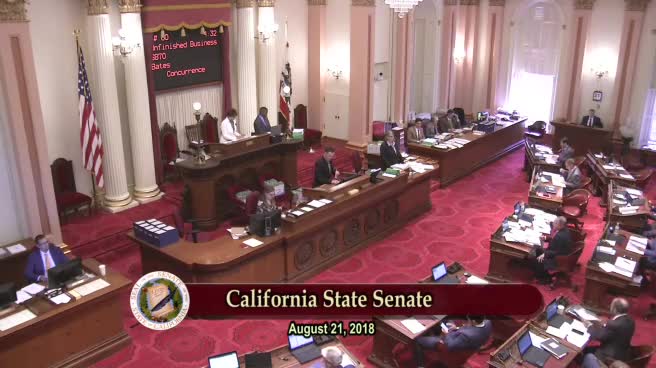 2MIN
Senate Floor
 5MIN
Assembly Floor
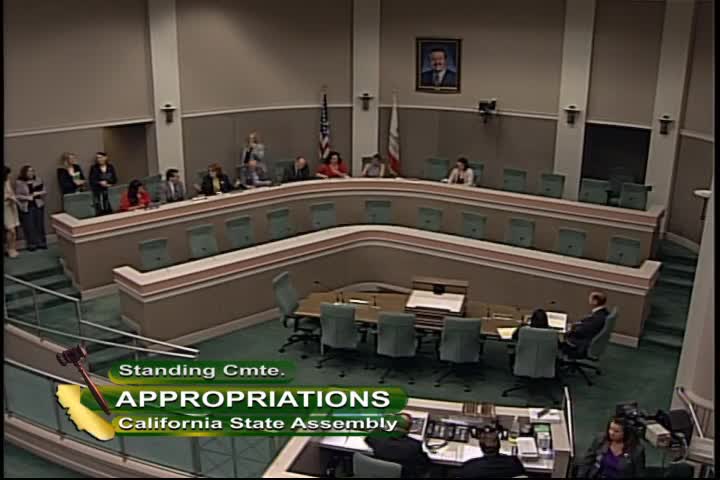 6MIN
Assembly Standing Committee on Appropriations
 12MIN
Assembly Standing Committee on Health
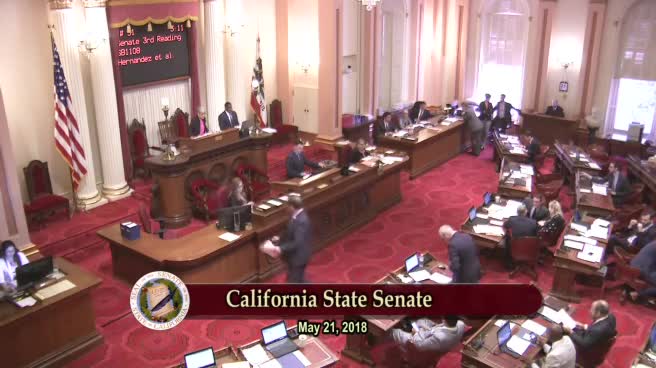 9MIN
Senate Floor
 12MIN
Senate Standing Committee on Health
Bill Author

Bill Co-Author(s):