SB 272: State Compensation Insurance Fund: executive and management appointments.
- Session Year: 2017-2018
- House: Senate
- Latest Version Date: 2017-10-06
Existing law provides for the existence of the State Compensation Insurance Fund (SCIF) to be administered by a board of directors for the purpose of transacting workers compensation insurance, and insurance against the expense of defending any suit for serious and willful misconduct, against an employer or his or her agent, and insurance for employees and other persons of the compensation fixed by the workers compensation laws for employees and their dependents. Existing law requires the board of directors of SCIF to appoint a president, a chief financial officer, a chief operating officer, a chief information technology officer, a chief investment officer, a chief risk officer, a chief medical officer, a chief actuarial officer, a chief claims operations officer, a chief of internal affairs, and a general counsel. Existing law also requires the board of directors to set the salary for each of those positions.
This bill, among other things, would authorize the board to appoint additional executive and management positions, including a chief underwriting officer and a pricing actuary, among others. The bill would also require that the board set the salary for each of the executive or management positions in amounts that are reasonably necessary to attract and retain individuals of superior qualifications and to submit its salary-setting criteria, including salary surveys, to the Department of Human Resources. The bill would require the board, by September 1, 2018, and subsequently on a biennial basis, to make a report to the Legislature, as specified, regarding the information submitted to the Department of Human Resources and the salary and total compensation of each position appointed by the board.
Existing law provides for the existence of the State Compensation Insurance Fund (SCIF) to be administered by a board of directors for the purpose of transacting workers compensation insurance, and insurance against the expense of defending any suit for serious and willful misconduct, against an employer or his or her agent, and insurance for employees and other persons of the compensation fixed by the workers compensation laws for employees and their dependents. Existing law requires the board of directors of SCIF to appoint a president, a chief financial officer, a chief operating officer, a chief information technology officer, a chief investment officer, a chief risk officer, a chief medical officer, a chief actuarial officer, a chief claims operations officer, a chief of internal affairs, and a general counsel. Existing law also requires the board of directors to set the salary for each of those positions.
This bill, among other things, would authorize the board to appoint additional executive and management positions, including a chief information security officer chief underwriting officer and a pricing actuary, among others. The bill would also require that the board set the salary for each of the executive or management positions in amounts that are reasonably necessary to attract and retain individuals of superior qualifications and to submit its salary-setting criteria, including salary surveys, to the Department of Human Resources. The bill would require the board, by September 1, 2018, and subsequently on a biennial basis, to make a report to the Legislature, as specified, regarding the information submitted to the Department of Human Resources and the salary and total compensation of each position appointed by the board.
Existing law provides for the existence of the State Compensation Insurance Fund (SCIF) to be administered by a board of directors for the purpose of transacting workers compensation insurance, and insurance against the expense of defending any suit for serious and willful misconduct, against an employer or his or her agent, and insurance for employees and other persons of the compensation fixed by the workers compensation laws for employees and their dependents. Existing law requires the board of directors of SCIF to appoint a president, a chief financial officer, a chief operating officer, a chief information technology officer, a chief investment officer, a chief risk officer, a chief medical officer, chief actuarial officer, a chief claims operations officer, a chief of internal affairs, and a general counsel. Existing law also requires the board of directors to set the salary for each of those positions.
This bill would require bill, among other things, would authorize the board to appoint additional executive and management positions, including a chief information security officer and a pricing actuary, among others. The bill would also require that the board set the salary for each of the executive or management positions in amounts that are reasonably necessary to attract and retain individuals of superior qualifications and to submit its salary-setting criteria, including salary surveys, to the Department of Human Resources.
Existing law provides for the existence of the State Compensation Insurance Fund (SCIF) to be administered by a board of directors for the purpose of transacting workers compensation insurance, and insurance against the expense of defending any suit for serious and willful misconduct, against an employer or his or her agent, and insurance for employees and other persons of the compensation fixed by the workers compensation laws for employees and their dependents. Existing law requires the board of directors of SCIF to appoint a president, a chief financial officer, a chief operating officer, a chief information technology officer, a chief investment officer, a chief risk officer, a chief medical officer, chief actuarial officer, a chief claims operations officer, a chief of internal affairs, and a general counsel.
This bill would require the board to appoint additional executive and management positions, including a chief information security officer and a pricing actuary, among others.
(a)The board of directors shall appoint a president, a chief financial officer, a chief operating officer, a chief information technology officer, a chief investment officer, a chief risk officer, a general counsel, a chief medical officer, a chief actuarial officer, a chief claims operations officer, and a chief of internal affairs. The board may appoint a chief underwriting officer, a senior vice president of insurance services, an executive vice president of corporate claims, an executive vice president of strategic planning, and a pricing actuary. The board of directors shall set the salary for each position in amounts that are reasonably necessary to attract and retain individuals of superior qualifications. The board shall submit its salary-setting criteria, including salary surveys, to the Department of Human Resources. These positions shall not be subject to otherwise applicable provisions of the Government Code and the Public Contract Code, and for those purposes the fund shall not be considered a state agency or other public entity. The president shall manage and conduct the business and affairs of the fund under the general direction and subject to the approval of the board of directors, and shall perform other duties as the board of directors prescribes.
(b)Section 87406 of the Government Code, the Milton Marks Postgovernment Employment Restrictions Act of 1990, shall apply to the fund. Members of the board, a person who held a position designated in subdivision (a), and any other person designated by the fund shall be deemed to be designated employees for the purpose of that act.
(c)Both the Bagley-Keene Open Meeting Act (Article 9 (commencing with Section 11120) of Chapter 1 of Part 1 of Division 3 of Title 2 of the Government Code) and the California Public Records Act (Chapter 3.5 (commencing with Section 6250) of Division 7 of Title 1 of the Government Code) shall apply to the fund.
(d)(1)The board shall, by September 1, 2018, and subsequently on a biennial basis, make a report to the Legislature and to the committees of the Senate and Assembly having jurisdiction over insurance that provides any salary-setting criteria and salary surveys submitted to the Department of Human Resources pursuant to subdivision (a), and the salary and total compensation of each position appointed pursuant to subdivision (a), for the previous two fiscal years.
(2)A report submitted pursuant to this subdivision shall be submitted in compliance with Section 9795 of the Government Code.
(a)The board of directors shall appoint a president, a chief financial officer, a chief operating officer, a chief information technology officer, a chief investment officer, a chief risk officer, a general counsel, a chief medical officer, a chief actuarial officer, a chief claims operations officer, and a chief of internal affairs. The board may appoint a chief underwriting officer, a chief information security officer, a senior vice president of insurance services, an executive vice president of corporate claims, an executive vice president of strategic planning, and a pricing actuary. The board of directors shall set the salary for each position in amounts that are reasonably necessary to attract and retain individuals of superior qualifications. The board shall submit its salary-setting criteria, including salary surveys, to the Department of Human Resources. These positions shall not be subject to otherwise applicable provisions of the Government Code and the Public Contract Code, and for those purposes the fund shall not be considered a state agency or other public entity. The president shall manage and conduct the business and affairs of the fund under the general direction and subject to the approval of the board of directors, and shall perform other duties as the board of directors prescribes.
(b)Section 87406 of the Government Code, the Milton Marks Postgovernment Employment Restrictions Act of 1990, shall apply to the fund. Members of the board, a person who held a position designated in subdivision (a), and any other person designated by the fund shall be deemed to be designated employees for the purpose of that act.
(c)Both the Bagley-Keene Open Meeting Act (Article 9 (commencing with Section 11120) of Chapter 1 of Part 1 of Division 3 of Title 2 of the Government Code) and the California Public Records Act (Chapter 3.5 (commencing with Section 6250) of Division 7 of Title 1 of the Government Code) shall apply to the fund.
(d)(1)The board shall, by September 1, 2018, and subsequently on a biannual biennial basis, make a report to the Legislature and to the committees of the Senate and Assembly having jurisdiction over insurance that provides any salary-setting criteria and salary surveys submitted to the Department of Human Resources pursuant to subdivision (a), and the salary and total compensation of each position appointed pursuant to subdivision (a), for the previous two fiscal years.
(2)A report submitted pursuant to this subdivision shall be submitted in compliance with Section 9795 of the Government Code.
(a)The board of directors shall appoint a president, a chief financial officer, a chief operating officer, a chief information technology officer, a chief investment officer, a chief risk officer, a general counsel, a chief medical officer, a chief actuarial officer, a chief claims operations officer, and a chief of internal affairs, affairs. The board may appoint a chief underwriting officer, a chief information security officer, an executive a senior vice president of insurance services, an executive vice president of corporate claims, an executive vice president of strategic planning, and a pricing actuary. The board of directors shall set the salary for each position. position in amounts that are reasonably necessary to attract and retain individuals of superior qualifications. The board shall submit its salary-setting criteria, including salary surveys, to the Department of Human Resources. These positions shall not be subject to otherwise applicable provisions of the Government Code and the Public Contract Code, and for those purposes the fund shall not be considered a state agency or other public entity. The president shall manage and conduct the business and affairs of the fund under the general direction and subject to the approval of the board of directors, and shall perform other duties as the board of directors prescribes.
(b)Section 87406 of the Government Code, the Milton Marks Postgovernment Employment Restrictions Act of 1990, shall apply to the fund. Members of the board, the president, the chief financial officer, the chief operating officer, the general counsel, a chief medical officer, a chief actuarial officer, a chief claims operations officer, and a chief of internal affairs, board, a person who held a position designated in subdivision (a), and any other person designated by the fund shall be deemed to be designated employees for the purpose of that act.
(c)Both the Bagley-Keene Open Meeting Act (Article 9 (commencing with Section 11120) of Chapter 1 of Part 1 of Division 3 of Title 2 of the Government Code) and the California Public Records Act (Chapter 3.5 (commencing with Section 6250) of Division 7 of Title 1 of the Government Code) shall apply to the fund.
(d)(1)The board shall, by September 1, 2018, and subsequently on a biannual basis, make a report to the Legislature and to the committees of the Senate and Assembly having jurisdiction over insurance that provides any salary-setting criteria and salary surveys submitted to the Department of Human Resources pursuant to subdivision (a), and the salary and total compensation of each position appointed pursuant to subdivision (a), for the previous two fiscal years.
(2)A report submitted pursuant to this subdivision shall be submitted in compliance with Section 9795 of the Government Code.
(a)The board of directors shall appoint a president, a chief financial officer, a chief operating officer, a chief information technology officer, a chief investment officer, a chief risk officer, a general counsel, a chief medical officer, a chief actuarial officer, a chief claims operations officer, and a chief of internal affairs. affairs, a chief underwriting officer, a chief information security officer, an executive vice president of insurance services, an executive vice president of corporate claims, an executive vice president of strategic planning, and a pricing actuary. The board of directors shall set the salary for each position. These positions shall not be subject to otherwise applicable provisions of the Government Code and the Public Contract Code, and for those purposes the fund shall not be considered a state agency or other public entity. The president shall manage and conduct the business and affairs of the fund under the general direction and subject to the approval of the board of directors, and shall perform other duties as the board of directors prescribes.
(b)Section 87406 of the Government Code, the Milton Marks Postgovernment Employment Restrictions Act of 1990, shall apply to the fund. Members of the board, the president, the chief financial officer, the chief operating officer, the general counsel, a chief medical officer, a chief actuarial officer, a chief claims operations officer, and a chief of internal affairs, and any other person designated by the fund shall be deemed to be designated employees for the purpose of that act.
(c)Both the Bagley-Keene Open Meeting Act (Article 9 (commencing with Section 11120) of Chapter 1 of Part 1 of Division 3 of Title 2 of the Government Code) and the California Public Records Act (Chapter 3.5 (commencing with Section 6250) of Division 7 of Title 1 of the Government Code) shall apply to the fund.
|
Date
|
Status
|
|---|---|
| Oct 6, 2017 | Chaptered by Secretary of State. Chapter 539, Statutes of 2017. |
| Oct 6, 2017 | Approved by the Governor. |
| Sep 20, 2017 | Enrolled and presented to the Governor at 4 p.m. |
| Sep 14, 2017 | Assembly amendments concurred in. (Ayes 39. Noes 0.) Ordered to engrossing and enrolling. |
| Sep 12, 2017 | Ordered to special consent calendar. |
| Sep 8, 2017 | In Senate. Concurrence in Assembly amendments pending. |
| Sep 7, 2017 | Read third time. Passed. Ordered to the Senate. |
| Aug 28, 2017 | From consent calendar on motion of Assembly Member Calderon. |
| Aug 24, 2017 | Read second time. Ordered to consent calendar. |
| Aug 23, 2017 | From committee: Do pass. Ordered to consent calendar. (Ayes 15. Noes 0.) (August 23). |
| Jul 12, 2017 | From committee: Do pass and re-refer to Com. on APPR. with recommendation: To consent calendar. (Ayes 12. Noes 0.) (July 12). Re-referred to Com. on APPR. |
| Jun 27, 2017 | From committee with author's amendments. Read second time and amended. Re-referred to Com. on INS. |
| Jun 1, 2017 | Referred to Com. on INS. |
| May 23, 2017 | In Assembly. Read first time. Held at Desk. |
| May 22, 2017 | Read third time. Passed. (Ayes 37. Noes 0. Page 1148.) Ordered to the Assembly. |
| May 16, 2017 | Read second time. Ordered to consent calendar. |
| May 15, 2017 | From committee: Be ordered to second reading pursuant to Senate Rule 28.8 and ordered to consent calendar. |
| May 4, 2017 | Set for hearing May 15. |
| May 2, 2017 | Read second time and amended. Re-referred to Com. on APPR. |
| May 1, 2017 | From committee: Do pass as amended and re-refer to Com. on APPR. with recommendation: To consent calendar. (Ayes 8. Noes 0. Page 1100.) (April 26). |
| Mar 3, 2017 | Set for hearing April 26. |
| Feb 16, 2017 | Referred to Com. on INS. |
| Feb 9, 2017 | From printer. May be acted upon on or after March 11. |
| Feb 8, 2017 | Introduced. Read first time. To Com. on RLS. for assignment. To print. |
|
Date
|
Description
|
Location
|
Votes
|
|
|---|---|---|---|---|
| Sep 14, 2017 | Special Consent SB272 | Senate Floor |
Passed |
|
| Sep 7, 2017 | SB 272 Mendoza Senate Third Reading By COOLEY | Assembly Floor |
Passed |
|
| Aug 23, 2017 | Do pass. To Consent Calendar. | Assembly Standing Committee on Appropriations |
Passed |
|
| Jul 12, 2017 | Do pass and be re-referred to the Committee on [Appropriations] with recommendation: To Consent Calendar | Assembly Standing Committee on Insurance |
Passed |
|
| May 22, 2017 | Consent Calendar 2nd SB272 | Senate Floor |
Passed |
|
| Apr 26, 2017 | Do pass as amended, but first amend, and re-refer to the Committee on [Appropriations] with the recommendation: To Consent Calendar | Senate Standing Committee on Insurance |
Passed |
This list shows positions taken on this bill by organizations on the date displayed, which is linked to the original source.
Positions by individuals are not included.
Office of Senate Floor Analyses (916) 651-1520 Fax: (916) 327-4478 | SB |
UNFINISHED BUSINESS
Bill No: SB 272
:
SENATE INSURANCE COMMITTEE: 8-0, 4/26/17
AYES: Mendoza, Gaines, Berryhill, Glazer, Mitchell, Newman, Portantino, Roth
NO VOTE RECORDED: Hernandez
SENATE APPROPRIATIONS COMMITTEE: Senate Rule 28.8
SENATE FLOOR: 37-0, 5/22/17 (Consent)
AYES: Allen, Atkins, Bates, Beall, Berryhill, Bradford, Cannella, De León, Dodd, Gaines, Galgiani, Glazer, Hernandez, Hertzberg, Hill, Hueso, Jackson, Lara, Leyva, McGuire, Mendoza, Mitchell, Monning, Moorlach, Morrell, Newman, Nguyen, Nielsen, Portantino, Roth, Skinner, Stern, Stone, Vidak, Wieckowski, Wiener, Wilk
NO VOTE RECORDED: Anderson, Fuller, Pan
ASSEMBLY FLOOR: 76-0, 9/7/17 - See last page for vote
SOURCE: State Compensation Insurance Fund
DIGEST:
This bill allows the State Compensation Insurance Fund (State Fund) board of directors (board) to appoint a chief underwriting officer, executive vice president of corporate claims, executive vice president of strategic planning and pricing actuary as positions exempt from civil service requirements, as specified; requires the board to set the salary amounts for these positions in amounts that are reasonably necessary to attract and retain individuals of superior qualifications; requires the board to submit its salary-setting criteria to the Department of Human Resources; and requires the board to submit a biennial report to the legislative committees with jurisdiction over insurance containing salary setting criteria and the salary and total compensation of each position filled.
Assembly Amendments
reduce the number of new executive appointments from six to five by deleting a chief information security officer, and clarify the frequency of a report to the Legislature.
Existing law:
- Establishes State Fund, a quasi-state agency, for the purpose of transacting workers’ compensation insurance, to be administered by a board with full power, authority and jurisdiction to conduct the business of the Fund.
- Directs State Fund to be fairly competitive with other insurers, and states the intent of the Legislature that it be neither more nor less than self-supporting.
- Requires the board to appoint a president, chief financial officer, chief operating officer, chief information technology officer, chief investment officer, chief risk officer, general counsel, chief medical officer, chief actuarial officer, chief claims operations officer and chief of internal affairs; requires the board to set the salary for each of those positions.
- Specifies that these positions are not subject to otherwise applicable provisions of the Government Code and the Public Contract Code (exempt non-civil service positions).
- Specifies that the Milton Marks Postgovernment Employment Restrictions Act applies to the Fund and its board and appointed employees.
- Prohibits the board and appointed officers from lobbying State Fund for two years after leaving employment with State Fund.
This bill:
- Allows the board to appoint a chief underwriting officer, a senior vice president of insurance services, an executive vice president of corporate claims, an executive vice president of strategic planning and a pricing actuary as exempt non-civil service positions.
- Requires the board to set the salary amounts for these positions in amounts that are reasonably necessary to attract and retain individuals of superior qualifications.
- Requires the board to submit its salary-setting criteria, including salary surveys, to the Department of Human Resources.
- Specifies that any person appointed by the board pursuant to this authority shall be considered designated employees under the Milton Marks Postgovernment Employment Restrictions Act of 1990.
- Requires the board to submit a biennial report to the legislative committees with jurisdiction over insurance containing salary setting criteria and the salary and total compensation of each position filled pursuant to this authority for the previous two fiscal years.
Background
State Fund was created by statute in 1914 to act as a workers’ compensation insurer for the state and to serve as the workers’ compensation insurer of last resort in the private market. It also serves as a Third Party Administrator (TPA) for self-insured public and private employers. The State of California is its largest TPA client. Although created by the Legislature, it is operated as a private non-profit insurer and is supposed to be “neither more nor less than self-supporting.” The State of California is not liable for any obligations of State Fund. It currently insures almost 115,000 California businesses.
As a non-profit quasi state entity tasked to operate in the private workers’ compensation insurance market, State Fund faces a mandate different from other workers’ compensation insurers: to maintain enough market share to remain financially stable and provide quality services, but not to compete for increased market share or make a profit. Just like other insurers, State Fund is regulated by the California Department of Insurance, is required to report its business quarterly to the Governor, including its resources and liabilities, and to use an outside auditor to annually audit its books and operations.
All of its employees are civil servants unless legislatively exempted from those requirements. State Fund’s workforce is entitled to the same job protections as other state workers. As a result, State Fund must manage significant organizational and operational issues not faced by other insurers. Until 2009, it had only one exempt position—the president and chief executive officer. After an operational audit in 2007 uncovered serious management deficiencies, the Legislature granted State Fund six additional exempt positions, including a chief financial officer, chief operating officer, general counsel, chief information technology officer, chief investment officer, and chief risk officer. At the same time, State Fund was made subject to the Bagley-Keene open meeting law (Machado, Chapter 344, Statutes of 2008). In 2013, AB 1394 (Committee on Insurance, Chapter 309, Statutes of 2013) added a chief medical officer, chief actuarial officer, chief claims operations officer, and chief of internal affairs to the list of exempt positions.
State Fund has been filling the positions added by this bill using outside consultants. These positions would not replace existing civil service positions, but could provide a pathway for State Fund to both retain and attract staff with industry experience and specific expertise. It could help slow the movement of high performing employees to higher paying jobs with private insurance companies.
FISCAL EFFECT: Appropriation: Fiscal Com.: Local:
State Compensation Insurance Fund (source)
None received
ARGUMENTS IN SUPPORT: According to State Fund, the addition of these positions will reduce the organization’s dependence on independent contractors, lower expenses and further expand State Fund’s ability to attract staff with industry experience and specific expertise to continue its business transformation and respond effectively to market demands and changes.
ASSEMBLY FLOOR: 76-0, 9/7/17
AYES: Acosta, Aguiar-Curry, Travis Allen, Arambula, Baker, Berman, Bigelow, Bloom, Bocanegra, Brough, Burke, Caballero, Calderon, Cervantes, Chau, Chávez, Chiu, Choi, Chu, Cooley, Cooper, Cunningham, Dababneh, Dahle, Daly, Eggman, Flora, Fong, Frazier, Friedman, Gallagher, Cristina Garcia, Eduardo Garcia, Gipson, Gloria, Gonzalez Fletcher, Gray, Grayson, Harper, Holden, Irwin, Jones-Sawyer, Kalra, Kiley, Lackey, Levine, Limón, Low, Maienschein, Mathis, Mayes, Medina, Melendez, Mullin, Muratsuchi, Nazarian, Obernolte, O'Donnell, Patterson, Quirk, Quirk-Silva, Reyes, Ridley-Thomas, Rodriguez, Rubio, Salas, Santiago, Steinorth, Mark Stone, Thurmond, Ting, Voepel, Waldron, Weber, Wood, Rendon
NO VOTE RECORDED: Bonta, Chen, McCarty
9/8/17 20:42:22
SENATE THIRD READING
STR Bill Id:
Author:(Mendoza)
As Amended Ver:
Majority vote
SENATE VOTE: 37-0
Committee | Votes | Ayes | Noes |
Insurance | 12-0 | Daly, Melendez, Bigelow, Caballero, Chu, Cooley, Cooper, Dababneh, Dahle, Frazier, Gipson, Voepel | |
Appropriations | 15-0 | Gonzalez Fletcher, Bigelow, Bocanegra, Bonta, Brough, Calderon, Chau, Eggman, Fong, Friedman, Gallagher, Gray, Jones-Sawyer, Obernolte, Reyes |
SUMMARY: Authorizes the Board of Directors (board) of the State Compensation Insurance Fund (SCIF) to appoint additional exempt employees to fill defined roles. Specifically, this bill:
Authorizes the SCIF board to appoint the following exempt employees, in addition to the exempt employees already specifically authorized by statute:
- Chief Underwriting Officer,
- Chief Information Security Officer,
- Executive Vice-President of Insurance Services,
- Executive Vice-President of Corporate Claims,
- Executive Vice-President of Strategic Planning, and
- Pricing Actuary.
EXISTING LAW:
- Establishes SCIF as a quasi-public entity, with a statutory purpose to be both the workers' compensation insurer of last resort for California businesses, and to compete in the workers' compensation insurance market.
- Provides generally that SCIF employees are subject to the civil service laws of the state, but authorizes the SCIF board to retain eleven exempt employees in defined functions, and determine the salary of these employees.
FISCAL EFFECT: Negligible costs to SCIF.
COMMENTS:
- Purpose. According to the author, the bill is intended to give the SCIF board the ability to appoint additional exempt senior management positions, thereby eliminating the need for costly and ultimately temporary consultants. This will allow the organization to respond more quickly to the market and accelerate progress through a multi-year business transformation that reflects industry best practices and more effectively supports California's workers, economy, and businesses by creating more stability in the marketplace.
- Background. SCIF was created by statute in 1914 to act as a workers' compensation insurer for the state and to serve as the workers' compensation insurer of last resort in the private market. It also serves as a Third Party Administrator (TPA) for self-insured public and private employers. The State of California is its largest TPA client. Although created by the Legislature, it is operated as a private non-profit enterprise, and is supposed to be "neither more nor less than self-supporting." The State of California is not liable for any obligations of State Fund. It currently insures almost 115,000 California businesses.
As a non-profit quasi state entity tasked to operate in the private workers' compensation market, SCIF faces a mandate different from other workers' compensation insurers: to maintain enough market share to remain financially stable and provide quality services, but not to compete for increased market share or make a profit. Just like other insurers, SCIF is regulated by the Department of Insurance (DOI) and is required to report its business quarterly to the Governor, including its resources and liabilities, and to use an outside auditor to annually audit its books and operations.
All of its employees are civil servants unless legislatively exempted from those requirements. SCIF's workforce is entitled to the same job protections as other state workers. As a result, SCIF must manage significant organizational and operational issues not faced by other insurers. Until 2009, it had only one exempt position—the president and CEO. After an operational audit in 2007 uncovered serious management deficiencies, the Legislature granted SCIF six additional exempt positions, including a chief financial officer, chief operating officer, general counsel, chief information technology officer, chief investment officer, and chief risk officer. In 2013, AB 1394 (Committee on Insurance) added a chief medical officer, chief actuarial officer, chief claims operations officer, and chief of internal affairs to the list of exempt positions.
- Outside consultants. SCIF has been filling the positions proposed by bill using outside consultants. These positions would not replace existing civil service positions, but could provide a pathway for SCIF to both retain and attract staff with industry experience and specific expertise. It could help slow the movement of high performing employees to higher paying jobs with private insurance companies. According to SCIF, they are currently paying a consultant a total of $630,770 annually, including benefit costs, performance bonuses and long term incentives, to perform the function of executive vice president for claims. They anticipate paying total compensation of $425,000 to fill this position with an employee. They have paid a consultant a total of $368,550 to perform services as a chief underwriting officer, and anticipate compensating an employee in this position $357,000 including benefits, performance bonuses and incentives. The anticipated cost for a pricing actuary employee is actually $8,000 higher than its associated consultant costs.
Prior legislation. Last year, SB 1451 (Mendoza), proposed to grant the SCIF board authority to appoint up to 8 executive and management positions in the areas of underwriting, technology, claims, finance, or actuarial that would be exempt from civil service requirements. That bill was vetoed by the Governor. The Governor's veto message provided:
"I am returning Senate Bill 1451 without my signature.
This bill grants the State Compensation Insurance Fund Board authority to appoint and set the salary for up to eight additional senior management positions.
Under limited circumstances it has been necessary for state agencies to have salary setting authority for certain positions. I'm not convinced this authority is justified in this instance."
According to SCIF, it has engaged in productive discussions with CalHR that has resulted in the current version of the bill. Proponents believe the current bill will satisfy the concerns expressed by the Governor last year.
Analysis Prepared by: Mark Rakich / INS. / (916) 319-2086 FN: 0001559
Date of Hearing: August 23, 2017
ASSEMBLY COMMITTEE ON APPROPRIATIONS
Lorena Gonzalez Fletcher, Chair
SBPCA Bill Id:SB 272
Author:(Mendoza) – As Amended Ver:June 27, 2017
Policy Committee: | Insurance | Vote: | 12 - 0 |
Urgency: No State Mandated Local Program: No Reimbursable: No
SUMMARY:
This bill allows the board of directors of the State Compensation Insurance Fund (SCIF) to appoint five specified executive and management positions that are exempt from civil service requirements, and requires a related biennial report.
FISCAL EFFECT:
Negligible state costs. SCIF is a quasi-governmental entity, but it is funded by policyholder premiums and investment earnings from those premiums, not state funds. SCIF reports that in some cases, the ability to create exempt positions instead of relying on consultant contracts could provide administrative cost savings.
COMMENTS:
- Purpose. According to the author, the SCIF board needs the flexibility to create additional exempt positions, allowing it the ability to avoid hiring costly and ultimately temporary consultants, without having to come to the Legislature to approve each new position. The author indicates this flexibility will allow the organization to respond more quickly to the market and accelerate progress through a multi-year business transformation.
- SCIF Governance and Operations. SCIF is California’s largest provider of workers’ compensation insurance. It was created by the Legislature in 1914 in order to ensure all businesses had an option for workers' compensation coverage when it became mandatory for businesses to provide coverage. The State of California provides workers' compensation through SCIF. The SCIF board has 11 voting members, nine of which are appointed by the Governor, while the remaining two members are legislative appointees. The board also includes the Department of Industrial Relations Director as a non-voting “ex-officio” member. As a major player in the workers' compensation insurance marketplace, SCIF has similar demands for executive and managerial talent, as well as subject matter expertise, as a large private-sector insurer.
- Prior legislation. SB 1451 (Mendoza), of the 2015-16 Legislative Session, was similar to this bill and was vetoed on concern that the authority was not sufficiency justified.
According to SCIF, it has engaged in productive discussions with the administration that has resulted in the current version of the bill, and they believe the current bill will satisfy the concerns expressed by the Governor.
Analysis Prepared by: Lisa Murawski / APPR. / (916) 319-2081
Date of Hearing: July 12, 2017
ASSEMBLY COMMITTEE ON INSURANCE
Tom Daly, Chair
SBPCA Bill Id:SB 272
Author:(Mendoza) – As Amended Ver:June 27, 2017
SENATE VOTE: 37-0
SUBJECT: State Compensation Insurance Fund: executive and management appointments
SUMMARY: Authorizes the Board of Directors (board) of the State Compensation Insurance Fund (SCIF) to appoint additional exempt employees to fill defined roles. Specifically, this bill:
- Authorizes the SCIF board to appoint the following exempt employees, in addition to the exempt employees already specifically authorized by statute:
- Chief Underwriting Officer,
- Chief Information Security Officer,
- Executive Vice-President of Insurance Services,
- Executive Vice-President of Corporate Claims,
- Executive Vice-President of Strategic Planning, and
- Pricing Actuary.
EXISTING LAW:
- Establishes SCIF as a quasi-public entity, with a statutory purpose to be both the workers’ compensation insurer of last resort for California businesses, and to compete in the workers’ compensation insurance market.
- Provides generally that SCIF employees are subject to the civil service laws of the state, but authorizes the SCIF board to retain eleven exempt employees in defined functions, and determine the salary of these employees.
FISCAL EFFECT: Undetermined costs to SCIF, which uses no special or general fund state resources. SCIF is 100% funded by premiums and investment returns.
COMMENTS:
- Purpose. According to the author, the bill is intended to give the SCIF board the ability to appoint additional exempt senior management positions, thereby eliminating the need for costly and ultimately temporary consultants. This will allow the organization to respond more quickly to the market and accelerate progress through a multi-year business transformation that reflects industry best practices and more effectively supports California’s workers, economy, and businesses by creating more stability in the marketplace.
- Background. SCIF was created by statute in 1914 to act as a workers’ compensation insurer for the state and to serve as the workers’ compensation insurer of last resort in the private market. It also serves as a Third Party Administrator (TPA) for self-insured public and private employers. The State of California is its largest TPA client. Although created by the Legislature, it is operated as a private non-profit enterprise, and is supposed to be “neither more nor less than self-supporting.” The State of California is not liable for any obligations of State Fund. It currently insures almost 115,000 California businesses.
As a non-profit quasi state entity tasked to operate in the private workers’ compensation market, SCIF faces a mandate different from other workers’ compensation insurers: to maintain enough market share to remain financially stable and provide quality services, but not to compete for increased market share or make a profit. Just like other insurers, SCIF is regulated by the Department of Insurance (DOI) and is required to report its business quarterly to the Governor, including its resources and liabilities, and to use an outside auditor to annually audit its books and operations.
All of its employees are civil servants unless legislatively exempted from those requirements. SCIF’s workforce is entitled to the same job protections as other state workers. As a result, SCIF must manage significant organizational and operational issues not faced by other insurers. Until 2009, it had only one exempt position—the president and CEO. After an operational audit in 2007 uncovered serious management deficiencies, the Legislature granted SCIF six additional exempt positions, including a chief financial officer, chief operating officer, general counsel, chief information technology officer, chief investment officer, and chief risk officer. In 2013, AB 1394 (Committee on Insurance) added a chief medical officer, chief actuarial officer, chief claims operations officer, and chief of internal affairs to the list of exempt positions. - Outside consultants. SCIF has been filling the positions proposed by bill using outside consultants. These positions would not replace existing civil service positions, but could provide a pathway for SCIF to both retain and attract staff with industry experience and specific expertise. It could help slow the movement of high performing employees to higher paying jobs with private insurance companies. According to SCIF, they are currently paying a consultant a total of $630,770 annually, including benefit costs, performance bonuses and long term incentives, to perform the function of executive vice president for claims. They anticipate paying total compensation of $425,000 to fill this position with an employee. They have paid a consultant a total of $368,550 to perform services as a chief underwriting officer, and anticipate compensating an employee in this position $357,000 including benefits, performance bonuses and incentives. The anticipated cost for a pricing actuary employee is actually $8,000 higher than its associated consultant costs.
- Prior legislation. Last year, SB 1451 (Mendoza), proposed to grant the SCIF board authority to appoint up to 8 executive and management positions in the areas of underwriting, technology, claims, finance, or actuarial that would be exempt from civil service requirements. That bill was vetoed by the Governor. The Governor’s veto message provided:
“I am returning Senate Bill 1451 without my signature.
This bill grants the State Compensation Insurance Fund Board authority to appoint and set the salary for up to eight additional senior management positions.
Under limited circumstances it has been necessary for state agencies to have salary
setting authority for certain positions. I'm not convinced this authority is justified in this instance.”
According to SCIF, it has engaged in productive discussions with CalHR that has resulted in the current version of the bill. Proponents believe the current bill will satisfy the concerns expressed by the Governor last year.
REGISTERED SUPPORT / OPPOSITION:
Support
State Compensation Insurance Fund
Opposition
None received
Analysis Prepared by: Mark Rakich / INS. / (916) 319-2086
Office of Senate Floor Analyses (916) 651-1520 Fax: (916) 327-4478 | SB |
CONSENT
Bill No: SB 272
:
SENATE INSURANCE COMMITTEE: 8-0, 4/26/17
AYES: Mendoza, Gaines, Berryhill, Glazer, Mitchell, Newman, Portantino, Roth
NO VOTE RECORDED: Hernandez
SENATE APPROPRIATIONS COMMITTEE: Senate Rule 28.8
SOURCE: State Compensation Insurance Fund
DIGEST:
This bill allows the State Compensation Insurance Fund (State Fund) board of directors (board) to appoint a chief underwriting officer, chief information security officer, executive vice president of corporate claims, executive vice president of strategic planning and pricing actuary as positions exempt from civil service requirements, as specified; requires the board to set the salary amounts for these positions in amounts that are reasonably necessary to attract and retain individuals of superior qualifications; requires the board to submit its salary-setting criteria to the Department of Human Resources; and requires the board to submit a biannual report to the legislative committees with jurisdiction over insurance containing salary setting criteria and the salary and total compensation of each position filled.
Existing law:
- Establishes State Fund, a quasi-state agency, for the purpose of transacting workers’ compensation insurance, to be administered by a board with full power, authority and jurisdiction to conduct the business of the Fund.
- Directs State Fund to be fairly competitive with other insurers, and states the intent of the Legislature that it be neither more nor less than self-supporting.
- Requires the board to appoint a president, chief financial officer, chief operating officer, chief information technology officer, chief investment officer, chief risk officer, general counsel, chief medical officer, chief actuarial officer, chief claims operations officer and chief of internal affairs; requires the board to set the salary for each of those positions.
- Specifies that these positions are not subject to otherwise applicable provisions of the Government Code and the Public Contract Code (exempt non-civil service positions).
- Specifies that the Milton Marks Postgovernment Employment Restrictions Act applies to the Fund and its board and appointed employees.
- Prohibits the board and appointed officers from lobbying State Fund for two years after leaving employment with State Fund.
This bill:
- Allows the board to appoint a chief underwriting officer, a chief information security officer, a senior vice president of insurance services, an executive vice president of corporate claims, an executive vice president of strategic planning and a pricing actuary as exempt non-civil service positions.
- Requires the board to set the salary amounts for these positions in amounts that are reasonably necessary to attract and retain individuals of superior qualifications.
- Requires the board to submit its salary-setting criteria, including salary surveys, to the Department of Human Resources.
- Specifies that any person appointed by the board pursuant to this authority shall be considered designated employees under the Milton Marks Postgovernment Employment Restrictions Act of 1990.
- Requires the board to submit a biannual report to the legislative committees with jurisdiction over insurance containing salary setting criteria and the salary and total compensation of each position filled pursuant to this authority for the previous two fiscal years.
Background
State Fund was created by statute in 1914 to act as a workers’ compensation insurer for the state and to serve as the workers’ compensation insurer of last resort in the private market. It also serves as a Third Party Administrator (TPA) for self-insured public and private employers. The State of California is its largest TPA client. Although created by the Legislature, it is operated as a private non-profit insurer and is supposed to be “neither more nor less than self-supporting.” The State of California is not liable for any obligations of State Fund. It currently insures almost 115,000 California businesses.
As a non-profit quasi state entity tasked to operate in the private workers’ compensation insurance market, State Fund faces a mandate different from other workers’ compensation insurers: to maintain enough market share to remain financially stable and provide quality services, but not to compete for increased market share or make a profit. Just like other insurers, State Fund is regulated by the California Department of Insurance, is required to report its business quarterly to the Governor, including its resources and liabilities, and to use an outside auditor to annually audit its books and operations.
All of its employees are civil servants unless legislatively exempted from those requirements. State Fund’s workforce is entitled to the same job protections as other state workers. As a result, State Fund must manage significant organizational and operational issues not faced by other insurers. Until 2009, it had only one exempt position—the president and chief executive officer. After an operational audit in 2007 uncovered serious management deficiencies, the Legislature granted State Fund six additional exempt positions, including a chief financial officer, chief operating officer, general counsel, chief information technology officer, chief investment officer, and chief risk officer. At the same time, State Fund was made subject to the Bagley-Keene open meeting law (Machado, Chapter 344, Statutes of 2008). In 2013, AB 1394 (Committee on Insurance, Chapter 309, Statutes of 2013) added a chief medical officer, chief actuarial officer, chief claims operations officer, and chief of internal affairs to the list of exempt positions.
State Fund has been filling the positions added by this bill using outside consultants. These positions would not replace existing civil service positions, but could provide a pathway for State Fund to both retain and attract staff with industry experience and specific expertise. It could help slow the movement of high performing employees to higher paying jobs with private insurance companies.
FISCAL EFFECT: Appropriation: Fiscal Com.: Local:
State Compensation Insurance Fund (source)
OPPOSITION: (Verified 5/16/17)
None received
ARGUMENTS IN SUPPORT: According to State Fund, the addition of these positions will reduce the organization’s dependence on independent contractors, lower expenses and further expand State Fund’s ability to attract staff with industry experience and specific expertise to continue its business transformation and respond effectively to market demands and changes.
5/16/17 16:45:18
**** END ****
SENATE COMMITTEE ON
Senator Tony Mendoza, Chair
2017 - 2018 Regular
Bill No: Hearing Date: April 26, 2017
Author: | |||
Version: |
| ||
Urgency: | Fiscal: | ||
Consultant: | |||
Subject:
SUMMARY
Allows the State Compensation Insurance Fund (State Fund) board of directors to appoint a chief underwriting officer, chief information security officer, executive vice president of corporate claims, executive vice president of strategic planning and pricing actuary as positions exempt from civil service requirements, as specified.
DIGEST
Existing law
- Establishes State Fund, a quasi-state agency, for the purpose of transacting workers’ compensation insurance, to be administered by a board with full power, authority and jurisdiction to conduct the business of the fund;
- Directs State Fund to be fairly competitive with other insurers, and states the intent of the Legislature that it be neither more nor less than self-supporting;
- Requires the board to appoint a president, chief financial officer, chief operating officer, chief information technology officer, chief investment officer, chief risk officer, general counsel, chief medical officer, chief actuarial officer, chief claims operations officer and chief of internal affairs; and specifies that these positions are not subject to otherwise applicable provisions of the Government Code and the Public Contract Code (exempt non-civil service positions);
- Specifies that the Milton Marks Postgovernment Employment Restrictions Act applies to the Fund and its board and appointed employees;
- Specifies that the board and appointed officers are prohibited from lobbying State Fund for two years after leaving employment with State Fund.
This bill
- Requires the State Fund board of directors to appoint a chief underwriting officer, a chief information security officer, an executive vice president of insurance services, an executive vice president of corporate claims, an executive vice president of strategic planning and a pricing actuary;
- Allows the board to set the salaries for the new positions and specifies that those employees not be considered state employees for the purposes of the Government Code or the Public Contract Code.
COMMENTS
- Purpose of the bill To give the State Fund board the ability to appoint additional exempt senior management positions, thereby eliminating the need for costly and ultimately temporary consultants. This will allow the organization to respond more quickly to the market and accelerate progress through a multi-year business transformation that reflects industry best practices and more effectively supports California’s workers, economy, and businesses by creating more stability in the marketplace.
- Background State Fund was created by statute in 1914 to act as a workers’ compensation insurer for the state and to serve as the workers’ compensation insurer of last resort in the private market. It also serves as a Third Party Administrator (TPA) for self-insured public and private employers. The State of California is its largest TPA client. Although created by the Legislature, it is operated as a private non-profit enterprise, and is supposed to be “neither more nor less than self-supporting.” The State of California is not liable for any obligations of State Fund. It currently insures almost 115,000 California businesses.
As a non-profit quasi state entity tasked to operate in the private workers’ compensation market, State Fund faces a mandate different from other workers’ compensation insurers: to maintain enough market share to remain financially stable and provide quality services, but not to compete for increased market share or make a profit. Just like other insurers, State Fund is regulated by the California Department of Insurance (CDI) and is required to report its business quarterly to the Governor, including its resources and liabilities, and to use an outside auditor to annually audit its books and operations.
All of its employees are civil servants unless legislatively exempted from those requirements. State Fund’s workforce is entitled to the same job protections as other state workers. As a result, State Fund must manage significant organizational and operational issues not faced by other insurers. Until 2009, it had only one exempt position—the president and CEO. After an operational audit in 2007 uncovered serious management deficiencies, the Legislature granted State Fund six additional exempt positions, including a chief financial officer, chief operating officer, general counsel, chief information technology officer, chief investment officer, and chief risk officer. At the same time, State Fund was made subject to the Bagley-Keene open meeting law (Machado Chap. 344, Statutes of 2008). In 2013, AB 1394 (Committee on Insurance) added a chief medical officer, chief actuarial officer, chief claims operations officer, and chief of internal affairs to the list of exempt positions.
State Fund has been filling the positions added by bill using more outside consultants. These positions would not replace existing civil service positions, but could provide a pathway for State Fund to both retain and attract staff with industry experience and specific expertise. It could help slow the movement of high performing employees to higher paying jobs with private insurance companies. According to State Fund, they are currently paying a consultant a total of $630,770 annually, including benefit costs, performance bonuses and long term incentives, to perform the function of executive vice president for claims. They anticipate paying total compensation of $425,000 to fill this position with an employee. They have paid a consultant a total of $368,550 to perform services as a chief underwriting officer, and anticipate compensating an employee in this position $357,000 including benefits, performance bonuses and incentives. The anticipated cost for a pricing actuary employee is actually $8,000 higher than its associated consultant costs.
- Support According to State Fund, the addition of these positions will reduce the organization’s dependence on independent contractors, lower expenses and further expand State Fund’s ability to attract staff with industry experience and specific expertise to continue its business transformation and respond effectively to market demands and changes.
- Opposition None received.
- Questions
- This bill, and previous legislation expanding the number of exempt senior management employees, requires the board to appoint these positions. The original positions were those recommended by an outside audit of State Fund’s operations. These positions are being requested by State Fund management. Should we mandate by statute that the board act, or simply allow the board to appoint these positions if they cannot otherwise be filled by qualified employees? For example, State Fund has recently determined they may be able to hire a chief information officer utilizing a career executive civil service position.
- The State Fund board is empowered to set the salary for all of its exempt positions. Should there be any limits to how much they can decide to pay these employees? Should the board be required to provide evidence to justify the salaries needed to retain and attract employees for these senior management positions?
- The current president and other exempt senior employees are subject to the Milton Marks Postgovernment Employment Restrictions Act. Should the positions created by this bill also be included?
- Suggested Amendments
- On page 2, lines 7 and 8, reword as follows: “a chief of internal affairs. The board may appoint a chief underwriting officer, a chief information security officer….”
- On page 2, line 12, add the following: “The board of directors shall set the salary for each position in amounts that are reasonably necessary to attract and retain individuals of superior qualifications. The board shall submit their salary setting criteria, including salary surveys, to the Department of Human Resources.
- On page 2, line 22, strike lines 22-25 listing of individual positions and replace with “Members of the board, a person who held a position designated in subdivision (a), and any other person designated by the fund.
- On Page 2 lines 9 and 10, State Fund has asked to rename two positions from executive vice president to senior vice president: senior vice president of information services and senior vice president of corporate claims.
- Prior and Related Legislation
SB 1451 (Mendoza, 2016), as passed by the Assembly, would have granted the State Fund board of directors authority to appoint up to 8 executive and management positions in the areas of underwriting, technology, claims, finance, or actuarial that would be exempt from civil service requirements. That bill was vetoed by the Governor.
SB 1145 (Machado), Chapter 344, Statutes of 2008, authorized State Fund to appoint six "exempt" employees in addition to the president and CEO, and required State Fund to comply with the "Open Meetings" Law, subject to certain exceptions.
AB 1394 (Committee on Insurance), Chapter 309, Statutes of 2013, allowed State Fund to appoint four additional “exempt” positions, a chief medical officer, chief actuarial officer, chief claims operations officer, and chief of internal affairs.
POSITIONS
Support
State Compensation Insurance Fund (Sponsor)
Oppose
None received
-- END --

Bill Author
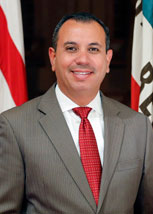
Bill Co-Author(s):