SB 461: Alcoholic beverage control: tied house restrictions.
- Session Year: 2017-2018
- House: Senate
- Latest Version Date: 2017-10-05
Existing law creates the Department of Alcoholic Beverage Control, to which is committed the authority for the administration and enforcement of alcoholic beverage laws in the state in a strict and impartial manner. Existing law, commonly referred to as tied-house restrictions, generally prohibits a licensed manufacturer, winegrower, manufacturers agent, California winegrowers agent, rectifier, distiller, bottler, importer, or wholesaler from having an ownership interest in an on-sale license, among other things, subject to a variety of exceptions. Existing law excepts from tied-house restrictions the issuance or transfer of a retail on-sale or off-sale license with respect to premises that are an integral part of the operations of a hotel or motel, notwithstanding that a manufacturer, winegrower, manufacturers agent, California winegrowers agent, rectifier, distiller, bottler, importer, or wholesaler has an interest in the premises, the retail license, or the retail licensee, provided certain conditions are met. In this regard, in the case of a hotel or motel, the hotel or motel must have not less than 100 guestrooms.
This bill, for the purpose of excepting a transfer of a retail on-sale or off-sale license from the tied-house restriction described above, would reduce the necessary number of guestrooms in a hotel or motel to 25. The bill would also specify that this exception applies notwithstanding the fact that an out-of-state distilled spirits shipper has an interest in the premises, the retail license, or the retail licensee.
Existing law creates the Department of Alcoholic Beverage Control, to which is committed the authority for the administration and enforcement of alcoholic beverage laws in the state in a strict and impartial manner. Existing law, commonly referred to as tied-house restrictions, generally prohibits a licensed manufacturer, winegrower, manufacturers agent, California winegrowers agent, rectifier, distiller, bottler, importer, or wholesaler from having an ownership interest in an on-sale license, among other things, subject to a variety of exceptions. Existing law excepts from tied-house restrictions the issuance or transfer of a retail on-sale or off-sale license with respect to premises that are an integral part of the operations of a hotel or motel, notwithstanding that a manufacturer, winegrower, manufacturers agent, California winegrowers agent, rectifier, distiller, bottler, importer, or wholesaler has an interest in the premises, the retail license, or the retail licensee, provided certain conditions are met. In this regard, in the case of a hotel or motel, the hotel or motel must have not less than 100 guestrooms.
This bill, for the purpose of excepting a transfer of a retail on-sale or off-sale license from the tied-house restriction described above, would reduce the necessary number of guestrooms in a hotel or motel to 50. 25. The bill would also specify that this exception applies notwithstanding the fact that an out-of-state distilled spirits shipper has an interest in the premises, the retail license, or the retail licensee.
Existing law creates the Department of Alcoholic Beverage Control, to which is committed the authority for the administration and enforcement of alcoholic beverage laws in the state in a strict and impartial manner. Existing law, commonly referred to as tied-house restrictions, generally prohibits a licensed manufacturer, winegrower, manufacturers agent, California winegrowers agent, rectifier, distiller, bottler, importer, or wholesaler from having an ownership interest in an on-sale license, among other things, subject to a variety of exceptions. Existing law excepts from tied-house restrictions the issuance or transfer of a retail on-sale or off-sale license with respect to premises that are an integral part of the operations of a hotel or motel, notwithstanding that a manufacturer, winegrower, manufacturers agent, California winegrowers agent, rectifier, distiller, bottler, importer, or wholesaler has an interest in the premises, the retail license, or the retail licensee, provided certain conditions are met. In this regard, in the case of a hotel or motel, the hotel or motel must have not less than 100 guestrooms.
This bill, for the purpose of excepting a transfer of a retail on-sale or off-sale license from the tied-house restriction described above, would reduce the necessary number of guestrooms in a hotel or motel to 50. The bill would also specify that this exception applies notwithstanding the fact that an out-of-state distilled spirits shipper has an interest in the premises, the retail license, or the retail licensee.
(a)Nothing in this division shall prohibit the issuance or transfer of any retail on-sale or off-sale license to any person with respect to premises which are an integral part of the operations of a hotel, motel, or marine park owned by, or operated by or on behalf of, the licensee notwithstanding that a manufacturer, winegrower, manufacturers agent, California winegrowers agent, rectifier, distiller, bottler, importer, wholesaler, or out-of-state distilled spirits shipper has any interest, directly or indirectly, in the premises, in the retail license, or in the retail licensee, and notwithstanding that the issuance or transfer would otherwise result in a violation of subdivision (a) of Section 25500, subdivision (a) or (b) of Section 25501, or Section 25502, if each of the following conditions is met:
(1)In the case of a hotel or motel, the hotel or motel consists of not less than 25 guestroom accommodations.
(2)No more than one-quarter of the total gross annual revenues of the hotel, motel, or marine park is derived from the sale by the hotel, motel, or marine park of alcoholic beverages.
(3)(A)The retail licensee shall purchase no beer or distilled spirits for sale in this state other than from a wholesale licensee, and the retail licensee, except as otherwise provided in subparagraph (B), shall purchase no alcoholic beverages for sale in this state from any wholesale licensee that has any interest, directly or indirectly, in the premises, in the retail license, or in the retail licensee.
(B)Notwithstanding subparagraph (A), a marine park may purchase beer or malt beverages for sale in this state from a wholesale licensee regardless of whether the wholesale licensee has any interest, directly or indirectly, in the premises, in the retail license, or in the retail licensee.
(4)The retail licensee serves other brands of beer, wine, and distilled spirits in addition to the brands manufactured by the beer or distilled spirits manufacturer or produced by the winegrower holding an interest in the retail license.
(5)No marine park shall sell or offer for sale any distilled spirits, except during private events or private functions held at the marine park.
(b)For purposes of this section, hotel and motel shall mean an establishment containing guestroom accommodations with respect to which the predominant relationship existing between the occupants thereof and the owner or operator of the establishment is that of innkeeper and guest; for purposes of this subdivision, the existence of other legal relationships as between some occupants and the owner or operator thereof shall be immaterial.
(c)For purposes of this section, marine park means an establishment with not less than 125 contiguous acres, located in San Diego County, the predominant purpose of which is the education or entertainment of the public through the display of marine animals and related aquatic, food service, and amusement activities, which holds permits issued by state and federal regulatory agencies authorizing the keeping of marine animals or endangered species or both, and which has an annual paid attendance of at least 2,000,000 people.
(d)The Legislature finds that it is necessary and proper to require a separation between manufacturing interests, wholesale interests, and retail interests in the production and distribution of alcoholic beverages in order to prevent suppliers from dominating local markets through vertical integration and to prevent excessive sales of alcoholic beverages produced by overly aggressive marketing techniques. The Legislature further finds that the exception established by this section to the general prohibition against tied interests shall be limited to its express terms so as not to undermine the general prohibition, and intends that this section be construed accordingly.
(a)Nothing in this division shall prohibit the issuance or transfer of any retail on-sale or off-sale license to any person with respect to premises which are an integral part of the operations of a hotel, motel, or marine park owned by, or operated by or on behalf of, the licensee notwithstanding that a manufacturer, winegrower, manufacturers agent, California winegrowers agent, rectifier, distiller, bottler, importer, wholesaler, or out-of-state distilled spirits shipper has any interest, directly or indirectly, in the premises, in the retail license, or in the retail licensee, and notwithstanding that the issuance or transfer would otherwise result in a violation of subdivision (a) of Section 25500, subdivision (a) or (b) of Section 25501, or Section 25502, if each of the following conditions is met:
(1)In the case of a hotel or motel, the hotel or motel consists of not less than 50 25 guestroom accommodations.
(2)No more than one-quarter of the total gross annual revenues of the hotel, motel, or marine park is derived from the sale by the hotel, motel, or marine park of alcoholic beverages.
(3)(A)The retail licensee shall purchase no beer or distilled spirits for sale in this state other than from a wholesale licensee, and the retail licensee, except as otherwise provided in subparagraph (B), shall purchase no alcoholic beverages for sale in this state from any wholesale licensee that has any interest, directly or indirectly, in the premises, in the retail license, or in the retail licensee.
(B)Notwithstanding subparagraph (A), a marine park may purchase beer or malt beverages for sale in this state from a wholesale licensee regardless of whether the wholesale licensee has any interest, directly or indirectly, in the premises, in the retail license, or in the retail licensee.
(4)The retail licensee serves other brands of beer, wine, and distilled spirits in addition to the brands manufactured by the beer or distilled spirits manufacturer or produced by the winegrower holding an interest in the retail license.
(5)No marine park shall sell or offer for sale any distilled spirits, except during private events or private functions held at the marine park.
(b)For purposes of this section, hotel and motel shall mean an establishment containing guestroom accommodations with respect to which the predominant relationship existing between the occupants thereof and the owner or operator of the establishment is that of innkeeper and guest; for purposes of this subdivision, the existence of other legal relationships as between some occupants and the owner or operator thereof shall be immaterial.
(c)For purposes of this section, marine park means an establishment with not less than 125 contiguous acres, located in San Diego County, the predominant purpose of which is the education or entertainment of the public through the display of marine animals and related aquatic, food service, and amusement activities, which holds permits issued by state and federal regulatory agencies authorizing the keeping of marine animals or endangered species or both, and which has an annual paid attendance of at least 2,000,000 people.
(d)The Legislature finds that it is necessary and proper to require a separation between manufacturing interests, wholesale interests, and retail interests in the production and distribution of alcoholic beverages in order to prevent suppliers from dominating local markets through vertical integration and to prevent excessive sales of alcoholic beverages produced by overly aggressive marketing techniques. The Legislature further finds that the exception established by this section to the general prohibition against tied interests shall be limited to its express terms so as not to undermine the general prohibition, and intends that this section be construed accordingly.
(a)Nothing in this division shall prohibit the issuance or transfer of any retail on-sale or off-sale license to any person with respect to premises which are an integral part of the operations of a hotel, motel, or marine park owned by, or operated by or on behalf of, the licensee notwithstanding that a manufacturer, winegrower, manufacturers agent, California winegrowers agent, rectifier, distiller, bottler, importer, or wholesaler wholesaler, or out-of-state distilled spirits shipper has any interest, directly or indirectly, in the premises, in the retail license, or in the retail licensee, and notwithstanding that the issuance or transfer would otherwise result in a violation of subdivision (a) of Section 25500, subdivision (a) or (b) of Section 25501, or Section 25502, if each of the following conditions is met:
(1)In the case of a hotel or motel, the hotel or motel consists of not less than 100 50 guestroom accommodations.
(2)No more than one-quarter of the total gross annual revenues of the hotel, motel, or marine park is derived from the sale by the hotel, motel, or marine park of alcoholic beverages.
(3)(A)The retail licensee shall purchase no beer or distilled spirits for sale in this state other than from a wholesale licensee, and the retail licensee, except as otherwise provided in subparagraph (B), shall purchase no alcoholic beverages for sale in this state from any wholesale licensee that has any interest, directly or indirectly, in the premises, in the retail license, or in the retail licensee.
(B)Notwithstanding subparagraph (A), a marine park may purchase beer or malt beverages for sale in this state from a wholesale licensee regardless of whether the wholesale licensee has any interest, directly or indirectly, in the premises, in the retail license, or in the retail licensee.
(4)The retail licensee serves other brands of beer, wine, and distilled spirits in addition to the brands manufactured by the beer or distilled spirits manufacturer or produced by the winegrower holding an interest in the retail license.
(5)No marine park shall sell or offer for sale any distilled spirits, except during private events or private functions held at the marine park.
(b)For purposes of this section, hotel and motel shall mean an establishment containing guestroom accommodations with respect to which the predominant relationship existing between the occupants thereof and the owner or operator of the establishment is that of innkeeper and guest; for purposes of this subdivision, the existence of other legal relationships as between some occupants and the owner or operator thereof shall be immaterial.
(c)For purposes of this section, marine park means an establishment with not less than 125 contiguous acres, located in San Diego County, the predominant purpose of which is the education or entertainment of the public through the display of marine animals and related aquatic, food service, and amusement activities, which holds permits issued by state and federal regulatory agencies authorizing the keeping of marine animals or endangered species or both, and which has an annual paid attendance of at least 2,000,000 people.
(d)The Legislature finds that it is necessary and proper to require a separation between manufacturing interests, wholesale interests, and retail interests in the production and distribution of alcoholic beverages in order to prevent suppliers from dominating local markets through vertical integration and to prevent excessive sales of alcoholic beverages produced by overly aggressive marketing techniques. The Legislature further finds that the exception established by this section to the general prohibition against tied interests shall be limited to its express terms so as not to undermine the general prohibition, and intends that this section be construed accordingly.
|
Date
|
Status
|
|---|---|
| Oct 5, 2017 | Chaptered by Secretary of State. Chapter 517, Statutes of 2017. |
| Oct 5, 2017 | Approved by the Governor. |
| Sep 21, 2017 | Enrolled and presented to the Governor at 5:30 p.m. |
| Sep 14, 2017 | Assembly amendments concurred in. (Ayes 39. Noes 0.) Ordered to engrossing and enrolling. |
| Sep 12, 2017 | Ordered to special consent calendar. |
| Sep 11, 2017 | In Senate. Concurrence in Assembly amendments pending. |
| Sep 11, 2017 | Read third time. Passed. Ordered to the Senate. |
| Sep 8, 2017 | Read third time and amended. |
| Jul 6, 2017 | From consent calendar on motion of Assembly Member Bonta. |
| Jun 29, 2017 | Read second time. Ordered to consent calendar. |
| Jun 28, 2017 | From committee: Do pass. Ordered to consent calendar. (Ayes 14. Noes 0.) (June 28). |
| Jun 22, 2017 | From committee: Do pass and re-refer to Com. on APPR. (Ayes 17. Noes 0.) (June 21). Re-referred to Com. on APPR. |
| May 22, 2017 | Referred to Com. on G.O. |
| Apr 27, 2017 | In Assembly. Read first time. Held at Desk. |
| Apr 27, 2017 | Read third time. Passed. (Ayes 37. Noes 0. Page 870.) Ordered to the Assembly. |
| Apr 18, 2017 | Read second time. Ordered to third reading. |
| Apr 17, 2017 | From committee: Be ordered to second reading pursuant to Senate Rule 28.8. |
| Apr 5, 2017 | Set for hearing April 17. |
| Mar 28, 2017 | From committee: Do pass and re-refer to Com. on APPR. (Ayes 10. Noes 0.) (March 28). Re-referred to Com. on APPR. |
| Mar 10, 2017 | Set for hearing March 28. |
| Mar 2, 2017 | Referred to Com. on G.O. |
| Feb 17, 2017 | From printer. May be acted upon on or after March 19. |
| Feb 16, 2017 | Introduced. Read first time. To Com. on RLS. for assignment. To print. |
|
Date
|
Description
|
Location
|
Votes
|
|
|---|---|---|---|---|
| Sep 14, 2017 | Special Consent Calendar SB461 | Senate Floor |
Passed |
|
| Sep 11, 2017 | SB 461 Allen Senate Third Reading By BLOOM | Assembly Floor |
Passed |
|
| Jun 28, 2017 | Do pass. To Consent Calendar. | Assembly Standing Committee on Appropriations |
Passed |
|
| Jun 21, 2017 | Do pass and be re-referred to the Committee on [Appropriations] | Assembly Standing Committee on Governmental Organization |
Passed |
|
| Apr 27, 2017 | Senate 3rd Reading SB461 Allen et al. | Senate Floor |
Passed |
|
| Mar 28, 2017 | Do pass, but first be re-referred to the Committee on [Appropriations] | Senate Standing Committee on Governmental Organization |
Passed |
This list shows positions taken on this bill by organizations on the date displayed, which is linked to the original source.
Positions by individuals are not included.
|
Organization
|
Position
|
Date
|
|---|---|---|
| 651-1530 | ** Against | Apr 28, 2017 |
| Alcohol Justice | ** Against | Sep 11, 2017 |
| California Hotel & Lodging Association | ** Support | Sep 11, 2017 |
| G.O. | ** Against | Apr 28, 2017 |
| Louis Vuitton Hotel Management | ** Support | Sep 11, 2017 |
| Louis Vuitton Moet Hennessy | * Support | Mar 28, 2017 |
| Prepared By: Naomi Padron | ** Against | Apr 28, 2017 |
| The Distilled Spirits Council | ** Support | Sep 11, 2017 |
| Wine Institute | ** Support | Sep 11, 2017 |
Office of Senate Floor Analyses (916) 651-1520 Fax: (916) 327-4478 | SB |
UNFINISHED BUSINESS
Bill No: SB 461
:
SENATE GOVERNMENTAL ORG. COMMITTEE: 10-0, 3/28/17
AYES: Glazer, Bradford, Cannella, Dodd, Galgiani, Hill, Hueso, Lara, Mendoza, Vidak
NO VOTE RECORDED: Berryhill, Gaines, Portantino
SENATE APPROPRIATIONS COMMITTEE: Senate Rule 28.8
SENATE FLOOR: 37-0, 4/27/17
AYES: Allen, Anderson, Atkins, Bates, Beall, Bradford, Cannella, De León, Dodd, Fuller, Gaines, Galgiani, Glazer, Hernandez, Hertzberg, Hill, Hueso, Jackson, Lara, Leyva, McGuire, Mendoza, Mitchell, Monning, Moorlach, Morrell, Newman, Nguyen, Nielsen, Pan, Roth, Skinner, Stern, Stone, Wieckowski, Wiener, Wilk
NO VOTE RECORDED: Berryhill, Portantino, Vidak
ASSEMBLY FLOOR: 79-0, 9/11/17 - See last page for vote
DIGEST: This bill reduces the minimum number of guestroom accommodations from 100 to 25 for an existing provision in the Alcoholic Beverage Control (ABC) Act that enables specified licensees, or any authorized agent of those persons to hold an ownership interest in a hotel or motel.
Assembly Amendments
lower the minimum number of guestroom accommodations a hotel or motel is required to have to 25, rather than 50, in order for specified licensees to hold an ownership in the premises, the retail license, or the retail licensee.
ANALYSIS:
Existing law:
- Establishes the Department of ABC and grants it exclusive authority to administer the provisions of the ABC Act in accordance with laws enacted by the Legislature. This involves licensing individuals and businesses associated with the manufacture, importation, and sale of alcoholic beverages in this state and the collection of license fees for this purpose.
- Separates the alcoholic beverage industry into three component parts, or tiers, of the manufacturer (including breweries, wineries, and distilleries), wholesaler, and retailer (both on-sale and off-sale). This is referred to as the “tied-house” law or “three-tier” system. Generally, other than exceptions granted by the Legislature, the holder of one type of license is not permitted to do business as another type of licensee within the “three-tier” system.
- Prohibits, in general, a manufacturer, winegrower, manufacturer’s agent, California winegrower’s agent, rectifier, distiller, bottler, importer, or wholesaler, or any officer, director, or agent of any such person, from owning, directly, or indirectly, any interest in any on-sale license or off-sale license. Over the years exceptions to this prohibition have been added to the ABC Act.
- Defines an “on-sale” license as authorizing the sale of all types of alcoholic beverages: namely, beer, wine and distilled spirits, for consumption on the premises (such as at a restaurant or bar). An “off-sale” license authorizes the sale of all types of alcoholic beverages for consumption off the premises in original, sealed containers.
- Exempts, from tied-house restrictions, the issuance or transfer of a retail on-sale or off-sale license with respect to premises that are an integral part of the operations of a hotel, motel, or marine park, notwithstanding that a manufacturer, winegrower, manufacturer’s agent, California winegrower’s agent, rectifier, distiller, bottler, importer, or wholesaler, or any officer, director, or agent of any such person, has an interest in the premises, the retail license, or the retail licensee, provided certain conditions are met. Conditions include:
- In the case of a hotel or motel, the hotel or motel consists of not less than 100 guestroom accommodations.
- No more than one-quarter of the total gross annual revenues of the hotel, motel, or marine park is derived from the sale of alcoholic beverages.
- The retail licensee purchases beer or distilled spirits for sale from a wholesale licensee. The retail licensee, except as otherwise provided for a marine park, shall purchase no alcoholic beverages for sale from any wholesale licensee that has any interest, in the premises, in the retail license, or in the retail licensee.
- The retail licensee serves other brands of beer, wine, and distilled spirits in addition to the brands manufactured by the beer or distilled spirits manufacturer or produced by the winegrower holding an interest in the retail license.
- No marine park sells any distilled spirits, except during private events or private functions held at the premises.
This bill:
- Reduces the minimum number of guestroom accommodations a hotel or motel is required to have, from 100 to 25, in order for specified licensees or any authorized agent of those persons, to hold an ownership in the premises, the retail license, or the retail licensee.
- Adds “out-of-state distilled spirits shipper” to the list of specified licensees authorized to hold an ownership interest in a hotel, motel, or marine park, as specified.
Background
Purpose of the bill. The author makes reference to the emergence of boutique hotels within the hospitality industry. Boutique hotels are usually classified by the fact that they are small, usually less than 100 rooms. Thus, the current room minimum prohibits alcohol suppliers from owning most boutique hotels.
Additionally, the author notes that “SB 461 seeks to change the minimum amount of allowable hotel/motel rooms of a single property under the exception from 100 to 25, while at the same time leaving all existing conditions in the law that protect the essence of the tied-house system.”
Tied-house laws. Tied-house laws generally prohibit suppliers and retailers from sharing common owners and legally restrict alcohol beverage suppliers’ ability to gain control over retailers through indirect means. The original policy rationale for this body of law was to: (1) promote the state’s interest in an orderly market; (2) prohibit the vertical integration and dominance by a single producer in the market place; (3) prohibit commercial bribery and to protect the public from predatory marketing practices; and, (4) discourage and/or prevent the intemperate use of alcoholic beverages.
Exceptions to these restrictions have been enacted throughout the years in those specific instances where the Legislature determined that the public's interests are protected. Generally, the business community is interested in removing unnecessary business regulations and creating conditions that facilitate investment and expansion opportunities for companies that have some degree of ownership in multiple segments of the industry.
Historical context. There are specified exceptions to the tied-house laws for hotels and motels of a certain size. The first tied-house exception allowing an alcohol manufacturer or wholesaler to own or operate a hotel or motel was enacted in the early 1980’s to permit Grand Metropolitan, a British alcoholic beverage supplier, to own the Intercontinental Hotel group, which in turn owned and operated the Mark Hopkins Hotel in San Francisco. At that time, the size of the hotel or motel allowed under the exception was a minimum of 150 rooms.
In 1988, Bass Brewery began to acquire ownership of the Holiday Inn hotel chain worldwide, including, at the time, 77 hotels in California. Of the 77 hotels, 10 had between 100 and 150 guestrooms. In 1990, the statute was amended to lower the number of required guestroom from 150 to 100, which allowed Bass Brewery to own and operate the 10 smaller establishments in the same fashion that the law permitted them to operate the 67 larger hotels.
The exception was later modified to also allow an alcohol manufacturer or wholesaler to own marine parks. This was enacted to permit Anheuser-Busch to own SeaWorld in San Diego.
Related/Prior Legislation
AB 1429 (Committee on Governmental Organization, Chapter 567, Statutes of 2001), among other things, modified an existing tied-house exemption pertaining to ownership of a marine park to provide that beer and malt beverages may be purchased from a wholesale licensee regardless of whether the person has an ownership interest in the retail license.
AB 2711 (Floyd, Chapter 277, Statutes of 1992) authorized specified alcoholic beverage licensees to hold ownership in a general on-sale retail license which is an integral part of a defined marine park.
AB 645 (Floyd, Chapter 135, Statutes of 1990), among other things, permitted an alcoholic beverage manufacturer or wholesaler to hold ownership in a retail on-sale or off-sale license at a hotel or motel of not less than 100 guestrooms, rather than 150 guestrooms.
FISCAL EFFECT: Appropriation: Fiscal Com.: Local:
According to Assembly Appropriations Committee, minor and absorbable costs to the California Department of ABC for additional licensing, oversight, and enforcement.
SUPPORT: (Verified 9/11/17)
California Hotel & Lodging Association
Louis Vuitton Hotel Management
The Distilled Spirits Council
Wine Institute
OPPOSITION: (Verified 9/11/17)
Alcohol Justice
ARGUMENTS IN SUPPORT: Supporters argue that this bill would simply allow all types of hotels or motels in California to be owned and operated by an alcohol manufacturer, provided that no more than one-quarter of the total gross annual revenues are derived from alcoholic beverage sales and that the retail licensee purchases their alcohol from a wholesale licensee.
The California Hotel & Lodging Association states that amending the tied-house exemption “will allow boutique hotels to compete on a level playing field and it will lead to the development of more boutique properties around the state.”
ARGUMENTS IN OPPOSITION: Alcohol Justice is concerned that “while out-of-state distilled spirits shippers may need to be treated equally with in-state shippers under the federal interstate commerce clause, this bill also extends exceptions to tied house restrictions for many more hotels in the 50-100 guest range.”
ASSEMBLY FLOOR: 79-0, 9/11/17
AYES: Acosta, Aguiar-Curry, Travis Allen, Arambula, Baker, Berman, Bigelow, Bloom, Bocanegra, Bonta, Brough, Burke, Caballero, Calderon, Cervantes, Chau, Chávez, Chen, Chiu, Choi, Chu, Cooley, Cooper, Cunningham, Dababneh, Dahle, Daly, Eggman, Flora, Fong, Frazier, Friedman, Gallagher, Cristina Garcia, Eduardo Garcia, Gipson, Gloria, Gonzalez Fletcher, Gray, Grayson, Harper, Holden, Irwin, Jones-Sawyer, Kalra, Kiley, Lackey, Levine, Limón, Low, Maienschein, Mathis, Mayes, McCarty, Medina, Melendez, Mullin, Muratsuchi, Nazarian, Obernolte, O'Donnell, Patterson, Quirk, Quirk-Silva, Reyes, Ridley-Thomas, Rodriguez, Rubio, Salas, Santiago, Steinorth, Mark Stone, Thurmond, Ting, Voepel, Waldron, Weber, Wood, Rendon
9/11/17 21:33:55
**** END ****
SENATE THIRD READING
STR Bill Id:SB 461
Author:(Allen)
As Amended Ver:September 8, 2017
Majority vote
SENATE VOTE: 37-0
Committee | Votes | Ayes | Noes |
Governmental Organization | 17-0 | Gray, Bigelow, Aguiar-Curry, Bocanegra, Brough, Cooley, Cooper, Daly, Gallagher, Gipson, Gloria, Kiley, Levine, Low, Rubio, Salas, Waldron | > |
Appropriations | 14-0 | Gonzalez Fletcher, Bigelow, Bloom, Bocanegra, Bonta, Limón, Chau, Eggman, Fong, Friedman, Gallagher, Muratsuchi, Obernolte, Reyes | > |
SUMMARY: Would reduce the minimum number of guestroom accommodations from 100 to 25 for an existing provision in the Alcoholic Beverage Control Act (Act) that enables specified licensees, or any authorized agent of those persons to hold an ownership interest in a hotel or motel. Specifically, this bill:
- Reduces the minimum number of guestroom accommodations a hotel or motel is required to have, from 100 to 25, in order for specified licensees (winegrower, rectifier, distiller, bottler, importer, or wholesaler) or any authorized agent of those persons, to hold an ownership in the premises, the retail license, or the retail licensee.
- Adds "out-of-state distilled spirits shipper" to the list of specified licensees authorized to hold an ownership interest in a hotel, motel, or marine park, as specified.
EXISTING LAW:
- The enactment of the 21st Amendment to the United States (U.S.) Constitution in 1933 repealed the 18th Amendment and ended the era of Prohibition. Accordingly, states were granted the authority to establish alcoholic beverage laws and administrative structures to regulate the sale and distribution of alcoholic beverages.
- Establishes the Department of Alcoholic Beverage Control (ABC) and grants it exclusive authority to administer the provisions of the Act in accordance with laws enacted by the Legislature. This involves licensing individuals and businesses associated with the manufacture, importation and sale of alcoholic beverages in this state and the collection of license fees for this purpose.
- Existing law, known as the "Tied-house" law, separates the alcoholic beverage industry into three component parts of manufacturer, wholesaler, and retailer. The original policy rationale for this body of law was to prohibit the vertical integration of the alcohol industry and to protect the public from predatory marketing practices. Generally, other than exemptions granted by the Legislature, the holder of one type of license is not permitted to do business as another type of licensee within the "three-tier" system.
- Prohibits, in general, a manufacturer, winegrower, manufacturer's agent, California winegrower's agent, rectifier, distiller, bottler, importer, or wholesaler, or any officer, director, or agent of any such person, from owning, directly, or indirectly, any interest in any on-sale license or off-sale license. Over the years, exceptions to this prohibition have been added to the Act.
- Defines an "on-sale" license as authorizing the sale of all types of alcoholic beverages: namely, beer, wine and distilled spirits, for consumption on the premises (such as at a restaurant or bar). An "off-sale" license authorizes the sale of all types of alcoholic beverages for consumption off the premises in original, sealed containers.
- Exempts, from Tied-house restrictions, the issuance or transfer of a retail on-sale or off-sale license with respect to premises that are an integral part of the operations of a hotel, motel, or marine park, notwithstanding that a manufacturer, winegrower, manufacturer's agent, California winegrower's agent, rectifier, distiller, bottler, importer, or wholesaler, or any officer, director, or agent of any such person, has an interest in the premises, the retail license, or the retail licensee, provided certain conditions are met:
- In the case of a hotel or motel, the hotel or motel consists of not less than 100 guestroom accommodations.
- No more than one-quarter of the total gross annual revenues of the hotel, motel, or marine park is derived from the sale of alcoholic beverages.
- The retail licensee purchases beer or distilled spirits for sale from a wholesale licensee.
- The retail licensee, except as otherwise provided for a marine park, shall purchase no alcoholic beverages for sale from any wholesale licensee that has any interest, in the premises, in the retail license, or in the retail licensee.
- The retail licensee serves other brands of beer, wine, and distilled spirits in addition to the brands manufactured by the beer or distilled spirits manufacturer or produced by the winegrower holding an interest in the retail license.
- No marine park sells any distilled spirits, except during private events or private functions held at the premises.
FISCAL EFFECT: According to the Assembly Appropriations Committee, minor and absorbable costs to the ABC for additional licensing, oversight, and enforcement.
COMMENTS:
Background: Existing law, separates the alcoholic beverage industry into three component parts, or tiers (referred to as the "Tied-house" law or "three-tier" system), of manufacturer (including breweries, wineries and distilleries), wholesaler, and retailer (both on-sale and off-sale). The original policy rationale for this body of law was to: 1) promote the state's interest in an orderly market; 2) prohibit the vertical integration and dominance by a single producer in the market place; 3) prohibit commercial bribery and to protect the public from predatory marketing practices; and, 4) discourage and/or prevent the intemperate use of alcoholic beverages. Generally, other than exceptions granted by the Legislature, the holder of one type of license is not permitted to do business as another type of licensee within the "three-tier" system.
The first Tied-house exception allowing an alcohol manufacturer or wholesaler to own or operate a hotel or motel was enacted in the early 1980's to permit Grand Metropolitan, a British alcoholic beverage supplier, to own the Intercontinental Hotel group, which in turn owned and operated the Mark Hopkins Hotel in San Francisco. At that time, the size of the hotel or motel allowed under the exception was a minimum of 150 rooms.
Over the years, there has been a global increase in tourism and hospitality both in tourist arrivals and tourism expenditures. Developers of boutique hotels have sought to distinguish this new tourism product in terms of its experiential qualities with strong emphasis placed upon the production of high levels of design, ambience, and offerings of personalized service. Boutique hotel owners are increasing their investments to improve service quality and the perceived value for guests, to achieve better customer satisfaction and loyalty, thus resulting in better relationships with each customer.
In 1988, Bass Brewery began to acquire ownership of the Holiday Inn hotel chain worldwide, including, at the time, 77 hotels in California. Of the 77 hotels, 10 had between 100 and 150 guestrooms. In 1990, the statute was amended to lower the number of required guestroom from 150 to 100, which allowed Bass Brewery to own and operate the 10 smaller establishments in the same fashion that the law permitted them to operate the 67 larger hotels. The exception was later modified to also allow an alcohol manufacturer (Anheuser-Busch) or wholesaler to own marine parks (SeaWorld in San Diego).
Purpose of the bill: The author's office makes reference to the emergence and development of boutique hotels within the hospitality industry. Boutique hotels are usually classified by the fact that they are small, usually less than 100 rooms. Consequently, the current room minimum prohibits alcohol suppliers from owning most boutique hotels.
The author states, "this bill seeks to change the minimum amount of allowable hotel/motel rooms of a single property under the exception from 100 to 25, while at the same time leaving all existing conditions in the law that protect the essence of the Tied-house system."
Supporters argue that this bill would simply allow all types of hotels or motels in California to be owned and operated by an alcohol manufacturer, provided that no more than one-quarter of the total gross annual revenues are derived from alcoholic beverage sales and that the retail licensee purchases their alcohol from a wholesale licensee.
The California Hotel & Lodging Association states, "amending the Tied-house exemption will allow boutique hotels to compete on a level playing field and it will lead to the development of more boutique properties around the state."
In opposition: Alcohol Justice is concerned that "while out-of-state distilled spirits shippers may need to be treated equally with in-state shippers under the federal interstate commerce clause, this bill also extends exceptions to tied house restrictions for many more hotels in the 50-100 guest range."
Prior Legislation: AB 1429 (Governmental Organization Committee), Chapter 567, Statutes of 2001. Among other things, modified an existing Tied-house exemption pertaining to ownership of a marine park to provide that beer and malt beverages may be purchased from a wholesale licensee regardless of whether the person has an ownership interest in the retail license.
AB 2711 (Floyd), Chapter 277, Statutes of 1992. Authorized specified alcoholic beverage licensees to hold ownership in a general on-sale retail license that is an integral part of a defined marine park.
AB 645 (Floyd), Chapter 135, Statutes of 1990. Among other things, permitted an alcoholic beverage manufacturer or wholesaler to hold ownership in a retail on-sale or off-sale license at a hotel or motel of not less than 100 guestrooms, rather than 150 guestrooms.
Analysis Prepared by: Eric Johnson / G.O. / (916) 319-2531 FN: 0001945
SENATE THIRD READING
STR Bill Id:SB 461
Author:(Allen)
As Introduced Ver:February 16, 2017
Majority vote
SENATE VOTE: 37-0
Committee | Votes | Ayes | Noes |
Governmental Organization | 17-0 | Gray, Bigelow, Aguiar-Curry, Bocanegra, Brough, Cooley, Cooper, Daly, Gallagher, Gipson, Gloria, Kiley, Levine, Low, Rubio, Salas, Waldron | |
Appropriations | 14-0 | Gonzalez Fletcher, Bigelow, Bloom, Bocanegra, Bonta, Limón, Chau, Eggman, Fong, Friedman, Gallagher, Muratsuchi, Obernolte, Reyes |
SUMMARY: Would reduce the minimum number of guestroom accommodations from 100 to 50 for an existing provision in the Alcoholic Beverage Control Act (Act) that enables specified licensees, or any authorized agent of those persons to hold an ownership interest in a hotel or motel. Specifically, this bill:
- Reduces the minimum number of guestroom accommodations a hotel or motel is required to have, from 100 to 50, in order for specified licensees (winegrower, rectifier, distiller, bottler, importer, or wholesaler) or any authorized agent of those persons, to hold an ownership in the premises, the retail license, or the retail licensee.
- Adds "out-of-state distilled spirits shipper" to the list of specified licensees authorized to hold an ownership interest in a hotel, motel, or marine park, as specified.
EXISTING LAW:
- The enactment of the 21st Amendment to the United States (U.S.) Constitution in 1933 repealed the 18th Amendment and ended the era of Prohibition. Accordingly, states were granted the authority to establish alcoholic beverage laws and administrative structures to regulate the sale and distribution of alcoholic beverages.
- Establishes the Department of Alcoholic Beverage Control (ABC) and grants it exclusive authority to administer the provisions of the Act in accordance with laws enacted by the Legislature. This involves licensing individuals and businesses associated with the manufacture, importation and sale of alcoholic beverages in this state and the collection of license fees for this purpose.
- Existing law, known as the "Tied-house" law, separates the alcoholic beverage industry into three component parts of manufacturer, wholesaler, and retailer. The original policy rationale for this body of law was to prohibit the vertical integration of the alcohol industry and to protect the public from predatory marketing practices. Generally, other than exemptions granted by the Legislature, the holder of one type of license is not permitted to do business as another type of licensee within the "three-tier" system.
- Prohibits, in general, a manufacturer, winegrower, manufacturer's agent, California winegrower's agent, rectifier, distiller, bottler, importer, or wholesaler, or any officer, director, or agent of any such person, from owning, directly, or indirectly, any interest in any on-sale license or off-sale license. Over the years, exceptions to this prohibition have been added to the Act.
- Defines an "on-sale" license as authorizing the sale of all types of alcoholic beverages: namely, beer, wine and distilled spirits, for consumption on the premises (such as at a restaurant or bar). An "off-sale" license authorizes the sale of all types of alcoholic beverages for consumption off the premises in original, sealed containers.
- Exempts, from Tied-house restrictions, the issuance or transfer of a retail on-sale or off-sale license with respect to premises that are an integral part of the operations of a hotel, motel, or marine park, notwithstanding that a manufacturer, winegrower, manufacturer's agent, California winegrower's agent, rectifier, distiller, bottler, importer, or wholesaler, or any officer, director, or agent of any such person, has an interest in the premises, the retail license, or the retail licensee, provided certain conditions are met:
- In the case of a hotel or motel, the hotel or motel consists of not less than 100 guestroom accommodations.
- No more than one-quarter of the total gross annual revenues of the hotel, motel, or marine park is derived from the sale of alcoholic beverages.
- The retail licensee purchases beer or distilled spirits for sale from a wholesale licensee.
- The retail licensee, except as otherwise provided for a marine park, shall purchase no alcoholic beverages for sale from any wholesale licensee that has any interest, in the premises, in the retail license, or in the retail licensee.
- The retail licensee serves other brands of beer, wine, and distilled spirits in addition to the brands manufactured by the beer or distilled spirits manufacturer or produced by the winegrower holding an interest in the retail license.
- No marine park sells any distilled spirits, except during private events or private functions held at the premises.
FISCAL EFFECT: According to the Assembly Appropriations Committee, minor and absorbable costs to the ABC for additional licensing, oversight, and enforcement.
COMMENTS:
Background:
Existing law, separates the alcoholic beverage industry into three component parts, or tiers (referred to as the "Tied-house" law or "three-tier" system), of manufacturer (including breweries, wineries and distilleries), wholesaler, and retailer (both on-sale and off-sale). The original policy rationale for this body of law was to: 1) promote the state's interest in an orderly market; 2) prohibit the vertical integration and dominance by a single producer in the market place; 3) prohibit commercial bribery and to protect the public from predatory marketing practices; and, 4) discourage and/or prevent the intemperate use of alcoholic beverages. Generally, other than exceptions granted by the Legislature, the holder of one type of license is not permitted to do business as another type of licensee within the "three-tier" system.
The first Tied-house exception allowing an alcohol manufacturer or wholesaler to own or operate a hotel or motel was enacted in the early 1980's to permit Grand Metropolitan, a British alcoholic beverage supplier, to own the Intercontinental Hotel group, which in turn owned and operated the Mark Hopkins Hotel in San Francisco. At that time, the size of the hotel or motel allowed under the exception was a minimum of 150 rooms.
Over the years, there has been a global increase in tourism and hospitality both in tourist arrivals and tourism expenditures. Developers of boutique hotels have sought to distinguish this new tourism product in terms of its experiential qualities with strong emphasis placed upon the production of high levels of design, ambience, and offerings of personalized service. Boutique hotel owners are increasing their investments to improve service quality and the perceived value for guests, to achieve better customer satisfaction and loyalty, thus resulting in better relationships with each customer.
In 1988, Bass Brewery began to acquire ownership of the Holiday Inn hotel chain worldwide, including, at the time, 77 hotels in California. Of the 77 hotels, 10 had between 100 and 150 guestrooms. In 1990, the statute was amended to lower the number of required guestroom from 150 to 100, which allowed Bass Brewery to own and operate the 10 smaller establishments in the same fashion that the law permitted them to operate the 67 larger hotels. The exception was later modified to also allow an alcohol manufacturer (Anheuser-Busch) or wholesaler to own marine parks (SeaWorld in San Diego).
Purpose of the bill: The author's office makes reference to the emergence and development of boutique hotels within the hospitality industry. Boutique hotels are usually classified by the fact that they are small, usually less than 100 rooms. Consequently, the current room minimum prohibits alcohol suppliers from owning most boutique hotels.
The author states, "this bill seeks to change the minimum amount of allowable hotel/motel rooms of a single property under the exception from 100 to 50, while at the same time leaving all existing conditions in the law that protect the essence of the Tied-house system."
Supporters argue that this bill would simply allow all types of hotels or motels in California to be owned and operated by an alcohol manufacturer, provided that no more than one-quarter of the total gross annual revenues are derived from alcoholic beverage sales and that the retail licensee purchases their alcohol from a wholesale licensee.
The California Hotel & Lodging Association states, "amending the Tied-house exemption to 50 rooms will allow these boutique hotels to compete on a level playing field and it will lead to the development of more boutique properties around the state."
In opposition: Alcohol Justice is concerned that "while out-of-state distilled spirits shippers may need to be treated equally with in-state shippers under the federal interstate commerce clause, this bill also extends exceptions to tied house restrictions for many more hotels in the 50-100 guest range."
Prior Legislation: AB 1429 (Governmental Organization Committee), Chapter 567, Statutes of 2001. Among other things, modified an existing Tied-house exemption pertaining to ownership of a marine park to provide that beer and malt beverages may be purchased from a wholesale licensee regardless of whether the person has an ownership interest in the retail license.
AB 2711 (Floyd), Chapter 277, Statutes of 1992. Authorized specified alcoholic beverage licensees to hold ownership in a general on-sale retail license that is an integral part of a defined marine park.
AB 645 (Floyd), Chapter 135, Statutes of 1990. Among other things, permitted an alcoholic beverage manufacturer or wholesaler to hold ownership in a retail on-sale or off-sale license at a hotel or motel of not less than 100 guestrooms, rather than 150 guestrooms.
Analysis Prepared by: Eric Johnson / G.O. / (916) 319-2531 FN: 0001108
Date of Hearing: June 28, 2017
ASSEMBLY COMMITTEE ON APPROPRIATIONS
Lorena Gonzalez Fletcher, Chair
SBPCA Bill Id:SB 461
Author:(Allen) – As Introduced Ver:February 16, 2017
Policy Committee: | Governmental Organization | Vote: | 17 - 0 |
Urgency: No State Mandated Local Program: No Reimbursable: No
SUMMARY:
This bill reduces the minimum number of guestroom accommodations from 100 to 50 for an existing provision in the Alcoholic Beverage Control Act (Act) that enables specified licensees, or any authorized agent of those persons to hold an ownership interest in a hotel or motel and allows out-of-state distilled spirits shipper to the specified licensees to hold an ownership interest in a hotel or motel.
FISCAL EFFECT:
Minor and absorbable costs to the California Department of Alcoholic Beverage Control (ABC) for additional licensing, oversight, and enforcement.
COMMENTS:
- Background. Existing law separates the alcoholic beverage industry into three component parts, or tiers: a) manufacturer, b) wholesaler, and c) retailer. Generally, other than exceptions granted by the Legislature, the holder of one type of license is not permitted to do business as another type of licensee within the "three-tier" system.
There are specified exceptions to the three-tier system for hotels and motels of a certain size. In 1988, an exception was granted so that Grand Metropolitan, a British alcoholic beverage supplier, could own the Intercontinental Hotel Group. At that time, the size of the hotel or motel that was allowed under this exception was a minimum of 150 rooms. That exception was expanded in 1990 so as to allow Bass Brewery to acquire ownership of the Holiday Inn chain, including individual hotels located in California. The modified exception reduced the minimum room number to 100.
- Purpose. According to the author, SB 461 will update the existing exception to California’s three-tiered system to reflect the emergence and development of boutique hotels.
Analysis Prepared by: Luke Reidenbach / APPR. / (916) 319-2081
Date of Hearing: June 21, 2017
ASSEMBLY COMMITTEE ON GOVERNMENTAL ORGANIZATION
Adam Gray, Chair
SBPCA Bill Id:SB 461
Author:(Allen) – As Introduced Ver:February 16, 2017
SENATE VOTE: 37-0
SUBJECT: Alcoholic beverage control: tied house restrictions
SUMMARY: Would reduce the minimum number of guestroom accommodations from 100 to 50 for an existing provision in the Alcoholic Beverage Control Act (Act) that enables specified licensees, or any authorized agent of those persons to hold an ownership interest in a hotel or motel. Specifically, this bill:
1) Reduces the minimum number of guestroom accommodations a hotel or motel is required to have, from 100 to 50, in order for specified licensees (winegrower, rectifier, distiller, bottler, importer, or wholesaler) or any authorized agent of those persons, to hold an ownership in the premises, the retail license, or the retail licensee.
2) Adds “out-of-state distilled spirits shipper” to the list of specified licensees authorized to hold an ownership interest in a hotel, motel, or marine park, as specified.
EXISTING LAW:
- The enactment of the 21st Amendment to the United States (U.S.) Constitution in 1933 repealed the 18th Amendment and ended the era of Prohibition. Accordingly, states were granted the authority to establish alcoholic beverage laws and administrative structures to regulate the sale and distribution of alcoholic beverages.
- Establishes the Department of Alcoholic Beverage Control (ABC) and grants it exclusive authority to administer the provisions of the Act in accordance with laws enacted by the Legislature. This involves licensing individuals and businesses associated with the manufacture, importation and sale of alcoholic beverages in this state and the collection of license fees for this purpose.
- Existing law, known as the "Tied-house" law, separates the alcoholic beverage industry into three component parts of manufacturer, wholesaler, and retailer. The original policy rationale for this body of law was to prohibit the vertical integration of the alcohol industry and to protect the public from predatory marketing practices. Generally, other than exemptions granted by the Legislature, the holder of one type of license is not permitted to do business as another type of licensee within the "three-tier" system.
- Prohibits, in general, a manufacturer, winegrower, manufacturer’s agent, California winegrower’s agent, rectifier, distiller, bottler, importer, or wholesaler, or any officer, director, or agent of any such person, from owning, directly, or indirectly, any interest in any on-sale license or off-sale license. Over the years, exceptions to this prohibition have been added to the Act.
- Defines an “on-sale” license as authorizing the sale of all types of alcoholic beverages: namely, beer, wine and distilled spirits, for consumption on the premises (such as at a restaurant or bar). An “off-sale” license authorizes the sale of all types of alcoholic beverages for consumption off the premises in original, sealed containers.
- Exempts, from Tied-house restrictions, the issuance or transfer of a retail on-sale or off-sale license with respect to premises that are an integral part of the operations of a hotel, motel, or marine park, notwithstanding that a manufacturer, winegrower, manufacturer’s agent, California winegrower’s agent, rectifier, distiller, bottler, importer, or wholesaler, or any officer, director, or agent of any such person, has an interest in the premises, the retail license, or the retail licensee, provided certain conditions are met:
a) In the case of a hotel or motel, the hotel or motel consists of not less than 100 guestroom accommodations.
b) No more than one-quarter of the total gross annual revenues of the hotel, motel, or marine park is derived from the sale of alcoholic beverages.
c) The retail licensee purchases beer or distilled spirits for sale from a wholesale licensee.
d) The retail licensee, except as otherwise provided for a marine park, shall purchase no alcoholic beverages for sale from any wholesale licensee that has any interest, in the premises, in the retail license, or in the retail licensee.
e) The retail licensee serves other brands of beer, wine, and distilled spirits in addition to the brands manufactured by the beer or distilled spirits manufacturer or produced by the winegrower holding an interest in the retail license.
d) No marine park sells any distilled spirits, except during private events or private functions held at the premises.
FISCAL EFFECT: Unknown
COMMENTS:
Background:
Existing law, separates the alcoholic beverage industry into three component parts, or tiers (referred to as the "Tied-house" law or "three-tier" system), of manufacturer (including breweries, wineries and distilleries), wholesaler, and retailer (both on-sale and off-sale). The original policy rationale for this body of law was to: a) promote the state’s interest in an orderly market; b) prohibit the vertical integration and dominance by a single producer in the market place; c) prohibit commercial bribery and to protect the public from predatory marketing practices; and, d) discourage and/or prevent the intemperate use of alcoholic beverages. Generally, other than exceptions granted by the Legislature, the holder of one type of license is not permitted to do business as another type of licensee within the "three-tier" system.
The first Tied-house exception allowing an alcohol manufacturer or wholesaler to own or operate a hotel or motel was enacted in the early 1980’s to permit Grand Metropolitan, a British alcoholic beverage supplier, to own the Intercontinental Hotel group, which in turn owned and operated the Mark Hopkins Hotel in San Francisco. At that time, the size of the hotel or motel allowed under the exception was a minimum of 150 rooms.
Over the years, there has been a global increase in tourism and hospitality both in tourist arrivals and tourism expenditures. Developers of boutique hotels have sought to distinguish this new tourism product in terms of its experiential qualities with strong emphasis placed upon the production of high levels of design, ambience, and offerings of personalized service. Boutique hotel owners are increasing their investments to improve service quality and the perceived value for guests, to achieve better customer satisfaction and loyalty, thus resulting in better relationships with each customer.
In 1988, Bass Brewery began to acquire ownership of the Holiday Inn hotel chain worldwide, including, at the time, 77 hotels in California. Of the 77 hotels, 10 had between 100 and 150 guestrooms. In 1990, the statute was amended to lower the number of required guestroom from 150 to 100, which allowed Bass Brewery to own and operate the 10 smaller establishments in the same fashion that the law permitted them to operate the 67 larger hotels. The exception was later modified to also allow an alcohol manufacturer (Anheuser-Busch) or wholesaler to own marine parks (SeaWorld in San Diego).
Purpose of the bill: The author's office makes reference to the emergence and development of boutique hotels within the hospitality industry. Boutique hotels are usually classified by the fact that they are small, usually less than 100 rooms. Consequently, the current room minimum prohibits alcohol suppliers from owning most boutique hotels.
The author states, “this bill seeks to change the minimum amount of allowable hotel/motel rooms of a single property under the exception from 100 to 50, while at the same time leaving all existing conditions in the law that protect the essence of the Tied-house system.”
Supporters argue that this bill would simply allow all types of hotels or motels in California to be owned and operated by an alcohol manufacturer, provided that no more than one-quarter of the total gross annual revenues are derived from alcoholic beverage sales and that the retail licensee purchases their alcohol from a wholesale licensee.
The California Hotel & Lodging Association states, “amending the Tied-house exemption to 50 rooms will allow these boutique hotels to compete on a level playing field and it will lead to the development of more boutique properties around the state.”
In opposition: Alcohol Justice is concerned that “while out-of-state distilled spirits shippers may need to be treated equally with in-state shippers under the federal interstate commerce clause, this bill also extends exceptions to tied house restrictions for many more hotels in the 50-100 guest range.”
Prior Legislation: AB 1429 (Committee on Governmental Organization), Chapter 567, Statutes of 2001. Among other things, modified an existing Tied-house exemption pertaining to ownership of a marine park to provide that beer and malt beverages may be purchased from a wholesale licensee regardless of whether the person has an ownership interest in the retail license.
AB 2711 (Floyd), Chapter 277, Statutes of 1992. Authorized specified alcoholic beverage licensees to hold ownership in a general on-sale retail license that is an integral part of a defined marine park.
AB 645 (Floyd), Chapter 135, Statutes of 1990. Among other things, permitted an alcoholic beverage manufacturer or wholesaler to hold ownership in a retail on-sale or off-sale license at a hotel or motel of not less than 100 guestrooms, rather than 150 guestrooms.
REGISTERED SUPPORT / OPPOSITION:
Support
California Hotel & Lodging Association
Louis Vuitton Hotel Management
The Distilled Spirits Council
Wine Institute
Opposition
Alcohol Justice
Analysis Prepared by: Eric Johnson / G.O. / (916) 319-2531
Office of Senate Floor Analyses (916) 651-1520 Fax: (916) 327-4478 | SB |
THIRD READING
Bill No: SB 461
:
SENATE GOVERNMENTAL ORG. COMMITTEE: 10-0, 3/28/17
AYES: Glazer, Bradford, Cannella, Dodd, Galgiani, Hill, Hueso, Lara, Mendoza, Vidak
NO VOTE RECORDED: Berryhill, Gaines, Portantino
SENATE APPROPRIATIONS COMMITTEE: Senate Rule 28.8
DIGEST: This bill reduces the minimum number of guestroom accommodations from 100 to 50 for an existing provision in the Alcoholic Beverage Control (ABC) Act that enables specified licensees, or any authorized agent of those persons to hold an ownership interest in a hotel or motel.
ANALYSIS:
Existing law:
- Establishes the Department of ABC and grants it exclusive authority to administer the provisions of the ABC Act in accordance with laws enacted by the Legislature. This involves licensing individuals and businesses associated with the manufacture, importation, and sale of alcoholic beverages in this state and the collection of license fees for this purpose.
- Separates the alcoholic beverage industry into three component parts, or tiers, of the manufacturer (including breweries, wineries, and distilleries), wholesaler, and retailer (both on-sale and off-sale). This is referred to as the “tied-house” law or “three-tier” system. Generally, other than exceptions granted by the Legislature, the holder of one type of license is not permitted to do business as another type of licensee within the “three-tier” system.
- Prohibits, in general, a manufacturer, winegrower, manufacturer’s agent, California winegrower’s agent, rectifier, distiller, bottler, importer, or wholesaler, or any officer, director, or agent of any such person, from owning, directly, or indirectly, any interest in any on-sale license or off-sale license. Over the years exceptions to this prohibition have been added to the ABC Act.
- Defines an “on-sale” license as authorizing the sale of all types of alcoholic beverages: namely, beer, wine and distilled spirits, for consumption on the premises (such as at a restaurant or bar). An “off-sale” license authorizes the sale of all types of alcoholic beverages for consumption off the premises in original, sealed containers.
- Exempts, from tied-house restrictions, the issuance or transfer of a retail on-sale or off-sale license with respect to premises that are an integral part of the operations of a hotel, motel, or marine park, notwithstanding that a manufacturer, winegrower, manufacturer’s agent, California winegrower’s agent, rectifier, distiller, bottler, importer, or wholesaler, or any officer, director, or agent of any such person, has an interest in the premises, the retail license, or the retail licensee, provided certain conditions are met. Conditions include:
- In the case of a hotel or motel, the hotel or motel consists of not less than 100 guestroom accommodations.
- No more than one-quarter of the total gross annual revenues of the hotel, motel, or marine park is derived from the sale of alcoholic beverages.
- The retail licensee purchases beer or distilled spirits for sale from a wholesale licensee. The retail licensee, except as otherwise provided for a marine park, shall purchase no alcoholic beverages for sale from any wholesale licensee that has any interest, in the premises, in the retail license, or in the retail licensee.
- The retail licensee serves other brands of beer, wine, and distilled spirits in addition to the brands manufactured by the beer or distilled spirits manufacturer or produced by the winegrower holding an interest in the retail license.
- No marine park sells any distilled spirits, except during private events or private functions held at the premises.
This bill:
- Reduces the minimum number of guestroom accommodations a hotel or motel is required to have, from 100 to 50, in order for specified licensees or any authorized agent of those persons, to hold an ownership in the premises, the retail license, or the retail licensee.
- Adds “out-of-state distilled spirits shipper” to the list of specified licensees authorized to hold an ownership interest in a hotel, motel, or marine park, as specified.
Background
Purpose of the bill. The author makes reference to the emergence of boutique hotels within the hospitality industry. Boutique hotels are usually classified by the fact that they are small, usually less than 100 rooms. Thus, the current room minimum prohibits alcohol suppliers from owning most boutique hotels.
Additionally, the author notes that “SB 461 seeks to change the minimum amount of allowable hotel/motel rooms of a single property under the exception from 100 to 50, while at the same time leaving all existing conditions in the law that protect the essence of the tied-house system.”
Tied-house laws. Tied-house laws generally prohibit suppliers and retailers from sharing common owners and legally restrict alcohol beverage suppliers’ ability to gain control over retailers through indirect means. The original policy rationale for this body of law was to: (1) promote the state’s interest in an orderly market; (2) prohibit the vertical integration and dominance by a single producer in the market place; (3) prohibit commercial bribery and to protect the public from predatory marketing practices; and, (4) discourage and/or prevent the intemperate use of alcoholic beverages.
Exceptions to these restrictions have been enacted throughout the years in those specific instances where the Legislature determined that the public's interests are protected. Generally, the business community is interested in removing unnecessary business regulations and creating conditions that facilitate investment and expansion opportunities for companies that have some degree of ownership in multiple segments of the industry.
Historical context. The first tied-house exception allowing an alcohol manufacturer or wholesaler to own or operate a hotel or motel was enacted in the early 1980’s to permit Grand Metropolitan, a British alcoholic beverage supplier, to own the Intercontinental Hotel group, which in turn owned and operated the Mark Hopkins Hotel in San Francisco. At that time, the size of the hotel or motel allowed under the exception was a minimum of 150 rooms.
In 1988, Bass Brewery began to acquire ownership of the Holiday Inn hotel chain worldwide, including, at the time, 77 hotels in California. Of the 77 hotels, 10 had between 100 and 150 guestrooms. In 1990, the statute was amended to lower the number of required guestroom from 150 to 100, which allowed Bass Brewery to own and operate the 10 smaller establishments in the same fashion that the law permitted them to operate the 67 larger hotels.
The exception was later modified to also allow an alcohol manufacturer or wholesaler to own marine parks. This was enacted to permit Anheuser-Busch to own SeaWorld in San Diego.
Related/Prior Legislation
AB 1429 (Committee on Governmental Organization, Chapter 567, Statutes of 2001), among other things, modified an existing tied-house exemption pertaining to ownership of a marine park to provide that beer and malt beverages may be purchased from a wholesale licensee regardless of whether the person has an ownership interest in the retail license.
AB 2711 (Floyd, Chapter 277, Statutes of 1992) authorized specified alcoholic beverage licensees to hold ownership in a general on-sale retail license which is an integral part of a defined marine park.
AB 645 (Floyd, Chapter 135, Statutes of 1990), among other things, permitted an alcoholic beverage manufacturer or wholesaler to hold ownership in a retail on-sale or off-sale license at a hotel or motel of not less than 100 guestrooms, rather than 150 guestrooms.
FISCAL EFFECT: Appropriation: Fiscal Com.: Local:
California Hotel & Lodging Association
Louis Vuitton Hotel Management
The Distilled Spirits Council
Wine Institute
OPPOSITION: (Verified 4/18/17)
Alcohol Justice
ARGUMENTS IN SUPPORT: Supporters argue that this bill would simply allow all types of hotels or motels in California to be owned and operated by an alcohol manufacturer, provided that no more than one-quarter of the total gross annual revenues are derived from alcoholic beverage sales and that the retail licensee purchases their alcohol from a wholesale licensee.
Additionally, the California Hotel & Lodging Association states, “amending the Tied-House exemption to 50 rooms will allow these boutique hotels to compete on a level playing field and it will lead to the development of more boutique properties around the state.”
ARGUMENTS IN OPPOSITION: Alcohol Justice is concerned that “while out-of-state distilled spirits shippers may need to be treated equally with in-state shippers under the federal interstate commerce clause, this bill also extends exceptions to tied house restrictions for many more hotels in the 50-100 guest range.”
4/28/17 12:58:55
**** END ****
SENATE COMMITTEE ON GOVERNMENTAL ORGANIZATION
Senator Steven Glazer
Chair
2017 - 2018 Regular
Bill No: SB Hearing Date: 3/28/2017
Author: | Allen, et al. | ||
Version: | Introduced | ||
Urgency: | Fiscal: | ||
Consultant: | |||
SUBJECT:
DIGEST: This bill reduces the minimum number of guestroom accommodations from 100 to 50 for an existing provision in the Alcoholic Beverage Control (ABC) Act that enables specified licensees, or any authorized agent of those persons to hold an ownership interest in a hotel or motel.
ANALYSIS:
Existing law:
- Establishes the Department of ABC and grants it exclusive authority to administer the provisions of the ABC Act in accordance with laws enacted by the Legislature. This involves licensing individuals and businesses associated with the manufacture, importation, and sale of alcoholic beverages in this state and the collection of license fees for this purpose.
- Separates the alcoholic beverage industry into three component parts, or tiers, of the manufacturer (including breweries, wineries, and distilleries), wholesaler, and retailer (both on-sale and off-sale). This is referred to as the “tied-house” law or “three-tier” system. Generally, other than exceptions granted by the Legislature, the holder of one type of license is not permitted to do business as another type of licensee within the “three-tier” system.
- Prohibits, in general, a manufacturer, winegrower, manufacturer’s agent, California winegrower’s agent, rectifier, distiller, bottler, importer, or wholesaler, or any officer, director, or agent of any such person, from owning, directly, or indirectly, any interest in any on-sale license or off-sale license. Over the years exceptions to this prohibition have been added to the ABC Act.
- Defines an “on-sale” license as authorizing the sale of all types of alcoholic beverages: namely, beer, wine and distilled spirits, for consumption on the premises (such as at a restaurant or bar). An “off-sale” license authorizes the sale of all types of alcoholic beverages for consumption off the premises in original, sealed containers.
- Exempts, from tied-house restrictions, the issuance or transfer of a retail on-sale or off-sale license with respect to premises that are an integral part of the operations of a hotel, motel, or marine park, notwithstanding that a manufacturer, winegrower, manufacturer’s agent, California winegrower’s agent, rectifier, distiller, bottler, importer, or wholesaler, or any officer, director, or agent of any such person, has an interest in the premises, the retail license, or the retail licensee, provided certain conditions are met. Conditions include:
- In the case of a hotel or motel, the hotel or motel consists of not less than 100 guestroom accommodations.
- No more than one-quarter of the total gross annual revenues of the hotel, motel, or marine park is derived from the sale of alcoholic beverages.
- The retail licensee purchases beer or distilled spirits for sale from a wholesale licensee. The retail licensee, except as otherwise provided for a marine park, shall purchase no alcoholic beverages for sale from any wholesale licensee that has any interest, in the premises, in the retail license, or in the retail licensee.
- The retail licensee serves other brands of beer, wine, and distilled spirits in addition to the brands manufactured by the beer or distilled spirits manufacturer or produced by the winegrower holding an interest in the retail license.
- No marine park sells any distilled spirits, except during private events or private functions held at the premises.
This bill:
- Reduces the minimum number of guestroom accommodations a hotel or motel is required to have, from 100 to 50, in order for specified licensees or any authorized agent of those persons, to hold an ownership in the premises, the retail license, or the retail licensee.
- Adds “out-of-state distilled spirits shipper” to the list of specified licensees authorized to hold an ownership interest in a hotel, motel, or marine park, as specified.
Background
Purpose of the bill. The author makes reference to the emergence of boutique hotels within the hospitality industry. Boutique hotels are usually classified by the fact that they are small, usually less than 100 rooms. Thus, the current room minimum prohibits alcohol suppliers from owning most boutique hotels.
Additionally, the author notes that “SB 461 seeks to change the minimum amount of allowable hotel/motel rooms of a single property under the exception from 100 to 50, while at the same time leaving all existing conditions in the law that protect the essence of the tied-house system.”
Tied-house laws. Tied-house laws generally prohibit suppliers and retailers from sharing common owners and legally restrict alcohol beverage suppliers’ ability to gain control over retailers through indirect means. The original policy rationale for this body of law was to: (a) promote the state’s interest in an orderly market; (b) prohibit the vertical integration and dominance by a single producer in the market place; (c) prohibit commercial bribery and to protect the public from predatory marketing practices; and, (d) discourage and/or prevent the intemperate use of alcoholic beverages.
Exceptions to these restrictions have been enacted throughout the years in those specific instances where the Legislature determined that the public's interests are protected. Generally, the business community is interested in removing unnecessary business regulations and creating conditions that facilitate investment and expansion opportunities for companies that have some degree of ownership in multiple segments of the industry.
Historical Context. The first tied-house exception allowing an alcohol manufacturer or wholesaler to own or operate a hotel or motel was enacted in the early 1980’s to permit Grand Metropolitan, a British alcoholic beverage supplier, to own the Intercontinental Hotel group, which in turn owned and operated the Mark Hopkins Hotel in San Francisco. At that time, the size of the hotel or motel allowed under the exception was a minimum of 150 rooms.
In 1988, Bass Brewery began to acquire ownership of the Holiday Inn hotel chain worldwide, including, at the time, 77 hotels in California. Of the 77 hotels, 10 had between 100 and 150 guestrooms. In 1990, the statute was amended to lower the number of required guestroom from 150 to 100, which allowed Bass Brewery to own and operate the 10 smaller establishments in the same fashion that the law permitted them to operate the 67 larger hotels.
The exception was later modified to also allow an alcohol manufacturer or wholesaler to own marine parks. This was enacted to permit Anheuser-Busch to own SeaWorld in San Diego.
Prior/Related Legislation
AB 1429 (Committee on Governmental Organization, Chapter 567, Statutes of 2001) among other things, modified an existing tied-house exemption pertaining to ownership of a marine park to provide that beer and malt beverages may be purchased from a wholesale licensee regardless of whether the person has an ownership interest in the retail license.
AB 2711 (Floyd, Chapter 277, Statutes of 1992) authorized specified alcoholic beverage licensees to hold ownership in a general on-sale retail license which is an integral part of a defined marine park.
AB 645 (Floyd, Chapter 135, Statutes of 1990) among other things, permitted an alcoholic beverage manufacturer or wholesaler to hold ownership in a retail on-sale or off-sale license at a hotel or motel of not less than 100 guestrooms, rather than 150 guestrooms.
FISCAL EFFECT: Appropriation: No Fiscal Com.: Yes Local: No
SUPPORT:
California Hotel & Lodging Association
Louis Vuitton Hotel Management
The Distilled Spirits Council
OPPOSITION:
Alcohol Justice
ARGUMENTS IN SUPPORT: Supporters argue that this proposal would simply allow all types of hotels or motels in California to be owned and operated by an alcohol manufacturer, provided that no more than one-quarter of the total gross annual revenues are derived from alcoholic beverage sales and that the retail licensee purchases their alcohol from a wholesale licensee.
Additionally, the California Hotel & Lodging Association states, “amending the Tied-House exemption to 50 rooms will allow these boutique hotels to compete on a level playing field and it will lead to the development of more boutique properties around the state.”
ARGUMENTS IN OPPOSITION: Alcohol Justice is concerned that “while out-of-state distilled spirits shippers may need to be treated equally with in-state shippers under the federal interstate commerce clause, this bill also extends exceptions to tied house restrictions for many more hotels in the 50-100 guest range.”
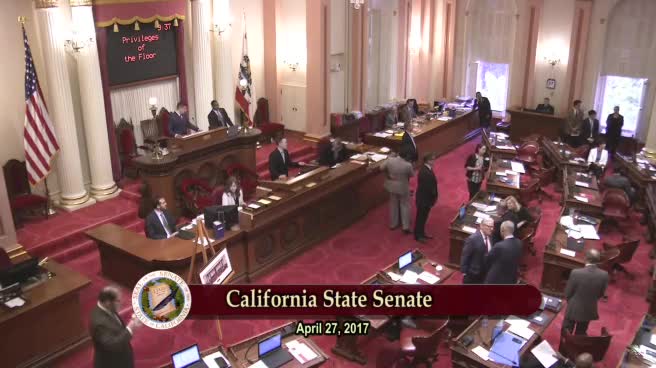
Bill Author



