AB 1913: Pupil safety: child abuse prevention: training.
- Session Year: 2023-2024
- House: Assembly
- Latest Version Date: 2024-09-28
Current Status:
Passed
(2024-09-28: Chaptered by Secretary of State - Chapter 814, Statutes of 2024.)
Introduced
In Committee
First Chamber
In Committee
Second Chamber
Enacted
What does this bill do?
The bill requires the State Department of Education to develop and share statewide information and training for school staff about preventing and recognizing child abuse, including sexual abuse. It also requires school districts, county offices of education, state special schools and diagnostic centers, and charter schools to provide annual training for mandated reporters (staff legally required to report suspected abuse) and on abuse prevention, to collect proof of completion, and to report any alternative training they use instead of the state’s online module.
The summary is provided by generative AI which can make mistakes. For original language, please view the details in the table below.
Existing law requires the State Department of Education, in consultation with the Office of Child Abuse Prevention in the State Department of Social Services, to, among other things, (1) develop and disseminate information to all school districts, county offices of education, state special schools and diagnostic centers operated by the State Department of Education, and charter schools, and their school personnel in California, regarding the detection and reporting of child abuse, (2) establish best practices for school personnel to prevent abuse, including sexual abuse, of children on school grounds, by school personnel, or in school-sponsored programs, as provided, and (3) develop appropriate means of instructing school personnel in the detection of child abuse and neglect and the proper action that school personnel should take in suspected cases of child abuse and neglect, including, but not limited to, an online training module to be provided by the State Department of Social Services.
This bill would revise and recast these provisions by, among other things, requiring the department to (1) additionally develop and disseminate information to all school districts, county offices of education, state special schools and diagnostic centers operated by the State Department of Education, and charter schools, and their school personnel in California, regarding the prevention of abuse, including sexual abuse, of children on school grounds, by school personnel, or in school-sponsored programs, and (2) additionally develop appropriate means of instructing school personnel in the prevention of abuse, including sexual abuse, of children on school grounds, by school personnel, or in school-sponsored programs, as provided. The bill would delete the above-described requirement that the State Department of Education establish best practices for school personnel to prevent abuse, and would, commencing July 1, 2025, delete the existing requirement that the department develop appropriate means of instructing school personnel in the detection of child abuse and neglect and the proper action that school personnel should take in suspected cases of child abuse and neglect, as provided.
Existing law requires school districts, county offices of education, state special schools and diagnostic centers operated by the State Department of Education, and charter schools to provide annual training, using the online training module provided by the State Department of Social Services or an alternative training, to their employees and persons working on their behalf who are mandated reporters, as defined, on the mandated reporting requirements related to child abuse, as provided. Existing law also requires those entities to develop a process for all persons required to receive that training to provide proof of completing the training within the first 6 weeks of each school year or within the first 6 weeks of that persons employment. Existing law encourages those entities to participate in training on the prevention of abuse, including sexual abuse, of children on school grounds, by school personnel, or in school-sponsored programs, and also encourages those entities to provide all school employees with that training at least once every 3 years.
Commencing July 1, 2025, this bill would additionally require school districts, county offices of education, state special schools and diagnostic centers operated by the State Department of Education, and charter schools to, among other things, provide annual training to their employees on the prevention of abuse, including sexual abuse, of children on school grounds, by school personnel, or in school-sponsored programs, as provided, and would apply the above-described proof of training requirements to this training. By imposing new duties on local educational agencies, the bill would impose a state-mandated local program.
The California Constitution requires the state to reimburse local agencies and school districts for certain costs mandated by the state. Statutory provisions establish procedures for making that reimbursement.
This bill would provide that, if the Commission on State Mandates determines that the bill contains costs mandated by the state, reimbursement for those costs shall be made pursuant to the statutory provisions noted above.
Existing law requires the State Department of Education, in consultation with the Office of Child Abuse Prevention in the State Department of Social Services, to, among other things, (1) develop and disseminate information to all school districts, county offices of education, state special schools and diagnostic centers operated by the State Department of Education, and charter schools, and their school personnel in California, regarding the detection and reporting of child abuse, (2) establish best practices for school personnel to prevent abuse, including sexual abuse, of children on school grounds, by school personnel, or in school-sponsored programs, as provided, and (3) develop appropriate means of instructing school personnel in the detection of child abuse and neglect and the proper action that school personnel should take in suspected cases of child abuse and neglect, including, but not limited to, an online training module to be provided by the State Department of Social Services.
This bill would revise and recast these provisions by by, among other things, requiring the department, in consultation with the Office of Child Abuse Prevention in the State Department of Social Services, department to (1) additionally develop and disseminate information to all school districts, county offices of education, state special schools and diagnostic centers operated by the State Department of Education, and charter schools, and their school personnel in California, regarding the prevention of abuse, including sexual abuse, of children on school grounds, by school personnel, or in school-sponsored programs, and (2) additionally develop appropriate means of instructing school personnel in the prevention of abuse, including sexual abuse, of children on school grounds, by school personnel, or in school-sponsored programs, including, but not limited to, an online training module to be provided by the State Department of Social Services, as provided. The bill would delete the above-described requirement that the State Department of Education establish best practices for school personnel to prevent abuse, and would, commencing July 1, 2025, delete the existing requirement that the department develop appropriate means of instructing school personnel in the detection of child abuse and neglect and the proper action that school personnel should take in suspected cases of child abuse and neglect, as provided.
Existing law requires school districts, county offices of education, state special schools and diagnostic centers operated by the State Department of Education, and charter schools, to provide annual training, using the online training module provided by the State Department of Social Services or an alternative training, to their employees and persons working on their behalf who are mandated reporters, as defined, on the mandated reporting requirements related to child abuse, as provided. Existing law also requires those entities to develop a process for all persons required to receive that training to provide proof of completing the training within the first 6 weeks of each school year or within the first 6 weeks of that persons employment. Existing law encourages those entities to participate in training on the prevention of abuse, including sexual abuse, of children on school grounds, by school personnel, or in school-sponsored programs, and also encourages those entities to provide all school employees with that training at least once every 3 years.
Commencing July 1, 2025, this bill would additionally require school districts, county offices of education, state special schools and diagnostic centers operated by the State Department of Education, and charter schools to instead to, among other things, provide annual training, using the online training module provided by the State Department of Social Services or an alternative training, training to their employees on the prevention of abuse, including sexual abuse, of children on school grounds, by school personnel, or in school-sponsored programs, as provided, and would apply the above-described proof of training requirements to this training. By imposing new duties on local educational agencies, the bill would impose a state-mandated local program.
The California Constitution requires the state to reimburse local agencies and school districts for certain costs mandated by the state. Statutory provisions establish procedures for making that reimbursement.
This bill would provide that, if the Commission on State Mandates determines that the bill contains costs mandated by the state, reimbursement for those costs shall be made pursuant to the statutory provisions noted above.
Existing law requires the State Department of Education, in consultation with the Office of Child Abuse Prevention in the State Department of Social Services, to, among other things, (1) develop and disseminate information to all school districts, county offices of education, state special schools and diagnostic centers operated by the State Department of Education, and charter schools, and their school personnel in California, regarding the detection and reporting of child abuse, (2) establish best practices for school personnel to prevent abuse, including sexual abuse, of children on school grounds, by school personnel, or in school-sponsored programs, as provided, and (3) develop appropriate means of instructing school personnel in the detection of child abuse and neglect and the proper action that school personnel should take in suspected cases of child abuse and neglect, including, but not limited to, an online training module to be provided by the State Department of Social Services.
This bill would revise and recast these provisions by requiring the department, in consultation with the Office of Child Abuse Prevention in the State Department of Social Services, to (1) additionally develop and disseminate information to all school districts, county offices of education, state special schools and diagnostic centers operated by the State Department of Education, and charter schools, and their school personnel in California, regarding the prevention of abuse, including sexual abuse, of children on school grounds, by school personnel, or in school-sponsored programs, and (2) additionally develop appropriate means of instructing school personnel in the prevention of abuse, including sexual abuse, of children on school grounds, by school personnel, or in school-sponsored programs, including, but not limited to, an online training module to be provided by the State Department of Social Services, as provided. The bill would delete the above-described requirement that the department State Department of Education establish best practices for school personnel to prevent abuse, as provided.
Existing law requires school districts, county offices of education, state special schools and diagnostic centers operated by the State Department of Education, and charter schools, to provide annual training, using the online training module provided by the State Department of Social Services or an alternative training, to their employees and persons working on their behalf who are mandated reporters, as defined, on the mandated reporting requirements related to child abuse, as provided. Existing law also requires those entities to develop a process for all persons required to receive that training to provide proof of completing the training within the first 6 weeks of each school year or within the first 6 weeks of that persons employment. Existing law encourages those entities to participate in training on the prevention of abuse, including sexual abuse, of children on school grounds, by school personnel, or in school-sponsored programs, and also encourages those entities to provide all school employees with that training at least once every 3 years.
ThisCommencing July 1, 2025, this bill would require school districts, county offices of education, state special schools and diagnostic centers operated by the State Department of Education, and charter schools to instead provide annual training, using the online training module provided by the State Department of Social Services or an alternative training, to their employees on the prevention of abuse, including sexual abuse, of children on school grounds, by school personnel, or in school-sponsored programs, as provided, and would apply the above-described proof of training requirements to this training. By imposing new duties on local educational agencies, the bill would impose a state-mandated local program.
The California Constitution requires the state to reimburse local agencies and school districts for certain costs mandated by the state. Statutory provisions establish procedures for making that reimbursement.
This bill would provide that, if the Commission on State Mandates determines that the bill contains costs mandated by the state, reimbursement for those costs shall be made pursuant to the statutory provisions noted above.
Existing law requires the State Department of Education, in consultation with the Office of Child Abuse Prevention in the State Department of Social Services, to, among other things, (1) develop and disseminate information to all school districts, county offices of education, state special schools and diagnostic centers operated by the State Department of Education, and charter schools, and their school personnel in California, regarding the detection and reporting of child abuse, (2) establish best practices for school personnel to prevent abuse, including sexual abuse, of children on school grounds, by school personnel, or in school-sponsored programs, as provided, and to (3) develop appropriate means of instructing school personnel in the detection of child abuse and neglect and the proper action that school personnel should take in suspected cases of child abuse and neglect, including, but not limited to, an online training module to be provided by the State Department of Social Services.
This bill would replace the requirement to establish best practices for school personnel on the prevention of abuse with a requirement revise and recast these provisions by requiring the department, in consultation with the Office of Child Abuse Prevention in the State Department of Social Services, to (1) additionally develop and disseminate information to all school districts, county offices of education, state special schools and diagnostic centers operated by the State Department of Education, and charter schools, and their school personnel in California, regarding the prevention of abuse, as provided. The bill would additionally require the State Department of Education, in consultation with the Office of Child Abuse Prevention in the State Department of Social Services, to including sexual abuse, of children on school grounds, by school personnel, or in school-sponsored programs, and (2) additionally develop appropriate means of instructing school personnel in the prevention of abuse, including sexual abuse, of children on school grounds, by school personnel, or in school-sponsored programs, including, but not limited to, an online training module to be provided by the State Department of Social Services, as provided. The bill would delete the above-described requirement that the department establish best practices for school personnel to prevent abuse, as provided.
Existing law requires school districts, county offices of education, state special schools and diagnostic centers operated by the State Department of Education, and charter schools, to provide annual training, using the online training module provided by the State Department of Social Services or an alternative training, to their employees and persons working on their behalf who are mandated reporters, as defined, on the mandated reporting requirements related to child abuse, as provided. Existing law also requires those entities to develop a process for all persons required to receive that training to provide proof of completing the training within the first 6 weeks of each school year or within the first 6 weeks of that persons employment. Existing law encourages those entities to participate in training on the prevention of abuse, including sexual abuse, of children on school grounds, by school personnel, or in school-sponsored programs, and also encourages those entities to provide all school employees with that training at least once every 3 years.
This bill would require school districts, county offices of education, state special schools and diagnostic centers operated by the State Department of Education, and charter schools to instead provide annual training, using the online training module provided by the State Department of Social Services or an alternative training, to their employees on the prevention of abuse, including sexual abuse, of children on school grounds, by school personnel, or in school-sponsored programs, as provided, and would apply the above-described proof of training requirements to this training. By imposing new duties on local educational agencies, the bill would impose a state-mandated local program.
The California Constitution requires the state to reimburse local agencies and school districts for certain costs mandated by the state. Statutory provisions establish procedures for making that reimbursement.
This bill would provide that, if the Commission on State Mandates determines that the bill contains costs mandated by the state, reimbursement for those costs shall be made pursuant to the statutory provisions noted above.
Existing law requires the State Department of Education, in consultation with the Office of Child Abuse Prevention in the State Department of Social Services, to, among other things, establish best practices for school personnel to prevent abuse, including sexual abuse, of children on school grounds, by school personnel, or in school-sponsored programs, as provided, and to develop appropriate means of instructing school personnel in the detection of child abuse and neglect and the proper action that school personnel should take in suspected cases of child abuse and neglect, including, but not limited to, an online training module to be provided by the State Department of Social Services.
This bill would replace the requirement to establish best practices for school personnel on the prevention of abuse with a requirement to develop and disseminate information to all school districts, county offices of education, state special schools and diagnostic centers operated by the State Department of Education, and charter schools, and their school personnel in California, regarding the prevention of abuse, as provided. The bill would additionally require the State Department of Education, in consultation with the Office of Child Abuse Prevention in the State Department of Social Services, to develop appropriate means of instructing school personnel in the prevention of abuse, including sexual abuse, of children on school grounds, by school personnel, or in school-sponsored programs, including, but not limited to, an online training module to be provided by the State Department of Social Services, as provided.
Existing law requires school districts, county offices of education, state special schools and diagnostic centers operated by the State Department of Education, and charter schools, to provide annual training, using the online training module provided by the State Department of Social Services or an alternative training, to their employees and persons working on their behalf who are mandated reporters, as defined, on the mandated reporting requirements related to child abuse, as provided. Existing law also requires those entities to develop a process for all persons required to receive that training to provide proof of completing the training within the first 6 weeks of each school year or within the first 6 weeks of that persons employment. Existing law encourages those entities to participate in training on the prevention of abuse, including sexual abuse, of children on school grounds, by school personnel, or in school-sponsored programs, and also encourages those entities to provide all school employees with that training at least once every 3 years.
This bill would require school districts, county offices of education, state special schools and diagnostic centers operated by the State Department of Education, and charter schools to instead provide annual training, using the online training module provided by the State Department of Social Services or an alternative training, to their employees on the prevention of abuse, including sexual abuse, of children on school grounds, by school personnel, or in school-sponsored programs, as provided, and would apply the above-described proof of training requirements to this training. By imposing new duties on local educational agencies, the bill would impose a state-mandated local program.
The California Constitution requires the state to reimburse local agencies and school districts for certain costs mandated by the state. Statutory provisions establish procedures for making that reimbursement.
This bill would provide that, if the Commission on State Mandates determines that the bill contains costs mandated by the state, reimbursement for those costs shall be made pursuant to the statutory provisions noted above.
(a)The State Department of Education, in consultation with the Office of Child Abuse Prevention in the State Department of Social Services, shall do all of the following:
(1)Develop and disseminate information to all school districts, county offices of education, state special schools and diagnostic centers operated by the State Department of Education, and charter schools, and their school personnel in California, regarding the detection and reporting of child abuse.
(2)Provide statewide guidance on the responsibilities of mandated reporters who are school personnel in accordance with the Child Abuse and Neglect Reporting Act (Article 2.5 (commencing with Section 11164) of Chapter 2 of Title 1 of Part 4 of the Penal Code). This guidance shall include, but not necessarily be limited to, both of the following:
(A)Information on the identification of child abuse and neglect.
(B)Reporting requirements for child abuse and neglect.
(3)Develop appropriate means of instructing school personnel in the detection of child abuse and neglect and the proper action that school personnel should take in suspected cases of child abuse and neglect, including, but not limited to, an online training module to be provided by the State Department of Social Services.
(b)(1)The State Department of Education shall develop and disseminate information to all school districts, county offices of education, state special schools and diagnostic centers operated by the State Department of Education, and charter schools, and their school personnel in California, regarding the prevention of abuse, including sexual abuse, of children on school grounds, by school personnel, or in school-sponsored programs.
(2)The State Department of Education shall develop appropriate means of instructing school personnel regarding the prevention of abuse, including sexual abuse, of children on school grounds, by school personnel, or in school-sponsored programs.
(c)School districts, county offices of education, state special schools and diagnostic centers operated by the State Department of Education, and charter schools shall do both of the following:
(1)Provide annual training, using the online training module provided by the State Department of Social Services or as provided in subdivision (d), to their employees and persons working on their behalf who are mandated reporters, as defined in Section 11165.7 of the Penal Code, pursuant to this section and subdivision (d) of Section 11165.7 of the Penal Code on the mandated reporting requirements. Mandated reporter training shall be provided to school personnel hired during the course of the school year. This training shall include information that failure to report an incident of known or reasonably suspected child abuse or neglect, as required by Section 11166 of the Penal Code, is a misdemeanor punishable by up to six months confinement in a county jail, or by a fine of one thousand dollars ($1,000), or by both that imprisonment and fine.
(2)Develop a process for all persons required to receive training pursuant to this section to provide proof of completing the training within the first six weeks of each school year or within the first six weeks of that persons employment. The process developed under this paragraph may include, but not necessarily be limited to, the use of a sign-in sheet or the submission of a certificate of completion to the applicable governing board or body of the school district, county office of education, state special school and diagnostic center, or charter school.
(d)School districts, county offices of education, state special schools and diagnostic centers operated by the State Department of Education, and charter schools that do not use the online training module provided by the State Department of Social Services shall report to the State Department of Education the training being used in its place.
(e)School districts, county offices of education, state special schools and diagnostic centers operated by the State Department of Education, and charter schools are encouraged to participate in training on the prevention of abuse, including sexual abuse, of children on school grounds, by school personnel, or in school-sponsored programs, and are also encouraged to provide all school employees with that training at least once every three years.
(f)This section shall become inoperative on July 1, 2025, and, as of January 1, 2026, is repealed.
SEC. 2.Section 44691 is added to the Education Code, to read:44691.(a)The State Department of Education, in consultation with the Office of Child Abuse Prevention in the State Department of Social Services, shall do all of the following:
(1)Develop and disseminate information to all school districts, county offices of education, state special schools and diagnostic centers operated by the State Department of Education, and charter schools, and their school personnel in California, regarding the detection and reporting of child abuse, and post on the departments internet website links to existing training resources.
(2)Provide statewide guidance on the responsibilities of mandated reporters who are school personnel in accordance with the Child Abuse and Neglect Reporting Act (Article 2.5 (commencing with Section 11164) of Chapter 2 of Title 1 of Part 4 of the Penal Code). This guidance shall include, but not necessarily be limited to, both of the following:
(A)Information on the identification of child abuse and neglect.
(B)Reporting requirements for child abuse and neglect.
(b)(1)The State Department of Education shall develop and disseminate information to all school districts, county offices of education, state special schools and diagnostic centers operated by the State Department of Education, and charter schools, and their school personnel in California, regarding the prevention of abuse, including sexual abuse, of children on school grounds, by school personnel, or in school-sponsored programs.
(2)The State Department of Education shall develop appropriate means of instructing school personnel regarding the prevention of abuse, including sexual abuse, of children on school grounds, by school personnel, or in school-sponsored programs.
(c)School districts, county offices of education, state special schools and diagnostic centers operated by the State Department of Education, and charter schools shall do the following:
(1)(A)Provide annual training, using the online training module provided by the State Department of Social Services or as provided in subdivision (d), to their employees and persons working on their behalf who are mandated reporters, as defined in Section 11165.7 of the Penal Code, pursuant to this section and subdivision (d) of Section 11165.7 of the Penal Code on the mandated reporting requirements. This training shall include information that failure to report an incident of known or reasonably suspected child abuse or neglect, as required by Section 11166 of the Penal Code, is a misdemeanor punishable by up to six months confinement in a county jail, or by a fine of one thousand dollars ($1,000), or by both that imprisonment and fine.
(B)Provide annual training on the prevention of abuse, including sexual abuse, of children on school grounds, by school personnel, or in school-sponsored programs.
(C)The training provided pursuant to subparagraphs (A) and (B) shall be provided to school personnel hired during the course of the school year.
(D)It is the intent of the Legislature that the child abuse prevention content, as added by Assembly Bill 1913 of the 202324 Regular Session, will not add to the duration of training requirements pursuant to this section, as it read on January 1, 2024, but instead only alter the content of those training requirements.
(2)Develop a process for all persons required to receive training pursuant to this section to provide proof of completing the training within the first six weeks of each school year or within the first six weeks of that persons employment. The process developed under this paragraph may include, but not necessarily be limited to, the use of a sign-in sheet or the submission of a certificate of completion to the applicable governing board or body of the school district, county office of education, state special school and diagnostic center, or charter school.
(d)School districts, county offices of education, state special schools and diagnostic centers operated by the State Department of Education, and charter schools that do not use the online training module provided by the State Department of Social Services shall report to the State Department of Education the training being used in its place.
(e)This section shall become operative on July 1, 2025.
SEC. 3.If the Commission on State Mandates determines that this act contains costs mandated by the state, reimbursement to local agencies and school districts for those costs shall be made pursuant to Part 7 (commencing with Section 17500) of Division 4 of Title 2 of the Government Code.
(a)The State Department of Education, in consultation with the Office of Child Abuse Prevention in the State Department of Social Services, shall do all of the following:
(1)Develop and disseminate information to all school districts, county offices of education, state special schools and diagnostic centers operated by the State Department of Education, and charter schools, and their school personnel in California, regarding the prevention of abuse, including sexual abuse, of children on school grounds, by school personnel, or in school-sponsored programs, and the detection and reporting of child abuse, and post on the departments internet website links to existing training resources. abuse.
(2)Provide statewide guidance on the responsibilities of mandated reporters who are school personnel in accordance with the Child Abuse and Neglect Reporting Act (Article 2.5 (commencing with Section 11164) of Chapter 2 of Title 1 of Part 4 of the Penal Code). This guidance shall include, but not necessarily be limited to, both of the following:
(A)Information on the identification of child abuse and neglect.
(B)Reporting requirements for child abuse and neglect.
(3)Develop appropriate means of instructing school personnel in the prevention of abuse, including sexual abuse, of children on school grounds, by school personnel, or in school-sponsored programs, and the detection of child abuse and neglect and the proper action that school personnel should take in suspected cases of child abuse and neglect, including, but not limited to, an online training module to be provided by the State Department of Social Services.
(b)(1)The State Department of Education shall develop and disseminate information to all school districts, county offices of education, state special schools and diagnostic centers operated by the State Department of Education, and charter schools, and their school personnel in California, regarding the prevention of abuse, including sexual abuse, of children on school grounds, by school personnel, or in school-sponsored programs.
(2)The State Department of Education shall develop appropriate means of instructing school personnel regarding the prevention of abuse, including sexual abuse, of children on school grounds, by school personnel, or in school-sponsored programs.
(b)(c)School districts, county offices of education, state special schools and diagnostic centers operated by the State Department of Education, and charter schools shall do both of the following:
(1)Provide annual training, using the online training module provided by the State Department of Social Services or as provided in subdivision (c), (d), to their employees and persons working on their behalf who are mandated reporters, as defined in Section 11165.7 of the Penal Code, pursuant to this section and subdivision (d) of Section 11165.7 of the Penal Code on the mandated reporting requirements. Mandated reporter training shall be provided to school personnel hired during the course of the school year. This training shall include information that failure to report an incident of known or reasonably suspected child abuse or neglect, as required by Section 11166 of the Penal Code, is a misdemeanor punishable by up to six months confinement in a county jail, or by a fine of one thousand dollars ($1,000), or by both that imprisonment and fine.
(2)Develop a process for all persons required to receive training pursuant to this section to provide proof of completing the training within the first six weeks of each school year or within the first six weeks of that persons employment. The process developed under this paragraph may include, but not necessarily be limited to, the use of a sign-in sheet or the submission of a certificate of completion to the applicable governing board or body of the school district, county office of education, state special school and diagnostic center, or charter school.
(c)(d)School districts, county offices of education, state special schools and diagnostic centers operated by the State Department of Education, and charter schools that do not use the online training module provided by the State Department of Social Services shall report to the State Department of Education the training being used in its place.
(d)(e)School districts, county offices of education, state special schools and diagnostic centers operated by the State Department of Education, and charter schools are encouraged to participate in training on the prevention of abuse, including sexual abuse, of children on school grounds, by school personnel, or in school-sponsored programs, and are also encouraged to provide all school employees with that training at least once every three years.
(e)(f)This section shall become inoperative on July 1, 2025, and, as of January 1, 2026, is repealed.
SEC. 2.Section 44691 is added to the Education Code, to read:44691.(a)The State Department of Education, in consultation with the Office of Child Abuse Prevention in the State Department of Social Services, shall do all of the following:
(1)Develop and disseminate information to all school districts, county offices of education, state special schools and diagnostic centers operated by the State Department of Education, and charter schools, and their school personnel in California, regarding the prevention of abuse, including sexual abuse, of children on school grounds, by school personnel, or in school-sponsored programs, and the detection and reporting of child abuse, and post on the departments internet website links to existing training resources.
(2)Provide statewide guidance on the responsibilities of mandated reporters who are school personnel in accordance with the Child Abuse and Neglect Reporting Act (Article 2.5 (commencing with Section 11164) of Chapter 2 of Title 1 of Part 4 of the Penal Code). This guidance shall include, but not necessarily be limited to, both of the following:
(A)Information on the identification of child abuse and neglect.
(B)Reporting requirements for child abuse and neglect.
(3)Develop appropriate means of instructing school personnel in the prevention of abuse, including sexual abuse, of children on school grounds, by school personnel, or in school-sponsored programs, and the detection of child abuse and neglect and the proper action that school personnel should take in suspected cases of child abuse and neglect, including, but not limited to, an online training module to be provided by the State Department of Social Services.(b)(1)The State Department of Education shall develop and disseminate information to all school districts, county offices of education, state special schools and diagnostic centers operated by the State Department of Education, and charter schools, and their school personnel in California, regarding the prevention of abuse, including sexual abuse, of children on school grounds, by school personnel, or in school-sponsored programs.
(2)The State Department of Education shall develop appropriate means of instructing school personnel regarding the prevention of abuse, including sexual abuse, of children on school grounds, by school personnel, or in school-sponsored programs.
(b)(c)School districts, county offices of education, state special schools and diagnostic centers operated by the State Department of Education, and charter schools shall do both of the following:
(1)(A)Provide annual training, using the online training module provided by the State Department of Social Services or as provided in subdivision (c), (d), to their employees and persons working on their behalf who are mandated reporters, as defined in Section 11165.7 of the Penal Code, pursuant to this section and subdivision (d) of Section 11165.7 of the Penal Code on both of the following:
(i)The the mandated reporting requirements. This training shall include information that failure to report an incident of known or reasonably suspected child abuse or neglect, as required by Section 11166 of the Penal Code, is a misdemeanor punishable by up to six months confinement in a county jail, or by a fine of one thousand dollars ($1,000), or by both that imprisonment and fine.
(ii)The(B)Provide annual training on the prevention of abuse, including sexual abuse, of children on school grounds, by school personnel, or in school-sponsored programs.
(B)(C)The training provided pursuant to subparagraph (A) subparagraphs (A) and (B) shall be provided to school personnel hired during the course of the school year.
(C)(D)It is the intent of the Legislature that the child abuse prevention content, as added by Assembly Bill 1913 of the 202324 Regular Session, will not add to the duration of training requirements pursuant to this section, as it read on January 1, 2024, but instead only alter the content of those training requirements.
(2)Develop a process for all persons required to receive training pursuant to this section to provide proof of completing the training within the first six weeks of each school year or within the first six weeks of that persons employment. The process developed under this paragraph may include, but not necessarily be limited to, the use of a sign-in sheet or the submission of a certificate of completion to the applicable governing board or body of the school district, county office of education, state special school and diagnostic center, or charter school.
(c)(d)School districts, county offices of education, state special schools and diagnostic centers operated by the State Department of Education, and charter schools that do not use the online training module provided by the State Department of Social Services shall report to the State Department of Education the training being used in its place.
(d)(e)This section shall become operative on July 1, 2025.
SEC. 3.If the Commission on State Mandates determines that this act contains costs mandated by the state, reimbursement to local agencies and school districts for those costs shall be made pursuant to Part 7 (commencing with Section 17500) of Division 4 of Title 2 of the Government Code.
(a)The State Department of Education, in consultation with the Office of Child Abuse Prevention in the State Department of Social Services, shall do all of the following:
(1)Develop and disseminate information to all school districts, county offices of education, state special schools and diagnostic centers operated by the State Department of Education, and charter schools, and their school personnel in California, regarding the prevention of abuse, including sexual abuse, of children on school grounds, by school personnel, or in school-sponsored programs, and the detection and reporting of child abuse. abuse, and post on the departments internet website links to existing training resources.
(2)Provide statewide guidance on the responsibilities of mandated reporters who are school personnel in accordance with the Child Abuse and Neglect Reporting Act (Article 2.5 (commencing with Section 11164) of Chapter 2 of Title 1 of Part 4 of the Penal Code). This guidance shall include, but not necessarily be limited to, both of the following:
(A)Information on the identification of child abuse and neglect.
(B)Reporting requirements for child abuse and neglect.
(3)Develop appropriate means of instructing school personnel in the prevention of abuse, including sexual abuse, of children on school grounds, by school personnel, or in school-sponsored programs, and the detection of child abuse and neglect and the proper action that school personnel should take in suspected cases of child abuse and neglect, including, but not limited to, an online training module to be provided by the State Department of Social Services.
(4)Establish best practices for school personnel to prevent abuse, including sexual abuse, of children on school grounds, by school personnel, or in school-sponsored programs, and post on the departments Internet Web site links to existing training resources.(b)School districts, county offices of education, state special schools and diagnostic centers operated by the State Department of Education, and charter schools shall do both of the following:
(1)Provide annual training, using the online training module provided by the State Department of Social Services or as provided in subdivision (c), to their employees and persons working on their behalf who are mandated reporters, as defined in Section 11165.7 of the Penal Code, pursuant to this section and subdivision (d) of Section 11165.7 of the Penal Code on the mandated reporting requirements. Mandated reporter training shall be provided to school personnel hired during the course of the school year. This training shall include information that failure to report an incident of known or reasonably suspected child abuse or neglect, as required by Section 11166 of the Penal Code, is a misdemeanor punishable by up to six months confinement in a county jail, or by a fine of one thousand dollars ($1,000), or by both that imprisonment and fine.
(2)Develop a process for all persons required to receive training pursuant to this section to provide proof of completing the training within the first six weeks of each school year or within the first six weeks of that persons employment. The process developed under this paragraph may include, but not necessarily be limited to, the use of a sign-in sheet or the submission of a certificate of completion to the applicable governing board or body of the school district, county office of education, state special school and diagnostic center, or charter school.
(c)School districts, county offices of education, state special schools and diagnostic centers operated by the State Department of Education, and charter schools that do not use the online training module provided by the State Department of Social Services shall report to the State Department of Education the training being used in its place.
(d)School districts, county offices of education, state special schools and diagnostic centers operated by the State Department of Education, and charter schools are encouraged to participate in training on the prevention of abuse, including sexual abuse, of children on school grounds, by school personnel, or in school-sponsored programs, and are also encouraged to provide all school employees with that training at least once every three years.
(e)This section shall become inoperative on July 1, 2025, and, as of January 1, 2026, is repealed.
SEC. 2.Section 44691 is added to the Education Code, to read:44691.(a)The State Department of Education, in consultation with the Office of Child Abuse Prevention in the State Department of Social Services, shall do all of the following:
(1)Develop and disseminate information to all school districts, county offices of education, state special schools and diagnostic centers operated by the State Department of Education, and charter schools, and their school personnel in California, regarding the prevention of abuse, including sexual abuse, of children on school grounds, by school personnel, or in school-sponsored programs, and the detection and reporting of child abuse, and post on the departments internet website links to existing training resources.
(2)Provide statewide guidance on the responsibilities of mandated reporters who are school personnel in accordance with the Child Abuse and Neglect Reporting Act (Article 2.5 (commencing with Section 11164) of Chapter 2 of Title 1 of Part 4 of the Penal Code). This guidance shall include, but not be limited to, both of the following:
(A)Information on the identification of child abuse and neglect.
(B)Reporting requirements for child abuse and neglect.
(3)Develop appropriate means of instructing school personnel in the prevention of abuse, including sexual abuse, of children on school grounds, by school personnel, or in school-sponsored programs, and the detection of child abuse and neglect and the proper action that school personnel should take in suspected cases of child abuse and neglect, including, but not limited to, an online training module to be provided by the State Department of Social Services.
(b)School districts, county offices of education, state special schools and diagnostic centers operated by the State Department of Education, and charter schools shall do both of the following:
(1)(A)Provide annual training, using the online training module provided by the State Department of Social Services or as provided in subdivision (c), to their employees and persons working on their behalf who are mandated reporters, as defined in Section 11165.7 of the Penal Code, pursuant to this section and subdivision (d) of Section 11165.7 of the Penal Code on both of the following:
(i)The mandated reporting requirements. This training shall include information that failure to report an incident of known or reasonably suspected child abuse or neglect, as required by Section 11166 of the Penal Code, is a misdemeanor punishable by up to six months confinement in a county jail, or by a fine of one thousand dollars ($1,000), or by both that imprisonment and fine.
(ii)The prevention of abuse, including sexual abuse, of children on school grounds, by school personnel, or in school-sponsored programs.
(B)The training provided pursuant to subparagraph (A) shall be provided to school personnel hired during the course of the school year.
(C)It is the intent of the Legislature that the child abuse prevention content, as added by Assembly Bill 1913 of the 202324 Regular Session, will not add to the duration of training requirements pursuant to this section, as it read on January 1, 2024, but instead only alter the content of those training requirements.
(2)Develop a process for all persons required to receive training pursuant to this section to provide proof of completing the training within the first six weeks of each school year or within the first six weeks of that persons employment. The process developed under this paragraph may include, but not be limited to, the use of a sign-in sheet or the submission of a certificate of completion to the applicable governing board or body of the school district, county office of education, state special school and diagnostic center, or charter school.
(c)School districts, county offices of education, state special schools and diagnostic centers operated by the State Department of Education, and charter schools that do not use the online training module provided by the State Department of Social Services shall report to the State Department of Education the training being used in its place.
(d)This section shall become operative on July 1, 2025.
SEC. 3.If the Commission on State Mandates determines that this act contains costs mandated by the state, reimbursement to local agencies and school districts for those costs shall be made pursuant to Part 7 (commencing with Section 17500) of Division 4 of Title 2 of the Government Code.
SECTION 1.Section 44691 of the Education Code is amended to read:44691.(a)The State Department of Education, in consultation with the Office of Child Abuse Prevention in the State Department of Social Services, shall do all of the following:(1)Develop and disseminate information to all school districts, county offices of education, state special schools and diagnostic centers operated by the State Department of Education, and charter schools, and their school personnel in California, regarding the prevention of abuse, including sexual abuse, of children on school grounds, by school personnel, or in school-sponsored programs, and the detection and reporting of child abuse.(2)Provide statewide guidance on the responsibilities of mandated reporters who are school personnel in accordance with the Child Abuse and Neglect Reporting Act (Article 2.5 (commencing with Section 11164) of Chapter 2 of Title 1 of Part 4 of the Penal Code). This guidance shall include, but not necessarily be limited to, both of the following:(A)Information on the identification of child abuse and neglect.(B)Reporting requirements for child abuse and neglect.(3)Develop appropriate means of instructing school personnel in the prevention of abuse, including sexual abuse, of children on school grounds, by school personnel, or in school-sponsored programs, and the detection of child abuse and neglect and the proper action that school personnel should take in suspected cases of child abuse and neglect, including, but not limited to, an online training module to be provided by the State Department of Social Services.(b)School districts, county offices of education, state special schools and diagnostic centers operated by the State Department of Education, and charter schools shall do both of the following:(1)(A)Provide annual training, using the online training module provided by the State Department of Social Services or as provided in subdivision (c), to their employees and persons working on their behalf who are mandated reporters, as defined in Section 11165.7 of the Penal Code, pursuant to this section and subdivision (d) of Section 11165.7 of the Penal Code on both of the following:(i)The mandated reporting requirements. This training shall include information that failure to report an incident of known or reasonably suspected child abuse or neglect, as required by Section 11166 of the Penal Code, is a misdemeanor punishable by up to six months confinement in a county jail, or by a fine of one thousand dollars ($1,000), or by both that imprisonment and fine.(ii)The prevention of abuse, including sexual abuse, of children on school grounds, by school personnel, or in school-sponsored programs.(B)The training provided pursuant to subparagraph (A) shall be provided to school personnel hired during the course of the school year.(C)It is the intent of the Legislature that the child abuse prevention content, as added by Assembly Bill 1913 of the 202324 Regular Session, will not add to the duration of training requirements pursuant to this section, as it read on January 1, 2024, but instead only alter the content of those training requirements.(2)Develop a process for all persons required to receive training pursuant to this section to provide proof of completing the training within the first six weeks of each school year or within the first six weeks of that persons employment. The process developed under this paragraph may include, but not necessarily be limited to, the use of a sign-in sheet or the submission of a certificate of completion to the applicable governing board or body of the school district, county office of education, state special school and diagnostic center, or charter school.(c)School districts, county offices of education, state special schools and diagnostic centers operated by the State Department of Education, and charter schools that do not use the online training module provided by the State Department of Social Services shall report to the State Department of Education the training being used in its place.SEC. 2.If the Commission on State Mandates determines that this act contains costs mandated by the state, reimbursement to local agencies and school districts for those costs shall be made pursuant to Part 7 (commencing with Section 17500) of Division 4 of Title 2 of the Government Code.(a)The State Department of Education, in consultation with the Office of Child Abuse Prevention in the State Department of Social Services, shall do all of the following:
(1)Develop and disseminate information to all school districts, county offices of education, state special schools and diagnostic centers operated by the State Department of Education, and charter schools, and their school personnel in California, regarding the prevention of abuse, including sexual abuse, of children on school grounds, by school personnel, or in school-sponsored programs, and the detection and reporting of child abuse.
(2)Provide statewide guidance on the responsibilities of mandated reporters who are school personnel in accordance with the Child Abuse and Neglect Reporting Act (Article 2.5 (commencing with Section 11164) of Chapter 2 of Title 1 of Part 4 of the Penal Code). This guidance shall include, but not necessarily be limited to, both of the following:
(A)Information on the identification of child abuse and neglect.
(B)Reporting requirements for child abuse and neglect.
(3)Develop appropriate means of instructing school personnel in the prevention of abuse, including sexual abuse, of children on school grounds, by school personnel, or in school-sponsored programs, and the detection of child abuse and neglect and the proper action that school personnel should take in suspected cases of child abuse and neglect, including, but not limited to, an online training module to be provided by the State Department of Social Services.
(4)Develop and disseminate information to all school districts, county offices of education, state special schools and diagnostic centers operated by the State Department of Education, and charter schools, and their school personnel in California, regarding the prevention of abuse, including sexual abuse, of children on school grounds, by school personnel, or in school-sponsored programs, and post on the departments internet website links to existing training resources.(5)Develop appropriate means of instructing school personnel in the prevention of abuse, including sexual abuse, of children on school grounds, by school personnel, or in school-sponsored programs, including, but not limited to, an online training module to be provided by the State Department of Social Services. This instruction may be incorporated into the instruction developed in accordance with paragraph (3).(b)School districts, county offices of education, state special schools and diagnostic centers operated by the State Department of Education, and charter schools shall do all both of the following:
(1)(A)Provide annual training, using the online training module provided by the State Department of Social Services or as provided in subdivision (c), to their employees and persons working on their behalf who are mandated reporters, as defined in Section 11165.7 of the Penal Code, pursuant to this section and subdivision (d) of Section 11165.7 of the Penal Code on the both of the following:
(i)The mandated reporting requirements. Mandated reporter training shall be provided to school personnel hired during the course of the school year. This training shall include information that failure to report an incident of known or reasonably suspected child abuse or neglect, as required by Section 11166 of the Penal Code, is a misdemeanor punishable by up to six months confinement in a county jail, or by a fine of one thousand dollars ($1,000), or by both that imprisonment and fine.
(2)(A)Provide annual training, using the online training module provided by the State Department of Social Services or as provided in subdivision (c), to their employees on the(ii)The prevention of abuse, including sexual abuse, of children on school grounds, by school personnel, or in school-sponsored programs. Training on abuse prevention shall be provided to school personnel hired during the course of the school year.
(B)The training provided pursuant to subparagraph (A) shall be provided to school personnel hired during the course of the school year.
(B)(C)It is the intent of the Legislature that the training provided in subparagraph (A), child abuse prevention content, as added by Assembly Bill ____ 1913 of the 202324 Regular Session, will not add to the duration of training requirements pursuant to this section, as it read on January 1, 2024, but instead only alter the content of those training requirements.
(3)(2)Develop a process for all persons required to receive training pursuant to this section to provide proof of completing the training within the first six weeks of each school year or within the first six weeks of that persons employment. The process developed under this paragraph may include, but not necessarily be limited to, the use of a sign-in sheet or the submission of a certificate of completion to the applicable governing board or body of the school district, county office of education, state special school and diagnostic center, or charter school.
(c)School districts, county offices of education, state special schools and diagnostic centers operated by the State Department of Education, and charter schools that do not use the online training module provided by the State Department of Social Services shall report to the State Department of Education the training being used in its place.
SEC. 2.If the Commission on State Mandates determines that this act contains costs mandated by the state, reimbursement to local agencies and school districts for those costs shall be made pursuant to Part 7 (commencing with Section 17500) of Division 4 of Title 2 of the Government Code.
(a)The State Department of Education, in consultation with the Office of Child Abuse Prevention in the State Department of Social Services, shall do all of the following:
(1)Develop and disseminate information to all school districts, county offices of education, state special schools and diagnostic centers operated by the State Department of Education, and charter schools, and their school personnel in California, regarding the detection and reporting of child abuse.
(2)Provide statewide guidance on the responsibilities of mandated reporters who are school personnel in accordance with the Child Abuse and Neglect Reporting Act (Article 2.5 (commencing with Section 11164) of Chapter 2 of Title 1 of Part 4 of the Penal Code). This guidance shall include, but not necessarily be limited to, both of the following:
(A)Information on the identification of child abuse and neglect.
(B)Reporting requirements for child abuse and neglect.
(3)Develop appropriate means of instructing school personnel in the detection of child abuse and neglect and the proper action that school personnel should take in suspected cases of child abuse and neglect, including, but not limited to, an online training module to be provided by the State Department of Social Services.
(4)Establish best practices for school personnel to prevent Develop and disseminate information to all school districts, county offices of education, state special schools and diagnostic centers operated by the State Department of Education, and charter schools, and their school personnel in California, regarding the prevention of abuse, including sexual abuse, of children on school grounds, by school personnel, or in school-sponsored programs, and post on the departments Internet Web site internet website links to existing training resources.
(5)Develop appropriate means of instructing school personnel in the prevention of abuse, including sexual abuse, of children on school grounds, by school personnel, or in school-sponsored programs, including, but not limited to, an online training module to be provided by the State Department of Social Services. This instruction may be incorporated into the instruction developed in accordance with paragraph (3).
(b)School districts, county offices of education, state special schools and diagnostic centers operated by the State Department of Education, and charter schools shall do both all of the following:
(1)Provide annual training, using the online training module provided by the State Department of Social Services or as provided in subdivision (c), to their employees and persons working on their behalf who are mandated reporters, as defined in Section 11165.7 of the Penal Code, pursuant to this section and subdivision (d) of Section 11165.7 of the Penal Code on the mandated reporting requirements. Mandated reporter training shall be provided to school personnel hired during the course of the school year. This training shall include information that failure to report an incident of known or reasonably suspected child abuse or neglect, as required by Section 11166 of the Penal Code, is a misdemeanor punishable by up to six months confinement in a county jail, or by a fine of one thousand dollars ($1,000), or by both that imprisonment and fine.
(2)(A)Provide annual training, using the online training module provided by the State Department of Social Services or as provided in subdivision (c), to their employees on the prevention of abuse, including sexual abuse, of children on school grounds, by school personnel, or in school-sponsored programs. Training on abuse prevention shall be provided to school personnel hired during the course of the school year.
(B)It is the intent of the Legislature that the training provided in subparagraph (A), as added by Assembly Bill ____ of the 202324 Regular Session, will not add to the duration of training requirements pursuant to this section, as it read on January 1, 2024, but instead only alter the content of those training requirements.
(2)(3)Develop a process for all persons required to receive training pursuant to this section to provide proof of completing the training within the first six weeks of each school year or within the first six weeks of that persons employment. The process developed under this paragraph may include, but not necessarily be limited to, the use of a sign-in sheet or the submission of a certificate of completion to the applicable governing board or body of the school district, county office of education, state special school and diagnostic center, or charter school.
(c)School districts, county offices of education, state special schools and diagnostic centers operated by the State Department of Education, and charter schools that do not use the online training module provided by the State Department of Social Services shall report to the State Department of Education the training being used in its place.
(d)School districts, county offices of education, state special schools and diagnostic centers operated by the State Department of Education, and charter schools are encouraged to participate in training on the prevention of abuse, including sexual abuse, of children on school grounds, by school personnel, or in school-sponsored programs, and are also encouraged to provide all school employees with that training at least once every three years.SEC. 2.If the Commission on State Mandates determines that this act contains costs mandated by the state, reimbursement to local agencies and school districts for those costs shall be made pursuant to Part 7 (commencing with Section 17500) of Division 4 of Title 2 of the Government Code.
|
Date
|
Status
|
|---|---|
| Sep 28, 2024 | Chaptered by Secretary of State - Chapter 814, Statutes of 2024. |
| Sep 28, 2024 | Approved by the Governor. |
| Sep 5, 2024 | Enrolled and presented to the Governor at 4 p.m. |
| Aug 27, 2024 | Senate amendments concurred in. To Engrossing and Enrolling. (Ayes 77. Noes 0.). |
| Aug 27, 2024 | Assembly Rule 77 suspended. |
| Aug 26, 2024 | In Assembly. Concurrence in Senate amendments pending. May be considered on or after August 28 pursuant to Assembly Rule 77. |
| Aug 26, 2024 | Read third time. Passed. Ordered to the Assembly. (Ayes 40. Noes 0.). |
| Aug 21, 2024 | Read second time. Ordered to third reading. |
| Aug 20, 2024 | Read third time and amended. Ordered to second reading. |
| Aug 12, 2024 | Ordered to third reading. |
| Aug 12, 2024 | From Consent Calendar. |
| Aug 6, 2024 | Read second time. Ordered to Consent Calendar. |
| Aug 5, 2024 | From committee: Be ordered to second reading file pursuant to Senate Rule 28.8 and ordered to Consent Calendar. |
| Jul 2, 2024 | From committee: Do pass and re-refer to Com. on APPR with recommendation: To Consent Calendar. (Ayes 5. Noes 0.) (July 1). Re-referred to Com. on APPR. |
| Jun 5, 2024 | From committee: Do pass and re-refer to Com. on HUMAN S. with recommendation: To Consent Calendar. (Ayes 7. Noes 0.) (June 5). Re-referred to Com. on HUMAN S. |
| May 29, 2024 | Referred to Coms. on ED. and HUMAN S. |
| May 16, 2024 | In Senate. Read first time. To Com. on RLS. for assignment. |
| May 16, 2024 | Read third time. Passed. Ordered to the Senate. (Ayes 71. Noes 0.) |
| May 9, 2024 | Read second time. Ordered to Consent Calendar. |
| May 8, 2024 | From committee: Do pass. To Consent Calendar. (Ayes 15. Noes 0.) (May 8). |
| Apr 24, 2024 | From committee: Do pass and re-refer to Com. on APPR. with recommendation: To Consent Calendar. (Ayes 6. Noes 0.) (April 23). Re-referred to Com. on APPR. |
| Apr 17, 2024 | Re-referred to Com. on HUM. S. |
| Apr 16, 2024 | From committee chair, with author's amendments: Amend, and re-refer to Com. on HUM. S. Read second time and amended. |
| Apr 9, 2024 | In committee: Hearing postponed by committee. |
| Mar 21, 2024 | From committee: Do pass and re-refer to Com. on HUM. S. with recommendation: To Consent Calendar. (Ayes 7. Noes 0.) (March 20). Re-referred to Com. on HUM. S. |
| Mar 12, 2024 | Re-referred to Com. on ED. |
| Mar 11, 2024 | From committee chair, with author's amendments: Amend, and re-refer to Com. on ED. Read second time and amended. |
| Feb 5, 2024 | Referred to Coms. on ED. and HUM. S. |
| Jan 25, 2024 | From printer. May be heard in committee February 24. |
| Jan 24, 2024 | Read first time. To print. |
|
Date
|
Description
|
Location
|
Votes
|
|
|---|---|---|---|---|
| Aug 27, 2024 | AB 1913 Addis Concurrence in Senate Amendments | Assembly Floor |
Passed |
|
| Aug 26, 2024 | Assembly 3rd Reading AB1913 Addis et al. By Blakespear | Senate Floor |
Passed |
|
| Jul 1, 2024 | Do pass, but first be re-referred to the Committee on [Appropriations] with the recommendation: To Consent Calendar | Senate Standing Committee on Human Services |
Passed |
|
| Jun 5, 2024 | Do pass, but first be re-referred to the Committee on [Human Services] with the recommendation: To Consent Calendar | Senate Standing Committee on Education |
Passed |
|
| May 16, 2024 | AB 1913 Addis Consent Calendar Second Day Regular Session | Assembly Floor |
Passed |
|
| May 8, 2024 | Do pass. To Consent Calendar. | Assembly Standing Committee on Appropriations |
Passed |
|
| Apr 23, 2024 | Do pass and be re-referred to the Committee on [Appropriations] with recommendation: To Consent Calendar | Assembly Standing Committee on Human Services |
Passed |
|
| Mar 20, 2024 | Do pass and be re-referred to the Committee on [Human Services] with recommendation: To Consent Calendar | Assembly Standing Committee on Education |
Passed |
This list shows positions taken on this bill by organizations on the date displayed, which is linked to the original source.
Positions by individuals are not included.
|
Organization
|
Position
|
Date
|
|---|---|---|
| Alameda County Office Of Education | ** Support | |
| American Academy Of Pediatrics, California | ** Support | |
| Association Of California School Administrators | ** Support | |
| California Academy of Child and Adolescent Psychiatry | ** Support | |
| California Association Of Joint Powers Authorities | ** Support | |
| California Federation Of Teachers | ** Support | |
| California Teachers Association | ** Support | |
| Generation Up | ** Support | |
| Junior Leagues of California State Public Affairs Committee | ** Support | |
| Office of the Riverside County Superintendent of Schools | ** Support | |
| Orange County Department Of Education | ** Support | |
| Perk Advocacy | ** Support | |
| School Employers Association Of California | ** Support | |
| Schools Excess Liability Fund | ** Support |
CONCURRENCE IN SENATE AMENDMENTS
CSA1 Bill Id:AB 1913
Author:(Addis)
As Amended Ver:August 20, 2024
Majority vote
SUMMARY
Requires school districts, county offices of education (COE), state special schools, and charter schools to include child abuse prevention in the annual mandated reporter training requirement for teachers beginning July 1, 2025.
Senate Amendments
- Require the California Department of Education (CDE) to develop and disseminate the training information instead of CDE developing and disseminating the information in consultation with the California Department of Social Services (DSS).
COMMENTS
Existing training for teachers. The DSS, in partnership with the CDE, has created a free online mandated reporter training for teachers that is 4 hours in length. The training covers all of the following:
- What the law requires of you as a mandated reporter;
- How to spot indicators of possible child abuse or neglect;
- How to talk to children about suspected abuse;
- How to make a report;
- What happens after a report is filed; and
- Special issues related to child abuse reporting in the school environment.
Research on child abuse and child abuse prevention training. Research about child abuse and child abuse prevention training concludes:
|
- In a study of child sexual abuse prevention training programs, researchers studied the effectiveness of these programs and whether the results were influenced by multiple factors, including the duration of the training, the target population, the age of participants, and delivery by type of trainer. The study found, "prevention programs are helpful in improving the participants' knowledge. It seems that carrying out eminently participatory prevention programs with more than three sessions, in school contexts can be an effective intervention for participants to increase their knowledge about this type of abuse." (Ferragut, 2023)
"Children with special needs are at particularly high risk for abuse. Children of color, specifically American Indian and African American children are overrepresented in allegations of child maltreatment, with more than 87 per 1000 children in these groups having a report of neglect or abuse in 2020. These rates are more than double the rates for Hispanic/Latino children, more than 2.5 times the rates for white children, and more than 5 times the rates for Asian children." (California Child Welfare Indicators Project, 2021)>
According to the Author
"AB 1913, the Child Abuse Prevention Act, fills an urgent need to ensure safe learning environments for California's students. AB 1913 will protect children by providing mandated reporters with important education so that they can recognize the signs of grooming and potential abuse before it occurs. School professionals are on the front lines of ensuring children have a safe environment to learn, it's critical they possess the right knowledge to do this. AB 1913 enhances the ability of mandated reporters to prevent harm by giving them the knowledge to do so. AB 1913 will give educators and other mandated reporters in the K-12 education space more tools to identify abuse before it can occur or escalate. This ability to better identify abuse before it occurs, or utilize practices to minimize the possibility of abuse, will likely have a greater impact on the groups of students that statistically experience the most abuse. While reporting existing abuse is incredibly important, educators should be equipped to help children with both preventative and reactionary measures when it comes to child abuse."
Arguments in Support
The California Academy of Child and Adolescent Psychiatry states, "AB 1913's focus on the development and dissemination of comprehensive abuse prevention training for all school personnel across California is a vital measure. By replacing the current requirement of establishing best practices with the mandate to develop and provide detailed information and training, this bill ensures a proactive approach to abuse prevention. This aligns closely with CALACAP's commitment to the mental health and well-being of children and adolescents, as early detection and prevention of abuse are critical to the long-term mental health of our youth.
Requirements for annual training on the prevention of abuse, including sexual abuse, reinforce the importance of consistent and updated education for all school personnel. This will not only aid in the early detection of potential abuse cases but also foster an environment where children feel safe and protected."
Arguments in Opposition
None
FISCAL COMMENTS
According to the Senate Appropriations Committee, pursuant to Senate Rule 28.8, negligible state costs.
VOTES:
ASM EDUCATION: 7-0-0
YES: Muratsuchi, Addis, Alvarez, Bonta, Flora, Hoover, McCarty
ASM HUMAN SERVICES: 6-0-1
YES: Lee, Essayli, Calderon, Gipson, Jackson, Ortega
ABS, ABST OR NV: Mathis
ASM APPROPRIATIONS: 15-0-0
YES: Wicks, Sanchez, Arambula, Bryan, Calderon, Wendy Carrillo, Dixon, Mike Fong, Friedman, Haney, Hart, Jim Patterson, Pellerin, Ta, Villapudua
ASSEMBLY FLOOR: 71-0-9
YES: Aguiar-Curry, Alanis, Arambula, Bains, Bauer-Kahan, Bennett, Berman, Boerner, Bonta, Bryan, Calderon, Juan Carrillo, Wendy Carrillo, Chen, Connolly, Davies, Dixon, Essayli, Mike Fong, Friedman, Gabriel, Gallagher, Garcia, Grayson, Haney, Hart, Holden, Hoover, Jackson, Jones-Sawyer, Kalra, Lackey, Lee, Low, Lowenthal, Maienschein, McCarty, McKinnor, Muratsuchi, Stephanie Nguyen, Ortega, Pacheco, Papan, Jim Patterson, Joe Patterson, Pellerin, Petrie-Norris, Quirk-Silva, Ramos, Rendon, Reyes, Luz Rivas, Rodriguez, Blanca Rubio, Sanchez, Santiago, Schiavo, Soria, Ta, Ting, Valencia, Villapudua, Waldron, Wallis, Ward, Weber, Wicks, Wilson, Wood, Zbur, Robert Rivas
ABS, ABST OR NV: Addis, Alvarez, Cervantes, Megan Dahle, Flora, Vince Fong, Gipson, Irwin, Mathis
SENATE FLOOR: 40-0-0
YES: Allen, Alvarado-Gil, Archuleta, Ashby, Atkins, Becker, Blakespear, Bradford, Caballero, Cortese, Dahle, Dodd, Durazo, Eggman, Glazer, Gonzalez, Grove, Hurtado, Jones, Laird, Limón, McGuire, Menjivar, Min, Newman, Nguyen, Niello, Ochoa Bogh, Padilla, Portantino, Roth, Rubio, Seyarto, Skinner, Smallwood-Cuevas, Stern, Umberg, Wahab, Wiener, Wilk
UPDATED
VERSION: August 20, 2024
CONSULTANT: Chelsea Kelley / ED. / (916) 319-2087 FN: 0004746
CONCURRENCE IN SENATE AMENDMENTS
CSA1 Bill Id:AB 1913
Author:(Addis)
As Amended Ver:August 20, 2024
Majority vote
SUMMARY
Requires school districts, county offices of education (COE), state special schools, and charter schools to include child abuse prevention in the annual mandated reporter training requirement for teachers beginning July 1, 2025.
Senate Amendments
- Require the California Department of Education (CDE) to develop and disseminate the training information instead of CDE developing and disseminating the information in consultation with the California Department of Social Services (DSS).
COMMENTS
Existing training for teachers. The DSS, in partnership with the CDE, has created a free online mandated reporter training for teachers that is 4 hours in length. The training covers all of the following:
- What the law requires of you as a mandated reporter;
- How to spot indicators of possible child abuse or neglect;
- How to talk to children about suspected abuse;
- How to make a report;
- What happens after a report is filed; and
- Special issues related to child abuse reporting in the school environment.
Research on child abuse and child abuse prevention training. Research about child abuse and child abuse prevention training concludes:
|
- In a study of child sexual abuse prevention training programs, researchers studied the effectiveness of these programs and whether the results were influenced by multiple factors, including the duration of the training, the target population, the age of participants, and delivery by type of trainer. The study found, "prevention programs are helpful in improving the participants' knowledge. It seems that carrying out eminently participatory prevention programs with more than three sessions, in school contexts can be an effective intervention for participants to increase their knowledge about this type of abuse." (Ferragut, 2023)
"Children with special needs are at particularly high risk for abuse. Children of color, specifically American Indian and African American children are overrepresented in allegations of child maltreatment, with more than 87 per 1000 children in these groups having a report of neglect or abuse in 2020. These rates are more than double the rates for Hispanic/Latino children, more than 2.5 times the rates for white children, and more than 5 times the rates for Asian children." (California Child Welfare Indicators Project, 2021)>
According to the Author
"AB 1913, the Child Abuse Prevention Act, fills an urgent need to ensure safe learning environments for California's students. AB 1913 will protect children by providing mandated reporters with important education so that they can recognize the signs of grooming and potential abuse before it occurs. School professionals are on the front lines of ensuring children have a safe environment to learn, it's critical they possess the right knowledge to do this. AB 1913 enhances the ability of mandated reporters to prevent harm by giving them the knowledge to do so. AB 1913 will give educators and other mandated reporters in the K-12 education space more tools to identify abuse before it can occur or escalate. This ability to better identify abuse before it occurs, or utilize practices to minimize the possibility of abuse, will likely have a greater impact on the groups of students that statistically experience the most abuse. While reporting existing abuse is incredibly important, educators should be equipped to help children with both preventative and reactionary measures when it comes to child abuse."
Arguments in Support
The California Academy of Child and Adolescent Psychiatry states, "AB 1913's focus on the development and dissemination of comprehensive abuse prevention training for all school personnel across California is a vital measure. By replacing the current requirement of establishing best practices with the mandate to develop and provide detailed information and training, this bill ensures a proactive approach to abuse prevention. This aligns closely with CALACAP's commitment to the mental health and well-being of children and adolescents, as early detection and prevention of abuse are critical to the long-term mental health of our youth.
Requirements for annual training on the prevention of abuse, including sexual abuse, reinforce the importance of consistent and updated education for all school personnel. This will not only aid in the early detection of potential abuse cases but also foster an environment where children feel safe and protected."
Arguments in Opposition
None
FISCAL COMMENTS
According to the Senate Appropriations Committee, pursuant to Senate Rule 28.8, negligible state costs.
VOTES:
ASM EDUCATION: 7-0-0
YES: Muratsuchi, Addis, Alvarez, Bonta, Flora, Hoover, McCarty
ASM HUMAN SERVICES: 6-0-1
YES: Lee, Essayli, Calderon, Gipson, Jackson, Ortega
ABS, ABST OR NV: Mathis
ASM APPROPRIATIONS: 15-0-0
YES: Wicks, Sanchez, Arambula, Bryan, Calderon, Wendy Carrillo, Dixon, Mike Fong, Friedman, Haney, Hart, Jim Patterson, Pellerin, Ta, Villapudua
ASSEMBLY FLOOR: 71-0-9
YES: Aguiar-Curry, Alanis, Arambula, Bains, Bauer-Kahan, Bennett, Berman, Boerner, Bonta, Bryan, Calderon, Juan Carrillo, Wendy Carrillo, Chen, Connolly, Davies, Dixon, Essayli, Mike Fong, Friedman, Gabriel, Gallagher, Garcia, Grayson, Haney, Hart, Holden, Hoover, Jackson, Jones-Sawyer, Kalra, Lackey, Lee, Low, Lowenthal, Maienschein, McCarty, McKinnor, Muratsuchi, Stephanie Nguyen, Ortega, Pacheco, Papan, Jim Patterson, Joe Patterson, Pellerin, Petrie-Norris, Quirk-Silva, Ramos, Rendon, Reyes, Luz Rivas, Rodriguez, Blanca Rubio, Sanchez, Santiago, Schiavo, Soria, Ta, Ting, Valencia, Villapudua, Waldron, Wallis, Ward, Weber, Wicks, Wilson, Wood, Zbur, Robert Rivas
ABS, ABST OR NV: Addis, Alvarez, Cervantes, Megan Dahle, Flora, Vince Fong, Gipson, Irwin, Mathis
UPDATED
VERSION: August 20, 2024
CONSULTANT: Chelsea Kelley / ED. / (916) 319-2087 FN: 0004746
SENATE RULES COMMITTEE Office of Senate Floor Analyses (916) 651-1520 Fax: (916) 327-4478 | AB 1913 |
THIRD READING
Bill No: AB 1913
Author: Addis (D), et al.
Amended: 8/20/24 in Senate
Vote: 21
SENATE EDUCATION COMMITTEE: 7-0, 6/5/24
AYES: Newman, Jones, Cortese, Glazer, Gonzalez, Smallwood-Cuevas, Wilk
SENATE HUMAN SERVICES COMMITTEE: 5-0, 7/1/24
AYES: Alvarado-Gil, Ochoa Bogh, Blakespear, Limón, Menjivar
SENATE APPROPRIATIONS COMMITTEE: Senate Rule 28.8
ASSEMBLY FLOOR: 71-0, 5/16/24 (Consent) - See last page for vote
SUBJECT: Pupil safety: child abuse prevention: training
SOURCE: Association of California School Administrators
DIGEST:
This bill requires a local educational agency (LEA) to include, in the existing annual mandated reporter training required for school personnel, information regarding child abuse prevention by school personnel or in a school-sponsored program.
Senate Floor Amendments of 8/20/24 strike the requirement for the California Department of Social Services (CDSS) to help develop and disseminate information to LEAs and diagnostic centers.
ANALYSIS:
Existing law:
- Requires the California Department of Education (CDE), in consultation with the Office of Child Abuse Prevention (OCAP) in the California Department of Social Services (CDSS), to do all of the following:
- Develop and disseminate information to all LEAs, and their school personnel in California, regarding the detection and reporting of child abuse.
- Provide statewide guidance on the responsibilities of mandated reporters who are school personnel in accordance with the Child Abuse and Neglect Reporting Act.
- Develop appropriate means of instructing school personnel in the detection of child abuse and neglect and the proper action that school personnel should take in suspected cases of child abuse and neglect, including, but not limited to, an online training module to be provided by the DSS.
- Establish best practices for school personnel to prevent abuse, including sexual abuse, of children on school grounds, by school personnel, or in school-sponsored programs, and post on the CDE’s internet website links to existing training resources. (Education Code (EC) 44691)
- Requires LEAs and diagnostic centers, and charter schools to do both of the following:
- Provide annual training, using the online training module provided by the DSS or as provided to their employees and persons working on their behalf who are mandated reporters. Requires this training to include information that failure to report an incident of known or reasonably suspected child abuse or neglect is a misdemeanor punishable by up to six months confinement in a county jail, and/or by a fine of $1,000.
- Develop a process for all persons required to receive training to provide proof of completing the training within the first six weeks of each school year or within the first six weeks of that person’s employment. (EC 44691)
- Requires LEAs and diagnostic centers that do not use the online training module provided by the DSS to report to the CDE the training being used in its place. (EC 44691)
- Encourages LEAs and diagnostic centers, and charter schools to participate in training on the prevention of abuse, including sexual abuse, of children on school grounds, by school personnel, or in school-sponsored programs, and are also encouraged to provide all school employees with that training at least once every three years. (EC 44691)
- Establishes Child Abuse and Neglect Reporting Act (CANRA), which specifies the following types of people are mandated reporters, among others:
- A teacher;
- An instructional aide;
- A teacher’s aide or teacher’s assistant employed by a public or private school;
- A classified employee of a public school;
- An administrative officer or supervisor of child welfare and attendance, or a certificated pupil personnel employee of a public or private school;
- An employee of a county office of education (COE) or the CDE whose duties bring the employee into contact with children on a regular basis;
- An employee of a school district police or security department; and
- A person who is an administrator or presenter of, or a counselor in, a child abuse prevention program in a public or private school. (Penal Code (PC) 11164, et seq.)
- Requires LEAs to create comprehensive school safety plans for their schools; and, requires the school safety plan to include child abuse reporting procedures consistent with Article 2.5 of Chapter 2 of Title 1 of Part 4 of the Penal Code. (EC 32282)
- Requires LEAs and diagnostic centers to annually train their employees and persons working on their behalf in the duties of mandated reporters under the child abuse reporting laws. The training shall include, but not necessarily be limited to, training in child abuse and neglect identification and child abuse and neglect reporting. (PC 11165.7)
- Requires any mandated reporter, with the exception of child visitation monitors, prior to commencing his or her employment, and as a prerequisite to that employment, to sign a statement on a form provided to him or her by his or her employer to the effect that he or she has knowledge of the mandated reporting procedures and will comply with those provisions; and, requires that the statement inform the employee that he or she is a mandated reporter and inform the employee of his or her reporting obligations and of his or her confidentiality rights. (PC 11166.5)
- Requires that when a person is issued a state license or certificate to engage in a profession or occupation that is a mandated reporter, the state agency issuing the license or certificate to send a statement regarding mandated reporting to the person at the same time as it transmits the document indicating licensure or certification to the person; requires the statement to indicate that failure to comply with the requirements is a misdemeanor, punishable by up to six months in a county jail, by a fine of $1,000, or by both that imprisonment and fine; and, specifies as an alternative, a state agency may cause the required statement to be printed on all application forms for a license or certificate printed on or after January 1, 1986. (PC 11166.5)
This bill:
1) Adds to the requirements for the CDE to do the following:
a) Develop and disseminate information to all LEAs and diagnostic centers, and their school personnel in California, to include information regarding the prevention of abuse, including sexual abuse, of children on school grounds, by school personnel, or in school-sponsored programs, and post on CDE’s internet website links to existing training resources; and,
b) Develop appropriate means of instructing school personnel in the prevention of abuse, including sexual abuse, of children on school grounds, by school personnel, or in school-sponsored programs.
2) Strikes the requirement for CDE, in consultation with OCAP, to establish best practices for school personnel to prevent abuse, including sexual abuse, of children on school grounds, by school personnel, or in school-sponsored programs, and post on CDE’s website links to existing training resources.
3) Commencing July 1, 2025:
a) Strikes the provision for LEAs and diagnostic centers operated by CDE to be encouraged to participate in training on the prevention of abuse, including sexual abuse, of children on school grounds, by school personnel, or in school-sponsored programs, and to also be encouraged to provide all school employees with that training at least once every three years.
b) Adds to the requirements for LEAs and diagnostic centers when providing annual training to their employees and persons working on their behalf who are mandated reporters, to include the prevention of abuse, including sexual abuse, of children on school grounds, by school personnel, or in school-sponsored programs, and post on CDE’s internet website links to existing training resources.
Comments
- Need for the bill. According to the author, “AB 1913, the Child Abuse Prevention Act, fills an urgent need to ensure safe learning environments for California’s students. AB 1913 will protect children by providing mandated reporters with important education so that they can recognize the signs of grooming and potential abuse before it occurs. School professionals are on the front lines of ensuring children have a safe environment to learn, it’s critical they possess the right knowledge to do this. AB 1913 enhances the ability of mandated reporters to prevent harm by giving them the knowledge to do so. AB 1913 will give educators and other mandated reporters in the K-12 education space more tools to identify abuse before it can occur or escalate. This ability to better identify abuse before it occurs, or utilize practices to minimize the possibility of abuse, will likely have a greater impact on the groups of students that statistically experience the most abuse. While reporting existing abuse is incredibly important, educators should be equipped to help children with both preventative and reactionary measures when it comes to child abuse.”
- Existing training for teachers. The CDSS, in partnership with the CDE, has created a free online mandated reporter training for teachers that is 4 hours in length. The training covers all of the following:
- What the law requires of you as a mandated reporter;
- How to spot indicators of possible child abuse or neglect;
- How to talk to children about suspected abuse;
- How to make a report;
- What happens after a report is filed; and
- Special issues related to child abuse reporting in the school environment.
At the conclusion of the training, school staff, and educators must take a final exam consisting of 20 questions, which will test the information learned during the training. CDE also has a list of training resources on its internet website regarding child abuse prevention.
According to the Los Angeles County Board of Supervisors, “Existing mandated reporter training fails to adequately educate reporters on child abuse and neglect and does not provide the concrete guidance needed to make sound reporting decisions, including how to distinguish poverty from neglect. The decision to report suspected maltreatment is influenced by personal biases - both implicit and explicit, based on race and socioeconomic status. Finally, the decision to report a family to the [Department of Children and Family Services Child Protection] Hotline is often due to mandated reporters having insufficient access to alternative, community-based supportive options for families who are in need, but do not require an intervention by the DCFS.”
This bill adds child abuse prevention to the existing annual training requirement for teachers, which is a form of primary prevention that focuses on raising awareness about child abuse and neglect, as well as educating about risk factors and protective factors. These efforts often involve trainings, public awareness campaigns, and outreach activities aimed at equipping individuals, in this case mandated reporters, with the knowledge and skills needed to prevent abuse.
- Research on child abuse and child abuse prevention training. Research about child abuse and child abuse prevention training concludes:
- “Community-based organizations and schools have incorporated child sexual abuse prevention programs into their activities. Some have suggested that the declines in child sexual abuse may be, in part, attributable to sexual abuse prevention programs, norms changes, and social control efforts; therefore, expansion may be beneficial.” (Centers for Disease Prevention and Control and the National Center for Injury Prevention and Control, Essentials for Childhood)
- In a study of child sexual abuse prevention training programs, researchers studied the effectiveness of these programs and whether the results were influenced by multiple factors including the duration of the training, the target population, the age of participants, and delivery by type of trainer. The study found, “prevention programs are helpful in improving the participants' knowledge. It seems that carrying out eminently participatory prevention programs with more than three sessions, in school contexts can be an effective intervention for participants to increase their knowledge about this type of abuse.” (Ferragut, 2023)
- “Children with special needs are at particularly high risk for abuse. Children of color, specifically American Indian and African American children are overrepresented in allegations of child maltreatment, with more than 87 per 1000 children in these groups having a report of neglect or abuse in 2020. These rates are more than double the rates for Hispanic/Latino children, more than 2.5 times the rates for white children, and more than 5 times the rates for Asian children.” (California Child Welfare Indicators Project, 2021)
FISCAL EFFECT: Appropriation: No Fiscal Com.: Yes Local: Yes
SUPPORT: (Verified 8/20/24)
Association of California School Administrators (source)
Alameda County Office of Education
American Academy of Pediatrics, California
California Academy of Child and Adolescent Psychiatry
California Association of Joint Powers Authorities
California Teachers Association
California Federation of Teachers
Junior Leagues of California State Public Affairs Committee
Office of the Riverside County Superintendent of Schools
Orange County Department of Education
PERK Advocacy
School Employers Association of California
Schools Excess Liability Fund
OPPOSITION: (Verified 8/20/24)
None received
ASSEMBLY FLOOR: 71-0, 5/16/24
AYES: Aguiar-Curry, Alanis, Arambula, Bains, Bauer-Kahan, Bennett, Berman, Boerner, Bonta, Bryan, Calderon, Juan Carrillo, Wendy Carrillo, Chen, Connolly, Davies, Dixon, Essayli, Mike Fong, Friedman, Gabriel, Gallagher, Garcia, Grayson, Haney, Hart, Holden, Hoover, Jackson, Jones-Sawyer, Kalra, Lackey, Lee, Low, Lowenthal, Maienschein, McCarty, McKinnor, Muratsuchi, Stephanie Nguyen, Ortega, Pacheco, Papan, Jim Patterson, Joe Patterson, Pellerin, Petrie-Norris, Quirk-Silva, Ramos, Rendon, Reyes, Luz Rivas, Rodriguez, Blanca Rubio, Sanchez, Santiago, Schiavo, Soria, Ta, Ting, Valencia, Villapudua, Waldron, Wallis, Ward, Weber, Wicks, Wilson, Wood, Zbur, Robert Rivas
NO VOTE RECORDED: Addis, Alvarez, Cervantes, Megan Dahle, Flora, Vince Fong, Gipson, Irwin, Mathis
Prepared by: Ian Johnson / ED. / (916) 651-4105
8/21/24 16:12:25
**** END ****
SENATE RULES COMMITTEE Office of Senate Floor Analyses (916) 651-1520 Fax: (916) 327-4478 | AB 1913 |
THIRD READING
Bill No: AB 1913
Author: Addis (D), et al.
Amended: 4/16/24 in Assembly
Vote: 21
SENATE EDUCATION COMMITTEE: 7-0, 6/5/24
AYES: Newman, Jones, Cortese, Glazer, Gonzalez, Smallwood-Cuevas, Wilk
SENATE HUMAN SERVICES COMMITTEE: 5-0, 7/1/24
AYES: Alvarado-Gil, Ochoa Bogh, Blakespear, Limón, Menjivar
SENATE APPROPRIATIONS COMMITTEE: Senate Rule 28.8
ASSEMBLY FLOOR: 71-0, 5/16/24 (Consent) - See last page for vote
SUBJECT: Pupil safety: child abuse prevention: training
SOURCE: Association of California School Administrators
DIGEST:
This bill requires a local educational agency (LEA) to include, in the existing annual mandated reporter training required for school personnel, information regarding child abuse prevention by school personnel or in a school-sponsored program.
ANALYSIS:
Existing law:
- Requires the California Department of Education (CDE), in consultation with the Office of Child Abuse Prevention (OCAP) in the California Department of Social Services (CDSS), to do all of the following:
- Develop and disseminate information to all LEAs, and their school personnel in California, regarding the detection and reporting of child abuse.
- Provide statewide guidance on the responsibilities of mandated reporters who are school personnel in accordance with the Child Abuse and Neglect Reporting Act.
- Develop appropriate means of instructing school personnel in the detection of child abuse and neglect and the proper action that school personnel should take in suspected cases of child abuse and neglect, including, but not limited to, an online training module to be provided by the DSS.
- Establish best practices for school personnel to prevent abuse, including sexual abuse, of children on school grounds, by school personnel, or in school-sponsored programs, and post on the CDE’s internet website links to existing training resources. (Education Code (EC) 44691)
- Requires LEAs and diagnostic centers, and charter schools to do both of the following:
- Provide annual training, using the online training module provided by the DSS or as provided to their employees and persons working on their behalf who are mandated reporters. Requires this training to include information that failure to report an incident of known or reasonably suspected child abuse or neglect is a misdemeanor punishable by up to six months confinement in a county jail, and/or by a fine of $1,000.
- Develop a process for all persons required to receive training to provide proof of completing the training within the first six weeks of each school year or within the first six weeks of that person’s employment. (EC 44691)
- Requires LEAs and diagnostic centers that do not use the online training module provided by the DSS to report to the CDE the training being used in its place. (EC 44691)
- Encourages LEAs and diagnostic centers, and charter schools to participate in training on the prevention of abuse, including sexual abuse, of children on school grounds, by school personnel, or in school-sponsored programs, and are also encouraged to provide all school employees with that training at least once every three years. (EC 44691)
- Establishes Child Abuse and Neglect Reporting Act (CANRA), which specifies the following types of people are mandated reporters, among others:
- A teacher;
- An instructional aide;
- A teacher’s aide or teacher’s assistant employed by a public or private school;
- A classified employee of a public school;
- An administrative officer or supervisor of child welfare and attendance, or a certificated pupil personnel employee of a public or private school;
- An employee of a county office of education (COE) or the CDE whose duties bring the employee into contact with children on a regular basis;
- An employee of a school district police or security department; and
- A person who is an administrator or presenter of, or a counselor in, a child abuse prevention program in a public or private school. (Penal Code (PC) 11164, et seq.)
- Requires LEAs to create comprehensive school safety plans for their schools; and, requires the school safety plan to include child abuse reporting procedures consistent with Article 2.5 of Chapter 2 of Title 1 of Part 4 of the Penal Code. (EC 32282)
- Requires LEAs and diagnostic centers to annually train their employees and persons working on their behalf in the duties of mandated reporters under the child abuse reporting laws. The training shall include, but not necessarily be limited to, training in child abuse and neglect identification and child abuse and neglect reporting. (PC 11165.7)
- Requires any mandated reporter, with the exception of child visitation monitors, prior to commencing his or her employment, and as a prerequisite to that employment, to sign a statement on a form provided to him or her by his or her employer to the effect that he or she has knowledge of the mandated reporting procedures and will comply with those provisions; and, requires that the statement inform the employee that he or she is a mandated reporter and inform the employee of his or her reporting obligations and of his or her confidentiality rights. (PC 11166.5)
- Requires that when a person is issued a state license or certificate to engage in a profession or occupation that is a mandated reporter, the state agency issuing the license or certificate to send a statement regarding mandated reporting to the person at the same time as it transmits the document indicating licensure or certification to the person; requires the statement to indicate that failure to comply with the requirements is a misdemeanor, punishable by up to six months in a county jail, by a fine of $1,000, or by both that imprisonment and fine; and, specifies as an alternative, a state agency may cause the required statement to be printed on all application forms for a license or certificate printed on or after January 1, 1986. (PC 11166.5)
This bill:
1) Adds to the requirements for the CDE, in consultation with OCAP in the CDSS, to do the following:
a) Develop and disseminate information to all LEAs and diagnostic centers, and their school personnel in California, to include information regarding the prevention of abuse, including sexual abuse, of children on school grounds, by school personnel, or in school-sponsored programs, and post on CDE’s internet website links to existing training resources; and,
b) Develop appropriate means of instructing school personnel in the prevention of abuse, including sexual abuse, of children on school grounds, by school personnel, or in school-sponsored programs.
2) Strikes the requirement for CDE, in consultation with OCAP, to establish best practices for school personnel to prevent abuse, including sexual abuse, of children on school grounds, by school personnel, or in school-sponsored programs, and post on CDE’s website links to existing training resources.
3) Commencing July 1, 2025:
a) Strikes the provision for LEAs and diagnostic centers operated by CDE to be encouraged to participate in training on the prevention of abuse, including sexual abuse, of children on school grounds, by school personnel, or in school-sponsored programs, and to also be encouraged to provide all school employees with that training at least once every three years.
b) Adds to the requirements for LEAs and diagnostic centers when providing annual training using the online training module provided by CDSS or training used in its place, to their employees and persons working on their behalf who are mandated reporters, to include the prevention of abuse, including sexual abuse, of children on school grounds, by school personnel, or in school-sponsored programs, and post on CDE’s internet website links to existing training resources.
Comments
- Need for the bill. According to the author, “AB 1913, the Child Abuse Prevention Act, fills an urgent need to ensure safe learning environments for California’s students. AB 1913 will protect children by providing mandated reporters with important education so that they can recognize the signs of grooming and potential abuse before it occurs. School professionals are on the front lines of ensuring children have a safe environment to learn, it’s critical they possess the right knowledge to do this. AB 1913 enhances the ability of mandated reporters to prevent harm by giving them the knowledge to do so. AB 1913 will give educators and other mandated reporters in the K-12 education space more tools to identify abuse before it can occur or escalate. This ability to better identify abuse before it occurs, or utilize practices to minimize the possibility of abuse, will likely have a greater impact on the groups of students that statistically experience the most abuse. While reporting existing abuse is incredibly important, educators should be equipped to help children with both preventative and reactionary measures when it comes to child abuse.”
- Existing training for teachers. The CDSS, in partnership with the CDE, has created a free online mandated reporter training for teachers that is 4 hours in length. The training covers all of the following:
- What the law requires of you as a mandated reporter;
- How to spot indicators of possible child abuse or neglect;
- How to talk to children about suspected abuse;
- How to make a report;
- What happens after a report is filed; and
- Special issues related to child abuse reporting in the school environment.
At the conclusion of the training, school staff, and educators must take a final exam consisting of 20 questions, which will test the information learned during the training. CDE also has a list of training resources on its internet website regarding child abuse prevention.
According to the Los Angeles County Board of Supervisors, “Existing mandated reporter training fails to adequately educate reporters on child abuse and neglect and does not provide the concrete guidance needed to make sound reporting decisions, including how to distinguish poverty from neglect. The decision to report suspected maltreatment is influenced by personal biases - both implicit and explicit, based on race and socioeconomic status. Finally, the decision to report a family to the [Department of Children and Family Services Child Protection] Hotline is often due to mandated reporters having insufficient access to alternative, community-based supportive options for families who are in need, but do not require an intervention by the DCFS.”
This bill adds child abuse prevention to the existing annual training requirement for teachers, which is a form of primary prevention that focuses on raising awareness about child abuse and neglect, as well as educating about risk factors and protective factors. These efforts often involve trainings, public awareness campaigns, and outreach activities aimed at equipping individuals, in this case mandated reporters, with the knowledge and skills needed to prevent abuse.
- Research on child abuse and child abuse prevention training. Research about child abuse and child abuse prevention training concludes:
- “Community-based organizations and schools have incorporated child sexual abuse prevention programs into their activities. Some have suggested that the declines in child sexual abuse may be, in part, attributable to sexual abuse prevention programs, norms changes, and social control efforts; therefore, expansion may be beneficial.” (Centers for Disease Prevention and Control and the National Center for Injury Prevention and Control, Essentials for Childhood)
- In a study of child sexual abuse prevention training programs, researchers studied the effectiveness of these programs and whether the results were influenced by multiple factors including the duration of the training, the target population, the age of participants, and delivery by type of trainer. The study found, “prevention programs are helpful in improving the participants' knowledge. It seems that carrying out eminently participatory prevention programs with more than three sessions, in school contexts can be an effective intervention for participants to increase their knowledge about this type of abuse.” (Ferragut, 2023)
- “Children with special needs are at particularly high risk for abuse. Children of color, specifically American Indian and African American children are overrepresented in allegations of child maltreatment, with more than 87 per 1000 children in these groups having a report of neglect or abuse in 2020. These rates are more than double the rates for Hispanic/Latino children, more than 2.5 times the rates for white children, and more than 5 times the rates for Asian children.” (California Child Welfare Indicators Project, 2021)
FISCAL EFFECT: Appropriation: No Fiscal Com.: Yes Local: Yes
SUPPORT: (Verified 8/5/24)
Association of California School Administrators (source)
Alameda County Office of Education
American Academy of Pediatrics, California
California Academy of Child and Adolescent Psychiatry
California Association of Joint Powers Authorities
California Teachers Association
California Federation of Teachers
Junior Leagues of California State Public Affairs Committee
Office of the Riverside County Superintendent of Schools
Orange County Department of Education
PERK Advocacy
School Employers Association of California
Schools Excess Liability Fund
OPPOSITION: (Verified 8/5/24)
None received
ASSEMBLY FLOOR: 71-0, 5/16/24
AYES: Aguiar-Curry, Alanis, Arambula, Bains, Bauer-Kahan, Bennett, Berman, Boerner, Bonta, Bryan, Calderon, Juan Carrillo, Wendy Carrillo, Chen, Connolly, Davies, Dixon, Essayli, Mike Fong, Friedman, Gabriel, Gallagher, Garcia, Grayson, Haney, Hart, Holden, Hoover, Jackson, Jones-Sawyer, Kalra, Lackey, Lee, Low, Lowenthal, Maienschein, McCarty, McKinnor, Muratsuchi, Stephanie Nguyen, Ortega, Pacheco, Papan, Jim Patterson, Joe Patterson, Pellerin, Petrie-Norris, Quirk-Silva, Ramos, Rendon, Reyes, Luz Rivas, Rodriguez, Blanca Rubio, Sanchez, Santiago, Schiavo, Soria, Ta, Ting, Valencia, Villapudua, Waldron, Wallis, Ward, Weber, Wicks, Wilson, Wood, Zbur, Robert Rivas
NO VOTE RECORDED: Addis, Alvarez, Cervantes, Megan Dahle, Flora, Vince Fong, Gipson, Irwin, Mathis
Prepared by: Ian Johnson / ED. / (916) 651-4105
8/14/24 16:50:10
**** END ****
SENATE RULES COMMITTEE Office of Senate Floor Analyses (916) 651-1520 Fax: (916) 327-4478 | AB 1913 |
CONSENT
Bill No: AB 1913
Author: Addis (D), et al.
Amended: 4/16/24 in Assembly
Vote: 21
SENATE EDUCATION COMMITTEE: 7-0, 6/5/24
AYES: Newman, Jones, Cortese, Glazer, Gonzalez, Smallwood-Cuevas, Wilk
SENATE HUMAN SERVICES COMMITTEE: 5-0, 7/1/24
AYES: Alvarado-Gil, Ochoa Bogh, Blakespear, Limón, Menjivar
SENATE APPROPRIATIONS COMMITTEE: Senate Rule 28.8
ASSEMBLY FLOOR: 71-0, 5/16/24 (Consent) - See last page for vote
SUBJECT: Pupil safety: child abuse prevention: training
SOURCE: Association of California School Administrators
DIGEST:
This bill requires a local educational agency (LEA) to include, in the existing annual mandated reporter training required for school personnel, information regarding child abuse prevention by school personnel or in a school-sponsored program.
ANALYSIS:
Existing law:
- Requires the California Department of Education (CDE), in consultation with the Office of Child Abuse Prevention (OCAP) in the California Department of Social Services (CDSS), to do all of the following:
- Develop and disseminate information to all LEAs, and their school personnel in California, regarding the detection and reporting of child abuse.
- Provide statewide guidance on the responsibilities of mandated reporters who are school personnel in accordance with the Child Abuse and Neglect Reporting Act.
- Develop appropriate means of instructing school personnel in the detection of child abuse and neglect and the proper action that school personnel should take in suspected cases of child abuse and neglect, including, but not limited to, an online training module to be provided by the DSS.
- Establish best practices for school personnel to prevent abuse, including sexual abuse, of children on school grounds, by school personnel, or in school-sponsored programs, and post on the CDE’s internet website links to existing training resources. (Education Code (EC) 44691)
- Requires LEAs and diagnostic centers, and charter schools to do both of the following:
- Provide annual training, using the online training module provided by the DSS or as provided to their employees and persons working on their behalf who are mandated reporters. Requires this training to include information that failure to report an incident of known or reasonably suspected child abuse or neglect is a misdemeanor punishable by up to six months confinement in a county jail, and/or by a fine of $1,000.
- Develop a process for all persons required to receive training to provide proof of completing the training within the first six weeks of each school year or within the first six weeks of that person’s employment. (EC 44691)
- Requires LEAs and diagnostic centers that do not use the online training module provided by the DSS to report to the CDE the training being used in its place. (EC 44691)
- Encourages LEAs and diagnostic centers, and charter schools to participate in training on the prevention of abuse, including sexual abuse, of children on school grounds, by school personnel, or in school-sponsored programs, and are also encouraged to provide all school employees with that training at least once every three years. (EC 44691)
- Establishes Child Abuse and Neglect Reporting Act (CANRA), which specifies the following types of people are mandated reporters, among others:
- A teacher;
- An instructional aide;
- A teacher’s aide or teacher’s assistant employed by a public or private school;
- A classified employee of a public school;
- An administrative officer or supervisor of child welfare and attendance, or a certificated pupil personnel employee of a public or private school;
- An employee of a county office of education (COE) or the CDE whose duties bring the employee into contact with children on a regular basis;
- An employee of a school district police or security department; and
- A person who is an administrator or presenter of, or a counselor in, a child abuse prevention program in a public or private school. (Penal Code (PC) 11164, et seq.)
- Requires LEAs to create comprehensive school safety plans for their schools; and, requires the school safety plan to include child abuse reporting procedures consistent with Article 2.5 of Chapter 2 of Title 1 of Part 4 of the Penal Code. (EC 32282)
- Requires LEAs and diagnostic centers to annually train their employees and persons working on their behalf in the duties of mandated reporters under the child abuse reporting laws. The training shall include, but not necessarily be limited to, training in child abuse and neglect identification and child abuse and neglect reporting. (PC 11165.7)
- Requires any mandated reporter, with the exception of child visitation monitors, prior to commencing his or her employment, and as a prerequisite to that employment, to sign a statement on a form provided to him or her by his or her employer to the effect that he or she has knowledge of the mandated reporting procedures and will comply with those provisions; and, requires that the statement inform the employee that he or she is a mandated reporter and inform the employee of his or her reporting obligations and of his or her confidentiality rights. (PC 11166.5)
- Requires that when a person is issued a state license or certificate to engage in a profession or occupation that is a mandated reporter, the state agency issuing the license or certificate to send a statement regarding mandated reporting to the person at the same time as it transmits the document indicating licensure or certification to the person; requires the statement to indicate that failure to comply with the requirements is a misdemeanor, punishable by up to six months in a county jail, by a fine of $1,000, or by both that imprisonment and fine; and, specifies as an alternative, a state agency may cause the required statement to be printed on all application forms for a license or certificate printed on or after January 1, 1986. (PC 11166.5)
This bill:
1) Adds to the requirements for the CDE, in consultation with OCAP in the CDSS, to do the following:
a) Develop and disseminate information to all LEAs and diagnostic centers, and their school personnel in California, to include information regarding the prevention of abuse, including sexual abuse, of children on school grounds, by school personnel, or in school-sponsored programs, and post on CDE’s internet website links to existing training resources; and,
b) Develop appropriate means of instructing school personnel in the prevention of abuse, including sexual abuse, of children on school grounds, by school personnel, or in school-sponsored programs.
2) Strikes the requirement for CDE, in consultation with OCAP, to establish best practices for school personnel to prevent abuse, including sexual abuse, of children on school grounds, by school personnel, or in school-sponsored programs, and post on CDE’s website links to existing training resources.
3) Commencing July 1, 2025:
a) Strikes the provision for LEAs and diagnostic centers operated by CDE to be encouraged to participate in training on the prevention of abuse, including sexual abuse, of children on school grounds, by school personnel, or in school-sponsored programs, and to also be encouraged to provide all school employees with that training at least once every three years.
b) Adds to the requirements for LEAs and diagnostic centers when providing annual training using the online training module provided by CDSS or training used in its place, to their employees and persons working on their behalf who are mandated reporters, to include the prevention of abuse, including sexual abuse, of children on school grounds, by school personnel, or in school-sponsored programs, and post on CDE’s internet website links to existing training resources.
Comments
- Need for the bill. According to the author, “AB 1913, the Child Abuse Prevention Act, fills an urgent need to ensure safe learning environments for California’s students. AB 1913 will protect children by providing mandated reporters with important education so that they can recognize the signs of grooming and potential abuse before it occurs. School professionals are on the front lines of ensuring children have a safe environment to learn, it’s critical they possess the right knowledge to do this. AB 1913 enhances the ability of mandated reporters to prevent harm by giving them the knowledge to do so. AB 1913 will give educators and other mandated reporters in the K-12 education space more tools to identify abuse before it can occur or escalate. This ability to better identify abuse before it occurs, or utilize practices to minimize the possibility of abuse, will likely have a greater impact on the groups of students that statistically experience the most abuse. While reporting existing abuse is incredibly important, educators should be equipped to help children with both preventative and reactionary measures when it comes to child abuse.”
- Existing training for teachers. The CDSS, in partnership with the CDE, has created a free online mandated reporter training for teachers that is 4 hours in length. The training covers all of the following:
- What the law requires of you as a mandated reporter;
- How to spot indicators of possible child abuse or neglect;
- How to talk to children about suspected abuse;
- How to make a report;
- What happens after a report is filed; and
- Special issues related to child abuse reporting in the school environment.
At the conclusion of the training, school staff, and educators must take a final exam consisting of 20 questions, which will test the information learned during the training. CDE also has a list of training resources on its internet website regarding child abuse prevention.
According to the Los Angeles County Board of Supervisors, “Existing mandated reporter training fails to adequately educate reporters on child abuse and neglect and does not provide the concrete guidance needed to make sound reporting decisions, including how to distinguish poverty from neglect. The decision to report suspected maltreatment is influenced by personal biases - both implicit and explicit, based on race and socioeconomic status. Finally, the decision to report a family to the [Department of Children and Family Services Child Protection] Hotline is often due to mandated reporters having insufficient access to alternative, community-based supportive options for families who are in need, but do not require an intervention by the DCFS.”
This bill adds child abuse prevention to the existing annual training requirement for teachers, which is a form of primary prevention that focuses on raising awareness about child abuse and neglect, as well as educating about risk factors and protective factors. These efforts often involve trainings, public awareness campaigns, and outreach activities aimed at equipping individuals, in this case mandated reporters, with the knowledge and skills needed to prevent abuse.
- Research on child abuse and child abuse prevention training. Research about child abuse and child abuse prevention training concludes:
- “Community-based organizations and schools have incorporated child sexual abuse prevention programs into their activities. Some have suggested that the declines in child sexual abuse may be, in part, attributable to sexual abuse prevention programs, norms changes, and social control efforts; therefore, expansion may be beneficial.” (Centers for Disease Prevention and Control and the National Center for Injury Prevention and Control, Essentials for Childhood)
- In a study of child sexual abuse prevention training programs, researchers studied the effectiveness of these programs and whether the results were influenced by multiple factors including the duration of the training, the target population, the age of participants, and delivery by type of trainer. The study found, “prevention programs are helpful in improving the participants' knowledge. It seems that carrying out eminently participatory prevention programs with more than three sessions, in school contexts can be an effective intervention for participants to increase their knowledge about this type of abuse.” (Ferragut, 2023)
- “Children with special needs are at particularly high risk for abuse. Children of color, specifically American Indian and African American children are overrepresented in allegations of child maltreatment, with more than 87 per 1000 children in these groups having a report of neglect or abuse in 2020. These rates are more than double the rates for Hispanic/Latino children, more than 2.5 times the rates for white children, and more than 5 times the rates for Asian children.” (California Child Welfare Indicators Project, 2021)
FISCAL EFFECT: Appropriation: No Fiscal Com.: Yes Local: Yes
SUPPORT: (Verified 8/5/24)
Association of California School Administrators (source)
Alameda County Office of Education
American Academy of Pediatrics, California
California Academy of Child and Adolescent Psychiatry
California Association of Joint Powers Authorities
California Teachers Association
California Federation of Teachers
Junior Leagues of California State Public Affairs Committee
Office of the Riverside County Superintendent of Schools
Orange County Department of Education
PERK Advocacy
School Employers Association of California
Schools Excess Liability Fund
OPPOSITION: (Verified 8/5/24)
None received
ASSEMBLY FLOOR: 71-0, 5/16/24
AYES: Aguiar-Curry, Alanis, Arambula, Bains, Bauer-Kahan, Bennett, Berman, Boerner, Bonta, Bryan, Calderon, Juan Carrillo, Wendy Carrillo, Chen, Connolly, Davies, Dixon, Essayli, Mike Fong, Friedman, Gabriel, Gallagher, Garcia, Grayson, Haney, Hart, Holden, Hoover, Jackson, Jones-Sawyer, Kalra, Lackey, Lee, Low, Lowenthal, Maienschein, McCarty, McKinnor, Muratsuchi, Stephanie Nguyen, Ortega, Pacheco, Papan, Jim Patterson, Joe Patterson, Pellerin, Petrie-Norris, Quirk-Silva, Ramos, Rendon, Reyes, Luz Rivas, Rodriguez, Blanca Rubio, Sanchez, Santiago, Schiavo, Soria, Ta, Ting, Valencia, Villapudua, Waldron, Wallis, Ward, Weber, Wicks, Wilson, Wood, Zbur, Robert Rivas
NO VOTE RECORDED: Addis, Alvarez, Cervantes, Megan Dahle, Flora, Vince Fong, Gipson, Irwin, Mathis
Prepared by: Ian Johnson / ED. / (916) 651-4105
8/7/24 13:38:06
**** END ****
SENATE COMMITTEE ON HUMAN SERVICES
Senator Alvarado-Gil, Chair
2023 - 2024 Regular
Bill No: | AB 1913 | ||
Author: | Addis | ||
Version: | April 16, 2024 | Hearing Date: | July 1, 2024 |
Urgency: | No | Fiscal: | Yes |
Consultant: | Naima Ford Antal | ||
Subject: Pupil safety: child abuse prevention: training
SUMMARY
This bill requires the California Department of Education (CDE), in consultation with the Office of Child Abuse Prevention in the California Department of Social Services (CDSS), to provide information about prevention of abuse, including sexual abuse, of children on school grounds, by school personnel, or in school-sponsored programs, through website links to training and resources. The bill also requires information about prevention of abuse be added to any online training modules created by the CDE, in consultation with the Office of Child Abuse Prevention in CDSS that train school personnel on the detection of child abuse and neglect.
ABSTRACT
Existing Law:
- Federal law, establishes the Child Abuse Prevention and Treatment Act which provides grant funding to applicant states to improve child protective service systems and child abuse prevention activities. Requires submission of a state plan. (42 U.S.C. 5106 et seq.)
- Establishes the Office of Child Abuse Prevention within CDSS and designates the office to apply for and administer federal funds for child abuse prevention, as specified. (WIC 18950 et seq.)
- Defines “child abuse” for the purposes of the Office of Child Abuse Prevention to mean a situation in which a child suffers from any one or more of the following:
- Serious physical injury inflicted upon the child by any other than accidental means;
- Harm by reason of intentional neglect or malnutrition or sexual abuse;
- Going without necessary and basic physical care;
- Willful mental injury, negligent treatment, or maltreatment of a child under the age of 18 years old by a person who is responsible for the child’s welfare under circumstances that indicate that the child’s health or welfare is harmed or threatened, in accordance with regulations by CDSS;
- Any condition that results in the violation of the rights or physical, mental, or moral welfare of a child or jeopardizes the child’s present or future health, opportunity for normal development, or capacity for independence. (WIC 18951 (e))
- Requires CDE, in consultation with the Office of Child Abuse Prevention in CDSS to:
- Develop and disseminate information to all school districts, county offices of education, state special schools and diagnostic centers operated by CDE, and charter schools, and their school personnel in California, about the detection and reporting of child abuse.
- Provide statewide guidance on the responsibilities of mandated reporters who are school personnel in accordance with the Child Abuse and Neglect Reporting Act about identifying and reporting requirements for child abuse and neglect.
- Create a means of instructing school personnel in the detection of child abuse and neglect and proper actions for school personnel through, including but not limited to, an online training module.
- Establish best practices for school personnel to prevent abuse, including sexual abuse, of children on school grounds, by school personnel, or in school-sponsored programs, and post on the department’s Internet web site links to existing training resources (Education Code 44691(a))
- Encourages school districts, county offices of education, state special schools and diagnostic centers operated by CDE, and charter schools to participate in training on the prevention of abuse, including sexual abuse, of children on school grounds, by school personnel, or in school-sponsored programs, and to invite all school personnel to do the training every three years. (Education Code 44691(d))
- Defines “mandated reporter” as an individual required to report suspected or known instances of child abuse and neglect, and includes, teachers, social workers, probation officers, firefighters, and physicians, among others. (Penal Code 11165.7(a))
- Requires reports of suspected child abuse or neglect to be made by mandated reporters to certain entities including any police department or sheriff’s department, county probation department, or the county welfare department, as specified. (Penal Code 11165.9)
This Bill:
- Requires the CDE, in consultation with the Office of Child Abuse Prevention at CDSS, to develop and disseminate information about prevention of abuse, including sexual abuse, of children on school grounds, by school personnel, or in school-sponsored programs to all school personnel and put website links to existing training resources on their website.
- Requires CDE, in consultation with the Office of Child Abuse Prevention at CDSS, to develop appropriate means of instructing school personnel in the prevention of abuse, including sexual abuse, of children on school grounds, by school personnel, or in school-sponsored programs, including in an online training module.
- Removes the requirement for state departments to establish best practices for school personnel to prevent abuse and post website links to existing training resources on their websites.
- Makes the new requirements operative on July 1, 2025.
FISCAL IMPACT
According to the Assembly Appropriations Committee, “Minor and absorbable Proposition 98 General Fund costs to LEAs to add certain information to an existing mandated reporter training for school personnel. If the Commission on State Mandates determines the bill’s requirements to be a reimbursable state mandate, the state would need to reimburse these costs to LEAs or provide funding through the K-12 Mandate Block Grant.”
BACKGROUND AND DISCUSSION
Purpose of the Bill:
According to the author, “AB 1913, the Child Abuse Prevention Act, fills an urgent need to ensure safe learning environments for California’s students. AB 1913 will protect children by providing mandated reporters with important education so that they can recognize the signs of grooming and potential abuse before it occurs. School professionals are on the front lines of ensuring children have a safe environment to learn, it’s critical they possess the right knowledge to do this. AB 1913 enhances the ability of mandated reporters to prevent harm by giving them the knowledge to do so.”
Child Abuse and Neglect
The United States Health and Human Services Child Welfare Outcomes State Data Review Portal shows that in California in 2021, 55,503 children were victims of child mistreatment.[1] According to the Child Welfare Information Gateway, children with special needs are at particularly high risk for abuse. Children of color, specifically American Indian and African American children are overrepresented in allegations of child maltreatment, with more than 87 per 1000 children in these groups having a report of neglect or abuse in 2020. These rates are more than double the rates for Hispanic/Latino children, more than 2.5 times the rates for white children, and more than 5 times the rates for Asian children.
In addition to detection of the signs of abuse, studies also recommend being aware of potential abuse and intervening if possible, known as “primary prevention”. Primary prevention is defined as “any intervention designed for the purpose of preventing child abuse before it occurs.”[2] That could be alleviating some of the societal pressures on families that can lead to child abuse such as behavioral health treatments for adults, access to healthcare and childcare, and discouraging corporal punishment.
Office of Child Abuse Prevention
Office of Child Abuse Prevention is housed in CDSS and provides state oversight of federal programs, contracts, and state programs that promote child abuse prevention, intervention and treatment. Some of the federal grants include Child Abuse Prevention and Treatment Act; Community Based Child Abuse Prevention; and Promoting Safe and Stable Families. The Office manages a variety of other state projects, such as the Child Abuse Prevention Intervention and Treatment program, the Strengthening Families Initiative, the Family Development Matrix Project, the Safe Kids California Project, the Linkages Project and others. The Office of Child Abuse Prevention also oversees submission of the county-prepared plans that address how prevention and early intervention activities are coordinated and how services will be provided. These plans are a component of California’s compliance with federal reporting requirements for the administration of federal grants. The Office of Child Abuse Prevention is currently required to provide mandated reporter online training for school personnel and a number of other professions that have mandated reporter obligations that will discussed more below.
Child Abuse and Neglect Reporting in Schools
Mandated reporters are required to report any knowledge or observations they have of a child they know or reasonably suspect to have been the subject of child abuse or neglect. The report must be made by telephone immediately or as soon as possible with a written or electronic follow up within 36 hours. Failure to report can be punished with incarceration or a $1,000 fine. The Child Abuse and Neglect Reporting Act requires all teachers and school employees, including instructional aides, teacher assistants, classified employees, and employees of a school district police or security department, to be mandated reporter for child abuse.
Before AB 1432 (Chapter 757, Statutes of 2014), school districts were only required to encourage mandated reporter training and make employees sign documents that inform them that they are mandated reporters and that they understand their obligations. AB 1432 required school districts to provide training. Specifically, the bill required CDE and Office of Child Abuse Prevention to develop and disseminate information about the detection of child abuse to all school districts, county offices of education, state special schools and diagnostic centers, and charter schools, and their school personnel in California. The training must include guidelines about the responsibilities of mandated reporters in accordance with the Child Abuse and Neglect Reporting Act and be instructed through an online course or other modality. The state departments are also required establish best practices for prevention of abuse and post links to relevant trainings on its website. School districts are required to provide the training every year and collect sign documents attesting to that training. This bill amends this section to add prevention training into the information disseminated and training modules created by CDSS.
CDSS Child Abuse Mandated Reporter Training
Currently, the Office of Child Abuse Prevention and CDSS makes available free training for mandated child abuse reporters, including school personnel, through the Child Abuse Mandated Reporter Training Project website. The Child Abuse Mandated Reporter Training Project is funded by CDSS and the Office of Child Abuse Prevention to create one place for all child abuse mandated reporter training as required and specified by law. The department has created a general training, which is required for all mandated reporters, and also trainings specific to certain professionals. Professions include child care providers, school personnel, medical professionals, mental health and social workers, law enforcement, clergy and volunteers as required. The general training, school personnel, and childcare provider training is also available in Spanish. According to the website, school personnel training fulfills the requirements of AB 1432 and include:
- What the law requires of you as a mandated reporter.
- How to spot indicators of possible child abuse or neglect.
- How to talk to children about suspected abuse.
- How to make a report.
- What happens after a report is filed.
- Special issues related to child abuse reporting in the school environment.
This bill requires that training to also include how school personnel can prevent child abuse, including sexual abuse, of children on school grounds, by school personnel, or in school-sponsored programs.
Related/Prior Legislation:
AB 506 (Gonzalez, Chapter 169, Statutes of 2021) requires an administrator, employee, or regular volunteer of a youth service organization to complete training in child abuse and neglect identification and reporting. The training requirement may be met by completing the online mandated reporter training provided by the Office of Child Abuse Prevention in the CDSS.
AB 1058 (Baker, Chapter 748, Statutes of 2015), encouraged school districts, county offices of education, state special schools, diagnostic centers, and charter schools to participate in training on the prevention of abuse, including sexual abuse, of children on school grounds, by school personnel, or in school-sponsored programs, and also encourages schools to provide all school employees with that training at least once every three years.
AB 1432 (Gatto, Chapter 757, Statutes of 2014) requires all California school districts and school sites to annually train all mandated reporters on their child abuse reporting obligations.
COMMENTS
This bill increases the content of the child abuse and neglect mandated reporter training that school personnel must take annually. The current requirement for training only includes how to detect and report suspected abuse, which are the required actions by the Child Abuse and Neglect Reporting Act. However, child abuse prevention advocates also promote prevention efforts to be a part of the knowledge base for mandated reporters. People in professions that have mandated reporter responsibilities are adults who are likely to have awareness of a child’s family life, behaviors, challenges, and other indicators that make them more vulnerable to abuse at home or at school. This knowledge is important to employing child abuse prevention and intervention techniques. Though they are not required to report the potential abuse that primary prevention strategies teach, they are more likely to be in the best position to suggest those interventions in collaboration with the family of a child or the appropriate authorities.
PRIOR VOTES
Senate Education Committee: | 7 - 0 |
Assembly Floor: | 71 - 0 |
Assembly Appropriations Committee: | 15 - 0 |
Assembly Education Committee: | 7 - 0 |
POSITIONS
Support:
Association of California School Administrators (Co-Sponsor)
Schools Excess Liability Fund (SELF) (Co-Sponsor)
Alameda County Office of Education
California Academy of Child and Adolescent Psychiatry
Cft- a Union of Educators & Classified Professionals, Aft, Afl-cio
Junior Leagues of California State Public Affairs Committee
Office of The Riverside County Superintendent of Schools
Orange County Department of Education
Perk Advocacy
School Employers Association of California
Oppose:
None
-- END --
SENATE COMMITTEE ON EDUCATION
Senator Josh Newman, Chair
2023 - 2024 Regular
Bill No: AB 1913 Hearing Date: June 5, 2024
Author: | |||
Version: | April 16, 2024 | ||
Urgency: | No | Fiscal: | Yes |
Consultant: | Ian Johnson | ||
Subject: Pupil safety: child abuse prevention: training.
NOTE: This bill has been referred to the Committees on Education and Human Services. A "do pass" motion should include referral to the Committee on Human Services.
SUMMARY
This bill requires a local educational agency (LEA) to include, in the existing annual mandated reporter training required for school personnel, information regarding child abuse prevention by school personnel or in a school-sponsored program.
BACKGROUND
Existing law:
- Requires the California Department of Education (CDE), in consultation with the Office of Child Abuse Prevention (OCAP) in the California Department of Social Services (CDSS), to do all of the following:
- Develop and disseminate information to all LEAs, and their school personnel in California, regarding the detection and reporting of child abuse.
- Provide statewide guidance on the responsibilities of mandated reporters who are school personnel in accordance with the Child Abuse and Neglect Reporting Act.
- Develop appropriate means of instructing school personnel in the detection of child abuse and neglect and the proper action that school personnel should take in suspected cases of child abuse and neglect, including, but not limited to, an online training module to be provided by the DSS.
- Establish best practices for school personnel to prevent abuse, including sexual abuse, of children on school grounds, by school personnel, or in school-sponsored programs, and post on the CDE’s internet website links to existing training resources. (Education Code (EC) 44691)
- Requires LEAs and diagnostic centers, and charter schools to do both of the following:
- Provide annual training, using the online training module provided by the DSS or as provided to their employees and persons working on their behalf who are mandated reporters. Requires this training to include information that failure to report an incident of known or reasonably suspected child abuse or neglect is a misdemeanor punishable by up to six months confinement in a county jail, and/or by a fine of $1,000.
- Develop a process for all persons required to receive training to provide proof of completing the training within the first six weeks of each school year or within the first six weeks of that person’s employment. (EC 44691)
- Requires LEAs and diagnostic centers that do not use the online training module provided by the DSS to report to the CDE the training being used in its place. (EC 44691)
- Encourages LEAs and diagnostic centers, and charter schools to participate in training on the prevention of abuse, including sexual abuse, of children on school grounds, by school personnel, or in school-sponsored programs, and are also encouraged to provide all school employees with that training at least once every three years. (EC 44691)
- Establishes Child Abuse and Neglect Reporting Act (CANRA), which specifies the following types of people are mandated reporters, among others:
- A teacher;
- An instructional aide;
- A teacher’s aide or teacher’s assistant employed by a public or private school;
- A classified employee of a public school;
- An administrative officer or supervisor of child welfare and attendance, or a certificated pupil personnel employee of a public or private school;
- An employee of a county office of education (COE) or the CDE whose duties bring the employee into contact with children on a regular basis;
- An employee of a school district police or security department; and
- A person who is an administrator or presenter of, or a counselor in, a child abuse prevention program in a public or private school. (Penal Code (PC) 11164, et seq.)
- Requires LEAs to create comprehensive school safety plans for their schools; and, requires the school safety plan to include child abuse reporting procedures consistent with Article 2.5 of Chapter 2 of Title 1 of Part 4 of the Penal Code. (Education Code 32282)
- Requires LEAs and diagnostic centers to annually train their employees and persons working on their behalf in the duties of mandated reporters under the child abuse reporting laws. The training shall include, but not necessarily be limited to, training in child abuse and neglect identification and child abuse and neglect reporting. (PC 11165.7)
- Requires any mandated reporter, with the exception of child visitation monitors, prior to commencing his or her employment, and as a prerequisite to that employment, to sign a statement on a form provided to him or her by his or her employer to the effect that he or she has knowledge of the mandated reporting procedures and will comply with those provisions; and, requires that the statement inform the employee that he or she is a mandated reporter and inform the employee of his or her reporting obligations and of his or her confidentiality rights. (Penal Code 11166.5)
- Requires that when a person is issued a state license or certificate to engage in a profession or occupation that is a mandated reporter, the state agency issuing the license or certificate to send a statement regarding mandated reporting to the person at the same time as it transmits the document indicating licensure or certification to the person; requires the statement to indicate that failure to comply with the requirements is a misdemeanor, punishable by up to six months in a county jail, by a fine of $1,000, or by both that imprisonment and fine; and, specifies as an alternative, a state agency may cause the required statement to be printed on all application forms for a license or certificate printed on or after January 1, 1986. (PC 11166.5)
ANALYSIS
This bill:
- Adds to the requirements for the CDE, in consultation with OCAP in the CDSS, to do the following:
- Develop and disseminate information to all LEAs and diagnostic centers, and their school personnel in California, to include information regarding the prevention of abuse, including sexual abuse, of children on school grounds, by school personnel, or in school-sponsored programs, and post on CDE’s internet website links to existing training resources; and,
- Develop appropriate means of instructing school personnel in the prevention of abuse, including sexual abuse, of children on school grounds, by school personnel, or in school-sponsored programs.
- Strikes the requirement for CDE, in consultation with OCAP, to establish best practices for school personnel to prevent abuse, including sexual abuse, of children on school grounds, by school personnel, or in school-sponsored programs, and post on CDE’s website links to existing training resources.
- Commencing July 1, 2025:
- Strikes the provision for LEAs and diagnostic centers operated by CDE to be encouraged to participate in training on the prevention of abuse, including sexual abuse, of children on school grounds, by school personnel, or in school-sponsored programs, and to also be encouraged to provide all school employees with that training at least once every three years.
- Adds to the requirements for LEAs and diagnostic centers when providing annual training using the online training module provided by CDSS or training used in its place, to their employees and persons working on their behalf who are mandated reporters, to include the prevention of abuse, including sexual abuse, of children on school grounds, by school personnel, or in school-sponsored programs, and post on CDE’s internet website links to existing training resources.
STAFF COMMENTS
- Need for the bill. According to the author, “AB 1913, the Child Abuse Prevention Act, fills an urgent need to ensure safe learning environments for California’s students. AB 1913 will protect children by providing mandated reporters with important education so that they can recognize the signs of grooming and potential abuse before it occurs. School professionals are on the front lines of ensuring children have a safe environment to learn, it’s critical they possess the right knowledge to do this. AB 1913 enhances the ability of mandated reporters to prevent harm by giving them the knowledge to do so. AB 1913 will give educators and other mandated reporters in the K-12 education space more tools to identify abuse before it can occur or escalate. This ability to better identify abuse before it occurs, or utilize practices to minimize the possibility of abuse, will likely have a greater impact on the groups of students that statistically experience the most abuse. While reporting existing abuse is incredibly important, educators should be equipped to help children with both preventative and reactionary measures when it comes to child abuse.”
- Existing training for teachers. The CDSS, in partnership with the CDE, has created a free online mandated reporter training for teachers that is 4 hours in length. The training covers all of the following:
- What the law requires of you as a mandated reporter;
- How to spot indicators of possible child abuse or neglect;
- How to talk to children about suspected abuse;
- How to make a report;
- What happens after a report is filed; and
- Special issues related to child abuse reporting in the school environment.
At the conclusion of the training, school staff, and educators must take a final exam consisting of 20 questions, which will test the information learned during the training. CDE also has a list of training resources on its internet website regarding child abuse prevention.
According to the Los Angeles County Board of Supervisors, “Existing mandated reporter training fails to adequately educate reporters on child abuse and neglect and does not provide the concrete guidance needed to make sound reporting decisions, including how to distinguish poverty from neglect. The decision to report suspected maltreatment is influenced by personal biases - both implicit and explicit, based on race and socioeconomic status. Finally, the decision to report a family to the [Department of Children and Family Services Child Protection] Hotline is often due to mandated reporters having insufficient access to alternative, community-based supportive options for families who are in need, but do not require an intervention by the DCFS.”
This bill adds child abuse prevention to the existing annual training requirement for teachers, which is a form of primary prevention that focuses on raising awareness about child abuse and neglect, as well as educating about risk factors and protective factors. These efforts often involve trainings, public awareness campaigns, and outreach activities aimed at equipping individuals, in this case mandated reporters, with the knowledge and skills needed to prevent abuse.
- Research on child abuse and child abuse prevention training. Research about child abuse and child abuse prevention training concludes:
- “Community-based organizations and schools have incorporated child sexual abuse prevention programs into their activities. Some have suggested that the declines in child sexual abuse may be, in part, attributable to sexual abuse prevention programs, norms changes, and social control efforts; therefore, expansion may be beneficial.” (Centers for Disease Prevention and Control and the National Center for Injury Prevention and Control, Essentials for Childhood)
- In a study of child sexual abuse prevention training programs, researchers studied the effectiveness of these programs and whether the results were influenced by multiple factors including the duration of the training, the target population, the age of participants, and delivery by type of trainer. The study found, “prevention programs are helpful in improving the participants' knowledge. It seems that carrying out eminently participatory prevention programs with more than three sessions, in school contexts can be an effective intervention for participants to increase their knowledge about this type of abuse.” (Ferragut, 2023)
- “Children with special needs are at particularly high risk for abuse. Children of color, specifically American Indian and African American children are overrepresented in allegations of child maltreatment, with more than 87 per 1000 children in these groups having a report of neglect or abuse in 2020. These rates are more than double the rates for Hispanic/Latino children, more than 2.5 times the rates for white children, and more than 5 times the rates for Asian children.” (California Child Welfare Indicators Project, 2021)
- Arguments in support. The California Academy of Child and Adolescent Psychiatry states, “AB 1913's focus on the development and dissemination of comprehensive abuse prevention training for all school personnel across California is a vital measure. By replacing the current requirement of establishing best practices with the mandate to develop and provide detailed information and training, this bill ensures a proactive approach to abuse prevention. This aligns closely with CALACAP's commitment to the mental health and well-being of children and adolescents, as early detection and prevention of abuse are critical to the long-term mental health of our youth.”
“Requirements for annual training on the prevention of abuse, including sexual abuse, reinforce the importance of consistent and updated education for all school personnel. This will not only aid in the early detection of potential abuse cases but also foster an environment where children feel safe and protected.”
SUPPORT
Alameda County Office of Education
American Academy of Pediatrics, California
Office of the Riverside County Superintendent of Schools
OPPOSITION
None received
-- END --
Date of Hearing: May 8, 2024
ASSEMBLY COMMITTEE ON APPROPRIATIONS
Buffy Wicks, Chair
ABPCA Bill Id:AB 1913
Author:(Addis) – As Amended Ver:April 16, 2024
Policy Committee: | Education | Vote: | 7 - 0 |
Human Services | 6 - 0 | ||
|
|
Urgency: No State Mandated Local Program: Yes Reimbursable: Yes
SUMMARY:
This bill requires a local educational agency (LEA) to include, in the existing annual mandated reporter training required for school personnel, information regarding child abuse prevention by school personnel or in a school-sponsored program.
Specifically, this bill, beginning July 1, 2025, requires school districts, county offices of education, state special schools and diagnostic centers operated by the California Department of Education, and charter schools to add to existing annual mandated reporter training provided to employees information on the prevention of abuse, including sexual abuse, of children on school grounds, by school personnel, or in school-sponsored programs.
FISCAL EFFECT:
Minor and absorbable Proposition 98 General Fund costs to LEAs to add certain information to an existing mandated reporter training for school personnel.
If the Commission on State Mandates determines the bill’s requirements to be a reimbursable state mandate, the state would need to reimburse these costs to LEAs or provide funding through the K-12 Mandate Block Grant.
COMMENTS:
- Purpose. According to the author, “AB 1913 will protect children by providing mandated reporters with important education so that they can recognize the signs of grooming and potential abuse before it occurs.”
- Background. Current law requires schools to annually train teachers regarding their duties as a mandated reporters and encourages schools to train teachers regarding child abuse prevention every three years. This bill adds child abuse prevention to the existing annual training requirement for teachers.
Analysis Prepared by: Natasha Collins / APPR. / (916) 319-2081
Date of Hearing: April 23, 2024
ASSEMBLY COMMITTEE ON HUMAN SERVICES
Alex Lee, Chair
ABPCA Bill Id:AB 1913 (
Author:Addis) – As Amended Ver:April 16, 2024
SUBJECT: Pupil safety: child abuse prevention: training
SUMMARY: Requires school districts, county offices of education (COEs), state special schools, and charter schools to include information regarding child abuse prevention, including sexual abuse, by school personnel or in an a school-sponsred program, in the existing annual mandated reporter training required for school personnel. Specifically, this bill:
- Adds to the requirements for the California Department of Education (CDE), in consultation with the Office of Child Abuse Prevention (OCAP) in the California Department of Social Services (CDSS), to do the following:
- Develop and disseminate information to all school districts, COEs, state special schools and diagnostic centers operated by CDE, charter schools, and their school personnel in California, to include information regarding the prevention of abuse, including sexual abuse, of children on school grounds, by school personnel, or in school-sponsored programs, and post on CDE’s internet website links to existing training resources; and,
- Develop appropriate means of instructing school personnel in the prevention of abuse, including sexual abuse, of children on school grounds, by school personnel, or in school-sponsored programs.
- Strikes the requirement for CDE, in consultation with OCAP, to establish best practices for school personnel to prevent abuse, including sexual abuse, of children on school grounds, by school personnel, or in school-sponsored programs, and post on CDE’s website links to existing training resources.
- Commencing July 1, 2025:
- Strikes the provision for school districts, COEs, state special schools and diagnostic centers operated by CDE, and charter schools, to be encouraged to participate in training on the prevention of abuse, including sexual abuse, of children on school grounds, by school personnel, or in school-sponsored programs, and to also be encouraged to provide all school employees with that training at least once every three years.
- Adds to the requirements for school districts, COEs, state special schools and diagnostic centers operated by CDE, and charter schools when providing annual training using the online training module provided by CDSS or training used in its place, to their employees and persons working on their behalf who are mandated reporters, to include the prevention of abuse, including sexual abuse, of children on school grounds, by school personnel, or in school-sponsored programs, and post on CDE’s internet website links to existing training resources.
- States legislative intent that the training provided will not add to the duration of existing training requirements but instead only alter the content of those training requirements.
EXISTING LAW:
- Requires CDE, in consultation with OCAP, to do all of the following:
- Develop and disseminate information to all school districts, COEs, state special schools and diagnostic centers, charter schools, and their school personnel in California, regarding the detection and reporting of child abuse;
- Provide statewide guidance on the responsibilities of mandated reporters who are school personnel in accordance with the Child Abuse and Neglect Reporting Act (CANRA). Requires this guidance to include, but not necessarily be limited to, both of the following:
- Information on the identification of child abuse and neglect; and,
ii) Reporting requirements for child abuse and neglect.
- Develop appropriate means of instructing school personnel in the detection of child abuse and neglect and the proper action that school personnel should take in suspected cases of child abuse and neglect, including, but not limited to, an online training module to be provided by CDSS;
- Establish best practices for school personnel to prevent abuse, including sexual abuse, of children on school grounds, by school personnel, or in school-sponsored programs, and post on the CDE’s internet website links to existing training resources. (Education Code [EDC] § 44691(a))
- Requires school districts, COEs, state special schools and diagnostic centers, and charter schools to do both of the following:
- Provide annual training, using the online training module provided by CDSS, or a training used in its place, to their employees and persons working on their behalf who are mandated reporters, on the mandated reporting requirements. Requires this training to be provided to school personnel hired during the course of the school year. Requires this training to include information that failure to report an incident of known or reasonably suspected child abuse or neglect is a misdemeanor punishable by up to six months confinement in a county jail, by a fine of $1,000, or by both imprisonment and fine; and,
- Develop a process for all persons required to receive training to provide proof of completing the training within the first six weeks of each school year or within the first six weeks of that person’s employment. Permits the process to include, but not necessarily be limited to, the use of a sign-in sheet or the submission of a certificate of completion to the applicable governing board or body of the school district, COE, state special school and diagnostic center, or charter school. (EDC § 44691(b))
- Requires school districts, COEs, state special schools and diagnostic centers, and charter schools that do not use the online training module provided by CDSS to report to CDE the training being used in its place. (EDC § 44691(c))
- Encourages school districts, COEs, state special schools and diagnostic centers, and charter schools to participate in training on the prevention of abuse, including sexual abuse, of children on school grounds, by school personnel, or in school-sponsored programs, and are also encouraged to provide all school employees with that training at least once every three years. (EDC § 44691(d))
- Establishes the CANRA which specifies the following types of people are mandated reporters, among others:
- A teacher;
- A teacher’s aide or teacher’s assistant employed by a public or private school;
- A classified employee of a public school;
- An administrative officer or supervisor of child welfare and attendance, or a certificated pupil personnel employee of a public or private school;
- An administrator of a public or private day camp;
- An administrator or employee of a public or private youth center, youth recreation program, or youth organization;
- An administrator, board member, or employee of a public or private organization whose duties require direct contact and supervision of children, including a foster family agency;
- An employee of a COE or CDE whose duties bring the employee into contact with children on a regular basis;
- A licensee, an administrator, or an employee of a licensed community care or child daycare facility; and,
- A person who is an administrator or presenter of, or a counselor in, a child abuse prevention program in a public or private school. (Penal Code [PEN] §§ 11164-11174.3.)
- Defines “child abuse and neglect” to mean physical injury or death inflicted by other than accidental means upon a child by another person, sexual abuse, as defined, neglect, as defined, the willing harming or injuring of a child or the endangering of the person or health of a child, as defined, and unlawful corporal punishment or injury, as defined. (PEN § 11165.6)
- Requires school districts, COEs, state special schools and diagnostic centers, and charter schools to annually train their employees and persons working on their behalf in the duties of mandated reporters under the child abuse reporting laws. The training shall include, but not necessarily be limited to, training in child abuse and neglect identification and child abuse and neglect reporting. (PEN § 11165.7(d))
- Requires any mandated reporter, with the exception of child visitation monitors, prior to commencing their employment, and as a prerequisite to that employment, to sign a statement on a form provided to them by their employer to the effect that they have knowledge of the mandated reporting procedures and will comply with those provisions; and, requires that the statement inform the employee that they are a mandated reporter and inform the employee of their reporting obligations and of their confidentiality rights. (PEN § 11166.5(a))
- Requires, when a person is issued a state license or certificate to engage in a profession or occupation that is a mandated reporter, the state agency issuing the license or certificate to send a statement regarding mandated reporting to the person at the same time as it transmits the document indicating licensure or certification to the person; requires the statement to indicate that failure to comply with the requirements is a misdemeanor, punishable by up to six months in a county jail, by a fine of $1,000, or by both that imprisonment and fine; and, specifies as an alternative, a state agency may cause the required statement to be printed on all application forms for a license or certificate printed on or after January 1, 1986. (PEN § 11166.5(b))
- Authorizes any mandated reporter who has knowledge of or who reasonably suspects that a child is suffering serious emotional damage or is at a substantial risk of suffering serious emotional damage, evidenced by states of being or behavior, including, but not limited to, severe anxiety, depression, withdrawal, or untoward aggressive behavior toward self or others, to report to an agency, as specified. (PEN § 11166.05)
FISCAL EFFECT: Unknown, this bill has not been analyzed by a fiscal committee.
COMMENTS:
Background: Child Abuse. Child abuse and neglect is a pervasive issue that affects millions of children nationwide. According to the Centers for Disease Control and Prevention, at least one-in-seven children have experienced child abuse, including physical, sexual, emotional, and neglect in the past year in the United States (U.S.). These adverse childhood experiences (ACEs) leave profound and lasting impacts on their well-being and development, increasing their risk of experiencing future violence victimization and perpetration, substance use disorders, sexually transmitted infections, delayed brain development, lower educational attainment, and limited employment opportunities. Chronic abuse may result in toxic stress, which can change brain development and increase the risk of problems like posttraumatic stress disorder and learning, attention, and memory difficulties. The estimated cost of child abuse is about $592 billion in the U.S. in 2018.
While child abuse and neglect can happen to anyone, there are certain risk factors at the individual, relational, community and societal level that have been found to increase risk. At the individual level, risk factors encompass various personal factors, including gender, age, educational attainment, income level, presence of disabilities, impaired cognitive development, psychological disorders, alcohol or substance misuse, and a history of aggression or maltreatment. Relational level risk factors involve lack of emotional bonding, ineffective parenting practices, familial discord and separation, affiliation with delinquent peers, exposure to domestic violence involving the mother or stepmother, and early or coerced marriage. Community-level risk factors pertain to the characteristics of settings such as schools, workplaces, and neighborhoods, such as poverty rates, high population density, transient populations, limited social cohesion, unsafe physical environments, elevated crime rates, and the presence of local drug markets. Society-level risk factors include legal and social norms that perpetuate or normalize violence, such as policies that uphold economic, gender, or social disparities; absent or inadequate social safety nets; inadequate governance and ineffective law enforcement measures.
On the flip side, protective factors may lessen the likelihood of children being abused or neglected, such as creating safe, positive relationships with children, having families with strong social support networks, and communities where families have access to safe, engaging after school programs and activities.
Mandated Reporting. Mandated reporting refers to the legal obligation of certain individuals, known as mandated reporters, to report suspected cases of child abuse or neglect to designated authorities, such as law enforcement or a county child welfare agency. Mandated reporting laws require professionals who regularly come into contact with children as part of their job, such as teachers and school administrators, to report such suspicions of child abuse or neglect.
While the purpose of mandated reporting is to ensure that children who may be at risk of harm receive timely intervention and protection from further abuse or neglect, failure to report suspected abuse or neglect, as mandated by existing law, can result in legal consequences, including fines, professional discipline, and in some cases, criminal charges. As a result, according the California Child Welfare Indicators Project by the University of California, Berkeley there were over 433,571 allegation calls in 2023, with only 13% (or 56,364) cases being substantiated. A mandated reporter’s fear of personal and organizational liability that is reinforced by policy, training, and legislation, as well as uncertainty about what constitutes abuse or neglect are driving factors in the decision to report suspected maltreatment.
Additionally, the current state of practice results in the child welfare system’s over surveillance and harm of marginalized communities of color, often conflating neglect with poverty. Mandated reporting can overburden the system with families who do not require an intervention from the child welfare system, but may benefit from community-based services and supports to meet their needs. Interactions and involvement with the child welfare system, such as investigations, can be, and are for many, a source of active harm, even when no child abuse and neglect is found. These investigations can chip away at critical protective factors that help to ensure child safety by disrupting trusting relationships, which can cause a family to isolate and avoid seeking help or support in times of need.
Mandating reporting, following conducting investigations by child protective services agencies, is an example of tertiary prevention, which focuses on responding to cases of abuse or neglect that have already occurred, with the goal of minimizing harm and preventing recurrence.
Mandated Reporting Training Requirements in Schools. Existing law requires schools to annually train teachers regarding their duties as a mandated reporters. Existing law also encourages schools to train teachers regarding child abuse prevention every three years. CDSS’ OCAP, in partnership with CDE, created a free online mandated reporter training for school personnel that is up to four hours in length and available in Spanish. The training covers all of the following:
- What the law requires of you as a mandated reporter;
- How to spot indicators of possible child abuse or neglect;
- How to talk to children about suspected abuse;
- How to make a report;
- What happens after a report is filed; and,
- Special issues related to child abuse reporting in the school environment.
At the conclusion of the training, school staff and educators must take a final exam consisting of 20 questions, which will test the information learned during the training. CDE also has a list of training resources on its internet website regarding child abuse prevention.
According to the Los Angeles County Board of Supervisors, “Existing mandated reporter training fails to adequately educate reporters on child abuse and neglect and does not provide the concrete guidance needed to make sound reporting decisions, including how to distinguish poverty from neglect. The decision to report suspected maltreatment is influenced by personal biases - both implicit and explicit, based on race and socioeconomic status. Finally, the decision to report a family to the [Department of Children and Family Services Child Protection] Hotline is often due to mandated reporters having insufficient access to alternative, community-based supportive options for families who are in need, but do not require an intervention by the DCFS.”
This bill adds child abuse prevention to the existing annual training requirement for teachers, which is a form of primary prevention that focuses on raising awareness about child abuse and neglect, as well as educating about risk factors and protective factors. These efforts often involve trainings, public awareness campaigns, and outreach activities aimed at equipping individuals, in this case mandated reporters, with the knowledge and skills needed to prevent abuse.
Mandated Reporting to Community Supporting. Mandatory reporting reform has garnered momentum throughout the state in the last several years.
- In its 2021 annual report, the California Citizen’s Review Panel proposed a restructuring of mandated reporting procedures within the state;
- Following this recommendation, in 2022, CDSS’ OCAP commissioned and funded the production of a report titled Creating a Child & Family Well-Being System: A Paradigm Shift from Mandated Reporting to Community Support, aimed at providing counties and community stakeholders with insights into transitioning towards a new approach concerning mandatory reporting;
- The passage of AB 2085 (Holden), Chapter 770, Statutes of 2022, provided that general neglect does not include a parent’s economic disadvantage; and,
- In March 2023, the California Child Welfare Council established the Mandated Reporting to Community Supporting Task Force with the aim of offering direction and practical suggestions to revamp the mandated reporting framework across the state. These endeavors, which involve renaming Mandated Reporters as Mandated Supporters, signify a transformation in our approach to the mandated reporting system.
These reforms are centered on establishing a system that advocates for the well-being of children and families by delivering community-based services and assistance whenever feasible, all while maintaining a primary focus on ensuring the health and safety of children. In fact, Los Angeles County is currently creating a standardized Mandated Supporter training and training guidelines to build off the state’s efforts and investments. Key guiding questions include:
- Does the family have the resources to provide the care and protection they want to provide?
- What strengths exist within this caregiving system?
- What are this family’s priorities for their children, and how can we support them in a culturally appropriate and humble way?
Mandated reporting to community supporting initiatives represents secondary prevention interventions, which aim to identify and support families at risk of experiencing abuse or neglect before harm occurs. These interventions may involve community-based home visiting programs, parenting classes, counseling services, and other supports designed to strengthen families’ protective factors and mitigate risk factors. By providing early intervention and support, these programs aim to prevent the escalation of risk and reduce the likelihood of child abuse or neglect.
Child Abuse on School Grounds. While reforms are underway to transition away from mandated reporting to providing community support for families, child abuse by school personnel continues to be rampant on school grounds. For example, as a result of AB 218 (Gonzalez), Chapter 861, Statutes 2019, which extended the civil statute of limitations for childhood sexual assault by 14 years, revived old claims for three years, and increased certain penalties for childhood sexual assault, the San Francisco Chronicle reported in September 2023 that an unprecedented wave of 52 lawsuits were filed against 51 Bay Area schools, confronting educators who raped or sexually abused students and their administrators for not taking basic steps to protect these students. In 2022, a California school district was required to pay $18 million to the family of a boy who was 8 years of age with Down Syndrome who died after staff strapped him to a chair and left him unsupervised where he fell back in his chair and fatally cracked his head. In September 2023, Union School District in Santa Clara County owed two former students $102.5 million because school officials failed to prevent a middle school teacher from grooming and abusing them, despite repeated complaints from parents.
There are several factors that contribute to the risk of child abuse occurring on school grounds by personnel:
- Power imbalance: School personnel hold positions of authority and trust over students, creating a power dynamic that can be exploited by perpetrators to manipulate and coerce them into silence;
- Access and opportunity: School personnel typically have unrestricted access to students, both during and outside of school hours, providing ample opportunity for abuse to occur without detection;
- Lack of oversight: Inadequate supervision, lax policies and procedures, and a culture of silence or indifference within educational institutions can contribute to an environment where abuse goes unchecked and unrepeated;
- Grooming tactics, such as establishing rapport, building trust, and gradually escalating boundary violations to gain the confidence of children and evade detection; and,
- Stigma and shame: Children who have been abused may feel ashamed, embarrassed, or fearful of the consequences of speaking out (even school personnel may be fearful of the consequences of reporting a colleague), particularly if the school personnel is a respected or influential member of the school community.
Reporting child abuse by school personnel on school grounds, such as grooming, exploitation, and coercion, may not be explicitly covered by the mandated reporting training, which this bill aims to do. This bill specifically requires school employees to be trained on the prevention of abuse, including sexual abuse, of children on school grounds, by school personnel.
Author’s Statement: According to the Author, “[This bill], the Child Abuse Prevention Act, fills an urgent need to ensure safe learning environments for California's students. [This bill] will protect children by providing mandated reporters with important education so that they can recognize the signs of grooming and potential abuse before it occurs. School professionals are on the front lines of ensuring children have a safe environment to learn, it's critical they possess the right knowledge to do this. [This bill] enhances the ability of mandated reporters to prevent harm by giving them the knowledge to do so."
Equity Implications: Ensuring that all educators and school staff receive comprehensive training on child abuse prevention regardless of their school’s location or socioeconomic status promotes equity in access to essential resources. By requiring this training across all schools, the policy aims to prevent abuse and protect children in both affluent and disadvantaged communities.
The Mandated Reporting to Community Supporting Task Force aims to release a report later this year providing recommendations for reforming the mandated reporting system. These suggestions may include overhauling the current training requirements, potentially resulting in additional legislation to enact these proposals.
Overall, this bill underscores a recognition of the critical role that educators and school personnel play in safeguarding children’s welfare and creating safe learning environments. By integrating child abuse prevention training into the mandated reporter requirements, this bill seeks to educate educators with the knowledge and skills necessary to identify, respond to, and ultimately prevent instances of abuse, including sexual abuse, within educational settings.
Double referral: This bill was previously heard in the Assembly Committee on Education, on March 20, 2024, and was approved on a 7-0 vote.
RELATED OR PRIOR LEGISLATION:
AB 2085 (Holden), Chapter 770, Statutes of 2022, redefined “general neglect” for purposes of CANRA by excluding a person’s economic disadvantage, as specified.
AB 1963 (Chu), Chapter 243, Statutes of 2020, made a human resource employee of a business that employs five or more employees, including minors, a mandated reporter of child abuse or neglect, and a person whose duties require direct contact with and supervision of minors in the performance of the minors duties in the workplace a mandated reporter of sexual abuse for purposes of CANRA.
AB 506 (Gonzalez), Chapter 169, Statutes of 2021, required an administrator, employee, or regular volunteer of a youth service organization to complete child abuse and neglect identification training and to undergo a background check.
AB 218 (Gonzalez), Chapter 861, Statutes of 2019, extended the civil statute of limitations for childhood sexual assault by 14 years, revived, for three years, old claims, and increased certain penalties for childhood sexual assault.
AB 1058 (Baker), Chapter 748, Statutes of 2015, encouraged school districts, COEs, state special schools, and diagnostic centers, and charter schools to participate in training on the prevention of abuse, including sexual abuse, of children on school grounds, by school personnel, or in school-sponsored programs, and also encourages schools to provide all school employees with that training at least once every three years.
AB 1432 (Gatto), Chapter 797, Statutes of 2014, required LEAs to annually train employees on their duties regarding the mandated reporting of child abuse and neglect, as specified.
AB 1338 (Buchanan) of 2013, would have required the governing board of a school district and COE and the governing body of a charter school, to adopt a policy on the reporting of child abuse and the responsibilities of mandated reporters in accordance with CANRA and review the mandated reporting requirements with all school personnel within the first six weeks of each school year. AB 1338 was held on the Assembly Appropriations Committee suspense file.
REGISTERED SUPPORT / OPPOSITION:
Support
Association of California School Administrators (Co-Sponsor)
Schools Excess Liability Fund (SELF) (Co-Sponsor)
Alameda County Office of Education
American Academy of Pediatrics, California
California Academy of Child and Adolescent Psychiatry
California Association of Joint Powers Authorities
California Teachers Association
Generation Up
Junior Leagues of California State Public Affairs Committee
Office of The Riverside County Superintendent of Schools
Opposition
None on file.
Analysis Prepared by: Bri-Ann Hernández / HUM. S. / (916) 319-2089
Date of Hearing: April 23, 2024
ASSEMBLY COMMITTEE ON HUMAN SERVICES
Alex Lee, Chair
ABPCA Bill Id:AB 1913 (
Author:Addis) – As Amended Ver:April 16, 2024
SUBJECT: Pupil safety: child abuse prevention: training
SUMMARY: Requires school districts, county offices of education (COEs), state special schools, and charter schools to include information regarding child abuse prevention, including sexual abuse, in the existing annual mandated reporter training required for school personnel. Specifically, this bill:
- Adds to the requirements for the California Department of Education (CDE), in consultation with the Office of Child Abuse Prevention (OCAP) in the California Department of Social Services (CDSS), to do the following:
- Develop and disseminate information to all school districts, COEs, state special schools and diagnostic centers operated by CDE, charter schools, and their school personnel in California, to include information regarding the prevention of abuse, including sexual abuse, of children on school grounds, by school personnel, or in school-sponsored programs, and post on CDE’s internet website links to existing training resources; and,
- Develop appropriate means of instructing school personnel in the prevention of abuse, including sexual abuse, of children on school grounds, by school personnel, or in school-sponsored programs.
- Strikes the requirement for CDE, in consultation with OCAP, to establish best practices for school personnel to prevent abuse, including sexual abuse, of children on school grounds, by school personnel, or in school-sponsored programs, and post on CDE’s website links to existing training resources.
- Adds to the requirements for school districts, COEs, state special schools and diagnostic centers operated by CDE, and charter schools when providing annual training using the online training module provided by CDSS or training used in its place, to their employees and persons working on their behalf who are mandated reporters, to include mandated reporting requirements and the prevention of abuse, including sexual abuse, of children on school grounds, by school personnel, or in school-sponsored programs.
- Strikes the provision for school districts, COEs, state special schools and diagnostic centers operated by CDE, and charter schools, to be encouraged to participate in training on the prevention of abuse, including sexual abuse, of children on school grounds, by school personnel, or in school-sponsored programs, and to also be encouraged to provide all school employees with that training at least once every three years.
- States legislative intent that the training provided will not add to the duration of existing training requirements but instead only alter the content of those training requirements.
EXISTING LAW:
- Requires CDE, in consultation with OCAP, to do all of the following:
- Develop and disseminate information to all school districts, COEs, state special schools and diagnostic centers, charter schools, and their school personnel in California, regarding the detection and reporting of child abuse;
- Provide statewide guidance on the responsibilities of mandated reporters who are school personnel in accordance with the Child Abuse and Neglect Reporting Act (CANRA). Requires this guidance to include, but not necessarily be limited to, both of the following:
- Information on the identification of child abuse and neglect; and,
ii) Reporting requirements for child abuse and neglect.
- Develop appropriate means of instructing school personnel in the detection of child abuse and neglect and the proper action that school personnel should take in suspected cases of child abuse and neglect, including, but not limited to, an online training module to be provided by CDSS;
- Establish best practices for school personnel to prevent abuse, including sexual abuse, of children on school grounds, by school personnel, or in school-sponsored programs, and post on the CDE’s internet website links to existing training resources. (Education Code [EDC] § 44691(a))
- Requires school districts, COEs, state special schools and diagnostic centers, and charter schools to do both of the following:
- Provide annual training, using the online training module provided by CDSS, or a training used in its place, to their employees and persons working on their behalf who are mandated reporters, on the mandated reporting requirements. Requires this training to be provided to school personnel hired during the course of the school year. Requires this training to include information that failure to report an incident of known or reasonably suspected child abuse or neglect is a misdemeanor punishable by up to six months confinement in a county jail, by a fine of $1,000, or by both imprisonment and fine; and,
- Develop a process for all persons required to receive training to provide proof of completing the training within the first six weeks of each school year or within the first six weeks of that person’s employment. Permits the process to include, but not necessarily be limited to, the use of a sign-in sheet or the submission of a certificate of completion to the applicable governing board or body of the school district, COE, state special school and diagnostic center, or charter school. (EDC § 44691(b))
- Requires school districts, COEs, state special schools and diagnostic centers, and charter schools that do not use the online training module provided by CDSS to report to CDE the training being used in its place. (EDC § 44691(c))
- Encourages school districts, COEs, state special schools and diagnostic centers, and charter schools to participate in training on the prevention of abuse, including sexual abuse, of children on school grounds, by school personnel, or in school-sponsored programs, and are also encouraged to provide all school employees with that training at least once every three years. (EDC § 44691(d))
- Establishes the CANRA which specifies the following types of people are mandated reporters, among others:
- A teacher;
- A teacher’s aide or teacher’s assistant employed by a public or private school;
- A classified employee of a public school;
- An administrative officer or supervisor of child welfare and attendance, or a certificated pupil personnel employee of a public or private school;
- An administrator of a public or private day camp;
- An administrator or employee of a public or private youth center, youth recreation program, or youth organization;
- An administrator, board member, or employee of a public or private organization whose duties require direct contact and supervision of children, including a foster family agency;
- An employee of a COE or CDE whose duties bring the employee into contact with children on a regular basis;
- A licensee, an administrator, or an employee of a licensed community care or child daycare facility; and,
- A person who is an administrator or presenter of, or a counselor in, a child abuse prevention program in a public or private school. (Penal Code [PEN] §§ 11164-11174.3.)
- Defines “child abuse and neglect” to mean physical injury or death inflicted by other than accidental means upon a child by another person, sexual abuse, as defined, neglect, as defined, the willing harming or injuring of a child or the endangering of the person or health of a child, as defined, and unlawful corporal punishment or injury, as defined. (PEN § 11165.6)
- Requires school districts, COEs, state special schools and diagnostic centers, and charter schools to annually train their employees and persons working on their behalf in the duties of mandated reporters under the child abuse reporting laws. The training shall include, but not necessarily be limited to, training in child abuse and neglect identification and child abuse and neglect reporting. (PEN § 11165.7(d))
- Requires any mandated reporter, with the exception of child visitation monitors, prior to commencing their employment, and as a prerequisite to that employment, to sign a statement on a form provided to them by their employer to the effect that they have knowledge of the mandated reporting procedures and will comply with those provisions; and, requires that the statement inform the employee that they are a mandated reporter and inform the employee of their reporting obligations and of their confidentiality rights. (PEN § 11166.5(a))
- Requires, when a person is issued a state license or certificate to engage in a profession or occupation that is a mandated reporter, the state agency issuing the license or certificate to send a statement regarding mandated reporting to the person at the same time as it transmits the document indicating licensure or certification to the person; requires the statement to indicate that failure to comply with the requirements is a misdemeanor, punishable by up to six months in a county jail, by a fine of $1,000, or by both that imprisonment and fine; and, specifies as an alternative, a state agency may cause the required statement to be printed on all application forms for a license or certificate printed on or after January 1, 1986. (PEN § 11166.5(b))
- Authorizes any mandated reporter who has knowledge of or who reasonably suspects that a child is suffering serious emotional damage or is at a substantial risk of suffering serious emotional damage, evidenced by states of being or behavior, including, but not limited to, severe anxiety, depression, withdrawal, or untoward aggressive behavior toward self or others, to report to an agency, as specified. (PEN § 11166.05)
FISCAL EFFECT: Unknown, this bill has not been analyzed by a fiscal committee.
COMMENTS:
Background: Child Abuse. Child abuse and neglect is a pervasive issue that affects millions of children nationwide. According to the Centers for Disease Control and Prevention, at least one-in-seven children have experienced child abuse, including physical, sexual, emotional, and neglect in the past year in the United States (U.S.). These adverse childhood experiences (ACEs) leave profound and lasting impacts on their well-being and development, increasing their risk of experiencing future violence victimization and perpetration, substance use disorders, sexually transmitted infections, delayed brain development, lower educational attainment, and limited employment opportunities. Chronic abuse may result in toxic stress, which can change brain development and increase the risk of problems like posttraumatic stress disorder and learning, attention, and memory difficulties. The estimated cost of child abuse is about $592 billion in the U.S. in 2018.
While child abuse and neglect can happen to anyone, there are certain risk factors at the individual, relational, community and societal level that have been found to increase risk. At the individual level, risk factors encompass various personal factors, including gender, age, educational attainment, income level, presence of disabilities, impaired cognitive development, psychological disorders, alcohol or substance misuse, and a history of aggression or maltreatment. Relational level risk factors involve lack of emotional bonding, ineffective parenting practices, familial discord and separation, affiliation with delinquent peers, exposure to domestic violence involving the mother or stepmother, and early or coerced marriage. Community-level risk factors pertain to the characteristics of settings such as schools, workplaces, and neighborhoods, such as poverty rates, high population density, transient populations, limited social cohesion, unsafe physical environments, elevated crime rates, and the presence of local drug markets. Society-level risk factors include legal and social norms that perpetuate or normalize violence, such as policies that uphold economic, gender, or social disparities; absent or inadequate social safety nets; inadequate governance and ineffective law enforcement measures.
On the flip side, protective factors may lessen the likelihood of children being abused or neglected, such as creating safe, positive relationships with children, having families with strong social support networks, and communities where families have access to safe, engaging after school programs and activities.
Mandated Reporting. Mandated reporting refers to the legal obligation of certain individuals, known as mandated reporters, to report suspected cases of child abuse or neglect to designated authorities, such as law enforcement or a county child welfare agency. Mandated reporting laws require professionals who regularly come into contact with children as part of their job, such as teachers and school administrators, to report such suspicions of child abuse or neglect.
While the purpose of mandated reporting is to ensure that children who may be at risk of harm receive timely intervention and protection from further abuse or neglect, failure to report suspected abuse or neglect, as mandated by existing law, can result in legal consequences, including fines, professional discipline, and in some cases, criminal charges. As a result, according the California Child Welfare Indicators Project by the University of California, Berkeley there were over 433,571 allegation calls in 2023, with only 13% (or 56,364) cases being substantiated. A mandated reporter’s fear of personal and organizational liability that is reinforced by policy, training, and legislation, as well as uncertainty about what constitutes abuse or neglect are driving factors in the decision to report suspected maltreatment.
Additionally, the current state of practice results in the child welfare system’s over surveillance and harm of marginalized communities of color, often conflating neglect with poverty. Mandated reporting can overburden the system with families who do not require an intervention from the child welfare system, but may benefit from community-based services and supports to meet their needs. Interactions and involvement with the child welfare system, such as investigations, can be, and are for many, a source of active harm, even when no child abuse and neglect is found. These investigations can chip away at critical protective factors that help to ensure child safety by disrupting trusting relationships, which can cause a family to isolate and avoid seeking help or support in times of need.
Mandating reporting, following conducting investigations by child protective services agencies, is an example of tertiary prevention, which focuses on responding to cases of abuse or neglect that have already occurred, with the goal of minimizing harm and preventing recurrence.
Mandated Reporting Training Requirements in Schools. Existing law requires schools to annually train teachers regarding their duties as a mandated reporters. Existing law also encourages schools to train teachers regarding child abuse prevention every three years. CDSS’ OCAP, in partnership with CDE, created a free online mandated reporter training for school personnel that is up to four hours in length and available in Spanish. The training covers all of the following:
- What the law requires of you as a mandated reporter;
- How to spot indicators of possible child abuse or neglect;
- How to talk to children about suspected abuse;
- How to make a report;
- What happens after a report is filed; and,
- Special issues related to child abuse reporting in the school environment.
At the conclusion of the training, school staff and educators must take a final exam consisting of 20 questions, which will test the information learned during the training. CDE also has a list of training resources on its internet website regarding child abuse prevention.
According to the Los Angeles County Board of Supervisors, “Existing mandated reporter training fails to adequately educate reporters on child abuse and neglect and does not provide the concrete guidance needed to make sound reporting decisions, including how to distinguish poverty from neglect. The decision to report suspected maltreatment is influenced by personal biases - both implicit and explicit, based on race and socioeconomic status. Finally, the decision to report a family to the [Department of Children and Family Services Child Protection] Hotline is often due to mandated reporters having insufficient access to alternative, community-based supportive options for families who are in need, but do not require an intervention by the DCFS.”
This bill adds child abuse prevention to the existing annual training requirement for teachers, which is a form of primary prevention that focuses on raising awareness about child abuse and neglect, as well as educating about risk factors and protective factors. These efforts often involve trainings, public awareness campaigns, and outreach activities aimed at equipping individuals, in this case mandated reporters, with the knowledge and skills needed to prevent abuse.
Mandated Reporting to Community Supporting. Mandatory reporting reform has garnered momentum throughout the state in the last several years.
- In its 2021 annual report, the California Citizen’s Review Panel proposed a restructuring of mandated reporting procedures within the state;
- Following this recommendation, in 2022, CDSS’ OCAP commissioned and funded the production of a report titled Creating a Child & Family Well-Being System: A Paradigm Shift from Mandated Reporting to Community Support, aimed at providing counties and community stakeholders with insights into transitioning towards a new approach concerning mandatory reporting;
- The passage of AB 2085 (Holden), Chapter 770, Statutes of 2022, provided that general neglect does not include a parent’s economic disadvantage; and,
- In March 2023, the California Child Welfare Council established the Mandated Reporting to Community Supporting Task Force with the aim of offering direction and practical suggestions to revamp the mandated reporting framework across the state. These endeavors, which involve renaming Mandated Reporters as Mandated Supporters, signify a transformation in our approach to the mandated reporting system.
These reforms are centered on establishing a system that advocates for the well-being of children and families by delivering community-based services and assistance whenever feasible, all while maintaining a primary focus on ensuring the health and safety of children. In fact, Los Angeles County is currently creating a standardized Mandated Supporter training and training guidelines to build off the state’s efforts and investments. Key guiding questions include:
- Does the family have the resources to provide the care and protection they want to provide?
- What strengths exist within this caregiving system?
- What are this family’s priorities for their children, and how can we support them in a culturally appropriate and humble way?
Mandated reporting to community supporting initiatives represents secondary prevention interventions, which aim to identify and support families at risk of experiencing abuse or neglect before harm occurs. These interventions may involve community-based home visiting programs, parenting classes, counseling services, and other supports designed to strengthen families’ protective factors and mitigate risk factors. By providing early intervention and support, these programs aim to prevent the escalation of risk and reduce the likelihood of child abuse or neglect.
Child Abuse on School Grounds. While reforms are underway to transition away from mandated reporting to providing community support for families, child abuse by school personnel continues to be rampant on school grounds. For example, as a result of AB 218 (Gonzalez), Chapter 861, Statutes 2019, which extended the civil statute of limitations for childhood sexual assault by 14 years, revived old claims for three years, and increased certain penalties for childhood sexual assault, the San Francisco Chronicle reported in September 2023 that an unprecedented wave of 52 lawsuits were filed against 51 Bay Area schools, confronting educators who raped or sexually abused students and their administrators for not taking basic steps to protect these students. In 2022, a California school district was required to pay $18 million to the family of a boy who was 8 years of age with Down Syndrome who died after staff strapped him to a chair and left him unsupervised where he fell back in his chair and fatally cracked his head. In September 2023, Union School District in Santa Clara County owed two former students $102.5 million because school officials failed to prevent a middle school teacher from grooming and abusing them, despite repeated complaints from parents.
There are several factors that contribute to the risk of child abuse occurring on school grounds by personnel:
- Power imbalance: School personnel hold positions of authority and trust over students, creating a power dynamic that can be exploited by perpetrators to manipulate and coerce them into silence;
- Access and opportunity: School personnel typically have unrestricted access to students, both during and outside of school hours, providing ample opportunity for abuse to occur without detection;
- Lack of oversight: Inadequate supervision, lax policies and procedures, and a culture of silence or indifference within educational institutions can contribute to an environment where abuse goes unchecked and unrepeated;
- Grooming tactics, such as establishing rapport, building trust, and gradually escalating boundary violations to gain the confidence of children and evade detection; and,
- Stigma and shame: Children who have been abused may feel ashamed, embarrassed, or fearful of the consequences of speaking out (even school personnel may be fearful of the consequences of reporting a colleague), particularly if the school personnel is a respected or influential member of the school community.
Reporting child abuse by school personnel on school grounds, such as grooming, exploitation, and coercion, may not be explicitly covered by the mandated reporting training, which this bill aims to do. This bill specifically requires school employees to be trained on the prevention of abuse, including sexual abuse, of children on school grounds, by school personnel.
Author’s Statement: According to the Author, “[This bill], the Child Abuse Prevention Act, fills an urgent need to ensure safe learning environments for California's students. [This bill] will protect children by providing mandated reporters with important education so that they can recognize the signs of grooming and potential abuse before it occurs. School professionals are on the front lines of ensuring children have a safe environment to learn, it's critical they possess the right knowledge to do this. [This bill] enhances the ability of mandated reporters to prevent harm by giving them the knowledge to do so."
Equity Implications: Ensuring that all educators and school staff receive comprehensive training on child abuse prevention regardless of their school’s location or socioeconomic status promotes equity in access to essential resources. By requiring this training across all schools, the policy aims to prevent abuse and protect children in both affluent and disadvantaged communities.
The Mandated Reporting to Community Supporting Task Force aims to release a report later this year providing recommendations for reforming the mandated reporting system. These suggestions may include overhauling the current training requirements, potentially resulting in additional legislation to enact these proposals.
Overall, this bill underscores a recognition of the critical role that educators and school personnel play in safeguarding children’s welfare and creating safe learning environments. By integrating child abuse prevention training into the mandated reporter requirements, this bill seeks to educate educators with the knowledge and skills necessary to identify, respond to, and ultimately prevent instances of abuse, including sexual abuse, within educational settings.
Double referral: This bill was previously heard in the Assembly Committee on Education, on March 20, 2024, and was approved on a 7-0 vote.
RELATED OR PRIOR LEGISLATION:
AB 2085 (Holden), Chapter 770, Statutes of 2022, redefined “general neglect” for purposes of CANRA by excluding a person’s economic disadvantage, as specified.
AB 1963 (Chu), Chapter 243, Statutes of 2020, made a human resource employee of a business that employs five or more employees, including minors, a mandated reporter of child abuse or neglect, and a person whose duties require direct contact with and supervision of minors in the performance of the minors duties in the workplace a mandated reporter of sexual abuse for purposes of CANRA.
AB 506 (Gonzalez), Chapter 169, Statutes of 2021, required an administrator, employee, or regular volunteer of a youth service organization to complete child abuse and neglect identification training and to undergo a background check.
AB 218 (Gonzalez), Chapter 861, Statutes of 2019, extended the civil statute of limitations for childhood sexual assault by 14 years, revived, for three years, old claims, and increased certain penalties for childhood sexual assault.
AB 1058 (Baker), Chapter 748, Statutes of 2015, encouraged school districts, COEs, state special schools, and diagnostic centers, and charter schools to participate in training on the prevention of abuse, including sexual abuse, of children on school grounds, by school personnel, or in school-sponsored programs, and also encourages schools to provide all school employees with that training at least once every three years.
AB 1432 (Gatto), Chapter 797, Statutes of 2014, required LEAs to annually train employees on their duties regarding the mandated reporting of child abuse and neglect, as specified.
AB 1338 (Buchanan) of 2013, would have required the governing board of a school district and COE and the governing body of a charter school, to adopt a policy on the reporting of child abuse and the responsibilities of mandated reporters in accordance with CANRA and review the mandated reporting requirements with all school personnel within the first six weeks of each school year. AB 1338 was held on the Assembly Appropriations Committee suspense file.
REGISTERED SUPPORT / OPPOSITION:
Support
Association of California School Administrators (Co-Sponsor)
Schools Excess Liability Fund (SELF) (Co-Sponsor)
Alameda County Office of Education
American Academy of Pediatrics, California
California Academy of Child and Adolescent Psychiatry
California Association of Joint Powers Authorities
California Teachers Association
Generation Up
Junior Leagues of California State Public Affairs Committee
Office of The Riverside County Superintendent of Schools
Opposition
None on file.
Analysis Prepared by: Bri-Ann Hernández / HUM. S. / (916) 319-2089
Date of Hearing: March 20, 2024
ASSEMBLY COMMITTEE ON EDUCATION
Al Muratsuchi, Chair
ABPCA Bill Id:AB 1913 (
Author:Addis) – As Amended Ver:March 11, 2024
[This bill was doubled referred to the Assembly Human Services Committee and will be heard by that Committee as it relates to issues under its jurisdiction.]
SUBJECT: Pupil safety: child abuse prevention: training
SUMMARY: Requires school districts, county offices of education (COE), state special schools, and charter schools to include child abuse prevention in the existing annual mandated reporter training requirement for teachers. Specifically, this bill:
- Requires the California Department of Education (CDE), in consultation with the Office of Child Abuse Prevention in the State Department of Social Services (DSS), to develop and disseminate information to all school districts, COEs, state special schools and diagnostic centers, and charter schools, and their school personnel in California, regarding the prevention of abuse, including sexual abuse, of children on school grounds, by school personnel, or in school-sponsored programs, and post on the CDE’s internet website links to existing training resources, as part of an existing requirement.
- Requires the CDE, in consultation with the Office of Child Abuse Prevention in the DSS, to develop appropriate means of instructing school personnel in the prevention of abuse, including sexual abuse, of children on school grounds, by school personnel, or in school-sponsored programs, including, but not limited to, an online training module to be provided by the DSS, as part of an existing requirement.
- Requires school districts, COEs, state special schools, and charter schools to provide annual training, using the online training module provided by the DSS or as provided to their employees on the prevention of abuse, including sexual abuse, of children on school grounds, by school personnel, or in school-sponsored programs, as part of an existing requirement. Requires training on abuse prevention to be provided to school personnel hired during the course of the school year.
- States that it is the intent of the Legislature that the training provided will not add to the duration of existing training requirements but instead only alter the content of those training requirements.
- Deletes the statement that school districts, COEs, state special schools and diagnostic centers, and charter schools are encouraged to participate in training on the prevention of abuse, including sexual abuse, of children on school grounds, by school personnel, or in school-sponsored programs, and are also encouraged to provide all school employees with that training at least once every three years.
EXISTING LAW:
- Requires the CDE, in consultation with the Office of Child Abuse Prevention in the DSS, to do all of the following:
- Develop and disseminate information to all school districts, COEs, state special schools and diagnostic centers, charter schools, and their school personnel in California, regarding the detection and reporting of child abuse.
- Provide statewide guidance on the responsibilities of mandated reporters who are school personnel in accordance with the Child Abuse and Neglect Reporting Act.
- Develop appropriate means of instructing school personnel in the detection of child abuse and neglect and the proper action that school personnel should take in suspected cases of child abuse and neglect, including, but not limited to, an online training module to be provided by the DSS.
- Establish best practices for school personnel to prevent abuse, including sexual abuse, of children on school grounds, by school personnel, or in school-sponsored programs, and post on the CDE’s internet website links to existing training resources. (Education Code (EC) 44691)
- Requires school districts, COEs, state special schools and diagnostic centers, and charter schools to do both of the following:
- Provide annual training, using the online training module provided by the DSS or as provided to their employees and persons working on their behalf who are mandated reporters. Requires this training to include information that failure to report an incident of known or reasonably suspected child abuse or neglect is a misdemeanor punishable by up to six months confinement in a county jail, and/or by a fine of $1,000.
- Develop a process for all persons required to receive training to provide proof of completing the training within the first six weeks of each school year or within the first six weeks of that person’s employment. (EC 44691)
- Requires school districts, COEs, state special schools and diagnostic centers, and charter schools that do not use the online training module provided by the DSS to report to the CDE the training being used in its place. (EC 44691)
- Encourages school districts, COEs, state special schools and diagnostic centers, and charter schools to participate in training on the prevention of abuse, including sexual abuse, of children on school grounds, by school personnel, or in school-sponsored programs, and are also encouraged to provide all school employees with that training at least once every three years. (EC 44691)
- Establishes Child Abuse and Neglect Reporting Act (CANRA) which specifies the following types of people are mandated reporters, among others:
- A teacher;
- An instructional aide;
- A teacher’s aide or teacher’s assistant employed by a public or private school;
- A classified employee of a public school;
- An administrative officer or supervisor of child welfare and attendance, or a certificated pupil personnel employee of a public or private school;
- An employee of a COE or the CDE whose duties bring the employee into contact with children on a regular basis;
- An employee of a school district police or security department; and
- A person who is an administrator or presenter of, or a counselor in, a child abuse prevention program in a public or private school. (Penal Code (PC) 11164, et seq.)
- Requires school districts and COEs to create comprehensive school safety plans for their schools; and, requires the school safety plan to include child abuse reporting procedures consistent with Article 2.5 of Chapter 2 of Title 1 of Part 4 of the Penal Code. (Education Code 32282)
- Requires school districts, COEs, state special schools and diagnostic centers, and charter schools to annually train their employees and persons working on their behalf in the duties of mandated reporters under the child abuse reporting laws. The training shall include, but not necessarily be limited to, training in child abuse and neglect identification and child abuse and neglect reporting. (PC 11165.7)
- Requires any mandated reporter, with the exception of child visitation monitors, prior to commencing his or her employment, and as a prerequisite to that employment, to sign a statement on a form provided to him or her by his or her employer to the effect that he or she has knowledge of the mandated reporting procedures and will comply with those provisions; and, requires that the statement inform the employee that he or she is a mandated reporter and inform the employee of his or her reporting obligations and of his or her confidentiality rights. (Penal Code 11166.5)
- Requires that when a person is issued a state license or certificate to engage in a profession or occupation that is a mandated reporter, the state agency issuing the license or certificate to send a statement regarding mandated reporting to the person at the same time as it transmits the document indicating licensure or certification to the person; requires the statement to indicate that failure to comply with the requirements is a misdemeanor, punishable by up to six months in a county jail, by a fine of $1,000, or by both that imprisonment and fine; and, specifies as an alternative, a state agency may cause the required statement to be printed on all application forms for a license or certificate printed on or after January 1, 1986. (PC 11166.5)
FISCAL EFFECT: Unknown
COMMENTS:
What does this bill do? Existing law requires schools to annually train teachers regarding their duties as a mandated reporter. Existing law encourages schools to train teachers regarding child abuse prevention every three years. This bill adds child abuse prevention to the existing annual training requirement for teachers.
Need for the bill. According to the author, “AB 1913, the Child Abuse Prevention Act, fills an urgent need to ensure safe learning environments for California’s students. AB 1913 will protect children by providing mandated reporters with important education so that they can recognize the signs of grooming and potential abuse before it occurs. School professionals are on the front lines of ensuring children have a safe environment to learn, it’s critical they possess the right knowledge to do this. AB 1913 enhances the ability of mandated reporters to prevent harm by giving them the knowledge to do so. AB 1913 will give educators and other mandated reporters in the K-12 education space more tools to identify abuse before it can occur or escalate. This ability to better identify abuse before it occurs, or utilize practices to minimize the possibility of abuse, will likely have a greater impact on the groups of students that statistically experience the most abuse. While reporting existing abuse is incredibly important, educators should be equipped to help children with both preventative and reactionary measures when it comes to child abuse.”
Existing training for teachers. The DSS in partnership with the CDE, has created a free online mandated reporter training for teachers that is 4 hours in length. The training covers all of the following:
- What the law requires of you as a mandated reporter;
- How to spot indicators of possible child abuse or neglect;
- How to talk to children about suspected abuse;
- How to make a report;
- What happens after a report is filed; and
- Special issues related to child abuse reporting in the school environment.
Research on child abuse and child abuse prevention training. Research about child abuse and child abuse prevention training concludes:
|
- In a study of child sexual abuse prevention training programs, researchers studied the effectiveness of these programs and whether the results were influenced by multiple factors including the duration of the training, the target population, the age of participants, and delivery by type of trainer. The study found, “prevention programs are helpful in improving the participants' knowledge. It seems that carrying out eminently participatory prevention programs with more than three sessions, in school contexts can be an effective intervention for participants to increase their knowledge about this type of abuse.” (Ferragut, 2023)
- “Children with special needs are at particularly high risk for abuse. Children of color, specifically American Indian and African American children are overrepresented in allegations of child maltreatment, with more than 87 per 1000 children in these groups having a report of neglect or abuse in 2020. These rates are more than double the rates for Hispanic/Latino children, more than 2.5 times the rates for white children, and more than 5 times the rates for Asian children.” (California Child Welfare Indicators Project, 2021)
Arguments in support. The California Academy of Child and Adolescent Psychiatry states, “AB 1913's focus on the development and dissemination of comprehensive abuse prevention training for all school personnel across California is a vital measure. By replacing the current requirement of establishing best practices with the mandate to develop and provide detailed information and training, this bill ensures a proactive approach to abuse prevention. This aligns closely with CALACAP's commitment to the mental health and well-being of children and adolescents, as early detection and prevention of abuse are critical to the long-term mental health of our youth.
Requirements for annual training on the prevention of abuse, including sexual abuse, reinforce the importance of consistent and updated education for all school personnel. This will not only aid in the early detection of potential abuse cases but also foster an environment where children feel safe and protected.”
Related legislation. AB 1963 (Chu), Chapter 243, Statutes of 2020, makes a human resource employee of a business that employs five or more employees and, also, employs minors a mandated reporter of child abuse or neglect, and a person whose duties require direct contact with and supervision of minors in the performance of the minors duties in the workplace a mandated reporter of sexual abuse for the purpose of the CANRA.
AB 506 (Gonzalez), Chapter 169, Statutes of 2021, requires an administrator, employee, or "regular volunteer" of a youth service organization to complete child abuse and neglect identification training and to undergo a background check.
AB 1058 (Baker), Chapter 748, Statutes of 2015, encourages school districts, COEs, state special schools and diagnostic centers, and charter schools to participate in training on the prevention of abuse, including sexual abuse, of children on school grounds, by school personnel, or in school-sponsored programs, and also encourages schools to provide all school employees with that training at least once every three years.
AB 1432 (Gatto), Chapter 797, Statutes of 2014, required LEAs to annually train employees on their duties regarding the mandated reporting of child abuse and neglect, as specified.
AB 1338 (Buchanan) from the 2013-14 Session would have required the governing board of a school district and COE and the governing body of a charter school, to adopt a policy on the reporting of child abuse and the responsibilities of mandated reporters in accordance with the CANRA and review the mandated reporting requirements with all school personnel within the first six weeks of each school year. This bill was held in the Assembly Appropriations Committee.
REGISTERED SUPPORT / OPPOSITION:
Support
Alameda County Office of Education
American Academy of Pediatrics, California
Association of California School Administrators
California Academy of Child and Adolescent Psychiatry
California Association of Joint Powers Authorities
Generation Up
Schools Excess Liability Fund (SELF)
Opposition
None on file
Analysis Prepared by: Chelsea Kelley / ED. / (916) 319-2087
Discussed in Hearing
View Older Hearings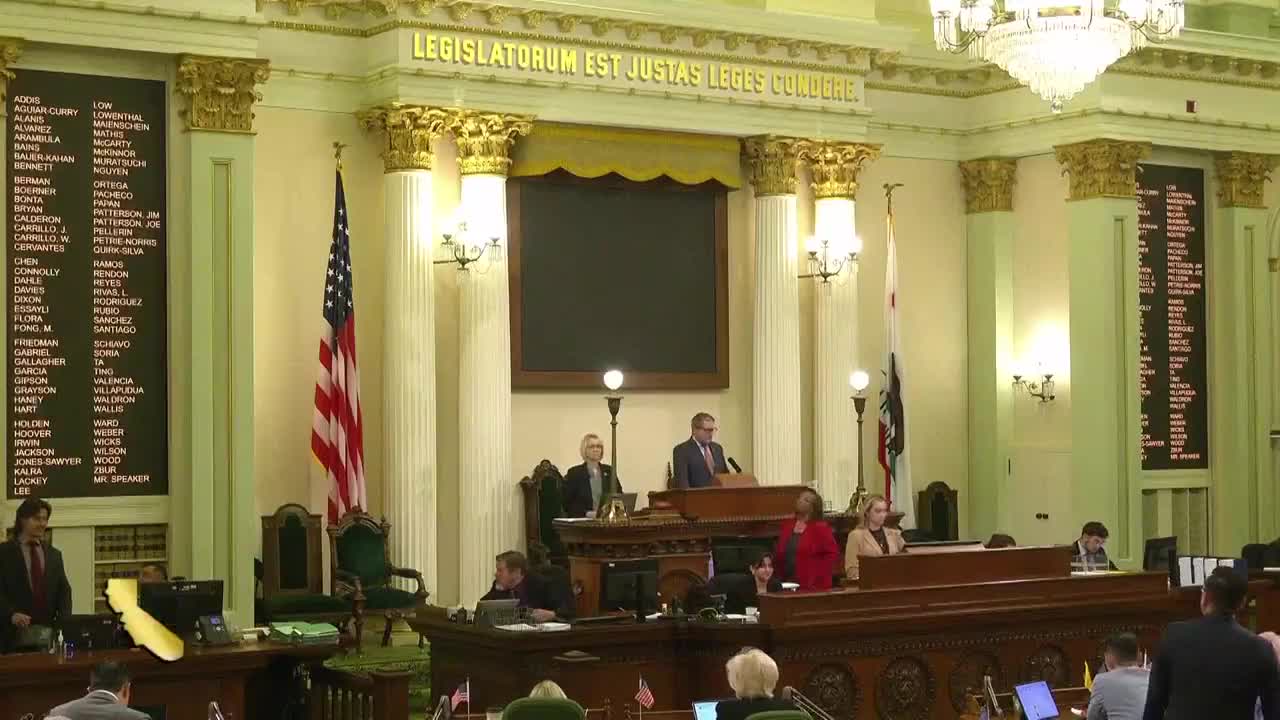
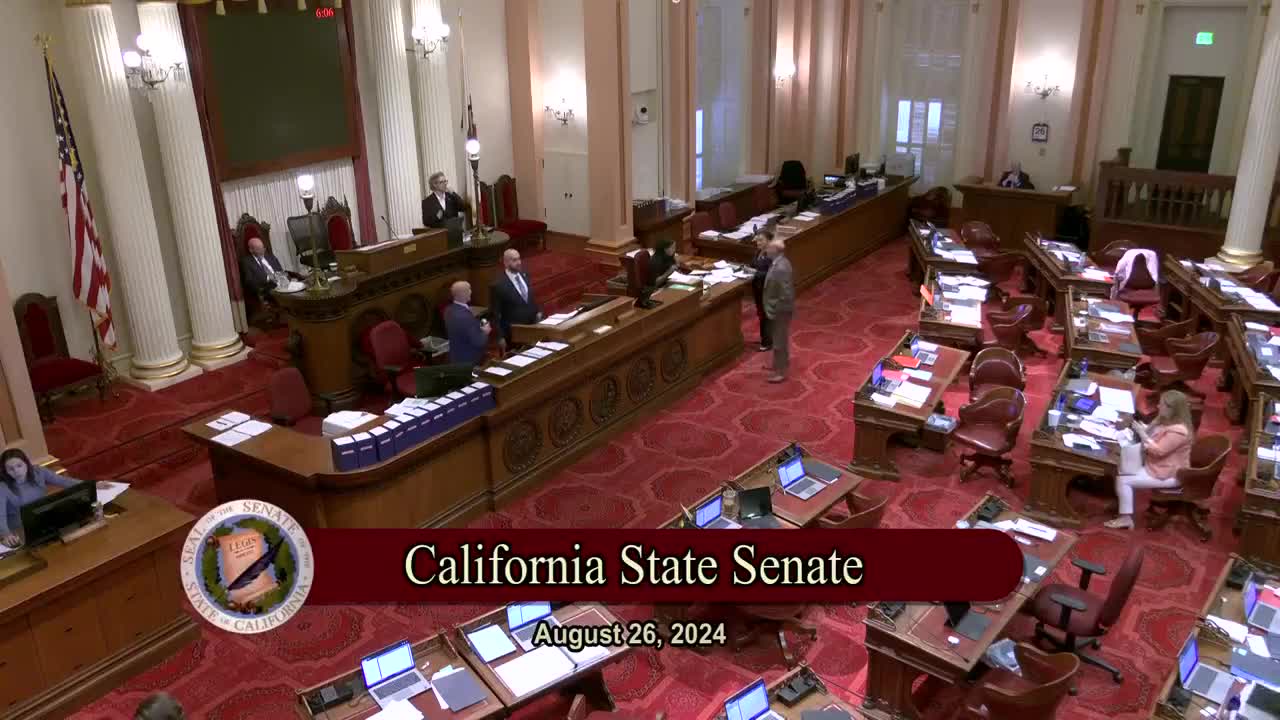
Bill Author

Bill Co-Author(s):
