AB 1968: CalFresh: supplemental nutrition assistance for senior citizens.
- Session Year: 2023-2024
- House: Assembly
- Latest Version Date: 2024-04-04
Current Status:
Failed
(2024-05-16: In committee: Held under submission.)
Introduced
In Committee
First Chamber
In Committee
Second Chamber
Enacted
What does this bill do?
The bill requires the state Department of Social Services to automatically enroll people who qualify for SSI/SSP (cash aid for low-income elderly, blind, and disabled people) and people who meet those rules but are excluded from SSI only because of their immigration status into CalFresh (the state's SNAP program) and the California Food Assistance Program (CFAP). It also requires counties to notify eligible people about their estimated benefits and to help them apply or complete interviews to establish eligibility.
The summary is provided by generative AI which can make mistakes. For original language, please view the details in the table below.
Existing federal law provides for the federal Supplemental Nutrition Assistance Program (SNAP), known in California as CalFresh, under which supplemental nutrition assistance benefits allocated to the state by the federal government are distributed to eligible individuals by each county, and generally prohibits a resident of an institution, including the state prison or a county jail, from receiving these benefits. Existing law also authorizes counties to participate in the CalFresh Employment and Training program, established by federal law, to provide work experience or training and job search training to CalFresh recipients. county.
Under existing law, the Supplemental Security Income/State Supplementary Program for the Aged, Blind, and Disabled (SSI/SSP) is, pursuant to contract, administered by the federal government and the department. This program provides cash assistance to low-income aged, blind, and disabled persons.
Existing law requires the department to also establish the California Food Assistance Program (CFAP) to provide nutrition benefits to households that are ineligible for CalFresh benefits solely due to their immigration status, as specified. Existing law requires that CFAP benefits be equivalent to SNAP benefits. Under existing law, operative on the date that the department notifies the Legislature that the Statewide Automated Welfare System can perform the necessary automation for this purpose, an individual 55 years of age or older is eligible for CFAP benefits, subject to an appropriation.
Existing law generally requires the federal and state laws and regulations governing the SSI/SSP program to also govern the Cash Assistance Program for Immigrants (CAPI).
This bill would require, on or before January 1, 2026, and on an annual basis thereafter, the State Department of Social Services to create a system to automatically enroll and shall to enroll in the CalFresh program and the CFAP qualifying individuals who meet the eligibility requirements of the Supplemental Security Income/State Supplementary Program (SSI/SSP) SSI/SSP and those who meet those requirements but are not eligible for SSI/SSP benefits solely due to the individuals immigration status. the eligibility requirements of the CAPI, as specified. The bill would require, commencing January 1, 2026, or after the automatic enrollment process takes effect, whichever is sooner, the department to require county eligibility workers to regularly contact qualifying individuals who meet the those requirements of the SSI/SSP to notify then them of their estimated potential benefit, including through notice by mail. The bill would also require the department to require county eligibility workers to conduct interviews and assist individuals with applying for CalFresh those benefits for the purpose of establishing eligibility for CalFresh benefits. The bill would require the department to collaborate with county agencies to effectuate these provisions, including after the automatic enrollment process takes effect. The bill would require the department, on or before July 1, 2025, to seek any waiver from the United States Department of Agriculture necessary to implement these requirements. By imposing additional duties on counties implementing the program, those programs, the bill would impose a state-mandated local program.
The California Constitution requires the state to reimburse local agencies and school districts for certain costs mandated by the state. Statutory provisions establish procedures for making that reimbursement.
This bill would provide that, if the Commission on State Mandates determines that the bill contains costs mandated by the state, reimbursement for those costs shall be made pursuant to the statutory provisions noted above.
Existing federal law provides for the federal Supplemental Nutrition Assistance Program (SNAP), known in California as CalFresh, under which supplemental nutrition assistance benefits allocated to the state by the federal government are distributed to eligible individuals by each county, and generally prohibits a resident of an institution, including the state prison or a county jail, from receiving these benefits. Existing law also authorizes counties to participate in the CalFresh Employment and Training program, established by federal law, to provide work experience or training and job search training to CalFresh recipients.
This bill would require, on or before _____, the State Department of Social Services to partner with the Franchise Tax Board to identify qualifying individuals 60 years of age or older and would require the department to create a system to automatically enroll those individuals into the CalFresh program, as specified. The bill would require the department to enroll eligible individuals on an annual basis, and would require the Franchise Tax Board to annually provide the department with the information of individuals with qualifying incomes. before January 1, 2026, and on an annual basis thereafter, the State Department of Social Services to create a system to automatically enroll and shall enroll in the CalFresh program qualifying individuals who meet the eligibility requirements of the Supplemental Security Income/State Supplementary Program (SSI/SSP) and those who meet those requirements but are not eligible for SSI/SSP benefits solely due to the individuals immigration status. The bill would require, commencing January 1, 2026, or after the automatic enrollment process takes effect, whichever is sooner, the department to require county eligibility workers to regularly contact qualifying individuals who meet the requirements of the SSI/SSP to notify then of their estimated potential benefit, including through notice by mail. The bill would also require the department to require county eligibility workers to conduct interviews and assist individuals with applying for CalFresh benefits for the purpose of establishing eligibility for CalFresh benefits. The bill would require the department to collaborate with county agencies to effectuate these provisions, including after the automatic enrollment process takes effect. The bill would require the department, on or before July 1, 2025, to seek any waiver from the United States Department of Agriculture necessary to implement these requirements. By imposing additional duties on counties implementing the program, the bill would impose a state-mandated local program.
The California Constitution requires the state to reimburse local agencies and school districts for certain costs mandated by the state. Statutory provisions establish procedures for making that reimbursement.
This bill would provide that, if the Commission on State Mandates determines that the bill contains costs mandated by the state, reimbursement for those costs shall be made pursuant to the statutory provisions noted above.
Existing federal law provides for the federal Supplemental Nutrition Assistance Program (SNAP), known in California as CalFresh, under which supplemental nutrition assistance benefits allocated to the state by the federal government are distributed to eligible individuals by each county, and generally prohibits a resident of an institution, including the state prison or a county jail, from receiving these benefits. Existing law also authorizes counties to participate in the CalFresh Employment and Training program, established by federal law, to provide work experience or training and job search training to CalFresh recipients.
This bill would require, on or before _____, the State Department of Social Services to partner with the Franchise Tax Board to identify qualifying individuals 60 years of age or older and would require the department to create a system to automatically enroll those individuals into the CalFresh program, as specified. The bill would require the department to enroll eligible individuals on an annual basis, and would require the Franchise Tax Board to annually provide the department with the information of individuals with qualifying incomes.
(a)On or before January 1, 2026, and on an annual basis thereafter, the department shall create a system to automatically enroll and shall enroll in the CalFresh program and the California Food Assistance Program both of the following categories of qualifying individuals:
(1)Individuals who meet the eligibility requirements of the Supplemental Security Income/State Supplementary Program (SSI/SSP).
(2)Individuals who meet the eligibility requirements of the SSI/SSP, but are not eligible for SSI/SSP benefits solely due to the individuals immigration status. Cash Assistance Program for Immigrants.
(b)(1)Until the automatic enrollment process takes effect, the department shall require county eligibility workers to regularly contact qualifying individuals who meet the eligibility requirements of the SSI/SSP described in subdivision (a) to notify them of their estimated potential benefit, including through notice by mail. The department shall also require county eligibility workers to conduct interviews and assist qualifying individuals who meet the those eligibility requirements of the SSI/SSP with applying for CalFresh benefits. benefits, as described in subdivision (a). The assistance shall be for the purpose of notifying these individuals of their potential estimated benefit and establishing eligibility for CalFresh benefits. benefits, as described in subdivision (a).
(2)Commencing January 1, 2026, or after the automatic enrollment process takes effect, whichever is sooner, the department shall inform qualifying individuals enrolled in the CalFresh program for benefits, as described by subdivision (a), pursuant to this section of their CalFresh benefit. The department may provide notice by mail.
(c)The department shall collaborate with health and human services county agencies to effectuate this section, including continued collaboration after the automatic enrollment process takes effect.
(d)On or before July 1, 2025, the department shall seek any waiver from the Secretary of the United States Department of Agriculture necessary to implement this section.
SEC. 2.If the Commission on State Mandates determines that this act contains costs mandated by the state, reimbursement to local agencies and school districts for those costs shall be made pursuant to Part 7 (commencing with Section 17500) of Division 4 of Title 2 of the Government Code.
(a)On or before January 1, 2026, and on an annual basis thereafter, the department shall create a system to automatically enroll and shall enroll in the CalFresh program both of the following categories of qualifying individuals:
(1)Individuals who meet the eligibility requirements of the Supplemental Security Income/State Supplementary Program (SSI/SSP).
(2)Individuals who meet the eligibility requirements of the SSI/SSP, but are not eligible for SSI/SSP benefits solely due to the individuals immigration status.
(b)(1)Until the automatic enrollment process takes effect, the department shall require county eligibility workers to regularly contact qualifying individuals who meet the eligibility requirements of the SSI/SSP to notify them of their estimated potential benefit, including through notice by mail. The department shall also require county eligibility workers to conduct interviews and assist qualifying individuals who meet the eligibility requirements of the SSI/SSP with applying for CalFresh benefits. The assistance shall be for the purpose of notifying these individuals of their potential estimated benefit and establishing eligibility for CalFresh benefits.
(2)Commencing January 1, 2026, or after the automatic enrollment process takes effect, whichever is sooner, the department shall inform qualifying individuals enrolled in the CalFresh program pursuant to this section of their CalFresh benefit. The department may provide notice by mail.
(c)The department shall collaborate with county agencies to effectuate this section, including continued collaboration after the automatic enrollment process takes effect.
(d)On or before July 1, 2025, the department shall seek any waiver from the Secretary of the United States Department of Agriculture necessary to implement this section.
SEC. 2.If the Commission on State Mandates determines that this act contains costs mandated by the state, reimbursement to local agencies and school districts for those costs shall be made pursuant to Part 7 (commencing with Section 17500) of Division 4 of Title 2 of the Government Code.
(a)The department shall partner with the Franchise Tax Board to enroll otherwise eligible individuals 60 years of age or older for the CalFresh program.
(b)On or before _____, the department shall create a system to automatically enroll qualifying individuals 60 years of age or older in the CalFresh program. In developing the system, the department shall incorporate the eligibility requirements of this chapter. The system shall enroll qualified individuals 60 years of age or older on an annual basis thereafter.
(c)On or before _____, and annually thereafter, the Franchise Tax Board shall provide the department with the information of individuals 60 years of age or older with qualifying incomes.
|
Date
|
Status
|
|---|---|
| May 16, 2024 | In committee: Held under submission. |
| Apr 24, 2024 | In committee: Set, first hearing. Referred to APPR. suspense file. |
| Apr 8, 2024 | Re-referred to Com. on APPR. |
| Apr 4, 2024 | Read second time and amended. |
| Apr 3, 2024 | From committee: Amend, and do pass as amended and re-refer to Com. on APPR. (Ayes 5. Noes 1.) (April 2). |
| Apr 1, 2024 | Re-referred to Com. on HUM. S. |
| Mar 21, 2024 | From committee chair, with author's amendments: Amend, and re-refer to Com. on HUM. S. Read second time and amended. |
| Feb 12, 2024 | Referred to Coms. on HUM. S. and REV. & TAX. |
| Jan 31, 2024 | From printer. May be heard in committee March 1. |
| Jan 30, 2024 | Read first time. To print. |
|
Date
|
Description
|
Location
|
Votes
|
|
|---|---|---|---|---|
| Apr 2, 2024 | Do pass as amended and be re-referred to the Committee on [Appropriations] | Assembly Standing Committee on Human Services |
Passed |
This list shows positions taken on this bill by organizations on the date displayed, which is linked to the original source.
Positions by individuals are not included.
|
Organization
|
Position
|
Date
|
|---|---|---|
| Alzheimer's Association | * Support | Apr 2, 2024 |
| California Association Of Food Banks | * Support | Apr 2, 2024 |
| California Catholic Conference | ** Support | |
| California Immigrant Policy Center | ** Support | |
| California Retired Teachers Association | ** Support | |
| Child Poverty California Grace | * Support | Apr 2, 2024 |
| City of Alameda | ** Support | |
| Leadingage California | * Support | Apr 2, 2024 |
Date of Hearing: April 24, 2024
ASSEMBLY COMMITTEE ON APPROPRIATIONS
Buffy Wicks, Chair
ABPCA Bill Id:AB 1968
Author:(Jackson) – As Amended Ver:April 4, 2024
Policy Committee: | Human Services | Vote: | 5 - 1 |
|
| ||
|
|
Urgency: No State Mandated Local Program: Yes Reimbursable: Yes
SUMMARY:
This bill requires the California Department of Social Services (CDSS) to establish a system to automatically enroll in the CalFresh program individuals who meet eligibility requirements of the Supplemental Security Income/State Supplementary Program (SSI/SSP), and to automatically enroll in the California Food Assistance Program (CFAP) individuals who meet eligibility requirements for the Cash Assistance Program for Immigrants (CAPI).
Specifically, this bill:
- Requires CDSS, by January 1, 2026, to create a system to automatically enroll, and to automatically enroll annually thereafter, individuals who meet the eligibility requirements of either SSI/SSP or CAPI in either CalFresh or CFAP, as applicable.
- Requires county eligibility workers, until the automatic enrollment process takes effect, to regularly contact qualifying individuals to notify them, including by mail, of their estimated potential benefit, and to conduct interviews and assist them with applying for benefits for the purpose of establishing eligibility.
- Requires CDSS, beginning January 1, 2026, or after the automatic enrollment process takes effect, whichever is sooner, to inform qualifying individuals enrolled for CalFresh or CFAP benefits, pursuant to this bill, of their benefit. Permits CDSS to provide notice by mail.
FISCAL EFFECT:
Estimated General Fund costs of an unknown amount, but likely between $100 million and $150 million annually ongoing for CDSS to develop, staff, and maintain the automatic enrollment system, provide CFAP benefits to the new enrollees, and cover county administrative costs, assuming implementation occurs after the current CFAP expansion is operational (expected by January 2027) and necessary federal waivers are granted.
Automatic enrollment in CalFresh is not allowed under federal rules. An application to verify eligibility, even if streamlined, is still required. Implementing this bill is contingent upon the state obtaining necessary federal rule waivers. According to CDSS, it is unclear, if not unlikely, the federal government would grant the necessary waivers to implement this bill.
For context, the cost to provide CFAP benefits, included in the above estimate, would be approximately $27 million (GF) annually, based on an added case load of 14,000, each averaging $159 per month in benefits. County administrative costs, which are likely substantial, especially prior to the enrollment system being operational, are potentially reimbursable by the state, subject to a determination by the Commission on State Mandates.
According to the Legislative Analyst’s Office, the General Fund faces a structural deficit in the tens of billions of dollars over the next several fiscal years.
COMMENTS:
- Purpose. The author seeks to address food insecurity among seniors by implementing an automatic enrollment system in CalFresh and CFAP for qualifying SSI/SSP and CAPI individuals.
- Background. According to statistics from the UCLA Center for Health Policy Research, nearly 40% of low-income Californians 60 years and older are facing food insecurity, marking a 21% increase over the past fifteen years. Linking older adults with CalFresh and CFAP has been demonstrated to significantly enhance the well-being of low-income elderly individuals.
CalFresh. The CalFresh program is California’s version of the federal Supplemental Nutrition Assistance Program (SNAP), which provides monthly food assistance to qualifying low‑income households. CalFresh benefits are federally funded. On average, an individual receives approximately $185 per month. Families receive more depending on income and household size. Under federal law, CalFresh benefits are available to U.S. citizens and, under narrow circumstances, lawfully-present non-U.S. citizens. In fiscal year (FY) 2022-23, approximately 5.1 million Californians received CalFresh benefits.
CFAP. CFAP, a state-funded companion program to CalFresh, provides a food benefit to individuals in limited categories of legal immigrant status (meaning refugees and victims of domestic violence) who qualify for CalFresh benefits but for their immigration status. CFAP benefits are equivalent to those provided by CalFresh. In FY 2022-23, about 42,000 immigrants received CFAP benefits, with an average monthly benefit of $159 per person and a cost to the state GF of $78 million. Certain noncitizens, including undocumented immigrants, Deferred Action for Childhood Arrivals (DACA) recipients, Temporary Protected Status (TPS) holders, and certain visa holders, are ineligible for CFAP based on their immigration status.
In 2022, the state began a targeted expansion of CFAP intended to include all income-eligible noncitizens aged 55 years or older, regardless of immigration status. The 2023-24 budget act provided $40 million to begin the necessary automation changes. Issuance of food benefits is anticipated to begin January 1, 2027, consistent with the estimated timeline for the automation changes to be completed.
SSI/SSP and CAPI. SSI/SSP is a combined federal- and state-administered program that provides a monthly cash benefit to qualified aged, blind, or disabled low-income individuals and couples to help pay for basic living expenses, such as food, clothing, and shelter. SSI is a federally funded benefit while SSP is funded by the state’s General Fund. A qualified SSI recipient is automatically eligible for SSP. The monthly SSI/SSP grant is $1,183 for individuals and $2,023 for couples, which includes the mandatory 3.2% federal SSI cost-of-living adjustment. Data shows SSI/SSP serves about 1.25 million individuals.
Under federal rules most noncitizens are ineligible for SSI/SSP benefits. In response, California established CAPI, a state-funded program aimed at providing monthly cash assistance to aged, blind, or disabled non-citizens who are ineligible for SSI/SSP solely due to their immigration status. CAPI payments are equivalent to SSI/SSP payments. In May 2023, CAPI served 14,000 legal residents.
Beginning June 1, 2019, SSI/SSP recipients became newly eligible to receive CalFresh benefits. The SSI expansion has enrolled approximately 300,000 adults and people with disabilities in CalFresh. However, analyses suggest the total CalFresh-eligible SSI population is about 800,000, meaning about 500,000 SSI/SSP recipients remain unenrolled in CalFresh each year.
Enrollment Barriers. CalFresh participation rates have historically been lower than eligibility rates. Additionally, according to the California Food Banks Association, CalFresh application denial rates for the SSI/SSP population reached 26% in February 2023, with many denials attributed to procedural reasons, not eligibility reasons.
There are continuous efforts at both the federal and state levels to overcome enrollment barriers. These efforts include additional outreach, simplifying and streamlining application processes, and linking applications for programs with similar eligibility requirements, such as CalWORKS, CalFresh, and Medi-Cal. These efforts typically inform individuals or families of their eligibility and provide a simplified application process, but do not automatically enroll them.
This bill focuses on linking low-income seniors who qualify for cash assistance through either SSI/SSP or CAPI to food assistance programs. The bill takes the additional step of creating a system to automatically enroll this population into CalFresh or CFAP.
Analysis Prepared by: Jennifer Swenson / APPR. / (916) 319-2081
Date of Hearing: April 2, 2024
ASSEMBLY COMMITTEE ON HUMAN SERVICES
Alex Lee, Chair
ABPCA Bill Id:AB 1968 (
Author:Jackson) – As Amended Ver:March 21, 2024
SUBJECT: CalFresh: enrollment for senior citizens
SUMMARY: Requires the California Department of Social Services (CDSS), by January 1, 2026, and annually thereafter, to establish a system for automatic enrollment in the CalFresh program for individuals who meet eligibility requirements of the Supplemental Security Income/State Supplementary Program (SSI/SSP), and individuals who would otherwise meet the requirements for SSI/SSP, but are ineligible solely due to immigration status. Specifically, this bill:
- Requires CDSS, on or before January 1, 2026, and on an annual basis thereafter, to create a system to automatically enroll both of the following categories of qualifying individuals in the CalFresh program:
- Individuals who meet the eligibility requirements of SSI/SSP; and,
- Individuals who would otherwise meet the requirements for SSI/SSP but are ineligible solely due to the individual’s immigration status.
- Specifies that CDSS shall require county eligibility workers to regularly contact qualifying individuals who meet SSI/SSP eligibility requirements to notify them of their estimated potential benefit, including through notice by mail, until the automatic enrollment process takes effect.
- Specifies that CDSS shall also require county eligibility workers to conduct interviews and assist qualifying individuals who meet SSI/SSP eligibility requirements with applying for CalFresh benefits. Further specifies the assistance shall be for the purpose of notifying these individuals of their potential estimated benefit and establishing eligibility for CalFresh benefits.
- Requires CDSS, commencing January 1, 2026, or after the automatic enrollment process takes effect, whichever is sooner, to inform qualifying individuals enrolled in the CalFresh program of their CalFresh benefit. Permits CDSS to provide notice by mail.
- Requires CDSS to collaborate with county agencies to effectuate 1) through 4) above, including continued collaboration after the automatic enrollment process takes effect.
- Requires, on or before July 1, 2025, CDSS to seek any waiver from the Secretary of the United States Department of Agriculture (USDA) necessary to implement 1) through 5) above.
EXISTING LAW:
State law:
- Establishes the CalFresh program to administer the provision of federal Supplemental Nutrition Assistance Program (SNAP) benefits to families and individuals meeting certain criteria, as specified. (Welfare and Institutions Code Section [WIC] § 18900 et seq.)
- Establishes the California Food Assistance Program (CFAP) to provide assistance for persons who are not eligible for federal SNAP benefits due solely to their immigration status, as specified. (WIC § 18930 et seq.)
- Provides that noncitizens of the United States (U.S.) shall be eligible for CFAP if the person is a battered immigrant spouse or child or the parent or child of the battered immigrant, as specified, or if the person is a Cuban or Haitian entrant, as specified. (WIC § 18930(c)(3))
- Provides that an applicant who is otherwise eligible for CFAP but who entered the U.S. on or after August 22, 1996, shall be eligible for aid only if they are sponsored and one of the following apply: the sponsor has died; the sponsor is disabled, as specified; or, the applicant, after entry into the U.S., is a victim of abuse by the sponsor or the spouse of the sponsor if the spouse is living with the sponsor. (WIC § 18930(c)(4))
- Provides that an applicant who is otherwise eligible for CFAP but who entered the U.S. on or after August 22, 1996, and who is not sponsored or a victim of abuse, shall be eligible for CFAP beginning on October 1, 1999. (WIC § 18930(c)(5))
- Requires applicants for CFAP to provide verification that specified conditions of eligibility are met. (WIC § 18930(c)(6))
- Provides that CFAP benefits to a household be identical to the amount of CalFresh benefits if the household is eligible. (WIC § 18930(d)(1))
- Provides that CFAP benefits to an individual be the identical share of CalFresh benefits if the individual had not been excluded from CalFresh. (WIC § 18930(d)(2))
- Requires, to the extent allowed by federal law, the delivery of CFAP benefits be identical to delivery of CalFresh benefits. (WIC § 18930(d)(3))
- Establishes the state SSP program for people who are aged, blind or disabled, which is intended to supplement federal SSI and provide persons whose need results from age, blindness, or disability with assistance and services that help them meet basic needs and maintain or increase independence. (WIC § 12000 et seq.)
- Establishes CAPI to provide cash assistance to aged, blind, and disabled legal immigrants who are not citizens and who successfully complete an application process. (WIC § 18937)
- Requires that an individual, upon application, be eligible for CAPI if their immigration status meets the eligibility criteria of the SSI/SSP in effect on August 21, 1996, but is not eligible for SSI/SSP benefits solely due to their immigration status. (WIC § 18938(a)(1))
- Provides that an applicant who is otherwise eligible for CAPI but who entered the U.S. on or after August 22, 1996, shall be eligible for aid only if they are sponsored and one of the following apply: the sponsor has died; the sponsor is disabled, as specified; or, the applicant, after entry into the U.S., is a victim of abuse by the sponsor or the spouse of the sponsor if the spouse is living with the sponsor. (WIC § 18930(c)(4))
- Provides that an applicant who is otherwise eligible for CAPI but who entered the U.S. on or after August 22, 1996, and who is not sponsored or a victim of abuse, shall be eligible for CAPI beginning on October 1, 1999. (WIC § 18938(a)(3))
- Requires applicants for CAPI to provide verification that specified conditions of eligibility are met. (WIC § 18938(a)(4))
- Provides that any person who is found eligible for federally funded SSI is required to apply for SSI benefits. Further provides that an individual may continue to receive benefits if they fully cooperate in the application and administrative appeal process of the Social Security Administration (SSA). Requires an individual to continue to be eligible to receive benefits if they receive an unfavorable decision from the SSA. (WIC § 18939(a))
Federal law:
- Establishes under federal law the SNAP pursuant to the Food Stamp Act of 1964. (7 United States Code [U.S.C.] § 2011 et seq.)
- Establishes citizenship requirements for SNAP benefits, including that undocumented immigrants are ineligible for SNAP, as specified. (7 Code of Federal Regulations § 273.4)
- Establishes the federal SSI Program to provide cash assistance to meet the basic needs of aged and blind individuals and individuals with disabilities. (42 USC § 1381 et seq.)
FISCAL EFFECT: Unknown, this bill has not been analyzed by a fiscal committee.
COMMENTS:
Background. CalFresh. SNAP is the largest federal nutrition assistance program designed to provide nutrition assistance to low-income families and individuals in the U.S. Administered by CDSS, CalFresh is California’s version of SNAP, which provides monthly benefits to help eligible households purchase nutritious food items. A CalFresh household is a group of people who live together, buy food and prepare meals together, meet CalFresh eligibility requirements, and are approved for CalFresh benefits. Participants receive benefits on Electronic Benefit Transfer (EBT) cards, which can be used to purchase eligible food items such as fruits and vegetables, meat, dairy products, and seeds and plants that produce food at authorized retailers, including grocery stores, supermarkets, and farmers’ markets.
The USDA sets specific eligibility requirements for SNAP programs across the country, including gross and net income, household size, assets, and certain expenses. Eligible households must have gross incomes at or below 200% of the Federal Poverty Level (FPL), although specific income limits may vary depending on household composition. Households with a member 60 years or older or who has a disability are not subject to gross income criteria, and instead, would need to meet the net income limit after allowable deductions for that household size. If all members of the households are receiving some type of cash assistance, then the household may be categorically eligible, regardless of its gross or net income, which means that the applicant is automatically eligible for CalFresh because they qualify for a program that has similar requirements. CalFresh eligibility and enrollment is tracked by the California Statewide Automated Welfare System (CalSAWS).
Effective October 1, 2023, through September 30, 2024, the maximum annual gross income for a household size of three is $49,728. Starting in 2019‑20, individuals 65 years and older became newly eligible to receive CalFresh benefits as a way to increase enrollment among SSI/SSP recipients. There are an estimated 500,000 SSI/SSP recipients eligible for CalFresh every year. CalFresh benefits are calculated based on household size, income, and deductible living expenses, with maximum benefit levels adjusted annually based on changes in cost of living. According to the Legislative Analyst’s Office (LAO), about 5.1 million Californians received a total of $14.5 billion in CalFresh benefits, all of it federally funded, for an average monthly benefit of about $185 per recipient in 2022‑23.
California Food Assistance Program (CFAP). The federal government imposed restrictions on federal food assistance by prohibiting eligibility for legal permanent residents (LPRs) until they had resided in the U.S. for five years. States were granted the option by the federal government to offer state-funded food assistance to this population, including LPRs who had arrived less than five years prior. In response, California established CFAP to provide state-funded food assistance to eligible noncitizens using the same EBT and CalSAWs systems as CalFresh to distribute benefits. Through the EBT system, the federal government directly deposits funds into the accounts of participating households, with the state later reimbursing the federal government for these expenditures.
CFAP benefits are equivalent to those provided by CalFresh and vary based on factors such as household size, income, and deductible expenses. In the 2022-23 fiscal year, CFAP benefits amounted to $78 million from the General Fund, with an average monthly benefit of $159 per person. In April 2023, the Public Policy Institute of California (PPIC) reported that CFAP served about 42,000 noncitizens. Certain noncitizens, such as those who are undocumented, are currently ineligible for CFAP based on their immigration status.
According to CDSS, examples of individuals eligible for CFAP include noncitizens who are:
- LPRs who have not met the five-year U.S. residency requirements or 40 qualifying work quarters criteria;
- Parolees;
- Conditional entrants; or,
- Battered or abused.
The April 2023 PPIC report further revealed that California is home to 10.5 million immigrants, representing almost 25% of the entire U.S. immigrant population. As of 2019, data from the Center for Migration Studies indicated that 22% of these immigrants were undocumented, while the remaining 78% possessed legal status, such as being naturalized citizens, visa holders, or LPRs. Recent spending plans have allocated funding to extend CFAP to all income-eligible noncitizens 55 years and older, regardless of immigration status, to begin in October 2025. The LAO reports that CalFresh and CFAP served about 3.2 million households total in June 2023.
Research has demonstrated the positive impact of CalFresh and CFAP participation on food security, dietary quality, and overall health outcomes among low-income individuals and families. Food insecurity refers to the lack of consistent access to enough food for an active, healthy life. By increasing access to nutritious foods, CalFresh and CFAP help reduce the risk of chronic diseases, such as obesity, diabetes, and heart disease, while promoting healthy growth and development.
Social Security Income/State Supplementary Payments (SSI/SSP). SSI is a federal assistance program designed to provide financial support to elderly, blind, and disabled individuals with limited income and resources, and to help recipients meet basic needs such as food, shelter, and clothing. SSP is a state assistance program that supplements SSI benefits to provide additional financial assistance to eligible individuals. Eligibility for SSI/SSP is based on factors such as age, disability, blindness, income, and resources. Individuals must meet specific income and resource limits to qualify for SSI/SSP benefits.
While the combined SSI/SSP monthly grant amount for individuals and couples has been increasing on average by 1.2% annually since January 2014, grant levels remain below the FPL for individuals, which means benefit amounts may not adequately cover the cost of living expenses, particularly in high-cost regions. Monthly grants for individuals are $1,183 and $2,023 for couples, which includes the mandatory 3.2% federal SSI cost-of-living adjustment. Starting in 2024, SSI/SSP provided grants to over one million low-income older adults and people with disabilities.
Cash Assistance Program for Immigrants (CAPI). The federal government disqualified most noncitizens from SSI/SSP eligibility. Consequently, the majority of immigrants who were not receiving SSI/SSP benefits in August 1996 are no longer eligible for SSI/SSP benefits. In response, California established CAPI, a state-funded program aimed at providing monthly financial assistance to aged, blind, or disabled non-citizens who are ineligible for SSI/SSP solely due to their immigration status.
To qualify for CAPI, individuals must:
- Have immigration status as the sole reason for their ineligibility for SSI/SSP benefits;
- Be 65 years or older, blind, or disabled;
- Reside in California;
- Fulfill specific income and asset prerequisites, and,
- Be noncitizens meeting the immigration status criteria.
A May 2023 report by PPIC highlights that CAPI served 14,000 legal residents.
Senior Food Insecurity. Food insecurity has seen a consistent incline within California's general population over the last several years; however, there has been a concerning rise in the number of elderly Californians experiencing limited, uncertain, or inconsistent access to sufficient quality and quantity of food necessary for a healthy lifestyle. According to statistics from the UCLA Center for Health Policy Research, nearly 40% of low-income Californians 60 years and above are facing food insecurity, marking a 21% increase over the past fifteen years. This lack of sustained access to nutritious and affordable food correlates with an elevated risk of chronic illnesses, increased hospitalizations, suboptimal disease management, mental health issues, and heightened healthcare expenditures.
Linking older adults with CalFresh and CFAP has been demonstrated to significantly enhance the well-being of low-income elderly individuals, granting critical access to life-sustaining food resources. According to a brief titled “California’s Master Plan for Aging: Address Senior Hunger by Maximizing CalFresh and the Hold Harmless Food Benefits,” CalFresh has been shown to decrease mortality rates among adults between the ages of 40-64, simultaneously resulting in annual healthcare cost savings exceeding $2,000 per person and reducing the probability of hospital admissions by 14% or nursing home placements by 23%.
While the SSI expansion has been extremely successful to date, enrolling some 300,000 adults and people with disabilities, analyses suggest that the total CalFresh-eligible SSI population is about 800,000. Given that SSI/SSP grant amounts remain at the FPL, access to nutrition assistance programs like CalFresh and CFAP complements SSI/SSP and CAPI benefits, further enhancing food security and nutritional outcomes for recipients. Efforts to streamline enrollment and improve access to CalFresh and CFAP benefits among SSI/SSP and CAPI recipients can help reduce food insecurity and improve the overall well-being of vulnerable populations. This bill aims to streamline access to nutrition assistance by implementing an automatic enrollment system for eligible individuals into CalFresh and CFAP. By targeting seniors who are eligible for SSI/SSP and CAPI, AB 1968 seeks to address food insecurity among vulnerable populations.
Barriers to CalFresh & CFAP Access. Enrollment processes for CalFresh and CFAP can be convoluted and time-consuming, posing significant barriers to access for eligible individuals, particularly those facing socioeconomic disadvantages or limited literacy. For many eligible individuals, barriers to CalFresh and CFAP participation include a lack of awareness about program eligibility and benefits, stigma associated with receiving public assistance, complex application procedures, language barriers, lack of internet access, and fear of losing benefits from other social services programs. For county workers who process applications, manual enrollment processes require substantial administrative resources, including staffing, paperwork processing, and verification procedures, which can strain agency capacities and prolong wait times for applicants, especially for large counties like Los Angeles County that processed at least 1.4 million applications in 2020.
Despite eligibility, CalFresh participation rates have historically been lower than eligibility rates, with many eligible individuals and households failing to enroll in the program. USDA 2018 data shows that compared to the national SNAP participation rate of 82%, California has a 70% participation rate. When it comes to enrolling more elderly people in CalFresh, California is also falling behind other states, such as Washington (27%), Oregon (27%), and even below Florida (36%) in its SNAP enrollment and participation rates, with 17% of eligible California seniors participating in 2018. On a county level, there are also stark differences from county to county on CalFresh enrollment rates for eligible individuals or families, with a 97% participation rate in Fresno compared to 52% in Contra Costa in 2017. Additionally, according to the California Food Banks Association, CalFresh application denial rates for the SSI/SSP population have often been as low as 15% but have climbed as high as 26% in February 2023, with many denials attributed to procedural, not eligibility reasons. With suboptimal participation rates compared to other states and even within counties, the results are the same — underutilization of vital resources and missed opportunities to address food insecurity and malnutrition, especially among the elderly population.
There have been efforts to improve the CalFresh participation rate, which have focused on outreach and education, simplification of application processes, and addressing barriers specific to vulnerable populations, such as seniors, individuals with disability, and immigrant communities. In addition to expanding CFAP eligibility to noncitizens aged 55 or older in 2025 and expanding CalFresh eligibility to SSI/SSP recipients in 2019, there have also been federal initiatives aimed at boosting participation among low-income older adults 60 years and above in SNAP. The Elderly Simplified Application Project (ESAP) was established to enhance the efficiency of SNAP and ensure better delivery of benefits by simplifying the application and certification process. ESAP is limited to households consisting entirely of older adults with no earned income, although some projects may include adults with disabilities with no earned income, and may permit children in the household. Specifically, the project exempts households from the recertification interview requirement, offers more flexibility in verification, and extends the certification period to 36 months. CDSS received waivers to implement ESAP beginning October 1, 2017, which is granted for five years and was extended to September 30, 2026.
Automatic Enrollment System. Building upon ESAP, streamlining the CalFresh and CFAP application process for SSI/SSP and CAPI recipients, who often face the greatest barriers to successfully navigating online application platforms, would ensure fewer SSI/SSP and CAPI recipients who qualify for CalFresh and CFAP get denied. This bill aims to establish an automatic enrollment initiative to streamline the enrollment process, increase awareness, and proactively engage eligible individuals, thereby improving participation rates and ensuring that benefits reach those in need. Specifically, this bill seeks to create an automatic enrollment system of SSI/SSP and CAPI recipients for CalFresh and CFAP that leverages existing data systems and databases to identify and enroll eligible individuals, streamlining the process and minimizing administrative burdens.
Provisions of the bill further require county eligibility workers to reach out to these individuals and regularly inform them of potential benefits until the automatic enrollment system is in place, as well as assist these individuals in applying for CalFresh and CFAP benefits. Recognizing the linguistic diversity of California's population, outreach efforts in multiple languages are necessary to ensure that information reaches individuals with limited English proficiency and diverse cultural backgrounds. Lastly, this bill would require CDSS to seek any necessary waivers.
While not included in the bill, automatic enrollment systems have the potential to facilitate seamless re-enrollment for existing beneficiaries, reducing the risk of benefits lapses and disruptions in food assistance.
Author’s Statement. According to the Author, “[This bill] is a bill centered on finding creative, cost-effective ways to combat food insecurity for California's aging population.
Food insecurity is an issue that disproportionately effects seniors and poses even greater health risks for California's growing senior population. By finding new ways to maximize SNAP enrollment for California's seniors, [this bill] will leave no stone unturned in California's efforts to support senior individuals most in need.”
Equity Implications. California’s older adults are becoming more racially and ethnically diverse and food insecurity is correlated with race and ethnicity. White Americans have the lowest rates of food insecurity, followed by Latinx and Black Americans. These communities face systemic injustices such as punitive policing, patterns of racial/ethnic segregation, and employment and earnings gaps that impact their ability to achieve wealth, prosperity, and food security.
CalFresh and CFAP play a crucial role in combating food insecurity by supplementing household food budgets that enable recipients to purchase a variety of nutritious foods. In addition to affecting racial and ethnic populations, food insecurity disproportionately affects low-income households, children, seniors, and individuals with disabilities. Supplementary to receiving food benefits, SSI/SSP and CAPI serve as a critical lifeline for residents and noncitizens who are elderly, blind, or disabled and have limited financial means to support themselves, playing a crucial role in preventing poverty and homelessness among vulnerable populations and providing stability and dignity to those in need.
Changing demographics, including an aging population and increasing diversity, pose new challenges and opportunities for nutrition assistance programs, requiring responsive policy solutions and targeted interventions. Automatic enrollment initiatives help address disparities in access to nutrition assistance programs by reducing systemic barriers and ensuring equitable access for marginalized and underserved populations, including seniors, noncitizens, and individuals with disabilities. By streamlining the enrollment process and normalizing participation in nutrition assistance programs, automatic enrollment initiatives can help mitigate the stigma and discrimination associated with seeking food assistance, promoting social inclusion. Access to nutrition assistance programs may also alleviate financial strain on low-income elderly households, freeing up resources for other essential needs such as housing and healthcare, thereby fostering economic stability and mobility.
Automatic enrollment initiatives play a crucial role in combating food insecurity and malnutrition by ensuring that eligible individuals have timely access to nutritious food resources, thereby promoting better health outcomes and reducing the prevalence of diet-related diseases.
By facilitating access to adequate nutrition, automatic enrollment initiatives also contribute to preventive health measures, reducing the incidence of chronic diseases, hospitalizations, and healthcare expenditures associated with malnutrition and food insecurity. Nutrition assistance programs serve as integral components of comprehensive social safety nets, providing critical support for vulnerable populations and promoting overall health, well-being, and resilience.
This bill represents a significant step towards addressing food insecurity in California by creating an automatic enrollment system in CalFresh and CFAP for qualifying SSI/SSP and CAPI individuals.
Double-referral: Should this bill pass out of this committee, it will be referred to the Assembly Revenue and Taxation Committee.
Policy Considerations: This bill intends to create an automatic enrollment system for both CalFresh and CFAP, utilizing eligibility requirements for both SSI/SSP and CAPI. However, the current language does not specify CFAP and CAPI.
Proposed Committee Amendments: In order to address the above policy considerations, the Committee proposes the author take the following amendments:
In the title, in line 2, strike out “CalFresh.” And insert “supplemental nutrition assistance.”
On page 3, in line 12, after “program” insert “and the California Food Assistance Program”
On page 3, strike out lines 18 and 19 and insert “Cash Assistance Program for Immigrants.”
On page 3, in line 23, strike out “of the SSI/SSP” and insert “described in subdivision (a)”
On page 3, in line 26, strike out the first “the” and insert “those”
On page 3, in lines 26 and 27, strike out “of the SSI/SSP”
On page 3, in line 27, strike out “CalFresh benefits” and insert “benefits, as described in subdivision (a)”
On page 3, in line 29, strike out “CalFresh benefits” and insert “benefits, as described in subdivision (a)”
On page 3, in lines 32 and 33, strike out “in the CalFresh program” and insert “for benefits, as described by subdivision (a)”
On page 3, in line 33, strike out the second “CalFresh”
On page 3, in line 35, after “with” insert “health and human services”
RELATED TO PRIOR LEGISLATION:
SB 628 (Hurtado), Chapter 879, Statutes of 2023, declared that it is the established policy of the state that every human being has the right to access sufficient, affordable, and healthy food and requires all relevant state agencies to consider this policy when revising, adopting, or establishing policies, regulations, and grant criteria when those policies, regulations, and criteria are pertinent to the distribution of sufficient affordable food.
AB 712 (Carrillo), Chapter 121, Statutes of 2023, required CDSS to seek all available federal waivers and approvals necessary to maximize food choices for CalFresh recipients under federal law and guidance, including to purchase hot foods or hot food products ready for immediate consumption.
AB 311 (Santiago) of 2023, would have expanded eligibility for CFAP to any individual whose immigration status is the sole basis for their ineligibility for CalFresh by removing the 55 years and older age limit on eligibility. AB 311 was referred to the Senate Human Services Committee but was not set for a hearing.
AB 2153 (Arambula) of 2022, would have established the California Fruit and Vegetable Supplemental Benefit Expansion Program and would have required CDSS to enroll authorized retailers to provide supplemental benefits to CalFresh recipients who purchase California-grown fresh fruits and vegetables. AB 2153 was held on the Assembly Appropriations Committee suspense file.
AB 1965 (Wicks) of 2022, would have required CDSS to establish the California Antihunger Response program to provide state-funded benefits to individuals deemed ineligible for CalFresh as a result of the able-bodied adult without dependents time limit if a statewide time limit waiver is not granted by the federal government. AB 1965 was vetoed by the Governor.
AB 1811 (Committee on Budget), Chapter 35, Statutes of 2018, created the SSI/SSP Cash-In Supplemental Nutrition Benefit Program and Transitional Nutrition Benefit Program to provide nutrition benefits to a CalFresh household that had its benefits reduced or became ineligible when a previously excluded SSI or SSP recipient was added to the household under the new eligibility provisions, as provided.
REGISTERED SUPPORT / OPPOSITION:
Support
Alzheimer's Association
California Catholic Conference
California Immigrant Policy Center
California Retired Teachers Association
City of Alameda
Leadingage California
Opposition
None on file.
Analysis Prepared by: Bri-Ann Hernández / HUM. S. / (916) 319-2089
Discussed in Hearing
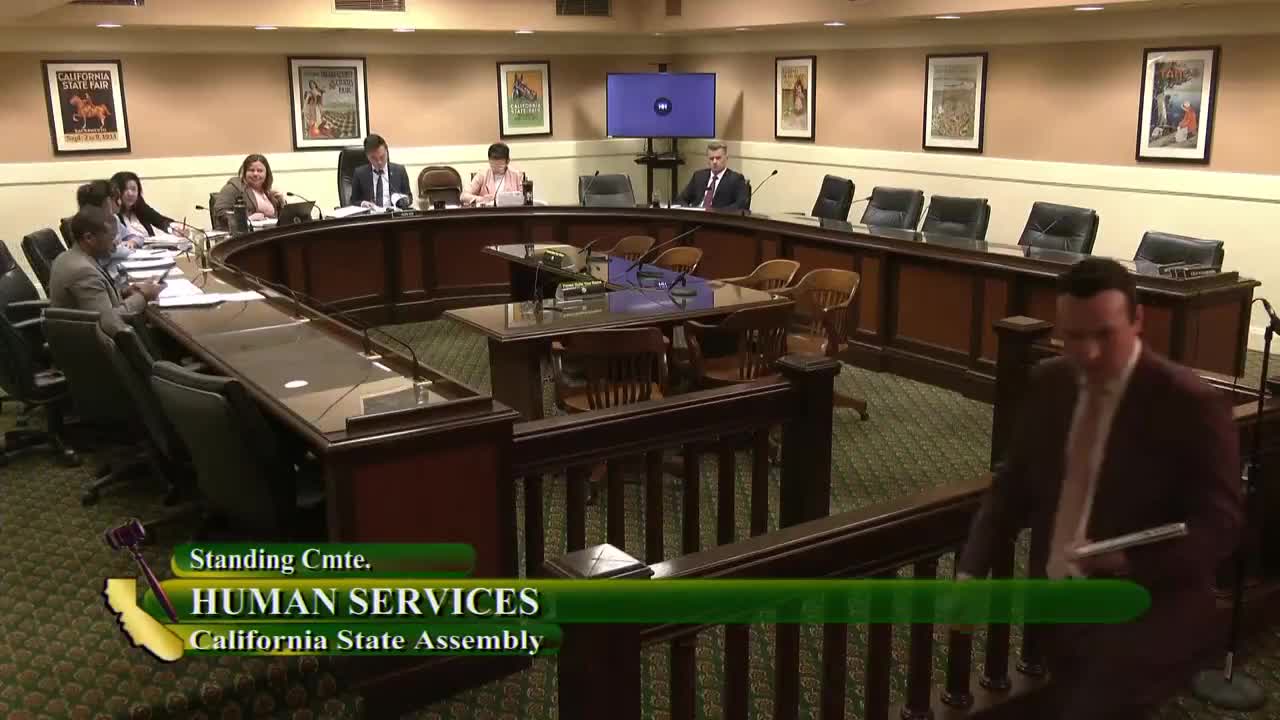 4MIN
Assembly Standing Committee on Human Services
Bill Author

Bill Co-Author(s):