AB 372: CalWORKs: eligibility: income exclusions.
- Session Year: 2023-2024
- House: Assembly
- Latest Version Date: 2023-09-18
Current Status:
Failed
(2024-01-29: Consideration of Governor's veto stricken from file.)
Introduced
In Committee
First Chamber
In Committee
Second Chamber
Enacted
Existing law provides for the California Work Opportunity and Responsibility to Kids (CalWORKs) program under which each county provides cash assistance and other benefits to qualified low-income families. Under existing law, certain types of payments received by recipients of aid under the CalWORKs program, including income from a college work-study program, as specified, are exempt from consideration as income for purposes of determining eligibility and aid amount.
This bill would, commencing January 1, 2025, or on the date that the State Department of Social Services notifies the Legislature that the California Statewide Automated Welfare System can perform the necessary automation to implement this change, additionally exempt income up to 200% of the federal poverty level that is received by an apprentice or preapprentice for performing work as part of a specified apprenticeship program or preapprenticeship program from consideration as income for purposes of determining eligibility or calculating grant amounts under the CalWORKs program. The bill would require the State Department of Social Services to implement these provisions through an all-county letter or similar instruction until regulations are adopted. By expanding the scope of eligibility for CalWORKs, the bill would impose a state-mandated local program.
Existing law continuously appropriates moneys from the General Fund to defray a portion of county costs under the CalWORKs program.
This bill would instead provide that the continuous appropriation would not be made for purposes of implementing the above provisions.
This bill would incorporate additional changes to Section 11157 of the Welfare and Institutions Code proposed by AB 274 to be operative only if this bill and AB 274 are enacted and this bill is enacted last.
The California Constitution requires the state to reimburse local agencies and school districts for certain costs mandated by the state. Statutory provisions establish procedures for making that reimbursement.
This bill would provide that, if the Commission on State Mandates determines that the bill contains costs mandated by the state, reimbursement for those costs shall be made pursuant to the statutory provisions noted above.
Existing law provides for the California Work Opportunity and Responsibility to Kids (CalWORKs) program under which each county provides cash assistance and other benefits to qualified low-income families. Under existing law, certain types of payments received by recipients of aid under the CalWORKs program, including income from a college work-study program, as specified, are exempt from consideration as income for purposes of determining eligibility and aid amount.
This bill would would, commencing January 1, 2025, or on the date that the State Department of Social Services notifies the Legislature that the California Statewide Automated Welfare System can perform the necessary automation to implement this change, additionally exempt income up to 200% of the federal poverty level that is received by an apprentice or preapprentice for performing work as part of a specified apprenticeship program or preapprenticeship program from consideration as income for purposes of determining eligibility or calculating grant amounts under the CalWORKs program. The bill would authorize require the State Department of Social Services to implement these provisions through an all-county letter or similar instruction until regulations are adopted. By expanding the scope of eligibility for CalWORKs, the bill would impose a state-mandated local program.
Existing law continuously appropriates moneys from the General Fund to defray a portion of county costs under the CalWORKs program.
This bill would instead provide that the continuous appropriation would not be made for purposes of implementing the above provisions.
This bill would incorporate additional changes to Section 11157 of the Welfare and Institutions Code proposed by AB 274 to be operative only if this bill and AB 274 are enacted and this bill is enacted last.
The California Constitution requires the state to reimburse local agencies and school districts for certain costs mandated by the state. Statutory provisions establish procedures for making that reimbursement.
This bill would provide that, if the Commission on State Mandates determines that the bill contains costs mandated by the state, reimbursement for those costs shall be made pursuant to the statutory provisions noted above.
Existing law provides for the California Work Opportunity and Responsibility to Kids (CalWORKs) program under which each county provides cash assistance and other benefits to qualified low-income families. Under existing law, certain types of payments received by recipients of aid under the CalWORKs program, including income from a college work-study program, as specified, are exempt from consideration as income for purposes of determining eligibility and aid amount.
This bill would additionally exempt income up to 200% of the federal poverty level that is received by an apprentice or preapprentice for performing work as part of a specified apprenticeship program or preapprenticeship program from consideration as income for purposes of determining eligibility or calculating grant amounts under the CalWORKs program. The bill would authorize the State Department of Social Services to implement these provisions through an all-county letter or similar instruction until regulations are adopted. By expanding the scope of eligibility for CalWORKs, the bill would impose a state-mandated local program.
Existing law continuously appropriates moneys from the General Fund to defray a portion of county costs under the CalWORKs program.
This bill would instead provide that the continuous appropriation would not be made for purposes of implementing the above provisions.
The California Constitution requires the state to reimburse local agencies and school districts for certain costs mandated by the state. Statutory provisions establish procedures for making that reimbursement.
This bill would provide that, if the Commission on State Mandates determines that the bill contains costs mandated by the state, reimbursement for those costs shall be made pursuant to the statutory provisions noted above.
Existing law provides for the California Work Opportunity and Responsibility to Kids (CalWORKs) program under which each county provides cash assistance and other benefits to qualified low-income families. Under existing law, certain types of payments received by recipients of aid under the CalWORKs program, including income from a college work-study program, as specified, are exempt from consideration as income for purposes of determining eligibility and aid amount.
This bill would additionally exempt income received by an apprentice or preapprentice for performing work as part of a specified apprenticeship program or preapprenticeship program from consideration as income for purposes of determining eligibility or calculating grant amounts under the CalWORKs program. The bill would authorize the State Department of Social Services to implement these provisions through an all-county letter or similar instruction until regulations are adopted. By expanding the scope of eligibility for CalWORKs, the bill would impose a state-mandated local program.
Existing law continuously appropriates moneys from the General Fund to defray a portion of county costs under the CalWORKs program.
This bill would instead provide that the continuous appropriation would not be made for purposes of implementing the above provisions.
The California Constitution requires the state to reimburse local agencies and school districts for certain costs mandated by the state. Statutory provisions establish procedures for making that reimbursement.
This bill would provide that, if the Commission on State Mandates determines that the bill contains costs mandated by the state, reimbursement for those costs shall be made pursuant to the statutory provisions noted above.
The Child Care and Development Services Act, administered by the State Department of Social Services, establishes a system of childcare and development services for children up to 13 years of age. Existing law sets forth the purposes of the act, which include, among other things, the provision of a comprehensive, coordinated, and cost-effective system of childcare and development services for children and their parents.This bill would state the intent of the Legislature to enact subsequent legislation to increase access to affordable childcare.The Child Care and Development Services Act, administered by the State Department of Social Services, establishes a system of childcare and development services for children up to 13 years of age. Existing law sets forth the purposes of the act, which include, among other things, the provision of a comprehensive, coordinated, and cost-effective system of childcare and development services for children and their parents.
This bill would state the intent of the Legislature to enact subsequent legislation to increase access to affordable childcare.
(a)Notwithstanding Section 11008, all lump-sum income received by an applicant or recipient shall be regarded as income in the month received, except nonrecurring lump-sum social insurance payments, which shall include social security income, railroad retirement benefits, veterans benefits, workers compensation, and disability insurance.
(b)Except as otherwise provided in this part, for purposes of this chapter and Chapter 2 (commencing with Section 11200), income shall be deemed to be the same as applied under the Aid to Families with Dependent Children program on August 21, 1996, except that the following are exempt from consideration as income:
(1)Income that is received too infrequently to be reasonably anticipated, as exempted in federal Supplemental Nutrition Assistance Program (SNAP) regulations.
(2)Income from a college work-study program under Title IV of the federal Higher Education Act or Article 18 (commencing with Section 69950) of Chapter 2 of Part 42 of Division 5 of Title 3 of the Education Code or college work-study program, as established in the annual Budget Act, for individuals receiving aid under Chapter 2 (commencing with Section 11200).
(3)(A)Except as provided for in subparagraph (B), an award or scholarship provided by a public or private entity to or on behalf of a dependent child based on the childs academic or extracurricular achievement or participation in a scholastic, educational, or extracurricular competition.
(B)For purposes of Chapter 2 (commencing with Section 11200), an award or scholarship provided by a public or private entity to or on behalf of a dependent child.
(c)(1)For purposes of Chapter 2 (commencing with Section 11200), any income or stipend paid by the United States Census Bureau, a governmental entity, or a nonprofit organization for temporary work related to the decennial census shall not be considered income.
(2)Paragraph (1) shall be retroactive and shall apply to any income or stipend paid by the United States Census Bureau, a governmental entity, or a nonprofit organization for temporary work related to the most recent decennial census.
(3)Notwithstanding the rulemaking provisions of the Administrative Procedure Act (Chapter 3.5 (commencing with Section 11340) of Part 1 of Division 3 of Title 2 of the Government Code), the department may implement, interpret, or make specific this subdivision by means of all-county letters or similar instructions from the department until regulations are adopted. These all-county letters or similar written instructions shall have the same force and effect as regulations until the adoption of regulations.
(d)(1)Any federal pandemic unemployment compensation, as described under Subchapter 2 (commencing with Section 9021) of Chapter 116 of Title 15 of the United States Code, is exempt from consideration as income and resources for the purposes of determining initial and continued eligibility and grant amount for the CalWORKs program.
(2)The exemption described under paragraph (1) shall remain in effect so long as federal pandemic unemployment compensation is exempt as income for purposes of establishing eligibility for the CalFresh program (Chapter 10 (commencing with Section 18900) of Part 6), pursuant to the federal Consolidated Appropriations Act of 2021 or any other law.
(e)(1)Notwithstanding any other law, for the purposes of this chapter and Chapter 2 (commencing with Section 11200), guaranteed income payments shall be exempt from consideration as income and resources.
(2)Notwithstanding the rulemaking provisions of the Administrative Procedure Act (Chapter 3.5 (commencing with Section 11340) of Part 1 of Division 3 of Title 2 of the Government Code), the department may implement, interpret, or make specific this subdivision through all-county letters or similar instructions that shall have the same force and effect as regulations until regulations are adopted.
(f)This section shall become inoperative on January 1, 2025, or on the date that the department notifies the Legislature that the California Statewide Automated Welfare System can perform the necessary automation to implement Section 11157, as added by the act that added this subdivision, whichever date is later, and, as of January 1 of the following year, is repealed.
SEC. 1.5.Section 11157 of the Welfare and Institutions Code is amended to read:11157.(a)Notwithstanding Section 11008, all lump-sum income received by an applicant or recipient shall be regarded as income in the month received, except nonrecurring lump-sum social insurance payments, which shall include social security income, railroad retirement benefits, veterans benefits, workers compensation, and disability insurance.
(b)Except as otherwise provided in this part, for purposes of this chapter and Chapter 2 (commencing with Section 11200), income shall be deemed to be the same as applied under the Aid to Families with Dependent Children program on August 21, 1996, except that the following are exempt from consideration as income:
(1)Income that is received too infrequently to be reasonably anticipated, as exempted in federal Supplemental Nutrition Assistance Program (SNAP) regulations.
(2)Income from a college work-study program under Title IV of the federal Higher Education Act or Article 18 (commencing with Section 69950) of Chapter 2 of Part 42 of Division 5 of Title 3 of the Education Code or college work-study program, as established in the annual Budget Act, for individuals receiving aid under Chapter 2 (commencing with Section 11200).
(3)(A)Except as provided for in subparagraph (B), an award or scholarship provided by a public or private entity to or on behalf of a dependent child based on the childs academic or extracurricular achievement or participation in a scholastic, educational, or extracurricular competition.
(B)For purposes of Chapter 2 (commencing with Section 11200), an award or scholarship provided by a public or private entity to or on behalf of a dependent child.
(c)For purposes of Chapter 2 (commencing with Section 11200) and notwithstanding any other law, any grant, award, scholarship, loan, or fellowship benefit provided to any assistance unit member for educational purposes shall be exempt from consideration as income for purposes of determining eligibility for benefits or calculating grant amounts pursuant to Chapter 2 (commencing with Section 11200). The funds described in this subdivision shall also be exempt as resources for purposes of determining eligibility for benefits or calculating grant amounts pursuant to Chapter 2 (commencing with Section 11200) for 12 months following the receipt of the funds.
(d)(1)For purposes of Chapter 2 (commencing with Section 11200), any income or stipend paid by the United States Census Bureau, a governmental entity, or a nonprofit organization for temporary work related to the decennial census shall not be considered income.
(2)Paragraph (1) shall be retroactive and shall apply to any income or stipend paid by the United States Census Bureau, a governmental entity, or a nonprofit organization for temporary work related to the most recent decennial census.
(3)Notwithstanding the rulemaking provisions of the Administrative Procedure Act (Chapter 3.5 (commencing with Section 11340) of Part 1 of Division 3 of Title 2 of the Government Code), the department may implement, interpret, or make specific this subdivision by means of all-county letters or similar instructions from the department until regulations are adopted. These all-county letters or similar written instructions shall have the same force and effect as regulations until the adoption of regulations.
(e)(1)Any federal pandemic unemployment compensation, as described under Subchapter 2 (commencing with Section 9021) of Chapter 116 of Title 15 of the United States Code, is exempt from consideration as income and resources for the purposes of determining initial and continued eligibility and grant amount for the CalWORKs program.
(2)The exemption described under paragraph (1) shall remain in effect so long as federal pandemic unemployment compensation is exempt as income for purposes of establishing eligibility for the CalFresh program (Chapter 10 (commencing with Section 18900) of Part 6), pursuant to the federal Consolidated Appropriations Act of 2021 or any other law.
(f)(1)Notwithstanding any other law, for the purposes of this chapter and Chapter 2 (commencing with Section 11200), guaranteed income payments shall be exempt from consideration as income and resources.
(2)Notwithstanding the rulemaking provisions of the Administrative Procedure Act (Chapter 3.5 (commencing with Section 11340) of Part 1 of Division 3 of Title 2 of the Government Code), the department may implement, interpret, or make specific this subdivision through all-county letters or similar instructions that shall have the same force and effect as regulations until regulations are adopted.
(g)This section shall become inoperative on January 1, 2025, or on the date that the department notifies the Legislature that the California Statewide Automated Welfare System can perform the necessary automation to implement Section 11157, as added by the act that added this subdivision, whichever date is later, and, as of January 1 of the following year, is repealed.
SEC. 2.Section 11157 is added to the Welfare and Institutions Code, to read:11157.(a)Notwithstanding Section 11008, all lump-sum income received by an applicant or recipient shall be regarded as income in the month received, except nonrecurring lump-sum social insurance payments, which shall include social security income, railroad retirement benefits, veterans benefits, workers compensation, and disability insurance.
(b)Except as otherwise provided in this part, for purposes of this chapter and Chapter 2 (commencing with Section 11200), income shall be deemed to be the same as applied under the Aid to Families with Dependent Children program on August 21, 1996, except that the following are exempt from consideration as income:
(1)Income that is received too infrequently to be reasonably anticipated, as exempted in federal Supplemental Nutrition Assistance Program (SNAP) regulations.
(2)Income from a college work-study program under Title IV of the federal Higher Education Act or Article 18 (commencing with Section 69950) of Chapter 2 of Part 42 of Division 5 of Title 3 of the Education Code or college work-study program, as established in the annual Budget Act, for individuals receiving aid under Chapter 2 (commencing with Section 11200).
(3)(A)Except as provided for in subparagraph (B), an award or scholarship provided by a public or private entity to or on behalf of a dependent child based on the childs academic or extracurricular achievement or participation in a scholastic, educational, or extracurricular competition.
(B)For purposes of Chapter 2 (commencing with Section 11200), an award or scholarship provided by a public or private entity to or on behalf of a dependent child.
(c)(1)For purposes of Chapter 2 (commencing with Section 11200), any income or stipend paid by the United States Census Bureau, a governmental entity, or a nonprofit organization for temporary work related to the decennial census shall not be considered income.
(2)Paragraph (1) shall be retroactive and shall apply to any income or stipend paid by the United States Census Bureau, a governmental entity, or a nonprofit organization for temporary work related to the most recent decennial census.
(3)Notwithstanding the rulemaking provisions of the Administrative Procedure Act (Chapter 3.5 (commencing with Section 11340) of Part 1 of Division 3 of Title 2 of the Government Code), the department may implement, interpret, or make specific this subdivision by means of all-county letters or similar instructions from the department until regulations are adopted. These all-county letters or similar written instructions shall have the same force and effect as regulations until the adoption of regulations.
(d)(1)Any federal pandemic unemployment compensation, as described under Subchapter 2 (commencing with Section 9021) of Chapter 116 of Title 15 of the United States Code, is exempt from consideration as income and resources for the purposes of determining initial and continued eligibility and grant amount for the CalWORKs program.
(2)The exemption described under paragraph (1) shall remain in effect so long as federal pandemic unemployment compensation is exempt as income for purposes of establishing eligibility for the CalFresh program (Chapter 10 (commencing with Section 18900) of Part 6), pursuant to the federal Consolidated Appropriations Act of 2021 or any other law.
(e)(1)Notwithstanding any other law, for the purposes of this chapter and Chapter 2 (commencing with Section 11200), guaranteed income payments shall be exempt from consideration as income and resources.
(2)Notwithstanding the rulemaking provisions of the Administrative Procedure Act (Chapter 3.5 (commencing with Section 11340) of Part 1 of Division 3 of Title 2 of the Government Code), the department may implement, interpret, or make specific this subdivision through all-county letters or similar instructions that shall have the same force and effect as regulations until regulations are adopted.
(f)For purposes of Chapter 2 (commencing with Section 11200), income up to 200 percent of the federal poverty level, as updated annually, that is received by an apprentice or preapprentice for performing work as part of an apprenticeship program approved by the Chief of the Division of Apprenticeship Standards or a preapprenticeship program registered with the Division of Apprenticeship Standards is exempt from consideration as income for purposes of determining eligibility or calculating grant amounts under the CalWORKs program.
(g)This section shall become operative on January 1, 2025, or on the date that the department notifies the Legislature that the California Statewide Automated Welfare System can perform the necessary automation to implement this section, whichever is later.
SEC. 2.5.Section 11157 is added to the Welfare and Institutions Code, to read:11157.(a)Notwithstanding Section 11008, all lump-sum income received by an applicant or recipient shall be regarded as income in the month received, except nonrecurring lump-sum social insurance payments, which shall include social security income, railroad retirement benefits, veterans benefits, workers compensation, and disability insurance.
(b)Except as otherwise provided in this part, for purposes of this chapter and Chapter 2 (commencing with Section 11200), income shall be deemed to be the same as applied under the Aid to Families with Dependent Children program on August 21, 1996, except that the following are exempt from consideration as income:
(1)Income that is received too infrequently to be reasonably anticipated, as exempted in federal Supplemental Nutrition Assistance Program (SNAP) regulations.
(2)Income from a college work-study program under Title IV of the federal Higher Education Act or Article 18 (commencing with Section 69950) of Chapter 2 of Part 42 of Division 5 of Title 3 of the Education Code or college work-study program, as established in the annual Budget Act, for individuals receiving aid under Chapter 2 (commencing with Section 11200).
(3)(A)Except as provided for in subparagraph (B), an award or scholarship provided by a public or private entity to or on behalf of a dependent child based on the childs academic or extracurricular achievement or participation in a scholastic, educational, or extracurricular competition.
(B)For purposes of Chapter 2 (commencing with Section 11200), an award or scholarship provided by a public or private entity to or on behalf of a dependent child.
(c)For purposes of Chapter 2 (commencing with Section 11200) and notwithstanding any other law, any grant, award, scholarship, loan, or fellowship benefit provided to any assistance unit member for educational purposes shall be exempt from consideration as income for purposes of determining eligibility for benefits or calculating grant amounts pursuant to Chapter 2 (commencing with Section 11200). The funds described in this subdivision shall also be exempt as resources for purposes of determining eligibility for benefits or calculating grant amounts pursuant to Chapter 2 (commencing with Section 11200) for 12 months following the receipt of the funds.
(d)(1)For purposes of Chapter 2 (commencing with Section 11200), any income or stipend paid by the United States Census Bureau, a governmental entity, or a nonprofit organization for temporary work related to the decennial census shall not be considered income.
(2)Paragraph (1) shall be retroactive and shall apply to any income or stipend paid by the United States Census Bureau, a governmental entity, or a nonprofit organization for temporary work related to the most recent decennial census.
(3)Notwithstanding the rulemaking provisions of the Administrative Procedure Act (Chapter 3.5 (commencing with Section 11340) of Part 1 of Division 3 of Title 2 of the Government Code), the department may implement, interpret, or make specific this subdivision by means of all-county letters or similar instructions from the department until regulations are adopted. These all-county letters or similar written instructions shall have the same force and effect as regulations until the adoption of regulations.
(e)(1)Any federal pandemic unemployment compensation, as described under Subchapter 2 (commencing with Section 9021) of Chapter 116 of Title 15 of the United States Code, is exempt from consideration as income and resources for the purposes of determining initial and continued eligibility and grant amount for the CalWORKs program.
(2)The exemption described under paragraph (1) shall remain in effect so long as federal pandemic unemployment compensation is exempt as income for purposes of establishing eligibility for the CalFresh program (Chapter 10 (commencing with Section 18900) of Part 6), pursuant to the federal Consolidated Appropriations Act of 2021 or any other law.
(f)(1)Notwithstanding any other law, for the purposes of this chapter and Chapter 2 (commencing with Section 11200), guaranteed income payments shall be exempt from consideration as income and resources.
(2)Notwithstanding the rulemaking provisions of the Administrative Procedure Act (Chapter 3.5 (commencing with Section 11340) of Part 1 of Division 3 of Title 2 of the Government Code), the department may implement, interpret, or make specific this subdivision through all-county letters or similar instructions that shall have the same force and effect as regulations until regulations are adopted.
(g)For purposes of Chapter 2 (commencing with Section 11200), income up to 200 percent of the federal poverty level, as updated annually, that is received by an apprentice or preapprentice for performing work as part of an apprenticeship program approved by the Chief of the Division of Apprenticeship Standards or a preapprenticeship program registered with the Division of Apprenticeship Standards is exempt from consideration as income for purposes of determining eligibility or calculating grant amounts under the CalWORKs program.
(h)This section shall become operative on January 1, 2025, or on the date that the department notifies the Legislature that the California Statewide Automated Welfare System can perform the necessary automation to implement this section, whichever is later.
SEC. 3.Notwithstanding the rulemaking provisions of the Administrative Procedure Act (Chapter 3.5 (commencing with Section 11340) of Part 1 of Division 3 of Title 2 of the Government Code), the State Department of Social Services shall implement this act through an all-county letter or similar instruction until regulations are adopted.
SEC. 4.No appropriation pursuant to Section 15200 of the Welfare and Institutions Code shall be made for purposes of implementing this act.
SEC. 5.Sections 1.5 and 2.5 of this bill incorporates amendments to Section 11157 of the Welfare and Institutions Code proposed by both this bill and Assembly Bill 274. Those sections shall only become operative if (1) both bills are enacted and become effective on or before January 1, 2024, (2) each bill amends Section 11157 of the Welfare and Institutions Code, and (3) this bill is enacted after Assembly Bill 274, in which case Sections 1 and 2 of this bill shall not become operative.
SEC. 6.If the Commission on State Mandates determines that this act contains costs mandated by the state, reimbursement to local agencies and school districts for those costs shall be made pursuant to Part 7 (commencing with Section 17500) of Division 4 of Title 2 of the Government Code.
(a)Notwithstanding Section 11008, all lump-sum income received by an applicant or recipient shall be regarded as income in the month received, except nonrecurring lump-sum social insurance payments, which shall include social security income, railroad retirement benefits, veterans benefits, workers compensation, and disability insurance.
(b)Except as otherwise provided in this part, for purposes of this chapter and Chapter 2 (commencing with Section 11200), income shall be deemed to be the same as applied under the Aid to Families with Dependent Children program on August 21, 1996, except that the following are exempt from consideration as income:
(1)Income that is received too infrequently to be reasonably anticipated, as exempted in federal Supplemental Nutrition Assistance Program (SNAP) regulations.
(2)Income from a college work-study program under Title IV of the federal Higher Education Act or Article 18 (commencing with Section 69950) of Chapter 2 of Part 42 of Division 5 of Title 3 of the Education Code or college work-study program, as established in the annual Budget Act, for individuals receiving aid under Chapter 2 (commencing with Section 11200).
(3)(A)Except as provided for in subparagraph (B), an award or scholarship provided by a public or private entity to or on behalf of a dependent child based on the childs academic or extracurricular achievement or participation in a scholastic, educational, or extracurricular competition.
(B)For purposes of Chapter 2 (commencing with Section 11200), an award or scholarship provided by a public or private entity to or on behalf of a dependent child.
(c)(1)For purposes of Chapter 2 (commencing with Section 11200), any income or stipend paid by the United States Census Bureau, a governmental entity, or a nonprofit organization for temporary work related to the decennial census shall not be considered income.
(2)Paragraph (1) shall be retroactive and shall apply to any income or stipend paid by the United States Census Bureau, a governmental entity, or a nonprofit organization for temporary work related to the most recent decennial census.
(3)Notwithstanding the rulemaking provisions of the Administrative Procedure Act (Chapter 3.5 (commencing with Section 11340) of Part 1 of Division 3 of Title 2 of the Government Code), the department may implement, interpret, or make specific this subdivision by means of all-county letters or similar instructions from the department until regulations are adopted. These all-county letters or similar written instructions shall have the same force and effect as regulations until the adoption of regulations.
(d)(1)Any federal pandemic unemployment compensation, as described under Subchapter 2 (commencing with Section 9021) of Chapter 116 of Title 15 of the United States Code, is exempt from consideration as income and resources for the purposes of determining initial and continued eligibility and grant amount for the CalWORKs program.
(2)The exemption described under paragraph (1) shall remain in effect so long as federal pandemic unemployment compensation is exempt as income for purposes of establishing eligibility for the CalFresh program (Chapter 10 (commencing with Section 18900) of Part 6), pursuant to the federal Consolidated Appropriations Act of 2021 or any other law.
(e)(1)Notwithstanding any other law, for the purposes of this chapter and Chapter 2 (commencing with Section 11200), guaranteed income payments shall be exempt from consideration as income and resources.
(2)Notwithstanding the rulemaking provisions of the Administrative Procedure Act (Chapter 3.5 (commencing with Section 11340) of Part 1 of Division 3 of Title 2 of the Government Code), the department may implement, interpret, or make specific this subdivision through all-county letters or similar instructions that shall have the same force and effect as regulations until regulations are adopted.
(f)This section shall become inoperative on January 1, 2025, or on the date that the department notifies the Legislature that the California Statewide Automated Welfare System can perform the necessary automation to implement Section 11157, as added by the act that added this subdivision, whichever date is later, and, as of January 1 of the following year, is repealed.
SEC. 1.5.Section 11157 of the Welfare and Institutions Code is amended to read:11157.(a)Notwithstanding Section 11008, all lump-sum income received by an applicant or recipient shall be regarded as income in the month received, except nonrecurring lump-sum social insurance payments, which shall include social security income, railroad retirement benefits, veterans benefits, workers compensation, and disability insurance.
(b)Except as otherwise provided in this part, for purposes of this chapter and Chapter 2 (commencing with Section 11200), income shall be deemed to be the same as applied under the Aid to Families with Dependent Children program on August 21, 1996, except that the following are exempt from consideration as income:
(1)Income that is received too infrequently to be reasonably anticipated, as exempted in federal Supplemental Nutrition Assistance Program (SNAP) regulations.
(2)Income from a college work-study program under Title IV of the federal Higher Education Act or Article 18 (commencing with Section 69950) of Chapter 2 of Part 42 of Division 5 of Title 3 of the Education Code or college work-study program, as established in the annual Budget Act, for individuals receiving aid under Chapter 2 (commencing with Section 11200).
(3)(A)Except as provided for in subparagraph (B), an award or scholarship provided by a public or private entity to or on behalf of a dependent child based on the childs academic or extracurricular achievement or participation in a scholastic, educational, or extracurricular competition.
(B)For purposes of Chapter 2 (commencing with Section 11200), an award or scholarship provided by a public or private entity to or on behalf of a dependent child.
(c)For purposes of Chapter 2 (commencing with Section 11200) and notwithstanding any other law, any grant, award, scholarship, loan, or fellowship benefit provided to any assistance unit member for educational purposes shall be exempt from consideration as income for purposes of determining eligibility for benefits or calculating grant amounts pursuant to Chapter 2 (commencing with Section 11200). The funds described in this subdivision shall also be exempt as resources for purposes of determining eligibility for benefits or calculating grant amounts pursuant to Chapter 2 (commencing with Section 11200) for 12 months following the receipt of the funds.
(c)(d)(1)For purposes of Chapter 2 (commencing with Section 11200), any income or stipend paid by the United States Census Bureau, a governmental entity, or a nonprofit organization for temporary work related to the decennial census shall not be considered income.
(2)Paragraph (1) shall be retroactive and shall apply to any income or stipend paid by the United States Census Bureau, a governmental entity, or a nonprofit organization for temporary work related to the most recent decennial census.
(3)Notwithstanding the rulemaking provisions of the Administrative Procedure Act (Chapter 3.5 (commencing with Section 11340) of Part 1 of Division 3 of Title 2 of the Government Code), the department may implement, interpret, or make specific this subdivision by means of all-county letters or similar instructions from the department until regulations are adopted. These all-county letters or similar written instructions shall have the same force and effect as regulations until the adoption of regulations.
(d)(e)(1)Any federal pandemic unemployment compensation, as described under Subchapter 2 (commencing with Section 9021) of Chapter 116 of Title 15 of the United States Code, is exempt from consideration as income and resources for the purposes of determining initial and continued eligibility and grant amount for the CalWORKs program.
(2)The exemption described under paragraph (1) shall remain in effect so long as federal pandemic unemployment compensation is exempt as income for purposes of establishing eligibility for the CalFresh program (Chapter 10 (commencing with Section 18900) of Part 6), pursuant to the federal Consolidated Appropriations Act of 2021 or any other law.
(e)(f)(1)Notwithstanding any other law, for the purposes of this chapter and Chapter 2 (commencing with Section 11200), guaranteed income payments shall be exempt from consideration as income and resources.
(2)Notwithstanding the rulemaking provisions of the Administrative Procedure Act (Chapter 3.5 (commencing with Section 11340) of Part 1 of Division 3 of Title 2 of the Government Code), the department may implement, interpret, or make specific this subdivision through all-county letters or similar instructions that shall have the same force and effect as regulations until regulations are adopted.
(g)This section shall become inoperative on January 1, 2025, or on the date that the department notifies the Legislature that the California Statewide Automated Welfare System can perform the necessary automation to implement Section 11157, as added by the act that added this subdivision, whichever date is later, and, as of January 1 of the following year, is repealed.
SEC. 2.Section 11157 is added to the Welfare and Institutions Code, to read:11157.(a)Notwithstanding Section 11008, all lump-sum income received by an applicant or recipient shall be regarded as income in the month received, except nonrecurring lump-sum social insurance payments, which shall include social security income, railroad retirement benefits, veterans benefits, workers compensation, and disability insurance.
(b)Except as otherwise provided in this part, for purposes of this chapter and Chapter 2 (commencing with Section 11200), income shall be deemed to be the same as applied under the Aid to Families with Dependent Children program on August 21, 1996, except that the following are exempt from consideration as income:
(1)Income that is received too infrequently to be reasonably anticipated, as exempted in federal Supplemental Nutrition Assistance Program (SNAP) regulations.
(2)Income from a college work-study program under Title IV of the federal Higher Education Act or Article 18 (commencing with Section 69950) of Chapter 2 of Part 42 of Division 5 of Title 3 of the Education Code or college work-study program, as established in the annual Budget Act, for individuals receiving aid under Chapter 2 (commencing with Section 11200).
(3)(A)Except as provided for in subparagraph (B), an award or scholarship provided by a public or private entity to or on behalf of a dependent child based on the childs academic or extracurricular achievement or participation in a scholastic, educational, or extracurricular competition.
(B)For purposes of Chapter 2 (commencing with Section 11200), an award or scholarship provided by a public or private entity to or on behalf of a dependent child.
(c)(1)For purposes of Chapter 2 (commencing with Section 11200), any income or stipend paid by the United States Census Bureau, a governmental entity, or a nonprofit organization for temporary work related to the decennial census shall not be considered income.
(2)Paragraph (1) shall be retroactive and shall apply to any income or stipend paid by the United States Census Bureau, a governmental entity, or a nonprofit organization for temporary work related to the most recent decennial census.
(3)Notwithstanding the rulemaking provisions of the Administrative Procedure Act (Chapter 3.5 (commencing with Section 11340) of Part 1 of Division 3 of Title 2 of the Government Code), the department may implement, interpret, or make specific this subdivision by means of all-county letters or similar instructions from the department until regulations are adopted. These all-county letters or similar written instructions shall have the same force and effect as regulations until the adoption of regulations.
(d)(1)Any federal pandemic unemployment compensation, as described under Subchapter 2 (commencing with Section 9021) of Chapter 116 of Title 15 of the United States Code, is exempt from consideration as income and resources for the purposes of determining initial and continued eligibility and grant amount for the CalWORKs program.
(2)The exemption described under paragraph (1) shall remain in effect so long as federal pandemic unemployment compensation is exempt as income for purposes of establishing eligibility for the CalFresh program (Chapter 10 (commencing with Section 18900) of Part 6), pursuant to the federal Consolidated Appropriations Act of 2021 or any other law.
(e)(1)Notwithstanding any other law, for the purposes of this chapter and Chapter 2 (commencing with Section 11200), guaranteed income payments shall be exempt from consideration as income and resources.
(2)Notwithstanding the rulemaking provisions of the Administrative Procedure Act (Chapter 3.5 (commencing with Section 11340) of Part 1 of Division 3 of Title 2 of the Government Code), the department may implement, interpret, or make specific this subdivision through all-county letters or similar instructions that shall have the same force and effect as regulations until regulations are adopted.
(f)For purposes of Chapter 2 (commencing with Section 11200), income up to 200 percent of the federal poverty level, as updated annually, that is received by an apprentice or preapprentice for performing work as part of an apprenticeship program approved by the Chief of the Division of Apprenticeship Standards or a preapprenticeship program registered with the Division of Apprenticeship Standards is exempt from consideration as income for purposes of determining eligibility or calculating grant amounts under the CalWORKs program.
(g)This section shall become operative on January 1, 2025, or on the date that the department notifies the Legislature that the California Statewide Automated Welfare System can perform the necessary automation to implement this section, whichever is later.
SEC. 2.5.Section 11157 is added to the Welfare and Institutions Code, to read:11157.(a)Notwithstanding Section 11008, all lump-sum income received by an applicant or recipient shall be regarded as income in the month received, except nonrecurring lump-sum social insurance payments, which shall include social security income, railroad retirement benefits, veterans benefits, workers compensation, and disability insurance.
(b)Except as otherwise provided in this part, for purposes of this chapter and Chapter 2 (commencing with Section 11200), income shall be deemed to be the same as applied under the Aid to Families with Dependent Children program on August 21, 1996, except that the following are exempt from consideration as income:
(1)Income that is received too infrequently to be reasonably anticipated, as exempted in federal Supplemental Nutrition Assistance Program (SNAP) regulations.
(2)Income from a college work-study program under Title IV of the federal Higher Education Act or Article 18 (commencing with Section 69950) of Chapter 2 of Part 42 of Division 5 of Title 3 of the Education Code or college work-study program, as established in the annual Budget Act, for individuals receiving aid under Chapter 2 (commencing with Section 11200).
(3)(A)Except as provided for in subparagraph (B), an award or scholarship provided by a public or private entity to or on behalf of a dependent child based on the childs academic or extracurricular achievement or participation in a scholastic, educational, or extracurricular competition.
(B)For purposes of Chapter 2 (commencing with Section 11200), an award or scholarship provided by a public or private entity to or on behalf of a dependent child.
(c)For purposes of Chapter 2 (commencing with Section 11200) and notwithstanding any other law, any grant, award, scholarship, loan, or fellowship benefit provided to any assistance unit member for educational purposes shall be exempt from consideration as income for purposes of determining eligibility for benefits or calculating grant amounts pursuant to Chapter 2 (commencing with Section 11200). The funds described in this subdivision shall also be exempt as resources for purposes of determining eligibility for benefits or calculating grant amounts pursuant to Chapter 2 (commencing with Section 11200) for 12 months following the receipt of the funds.
(d)(1)For purposes of Chapter 2 (commencing with Section 11200), any income or stipend paid by the United States Census Bureau, a governmental entity, or a nonprofit organization for temporary work related to the decennial census shall not be considered income.
(2)Paragraph (1) shall be retroactive and shall apply to any income or stipend paid by the United States Census Bureau, a governmental entity, or a nonprofit organization for temporary work related to the most recent decennial census.
(3)Notwithstanding the rulemaking provisions of the Administrative Procedure Act (Chapter 3.5 (commencing with Section 11340) of Part 1 of Division 3 of Title 2 of the Government Code), the department may implement, interpret, or make specific this subdivision by means of all-county letters or similar instructions from the department until regulations are adopted. These all-county letters or similar written instructions shall have the same force and effect as regulations until the adoption of regulations.
(e)(1)Any federal pandemic unemployment compensation, as described under Subchapter 2 (commencing with Section 9021) of Chapter 116 of Title 15 of the United States Code, is exempt from consideration as income and resources for the purposes of determining initial and continued eligibility and grant amount for the CalWORKs program.
(2)The exemption described under paragraph (1) shall remain in effect so long as federal pandemic unemployment compensation is exempt as income for purposes of establishing eligibility for the CalFresh program (Chapter 10 (commencing with Section 18900) of Part 6), pursuant to the federal Consolidated Appropriations Act of 2021 or any other law.
(f)(1)Notwithstanding any other law, for the purposes of this chapter and Chapter 2 (commencing with Section 11200), guaranteed income payments shall be exempt from consideration as income and resources.
(2)Notwithstanding the rulemaking provisions of the Administrative Procedure Act (Chapter 3.5 (commencing with Section 11340) of Part 1 of Division 3 of Title 2 of the Government Code), the department may implement, interpret, or make specific this subdivision through all-county letters or similar instructions that shall have the same force and effect as regulations until regulations are adopted.
(g)For purposes of Chapter 2 (commencing with Section 11200), income up to 200 percent of the federal poverty level, as updated annually, that is received by an apprentice or preapprentice for performing work as part of an apprenticeship program approved by the Chief of the Division of Apprenticeship Standards or a preapprenticeship program registered with the Division of Apprenticeship Standards is exempt from consideration as income for purposes of determining eligibility or calculating grant amounts under the CalWORKs program.
(h)This section shall become operative on January 1, 2025, or on the date that the department notifies the Legislature that the California Statewide Automated Welfare System can perform the necessary automation to implement this section, whichever is later.
SEC. 2.SEC. 3.Notwithstanding the rulemaking provisions of the Administrative Procedure Act (Chapter 3.5 (commencing with Section 11340) of Part 1 of Division 3 of Title 2 of the Government Code), the State Department of Social Services may shall implement this act through an all-county letter or similar instruction until regulations are adopted.
SEC. 3.SEC. 4.No appropriation pursuant to Section 15200 of the Welfare and Institutions Code shall be made for purposes of implementing this act.
SEC. 5.Sections 1.5 and 2.5 of this bill incorporates amendments to Section 11157 of the Welfare and Institutions Code proposed by both this bill and Assembly Bill 274. Those sections shall only become operative if (1) both bills are enacted and become effective on or before January 1, 2024, (2) each bill amends Section 11157 of the Welfare and Institutions Code, and (3) this bill is enacted after Assembly Bill 274, in which case Sections 1 and 2 of this bill shall not become operative.
SEC. 4.SEC. 6.If the Commission on State Mandates determines that this act contains costs mandated by the state, reimbursement to local agencies and school districts for those costs shall be made pursuant to Part 7 (commencing with Section 17500) of Division 4 of Title 2 of the Government Code.
(a)Notwithstanding Section 11008, all lump-sum income received by an applicant or recipient shall be regarded as income in the month received, except nonrecurring lump-sum social insurance payments, which shall include social security income, railroad retirement benefits, veterans benefits, workers compensation, and disability insurance.
(b)Except as otherwise provided in this part, for purposes of this chapter and Chapter 2 (commencing with Section 11200), income shall be deemed to be the same as applied under the Aid to Families with Dependent Children program on August 21, 1996, except that the following are exempt from consideration as income:
(1)Income that is received too infrequently to be reasonably anticipated, as exempted in federal Supplemental Nutrition Assistance Program (SNAP) regulations.
(2)Income from a college work-study program under Title IV of the federal Higher Education Act or Article 18 (commencing with Section 69950) of Chapter 2 of Part 42 of Division 5 of Title 3 of the Education Code or college work-study program, as established in the annual Budget Act, for individuals receiving aid under Chapter 2 (commencing with Section 11200).
(3)(A)Except as provided for in subparagraph (B), an award or scholarship provided by a public or private entity to or on behalf of a dependent child based on the childs academic or extracurricular achievement or participation in a scholastic, educational, or extracurricular competition.
(B)For purposes of Chapter 2 (commencing with Section 11200), an award or scholarship provided by a public or private entity to or on behalf of a dependent child.
(c)(1)For purposes of Chapter 2 (commencing with Section 11200), any income or stipend paid by the United States Census Bureau, a governmental entity, or a nonprofit organization for temporary work related to the decennial census shall not be considered income.
(2)Paragraph (1) shall be retroactive and shall apply to any income or stipend paid by the United States Census Bureau, a governmental entity, or a nonprofit organization for temporary work related to the most recent decennial census.
(3)Notwithstanding the rulemaking provisions of the Administrative Procedure Act (Chapter 3.5 (commencing with Section 11340) of Part 1 of Division 3 of Title 2 of the Government Code), the department may implement, interpret, or make specific this subdivision by means of all-county letters or similar instructions from the department until regulations are adopted. These all-county letters or similar written instructions shall have the same force and effect as regulations until the adoption of regulations.
(d)(1)Any federal pandemic unemployment compensation, as described under Subchapter 2 (commencing with Section 9021) of Chapter 116 of Title 15 of the United States Code, is exempt from consideration as income and resources for the purposes of determining initial and continued eligibility and grant amount for the CalWORKs program.
(2)The exemption described under paragraph (1) shall remain in effect so long as federal pandemic unemployment compensation is exempt as income for purposes of establishing eligibility for the CalFresh program (Chapter 10 (commencing with Section 18900) of Part 6), pursuant to the federal Consolidated Appropriations Act of 2021 or any other law.
(e)For purposes of Chapter 2 (commencing with Section 11200), income up to 200 percent of the federal poverty level that is received by an apprentice or preapprentice for performing work as part of an apprenticeship program approved by the Chief of the Division of Apprenticeship Standards or a preapprenticeship program registered with the Division of Apprenticeship Standards is exempt from consideration as income for purposes of determining eligibility or calculating grant amounts under the CalWORKs program.
SEC. 2.Notwithstanding the rulemaking provisions of the Administrative Procedure Act (Chapter 3.5 (commencing with Section 11340) of Part 1 of Division 3 of Title 2 of the Government Code), the State Department of Social Services may implement this act through an all-county letter or similar instruction until regulations are adopted.
SEC. 3.No appropriation pursuant to Section 15200 of the Welfare and Institutions Code shall be made for purposes of implementing this act.
SEC. 4.If the Commission on State Mandates determines that this act contains costs mandated by the state, reimbursement to local agencies and school districts for those costs shall be made pursuant to Part 7 (commencing with Section 17500) of Division 4 of Title 2 of the Government Code.
(a)Notwithstanding Section 11008, all lump-sum income received by an applicant or recipient shall be regarded as income in the month received, except nonrecurring lump-sum social insurance payments, which shall include social security income, railroad retirement benefits, veterans benefits, workers compensation, and disability insurance.
(b)Except as otherwise provided in this part, for purposes of this chapter and Chapter 2 (commencing with Section 11200), income shall be deemed to be the same as applied under the Aid to Families with Dependent Children program on August 21, 1996, except that the following are exempt from consideration as income:
(1)Income that is received too infrequently to be reasonably anticipated, as exempted in federal Supplemental Nutrition Assistance Program (SNAP) regulations.
(2)Income from a college work-study program under Title IV of the federal Higher Education Act or Article 18 (commencing with Section 69950) of Chapter 2 of Part 42 of Division 5 of Title 3 of the Education Code or college work-study program, as established in the annual Budget Act, for individuals receiving aid under Chapter 2 (commencing with Section 11200).
(3)(A)Except as provided for in subparagraph (B), an award or scholarship provided by a public or private entity to or on behalf of a dependent child based on the childs academic or extracurricular achievement or participation in a scholastic, educational, or extracurricular competition.
(B)For purposes of Chapter 2 (commencing with Section 11200), an award or scholarship provided by a public or private entity to or on behalf of a dependent child.
(c)(1)For purposes of Chapter 2 (commencing with Section 11200), any income or stipend paid by the United States Census Bureau, a governmental entity, or a nonprofit organization for temporary work related to the decennial census shall not be considered income.
(2)Paragraph (1) shall be retroactive and shall apply to any income or stipend paid by the United States Census Bureau, a governmental entity, or a nonprofit organization for temporary work related to the most recent decennial census.
(3)Notwithstanding the rulemaking provisions of the Administrative Procedure Act (Chapter 3.5 (commencing with Section 11340) of Part 1 of Division 3 of Title 2 of the Government Code), the department may implement, interpret, or make specific this subdivision by means of all-county letters or similar instructions from the department until regulations are adopted. These all-county letters or similar written instructions shall have the same force and effect as regulations until the adoption of regulations.
(d)(1)Any federal pandemic unemployment compensation, as described under Subchapter 2 (commencing with Section 9021) of Chapter 116 of Title 15 of the United States Code, is exempt from consideration as income and resources for the purposes of determining initial and continued eligibility and grant amount for the CalWORKs program.
(2)The exemption described under paragraph (1) shall remain in effect so long as federal pandemic unemployment compensation is exempt as income for purposes of establishing eligibility for the CalFresh program (Chapter 10 (commencing with Section 18900) of Part 6), pursuant to the federal Consolidated Appropriations Act of 2021 or any other law.
(e)For purposes of Chapter 2 (commencing with Section 11200), income received by an apprentice or preapprentice for performing work as part of an apprenticeship program approved by the Chief of the Division of Apprenticeship Standards or a preapprenticeship program registered with the Division of Apprenticeship Standards is exempt from consideration as income for purposes of determining eligibility or calculating grant amounts under the CalWORKs program.
SEC. 2.Notwithstanding the rulemaking provisions of the Administrative Procedure Act (Chapter 3.5 (commencing with Section 11340) of Part 1 of Division 3 of Title 2 of the Government Code), the State Department of Social Services may implement this act through an all-county letter or similar instruction until regulations are adopted.
SEC. 3.No appropriation pursuant to Section 15200 of the Welfare and Institutions Code shall be made for purposes of implementing this act.
SEC. 4.If the Commission on State Mandates determines that this act contains costs mandated by the state, reimbursement to local agencies and school districts for those costs shall be made pursuant to Part 7 (commencing with Section 17500) of Division 4 of Title 2 of the Government Code.
SECTION 1.It is the intent of the Legislature to enact subsequent legislation to increase access to affordable childcare. REVISIONS: HeadingLines 2 and 3.It is the intent of the Legislature to enact subsequent legislation to increase access to affordable childcare.
|
Date
|
Status
|
|---|---|
| Jan 29, 2024 | Consideration of Governor's veto stricken from file. |
| Jan 3, 2024 | Consideration of Governor's veto pending. |
| Oct 8, 2023 | Vetoed by Governor. |
| Sep 20, 2023 | Enrolled and presented to the Governor at 4 p.m. |
| Sep 13, 2023 | Senate amendments concurred in. To Engrossing and Enrolling. (Ayes 80. Noes 0. Page 3380.). |
| Sep 12, 2023 | In Assembly. Concurrence in Senate amendments pending. |
| Sep 12, 2023 | Read third time. Passed. Ordered to the Assembly. (Ayes 38. Noes 0. Page 2640.). |
| Sep 11, 2023 | Read second time. Ordered to third reading. |
| Sep 8, 2023 | Read third time and amended. Ordered to second reading. |
| Sep 5, 2023 | Read second time. Ordered to third reading. |
| Sep 1, 2023 | From committee: Do pass. (Ayes 7. Noes 0.) (September 1). |
| Jul 3, 2023 | In committee: Referred to APPR suspense file. |
| Jun 20, 2023 | From committee: Do pass and re-refer to Com. on APPR. (Ayes 5. Noes 0.) (June 19). Re-referred to Com. on APPR. |
| Jun 7, 2023 | Referred to Com. on HUMAN S. |
| May 26, 2023 | In Senate. Read first time. To Com. on RLS. for assignment. |
| May 25, 2023 | Read third time. Passed. Ordered to the Senate. (Ayes 76. Noes 0. Page 1793.) |
| May 22, 2023 | Read second time. Ordered to third reading. |
| May 18, 2023 | Read second time and amended. Ordered returned to second reading. |
| May 18, 2023 | From committee: Amend, and do pass as amended. (Ayes 15. Noes 0.) (May 18). |
| May 10, 2023 | In committee: Set, first hearing. Referred to APPR. suspense file. |
| May 3, 2023 | In committee: Hearing postponed by committee. |
| Apr 19, 2023 | From committee: Do pass and re-refer to Com. on APPR. (Ayes 7. Noes 0.) (April 18). Re-referred to Com. on APPR. |
| Apr 19, 2023 | Coauthors revised. |
| Mar 6, 2023 | Re-referred to Com. on HUM. S. |
| Mar 2, 2023 | Referred to Com. on HUM. S. |
| Mar 2, 2023 | From committee chair, with author's amendments: Amend, and re-refer to Com. on HUM. S. Read second time and amended. |
| Feb 2, 2023 | From printer. May be heard in committee March 4. |
| Feb 1, 2023 | Read first time. To print. |
|
Date
|
Description
|
Location
|
Votes
|
|
|---|---|---|---|---|
| Sep 13, 2023 | AB 372 Stephanie Nguyen Concurrence in Senate Amendments | Assembly Floor |
Passed |
|
| Sep 12, 2023 | Assembly 3rd Reading AB372 Stephanie Nguyen et By Skinner | Senate Floor |
Passed |
|
| Sep 1, 2023 | Do pass | Senate Standing Committee on Appropriations |
Passed |
|
| Jul 3, 2023 | Placed on suspense file | Senate Standing Committee on Appropriations |
Passed |
|
| Jun 19, 2023 | Do pass, but first be re-referred to the Committee on [Appropriations] | Senate Standing Committee on Human Services |
Passed |
|
| May 25, 2023 | AB 372 Stephanie Nguyen Assembly Third Reading | Assembly Floor |
Passed |
|
| May 18, 2023 | Do pass as amended. | Assembly Standing Committee on Appropriations |
Passed |
|
| Apr 18, 2023 | Do pass and be re-referred to the Committee on [Appropriations] | Assembly Standing Committee on Human Services |
Passed |
This list shows positions taken on this bill by organizations on the date displayed, which is linked to the original source.
Positions by individuals are not included.
|
Organization
|
Position
|
Date
|
|---|---|---|
| Aclu California Action | ** Support | |
| Building Skills Partnership | ** Support | |
| California Alliance Of Child And Family Services | ** Support | |
| California Community Colleges Chancellor's Office | ** Support | |
| California Conference of Carpenters | * Support | Apr 18, 2023 |
| California Democratic Party | ** Support | |
| California EDGE Coalition | ** Support | |
| California Labor Federation, Afl-Cio | ** Support | |
| California Legislative Women's Caucus | ** Support | |
| California Professional Firefighters | ** Support | |
| Childcare Providers United | ** Support | |
| Children Now | ** Support | |
| District Council Of Iron Workers Of The State Of California And Vicinity | ** Support | |
| Equal Rights Advocates | ** Support | |
| International Union of Operating Engineers, Cal-Nevada Conference | ** Support | |
| Ironworkers Local 378 | * Support | Apr 18, 2023 |
| Santa Clara Valley Water District | ** Support | |
| State Building and Construction Trades Council of California | ** Support | |
| TradesWomen Inc. | ** Support | |
| UDW/AFSCME Local 3930 | * Support | Apr 18, 2023 |
GOVERNOR'S VETO
GV Bill Id:AB 372
Author:(Stephanie Nguyen)
As Enrolled Ver:September 18, 2023
2/3 vote
SUMMARY
Excludes specified income from apprenticeship or pre-apprenticeship programs for the purposes of determining California Work Opportunity and Responsibility for Kids (CalWORKs) eligibility
Senate amendments
- Delayed implementation to January 1, 2025, or the date the California Department of Social Services (CDSS) notifies the Legislature that the California Statewide Automated Welfare System can perform the necessary automation to implement this section, whichever is later.
- Added double-jointing language with AB 274 (Bryan) of the current legislative session to avoid chaptering out conflicts
Governor’s Veto Message
This bill would exempt income up to 200 percent of the federal poverty level (FPL) that is received from an apprenticeship, or a pre-apprenticeship program approved by the Chief of the Division of Apprenticeship Standards for purposes of determining California Work Opportunity and Responsibility to Kids (CalWORKs) eligibility.
I appreciate the author's intent to support low-income individuals participating in apprenticeship programs. However, this bill would result in ongoing costs of over $25 million annually, which should be considered as a part of the annual budget process.
In partnership with the Legislature, we enacted a budget that closed a shortfall of more than $30 billion through balanced solutions that avoided deep program cuts and protected education, health care, climate, public safety, and social service programs that are relied on by millions of Californians. This year, however, the Legislature sent me bills outside of this budget process that, if all enacted, would add nearly $19 billion of unaccounted costs in the budget, of which $1l billion would be ongoing.
With our state facing continuing economic risk and revenue uncertainty, it is important to remain disciplined when considering bills with significant fiscal implications, such as this measure.
COMMENTS
Background: CalWORKs is the state's primary cash assistance program. More specifically, CalWORKs implements the federal TANF program and provides eligible low-income families with cash grants and supportive services aimed at helping them to secure education, training, and employment. Among others, the supportive services include mental health counseling, substance use disorder treatment, or domestic violence services; job skills training; attendance in a secondary school or in a course leading to certificate of general educational development.
Unless deemed exempt or otherwise not required to participate per CalWORKs rules, parents are required to develop and participate in a WTW plan. CalWORKs-approved WTW activities can include public or private sector subsidized or unsubsidized employment; on-the-job training; community service; secondary school, adult basic education and vocational education and training when the education is needed for the recipient to become employed; specific mental health, substance use disorders, or domestic violence services if they are necessary to obtain or retain employment; and a number of other activities necessary to assist a recipient in obtaining unsubsidized employment.
In 2021-22, the maximum monthly grant for a family of three on CalWORKs (one parent and two children), if the family has no other income and lives in a high cost-of-living county, is $925. The same family living in a lower cost-of-living county would be eligible for up to $878 per month. However, the average monthly cash grant for the family is estimated to be $717. Many families earn some income, or live in a lower cost-of-living county, and do not qualify for the maximum grant amount. About 398,400 families are projected to receive CalWORKs benefits in Fiscal Year 2022-23.
This bill would exclude income up to 200% of the federal poverty level that is received from apprenticeships or pre-apprenticeships from the income calculated as described above to determine eligibility.
Apprenticeships. DAS administers the state's apprenticeship laws and enforces apprenticeship standards for wages, hours, working conditions and the specific skills required for state certification as a journey person in an apprenticeable occupation. In general, apprenticeship programs provide instruction that combines a formal course of in-class instruction with practical "on-the-job" training.
Pre-apprenticeship services and programs are designed to prepare individuals to enter and succeed in registered apprenticeship programs. These programs have a documented partnership with at least one registered apprenticeship program sponsor and together, they expand the participant's career pathway opportunities with industry-based training coupled with classroom instruction.
California's apprenticeship programs represent a unique and important feature of the state's workforce development system. The core idea is that, by combining both high-quality classroom instruction and high-quality on-the-job training experience, apprenticeship programs train high-quality professionals in a variety of different fields and professions.
Equity Implications. According to the DAS 2017 Annual Report, California continues to lead the nation in apprenticeship, with 80,464 apprentices registered in 1,016 DAS‐approved programs represented by 441 sponsors. The number of people of color increased from 45,796 in 2016 to 50,659 in 2017, comprising 63% of all apprentices. During the same period, the number of women in apprenticeship programs increased from 4,683 to 4,861, comprising 6% of all apprentices.
Excluding apprenticeship income to determine CalWORKs eligibility allows apprenticeships to be accessible to individuals regardless of background and help lift these groups out of poverty by providing a stable career. Further, allowing apprenticeships to not count as income incentivizing the program.
According to the Author
"One of the biggest hurdles for men and women in state- accredited pre-apprenticeship and apprenticeship programs is timely and consistent access to childcare. As in most industries, this problem falls disproportionally on women which can restrict their ability to remain in these programs.
"[This bill] exempts income received by an apprentice or pre-apprentice for performing work as part of an apprenticeship program approved by the California Division of Apprenticeship Standards. Exempting this income upholds the framework of the on-the-job training without penalizing a new apprentice and disqualifying them from vital services their family needs.
"This added financial security meets workers where they are and helps ensure pre-apprentices and apprentices with children successfully complete the program and earn family sustaining wages. This high-quality career pathway ultimately helps the individual transition off state social safety net programs, saving the state hundreds of millions of dollars."
Arguments in Support
According to the State Building and Construction Trades Council, "Apprenticeship programs are a proven approach for preparing workers for jobs while meeting the needs of a business to produce a highly skilled workforce. For example, construction apprenticeship programs are run jointly by labor and management. They are an 'earn-while-you-learn' model that combines on-the- job training with job-related instruction tied to the attainment of skills. These programs are also instrumental for training and development in growing industries, such as health care, information technology, transportation and logistics, and energy."
According to the Division of Apprenticeship Standards, "Nearly 90% of all women in the California construction industry graduated from a state-accredited joint labor-management union apprenticeship program. These apprenticeship programs lead to jobs that provide family-sustaining wages and bring an economic boost to the cities and counties where these individuals live. However, nationally, only 3-4% of the building trades workforce identify as women. [This bill] seeks to address this disparity and increase the number of women in construction and other traditionally male-dominated workforce sectors by utilizing an existing state service program known as CalWORKs."
The California Legislative Women's Caucus states, "[This bill] would exempt the income received by an apprentice or pre-apprentice for performing work as part of an apprenticeship program approved by the California Division of Apprenticeship Standards from consideration as income for purposes of determining eligibility or calculating grant amounts under the CalWORKs program.
"This added financial security meets workers where they are and helps ensure pre-apprentices and apprentices with children successfully complete the program and earn family-sustaining wages. This high-quality career pathway ultimately helps the individual transition off of state social safety net programs, saving the state hundreds of millions of dollars."
The Child Care Providers United writes, "Apprenticeship programs provide growing opportunities to underserved communities and have helped diversify many industries such as construction. [This bill] would build upon this goal by exempting income received by an apprentice or pre-apprentice for performing work as part of an apprenticeship program in determining CalWORKs eligibility. This would allow apprentices and pre-apprentices with children to continue on their career pathways without worry and ensure that high quality child care is provided to those eligible families."
Arguments in Opposition
No opposition on file
FISCAL COMMENTS
According to the Senate Appropriation Committee:
- Unknown, ongoing General Fund costs due to expanded eligibility and grant amounts for CalWORKs program benefits.
- Unknown, ongoing General Fund costs for the California Department of Social Services (CDSS) for state administration and automation costs.
- Cost to counties for administration would be potentially reimbursable by the state, subject to a determination by the Commission on State Mandates.
VOTES
ASM HUMAN SERVICES: 7-0-1
YES: Jackson, Sanchez, Alanis, Arambula, Bryan, Calderon, Garcia
ABS, ABST OR NV: Bonta
ASM APPROPRIATIONS: 15-0-1
YES: Holden, Megan Dahle, Bryan, Calderon, Wendy Carrillo, Dixon, Mike Fong, Hart, Lowenthal, Mathis, Papan, Pellerin, Sanchez, Weber, Ortega
ABS, ABST OR NV: Robert Rivas
ASSEMBLY FLOOR: 76-0-4
YES: Addis, Alanis, Alvarez, Arambula, Bains, Bauer-Kahan, Bennett, Berman, Boerner, Bonta, Bryan, Calderon, Juan Carrillo, Wendy Carrillo, Cervantes, Chen, Connolly, Megan Dahle, Davies, Dixon, Essayli, Flora, Mike Fong, Vince Fong, Friedman, Gabriel, Gallagher, Garcia, Gipson, Grayson, Haney, Hart, Holden, Hoover, Irwin, Jackson, Jones-Sawyer, Kalra, Lackey, Lee, Low, Lowenthal, Maienschein, McCarty, McKinnor, Muratsuchi, Stephanie Nguyen, Ortega, Pacheco, Jim Patterson, Joe Patterson, Pellerin, Petrie-Norris, Ramos, Reyes, Luz Rivas, Robert Rivas, Rodriguez, Blanca Rubio, Sanchez, Santiago, Schiavo, Soria, Ta, Ting, Valencia, Villapudua, Waldron, Wallis, Ward, Weber, Wicks, Wilson, Wood, Zbur, Rendon
ABS, ABST OR NV: Aguiar-Curry, Mathis, Papan, Quirk-Silva
SENATE FLOOR: 38-0-2
YES: Allen, Alvarado-Gil, Archuleta, Ashby, Atkins, Becker, Blakespear, Bradford, Cortese, Dahle, Dodd, Durazo, Eggman, Glazer, Gonzalez, Hurtado, Jones, Laird, Limón, McGuire, Menjivar, Min, Newman, Nguyen, Niello, Ochoa Bogh, Padilla, Portantino, Roth, Rubio, Seyarto, Skinner, Smallwood‑Cuevas, Stern, Umberg, Wahab, Wiener, Wilk
ABS, ABST OR NV: Caballero, Grove
ASSEMBLY FLOOR: 80-0-0
YES: Addis, Aguiar-Curry, Alanis, Alvarez, Arambula, Bains, Bauer-Kahan, Bennett, Berman, Boerner, Bonta, Bryan, Calderon, Juan Carrillo, Wendy Carrillo, Cervantes, Chen, Connolly, Megan Dahle, Davies, Dixon, Essayli, Flora, Mike Fong, Vince Fong, Friedman, Gabriel, Gallagher, Garcia, Gipson, Grayson, Haney, Hart, Holden, Hoover, Irwin, Jackson, Jones-Sawyer, Kalra, Lackey, Lee, Low, Lowenthal, Maienschein, Mathis, McCarty, McKinnor, Muratsuchi, Stephanie Nguyen, Ortega, Pacheco, Papan, Jim Patterson, Joe Patterson, Pellerin, Petrie-Norris, Quirk-Silva, Ramos, Rendon, Reyes, Luz Rivas, Rodriguez, Blanca Rubio, Sanchez, Santiago, Schiavo, Soria, Ta, Ting, Valencia, Villapudua, Waldron, Wallis, Ward, Weber, Wicks, Wilson, Wood, Zbur, Robert Rivas
UPDATED
VERSION: September 18, 2023
CONSULTANT: Alexandria Smith / HUM. S. / (916) 319-2089 FN: 0002518
CONCURRENCE IN SENATE AMENDMENTS
CSA1 Bill Id:AB 372
Author:(Stephanie Nguyen)
As Amended Ver:September 8, 2023
Majority vote
SUMMARY
Excludes specified income from apprenticeship or pre-apprenticeship programs for the purposes of determining California Work Opportunity and Responsibility for Kids (CalWORKs) eligibility.
Senate Amendments
- Delay implementation to January 1, 2025, or the date the California Department of Social Services (CDSS) notifies the Legislature that the California Statewide Automated Welfare System can perform the necessary automation to implement this section, whichever is later.
- Add double-jointing language with AB 274 (Bryan) of the current legislative session to avoid chaptering out conflicts.
COMMENTS
Background: CalWORKs is the state's primary cash assistance program. More specifically, CalWORKs implements the federal TANF program and provides eligible low-income families with cash grants and supportive services aimed at helping them to secure education, training, and employment. Among others, the supportive services include mental health counseling, substance use disorder treatment, or domestic violence services; job skills training; attendance in a secondary school or in a course leading to certificate of general educational development.
Unless deemed exempt or otherwise not required to participate per CalWORKs rules, parents are required to develop and participate in a WTW plan. CalWORKs-approved WTW activities can include public or private sector subsidized or unsubsidized employment; on-the-job training; community service; secondary school, adult basic education and vocational education and training when the education is needed for the recipient to become employed; specific mental health, substance use disorders, or domestic violence services if they are necessary to obtain or retain employment; and a number of other activities necessary to assist a recipient in obtaining unsubsidized employment.
In 2021-22, the maximum monthly grant for a family of three on CalWORKs (one parent and two children), if the family has no other income and lives in a high cost-of-living county, is $925. The same family living in a lower cost-of-living county would be eligible for up to $878 per month. However, the average monthly cash grant for the family is estimated to be $717. Many families earn some income, or live in a lower cost-of-living county, and do not qualify for the maximum grant amount. About 398,400 families are projected to receive CalWORKs benefits in Fiscal Year 2022-23.
This bill would exclude income up to 200% of the federal poverty level that is received from apprenticeships or pre-apprenticeships from the income calculated as described above to determine eligibility.
Apprenticeships. DAS administers the state's apprenticeship laws and enforces apprenticeship standards for wages, hours, working conditions and the specific skills required for state certification as a journey person in an apprenticeable occupation. In general, apprenticeship programs provide instruction that combines a formal course of in-class instruction with practical "on-the-job" training.
Pre-apprenticeship services and programs are designed to prepare individuals to enter and succeed in registered apprenticeship programs. These programs have a documented partnership with at least one registered apprenticeship program sponsor and together, they expand the participant's career pathway opportunities with industry-based training coupled with classroom instruction.
California's apprenticeship programs represent a unique and important feature of the state's workforce development system. The core idea is that, by combining both high-quality classroom instruction and high-quality on-the-job training experience, apprenticeship programs train high-quality professionals in a variety of different fields and professions.
Equity Implications. According to the DAS 2017 Annual Report, California continues to lead the nation in apprenticeship, with 80,464 apprentices registered in 1,016 DAS‐approved programs represented by 441 sponsors. The number of people of color increased from 45,796 in 2016 to 50,659 in 2017, comprising 63% of all apprentices. During the same period, the number of women in apprenticeship programs increased from 4,683 to 4,861, comprising 6% of all apprentices.
Excluding apprenticeship income to determine CalWORKs eligibility allows apprenticeships to be accessible to individuals regardless of background and help lift these groups out of poverty by providing a stable career. Further, allowing apprenticeships to not count as income incentivizing the program.
According to the Author
"One of the biggest hurdles for men and women in state- accredited pre-apprenticeship and apprenticeship programs is timely and consistent access to childcare. As in most industries, this problem falls disproportionally on women which can restrict their ability to remain in these programs.
"[This bill] exempts income received by an apprentice or pre-apprentice for performing work as part of an apprenticeship program approved by the California Division of Apprenticeship Standards. Exempting this income upholds the framework of the on-the-job training without penalizing a new apprentice and disqualifying them from vital services their family needs.
"This added financial security meets workers where they are and helps ensure pre-apprentices and apprentices with children successfully complete the program and earn family sustaining wages. This high-quality career pathway ultimately helps the individual transition off state social safety net programs, saving the state hundreds of millions of dollars."
Arguments in Support
According to the State Building and Construction Trades Council, "Apprenticeship programs are a proven approach for preparing workers for jobs while meeting the needs of a business to produce a highly skilled workforce. For example, construction apprenticeship programs are run jointly by labor and management. They are an "earn-while-you-learn" model that combines on-the- job training with job-related instruction tied to the attainment of skills. These programs are also instrumental for training and development in growing industries, such as health care, information technology, transportation and logistics, and energy.
According to the Division of Apprenticeship Standards, nearly 90% of all women in the California construction industry graduated from a state-accredited joint labor-management union apprenticeship program. These apprenticeship programs lead to jobs that provide family-sustaining wages and bring an economic boost to the cities and counties where these individuals live. However, nationally, only 3-4% of the building trades workforce identify as women. AB 372 seeks to address this disparity and increase the number of women in construction and other traditionally male-dominated workforce sectors by utilizing an existing state service program known as CalWORKs."
The California Legislative Women's Caucus states, "AB 372 would exempt the income received by an apprentice or pre-apprentice for performing work as part of an apprenticeship program approved by the California Division of Apprenticeship Standards from consideration as income for purposes of determining eligibility or calculating grant amounts under the CalWORKs program.
This added financial security meets workers where they are and helps ensure pre-apprentices and apprentices with children successfully complete the program and earn family-sustaining wages. This high-quality career pathway ultimately helps the individual transition off of state social safety net programs, saving the state hundreds of millions of dollars."
The Child Care Providers United writes, "Apprenticeship programs provide growing opportunities to underserved communities and have helped diversify many industries such as construction. AB 372 would build upon this goal by exempting income received by an apprentice or pre-apprentice for performing work as part of an apprenticeship program in determining CalWORKs eligibility. This would allow apprentices and pre-apprentices with children to continue on their career pathways without worry and ensure that high quality child care is provided to those eligible families."
Arguments in Opposition
No opposition on file
FISCAL COMMENTS
According to the Senate Appropriation Committee:
- Unknown, ongoing General Fund costs due to expanded eligibility and grant amounts for CalWORKs program benefits.
- Unknown, ongoing General Fund costs for the California Department of Social Services (CDSS) for state administration and automation costs.
- Cost to counties for administration would be potentially reimbursable by the state, subject to a determination by the Commission on State Mandates.
VOTES:
ASM HUMAN SERVICES: 7-0-1
YES: Jackson, Sanchez, Alanis, Arambula, Bryan, Calderon, Garcia
ABS, ABST OR NV: Bonta
ASM APPROPRIATIONS: 15-0-1
YES: Holden, Megan Dahle, Bryan, Calderon, Wendy Carrillo, Dixon, Mike Fong, Hart, Lowenthal, Mathis, Papan, Pellerin, Sanchez, Weber, Ortega
ABS, ABST OR NV: Robert Rivas
ASSEMBLY FLOOR: 76-0-4
YES: Addis, Alanis, Alvarez, Arambula, Bains, Bauer-Kahan, Bennett, Berman, Boerner, Bonta, Bryan, Calderon, Juan Carrillo, Wendy Carrillo, Cervantes, Chen, Connolly, Megan Dahle, Davies, Dixon, Essayli, Flora, Mike Fong, Vince Fong, Friedman, Gabriel, Gallagher, Garcia, Gipson, Grayson, Haney, Hart, Holden, Hoover, Irwin, Jackson, Jones‑Sawyer, Kalra, Lackey, Lee, Low, Lowenthal, Maienschein, McCarty, McKinnor, Muratsuchi, Stephanie Nguyen, Ortega, Pacheco, Jim Patterson, Joe Patterson, Pellerin, Petrie‑Norris, Ramos, Reyes, Luz Rivas, Robert Rivas, Rodriguez, Blanca Rubio, Sanchez, Santiago, Schiavo, Soria, Ta, Ting, Valencia, Villapudua, Waldron, Wallis, Ward, Weber, Wicks, Wilson, Wood, Zbur, Rendon
ABS, ABST OR NV: Aguiar-Curry, Mathis, Papan, Quirk-Silva
UPDATED
VERSION: September 8, 2023
CONSULTANT: Alexandria Smith / HUM. S. / (916) 319-2089 FN: 0002326
SENATE RULES COMMITTEE Office of Senate Floor Analyses (916) 651-1520 Fax: (916) 327-4478 | AB 372 |
THIRD READING
Bill No: AB 372
Author: Stephanie Nguyen (D), et al.
Amended: 9/8/23 in Senate
Vote: 21
SENATE HUMAN SERVICES COMMITTEE: 5-0, 6/19/23
AYES: Alvarado-Gil, Ochoa Bogh, Hurtado, Menjivar, Wahab
SENATE APPROPRIATIONS COMMITTEE: 7-0, 9/1/23
AYES: Ashby, Bradford, Jones, Portantino, Seyarto, Wahab, Wiener
ASSEMBLY FLOOR: 76-0, 5/25/23 - See last page for vote
SUBJECT: CalWORKs: eligibility: income exclusions
SOURCE: State Building and Construction Trades Council of California
DIGEST:
This bill establishes that income up to 200 percent of the federal poverty level (FPL) received by an apprentice or preapprentice through a registered apprenticeship program is exempt from consideration as income for determining eligibility or grant amounts under the California Work Opportunity and Responsibility to Kids (CalWORKs) program.
Senate Floor Amendments of 9/8/23 add technical language to clarify implementation and incorporate changes to Section 11157 of the Welfare and Institutions Code proposed by AB 274 (Bryan) to resolve conflicts.
ANALYSIS:
Existing law:
- Establishes the federal Temporary Assistance for Needy Families (TANF) program, which permits states to implement the program under a state plan. (42 USC 601 et seq.)
- Establishes in state law the CalWORKs program, administered by the Department of Social Services (CDSS), to provide cash assistance and other social services for low-income families through the federal TANF program. Under CalWORKs, each county provides assistance through a combination of state, county, and federal TANF funds. (WIC 11200 et seq.)
- Establishes income, asset, and real property limits used to determine eligibility for the CalWORKs program and CalWORKs grant amounts based on family size and county of residence. (WIC 11150-11160, 11450 et seq.)
- Exempts the following from consideration as income for purposes of public social services programs, including CalWORKs, as specified:
- Income that is received too infrequently to be reasonably anticipated, as exempted in federal Supplemental Nutrition Assistance Program regulations;
- Income from college work-study programs;
- An aware or scholarship provided by a public or private entity to or on behalf of a dependent child;
- Income or stipends paid by the U.S. Census Bureau, a governmental entity, or a non-profit organization for temporary work related to the decennial census; and
- Any federal pandemic unemployment compensation, as long as the federal pandemic unemployment compensation is exempt as income for purposes of establishing eligibility for the CalFresh program. (WIC 11157(b-d))
- Requires all individuals over 16 years of age, unless they are otherwise exempt, to participate in Welfare-To-Work (WTW) activities as a condition of eligibility for CalWORKs. (WIC 11320.3)
- Requires the Chief of the Division of Apprenticeship Standards (DAS) to, among other responsibilities, issue rules and regulations that establish standards for minimum wages, maximum hours, and working conditions for apprentice agreements in all industries other than the building and construction trades and firefighter occupations, as well as standards governing preapprenticeship, certification, and other on-the-job training and retraining programs and agreements, in consultation with the Interagency Advisory Committee on Apprenticeship. (LAB 3073)
- Defines apprentice as a person 16 years of age or older who has entered in an agreement with an employer or program sponsor. (LAB 3077)
This bill:
- Establishes that income up to 200 percent of the FPL that is received by an apprentice or preapprentice for performing work as part of an apprenticeship or preapprenticeship program registered with the DAS is exempt from consideration as income for purposes of determining eligibility or calculating grant amounts under the CalWORKs program.
- Authorizes the CDSS to implement this act through an all-county letter or similar instruction until regulations are adopted.
Comments
According to the author, “An apprentice can become ineligible for the CalWORKs program, which could cause them to lose their childcare and other services due to a small increase in earnings, causing them to fall off the eligibility cliff. Apprentices are then forced to choose whether to continue their apprenticeship program by taking on the cost of childcare and other services, pulling the rug from underneath them at a time when they are getting stabilized. As in most industries, this problem falls disproportionally on women which can restrict their ability to remain in these programs. AB 372 exempts income of up to 200% of the federal poverty level received for performing work as part of an apprenticeship or pre-apprenticeship program for the CalWORKs program. Exempting this income upholds the framework of the on-the-job training without penalizing new apprentices and disqualifying them from vital services their family needs. This added financial security meets workers where they are and helps ensure pre-apprentices and apprentices with children successfully complete the program and earn family sustaining wages. This high-quality career pathway ultimately helps the individual transition off state social safety net programs, saving the state hundreds of millions of dollars.”
CalWORKs. CalWORKs is the state’s largest anti-poverty program. CalWORKs provides temporary cash assistance with the goal of moving children out of poverty and helping qualified low-income families meet their basic needs such as rent, clothing, utility bills, food, and other items needed to ensure children are cared for at home and safely remain with their families. In addition to cash assistance, adult CalWORKs recipients are provided education and employment and training services designed to help remove barriers to work and promote self-sufficiency. These services are typically outlined in a Welfare-to-Work (WTW) plan. Families enrolled in CalWORKs typically are also eligible for CalFresh food assistance and Medi‑Cal health coverage.
Apprenticeships. The Division of Apprenticeship Standards (DAS) administers the state’s apprenticeship laws and enforces apprenticeship standards for wages, hours, working conditions and the specific skills required for state certification as a journey person in an apprenticeable occupation. Apprenticeship programs provide instruction that combines formal in-class instruction with practical on-the-job training. Preapprenticeship services and programs are designed to prepare individuals to enter and succeed in registered apprenticeship programs.
According to the DAS website, California has 90,197 registered apprentices and 769 registered preapprentices in DAS-approved programs. In 2018, Governor Newsom identified apprenticeship as a key strategy for tackling growing income inequality in California. He announced the goal of expanding the state’s apprenticeship system, already the largest in the U.S., to serve 500,000 apprentices by 2029.
AB 372 allows income up to 200 percent of the FPL received by an apprentice or preapprentice through a registered apprenticeship program to be exempt from consideration as income for determining eligibility or grant amounts under CalWORKs.
Related/Prior Legislation
AB 274 (Bryan, 2023) exempts grants, awards, scholarships, loans, or fellowship benefits used for educational purposes from income considerations while determining eligibility for CalWORKs; and expands CalFresh eligibility by requiring CDSS to use TANF eligibility requirements to determine CalFresh eligibility. AB 274 is pending in the Senate.
AB 1004 (Calderon, Chapter 99, Statutes of 2021) deleted requirements that, in order to be exempt from being considered income under the CalWORKs program, income or stipends related to the decennial census must be earned on the year of or year prior to a census, so that all such income or stipends may be exempted, regardless of when it is earned, and made those changes effective immediately.
AB 807 (Bauer-Kahan, Chapter 440, Statutes of 2019) exempted certain income, including certain scholarships and income for work on the decennial census, from being counted as income for purposes of determining CalWORKs eligibility and benefit amounts.
FISCAL EFFECT: Appropriation: No Fiscal Com.: Yes Local: Yes
According to the Senate Appropriations Committee:
- Unknown, ongoing General Fund costs due to expanded eligibility and grant amounts for CalWORKs program benefits.
- Unknown, ongoing General Fund costs for CDSS for state administration and automation costs.
- Cost to counties for administration would be potentially reimbursable by the state, subject to a determination by the Commission on State Mandates.
SUPPORT: (Verified 9/7/23)
State Building and Construction Trades Council of California (source)
ACLU California Action
Building Skills Partnership
California Alliance of Child and Family Services
California Community Colleges Chancellor's Office
California Democratic Party
California Edge Coalition
California Labor Federation, AFL-CIO
California Legislative Women's Caucus
California Professional Firefighters
Child Care Providers United
Children Now
District Council of Iron Workers of the State of California and Vicinity
Equal Rights Advocates
International Union of Operating Engineers, Cal-Nevada Conference
Santa Clara Valley Water District
Tradeswomen Inc.
OPPOSITION: (Verified 9/7/23)
None received
ASSEMBLY FLOOR: 76-0, 5/25/23
AYES: Addis, Alanis, Alvarez, Arambula, Bains, Bauer-Kahan, Bennett, Berman, Boerner, Bonta, Bryan, Calderon, Juan Carrillo, Wendy Carrillo, Cervantes, Chen, Connolly, Megan Dahle, Davies, Dixon, Essayli, Flora, Mike Fong, Vince Fong, Friedman, Gabriel, Gallagher, Garcia, Gipson, Grayson, Haney, Hart, Holden, Hoover, Irwin, Jackson, Jones-Sawyer, Kalra, Lackey, Lee, Low, Lowenthal, Maienschein, McCarty, McKinnor, Muratsuchi, Stephanie Nguyen, Ortega, Pacheco, Jim Patterson, Joe Patterson, Pellerin, Petrie-Norris, Ramos, Reyes, Luz Rivas, Robert Rivas, Rodriguez, Blanca Rubio, Sanchez, Santiago, Schiavo, Soria, Ta, Ting, Valencia, Villapudua, Waldron, Wallis, Ward, Weber, Wicks, Wilson, Wood, Zbur, Rendon
NO VOTE RECORDED: Aguiar-Curry, Mathis, Papan, Quirk-Silva
Prepared by: Diana Dominguez / HUMAN S. / (916) 651-1524
9/11/23 12:52:41
SENATE RULES COMMITTEE Office of Senate Floor Analyses (916) 651-1520 Fax: (916) 327-4478 | AB 372 |
THIRD READING
Bill No: AB 372
Author: Stephanie Nguyen (D), et al.
Amended: 5/18/23 in Assembly
Vote: 21
SENATE HUMAN SERVICES COMMITTEE: 5-0, 6/19/23
AYES: Alvarado-Gil, Ochoa Bogh, Hurtado, Menjivar, Wahab
SENATE APPROPRIATIONS COMMITTEE: 7-0, 9/1/23
AYES: Ashby, Bradford, Jones, Portantino, Seyarto, Wahab, Wiener
ASSEMBLY FLOOR: 76-0, 5/25/23 - See last page for vote
SUBJECT: CalWORKs: eligibility: income exclusions
SOURCE: State Building and Construction Trades Council of California
DIGEST:
This bill establishes that income up to 200 percent of the federal poverty level (FPL) received by an apprentice or preapprentice through a registered apprenticeship program is exempt from consideration as income for determining eligibility or grant amounts under the California Work Opportunity and Responsibility to Kids (CalWORKs) program.
ANALYSIS:
Existing law:
- Establishes the federal Temporary Assistance for Needy Families (TANF) program, which permits states to implement the program under a state plan. (42 USC 601 et seq.)
- Establishes in state law the California Work Opportunity and Responsibility to Kids (CalWORKs) program, administered by the Department of Social Services (CDSS), to provide cash assistance and other social services for low-income families through the federal TANF program. Under CalWORKs, each county provides assistance through a combination of state, county, and federal TANF funds. (WIC 11200 et seq.)
- Establishes income, asset, and real property limits used to determine eligibility for the CalWORKs program and CalWORKs grant amounts based on family size and county of residence. (WIC 11150-11160, 11450 et seq.)
- Exempts the following from consideration as income for purposes of public social services programs, including CalWORKs, as specified:
- Income that is received too infrequently to be reasonably anticipated, as exempted in federal Supplemental Nutrition Assistance Program regulations;
- Income from college work-study programs;
- An aware or scholarship provided by a public or private entity to or on behalf of a dependent child;
- Income or stipends paid by the U.S. Census Bureau, a governmental entity, or a non-profit organization for temporary work related to the decennial census; and
- Any federal pandemic unemployment compensation, as long as the federal pandemic unemployment compensation is exempt as income for purposes of establishing eligibility for the CalFresh program. (WIC 11157(b-d))
- Requires all individuals over 16 years of age, unless they are otherwise exempt, to participate in Welfare-To-Work (WTW) activities as a condition of eligibility for CalWORKs. (WIC 11320.3)
- Requires the Chief of the Division of Apprenticeship Standards (DAS) to, among other responsibilities, issue rules and regulations that establish standards for minimum wages, maximum hours, and working conditions for apprentice agreements in all industries other than the building and construction trades and firefighter occupations, as well as standards governing preapprenticeship, certification, and other on-the-job training and retraining programs and agreements, in consultation with the Interagency Advisory Committee on Apprenticeship. (LAB 3073)
- Defines apprentice as a person 16 years of age or older who has entered in an agreement with an employer or program sponsor. (LAB 3077)
Comments
According to the author, “An apprentice can become ineligible for the CalWORKs program, which could cause them to lose their childcare and other services due to a small increase in earnings, causing them to fall off the eligibility cliff. Apprentices are then forced to choose whether to continue their apprenticeship program by taking on the cost of childcare and other services, pulling the rug from underneath them at a time when they are getting stabilized. As in most industries, this problem falls disproportionally on women which can restrict their ability to remain in these programs. AB 372 exempts income of up to 200% of the federal poverty level received for performing work as part of an apprenticeship or pre-apprenticeship program for the CalWORKs program. Exempting this income upholds the framework of the on-the-job training without penalizing new apprentices and disqualifying them from vital services their family needs. This added financial security meets workers where they are and helps ensure pre-apprentices and apprentices with children successfully complete the program and earn family sustaining wages. This high-quality career pathway ultimately helps the individual transition off state social safety net programs, saving the state hundreds of millions of dollars.”
CalWORKs CalWORKs is the state’s largest anti-poverty program. CalWORKs provides temporary cash assistance with the goal of moving children out of poverty and helping qualified low-income families meet their basic needs such as rent, clothing, utility bills, food, and other items needed to ensure children are cared for at home and safely remain with their families. In addition to cash assistance, adult CalWORKs recipients are provided education and employment and training services designed to help remove barriers to work and promote self-sufficiency. These services are typically outlined in a Welfare-to-Work (WTW) plan. Families enrolled in CalWORKs typically are also eligible for CalFresh food assistance and Medi‑Cal health coverage.
Apprenticeships The Division of Apprenticeship Standards (DAS) administers the state’s apprenticeship laws and enforces apprenticeship standards for wages, hours, working conditions and the specific skills required for state certification as a journey person in an apprenticeable occupation. Apprenticeship programs provide instruction that combines formal in-class instruction with practical on-the-job training. Preapprenticeship services and programs are designed to prepare individuals to enter and succeed in registered apprenticeship programs.
According to the DAS website, California has 90,197 registered apprentices and 769 registered preapprentices in DAS-approved programs. In 2018, Governor Newsom identified apprenticeship as a key strategy for tackling growing income inequality in California. He announced the goal of expanding the state’s apprenticeship system, already the largest in the U.S., to serve 500,000 apprentices by 2029.
AB 372 allows income up to 200 percent of the FPL received by an apprentice or preapprentice through a registered apprenticeship program to be exempt from consideration as income for determining eligibility or grant amounts under CalWORKs.
Related/Prior Legislation
AB 274 (Bryan, 2023) would exempt grants, awards, scholarships, loans, or fellowship benefits used for educational purposes from income considerations while determining eligibility for CalWORKs; expands CalFresh eligibility by requiring CDSS to use TANF eligibility requirements to determine CalFresh eligibility. AB 274 is pending in the Senate.
AB 1004 (Calderon, Chapter 99, Statutes of 2021) deleted requirements that, in order to be exempt from being considered income under the CalWORKs program, income or stipends related to the decennial census must be earned on the year of or year prior to a census, so that all such income or stipends may be exempted, regardless of when it is earned, and made those changes effective immediately.
AB 807 (Bauer-Kahan, Chapter 440, Statutes of 2019) exempted certain income, including certain scholarships and income for work on the decennial census, from being counted as income for purposes of determining CalWORKs eligibility and benefit amounts.
FISCAL EFFECT: Appropriation: No Fiscal Com.: Yes Local: Yes
According to the Senate Appropriations Committee:
- Unknown, ongoing General Fund costs due to expanded eligibility and grant amounts for CalWORKs program benefits.
- Unknown, ongoing General Fund costs for the California Department of Social Services (CDSS) for state administration and automation costs.
- Cost to counties for administration would be potentially reimbursable by the state, subject to a determination by the Commission on State Mandates.
SUPPORT: (Verified 9/2/23)
State Building and Construction Trades Council of California (source)
ACLU California Action
Building Skills Partnership
California Alliance of Child and Family Services
California Community Colleges Chancellor's Office
California Democratic Party
California Edge Coalition
California Labor Federation, AFL-CIO
California Legislative Women's Caucus
California Professional Firefighters
Child Care Providers United
Children Now
District Council of Iron Workers of The State of California and Vicinity
Equal Rights Advocates
International Union of Operating Engineers, Cal-Nevada Conference
Santa Clara Valley Water District
Tradeswomen INC.
OPPOSITION: (Verified 9/2/23)
None received
ASSEMBLY FLOOR: 76-0, 5/25/23
AYES: Addis, Alanis, Alvarez, Arambula, Bains, Bauer-Kahan, Bennett, Berman, Boerner, Bonta, Bryan, Calderon, Juan Carrillo, Wendy Carrillo, Cervantes, Chen, Connolly, Megan Dahle, Davies, Dixon, Essayli, Flora, Mike Fong, Vince Fong, Friedman, Gabriel, Gallagher, Garcia, Gipson, Grayson, Haney, Hart, Holden, Hoover, Irwin, Jackson, Jones-Sawyer, Kalra, Lackey, Lee, Low, Lowenthal, Maienschein, McCarty, McKinnor, Muratsuchi, Stephanie Nguyen, Ortega, Pacheco, Jim Patterson, Joe Patterson, Pellerin, Petrie-Norris, Ramos, Reyes, Luz Rivas, Robert Rivas, Rodriguez, Blanca Rubio, Sanchez, Santiago, Schiavo, Soria, Ta, Ting, Valencia, Villapudua, Waldron, Wallis, Ward, Weber, Wicks, Wilson, Wood, Zbur, Rendon
NO VOTE RECORDED: Aguiar-Curry, Mathis, Papan, Quirk-Silva
Prepared by: Diana Dominguez / HUMAN S. / (916) 651-1524
9/4/23 10:07:13
SENATE COMMITTEE ON APPROPRIATIONS
Senator Anthony Portantino, Chair
2023 - 2024 Regular Session
AB 372 (Stephanie Nguyen) - CalWORKs: eligibility: income exclusions
Version: May 18, 2023 | Policy Vote: HUMAN S. 5 - 0 |
Urgency: No | Mandate: Yes |
Hearing Date: July 3, 2023 | Consultant: Agnes Lee |
Bill Summary:
AB 372 would exempt income up to 200 percent of the federal poverty level that is received by an apprentice or preapprentice for performing work as specified, from consideration as income for purposes of determining eligibility or calculating grant amounts under the CalWORKs program.
Fiscal Impact:
- Unknown, ongoing General Fund costs due to expanded eligibility and grant amounts for CalWORKs program benefits.
- Unknown, ongoing General Fund costs for the California Department of Social Services (CDSS) for state administration and automation costs.
- Cost to counties for administration would be potentially reimbursable by the state, subject to a determination by the Commission on State Mandates.
Background:
The California Work Opportunity and Responsibility to Kids (CalWORKs) program provides temporary cash assistance aimed at moving children out of poverty and helping qualified low-income families meet their basic needs such as rent, clothing, utility bills, food, and other items needed to ensure children are cared for at home and safely remain with their families. In addition to cash assistance, adult CalWORKs recipients participate in welfare-to-work activities and are provided education and employment and training services designed to help remove barriers to work and promote self-sufficiency.
Current law exempts the following from consideration as income for purposes of determining eligibility for CalWORKs, as specified:
- Income that is received too infrequently to be reasonably anticipated, as exempted in federal Supplemental Nutrition Assistance Program regulations;
- Income from college work-study programs;
- An award or scholarship provided by a public or private entity to or on behalf of a dependent child;
- Income or stipends paid by the U.S. Census Bureau, a governmental entity, or a non-profit organization for temporary work related to the decennial census; and
- Federal pandemic unemployment compensation, as specified.
Proposed Law:
Specific provisions of the bill would:
- Exempt income up to 200 percent of the federal poverty level that is received by an apprentice or preapprentice for performing work as part of a specified apprenticeship program or preapprenticeship program from consideration as income for purposes of determining eligibility or calculating grant amounts under the CalWORKs program.
- Authorize CDSS to implement the provisions through an all-county letter or similar instruction until regulations are adopted.
-- END --
SENATE COMMITTEE ON HUMAN SERVICES
Senator Alvarado-Gil, Chair
2023 - 2024 Regular
Bill No: | AB 372 | ||
Author: | Stephanie Nguyen | ||
Version: | May 18, 2023 | Hearing Date: | June 19, 2023 |
Urgency: | No | Fiscal: | Yes |
Consultant: | Diana Dominguez | ||
Subject: CalWORKs: eligibility: income exclusions
SUMMARY
This bill establishes that income up to 200 percent of the federal poverty level (FPL) received by an apprentice or preapprentice through a registered apprenticeship program is exempt from consideration as income for determining eligibility or grant amounts under the California Work Opportunity and Responsibility to Kids (CalWORKs) program.
ABSTRACT
Existing law:
- Establishes the federal Temporary Assistance for Needy Families (TANF) program, which permits states to implement the program under a state plan. (42 USC 601 et seq.)
- Establishes in state law the CalWORKs program, administered by the Department of Social Services (CDSS), to provide cash assistance and other social services for low-income families through the federal TANF program. Under CalWORKs, each county provides assistance through a combination of state, county, and federal TANF funds. (WIC 11200 et seq.)
- Establishes income, asset, and real property limits used to determine eligibility for the CalWORKs program and CalWORKs grant amounts based on family size and county of residence. (WIC 11150-11160, 11450 et seq.)
- Exempts the following from consideration as income for purposes of public social services programs, including CalWORKs, as specified:
- Income that is received too infrequently to be reasonably anticipated, as exempted in federal Supplemental Nutrition Assistance Program regulations;
- Income from college work-study programs;
- An aware or scholarship provided by a public or private entity to or on behalf of a dependent child;
- Income or stipends paid by the U.S. Census Bureau, a governmental entity, or a non-profit organization for temporary work related to the decennial census; and
- Any federal pandemic unemployment compensation, so long as the federal pandemic unemployment compensation is exempt as income for purposes of establishing eligibility for the CalFresh program. (WIC 11157(b-d))
- Requires all individuals over 16 years of age, unless they are otherwise exempt, to participate in Welfare-To-Work (WTW) activities as a condition of eligibility for CalWORKs. (WIC 11320.3)
- Requires the Chief of the Division of Apprenticeship Standards (DAS) to, among other responsibilities, issue rules and regulations that establish standards for minimum wages, maximum hours, and working conditions for apprentice agreements in all industries other than the building and construction trades and firefighter occupations, as well as standards governing preapprenticeship, certification, and other on-the-job training and retraining programs and agreements, in consultation with the Interagency Advisory Committee on Apprenticeship. (LAB 3073)
- Defines apprentice as a person 16 years of age or older who has entered in an agreement with an employer or program sponsor. (LAB 3077)
This bill:
- Establishes that income up to 200 percent of the FPL that is received by an apprentice or preapprentice for performing work as part of an apprenticeship or preapprenticeship program registered with the DAS is exempt from consideration as income for purposes of determining eligibility or calculating grant amounts under the CalWORKs program.
- Authorizes the CDSS to implement this act through an all-county letter or similar instruction until regulations are adopted.
FISCAL IMPACT
According to the Assembly Appropriations Committee, estimated ongoing General Fund (GF) costs of an unknown amount to provide grant aid for CalWORKs cases staying on aid longer and from applications no longer denied due to the new income exemptions. While the increase of cases eligible for CalWORKs is unknown, funding of approximately $1.1 million annually for every additional 100 cases would be necessary.
Potential increase in county administrative costs dependent on the number of cases increased by these exemptions. County administrative costs are potentially reimbursable by the state subject to a determination by the Commission on State Mandates, should a county choose to submit a claim.
Estimated one-time GF costs, likely in the hundreds of thousands of dollars, for automation. These costs would depend on the complexity of the automation change needed and on competing priorities for automation changes.
BACKGROUND AND DISCUSSION
Purpose of the bill:
According to the author, “According to the Division of Apprenticeship Standards, nearly 90% of all women in the California construction industry graduated from a state-accredited apprenticeship program. An apprentice can become ineligible for the CalWORKs program, which could cause them to lose their childcare and other services due to a small increase in earnings, causing them to fall off the eligibility cliff. Apprentices are then forced to choose whether to continue their apprenticeship program by taking on the cost of childcare and other services, pulling the rug from underneath them at a time when they are getting stabilized.
As in most industries, this problem falls disproportionally on women which can restrict their ability to remain in these programs. AB 372 exempts income of up to 200% of the federal poverty level received for performing work as part of an apprenticeship or pre-apprenticeship program approved by the California Division of Apprenticeship Standards, for the CalWORKs program. Exempting this income upholds the framework of the on-the-job training without penalizing new apprentices and disqualifying them from vital services their family needs.
This added financial security meets workers where they are and helps ensure pre-apprentices and apprentices with children successfully complete the program and earn family sustaining wages. This high-quality career pathway ultimately helps the individual transition off state social safety net programs, saving the state hundreds of millions of dollars.”
CalWORKs
CalWORKs, the state’s largest anti-poverty program, provides temporary cash assistance aimed at moving children out of poverty and helping qualified low-income families meet their basic needs such as rent, clothing, utility bills, food, and other items needed to ensure children are cared for at home and safely remain with their families. In addition to cash assistance, adult CalWORKs recipients are provided education and employment and training services designed to help remove barriers to work and promote self-sufficiency. These services are typically outlined in a Welfare-to-Work (WTW) plan. CalWORKs is funded with a mix of federal TANF money and state and county funds. CDSS is the designated state agency responsible for program supervision at the state level, and counties are responsible for administering the program at the local level. Families enrolled in CalWORKs typically are also eligible for CalFresh food assistance and Medi‑Cal health coverage.
CalWORKs grant amounts generally are adjusted for family size, income level, and region. According to the Legislative Analyst’s Office (LAO), the Administration estimates the average CalWORKs grant amounted to $960 per month across all family sizes and income levels in 2022-23.[1] The Legislature has increased maximum CalWORKs grant amounts in recent years, including an 11 percent increase in the 2022 Budget Act; however, CalWORKs grants generally hover around 50 percent of the FPL for assistance units of one person.[2] This number is lower for the majority of CalWORKs cases that include an ineligible family member.
Prior to the COVID-19 pandemic, the CalWORKs caseload had reached a low of approximately 366,000 cases in 2019-20. CalWORKs caseload temporarily increased by about three percent during March through May of 2020, when Executive Order N-29-20 automatically recertified all recipients whose redeterminations were due during those months. However, CalWORKs then experienced the fastest five-month period of caseload declines since at least 2002.
According to a report by the LAO in February 2023, CalWORKs caseload has resumed growing after an extended period of decline:
“Following the onset of the COVID-19 pandemic in spring 2020, CalWORKs caseload began what was a historically anomalous decrease given high unemployment. […] This decline continued until September 2021, the month during which a federal bonus for Unemployment Insurance benefits expired. Caseload has increased each month since September 2021, although it still remains about 40,000 families below pre-pandemic levels in the most recent data.”
Apprenticeships
DAS administers the state’s apprenticeship laws and enforces apprenticeship standards for wages, hours, working conditions and the specific skills required for state certification as a journey person in an apprenticeable occupation. In general, apprenticeship programs provide instruction that combines a formal course of in-class instruction with practical on-the-job training.
Preapprenticeship services and programs are designed to prepare individuals to enter and succeed in registered apprenticeship programs. These programs have a documented partnership with at least one registered apprenticeship program sponsor. Together they expand the participant's career pathway opportunities with industry-based training coupled with classroom instruction.
California’s apprenticeship programs represent a unique and important feature of the state’s workforce development system. The core idea is that, by combining both high-quality classroom instruction and high-quality on-the-job training experience, apprenticeship programs train high-quality professionals in a variety of different fields and professions.
According to the DAS website, California has 90,197 registered apprentices and 769 registered preapprentices in DAS-approved programs. In 2018, Governor Newsom identified apprenticeship as a key strategy for tackling growing income inequality in California. He announced the goal of expanding the state’s apprenticeship system, already the largest in the U.S., to serve 500,000 apprentices by 2029.[3]
According to a 2016 policy brief by the California Workforce Development Board, “earn and learn” training models, including apprenticeship programs, offer CalWORKs participants the ability to earn a paycheck while meeting mandatory federal TANF requirements.
This bill allows income up to 200 percent of the FPL received by an apprentice or preapprentice through a registered apprenticeship program to be exempt from consideration as income for determining eligibility or grant amounts under CalWORKs.
Related legislation:
AB 274 (Bryan) would exempt grants, awards, scholarships, loans, or fellowship benefits used for educational purposes from income considerations while determining eligibility for CalWORKs; expands CalFresh eligibility by requiring CDSS to use TANF eligibility requirements to determine CalFresh eligibility. AB 274 is pending before this Committee and is set to be heard on June 19, 2023.
AB 1004 (Calderon, Chapter 99, Statutes of 2021) deleted requirements that, in order to be exempt from being considered income under the CalWORKs program, income or stipends related to the decennial census must be earned on the year of or year prior to a census, so that all such income or stipends may be exempted, regardless of when it is earned, and made those changes effective immediately.
AB 807 (Bauer-Kahan, Chapter 440, Statutes of 2019) exempted certain income, including certain scholarships and income for work on the decennial census, from being counted as income for purposes of determining CalWORKs eligibility and benefit amounts.
COMMENTS
This bill is aligned with both the CalWORKs goal of achieving self-sufficiency through employment and the Governor’s plan to continue expanding the state’s apprenticeship system.
PRIOR VOTES
| |
Assembly Floor: | 76 - 0 |
Assembly Appropriations Committee: | 15 - 0 |
Assembly Human Services Committee: | 7 - 0 |
POSITIONS
Support:
State Building and Construction Trades Council of Ca (Sponsor)
ACLU California Action
California Alliance of Child and Family Services
California Labor Federation, Afl-cio
California Legislative Women's Caucus
California Professional Firefighters
Child Care Providers United (CCPU)
Children Now
District Council of Iron Workers of the State of California and Vicinity
Equal Rights Advocates
International Union of Operating Engineers, Cal-Nevada Conference
Tradeswomen INC.
Oppose:
None received
-- END --
ASSEMBLY THIRD READING
ATR Bill Id:AB 372
Author:(Stephanie Nguyen)
As Amended Ver:May 18, 2023
Majority vote
SUMMARY
Excludes specified income from apprenticeship or pre-apprenticeship programs for the purposes of determining California Work Opportunity and Responsibility for Kids (CalWORKs) eligibility.
Major Provisions
- Exempts income up to 200% of the federal poverty level that is received for performing work as part of an apprenticeship program approved by the Chief of the Division of Apprenticeship Standards (DAS) or a pre-apprenticeship program registered with DAS from consideration as income for purposes of determining eligibility or calculating grant amounts under the CalWORKs program.
- Permits the California Department of Social Services (CDSS) to implement this bill through an all-county letter or similar instruction until regulations are adopted.
COMMENTS
Background: CalWORKs is the state's primary cash assistance program. More specifically, CalWORKs implements the federal TANF program and provides eligible low-income families with cash grants and supportive services aimed at helping them to secure education, training, and employment. Among others, the supportive services include mental health counseling, substance use disorder treatment, or domestic violence services; job skills training; attendance in a secondary school or in a course leading to certificate of general educational development.
Unless deemed exempt or otherwise not required to participate per CalWORKs rules, parents are required to develop and participate in a WTW plan. CalWORKs-approved WTW activities can include public or private sector subsidized or unsubsidized employment; on-the-job training; community service; secondary school, adult basic education and vocational education and training when the education is needed for the recipient to become employed; specific mental health, substance use disorders, or domestic violence services if they are necessary to obtain or retain employment; and a number of other activities necessary to assist a recipient in obtaining unsubsidized employment.
In 2021-22, the maximum monthly grant for a family of three on CalWORKs (one parent and two children), if the family has no other income and lives in a high cost-of-living county, is $925. The same family living in a lower cost-of-living county would be eligible for up to $878 per month. However, the average monthly cash grant for the family is estimated to be $717. Many families earn some income, or live in a lower cost-of-living county, and do not qualify for the maximum grant amount. About 398,400 families are projected to receive CalWORKs benefits in Fiscal Year 2022-23.
This bill would exclude income up to 200% of the federal poverty level that is received from apprenticeships or pre-apprenticeships from the income calculated as described above to determine eligibility.
Apprenticeships. DAS administers the state's apprenticeship laws and enforces apprenticeship standards for wages, hours, working conditions and the specific skills required for state certification as a journey person in an apprenticeable occupation. In general, apprenticeship programs provide instruction that combines a formal course of in-class instruction with practical "on-the-job" training.
Pre-apprenticeship services and programs are designed to prepare individuals to enter and succeed in registered apprenticeship programs. These programs have a documented partnership with at least one registered apprenticeship program sponsor and together, they expand the participant's career pathway opportunities with industry-based training coupled with classroom instruction.
California's apprenticeship programs represent a unique and important feature of the state's workforce development system. The core idea is that, by combining both high-quality classroom instruction and high-quality on-the-job training experience, apprenticeship programs train high-quality professionals in a variety of different fields and professions.
Equity Implications: According to the DAS 2017 Annual Report, California continues to lead the nation in apprenticeship, with 80,464 apprentices registered in 1,016 DAS‐approved programs represented by 441 sponsors. The number of people of color increased from 45,796 in 2016 to 50,659 in 2017, comprising 63% of all apprentices. During the same period, the number of women in apprenticeship programs increased from 4,683 to 4,861, comprising 6% of all apprentices.
Excluding apprenticeship income to determine CalWORKs eligibility allows apprenticeships to be accessible to individuals regardless of background and help lift these groups out of poverty by providing a stable career. Further, allowing apprenticeships to not count as income incentivizing the program.
According to the Author
"One of the biggest hurdles for men and women in state- accredited pre-apprenticeship and apprenticeship programs is timely and consistent access to childcare. As in most industries, this problem falls disproportionally on women which can restrict their ability to remain in these programs.
"[This bill] exempts income received by an apprentice or pre-apprentice for performing work as part of an apprenticeship program approved by the California Division of Apprenticeship Standards. Exempting this income upholds the framework of the on-the-job training without penalizing a new apprentice and disqualifying them from vital services their family needs.
"This added financial security meets workers where they are and helps ensure pre-apprentices and apprentices with children successfully complete the program and earn family sustaining wages. This high-quality career pathway ultimately helps the individual transition off state social safety net programs, saving the state hundreds of millions of dollars."
Arguments in Support
According to the State Building and Construction Trades Council, "Apprenticeship programs are a proven approach for preparing workers for jobs while meeting the needs of a business to produce a highly skilled workforce. For example, construction apprenticeship programs are run jointly by labor and management. They are an "earn-while-you-learn" model that combines on-the- job training with job-related instruction tied to the attainment of skills. These programs are also instrumental for training and development in growing industries, such as health care, information technology, transportation and logistics, and energy.
According to the Division of Apprenticeship Standards, nearly 90% of all women in the California construction industry graduated from a state-accredited joint labor-management union apprenticeship program. These apprenticeship programs lead to jobs that provide family-sustaining wages and bring an economic boost to the cities and counties where these individuals live. However, nationally, only 3-4% of the building trades workforce identify as women. AB 372 seeks to address this disparity and increase the number of women in construction and other traditionally male-dominated workforce sectors by utilizing an existing state service program known as CalWORKs."
The California Legislative Women's Caucus states, "AB 372 would exempt the income received by an apprentice or pre-apprentice for performing work as part of an apprenticeship program approved by the California Division of Apprenticeship Standards from consideration as income for purposes of determining eligibility or calculating grant amounts under the CalWORKs program.
This added financial security meets workers where they are and helps ensure pre-apprentices and apprentices with children successfully complete the program and earn family-sustaining wages. This high-quality career pathway ultimately helps the individual transition off of state social safety net programs, saving the state hundreds of millions of dollars."
The Child Care Providers United writes, "Apprenticeship programs provide growing opportunities to underserved communities and have helped diversify many industries such as construction. AB 372 would build upon this goal by exempting income received by an apprentice or pre-apprentice for performing work as part of an apprenticeship program in determining CalWORKs eligibility. This would allow apprentices and pre-apprentices with children to continue on their career pathways without worry and ensure that high quality child care is provided to those eligible families."
Arguments in Opposition
None on file.
FISCAL COMMENTS
According to the Assembly Appropriation Committee on May 10, 2023:
1) Estimated ongoing General Fund (GF) costs of an unknown amount to provide grant aid for CalWORKs cases staying on aid longer and from applications no longer denied due to the new income exemptions. While the increase of cases eligible for CalWORKs is unknown, funding of approximately $1.1 million annually for every additional 100 cases would be necessary.
2) Potential increase in county administrative costs dependent on the number of cases increased by these exemptions. County administrative costs are potentially reimbursable by the state subject to a determination by the Commission on State Mandates, should a county choose to submit a claim.
3) Estimated one-time GF costs, likely in the hundreds of thousands of dollars, for automation. These costs would depend on the complexity of the automation change needed and on competing priorities for automation changes.
VOTES
ASM HUMAN SERVICES: 7-0-1
YES: Jackson, Sanchez, Alanis, Arambula, Bryan, Calderon, Garcia
ABS, ABST OR NV: Bonta
ASM APPROPRIATIONS: 15-0-1
YES: Holden, Megan Dahle, Bryan, Calderon, Wendy Carrillo, Dixon, Mike Fong, Hart, Lowenthal, Mathis, Papan, Pellerin, Sanchez, Weber, Ortega
ABS, ABST OR NV: Robert Rivas
UPDATED
VERSION: May 18, 2023
CONSULTANT: Alexandria Smith / HUM. S. / (916) 319-2089 FN: 0000729
Date of Hearing: May 10, 2023
ASSEMBLY COMMITTEE ON APPROPRIATIONS
Chris Holden, Chair
ABPCA Bill Id:AB 372
Author:(Stephanie Nguyen) – As Amended Ver:March 2, 2023
Policy Committee: | Human Services | Vote: | 7 - 0 |
|
| ||
|
|
Urgency: No State Mandated Local Program: Yes Reimbursable: Yes
SUMMARY:
This bill excludes income from apprenticeship or pre-apprenticeship programs from consideration as income for purposes of determining eligibility under the California Work Opportunity and Responsibility for Kids (CalWORKs).
Specifically, this bill exempts income received by an apprentice or pre-apprentice for performing work as part of an apprenticeship program approved by the Chief of the Division of Apprenticeship Standards (DAS) or a pre-apprenticeship program registered with DAS from consideration as income for purposes of determining eligibility and calculating grant amounts under the CalWORKs program.
FISCAL EFFECT:
- Estimated ongoing General Fund (GF) costs of an unknown amount to provide grant aid for CalWORKs cases staying on aid longer and from applications no longer denied due to the new income exemptions. While the increase of cases eligible for CalWORKs is unknown, funding of approximately $1.1 million annually for every additional 100 cases would be necessary.
- Potential increase in county administrative costs dependent on the number of cases increased by these exemptions. County administrative costs are potentially reimbursable by the state subject to a determination by the Commission on State Mandates, should a county choose to submit a claim.
- Estimated one-time GF costs, likely in the hundreds of thousands of dollars, for automation. These costs would depend on the complexity of the automation change needed and on competing priorities for automation changes.
COMMENTS:
- Purpose. The author of this bill intends to increase access to the CalWORKs program by exempting income earned from apprenticeship programs from CalWORKs eligibility determinations. According to the Author:
One of the biggest hurdles for men and women in state- accredited pre-apprenticeship and apprenticeship programs is timely and consistent access to childcare. As in most industries, this problem falls disproportionally on women which can restrict their ability to remain in these programs. [This bill] exempts income received by an apprentice or pre-apprentice for performing work as part of an apprenticeship program approved by the California Division of Apprenticeship Standards. Exempting this income upholds the framework of the on-the-job training without penalizing a new apprentice and disqualifying them from vital services their family needs.
- CalWORKs. The CalWORKs program provides eligible low-income families with cash grants and supportive services to help them secure education, training, and employment. The program aims to help children and families meet basic needs and move out of poverty. Participating families have access to a range of services, including childcare and housing assistance. In fiscal year (FY) 2021-22, the average monthly cash grant for a family of three (one parent and two children) was $717. About 398,400 families are projected to receive CalWORKs benefits in FY 2022-23.
Under existing law, certain types of income are exempt from determining CalWORKs grant eligibility and aid amount, including income that is received too infrequently, income from college work-study programs, a college scholarship provided by a public or private entity, federal pandemic unemployment compensation and income or a stipend paid by the United States Census Bureau or qualified others for certain temporary work related to the decennial census.
This bill additionally excludes income from apprenticeships or pre-apprenticeships from the income calculation used to determine CalWORKS eligibility.
- Apprenticeships. DAS, within the state Department of Industrial Relations, administers the state’s apprenticeship laws and enforces apprenticeship standards for wages, hours, working conditions and the specific skills required for state certification as a journey person in an apprenticeable occupation. In general, apprenticeship programs provide instruction that combines a formal course of in-class instruction with practical “on-the-job” training.
According to the DAS registration dashboard, California has 91,937 active apprentice and pre-apprentice registrations in DAS‐approved programs. The greatest number are in carpentry and firefighter programs. Approximately 64,495 (70%) are people of color and 8,343 (9%) are women. Apprentice prevailing wage rates are paid to apprentices registered with the DAS and are well above the state minimum wage. Most pre-apprenticeship services and programs are designed to prepare individuals to enter and succeed in registered apprenticeship programs.
- Related Legislation. AB 274 (Bryan) expands the exemption for educational grants, awards, scholarships, loans, or fellowship benefits from income considerations for CalWORKs eligibility purposes and expands CalFresh eligibility by requiring CDSS to exclude any type of income excluded when determining eligibility or benefits for CalWORKs. AB 274 is pending in this committee.
Analysis Prepared by: Jennifer Swenson / APPR. / (916) 319-2081
Date of Hearing: April 18, 2023
ASSEMBLY COMMITTEE ON HUMAN SERVICES
Corey A. Jackson, Chair
ABPCA Bill Id:AB 372 (
Author:Stephanie Nguyen) – As Amended Ver:March 2, 2023
SUBJECT: CalWORKs: eligibility: income exclusions
SUMMARY: Excludes specified income from apprenticeship or pre-apprenticeship programs for the purposes of determining California Work Opportunity and Responsibility for Kids (CalWORKs) eligibility. Specifically, this bill:
- Exempts income received for performing work as part of an apprenticeship program approved by the Chief of the Division of Apprenticeship Standards (DAS) or a preapprenticeship program registered with DAS from consideration as income for purposes of determining eligibility or calculating grant amounts under the CalWORKs program.
- Permits the California Department of Social Services (CDSS) to implement this bill through an all-county letter or similar instruction until regulations are adopted.
EXISTING LAW:
- Establishes the federal “Temporary Assistance for Needy Families” (TANF) program, which provides block grants to states to develop and implement their own state welfare-to-work (WTW) programs designed to provide cash assistance and other supports and services to low-income families (42 United States Code 601 et seq.)
- Establishes in state law the “CalWORKs” program to provide cash assistance and other social services for low-income families through TANF. Under CalWORKs, each county provides assistance through a combination of state, county and federal TANF funds. (Welfare and Institutions Code Section [WIC] 11120 et seq.)
- Establishes income, asset, and real property limits used to determine eligibility for the CalWORKs program, and CalWORKs grant amounts, based on family size and county of residence. (WIC 11150 - 11160, 11450 et seq.)
- Exempts the following from consideration as income for purposes of public social services programs, including CalWORKs, as specified:
- Income that is received too infrequently to be reasonably anticipated, as exempted in federal Supplemental Nutrition Assistance Program regulations;
- Income from college work-study programs;
- An award or scholarship provided by a public or private entity to or on behalf of a dependent child;
- Income or stipend paid by the United States Census Bureau, a governmental entity, or a nonprofit organization for temporary work related to the decennial census; and,
- Any federal pandemic unemployment compensation, so long as the federal pandemic unemployment compensation is exempt as income for purposes of establishing eligibility for the CalFresh program. (WIC 11157(b-d))
- Requires all individuals over 16 years of age, unless they are otherwise exempt, to participate in WTW activities as a condition of eligibility for CalWORKs. (WIC 11320.3)
- Provides a framework for promoting and developing apprenticeship training through the California Apprenticeship Council and DAS within the Department of Industrial Relations. DAS enforces apprenticeship standards for, among other things, working conditions, classroom instruction and the specific skills required for state certification as a journeyperson in an apprentice occupation. (Labor Code Sections [LAB] 3070-3098)
- Defines an “apprenticeable occupation” as one for which the Chief of DAS has approved an apprenticeship program in the building and construction trades, as specified. (Public Contract Code Sections 20119.1, 20155.2, 2601 and LAB 3075, among others).
FISCAL EFFECT: Unknown, this bill has not been analyzed by a fiscal committee.
COMMENTS:
Background: CalWORKs is the state’s primary cash assistance program. More specifically, CalWORKs implements the federal TANF program and provides eligible low-income families with cash grants and supportive services aimed at helping them to secure education, training, and employment. Among others, the supportive services include mental health counseling, substance use disorder treatment, or domestic violence services; job skills training; attendance in a secondary school or in a course leading to certificate of general educational development.
Unless deemed exempt or otherwise not required to participate per CalWORKs rules, parents are required to develop and participate in a WTW plan. CalWORKs-approved WTW activities can include public or private sector subsidized or unsubsidized employment; on-the-job training; community service; secondary school, adult basic education and vocational education and training when the education is needed for the recipient to become employed; specific mental health, substance use disorders, or domestic violence services if they are necessary to obtain or retain employment; and a number of other activities necessary to assist a recipient in obtaining unsubsidized employment.
In 2021-22, the maximum monthly grant for a family of three on CalWORKs (one parent and two children), if the family has no other income and lives in a high cost-of-living county, is $925. The same family living in a lower cost-of-living county would be eligible for up to $878 per month. However, the average monthly cash grant for the family is estimated to be $717. Many families earn some income, or live in a lower cost-of-living county, and do not qualify for the maximum grant amount. About 398,400 families are projected to receive CalWORKs benefits in Fiscal Year 2022-23.
This bill would exclude income from apprenticeships or pre-apprenticeships from the income calculated as described above to determine eligibility.
Apprenticeships. DAS administers the state’s apprenticeship laws and enforces apprenticeship standards for wages, hours, working conditions and the specific skills required for state certification as a journey person in an apprenticeable occupation. In general, apprenticeship programs provide instruction that combines a formal course of in-class instruction with practical “on-the-job” training.
Pre-apprenticeship services and programs are designed to prepare individuals to enter and succeed in registered apprenticeship programs. These programs have a documented partnership with at least one registered apprenticeship program sponsor and together, they expand the participant's career pathway opportunities with industry-based training coupled with classroom instruction.
California’s apprenticeship programs represent a unique and important feature of the state’s workforce development system. The core idea is that, by combining both high-quality classroom instruction and high-quality on-the-job training experience, apprenticeship programs train high-quality professionals in a variety of different fields and professions.
Author’s Statement: According to the Author, “One of the biggest hurdles for men and women in state- accredited pre-apprenticeship and apprenticeship programs is timely and consistent access to childcare. As in most industries, this problem falls disproportionally on women which can restrict their ability to remain in these programs.
“[This bill] exempts income received by an apprentice or pre-apprentice for performing work as part of an apprenticeship program approved by the California Division of Apprenticeship Standards. Exempting this income upholds the framework of the on-the-job training without penalizing a new apprentice and disqualifying them from vital services their family needs.
“This added financial security meets workers where they are and helps ensure pre-apprentices and apprentices with children successfully complete the program and earn family sustaining wages. This high-quality career pathway ultimately helps the individual transition off state social safety net programs, saving the state hundreds of millions of dollars.”
Need for this bill: This bill excludes pre-apprenticeships and apprenticeships income for the purposes of determining CalWORKs eligibility. This exclusion will expand access to cash assistance through CalWORKs to more individuals who might need cash assistance and further incentivize individuals to seek out and participate in apprenticeships.
Equity Implications: According to the DAS 2017 Annual Report, California continues to lead the nation in apprenticeship, with 80,464 apprentices registered in 1,016 DAS‐approved programs represented by 441 sponsors. The number of people of color increased from 45,796 in 2016 to 50,659 in 2017, comprising 63% of all apprentices. During the same period, the number of women in apprenticeship programs increased from 4,683 to 4,861, comprising 6% of all apprentices.
Excluding apprenticeship income to determine CalWORKs eligibility allows apprenticeships to be accessible to individuals regardless of background and help lift these groups out of poverty by providing a stable career. Further, allowing apprenticeships to not count as income incentivizing the program.
RELATED AND PRIOR LEGISLATION:
AB 274 (Bryan), of the current legislative session, would exempt grants, awards, scholarships, loans, or fellowship benefits used for educational purposes from income considerations while determining eligibility for CalWORKs; expands CalFresh eligibility by requiring CDSS to use TANF eligibility requirements to determine CalFresh eligibility. AB 274 is pending before this Committee and is set to be heard on April 18, 2023.
AB 1004 (Calderon), Chapter 99, Statutes of 2021, deleted requirements that, in order to be exempt from being considered income under the CalWORKs program, income or stipends related to the decennial census must be earned on the year of or year prior to a census, so that all such income or stipends may be exempted, regardless of when it is earned, and made those changes effective immediately.
AB 807 (Bauer-Kahan), Chapter 440, Statutes of 2019, exempted certain income, including certain scholarships and income for work on the decennial census, from being counted as income for purposes of determining CalWORKs eligibility and benefit amounts
REGISTERED SUPPORT / OPPOSITION:
Support
State Building and Construction Trades Council of CA (Sponsor)
California Labor Federation, AFL-CIO
California Legislative Women's Caucus
California Professional Firefighters
Child Care Providers United (CCPU)
Children Now
District Council of Iron Workers of The State of California and Vicinity
International Union of Operating Engineers, Cal-Nevada Conference
Tradeswomen INC.
Opposition
None on file
Analysis Prepared by: Alexandria Smith / HUM. S. / (916) 319-2089
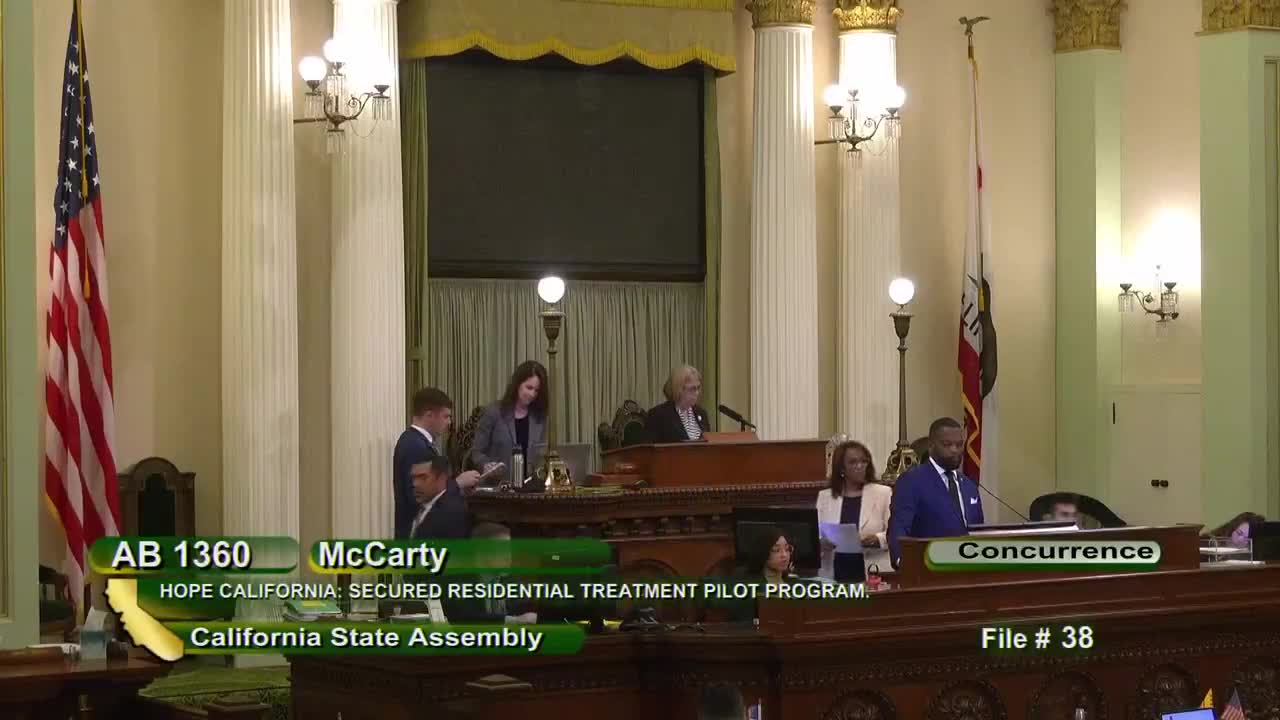
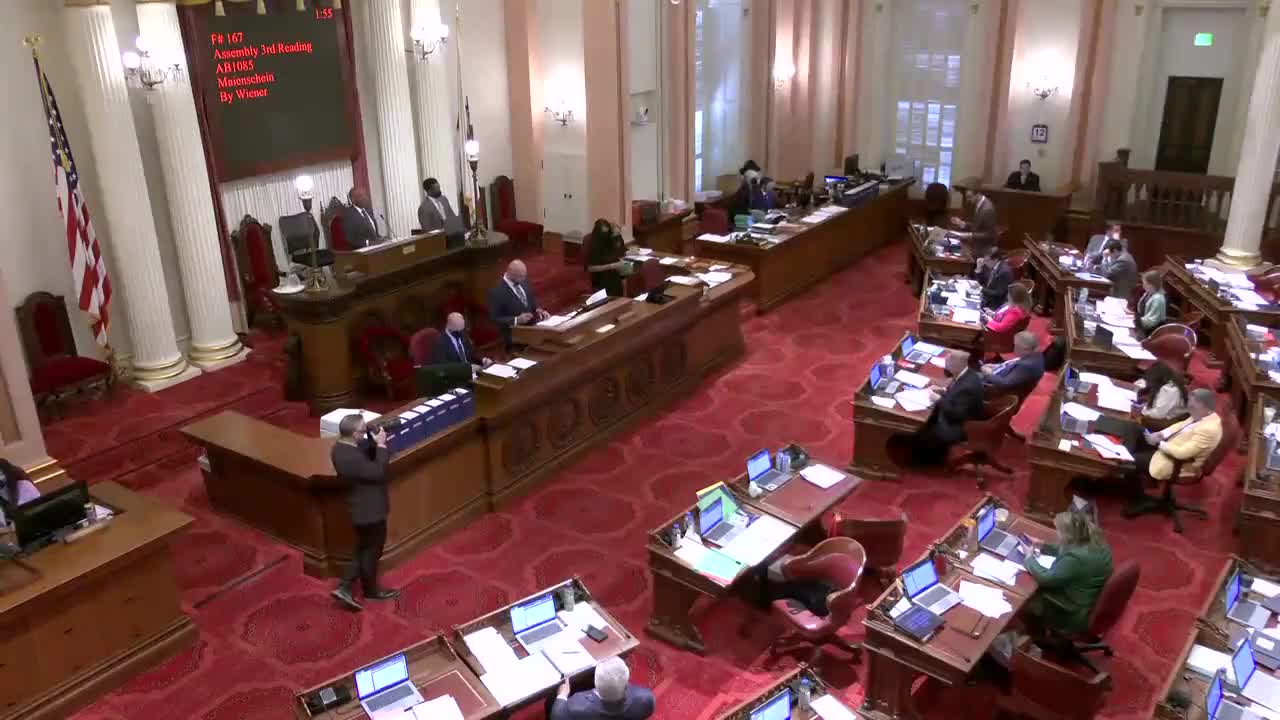
Bill Author

Bill Co-Author(s):