AB 82: Dietary supplements for weight loss and over-the-counter diet pills.
- Session Year: 2023-2024
- House: Assembly
- Latest Version Date: 2024-06-17
Current Status:
Failed
(2024-08-15: In committee: Held under submission.)
Introduced
In Committee
First Chamber
In Committee
Second Chamber
Enacted
Existing law, the Sherman Food, Drug, and Cosmetic Law, provides for the regulation of various subjects relating to the processing, labeling, advertising, and sale of food, drugs, and cosmetics, including dietary supplements, under the administration and enforcement of the State Department of Public Health. A violation of those provisions is a crime. Under existing law, it is a misdemeanor for any manufacturer, wholesaler, retailer, or other person to sell, transfer, or otherwise furnish a dietary supplement containing ephedrine group alkaloids or other specified substances to a person under 18 years of age, and a seller is required to request a valid identification of prospective purchasers who reasonably appear to be under 18 years of age.
This bill would prohibit a retail establishment from selling, transferring, or otherwise furnishing dietary supplements for weight loss or over-the-counter (OTC) diet pills, as defined, to any person under 18 years of age without a prescription, by requiring the retail establishment to follow a specified identification check. The bill would, to the extent not in conflict with federal law, require the department to develop a notice stating that certain dietary supplements for weight loss or OTC diet pills may contribute to specified health conditions or death. The bill would require a retail establishment that sells those products to post that notice.
The bill would require the department, in consultation with certain entities, to determine which dietary supplements for weight loss and OTC diet pills would be subject to these provisions, in a manner consistent with specified criteria.
The bill would make a person who violates these provisions liable for a civil penalty of no more than $250 for each violation, as specified. The bill would exempt a retail clerk from any civil penalties for a violation of these provisions, except as specified. Under the bill, the above-described criminal penalty would not apply to a violation of these provisions.
The bill would make these provisions operative on January 1, 2026, and would make the provisions severable.
Existing law, the Sherman Food, Drug, and Cosmetic Law, provides for the regulation of various subjects relating to the processing, labeling, advertising, and sale of food, drugs, and cosmetics, including dietary supplements, under the administration and enforcement of the State Department of Public Health. A violation of those provisions is a crime. Under existing law, it is a misdemeanor for any manufacturer, wholesaler, retailer, or other person to sell, transfer, or otherwise furnish a dietary supplement containing ephedrine group alkaloids or other specified substances to a person under 18 years of age, and a seller is required to request a valid identification of prospective purchasers who reasonably appear to be under 18 years of age.
This bill would prohibit a retail establishment from selling, transferring, or otherwise furnishing dietary supplements for weight loss or over-the-counter (OTC) diet pills, as defined, to any person under 18 years of age without a prescription, by requiring the retail establishment to follow a specified identification check. The bill would, to the extent not in conflict with federal law, require the department to develop a notice stating that certain dietary supplements for weight loss or OTC diet pills may contribute to specified health conditions or death. The bill would require a retail establishment that sells those products to post that notice.
The bill would require the department, in consultation with certain entities, to determine which dietary supplements for weight loss and OTC diet pills would be subject to these provisions, in a manner consistent with specified criteria.
The bill would make a person who violates these provisions liable for a civil penalty of no more than $1,000 $250 for each violation, as specified. The bill would exempt a retail clerk from any civil penalties, or disciplinary action or discharge by the retail establishment, penalties for a violation of these provisions, except as specified. Under the bill, the above-described criminal penalty would not apply to a violation of these provisions.
The bill would make these provisions operative on July 1, 2024, January 1, 2026, and would make the provisions severable.
Existing law, the Sherman Food, Drug, and Cosmetic Law, provides for the regulation of various subjects relating to the processing, labeling, advertising, and sale of food, drugs, and cosmetics, including dietary supplements, under the administration and enforcement of the State Department of Public Health. A violation of those provisions is a crime. Under existing law, it is a misdemeanor for any manufacturer, wholesaler, retailer, or other person to sell, transfer, or otherwise furnish a dietary supplement containing ephedrine group alkaloids or other specified substances to a person under 18 years of age, and a seller is required to request a valid identification of prospective purchasers who reasonably appear to be under 18 years of age.
This bill would prohibit a retail establishment from selling, transferring, or otherwise furnishing dietary supplements for weight loss or over-the-counter (OTC) diet pills, as defined, to any person under 18 years of age without a prescription, by requiring the retail establishment to follow a specified identification check. The bill would, to the extent not in conflict with federal law, require the department to develop a notice stating that certain dietary supplements for weight loss or OTC diet pills may contribute to specified health conditions or death. The bill would require a retail establishment that sells those products to post that notice.
The bill would require the department, in consultation with certain entities, to determine which dietary supplements for weight loss and OTC diet pills would be subject to these provisions, in a manner consistent with specified criteria.
The bill would make a person who violates these provisions liable for a civil penalty of no more than $1,000 for each violation, as specified. The bill would exempt a retail clerk from any civil penalties, or disciplinary action or discharge by the retail establishment, for a violation of these provisions, except as specified. Under the bill, the above-described criminal penalty would not apply to a violation of these provisions.
The bill would make these provisions operative on July 1, 2024, and would make the provisions severable.
(a)For purposes of this section, the following definitions apply:
(1)Dietary supplements for weight loss means a class of dietary supplements that are labeled, marketed, or otherwise represented for the purpose of achieving weight loss and that are under the regulation of the Federal Food, Drug, and Cosmetic Act (21 U.S.C. Sec. 301 et seq.), and regulations adopted thereunder. Dietary supplements for weight loss includes products marketed with a Supplement Facts panel, pursuant to federal regulations, that contain either lawful dietary ingredients or ingredients deemed adulterated under Section 342 of Title 21 of the United States Code, or both. Dietary supplements for weight loss does not include dietary fiber products.
(2)Over-the-counter diet pills means a class of drugs that are labeled, marketed, or otherwise represented for the purpose of achieving weight loss and that are lawfully sold, transferred, or otherwise furnished without a prescription, under the regulation of the Federal Food, Drug, and Cosmetic Act (21 U.S.C. Sec. 301 et seq.), and regulations adopted thereunder. Over-the-counter diet pills includes products marketed with a Drug Facts panel, pursuant to federal regulations, that contain either approved drug ingredients or ingredients deemed adulterated under Section 342 of Title 21 of the United States Code, or both.
(3)Retail establishment means any vendor that, in the regular course of business, sells dietary supplements for weight loss or over-the-counter diet pills at retail directly to the public, including, but not limited to, pharmacies, grocery stores, other retail stores, and vendors that accept orders placed by mail, telephone, electronic mail, internet website, online catalog, or software application.
(b)(1)A retail establishment shall not sell, transfer, or otherwise furnish dietary supplements for weight loss or over-the-counter diet pills to any person under 18 years of age without a prescription.
(2)For purposes of paragraph (1), a retail establishment shall request valid identification from any person who attempts to purchase a dietary supplement for weight loss or over-the-counter diet pill if that person reasonably appears to the retail establishment to be under 18 years of age.
(c)(1)A retail establishment shall post the notice described in paragraph (2) for purposes of dietary supplements for weight loss and over-the-counter diet pills.(2)The State Department of Public Health shall develop a notice, for distribution to retail establishments to post pursuant to paragraph (1), stating that certain dietary supplements for weight loss or over-the-counter diet pills may contribute to gastrointestinal impairment, tachycardia, hypertension, myocardial infarction, stroke, organ failure, other serious injury, death, or severe liver injury sometimes requiring transplant or leading to death.(d)(c)The State Department of Public Health, in consultation with the United States Food and Drug Administration and stakeholders, including, but not limited to, representatives from the eating disorders community, shall determine which dietary supplements for weight loss and over-the-counter diet pills shall be subject to this section, in a manner consistent with the definitions in subdivision (a) and with a finding that the supplement or pill may contribute to any of the health conditions described in paragraph (2) of subdivision (c). (a).
(e)(d)(1)Section 111825 does not apply to a violation of this section.
(2)Subject to paragraph (3), a person who violates this section shall be liable for a civil penalty of no more than two hundred fifty dollars ($250) for each violation, which may be assessed and recovered in a civil action brought in the name of the people of the State of California by the Attorney General or by any district attorney, county counsel, or city attorney in any court of competent jurisdiction.
(3)A retail clerk shall not be subject to any civil penalty for a violation of this section. This paragraph does not apply to a retail clerk who is a willful participant in an ongoing conspiracy to violate this section.
(f)The notice requirements described in this section shall be implemented only to the extent not in conflict with federal law.(g)(e)This section shall become operative on January 1, 2026.
(h)(f)The provisions of this section are severable. If any provision of this section or its application is held invalid, that invalidity shall not affect other provisions or applications that can be given effect without the invalid provision or application.
(a)For purposes of this section, the following definitions apply:
(1)Dietary supplements for weight loss means a class of dietary supplements that are labeled, marketed, or otherwise represented for the purpose of achieving weight loss and that are under the regulation of the Federal Food, Drug, and Cosmetic Act (21 U.S.C. Sec. 301 et seq.), and regulations adopted thereunder. Dietary supplements for weight loss includes products marketed with a Supplement Facts panel, pursuant to federal regulations, that contain either lawful dietary ingredients or ingredients deemed adulterated under Section 342 of Title 21 of the United States Code, or both. Dietary supplements for weight loss does not include dietary fiber products.
(2)Over-the-counter diet pills means a class of drugs that are labeled, marketed, or otherwise represented for the purpose of achieving weight loss and that are lawfully sold, transferred, or otherwise furnished without a prescription, under the regulation of the Federal Food, Drug, and Cosmetic Act (21 U.S.C. Sec. 301 et seq.), and regulations adopted thereunder. Over-the-counter diet pills includes products marketed with a Drug Facts panel, pursuant to federal regulations, that contain either approved drug ingredients or ingredients deemed adulterated under Section 342 of Title 21 of the United States Code, or both.
(3)Retail establishment means any vendor that, in the regular course of business, sells dietary supplements for weight loss or over-the-counter diet pills at retail directly to the public, including, but not limited to, pharmacies, grocery stores, other retail stores, and vendors that accept orders placed by mail, telephone, electronic mail, internet website, online catalog, or software application.
(b)(1)A retail establishment shall not sell, transfer, or otherwise furnish dietary supplements for weight loss or over-the-counter diet pills to any person under 18 years of age without a prescription.
(2)For purposes of paragraph (1), a retail establishment shall request valid identification from any person who attempts to purchase a dietary supplement for weight loss or over-the-counter diet pill if that person reasonably appears to the retail establishment to be under 18 years of age.
(c)(1)A retail establishment shall post the notice described in paragraph (2) for purposes of dietary supplements for weight loss and over-the-counter diet pills.
(2)The State Department of Public Health shall develop a notice, for distribution to retail establishments to post pursuant to paragraph (1), stating that certain dietary supplements for weight loss or over-the-counter diet pills may contribute to gastrointestinal impairment, tachycardia, hypertension, myocardial infarction, stroke, organ failure, other serious injury, death, or severe liver injury sometimes requiring transplant or leading to death.
(d)The State Department of Public Health, in consultation with the United States Food and Drug Administration and stakeholders, including, but not limited to, representatives from the eating disorders community, shall determine which dietary supplements for weight loss and over-the-counter diet pills shall be subject to this section, in a manner consistent with the definitions in subdivision (a) and with a finding that the supplement or pill may contribute to any of the health conditions described in paragraph (2) of subdivision (c).
(e)(1)Section 111825 does not apply to a violation of this section.
(2)Subject to paragraph (3), a person who violates this section shall be liable for a civil penalty of no more than one thousand dollars ($1,000) two hundred fifty dollars ($250) for each violation, which shall may be assessed and recovered in a civil action brought in the name of the people of the State of California by the Attorney General or by any district attorney, county counsel, or city attorney in any court of competent jurisdiction.
(3)A retail clerk shall not be subject to any civil penalty, or to any disciplinary action or discharge by the retail establishment, penalty for a violation of this section. This paragraph does not apply to a retail clerk who is a willful participant in an ongoing conspiracy to violate this section.
(f)The notice requirements described in this section shall be implemented only to the extent not in conflict with federal law.
(g)This section shall become operative on July 1, 2024. January 1, 2026.
(h)The provisions of this section are severable. If any provision of this section or its application is held invalid, that invalidity shall not affect other provisions or applications that can be given effect without the invalid provision or application.
(a)For purposes of this section, the following definitions apply:
(1)Dietary supplements for weight loss means a class of dietary supplements that are labeled, marketed, or otherwise represented for the purpose of achieving weight loss and that are under the regulation of the Federal Food, Drug, and Cosmetic Act (21 U.S.C. Sec. 301 et seq.), and regulations adopted thereunder. Dietary supplements for weight loss includes products marketed with a Supplement Facts panel, pursuant to federal regulations, that contain either lawful dietary ingredients or ingredients deemed adulterated under Section 342 of Title 21 of the United States Code, or both. Dietary supplements for weight loss does not include dietary fiber products.
(2)Over-the-counter diet pills means a class of drugs that are labeled, marketed, or otherwise represented for the purpose of achieving weight loss and that are lawfully sold, transferred, or otherwise furnished without a prescription, under the regulation of the Federal Food, Drug, and Cosmetic Act (21 U.S.C. Sec. 301 et seq.), and regulations adopted thereunder. Over-the-counter diet pills includes products marketed with a Drug Facts panel, pursuant to federal regulations, that contain either approved drug ingredients or ingredients deemed adulterated under Section 342 of Title 21 of the United States Code, or both.
(3)Retail establishment means any vendor that, in the regular course of business, sells dietary supplements for weight loss or over-the-counter diet pills at retail directly to the public, including, but not limited to, pharmacies, grocery stores, other retail stores, and vendors that accept orders placed by mail, telephone, electronic mail, internet website, online catalog, or software application.
(b)(1)A retail establishment shall not sell, transfer, or otherwise furnish dietary supplements for weight loss or over-the-counter diet pills to any person under 18 years of age without a prescription.
(2)For purposes of paragraph (1), a retail establishment shall request valid identification from any person who attempts to purchase a dietary supplement for weight loss or over-the-counter diet pill if that person reasonably appears to the retail establishment to be under 18 years of age.
(c)(1)A retail establishment shall post the notice described in paragraph (2) for purposes of dietary supplements for weight loss and over-the-counter diet pills.
(2)The State Department of Public Health shall develop a notice, for distribution to retail establishments to post pursuant to paragraph (1), stating that certain dietary supplements for weight loss or over-the-counter diet pills may contribute to gastrointestinal impairment, tachycardia, hypertension, myocardial infarction, stroke, organ failure, other serious injury, death, or severe liver injury sometimes requiring transplant or leading to death.
(d)The State Department of Public Health, in consultation with the United States Food and Drug Administration and stakeholders, including, but not limited to, representatives from the eating disorders community, shall determine which dietary supplements for weight loss and over-the-counter diet pills shall be subject to this section, in a manner consistent with the definitions in subdivision (a) and with a finding that the supplement or pill may contribute to any of the health conditions described in paragraph (2) of subdivision (c).
(e)(1)Section 111825 does not apply to a violation of this section.
(2)Subject to paragraph (3), a person who violates this section shall be liable for a civil penalty of no more than one thousand dollars ($1,000) for each violation, which shall be assessed and recovered in a civil action brought in the name of the people of the State of California by the Attorney General or by any district attorney, county counsel, or city attorney in any court of competent jurisdiction.
(3)A retail clerk shall not be subject to any civil penalty, or to any disciplinary action or discharge by the retail establishment, for a violation of this section. This paragraph does not apply to a retail clerk who is a willful participant in an ongoing conspiracy to violate this section.
(f)The notice requirements described in this section shall be implemented only to the extent not in conflict with federal law.
(g)This section shall become operative on July 1, 2024.
(h)The provisions of this section are severable. If any provision of this section or its application is held invalid, that invalidity shall not affect other provisions or applications that can be given effect without the invalid provision or application.
CORRECTIONS: HeadingLine 1. DigestPage 1. REVISIONS: HeadingLine 3.|
Date
|
Status
|
|---|---|
| Aug 15, 2024 | In committee: Held under submission. |
| Aug 5, 2024 | In committee: Referred to APPR suspense file. |
| Jun 26, 2024 | From committee: Do pass and re-refer to Com. on APPR. (Ayes 10. Noes 0.) (June 25). Re-referred to Com. on APPR. |
| Jun 17, 2024 | From committee chair, with author's amendments: Amend, and re-refer to committee. Read second time, amended, and re-referred to Com. on JUD. |
| Jun 11, 2024 | In committee: Hearing postponed by committee. |
| Jun 5, 2024 | From committee: Do pass and re-refer to Com. on JUD. (Ayes 9. Noes 0.) (June 5). Re-referred to Com. on JUD. |
| May 29, 2024 | In committee: Set, first hearing. Hearing canceled at the request of author. |
| May 28, 2024 | From committee chair, with author's amendments: Amend, and re-refer to committee. Read second time, amended, and re-referred to Com. on HEALTH. |
| May 1, 2024 | Referred to Coms. on HEALTH and JUD. |
| Jan 29, 2024 | In Senate. Read first time. To Com. on RLS. for assignment. |
| Jan 29, 2024 | Read third time. Passed. Ordered to the Senate. (Ayes 63. Noes 2. Page 3944.) |
| Jan 22, 2024 | Read second time. Ordered to third reading. |
| Jan 18, 2024 | In committee: Set, first hearing. Referred to APPR. suspense file. |
| Jan 18, 2024 | From committee: Do pass. (Ayes 13. Noes 1.) (January 18). |
| Jan 11, 2024 | From committee: Do pass and re-refer to Com. on APPR. (Ayes 9. Noes 0.) (January 11). Re-referred to Com. on APPR. |
| Jan 9, 2024 | From committee: Do pass and re-refer to Com. on JUD. (Ayes 13. Noes 0.) (January 9). Re-referred to Com. on JUD. |
| Jan 9, 2024 | Coauthors revised. |
| Jan 8, 2024 | Assembly Rule 56 suspended. (Page 3805.) |
| Jan 8, 2024 | (Pending re-refer to Com. on JUD.) |
| Jan 26, 2023 | Referred to Coms. on HEALTH and JUD. |
| Jan 4, 2023 | Read first time. |
| Dec 16, 2022 | Introduced measure version corrected. |
| Dec 16, 2022 | From printer. May be heard in committee January 15. |
| Dec 15, 2022 | Introduced. To print. |
|
Date
|
Description
|
Location
|
Votes
|
|
|---|---|---|---|---|
| Aug 5, 2024 | Placed on suspense file | Senate Standing Committee on Appropriations |
Passed |
|
| Jun 25, 2024 | Do pass, but first be re-referred to the Committee on [Appropriations] | Senate Standing Committee on Judiciary |
Passed |
|
| Jun 5, 2024 | Do pass, but first be re-referred to the Committee on [Judiciary] | Senate Standing Committee on Health |
Passed |
|
| Jan 29, 2024 | AB 82 Weber Assembly Third Reading | Assembly Floor |
Passed |
|
| Jan 18, 2024 | Do pass. | Assembly Standing Committee on Appropriations |
Passed |
|
| Jan 11, 2024 | Do pass and be re-referred to the Committee on [Appropriations] | Assembly Standing Committee on Judiciary |
Passed |
|
| Jan 9, 2024 | Do pass and be re-referred to the Committee on [Judiciary] | Assembly Standing Committee on Health |
Passed |
This list shows positions taken on this bill by organizations on the date displayed, which is linked to the original source.
Positions by individuals are not included.
|
Organization
|
Position
|
Date
|
|---|---|---|
| Academy for Eating Disorders | ** Support | |
| Alaska Eating Disorders Alliance | ** Support | |
| Alliance for Eating Disorders Awareness | ** Support | |
| Be Real USA | ** Support | |
| California Chamber Of Commerce | * Indeterminate | Jun 5, 2024 |
| Center for Science in the Public Interest | ** Support | |
| Children's Advocacy Institute | ** Support | |
| Council For Responsible Nutrition | * Indeterminate | Jun 6, 2024 |
| Eating Disorders Coalition | ** Support | |
| Erevna, Policy for The People | ** Support | |
| Finxerunt Policy Institute | ** Support | |
| For You | ** Support | |
| Generation Up | * Support | Jan 11, 2024 |
| International Socioeconomic Society & Finxerunt Policy Institute | ** Support | |
| Mira Loma High School | * Support | Jun 5, 2024 |
| Multi-service Eating Disorders Association | ** Support | |
| National Association of Anorexia Nervosa and Associated Disorders | ** Support | |
| National Eating Disorders Association | ** Support | |
| Natural Products Association | ** Against | |
| Ncarth | ** Support | |
| Project Heal | ** Support | |
| Realize Your Beauty, INC. | ** Support | |
| Renfrew Center for Eating Disorders | ** Support | |
| Samson Advisors | * Indeterminate | Jun 6, 2024 |
| Strategic Training Initiative for The Prevention of Eating Disorders | ** Support | |
| Strategic Training Initiative for the Prevention of Eating Disorders | * Support | Jun 5, 2024 |
| Ten Acres Pharmacy | * Support | Jun 5, 2024 |
| The Eating Disorder Foundation | ** Support |
SENATE COMMITTEE ON APPROPRIATIONS
Senator Anna Caballero, Chair
2023 - 2024 Regular Session
AB 82 (Weber) - Dietary supplements for weight loss and over-the-counter diet pills
Version: June 17, 2024 | Policy Vote: HEALTH 9 - 0, JUD. 10 - 0 |
Urgency: No | Mandate: No |
Hearing Date: August 5, 2024 | Consultant: Agnes Lee |
Bill Summary:
AB 82 would prohibit a retail establishment from selling dietary supplements for weight loss or over-the-counter diet pills to any person under 18 years of age without a prescription, as specified.
Fiscal Impact:
- The California Department of Public Health (CDPH) estimates annual General Fund costs of $934,000 and additional General Fund costs of $166,000 in 2025-26 and $149,000 in 2026-27 and 2027-28 to perform initial and ongoing evaluations, conduct inspections, ensure compliance, compile data, provide legal guidance, promulgate regulations and administer an annual investigator training course.
- The Department of Justice anticipates no fiscal impact.
Background:
California’s Sherman Food, Drug and Cosmetic Law provides broad authority for CDPH to enforce food safety requirements, including that food is not adulterated, misbranded, or falsely advertised. Food labeling requirements generally adopt federal food labeling laws as the state requirement, including nutrition labeling and allergen labeling, but CDPH is permitted, by regulation, to adopt additional food labeling regulations.
Current state law prohibits any manufacturer, wholesaler, retailer, or other person to sell, transfer, or otherwise furnish a dietary supplement containing either of the following to a person under 18 years of age:
- A dietary supplement containing an ephedrine group alkaloid; or
- A dietary supplement containing any of the following: androstanediol, androstanedione, androstenedione, norandrostenediol, norandrostenedione, or dehydroepiandrosterone.
As noted in “Related Legislation” below, this bill is substantially similar to AB 1341 (C. Garcia, 2021), which was vetoed by the Governor. The Governor’s veto message included, “Recognizing the need to educate and protect the public-particularly California's youth-of the dangers of using dietary supplements for weight loss, I am directing CDPH to form a workgroup, inclusive of academic and medical experts, that would develop public policy recommendations on the best way to address this important public health challenge.” In February 2024, CDPH released a summary report on the work of the AB 1341 workgroup. This report summarized policy recommendations from academic and medical experts that participated in the workgroup, but did not make recommendations of its own.
Proposed Law:
Specific provisions of the bill would:
- Prohibit a retail establishment from selling, transferring, or otherwise furnishing dietary supplements for weight loss or over-the-counter diet pills to any person under 18 years of age without a prescription; and require a retail establishment to request valid identification from any person who attempts to purchase a dietary supplement for weight loss or over-the-counter diet pill if that person reasonably appears to the retail establishment to be under 18 years of age.
- Require CDPH, in consultation with specified stakeholders, to determine which dietary supplements for weight loss and over-the-counter diet pills must be subject to the provisions of this bill, in a manner consistent with the definitions provided in the bill.
- Provide that a person who violates these provisions, except as provided, is liable for a civil penalty of no more than $250 for each violation, which may be assessed and recovered in a civil action brought in the name of the people of the State of California by the Attorney General or by any district attorney, county counsel, or city attorney in any court of competent jurisdiction.
Related Legislation:
AB 1341 (C. Garcia, 2021) was similar to this bill. The bill was vetoed by the Governor.
-- END --
Senator Thomas Umberg, Chair
2023-2024 Regular Session
Bill No: AB 82 (Author:Weber)
Version: May 28, 2024
Hearing Date: June 25, 2024
Fiscal: Yes
Urgency: No
Consultant: AM
SUBJECT
Dietary supplements for weight loss and over-the-counter diet pills
DIGEST
This bill prohibits a retail establishment from selling dietary supplements for weight loss or over-the-counter diet pills to any person under 18 years of age without a prescription. Requires the California Department of Public Health (CDPH) to determine which dietary supplements and over-the-counter (OTC) diet pills are subject to the prohibition. The bill provides that a person who violates this section is liable for a civil penalty of no more than $1,000 for each violation to be assessed and recovered in a civil action brought in the name of the people of the State of California by the Attorney General or by any district attorney, county counsel, or city attorney in any court of competent jurisdiction.
EXECUTIVE SUMMARY
This bill’s author and sponsor of the bill argue that dietary supplements and OTC diet pills pose a serious risk to children, noting that the American Academy of Pediatrics has strongly cautioned against teens using weight-loss supplements. In light if these concerns, the bill prohibits a retail establishment from selling dietary supplements for weight loss or OTC diet pills to any person under 18 years of age without a prescription. This bill was previously analyzed by the Senate Health Committee—where it passed by a vote of 9 to 0—regarding issues relating to the public health implications of the bill’s provisions. This analysis, however, is limited to the issues within the Committee’s jurisdiction—namely, the enforcement and potential legal issues implicated by the bill’s provisions. The bill is sponsored by the Strategic Training Initiative for the Prevention of Eating Disorders (STRIPED). The bill is supported by various organizations and a few individuals. The bill is opposed by the American Herbal Products Association, Natural Products Association, Unilever, and Vytalogy Wellness. This bill passed out of the Senate Health Committee on a vote of 9 to 0.
PROPOSED CHANGES TO THE LAW
Existing federal law:
- Establishes the Federal Food, Drug, and Cosmetics Act (FDCA), which, among other things, grants the Food and Drug Administration (FDA) authority to oversee the safety of food, drugs, medical devices, and cosmetics. (21 U.S.C. Sections 301 – 399i.)
- Establishes the Nutrition Labeling and Education Act, which amends the FDCA to prescribe requirements for nutrition labeling. (Pub. L. 101-535, 104 Stat. 2353.)
- Establishes the Dietary Supplement Health and Education Act, which amends the FDCA to regulate dietary supplements. (Pub. L. No. 103-417, 108 Stat. 4325.)
- Establishes various requirements for food labels including requiring specified nutrition information, a listing of all ingredients, and whether a produce contains any of eight major food allergens, such as milk, eggs, shellfish, tree nuts, etc. (Id.; 21 C.F.R. §101, et seq.)
Existing state law:
- Establishes the Sherman Food, Drug, and Cosmetic Law (Sherman Law), which regulates the packaging, labeling, and advertising of food, drugs, medical devices, and cosmetics and is administered by the California Department of Public Health (CDPH). (Health & Safe. Code §§ 109875-111915.)
This bill:
- Prohibits a retail establishment from selling, transferring, or otherwise furnishing dietary supplements for weight loss or over-the-counter (OTC) diet pills to any person under 18 years of age without a prescription.
- “Dietary supplements for weight loss” is defined as a class of dietary supplements that are labeled, marketed, or otherwise represented for the purpose of achieving weight loss and that are under the regulation of the FD&C Act, as specified. Specifies that “dietary supplements for weight loss” includes products marketed with a Supplemental Facts panel that contain either lawful dietary ingredients or ingredients deemed adulterated, as specified, or both. Excludes dietary fiber products from this definition.
- “OTC diet pills” is defined as a class of drugs that are labeled, marketed, or otherwise represented for the purpose of achieving weight loss and that are lawfully sold, transferred, or otherwise furnished without a prescription, under the FDCA as specified. Specifies that “OTC diet pills” includes products marketed with a drug facts panel that contains either approved drug ingredients or ingredients deemed adulterated, as specified, or both.
- “Retail establishment” is defined as any vendor that, in the regular course of business, sells dietary supplements for weight loss or OTC diet pills at retail directly to the public, including, but not limited to, pharmacies, grocery stores, other retail stores, and vendors that accept orders placed by mail, telephone, electronic mail, internet website, online catalog, or software application.
- Requires a retail establishment, for purposes of the prohibition on selling to those under 18, to request valid identification from any person who attempts to purchase a dietary supplement for weight loss or OTC diet pill if that person reasonable appears to the retail establishment to be under 18 years of age.
- Exempts a violation of this bill from existing penalty provisions that subjects violations of the Sherman Law to misdemeanor penalties, and instead provides for a civil penalty for violations of this bill of up to $250 assessed in a civil action brought by the Attorney General or any district attorney, county counsel, or city attorney.
- Exempts a retail clerk from being subject to any civil penalty for a violation of this bill, but specifies that this exemption does not apply to a retail clerk who is a willful participant in an ongoing conspiracy to violate the provisions of this bill.
- Delays implementation of its provisions until January 1, 2026.
- Includes a severability clause.
COMMENTS
- Stated need for the bill
The author writes:
Children are abusing over the counter weight loss products without the knowledge of their parents and without the supervision of their doctors. With limited regulatory oversight, some dietary supplements are laced with banned pharmaceuticals, steroids, and other toxic ingredients. Dangerous stimulants are also often found in widely available supplements for weight loss. Due to the ease of accessibility of these products, minors take them to lose weight quickly, while ignoring the label on the bottle stating the products are not to be consumed by those under 18 years of age.
- This is a re-introduction of AB 1341 (Cristina Garcia, 2022)
This bill is substantially similar to AB 1341 (Cristina Garcia, 2022), which passed this Committee on a vote of 9 to 2 but was ultimately vetoed by Governor Newsom. The main differences are: (1) the penalty was lowered to $250 for each violation, (2) removes the requirement that CDPH create a specified notice regarding the dangers of dietary supplements and that a retail establishment post said notice, and (3) removes limitation that a retail clerk is not subject to discipline by the retail establishment for violating the bill’s provisions. In the Governor’s veto message of AB 1341, he wrote:
I commend the work of the author as this bill raises an important public health issue related to the safety of diet or weight loss pills that can result in injury. However, dietary supplements for weight loss are not considered drugs and, therefore, this measure would require CDPH to evaluate every individual weight loss and dietary supplement product for safety, which is beyond the scope of the department's capabilities.
Recognizing the need to educate and protect the public-particularly California's youth-of the dangers of using dietary supplements for weight loss, I am directing CDPH to form a workgroup, inclusive of academic and medical experts, that would develop public policy recommendations on the best way to address this important public health challenge.
CDPH is prepared to work with the legislature next session to address sales age limits and other potential legislative actions to address the responsible sale of dietary supplements for weight loss and over-the-counter diet pills that do not require the state to undertake lengthy and costly pharmacological studies on the many supplements on the market today.
The California Department of Public Health established an AB 1341 Workgroup in response to the Governor’s veto to address the potential risks associated with the use of dietary supplements for weight loss and over-the-counter (OTC) diet pills by youth. The Workgroup came up with various policy recommendations; however, the recommendations did not represent a position of the California Health and Human Services Agency, the California Department of Health, or the Governor’s Office. Some of the Legislative proposals included:
- restricting the sale of OTC diet pills and weight loss dietary supplements to adults 18-years-old and over;
- mandating these products are kept behind the counter; and
- restricting access to OTC diet pills carrying drug facts panel to adults 18-years-old and over, but do not restrict access to dietary supplements.[1]
- Legal issues raised by the bill and enforcement
- FDCA and dietary supplements
Under the FDCA, the FDA does not have pre-market approval like it does for drugs. Dietary supplements are regulated by FDA in a similar manner as food, meaning they are subject to requirements relating to food manufacturing practices and must meet certain labeling standards, among other requirements. According to the FDA, “it is the responsibility of dietary supplement companies to ensure their products meet the safety standards for dietary supplements and are not otherwise in violation of the law. Dietary supplement labels are required to have nutrition information in the form of a Supplement Facts label that includes the serving size, the number of servings per container, a listing of all dietary ingredients in the product, and the amount per serving of those ingredients. They also must have a statement on the front of the product identifying it as a “dietary supplement” or similar descriptive term (e.g., “herbal supplement” or “calcium supplement”).[2]”
- Federal preemption
The courts have held that when Congress acts under its constitutional powers, it may preempt state laws by one of the following means: (1) an express preemption provision that “withdraw[s] specified powers from the States”; (2) field preemption that “precludes [States] from regulating conduct in a field that Congress . . . has determined must be regulated by its exclusive governance”; or (3) conflict preemption, which occurs when either “compliance with both federal and state regulations is a physical impossibility,” or the “state law stands as an obstacle to the accomplishment and execution of the full purposes and objectives of Congress.” (Arizona v. United States (2012) 567 U.S. 387, 399 [internal quotation marks omitted].)
On the other hand, courts also apply a strong presumption against federal preemption of state law, particularly with respect to matters within states’ traditional police powers. “[T]he structure and limitations of federalism . . . allow the States great latitude under their police powers to legislate as to the protection of the lives, limbs, health, comfort, and quiet of all persons.” (Gonzales v. Oregon (2006) 546 U.S. 243, 270 [internal quotation marks omitted].) “[Police] regulations may validly be imposed if they constitute a reasonable exertion of governmental authority for the public good.” (In re Fuller (1940) 15 Cal. 2d 425, 428.) Ensuring the safety of minors by prohibiting the sale of dietary supplements and drugs to minors is at least presumptively within the state’s power to regulate for the “protection of the lives, limbs, health, comfort, and quiet of all persons.” (Gonzales v. Oregon, supra, at 270.)
The bill ensures that a minor could be sold a dietary supplement or OTC diet pill if they have a valid prescription. As noted in this Committee’s analysis of AB 1321, existing state law bars the sale of FDA-approved OTC drugs to minors that contain any quantity of dextromethorphan without a prescription, as well as 16 other states, and that none of these laws have been struck down by courts as federally preempted. (Health & Saf. Code §§ 11110-11111.) The FDA has approved at least one weight loss drug for over-the-counter sale. This exception aids against claims that bill is somehow an obstacle to the federal law.
- Dormant Commerce Clause
Section 8 of Article I of the United States Constitution grants the United States Congress the power to regulate interstate commerce.[3] The converse proposition—that states may not usurp Congress’s express power to regulate interstate commerce—is known as the Dormant Commerce Clause—“the [Commerce] Clause also contains a further, negative command, one effectively forbidding the enforcement of certain state economic regulations even when Congress has failed to legislate on the subject.”[4] The United States Supreme Court recently affirmed that the dormant Commerce Clause generally does not prohibit a state from regulating commerce within its borders, even if the prohibition affects out-of-state sellers, unless the prohibition acts to discriminate against out-of-state interests for the benefit of in-state commerce.[5] The Court has held that “[s]tate laws that ‘regulat[e] even-handedly [across all in-state and out-of-state businesses] to effectuate a legitimate local public interest…will be upheld unless the burden imposed upon such commerce is clearly excessive in relation to the putative local benefits.’ ”[6]
This bill’s prohibition on the sale of specified weight loss products to minors does not implicate the dormant Commerce Clause as the bill’s provisions apply equally to all retailers that sell to Californians, regardless of whether they are physically located within the state. There is no implication that the bill benefits in-state retailers over out-of-state retailers. A statute may also violate the dormant Commerce Clause, even if it "regulates even handedly to effectuate a legitimate local public interest, and its effects on interstate commerce are only incidental" and the burden imposed on commerce “is clearly excessive in relation to the putative local benefits" or substantially burdens interstate commerce.[7] (Pike v. Bruce Church, Inc. (1970) 397 U.S. 137, 142.) As the rationale for the bill is to ensure the health and safety of minors, which is a valid exercise of the state’s police powers, this bill would likely not be found to substantially burden interstate commerce in violation of the Dormant Commerce Clause.[8]
- Enforcement
The bill provides a person who violates this section is liable for a civil penalty of no more than $250 for each violation to be assessed and recovered in a civil action brought in the name of the people of the State of California by the Attorney General or by any district attorney, county counsel, or city attorney in any court of competent jurisdiction.
- Statements in support
STRIPED, the sponsor of the bill, and a coalition of other organizations write in support, stating:
We must take action now to protect the children of California by making it harder for children to be targeted by the empty promises of under-regulated weight-loss supplements. These products pose a serious risk to children of all ethnicity groups, genders, and ages across the state. The American Academy of Pediatrics has strongly cautioned against teens using these products. The Food and Drug Administration has yet to approve any over-the-counter weight-loss products for children.
Restricting access puts California’s public health approach in line with physician recommendations. We, the undersigned, urge your support of AB-82 to protect young people in California from these dangerous products.
- Statements in opposition
The Animal Herbal Products Association writes in opposition stating:
[…] AHPA has addressed legislation similar to AB 82 in several states, where it has consistently raised problems of practical enforcement. As with AB 1341, AB 82 would require that the California Department of Public Health (CDPH) evaluate the composition, labeling, marketing, and all other representations of products on the market, as well as evaluate the potential health effects of their individual ingredients, to determine whether such products are subject to the notice and restriction requirements of the proposed law. As Governor Newsom noted in his veto memo for AB 1341, it is “beyond the scope of the department’s abilities” to evaluate the safety of all dietary supplement products according to the dictates of the bill, a problem which raises further resource questions regarding the expense of consistently determining how all such products are “labeled, marketed, or otherwise represented.”
SUPPORT
Strategic Training Initiative for the Prevention of Eating Disorders (STRIPED) (sponsor)
Academy for Eating Disorders
Alaska Eating Disorders Alliance
Alliance for Eating Disorder Awareness
Awareness
Be Real, USA
Center for Science in the Public Interest
Children’s Advocacy Institute
Eating Disorders Coalition
Eating Disorder Foundation
Erevna
Finxerunt Policy Institute
For You
iCure Health International
International Socioeconomics Laboratory
Multi-Service Eating Disorders Association
National Association of Anorexia Nervosa and Associated Disorders
National Eating Disorders Association
NCARTH
Project Heal
Realize Your Beauty
Renfrew Center for Eating Disorders
Five individuals
OPPOSITION
American Herbal Products Association
Natural Products Association
Unilever
Vytalogy Wellness
RELATED LEGISLATION
Pending Legislation: None known.
Prior Legislation:
AB 1341 (Cristina Garcia) was substantially similar to this bill and was vetoed by Governor Newsom. See Comment 2 for Governor’s veto message.
SB 651 (Wieckowski of 2021) would have required food that contains synthetic dyes to have a warning label that synthetic dyes may cause or worsen behavioral problems in children. SB 651 was not heard in Senate Health Committee.
AB 1178 (Quirk, 2019) would have required a manufacturer or distributor of dietary supplements that contain live microorganisms, to include the genus, species, and strain of each live microorganism in the dietary supplement on the label of the dietary supplement. AB 1178 was held on the Senate Appropriations Committee suspense file.
SB 347 (Monning, 2019) would have established the Sugar-Sweetened Beverages Health Warning Act, to be administered by CDPH, and required a safety warning on all sealed sugar-sweetened beverage containers, as specified. Would have required the warning label to be posted in a place that is easily visible at the point-of-purchase of an establishment where a beverage container is not filled by the consumer. SB 347 was not heard in Assembly Health Committee.
SB 300 (Monning, 2017), SB 203 (Monning, 2015), and SB 1000 (Monning, 2014) were all substantially similar to SB 347. SB 300 was not heard in the Senate Health Committee, SB 203 failed passage in the Senate Health Committee, and SB 1000 failed passage in the Assembly Health Committee.
SB 1381 (Evans of 2014), would have enacted “The California Right to Know Genetically Engineered Food Act” to require the labeling of all genetically engineered foods sold within California. SB 1381 failed passage on the Senate Floor.
PRIOR VOTES
Senate Health Committee (Ayes 9, Noes 0)
Assembly Floor (Ayes 63, Noes 2)
Assembly Appropriations Committee (Ayes 13, Noes 1)
Assembly Judiciary Committee (Ayes 9, Noes 0)
Assembly Health Committee (Ayes 13, Noes 0)
**************
Cal. Dept. of Pub. Health, AB 1341 Workgroup Report, (Feb. 2024), p. 2. ↑
Food and Drug Administration, FDA 101: Dietary Supplement (Jun 2, 2022), available at https://www.fda.gov/consumers/consumer-updates/fda-101-dietary-supplements#:~:text=Under%20the%20FD%26C%20Act%2C%20it,in%20violation%20of%20the%20law. ↑
U.S. Const., art. I, § 8, cl. 3. ↑
National Pork Producers Council v. Ross (2023) 143 S.Ct. 1142, 1152 (internal quotation marks and alterations omitted). ↑
Id. at pp. 1152-1153. ↑
South Dakota v. Wayfair, Inc. (2018) 138 S.Ct. 2080, 2091. ↑
Pike v. Bruce Church, Inc. (1970) 397 U.S. 137, 142; National Pork Producers Council supra at fn. 6 at pp. 1162-1163. ↑
Gonzales v. Oregon (2006) 546 U.S. 243, 270; “the structure and limitations of federalism . . . allow the States great latitude under their police powers to legislate as to the protection of the lives, limbs, health, comfort, and quiet of all persons.” [internal quotation marks omitted]. ↑
SENATE COMMITTEE ON HEALTH
Senator Richard Roth, Chair
BILL NO: AB 82
AUTHOR: | Weber | ||
VERSION: | May 28, 2024 | ||
HEARING DATE: | June 5, 2024 | ||
CONSULTANT: | Vincent D. Marchand | ||
SUBJECT: Dietary supplements for weight loss and over-the-counter diet pills
SUMMARY:
Prohibits a retail establishment from selling dietary supplements for weight loss or over-the-counter (OTC) diet pills to any person under 18 years of age without a prescription, commencing January 1, 2026. Requires the California Department of Public Health to determine which dietary supplements and OTC diet pills are subject to this bill, and to develop a notice for distribution to retail establishments for posting that states that certain dietary supplements for weight loss or OTC diet pills may contribute to specified medical conditions or other serious injury, or death.
Existing state law:
- Enacts the Sherman Food, Drug and Cosmetic Law (Sherman Law), enforced by the California Department of Public Health (CDPH), which provides broad authority for CDPH to enforce food safety requirements, including that food is not adulterated, misbranded, or falsely advertised. Food labeling requirements generally adopt federal food labeling laws as the state requirement, including nutrition labeling and allergen labeling, but CDPH is permitted, by regulation, to adopt additional food labeling regulations. [HSC §109875, et seq.]
- Establishes penalties for violations of the Sherman Law, including a fine of up to $1,000, or up to $10,000 for repeated violations. [HSC §111825]
- Requires, whenever a warning label is included on any product defined as a dietary supplement pursuant to federal law, the label to be clear and conspicuous. [HSC §110422]
- Prohibits any manufacturer, wholesaler, retailer, or other person to sell transfer, or otherwise furnish a dietary supplement containing either of following to a person under 18 years of age:
- A dietary supplement containing an ephedrine group alkaloid; or
- A dietary supplement containing any of the following: androstanediol, androstanedione, androstenedione, norandrostenediol, norandrostenedione, dehydroepiandrosterone. [HSC §110423.2]
- Specifies that a retail establishment that sells a dietary supplement product in violation of 4) above is not guilty of the misdemeanor penalties if the retailer met certain conditions, including that every checkout clerk has completed standardized training, every programmable checkout scanner is programmed to identify dietary supplement products subject to the age requirement, and that every checkout clerk has received a written list of dietary supplement products subject to the age requirement. [HSC §110423.6]
- Requires all persons engaging in the retail sale of tobacco products to check the identification of tobacco purchasers, to establish the age of the purchaser, if the purchaser reasonably appears to be under 21. [BPC §22956]
- Permits an enforcing agency, as specified, to assess civil penalties against any person, firm, or corporation that sells, gives, or in any way furnishes to another person who is under 21 any tobacco product, instrument, or paraphernalia that is designed for the smoking or ingestion of tobacco products, as specified, ranging from $400 to $6,000 for a first, second, third, fourth, or fifth violation within a five-year period. [BPC §22958]
Existing federal law:
- Establishes, through the U.S. Food and Drug Administration (FDA), various requirements for food labels under the Federal Food, Drug, and Cosmetic Act (FD&C Act), which includes the Nutritional Labeling and Education Act and the Food Allergen Labeling and Consumer Protection Act. These include requiring specified nutrition information, a listing of all ingredients, and whether a produce contains any of eight major food allergens, such as milk, eggs, shellfish, tree nuts, etc. [21 USC §301, et seq., 21 CFR §101, et seq.]
- Defines “dietary supplement” as a product intended to supplement the diet that bears or contains one or more of the following dietary ingredients: a vitamin; a mineral; an herb or other botanical; an amino acid; a dietary substance to supplement the diet by increasing the total dietary intake; or, a concentrate, metabolite, constituent, extract, or combination of any of these ingredients. Excludes from this definition something that is represented for use as a conventional food or as a sole item of a meal or the diet. [21 USC §322(ff)]
This bill:
- Prohibits a retail establishment from selling, transferring, or otherwise furnishing dietary supplements for weight loss or over-the-counter (OTC) diet pills to any person under 18 years of age without a prescription.
- Defines the following terms for purposes of this bill:
- “Dietary supplements for weight loss” is defined as a class of dietary supplements that are labeled, marketed, or otherwise represented for the purpose of achieving weight loss and that are under the regulation of the FD&C Act, as specified. Specifies that “dietary supplements for weight loss” includes products marketed with a Supplemental Facts panel that contain either lawful dietary ingredients or ingredients deemed adulterated, as specified, or both. Excludes dietary fiber products from this definition;
- “OTC diet pills” is defined as a class of drugs that are labeled, marketed, or otherwise represented for the purpose of achieving weight loss and that are lawfully sold, transferred, or otherwise furnished without a prescription, under the FD&C Act, as specified. Specifies that “OTC diet pills” includes products marketed with a Drug Facts panel that contains either approved drug ingredients or ingredients deemed adulterated, as specified, or both; and,
- “Retail establishment” is defined as any vendor that, in the regular course of business, sells dietary supplements for weight loss or OTC diet pills at retail directly to the public, including, but not limited to, pharmacies, grocery stores, other retail stores, and vendors that accept orders placed by mail, telephone, electronic mail, internet website, online catalog, or software application.
- Requires a retail establishment, for purposes of the prohibition on selling to those under 18, to request valid identification from any person who attempts to purchase a dietary supplement for weight loss or OTC diet pill if that person reasonably appears to the retail establishment to be under 18 years of age.
- Requires CDPH to develop a notice, for distribution to retail establishments, stating that certain dietary supplements for weight loss or OTC diet pills may contribute to gastrointestinal impairment, tachycardia, hypertension, myocardial infarction, stroke, organ failure, other serious injury, death, or severe liver injury sometimes requiring transplant or leading to death. Requires retail establishments to post this notice. Requires this notice requirement to only be implemented to the extent not in conflict with federal law.
- Requires CDPH, in consultation with the FDA and stakeholders, including, but not limited to, representatives from the eating disorders community, to determine which dietary supplements for weight loss and OTC diet pills are subject to the provisions of this bill, in a manner consistent with the definitions in this bill, and with a finding that the supplement or pill may contribute to any of the health conditions described in 4) above.
- Exempts a violation of this bill from existing penalties provisions that subjects violations of the Sherman Law to misdemeanor penalties, and instead provides for a civil penalty for violations of this bill of up to $250, assessed in a civil action brought by the Attorney General or any district attorney, county counsel, or city attorney.
- Exempts a retail clerk from being subject to any civil penalty for a violation of this bill, but specifies that this exemption does not apply to a retail clerk who is a willful participant in an ongoing conspiracy to violate the provisions of this bill.
- Delays implementation of this bill until January 1, 2026.
- Includes a severability clause, so that if any provision of this bill is held invalid, that invalidity does not affect other provisions that can be given effect without the invalid provision.
FISCAL EFFECT:
According to the Assembly Appropriations Committee, CDPH estimates ongoing costs of $807,000 to $834,000 per year for regulatory and enforcement workload (General Fund). CDPH would promulgate regulations to determine which items are subject to the restrictions under this bill, and because industry will continue to bring additional supplements and drugs to market after the list is published, CDPH staff would need to periodically update the list. CDPH notes enforcement would include investigating complaints, issuing notices of violation, imposing embargo of violative product, development of regulatory correspondence, preparation of civil penalty documents, assisting management during regulatory office meetings, and verification of corrective actions taken by manufacturers found in violation.
PRIOR VOTES:
Assembly Floor: | 63 - 2 |
Assembly Appropriations Committee: Assembly Judiciary Committee: | 13 - 1 9 - 0 |
Assembly Health Committee: | 13 - 0 |
COMMENTS:
- Author’s statement. According to the author, children are abusing OTC weight loss products without the knowledge of their parents and without the supervision of their doctors. With limited regulatory oversight, some dietary supplements are laced with banned pharmaceuticals, steroids, and other toxic ingredients. Dangerous stimulants are also often found in widely available supplements for weight loss. Due to the ease of accessibility of these products, minors take them to lose weight quickly, while ignoring the label on the bottle stating the products are not to be consumed by those under 18 years of age.
- FDA regulation of dietary supplements. Under the FD&C Act, as amended in 1994 by the Dietary Supplement Health and Education Act (often referred to as DSHEA), the FDA does not have the authority to approve dietary supplements for safety and effectiveness, or to approve their labeling, before the supplements are sold to the public. Instead, dietary supplements are regulated by FDA in much the same manner as food, which means they are subject to requirements relating to good manufacturing practices, and must meet certain labeling standards, among other requirements. According to the FDA, it is the responsibility of dietary supplement companies to ensure their products meet the safety standards for dietary supplements and are not otherwise in violation of the law. Dietary supplement labels are required to have nutrition information in the form of a Supplement Facts label that includes the serving size, the number of servings per container, a listing of all dietary ingredients in the product, and the amount per serving of those ingredients. They also must have a statement on the front of the product identifying it as a “dietary supplement” or similar descriptive term (e.g., “herbal supplement” or “calcium supplement”). The FD&C Act requires that manufacturers and distributors who wish to market dietary supplements that contain a “new dietary ingredient” (NDI) to notify the FDA about these ingredients. An NDI is an ingredient that was not marketed in a dietary supplement in the U.S. prior to October 15, 1994. When notifying the FDA about an NDI, the notification must include information that is the basis on which the manufacturer or distributor has concluded that a dietary supplement containing the NDI will reasonably be expected to be safe under the conditions of use recommended or suggested in the labeling. While the FDA is not required to formally approve an NDI, it will consider a dietary supplement “adulterated” unless the NDI has been present in the food supply in the same chemical form that you plan to use in the dietary supplement, or the manufacturer has shown evidence of safety at least 75 days before being introduced or delivered for introduction into interstate commerce, including any citation to published articles.
- Dietary supplements for weight loss. According to a National Institutes for Health fact sheet called “Dietary Supplements for Weight Loss” (fact sheet), dietary supplements promoted for weight loss encompass a wide variety of products and come in a variety of forms, including capsules, tablets, liquids, powders, and bars. Manufacturers market these products with various claims, including that these products reduce macronutrient absorption, appetite, body fat, and weight, and increase metabolism and thermogenesis. Weight-loss products can contain dozens of ingredients, and some contain more than 90. Common ingredients in these supplements include botanicals (herbs and other plant components), dietary fiber, caffeine, and minerals. The fact sheet cite the U.S. Government Accountability Office’s report on dietary supplements for weight loss, which concluded that “little is known about whether weight loss supplements are effective, but some supplements have been associated with the potential for physical harm.” The fact sheet states that people who are considering using weight-loss supplements should talk with their healthcare provider to discuss these products’ potential benefits and risks. The fact sheet states this is especially important for those who have medical conditions, yet less than one-third of adults who use weight-loss dietary supplements discuss this use with a healthcare professional. This fact sheet lists 24 common ingredients in weight loss dietary supplements: African mango, beta-glucans, bitter orange, caffeine, calcium, capsaicin, carnitine, chitosan, chromium, coleus forskohlii, conjugated linoleic acid, fucoxanthin, garcinia cambogia (hydroxycitric acid), glucomannan, green coffee bean extract, green tea, guar gum, hoodia, probiotics, pyruvate, raspberry ketone, vitamin D, white kidney bean, and yohimbe. For several of these ingredients, the fact sheet noted that “some safety concerns” were reported, and for yohimbe, the fact sheet stated that “significant safety concerns were reported, especially for yohimbine doses of 20mg or higher, with reported adverse effects including cardiac failure and death.
- FDA initiative against contaminated weight loss products. According to the FDA, it has identified an emerging trend where OTC products, frequently represented as dietary supplements, contain hidden active ingredients that could be harmful. The FDA states that it cannot test and identify all weight loss products on the market that have potentially harmful contaminants in order to assure their safety, and that enforcement actions and consumer advisories for unapproved products only cover a small fraction of the potentially hazardous weight loss products marketed to consumers on the internet and at some retail establishments. According to the FDA, its tests have revealed the presence of sibutramine, fenproporex, fluoxetine, bumetanide, furosemide, phenytoin, rimonabant, cetilistat, and phenolphthalein.
- Federal regulation of OTC drugs. There are two regulatory pathways to bring a nonprescription drug to market in the U.S.: a review using the OTC Monograph process; or, through a new drug application (NDA). The FDA publishes an OTC monograph, which establishes conditions under which an OTC drug is generally recognized as safe and effective and can be marketed without an NDA or pre-market approval, including what active ingredients are allowed, doses, labeling, and testing. If approval is sought for an OTC drug that contains active ingredients that are not part of the OTC monograph, then an NDA is required, which includes premarket approval by the FDA.
- There is currently only one approved OTC weight loss pill. Orlistat, which is sold under the brand name Xenical, has been available by prescription as a weight loss aid in the U.S. since 1999. In 2007, orlistat was also approved by the FDA for nonprescription sales under the brand name of alli, at one-half the daily dose of the prescription product (60mg vs 120mg). Currently, alli is the only FDA-approved weight loss medication available over the counter. The FDA only approved alli for overweight patients ages 18 and older. Orlistat’s pharmacological effect occurs through the inhibition of gastric and pancreatic lipases in the gastrointestinal tract, which prevents triglyceride hydrolysis and results in the decreased absorption of dietary fats. Alli reduces dietary fat absorption by approximately 25% at the recommended dosage. The adverse effect profile associated with orlistat predominately consists of a variety of gastrointestinal side effects such as soft stools, abdominal pain, steatorrhea, fecal urgency, flatulence, and less common side effects such as fecal incontinence.
- Similar law in New York subject to a lawsuit. In 2023, legislation was signed into law in New York to ban the sale to minors of OTC diet pills and dietary supplements for weight loss, similar to this bill, and also include dietary supplements for muscle building, with the exception of protein drinks and powders. The Counsel for Responsible Nutrition (CRN) brought a lawsuit against the bill, arguing that the law violates the First Amendment rights of supplement makers and retailers by “restricting truthful commercial speech and access to lawful products without clear scientific justification.” CRN also filed for a preliminary injunction to prevent the law from going into effect pending the lawsuit, but a federal judge denied that motion, allowing the law to take effect commencing April 22, 2024.
- AB 1341 Workgroup report. As described in “Prior Legislation” below, this bill is substantially similar to AB 1341 (Garcia of 2021), which was vetoed by Governor Newsom, who stated that requiring CDPH to evaluate every individual weight loss and dietary supplement product for safety is beyond the scope of CDPH’s capabilities. As part of the Governor’s veto message, he stated that he would direct CDPH to form a workgroup to develop policy recommendations on the best way to address this important public health challenge. In February of 2024, CDPH released a summary report on the work of the AB 1341 Workgroup. This report summarized policy recommendations from academic and medical experts that participated in the Workgroup, but did not make recommendations of its own. According to CDPH, it convened and facilitated two virtual meetings of subject matter experts on March 7 and June 8 of 2023. CDPH stated that while the report summarizes the policy ideas generated during these meetings, it did not independently evaluate or analyze the Workgroup’s proposals, nor did CDPH assess the resource needs and responsible agencies for possible implementation of any of the concepts. The proposals were organized into one of four categories: Legislative Actions; Educational Initiatives and Outreach Activities; Enforcement; and, Improve Social and Economic Resources. Within the Legislative Actions category, the recommendations included: age restrictions for both dietary supplements and OTC drugs (similar to this bill); restricting access to just OTC diet pills; granting the Attorney General authority to enforce various restrictions (such as on certain ingredients or claims to promote weight loss); and, requiring manufacturers to substantiate claims with data for effectiveness and safety. Educational Initiatives recommendations included providing outreach to specific targeted populations at greatest risk with educational programs on the dangers of weight loss supplements, and including outreach within the Health Education Curriculum Framework.
- Double referral. This bill is double referred. Should it pass out of this Committee, it will be referred to the Senate Judiciary Committee.
- Prior legislation. AB 1341 (Christina Garcia of 2021) was substantially similar to this bill. AB 1341 was vetoed by the Governor, who stated: “I commend the work of the author as this bill raises an important public health issue related to the safety of diet or weight loss pills that can result in injury. However, dietary supplements for weight loss are not considered drugs and, therefore, this measure would require CDPH to evaluate every individual weight loss and dietary supplement product for safety, which is beyond the scope of the department's capabilities. Recognizing the need to educate and protect the public-particularly California's youth-of the dangers of using dietary supplements for weight loss, I am directing CDPH to form a workgroup, inclusive of academic and medical experts, that would develop public policy recommendations on the best way to address this important public health challenge. CDPH is prepared to work with the legislature next session to address sales age limits and other potential legislative actions to address the responsible sale of dietary supplements for weight loss and over-the-counter diet pills that do not require the state to undertake lengthy and costly pharmacological studies on the many supplements on the market today.”
SB 651 (Wieckowski of 2021) would have required food that contains synthetic dyes to have a warning label that synthetic dyes may cause or worsen behavioral problems in children. SB 651 was not heard in the Senate Health Committee.
AB 1178 (Quirk of 2019) would have required a manufacturer or distributor of dietary supplements that contain live microorganisms, to include the genus, species, and strain of each live microorganism in the dietary supplement on the label of the dietary supplement. AB 1178 was held on the Senate Appropriations Committee suspense file.
SB 347 (Monning of 2019), SB 300 (Monning of 2017), SB 203 (Monning, of 2015), and SB 1000 (Monning of 2014) all would have established the Sugar-Sweetened Beverages Health Warning Act, to be administered by CDPH, and required a safety warning on all sealed sugar-sweetened beverage containers, as specified. These bills would have required the warning label to be posted in a place that is easily visible at the point-of-purchase of an establishment where a beverage container is not filled by the consumer. SB 347 was not heard in Assembly Health Committee. SB 300 was not heard in Senate Health Committee. SB 203 failed passage in the Senate Health Committee. SB 1000 failed passage in the Assembly Health Committee.
SB 1381 (Evans of 2014), would have enacted “The California Right to Know Genetically Engineered Food Act” to require the labeling of all genetically engineered foods sold within California. SB 1381 failed passage on the Senate Floor. - Support. This bill is sponsored by the Strategic Training Initiative for the Prevention of Eating Disorders (STRIPED), which states that this bill would protect children across California by prohibiting the sale of weight-loss dietary supplements and OTC diet pills in stores or online to any person under 18 years of age. According to STRIPED, while these dietary supplements deceptively claim to promote healthy weight loss, with some using celebrity endorsers, these products are not required to demonstrate rigorous testing for safety or efficacy before entering the market, are not medically recommended, and are inadequately regulated by the FDA. Alarmingly, there are no age restrictions on the sale of these products, leaving young people, who are particularly vulnerable to deceptive marketing claims, with no protection from purchasing these dangerous products. STRIPED points out that the American Academy of Pediatrics has strongly cautioned against teens using weight-loss supplements, and argues that these supplements have been found to be laced with pesticides, heavy metals, anabolic steroids, and pharmaceuticals that can cause strokes, cancer, and severe liver injury, and that 25% of the 23,000 Americans sent to emergency rooms every year due to dietary supplements are due to weight-loss supplements. This support is joined by a number of other organizations.
- Opposition. The Natural Products Association (NPA) states that supplements are natural products found in food and nature, and that prohibiting the sale of healthy, safe, and legal products to minors will do nothing to promote public health and will do more to undermine it. Restricting access to them is unfair to Californians who value health and wellness, hurts responsible retailers, and drains California’s budget through lost sales taxes. NPA states that it supports efforts to stop illegal drugs masquerading as natural products, and that the federal government has vast enforcement powers and has a long track record of punishing criminals who break the law. NPA states that the FDA has found no data suggesting weight-management and muscle-building dietary supplement use is correlated to eating disorders. The American Herbal Products Association (AHPA) also opposes this bill for similar reasons, arguing that dietary supplements are already subject to well-established regulation and enforcement systems, with the FDA charged with inspecting manufacturing facilities, reviewing labeling, and monitoring products for safety. AHPA states this bill raises practical problems of enforcement, as noted in the Governor’s veto of AB 1341 when he stated that it was beyond the scope of CDPH’s abilities to evaluate the safety of dietary supplement products.
SUPPORT AND OPPOSITION:
Support: Academy for Eating Disorders
Alaska Eating Disorders Alliance
Alliance for Eating Disorder Awareness
Be Real, USA
Center for Science in the Public Interest
Children’s Advocacy Institute
Eating Disorders Coalition
Erevna
Finxerunt Policy Institute
For You
International Socioeconomics Laboratory
Multi-Service Eating Disorders Association
National Association of Anorexia Nervosa and Associated Disorders
National Eating Disorders Association
NCARTH
Project Heal
Realize Your Beauty
Renfrew Center for Eating Disorders
Strategic Training Initiative for the Prevention of Eating Disorders
The Eating Disorder Foundation
Five individuals
Oppose: American Herbal Products Association
Natural Products Association
-- END --
ASSEMBLY THIRD READING
ATR Bill Id:AB 82
Author:(Weber)
As Introduced Ver:December 15, 2022
Majority vote
SUMMARY
Prohibits a retail establishment from selling, transferring, or otherwise furnishing dietary supplements for weight loss or over-the-counter (OTC) diet pills, as defined, to any person under 18 years of age without a prescription. Requires the California Department of Public Health (DPH) to develop a notice stating that certain dietary supplements for weight loss or OTC diet pills may contribute to specified health conditions or death and requires retail establishments to post it. Specifies a civil penalty of no more than $1,000 for each violation and exempts a retail clerk from any civil penalties, or disciplinary action or discharge by the retail establishment, for a violation of these provisions, except as specified. Makes the provisions of this bill operative on July 1, 2024, and includes a severability clause.
Major Provisions
COMMENTS
According to the United States (U.S.) Food and Drug Administration (FDA), dietary supplements are regulated as food, not as drugs. The FDA notes, however, many dietary supplements contain ingredients that have strong biological effects which may conflict with a medicine you are taking or a medical condition you may have. Products containing hidden drugs are also sometimes falsely marketed as dietary supplements, putting consumers at even greater risk. For these reasons, the FDA notes that it is important to consult with a health care professional before using any dietary supplement.
The U.S. Federal Food, Drug, and Cosmetic Act (FDCA) was amended in 1994 by the Dietary Supplement Health and Education Act (DSHEA), which defined "dietary supplement" and set out FDA's authority regarding such products. The FDA does not have the authority to approve dietary supplements for safety and effectiveness, or to approve their labeling, before the supplements are sold to the public. Under the FDCA, it is the responsibility of dietary supplement companies to ensure their products meet the safety standards for dietary supplements and are not otherwise in violation of the law. Dietary supplement labels are required to have nutrition information in the form of a Supplement Facts label that includes the serving size, the number of servings per container, a listing of all dietary ingredients in the product, and the amount per serving of those ingredients. They also must have a statement on the front of the product identifying it as a "dietary supplement" or similar descriptive term (e.g., "herbal supplement" or "calcium supplement"). In general, even if a product is labeled as a dietary supplement, a product intended to treat, prevent, cure, or alleviate the symptoms of a disease is a drug, and subject to all requirements that apply to drugs.
Estimates on the revenue from vitamin and nutritional supplement production reached nearly $31 billion in the United States in 2018 and the industry is set to add over a billion more in revenue in 2019. By 2024 the value of the U.S. dietary supplement market is expected to reach $56.7 billion. According to research cited by the Office of Dietary Supplements, part of the National Institutes of Health, approximately 15% of U.S. adults have used a weight-loss dietary supplement at some point in their lives; more women report use (21%) than men (10%). Americans spend about $2.1 billion a year on weight-loss dietary supplements in pill form (e.g., tablets, capsules, and softgels), and one of the top 20 reasons why people take dietary supplements is to lose weight.
- Health impact of weight loss or dietary supplements on children. A 2019 study published in the American Journal of Public Health conducted by researchers from Harvard T.H. Chan School of Public Health and Boston Children's Hospital found that young women who use diet pills and laxatives for weight control had higher odds of receiving a subsequent first eating disorder diagnosis within one to three years than those who did not report using these products. The researchers analyzed data from 10,058 women and girls ages 14 to 36 years who participated in the U.S.-based Growing Up Today Study from 2001 to 2016. The researchers found that among participants without an eating disorder, 1.8% of those who used diet pills during the past year reported receiving a first eating disorder diagnosis during the next one to three years compared to 1% of those who did not use the products. They also found that among these participants, 4.2% of those who used laxatives for weight control received a subsequent first eating disorder diagnosis compared to 0.8% of those who did not use these products for weight control.
A 2015 article cited by the author in the Journal of Public Health Management & Practice states that adolescents use dietary supplements marketed for weight loss or muscle building, but these are not recommended by physicians. These products are often ineffective, adulterated, mislabeled, or have unclear dosing recommendations, and consumers have suffered injury and death as a consequence. When Congress passed the DSHEA, it stripped the FDA of its premarket authority, rendering regulatory controls too weak to adequately protect consumers. The article makes the case that state government intervention is warranted.
- Current restriction on the sale of dietary supplements to persons under 18 years of age. Existing law makes it a misdemeanor for any manufacturer, wholesaler, retailer or other person to sell, transfer or furnish any of the following to anyone under 18 years of age:
- A dietary supplement containing an ephedrine group alkaloid;
- A dietary supplement containing any of the following (forms or classes of steroids):
- Androstanediol;
- Androstanedione;
- Androstenedione;
- Norandrostenediol;
- Norandrostenedione; and,
- Dehydroepiandrosterone.
A seller must request valid ID from any individual who attempts to purchase a dietary supplement specified in i) and ii) above if that individual reasonably appears to the seller to be under 18 years of age. A violation of the above provisions carries a penalty of $1,000 for the first violation, $2,000 for the second violation and $5,000 for the third and each subsequent violation. It should be noted that a retail clerk who fails to request ID is not guilty of a misdemeanor nor is subject to any civil penalties, or any disciplinary action or discharge by his or her employer unless the retail clerk is a willful participant in a criminal conspiracy, as specified. Moreover, a retail establishment that sells, transfers, or otherwise furnishes a dietary supplement product in violation of a) and b) above is not guilty of a misdemeanor if certain conditions are met including that the checkout clerks have fulfilled specified standardized training and checkout scanners or computers used to check out customers with purchases are programmed to identify dietary supplement products; or if every checkout clerk has received a written list of dietary supplement products subject to this article that are sold by the retail establishment that may be posted at the checkout station for easy access. This bill expands existing law that already prohibits dietary supplements with the ingredients specified in a) and b) above to also prohibit the sale of dietary supplements (to be determined by DPH) for weight loss or OTC diet pills to any person under 18 years of age without a prescription.
- Other states. New York recently passed legislation that will ban the sale of OTC diet pills and supplements for weight loss and muscle building to minors based on studies that found these products are laced with unapproved pharmaceutical ingredients, illicit anabolic steroids, experimental and banned stimulants, and other dangerous chemicals. Supporters also note that research often demonstrates that the use of these products may be a warning sign for the presence or risk of an eating disorder. Young people who take OTC diet pills are more likely to develop an eating disorder than those who do not. More than 1.7 million, or 9% of New Yorkers, will suffer from an eating disorder throughout their lifetime. Eating disorders cause immense harm to individuals and communities, costing New York more than $3.9 billion a year in direct medical care costs and lost productivity. More than 10,000 lose their lives each year nationally as a direct result of an eating disorder. The New York law focuses on the marketing and advertising of OTC diet pills and muscle-building supplements to minors by establishing age verification guidelines for retailers and delivery sellers.
In 2017-2018, HB 1195 was introduced in the Massachusetts legislature that would have banned the sale of weight-loss and muscle-building dietary supplements to minors, similar to this bill. HB 1195 eventually became a study bill.
According to the Author
Children are abusing OTC weight loss products without the knowledge of their parents and without the supervision of their doctors. With limited regulatory oversight, some dietary supplements are laced with banned pharmaceuticals, steroids, and other toxic ingredients. Dangerous stimulants are also often found in widely available supplements for weight loss. The author concludes that due to the ease of accessibility of these products, minors take them to lose weight quickly, while ignoring the label on the bottle stating the products are not to be consumed by those under 18 years of age.
Arguments in Support
Various organizations, individuals, professors and physicians write in support citing scientific study after study showing that dietary supplements pose serious health risks to consumers. In the absence of FDA prescreening, many dietary supplements on the consumer market, especially those sold for weight loss, have been found to be laced with prescription pharmaceuticals, banned substances, heavy metals, pesticides, and other dangerous chemicals. Supporters cite a study led by the FDA which tested a small selection of the tens of thousands of dietary supplements on the market and found hundreds of those sold for weight loss to be adulterated with pharmaceutical drugs and banned chemicals, which often are associated with serious health consequences. Another study found that youth using weight-loss supplements were three times more likely than those using ordinary vitamins to experience severe medical harm, including hospitalization, disability, and even death. Studies have linked weight loss supplements to organ failure, heart attacks, stroke, and death. The Centers for Disease Control and Prevention estimates that supplement use leads to 23,000 emergency room visits every year, with a quarter due to the weight-loss category alone. The American Academy of Pediatrics recently issued a report strongly cautioning against teens using these products for any reason. Supporters note that youth who use OTC diet pills are six times more likely to be diagnosed with an eating disorder compared to nonusers.
Arguments in Opposition
The Natural Products Association (NPA) writes that supplements are natural products found in food and nature. NPA contends that its members invest significant human resources and capital to ensure their products are safe. These include good manufacturing processes, random product testing, adhering to appropriate marketing guidelines, and following every other rule and regulation that the FDA and the Federal Trade Commission have made for 25 years. NPA contends that some have incorrectly stated that the FDA does not review dietary supplements for safety before entering the market or have incorrectly lumped OTC diet pills such as Alli, as dietary supplements when in fact they are regulated as OTC drugs by the FDA, which differs to how dietary supplements are regulated. The FDCA requires manufacturers and distributors to notify the FDA about their ingredients. The notification must include information that is the basis on which the manufacturer or distributor has concluded the dietary supplement is expected to be safe under the conditions of use suggested in the labeling. NPA states that this bill will place onerous restrictions, most notably on small businesses such as local pharmacy, convenience, or health food stores, by prohibiting the sale of popular products. Restricting access to them is unfair to Californians who value health and wellness, hurts responsible retailers, and drains California's budget through lost sales taxes. According to NPA, no one wants consumers to use unlawful products. Still, they are already illegal by law, and the FDA uses its enforcement authority against companies that attempt to sell these products. The federal government has vast enforcement powers and has a long track record of punishing criminals who break the law and NPA supports vigorous enforcement of the law to protect consumers. The NPA concludes that the FDA, the chief regulator of dietary supplements, found no data suggesting weight-management and muscle-building dietary supplement use is correlated to eating disorders.
FISCAL COMMENTS
According to the Assembly Appropriations Committee, DPH estimates ongoing costs of $807,000 to $834,000 per year for regulatory and enforcement workload (General Fund).
DPH would promulgate regulations to determine which items are subject to the restrictions under this bill, and because industry will continue to bring additional supplements and drugs to market after the list is published, DPH staff would need to periodically update the list. DPH notes enforcement would include investigating complaints, issuing notices of violation, imposing embargo of violative product, development of regulatory correspondence, preparation of civil penalty documents, assisting management during regulatory office meetings, and verification of corrective actions taken by manufacturers found in violation.
VOTES
ASM HEALTH: 13-0-3
YES: Bonta, Waldron, Aguiar-Curry, Arambula, Wendy Carrillo, Haney, Jones-Sawyer, Maienschein, McCarty, Rodriguez, Santiago, Schiavo, Weber
ABS, ABST OR NV: Flora, Vince Fong, Joe Patterson
ASM JUDICIARY: 9-0-2
YES: Kalra, Dixon, Wicks, Bryan, Connolly, Haney, Maienschein, Pacheco, McKinnor
ABS, ABST OR NV: Sanchez, Waldron
ASM APPROPRIATIONS: 13-1-2
YES: Holden, Arambula, Wood, Calderon, Connolly, Dixon, Mike Fong, Grayson, Haney, Hart, Lowenthal, Pellerin, Villapudua
NO: Ta
ABS, ABST OR NV: Sanchez, Megan Dahle
UPDATED
VERSION: December 15, 2022
CONSULTANT: Kristene Mapile / HEALTH / (916) 319-2097 FN: 0002595
Date of Hearing: January 18, 2024
ASSEMBLY COMMITTEE ON APPROPRIATIONS
Chris Holden, Chair
ABPCA Bill Id:AB 82
Author:(Weber) – As Introduced Ver:December 15, 2022
Policy Committee: | Health | Vote: | 13 - 0 |
Judiciary | 9 - 0 | ||
|
|
Urgency: No State Mandated Local Program: Yes Reimbursable: No
SUMMARY:
This bill prohibits the sale of dietary supplements for weight loss or over-the-counter (OTC) diet pills (collectively, “diet pills”) to youth.
Specifically, this bill:
- Prohibits, effective July 1, 2024, a retail establishment from selling, transferring, or otherwise furnishing diet pills to any person under 18 years of age without a prescription.
- Requires the Department of Public Health (DPH) to develop a notice on the health risks of diet pills, as specified.
- Requires a retail establishment to request valid identification (ID) from any person who attempts to purchase diet pills and reasonably appears to be under 18 years of age, and to post the notice described above.
- Requires DPH, in consultation with the U.S. Food and Drug Administration (FDA) and specified stakeholders, to determine which diet pills are subject to this bill.
- Makes a person who violates this section liable for a civil penalty of no more than $1,000 for each violation. Exempts a retail clerk from being subject to any civil penalty or disciplinary action by the retail establishment for a violation of this bill.
FISCAL EFFECT:
DPH estimates ongoing costs of $807,000 to $834,000 per year for regulatory and enforcement workload (General Fund).
DPH would promulgate regulations to determine which items are subject to the restrictions under this bill, and because industry will continue to bring additional supplements and drugs to market after the list is published, DPH staff would need to periodically update the list. DPH notes enforcement would include investigating complaints, issuing notices of violation, imposing embargo of violative product, development of regulatory correspondence, preparation of civil penalty documents, assisting management during regulatory office meetings, and verification of corrective actions taken by manufacturers found in violation.
COMMENTS:
- Purpose. According to the author:
Children are abusing over the counter weight loss products without the knowledge of their parents and without the supervision of their doctors. With limited regulatory oversight, some dietary supplements are laced with banned pharmaceuticals, steroids, and other toxic ingredients. Dangerous stimulants are also often found in widely available supplements for weight loss. Due to the ease of accessibility of these products, minors take them to lose weight quickly, while ignoring the label on the bottle stating the products are not to be consumed by those under 18 years of age.
- Background.
Use of diet pills among youth. A 2019 study published in the American Journal of Public Health found use of diet pills and laxatives for weight control was associated with higher odds of a first eating disorder diagnosis within one to three years than for those who did not report using these products. Among these participants, 4.2% of those who used laxatives for weight control received a subsequent first eating disorder diagnosis compared to 0.8% of those who did not use these products for weight control.
Current restriction on the sale of diet pills to youth. Existing law makes it a misdemeanor for any manufacturer, wholesaler, retailer or other person to sell, transfer or furnish to anyone under 18 years of age a dietary supplement containing an ephedrine group alkaloid or specified steroids. A seller must request valid ID from any individual who attempts to purchase a restricted diet pill if that individual reasonably appears to be under 18 years of age, with penalties of $1,000 for the first violation, $2,000 for the second violation, and $5,000 for the third and each subsequent violation.
DPH workgroup. In response to Governor Newsom’s veto message for AB 1341 (C. Garcia), of the 2021-22 Legislative Session, which was substantially similar to this bill, DPH convened a stakeholder group to develop policy recommendations on how to address the problem of youth use of diet pills. DPH has not yet publicly shared the results of this work. - Opposition. The Natural Products Association (NPA) writes that supplements are natural products found in food and nature. NPA contends its members invest significant human resources and capital to ensure their products are safe and that FDA found no data suggesting weight-management and muscle-building dietary supplement use is correlated to eating disorders. NPA further argues this bill will place onerous restrictions on small businesses.
- Prior Legislation.
AB 1341 was substantially similar to this bill. Governor Newsom vetoed AB 1341, stating, in part:
…[D]ietary supplements for weight loss are not considered drugs and, therefore, this measure would require DPH to evaluate every individual weight loss and dietary supplement product for safety, which is beyond the scope of the department's capabilities.
Recognizing the need to educate and protect the public-particularly California's youth-of the dangers of using dietary supplements for weight loss, I am directing DPH to form a workgroup, inclusive of academic and medical experts, that would develop public policy recommendations on the best way to address this important public health challenge.
AB 3042 (Limon), of the 2019-20 Legislative Session, was substantially similar to this bill, but due to the shortened legislative calendar brought on by the COVID-19 pandemic, was not set for a hearing in the Assembly Health Committee.
Analysis Prepared by: Allegra Kim / APPR. / (916) 319-2081
Date of Hearing: January 11, 2024
ASSEMBLY COMMITTEE ON JUDICIARY
Brian Maienschein, Chair
ABPCA Bill Id:AB 82
Author:(Weber) – As Introduced Ver:December 15, 2022
SUBJECT: Dietary supplements for weight loss and over-the-counter diet pills
KEY ISSUE: should a retail establishment be prohibited from selling dietary supplements for weight loss and over-the-counter diet pills to minors, unless they are prescribed to the minor by a physician?
SYNOPSIS
According to the author and supporters of this bill, although some over-the-counter diet pills and weight loss supplements contain substances which may be harmful to minors, such products are easily purchased by children and teens without parental or physician approval. This bill, therefore, would prohibit a retailer from selling such products to minors, unless the minor has a physician’s prescription. The bill also requires the California Department of Public Health (DPH), in consultation with the federal Food and Drug Administration (FDA), to determine which dietary and weight loss products are to be subject to this bill and to develop a notice specifying known risks associated with use of these products. The bill would require the retailer to post this notice at their establishment.
The bill is virtually identical to the final version of AB 1341 (C. Garcia, 2021), which was vetoed by Governor Newsom. The Governor’s veto message applauded the intent of AB 1341, but noted that he feared that the bill would require DPH “to evaluate every individual weight loss and dietary supplement product for safety, which is beyond the scope of the department's capabilities.” As an alternative, the Governor directed DPH to form a working group to promote educational efforts and, if necessary, recommend legislation. As of this writing, DPH has still not developed those recommendations, though they are reportedly imminent. The author has indicated an intent to amend the bill in the Senate, if necessary, to incorporate working group recommendations if and when they become available.
This author-sponsored bill is supported by several individuals and groups, especially those concerned with childhood eating disorders. Supporters contend that social and cultural pressures lead many young people to use, and sometimes abuse, diet pills and weight loss supplements. While these products may also harm adults, the author contends that adults have more capacity to assess risks and make informed decisions. The bill is opposed by the Natural Products Association (NPA), a natural products trade association, because, they claim, it would place onerous restrictions on retailers and would unfairly restrict access to safe and healthy products. They claim that there is insufficient evidence linking these products to childhood eating disorders, and that existing state and federal law already provides for the removal of truly harmful products from the market. The bill recently passed out of the Assembly Health Committee by a vote of thirteen to zero.
SUMMARY: Seeks to reduce the risks posed to consumers by dietary supplements for weight loss and over-the-counter diet pills by regulating their sale by retailers. Specifically, this bill:
- Defines the following for purposes of the bill:
- “Dietary supplements for weight loss” means a class of dietary supplements that are labeled, marketed, or otherwise represented for the purpose of achieving weight loss and that are under the regulation of the Federal Food, Drug, and Cosmetic Act (FDCA).
- “Over-the-the-counter diet pills” means a class of drugs that are labeled, marketed, or otherwise represented for the purpose of achieving weight loss and that are lawfully sold, transferred or otherwise furnished without a prescription, under the regulation of the FDCA.
- “Retail establishment” means any vendor that, in the regular course of business, sells dietary supplements for weight loss or over-the-counter diet pills at retail directly to the public, including, but not limited to, pharmacies, grocery stores, other retail stores, and vendors that accept orders placed by mail, telephone, electronic mail, internet website, online catalog, or software application.
- Prohibits retail establishments from selling, transferring, or otherwise furnishing dietary supplements for weight loss or over-the-counter diet pills to any person under 18 years of age without a prescription.
- Requires the California Department of Public Health (DPH) to develop a notice for distribution to retail establishments to post stating that certain dietary supplements for weight loss or over-the-counter diet pills may contribute to gastrointestinal impairment, tachycardia, hypertension, myocardial infarction, stroke, organ failure, other serious injury, death, or severe liver injury sometimes requiring transplant or leading to death, and would further require the DPH, in collaboration with the federal Food and Drug Administration (FDA) and stakeholders, to determine which dietary supplements for weight loss and over-the-counter diet pills will be subject to the provisions of this bill.
- Requires retail establishments to post the notice described in (3) above.
- Imposes a civil penalty of no more than $1,000 for each individual violation of (2) or (3) above.
- Exempts a retail clerk from the civil penalty in (5) above, as well as from any disciplinary action or discharge by the retail establishment for a violation of (2) or (3) above.
EXISTING LAW:
- Grants the FDA authority to oversee the safety of food, drugs, medical devices, and cosmetics, and defines a dietary supplement as a vitamin; mineral; herb or other botanical; amino acid; or other substance for used to supplement the diet by increasing the total dietary intake; or a concentrate, metabolite, constituent, extract, or combination of the preceding substances. (21 U.S.C. Section 301, et seq.)
- Establishes under federal law the Dietary Supplement Health and Education Act (DSHEA), administered by the FDA, which among other things, regulates the manufacture, distribution, and labeling of dietary supplements and prohibits marketing products that are adulterated or misbranded. (21 U.S.C. Section 342.)
- Establishes the state Sherman Food, Drug, and Cosmetic Law, administered by DPH, which regulates the packaging, labeling, and advertising of drugs and devices, including dietary supplements. (Health & Safety Code Section 109875 et. seq.)
- Regulates the sale or distribution of any dietary supplement that contains ephedrine group alkaloids and makes it a misdemeanor to sell such products to persons under 18 years of age. Requires the seller of such products to request a valid identification of any prospective purchaser that reasonably appears to be under 18 years of age. Requires a label to contain specified warnings, including a warning that such products should not be used by persons under 18 years of age. (Health & Safety Code Sections 110423 and 110423.2.)
- Prohibits unfair competition and any unlawful, unfair or fraudulent business act or practice, including any unfair, deceptive, untrue or misleading advertising. (Business and Professions Code Sections 17200 and 17500.)
- Makes it a misdemeanor to sell, furnish, give, or cause to be sold, furnished, or given away, any alcoholic beverage to any person under 21 years of age. Makes it a misdemeanor for any person under the age of 21 years to purchase any alcoholic beverage, or to consume any alcoholic beverage, as specified. (Business & Professions Code Section 25658.)
- Requires all persons engaging in the retail sale of tobacco products to check the ID of prospective tobacco purchasers in order to determine their age, if the purchaser reasonably appears to be under 21 years of age. (Business & Professions Code Section 22956.)
FISCAL EFFECT: As currently in print this bill is keyed fiscal.
COMMENTS: According to the author, children and teens “are abusing over the counter weight loss products without the knowledge of their parents and without the supervision of their doctors. With limited regulatory oversight, some dietary supplements are laced with banned pharmaceuticals, steroids, and other toxic ingredients.” The author has submitted several studies suggesting that some of dietary supplements, which are not rigorously evaluated by the FDA or other regulatory agencies, may present health risks to children and young adults, especially those who suffer from, or display behaviors associated with, eating disorders. Notwithstanding these risks, the author claims that more than 30 percent of children and adolescents take dietary supplements of some sort on a regular basis, and 11 percent of teens report using dietary supplements specifically for weight loss.
This bill seeks to reduce the risk posed to children and teens by regulating the sale of dietary supplements for weight loss and over-the-counter diet pills in two ways. First, the bill would prohibit a retailer from selling such products, without a prescription, to consumers under 18 years of age, and it would require the retailer to request proof of age from any person that reasonably appears to be under 18 years of age. Second, the bill requires DPH to develop and distribute a notice identifying the risks of the regulated products and require that the notice be posted in retail establishments that sell covered products. The notice must state that certain dietary supplements for weight loss and the over-the-counter diet pills may contribute to specified ailments and medical conditions. The bill also requires DPH, in consultation with FDA, to determine which products are to be subject to the bill’s provisions, based upon a finding that the supplement or pill contributes to one of the specified conditions. As to enforcement, the bill subjects any person who violates the bill’s provisions to a civil penalty of no more than $1,000 for each violation, to be recovered in a civil action brought by the California Attorney General, a district attorney, or a city or county counsel.
The bill specifies that only the retail establishment, rather than the retail clerk employee, would be subject to the penalty. The same provision of the bill, however, also provides that no retail clerk shall be subject to “any disciplinary action or discharge by the retail establishment” for a violation of the bill’s provisions. As noted in the “Arguments in Opposition” section below, the California Chamber of Commerce submitted a late letter opposing this specific provision, claiming that if an employer cannot take any internal disciplinary action they will have no way to comply the bill’s provisions.
Existing restrictions on over-the-counter supplements and the ability of minors to consent.
By definition, “over-the-counter” products do not require a prescription and thus, with few exceptions, there is no barrier on who may purchase them. One notable exception includes the regulation and sale of over-the-counter products that contain ephedrine. Although no prescription is required for an adult, retailers must keep such products in a secure location, check the IDs of all purchasers, and refrain from selling the product to anyone under 18 years of age. However, regulations of ephedrine had less to do with protecting minors, per se, than with regulating a product that is used in the production of methamphetamine.
Other prohibitions on the sale of harmful products to a minor – most notably alcohol and tobacco products – are rooted in the age-old presumption (whether justified or not) that minors have less capacity than adults to make rational decisions about their health. As a general rule, for example, a minor cannot consent to medical treatments or procedures without parental consent. In recent years, the legislature has made notable exceptions to this general rule when it comes to reproductive care, some mental health counseling, and certain substance abuse treatments. However, those exceptions represent unique situations in which requiring parental consent could pose a risk to the minor that is greater than the risk posed by the medical treatment or procedure. Under this bill, however, denying minors the right to purchase potentially harmful weight loss supplements or diet pills without a prescription does not pose any health risk to the minor.
To which supplements would the bill apply? This prohibits a retailer from selling “dietary supplements for weight loss” or “over-the-counter diet pills” to a minor, unless the minor has a prescription. While the bill defines each of these terms (see the definitions in the bill summary above), but the distinction between them is not entirely clear; both involve products that are marketed for the purpose of achieving weight loss that may otherwise be purchased without a prescription under FDA regulations. However, the provision of the bill requiring DPH to develop a notice for posting at the retail establishment also requires DPH, in consultation with FDA, to “determine which dietary supplements for weight loss and over-the-counter diet pills” contribute to a list of specified medical conditions. The bill specifies that only those products determined by DPH to cause such ailments shall be “subject to this section” (“the section” being the entire contents of the bill). According to information provided to the Committee, it is the author’s intent that the bill will not apply to all dietary supplements for weight loss and over-the-counter diet pills, but it will only apply to those products which DPH determines to contribute to one of the listed conditions.
As noted above, AB 1341 (2021), in its final forms, was virtually identical to this bill and was vetoed by the Governor. In his veto message, the Governor stated that he would direct DPH to convene a working group to prepare a report on the issue and to make legislative recommendations, if necessary. Because DPH is currently preparing recommendations pursuant to the Governor’s directive, the Committee is not asking the author to take specific amendments at this time. The author’s office, however, has informed the Committee of its intention to amend the bill as necessary when the DPH recommendations become available. If the bill passes out of this Committee, the author may wish to clarify that the bill only applies to products for which DPH has made a determination that the product contributes to one of listed ailments. The author may also wish to consult with DPH on a reasonable timeline for DPH to make such determinations. The author may also wish to consider the reasonable argument made by the California Chamber of Commerce – that prohibiting an employer from taking “any” disciplinary action against a retail clerk who fails to check ID to verify the age of the consumer will hamper a retailer’s ability to comply with the law—and allow employers to discipline employees who, for example, violate store policies.
ARGUMENTS IN SUPPORT: According to a coalition of childhood health advocates and medical professionals, especially those concerned with childhood eating disorders, several studies and reports document the dangers of dietary supplements to all consumers. For example, the proponents of this bill claim that “weight-loss supplements have been found to be laced with pesticides, heavy metals, anabolic steroids, and pharmaceuticals that can cause strokes, cancer, and severe liver damage, which sometimes require transplants or cause death.” Notwithstanding these dangers, promotional materials for these products “deceptively claim to promote healthy weight loss” even though such products are not rigorously tested “and are inadequately regulated by the [FDA] . . . Alarmingly, there are no age restrictions on the sale of these products, leaving young people, who are particularly vulnerable to deceptive marketing claims, with no protections from purchasing these dangerous products.” The proponents maintain that this bill is necessary to “protect children and other vulnerable consumers in the state from these harmful products,” and they contend that this approach is consistent with age restrictions placed upon the purchase of other harmful products, such as tobacco and ephedrine.
ARGUMENTS IN OPPOSITION: According to the Natural Products Association (NPA), a trade association, this bill is a “solution in search of a problem” that will ultimately “undermine public health.” NPA raises a number of objections to this bill. First, NPA notes the FDA already enforces several federal statutes that seek a “balanced and informed approach to protecting consumer health and access to dietary supplements.” They point out that FDA already has the power remove products from the market if the product, or an ingredient within it, represents an actual harm. In addition, dietary supplements that are allowed to be sold over-the-counter must still meet manufacturing, distribution, and labeling requirements. Moreover, NPA questions claims that dietary supplements are routinely “laced” with dangerous substances, claiming that the products sold by their members contain “natural products contained in food and nature.” These products may help consumers who struggle with obesity, which “is a complex, multifactorial health issue that requires a comprehensive approach.” Obesity, the proponents note, is “the second leading preventable cause of death in the United States and is associated with many comorbid conditions.” NPA concludes that this bill would place onerous restrictions on retailers and restrict consumer access to safe and healthy products without any corresponding benefit.
The California Chamber of Commerce (Cal Chamber) supports the overall intent of this bill; however, it opposes the language providing that no retail clerk shall be subject to “any disciplinary action or discharge” for a violation. Cal Chamber concludes that, “we do not oppose protecting California’s youth from diet pills by verifying identification – but when employers are facing monetary fines if their employees fail to comply with state law, that employer must be able to discipline employees for that failure.”
Prior related legislation. AB 1341 (C. Garcia, 2021) would have similarly prohibited the sale of dietary supplements for weight loss and over-the-counter diet pills to minors without a prescription, and it would have required DPH to create a prescribed notice. This bill was vetoed for the reasons stated in the analysis.
AB 3042 (Limon, 2019) was substantially similar to this bill and AB 1341, except that it would have additionally required retailers to limit physical access to products, as specified. This bill died in the Assembly Health Committee.
REGISTERED SUPPORT / OPPOSITION:
Support
Academy for Eating Disorders
Alaska Eating Disorders Alliance
Alliance for Eating Disorders Awareness
Be Real USA
Center for Science in the Public Interest
Children's Advocacy Institute
Eating Disorders Coalition
EREVNA, Policy for the People
FINIXERUNT Policy Institute
For You
International Socioeconomic Society & Finxerunt Policy Institute
Multi-service Eating Disorders Association
National Association of Anorexia Nervosa and Associated Disorders
National Eating Disorders Association
NCARTH
Project Heal
Realize Your Beauty, INC.
Renfrew Center for Eating Disorders
Strategic Training Initiative for the Prevention of Eating Disorders
The Eating Disorder Foundation
Opposition
California Chamber of Commerce
Natural Products Association
Analysis Prepared by: Tom Clark / JUD. / (916) 319-2334
Date of Hearing: January 9, 2024
ASSEMBLY COMMITTEE ON HEALTH
Mia Bonta, Chair
ABPCA Bill Id:AB 82
Author:((Weber) – As Introduced Ver:December 15, 2022
SUBJECT: Dietary supplements for weight loss and over-the-counter diet pills.
SUMMARY: Prohibits a retail establishment from selling, transferring, or otherwise furnishing dietary supplements for weight loss or over-the-counter (OTC) diet pills, as defined, to any person under 18 years of age without a prescription. Requires the California Department of Public Health (DPH) to develop a notice stating that certain dietary supplements for weight loss or OTC diet pills may contribute to specified health conditions or death and requires retail establishments to post it. Specifies a civil penalty of no more than $1,000 for each violation and exempts a retail clerk from any civil penalties, or disciplinary action or discharge by the retail establishment, for a violation of these provisions, except as specified. Makes the provisions of this bill operative on July 1, 2024, and includes a severability clause. Specifically, this bill:
- Prohibits a retail establishment from selling, transferring, or otherwise furnishing dietary supplements for weight loss or OTC diet pills to any person under 18 years of age without a prescription.
- Requires a retail establishment to request valid identification (ID) from any person who attempts to purchase a dietary supplement for weight loss or OTC diet pill if that person reasonably appears to the retail establishment to be under 18 years of age.
- Requires a retail establishment to post the notice described in 4) below for purposes of dietary supplements for weight loss and OTC diet pills.
- Requires DPH to develop a notice, for distribution to retail establishments to post pursuant to 3) above, stating that certain dietary supplements for weight loss or OTC diet pills may contribute to gastrointestinal impairment, tachycardia, hypertension, myocardial infarction, stroke, organ failure, other serious injury, death, or severe liver injury sometimes requiring transplant or leading to death.
- Requires DPH, in consultation with the United States Food and Drug Administration (FDA) and stakeholders, including, but not limited to, representatives from the eating disorders community, to determine which dietary supplements for weight loss and OTC diet pills are subject to this bill, in a manner consistent with the definitions in 9) below and with a finding the supplement or pill may contribute to any of the health conditions described in 4) above.
- Makes a person who violates this section liable for a civil penalty of no more than $1,000 for each violation, assessed and recovered in a civil action brought by the California Attorney General or by any district attorney, county counsel, or city attorney in any court of competent jurisdiction. Exempts a retail clerk from being subject to any civil penalty, or to any disciplinary action or discharge by the retail establishment, for a violation of this bill. Applies provisions of this bill to a retail clerk who is a willful participant in an ongoing conspiracy to violate this bill.
- Requires the notice requirements described in this bill to be implemented only to the extent not in conflict with federal law.
- Makes this bill effective on July 1, 2024 and includes severability clause.
- Defines the following:
- Dietary supplements for weight loss as a class of dietary supplements that are labeled, marketed, or otherwise represented for the purpose of achieving weight loss and that are under the regulation of the Federal Food, Drug, and Cosmetic Act (FDCA), and regulations adopted thereunder. Includes products marketed with a Supplement Facts panel, pursuant to federal regulations, that contain either lawful dietary ingredients or ingredients deemed adulterated under Section 342 of Title 21 of the United States Code (U.S.C.), or both. Exempts dietary fiber products;
- OTC diet pills as a class of drugs that are labeled, marketed, or otherwise represented for the purpose of achieving weight loss and that are lawfully sold, transferred, or otherwise furnished without a prescription, under the regulation of the FDCA (21 U.S.C. Sec. 301, et seq.), and regulations adopted thereunder. Includes products marketed with a Drug Facts panel, pursuant to federal regulations, that contain either approved drug ingredients or ingredients deemed adulterated under Section 342 of Title 21 of the U.S.C., or both; and,
- Retail establishment as any vendor that, in the regular course of business, sells dietary supplements for weight loss or OTC diet pills at retail directly to the public, including, but not limited to, pharmacies, grocery stores, other retail stores, and vendors that accept orders placed by mail, telephone, electronic mail, internet website, online catalog, or software application.
EXISTING FEDERAL LAW:
- Establishes the FDCA which among various provisions, gives the FDA authority to oversee the safety of food, drugs, medical devices, and cosmetics. Defines under the FDCA a dietary ingredient as a vitamin; mineral; herb or other botanical; amino acid; dietary substance for use by man to supplement the diet by increasing the total dietary intake; or a concentrate, metabolite, constituent, extract, or combination of the preceding substances. [21 U.S.C. § 301, et seq.]
- Establishes the Dietary Supplement Health and Education Act of 1994 (DSHEA), administered by the FDA, which among provisions, prohibits manufacturers and distributors of dietary supplements and dietary ingredients from marketing products that are adulterated or misbranded. Establishes under DSHEA labeling requirements for dietary supplements and permits dietary supplements to make certain structure function claims, but cannot be sold for the treatment, prevention, mitigation, or cure of diseases or conditions associated with known diseases. [21 U.S.C.§ 342]
- Establishes the Current Good Manufacturing Practice for manufacturing, packaging, labeling, and holding operations for dietary supplements. [21 U.S.C. §§ 1-99, 200-299, 300-499, 600-799, and 800-1299]
- Establishes under the FDA, the MedWatch program for reporting serious reactions, product quality problems, therapeutic inequivalence/failure, and product use errors with human medical products, including drugs, biologic products, medical devices, dietary supplements, infant formula, and cosmetics.
EXISTING STATE LAW:
- Establishes the Sherman Food, Drug, and Cosmetic Law, administered by DPH, which regulates the packaging, labeling, and advertising of drugs and devices, including dietary supplements. [Health and Safety Code (HSC) § 109875, et. seq.]
- Prohibits the sale or distribution of any dietary supplement product that contains ephedrine group alkaloids unless the product contains a specified label. Permits the sale of any dietary supplement containing ephedrine if the product label clearly and conspicuously contains specified warnings, including the following:
- “WARNING: NOT FOR USE BY INDIVIDUALS UNDER THE AGE OF 18 YEARS. DO NOT USE IF PREGNANT OR NURSING. Consult a physician or licensed qualified health care professional before using this product if you have, or have a family history of, heart disease, thyroid disease, diabetes, high blood pressure, depression or other psychiatric condition, glaucoma, difficulty in urinating, prostate enlargement, or seizure disorder, or if you are using a monoamine oxidase inhibitor or any other dietary supplement, prescription drug, or OTC drug containing ephedrine, pseudoephedrine, or phenylpropanolamine (ingredients found in certain allergy, asthma, cough or cold, and weight control products).”
- “Do not exceed recommended serving. Exceeding recommended serving may cause serious adverse health effects, including heart attack and stroke.”
- “Discontinue use and call a physician or licensed qualified health care professional immediately if you experience rapid heartbeat, dizziness, severe headache, shortness of breath, or other similar symptoms.”
- “Individuals who are sensitive to the effects of caffeine should consult a licensed health care professional before consuming this product.”
- “KEEP OUT OF REACH OF CHILDREN.” [HSC § 110423(a)]
- Prohibits the sale or distribution of dietary supplements containing steroid hormone precursors unless the product label for these dietary supplements clearly and conspicuously contains the following warning:
“WARNING: NOT FOR USE BY INDIVIDUALS UNDER THE AGE OF 18 YEARS. DO NOT USE IF PREGNANT OR NURSING. Consult a physician or licensed qualified health care professional before using this product if you have, or have a family history of, prostate cancer, prostate enlargement, heart disease, low “good” cholesterol, or if you are using any other dietary supplement, prescription drug, or OTC drug. Do not exceed recommended serving. Exceeding recommended serving may cause serious adverse health effects. Possible side effects include acne, hair loss, hair growth on the face (in women), aggressiveness, irritability, and increased levels of estrogen. Discontinue use and call a physician or licensed qualified health care professional immediately if you experience rapid heartbeat, dizziness, blurred vision, or other similar symptoms. KEEP OUT OF REACH OF CHILDREN.” [HSC § 110423(b)] - Requires the product label for any dietary supplement product containing ephedrine group alkaloids or steroid hormone precursors to clearly and conspicuously display the following statement: “To report any adverse events call 1-800-332-1088” [MedWatch program]. [HSC § 110423(c)]
- Establishes the California Unfair Practices which prohibits unfair competition and any unlawful, unfair or fraudulent business act or practice and unfair, deceptive, untrue or misleading advertising. [Business and Professions Code (BPC) § 17500]
- Makes it a misdemeanor to sell, furnish, give, or cause to be sold, furnished, or given away, any alcoholic beverage to any person under the age of 21 years. Makes it a misdemeanor for any person under the age of 21 years to purchase any alcoholic beverage, or to consume any alcoholic beverage, as specified. [BPC § 25658]
- Requires all persons engaging in the retail sale of tobacco products to check the ID of tobacco purchasers, to establish the age of the purchaser, if the purchaser reasonably appears to be under 21. [BPC § 22956]
FISCAL EFFECT: Unknown. This bill has not been analyzed by a fiscal committee.
COMMENTS:
- PURPOSE OF THIS BILL. According to the author, children are abusing OTC weight loss products without the knowledge of their parents and without the supervision of their doctors. With limited regulatory oversight, some dietary supplements are laced with banned pharmaceuticals, steroids, and other toxic ingredients. Dangerous stimulants are also often found in widely available supplements for weight loss. The author concludes that due to the ease of accessibility of these products, minors take them to lose weight quickly, while ignoring the label on the bottle stating the products are not to be consumed by those under 18 years of age.
- BACKGROUND. According to the FDA, dietary supplements are regulated as food, not as drugs. The FDA notes, however, many dietary supplements contain ingredients that have strong biological effects which may conflict with a medicine you are taking or a medical condition you may have. Products containing hidden drugs are also sometimes falsely marketed as dietary supplements, putting consumers at even greater risk. For these reasons, the FDA notes that it is important to consult with a health care professional before using any dietary supplement.
The FDCA was amended in 1994 by the DSHEA, which defined “dietary supplement” and set out FDA’s authority regarding such products. The FDA does not have the authority to approve dietary supplements for safety and effectiveness, or to approve their labeling, before the supplements are sold to the public. Under the FDCA, it is the responsibility of dietary supplement companies to ensure their products meet the safety standards for dietary supplements and are not otherwise in violation of the law. Dietary supplement labels are required to have nutrition information in the form of a Supplement Facts label that includes the serving size, the number of servings per container, a listing of all dietary ingredients in the product, and the amount per serving of those ingredients. They also must have a statement on the front of the product identifying it as a “dietary supplement” or similar descriptive term (e.g., “herbal supplement” or “calcium supplement”). In general, even if a product is labeled as a dietary supplement, a product intended to treat, prevent, cure, or alleviate the symptoms of a disease is a drug, and subject to all requirements that apply to drugs.
Estimates on the revenue from vitamin and nutritional supplement production reached nearly $31 billion in the United States in 2018 and the industry is set to add over a billion more in revenue in 2019. By 2024 the value of the U.S. dietary supplement market is expected to reach $56.7 billion. According to research cited by the Office of Dietary Supplements, part of the National Institutes of Health, approximately 15% of U.S. adults have used a weight-loss dietary supplement at some point in their lives; more women report use (21%) than men (10%). Americans spend about $2.1 billion a year on weight-loss dietary supplements in pill form (e.g., tablets, capsules, and softgels), and one of the top 20 reasons why people take dietary supplements is to lose weight.
- Health impact of weight loss or dietary supplements on children. A 2019 study published in the American Journal of Public Health conducted by researchers from Harvard T.H. Chan School of Public Health and Boston Children’s Hospital found that young women who use diet pills and laxatives for weight control had higher odds of receiving a subsequent first eating disorder diagnosis within one to three years than those who did not report using these products. The researchers analyzed data from 10,058 women and girls ages 14 to 36 years who participated in the U.S.-based Growing Up Today Study from 2001 to 2016. The researchers found that among participants without an eating disorder, 1.8% of those who used diet pills during the past year reported receiving a first eating disorder diagnosis during the next one to three years compared to 1% of those who did not use the products. They also found that among these participants, 4.2% of those who used laxatives for weight control received a subsequent first eating disorder diagnosis compared to 0.8% of those who did not use these products for weight control.
A 2015 article cited by the author in the Journal of Public Health Management & Practice states that adolescents use dietary supplements marketed for weight loss or muscle building, but these are not recommended by physicians. These products are often ineffective, adulterated, mislabeled, or have unclear dosing recommendations, and consumers have suffered injury and death as a consequence. When Congress passed the DSHEA, it stripped the FDA of its premarket authority, rendering regulatory controls too weak to adequately protect consumers. The article makes the case that state government intervention is warranted.
- Current restriction on the sale of dietary supplements to persons under 18 years of age. Existing law makes it a misdemeanor for any manufacturer, wholesaler, retailer or other person to sell, transfer or furnish any of the following to anyone under 18 years of age:
- A dietary supplement containing an ephedrine group alkaloid;
- A dietary supplement containing any of the following (forms or classes of steroids):
- Androstanediol;
- Androstanedione;
- Androstenedione;
- Norandrostenediol;
- Norandrostenedione; and,
- Dehydroepiandrosterone.
- Current restriction on the sale of dietary supplements to persons under 18 years of age. Existing law makes it a misdemeanor for any manufacturer, wholesaler, retailer or other person to sell, transfer or furnish any of the following to anyone under 18 years of age:
A seller must request valid ID from any individual who attempts to purchase a dietary supplement specified in i) and ii) above if that individual reasonably appears to the seller to be under 18 years of age. A violation of the above provisions carries a penalty of $1,000 for the first violation, $2,000 for the second violation and $5,000 for the third and each subsequent violation. It should be noted that a retail clerk who fails to request ID is not guilty of a misdemeanor nor is subject to any civil penalties, or any disciplinary action or discharge by his or her employer unless the retail clerk is a willful participant in a criminal conspiracy, as specified. Moreover, a retail establishment that sells, transfers, or otherwise furnishes a dietary supplement product in violation of i) and ii) above is not guilty of a misdemeanor if certain conditions are met including that the checkout clerks have fulfilled specified standardized training and checkout scanners or computers used to check out customers with purchases are programmed to identify dietary supplement products; or if every checkout clerk has received a written list of dietary supplement products subject to this article that are sold by the retail establishment that may be posted at the checkout station for easy access. This bill expands existing law that already prohibits dietary supplements with the ingredients specified in i) and ii) above to also prohibit the sale of dietary supplements (to be determined by DPH) for weight loss or OTC diet pills to any person under 18 years of age without a prescription.
- Other states. New York recently passed legislation that will ban the sale of OTC diet pills and supplements for weight loss and muscle building to minors based on studies that found these products are laced with unapproved pharmaceutical ingredients, illicit anabolic steroids, experimental and banned stimulants, and other dangerous chemicals. Supporters also note that research often demonstrates that the use of these products may be a warning sign for the presence or risk of an eating disorder. Young people who take OTC diet pills are more likely to develop an eating disorder than those who do not. More than 1.7 million, or 9% of New Yorkers, will suffer from an eating disorder throughout their lifetime. Eating disorders cause immense harm to individuals and communities, costing New York more than $3.9 billion a year in direct medical care costs and lost productivity. More than 10,000 lose their lives each year nationally as a direct result of an eating disorder. The New York law focuses on the marketing and advertising of OTC diet pills and muscle-building supplements to minors by establishing age verification guidelines for retailers and delivery sellers.
In 2017-2018, HB 1195 was introduced in the Massachusetts legislature that would have banned the sale of weight-loss and muscle-building dietary supplements to minors, similar to this bill. HB 1195 eventually became a study bill.
- SUPPORT. Various organizations, individuals, professors and physicians write in support citing scientific study after study showing that dietary supplements pose serious health risks to consumers. In the absence of FDA prescreening, many dietary supplements on the consumer market, especially those sold for weight loss, have been found to be laced with prescription pharmaceuticals, banned substances, heavy metals, pesticides, and other dangerous chemicals. Supporters cite a study led by the FDA which tested a small selection of the tens of thousands of dietary supplements on the market and found hundreds of those sold for weight loss to be adulterated with pharmaceutical drugs and banned chemicals, which often are associated with serious health consequences. Another study found that youth using weight-loss supplements were three times more likely than those using ordinary vitamins to experience severe medical harm, including hospitalization, disability, and even death. Studies have linked weight loss supplements to organ failure, heart attacks, stroke, and death. The Centers for Disease Control and Prevention estimates that supplement use leads to 23,000 emergency room visits every year, with a quarter due to the weight-loss category alone. The American Academy of Pediatrics recently issued a report strongly cautioning against teens using these products for any reason. Supporters note that youth who use OTC diet pills are six times more likely to be diagnosed with an eating disorder compared to nonusers.
- OPPOSITION. The Natural Products Association (NPA) writes that supplements are natural products found in food and nature. NPA contends that its members invest significant human resources and capital to ensure their products are safe. These include good manufacturing processes, random product testing, adhering to appropriate marketing guidelines, and following every other rule and regulation that the FDA and the Federal Trade Commission have made for 25 years. NPA contends that some have incorrectly stated that the FDA does not review dietary supplements for safety before entering the market or have incorrectly lumped OTC diet pills such as Alli, as dietary supplements when in fact they are regulated as OTC drugs by the FDA, which differs to how dietary supplements are regulated. The FDCA requires manufacturers and distributors to notify the FDA about their ingredients. The notification must include information that is the basis on which the manufacturer or distributor has concluded the dietary supplement is expected to be safe under the conditions of use suggested in the labeling. NPA states that this bill will place onerous restrictions, most notably on small businesses such as local pharmacy, convenience, or health food stores, by prohibiting the sale of popular products. Restricting access to them is unfair to Californians who value health and wellness, hurts responsible retailers, and drains California’s budget through lost sales taxes. According to NPA, no one wants consumers to use unlawful products. Still, they are already illegal by law, and the FDA uses its enforcement authority against companies that attempt to sell these products. The federal government has vast enforcement powers and has a long track record of punishing criminals who break the law and NPA supports vigorous enforcement of the law to protect consumers. The NPA concludes that the FDA, the chief regulator of dietary supplements, found no data suggesting weight-management and muscle-building dietary supplement use is correlated to eating disorders.
- PREVIOUS LEGISLATION.
- AB 1341 (C. Garcia) of 2021, is substantially similar to this bill and was vetoed by Governor Newsom with the following message:
This bill would prohibit retail establishments from selling, transferring, or providing, dietary supplements for weight loss or OTC diet pills to anyone under 18 years of age without a prescription, or valid ID prior to purchasing. The bill would also require DPH to establish a list of dietary supplements that would be subject to this bill.
I commend the work of the author as this bill raises an important public health issue related to the safety of diet or weight loss pills that can result in injury. However, dietary supplements for weight loss are not considered drugs and, therefore, this measure would require DPH to evaluate every individual weight loss and dietary supplement product for safety, which is beyond the scope of the department's capabilities.
Recognizing the need to educate and protect the public-particularly California's youth-of the dangers of using dietary supplements for weight loss, I am directing DPH to form a workgroup, inclusive of academic and medical experts, that would develop public policy recommendations on the best way to address this important public health challenge.
DPH is prepared to work with the legislature next session to address sales age limits and other potential legislative actions to address the responsible sale of dietary supplements for weight loss and OTC diet pills that do not require the state to undertake lengthy and costly pharmacological studies on the many supplements on the market today.
For these reasons, I cannot sign this bill.
- AB 3042 (Limon) of 2019 was substantially similar to this bill but due to the shortened Legislative calendar brought on by the COVID-19 pandemic, this bill was not set for a hearing in the Assembly Health Committee.
- AMENDMENTS. As this bill moves forward, the author may wish to amend this bill to reflect a later implementation date to 2025 as intended in the introduced version of this bill.
- DOUBLE REFERRAL. This bill has been double-referred; upon passage of this Committee, it will be referred to the Assembly Judiciary Committee.
- COMMENTS. In response to the Governor’s veto of AB 1341 from 2021, DPH convened a stakeholder group and according to the author, DPH has yet to publicly share the results of this work.
REGISTERED SUPPORT / OPPOSITION:
Support
Academy for Eating Disorders
Alaska Eating Disorders Alliance
Alliance for Eating Disorders Awareness
Be Real USA
Center for Science in The Public Interest
Children's Advocacy Institute
Eating Disorders Coalition
Erevna, Policy for The People
Finxerunt Policy Institute
For You
International Socioeconomic Society & Finxerunt Policy Institute
Multi-service Eating Disorders Association
National Association of Anorexia Nervosa and Associated Disorders
National Eating Disorders Association
Ncarth
Project Heal
Realize Your Beauty, INC.
Renfrew Center for Eating Disorders
Strategic Training Initiative for The Prevention of Eating Disorders
The Eating Disorder Foundation
Opposition
Natural Products Association
Analysis Prepared by: Kristene Mapile / HEALTH / (916) 319-2097
Discussed in Hearing
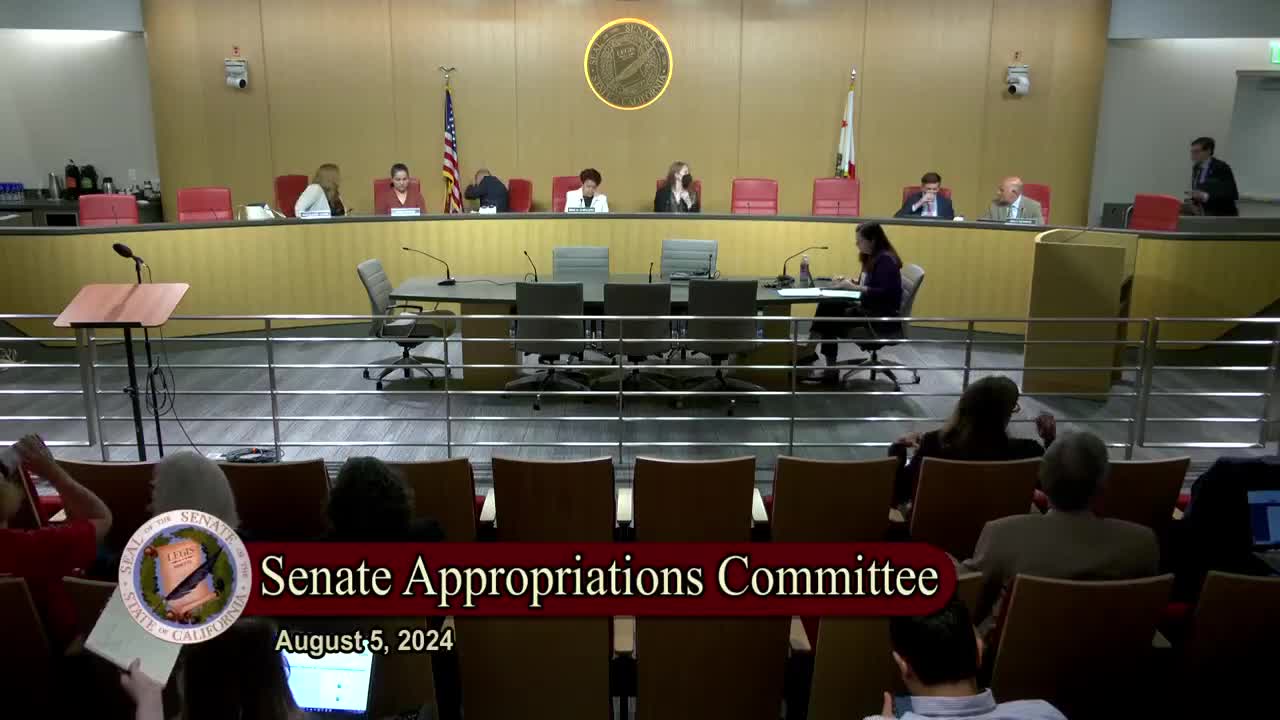 1MIN
Senate Standing Committee on Appropriations
 8MIN
Senate Standing Committee on Judiciary
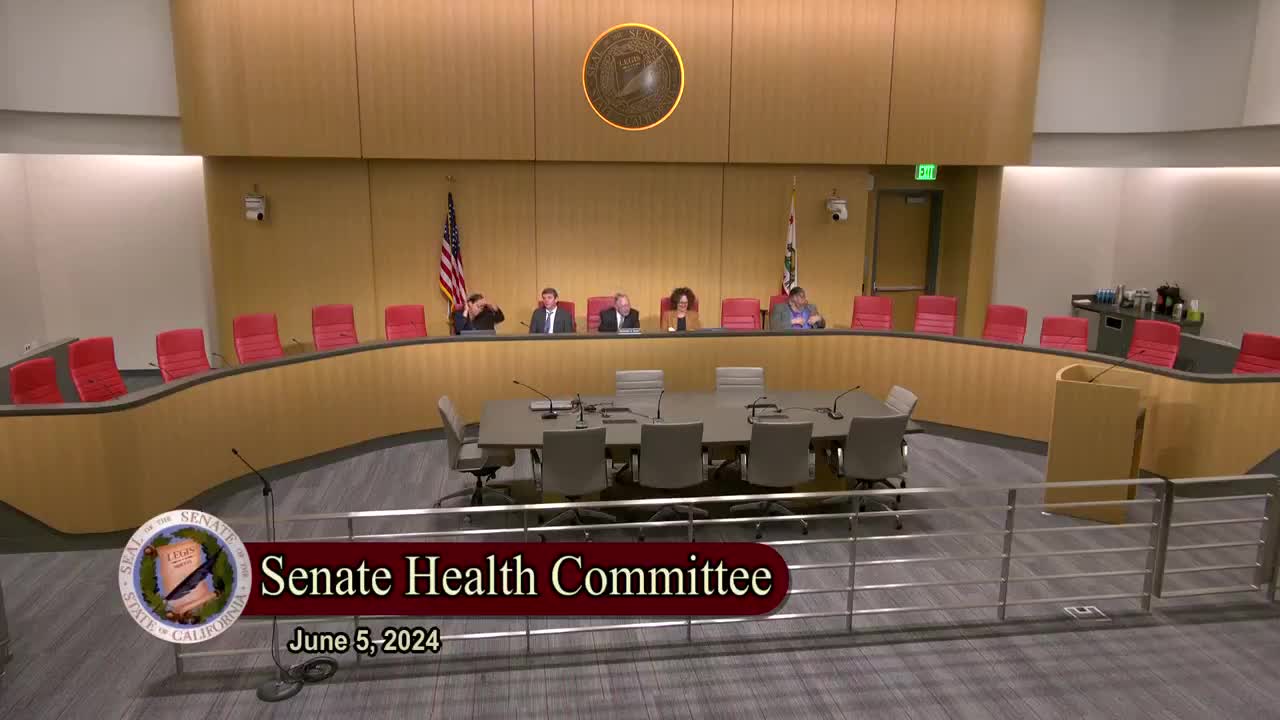 16MIN
Senate Standing Committee on Health
 2MIN
Assembly Floor
 15MIN
Assembly Standing Committee on Judiciary
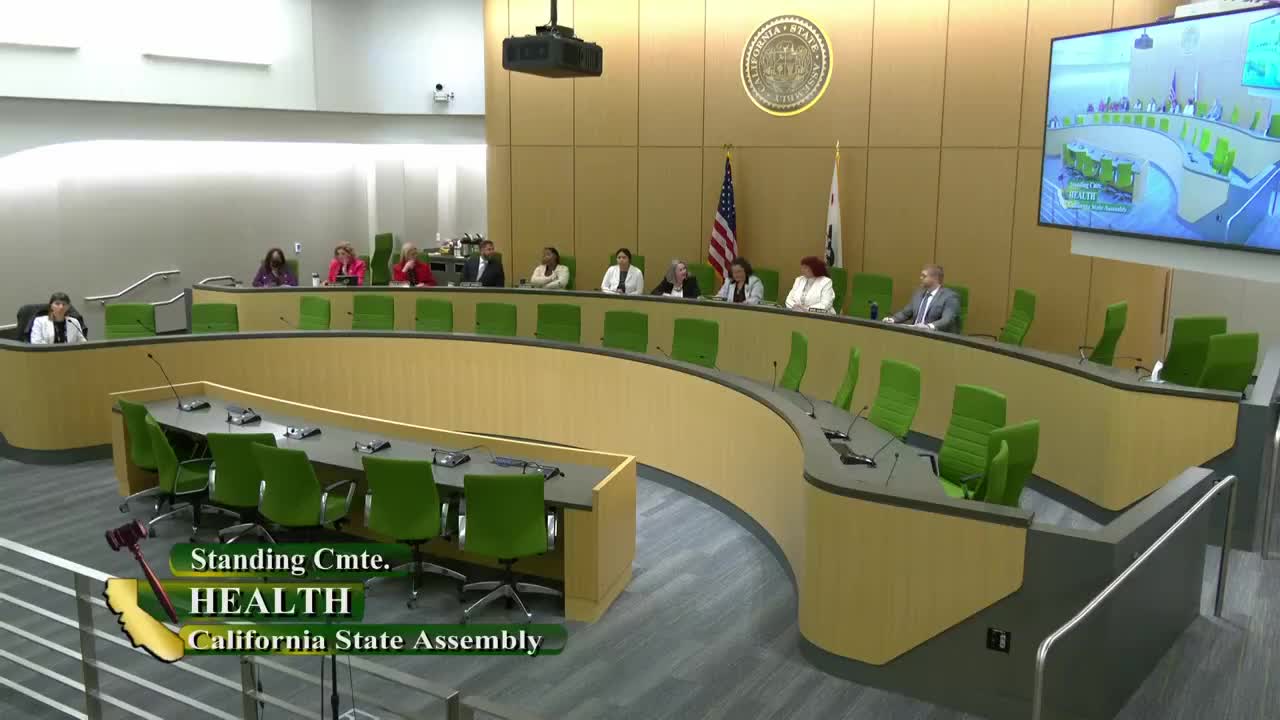 12MIN
Assembly Standing Committee on Health
Bill Author




