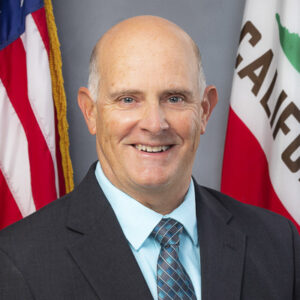
SB 1044: Bingo: overhead costs.
- Session Year: 2023-2024
- House: Senate
- Latest Version Date: 2024-07-15
Current Status:
Passed
(2024-07-15: Chaptered by Secretary of State. Chapter 128, Statutes of 2024.)
Introduced
In Committee
First Chamber
In Committee
Second Chamber
Enacted
The California Constitution permits the Legislature to authorize cities, counties, and cities and counties to provide for bingo games for charitable purposes. Existing law authorizes those local agencies to regulate bingo games for charitable purposes under specified criteria. Existing law requires the proceeds from authorized bingo games to be kept in a special fund and not commingled with any other fund or account. Existing law requires those funds be used only for charitable purposes, except for specified uses. Existing law authorizes an organization to use the funds for rental costs and the purchase of bingo equipment, among other specified uses. Existing law limits the amount to be spent on overhead costs to 20% of the proceeds before the deduction for prizes, or $2,000 a month, whichever is less.
This bill would, beginning January 1, 2025, increase the monthly limit on bingo overhead costs to $3,000 per month, increased annually by the annual average percentage in the California Consumer Price Index for All Urban Consumers for the preceding calendar year.
The California Constitution permits the Legislature to authorize cities, counties, and cities and counties to provide for bingo games for charitable purposes. Existing law authorizes those local agencies to regulate bingo games for charitable purposes under specified criteria. Existing law requires the proceeds from authorized bingo games to be kept in a special fund and not commingled with any other fund or account. Existing law requires those funds be used only for charitable purposes, except for specified uses. Existing law authorizes an organization to use the funds for rental costs and the purchase of bingo equipment, among other specified uses. Existing law limits the amount to be spent on overhead costs to 20% of the proceeds before the deduction for prizes, or $2,000 a month, whichever is less.
This bill would, beginning January 1, 2025, increase the $2,000 per month monthly limit on bingo overhead costs by the annual average percentage by which the California Consumer Price Index for All Urban Consumers (CPI) for the preceding calendar year exceeds the CPI for the 2013 calendar year. to $3,000 per month, increased annually by the annual average percentage in the California Consumer Price Index for All Urban Consumers for the preceding calendar year.
The California Constitution permits the Legislature to authorize cities, counties, and cities and counties to provide for bingo games for charitable purposes. Existing law authorizes those local agencies to regulate bingo games for charitable purposes under specified criteria. Existing law requires the proceeds from authorized bingo games to be kept in a special fund and not commingled with any other fund or account. Existing law requires those funds be used only for charitable purposes, except for specified uses. Existing law authorizes an organization to use the funds for rental costs and the purchase of bingo equipment, among other specified uses. Existing law limits the amount to be spent on overhead costs to 20% of the proceeds before the deduction for prizes, or $2,000 a month, whichever is less.
This bill would, beginning January 1, 2025, increase the $2,000 per month limit on bingo overhead costs by the annual average percentage by which the California Consumer Price Index for All Urban Consumers (CPI) for the preceding calendar year exceeds the CPI for the 2013 calendar year.
(a)Neither the prohibition on gambling in this chapter nor in Chapter 10 (commencing with Section 330) applies to any bingo game that is conducted in a city, county, or city and county pursuant to an ordinance enacted under Section 19 of Article IV of the State Constitution, if the ordinance allows games to be conducted only in accordance with this section and only by organizations exempted from the payment of the bank and corporation tax by Sections 23701a, 23701b, 23701d, 23701e, 23701f, 23701g, 23701k, 23701w, and 23701l of the Revenue and Taxation Code and by mobilehome park associations, senior citizens organizations, and charitable organizations affiliated with a school district; and if the receipts of those games are used only for charitable purposes.
(b)It is a misdemeanor for any person to receive or pay a profit, wage, or salary from any bingo game authorized by Section 19 of Article IV of the State Constitution. Security personnel employed by the organization conducting the bingo game may be paid from the revenues of bingo games, as provided in subdivisions (j) and (k).
(c)A violation of subdivision (b) shall be punishable by a fine not to exceed ten thousand dollars ($10,000), which fine is deposited in the general fund of the city, county, or city and county that enacted the ordinance authorizing the bingo game. A violation of any provision of this section, other than subdivision (b), is a misdemeanor.
(d)The city, county, or city and county that enacted the ordinance authorizing the bingo game may bring an action to enjoin a violation of this section.
(e)Minors shall not be allowed to participate in any bingo game.
(f)An organization authorized to conduct bingo games pursuant to subdivision (a) shall conduct a bingo game only on property owned or leased by it, or property whose use is donated to the organization, and which property is used by that organization for an office or for performance of the purposes for which the organization is organized. Nothing in this subdivision shall be construed to require that the property owned or leased by, or whose use is donated to, the organization be used or leased exclusively by, or donated exclusively to, that organization.
(g)All bingo games shall be open to the public, not just to the members of the authorized organization.
(h)A bingo game shall be operated and staffed only by members of the authorized organization that organized it. Those members shall not receive a profit, wage, or salary from any bingo game. Only the organization authorized to conduct a bingo game shall operate such a game, or participate in the promotion, supervision, or any other phase of a bingo game. This subdivision does not preclude the employment of security personnel who are not members of the authorized organization at a bingo game by the organization conducting the game.
(i)Any individual, corporation, partnership, or other legal entity, except the organization authorized to conduct a bingo game, shall not hold a financial interest in the conduct of a bingo game.
(j)With respect to organizations exempt from payment of the bank and corporation tax by Section 23701d of the Revenue and Taxation Code, all profits derived from a bingo game shall be kept in a special fund or account and shall not be commingled with any other fund or account. Those profits shall be used only for charitable purposes.
(k)With respect to other organizations authorized to conduct bingo games pursuant to this section, all proceeds derived from a bingo game shall be kept in a special fund or account and shall not be commingled with any other fund or account. Proceeds are the receipts of bingo games conducted by organizations not within subdivision (j). Those proceeds shall be used only for charitable purposes, except as follows:
(1)The proceeds may be used for prizes.
(2)(A)Except as provided in subparagraph (C), the portion of the proceeds that may be used for the rental of property and for overhead, including the purchase of bingo equipment, administrative expenses, security equipment, and security personnel shall be the lower of either of the following:
(i)Twenty percent of the proceeds before the deduction for prizes.
(ii)Beginning January 1, 2025, three thousand dollars ($3,000) per month, increased annually by the annual average percentage in the Consumer Price Index for the preceding calendar year.
(B)For the purposes of this subdivision, the term Consumer Price Index means the California Consumer Price Index for all Urban Consumers published by the Department of Industrial Relations.
(C)For the purposes of bingo games conducted by the Lake Elsinore Elks Lodge, a portion of the proceeds, not to exceed 20 percent of the proceeds before the deduction for prizes, or three thousand dollars ($3,000) per month, whichever is less, may be used for the rental of property and for overhead, including the purchase of bingo equipment, administrative expenses, security equipment, and security personnel. Any amount of the proceeds that is additional to that permitted under subparagraph (A), up to one thousand dollars ($1,000), shall be used for the purpose of financing the rebuilding of the facility and the replacement of equipment that was destroyed by fire in 2007. The exception to subparagraph (A) that is provided by this subparagraph shall remain in effect only until the cost of rebuilding the facility is repaid, or January 1, 2019, whichever occurs first.
(3)The proceeds may be used to pay license fees.
(4)A city, county, or city and county that enacts an ordinance permitting bingo games may specify in the ordinance that if the monthly gross receipts from bingo games of an organization within this subdivision exceed five thousand dollars ($5,000), a minimum percentage of the proceeds shall be used only for charitable purposes not relating to the conducting of bingo games and that the balance shall be used for prizes, rental of property, overhead, administrative expenses, and payment of license fees. The amount of proceeds used for rental of property, overhead, and administrative expenses is subject to the limitations specified in paragraph (2).
(l)(1)A city, county, or city and county may impose a license fee on each organization that it authorizes to conduct bingo games. The fee, whether for the initial license or renewal, shall not exceed fifty dollars ($50) annually, except as provided in paragraph (2). If an application for a license is denied, one-half of any license fee paid shall be refunded to the organization.
(2)In lieu of the license fee permitted under paragraph (1), a city, county, or city and county may impose a license fee of fifty dollars ($50) paid upon application. If an application for a license is denied, one-half of the application fee shall be refunded to the organization. An additional fee for law enforcement and public safety costs incurred by the city, county, or city and county that are directly related to bingo activities may be imposed and shall be collected monthly by the city, county, or city and county issuing the license; however, the fee shall not exceed the actual costs incurred in providing the service.
(m)A person shall not be allowed to participate in a bingo game, unless the person is physically present at the time and place where the bingo game is being conducted.
(n)The total value of prizes available to be awarded during the conduct of any bingo games shall not exceed five hundred dollars ($500) in cash or kind, or both, for each separate game which is held.
(o)As used in this section, bingo means a game of chance in which prizes are awarded on the basis of designated numbers or symbols that are marked or covered by the player on a tangible card in the players possession and that conform to numbers or symbols, selected at random and announced by a live caller. Notwithstanding Section 330c, as used in this section, the game of bingo includes tangible cards having numbers or symbols that are concealed and preprinted in a manner providing for distribution of prizes. Electronics or video displays shall not be used in connection with the game of bingo, except in connection with the callers drawing of numbers or symbols and the public display of that drawing, and except as provided in subdivision (p). The winning cards shall not be known prior to the game by any person participating in the playing or operation of the bingo game. All preprinted cards shall bear the legend, for sale or use only in a bingo game authorized under California law and pursuant to local ordinance. Only a covered or marked tangible card possessed by a player and presented to an attendant may be used to claim a prize. It is the intention of the Legislature that bingo as defined in this subdivision applies exclusively to this section and shall not be applied in the construction or enforcement of any other provision of law.
(p)(1)Players who are physically present at a bingo game may use hand-held, portable card-minding devices, as described in this subdivision, to assist in monitoring the numbers or symbols announced by a live caller as those numbers or symbols are called in a live game. Card-minding devices may not be used in connection with any game where a bingo card may be sold or distributed after the start of the ball draw for that game. A card-minding device shall do all of the following:
(A)Be capable of storing in the memory of the device bingo faces of tangible cards purchased by a player.
(B)Provide a means for bingo players to input manually each individual number or symbol announced by a live caller.
(C)Compare the numbers or symbols entered by the player to the bingo faces previously stored in the memory of the device.
(D)Identify winning bingo patterns that exist on the stored bingo faces.
(2)A card-minding device shall perform no functions involving the play of the game other than those described in paragraph (1). Card-minding devices shall not do any of the following:
(A)Be capable of accepting or dispensing any coins, currency, or other representative of value or on which value has been encoded.
(B)Be capable of monitoring any bingo card face other than the faces of the tangible bingo card or cards purchased by the player for that game.
(C)Display or represent the game result through any means, including, but not limited to, video or mechanical reels or other slot machine or casino game themes, other than highlighting the winning numbers or symbols marked or covered on the tangible bingo cards or giving an audio alert that the players card has a prize-winning pattern.
(D)Determine the outcome of any game or be physically or electronically connected to any component that determines the outcome of a game or to any other bingo equipment, including, but not limited to, the ball call station, or to any other card-minding device. No other player-operated or player-activated electronic or electromechanical device or equipment is permitted to be used in connection with a bingo game.
(3)(A)A card-minding device shall be approved in advance by the department as meeting the requirements of this section and any additional requirements stated in regulations adopted by the department. Any proposed material change to the device, including any change to the software used by the device, shall be submitted to the department and approved by the department prior to implementation.
(B)In accordance with Chapter 5 (commencing with Section 19800) of Division 8 of the Business and Professions Code, the commission shall establish reasonable criteria for, and require the licensure of, any person that directly or indirectly manufactures, distributes, supplies, vends, leases, or otherwise provides card-minding devices or other supplies, equipment, or services related to card-minding devices designed for use in the playing of bingo games by any nonprofit organization.
(C)A person or entity that supplies or services any card-minding device shall meet all licensing requirements established by the commission in regulations.
(4)The costs of any testing, certification, license, or determination required by this subdivision shall be borne by the person or entity seeking it.
(5)On and after January 1, 2010, the Department of Justice may inspect all card-minding devices at any time without notice, and may immediately prohibit the use of any device that does not comply with the requirements established by the department in regulations. The Department of Justice may at any time, without notice, impound any device the use of which has been prohibited by the commission.
(6)The Department of Justice shall issue regulations to implement the requirements of this subdivision, and the California Gambling Control Commission may issue regulations regarding the means by which the operator of a bingo game, as required by applicable law, may offer assistance to a player with disabilities in order to enable that player to participate in a bingo game, provided that the means of providing that assistance shall not be through any electronic, electromechanical, or other device or equipment that accepts the insertion of any coin, currency, token, credit card, or other means of transmitting value, and does not constitute or is not a part of a system that constitutes a video lottery terminal, slot machine, or device prohibited by Chapter 10 (commencing with Section 330).
(7)The following definitions apply for purposes of this subdivision:
(A)Commission means the California Gambling Control Commission.
(B)Department means the Department of Justice.
(C)Person includes a natural person, corporation, limited liability company, partnership, trust, joint venture, association, or any other business organization.
(a)Neither the prohibition on gambling in this chapter nor in Chapter 10 (commencing with Section 330) applies to any bingo game that is conducted in a city, county, or city and county pursuant to an ordinance enacted under Section 19 of Article IV of the State Constitution, if the ordinance allows games to be conducted only in accordance with this section and only by organizations exempted from the payment of the bank and corporation tax by Sections 23701a, 23701b, 23701d, 23701e, 23701f, 23701g, 23701k, 23701w, and 23701l of the Revenue and Taxation Code and by mobilehome park associations, senior citizens organizations, and charitable organizations affiliated with a school district; and if the receipts of those games are used only for charitable purposes.
(b)It is a misdemeanor for any person to receive or pay a profit, wage, or salary from any bingo game authorized by Section 19 of Article IV of the State Constitution. Security personnel employed by the organization conducting the bingo game may be paid from the revenues of bingo games, as provided in subdivisions (j) and (k).
(c)A violation of subdivision (b) shall be punishable by a fine not to exceed ten thousand dollars ($10,000), which fine is deposited in the general fund of the city, county, or city and county that enacted the ordinance authorizing the bingo game. A violation of any provision of this section, other than subdivision (b), is a misdemeanor.
(d)The city, county, or city and county that enacted the ordinance authorizing the bingo game may bring an action to enjoin a violation of this section.
(e)Minors shall not be allowed to participate in any bingo game.
(f)An organization authorized to conduct bingo games pursuant to subdivision (a) shall conduct a bingo game only on property owned or leased by it, or property whose use is donated to the organization, and which property is used by that organization for an office or for performance of the purposes for which the organization is organized. Nothing in this subdivision shall be construed to require that the property owned or leased by, or whose use is donated to, the organization be used or leased exclusively by, or donated exclusively to, that organization.
(g)All bingo games shall be open to the public, not just to the members of the authorized organization.
(h)A bingo game shall be operated and staffed only by members of the authorized organization that organized it. Those members shall not receive a profit, wage, or salary from any bingo game. Only the organization authorized to conduct a bingo game shall operate such a game, or participate in the promotion, supervision, or any other phase of a bingo game. This subdivision does not preclude the employment of security personnel who are not members of the authorized organization at a bingo game by the organization conducting the game.
(i)Any individual, corporation, partnership, or other legal entity, except the organization authorized to conduct a bingo game, shall not hold a financial interest in the conduct of a bingo game.
(j)With respect to organizations exempt from payment of the bank and corporation tax by Section 23701d of the Revenue and Taxation Code, all profits derived from a bingo game shall be kept in a special fund or account and shall not be commingled with any other fund or account. Those profits shall be used only for charitable purposes.
(k)With respect to other organizations authorized to conduct bingo games pursuant to this section, all proceeds derived from a bingo game shall be kept in a special fund or account and shall not be commingled with any other fund or account. Proceeds are the receipts of bingo games conducted by organizations not within subdivision (j). Those proceeds shall be used only for charitable purposes, except as follows:
(1)The proceeds may be used for prizes.
(2)(A)Except as provided in subparagraph (C), the portion of the proceeds that may be used for the rental of property and for overhead, including the purchase of bingo equipment, administrative expenses, security equipment, and security personnel shall be the lower of either of the following:
(i)Twenty percent of the proceeds before the deduction for prizes.
(ii)Beginning January 1, 2025, two thousand dollars ($2,000) three thousand dollars ($3,000) per month, increased by the annual average percentage, if any, by which the Consumer Price Index for the preceding calendar year exceeds the Consumer Price Index for the 2013 calendar year. annually by the annual average percentage in the Consumer Price Index for the preceding calendar year.
(B)For the purposes of this subdivision, the term Consumer Price Index means the California Consumer Price Index for all Urban Consumers published by the Department of Industrial Relations.
(C)For the purposes of bingo games conducted by the Lake Elsinore Elks Lodge, a portion of the proceeds, not to exceed 20 percent of the proceeds before the deduction for prizes, or three thousand dollars ($3,000) per month, whichever is less, may be used for the rental of property and for overhead, including the purchase of bingo equipment, administrative expenses, security equipment, and security personnel. Any amount of the proceeds that is additional to that permitted under subparagraph (A), up to one thousand dollars ($1,000), shall be used for the purpose of financing the rebuilding of the facility and the replacement of equipment that was destroyed by fire in 2007. The exception to subparagraph (A) that is provided by this subparagraph shall remain in effect only until the cost of rebuilding the facility is repaid, or January 1, 2019, whichever occurs first.
(3)The proceeds may be used to pay license fees.
(4)A city, county, or city and county that enacts an ordinance permitting bingo games may specify in the ordinance that if the monthly gross receipts from bingo games of an organization within this subdivision exceed five thousand dollars ($5,000), a minimum percentage of the proceeds shall be used only for charitable purposes not relating to the conducting of bingo games and that the balance shall be used for prizes, rental of property, overhead, administrative expenses, and payment of license fees. The amount of proceeds used for rental of property, overhead, and administrative expenses is subject to the limitations specified in paragraph (2).
(l)(1)A city, county, or city and county may impose a license fee on each organization that it authorizes to conduct bingo games. The fee, whether for the initial license or renewal, shall not exceed fifty dollars ($50) annually, except as provided in paragraph (2). If an application for a license is denied, one-half of any license fee paid shall be refunded to the organization.
(2)In lieu of the license fee permitted under paragraph (1), a city, county, or city and county may impose a license fee of fifty dollars ($50) paid upon application. If an application for a license is denied, one-half of the application fee shall be refunded to the organization. An additional fee for law enforcement and public safety costs incurred by the city, county, or city and county that are directly related to bingo activities may be imposed and shall be collected monthly by the city, county, or city and county issuing the license; however, the fee shall not exceed the actual costs incurred in providing the service.
(m)A person shall not be allowed to participate in a bingo game, unless the person is physically present at the time and place where the bingo game is being conducted.
(n)The total value of prizes available to be awarded during the conduct of any bingo games shall not exceed five hundred dollars ($500) in cash or kind, or both, for each separate game which is held.
(o)As used in this section, bingo means a game of chance in which prizes are awarded on the basis of designated numbers or symbols that are marked or covered by the player on a tangible card in the players possession and that conform to numbers or symbols, selected at random and announced by a live caller. Notwithstanding Section 330c, as used in this section, the game of bingo includes tangible cards having numbers or symbols that are concealed and preprinted in a manner providing for distribution of prizes. Electronics or video displays shall not be used in connection with the game of bingo, except in connection with the callers drawing of numbers or symbols and the public display of that drawing, and except as provided in subdivision (p). The winning cards shall not be known prior to the game by any person participating in the playing or operation of the bingo game. All preprinted cards shall bear the legend, for sale or use only in a bingo game authorized under California law and pursuant to local ordinance. Only a covered or marked tangible card possessed by a player and presented to an attendant may be used to claim a prize. It is the intention of the Legislature that bingo as defined in this subdivision applies exclusively to this section and shall not be applied in the construction or enforcement of any other provision of law.
(p)(1)Players who are physically present at a bingo game may use hand-held, portable card-minding devices, as described in this subdivision, to assist in monitoring the numbers or symbols announced by a live caller as those numbers or symbols are called in a live game. Card-minding devices may not be used in connection with any game where a bingo card may be sold or distributed after the start of the ball draw for that game. A card-minding device shall do all of the following:
(A)Be capable of storing in the memory of the device bingo faces of tangible cards purchased by a player.
(B)Provide a means for bingo players to input manually each individual number or symbol announced by a live caller.
(C)Compare the numbers or symbols entered by the player to the bingo faces previously stored in the memory of the device.
(D)Identify winning bingo patterns that exist on the stored bingo faces.
(2)A card-minding device shall perform no functions involving the play of the game other than those described in paragraph (1). Card-minding devices shall not do any of the following:
(A)Be capable of accepting or dispensing any coins, currency, or other representative of value or on which value has been encoded.
(B)Be capable of monitoring any bingo card face other than the faces of the tangible bingo card or cards purchased by the player for that game.
(C)Display or represent the game result through any means, including, but not limited to, video or mechanical reels or other slot machine or casino game themes, other than highlighting the winning numbers or symbols marked or covered on the tangible bingo cards or giving an audio alert that the players card has a prize-winning pattern.
(D)Determine the outcome of any game or be physically or electronically connected to any component that determines the outcome of a game or to any other bingo equipment, including, but not limited to, the ball call station, or to any other card-minding device. No other player-operated or player-activated electronic or electromechanical device or equipment is permitted to be used in connection with a bingo game.
(3)(A)A card-minding device shall be approved in advance by the department as meeting the requirements of this section and any additional requirements stated in regulations adopted by the department. Any proposed material change to the device, including any change to the software used by the device, shall be submitted to the department and approved by the department prior to implementation.
(B)In accordance with Chapter 5 (commencing with Section 19800) of Division 8 of the Business and Professions Code, the commission shall establish reasonable criteria for, and require the licensure of, any person that directly or indirectly manufactures, distributes, supplies, vends, leases, or otherwise provides card-minding devices or other supplies, equipment, or services related to card-minding devices designed for use in the playing of bingo games by any nonprofit organization.
(C)A person or entity that supplies or services any card-minding device shall meet all licensing requirements established by the commission in regulations.
(4)The costs of any testing, certification, license, or determination required by this subdivision shall be borne by the person or entity seeking it.
(5)On and after January 1, 2010, the Department of Justice may inspect all card-minding devices at any time without notice, and may immediately prohibit the use of any device that does not comply with the requirements established by the department in regulations. The Department of Justice may at any time, without notice, impound any device the use of which has been prohibited by the commission.
(6)The Department of Justice shall issue regulations to implement the requirements of this subdivision, and the California Gambling Control Commission may issue regulations regarding the means by which the operator of a bingo game, as required by applicable law, may offer assistance to a player with disabilities in order to enable that player to participate in a bingo game, provided that the means of providing that assistance shall not be through any electronic, electromechanical, or other device or equipment that accepts the insertion of any coin, currency, token, credit card, or other means of transmitting value, and does not constitute or is not a part of a system that constitutes a video lottery terminal, slot machine, or device prohibited by Chapter 10 (commencing with Section 330).
(7)The following definitions apply for purposes of this subdivision:
(A)Commission means the California Gambling Control Commission.
(B)Department means the Department of Justice.
(C)Person includes a natural person, corporation, limited liability company, partnership, trust, joint venture, association, or any other business organization.
(a)Neither the prohibition on gambling in this chapter nor in Chapter 10 (commencing with Section 330) applies to any bingo game that is conducted in a city, county, or city and county pursuant to an ordinance enacted under Section 19 of Article IV of the State Constitution, if the ordinance allows games to be conducted only in accordance with this section and only by organizations exempted from the payment of the bank and corporation tax by Sections 23701a, 23701b, 23701d, 23701e, 23701f, 23701g, 23701k, 23701w, and 23701l of the Revenue and Taxation Code and by mobilehome park associations, senior citizens organizations, and charitable organizations affiliated with a school district; and if the receipts of those games are used only for charitable purposes.
(b)It is a misdemeanor for any person to receive or pay a profit, wage, or salary from any bingo game authorized by Section 19 of Article IV of the State Constitution. Security personnel employed by the organization conducting the bingo game may be paid from the revenues of bingo games, as provided in subdivisions (j) and (k).
(c)A violation of subdivision (b) shall be punishable by a fine not to exceed ten thousand dollars ($10,000), which fine is deposited in the general fund of the city, county, or city and county that enacted the ordinance authorizing the bingo game. A violation of any provision of this section, other than subdivision (b), is a misdemeanor.
(d)The city, county, or city and county that enacted the ordinance authorizing the bingo game may bring an action to enjoin a violation of this section.
(e)Minors shall not be allowed to participate in any bingo game.
(f)An organization authorized to conduct bingo games pursuant to subdivision (a) shall conduct a bingo game only on property owned or leased by it, or property whose use is donated to the organization, and which property is used by that organization for an office or for performance of the purposes for which the organization is organized. Nothing in this subdivision shall be construed to require that the property owned or leased by, or whose use is donated to, the organization be used or leased exclusively by, or donated exclusively to, that organization.
(g)All bingo games shall be open to the public, not just to the members of the authorized organization.
(h)A bingo game shall be operated and staffed only by members of the authorized organization that organized it. Those members shall not receive a profit, wage, or salary from any bingo game. Only the organization authorized to conduct a bingo game shall operate such a game, or participate in the promotion, supervision, or any other phase of a bingo game. This subdivision does not preclude the employment of security personnel who are not members of the authorized organization at a bingo game by the organization conducting the game.
(i)Any individual, corporation, partnership, or other legal entity, except the organization authorized to conduct a bingo game, shall not hold a financial interest in the conduct of a bingo game.
(j)With respect to organizations exempt from payment of the bank and corporation tax by Section 23701d of the Revenue and Taxation Code, all profits derived from a bingo game shall be kept in a special fund or account and shall not be commingled with any other fund or account. Those profits shall be used only for charitable purposes.
(k)With respect to other organizations authorized to conduct bingo games pursuant to this section, all proceeds derived from a bingo game shall be kept in a special fund or account and shall not be commingled with any other fund or account. Proceeds are the receipts of bingo games conducted by organizations not within subdivision (j). Those proceeds shall be used only for charitable purposes, except as follows:
(1)The proceeds may be used for prizes.
(2)(A)Except as provided in subparagraph (B), a portion of the proceeds, not to exceed 20 percent of the proceeds before the deduction for prizes, or two thousand dollars ($2,000) per month, whichever is less, may be used for the rental of property and for overhead, including the purchase of bingo equipment, administrative expenses, security equipment, and security personnel.(2)(A)Except as provided in subparagraph (C), the portion of the proceeds that may be used for the rental of property and for overhead, including the purchase of bingo equipment, administrative expenses, security equipment, and security personnel shall be the lower of either of the following:
(i)Twenty percent of the proceeds before the deduction for prizes.
(ii)Beginning January 1, 2025, two thousand dollars ($2,000) per month, increased by the annual average percentage, if any, by which the Consumer Price Index for the preceding calendar year exceeds the Consumer Price Index for the 2013 calendar year.
(B)For the purposes of this subdivision, the term Consumer Price Index means the California Consumer Price Index for all Urban Consumers published by the Department of Industrial Relations.
(B)(C)For the purposes of bingo games conducted by the Lake Elsinore Elks Lodge, a portion of the proceeds, not to exceed 20 percent of the proceeds before the deduction for prizes, or three thousand dollars ($3,000) per month, whichever is less, may be used for the rental of property and for overhead, including the purchase of bingo equipment, administrative expenses, security equipment, and security personnel. Any amount of the proceeds that is additional to that permitted under subparagraph (A), up to one thousand dollars ($1,000), shall be used for the purpose of financing the rebuilding of the facility and the replacement of equipment that was destroyed by fire in 2007. The exception to subparagraph (A) that is provided by this subparagraph shall remain in effect only until the cost of rebuilding the facility is repaid, or January 1, 2019, whichever occurs first.
(3)The proceeds may be used to pay license fees.
(4)A city, county, or city and county that enacts an ordinance permitting bingo games may specify in the ordinance that if the monthly gross receipts from bingo games of an organization within this subdivision exceed five thousand dollars ($5,000), a minimum percentage of the proceeds shall be used only for charitable purposes not relating to the conducting of bingo games and that the balance shall be used for prizes, rental of property, overhead, administrative expenses, and payment of license fees. The amount of proceeds used for rental of property, overhead, and administrative expenses is subject to the limitations specified in paragraph (2).
(l)(1)A city, county, or city and county may impose a license fee on each organization that it authorizes to conduct bingo games. The fee, whether for the initial license or renewal, shall not exceed fifty dollars ($50) annually, except as provided in paragraph (2). If an application for a license is denied, one-half of any license fee paid shall be refunded to the organization.
(2)In lieu of the license fee permitted under paragraph (1), a city, county, or city and county may impose a license fee of fifty dollars ($50) paid upon application. If an application for a license is denied, one-half of the application fee shall be refunded to the organization. An additional fee for law enforcement and public safety costs incurred by the city, county, or city and county that are directly related to bingo activities may be imposed and shall be collected monthly by the city, county, or city and county issuing the license; however, the fee shall not exceed the actual costs incurred in providing the service.
(m)A person shall not be allowed to participate in a bingo game, unless the person is physically present at the time and place where the bingo game is being conducted.
(n)The total value of prizes available to be awarded during the conduct of any bingo games shall not exceed five hundred dollars ($500) in cash or kind, or both, for each separate game which is held.
(o)As used in this section, bingo means a game of chance in which prizes are awarded on the basis of designated numbers or symbols that are marked or covered by the player on a tangible card in the players possession and that conform to numbers or symbols, selected at random and announced by a live caller. Notwithstanding Section 330c, as used in this section, the game of bingo includes tangible cards having numbers or symbols that are concealed and preprinted in a manner providing for distribution of prizes. Electronics or video displays shall not be used in connection with the game of bingo, except in connection with the callers drawing of numbers or symbols and the public display of that drawing, and except as provided in subdivision (p). The winning cards shall not be known prior to the game by any person participating in the playing or operation of the bingo game. All preprinted cards shall bear the legend, for sale or use only in a bingo game authorized under California law and pursuant to local ordinance. Only a covered or marked tangible card possessed by a player and presented to an attendant may be used to claim a prize. It is the intention of the Legislature that bingo as defined in this subdivision applies exclusively to this section and shall not be applied in the construction or enforcement of any other provision of law.
(p)(1)Players who are physically present at a bingo game may use hand-held, portable card-minding devices, as described in this subdivision, to assist in monitoring the numbers or symbols announced by a live caller as those numbers or symbols are called in a live game. Card-minding devices may not be used in connection with any game where a bingo card may be sold or distributed after the start of the ball draw for that game. A card-minding device shall do all of the following:
(A)Be capable of storing in the memory of the device bingo faces of tangible cards purchased by a player.
(B)Provide a means for bingo players to input manually each individual number or symbol announced by a live caller.
(C)Compare the numbers or symbols entered by the player to the bingo faces previously stored in the memory of the device.
(D)Identify winning bingo patterns that exist on the stored bingo faces.
(2)A card-minding device shall perform no functions involving the play of the game other than those described in paragraph (1). Card-minding devices shall not do any of the following:
(A)Be capable of accepting or dispensing any coins, currency, or other representative of value or on which value has been encoded.
(B)Be capable of monitoring any bingo card face other than the faces of the tangible bingo card or cards purchased by the player for that game.
(C)Display or represent the game result through any means, including, but not limited to, video or mechanical reels or other slot machine or casino game themes, other than highlighting the winning numbers or symbols marked or covered on the tangible bingo cards or giving an audio alert that the players card has a prize-winning pattern.
(D)Determine the outcome of any game or be physically or electronically connected to any component that determines the outcome of a game or to any other bingo equipment, including, but not limited to, the ball call station, or to any other card-minding device. No other player-operated or player-activated electronic or electromechanical device or equipment is permitted to be used in connection with a bingo game.
(3)(A)A card-minding device shall be approved in advance by the department as meeting the requirements of this section and any additional requirements stated in regulations adopted by the department. Any proposed material change to the device, including any change to the software used by the device, shall be submitted to the department and approved by the department prior to implementation.
(B)In accordance with Chapter 5 (commencing with Section 19800) of Division 8 of the Business and Professions Code, the commission shall establish reasonable criteria for, and require the licensure of, any person that directly or indirectly manufactures, distributes, supplies, vends, leases, or otherwise provides card-minding devices or other supplies, equipment, or services related to card-minding devices designed for use in the playing of bingo games by any nonprofit organization.
(C)A person or entity that supplies or services any card-minding device shall meet all licensing requirements established by the commission in regulations.
(4)The costs of any testing, certification, license, or determination required by this subdivision shall be borne by the person or entity seeking it.
(5)On and after January 1, 2010, the Department of Justice may inspect all card-minding devices at any time without notice, and may immediately prohibit the use of any device that does not comply with the requirements established by the department in regulations. The Department of Justice may at any time, without notice, impound any device the use of which has been prohibited by the commission.
(6)The Department of Justice shall issue regulations to implement the requirements of this subdivision, and the California Gambling Control Commission may issue regulations regarding the means by which the operator of a bingo game, as required by applicable law, may offer assistance to a player with disabilities in order to enable that player to participate in a bingo game, provided that the means of providing that assistance shall not be through any electronic, electromechanical, or other device or equipment that accepts the insertion of any coin, currency, token, credit card, or other means of transmitting value, and does not constitute or is not a part of a system that constitutes a video lottery terminal, slot machine, or device prohibited by Chapter 10 (commencing with Section 330).
(7)The following definitions apply for purposes of this subdivision:
(A)Commission means the California Gambling Control Commission.
(B)Department means the Department of Justice.
(C)Person includes a natural person, corporation, limited liability company, partnership, trust, joint venture, association, or any other business organization.
|
Date
|
Status
|
|---|---|
| Jul 15, 2024 | Chaptered by Secretary of State. Chapter 128, Statutes of 2024. |
| Jul 15, 2024 | Approved by the Governor. |
| Jul 2, 2024 | Enrolled and presented to the Governor at 3 p.m. |
| Jun 27, 2024 | In Senate. Ordered to engrossing and enrolling. |
| Jun 26, 2024 | Read third time. Passed. (Ayes 75. Noes 0. Page 6037.) Ordered to the Senate. |
| Jun 20, 2024 | Read second time. Ordered to consent calendar. |
| Jun 19, 2024 | From committee: Do pass. Ordered to consent calendar. (Ayes 14. Noes 0.) (June 19). |
| Jun 5, 2024 | From committee: Do pass and re-refer to Com. on APPR. with recommendation: To consent calendar. (Ayes 19. Noes 0.) (June 5). Re-referred to Com. on APPR. |
| May 6, 2024 | Referred to Com. on G.O. |
| Apr 25, 2024 | In Assembly. Read first time. Held at Desk. |
| Apr 25, 2024 | Read third time. Passed. (Ayes 36. Noes 0. Page 3772.) Ordered to the Assembly. |
| Apr 23, 2024 | Read second time. Ordered to consent calendar. |
| Apr 22, 2024 | From committee: Be ordered to second reading pursuant to Senate Rule 28.8 and ordered to consent calendar. |
| Apr 12, 2024 | Set for hearing April 22. |
| Apr 9, 2024 | From committee: Do pass and re-refer to Com. on APPR with recommendation: To consent calendar. (Ayes 14. Noes 0. Page 3528.) (April 9). Re-referred to Com. on APPR. |
| Mar 14, 2024 | Set for hearing April 9. |
| Mar 11, 2024 | From committee with author's amendments. Read second time and amended. Re-referred to Com. on G.O. |
| Feb 29, 2024 | March 12 set for first hearing canceled at the request of author. |
| Feb 28, 2024 | Set for hearing March 12. |
| Feb 14, 2024 | Referred to Com. on G.O. |
| Feb 8, 2024 | From printer. May be acted upon on or after March 9. |
| Feb 7, 2024 | Introduced. Read first time. To Com. on RLS. for assignment. To print. |
|
Date
|
Description
|
Location
|
Votes
|
|
|---|---|---|---|---|
| Jun 26, 2024 | SB 1044 Seyarto Consent Calendar Second Day Regular Session | Assembly Floor |
Passed |
|
| Jun 19, 2024 | Do pass. To Consent Calendar. | Assembly Standing Committee on Appropriations |
Passed |
|
| Jun 5, 2024 | Do pass and be re-referred to the Committee on [Appropriations] with recommendation: To Consent Calendar | Assembly Standing Committee on Governmental Organization |
Passed |
|
| Apr 25, 2024 | Consent Calendar 2nd SB1044 Seyarto et al. | Senate Floor |
Passed |
|
| Apr 9, 2024 | Do pass, but first be re-referred to the Committee on [Appropriations] with the recommendation: To Consent Calendar | Senate Standing Committee on Governmental Organization |
Passed |
This list shows positions taken on this bill by organizations on the date displayed, which is linked to the original source.
Positions by individuals are not included.
Date of Hearing: June 19, 2024
ASSEMBLY COMMITTEE ON APPROPRIATIONS
Buffy Wicks, Chair
SBPCA Bill Id:SB 1044
Author:(Seyarto) – As Amended Ver:March 11, 2024
Policy Committee: | Governmental Organization | Vote: | 19 - 0 |
|
| ||
|
|
Urgency: No State Mandated Local Program: No Reimbursable: No
SUMMARY:
This bill increases, from $2,000 to $3,000, the monthly limit on bingo overhead costs, adjusted annually for inflation.
This bill provides that the annual increase to the limit is by the annual average percentage in the preceding calendar year’s California Consumer Price Index (CPI) for All Urban Consumers.
FISCAL EFFECT:
Negligible costs to the California Gambling Control Commission and Department of Justice, which regulate aspects of allowable bingo games.
COMMENTS:
- Purpose. According to the author:
SB 1044 is essential for the survival of our local charity bingo games. The current law’s $2,000 monthly cap on administrative costs is outdated and burdensome. This bill will increase the monthly limit to $3,000 and link this cap to the CPI, allowing nonprofits to adapt to economic changes. Without this change, we risk losing these games and the valuable community services they fund.
- Bingo! Existing law generally provides that a private lottery, such as a bingo game or raffle, constitutes illegal gambling, unless the lottery raises charitable funds for a tax-exempt organization. Proper planning is essential to ensure a bingo game is profitable, cost-effective, and legal, as existing law requires a charitable organization to keep proceeds from authorized games in a special non-commingled fund with restricted uses. Aside from charitable purposes, an organization may use proceeds for the rental of property and related overhead, including the purchase of bingo equipment, administrative expenses, and security. Overhead costs are limited to 20% of the proceeds before the deduction for prizes, or $2,000 per month, whichever is less. The monthly limit was last increased from $1,000 in 1993. This bill increases the monthly limit to $3,000 and increases the limit annually pursuant to the CPI. As noted in the Assembly Governmental Organization Committee’s analysis of this bill, “Since 1993, the percent change in the CPI is more than 120%, which is a much bigger increase than the proposed 50% increase that this bill proposes.”
Analysis Prepared by: Irene Ho / APPR. / (916) 319-2081
Date of Hearing: June 5, 2024
ASSEMBLY COMMITTEE ON GOVERNMENTAL ORGANIZATION
Blanca Rubio, Chair
SBPCA Bill Id:SB 1044
Author:(Seyarto) – As Amended Ver:March 11, 2024
SENATE VOTE: 36-0
SUBJECT: Bingo: overhead costs
SUMMARY: This bill increases the monthly limit on bingo overhead costs to $3,000 per month and annually increases the limit by the annual average percentage in the California Consumer Price Index for All Urban Consumers (CPI). Specifically, this bill:
1) Increases the $2,000 per month limit on bingo overhead costs to $3,000 per month and annually increases the limit by the annual average percentage in the CPI.
2) Defines “Consumer Price Index” to mean the California Consumer Price Index for all Urban Consumers published by the Department of Industrial Relations.
EXISTING LAW:
1) Authorizes, under the California Constitution, the Legislature to authorize cities, counties, and cities and counties to provide for bingo games for charitable purposes.
2) Authorizes local agencies to regulate bingo games and remote caller bingo games for charitable purposes under specified criteria.
3) Requires the proceeds from authorized bingo games to be kept in a special fund and not commingled with any other fund or account. Requires funds to be used only for charitable purposes, except for specified uses.
4) Authorizes an organization to use the funds for rental costs and the purchase of bingo equipment, among other specified uses.
5) Limits the amount to be spent on overhead costs to 20% of the proceeds before deduction of prizes, or $2,000 a month, whichever is less.
FISCAL EFFECT: This bill is keyed fiscal by Legislative Counsel.
COMMENTS:
Purpose of the bill. According to the author’s office, “SB 1044 is essential for the survival of our local charity bingo games. The current law’s $2,000 monthly cap on administrative costs is outdated and burdensome. This bill will increase the monthly limit to $3,000 and link this cap to the CPI, allowing nonprofits to adapt to economic changes. Without this change, we risk losing these games and the valuable community services they fund.”
Background.
California charitable bingo. Generally, private lotteries, such as bingo and raffles, constitute illegal gambling. However, there are exceptions for tax-exempt organizations, thus enabling them to raise charitable funds through such methods
In 1976, California voters approved an amendment to the Constitution (Article IV, Section 19) specifying, "The Legislature by statute may authorize cities and counties to provide for bingo games, but only for charitable purposes." The Legislature implemented this constitutional provision by enacting Penal Code section 326.5. The statute authorizes the playing of bingo where the games are conducted by a specified tax-exempt organization for charitable purposes pursuant to municipal codes or ordinances. In general, these ordinances specify limitations of days, locations, and hours of operations of bingo games. Local governments (city, county, or city and county) have the responsibility to regulate and enforce their ordinances. Furthermore, the federal government requires charitable non-profit organizations to file annual returns that are subject to audit.
In many local jurisdictions, the enforcement and oversight of charitable bingo is assigned to the local law enforcement agencies (sheriff's offices and police departments). Any questions or concerns relating to the playing of charitable bingo or the operation of bingo halls should be directed to one of those agencies, depending on the location of the particular bingo hall (city or county).
The games shall be conducted by members of the organization, whom cannot receive salaries. The games cannot be conducted online. The games are open to the public, players are physically present, and are not minors. The value of prizes for shall not exceed $500 in cash or kind, or both, for each separate game which is held. Charity bingo start-up costs may range from a few hundred dollars to many thousands of dollars. Proper planning is essential to ensure that bingo is profitable, cost-effective, and legal.
In 2008, SB 1369 (Cedillo), Chapter 748, Statutes of 2008 was enacted to allow the play of remote caller bingo in an effort to help nonprofit organizations continue their fundraising efforts. Remote caller bingo is played through the use of audio and video technology to link any number of facilities for the purpose of transmitting the remote "calling" of a live bingo game from a single location to multiple locations owned, leased, or rented by that organization.
Under current law, a portion of the proceeds, not to exceed 20% before the deductions for prizes, or $2,000 per month, whichever is less, is authorized to be used for costs associated with rental property and for overhead costs. This can include the purchase of bingo equipment, administrative expenses, security, equipment, and security personnel.
SB 1044 increases the monthly limit to $3,000 per month and annually increases the limit by the CPI. The last time this limit was increased was in 1993 by AB 1216 (Harvey), Chapter 394, Statutes of 1993. The bill increased the overhead monthly limit from $1,000 to $2,000. Since 1993, the percent change in the CPI is more than 120%, which is a much bigger increase than the proposed 50% increase that this bill proposes.
Related legislation. AB 2322 (Hart) of 2024. This bill streamlines the process of applying for and receiving small state grants, particularly those not exceeding $20,000 and with a duration of less than 12 months, and requires the creation of a more accessible and equitable grant application process, as specified. The bill also requires the expansion of the California Grants Portal (a project by the California State Library) to include specified information about such grants. (Senate Committee on Rules)
SB 1246 (Limón) of 2024. This bill, for the purposes of the California Prompt Payment Act, expands the definition of the term “grant” to additionally mean a signed final agreement between any state agency and a nonprofit organization, deletes existing nonprofit penalty exceptions for contracts less than $500,000, and requires a state agency that is disputing an invoice from a nonprofit organization to pay, within 45 calendar days from receipt of the invoice, the undisputed portion of the invoice, as specified. (Pending in Assembly Committee on Governmental Organization)
Prior legislation. SB 1369 (Cedillo), Chapter 748, Statutes of 2008. Authorized remote caller bingo as a game in which specific tax-exempt organizations may use audio or video technology to link designated in-state facilities for playing bingo pursuant to a local ordinance and state regulations and oversight.
AB 1216 (Harvey), Chapter 394, Statutes of 1993. Increased the overhead monthly cap limit from $1,000 to $2,000.
REGISTERED SUPPORT / OPPOSITION:
Support
None on file
Opposition
None on file
Analysis Prepared by: Eric Johnson / G.O. / (916) 319-2531
SENATE RULES COMMITTEE Office of Senate Floor Analyses (916) 651-1520 Fax: (916) 327-4478 | SB 1044 |
CONSENT
Bill No: SB 1044
Author: Seyarto (R), et al.
Amended: 3/11/24
Vote: 21
SENATE GOVERNMENTAL ORG. COMMITTEE: 14-0, 4/9/24
AYES: Dodd, Wilk, Alvarado-Gil, Archuleta, Bradford, Glazer, Jones, Nguyen, Ochoa Bogh, Padilla, Portantino, Rubio, Seyarto, Smallwood-Cuevas
NO VOTE RECORDED: Ashby, Roth
SENATE APPROPRIATIONS COMMITTEE: Senate Rule 28.8
SUBJECT: Bingo: overhead costs
SOURCE: Author
DIGEST: This bill increases the monthly limit on bingo overhead costs to $3,000 per month and annually increases the limit by the annual average percentage in the California Consumer Price Index for All Urban Consumers (CPI).
ANALYSIS:
Existing law:
- Authorizes, under the California Constitution, the Legislature to authorize cities, counties, and cities and counties to provide for bingo games for charitable purposes.
- Authorizes local agencies to regulate bingo games and remote caller bingo games for charitable purposes under specified criteria.
- Requires the proceeds from authorized bingo games to be kept in a special fund and not commingled with any other fund or account. Requires funds to be used only for charitable purposes, except for specified uses.
- Authorizes an organization to use the funds for rental costs and the purchase of bingo equipment, among other specified uses.
- Limits the amount to be spent on overhead costs to 20% of the proceeds before deduction of prizes, or $2,000 a month, whichever is less.
This bill:
- Increases the $2,000 per month limit on bingo overhead costs to $3,000 per month and annually increases the limit by the annual average percentage in the CPI.
- Defines “Consumer Price Index” to mean the CPI published by the Department of Industrial Relations.
Background
Author Statement. According to the author’s office, “SB 1044 is essential for the survival of our local charity bingo games. The current law’s $2,000 monthly cap on administrative costs is outdated and burdensome. SB 1044 will increase the monthly limit to $3,000 and link this cap to the CPI, allowing nonprofits to adapt to economic changes. Without this change, we risk losing these games and the valuable community services they fund.”
California Charitable Bingo. In 1976, California voters approved an amendment to the Constitution specifying, "the Legislature by statute may authorize cities and counties to provide for bingo games, but only for charitable purposes." The Legislature implemented this constitutional provision by enacting Penal Code section 326.5. The statute authorizes the playing of bingo where the games are conducted by a specified tax-exempt organization for charitable purposes pursuant to local ordinance. In general, these ordinances specify limitations of days, locations, and hours of operations of bingo games. Local governments have the responsibility to regulate and enforce their ordinances. Furthermore, the federal government requires charitable non-profit organizations to file annual returns that are subject to audit.
In 2008, SB 1369 (Cedillo, Chapter 748, Statutes of 2008) was enacted to allow the play of remote caller bingo in an effort to help nonprofit organizations continue their fundraising efforts. Remote caller bingo is played through the use of audio and video technology to link any number of facilities for the purpose of transmitting the remote "calling" of a live bingo game from a single location to multiple locations owned, leased, or rented by that organization.
Under current law, a portion of the proceeds, not to exceed 20% before the deductions for prizes, or $2,000 per month, whichever is less, is authorized to be used for costs associated with rental property and for overhead costs. This can include the purchase of bingo equipment, administrative expenses, security, equipment, and security personnel.
This bill increases the monthly limit to $3,000 per month and annually increases the limit by the CPI. The last time this limit was increased was in 1993 by AB 1216 (Harvey, Chapter 394, Statutes of 1993). The bill increased the overhead monthly limit from $1,000 to $2,000. Since 1993, the percent change in the CPI is more than 120%, which is a much bigger increase than the proposed 50% increase that this bill proposes.
Related/Prior Legislation
SB 1369 (Cedillo, Chapter 748, Statutes of 2008) authorized remote caller bingo as a game in which specific tax-exempt organizations may use audio or video technology to link designated in-state facilities for playing bingo pursuant to a local ordinance and state regulations and oversight.
AB 1216 (Harvey, Chapter 394, Statutes of 1993) increased the overhead monthly cap limit from $1,000 to $2,000.
FISCAL EFFECT: Appropriation: No Fiscal Com.: Yes Local: No
SUPPORT: (Verified 4/22/24)
None received
OPPOSITION: (Verified 4/22/24)
Prepared by: Felipe Lopez / G.O. / (916) 651-1530
4/23/24 10:01:32
**** END ****
SENATE COMMITTEE ON GOVERNMENTAL ORGANIZATION
Senator Bill Dodd
Chair
2023 - 2024 Regular
Bill No: SB Hearing Date: 4/9/2024
Author: | Seyarto, et al. | ||
Version: | Amended | ||
Urgency: | Fiscal: | ||
Consultant: | |||
SUBJECT:
DIGEST: This bill increases the monthly limit on bingo overhead costs to $3,000 per month and annually increases the limit by the annual average percentage in the California Consumer Price Index for All Urban Consumers (CPI).
ANALYSIS:
Existing law:
- Authorizes, under the California Constitution, the Legislature to authorize cities, counties, and cities and counties to provide for bingo games for charitable purposes.
- Authorizes local agencies to regulate bingo games and remote caller bingo games for charitable purposes under specified criteria.
- Requires the proceeds from authorized bingo games to be kept in a special fund and not commingled with any other fund or account. Funds are required to be used only for charitable purposes, except for specified uses.
- Authorizes an organization to use the funds for rental costs and the purchase of bingo equipment, among other specified uses.
- Limits the amount to be spent on overhead costs to 20% of the proceeds before deduction of prizes, or $2,000 a month, whichever is less.
This bill:
- Increases the $2,000 per month limit on bingo overhead costs to $3,000 per month and annually increases the limit by the annual average percentage in the California Consumer Price Index for All Urban Consumers (CPI).
- Defines “Consumer Price Index” to mean the California Consumer Price Index for all Urban Consumers published by the Department of Industrial Relations.
Background
Author Statement. According to the author’s office, “SB 1044 is essential for the survival of our local charity bingo games. The current law’s $2,000 monthly cap on administrative costs is outdated and burdensome. SB 1044 will increase the monthly limit to $3,000 and link this cap to the CPI, allowing nonprofits to adapt to economic changes. Without this change, we risk losing these games and the valuable community services they fund.”
California Charitable Bingo. In 1976, California voters approved an amendment to the Constitution specifying, "the Legislature by statute may authorize cities and counties to provide for bingo games, but only for charitable purposes." The Legislature implemented this constitutional provision by enacting Penal Code section 326.5. The statute authorizes the playing of bingo where the games are conducted by a specified tax-exempt organization for charitable purposes pursuant to local ordinance. In general, these ordinances specify limitations of days, locations, and hours of operations of bingo games. Local governments have the responsibility to regulate and enforce their ordinances. Furthermore, the federal government requires charitable non-profit organizations to file annual returns that are subject to audit.
In 2008, SB 1369 (Cedillo, Chapter 748, Statutes of 2008) was enacted to allow the play of remote caller bingo in an effort to help nonprofit organizations continue their fundraising efforts. Remote caller bingo is played through the use of audio and video technology to link any number of facilities for the purpose of transmitting the remote "calling" of a live bingo game from a single location to multiple locations owned, leased, or rented by that organization.
Under current law, a portion of the proceeds, not to exceed 20 percent before the deductions for prizes, or $2,000 per month, whichever is less, is authorized to be used for costs associated with rental property and for overhead costs. This can include the purchase of bingo equipment, administrative expenses, security, equipment, and security personnel.
This bill would increase the monthly limit to $3,000 per month and annually increases the limit by the CPI. The last time this limit was increased was in 1993 by AB 1216 (Harvey, Chapter 394, Statutes of 1993). That bill increased the overhead monthly limit from $1,000 to $2,000. Since 1993, the percent change in the CPI is more than 120%, which is a much bigger increase than the proposed 50% increase that this bill proposes.
Prior/Related Legislation
SB 1369 (Cedillo, Chapter 748, Statutes of 2008) authorizes remote caller bingo as a game in which specific tax-exempt organizations may use audio or video technology to link designated in-state facilities for playing bingo pursuant to a local ordinance and state regulations and oversight.
AB 1216 (Harvey, Chapter 394, Statutes of 1993) increased the overhead monthly cap limit from $1,000 to $2,000.
FISCAL EFFECT: Appropriation: No Fiscal Com.: Yes Local: No
SUPPORT:
None received
OPPOSITION:
None received
Bill Author