SB 412: Parole hearings.
- Session Year: 2023-2024
- House: Senate
- Latest Version Date: 2023-10-10
Current Status:
Passed
(2023-10-10: Chaptered by Secretary of State. Chapter 712, Statutes of 2023.)
Introduced
In Committee
First Chamber
In Committee
Second Chamber
Enacted
Existing law requires any person, except the victim, who is entitled to attend a parole hearing and intends to do so, to provide at least 30 days notice to the Board of Parole Hearings. Existing regulations of the Department of Corrections and Rehabilitation require victims, the victims next of kin, members of the victims family, victim representatives, counsel for any of these persons, and victim support persons to give notice of their intention to attend, to the department, as specified.
This bill would limit the amount of notice that the department and board may require from any of these persons to no more than 15 days.
(a)(1)Upon request to the Department of Corrections and Rehabilitation and verification of the identity of the requester, notice of any hearing to review or consider the parole suitability for any inmate in a state prison shall be given by telephone, certified mail, regular mail, or electronic mail, using the method of communication selected by the requesting party, if that method is available, by the Board of Parole Hearings at least 90 days before the hearing to any victim of any crime committed by the inmate, or to the next of kin of the victim if the victim has died, to include the commitment crimes, determinate term commitment crimes for which the inmate has been paroled, and any other felony crimes or crimes against the person for which the inmate has been convicted. The requesting party shall keep the board apprised of their current contact information in order to receive the notice.
(2)No later than 30 days before the date selected for the hearing, any person entitled to attend the hearing, other than the victim, victims next of kin, member of the victims family, victims representative, counsel representing any of these persons, or victim support persons, shall inform the board of their intention to attend the hearing and the name and identifying information of any other person entitled to attend the hearing who will accompany them.
(3)No later than 14 days before the date selected for the hearing, the board shall notify every person entitled to attend the hearing confirming the date, time, and place of the hearing.
(4)The department and the board may require no more than 15 days notice by a victim, victims next of kin, member of the victims family, victims representative, counsel representing any of these persons, or victim support persons, of their intention to attend the hearing.
(b)(1)The victim, next of kin, members of the victims family, and two representatives designated as provided in paragraph (2) of this subdivision have the right to appear, personally or by counsel, at the hearing and to adequately and reasonably express their views concerning the inmate and the case, including, but not limited to the commitment crimes, determinate term commitment crimes for which the inmate has been paroled, any other felony crimes or crimes against the person for which the inmate has been convicted, the effect of the enumerated crimes on the victim and the family of the victim, the person responsible for these enumerated crimes, and the suitability of the inmate for parole.
(2)Any statement provided by a representative designated by the victim or next of kin may cover any subject about which the victim or next of kin has the right to be heard including any recommendation regarding the granting of parole. The representatives shall be designated by the victim or, in the event that the victim is deceased or incapacitated, by the next of kin. They shall be designated in writing for the particular hearing before the hearing.
(c)A representative designated by the victim or the victims next of kin for purposes of this section may be any adult person selected by the victim or the family of the victim. The board shall permit a representative designated by the victim or the victims next of kin to attend a particular hearing, to provide testimony at a hearing, and to submit a statement to be included in the hearing as provided in Section 3043.2, even though the victim, next of kin, or a member of the victims immediate family is present at the hearing, and even though the victim, next of kin, or a member of the victims immediate family has submitted a statement as described in Section 3043.2.
(d)The board, in deciding whether to release the person on parole, shall consider the entire and uninterrupted statements of the victim or victims, next of kin, immediate family members of the victim, and the designated representatives of the victim or next of kin, if applicable, made pursuant to this section and shall include in its report a statement whether the person would pose a threat to public safety if released on parole.
(e)In those cases where there are more than two immediate family members of the victim who wish to attend any hearing covered in this section, the board shall allow attendance of additional immediate family members to include the following: spouse, children, parents, siblings, grandchildren, and grandparents.
(a)(1)Upon request to the Department of Corrections and Rehabilitation and verification of the identity of the requester, notice of any hearing to review or consider the parole suitability for any inmate in a state prison shall be given by telephone, certified mail, regular mail, or electronic mail, using the method of communication selected by the requesting party, if that method is available, by the Board of Parole Hearings at least 90 days before the hearing to any victim of any crime committed by the inmate, or to the next of kin of the victim if the victim has died, to include the commitment crimes, determinate term commitment crimes for which the inmate has been paroled, and any other felony crimes or crimes against the person for which the inmate has been convicted. The requesting party shall keep the board apprised of his or her their current contact information in order to receive the notice.
(2)No later than 30 days before the date selected for the hearing, any person, other than the victim, entitled to attend the hearing person entitled to attend the hearing, other than the victim, victims next of kin, member of the victims family, victims representative, counsel representing any of these persons, or victim support persons, shall inform the board of his or her their intention to attend the hearing and the name and identifying information of any other person entitled to attend the hearing who will accompany him or her. them.
(3)No later than 14 days before the date selected for the hearing, the board shall notify every person entitled to attend the hearing confirming the date, time, and place of the hearing.
(4)The department and the board may require no more than 15 days notice by a victim, victims next of kin, member of the victims family, victims representative, counsel representing any of these persons, or victim support persons, of their intention to attend the hearing.
(b)(1)The victim, next of kin, members of the victims family, and two representatives designated as provided in paragraph (2) of this subdivision have the right to appear, personally or by counsel, at the hearing and to adequately and reasonably express his, her, or their views concerning the inmate and the case, including, but not limited to the commitment crimes, determinate term commitment crimes for which the inmate has been paroled, any other felony crimes or crimes against the person for which the inmate has been convicted, the effect of the enumerated crimes on the victim and the family of the victim, the person responsible for these enumerated crimes, and the suitability of the inmate for parole.
(2)Any statement provided by a representative designated by the victim or next of kin may cover any subject about which the victim or next of kin has the right to be heard including any recommendation regarding the granting of parole. The representatives shall be designated by the victim or, in the event that the victim is deceased or incapacitated, by the next of kin. They shall be designated in writing for the particular hearing before the hearing.
(c)A representative designated by the victim or the victims next of kin for purposes of this section may be any adult person selected by the victim or the family of the victim. The board shall permit a representative designated by the victim or the victims next of kin to attend a particular hearing, to provide testimony at a hearing, and to submit a statement to be included in the hearing as provided in Section 3043.2, even though the victim, next of kin, or a member of the victims immediate family is present at the hearing, and even though the victim, next of kin, or a member of the victims immediate family has submitted a statement as described in Section 3043.2.
(d)The board, in deciding whether to release the person on parole, shall consider the entire and uninterrupted statements of the victim or victims, next of kin, immediate family members of the victim, and the designated representatives of the victim or next of kin, if applicable, made pursuant to this section and shall include in its report a statement whether the person would pose a threat to public safety if released on parole.
(e)In those cases where there are more than two immediate family members of the victim who wish to attend any hearing covered in this section, the board shall allow attendance of additional immediate family members to include the following: spouse, children, parents, siblings, grandchildren, and grandparents.
|
Date
|
Status
|
|---|---|
| Oct 10, 2023 | Chaptered by Secretary of State. Chapter 712, Statutes of 2023. |
| Oct 10, 2023 | Approved by the Governor. |
| Sep 18, 2023 | Enrolled and presented to the Governor at 3 p.m. |
| Sep 12, 2023 | In Senate. Ordered to engrossing and enrolling. |
| Sep 12, 2023 | Read third time. Passed. (Ayes 80. Noes 0. Page 3249.) Ordered to the Senate. |
| Jul 3, 2023 | Ordered to third reading. |
| Jul 3, 2023 | From consent calendar on motion of Assembly Member Reyes. |
| Jun 29, 2023 | Read second time. Ordered to consent calendar. |
| Jun 28, 2023 | From committee: Do pass. Ordered to consent calendar. (Ayes 14. Noes 0.) (June 28). |
| Jun 13, 2023 | From committee: Do pass and re-refer to Com. on APPR. (Ayes 8. Noes 0.) (June 13). Re-referred to Com. on APPR. |
| May 11, 2023 | Referred to Com. on PUB. S. |
| May 1, 2023 | In Assembly. Read first time. Held at Desk. |
| May 1, 2023 | Read third time. Passed. (Ayes 37. Noes 0. Page 959.) Ordered to the Assembly. |
| Apr 11, 2023 | Read second time. Ordered to third reading. |
| Apr 10, 2023 | From committee: Be ordered to second reading pursuant to Senate Rule 28.8. |
| Mar 28, 2023 | Set for hearing April 10. |
| Mar 21, 2023 | From committee: Do pass and re-refer to Com. on APPR. (Ayes 5. Noes 0. Page 426.) (March 21). Re-referred to Com. on APPR. |
| Mar 6, 2023 | Set for hearing March 21. |
| Feb 22, 2023 | Referred to Com. on PUB S. |
| Feb 10, 2023 | From printer. May be acted upon on or after March 12. |
| Feb 9, 2023 | Introduced. Read first time. To Com. on RLS. for assignment. To print. |
|
Date
|
Description
|
Location
|
Votes
|
|
|---|---|---|---|---|
| Sep 12, 2023 | SB 412 Archuleta Senate Third Reading By Ramos | Assembly Floor |
Passed |
|
| Jun 28, 2023 | Do pass. To Consent Calendar. | Assembly Standing Committee on Appropriations |
Passed |
|
| Jun 13, 2023 | Do pass and be re-referred to the Committee on [Appropriations] | Assembly Standing Committee on Public Safety |
Passed |
|
| May 1, 2023 | Senate 3rd Reading SB412 Archuleta | Senate Floor |
Passed |
|
| Mar 21, 2023 | Do pass, but first be re-referred to the Committee on [Appropriations] | Senate Standing Committee on Public Safety |
Passed |
This list shows positions taken on this bill by organizations on the date displayed, which is linked to the original source.
Positions by individuals are not included.
|
Organization
|
Position
|
Date
|
|---|---|---|
| California Attorneys For Criminal Justice | ** Against | |
| California District Attorneys Association | * Support | Jun 13, 2023 |
| California State Sheriffs Associaiton | * Support | Jun 13, 2023 |
| County of San Bernardino | * Support | Mar 21, 2023 |
| San Diego County District Attorney's Office | ** Support |
SENATE THIRD READING
STR Bill Id:SB 412
Author:(Archuleta)
As Introduced Ver:February 9, 2023
Majority vote
SUMMARY
Prohibits the California Department of Corrections and Rehabilitation (CDCR) and the Board of Parole Hearings (BPH) from requiring a victim, victim's next of kin, member of the victim's family, victim's representative, counsel representing any of these persons, or victim support persons to give more than 15 days' notice of their intention to attend a parole hearing.
Major Provisions
COMMENTS
According to the Author
"Current regulations require 'direct' victims like an assault or rape victim to provide 15 days' notice of their intent to attend a parole hearing but require 'indirect' victims like the family members of someone murdered to provide at least 30 days' notice. This unjustified discrepancy creates confusion about notification timelines and results in family members being unable to participate at hearings. This bill would simply require all victims, direct or indirect, to provide only 15 days of notice.
"The two-tiered system makes many harmed people feel like second class victims. The parents of a murdered child are not considered actual victims in the BPH regulations even though they are considered a victim pursuant to Marsy's Law and the California Constitution.
"These people were victimized initially by the crime, then victimized again by being excluded from the parole hearing. Notification requirements are extremely strict. Missing the deadline by even a day means a victim will likely be unable to attend the hearing. This is not right or fair for families that have lost their loved ones. California must not punish these families by letting confusion in the law cause them to miss a hearing."
Arguments in Support
According to the California District Attorneys Association (CDAA), "Despite the clear definition of 'victim' enshrined in the California Constitution, Penal Code section 3043(a)(2) states that anyone other than the victim, must give 30-days' notice of their intent to attend a parole hearing. Similarly, California Code of Regulations, Title 15, section 2057(b)-(c) recently adopted by the Board of Parole Hearings (BPH) bifurcates victims into two classifications; those who are direct victims, who must provide 15-days' notice to the Office of Victim Survivor Rights and Services (OVSRS) to attend a parole hearing, and all others, who must provide 30-days' notice. The two different notice requirements cause confusion between victims and their families, create 'second class victims,' use an unconstitutional definition of 'victim,' and generally exclude victims from parole hearings."
Arguments in Opposition
According to California Attorneys Criminal Justice (CACJ), "CACJ opposes this bill because 15 days' notice provides insufficient notice to the prospective parolee and his or her counsel to guarantee a fair hearing.
"A parole hearing is a significant legal proceeding with profound consequences for the incarcerated person seeking parole. Appointed parole attorneys, whose pay is currently capped at $900 per case, must expend significant time to prepare for such hearings. The 30-day requirement provides reasonable notice to the incarcerated person seeking parole and his or her attorney of the evidence to be presented at a parole hearing. The shorter notice period proposed of fifteen days are unreasonably short and threaten the incarcerated person's right to due process at the hearing.
"In light of the existing requirement that the Board notify victims 90 days prior to the hearing, the current time period of 30 days for the victim to provide notice that he or she will appear is reasonable and fair to all parties involved. It further lessens the likelihood of a need to postpone the parole hearing."
FISCAL COMMENTS
According to the Assembly Appropriations Committee, minor costs (General Fund) to the California Department of Corrections and Rehabilitation (CDCR) and BPH to update their regulations and notice procedures to allow for victims, family members and support persons to provide less than 15 days' notice of their intent to attend parole hearings
VOTES
SENATE FLOOR: 37-0-3
YES: Allen, Alvarado-Gil, Archuleta, Ashby, Atkins, Becker, Bradford, Caballero, Cortese, Dahle, Dodd, Durazo, Eggman, Gonzalez, Grove, Hurtado, Jones, Laird, Limón, McGuire, Menjivar, Min, Newman, Nguyen, Niello, Ochoa Bogh, Padilla, Portantino, Roth, Rubio, Seyarto, Skinner, Smallwood-Cuevas, Stern, Umberg, Wahab, Wiener
ABS, ABST OR NV: Blakespear, Glazer, Wilk
ASM PUBLIC SAFETY: 8-0-0
YES: Jones-Sawyer, Alanis, Bonta, Bryan, Lackey, Ortega, Santiago, Zbur
ASM APPROPRIATIONS: 14-0-2
YES: Holden, Megan Dahle, Bryan, Calderon, Wendy Carrillo, Dixon, Mike Fong, Hart, Lowenthal, Mathis, Papan, Sanchez, Weber, Wilson
ABS, ABST OR NV: Pellerin, Robert Rivas
UPDATED
VERSION: February 9, 2023
CONSULTANT: Liah Burnley / PUB. S. / (916) 319-3744 FN: 0001198
Date of Hearing: June 28, 2023
ASSEMBLY COMMITTEE ON APPROPRIATIONS
Chris Holden, Chair
SBPCA Bill Id:SB 412
Author:(Archuleta) – As Introduced Ver:February 9, 2023
Policy Committee: | Public Safety | Vote: | 8 - 0 |
|
| ||
|
|
Urgency: No State Mandated Local Program: No Reimbursable: No
SUMMARY:
This bill prohibits the Board of Parole Hearings (BPH) from requiring more than 15 days’ notice of intention to attend a parole hearing from any victim, victim’s next of kin, member of the victim’s family, victim’s representative, counsel for any of these people, or victim support persons.
FISCAL EFFECT:
Minor costs (General Fund) to the California Department of Corrections and Rehabilitation (CDCR) and BPH to update their regulations and notice procedures to allow for victims, family members and support persons to provide less than 15 days’ notice of their intent to attend parole hearings.
COMMENTS:
- Purpose. According to the author:
Current regulations require ‘direct’ victims like an assault or rape victim to provide 15 days’ notice of their intent to attend a parole hearing but require ‘indirect’ victims like the family members of someone murdered to provide at least 30 days’ notice. This unjustified discrepancy creates confusion about notification timelines and results in family members being unable to participate at hearings. This bill would simply require all victims, direct or indirect, to provide only 15 days of notice. The two-tiered system makes many harmed people feel like second class victims.
- Background. BPH administers parole hearings for inmates incarcerated in CDCR serving indeterminate sentences. Generally, a parole hearing is attended by the inmate, the inmate’s counsel, and BPH commissioners, who conduct the hearing. Representatives from the prosecuting district attorney’s office and the victim, or, if the victim is deceased, the victim’s next of kin, also have a right to attend the inmate’s parole hearing. When an inmate’s parole hearing is scheduled, BPH must provide at least 90 days’ notice to the inmate’s victim or their next of kin. Existing law requires a crime victim to provide at least 15 days’ notice to BPH if they intend to attend a parole hearing. Although a victim’s next of kin, family member, and victim representative are also entitled to attend a parole hearing, current law requires those parties to provide at least 30 days’ notice to BPH if they intend to attend a parole hearing. This bill prohibit BPH from requiring more than 15 days’ notice from any victim’s next of kin, family member, or representative who wishes to attend a parole hearing.
- Arguments in Support and Opposition. In support, the California District Attorneys Association writes:
Under the current system, the parents of a murdered child are not considered actual victims by BPH regulations and must provide 30-days’ notice in order to attend a parole hearing even though the California Constitution treats all victims equally. BPH and OVSRS are extremely strict with their notice requirements. If a victim or family member misses the cutoff date, they are excluded from the hearing. This has happened to many family members throughout California…. Senate Bill 412 will ensure that all victims are treated equally, as is their right under the California Constitution, and ends the practice of creating “second class victims.” As a society, we owe them that.
In opposition, California Attorneys for Criminal Justice writes:
CACJ opposes this bill because 15 days’ notice provides insufficient notice to the prospective parolee and his or her counsel to guarantee a fair hearing. A parole hearing is a significant legal proceeding with profound consequences for the incarcerated person seeking parole. Appointed parole attorneys, whose pay is currently capped at $900 per case, must expend significant time to prepare for such hearings. The [current] 30-day requirement provides reasonable notice to the incarcerated person seeking parole and his or her attorney of the evidence to be presented at a parole hearing. The shorter notice period proposed of fifteen days are unreasonably short and threaten the incarcerated person’s right to due process at the hearing.
Analysis Prepared by: Annika Carlson / APPR. / (916) 319-2081
Date of Hearing: June 13, 2023
Counsel: Liah Burnley
ASSEMBLY COMMITTEE ON PUBLIC SAFETY
Reginald Byron Jones-Sawyer, Sr., Chair
SBPCA Bill Id:SB 412
Author:(Archuleta) – As Introduced Ver:February 9, 2023
SUMMARY: Prohibits the California Department of Corrections and Rehabilitation (CDCR) and the Board of Parole Hearings (BPH) from requiring a victim, victim’s next of kin, member of the victim’s family, victim’s representative, counsel representing any of these persons, or victim support persons to give more than 15 days’ notice of their intention to attend a parole hearing.
EXISTING LAW:
- States that in order to preserve a victims’ right to due process and justice, the victim is, among other things, entitled to:
- Reasonable notice of all public proceedings that the defendant and the prosecutor are entitled to be present;
- Reasonable notice of all of and of all parole or other post-conviction release proceedings, as well as to be present at these proceedings;
- The right to be heard, upon request, at any proceeding, including sentencing, a post-conviction release decision, or any proceeding in which a right of the victim is at issue; and,
- The right to be informed of all parole procedures, to participate in the parole process, and to provide information to the parole authority to be considered before the person is paroled. (Cal. Const., art. I § 28(b)(7)-(8) & (15).)
- Reasonable notice of all public proceedings that the defendant and the prosecutor are entitled to be present;
- Provides that the victim, next of kin, members of the victim’s family and two designated representatives have the right to appear, personally or by counsel, at the parole hearing and to adequately and reasonably express their views concerning the inmate and the case. (Pen. Code, § 3043, subd. (b).)
- States that the victim or victim’s next of kin is entitled to be notified, upon request, of any parole eligibility hearing and of the right to appear, either personally or by other means, to reasonably express their views, and to have their statements considered. (Pen. Code, § 679.02, subd. (a)(5).)
- Provides that upon request to CDCR and verification of the identity of the requester, BPH must send the victim, or the victim’s next of kin, notice of any parole hearing at least 90 days before the hearing. (Pen. Code, § 3043, subd. (a)(1).)
- States that no later than 30 days before the hearing, any person, other than the victim, entitled to attend the parole hearing must inform BPH of their intention to attend. (Pen. Code, § 3043, subd. (a)(2).)
- States that no later than 15 days before the hearing, BPH must notify every person entitled to attend the parole hearing confirming the date, time, and place of the hearing. (Pen. Code, § 3043, subd. (a)(3).)
FISCAL EFFECT:
COMMENTS:
- Author's Statement: According to the author, “Current regulations require ‘direct’ victims like an assault or rape victim to provide 15 days’ notice of their intent to attend a parole hearing but require ‘indirect’ victims like the family members of someone murdered to provide at least 30 days’ notice. This unjustified discrepancy creates confusion about notification timelines and results in family members being unable to participate at hearings. This bill would simply require all victims, direct or indirect, to provide only 15 days of notice.
“The two-tiered system makes many harmed people feel like second class victims. The parents of a murdered child are not considered actual victims in the BPH regulations even though they are considered a victim pursuant to Marsy’s Law and the California Constitution.
“These people were victimized initially by the crime, then victimized again by being excluded from the parole hearing. Notification requirements are extremely strict. Missing the deadline by even a day means a victim will likely be unable to attend the hearing. This is not right or fair for families that have lost their loved ones. California must not punish these families by letting confusion in the law cause them to miss a hearing.”
- Marsy’s Law: On November 4, 2008, voters approved Proposition 9, which amended the California Constitution to provide a victim’s Bill of Rights. This is Marsy’s Law. (Cal. Const., art. I § 28.) Under Marsy’s Law a victim has a right to: reasonable notice of all public proceedings that the defendant and the prosecutor are entitled to be present at, reasonable notice of all parole and post-conviction release proceedings, and to be present at these proceedings; to be heard, upon request, at any proceeding in which a right of the victim is at issue, including sentencing and post-conviction release decisions; and, to be informed of all parole procedures, to participate in the parole process, and to provide information to the parole authority to be considered before the person is paroled. (Cal. Const., art. I § 28, subd. (b)(7)(8) & (15).)
- Parole Hearings: Penal Code section 3043, subdivision (a)(2), requires any person, other than the victim, who is entitled to attend a parole hearing and intends to do so, to provide at least 30 days’ notice to BPH of their intent to attend the hearing. Under CDCR regulations, victims must provide at least 15 days’ notice and their next of kin, family members, representative, counsel, and support person must provide at least 30 days’ notice of their intention to attend parole hearings, regardless of whether they will participate in person or remotely. (15 CCR § 2057(b)(1)-(3) & (c)(1)-(3).) This bill would limit the amount of notice that CDCR may require from any of these persons, of their intent to attend a parole hearing, to no more than 15 days.
- Argument in Support: According to the California District Attorneys Association (CDAA), “Despite the clear definition of ‘victim’ enshrined in the California Constitution, Penal Code section 3043(a)(2) states that anyone other than the victim, must give 30-days’ notice of their intent to attend a parole hearing. Similarly, California Code of Regulations, Title 15, section 2057(b)-(c) recently adopted by the Board of Parole Hearings (BPH) bifurcates victims into two classifications; those who are direct victims, who must provide 15-days’ notice to the Office of Victim Survivor Rights and Services (OVSRS) to attend a parole hearing, and all others, who must provide 30-days’ notice. The two different notice requirements cause confusion between victims and their families, create ‘second class victims,’ use an unconstitutional definition of ‘victim,’ and generally exclude victims from parole hearings.”
- Argument in Opposition: According to California Attorneys Criminal Justice (CACJ), “CACJ opposes this bill because 15 days’ notice provides insufficient notice to the prospective parolee and his or her counsel to guarantee a fair hearing.
“A parole hearing is a significant legal proceeding with profound consequences for the incarcerated person seeking parole. Appointed parole attorneys, whose pay is currently capped at $900 per case, must expend significant time to prepare for such hearings. The 30-day requirement provides reasonable notice to the incarcerated person seeking parole and his or her attorney of the evidence to be presented at a parole hearing. The shorter notice period proposed of fifteen days are unreasonably short and threaten the incarcerated person’s right to due process at the hearing.
“In light of the existing requirement that the Board notify victims 90 days prior to the hearing, the current time period of 30 days for the victim to provide notice that he or she will appear is reasonable and fair to all parties involved. It further lessens the likelihood of a need to postpone the parole hearing.”
- Related Legislation:
- AB 88 (Sanchez), is substantially similar to this bill. AB 88 is pending in Senate Public Safety Committee.
- AB 89 (Sanchez), would require the prosecutor’s office to give reasonable notice to BPH and the victim, victim’s next of kin, or members of the victim’s family if they will not send a representative to a parole hearing. AB 89 is pending in Senate Public Safety Committee
- AB 88 (Sanchez), is substantially similar to this bill. AB 88 is pending in Senate Public Safety Committee.
- Prior Legislation:
- AB 1846 (Valladares), of the 2021-2022 Legislative Session, would have reimbursed a victim or their family member for the reasonable cost of attorneys’ fees up to $900 when the prosecutor will not appear at the parole hearing on their behalf. AB 1846 was held under submission in Assembly Appropriations Committee.
- AB 1847 (Valladares), of the 2021-2022 Legislative Session, was substantially similar to this bill. AB 1847 died on suspense file in Senate Appropriations.
- AB 2409 (Davies), of the 2021-2022 Legislative Session, would have required the district attorney to inform any victim of their right to request that BPH notify them of an inmate’s parole suitability hearing, and would allow the victims to request specified documents related to the inmate’s parole suitability and ask clarifying questions at the hearing. AB 2409 was held under submission in Assembly Appropriations Committee.
- AB 1846 (Valladares), of the 2021-2022 Legislative Session, would have reimbursed a victim or their family member for the reasonable cost of attorneys’ fees up to $900 when the prosecutor will not appear at the parole hearing on their behalf. AB 1846 was held under submission in Assembly Appropriations Committee.
REGISTERED SUPPORT / OPPOSITION:
Support
California District Attorneys Association
California State Sheriffs’ Association
San Diego County District Attorney's Office
Opposition
California Attorneys for Criminal Justice
Analysis Prepared by: Liah Burnley / PUB. S. / (916) 319-3744
SENATE RULES COMMITTEE Office of Senate Floor Analyses (916) 651-1520 Fax: (916) 327-4478 | SB 412 |
THIRD READING
Bill No: SB 412
Author: Archuleta (D)
Introduced: 2/9/23
Vote: 21
SENATE PUBLIC SAFETY COMMITTEE: 5-0, 3/21/23
AYES: Wahab, Ochoa Bogh, Bradford, Skinner, Wiener
SENATE APPROPRIATIONS COMMITTEE: Senate Rule 28.8
SUBJECT: Parole hearings
SOURCE: California District Attorneys Association
DIGEST:
This bill prohibits the California Department of Corrections and Rehabilitation (CDCR) and the Board of Parole Hearings (BPH) from requiring more than 15 days’ notice from a victim’s next of kin, members of the victim’s family, victim representatives, counsel for any of these persons, and victim support persons, of their intention to attend a parole hearing.
ANALYSIS:
Existing law:
- Requires, upon request to CDCR and verification of the identity of the requester, notice of any hearing to review or consider the parole suitability for any incarcerated individual in a state prison to be given by phone, certified mail, regular mail, or e-mail, using the method of communication selected by the requesting party, if that method is available, by BPH at least 90 days before the hearing to any victim of any crime committed by the incarcerated individual, or to the next of kin of the victim if the victim has died. Requires the requesting party to keep BPH apprised of his or her current contact information in order to receive the notice. (Pen. Code § 3043, subd. (a)(1).)
- Requires that any person entitled to attend the hearing, other than the victim, inform BPH of his or her intention to attend the hearing and the name and identifying information of any other person entitled to attend the hearing who will accompany him or her no later than 30 days before the hearing date. (Pen. Code § 3043, subd. (a)(2).)
- Requires BPH to notify every person entitled to attend the hearing confirming the date, time, and place of the hearing no later than 14 days before the date selected for the hearing. (Pen. Code § 3043, subd. (a)(3).)
- Provides that the victim, next of kin, members of the victim’s family, and two designated representatives have the right to appear, personally or by counsel, at the hearing and to adequately and reasonably express his, her, or their views concerning the incarcerated individual and the case, the effect of the enumerated crimes on the victim and the family of the victim, the person responsible for these enumerated crimes, and the suitability of the incarcerated individual for parole. (Pen. Code § 3043, subd. (b)(1).)
- Provides that any statement provided by a representative designated by the victim or next of kin may cover any subject about which the victim or next of kin has the right to be heard including any recommendation regarding the granting of parole. Requires that the representatives be designated by the victim or, in the event that the victim is deceased or incapacitated, by the next of kin. Requires the representatives to be designated in writing for the particular hearing before the hearing. (Pen. Code § 3043, subd. (b)(2).)
- Provides that a representative designated by the victim or the victim’s next of kin may be any adult person selected by the victim or the family of the victim. Requires BPH to permit a representative designated by the victim or the victim’s next of kin to attend a particular hearing, to provide testimony at a hearing, and to submit a statement to be included in the hearing, even though the victim, next of kin, or a member of the victim’s immediate family is present at the hearing, and even though the victim, next of kin, or a member of the victim’s immediate family has submitted a statement. (Pen. Code § 3043, subd. (c).)
- Requires BPH, in deciding whether to release the person on parole, to consider the entire and uninterrupted statements of the victim or victims, next of kin, immediate family members of the victim, and the designated representatives of the victim or next of kin, if applicable, and to include in its report a statement whether the person would pose a threat to public safety if released on parole. (Pen. Code § 3043, subd. (d).)
- Defines “victim” as a person who suffers direct or threatened physical, psychological, or financial harm as a result of the commission or attempted commission of a crime or delinquent act. Provides that the term “victim” also includes the person’s spouse, parents, children, siblings, or guardian, and includes a lawful representative of a crime victim who is deceased, a minor, or physically or psychologically incapacitated. Provides that the term “victim” does not include a person in custody for an offense, the accused, or a person whom the court finds would not act in the best interests of a minor victim. (Cal. Const., art. I, § 28, subd. (e).)
This bill prohibits CDCR and BPH from requiring more than 15 days’ notice by a victim, victim’s next of kin, member of the victim’s family, victim’s representative, counsel representing any of these persons, or victim support persons, of their intention to attend the hearing.
Background
Parole Hearings
A parole hearing is a hearing to determine whether an incarcerated individual is suitable for release to parole supervision. Incarcerated individuals who are indeterminately sentenced must be granted parole by the BPH in order to be released from prison. Some incarcerated individuals who are serving determinate sentences may become eligible for a parole suitability hearing prior to their release date if they meet criteria through the Youth Offender or Elderly Parole processes.
The Penal Code provides that the parole board “shall grant parole to an inmate unless it determines that the gravity of the current convicted offense or offenses, or the timing and gravity of current or past convicted offense or offenses, is such that consideration of the public safety requires a more lengthy period of incarceration for this individual.” (Pen. Code, § 3041, subd. (b).) The fundamental consideration when making a determination about an inmate’s suitability for parole is whether the inmate currently poses an unreasonable risk of danger to society if released from prison. (In re Shaputis (2008) 44 Cal.4th 1241.) In deciding whether to grant parole, the BPH must consider all relevant and reliable information available. (Cal. Code Regs., tit. 15, § 2402, subd. (b).) The factors BPH must consider are outlined in department regulations.
An incarcerated individual is entitled to legal counsel at the individual’s parole hearing, which may be a private attorney or one appointed by BPH. The District Attorney from the prosecuting county may make a presentation regarding the office’s position on the individual’s suitability for parole.
BPH Notice Requirements to Victims and Victims’ Right to Appear
Existing law requires, upon request to CDCR, notice of any hearing to review or consider the parole suitability for any incarcerated individual in a state prison to be given by phone, certified mail, regular mail, or e-mail, using the method of communication selected by the requesting party, if that method is available, by BPH at least 90 days before the hearing to any victim of any crime committed by the incarcerated individual, or to the next of kin of the victim if the victim has died. (Pen. Code § 3043, subd. (a)(1).) Existing law provides that the victim, next of kin, members of the victim’s family, and two designated representatives have the right to appear, personally or by counsel, at the hearing and to adequately and reasonably express his, her, or their views concerning the incarcerated individual and the case, the effect of the enumerated crimes on the victim and the family of the victim, the person responsible for these enumerated crimes, and the suitability of the incarcerated individual for parole. (Pen. Code § 3043, subd. (b)(1).)
Victims or, if the victim has died, the next of kin or immediate family members may, upon request to BPH, receive notification of any parole hearing, to review or consider the parole suitability for any incarcerated person in a state prison, so that an opportunity to make a statement is afforded them. (Cal. Code Regs., tit. 15, § 2029, subd. (a).) BPH is required to notify each person who has informed it of their address at least 30 days prior to the hearing date. (Id.)
The next of kin is entitled to notification and to appear in the following order: spouse, children, parents, siblings, grandchildren, and grandparents. (Cal. Code Regs., tit. 15, § 2029, subd. (b).) If there is no next of kin, immediate family members are entitled to notification and to appear, as specified. (Cal. Code Regs., tit. 15, § 2029, subd. (c).) Up to two persons of the categories in descending order are entitled to notice and to appear; more than two persons may appear with the prior approval of a panel member, the chairman, or the executive officer. (Id.) The victim, next of kin, or immediate family members may appear personally or be represented by counsel. (Cal. Code Regs., tit. 15, § 2029, subd. (d).) However, if counsel and client both attend the hearing, only one may appear by making a statement or addressing the panel. (Id.)
Finally, victims, next of kin, or immediate family members attending hearings may be accompanied by one support person of his or her own choosing. (Cal. Code Regs., tit. 15, § 2029, subd. (e).) The support person is prohibited from participating in the hearing or making comments while in attendance, and the person requesting support must advise BPH of the name of the support person at the time he or she informs BPH of his or her intention to attend. (Id.)
Victims’ Notice to BPH of Intention to Attend Hearing
Existing law requires that any person entitled to attend the hearing, other than the victim, inform BPH of his or her intention to attend the hearing and the name and identifying information of any other person entitled to attend the hearing who will accompany him or her no later than 30 days before the hearing date. (Pen. Code § 3043, subd. (a)(2).)
Department regulations provide that parole hearings may take place in person or via videoconference and include a videoconference presumption. (Cal. Code Regs., tit. 15, § 2053.) If BPH determines that the hearing is to be conducted in person, then the incarcerated person, the incarcerated person’s attorney, and the interpreter, if the incarcerated person has one, must be physically present with the incarcerated person during the hearing, unless an exception applies. (Cal. Code Regs., tit. 15, § 2057, subd. (b).) The following individuals may attend in person, by videoconference, or by phone: every victim appearing personally or by counsel, victim’s designated representative appearing personally or by counsel, and victim’s support person provided that person has informed CDCR’s Office of Victim and Survivor Rights and Services (OVSRS) of their intention to attend the hearing at least 15 days prior to the hearing; every victim’s next of kin appearing personally or by counsel, designated representative of a victim’s next of kin appearing personally or by counsel, and support person for a victim’s next of kin provided that person has informed OVSRS of their intention to attend the hearing at least 30 days prior to the hearing; every victim’s family member appearing personally or by counsel and support person for the victim’s family member provided that person has informed OVSRS of their intention to attend the hearing at least 30 days prior to the hearing; a staff member from OVSRS to act as a support person, if requested by a victim, victim’s next of kin, or victim’s family member; and, a representative of the prosecuting agency. (Id.)
The same rules generally apply when the hearing is conducted by videoconference. The above listed individuals may attend the hearing by videoconference or by phone. (Cal. Code Regs., tit. 15, § 2057, subd. (c).) In lieu of attending the hearing, victims, victim’s next of kin, members of the victim’s family, and victim representatives may submit a written or electronically recorded statement to be considered by the hearing officers. (Cal. Code Regs., tit. 15, § 2057, subd. (d).)
Proposition 9
The current definition of victim in the state constitution was enacted via Proposition 9, passed by California voters on November 4, 2008. A “victim” is defined as “a person who suffers direct or threatened physical, psychological, or financial harm as a result of the commission or attempted commission of a crime or delinquent act.” (Cal. Const., art. I, § 28, subd. (e).) Section 28 also provides that the term “victim” includes the person’s spouse, parents, children, siblings, or guardian, and includes a lawful representative of a crime victim who is deceased, a minor, or physically or psychologically incapacitated.
Proposition 9 additionally amended several Penal Code sections to add to or bolster the rights of victims in parole hearings. Specifically, Proposition 9 amended Penal Code section 3043 to add paragraph (2) to subdivision (a) and read:
No later than 30 days prior to the date selected for the hearing, any person, other than the victim, entitled to attend the hearing shall inform the board of his or her intention to attend the hearing and the name and identifying information of any other person entitled to attend the hearing who will accompany him or her.
(Ballot Pamp., Gen. Elec. (Nov. 4, 2008) text of Prop. 9, p. 128 et seq., available at <https://vig.cdn.sos.ca.gov/2008/general/text-proposed-laws/text-of-proposed-laws.pdf#prop9 )
FISCAL EFFECT: Appropriation: No Fiscal Com.: Yes Local: No
SUPPORT: (Verified 4/10/23)
California District Attorneys Association (source)
California State Sheriffs’ Association
San Diego County District Attorney’s Office
OPPOSITION: (Verified 4/10/23)
California Attorneys for Criminal Justice
ARGUMENT IN SUPPORT: The San Diego County District Attorney’s Office writes:
Current law requires any person, except the victim, who is entitled to attend a parole hearing and intends to do so, to provide at least 30 days’ notice to the Board of Parole Hearings. Current regulations of the Department of Corrections and Rehabilitation require victims, the victim’s next of kin, members of the victim’s family, victim representatives, counsel for any of these persons, and victim support persons to give notice of their intention to attend, to the department, as specified. This bill would limit the amount of notice that the department and board may require from any of these persons to no more than 15 days.
Marsy’s Law and the California Constitution define a “victim” as “[a] person who suffers direct or threatened physical, psychological, or financial harm as a result of the commission or attempted commission of a crime or delinquent act. The term “victim” also includes the person’s spouse, parents, children, siblings, or guardian, and includes a lawful representative of a crime victim who is deceased, a minor, or physically or psychologically incapacitated.”
The BPH regulations and section 3043(a)(2) place the victim’s family members into the 30-day notice requirement, ignoring the definition of “victim” in Marsy’s Law and the California Constitution. These victims should not be required to give 30-days’ notice to attend a parole hearing. This two-tiered system is also confusing to victims and their families as to who needs to register and when. The two-tiered system makes many harmed people feel like “second class victims.” …
BPH and OVSRS are extremely strict with the notice requirements. If a victim or family member misses the cutoff date, they are excluded from the hearing. …
… SB 412 will increase the number of victims and their family members who can attend parole hearings. It would also level the playing field so that all victims and their families would be treated equally and would ensure that there are no more “second class victims.”
ARGUMENT IN OPPOSITION: According to the California Attorneys for Criminal Justice:
SB 412…would provide an exception for victims, next of kin, victims’ family members, counsel and support people, to the statutory requirement that persons wishing to appear at parole board hearings provide 30 days’ notice. The [bill] would shorten the time for these individuals to inform the Parole Board of their intention to attend Board hearings from 30 to 15 days. CACJ opposes this bill because 15 days’ notice provides insufficient notice to the prospective parolee and his or her counsel to guarantee a fair hearing.
A parole hearing is a significant legal proceeding with profound consequences for the incarcerated person seeking parole. Appointed parole attorneys, whose pay is currently $900 per case, must expend significant time to prepare for such hearings. The 30-day requirement provides reasonable notice to the incarcerated person seeking parole and his or her attorney of the evidence to be presented at a parole hearing. The shorter notice period proposed of fifteen days is unreasonably short and threatens the incarcerated person’s rights to due process at the hearing.
In light of the existing requirement that the Board notify victims 90 days prior to the hearing, the current time period of 30 days for the victim to provide notice that he or she will appear is reasonable and fair to all parties involved. It further lessens the likelihood of a need to postpone the parole hearing.
Prepared by: Stephanie Jordan / PUB. S. /
4/12/23 14:04:20
**** END ****
SENATE COMMITTEE ON PUBLIC SAFETY
Senator Aisha Wahab, Chair
2023 - 2024 Regular
Bill No: SB 412 Hearing Date: March 21, 2023
Author: | Archuleta | ||
Version: | February 9, 2023 | ||
Urgency: | No | Fiscal: | Yes |
Consultant: | SJ | ||
Subject: Parole hearings
HISTORY
Source: California District Attorneys Association
Prior Legislation: Proposition 9, as approved by the voters on November 4, 2008
Proposition 8, as approved by the voters on June 8, 1982
Support: California State Sheriffs’ Association; San Diego District Attorney’s Office
Opposition: California Attorneys for Criminal Justice
PURPOSE
This bill prohibits the California Department of Corrections and Rehabilitation (CDCR) and the Board of Parole Hearings (BPH) from requiring more than 15 days’ notice from a victim’s next of kin, members of the victim’s family, victim representatives, counsel for any of these persons, and victim support persons, of their intention to attend a parole hearing.
Existing law requires, upon request to CDCR and verification of the identity of the requester, notice of any hearing to review or consider the parole suitability for any incarcerated individual in a state prison to be given by phone, certified mail, regular mail, or e-mail, using the method of communication selected by the requesting party, if that method is available, by BPH at least 90 days before the hearing to any victim of any crime committed by the incarcerated individual, or to the next of kin of the victim if the victim has died. Requires the requesting party to keep BPH apprised of his or her current contact information in order to receive the notice. (Pen. Code § 3043, subd. (a)(1).)
Existing law requires that any person entitled to attend the hearing, other than the victim, inform BPH of his or her intention to attend the hearing and the name and identifying information of any other person entitled to attend the hearing who will accompany him or her no later than 30 days before the hearing date. (Pen. Code § 3043, subd. (a)(2).)
Existing law requires BPH to notify every person entitled to attend the hearing confirming the date, time, and place of the hearing no later than 14 days before the date selected for the hearing. (Pen. Code § 3043, subd. (a)(3).)
Existing law provides that the victim, next of kin, members of the victim’s family, and two designated representatives have the right to appear, personally or by counsel, at the hearing and to adequately and reasonably express his, her, or their views concerning the incarcerated individual and the case, the effect of the enumerated crimes on the victim and the family of the victim, the person responsible for these enumerated crimes, and the suitability of the incarcerated individual for parole. (Pen. Code § 3043, subd. (b)(1).)
Existing law provides that any statement provided by a representative designated by the victim or next of kin may cover any subject about which the victim or next of kin has the right to be heard including any recommendation regarding the granting of parole. Requires that the representatives be designated by the victim or, in the event that the victim is deceased or incapacitated, by the next of kin. Requires the representatives to be designated in writing for the particular hearing before the hearing. (Pen. Code § 3043, subd. (b)(2).)
Existing law provides that a representative designated by the victim or the victim’s next of kin may be any adult person selected by the victim or the family of the victim. Requires BPH to permit a representative designated by the victim or the victim’s next of kin to attend a particular hearing, to provide testimony at a hearing, and to submit a statement to be included in the hearing, even though the victim, next of kin, or a member of the victim’s immediate family is present at the hearing, and even though the victim, next of kin, or a member of the victim’s immediate family has submitted a statement. (Pen. Code § 3043, subd. (c).)
Existing law requires BPH, in deciding whether to release the person on parole, to consider the entire and uninterrupted statements of the victim or victims, next of kin, immediate family members of the victim, and the designated representatives of the victim or next of kin, if applicable, and to include in its report a statement whether the person would pose a threat to public safety if released on parole. (Pen. Code § 3043, subd. (d).)
Existing law defines “victim” as a person who suffers direct or threatened physical, psychological, or financial harm as a result of the commission or attempted commission of a crime or delinquent act. Provides that the term “victim” also includes the person’s spouse, parents, children, siblings, or guardian, and includes a lawful representative of a crime victim who is deceased, a minor, or physically or psychologically incapacitated. Provides that the term “victim” does not include a person in custody for an offense, the accused, or a person whom the court finds would not act in the best interests of a minor victim. (Cal. Const., art. I, § 28, subd. (e).)
This bill prohibits CDCR and BPH from requiring more than 15 days’ notice by a victim, victim’s next of kin, member of the victim’s family, victim’s representative, counsel representing any of these persons, or victim support persons, of their intention to attend the hearing.
COMMENTS
- Need for This Bill
According to the author:
Current regulations require “direct” victims like an assault or rape victim to provide 15 days’ notice of their intent to attend but require “indirect” victims like the family members of someone murdered to provide 30 days’ notice. This unjustified discrepancy creates two classes of victims and this bill would require all victims, direct or indirect, to provide only 15 days of notice.
The two-tiered system makes many harmed people feel like “second class victims.” The parents of a murdered child are not considered actual victims in the BPH regulations even though they are considered a victim pursuant to Marsy’s Law and the California Constitution.
If a victim or family member misses the cutoff date, they are excluded from the hearing. This has happened to multiple family members throughout the state. These people were victimized initially by the crime, then victimized again by being excluded from the parole hearing.
- Parole Hearings
A parole hearing is a hearing to determine whether an incarcerated individual is suitable for release to parole supervision. Incarcerated individuals who are indeterminately sentenced must be granted parole by the BPH in order to be released from prison. Some incarcerated individuals who are serving determinate sentences may become eligible for a parole suitability hearing prior to their release date if they meet criteria through the Youth Offender or Elderly Parole processes.
The Penal Code provides that the parole board “shall grant parole to an inmate unless it determines that the gravity of the current convicted offense or offenses, or the timing and gravity of current or past convicted offense or offenses, is such that consideration of the public safety requires a more lengthy period of incarceration for this individual.” (Pen. Code, § 3041, subd. (b).) The fundamental consideration when making a determination about an inmate’s suitability for parole is whether the inmate currently poses an unreasonable risk of danger to society if released from prison. (In re Shaputis (2008) 44 Cal.4th 1241.) In deciding whether to grant parole, the BPH must consider all relevant and reliable information available. (Cal. Code Regs., tit. 15, § 2402, subd. (b).) The factors BPH must consider are outlined in department regulations.
An incarcerated individual is entitled to legal counsel at the individual’s parole hearing, which may be a private attorney or one appointed by BPH. The District Attorney from the prosecuting county may make a presentation regarding the office’s position on the individual’s suitability for parole.
- BPH Notice Requirements to Victims and Victims’ Right to Appear
Existing law requires, upon request to CDCR, notice of any hearing to review or consider the parole suitability for any incarcerated individual in a state prison to be given by phone, certified mail, regular mail, or e-mail, using the method of communication selected by the requesting party, if that method is available, by BPH at least 90 days before the hearing to any victim of any crime committed by the incarcerated individual, or to the next of kin of the victim if the victim has died. (Pen. Code § 3043, subd. (a)(1).) Existing law provides that the victim, next of kin, members of the victim’s family, and two designated representatives have the right to appear, personally or by counsel, at the hearing and to adequately and reasonably express his, her, or their views concerning the incarcerated individual and the case, the effect of the enumerated crimes on the victim and the family of the victim, the person responsible for these enumerated crimes, and the suitability of the incarcerated individual for parole. (Pen. Code § 3043, subd. (b)(1).)
Victims or, if the victim has died, the next of kin or immediate family members may, upon request to BPH, receive notification of any parole hearing, to review or consider the parole suitability for any incarcerated person in a state prison, so that an opportunity to make a statement is afforded them. (Cal. Code Regs., tit. 15, § 2029, subd. (a).) BPH is required to notify each person who has informed it of their address at least 30 days prior to the hearing date. (Id.)
The next of kin is entitled to notification and to appear in the following order: spouse, children, parents, siblings, grandchildren, and grandparents. (Cal. Code Regs., tit. 15, § 2029, subd. (b).) If there is no next of kin, immediate family members are entitled to notification and to appear, as specified. (Cal. Code Regs., tit. 15, § 2029, subd. (c).) Up to two persons of the categories in descending order are entitled to notice and to appear; more than two persons may appear with the prior approval of a panel member, the chairman, or the executive officer. (Id.) The victim, next of kin, or immediate family members may appear personally or be represented by counsel. (Cal. Code Regs., tit. 15, § 2029, subd. (d).) However, if counsel and client both attend the hearing, only one may appear by making a statement or addressing the panel. (Id.)
Finally, victims, next of kin, or immediate family members attending hearings may be accompanied by one support person of his or her own choosing. (Cal. Code Regs., tit. 15, § 2029, subd. (e).) The support person is prohibited from participating in the hearing or making comments while in attendance, and the person requesting support must advise BPH of the name of the support person at the time he or she informs BPH of his or her intention to attend. (Id.)
- Victims’ Notice to BPH of Intention to Attend Hearing
Existing law requires that any person entitled to attend the hearing, other than the victim, inform BPH of his or her intention to attend the hearing and the name and identifying information of any other person entitled to attend the hearing who will accompany him or her no later than 30 days before the hearing date. (Pen. Code § 3043, subd. (a)(2).)
Department regulations provide that parole hearings may take place in person or via videoconference and include a videoconference presumption. (Cal. Code Regs., tit. 15, § 2053.) If BPH determines that the hearing is to be conducted in person, then the incarcerated person, the incarcerated person’s attorney, and the interpreter, if the incarcerated person has one, must be physically present with the incarcerated person during the hearing, unless an exception applies. (Cal. Code Regs., tit. 15, § 2057, subd. (b).) The following individuals may attend in person, by videoconference, or by phone:
- Every victim appearing personally or by counsel, victim’s designated representative appearing personally or by counsel, and victim’s support person provided that person has informed CDCR’s Office of Victim and Survivor Rights and Services (OVSRS) of their intention to attend the hearing at least 15 days prior to the hearing;
- Every victim’s next of kin appearing personally or by counsel, designated representative of a victim’s next of kin appearing personally or by counsel, and support person for a victim’s next of kin provided that person has informed OVSRS of their intention to attend the hearing at least 30 days prior to the hearing;
- Every victim’s family member appearing personally or by counsel and support person for the victim’s family member provided that person has informed OVSRS of their intention to attend the hearing at least 30 days prior to the hearing;
- A staff member from OVSRS to act as a support person, if requested by a victim, victim’s next of kin, or victim’s family member; and,
- A representative of the prosecuting agency.
(Id.)
The same rules generally apply when the hearing is conducted by videoconference. The above listed individuals may attend the hearing by videoconference or by phone. (Cal. Code Regs., tit. 15, § 2057, subd. (c).) In lieu of attending the hearing, victims, victim’s next of kin, members of the victim’s family, and victim representatives may submit a written or electronically recorded statement to be considered by the hearing officers. (Cal. Code Regs., tit. 15, § 2057, subd. (d).)
- Proposition 9
The current definition of victim in the state constitution was enacted via Proposition 9, passed by California voters on November 4, 2008. A “victim” is defined as “a person who suffers direct or threatened physical, psychological, or financial harm as a result of the commission or attempted commission of a crime or delinquent act.” (Cal. Const., art. I, § 28, subd. (e).) Section 28 also provides that the term “victim” includes the person’s spouse, parents, children, siblings, or guardian, and includes a lawful representative of a crime victim who is deceased, a minor, or physically or psychologically incapacitated.
Proposition 9 additionally amended several Penal Code sections to add to or bolster the rights of victims in parole hearings. Specifically, Proposition 9 amended Penal Code section 3043 to add paragraph (2) to subdivision (a) and read:
No later than 30 days prior to the date selected for the hearing, any person, other than the victim, entitled to attend the hearing shall inform the board of his or her intention to attend the hearing and the name and identifying information of any other person entitled to attend the hearing who will accompany him or her.
(Ballot Pamp., Gen. Elec. (Nov. 4, 2008) text of Prop. 9, p. 128 et seq., available at <https://vig.cdn.sos.ca.gov/2008/general/text-proposed-laws/text-of-proposed-laws.pdf#prop9>)
- Effect of This Bill
Under current law, a direct victim of a crime must notify CDCR at least 15 days prior to a hearing of the person’s intention to attend the hearing. Anyone else entitled to attend a parole hearing under existing law must provide the department with at least 30 days’ notice. This bill would prohibit CDCR and BPH from requiring more than 15 days’ notice by a victim, victim’s next of kin, member of the victim’s family, victim’s representative, counsel representing any of these persons, or victim support persons, of their intention to attend the hearing.
- Argument in Support
The San Diego County District Attorney’s Office writes:
Current law requires any person, except the victim, who is entitled to attend a parole hearing and intends to do so, to provide at least 30 days’ notice to the Board of Parole Hearings. Current regulations of the Department of Corrections and Rehabilitation require victims, the victim’s next of kin, members of the victim’s family, victim representatives, counsel for any of these persons, and victim support persons to give notice of their intention to attend, to the department, as specified. This bill would limit the amount of notice that the department and board may require from any of these persons to no more than 15 days.
Marsy’s Law and the California Constitution define a “victim” as “[a] person who suffers direct or threatened physical, psychological, or financial harm as a result of the commission or attempted commission of a crime or delinquent act. The term “victim” also includes the person’s spouse, parents, children, siblings, or guardian, and includes a lawful representative of a crime victim who is deceased, a minor, or physically or psychologically incapacitated.”
The BPH regulations and section 3043(a)(2) place the victim’s family members into the 30-day notice requirement, ignoring the definition of “victim” in Marsy’s Law and the California Constitution. These victims should not be required to give 30-days’ notice to attend a parole hearing. This two-tiered system is also confusing to victims and their families as to who needs to register and when. The two-tiered system makes many harmed people feel like “second class victims.” …
BPH and OVSRS are extremely strict with the notice requirements. If a victim or family member misses the cutoff date, they are excluded from the hearing. …
… SB 412 will increase the number of victims and their family members who can attend parole hearings. It would also level the playing field so that all victims and their families would be treated equally and would ensure that there are no more “second class victims.”
- Argument in Opposition
According to California Attorneys for Criminal Justice:
SB 412…would provide an exception for victims, next of kin, victims’ family members, counsel and support people, to the statutory requirement that persons wishing to appear at parole board hearings provide 30 days’ notice. The [bill] would shorten the time for these individuals to inform the Parole Board of their intention to attend Board hearings from 30 to 15 days. CACJ opposes this bill because 15 days’ notice provides insufficient notice to the prospective parolee and his or her counsel to guarantee a fair hearing.
A parole hearing is a significant legal proceeding with profound consequences for the incarcerated person seeking parole. Appointed parole attorneys, whose pay is currently $900 per case, must expend significant time to prepare for such hearings. The 30-day requirement provides reasonable notice to the incarcerated person seeking parole and his or her attorney of the evidence to be presented at a parole hearing. The shorter notice period proposed of fifteen days is unreasonably short and threatens the incarcerated person’s rights to due process at the hearing.
In light of the existing requirement that the Board notify victims 90 days prior to the hearing, the current time period of 30 days for the victim to provide notice that he or she will appear is reasonable and fair to all parties involved. It further lessens the likelihood of a need to postpone the parole hearing.
-- END --
Discussed in Hearing
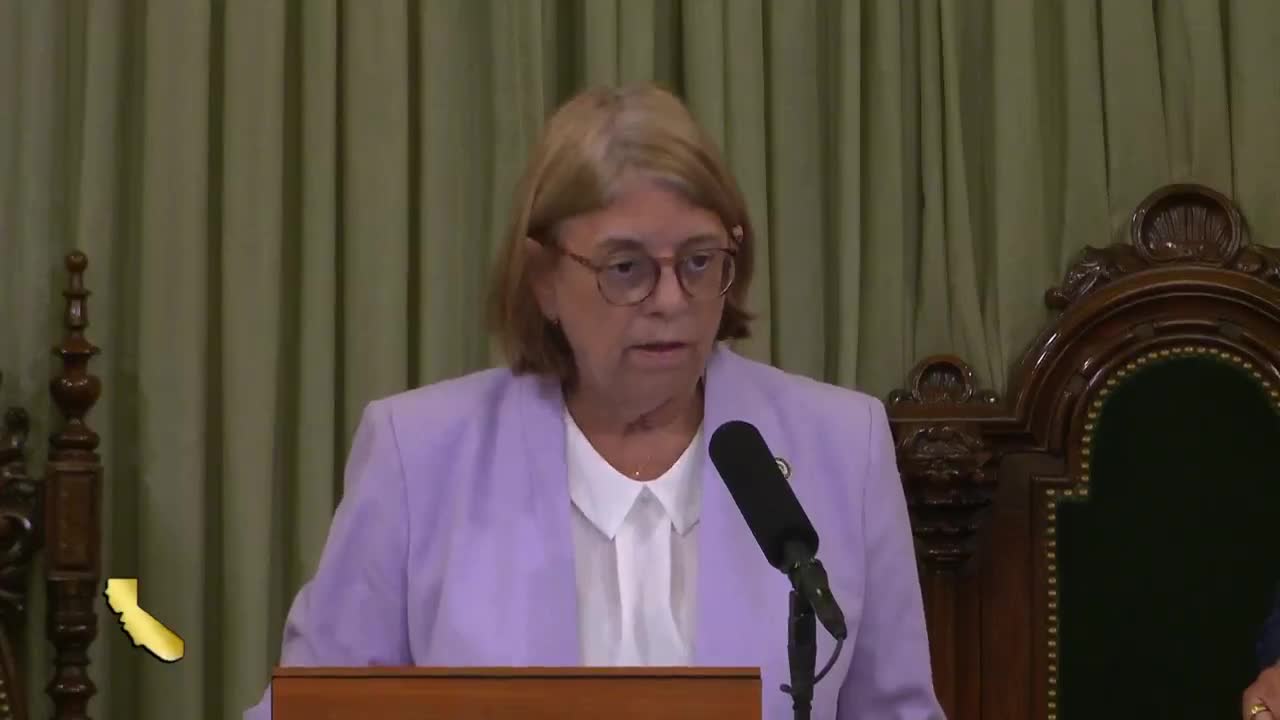 1MIN
Assembly Floor
 5MIN
Assembly Standing Committee on Public Safety
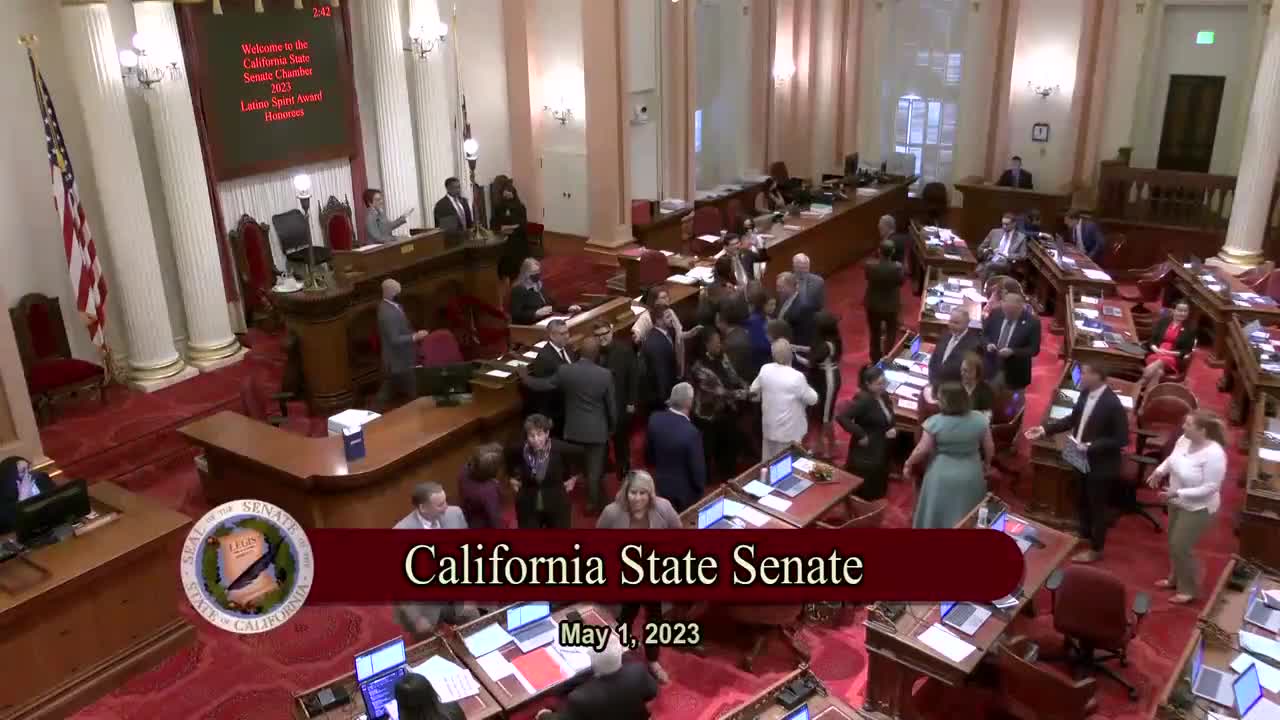 3MIN
Senate Floor
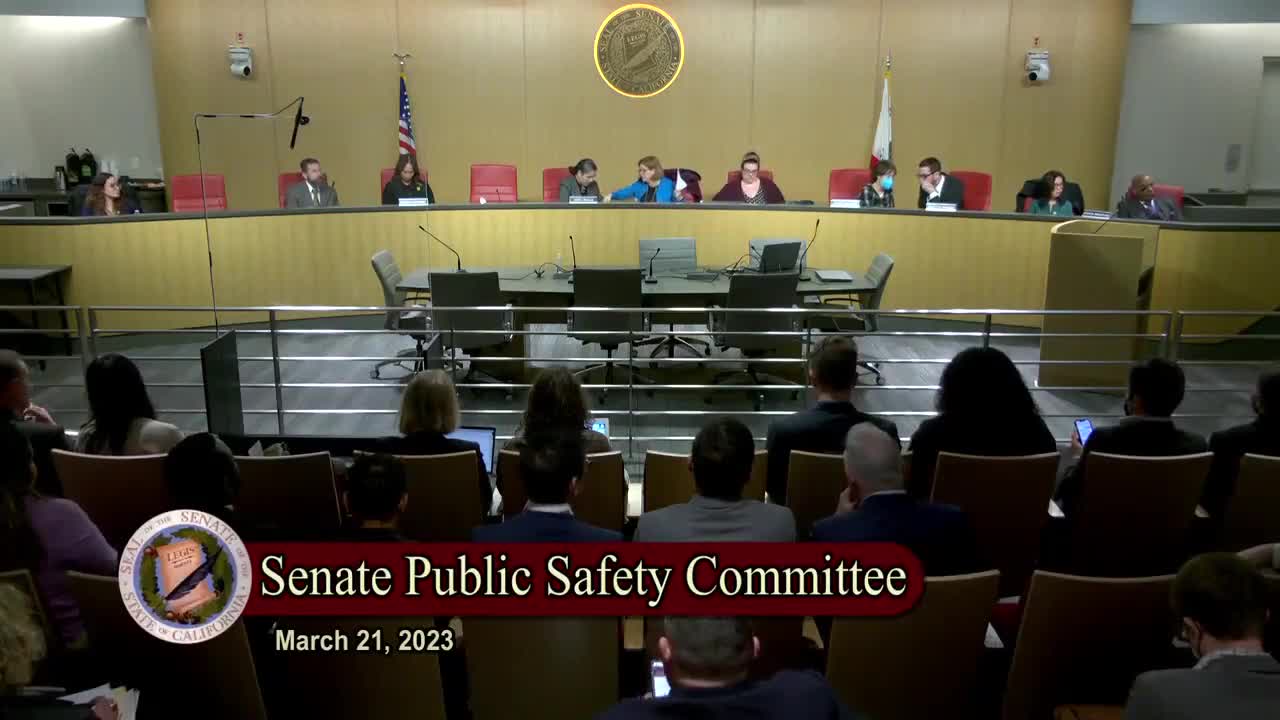 7MIN
Senate Standing Committee on Public Safety
Bill Author
Bill Co-Author(s):