SB 909: Steven M. Thompson Physician Corps Loan Repayment Program.
- Session Year: 2023-2024
- House: Senate
- Latest Version Date: 2024-09-25
Current Status:
Passed
(2024-09-25: Chaptered by Secretary of State. Chapter 594, Statutes of 2024.)
Introduced
In Committee
First Chamber
In Committee
Second Chamber
Enacted
What does this bill do?
The bill shortens the minimum service doctors must commit to the Steven M. Thompson Physician Corps loan repayment program from three years to two years and affects licensed physicians who agree to work in medically underserved areas. It removes the requirement that the state health department create an advisory committee, broadens what counts as an eligible practice setting, allows additional program slots for specialists outside primary care using funds separate from the program account (not subject to the 20% limit), and removes a numeric cap so repayments may equal a participant’s actual education loan balance.
The summary is provided by generative AI which can make mistakes. For original language, please view the details in the table below.
Existing law establishes the Steven M. Thompson Physician Corps Loan Repayment Program (program) in the California Physician Corps Program within the Department of Health Care Access and Information, which provides financial incentives, including repayment of educational loans, to a physician and surgeon who practices for 3 years in a medically underserved area, as defined, and in specified practice settings, as defined. Existing law requires the department to establish an advisory committee, in consultation with the Medical Board of California and specified individuals, to provide ongoing management of the program. Existing law authorizes the department to award up to 20% of the available positions to program applicants from specialties outside of primary care specialties. Existing law establishes the Medically Underserved Account for Physicians (account), a continuously appropriated account, within the Health Professions Education Fund, to primarily provide funding for the ongoing operations of the program. Existing law prohibits loan repayments under the program from exceeding $105,000 per individual licensed physician, and from exceeding the amount of the educational loans incurred by the physician participant.
This bill would remove the requirement for the department to establish an advisory committee and update the definition of the practice setting in which a physician and surgeon may practice. The bill would decrease the service obligation to 2 years in a medically underserved area. The bill would authorize the department to create additional positions, not using funds from the account, for applicants from specialties outside of the primary specialties and that are not subject to the 20% limit. The bill would also remove the maximum limit for loan repayments per individual licensed physician that may be provided to a program participant who has completed 3 consecutive years of providing services as a physician in a medically underserved area. By expanding the authorization amount for the use of moneys in the Medically Underserved Account for Physicians, the bill would make an appropriation.
The bill would also make confirming changes.
Existing law establishes the Steven M. Thompson Physician Corps Loan Repayment Program (program) in the California Physician Corps Program within the Health Professions Education Foundation, Department of Health Care Access and Information, which provides financial incentives, including repayment of educational loans, to a physician and surgeon who practices for 3 years in a medically underserved area, as defined. defined, and in specified practice settings, as defined. Existing law requires the department to establish an advisory committee, in consultation with the Medical Board of California and specified individuals, to provide ongoing management of the program. Existing law authorizes the department to award up to 20% of the available positions to program applicants from specialties outside of primary care specialties. Existing law establishes the Medically Underserved Account for Physicians, Physicians (account), a continuously appropriated account, within the Health Professions Education Fund, to primarily provide funding for the ongoing operations of the program. Existing law prohibits loan repayments under the program from exceeding $105,000 per individual licensed physician, and from exceeding the amount of the educational loans incurred by the physician participant.
This bill would remove the requirement for the department to establish an advisory committee and update the definition of the practice setting in which a physician and surgeon may practice. The bill would decrease the service obligation to 2 years in a medically underserved area. The bill would specify that the department would be authorized to award up to 20% of the positions established with funds from the account to applicants from specialties outside of the primary specialties, as defined. The bill would also authorize the department to create additional positions, not using funds from the account, for applicants from specialties outside of the primary specialties and that are not subject to the 20% limit. The bill would also remove the maximum limit for loan repayments per individual licensed physician that may be provided to a program participant who has completed 3 consecutive years of providing services as a physician in a medically underserved area. By expanding the authorization amount for the use of moneys in the Medically Underserved Account for Physicians, the bill would make an appropriation.
The bill would also make confirming changes.
Existing law establishes the Steven M. Thompson Physician Corps Loan Repayment Program (program) in the California Physician Corps Program within the Health Professions Education Foundation, which provides financial incentives, including repayment of educational loans, to a physician and surgeon who practices in a medically underserved area, as defined. Existing law establishes the Medically Underserved Account for Physicians, a continuously appropriated account, within the Health Professions Education Fund, to primarily provide funding for the ongoing operations of the program. Existing law prohibits loan repayments under the program from exceeding $105,000 per individual licensed physician, and from exceeding the amount of the educational loans incurred by the physician participant.
This bill would remove the maximum limit for loan repayments per individual licensed physician that may be provided to a program participant who has completed 3 consecutive years of providing services as a physician in a medically underserved area. By expanding the authorization amount for the use of moneys in the Medically Underserved Account for Physicians, the bill would make an appropriation.
Existing law establishes various procedures related to the arrest, search, seizure, trial, and sentencing of individuals accused of a crime. This bill would state the intent of the Legislature to enact legislation related to these procedures.Existing law establishes various procedures related to the arrest, search, seizure, trial, and sentencing of individuals accused of a crime.
This bill would state the intent of the Legislature to enact legislation related to these procedures.
It is the intent of this article that the department provide the ongoing program management of the two programs identified in subdivision (b) of Section 128550 as a part of the California Physician Corps Program.
SEC. 2.Section 128552 of the Health and Safety Code is amended to read:128552.For purposes of this article, the following definitions shall apply:
(a)Account means the Medically Underserved Account for Physicians established within the Health Professions Education Fund pursuant to this article.
(b)Fund means the Health Professions Education Fund.
(c)Medi-Cal threshold languages means primary languages spoken by limited-English-proficient (LEP) population groups meeting a numeric threshold of 3,000, eligible LEP Medi-Cal beneficiaries residing in a county, 1,000 Medi-Cal eligible LEP beneficiaries residing in a single ZIP Code, or 1,500 LEP Medi-Cal beneficiaries residing in two contiguous ZIP Codes.
(d)Medically underserved area means an area defined as a health professional shortage area in Part 5 of Subchapter A of Chapter 1 of Title 42 of the Code of Federal Regulations or an area of the state where unmet priority needs for physicians exist as determined by the department.
(e)Medically underserved population means the Medi-Cal program and uninsured populations.
(f)Department means the Department of Health Care Access and Information.
(g)Physician Volunteer Program means the Physician Volunteer Registry Program established by the Medical Board of California.
(h)Practice setting, for the purposes of this article only, means a facility or setting delivering direct patient care, as defined by the department.
(i)Primary specialty means family practice, internal medicine, pediatrics, psychiatry, or obstetrics/gynecology.
(j)Program means the Steven M. Thompson Physician Corps Loan Repayment Program.
SEC. 3.Section 128553 of the Health and Safety Code is amended to read:128553.(a)Program applicants shall possess a current valid license to practice medicine in this state issued pursuant to Section 2050 of the Business and Professions Code or pursuant to the Osteopathic Act.
(b)The department shall develop guidelines using the criteria specified in subdivision (c) for selection and placement of applicants. The department shall interpret the guidelines to apply to both osteopathic and allopathic physicians and surgeons.
(c)The guidelines shall meet all of the following criteria:
(1)Provide priority consideration to applicants that are best suited to meet the cultural and linguistic needs and demands of patients from medically underserved populations and who meet one or more of the following criteria:
(A)Speak a Medi-Cal threshold language.
(B)Come from an economically disadvantaged background.
(C)Have received significant training in cultural and linguistically appropriate service delivery.
(D)Have three years of experience providing health care services to medically underserved populations or in a medically underserved area, as defined in subdivision (e) of Section 128552.
(E)Have recently obtained a license to practice medicine.
(2)Give preference to applicants who have completed a three-year residency in a primary specialty.
(3)Give preference to applicants who agree to practice in a medically underserved area, as defined in subdivision (d) of Section 128552, and who agree to serve a medically underserved population, as defined in subdivision (e) of Section 128552.
(4)Give priority consideration to applicants from rural communities.
(5)Include a factor ensuring geographic distribution of placements.
(6)Provide priority consideration to applicants who agree to practice in a geriatric care setting and are trained in geriatrics, and who can meet the cultural and linguistic needs and demands of a diverse population of older Californians. On and after January 1, 2009, up to 15 percent of the funds collected pursuant to Section 2436.5 of the Business and Professions Code shall be dedicated to loan assistance for physicians and surgeons who agree to practice in geriatric care settings or settings that primarily serve adults over the age of 65 years or adults with disabilities.
(d)(1)The department may award up to 20 percent of the available positions established with funds from the account to program applicants from specialties outside of the primary specialties.
(2)The department may, consistent with this article, create additional positions for program applicants from specialties outside of primary specialties using funds separate from the account, and not subject to paragraph (1).
(e)Program participants shall meet all of the following requirements:
(1)Shall be working in or have a signed agreement with an eligible practice setting, as defined by the department.
(2)Shall have full-time status at the practice setting. Full-time status shall be defined by the department and the department may establish exemptions from this requirement on a case-by-case basis.
(3)Shall commit to a minimum of two years of service in a medically underserved area or a practice setting serving populations in need, as defined by the department. Leaves of absence shall be permitted for serious illness, pregnancy, or other natural causes. The department shall develop the process for determining the maximum permissible length of an absence and the process for reinstatement. Loan repayment shall be deferred until the physician is back to full-time status.
(f)The department shall adopt a process that applies if a physician is unable to complete their service obligation.
(g)The department shall develop a process for outreach to potentially eligible applicants.
(h)The department may adopt any other standards of eligibility, placement, and termination appropriate to achieve the aim of providing competent health care services in approved practice settings.
SEC. 4.Section 128555 of the Health and Safety Code is amended to read:128555.(a)The Medically Underserved Account for Physicians is hereby established within the Health Professions Education Fund. The primary purpose of this account is to provide funding for the ongoing operations of the Steven M. Thompson Physician Corps Loan Repayment Program provided for pursuant to this article. This account also may be used to provide funding for the Physician Volunteer Program provided for under this article.
(b)All moneys in the Medically Underserved Account contained within the Contingent Fund of the Medical Board of California shall be transferred to the Medically Underserved Account for Physicians on July 1, 2006.
(c)Funds in the account shall be used to repay loans as follows per agreements made with physicians:
(1)Funds paid out for loan repayment may have a funding match from foundations or other private sources.
(2)Loan repayments may not exceed the amount of the educational loans incurred by the physician participant.
(d)Notwithstanding Section 11105 of the Government Code, effective January 1, 2006, the department may seek and receive matching funds from foundations and private sources to be placed in the account. Matching funds shall not be construed to be limited to a dollar-for-dollar match of funds.
(e)Funds placed in the account for purposes of this article, including funds received pursuant to subdivision (d), are, notwithstanding Section 13340 of the Government Code, continuously appropriated for the repayment of loans. This subdivision shall not apply to funds placed in the account pursuant to Section 1341.45 and Section 14197.2 of the Welfare and Institutions Code.
(f)The account shall also be used to pay for the cost of administering the program and for any other purpose authorized by this article. The costs for administration of the program may be up to 5 percent of the total state appropriation for the program and shall be subject to review and approval annually through the state budget process. This limitation shall only apply to the state appropriation for the program.
(g)The department shall manage the account established by this section prudently in accordance with the other provisions of law.
(a)It is the intent of this article that the department provide the ongoing program management of the two programs identified in subdivision (b) of Section 128550 as a part of the California Physician Corps Program.
(b) For purposes of subdivision (a), the department shall consult with the Medical Board of California and shall establish and consult with an advisory committee of not more than seven members, that shall include two members recommended by the California Medical Association and may include other members of the medical community, including ethnic representatives, medical schools, health advocates representing ethnic communities, primary care clinics, public hospitals, and health systems, statewide agencies administering state and federally funded programs targeting underserved communities, and members of the public with expertise in health care issues.SEC. 2.Section 128552 of the Health and Safety Code is amended to read:128552.For purposes of this article, the following definitions shall apply:
(a)Account means the Medically Underserved Account for Physicians established within the Health Professions Education Fund pursuant to this article.
(b)Fund means the Health Professions Education Fund.
(c)Medi-Cal threshold languages means primary languages spoken by limited-English-proficient (LEP) population groups meeting a numeric threshold of 3,000, eligible LEP Medi-Cal beneficiaries residing in a county, 1,000 Medi-Cal eligible LEP beneficiaries residing in a single ZIP Code, or 1,500 LEP Medi-Cal beneficiaries residing in two contiguous ZIP Codes.
(d)Medically underserved area means an area defined as a health professional shortage area in Part 5 of Subchapter A of Chapter 1 of Title 42 of the Code of Federal Regulations or an area of the state where unmet priority needs for physicians exist as determined by the department.
(e)Medically underserved population means the Medi-Cal program and uninsured populations.
(f)Department means the Department of Health Care Access and Information.
(g)Physician Volunteer Program means the Physician Volunteer Registry Program established by the Medical Board of California.
(h)Practice setting, for the purposes of this article only, means either of the following: means a facility or setting delivering direct patient care, as defined by the department.
(1)A community clinic as defined in subdivision (a) of Section 1204 and subdivision (c) of Section 1206, a clinic owned or operated by a public hospital and health system, or a clinic owned and operated by a hospital that maintains the primary contract with a county government to fulfill the countys role pursuant to Section 17000 of the Welfare and Institutions Code, which is located in a medically underserved area and at least 50 percent of whose patients are from a medically underserved population.(2)A physician owned and operated medical practice setting that provides primary care located in a medically underserved area and has a minimum of 50 percent of patients who are uninsured, Medi-Cal beneficiaries, or beneficiaries of another publicly funded program that serves patients who earn less than 250 percent of the federal poverty level.(i)Primary specialty means family practice, internal medicine, pediatrics, psychiatry, or obstetrics/gynecology.
(j)Program means the Steven M. Thompson Physician Corps Loan Repayment Program.
(k)Selection committee means a minimum three-member committee of the board, that includes a member that was appointed by the Medical Board of California.SEC. 3.Section 128553 of the Health and Safety Code is amended to read:128553.(a)Program applicants shall possess a current valid license to practice medicine in this state issued pursuant to Section 2050 of the Business and Professions Code or pursuant to the Osteopathic Act.
(b)The department shall develop guidelines using the criteria specified in subdivision (c) for selection and placement of applicants. The department shall interpret the guidelines to apply to both osteopathic and allopathic physicians and surgeons.
(c)The guidelines shall meet all of the following criteria:
(1)Provide priority consideration to applicants that are best suited to meet the cultural and linguistic needs and demands of patients from medically underserved populations and who meet one or more of the following criteria:
(A)Speak a Medi-Cal threshold language.
(B)Come from an economically disadvantaged background.
(C)Have received significant training in cultural and linguistically appropriate service delivery.
(D)Have three years of experience providing health care services to medically underserved populations or in a medically underserved area, as defined in subdivision (e) of Section 128552.
(E)Have recently obtained a license to practice medicine.
(2)Include a process for determining the needs for physician services identified by the practice setting and for ensuring that the practice setting meets the definition specified in subdivision (h) of Section 128552.(3)(2)Give preference to applicants who have completed a three-year residency in a primary specialty.
(4)(3)Give preference to applicants who agree to practice in a medically underserved area, as defined in subdivision (e) (d) of Section 128552, and who agree to serve a medically underserved population. population, as defined in subdivision (e) of Section 128552.
(5)(4)Give priority consideration to applicants from rural communities who agree to practice in a physician owned and operated medical practice setting as defined in paragraph (2) of subdivision (i) of Section 128552. communities.
(6)(5)Include a factor ensuring geographic distribution of placements.
(7)(6)Provide priority consideration to applicants who agree to practice in a geriatric care setting and are trained in geriatrics, and who can meet the cultural and linguistic needs and demands of a diverse population of older Californians. On and after January 1, 2009, up to 15 percent of the funds collected pursuant to Section 2436.5 of the Business and Professions Code shall be dedicated to loan assistance for physicians and surgeons who agree to practice in geriatric care settings or settings that primarily serve adults over the age of 65 years or adults with disabilities.
(d)(1)The department may appoint a selection committee that provides policy direction and guidance over the program and that complies with the requirements of subdivision (l) of Section 128552.(2)(d)(1)The department may award up to 20 percent of the available positions established with funds from the account to program applicants from specialties outside of the primary care specialties.
(2)The department may, consistent with this article, create additional positions for program applicants from specialties outside of primary specialties using funds separate from the account, and not subject to paragraph (1).
(e)Program participants shall meet all of the following requirements:
(1)Shall be working in or have a signed agreement with an eligible practice setting. setting, as defined by the department.
(2)Shall have full-time status at the practice setting. Full-time status shall be defined by the department and the department may establish exemptions from this requirement on a case-by-case basis.
(3)Shall commit to a minimum of three two years of service in a medically underserved area. area or a practice setting serving populations in need, as defined by the department. Leaves of absence shall be permitted for serious illness, pregnancy, or other natural causes. The department shall develop the process for determining the maximum permissible length of an absence and the process for reinstatement. Loan repayment shall be deferred until the physician is back to full-time status.
(f)The department shall adopt a process that applies if a physician is unable to complete their three-year service obligation.
(g)The department, in consultation with those identified in subdivision (b) of Section 128551, department shall develop a process for outreach to potentially eligible applicants.
(h)The department may adopt any other standards of eligibility, placement, and termination appropriate to achieve the aim of providing competent health care services in approved practice settings.
SECTION 1.SEC. 4.Section 128555 of the Health and Safety Code is amended to read:128555.(a)The Medically Underserved Account for Physicians is hereby established within the Health Professions Education Fund. The primary purpose of this account is to provide funding for the ongoing operations of the Steven M. Thompson Physician Corps Loan Repayment Program provided for pursuant to this article. This account also may be used to provide funding for the Physician Volunteer Program provided for under this article.
(b)All moneys in the Medically Underserved Account contained within the Contingent Fund of the Medical Board of California shall be transferred to the Medically Underserved Account for Physicians on July 1, 2006.
(c)Funds in the account shall be used to repay loans as follows per agreements made with physicians:
(1)Funds paid out for loan repayment may have a funding match from foundations or other private sources.
(2)Loan repayments may not exceed the amount of the educational loans incurred by the physician participant.
(d)Notwithstanding Section 11105 of the Government Code, effective January 1, 2006, the department may seek and receive matching funds from foundations and private sources to be placed in the account. Matching funds shall not be construed to be limited to a dollar-for-dollar match of funds.
(e)Funds placed in the account for purposes of this article, including funds received pursuant to subdivision (d), are, notwithstanding Section 13340 of the Government Code, continuously appropriated for the repayment of loans. This subdivision shall not apply to funds placed in the account pursuant to Section 1341.45 and Section 14197.2 of the Welfare and Institutions Code.
(f)The account shall also be used to pay for the cost of administering the program and for any other purpose authorized by this article. The costs for administration of the program may be up to 5 percent of the total state appropriation for the program and shall be subject to review and approval annually through the state budget process. This limitation shall only apply to the state appropriation for the program.
(g)The department shall manage the account established by this section prudently in accordance with the other provisions of law.
(a)The Medically Underserved Account for Physicians is hereby established within the Health Professions Education Fund. The primary purpose of this account is to provide funding for the ongoing operations of the Steven M. Thompson Physician Corps Loan Repayment Program provided for under pursuant to this article. This account also may be used to provide funding for the Physician Volunteer Program provided for under this article.
(b)All moneys in the Medically Underserved Account contained within the Contingent Fund of the Medical Board of California shall be transferred to the Medically Underserved Account for Physicians on July 1, 2006.
(c)Funds in the account shall be used to repay loans as follows per agreements made with physicians:
(1)Funds paid out for loan repayment may have a funding match from foundations or other private sources.
(2)Loan repayments may not exceed the amount of the educational loans incurred by the physician participant.
(d)Notwithstanding Section 11105 of the Government Code, effective January 1, 2006, the department may seek and receive matching funds from foundations and private sources to be placed in the account. Matching funds shall not be construed to be limited to a dollar-for-dollar match of funds.
(e)Funds placed in the account for purposes of this article, including funds received pursuant to subdivision (d), are, notwithstanding Section 13340 of the Government Code, continuously appropriated for the repayment of loans. This subdivision shall not apply to funds placed in the account pursuant to Section 1341.45 and Section 14197.2 of the Welfare and Institutions Code.
(f)The account shall also be used to pay for the cost of administering the program and for any other purpose authorized by this article. The costs for administration of the program may be up to 5 percent of the total state appropriation for the program and shall be subject to review and approval annually through the state budget process. This limitation shall only apply to the state appropriation for the program.
(g)The department shall manage the account established by this section prudently in accordance with the other provisions of law.
(a)The Medically Underserved Account for Physicians is hereby established within the Health Professions Education Fund. The primary purpose of this account is to provide funding for the ongoing operations of the Steven M. Thompson Physician Corps Loan Repayment Program provided for under this article. This account also may be used to provide funding for the Physician Volunteer Program provided for under this article.
(b)All moneys in the Medically Underserved Account contained within the Contingent Fund of the Medical Board of California shall be transferred to the Medically Underserved Account for Physicians on July 1, 2006.
(c)Funds in the account shall be used to repay loans as follows per agreements made with physicians:
(1)Funds paid out for loan repayment may have a funding match from foundations or other private sources.
(2)Loan repayments may not exceed one hundred five thousand dollars ($105,000) per individual licensed physician.(3)(2)Loan repayments may not exceed the amount of the educational loans incurred by the physician participant.
(d)Notwithstanding Section 11105 of the Government Code, effective January 1, 2006, the department may seek and receive matching funds from foundations and private sources to be placed in the account. Matching funds shall not be construed to be limited to a dollar-for-dollar match of funds.
(e)Funds placed in the account for purposes of this article, including funds received pursuant to subdivision (d), are, notwithstanding Section 13340 of the Government Code, continuously appropriated for the repayment of loans. This subdivision shall not apply to funds placed in the account pursuant to Section 1341.45 and Section 14197.2 of the Welfare and Institutions Code.
(f)The account shall also be used to pay for the cost of administering the program and for any other purpose authorized by this article. The costs for administration of the program may be up to 5 percent of the total state appropriation for the program and shall be subject to review and approval annually through the state budget process. This limitation shall only apply to the state appropriation for the program.
(g)The department shall manage the account established by this section prudently in accordance with the other provisions of law.
SECTION 1.It is the intent of the Legislature to enact legislation related to criminal procedure.It is the intent of the Legislature to enact legislation related to criminal procedure.
|
Date
|
Status
|
|---|---|
| Sep 25, 2024 | Chaptered by Secretary of State. Chapter 594, Statutes of 2024. |
| Sep 25, 2024 | Approved by the Governor. |
| Sep 4, 2024 | Enrolled and presented to the Governor at 4 p.m. |
| Aug 28, 2024 | Assembly amendments concurred in. (Ayes 39. Noes 0. Page 5611.) Ordered to engrossing and enrolling. |
| Aug 27, 2024 | Ordered to special consent calendar. |
| Aug 20, 2024 | In Senate. Concurrence in Assembly amendments pending. |
| Aug 19, 2024 | Read third time. Passed. (Ayes 74. Noes 0. Page 6382.) Ordered to the Senate. |
| Jul 3, 2024 | Read second time. Ordered to third reading. |
| Jul 2, 2024 | From committee: Do pass. (Ayes 15. Noes 0.) (July 2). |
| Jun 19, 2024 | From committee: Do pass and re-refer to Com. on APPR. (Ayes 16. Noes 0.) (June 18). Re-referred to Com. on APPR. |
| Jun 10, 2024 | From committee with author's amendments. Read second time and amended. Re-referred to Com. on HEALTH. |
| May 28, 2024 | Referred to Com. on HEALTH. |
| May 23, 2024 | In Assembly. Read first time. Held at Desk. |
| May 22, 2024 | Read third time. Passed. (Ayes 39. Noes 0. Page 4135.) Ordered to the Assembly. |
| May 20, 2024 | Read second time. Ordered to third reading. |
| May 16, 2024 | Read second time and amended. Ordered to second reading. |
| May 16, 2024 | From committee: Do pass as amended. (Ayes 7. Noes 0. Page 3963.) (May 16). |
| May 10, 2024 | Set for hearing May 16. |
| Apr 15, 2024 | April 15 hearing: Placed on APPR suspense file. |
| Apr 5, 2024 | Set for hearing April 15. |
| Apr 4, 2024 | From committee: Do pass and re-refer to Com. on APPR. (Ayes 10. Noes 0. Page 3468.) (April 3). Re-referred to Com. on APPR. |
| Mar 20, 2024 | Set for hearing April 3. |
| Mar 6, 2024 | Re-referred to Com. on HEALTH. |
| Feb 26, 2024 | From committee with author's amendments. Read second time and amended. Re-referred to Com. on RLS. |
| Feb 14, 2024 | Referred to Com. on RLS. |
| Jan 9, 2024 | From printer. May be acted upon on or after February 8. |
| Jan 8, 2024 | Introduced. Read first time. To Com. on RLS. for assignment. To print. |
|
Date
|
Description
|
Location
|
Votes
|
|
|---|---|---|---|---|
| Aug 28, 2024 | Special Consent SB909 Umberg et al. | Senate Floor |
Passed |
|
| Aug 19, 2024 | SB 909 Umberg Senate Third Reading By Weber | Assembly Floor |
Passed |
|
| Jul 2, 2024 | Do pass. | Assembly Standing Committee on Appropriations |
Passed |
|
| Jun 18, 2024 | Do pass and be re-referred to the Committee on [Appropriations] | Assembly Standing Committee on Health |
Passed |
|
| May 22, 2024 | Senate 3rd Reading SB909 Umberg et al. | Senate Floor |
Passed |
|
| May 16, 2024 | Do pass as amended | Senate Standing Committee on Appropriations |
Passed |
|
| Apr 15, 2024 | Placed on suspense file | Senate Standing Committee on Appropriations |
Passed |
|
| Apr 3, 2024 | Do pass, but first be re-referred to the Committee on [Appropriations] | Senate Standing Committee on Health |
Passed |
This list shows positions taken on this bill by organizations on the date displayed, which is linked to the original source.
Positions by individuals are not included.
|
Organization
|
Position
|
Date
|
|---|---|---|
| Aclu California Action | * Against Unless Amend | Jun 18, 2024 |
| Association of Independent California Colleges and Universities | * Support | Jun 18, 2024 |
| California chapter of the American College of Cardiology | ** Support | |
| California Chapter of the American College of Emergency Physicians | ** Support | |
| California Medical Association | * Support | Jun 19, 2024 |
| California Rheumatology Alliance | ** Support | |
| California Society Of Plastic Surgeons | ** Support | |
| California State University Sacramento | * Support | Jun 18, 2024 |
| California Youth Empowerment Network | * Against Unless Amend | Jun 18, 2024 |
| Children's Bureau of Southern California | ** Support | |
| City of Bakersfield | ** Support | |
| CPCA Advocates | ** Support | |
| Ella Baker Center For Human Rights | ** Support | |
| Marriage and Family Therapy Department | * Support | Jun 18, 2024 |
| Prosecutors Alliance of California | ** Support | |
| Smart Justice California | ** Support | |
| Uncommon Law | ** Support |
SENATE RULES COMMITTEE Office of Senate Floor Analyses (916) 651-1520 Fax: (916) 327-4478 | SB 909 |
UNFINISHED BUSINESS
Bill No: SB 909
Author: Umberg (D), et al.
Amended: 6/10/24
Vote: 27
SENATE HEALTH COMMITTEE: 10-0, 4/3/24
AYES: Roth, Nguyen, Gonzalez, Grove, Hurtado, Limón, Menjivar, Rubio, Smallwood-Cuevas, Wiener
NO VOTE RECORDED: Glazer
SENATE APPROPRIATIONS COMMITTEE: 7-0, 5/16/24
AYES: Caballero, Jones, Ashby, Becker, Bradford, Seyarto, Wahab
SENATE FLOOR: 39-0, 5/22/24
AYES: Alvarado-Gil, Archuleta, Ashby, Atkins, Becker, Blakespear, Bradford, Caballero, Cortese, Dahle, Dodd, Durazo, Eggman, Glazer, Gonzalez, Grove, Hurtado, Jones, Laird, Limón, McGuire, Menjivar, Min, Newman, Nguyen, Niello, Ochoa Bogh, Padilla, Portantino, Roth, Rubio, Seyarto, Skinner, Smallwood-Cuevas, Stern, Umberg, Wahab, Wiener, Wilk
NO VOTE RECORDED: Allen
ASSEMBLY FLOOR: 73-0, 8/19/24 - See last page for vote
SUBJECT: Steven M. Thompson Physician Corps Loan Repayment Program
SOURCE: Author
DIGEST:
Makes changes to the parameters of the Steven M. Thompson Physician Corps Loan Repayment Program (STLRP).
Assembly Amendments
remove the requirement for Department of Health Care Access and Information (HCAI) to establish and consult with an advisory committee for the purposes of the STLRP. Revises the definition of practice settings in which a physician can practice in order to qualify for STLRP to those that are determined by HCAI. Decreases the service obligation for STLRP to two years in a medically underserved area (MUA). Authorizes HCAI to award up to 20% of the funds established with the Medically Underserved Account for Physician (Account) for applicants from specialties outside of primary specialties, and authorizes HCAI to create additional positions, not using funds from the Account. Make other technical, clarifying changes.
ANALYSIS:
Existing law:
- Establishes HCAI, and requires it to administer multiple workforce development activities. Establishes the STLRP under HCAI, which provides for the repayment of educational loans for physicians who practice in MUAs of the state, as defined. [Health and Safety Code (HSC) §127000, et seq., §128550, et seq.]
- Requires HCAI to consult with the Medical Board of California and establish and consult with an advisory committee of up to seven members, including two members recommended by the California Medical Association. Permits the advisory committee to include other members of the medical community, including ethnic representatives, medical schools, health advocates representing ethnic communities, primary care clinics, public hospitals, and health systems, statewide agencies administering state and federally funded programs targeting underserved communities, and members of the public with expertise in health care issues. [HSC §128551(b)]
- Requires HCAI to develop guidelines for the selection and placement of STLRP applicants, with priority consideration given to applicants best suited to meet the cultural and linguistic needs of patients by meeting such criteria as speaking a Medi-Cal threshold language, being from an economically disadvantaged background, having significant training in culturally and linguistically appropriate service delivery, having completed a three-year residency in a primary specialty, and agreeing to practice in a medically underserved area. [HSC §128553]
- Authorizes HCAI to award up to 20% of available positions to program applicants from specialties outside of primary care specialties.
- Establishes the Account within Health Professions Education Foundation (HPEF), with the primary purpose of providing funding for the ongoing operations of STLRP. Prohibits loan repayments under the program from exceeding $105,000 per licensed physician and from exceeding the amount of the educational loans incurred by the recipient. [HSC §128555]
This bill:
- Removes the requirement for HCAI to establish and consult with an advisory committee for the purposes of the STLRP.
- Revises the definition of the practice settings in which a physician can practice in order to qualify for STLRP to only include those that are determined by HCAI.
- Decreases the service obligation for purposes of STLRP from three years to two years in a MUA.
- Authorizes HCAI to award up to 20% of the funds established with the Account for applicants from specialties outside of primary specialties, and authorizes HCAI to create additional positions, not using Account funds.
- Deletes the $105,000 cap on loan repayments made under the STLRP.
Comments
- Author’s statement. According to the author, California’s Health and Human Services Agency (CHHS) designates 172 regions in the state as MUAs, and roughly, 11 million Californians live in areas with shortages of primary health care providers. To combat this, the STLRP provides physicians with up to $105,000 in loan debt forgiveness in exchange for three consecutive years of service in MUAs. Unfortunately, this limit of $105,000—established in 2002—is too low to account for medical student debt trends. According the Association of American Medical Colleges, the average medical student’s debt rose over $150,000 in the past 20 years. Accordingly, the financial incentive that may have worked when the program first started has less force today. By removing this limit, this bill enables participating physicians to be eligible for a repayment that better reflects modern debt averages. Doing so bolsters the incentives offered by STLRP, improving quality health care access in the communities that need it the most.
- California physicians. According to a March 2021 California Health Care Foundation (CHCF) publication “California Physicians: A Portrait of Practice,” although the number of active physicians increased by 21% between 2006 and 2018 (and exceeded the 10% population growth), many areas in California face substantial shortages of primary care providers (PCPs) and specialists. Based on data collected by the Association of American Medical Colleges (AAMC) in 2018 and the Medical Board of California (MBC) in 2020, California’s supply of primary care physicians and specialists met the minimum per capita ratios recommended by the Council on Graduate Medical Education. According to MBC data, the supply of PCPs just barely met the minimum recommended supply (60 per 100,000 population; recommended PCP supply is 60 to 80 per 100,000 population). Physician supply varied by region: out of nine regions, five fell short of the recommended supply of PCPs, and two were below the recommended supply of specialists. PCPs were concentrated in urban counties along the coast. The Inland Empire and San Joaquin Valley regions had the lowest ratios of both PCPs and specialists of all regions in the state. However, the supply of physicians does not adequately reflect their availability to provide care. Less than half of California’s physicians provided patient care 40 or more hours per week, and 8% of active license physicians did not provide patient care at all. According to the CHCF report, older physicians work fewer hours per week and dedicate less time to providing patient care. This is important to note, as 34% of California’s physicians are over 60 years old. Over 70% of medical school graduates had education debt in 2019. A higher proportion of public medical school graduates had debt than private graduates. However, the median educational debt for private medical school graduates ($215,000) was higher than for public graduates ($200,000).
- STLRP. STLRP was established in 2003 to increase access to health care and promote the retention of primary care physicians in California MUAs. STLRP is funded through a $25 surcharge on physician licenses. Eligible applicants can receive loan repayments of up to $105,000 in exchange for a 36-month service obligation providing direct outpatient care in a “qualified facility” (largely clinics, substance use facilities, government-operated facilities, Native American health centers, children’s hospitals, and other federally designated Health Professional Shortage Area facilities). To be eligible for an STLRP award, each applicant must be currently licensed and practicing one of the following disciplines: family medicine, general internal medicine, general pediatrics, emergency medicine, gerontology, obstetrics/gynecology, psychiatry, or surgery; and, must:
- Possess a valid and unrestricted MD or DO license to practice in California;
- Be in good standing with the MBC or the Osteopathic Medical Board of California;
- Not have any other existing service obligations with other entities, including other HCAI programs;
- Not be in breach of any other health professional service obligation;
- Have completed a three-year residency;
- Have unpaid educational loans;
- Commit to providing a three-year full-time (40 hours/week) service obligation in a MUA or qualifying facility in California;
- Provide 32 hours or more per week of direct patient care (exception: obstetricians must be providing at least 21 hours of direct patient care); and,
- Be practicing outpatient care (patients must not be admitted to the hospital).
- STLRP awards. According to HCAI, since the program’s inception in 2003, STLRP has received 2,940 applications, awarded more than $101 million to 1,195 recipients providing direct patient care, and monitored awardees’ compliance with the three-year service obligation in a qualifying practice setting. Approximately 80% of all recipients are primary care providers. The following table is based on the most recent information available from HCAI:
Application Cycles – FY 2021-22, FY 2022-23, and FY 2023-24
Fiscal Year | Applicants | Awards | Dollars Awarded | Award Start Date |
2021-22 | 80 | 68 | $6,334,794.00 | 3/31/2022 |
2022-23 | 105 | 88 | $8,867,479.61 | 3/31/2023 |
2023-24 | 70 | 25 | $2,292,554.00 | 10/31/2023 |
TOTAL | 255 | 181 | $17,494,827.61 |
Application Cycle Results – FY 2021-22, FY 2022-23, and FY 2023-24
Fiscal Year | Applicants | # of Counties | Total Applicant Educational Debt | Awards | Eligible but Not Awarded | Not Eligible |
2021-22 | 80 | 23 | $18,332,266 | 68 | 0 | 12 |
2022-23 | 105 | 28 | $23,482,407 | 88 | 7 | 10 |
2023-24 | 70 | 11 | $14,594,118 | 25 | 31 | 14 |
TOTAL | 255 | 62 | $56,408,791 | 181 | 38 | 36 |
Specialty Certifications Awarded – FY 2021-22, FY 2022-23, and FY 2023-24
American Board of Medical Specialties Certifications | 2021-22 Recipients | 2022-23 Recipients | 2023-24 Recipients | TOTAL |
Family Physician | 24 | 36 | 12 | 72 |
Gerontologist | 1 | 1 | ||
Internist | 9 | 10 | 2 | 21 |
OB/GYN | 6 | 10 | 3 | 19 |
Pediatrician | 8 | 11 | 5 | 24 |
Psychiatrist | 3 | 10 | 13 | |
Emergency Med & Other Specialties | 18 | 11 | 2 | 31 |
TOTAL | 68 | 88 | 25 | 181 |
- Recent action to give HCAI more flexibility in awarding payments. AB 133 (Committee on Budget, Chapter 143, Statutes of 2021) deleted provisions of law (other than that contained in this bill) which tiered loan repayment (one year for up-to $25k, two years for an additional up-to $35k, three years for an additional up-to $45k) for a total of up-to $105k in funds for each recipient. Instead, HCAI is required to determine terms of STLRP loan repayment. According to HCAI, this change was made in order to give them maximum flexibility to adjust award payments, if needed, and align with other HCAI loan repayment programs. Based on the past three award cycles, 77% of applicants awarded received the maximum award amount of $105k. The remaining 23% had educational debt that was lower than the $105k maximum and received lower award amounts. HCAI awards the maximum to most awardees so long as they demonstrate that they have educational debt at or above that amount. According to HCAI, most awardees demonstrate debt amounts above the maximum award level.
FISCAL EFFECT: Appropriation: Yes Fiscal Com.: Yes Local: No
According to the Assembly Appropriations Committee, minor and absorbable costs to HCAI.
SUPPORT: (Verified 8/19/24)
California Chapter of the American College of Cardiology
California Chapter of the American College of Emergency Physicians
California Rheumatology Alliance
California Society of Plastic Surgeons
Children’s Bureau of Southern California
City of Bakersfield
CPCA Advocates
Ella Baker Center for Human Rights
Prosecutors Alliance of California
Smart Justice California
UnCommon Law
OPPOSITION: (Verified 8/19/24)
None received
ARGUMENTS IN SUPPORT: The California Chapter of the American College of Emergency Physicians writes that current health care delivery crisis in California requires multiple solutions, including those that address our physician workforce shortage. The STLRP is a valuable tool in helping to recruit providers to the areas they are needed most, and by raising the current repayment cap; this bill helps incentivize physicians to provide care in underserved areas. Smart Justice California writes that medical school debt averages have increased substantially since the program’s inception. While the $105,000 limit may have sufficed with respect to contemporary debt averages (e.g., graduates in 1998 owing ~$85,200 on average), it fails to withstand modern increases to tuition, the cost of living, and other inflation-sensitive expenditures. Recent medical school graduates—faced with $239,700 in debt on average—may opt for more fiscally advantageous employment opportunities over participation in STLRP. This bill revitalizes the STLRP by removing the maximum payment limit, so that it may once again provide meaningful support to doctors practicing in underserved communities.
ASSEMBLY FLOOR: 73-0, 8/19/24
AYES: Addis, Aguiar-Curry, Alanis, Alvarez, Arambula, Bains, Bauer-Kahan, Bennett, Berman, Boerner, Bonta, Bryan, Calderon, Juan Carrillo, Wendy Carrillo, Cervantes, Chen, Connolly, Megan Dahle, Davies, Dixon, Flora, Mike Fong, Friedman, Gabriel, Gallagher, Garcia, Gipson, Grayson, Haney, Hart, Holden, Hoover, Irwin, Jackson, Jones-Sawyer, Kalra, Lackey, Lee, Low, Lowenthal, Maienschein, Mathis, McCarty, McKinnor, Muratsuchi, Stephanie Nguyen, Pacheco, Jim Patterson, Joe Patterson, Pellerin, Petrie-Norris, Quirk-Silva, Ramos, Luz Rivas, Rodriguez, Blanca Rubio, Sanchez, Schiavo, Soria, Ta, Ting, Valencia, Villapudua, Waldron, Wallis, Ward, Weber, Wicks, Wilson, Wood, Zbur, Robert Rivas
NO VOTE RECORDED: Essayli, Ortega, Papan, Rendon, Reyes, Santiago
Prepared by: Melanie Moreno / HEALTH / (916) 651-4111
8/20/24 16:11:18
**** END ****
SENATE THIRD READING
STR Bill Id:SB 909
Author:(Umberg)
As Amended Ver:June 10, 2024
2/3 vote
SUMMARY
Makes changes to the parameters of the Steven M. Thompson Physician Corps Loan Repayment Program (STLRP) including: Removing the requirement for the Department of Health Care Access and Information (HCAI) to establish an advisory committee for the STLRP and updating the definition of the practice setting in which a physician can practice. Decreases the service obligation to two years in a medically underserved area (MUA). Authorizes HCAI to award up to 20% of the funds established with the Medically Underserved Account for Physician (Account) for applicants from specialties outside of the primary specialties, and authorizes HCAI to create additional positions, not using funds from the account. Removes the maximum limit for loan repayments per individual physician who has completed three consecutive years of services in an MUA.
Major Provisions
COMMENTS
- California physicians. According to a March 2021 California Health Care Foundation (CHCF) report "California Physicians: A Portrait of Practice," although the number of active physicians increased by 21% between 2006 and 2018, and exceeded the 10% population growth, many areas in California face substantial shortages of primary care providers and specialists. Key findings of the CHCF report include:
- The supply of licensed physicians does not adequately reflect their availability to provide care. Less than half of California's physicians provided patient care 40 or more hours per week;
- Physician supply varied by region. Out of nine regions in the state, only four regions (Greater Bay Area, Orange County, Sacramento Area, San Diego Area) had the recommended supply of primary care physicians (PCPs). The Inland Empire and San Joaquin Valley had the lowest supply of PCPs and specialists;
- Over one-third of California's physicians were over 60. Physicians over 50 work fewer hours per week on patient care than their younger counterparts;
- The Latinx population is underrepresented among physicians. Latinx represented 39% of California's population, but only 6% of the state's physicians and 8% of the state's medical school graduates;
- Physicians were less likely to accept uninsured patients than patients with any type of insurance, including Medi-Cal; and,
- California ranked first in the nation in the percentages of both medical students and residents who remain in the state to practice.
- STLRP. STLRP was established in 2003 to increase access to health care and promote the retention of primary care physicians in California MUAs. STLRP is funded through a $25 surcharge on physician licenses. Eligible applicants may receive loan repayments of up to $105,000 in exchange for a 36-month service obligation providing direct outpatient care in a "qualified facility" (largely clinics, substance use facilities, government-operated facilities, Native American health centers, children's hospitals, and other federally designated Health Professional Shortage Area facilities). To be eligible for an STLRP award, each applicant must be currently licensed and practicing one of the following disciplines: family medicine, general internal medicine, general pediatrics, emergency medicine, gerontology, obstetrics/gynecology, psychiatry, or surgery; and, must:
- Possess a valid and unrestricted Doctor of Medicine or Doctor of Osteopathic Medicine license to practice in California;
- Be in good standing with the Medical Board of California or the Osteopathic Medical Board of California;
- Not have any other existing service obligations with other entities, including other HCAI programs;
- Not be in breach of any other health professional service obligation;
- Have completed a three-year residency;
- Have unpaid educational loans;
- Commit to providing a three-year full-time (40 hours/week) service obligation in a MUA or qualifying facility in California;
- Provide 32 hours or more per week of direct patient care (exception: obstetricians must be providing at least 21 hours of direct patient care); and,
- Be practicing outpatient care (patients must not be admitted to the hospital).
- STLRP awards. According to HCAI, since the program's inception in 2003, STLRP has received 2,940 applications, awarded more than $101 million to 1,195 recipients providing direct patient care, and monitored awardees' compliance with the three-year service obligation in a qualifying practice setting. Approximately 80% of all recipients are PCPs.
- Psychiatric Education Capacity Expansion (PECE). HCAI also administers the PECE Grant Programs. These workforce programs promote the expansion of postsecondary education and training to meet behavioral health workforce needs. For 2023-24, up to $37.5 million will be available for the PECE program. HCAI is offering a one-time grant opportunity with no implied or expressed guarantee of subsequent funding after the initial contract award resulting from the application. Awardees must use the funding to create new and expanded Psychiatry Residency Programs, or enhance the capacity of Psychiatric Mental Health Nurse Practitioner training programs to meet mental health occupation shortage needs.
- Revisions to STLRP. This bill makes several significant revisions to STLRP, including adding psychiatry to the list of primary specialties. This will allow HCAI to support the increase of newly trained psychiatrists created through HCAIs' psychiatry education expansion programs. The STLRP Account is currently funded with a $25 surcharge on physician licenses. Recent amendments authorize HCAI to create additional positions for program applicants from specialties outside of primary specialties, using funds separate from the Account. This provides HCAI with the flexibility to make awards and create additional positions with other funding that may be available, such as funds from Proposition 1, which could be used to fund PECE programs, while preserving the original primary care focus of the STLRP awards financed through the $25 surcharge.
- Proposition 1. In the 2024 statewide primary election, California voters approved Proposition 1, which revises and recasts the Mental Health Services Act as the Behavioral Health Services Act (BHSA). The act among other things, modifies local and state spending priorities under the BHSA, provides funding for HCAI workforce initiatives, and renames the Mental Health Services Oversight and Accountability Commission to the Behavioral Health Services Oversight and Accountability Commission and changes the duties of the Commission to include promoting transformational change in California's behavioral health system. Proposition 1 goes into effect on January 1, 2025.
According to the Author
CalHHS designates 172 regions in the state as MUAs, and roughly 11 million Californians live in areas with shortages of primary health care providers. To combat this, the STLRP provides physicians with up to $105,000 in loan debt forgiveness in exchange for three consecutive years of service in MUAs. Unfortunately, this limit of $105,000, established in 2002, is too low to account for medical student debt trends. According the Association of American Medical Colleges, the average medical student's debt rose over $150,000 in the past 20 years. Accordingly, the financial incentive that may have worked when the program first started has less force today.
Arguments in Support
The Ella Baker Center for Human Rights (EBCHR) supports this bill and states that Medical school debt averages have increased substantially since the program's inception. While the $105,000 limit may have sufficed with respect to contemporary debt averages (e.g., graduates in 1998 owing ~$85,200 on average), it fails to withstand increases to tuition and the cost-of-living. Recent medical school graduates—faced with $239,700 in debt on average—may opt for more fiscally advantageous employment opportunities over participation in STLRP. EBCHR concludes that this bill revitalizes the STLRP by removing the maximum payment limit, so that it may once again provide meaningful support to doctors practicing in underserved communities.
Arguments in Opposition
There is no known opposition to this bill.
FISCAL COMMENTS
According to the Assembly Appropriations Committee, minor and absorbable costs to HCAI.
VOTES
SENATE FLOOR: 39-0-1
YES: Alvarado-Gil, Archuleta, Ashby, Atkins, Becker, Blakespear, Bradford, Caballero, Cortese, Dahle, Dodd, Durazo, Eggman, Glazer, Gonzalez, Grove, Hurtado, Jones, Laird, Limón, McGuire, Menjivar, Min, Newman, Nguyen, Niello, Ochoa Bogh, Padilla, Portantino, Roth, Rubio, Seyarto, Skinner, Smallwood-Cuevas, Stern, Umberg, Wahab, Wiener, Wilk
ABS, ABST OR NV: Allen
ASM HEALTH: 16-0-0
YES: Bonta, Waldron, Aguiar-Curry, Arambula, Jackson, Flora, Haney, Jones-Sawyer, Maienschein, McCarty, Joe Patterson, Rodriguez, Sanchez, Santiago, Schiavo, Weber
ASM APPROPRIATIONS: 15-0-0
YES: Wicks, Sanchez, Arambula, Bryan, Calderon, Wendy Carrillo, Dixon, Mike Fong, Grayson, Haney, Hart, Jim Patterson, Pellerin, Ta, Villapudua
UPDATED
VERSION: June 10, 2024
CONSULTANT: Lara Flynn / HEALTH / (916) 319-2097 FN: 0003699
Date of Hearing: July 2, 2024
ASSEMBLY COMMITTEE ON APPROPRIATIONS
Buffy Wicks, Chair
SBPCA Bill Id:SB 909
Author:(Umberg) – As Amended Ver:June 10, 2024
Policy Committee: | Health | Vote: | 16 - 0 |
|
| ||
|
|
Urgency: No State Mandated Local Program: No Reimbursable: No
SUMMARY:
This bill removes the $105,000 cap on the amount of a loan repayment in the Steven M. Thompson Physician Corps Loan Repayment Program (STLRP) and allows the Department of Health Care Access and Information (HCAI) other flexibilities in administering the STLRP.
Specifically, with regard to the STLRP, this bill:
- Removes the $105,000 per-physician cap on the amount of a loan in the STLRP.
- Adds psychiatry to the primary STLRP specialties.
- Reduces, from three to two, the number of years a physician must commit to serving in a medically underserved area (MUA) or a practice setting serving populations in need.
- Deletes a requirement that HCAI consult with the Medical Board of California and establish and consult an advisory committee, among other criteria and requirements.
FISCAL EFFECT:
Minor and absorbable costs to HCAI.
COMMENTS:
- Purpose. According to the author:
California’s Health and Human Services Agency (HHS) designates 172 regions in the state as Medically Underserved Areas (MUAs), and roughly 11 million Californians live in areas with shortages of primary health care providers. To combat this, the Steven M. Thompson Physician Corps Loan Repayment Program (STLRP) provides physicians with up to $105,000 in loan debt forgiveness in exchange for three consecutive years of service in MUAs. Unfortunately, this limit of $105,000—established in 2002—is too low to account for medical student debt trends. According the Association of American Medical Colleges, the average medical student’s debt rose over $150,000 in the past twenty years. Accordingly, the financial incentive that may have worked when the program first started has less force today.
- Background. STLRP was established in 2003 to increase access to health care and promote the retention of primary care physicians in California MUAs. STLRP is funded through a $25 surcharge on physician licenses. An eligible applicant may receive loan repayments of up to $105,000 in exchange for a 36-month service obligation providing direct outpatient care in a “qualified facility” (largely clinics, substance use facilities, government-operated facilities, Native American health centers, children’s hospitals, and other federally designated Health Professional Shortage Area facilities). The STLRP primary specialties are family practice, internal medicine, pediatrics, and obstetrics/gynecology. To be eligible for an STLRP award, an applicant must be licensed and practicing family medicine, general internal medicine, general pediatrics, emergency medicine, gerontology, psychiatry, obstetrics/gynecology, or surgery.
According to HCAI, since the program’s inception in 2003, STLRP has received 2,940 applications, awarded more than $101 million to 1,195 recipients providing direct patient care, and monitored awardees’ compliance with the three-year service obligation in a qualifying practice setting. In the last three award cycles, 77% of applicants awarded received the maximum award amount of $105,000. The remaining 23% received lower award amounts because their educational debt was less than $105,000. HCAI awards the maximum to most awardees if they demonstrate their educational debt is at or above that amount.
- Prior Legislation.
- AB 133 (Committee on Budget), Chapter 143, Statutes of 2021, revises provisions of law governing HCAI programs, including deleting language that tiered and capped loan repayment amounts for STLRP, and instead requires HCAI to establish terms of loan repayment.
- AB 565 (Maienschein), of the 2019-20 Legislative Session and AB 2018 (Maienschein), of the 2017-18 Legislative Session, would have expanded the definition of “practice setting” for purposes of STLRP to include a program or facility operated by, or contracted to, a county mental health plan, and would have required HCAI to award 20% of STLRP scholarships to applicants in certain practice specialties. AB 565 and AB 2018 were held on the Senate Appropriations Committee suspense file.
- AB 2539 (Mathis) and AB 148 (Mathis), both of the 2017-18 Legislative Session, would have changed, for purposes of STLRP, the definition of “practice setting” to include settings in rural areas with at least 30% of patients who are uninsured, Medi-Cal beneficiaries, or beneficiaries of another publicly funded program. AB 2539 and AB 148 were held on the Senate Appropriations Committee suspense file.
- AB 133 (Committee on Budget), Chapter 143, Statutes of 2021, revises provisions of law governing HCAI programs, including deleting language that tiered and capped loan repayment amounts for STLRP, and instead requires HCAI to establish terms of loan repayment.
Analysis Prepared by: Allegra Kim / APPR. / (916) 319-2081
Date of Hearing: June 18, 2024
ASSEMBLY COMMITTEE ON HEALTH
Mia Bonta, Chair
SBPCA Bill Id:SB 909
Author:(Umberg) – As Amended Ver:June 10, 2024
SENATE VOTE: 39-0
SUBJECT: Steven M. Thompson Physician Corps Loan Repayment Program.
SUMMARY: Makes changes to the parameters of the Steven M. Thompson Physician Corps Loan Repayment Program (STLRP) including: Removing the requirement for the Department of Health Care Access and Information (HCAI) to establish an advisory committee for the STLRP and updating the definition of the practice setting in which a physician can practice. Decreases the service obligation to two years in a medically underserved area (MUA). Authorizes HCAI to award up to 20% of the funds established with the Medically Underserved Account for Physician (Account) for applicants from specialties outside of the primary specialties, and authorizes HCAI to create additional positions, not using funds from the account. Removes the maximum limit for loan repayments per individual physician who has completed three consecutive years of services in an MUA.
EXISTING LAW:
- Establishes HCAI, and requires HCAI to administer multiple workforce development activities. Establishes the STLRP under HCAI, which provides for the repayment of educational loans for physicians who practice in MUAs of the state, as defined. [Health and Safety Code (HSC) §127000, et seq., §128550, et seq.]
- Requires HCAI to develop guidelines for the selection and placement of STLRP applicants, with priority consideration given to applicants best suited to meet the cultural and linguistic needs of patients by meeting such criteria as speaking a Medi-Cal threshold language, being from an economically disadvantaged background, having significant training in culturally and linguistically appropriate service delivery, having completed a three-year residency in a primary specialty, and, agreeing to practice in an MUA. [HSC §128553]
- Authorizes HCAI to award up to 20% of available positions to program applicants from specialties outside of the primary care specialties. [Ibid.]
- Establishes the Account within Health Professions Education Foundation (HPEF), with the primary purpose of providing funding for the ongoing operations of STLRP. Prohibits loan repayments under the program from exceeding $105,000 per licensed physician and from exceeding the amount of the educational loans incurred by the recipient. [HSC §128555]
- Reserves funds generated by the recent passage of Proposition 1 for HCAI to administer a behavioral health workforce initiative in collaboration with the California Health and Human Services Agency (CalHHS). Prohibits funding for this purpose from exceeding thirty-six million dollars. Makes the funds available subject to appropriation in the annual Budget Act. [Welfare and Institutions Code 5892]
- Requires every health plan contract and insurance policy that provides hospital, medical, or surgical coverage to provide coverage for medically necessary treatment of MH and SUDs under the same terms and conditions applied to other medical conditions, as specified. [HSC §1374.72 and Insurance Code §10144.5]
FISCAL EFFECT: According to the Senate Appropriations Committee, unknown, ongoing cost pressures (Health Professions Education Fund) due to potential increases in fund expenditures for loan repayments.
COMMENTS:
- PURPOSE OF THIS BILL. According to the author, CalHHS designates 172 regions in the state as MUAs, and roughly 11 million Californians live in areas with shortages of primary health care providers. To combat this, the STLRP provides physicians with up to $105,000 in loan debt forgiveness in exchange for three consecutive years of service in MUAs. Unfortunately, this limit of $105,000, established in 2002, is too low to account for medical student debt trends. According the Association of American Medical Colleges, the average medical student’s debt rose over $150,000 in the past 20 years. Accordingly, the financial incentive that may have worked when the program first started has less force today.
- BACKGROUND.
- California physicians. According to a March 2021 California Health Care Foundation (CHCF) report “California Physicians: A Portrait of Practice,” although the number of active physicians increased by 21% between 2006 and 2018, and exceeded the 10% population growth, many areas in California face substantial shortages of primary care providers and specialists. Key findings of the CHCF report include:
- The supply of licensed physicians does not adequately reflect their availability to provide care. Less than half of California’s physicians provided patient care 40 or more hours per week;
- Physician supply varied by region. Out of nine regions in the state, only four regions (Greater Bay Area, Orange County, Sacramento Area, San Diego Area) had the recommended supply of primary care physicians (PCPs). The Inland Empire and San Joaquin Valley had the lowest supply of PCPs and specialists;
- Over one-third of California’s physicians were over 60. Physicians over 50 work fewer hours per week on patient care than their younger counterparts;
- The Latinx population is underrepresented among physicians. Latinx represented 39% of California’s population, but only 6% of the state’s physicians and 8% of the state’s medical school graduates;
- Physicians were less likely to accept uninsured patients than patients with any type of insurance, including Medi-Cal; and,
- California ranked first in the nation in the percentages of both medical students and residents who remain in the state to practice.
- STLRP. STLRP was established in 2003 to increase access to health care and promote the retention of primary care physicians in California MUAs. STLRP is funded through a $25 surcharge on physician licenses. Eligible applicants may receive loan repayments of up to $105,000 in exchange for a 36-month service obligation providing direct outpatient care in a “qualified facility” (largely clinics, substance use facilities, government-operated facilities, Native American health centers, children’s hospitals, and other federally designated Health Professional Shortage Area facilities). To be eligible for an STLRP award, each applicant must be currently licensed and practicing one of the following disciplines: family medicine, general internal medicine, general pediatrics, emergency medicine, gerontology, obstetrics/gynecology, psychiatry, or surgery; and, must:
- Possess a valid and unrestricted Doctor of Medicine (MD) or Doctor of Osteopathic Medicine (DO) license to practice in California;
- Be in good standing with the Medical Board of California (MBC) or the Osteopathic Medical Board of California (OMBC);
- Not have any other existing service obligations with other entities, including other HCAI programs;
- Not be in breach of any other health professional service obligation;
- Have completed a three-year residency;
- Have unpaid educational loans;
- Commit to providing a three-year full-time (40 hours/week) service obligation in a MUA or qualifying facility in California;
- Provide 32 hours or more per week of direct patient care (exception: obstetricians must be providing at least 21 hours of direct patient care); and,
- Be practicing outpatient care (patients must not be admitted to the hospital).
- STLRP awards. According to HCAI, since the program’s inception in 2003, STLRP has received 2,940 applications, awarded more than $101 million to 1,195 recipients providing direct patient care, and monitored awardees’ compliance with the three-year service obligation in a qualifying practice setting. Approximately 80% of all recipients are PCPs. The following table is based on the most recent information available from HCAI:
- California physicians. According to a March 2021 California Health Care Foundation (CHCF) report “California Physicians: A Portrait of Practice,” although the number of active physicians increased by 21% between 2006 and 2018, and exceeded the 10% population growth, many areas in California face substantial shortages of primary care providers and specialists. Key findings of the CHCF report include:
Application Cycles – Fiscal Year (FY) 2021-22, FY 2022-23, and FY 2023-24
FY | Applicants | Awarded | Dollars Awarded | Award Start Date |
2021-22 | 80 | 68 | $6,334,794.00 | 3/31/2022 |
2022-23 | 105 | 88 | $8,867,479.61 | 3/31/2023 |
2023-24 | 70 | 25 | $2,292,554.00 | 10/31/2023 |
TOTAL | 255 | 181 | $17,494,827.61 |
Application Cycle Results – FY 2021-22, FY 2022-23, and FY 2023-24
FY | Applicants | # of Counties (Applicants) | Total Applicant Educational Debt | Awarded | Eligible, but Not Awarded | Ineligible |
2021-22 | 80 | 23 | $18,332,266 | 68 | 0 | 12 |
2022-23 | 105 | 28 | $23,482,407 | 88 | 7 | 10 |
2023-24 | 70 | 11 | $14,594,118 | 25 | 31 | 14 |
TOTAL | 255 | 62 | $56,408,791 | 181 | 38 | 36 |
Specialty Certifications Awarded – FY 2021-22, FY 2022-23, and FY 2023-24
American Board of Medical Specialties Certifications | FY 2021-22 Recipients | FY 2022-23 Recipients | FY 2023-24 Recipients | TOTAL |
Family Physician | 24 | 36 | 12 | 72 |
Gerontologist | 1 | 1 | ||
Internist | 9 | 10 | 2 | 21 |
OB/GYN | 6 | 10 | 3 | 19 |
Pediatrician | 8 | 11 | 5 | 24 |
Psychiatrist | 3 | 10 | 13 | |
Emergency Med & Other Specialties | 18 | 11 | 2 | 31 |
TOTAL | 68 | 88 | 25 | 181 |
Based on the past three award cycles, 77% of applicants awarded received the maximum award amount of $105k. The remaining 23% had educational debt that was lower than the $105k maximum and received lower award amounts. HCAI awards the maximum to most awardees so long as they demonstrate that they have educational debt at or above that amount. According to HCAI, most awardees demonstrate debt amounts above the maximum award level.
d) Psychiatric Education Capacity Expansion (PECE). HCAI also administers the PECE Grant Programs. These workforce programs promote the expansion of postsecondary education and training to meet behavioral health workforce needs. For 2023-24, up to $37.5 million will be available for the PECE program. HCAI is offering a one-time grant opportunity with no implied or expressed guarantee of subsequent funding after the initial contract award resulting from the application. Awardees must use the funding to create new and expanded Psychiatry Residency Programs, or enhance the capacity of Psychiatric Mental Health Nurse Practitioner (PMHNP) training programs to meet mental health occupation shortage needs.
e) Revisions to STLRP. As recently amended, this bill makes several significant revisions to STLRP, including adding psychiatry to the list of primary specialties. This will allow HCAI to support the increase of newly trained psychiatrists created through HCAIs’ psychiatry education expansion programs.
The STLRP Account is currently funded with a $25 surcharge on physician licenses. Recent amendments authorize HCAI to create additional positions for program applicants from specialties outside of primary specialties, using funds separate from the Account. This provides HCAI with the flexibility to make awards and create additional positions with other funding that may be available, such as funds from Proposition 1, which could be used to fund PECE programs, while preserving the original primary care focus of the STLRP awards financed through the $25 surcharge.
f) Proposition 1. In the 2024 statewide primary election, California voters approved Proposition 1, which revises and recasts the Mental Health Services Act as the Behavioral Health Services Act (BHSA). The act among other things, modifies local and state spending priorities under the BHSA, provides funding for HCAI workforce initiatives, and renames the Mental Health Services Oversight and Accountability Commission to the Behavioral Health Services Oversight and Accountability Commission and changes the duties of the Commission to include promoting transformational change in California’s behavioral health system. Proposition 1 goes into effect on January 1, 2025.
- SUPPORT. The Ella Baker Center for Human Rights (EBCHR) supports this bill and states that Medical school debt averages have increased substantially since the program’s inception. While the $105,000 limit may have sufficed with respect to contemporary debt averages (e.g., graduates in 1998 owing ~$85,200 on average), it fails to withstand increases to tuition and the cost-of-living. Recent medical school graduates—faced with $239,700 in debt on average—may opt for more fiscally advantageous employment opportunities over participation in STLRP. EBCHR concludes that this bill revitalizes the STLRP by removing the maximum payment limit, so that it may once again provide meaningful support to doctors practicing in underserved communities.
- RELATED LEGISLATION. SB 26 (Umberg) establishes, upon appropriation, the Community Assistance, Recovery, and Empowerment Scholarship Program. Requires HCAI to administer an annual scholarship for purposes of increasing the number of culturally competent licensed marriage and family therapists, clinical social workers, professional clinical counselors, and psychologists, and requires scholarship recipients to agree to work for county behavioral health agencies in meeting its needs and obligations to implement the CARE Act for a minimum of three years upon being licensed to practice in this state. SB 26 is pending a hearing in Assembly Health Committee.
- PREVIOUS LEGISLATION.
- AB 133 makes a number of revisions to provisions of law governing HCAI programs, including deleting language that tiered and capped loan repayment amounts for STLRP, and instead requires HCAI to establish terms of loan repayment.
- AB 565 (Maienschein) of 2019 and AB 2018 (Maienschein) of 2018 would have expanded the definition of “practice setting” for purposes of STLRP to include a program or facility operated by, or contracted to, a county mental health plan; and, would have required 20% of the available STLRP scholarships to be awarded to applicants in certain practice specialties. AB 565 and AB 2018 were held on the Senate Appropriations Committee suspense file.
- AB 2539 (Mathis) of 2018 and AB 148 (Mathis) of 2017 would have changed the definition of “practice setting” for purposes of applying to participate in the STLRP to include practice settings in rural areas with at least 30% of patients who are uninsured, Medi-Cal beneficiaries, or beneficiaries of another publicly funded program. AB 2539 and AB 148 were held on the Senate Appropriations Committee suspense file.
- SB 1471 (Hernandez) of 2016 would have required any funds over $2 million in the Managed Care Administrative Fines and Penalties Fund (MCAFP) to be used for the purposes of the STLRP. SB 1471 was held on the Assembly Appropriations Committee suspense file.
- AB 565 (Salas), Chapter 378, Statutes of 2013, revised the definition of a practice setting for purposes of the STLRP to include a physician-owned and-operated medical practice setting that provides primary care located in a MUA.
- SB 20 (Hernandez), Chapter 24, Statutes of 2014, requires, beginning on the date that the California Major Risk Medical Insurance Program becomes inoperative, all the funds in the MCAFP to be transferred for use by STLRP.
- AB 860 (Perea and Bocanegra) of 2013 would have appropriated $600,000 from the MCAFP Fund to the STLRP. AB 860 was held on the Assembly Appropriations Committee suspense file.
- SB 635 (Hernandez) of 2012 was substantially similar to SB 20, but would have instead transferred the MCAFP funds to a newly created Song-Brown Program Account, which would have supported training for health care professionals. SB 635 was held on the Assembly Appropriations Committee suspense file.
- SB 606 (Ducheny), Chapter 600, Statutes of 2009, requires the OMBC to assess an additional $25 fee for issuance or renewal of a license. Requires the funds to be transferred to the STLRP and permits osteopathic physicians to be eligible to apply for the program.
- SB 1379 (Ducheny), Chapter 607, Statutes of 2008, requires fines and administrative penalties levied against health plans to be placed in the MCAFP Fund and used, upon appropriation by the Legislature, for a physician loan repayment program and MRMIP.
- AB 2439 (De La Torre), Chapter 640, Statutes of 2008, mandates the MBC assess a $25 fee to applicants for issuance or renewal of a physician license. Requires up to 15% of the funds collected be dedicated to loan assistance for physicians who agree to practice in geriatric care settings or settings that primarily serve adults over the age of 65 or adults with disabilities.
- AB 1403 (Nuñez), Chapter 367, Statutes of 2004, renames the California Physician Corps Loan Repayment Program as STLRP.
- AB 982 (Firebaugh), Chapter 1131, Statutes of 2002, establishes the California Physician Corps Loan Repayment Program.
REGISTERED SUPPORT / OPPOSITION:
Support
Mayor Todd Gloria, City of San Diego
California Chapter American College of Cardiology
California Chapter of the American College of Emergency Physicians
CPCA Advocates, Subsidiary of the California Primary Care Association
California Rheumatology Alliance
California Society of Plastic Surgeons
Children's Bureau of Southern California
Ella Baker Center for Human Rights
Prosecutors Alliance
Prosecutors Alliance of California, a Project of Tides Advocacy
Smart Justice California, a Project of Tides Advocacy
Uncommon Law
Opposition
None on file.
Analysis Prepared by: Lara Flynn / HEALTH / (916) 319-2097
SENATE RULES COMMITTEE Office of Senate Floor Analyses (916) 651-1520 Fax: (916) 327-4478 | SB 909 |
THIRD READING
Bill No: SB 909
Author: Umberg (D), et al.
Amended: 5/16/24
Vote: 27
SENATE HEALTH COMMITTEE: 10-0, 4/3/24
AYES: Roth, Nguyen, Gonzalez, Grove, Hurtado, Limón, Menjivar, Rubio, Smallwood-Cuevas, Wiener
NO VOTE RECORDED: Glazer
SENATE APPROPRIATIONS COMMITTEE: 7-0, 5/16/24
AYES: Caballero, Jones, Ashby, Becker, Bradford, Seyarto, Wahab
SUBJECT: Steven M. Thompson Physician Corps Loan Repayment Program
SOURCE: Author
DIGEST:
Deletes the $105,000 cap on loan repayments made under the Steven M. Thompson Physician Corps Loan Repayment Program.
ANALYSIS:
Existing law:
- Establishes the Department of Health Care Access and Information (HCAI), and requires HCAI to administer multiple workforce development activities. Establishes the Steven M. Thompson Physician Corps Loan Repayment Program (STLRP) under HCAI, which provides for the repayment of educational loans for physicians who practice in medically underserved areas of the state, as defined. [HSC §127000, et seq., §128550, et seq.]
- Requires HCAI to develop guidelines for the selection and placement of STLRP applicants, with priority consideration given to applicants best suited to meet the cultural and linguistic needs of patients by meeting such criteria as speaking a Medi-Cal threshold language, being from an economically disadvantaged background, having significant training in culturally and linguistically appropriate service delivery, having completed a three-year residency in a primary specialty, and agreeing to practice in a medically underserved area. [HSC §128553]
- Establishes the Medically Underserved Account for Physicians within Health Professions Education Foundation (HPEF), with the primary purpose of providing funding for the ongoing operations of STLRP. Prohibits loan repayments under the program from exceeding $105,000 per licensed physician and from exceeding the amount of the educational loans incurred by the recipient. [HSC §128555]
This bill
Deletes the $105,000 cap on loan repayments made under STLRP.
COMMENTS:
- Author’s statement. According to the author:
California’s Health and Human Services Agency (CHHS) designates 172 regions in the state as Medically Underserved Areas (MUAs), and roughly, 11 million Californians live in areas with shortages of primary health care providers. To combat this, the STLRP provides physicians with up to $105,000 in loan debt forgiveness in exchange for three consecutive years of service in MUAs. Unfortunately, this limit of $105,000—established in 2002—is too low to account for medical student debt trends. According the Association of American Medical Colleges, the average medical student’s debt rose over $150,000 in the past 20 years. Accordingly, the financial incentive that may have worked when the program first started has less force today. By removing this limit, this bill enables participating physicians to be eligible for a repayment that better reflects modern debt averages. Doing so bolsters the incentives offered by STLRP, improving quality health care access in the communities that need it the most.
- California physicians. According to a March 2021 California Health Care Foundation (CHCF) publication “California Physicians: A Portrait of Practice,” although the number of active physicians increased by 21% between 2006 and 2018 (and exceeded the 10% population growth), many areas in California face substantial shortages of primary care providers (PCPs) and specialists. Based on data collected by the Association of American Medical Colleges (AAMC) in 2018 and the Medical Board of California (MBC) in 2020, California’s supply of primary care physicians and specialists met the minimum per capita ratios recommended by the Council on Graduate Medical Education. According to MBC data, the supply of PCPs just barely met the minimum recommended supply (60 per 100,000 population; recommended PCP supply is 60 to 80 per 100,000 population). Physician supply varied by region: out of nine regions, five fell short of the recommended supply of PCPs, and two were below the recommended supply of specialists. PCPs were concentrated in urban counties along the coast. The Inland Empire and San Joaquin Valley regions had the lowest ratios of both PCPs and specialists of all regions in the state. However, the supply of physicians does not adequately reflect their availability to provide care. Less than half of California’s physicians provided patient care 40 or more hours per week, and 8% of active license physicians did not provide patient care at all. According to the CHCF report, older physicians work fewer hours per week and dedicate less time to providing patient care. This is important to note, as 34% of California’s physicians are over 60 years old. Over 70% of medical school graduates had education debt in 2019. A higher proportion of public medical school graduates had debt than private graduates. However, the median educational debt for private medical school graduates ($215,000) was higher than for public graduates ($200,000).
- STLRP was established in 2003 to increase access to health care and promote the retention of primary care physicians in California MUAs. STLRP is funded through a $25 surcharge on physician licenses. Eligible applicants can receive loan repayments of up to $105,000 in exchange for a 36-month service obligation providing direct outpatient care in a “qualified facility” (largely clinics, substance use facilities, government-operated facilities, Native American health centers, children’s hospitals, and other federally designated Health Professional Shortage Area facilities). To be eligible for an STLRP award, each applicant must be currently licensed and practicing one of the following disciplines: family medicine, general internal medicine, general pediatrics, emergency medicine, gerontology, obstetrics/gynecology, psychiatry, or surgery; and, must:
- Possess a valid and unrestricted MD or DO license to practice in California;
- Be in good standing with the MBC or the Osteopathic Medical Board of California;
- Not have any other existing service obligations with other entities, including other HCAI programs;
- Not be in breach of any other health professional service obligation;
- Have completed a three-year residency;
- Have unpaid educational loans;
- Commit to providing a three-year full-time (40 hours/week) service obligation in a MUA or qualifying facility in California;
- Provide 32 hours or more per week of direct patient care (exception: obstetricians must be providing at least 21 hours of direct patient care); and,
- Be practicing outpatient care (patients must not be admitted to the hospital).
- STLRP awards. According to HCAI, since the program’s inception in 2003, STLRP has received 2,940 applications, awarded more than $101 million to 1,195 recipients providing direct patient care, and monitored awardees’ compliance with the three-year service obligation in a qualifying practice setting. Approximately 80% of all recipients are primary care providers. The following table is based on the most recent information available from HCAI:
Application Cycles – FY 2021-22, FY 2022-23, and FY 2023-24
Fiscal Year | Applicants | Awards | Dollars Awarded | Award Start Date |
2021-22 | 80 | 68 | $6,334,794.00 | 3/31/2022 |
2022-23 | 105 | 88 | $8,867,479.61 | 3/31/2023 |
2023-24 | 70 | 25 | $2,292,554.00 | 10/31/2023 |
TOTAL | 255 | 181 | $17,494,827.61 |
Application Cycle Results – FY 2021-22, FY 2022-23, and FY 2023-24
Fiscal Year | Applicants | # of Counties | Total Applicant Educational Debt | Awards | Eligible but Not Awarded | Not Eligible |
2021-22 | 80 | 23 | $18,332,266 | 68 | 0 | 12 |
2022-23 | 105 | 28 | $23,482,407 | 88 | 7 | 10 |
2023-24 | 70 | 11 | $14,594,118 | 25 | 31 | 14 |
TOTAL | 255 | 62 | $56,408,791 | 181 | 38 | 36 |
Specialty Certifications Awarded – FY 2021-22, FY 2022-23, and FY 2023-24
American Board of Medical Specialties Certifications | 2021-22 Recipients | 2022-23 Recipients | 2023-24 Recipients | TOTAL |
Family Physician | 24 | 36 | 12 | 72 |
Gerontologist | 1 | 1 | ||
Internist | 9 | 10 | 2 | 21 |
OB/GYN | 6 | 10 | 3 | 19 |
Pediatrician | 8 | 11 | 5 | 24 |
Psychiatrist | 3 | 10 | 13 | |
Emergency Med & Other Specialties | 18 | 11 | 2 | 31 |
TOTAL | 68 | 88 | 25 | 181 |
- Recent action to give HCAI more flexibility in awarding payments. AB 133 (Committee on Budget, Chapter 143, Statutes of 2021) deleted provisions of law (other than that contained in this bill) which tiered loan repayment (one year for up-to $25k, two years for an additional up-to $35k, three years for an additional up-to $45k) for a total of up-to $105k in funds for each recipient. Instead, HCAI is required to determine terms of STLRP loan repayment. According to HCAI, this change was made in order to give them maximum flexibility to adjust award payments, if needed, and align with other HCAI loan repayment programs. Based on the past three award cycles, 77% of applicants awarded received the maximum award amount of $105k. The remaining 23% had educational debt that was lower than the $105k maximum and received lower award amounts. HCAI awards the maximum to most awardees so long as they demonstrate that they have educational debt at or above that amount. According to HCAI, most awardees demonstrate debt amounts above the maximum award level.
- Related/Prior legislation. AB 133 (Committee on Budget, Chapter 143, Statutes of 2021) makes a number of revisions to provisions of law governing HCAI programs, including deleting language that tiered and capped loan repayment amounts for STLRP, and instead requires HCAI to establish terms of loan repayment.
AB 565 (Maienschein of 2019) and AB 2018 (Maienschein of 2018) would have expanded the definition of “practice setting” for purposes of STLRP to include a program or facility operated by, or contracted to, a county mental health plan; and, would have required 20% of the available STLRP scholarships to be awarded to applicants in certain practice specialties. AB 565 and AB 2018 were held on the Senate Appropriations Committee suspense file.
AB 2539 (Mathis of 2018) and AB 148 (Mathis of 2017) would have changed the definition of “practice setting” for purposes of applying to participate in the STLRP to include practice settings in rural areas with at least 30% of patients who are uninsured, Medi-Cal beneficiaries, or beneficiaries of another publicly funded program. AB 2539 and AB 148 were held on the Senate Appropriations Committee suspense file.
SB 1471 (Hernandez of 2016) would have required any funds over $2 million in the Managed Care Administrative Fines and Penalties Fund (MCAFP) to be used for the purposes of the STLRP. SB 1471 was held on the Assembly Appropriations Committee suspense file.
AB 565 (Salas, Chapter 378, Statutes of 2013) revised the definition of a practice setting for purposes of the STLRP to include a physician-owned and-operated medical practice setting that provides primary care located in a MUA.
SB 20 (Hernandez, Chapter 24, Statutes of 2014) requires, beginning on the date that the California Major Risk Medical Insurance Program (MRMIP) becomes inoperative, all the funds in the MCAFP to be transferred for use by STLRP.
AB 860 (Perea and Bocanegra of 2013) would have appropriated $600,000 from the MCAFP Fund to the STLRP. AB 860 was held on the Assembly Appropriations Committee suspense file.
SB 635 (Hernandez of 2012) was substantially similar to SB 20, but would have instead transferred the MCAFP funds to a newly created Song-Brown Program Account, which would have supported training for health care professionals. SB 635 was held on the Assembly Appropriations Committee suspense file.
SB 606 (Ducheny, Chapter 600, Statutes of 2009) requires the Osteopathic Medical Board of California to assess an additional $25 fee for issuance or renewal of a license. Requires the funds to be transferred to the STLRP and permits osteopathic physicians to be eligible to apply for the program.
SB 1379 (Ducheny, Chapter 607, Statutes of 2008) requires fines and administrative penalties levied against health plans to be placed in the MCAFP Fund and used, upon appropriation by the Legislature, for a physician loan repayment program and MRMIP.
AB 2439 (De La Torre, Chapter 640, Statutes of 2008) mandates the MBC assess a $25 fee to applicants for issuance or renewal of a physician license. Requires up to 15% of the funds collected be dedicated to loan assistance for physicians who agree to practice in geriatric care settings or settings that primarily serve adults over the age of 65 or adults with disabilities.
AB 1403 (Nuñez, Chapter 367, Statutes of 2004) renames the California Physician Corps Loan Repayment Program as STLRP.
AB 982 (Firebaugh, Chapter 1131, Statutes of 2002) establishes the California Physician Corps Loan Repayment Program.
FISCAL EFFECT: Appropriation: Yes Fiscal Com.: Yes Local: No
According to Senate Appropriations Committee:
Unknown, ongoing cost pressures (Health Professions Education Fund) due to potential increases in fund expenditures for loan repayments.
SUPPORT: (Verified 5/15/24)
California Chapter of the American College of Cardiology
California Chapter of the American College of Emergency Physicians
California Rheumatology Alliance
Children’s Bureau of Southern California
Ella Baker Center for Human Rights
Prosecutors Alliance of California
Smart Justice California
UnCommon Law
OPPOSITION: (Verified 5/15/24)
None received
ARGUMENTS IN SUPPORT: The California Chapter of the American College of Emergency Physicians writes:
That current health care delivery crisis in California requires multiple solutions, including those that address our physician workforce shortage. The STLRP is a valuable tool in helping to recruit providers to the areas they are needed most, and by raising the current repayment cap; this bill helps incentivize physicians to provide care in underserved areas. Smart Justice California writes that medical school debt averages have increased substantially since the program’s inception. While the $105,000 limit may have sufficed with respect to contemporary debt averages (e.g., graduates in 1998 owing ~$85,200 on average), it fails to withstand modern increases to tuition, the cost of living, and other inflation-sensitive expenditures. Recent medical school graduates—faced with $239,700 in debt on average—may opt for more fiscally advantageous employment opportunities over participation in STLRP. This bill revitalizes the STLRP by removing the maximum payment limit, so that it may once again provide meaningful support to doctors practicing in underserved communities.
Prepared by: Melanie Moreno / HEALTH / (916) 651-4111
5/18/24 12:26:49
**** END ****
SENATE COMMITTEE ON
Senator Anna Caballero, Chair
2023 - 2024 Regular Session
SB 909 (Umberg) - Steven M. Thompson Physician Corps Loan Repayment Program
Version: | Policy Vote: |
Urgency: | Mandate: |
Hearing Date: | Consultant: |
Bill Summary:
SB 909 would delete the $105,000 cap on loan repayments made under the Steven M. Thompson Physician Corps Loan Repayment Program (STLRP).
*********** ANALYSIS ADDENDUM – SUSPENSE FILE ***********
The following information is revised to reflect amendments
adopted by the committee on May 16, 2024
Fiscal Impact:
Unknown, ongoing cost pressures (Health Professions Education Fund) due to potential increases in fund expenditures for loan repayments.
Committee Amendments:
Add a co-author.
-- END --
SENATE COMMITTEE ON APPROPRIATIONS
Senator Anna Caballero, Chair
2023 - 2024 Regular Session
SB 909 (Umberg) - Steven M. Thompson Physician Corps Loan Repayment Program
Version: February 26, 2024 | Policy Vote: HEALTH 10 - 0 |
Urgency: No | Mandate: No |
Hearing Date: April 15, 2024 | Consultant: Agnes Lee |
Bill Summary:
SB 909 would delete the $105,000 cap on loan repayments made under the Steven M. Thompson Physician Corps Loan Repayment Program (STLRP).
Fiscal Impact:
Unknown, ongoing cost pressures (Health Professions Education Fund) due to potential increases in fund expenditures for loan repayments.
Background:
The Department of Health Care Access and Information (HCAI) administers the STLRP, which provides for the repayment of educational loans for physicians who practice in medically underserved areas of the state. The STLRP was established to increase access to health care and promote the retention of primary care physicians in Medically Underserved Areas (MUAs). The STLRP is funded through a $25 surcharge on physician licenses. Eligible applicants may receive loan repayments of up to $105,000 in exchange for a 36-month service obligation providing direct outpatient care in a “qualified facility” (largely clinics, substance use facilities, government-operated facilities, Native American health centers, children’s hospitals, and other federally designated Health Professional Shortage Area facilities). To be eligible for an STLRP award, each applicant must be currently licensed and practicing one of the following disciplines: family medicine, general internal medicine, general pediatrics, emergency medicine, gerontology, obstetrics/gynecology, psychiatry, or surgery; and, must:
- Possess a valid and unrestricted Doctor of Medicine or Doctor of Osteopathic Medicine license to practice in California;
- Be in good standing with the Medical Board of California or the Osteopathic Medical Board of California;
- Not have any other existing service obligations with other entities, including other HCAI programs;
- Not be in breach of any other health professional service obligation;
- Have completed a three-year residency;
- Have unpaid educational loans;
- Commit to providing a three-year full-time (40 hours/week) service obligation in a MUA or qualifying facility in California;
- Provide 32 hours or more per week of direct patient care (exception: obstetricians must be providing at least 21 hours of direct patient care); and,
- Be practicing outpatient care (patients must not be admitted to the hospital).
Current law establishes the Medically Underserved Account for Physicians within the Health Professions Education Fund, with the primary purpose of providing funding for the ongoing operations of the STLRP. Current law prohibits loan repayments under the program from exceeding $105,000 per licensed physician and from exceeding the amount of the educational loans incurred by the recipient. Funds in the account are continuously appropriated for the repayment of loans.
Proposed Law:
SB 909 would delete the $105,000 cap on loan repayments made under the STLRP.
-- END --
SENATE COMMITTEE ON HEALTH
Senator Richard Roth, Chair
BILL NO: SB 909
AUTHOR: | Umberg | ||
VERSION: | February 26, 2024 | ||
HEARING DATE: | April 3, 2024 | ||
CONSULTANT: | Melanie Moreno | ||
SUBJECT: Steven M. Thompson Physician Corps Loan Repayment Program
SUMMARY:
Deletes the $105,000 cap on loan repayments made under the Steven M. Thompson Physician Corps Loan Repayment Program.
Existing law:
- Establishes the Department of Health Care Access and Information (HCAI), and requires HCAI to administer multiple workforce development activities. Establishes the Steven M. Thompson Physician Corps Loan Repayment Program (STLRP) under HCAI, which provides for the repayment of educational loans for physicians who practice in medically underserved areas of the state, as defined. [HSC §127000, et seq., §128550, et seq.]
- Requires HCAI to develop guidelines for the selection and placement of STLRP applicants, with priority consideration given to applicants best suited to meet the cultural and linguistic needs of patients by meeting such criteria as speaking a Medi-Cal threshold language, being from an economically disadvantaged background, having significant training in culturally and linguistically appropriate service delivery, having completed a three-year residency in a primary specialty, and agreeing to practice in a medically underserved area. [HSC §128553]
- Establishes the Medically Underserved Account for Physicians within Health Professions Education Foundation (HPEF), with the primary purpose of providing funding for the ongoing operations of STLRP. Prohibits loan repayments under the program from exceeding $105,000 per licensed physician and from exceeding the amount of the educational loans incurred by the recipient. [HSC §128555]
This bill: Deletes the $105,000 cap on loan repayments made under STLRP.
FISCAL EFFECT:
This bill has not been analyzed by a fiscal committee.
COMMENTS:
- Author’s statement. According to the author, California’s Health and Human Services Agency (CHHS) designates 172 regions in the state as Medically Underserved Areas (MUAs), and roughly, 11 million Californians live in areas with shortages of primary health care providers. To combat this, the STLRP provides physicians with up to $105,000 in loan debt forgiveness in exchange for three consecutive years of service in MUAs. Unfortunately, this limit of $105,000—established in 2002—is too low to account for medical student debt trends. According the Association of American Medical Colleges, the average medical student’s debt rose over $150,000 in the past 20 years. Accordingly, the financial incentive that may have worked when the program first started has less force today. By removing this limit, this bill enables participating physicians to be eligible for a repayment that better reflects modern debt averages. Doing so bolsters the incentives offered by STLRP, improving quality health care access in the communities that need it the most.
- California physicians. According to a March 2021 California Health Care Foundation (CHCF) publication “California Physicians: A Portrait of Practice,” although the number of active physicians increased by 21% between 2006 and 2018 (and exceeded the 10% population growth), many areas in California face substantial shortages of primary care providers (PCPs) and specialists. Based on data collected by the Association of American Medical Colleges (AAMC) in 2018 and the Medical Board of California (MBC) in 2020, California’s supply of primary care physicians and specialists met the minimum per capita ratios recommended by the Council on Graduate Medical Education. According to MBC data, the supply of PCPs just barely met the minimum recommended supply (60 per 100,000 population; recommended PCP supply is 60 to 80 per 100,000 population). Physician supply varied by region: out of nine regions, five fell short of the recommended supply of PCPs, and two were below the recommended supply of specialists. PCPs were concentrated in urban counties along the coast. The Inland Empire and San Joaquin Valley regions had the lowest ratios of both PCPs and specialists of all regions in the state. However, the supply of physicians does not adequately reflect their availability to provide care. Less than half of California’s physicians provided patient care 40 or more hours per week, and 8% of active license physicians did not provide patient care at all. According to the CHCF report, older physicians work fewer hours per week and dedicate less time to providing patient care. This is important to note, as 34% of California’s physicians are over 60 years old. Over 70% of medical school graduates had education debt in 2019. A higher proportion of public medical school graduates had debt than private graduates. However, the median educational debt for private medical school graduates ($215,000) was higher than for public graduates ($200,000).
- STLRP. STLRP was established in 2003 to increase access to health care and promote the retention of primary care physicians in California MUAs. STLRP is funded through a $25 surcharge on physician licenses. Eligible applicants may receive loan repayments of up to $105,000 in exchange for a 36-month service obligation providing direct outpatient care in a “qualified facility” (largely clinics, substance use facilities, government-operated facilities, Native American health centers, children’s hospitals, and other federally designated Health Professional Shortage Area facilities). To be eligible for an STLRP award, each applicant must be currently licensed and practicing one of the following disciplines: family medicine, general internal medicine, general pediatrics, emergency medicine, gerontology, obstetrics/gynecology, psychiatry, or surgery; and, must:
- Possess a valid and unrestricted MD or DO license to practice in California;
- Be in good standing with the MBC or the Osteopathic Medical Board of California;
- Not have any other existing service obligations with other entities, including other HCAI programs;
- Not be in breach of any other health professional service obligation;
- Have completed a three-year residency;
- Have unpaid educational loans;
- Commit to providing a three-year full-time (40 hours/week) service obligation in a MUA or qualifying facility in California;
- Provide 32 hours or more per week of direct patient care (exception: obstetricians must be providing at least 21 hours of direct patient care); and,
- Be practicing outpatient care (patients must not be admitted to the hospital).
- STLRP awards. According to HCAI, since the program’s inception in 2003, STLRP has received 2,940 applications, awarded more than $101 million to 1,195 recipients providing direct patient care, and monitored awardees’ compliance with the three-year service obligation in a qualifying practice setting. Approximately 80% of all recipients are primary care providers. The following table is based on the most recent information available from HCAI:
Application Cycles – FY 2021-22, FY 2022-23, and FY 2023-24
Fiscal Year | Applicants | Awarded | Dollars Awarded | Award Start Date |
2021-22 | 80 | 68 | $6,334,794.00 | 3/31/2022 |
2022-23 | 105 | 88 | $8,867,479.61 | 3/31/2023 |
2023-24 | 70 | 25 | $2,292,554.00 | 10/31/2023 |
TOTAL | 255 | 181 | $17,494,827.61 |
Application Cycle Results – FY 2021-22, FY 2022-23, and FY 2023-24
Fiscal Year | Applicants | # of Counties (Applicants) | Total Applicant Educational Debt | Awarded | Eligible, but Not Awarded | Ineligible |
2021-22 | 80 | 23 | $18,332,266 | 68 | 0 | 12 |
2022-23 | 105 | 28 | $23,482,407 | 88 | 7 | 10 |
2023-24 | 70 | 11 | $14,594,118 | 25 | 31 | 14 |
TOTAL | 255 | 62 | $56,408,791 | 181 | 38 | 36 |
Specialty Certifications Awarded – FY 2021-22, FY 2022-23, and FY 2023-24
American Board of Medical Specialties Certifications | FY 2021-22 Recipients | FY 2022-23 Recipients | FY 2023-24 Recipients | TOTAL |
Family Physician | 24 | 36 | 12 | 72 |
Gerontologist | 1 | 1 | ||
Internist | 9 | 10 | 2 | 21 |
OB/GYN | 6 | 10 | 3 | 19 |
Pediatrician | 8 | 11 | 5 | 24 |
Psychiatrist | 3 | 10 | 13 | |
Emergency Med & Other Specialties | 18 | 11 | 2 | 31 |
TOTAL | 68 | 88 | 25 | 181 |
- Recent action to give HCAI more flexibility in awarding payments. AB 133 (Committee on Budget, Chapter 143, Statutes of 2021) deleted provisions of law (other than that contained in this bill) which tiered loan repayment (one year for up-to $25k, two years for an additional up-to $35k, three years for an additional up-to $45k) for a total of up-to $105k in funds for each recipient. Instead, HCAI is required to determine terms of STLRP loan repayment. According to HCAI, this change was made in order to give them maximum flexibility to adjust award payments, if needed, and align with other HCAI loan repayment programs. Based on the past three award cycles, 77% of applicants awarded received the maximum award amount of $105k. The remaining 23% had educational debt that was lower than the $105k maximum and received lower award amounts. HCAI awards the maximum to most awardees so long as they demonstrate that they have educational debt at or above that amount. According to HCAI, most awardees demonstrate debt amounts above the maximum award level.
- Prior legislation. AB 133 (Committee on Budget, Chapter 143, Statutes of 2021) makes a number of revisions to provisions of law governing HCAI programs, including deleting language that tiered and capped loan repayment amounts for STLRP, and instead requires HCAI to establish terms of loan repayment.
AB 565 (Maienschein of 2019) and AB 2018 (Maienschein of 2018) would have expanded the definition of “practice setting” for purposes of STLRP to include a program or facility operated by, or contracted to, a county mental health plan; and, would have required 20% of the available STLRP scholarships to be awarded to applicants in certain practice specialties. AB 565 and AB 2018 were held on the Senate Appropriations Committee suspense file.
AB 2539 (Mathis of 2018) and AB 148 (Mathis of 2017) would have changed the definition of “practice setting” for purposes of applying to participate in the STLRP to include practice settings in rural areas with at least 30% of patients who are uninsured, Medi-Cal beneficiaries, or beneficiaries of another publicly funded program. AB 2539 and AB 148 were held on the Senate Appropriations Committee suspense file.
SB 1471 (Hernandez of 2016) would have required any funds over $2 million in the Managed Care Administrative Fines and Penalties Fund (MCAFP) to be used for the purposes of the STLRP. SB 1471 was held on the Assembly Appropriations Committee suspense file.
AB 565 (Salas, Chapter 378, Statutes of 2013) revised the definition of a practice setting for purposes of the STLRP to include a physician-owned and-operated medical practice setting that provides primary care located in a MUA.
SB 20 (Hernandez, Chapter 24, Statutes of 2014) requires, beginning on the date that the California Major Risk Medical Insurance Program (MRMIP) becomes inoperative, all the funds in the MCAFP to be transferred for use by STLRP.
AB 860 (Perea and Bocanegra of 2013) would have appropriated $600,000 from the MCAFP Fund to the STLRP. AB 860 was held on the Assembly Appropriations Committee suspense file.
SB 635 (Hernandez of 2012) was substantially similar to SB 20, but would have instead transferred the MCAFP funds to a newly created Song-Brown Program Account, which would have supported training for health care professionals. SB 635 was held on the Assembly Appropriations Committee suspense file.
SB 606 (Ducheny, Chapter 600, Statutes of 2009) requires the Osteopathic Medical Board of California to assess an additional $25 fee for issuance or renewal of a license. Requires the funds to be transferred to the STLRP and permits osteopathic physicians to be eligible to apply for the program.
SB 1379 (Ducheny, Chapter 607, Statutes of 2008) requires fines and administrative penalties levied against health plans to be placed in the MCAFP Fund and used, upon appropriation by the Legislature, for a physician loan repayment program and MRMIP.
AB 2439 (De La Torre, Chapter 640, Statutes of 2008) mandates the MBC assess a $25 fee to applicants for issuance or renewal of a physician license. Requires up to 15% of the funds collected be dedicated to loan assistance for physicians who agree to practice in geriatric care settings or settings that primarily serve adults over the age of 65 or adults with disabilities.
AB 1403 (Nuñez, Chapter 367, Statutes of 2004) renames the California Physician Corps Loan Repayment Program as STLRP.
AB 982 (Firebaugh, Chapter 1131, Statutes of 2002) establishes the California Physician Corps Loan Repayment Program.
- Support. The California Chapter of the American College of Emergency Physicians writes that current health care delivery crisis in California requires multiple solutions, including those that address our physician workforce shortage. The STLRP is a valuable tool in helping to recruit providers to the areas they are needed most, and by raising the current repayment cap; this bill helps incentivize physicians to provide care in underserved areas. Smart Justice California writes that medical school debt averages have increased substantially since the program’s inception. While the $105,000 limit may have sufficed with respect to contemporary debt averages (e.g., graduates in 1998 owing ~$85,200 on average), it fails to withstand modern increases to tuition, the cost of living, and other inflation-sensitive expenditures. Recent medical school graduates—faced with $239,700 in debt on average—may opt for more fiscally advantageous employment opportunities over participation in STLRP. This bill revitalizes the STLRP by removing the maximum payment limit, so that it may once again provide meaningful support to doctors practicing in underserved communities.
- Policy comment. This bill will increase potential STLRP award amounts by deleting the award cap, but it does not increase the funding available for awards, which is an underlying problem with the program as number of awards made are directly tied to the amount of program funding. However, the number of applications decreased last year, which also may be in part due to competition from other programs with higher award amounts and more flexible obligation lengths.
SUPPORT AND OPPOSITION:
Support: California Chapter of the American College of Emergency Physicians
Smart Justice California
Oppose: None received
-- END --
Discussed in Hearing
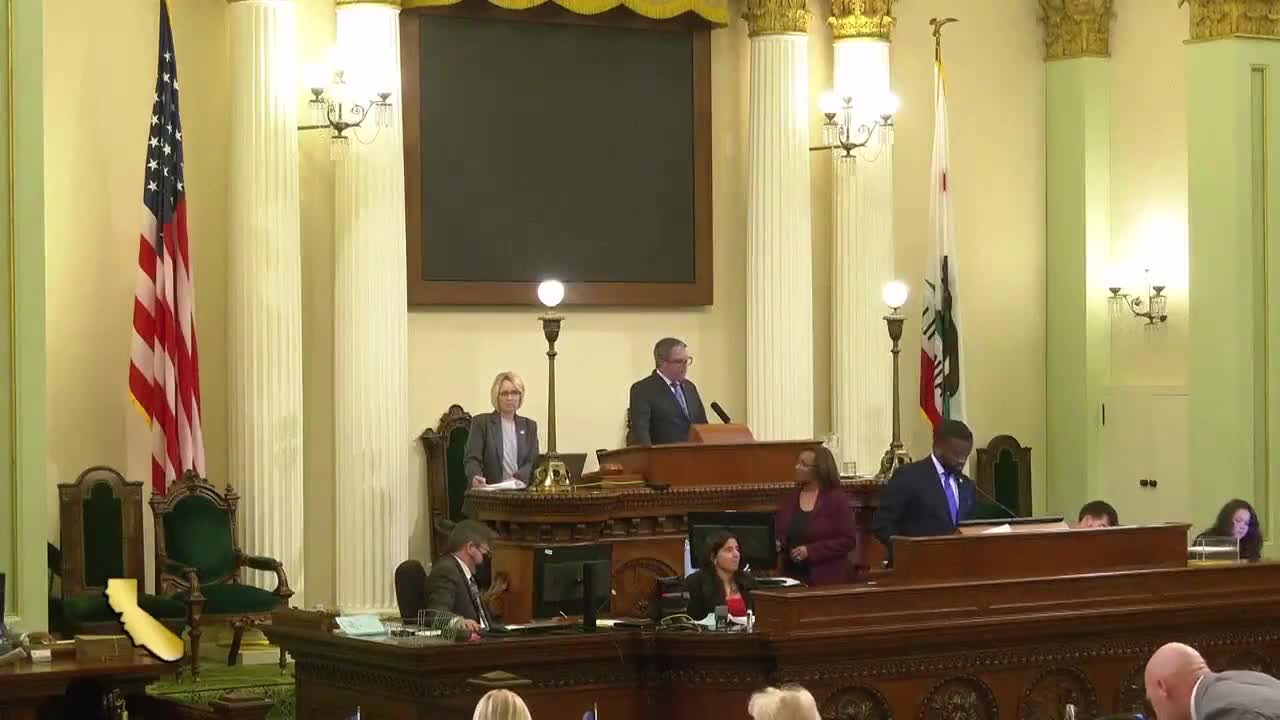 1MIN
Assembly Floor
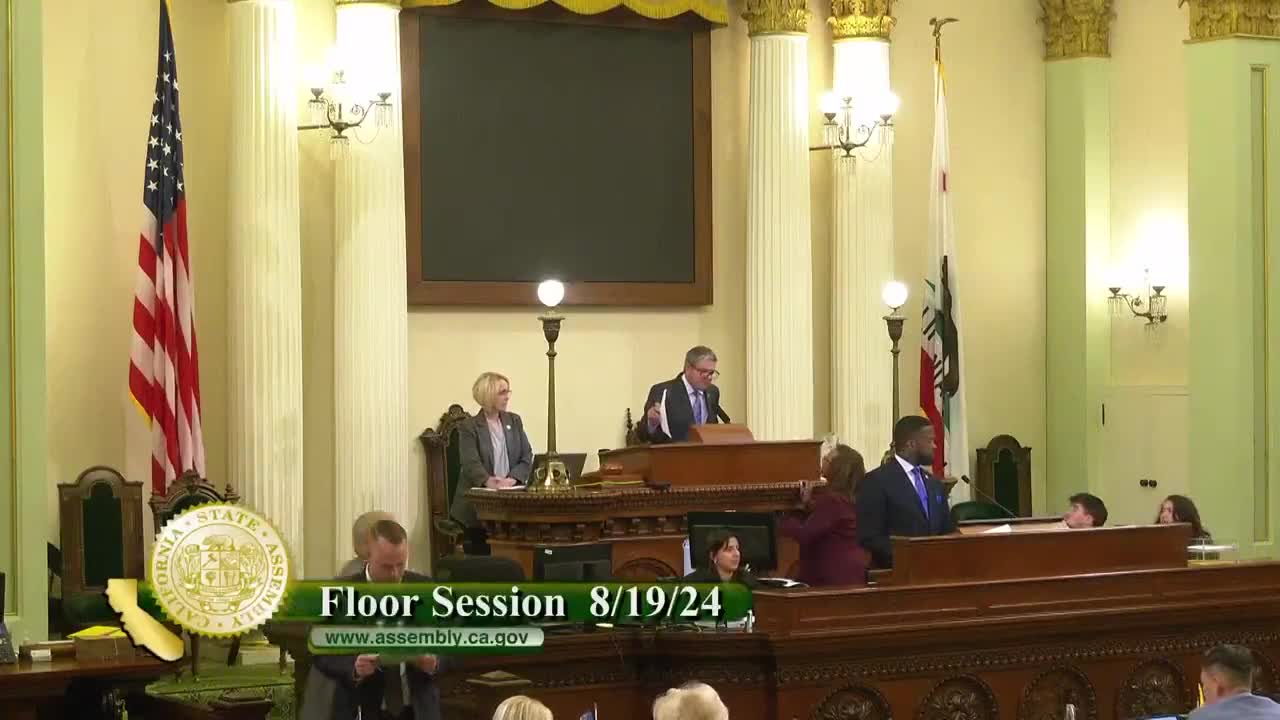 2MIN
Assembly Floor
 1MIN
Assembly Standing Committee on Appropriations
 15MIN
Assembly Standing Committee on Health
 58SEC
Senate Floor
 4MIN
Senate Standing Committee on Health
Bill Author