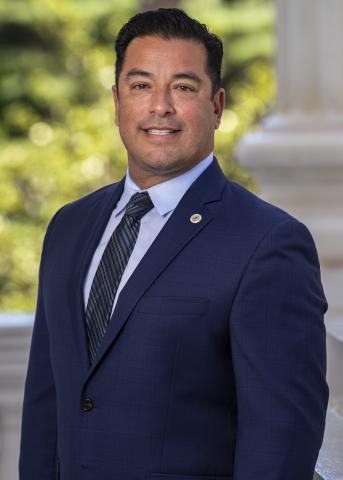
SCR 28: Purple Heart Day.
- Session Year: 2023-2024
- House: Senate
- Latest Version Date: 2023-08-24
Current Status:
Passed
(2023-08-24: Chaptered by Secretary of State. Res. Chapter 140, Statutes of 2023.)
Introduced
In Committee
First Chamber
In Committee
Second Chamber
Enacted
This measure would declare August 7, 2023, as Purple Heart Day in California.
This measure would declare August 7, 2023, as Purple Heart Day in California.
This measure would declare August 7, 2023, as Purple Heart Day in California.
This measure would declare August 7, 2023, as Purple Heart Day in California.
WHEREAS, The Purple Heart is awarded to members of the Armed Forces who are killed or wounded in action; and
WHEREAS, Created in 1932, the Purple Heart has a long and storied past that dates back to the founders of the United States. The award takes its design from the Badge of Military Merit, which was commissioned by General George Washington on August 7, 1782. This award consisted of a purple, heart-shaped piece of silk having a narrow edge of silver stitched with the word Merit across the face and is considered to be the first official military combat badge of the Armed Forces. The official successor decoration of the Badge of Military Merit is the Purple Heart; and
WHEREAS, Originally, the Purple Heart award was only open to United States Army and Air Force service members and could not be awarded posthumously. President Franklin D. Roosevelt changed that in 1942 with an executive order that opened the award to members of the United States Navy, Marine Corps, and Coast Guard. Later that year, in a separate order, the award was made available for posthumous award to any member of the military; and
WHEREAS, During World War II, 1,506,000 Purple Heart medals were manufactured, many in anticipation of the estimated casualties resulting from the planned Allied invasion of Japan. By the end of the war, even accounting for medals lost, stolen, or wasted, nearly 500,000 remained. To the present date, total combined American military casualties of the 70 years following the end of World War II, including the Korean and Vietnam Wars, have not exceeded that number. In 2000, there remained 120,000 Purple Heart medals in stock. The existing surplus allowed combat units in Iraq and Afghanistan to keep Purple Hearts on-hand for immediate award to soldiers wounded in the field; and
WHEREAS, To date, approximately 2 million Purple Heart Medals have been awarded. The award can be awarded retroactively as far back as 1917, allowing veterans from World War I to be eligible; and
WHEREAS, Originally, the Purple Heart was awarded for meritorious service, and injury was a consideration for merit. In 1942, the creation of the Legion of Merit award duplicated the merit requirement, which became unnecessary for the Purple Heart; and
WHEREAS, From 1942 to 1997, inclusive, civilians serving in, or affiliated with, the Armed Forces were eligible to receive the Purple Heart. Some of the earliest civilians to receive this honor were firefighters wounded or killed while fighting fires caused by the attack on Pearl Harbor; and
WHEREAS, Since California is home to more than 1.8 million veterans and more than 200,000 active and reserve members of the Armed Forces, it is especially appropriate for all Californians to honor those who have been awarded the Purple Heart; now, therefore, be it
Resolved by the Senate of the State of California, the Assembly thereof concurring, That the Legislature encourages all Californians to honor those who have served in the Armed Forces, especially those who have been wounded and received the Purple Heart, and declares August 7, 2023, as Purple Heart Day in California; and be it further
Resolved, That the Secretary of the Senate transmit copies of this resolution to the author for appropriate distribution.
WHEREAS, The Purple Heart is awarded to members of the Armed Forces who are killed or wounded in action; and
WHEREAS, Created in 1932, the Purple Heart has a long and storied past that dates back to the founders of the United States. The award takes its design from the Badge of Military Merit, which was commissioned by General George Washington on August 7, 1782. This award consisted of a purple, heart-shaped piece of silk having a narrow edge of silver stitched with the word Merit Merit across the face and is considered to be the first official military combat badge of the Armed Forces. The official successor decoration of the Badge of Military Merit is the Purple Heart; and
WHEREAS, Originally, the Purple Heart award was only open to United States Army and Air Force service members and could not be awarded posthumously. President Franklin D. Roosevelt changed that in 1942 with an executive order that opened the award to members of the United States Navy, Marine Corps, and Coast Guard. Later that year, in a separate order, the award was made available for posthumous award to any member of the military; and
WHEREAS, During World War II, 1,506,000 Purple Heart medals were manufactured, many in anticipation of the estimated casualties resulting from the planned Allied invasion of Japan. By the end of the war, even accounting for medals lost, stolen, or wasted, nearly 500,000 remained. To the present date, total combined American military casualties of the 70 years following the end of World War II, including the Korean and Vietnam Wars, have not exceeded that number. In 2000, there remained 120,000 Purple Heart medals in stock. The existing surplus allowed combat units in Iraq and Afghanistan to keep Purple Hearts on-hand for immediate award to soldiers wounded in the field; and
WHEREAS, To date, approximately 2 million Purple Heart Medals have been awarded. The award can be awarded retroactively as far back as 1917, allowing veterans from World War I to be eligible; and
WHEREAS, Originally, the Purple Heart was awarded for meritorious service, and injury was a consideration for merit. In 1942, the creation of the Legion of Merit award duplicated the merit requirement, which became unnecessary for the Purple Heart; and
WHEREAS, From 1942 to 1997, inclusive, civilians serving in, or affiliated with, the Armed Forces were eligible to receive the Purple Heart. Some of the earliest civilians to receive this honor were firefighters wounded or killed while fighting fires caused by the attack on Pearl Harbor; and
WHEREAS, Since California is home to more than 1.8 million veterans and more than 200,000 active and reserve members of the Armed Forces, it is especially appropriate for all Californians to honor those who have been awarded the Purple Heart; now, therefore, be it
Resolved by the Senate of the State of California, the Assembly thereof concurring, That the Legislature encourages all Californians to honor those who have served in the Armed Forces, especially those who have been wounded and received the Purple Heart, and declares August 7, 2023, as Purple Heart Day in California; and be it further
Resolved, That the Secretary of the Senate transmit copies of this resolution to the author for appropriate distribution.
WHEREAS, The Purple Heart is awarded to members of the Armed Forces who are killed or wounded in action; and
WHEREAS, Created in 1932, the Purple Heart has a long and storied past that dates back to the founders of the United States. The award takes its design from the Badge of Military Merit, which was commissioned by General George Washington on August 7, 1782. This award consisted of a purple, heart-shaped piece of silk having a narrow edge of silver stitched with the word Merit across the face and is considered to be the first official military combat badge of the Armed Forces. The official successor decoration of the Badge of Military Merit is the Purple Heart; and
WHEREAS, Originally, the Purple Heart award was only open to United States Army and Air Force service members and could not be awarded posthumously. President Franklin D. Roosevelt changed that in 1942 with an executive order that opened the award to members of the United States Navy, Marine Corps, and Coast Guard. Later that year, in a separate order, the award was made available for posthumous award to any member of the military; and
WHEREAS, During World War II, 1,506,000 Purple Heart medals were manufactured, many in anticipation of the estimated casualties resulting from the planned Allied invasion of Japan. By the end of the war, even accounting for medals lost, stolen, or wasted, nearly 500,000 remained. To the present date, total combined American military casualties of the 70 years following the end of World War II, including the Korean and Vietnam Wars, have not exceeded that number. In 2000, there remained 120,000 Purple Heart medals in stock. The existing surplus allowed combat units in Iraq and Afghanistan to keep Purple Hearts on-hand for immediate award to soldiers wounded in the field; and
WHEREAS, To date, approximately 2 million Purple Heart Medals have been awarded. The award can be awarded retroactively as far back as 1917, allowing veterans from World War I to be eligible; and
WHEREAS, Originally, the Purple Heart was awarded for meritorious service, and injury was a consideration for merit. In 1942, the creation of the Legion of Merit award duplicated the merit requirement, which became unnecessary for the Purple Heart; and
WHEREAS, From 1942 to 1997, inclusive, civilians serving in, or affiliated with, the Armed Forces were eligible to receive the Purple Heart. Some of the earliest civilians to receive this honor were firefighters wounded or killed while fighting fires caused by the attack on Pearl Harbor; and
WHEREAS, Since California is home to more than 1.8 million veterans and more than 200,000 active and reserve members of the Armed Forces, it is especially appropriate for all Californians to honor those who have been awarded the Purple Heart; now, therefore, be it
Resolved by the Senate of the State of California, the Assembly thereof concurring, That the Legislature encourages all Californians to honor those who have served in the Armed Forces, especially those who have been wounded and received the Purple Heart, and declares August 7, 2023, as Purple Heart Day in California; and be it further
Resolved, That the Secretary of the Senate transmit copies of this resolution to the author for appropriate distribution.
|
Date
|
Status
|
|---|---|
| Aug 24, 2023 | Chaptered by Secretary of State. Res. Chapter 140, Statutes of 2023. |
| Aug 24, 2023 | Enrolled and filed with the Secretary of State at 2 p.m. |
| Aug 21, 2023 | In Senate. Ordered to engrossing and enrolling. |
| Aug 17, 2023 | Read. Adopted. (Ayes 75. Noes 0. Page 2744.) Ordered to the Senate. |
| Aug 17, 2023 | Coauthors revised. |
| Aug 14, 2023 | Referred to Com. on RLS. |
| Aug 14, 2023 | From committee: Be adopted. Ordered to consent calendar. (Ayes 12. Noes 0.) (August 14). |
| Jul 13, 2023 | In Assembly. Held at Desk. |
| Jul 13, 2023 | Read. Adopted. (Ayes 37. Noes 0. Page 2035.) Ordered to the Assembly. |
| Jul 3, 2023 | Read second time. Ordered to third reading. |
| Jun 29, 2023 | Ordered to second reading. |
| Jun 29, 2023 | From inactive file on motion of Senator Seyarto. |
| Mar 9, 2023 | Ordered to inactive file on request of Senator Seyarto. |
| Mar 6, 2023 | Read second time. Ordered to third reading. |
| Mar 2, 2023 | Read third time and amended. |
| Mar 2, 2023 | Ordered to second reading. |
| Feb 22, 2023 | From committee: Ordered to third reading. |
| Feb 14, 2023 | Introduced. Referred to Com. on RLS. |
|
Date
|
Description
|
Location
|
Votes
|
|
|---|---|---|---|---|
| Aug 17, 2023 | SCR 28 Seyarto Consent Calendar Second Day Regular Session | Assembly Floor |
Passed |
|
| Aug 14, 2023 | Be adopted. To Consent Calendar. | Assembly Standing Committee on Rules |
Passed |
|
| Jul 13, 2023 | Senate 3rd Reading SCR28 Seyarto et al. | Senate Floor |
Passed |
This list shows positions taken on this bill by organizations on the date displayed, which is linked to the original source.
Positions by individuals are not included.
Date of Hearing: August 14, 2023
ASSEMBLY COMMITTEE ON
, Chair
SBPCA Bill Id:
Author:() – As Ver:March 2, 2023
SENATE VOTE: 37-0
SUBJECT:
SUMMARY: Declares August 7, 2023, as Purple Heart Day in California, and encourages all Californians to honor those who have served in the Armed Forces, especially those who have been wounded and received the Purple Heart. Specifically, this resolution makes the following legislative findings:
- The Purple Heart is awarded to members of the Armed Forces who are killed or wounded in action. Created in 1932, the Purple Heart has a long and storied past that dates back to the founders of the United States. The award takes its design from the Badge of Military Merit, which was commissioned by General George Washington on August 7, 1782. The official successor decoration of the Badge of Military Merit is the Purple Heart.
- Originally, the Purple Heart award was only open to United States Army and Air Force service members and could not be awarded posthumously. President Franklin D. Roosevelt changed that in 1942 with an executive order that opened the award to members of the United States Navy, Marine Corps, and Coast Guard. Later that year, in a separate order, the award was made available for posthumous award to any member of the military.
- To date, approximately 2 million Purple Heart Medals have been awarded. The award can be awarded retroactively as far back as 1917, allowing veterans from World War I to be eligible.
- From 1942 to 1997, inclusive, civilians serving in, or affiliated with, the Armed Forces were eligible to receive the Purple Heart. Some of the earliest civilians to receive this honor were firefighters wounded or killed while fighting fires caused by the attack on Pearl Harbor.
- Since California is home to more than 1.8 million veterans and more than 200,000 active and reserve members of the Armed Forces, it is especially appropriate for all Californians to honor those who have been awarded the Purple Heart.
FISCAL EFFECT: None
REGISTERED SUPPORT / OPPOSITION:
Support
None on file
Opposition
None on file
Analysis Prepared by:
SENATE RULES COMMITTEE Office of Senate Floor Analyses (916) 651-1520 Fax: (916) 327-4478 | SCR 28 |
THIRD READING
Bill No: SCR 28
Author: Seyarto (R), et al.
Amended: 3/2/23
Vote: 21
SUBJECT: Purple Heart Day
SOURCE: Author
DIGEST:
This resolution declares August 7, 2023, as Purple Heart Day in California.
Senate Floor Amendments of 3/2/23 add coauthors and make a technical change.
ANALYSIS: This resolution makes the following legislative findings:
- The Purple Heart is awarded to members of the Armed Forces who are killed or wounded in action. Created in 1932, the Purple Heart has a long and storied past that dates back to the founders of the United States. The award takes its design from the Badge of Military Merit, which was commissioned by General George Washington on August 7, 1782. This award consisted of a purple, heart-shaped piece of silk having a narrow edge of silver stitched with the word Merit across the face and is considered to be the first official military combat badge of the Armed Forces. The official successor decoration of the Badge of Military Merit is the Purple Heart.
- Created in 1932, the Purple Heart has a long and storied past that dates back to the founders of the United States. The award takes its design from the Badge of Military Merit, which was commissioned by General George Washington on August 7, 1782. The official successor decoration of the Badge of Military Merit is the Purple Heart.
- Originally, the Purple Heart award was only open to United States Army and Air Force service members and could not be awarded posthumously. President Franklin D. Roosevelt changed that in 1942 with an executive order that opened the award to members of the United States Navy, Marine Corps, and Coast Guard. Later that year, in a separate order, the award was made available for posthumous award to any member of the military.
- To date, approximately two million Purple Heart Medals have been awarded. The award can be awarded retroactively as far back as 1917, allowing veterans from World War I to be eligible.
- From 1942 to 1997, inclusive, civilians serving in, or affiliated with, the Armed Forces were eligible to receive the Purple Heart. Some of the earliest civilians to receive this honor were firefighters wounded or killed while fighting fires caused by the attack on Pearl Harbor.
- Since California is home to more than 1.8 million veterans and more than 200,000 active and reserve members of the Armed Forces, it is especially appropriate for all Californians to honor those who have been awarded the Purple Heart.
This resolution encourages all Californians to honor those who have served in the Armed Forces, especially those who have been wounded and received the Purple Heart, and declares August 7, 2023, as Purple Heart Day in California.
Related/Prior Legislation
The following are the most recent measures relating to Purple Heart Day:
ACR 121 (Seyarto, Resolution Chapter 124, Statutes of 2022).
ACR 12 (Seyarto, Resolution Chapter 105, Statutes of 2021).
ACR 174 (Choi, 2020) died in the Assembly.
ACR 100 (Choi, Resolution Chapter 132, Statutes of 2019).
FISCAL EFFECT: Appropriation: No Fiscal Com.: No Local: No
SUPPORT: (Verified 6/30/23)
None received
OPPOSITION: (Verified 6/30/23)
Prepared by: Jonas Austin / SFA / (916) 651-1520
7/3/23 9:45:06
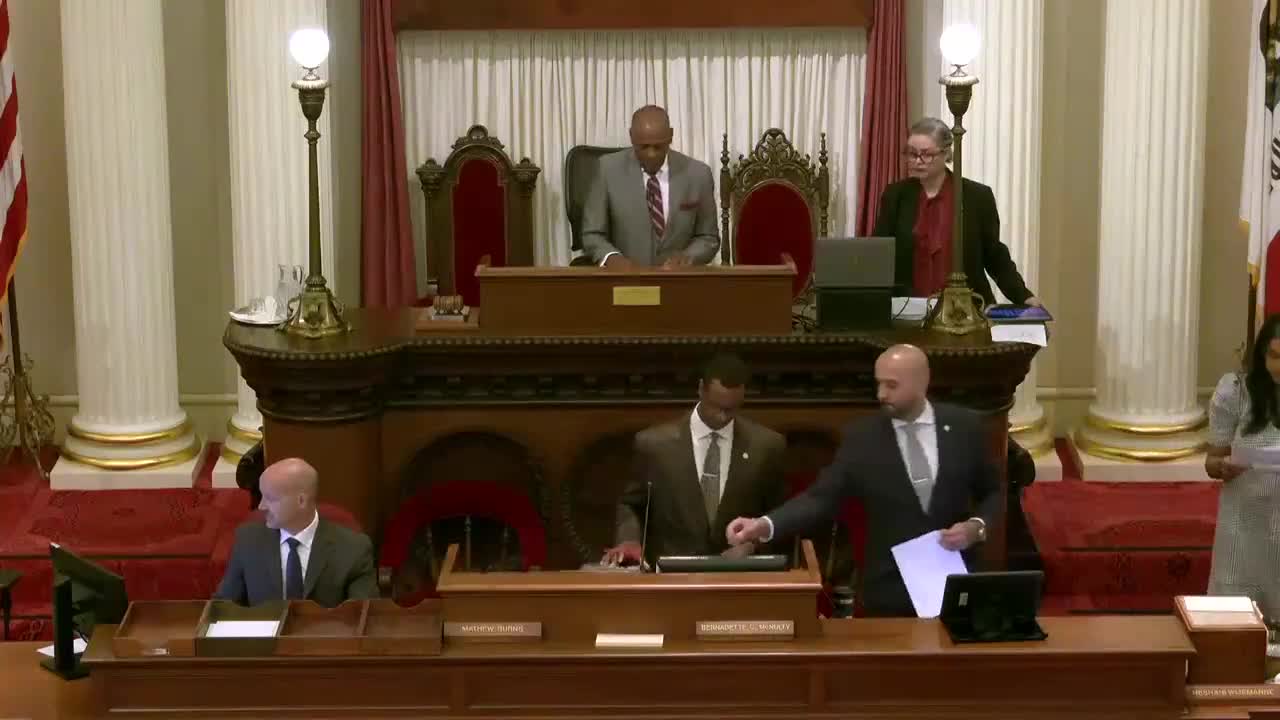
Bill Author
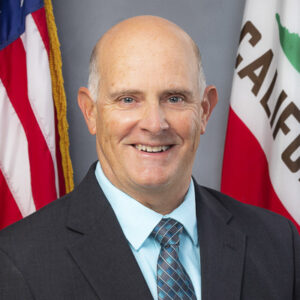
Bill Co-Author(s):