SCR 71: Childhood Cancer Awareness Month.
- Session Year: 2023-2024
- House: Senate
- Latest Version Date: 2024-02-27
Current Status:
Passed
(2024-02-28: Chaptered by Secretary of State. Res. Chapter 7, Statutes of 2024.)
Introduced
In Committee
First Chamber
In Committee
Second Chamber
Enacted
This measure would declare the month of September 2023 as Childhood Cancer Awareness Month.
This measure would declare the month of September 2023 as Childhood Cancer Awareness Month.
This measure would declare the month of September 2023 as Childhood Cancer Awareness Month.
WHEREAS, According to the American Childhood Cancer Organization, childhood cancer is the leading cause of death by disease for children in the United States; and
WHEREAS, According to the American Childhood Cancer Organization, approximately one of every six children are not expected to live past five years of age; and
WHEREAS, The American Cancer Society estimates that approximately 9,910 children in the United States under 15 years of age will be diagnosed with cancer in 2023; and
WHEREAS, The potential years of life lost to childhood cancer and the potential years of life saved by treatment exceed all other cancers with the exception of breast cancer; and
WHEREAS, Most children cannot be treated at a local hospital, and families must face the disruption of relocating to receive treatment at a regional cancer center; and
WHEREAS, As a result of major treatment advances in recent decades, more than 85 percent of children with cancer now survive five years or more; and
WHEREAS, The survival rate of children with cancer has significantly increased since the mid-1970s, when the five-year survival rate was approximately 58 percent; and
WHEREAS, Survival rates vary depending on the type of cancer and other factors; and
WHEREAS, Due to childrens bodies still growing and cancer treatments largely geared toward use on adults, children are more likely to experience long-term side effects from treatment; and
WHEREAS, Possible late effects of cancer treatments include, but are not limited to, heart or lung problems, slowed or delayed development, changes in sexual development and the ability to have children, learning disabilities, and increased risk of secondary forms of cancer; and
WHEREAS, Childhood cancer treatment is handled by a team of pediatric oncologists and surgeons, radiation oncologists, pediatric oncology nurses, nurse practitioners, and physician assistants; and
WHEREAS, Other members of the team of health professionals aiding in the health and well-being of childhood cancer patients include, but are not limited to, psychologists, social workers, child life specialists, nutritionists, rehabilitation and physical therapists, and educators; and
WHEREAS, Some of the most important members of a pediatric cancer patients team are experienced parents who navigate and advocate on behalf of their children; and
WHEREAS, This state is a leader in the fight against and treatment of childhood cancer with nineteen Childrens Oncology Group hospitals: Cedars-Sinai Medical Center, Childrens Hospital Los Angeles, Childrens Hospital of Orange County, City of Hope Comprehensive Cancer Center, Kaiser Permanente Downey Medical Center, Kaiser Permanente Oakland Medical Center, Loma Linda University Medical Center, Lucile Packard Childrens Hospital Stanford University, Lundquist Institute for Biomedical Innovation at Harbor-UCLA Medical Center, UCLA Mattel Childrens Hospital, Miller Childrens and Womens Hospital Long Beach, Naval Medical Center San Diego, Rady Childrens Hospital-San Diego, Santa Barbara Cottage Hospital, Sutter Medical Center Sacramento, UCSF Benioff Childrens Hospital Oakland, UCSF Medical Center at Mission Bay, University of California Davis Comprehensive Cancer Center, and Valley Childrens Hospital; and
WHEREAS, Two of only 16 institutions in the Pediatric Brain Tumor Consortium are in California: Childrens Hospital Los Angeles and Lucile Packard Childrens Hospital Stanford University; and
WHEREAS, Lucile Packard Childrens Hospital Stanford University is 1 of only 10 institutions nationwide participating in the Pediatric Oncology Experimental Therapeutic Investigators Consortium; now, therefore, be it
Resolved by the Senate of the State of California, the Assembly thereof concurring, That the Legislature declares the month of September 2023 as Childhood Cancer Awareness Month, and encourages individuals, businesses, and organizations throughout the state to participate in activities and events that promote awareness of childhood cancer and support families affected by this devastating disease not just during September but throughout the year; and be it further
Resolved, That the Legislature celebrates the progress of all related organizations in aiding children battling childhood cancer while simultaneously renewing its commitment to that cause, supports young Californians who are fighting cancer, honors young people who have lost their lives to childhood cancer, expresses gratitude to the doctors, nurses, and parents who provide special care to patients and families affected by childhood cancer, and encourages all residents in this state to join the fight against childhood cancer; and be it further
Resolved, That the Secretary of the Senate transmit copies of this resolution to the author for appropriate distribution.
|
Date
|
Status
|
|---|---|
| Feb 28, 2024 | Chaptered by Secretary of State. Res. Chapter 7, Statutes of 2024. |
| Feb 27, 2024 | Enrolled and filed with the Secretary of State at 2 p.m. |
| Feb 22, 2024 | In Senate. Ordered to engrossing and enrolling. |
| Feb 22, 2024 | Read. Adopted. (Ayes 70. Noes 0. Page 4171.) Ordered to the Senate. |
| Feb 20, 2024 | Coauthors revised. |
| Feb 20, 2024 | From committee: Be adopted. Ordered to consent calendar. (Ayes 7. Noes 0.) (February 20). |
| Sep 7, 2023 | Referred to Com. on RLS. |
| Sep 1, 2023 | In Assembly. Held at Desk. |
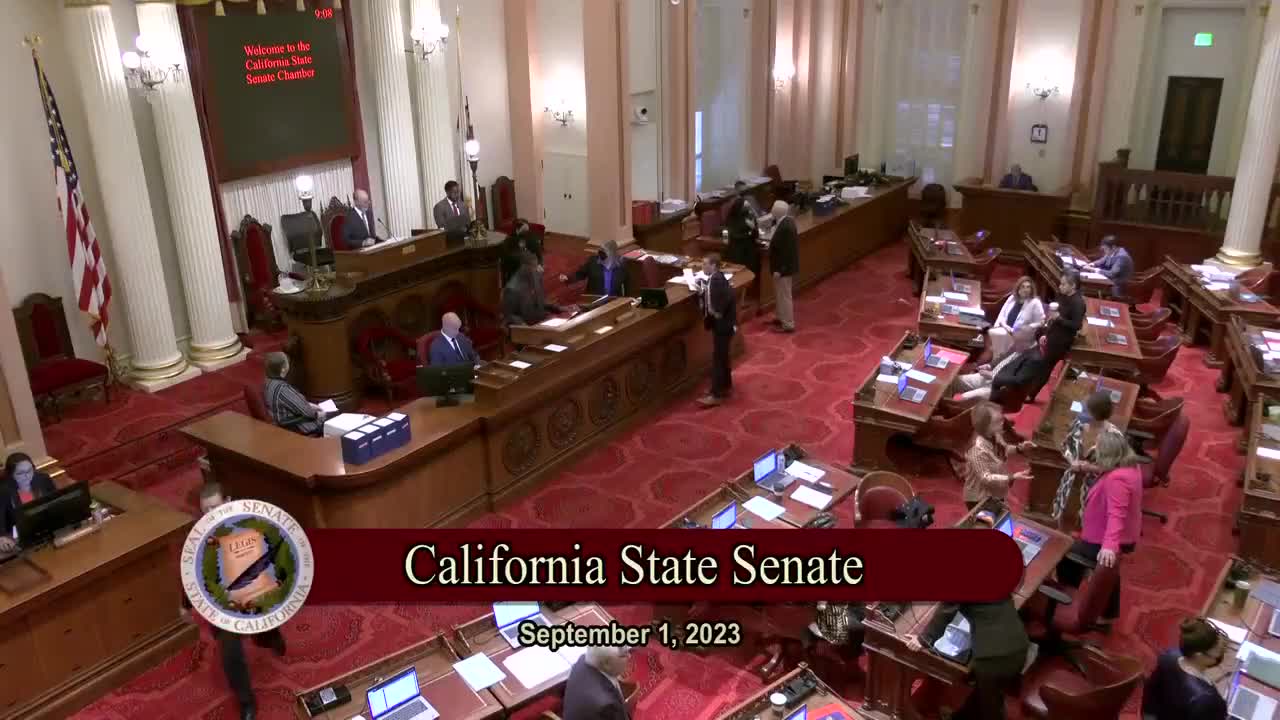
| Sep 1, 2023 | Read. Adopted. (Ayes 37. Noes 0. Page 2237.) Ordered to the Assembly. |
| May 31, 2023 | From committee: Ordered to third reading. |
| May 24, 2023 | Introduced. Referred to Com. on RLS. |
|
Date
|
Description
|
Location
|
Votes
|
|
|---|---|---|---|---|
| Feb 22, 2024 | SCR 71 Rubio Consent Calendar Second Day Regular Session | Assembly Floor |
Passed |
|
| Feb 20, 2024 | Be adopted. To Consent Calendar. | Assembly Standing Committee on Rules |
Passed |
|
| Sep 1, 2023 | Senate 3rd Reading SCR71 Rubio et al. | Senate Floor |
Passed |
This list shows positions taken on this bill by organizations on the date displayed, which is linked to the original source.
Positions by individuals are not included.
Date of Hearing: February 20, 2024
ASSEMBLY COMMITTEE ON
, Chair
SBPCA Bill Id:
Author:() – As Ver:May 24, 2023
SENATE VOTE: 37-0
SUBJECT:
SUMMARY: Declares the month of September 2023 as Childhood Cancer Awareness Month. And, encourages individuals, businesses, and organizations throughout the state to participate in activities and events that promote awareness of childhood cancer and support families affected by this devastating disease not just during September, but throughout the year. Specifically, this resolution makes the following legislative findings:
- According to the American Childhood Cancer Organization, childhood cancer is the leading cause of death by disease for children in the United States, and approximately one of every six children are not expected to live past five years of age.
- The American Cancer Society estimates that approximately 9,910 children in the United States under 15 years of age will be diagnosed with cancer in 2023.
- The potential years of life lost to childhood cancer and the potential years of life saved by treatment exceed all other cancers with the exception of breast cancer.
- Most children cannot be treated at a local hospital, and families must face the disruption of relocating to receive treatment at a regional cancer center.
- Survival rates vary depending on the type of cancer and other factors. As a result of major treatment advances in recent decades, more than 85 percent of children with cancer now survive five years or more.
- Due to children’s bodies still growing and cancer treatments largely geared toward use on adults, children are more likely to experience long-term side effects from treatment.
FISCAL EFFECT: None
REGISTERED SUPPORT / OPPOSITION:
Support
None on file
Opposition
None on file
Analysis Prepared by:
SENATE RULES COMMITTEE Office of Senate Floor Analyses (916) 651-1520 Fax: (916) 327-4478 | SCR 71 |
THIRD READING
Bill No: SCR 71
Author: Rubio (D), et al.
Introduced: 5/24/23
Vote: 21
SUBJECT: Childhood Cancer Awareness Month
SOURCE: Author
DIGEST:
This resolution declares the month of September 2023 as Childhood Cancer Awareness Month.
ANALYSIS: This resolution makes the following legislative findings:
- According to the American Childhood Cancer Organization, childhood cancer is the leading cause of death by disease for children in the United States.
- According to the American Childhood Cancer Organization, approximately one of every six children are not expected to live past five years of age.
- The potential years of life lost to childhood cancer and the potential years of life saved by treatment exceed all other cancers with the exception of breast cancer.
- Most children cannot be treated at a local hospital, and families must face the disruption of relocating to receive treatment at a regional cancer center.
- As a result of major treatment advances in recent decades, more than 85 percent of children with cancer now survive five years or more.
- Survival rates vary depending on the type of cancer and other factors.
- Due to children’s bodies still growing and cancer treatments largely geared toward use on adults, children are more likely to experience long-term side effects from treatment.
- Possible late effects of cancer treatments include, but are not limited to, heart or lung problems, slowed or delayed development, changes in sexual development and the ability to have children, learning disabilities, and increased risk of secondary forms of cancer.
This resolution:
- Declares the month of September 2023 as Childhood Cancer Awareness Month, and encourages individuals, businesses, and organizations throughout the state to participate in activities and events that promote awareness of childhood cancer and support families affected by this devastating disease not just during September but throughout the year.
- Celebrates the progress of all related organizations in aiding children battling childhood cancer while simultaneously renewing its commitment to that cause, supports young Californians who are fighting cancer, honors young people who have lost their lives to childhood cancer, expresses gratitude to the doctors, nurses, and parents who provide special care to patients and families affected by childhood cancer, and encourages all residents in this state to join the fight against childhood cancer.
Related/Prior Legislation
The following are the most recent measures declaring Childhood Cancer Awareness Month:
- ACR 93 (Choi, Resolution Chapter 3, Statutes of 2022).
- ACR 123 (Gabriel, Resolution Chapter 173, Statutes of 2019).
FISCAL EFFECT: Appropriation: No Fiscal Com.: No Local: No
SUPPORT: (Verified 5/31/23)
None received
OPPOSITION: (Verified 5/31/23)
None received
Prepared by: Karen Chow / SFA / (916) 651-1520
5/31/23 15:33:14
**** END ****
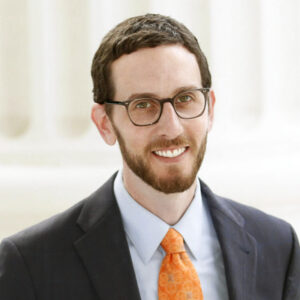
Bill Author
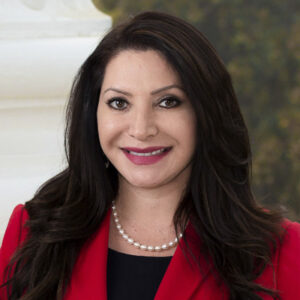
Bill Co-Author(s):