SR 49
- Session Year: 2023-2024
- House: Senate
- Latest Version Date: 2023-09-05
Current Status:
Failed
(2023-09-01: Read. Adopted. (Ayes 37. Noes 0. Page 2243.))
Introduced
In Committee
First Chamber
In Committee
Second Chamber
Enacted
WHEREAS, Post-traumatic stress disorder (PTSD) is a mental health problem. PTSD can develop after you go through or see a life-threatening or traumatic event; and
WHEREAS, PTSD is more common after certain types of trauma, like combat and sexual assault; and
WHEREAS, PTSD is slightly more common among veterans than civilians. At some point in their life, 7 out of every 100 veterans, or 7 percent, will have PTSD. In the general population, 6 out of every 100, or 6 percent, of adults will have PTSD in their lifetime. PTSD is also more common among female veterans, with 13 out of the 100, or 13 percent, having PTSD, versus male veterans, with 6 out of the 100, or 6 percent, having PTSD, and we are still learning more about transgender veterans and those who do not identify as either male or female; and
WHEREAS, Research shows that deployment increases risk of PTSD. In some studies, PTSD is three times more likely among veterans who deployed compared to those veterans of the same service area who did not. Some factors in a combat situation may contribute to PTSD and other mental health problems, including military occupation or specialty, the politics surrounding the war, where the war is fought, and the type of enemy faced; and
WHEREAS, Another cause of PTSD in the military can be military sexual trauma (MST). This is sexual harassment or sexual assault that occurs while the person is in the military. MST can happen to anyone and can occur during peacetime, training, or war; and
WHEREAS, PTSD does not only happen to veterans who serve in combat. Military PTSD can happen after everything from witnessing some type of catastrophic event to experiencing an incident in combat or in training; and
WHEREAS, The aftereffects of PTSD can include anger, depression, chronic pain, sleep problems, substance misuse, and suicide; and
WHEREAS, June has been declared PTSD Awareness Month; now, therefore, be it
Resolved by the Senate of the State of California, That the Senate encourages awareness of the effects of PTSD on veterans; and be it further
Resolved, That the Secretary of the Senate transmit copies of this resolution to the author for appropriate distribution.
|
Date
|
Status
|
|---|---|
| Sep 1, 2023 | Read. Adopted. (Ayes 37. Noes 0. Page 2243.) |
| Aug 31, 2023 | Ordered to special consent calendar. |
| Aug 30, 2023 | From committee: Ordered to third reading. |
| Aug 23, 2023 | Introduced. Referred to Com. on RLS. |
|
Date
|
Description
|
Location
|
Votes
|
|
|---|---|---|---|---|
| Sep 1, 2023 | Special Consent SR49 McGuire et al. | Senate Floor |
Passed |
This list shows positions taken on this bill by organizations on the date displayed, which is linked to the original source.
Positions by individuals are not included.
SENATE RULES COMMITTEE Office of Senate Floor Analyses (916) 651-1520 Fax: (916) 327-4478 | SR 49 |
THIRD READING
Bill No: SR 49
Author: McGuire (D), et al.
Introduced: 8/23/23
Vote: Majority
SUBJECT: Veterans post-traumatic stress disorder awareness
SOURCE: Author
DIGEST:
This resolution encourages awareness of the effects of Post-traumatic stress disorder on veterans.
ANALYSIS: This resolution makes the following legislative findings:
- Post-traumatic stress disorder (PTSD) is a mental health problem. PTSD can develop after you go through or see a life-threatening or traumatic event. PTSD is more common after certain types of trauma, like combat and sexual assault.
- PTSD is slightly more common among veterans than civilians. At some point in their life, 7 out of every 100 veterans, or 7 percent, will have PTSD. In the general population, 6 out of every 100, or 6 percent, of adults will have PTSD in their lifetime. PTSD is also more common among female veterans, with 13 out of the 100, or 13 percent, having PTSD, versus male veterans, with 6 out of the 100, or 6 percent, having PTSD, and we are still learning more about transgender veterans and those who do not identify as either male or female.
- Research shows that deployment increases risk of PTSD. In some studies, PTSD is three times more likely among veterans who deployed compared to those veterans of the same service area who did not. Some factors in a combat situation may contribute to PTSD and other mental health problems, including military occupation or specialty, the politics surrounding the war, where the war is fought, and the type of enemy faced.
- Another cause of PTSD in the military can be military sexual trauma (MST). This is sexual harassment or sexual assault that occurs while the person is in the military. MST can happen to anyone and can occur during peacetime, training, or war.
- PTSD does not only happen to veterans who serve in combat. Military PTSD can happen after everything from witnessing some type of catastrophic event to experiencing an incident in combat or in training.
- The aftereffects of PTSD can include anger, depression, chronic pain, sleep problems, substance misuse, and suicide.
This resolution encourages awareness of the effects of Post-traumatic stress disorder on veterans.
FISCAL EFFECT: Appropriation: No Fiscal Com.: No Local: No
SUPPORT: (Verified 8/30/23)
None received
OPPOSITION: (Verified 8/30/23)
None received
Prepared by: Jonas Austin / SFA / (916) 651-1520
8/31/23 10:20:05
**** END ****
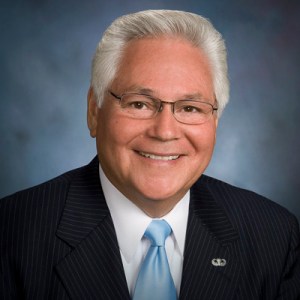
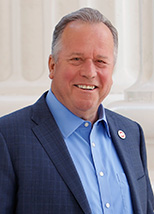
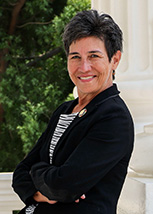
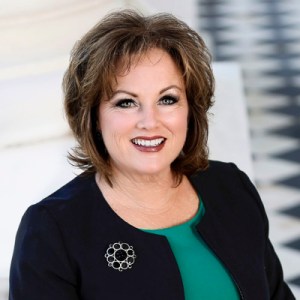
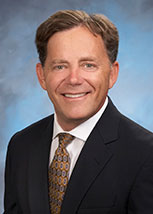
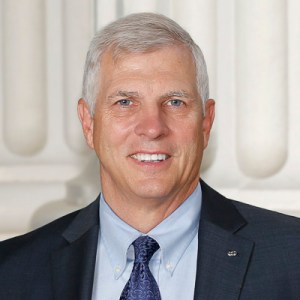
Bill Author