AB 1235: California State University: skilled and trained workforce requirement.
- Session Year: 2025-2026
- House: Assembly
- Latest Version Date: 2026-09-20
Current Status:
Passed
(2026-09-20: Chaptered by Secretary of State - Chapter 362, Statutes of 2026.)
Introduced
In Committee
Awaiting First Chamber Vote
Passed First Chamber
In Committee
Awaiting Second Chamber Vote
Passed Second Chamber
Enacted
What does this bill do?
This bill requires contractors bidding on California State University design-and-build projects to give a binding promise that they and all subcontractors will use a skilled, trained workforce for any building or construction work that is an apprenticeable trade (jobs like electricians, carpenters, or plumbers). The rule does not apply if a binding project labor agreement already covers all contractors and subcontractors (including certain renewals or contractor-specific agreements) or if the project is for housing, including dormitories.
The summary is provided by generative AI which can make mistakes. For original language, please view the details in the table below.
Existing law establishes requirements that apply when a public entity is required by statute or regulation to obtain an enforceable commitment that a bidder, contractor, or other entity will use a skilled and trained workforce to complete a contract or project. Existing law also authorizes a public entity to require that a bidder, contractor, or other entity use a skilled and trained workforce, regardless of whether they are required to do so by statute or regulation.
Existing law, the California State University Contract Law, authorizes the Trustees of the California State University to enter into an agreement with a contractor to provide all or significant portions of the design services and construction of a project, chosen by a competitive bidding process that employs selection criteria in addition to cost. Existing law also requires a contractor, when selecting subcontractors under this provision, to competitively bid for those portions of work.
This bill would prohibit a contractor from being prequalified for, shortlisted for, or awarded a contract with the Trustees of the California State University, as described above, unless, among other things, the contractor provides an enforceable commitment to the trustees that the contractor and its subcontractors at every tier will use a skilled and trained workforce to perform all work on the project or contract that falls within an apprenticeable occupation in the building and construction trades, as specified. The bill would exempt from its provisions, among things, a project or contract for the development of housing.
Existing law establishes requirements that apply when a public entity is required by statute or regulation to obtain an enforceable commitment that a bidder, contractor, or other entity will use a skilled and trained workforce to complete a contract or project. Existing law also authorizes a public entity to require that a bidder, contractor, or other entity use a skilled and trained workforce, regardless of whether they are required to do so by statute or regulation.
This bill would make a nonsubstantive change to those provisions.Existing law, the California State University Contract Law, authorizes the Trustees of the California State University to enter into an agreement with a contractor to provide all or significant portions of the design services and construction of a project, chosen by a competitive bidding process that employs selection criteria in addition to cost. Existing law also requires a contractor, when selecting subcontractors under this provision, to competitively bid for those portions of work.
This bill would prohibit a contractor from being prequalified for, shortlisted for, or awarded a contract with the Trustees of the California State University, as described above, unless, among other things, the contractor provides an enforceable commitment to the trustees that the contractor and its subcontractors at every tier will use a skilled and trained workforce to perform all work on the project or contract that falls within an apprenticeable occupation in the building and construction trades, as specified.
Existing law establishes requirements that apply when a public entity is required by statute or regulation to obtain an enforceable commitment that a bidder, contractor, or other entity will use a skilled and trained workforce to complete a contract or project. Existing law also authorizes a public entity to require that a bidder, contractor, or other entity use a skilled and trained workforce, regardless of whether they are required to do so by statute or regulation.
This bill would make a nonsubstantive change to those provisions.
(a)When, in the opinion of the trustees, the best interests of the California State University dictate, the trustees may enter into an agreement with a contractor to provide all or significant portions of the design services and construction of a project under this chapter. The contractor shall design the project pursuant to the scope of services set forth in the request for proposals, build the project, and present the completed project to the trustees for their approval and acceptance.
(b)Work under this section shall be carried out by a contractor chosen by a competitive bidding process that employs selection criteria in addition to cost. Any design work performed pursuant to this section shall be prepared and signed by an architect certificated pursuant to Chapter 3 (commencing with Section 5500) of Division 3 of the Business and Professions Code.
(c)When the design of portions of the project permits the selection of subcontractors, the contractor shall competitively bid those portions. The contractor shall provide to the trustees a list of subcontractors whose work is in excess of one-half of 1 percent of the total project cost as soon as the subcontractors are identified. Once listed, the subcontractors shall have the rights provided in the Subletting and Subcontracting Fair Practices Act (Chapter 4 (commencing with Section 4100) of Part 1).
(d)(1)A contractor shall not be prequalified for, shortlisted for, or awarded a contract pursuant to this section unless the contractor provides an enforceable commitment to the trustees that the contractor and its subcontractors at every tier will use a skilled and trained workforce to perform all work on the project or contract that falls within an apprenticeable occupation in the building and construction trades, in accordance with Chapter 2.9 (commencing with Section 2600) of Part 1.
(2)This subdivision shall not apply if any of the following requirements are met:
(A)The trustees have entered into a project labor agreement that will bind all contractors and subcontractors performing work on the project or contract to use a skilled and trained workforce and the contractor agrees to be bound by that project labor agreement.
(B)The project or contract is being performed under the extension or renewal of a project labor agreement that was entered into by the trustees prior to January 1, 2027.
(C)The contractor has entered into a project labor agreement that will bind the contractor and all its subcontractors at every tier performing the project or contract to use a skilled and trained workforce.
(D)Notwithstanding any other law, the project or contract is for the development of housing, including dormitories.
(3)For purposes of this subdivision, project labor agreement has the same meaning as in paragraph (1) of subdivision (b) of Section 2500.
(a)When, in the opinion of the trustees, the best interests of the California State University dictate, the trustees may enter into an agreement with a contractor to provide all or significant portions of the design services and construction of a project under this chapter. The contractor shall design the project pursuant to the scope of services set forth in the request for proposals, build the project, and present the completed project to the trustees for their approval and acceptance.
(b)Work under this section shall be carried out by a contractor chosen by a competitive bidding process that employs selection criteria in addition to cost. Any design work performed pursuant to this section shall be prepared and signed by an architect certificated pursuant to Chapter 3 (commencing with Section 5500) of Division 3 of the Business and Professions Code.
(c)When the design of portions of the project permits the selection of subcontractors, the contractor shall competitively bid those portions. The contractor shall provide to the trustees a list of subcontractors whose work is in excess of one-half of 1 percent of the total project cost as soon as the subcontractors are identified. Once listed, the subcontractors shall have the rights provided in the Subletting and Subcontracting Fair Practices Act (Chapter 4 (commencing with Section 4100) of Part 1).
(d)(1)A contractor shall not be prequalified for, shortlisted for, or awarded a contract pursuant to this section unless the contractor provides an enforceable commitment to the trustees that the contractor and its subcontractors at every tier will use a skilled and trained workforce to perform all work on the project or contract that falls within an apprenticeable occupation in the building and construction trades, in accordance with Chapter 2.9 (commencing with Section 2600) of Part 1.
(2)This subdivision shall not apply if any of the following requirements are met:
(A)The trustees have entered into a project labor agreement that will bind all contractors and subcontractors performing work on the project or contract to use a skilled and trained workforce and the contractor agrees to be bound by that project labor agreement.
(B)The project or contract is being performed under the extension or renewal of a project labor agreement that was entered into by the trustees prior to January 1, 2027.
(C)The contractor has entered into a project labor agreement that will bind the contractor and all its subcontractors at every tier performing the project or contract to use a skilled and trained workforce.
(D)Notwitstanding any other law, the project or contract is for the development of housing, including dormitories.
(3)For purposes of this subdivision, project labor agreement has the same meaning as in paragraph (1) of subdivision (b) of Section 2500.
(a)When, in the opinion of the trustees, the best interests of the California State University dictate, the trustees may enter into an agreement with a contractor to provide all or significant portions of the design services and construction of a project under this chapter. The contractor shall design the project pursuant to the scope of services set forth in the request for proposals, build the project, and present the completed project to the trustees for their approval and acceptance.
(b)Work under this section shall be carried out by a contractor chosen by a competitive bidding process that employs selection criteria in addition to cost. Any design work performed pursuant to this section shall be prepared and signed by an architect certificated pursuant to Chapter 3 (commencing with Section 5500) of Division 3 of the Business and Professions Code.
(c)When the design of portions of the project permits the selection of subcontractors, the contractor shall competitively bid those portions. The contractor shall provide to the trustees a list of subcontractors whose work is in excess of one-half of 1 percent of the total project cost as soon as the subcontractors are identified. Once listed, the subcontractors shall have the rights provided in the Subletting and Subcontracting Fair Practices Act (Chapter 4 (commencing with Section 4100) of Part 1).
(d)(1)A contractor shall not be prequalified for, shortlisted for, or awarded a contract pursuant to this section unless the contractor provides an enforceable commitment to the trustees that the contractor and its subcontractors at every tier will use a skilled and trained workforce to perform all work on the project or contract that falls within an apprenticeable occupation in the building and construction trades, in accordance with Chapter 2.9 (commencing with Section 2600) of Part 1.
(2)This subdivision shall not apply if any of the following requirements are met:
(A)The trustees have entered into a project labor agreement that will bind all contractors and subcontractors performing work on the project or contract to use a skilled and trained workforce and the contractor agrees to be bound by that project labor agreement.
(B)The project or contract is being performed under the extension or renewal of a project labor agreement that was entered into by the trustees prior to January 1, 2026. January 1, 2027.
(C)The contractor has entered into a project labor agreement that will bind the contractor and all its subcontractors at every tier performing the project or contract to use a skilled and trained workforce.
(D)Notwitstanding any other law, the project or contract is for the development of housing, including dormitories.
(3)For purposes of this subdivision, project labor agreement has the same meaning as in paragraph (1) of subdivision (b) of Section 2500.
(a)When, in the opinion of the trustees, the best interests of the California State University dictate, the trustees may enter into an agreement with a contractor to provide all or significant portions of the design services and construction of a project under this chapter. The contractor shall design the project pursuant to the scope of services set forth in the request for proposals, build the project, and present the completed project to the trustees for their approval and acceptance.
(b)Work under this section shall be carried out by a contractor chosen by a competitive bidding process that employs selection criteria in addition to cost. Any design work performed pursuant to this section shall be prepared and signed by an architect certificated pursuant to Chapter 3 (commencing with Section 5500) of Division 3 of the Business and Professions Code.
(c)When the design of portions of the project permits the selection of subcontractors, the contractor shall competitively bid those portions. The contractor shall provide to the trustees a list of subcontractors whose work is in excess of one-half of 1 percent of the total project cost as soon as the subcontractors are identified. Once listed, the subcontractors shall have the rights provided in the Subletting and Subcontracting Fair Practices Act (Chapter 4 (commencing with Section 4100) of Part 1).
(d)(1)A contractor shall not be prequalified for, shortlisted for, or awarded a contract pursuant to this section unless the contractor provides an enforceable commitment to the trustees that the contractor and its subcontractors at every tier will use a skilled and trained workforce to perform all work on the project or contract that falls within an apprenticeable occupation in the building and construction trades, in accordance with Chapter 2.9 (commencing with Section 2600) of Part 1.
(2)This subdivision shall not apply if any of the following requirements are met:
(A)The trustees have entered into a project labor agreement that will bind all contractors and subcontractors performing work on the project or contract to use a skilled and trained workforce and the contractor agrees to be bound by that project labor agreement.
(B)The project or contract is being performed under the extension or renewal of a project labor agreement that was entered into by the trustees prior to January 1, 2026.
(C)The contractor has entered into a project labor agreement that will bind the contractor and all its subcontractors at every tier performing the project or contract to use a skilled and trained workforce.
(3)For purposes of this subdivision, project labor agreement has the same meaning as in paragraph (1) of subdivision (b) of Section 2500.
SECTION 1.Section 2600 of the Public Contract Code is amended to read:2600.(a)This chapter applies when a public entity is required by statute or regulation to obtain an enforceable commitment that a bidder, contractor, or other entity will use a skilled and trained workforce to complete a contract or project.(b)A public entity may require a bidder, contractor, or other entity to use a skilled and trained workforce to complete a contract or project regardless of whether the public entity is required to do so by statute or regulation.(c)When the use of a skilled and trained workforce to complete a contract or project is required pursuant to subdivision (a) or (b), the public entity shall include in all bid documents and construction contracts a notice that the project is subject to the skilled and trained workforce requirement.(a)This chapter applies when a public entity is required by statute or regulation to obtain an enforceable commitment that a bidder, contractor, or other entity will use a skilled and trained workforce to complete a contract or project.
(b)A public entity may require a bidder, contractor, or other entity to use a skilled and trained workforce to complete a contract or project regardless of whether the public entity is required to do so by a statute or regulation.
(c)When the use of a skilled and trained workforce to complete a contract or project is required pursuant to subdivision (a) or (b), the public entity shall include in all bid documents and construction contracts a notice that the project is subject to the skilled and trained workforce requirement.
|
Date
|
Status
|
|---|---|
| Sep 20, 2026 | Chaptered by Secretary of State - Chapter 362, Statutes of 2026. |
| Sep 20, 2026 | Approved by the Governor. |
| Sep 3, 2026 | Enrolled and presented to the Governor at 4 p.m. |
| Aug 26, 2026 | In Assembly. Ordered to Engrossing and Enrolling. |
| Aug 25, 2026 | Read third time. Passed. Ordered to the Assembly. (Ayes 30. Noes 8.). |
| Aug 13, 2026 | Read second time. Ordered to third reading. |
| Aug 13, 2026 | From committee: Do pass. (Ayes 6. Noes 1.) (August 13). |
| Jun 15, 2026 | In committee: Referred to APPR. suspense file. |
| Jun 15, 2026 | In committee: Referred to suspense file. |
| Jun 4, 2026 | From committee: Do pass and re-refer to Com. on APPR. (Ayes 5. Noes 2.) (June 3). Re-referred to Com. on APPR. |
| May 6, 2026 | Referred to Com. on ED. |
| Jan 29, 2026 | In Senate. Read first time. To Com. on RLS. for assignment. |
| Jan 29, 2026 | Read third time. Passed. Ordered to the Senate. (Ayes 64. Noes 5. Page 3877.) |
| Jan 26, 2026 | Read second time. Ordered to third reading. |
| Jan 22, 2026 | Read second time and amended. Ordered returned to second reading. |
| Jan 22, 2026 | From committee: Amend, and do pass as amended. (Ayes 13. Noes 0.) (January 22). |
| Jan 22, 2026 | Assembly Rule 63 suspended. (Page 3806.) |
| May 23, 2025 | In committee: Hearing postponed by committee. |
| May 14, 2025 | In committee: Set, first hearing. Referred to APPR. suspense file. |
| Apr 30, 2025 | From committee: Do pass and re-refer to Com. on APPR. (Ayes 8. Noes 0.) (April 29). Re-referred to Com. on APPR. |
| Apr 3, 2025 | From committee: Do pass and re-refer to Com. on HIGHER ED. (Ayes 7. Noes 0.) (April 2). Re-referred to Com. on HIGHER ED. |
| Mar 25, 2025 | Re-referred to Com. on L. & E. |
| Mar 24, 2025 | Referred to Coms. on L. & E. and HIGHER ED. |
| Mar 24, 2025 | From committee chair, with author's amendments: Amend, and re-refer to Com. on L. & E. Read second time and amended. |
| Feb 24, 2025 | Read first time. |
| Feb 22, 2025 | From printer. May be heard in committee March 24. |
| Feb 21, 2025 | Introduced. To print. |
|
Date
|
Description
|
Location
|
Votes
|
|
|---|---|---|---|---|
| Aug 25, 2026 | Assembly 3rd Reading AB1235 Rogers By Durazo | Senate Floor |
Passed |
|
| Aug 25, 2026 | Assembly 3rd Reading AB1235 Rogers By Durazo | Senate Floor |
Failed |
|
| Aug 13, 2026 | Do pass | Senate Standing Committee on Appropriations |
Passed |
|
| Jun 15, 2026 | Placed on suspense file | Senate Standing Committee on Appropriations |
Passed |
|
| Jun 3, 2026 | Do pass, but first be re-referred to the Committee on [Appropriations] | Senate Standing Committee on Education |
Passed |
|
| Jan 29, 2026 | AB 1235 Rogers Assembly Third Reading | Assembly Floor |
Passed |
|
| Jan 22, 2026 | Do pass as amended. | Assembly Standing Committee on Appropriations |
Passed |
|
| Apr 29, 2025 | Do pass and be re-referred to the Committee on [Appropriations] | Assembly Standing Committee on Higher Education |
Passed |
|
| Apr 2, 2025 | Do pass and be re-referred to the Committee on [Higher Education] | Assembly Standing Committee on Labor and Employment |
Passed |
This list shows positions taken on this bill by organizations on the date displayed, which is linked to the original source.
Positions by individuals are not included.
|
Organization
|
Position
|
Date
|
|---|---|---|
| Associated General Contractors, California Chapters | ** Against | |
| California Federation of Labor Unions, Afl-cio | ** Support | |
| California Legislative Conference Of Plumbing, Heating & Piping Industry | ** Support | |
| California State Association Of Electrical Workers | ** Support | |
| California State Pipe Trades Council | ** Support | |
| International Union of Operating Engineers, Cal-Nevada Conference | ** Support | |
| National Electrical Contractors Association | ** Support | |
| Northern California Allied Trades | ** Support | |
| Southern California Glass Management Association | ** Support | |
| State Building & Construction Trades Council Of California | ** Support | |
| Western Electrical Contractors Association | ** Against | |
| Western Painting and Coating Contractors Association | ** Support | |
| Western States Council Sheet Metal, Air, Rail And Transportation | ** Support |
SENATE RULES COMMITTEE Office of Senate Floor Analyses (916) 651-4171 | AB 1235 |
THIRD READING
Bill No: AB 1235
Author: Rogers (D)
Amended: 1/22/26 in Assembly
Vote: 21
SENATE EDUCATION COMMITTEE: 5-2, 6/3/26
AYES: Pérez, Cabaldon, Cortese, Gonzalez, Reyes
NOES: Ochoa Bogh, Choi
SENATE APPROPRIATIONS COMMITTEE: 6-1, 8/13/26
AYES: Cervantes, Cabaldon, Dahle, Grayson, Richardson, Wahab
NOES: Seyarto
ASSEMBLY FLOOR: 64-5, 1/29/26 - See last page for vote
SUBJECT: California State University: skilled and trained workforce requirement
SOURCE: State Building and Construction Trades Council of California
DIGEST:
This bill 1) requires contractors on California State University (CSU) design-build projects to commit that they and their subcontractors will use a skilled and trained workforce for work in apprenticeable occupations in the building and construction trades; and 2) includes exceptions for projects covered by specified project labor agreements and for housing projects, including dormitories.
ANALYSIS:
Existing law:
- Establishes the Trustees of the CSU and grants them authority over the construction and development of CSU campuses, buildings, facilities, and related improvements.
- Authorizes the CSU Trustees to use design-build contracting, under which a contractor may provide all or significant portions of both the design services and construction of a project through a competitive process that considers criteria in addition to cost.
- Requires a design-build contractor, when selecting subcontractors, to competitively bid those portions of work and provide CSU with a list of subcontractors whose work exceeds one-half of 1% of the total project cost.
- Authorizes a public entity to require a bidder, contractor, or other entity to use a skilled and trained workforce, whether or not another statute or regulation requires that workforce standard.
- Requires bid documents and construction contracts to include notice when a project is subject to a skilled and trained workforce requirement.
- Defines “skilled and trained workforce” to generally mean a workforce in which workers performing apprenticeable work in the building and construction trades are skilled journeypersons or registered apprentices.
- Requires monthly compliance reports when a skilled and trained workforce is required.
- Authorizes civil penalties for contractors or subcontractors that fail to use a skilled and trained workforce when required.
- Defines a project labor agreement as a pre-hire collective bargaining agreement establishing terms and conditions of employment for a specific construction project or projects.
This bill:
- Prohibits a contractor from being prequalified for, shortlisted for, or awarded a design-build contract with the CSU unless the contractor provides an enforceable commitment that the contractor and all subcontractors at every tier will use a skilled and trained workforce for all work on the project or contract that falls within an apprenticeable occupation in the building and construction trades.
- Provides that this requirement does not apply if:
- The CSU Trustees have entered into a project labor agreement that binds all contractors and subcontractors on the project to use a skilled and trained workforce, and the contractor agrees to be bound by that agreement.
- The project or contract is being performed under the extension or renewal of a project labor agreement entered into by the CSU Trustees before January 1, 2027.
- The contractor has entered into a project labor agreement that binds the contractor and all subcontractors at every tier to use a skilled and trained workforce.
- The project or contract is for the development of housing, including dormitories.
- Defines “project labor agreement” by cross-reference to existing law.
Comments
- Need for the bill. According to the author, “Taxpayer funded university construction projects should be built to the highest standards, which means using a skilled and trained workforce. Because there are limited funds available to the higher education system in California for construction, it is critical that these projects be done on time and done right the first time in the most efficient and safe manner available. Additionally, a skilled and trained workforce delivers benefits to the entire community by improving worker standards and putting upward pressure on the overall wage floor.
However, some California State University campuses do not utilize a skilled and trained workforce despite it being the general industry standard across most CSUs. This policy choice is unfortunate because the requirement to use workers being trained in, or that have graduated from, a state-approved apprenticeship program is the best workforce available. This will make projects safer and more efficient places to work, but will also incentivize the use of local workers on these projects and help ensure that taxpayer dollars are spent wisely.
AB 1235 not only harmonizes the CSU design build statutes with the rest of the Public Contract Code, but it ensures that a locally based skilled and trained workforce will work on taxpayer funded CSU projects for the betterment of the entire community.”
- This bill applies a familiar skilled-and-trained workforce standard to CSU design-build projects. This bill does not create a new workforce concept. Rather, it applies an existing Public Contract Code framework to CSU design-build projects. Under existing law, skilled-and-trained workforce requirements already include definitions, monthly reporting obligations, and penalties for noncompliance. The policy question is therefore not whether the state should invent a new labor standard, but whether CSU design-build authority should be conditioned on the same type of workforce commitment used in other public construction contexts.
- The housing exemption is a significant narrowing amendment. The latest version of this bill exempts projects or contracts for the development of housing, including dormitories. This appears to respond to concerns that additional labor requirements could increase costs or slow delivery of student housing projects at a time when housing affordability and availability remain major challenges for students. This exemption substantially narrows this bill’s application relative to CSU’s overall capital program and may help separate the bill’s workforce-policy objective from the state’s urgent student housing goals.
FISCAL EFFECT: Appropriation: No Fiscal Com.: Yes Local: No
According to the Senate Appropriations Committee:
The CSU anticipates additional General Fund costs to ensure compliance with the new contracting requirements. However, the extent of these costs is unknown and would be based on the number of construction projects. The bill could result in higher projects costs for CSU to the extent it increases bid prices or deters some contractors from bidding.
SUPPORT: (Verified 8/13/26)
State Building & Construction Trades Council of California (source)
California Federation of Labor Unions, AFL-CIO
California State Association of Electrical Workers
California State Pipe Trades Council
International Union of Operating Engineers, Cal-Nevada Conference
Western States Council Sheet Metal, Air, Rail and Transportation
OPPOSITION: (Verified 8/13/26)
Associated General Contractors, California Chapters
Western Electrical Contractors Association
ARGUMENTS IN SUPPORT: The State Building and Construction Trades Council of California, sponsor of this measure, state that, “In 2015, SB 785 (Wolk) was signed into law that consolidated the disparate design-build (DB) statutes under the Public Contract Code. During the negotiations over that legislation the requirement to utilize a “skilled and trained workforce” in order to be able to utilize DB authority was maintained…AB 1235 not only harmonizes the CSU DB statutes with the rest of the Public Contract Code, but it ensures that a locally based skilled and trained workforce will work on CSU funded projects.”
ARGUMENTS IN OPPOSITION: The Associated General Contractors of California state in opposition that “while we support fair labor practices, requiring contractors to provide an enforceable commitment covering the entire subcontracting chain creates unmanageable liability, exposing prime contractors to compliance risks outside of their direct control. These types of measures impact the contractor pool for public works projects, as the administrative and oversight requirements consume fiscal and staffing resources that the contractor may not have available.”
ASSEMBLY FLOOR: 64-5, 1/29/26
AYES: Addis, Aguiar-Curry, Ahrens, Alanis, Alvarez, Ávila Farías, Bains, Bauer-Kahan, Bennett, Berman, Boerner, Bonta, Bryan, Calderon, Caloza, Carrillo, Chen, Connolly, Davies, Dixon, Elhawary, Fong, Gabriel, Garcia, Jeff Gonzalez, Mark González, Haney, Harabedian, Hart, Hoover, Irwin, Jackson, Kalra, Krell, Lackey, Lee, Lowenthal, McKinnor, Muratsuchi, Nguyen, Ortega, Pacheco, Papan, Patel, Pellerin, Petrie-Norris, Quirk-Silva, Ramos, Michelle Rodriguez, Rogers, Blanca Rubio, Schiavo, Schultz, Sharp-Collins, Solache, Soria, Stefani, Ta, Wallis, Ward, Wicks, Wilson, Zbur, Rivas
NOES: DeMaio, Johnson, Macedo, Patterson, Tangipa
NO VOTE RECORDED: Arambula, Castillo, Ellis, Flora, Gallagher, Gipson, Hadwick, Ransom, Celeste Rodriguez, Sanchez, Valencia
Prepared by: Ian Johnson / ED. / (916) 651-4105
8/14/26 12:03:30
**** END ****
SENATE COMMITTEE ON
Senator Sabrina Cervantes, Chair
2025 - 2026 Regular Session
AB 1235 (Rogers) - California State University: skilled and trained workforce requirement
Version: | Policy Vote: |
Urgency: | Mandate: |
Hearing Date: | Consultant: |
Bill Summary:
This bill requires contractors on California State University (CSU) design-build projects to commit that they will use a skilled and trained workforce for work in apprenticeable occupations in the building and construction trades. The bill includes exceptions for projects covered by specified project labor agreements and for housing projects, including dormitories.
Fiscal Impact:
The CSU anticipates additional General Fund costs to ensure compliance with the new contracting requirements. However, the extent of these costs is unknown and would be based on the number of construction projects. The bill could result in higher projects costs for CSU to the extent it increases bid prices or deters some contractors from bidding.
Background:
Existing law authorizes the CSU Trustees to use design-build contracting, under which a contractor may provide all or significant portions of both the design services and construction of a project through a competitive process that considers criteria in addition to cost. It requires a design-build contractor, when selecting subcontractors, to competitively bid those portions of work and provide CSU with a list of subcontractors whose work exceeds one-half of 1 percent of the total project cost.
Existing law authorizes a public entity to require a bidder, contractor, or other entity to use a skilled and trained workforce, whether or not another statute or regulation requires that workforce standard. It also requires bid documents and construction contracts to include notice when a project is subject to a skilled and trained workforce requirement.
Existing law defines “skilled and trained workforce” to generally mean a workforce in which workers performing apprenticeable work in the building and construction trades are skilled journeypersons or registered apprentices. The law requires monthly compliance reports when a skilled and trained workforce is required and authorizes civil penalties for contractors or subcontractors that fail to use a skilled and trained workforce when required.
Proposed Law:
This bill prohibits a contractor from being prequalified for, shortlisted for, or awarded a design-build contract with the CSU unless the contractor provides an enforceable commitment that the contractor and all subcontractors at every tier will use a skilled and trained workforce for all work on the project or contract that falls within an apprenticeable occupation in the building and construction trades.
The bill provides that this requirement does not apply if:
- The CSU Trustees have entered into a project labor agreement that binds all contractors and subcontractors on the project to use a skilled and trained workforce, and the contractor agrees to be bound by that agreement.
- The project or contract is being performed under the extension or renewal of a project labor agreement entered into by the CSU Trustees before January 1, 2027.
- The contractor has entered into a project labor agreement that binds the contractor and all subcontractors at every tier to use a skilled and trained workforce.
- The project or contract is for the development of housing, including dormitories.
Staff Comments:
This bill applies an existing skilled and trained workforce standard in the Public Contract Code to CSU design-build projects. Under existing law, skilled and trained workforce requirements include definitions, monthly reporting obligations, and penalties for noncompliance. However, the bill exempts projects or contracts for the development of housing, including dormitories.
According to the author, “Taxpayer funded university construction projects should be built to the highest standards, which means using a skilled and trained workforce. Because there are limited funds available to the higher education system in California for construction, it is critical that these projects be done on time and done right the first time in the most efficient and safe manner available. Additionally, a skilled and trained workforce delivers benefits to the entire community by improving worker standards and putting upward pressure on the overall wage floor.
However, some California State University campuses do not utilize a skilled and trained workforce despite it being the general industry standard across most CSUs. This policy choice is unfortunate because the requirement to use workers being trained in, or that have graduated from, a state-approved apprenticeship program is the best workforce available. This will make projects safer and more efficient places to work, but will also incentivize the use of local workers on these projects and help ensure that taxpayer dollars are spent wisely.
AB 1235 not only harmonizes the CSU design build statutes with the rest of the Public Contract Code, but it ensures that a locally based skilled and trained workforce will work on taxpayer funded CSU projects for the betterment of the entire community.”
-- END --
SENATE COMMITTEE ON EDUCATION
Senator Sasha Renée Pérez, Chair
2025 - 2026 Regular
Bill No: Hearing Date: June 3, 2026
Author: | |||
Version: |
| ||
Urgency: | Fiscal: | ||
Consultant: | |||
Subject: .
SUMMARY
This bill requires contractors on California State University (CSU) design-build projects to commit that they and their subcontractors will use a skilled and trained workforce for work in apprenticeable occupations in the building and construction trades. The bill includes exceptions for projects covered by specified project labor agreements and for housing projects, including dormitories.
BACKGROUND
Existing law:
- Establishes the Trustees of the CSU and grants them authority over the construction and development of CSU campuses, buildings, facilities, and related improvements.
- Authorizes the CSU Trustees to use design-build contracting, under which a contractor may provide all or significant portions of both the design services and construction of a project through a competitive process that considers criteria in addition to cost.
- Requires a design-build contractor, when selecting subcontractors, to competitively bid those portions of work and provide CSU with a list of subcontractors whose work exceeds one-half of 1% of the total project cost.
- Authorizes a public entity to require a bidder, contractor, or other entity to use a skilled and trained workforce, whether or not another statute or regulation requires that workforce standard.
- Requires bid documents and construction contracts to include notice when a project is subject to a skilled and trained workforce requirement.
- Defines “skilled and trained workforce” to generally mean a workforce in which workers performing apprenticeable work in the building and construction trades are skilled journeypersons or registered apprentices.
- Requires monthly compliance reports when a skilled and trained workforce is required.
- Authorizes civil penalties for contractors or subcontractors that fail to use a skilled and trained workforce when required.
- Defines a project labor agreement as a pre-hire collective bargaining agreement establishing terms and conditions of employment for a specific construction project or projects.
ANALYSIS
This bill:
- Prohibits a contractor from being prequalified for, shortlisted for, or awarded a design-build contract with the CSU unless the contractor provides an enforceable commitment that the contractor and all subcontractors at every tier will use a skilled and trained workforce for all work on the project or contract that falls within an apprenticeable occupation in the building and construction trades.
- Provides that this requirement does not apply if:
- The CSU Trustees have entered into a project labor agreement that binds all contractors and subcontractors on the project to use a skilled and trained workforce, and the contractor agrees to be bound by that agreement.
- The project or contract is being performed under the extension or renewal of a project labor agreement entered into by the CSU Trustees before January 1, 2027.
- The contractor has entered into a project labor agreement that binds the contractor and all subcontractors at every tier to use a skilled and trained workforce.
- The project or contract is for the development of housing, including dormitories.
- Defines “project labor agreement” by cross-reference to existing law.
STAFF COMMENTS
- Need for the bill. According to the author, “Taxpayer funded university construction projects should be built to the highest standards, which means using a skilled and trained workforce. Because there are limited funds available to the higher education system in California for construction, it is critical that these projects be done on time and done right the first time in the most efficient and safe manner available. Additionally, a skilled and trained workforce delivers benefits to the entire community by improving worker standards and putting upward pressure on the overall wage floor.
However, some California State University campuses do not utilize a skilled and trained workforce despite it being the general industry standard across most CSUs. This policy choice is unfortunate because the requirement to use workers being trained in, or that have graduated from, a state-approved apprenticeship program is the best workforce available. This will make projects safer and more efficient places to work, but will also incentivize the use of local workers on these projects and help ensure that taxpayer dollars are spent wisely.
AB 1235 not only harmonizes the CSU design build statutes with the rest of the Public Contract Code, but it ensures that a locally based skilled and trained workforce will work on taxpayer funded CSU projects for the betterment of the entire community.”
- This bill applies a familiar skilled-and-trained workforce standard to CSU design-build projects. This bill does not create a new workforce concept. Rather, it applies an existing Public Contract Code framework to CSU design-build projects. Under existing law, skilled-and-trained workforce requirements already include definitions, monthly reporting obligations, and penalties for noncompliance. The policy question is therefore not whether the state should invent a new labor standard, but whether CSU design-build authority should be conditioned on the same type of workforce commitment used in other public construction contexts.
- The housing exemption is a significant narrowing amendment. The latest version of this bill exempts projects or contracts for the development of housing, including dormitories. This appears to respond to concerns that additional labor requirements could increase costs or slow delivery of student housing projects at a time when housing affordability and availability remain major challenges for students. This exemption substantially narrows the bill’s application relative to CSU’s overall capital program and may help separate the bill’s workforce-policy objective from the state’s urgent student housing goals.
- The committee may wish to consider how CSU would operationalize compliance. The Assembly Appropriations Committee analysis identified unknown but likely significant administrative costs to CSU to ensure compliance, as well as potential project cost impacts if the bill reduces competition or increases bid prices. A key implementation question is what level of review CSU would need to perform to verify contractor and subcontractor compliance, and whether existing skilled and trained workforce reporting and enforcement mechanisms are sufficient to avoid creating a duplicative administrative process.
- Arguments in Support. The State Building and Construction Trades Council of California, sponsor of this measure, state that, “In 2015, SB 785 (Wolk) was signed into law that consolidated the disparate design-build (DB) statutes under the Public Contract Code. During the negotiations over that legislation the requirement to utilize a “skilled and trained workforce” in order to be able to utilize DB authority was maintained…AB 1235 not only harmonizes the CSU DB statutes with the rest of the Public Contract Code, but it ensures that a locally based skilled and trained workforce will work on CSU funded projects.”
- Arguments in Opposition. The Associated General Contractors of California state in opposition that “while we support fair labor practices, requiring contractors to provide an enforceable commitment covering the entire subcontracting chain creates unmanageable liability, exposing prime contractors to compliance risks outside of their direct control. These types of measures impact the contractor pool for public works projects, as the administrative and oversight requirements consume fiscal and staffing resources that the contractor may not have available.”
SUPPORT
State Building & Construction Trades Council of California (sponsor)
California Federation of Labor Unions, AFL-CIO
OPPOSITION
Associated General Contractors, California Chapters
Western Electrical Contractors Association
-- END --
ASSEMBLY THIRD READING
ATR Bill Id:AB 1235
Author:(Rogers)
As Amended Ver:January 22, 2026
Majority vote
SUMMARY
Prohibits a contractor from being prequalified for, shortlisted for, or awarded a design-build contract with the Trustees of the California State University unless the contractor provides an enforceable commitment to the trustees that the contractor and its subcontractors at every tier will use a skilled and trained workforce to perform all work on the project or contract that falls within an apprenticeable occupation in the building and construction trades, as specified; exempts from the bill′s provisions, among other things, projects or contracts for the development of housing, including dormitories.
Major Provisions
- Prohibits a contractor from being prequalified for, shortlisted for, or awarded a design-build contract with the Trustees of the California State University unless the contractor provides an enforceable commitment to the trustees that the contractor and its subcontractors at every tier will use a skilled and trained workforce to perform all work on the project or contract that falls within an apprenticeable occupation in the building and construction trades, as specified.
- Provides that (1) above does not apply if any of the following requirements are met:
- The trustees have entered into a project labor agreement that will bind all contractors and subcontractors performing work on the project or contract to use a skilled and trained workforce and the contractor agrees to be bound by that project labor agreement.
- The project or contract is being performed under the extension or renewal of a project labor agreement that was entered into by the trustees prior to January 1, 2027.
- The contractor has entered into a project labor agreement that will bind the contractor and all its subcontractors at every tier performing the project or contract to use a skilled and trained workforce.
- Notwithstanding any other law, the project or contract is for the development of housing, including dormitories.
- Defines ″project labor agreement″ to have the same meaning as in existing law (see Public Contract Code Section 2500(b)(1)).
COMMENTS
A ″skilled and trained workforce″ is defined in the Public Contract Code as a workforce where all the workers performing work in an apprenticeable occupation in the building and construction trades are either skilled journeypersons or apprentices registered in an apprenticeship program approved by the Division of Apprenticeship Standards (DAS) of the Department of Industrial Relations. A skilled journeyperson is defined as a worker who either 1) graduated from an apprenticeship program for the applicable occupation that was approved by the DAS, or located outside California and approved pursuant to the federal apprenticeship regulations, or 2) has at least as many hours of on-the-job experience in the applicable occupation as would be required to graduate from an apprenticeship program for the applicable occupation that is approved by the DAS.
According to the Author
″Taxpayer funded university construction projects should be built to the highest standards, which means using a skilled and trained workforce. Because there are limited funds available to the higher education system in California for construction, it is critical that these projects be done on time and done right the first time in the most efficient and safe manner available. Additionally, a skilled and trained workforce delivers benefits to the entire community by improving worker standards and putting upward pressure on the overall wage floor.
However, some California State University campuses do not utilize a skilled and trained workforce despite it being the general industry standard across most CSUs. This policy choice is unfortunate because the requirement to use workers being trained in, or that have graduated from, a state-approved apprenticeship program is the best workforce available. This will make projects safer and more efficient places to work, but will also incentivize the use of local workers on these projects and help ensure that taxpayer dollars are spent wisely.
AB 1235 not only harmonizes the CSU design build statutes with the rest of the Public Contract Code, but it ensures that a locally based skilled and trained workforce will work on taxpayer funded CSU projects for the betterment of the entire community.″
The author adds that the bill promotes equity solutions and maximizes benefits for underserved and marginalized communities in that ″AB 1235′s requirement for CSUs to utilize a skilled and train workforce ensures that local workers are involved in the projects, high-road contractors are carrying out the work, the workers are paid the prevailing wage, and that they have access to health and welfare benefits for themselves and their families. The skilled and trained requirements also ensure that apprentices are being trained under highly trained journeypersons, which creates a pipeline of skilled workers for future projects that will benefit local residents for years to come. A higher percentage of these workers in the community can help raise the overall wage floor, providing benefits for all workers.″
Arguments in Support
The State Building and Construction Trades Council of California, sponsor of this measure, state that, ″In 2015, SB 785 (Wolk) was signed into law that consolidated the disparate design-build (DB) statutes under the Public Contract Code. During the negotiations over that legislation the requirement to utilize a ″skilled and trained workforce″ in order to be able to utilize DB authority was maintained…AB 1235 not only harmonizes the CSU DB statutes with the rest of the Public Contract Code, but it ensures that a locally based skilled and trained workforce will work on CSU funded projects.″
Arguments in Opposition
The Associated General Contractors of California state in opposition that ″while we support fair labor practices, requiring contractors to provide an enforceable commitment covering the entire subcontracting chain creates unmanageable liability, exposing prime contractors to compliance risks outside of their direct control. These types of measures impact the contractor pool for public works projects, as the administrative and oversight requirements consume fiscal and staffing resources that the contractor may not have available.″
FISCAL COMMENTS
According to the Assembly Appropriations Committee, ″Costs of an unknown, but likely significant amount, in excess of $150,000, to CSU for increased administrative costs to ensure compliance with new contracting requirements (General Fund). CSU notes that the magnitude of costs is variable based on the number of potential construction projects.
CSU may also incur potentially significant increased project costs, to the extent this bill increases bid prices or deters some contractors from bidding on contracts. In cases where a foregone contractor would have been the low bidder, CSU will pay more, and remaining contractors may face less competitive pressure when bidding on contracts, thus increasing contract costs. Additionally, to the extent this bill slows down the contract and procurement process, thereby jeopardizing time-sensitive funding sources or the use of low dollar expeditious acquisition methods, there may be a corresponding fiscal impact to CSU.″
VOTES
ASM LABOR AND EMPLOYMENT: 7-0-0
YES: Ortega, Flora, Chen, Elhawary, Kalra, Lee, Ward
ASM HIGHER EDUCATION: 8-0-2
YES: Fong, Boerner, Jeff Gonzalez, Jackson, Muratsuchi, Patel, Celeste Rodriguez, Sharp-Collins
ABS, ABST OR NV: DeMaio, Tangipa
ASM APPROPRIATIONS: 13-0-2
YES: Wicks, Hoover, Stefani, Calderon, Caloza, Fong, Mark González, Krell, Bauer-Kahan, Pacheco, Pellerin, Solache, Tangipa
ABS, ABST OR NV: Dixon, Ta
UPDATED
VERSION: January 22, 2026
CONSULTANT: Erin Hickey / L. & E. / (916) 319-2091 FN: 0002256
Date of Hearing: May 14, 2025
ASSEMBLY COMMITTEE ON APPROPRIATIONS
Buffy Wicks, Chair
ABPCA Bill Id:AB 1235
Author:(Rogers) – As Amended Ver:March 24, 2025
Policy Committee: | Labor and Employment | Vote: | 7 - 0 |
Higher Education | 8 - 0 | ||
|
|
Urgency: No State Mandated Local Program: No Reimbursable: No
SUMMARY:
This bill prohibits a contractor from being prequalified for or awarded a design-build contract with the Trustees of the California State University (CSU) unless the contractor uses a skilled and trained workforce to perform all project work.
Specifically, this bill:
- Prohibits a contractor from being prequalified or shortlisted for, or awarded a design-build contract with, the CSU unless the contractor provides an enforceable commitment to the CSU that the contractor and subcontractors at every tier will use a skilled and trained workforce to perform all work within an apprenticeable occupation in the building and construction trades.
- Provides the prohibition does not apply if the CSU or the contractor have entered into a project labor agreement (PLA) regarding the use of a skilled and trained workforce or the project is being performed under the extension or renewal of a PLA entered into by the CSU prior to January 1, 2026.
FISCAL EFFECT:
Costs of an unknown, but likely significant amount, in excess of $150,000, to CSU for increased administrative costs to ensure compliance with new contracting requirements (General Fund). CSU notes that the magnitude of costs is variable based on the number of potential construction projects.
CSU may also incur potentially significant increased project costs, to the extent this bill increases bid prices or deters some contractors from bidding on contracts. In cases where a foregone contractor would have been the low bidder, CSU will pay more, and remaining contractors may face less competitive pressure when bidding on contracts, thus increasing contract costs. Additionally, to the extent this bill slows down the contract and procurement process, thereby jeopardizing time-sensitive funding sources or the use of low dollar expeditious acquisition methods, there may be a corresponding fiscal impact to CSU.
COMMENTS:
- Purpose. The author contends that “taxpayer funded university construction projects should be built to the highest standards, which means using a skilled and trained workforce.” According to the author, “AB 1235 not only harmonizes the CSU design build statutes with the rest of the Public Contract Code, but it ensures that a locally based skilled and trained workforce will work on taxpayer funded CSU projects for the betterment of the entire community.” This bill is sponsored by the State Building and Construction Trades Council of California and supported by other labor organizations.
- Skilled and Trained Workforce. A “skilled and trained workforce” is a workforce where all the workers performing work in an apprenticeable occupation in the building and construction trades are either skilled journeypersons or apprentices registered in an apprenticeship program approved by the Division of Apprenticeship Standards. Existing law authorizes a public entity to require a bidder, contractor, or other entity to use a skilled and trained workforce to complete a contract or project, regardless of whether the public entity is required to do so by statute or regulation. This bill prohibits a contractor from being prequalified for or awarded a design-build contract with the CSU unless the contractor provides an enforceable commitment to the CSU that the contractor and subcontractors at every tier will use a skilled and trained workforce. Thus, this bill requires CSU to require design-build contractors use a skilled and trained workforce.
- Prior Legislation. SB 984 (Wahab), of the 2023-24 Legislative Session, would have required specified state agencies, including CSU, to select a minimum of three major state construction projects required to be governed by a PLA. SB 984 was vetoed by Governor Newsom, who stated, “While I am generally supportive of PLAs as an option for public works projects, the new requirements proposed by this bill could result in additional cost pressures that were not accounted for in this year’s budget.”
Analysis Prepared by: Irene Ho / APPR. / (916) 319-2081
Date of Hearing: April 29, 2025
ASSEMBLY COMMITTEE ON HIGHER EDUCATION
Mike Fong, Chair
ABPCA Bill Id:AB 1235 (
Author:Rogers) – As Amended Ver:March 24, 2025
SUBJECT: California State University: skilled and trained workforce requirement
SUMMARY: Prohibits a contractor from being prequalified for, shortlisted for, or awarded a design-build (DB) contract with the Trustees of the California State University (CSU) unless the contractor provides an enforceable commitment to the trustees that the contractor and its subcontractors at every tier will use a skilled and trained workforce to perform all work on the project or contract that falls within an apprenticeable occupation in the building and construction trades, as specified. Specifically, this bill:
- Prohibits a contractor from being prequalified for, shortlisted for, or awarded a design-build contract with the Trustees of the CSU unless the contractor provides an enforceable commitment to the trustees that the contractor and its subcontractors at every tier will use a skilled and trained workforce to perform all work on the project or contract that falls within an apprenticeable occupation in the building and construction trades, as specified.
- Provides that 1) above does not apply if any of the following requirements are met:
- The trustees have entered into a project labor agreement that will bind all contractors and subcontractors performing work on the project or contract to use a skilled and trained workforce and the contractor agrees to be bound by that project labor agreement;
- The project or contract is being performed under the extension or renewal of a project labor agreement that was entered into by the trustees prior to January 1, 2026; and,
- The contractor has entered into a project labor agreement that will bind the contractor and all its subcontractors at every tier performing the project or contract to use a skilled and trained workforce.
- Defines “project labor agreement” to have the same meaning as in existing law (see 10) below).
EXISTING LAW:
- Establishes the Trustees of the CSU and provides them with full power and responsibility in the construction and development of any state university campus, and any buildings or other facilities or improvements connected with the CSU. (Education Code (EDC) Sections 66600 and 66606.)
- Authorizes the Trustees of the CSU to enter into an agreement with a contractor to provide all or significant portions of the design services and construction of a project, chosen by a competitive bidding process that employs selection criteria in addition to cost. (Public Contract Code (PCC) Section 10708(a)-(b).)
- Requires a contractor, when selecting subcontractors under this provision, to competitively bid for those portions of work, and requires the contractor to provide to the trustees a list of subcontractors whose work is in excess of one-half of one percent of the total project cost. (PCC Section 10708(c).)
- Authorizes a public entity to require a bidder, contractor, or other entity to use a skilled and trained workforce to complete a contract or project regardless of whether the public entity is required to do so by a statute or regulation. (PCC Section 2600(b).)
- Requires, when the use of a skilled and trained workforce to complete a contract or project is required, the public entity to include in all bid documents and construction contracts a notice that the project is subject to the skilled and trained workforce requirement. (PCC Section 2600(c).)
- Defines a “skilled and trained workforce” to mean a workforce that meets certain conditions, including specified apprenticeship graduation requirements. (PCC Section 2601.)
- Requires a contractor, bidder, or other entity to provide to the public entity or other awarding body, on a monthly basis while the project or contract is being performed, a report demonstrating compliance with skilled and trained workforce requirements. (PCC Section 2602.)
- Requires a contractor or subcontractor to pay a civil penalty to the state of not more than $5,000 per month of work performed in violation of the skilled and trained workforce requirements if the Labor Commissioner or their designee determines that the contractor or subcontractor failed to use a skilled and trained workforce. A contractor or subcontractor that commits a second or subsequent violation within a three-year period shall forfeit as a civil penalty to the state the sum of not more than $10,000 per month of work performed in violation. (PCC Section 2603.)
- Provides that the ratio of work performed by apprentices to journeymen employed in a particular craft or trade on the public work may be no higher than the ratio stipulated in the apprenticeship standards under which the apprenticeship program operates if the contractor agrees to be bound by those standards, but provides that, unless otherwise specified, in no case shall the ratio be less than one hour of apprentice work for every five hours of journeyman work. (Labor Code § 1777.5(g).)
- Defines “project labor agreement” to mean a prehire collective bargaining agreement that establishes terms and conditions of employment for a specific construction project or projects, and authorizes a public entity to use, enter into, or require contractors to enter into a project labor agreement for a construction project if specified conditions are met. PCC Section 2500(b)(1).)
FISCAL EFFECT: Unknown
COMMENTS: Double-referral. AB 1235 (Rogers) was heard in the Assembly Committee on Labor and Employment on April 2, 2025, passing with a unanimous 7-0 vote.
Purpose. According to the author, “taxpayer funded university construction projects should be built to the highest standards, which means using a skilled and trained workforce. Because there are limited funds available to the higher education system in California for construction, it is critical that these projects be done on time and done right the first time in the most efficient and safe manner available. Additionally, a skilled and trained workforce delivers benefits to the entire community by improving worker standards and putting upward pressure on the overall wage floor.”
“However, some [CSU] campuses do not utilize a skilled and trained workforce despite it being the general industry standard across most CSUs. This policy choice is unfortunate because the requirement to use workers being trained in, or that have graduated from, a state-approved apprenticeship program is the best workforce available. This will make projects safer and more efficient places to work, but will also incentivize the use of local workers on these projects and help ensure that taxpayer dollars are spent wisely.”
“AB 1235 not only harmonizes the CSU design build statutes with the rest of the Public Contract Code, but it ensures that a locally based skilled and trained workforce will work on taxpayer funded CSU projects for the betterment of the entire community.”
Skilled and trained workforce. A “skilled and trained workforce” is defined in the Public Contract Code as a workforce where all the workers performing work in an apprenticeable occupation in the building and construction trades are either skilled journeypersons or apprentices registered in an apprenticeship program approved by the Division of Apprenticeship Standards (DAS) of the Department of Industrial Relations. A skilled journeyperson is defined as a worker who either:
- Graduated from an apprenticeship program for the applicable occupation that was approved by the DAS, or located outside California and approved pursuant to the federal apprenticeship regulations; or,
- Has at least as many hours of on-the-job experience in the applicable occupation as would be required to graduate from an apprenticeship program for the applicable occupation that is approved by the DAS.
Arguments in support. The State Building and Construction Trades Council of California wrote in support of the bill, noting that “…under the DB construction procurement method, a single contract covers the design and construction of a project with a single company or consortium that acts as both the project designer and builder. Since the general contractor is responsible for both the design and construction of the project under the DB method the benefits of a DB contract include accelerated project completion, cost containment, reduction of construction complexity, and reduced risk exposure by shifting the liability and risk for cost containment and project completion to the DB entity.
Since the DB method can be faster and, therefore, cheaper, than other construction methods, it requires a higher level of management sophistication since design and construction may occur simultaneously. It makes sense that the CSU system would want to utilize it on their construction projects. However, Cal Poly Humboldt and CSU Bakersfield recently informed our local leaders that the statute being amended by AB 1235 does not require CSU to utilize a skilled and trained workforce. This policy choice by Cal Poly Humboldt and CSU Bakersfield is unfortunate because the requirement to use workers being trained in, or that have graduated from, a state-approved apprenticeship program is the most highly trained workforce available. This will make projects safer and more efficient places to work but will also incentivize the use of local workers on these projects and help ensure that taxpayer dollars are spent wisely.
School construction projects should be built to the highest standard using a skilled and trained workforce. Because there are limited funds available to the higher education system in California for construction it is critical that these projects be done on time and done right the first time in the most efficient and safe manner available.”
Prior legislation. SB 1298 (Cortese) of 2024 would have authorized the California Energy Commission, until January 1, 2030, to exempt from its certification a thermal powerplant with a generating capacity of up to 150 megawatts, if specified requirements are met, including that a skilled and trained workforce is used to perform all construction work on the facility, as specified. This bill died in the Assembly Rules Committee.
SB 144 (Committee on Budget and Fiscal Review) Chapter 367, Statutes of 2023 required eligible centralized procurement entity projects to, among other things, use a skilled and trained workforce.
SB 288 (Wiener), Chapter 200, Statutes of 2020 required the use of a skilled and trained workforce for certain transit-related projects conducted by public agencies.
SB 524 (Stern) of 2019 would have required that a skilled and trained workforce perform the work for energy efficiency projects of $50,000 or more in ratepayer-funded incentives within the same building, facility or complex. This bill died on the Assembly inactive file.
SB 693 (Hueso), Chapter 774, Statutes of 2016 consolidated the “skilled and trained workforce” requirements of various provisions of existing law related to alternative construction delivery methods and defined the terms of those requirements.
SB 785 (Wolk), Chapter 931, Statutes of 2014 enacted more uniform provisions authorizing the Department of General Services, the Department of Corrections and Rehabilitation, and most local agencies to utilize the design-build procurement process for specified public works projects; prohibited a design-build entity from being prequalified or shortlisted unless the entity provides an enforceable commitment that the entity and its subcontractors at every tier will use a skilled and trained workforce, as specified.
SB 54 (Hancock), Chapter 795, Statutes of 2013 introduced the skilled and trained workforce requirement and applied it to construction and related work performed at specified petroleum refineries and petrochemical manufacturing facilities.
REGISTERED SUPPORT / OPPOSITION:
Support
California Federation of Labor Unions, AFL-CIO
California Legislative Conference of Plumbing, Heating & Piping Industry
California State Association of Electrical Workers
California State Pipe Trades Council
National Electrical Contractors Association (NECA)
Northern California Allied Trades
Southern California Glass Management Association (SCGMA)
State Building & Construction Trades Council of California
Western Painting and Coating Contractors Association
Western States Council Sheet Metal, Air, Rail and Transportation
Opposition
None on file.
Analysis Prepared by: Kevin J. Powers / HIGHER ED. / (916) 319-3960
Date of Hearing: April 2, 2025
ASSEMBLY COMMITTEE ON LABOR AND EMPLOYMENT
Liz Ortega, Chair
ABPCA Bill Id:AB 1235 (
Author:Rogers) – As Amended Ver:March 24, 2025
SUBJECT: California State University: skilled and trained workforce requirement
SUMMARY: Prohibits a contractor from being prequalified for, shortlisted for, or awarded a design-build contract with the Trustees of the California State University unless the contractor provides an enforceable commitment to the trustees that the contractor and its subcontractors at every tier will use a skilled and trained workforce to perform all work on the project or contract that falls within an apprenticeable occupation in the building and construction trades, as specified. Specifically, this bill:
- Prohibits a contractor from being prequalified for, shortlisted for, or awarded a design-build contract with the Trustees of the California State University unless the contractor provides an enforceable commitment to the trustees that the contractor and its subcontractors at every tier will use a skilled and trained workforce to perform all work on the project or contract that falls within an apprenticeable occupation in the building and construction trades, as specified.
- Provides that (1) above does not apply if any of the following requirements are met:
- The trustees have entered into a project labor agreement that will bind all contractors and subcontractors performing work on the project or contract to use a skilled and trained workforce and the contractor agrees to be bound by that project labor agreement.
- The project or contract is being performed under the extension or renewal of a project labor agreement that was entered into by the trustees prior to January 1, 2026.
- The contractor has entered into a project labor agreement that will bind the contractor and all its subcontractors at every tier performing the project or contract to use a skilled and trained workforce.
- Defines “project labor agreement” to have the same meaning as in existing law (see 10) below).
EXISTING LAW:
- Establishes the Trustees of the California State University and provides them with full power and responsibility in the construction and development of any state university campus, and any buildings or other facilities or improvements connected with the California State University. Education Code § 66600 and 66606.
- Authorizes the Trustees of the California State University to enter into an agreement with a contractor to provide all or significant portions of the design services and construction of a project, chosen by a competitive bidding process that employs selection criteria in addition to cost. Public Contract Code § 10708(a)-(b)
- Requires a contractor, when selecting subcontractors under this provision, to competitively bid for those portions of work, and requires the contractor to provide to the trustees a list of subcontractors whose work is in excess of one-half of 1 percent of the total project cost. Public Contract Code § 10708(c).
- Authorizes a public entity to require a bidder, contractor, or other entity to use a skilled and trained workforce to complete a contract or project regardless of whether the public entity is required to do so by a statute or regulation. Public Contract Code § 2600(b).
- Requires, when the use of a skilled and trained workforce to complete a contract or project is required, the public entity to include in all bid documents and construction contracts a notice that the project is subject to the skilled and trained workforce requirement. Public Contract Code § 2600(c).
- Defines a “skilled and trained workforce” to mean a workforce that meets certain conditions, including specified apprenticeship graduation requirements. Public Contract Code § 2601.
- Requires a contractor, bidder, or other entity to provide to the public entity or other awarding body, on a monthly basis while the project or contract is being performed, a report demonstrating compliance with skilled and trained workforce requirements. Public Contract Code § 2602.
- Requires a contractor or subcontractor to pay a civil penalty to the state of not more than $5,000 per month of work performed in violation of the skilled and trained workforce requirements if the Labor Commissioner or their designee determines that the contractor or subcontractor failed to use a skilled and trained workforce. A contractor or subcontractor that commits a second or subsequent violation within a three-year period shall forfeit as a civil penalty to the state the sum of not more than $10,000 per month of work performed in violation. Public Contract Code § 2603.
- Provides that the ratio of work performed by apprentices to journeymen employed in a particular craft or trade on the public work may be no higher than the ratio stipulated in the apprenticeship standards under which the apprenticeship program operates if the contractor agrees to be bound by those standards, but provides that, unless otherwise specified, in no case shall the ratio be less than one hour of apprentice work for every five hours of journeyman work. Labor Code § 1777.5(g).
- Defines “project labor agreement” to mean a prehire collective bargaining agreement that establishes terms and conditions of employment for a specific construction project or projects, and authorizes a public entity to use, enter into, or require contractors to enter into a project labor agreement for a construction project if specified conditions are met. Public Contract Code § 2500(b)(1).
FISCAL EFFECT: Unknown
COMMENTS: Note: This bill is double referred to the Assembly Higher Education Committee upon passage out of this Committee.
A “skilled and trained workforce” is defined in the Public Contract Code as a workforce where all the workers performing work in an apprenticeable occupation in the building and construction trades are either skilled journeypersons or apprentices registered in an apprenticeship program approved by the Division of Apprenticeship Standards (DAS) of the Department of Industrial Relations. A skilled journeyperson is defined as a worker who either 1) graduated from an apprenticeship program for the applicable occupation that was approved by the DAS, or located outside California and approved pursuant to the federal apprenticeship regulations, or 2) has at least as many hours of on-the-job experience in the applicable occupation as would be required to graduate from an apprenticeship program for the applicable occupation that is approved by the DAS.
According to the author, “Taxpayer funded university construction projects should be built to the highest standards, which means using a skilled and trained workforce. Because there are limited funds available to the higher education system in California for construction, it is critical that these projects be done on time and done right the first time in the most efficient and safe manner available. Additionally, a skilled and trained workforce delivers benefits to the entire community by improving worker standards and putting upward pressure on the overall wage floor.
However, some California State University campuses do not utilize a skilled and trained workforce despite it being the general industry standard across most CSUs. This policy choice is unfortunate because the requirement to use workers being trained in, or that have graduated from, a state-approved apprenticeship program is the best workforce available. This will make projects safer and more efficient places to work, but will also incentivize the use of local workers on these projects and help ensure that taxpayer dollars are spent wisely.
AB 1235 not only harmonizes the CSU design build statutes with the rest of the Public Contract Code, but it ensures that a locally based skilled and trained workforce will work on taxpayer funded CSU projects for the betterment of the entire community.”
Regarding how the bill promotes equity solutions and maximizes benefits for underserved and marginalized communities, the author adds that “AB 1235’s requirement for CSUs to utilize a skilled and train workforce ensures that local workers are involved in the projects, high-road contractors are carrying out the work, the workers are paid the prevailing wage, and that they have access to health and welfare benefits for themselves and their families. The skilled and trained requirements also ensure that apprentices are being trained under highly trained journeypersons, which creates a pipeline of skilled workers for future projects that will benefit local residents for years to come. A higher percentage of these workers in the community can help raise the overall wage floor, providing benefits for all workers.”
Arguments in Support
The State Building and Construction Trades Council of California, sponsor of this measure, state that, “In 2015, SB 785 (Wolk) was signed into law that consolidated the disparate design-build (DB) statutes under the Public Contract Code. During the negotiations over that legislation the requirement to utilize a “skilled and trained workforce” in order to be able to utilize DB authority was maintained…AB 1235 not only harmonizes the CSU DB statutes with the rest of the Public Contract Code, but it ensures that a locally based skilled and trained workforce will work on CSU funded projects.”
Arguments in Opposition
None on file.
Prior and Related Legislation
SB 369 (Padilla) of 2025 would extend the requirement to use a skilled and trained workforce to Salton Sea restoration projects undertaken by specified state agencies. This bill is pending before the Senate Governmental Organization Committee.
SB 1298 (Cortese) of 2024 would have authorized the California Energy Commission, until January 1, 2030, to exempt from its certification a thermal powerplant with a generating capacity of up to 150 megawatts, if specified requirements are met, including that a skilled and trained workforce is used to perform all construction work on the facility, as specified. This bill died in the Assembly Rules Committee.
SB 144 (Committee on Budget and Fiscal Review) Chapter 367, Statutes of 2023 required eligible centralized procurement entity projects to, among other things, use a skilled and trained workforce.
SB 288 (Wiener), Chapter 200, Statutes of 2020 required the use of a skilled and trained workforce for certain transit-related projects conducted by public agencies.
SB 524 (Stern) of 2019 would have required that a skilled and trained workforce perform the work for energy efficiency projects of $50,000 or more in ratepayer-funded incentives within the same building, facility or complex. This bill died on the Assembly inactive file.
SB 693 (Hueso), Chapter 774, Statutes of 2016 consolidated the “skilled and trained workforce” requirements of various provisions of existing law related to alternative construction delivery methods and defined the terms of those requirements.
SB 785 (Wolk), Chapter 931, Statutes of 2014 enacted more uniform provisions authorizing the Department of General Services, the Department of Corrections and Rehabilitation, and most local agencies to utilize the design-build procurement process for specified public works projects; prohibited a design-build entity from being prequalified or shortlisted unless the entity provides an enforceable commitment that the entity and its subcontractors at every tier will use a skilled and trained workforce, as specified.
SB 54 (Hancock), Chapter 795, Statutes of 2013 introduced the skilled and trained workforce requirement and applied it to construction and related work performed at specified petroleum refineries and petrochemical manufacturing facilities.
REGISTERED SUPPORT / OPPOSITION:
Support
State Building & Construction Trades Council of California (Sponsor)
Opposition
None on file.
Analysis Prepared by: Erin Hickey / L. & E. / (916) 319-2733
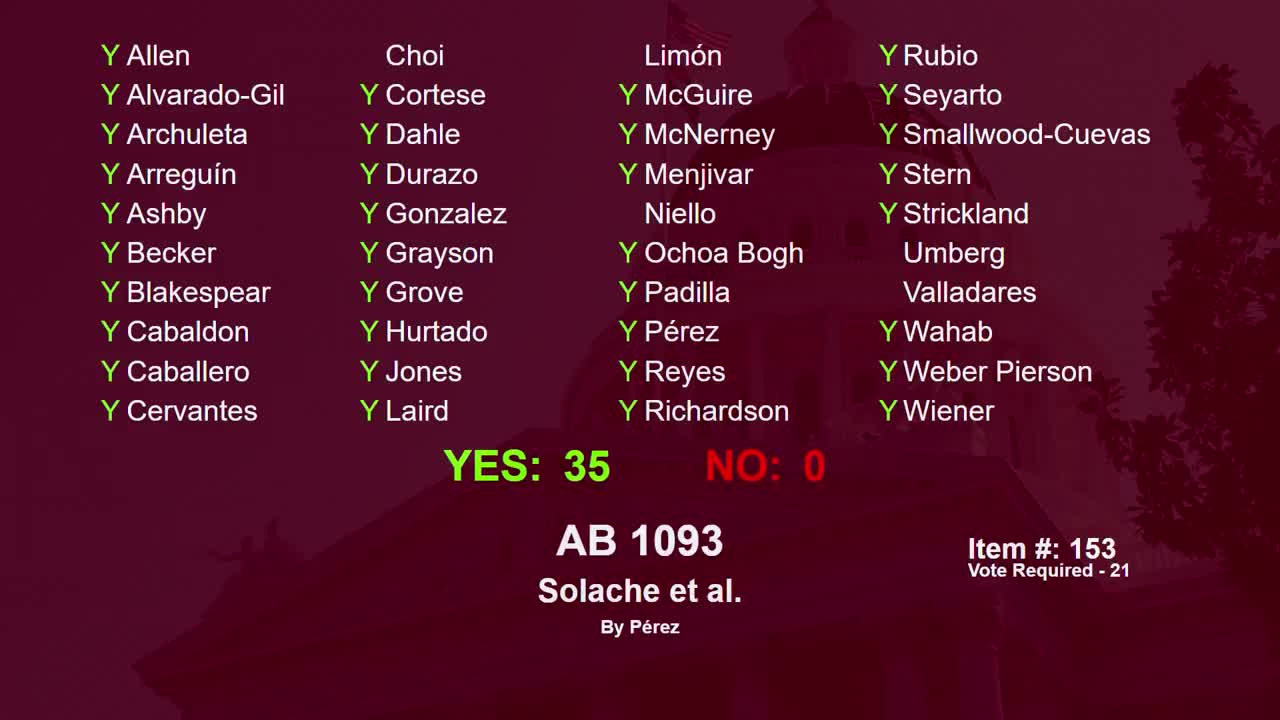
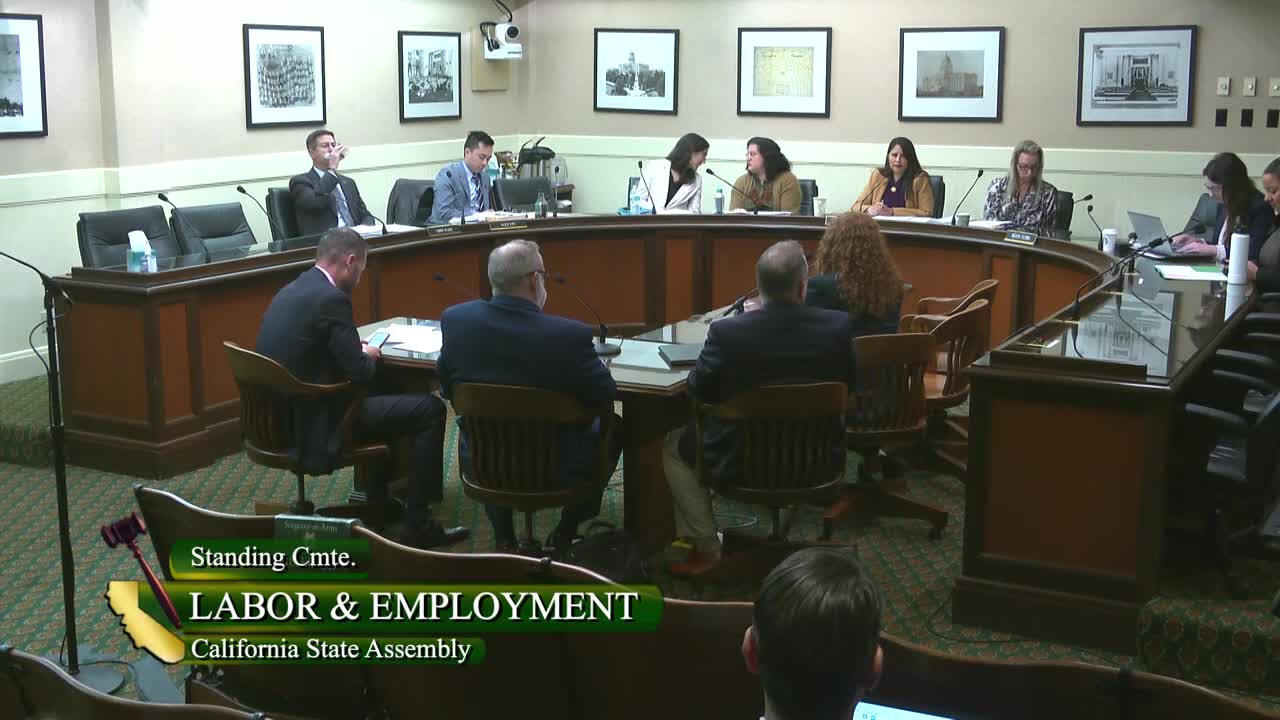
Bill Author

Bill Co-Author(s):