AB 2093: State 988 system.
- Session Year: 2025-2026
- House: Assembly
- Latest Version Date: 2026-08-13
Current Status:
In Progress
(2026-08-30: Ordered to inactive file at the request of Assembly Member Bauer-Kahan.)
Introduced
In Committee
Awaiting First Chamber Vote
Passed First Chamber
In Committee
Awaiting Second Chamber Vote
Passed Second Chamber
Enacted
What does this bill do?
This bill gives the California Health and Human Services Agency the lead role in running and coordinating the state's 988 suicide and crisis hotline system and makes the State Department of Health Care Services responsible for oversight of 988 centers and funding rules. It also requires the Office of Emergency Services to put in place a single statewide technology platform so 988, 911, and mobile crisis teams can share calls and perform warm handoffs, directs the Emergency Medical Services Authority to adopt mandatory transfer protocols, extends advisory group meetings, and tightens reporting and three‑year spending rules for 988 surcharge funds.
The summary is provided by generative AI which can make mistakes. For original language, please view the details in the table below.
Existing federal law, the National Suicide Hotline Designation Act of 2020, designates the 3-digit telephone number 988 as the universal number within the United States for the purpose of the national suicide prevention and mental health crisis hotline system operating through the 988 Suicide & Crisis Lifeline.
Existing law, the Miles Hall Lifeline and Suicide Prevention Act, requires, among other things, the California Health and Human Services Agency (agency) to create, no later than December 31, 2024, a set of recommendations to support a 5-year implementation plan for a comprehensive 988 system. Existing law requires the agency to convene a state 988 advisory group for purposes of advising the agency on the set of recommendations and requires the recommendations to include specified information. Existing law requires the advisory group to meet at least once per quarter until December 31, 2024. Existing law authorizes the agency to disband the advisory group on or after January 1, 2025. Existing law requires the agency, until December 31, 2029, to post regular updates, no less than annually, regarding the implementation of 988 on its public internet website.
This bill would require the advisory group to meet at least once per quarter until December 31, 2029. The bill would authorize the agency to disband or reconvene the advisory group on or after January 1, 2030. The bill would require the above-described regular updates to include, among other things, the progress toward statewide interoperability between 988 and 911. The bill would require the agency to have the primary responsibility for statewide governance and implementation of the 988 system. The bill would require the agency to maintain a 988 System Governance Board to provide cross-agency coordination and oversight related to implementation of the 988 system, as specified. The bill would require the State Department of Health Care Services to be responsible for oversight of 988 center operations, among other things.
Existing law requires the Office of Emergency Services (office) to establish and convene the State 988 Technical Advisory Board for purposes of advising the office on, among other things, recommendations on the feasibility and plan for sustainable interoperability between 988, 911, and behavioral health crisis services. Existing law requires the advisory board to meet no less than quarterly until December 31, 2028. Existing law, after December 31, 2028, authorizes the office to disband the advisory board. Existing law requires the office to appoint a 988 system director to implement and oversee the policy and regulatory framework for the technology infrastructure, coordination, and transfer of calls between 988, 911, and behavioral health crisis services.
This bill would require the advisory board to meet no less than quarterly until December 31, 2029, and thereafter, would authorize the office to disband or reconvene the advisory board. The bill would delete the requirement for the office to appoint a 988 system director. The bill, on or before December 31, 2029, would require the office, in consultation with the State Department of Health Care Services, to procure, implement, and designate a single statewide interoperability platform capable of facilitating real-time communication and warm handoffs between 988 centers and 911 public safety answering points. The No later than June 1, 2027, the bill would require the Emergency Medical Services Authority, in consultation with the office and the State Department of Health Care Services, to develop and adopt mandatory statewide protocols governing the transfer of calls and communications from 911 public safety answering points to 988 centers, as specified. The bill would require the authority to consult with, among others, county behavioral health agencies to develop these protocols.
Existing law establishes the 988 State Suicide and Behavioral Health Crisis Services Fund for the deposit of 988 surcharge revenue. Existing law requires 988 surcharge revenue to be prioritized to fund, among other things, the 988 centers, including the efficient and effective routing of telephone calls, personnel, and the provision of acute behavioral health services through telephone call, text, and chat to the 988 number. Existing law requires 988 surcharge revenue in the 988 State Suicide and Behavioral Health Crisis Services Fund to be available upon appropriation by the Legislature for these purposes. Existing law requires an entity seeking funds available through the 988 Suicide and Behavioral Health Crisis Services Fund to annually file an expenditure and outcomes report, as specified.
This bill would require the State Department of Health Care Services to develop and maintain a statewide 3-year expenditure methodology for the 988 State Suicide and Behavioral Health Crisis Services Fund, as specified. The bill would require the methodology to be completed on or before June 30, 2027, and to first be used for, or before, the 202829 budget year. The bill would require the entity seeking funds to include in the report the net revenues, expenditures, and sources of revenues for 988 and receiving or seeking funds, as specified. The bill would also make conforming changes to the provisions relating to the disbursement of moneys in the 988 State Suicide and Behavioral Health Crisis Services Fund.
Existing federal law, the National Suicide Hotline Designation Act of 2020, designates the 3-digit telephone number 988 as the universal number within the United States for the purpose of the national suicide prevention and mental health crisis hotline system operating through the 988 Suicide & Crisis Lifeline.
Existing law, the Miles Hall Lifeline and Suicide Prevention Act, requires, among other things, the California Health and Human Services Agency (agency) to create, no later than December 31, 2024, a set of recommendations to support a 5-year implementation plan for a comprehensive 988 system. Existing law requires the agency to convene a state 988 advisory group for purposes of advising the agency on the set of recommendations and requires the recommendations to include specified information. Existing law requires the advisory group to meet at least once per quarter until December 31, 2024. Existing law authorizes the agency to disband the advisory group on or after January 1, 2025. Existing law requires the agency, until December 31, 2029, to post regular updates, no less than annually, regarding the implementation of 988 on its public internet website.
This bill would require the advisory group to meet at least once per quarter until December 31, 2029. The bill would authorize the agency to disband or reconvene the advisory group on or after January 1, 2030. The bill would require the above-described regular updates to include, among other things, the progress toward statewide interoperability between 988 and 911. The bill would require the agency to have the primary responsibility for statewide governance and implementation of the 988 system. The bill would require the agency to maintain a 988 System Governance Board to provide cross-agency coordination and oversight related to implementation of the 988 system, as specified. The bill would require the State Department of Health Care Services to be responsible for oversight of 988 center operations, among other things.
Existing law requires the Office of Emergency Services (office) to establish and convene the State 988 Technical Advisory Board for purposes of advising the office on, among other things, recommendations on the feasibility and plan for sustainable interoperability between 988, 911, and behavioral health crisis services. Existing law requires the advisory board to meet no less than quarterly until December 31, 2028. Existing law, after December 31, 2028, authorizes the office to disband the advisory board. Existing law requires the office to appoint a 988 system director to implement and oversee the policy and regulatory framework for the technology infrastructure, coordination, and transfer of calls between 988, 911, and behavioral health crisis services.
This bill would require the advisory board to meet no less than quarterly until December 31, 2029, and thereafter, would authorize the office to disband or reconvene the advisory board. The bill would delete the requirement for the office to appoint a 988 system director. The bill, on or before December 31, 2029, would require the office, in consultation with the State Department of Health Care Services, to procure, implement, and designate a single statewide interoperability platform capable of facilitating real-time communication and warm handoffs between 988 centers and 911 public safety answering points. The bill would require the Emergency Medical Services Authority, in consultation with the office and the State Department of Health Care Services, to develop and adopt mandatory statewide protocols governing the transfer of calls and communications from 911 public safety answering points to 988 centers, as specified.
Existing law establishes the 988 State Suicide and Behavioral Health Crisis Services Fund for the deposit of 988 surcharge revenue. Existing law requires 988 surcharge revenue to be prioritized to fund, among other things, the 988 centers, including the efficient and effective routing of telephone calls, personnel, and the provision of acute behavioral health services through telephone call, text, and chat to the 988 number. Existing law requires 988 surcharge revenue in the 988 State Suicide and Behavioral Health Crisis Services Fund to be available upon appropriation by the Legislature for these purposes.
This bill would require the State Department of Health Care Services to develop and maintain a statewide 3-year expenditure methodology for the 988 State Suicide and Behavioral Health Crisis Services Fund, as specified. The bill would require the methodology to be completed on or before June 30, 2027, and to first be used for, or before, the 202829 budget year. The bill would also make conforming changes to the provisions relating to the disbursement of moneys in the 988 State Suicide and Behavioral Health Crisis Services Fund.
Existing federal law, the National Suicide Hotline Designation Act of 2020, designates the 3-digit telephone number 988 as the universal number within the United States for the purpose of the national suicide prevention and mental health crisis hotline system operating through the 988 Suicide & Crisis Lifeline.
Existing law, the Miles Hall Lifeline and Suicide Prevention Act, requires, among other things, the California Health and Human Services Agency (agency) to create, no later than December 31, 2024, a set of recommendations to support a 5-year implementation plan for a comprehensive 988 system. Existing law requires the agency to convene a state 988 advisory group for purposes of advising the agency on the set of recommendations and requires the recommendations to include specified information. Existing law requires the advisory group to meet at least once per quarter until December 31, 2024. Existing law authorizes the agency to disband the advisory group on or after January 1, 2025.
This bill would delete the provision that authorizes the agency to disband the advisory group. The bill would require the advisory group to meet once per quarter on an indefinite basis. require the advisory group to meet at least once per quarter until December 31, 2029. The bill would authorize the agency to disband the advisory group on or after January 1, 2030.
Existing federal law, the National Suicide Hotline Designation Act of 2020, designates the 3-digit telephone number 988 as the universal number within the United States for the purpose of the national suicide prevention and mental health crisis hotline system operating through the 988 Suicide & Crisis Lifeline.
Existing law, the Miles Hall Lifeline and Suicide Prevention Act, requires, among other things, the California Health and Human Services Agency (agency) to create, no later than December 31, 2024, a set of recommendations to support a 5-year implementation plan for a comprehensive 988 system. Existing law requires the agency to convene a state 988 advisory group for purposes of advising the agency on the set of recommendations and requires the recommendations to include specified information. Existing law requires the advisory group to meet once per quarter until December 31, 2024. Existing law authorizes the agency to disband the advisory group on or after January 1, 2025.
This bill would delete the provision that authorizes the agency to disband the advisory group. The bill would require the advisory group to meet once per quarter on an indefinite basis.
Existing law authorizes the State Department of Health Care Services, contingent upon an appropriation in the annual Budget Act, to establish and implement a suicide prevention, education, and gatekeeper training program to reduce the severity, duration, and incidence of suicidal behaviors.This bill would make technical, nonsubstantive changes to those provisions.Existing law authorizes the State Department of Health Care Services, contingent upon an appropriation in the annual Budget Act, to establish and implement a suicide prevention, education, and gatekeeper training program to reduce the severity, duration, and incidence of suicidal behaviors.
This bill would make technical, nonsubstantive changes to those provisions.
(a)No later than July 16, 2022, the Office of Emergency Services shall verify that technology that allows for transfers between 988 centers, as well as between 988 centers and 911 public safety answering points, is available to 988 centers and 911 public safety answering points throughout California.
(b)(1)No later than 90 days after the passage of this act, the office shall establish and convene the State 988 Technical Advisory Board for purposes of advising the office on all of the following:
(A)Recommendations on the feasibility and plan for sustainable interoperability between 988, 911, and behavioral health crisis services, including the identification of any legal or regulatory barriers to the transfer of 911 calls.
(B)The development of technical and operational standards for the 988 system that allow for coordination with Californias 911 system.
(C)The creation of standards and protocols for when 988 centers will transfer 988 calls into the 911 public safety answering points or points (PSAP), or mobile crisis dispatch, including county behavioral health mobile crisis dispatch, and vice versa.
(2)The board shall meet no less than quarterly until December 31, 2029. Following that date, the board may be disbanded or reconvened at the discretion of the office.
(3)The board shall consist of a representative from the California Health and Human Services Agency and expert representatives, including, but not limited to, those from 988 centers, 911, and county behavioral health agencies, and behavioral health crisis service providers.
(c)On or before December 31, 2029, the office, in consultation with the State Department of Health Care Services, shall procure, implement, and designate a single statewide interoperability platform capable of facilitating real-time communication and warm handoffs between 988 centers centers, mobile crisis team dispatch, including county behavioral health mobile crisis teams, and 911 public safety answering points.
(d)The office shall consult with the National Suicide Prevention Lifeline and the Substance Abuse and Mental Health Services Administration on any technology requirements for 988 centers.
(e)The office shall retain responsibility for technical interoperability between 988 mobile crisis dispatch, including county behavioral health dispatch, and 911 systems, including telecommunications coordination and related technology functions.
(f)The (1)No later than June 1, 2027, the Emergency Medical Services Authority, in consultation with the office and the State Department of Health Care Services, shall develop and adopt mandatory statewide protocols governing the transfer of calls and communications from 911 public safety answering points to 988 centers. centers and mobile crisis team dispatch points, including county behavioral health mobile crisis dispatch points. The protocols shall include all of the following:
(1)(A)Criteria for transfers between 911 mobile crisis team dispatch, including county behavioral health mobile crisis dispatch, and 988.
(2)Procedures for warm handoffs whenever clinically appropriate.(B)Procedures, protocols, and policies for warm handoffs.
(3)(C)Standards to support the least restrictive and clinically appropriate responses to behavioral health crises.
(4)(D)Coordination standards between 988 centers, emergency medical services providers, mobile crisis teams, and public safety agencies. including county behavioral health mobile crisis teams, public safety agencies, and other first responders.
(2)The Emergency Medical Services Authority shall consult with county behavioral health agencies, 988 call centers, 911 public safety answering points, public safety agencies, and other first responders on the development of these protocols.
SEC. 2.Section 53123.3 of the Government Code is amended to read:53123.3.(a)(1)No later than December 31, 2024, the California Health and Human Services Agency shall create a set of recommendations to support a five-year implementation plan for a comprehensive 988 system.
(2)The California Health and Human Services Agency shall convene a state 988 advisory group for purposes of advising the California Health and Human Services Agency on the set of recommendations to support the five-year implementation plan. The recommendations shall specify what can be accomplished pursuant to existing administrative authority and what will require additional legislation for implementation.
(3)The advisory group shall include, but is not limited to, the State Department of Health Care Services, the office, the State Department of Public Health, representatives of counties, representatives of employees working for county behavioral health agencies and agencies who subcontract with county behavioral health agencies who provide these services, health plans, emergency medical services, law enforcement, consumers, families, peers, 988 centers, and other local and statewide public agencies.
(4)The advisory group shall meet at least once per quarter until December 31, 2029.
(5)The advisory group may be disbanded or reconvened at the discretion of the California Health and Human Services Agency, but shall not be disbanded before January 1, 2030.
(b)The California Health and Human Services Agency and the advisory group shall make recommendations on all of the following:
(1)Federal Substance Abuse and Mental Health Services Administration requirements and national best practices guidelines for operational and clinical standards, including training requirements and policies for transferring callers to an appropriate specialized center, or subnetworks, within or external to, the National Suicide Prevention Lifeline network.
(2)Maintenance of an active agreement with the administrator of the National Suicide Prevention Lifeline for participation within the network.
(3)Compliance with state technology requirements or guidelines for the operation of 988.
(4)A state governance structure to support the implementation and administration of behavioral health crisis services accessed through 988.
(5)988 infrastructure, staffing, and training standards that will support statewide access to crisis counselors through telephone call, text, and chat, 24 hours per day, seven days per week.
(6)Access to crisis stabilization services and triage and response to warm handoffs from 911 and 988 call centers.
(7)Resources and policy changes to address statewide and regional needs in order to meet population needs for behavioral health crisis services.
(8)Statewide and regional public communications strategies informed by the National Suicide Prevention Lifeline and the Substance Abuse and Mental Health Services Administration to support public awareness and consistent messaging regarding 988 and behavioral health crisis services.
(9)Recommendations to achieve coordination between 988 and the continuum of behavioral health crisis services. Recommendations shall address strategies for verifying that behavioral health crisis services are coordinated for a timely response to clearly articulated suicidal or behavioral health contacts made or routed to 988 services as an alternative to a response from law enforcement, except in high-risk situations that cannot be safely managed without law enforcement response and achieving statewide provision of connection to mobile crisis services, when appropriate, to respond to individuals in crisis in a timely manner.
(10)Quantifiable goals for the provision of statewide and regional behavioral health crisis services, which consider factors such as reported rates of suicide attempts and deaths.
(11)A process for establishing outcome measures, benchmarks, and improvement targets for 988 centers and the behavioral health crisis services system. This may include recommendations regarding how to measure, the feasibility of measuring 988 system performance, including capacity, wait time, and the ability to meet demand for services for 988 State Suicide and Behavioral Health Crisis Services Fund fund recipients. This may also include recommendations for how to determine and report the amount billed to and reimbursed by Medi-Cal or other public and private health care service plans or insurers related to 988 services.
(12)Findings from a comprehensive assessment of the behavioral health crisis services system that takes into account infrastructure projects that are planned and funded. These findings shall include an inventory of the infrastructure, capacity, and needs for all of the following:
(A)Statewide and regional 988 centers.
(B)Mobile crisis team services, including mobile crisis access and dispatch call centers.
(C)Other existing behavioral health crisis services and warm lines.
(D)Crisis stabilization services.
(13)Procedures for determining the annual operating revenues, expenditures, and proposed 988 operational budget for the purposes of establishing the rate of the 988 surcharge and how revenue will be dispersed to fund the 988 system consistent with Section 53123.4 and Section 251a of Title 47 of the United States Code.
(14)Strategies to support the behavioral health crisis service system is adequately funded, including mechanisms for reimbursement of behavioral health crisis response pursuant to Sections 1374.72 and 1374.721 of the Health and Safety Code, including, but not limited to:
(A)To the extent that any necessary federal approvals are obtained and federal financial participation is available and is not otherwise jeopardized, seeking to maximize all available federal funding sources for the purposes of behavioral health crisis services and administrative activities related to 988 implementation, including federal Medicaid reimbursement for services; federal Medicaid reimbursement for administrative expenses, including the development and maintenance of information technology; and federal grants.
(B)Coordinating with the Department of Insurance and Department of Managed Health Care to verify reimbursement to 988 centers and mobile crisis teams, including county behavioral health mobile crisis teams, for behavioral health crisis services by health care service plans and disability insurers, pursuant to Section 1374.72 of the Health and Safety Code and Section 10144.5 of the Insurance Code and consistent with the requirements of the federal Mental Health Parity and Addiction Equity Act of 2008 (29 U.S.C. Sec. 1185a).
(c)Until December 31, 2029, the California Health and Human Services Agency shall post regular updates, no less than annually, regarding the implementation of 988 on its public internet website. The updates shall additionally include all of the following:
(1)Progress toward statewide interoperability between 988 mobile crisis teams, including county behavioral health mobile crisis teams, and and 911.
(2)Progress toward statewide integration between 988 centers and mobile crisis teams. teams, including county behavioral health mobile crisis teams.
(3)Implementation status of the statewide interoperability platform established pursuant to Section 53123.2.
(4)Statewide answer rates for call, text messages, and chats.
(5)Information regarding the use of least restrictive and clinically appropriate responses to behavioral health crises.(5)Statewide rates for warm handoffs and dispatch of county behavioral health mobile crisis teams responding to 988 callers.
(6)Statewide rates for county behavioral health mobile crisis rates of diverting individuals from law enforcement and emergency departments.
(d)(1)The California Health and Human Services Agency shall have the primary responsibility for statewide governance and implementation of the 988 system.
(2)(A)The California Health and Human Services Agency shall maintain a 988 System Governance Board to provide cross-agency coordination and oversight related to implementation of the 988 system.
(B)The board shall include representatives from, at minimum, the California Health and Human Services Agency, State Department of Health Care Services, Emergency Medical Services Authority, State Department of Public Health, Department of Managed Health Care, Department of Insurance, and the Office of Emergency Services.
(e)The State Department of Health Care Services shall be responsible for all of the following:
(1)Oversight of 988 center operations.
(2)Oversight of mobile crisis integration into the 988 system. response to the 988 centers.
(3)Administration of the 988 State Suicide and Behavioral Health Crisis Services Fund, except for technical interoperability functions retained by the Office of Emergency Services, pursuant to Section 53123.2.
(4)Development of statewide operational, workforce, training, technology, and technology standards, and funding methodologies necessary to implement the 988 system.
(5)Establishment of statewide requirements, implementation standards, and protocols necessary to support integration between 988 centers and mobile crisis teams, and mobile crisis response, including county behavioral health mobile response, including real-time coordination, warm handoff capability, and response protocols.
(6)Establishment of statewide standards and protocols to support least restrictive and clinically appropriate responses to behavioral health crises, including behavioral health or medical responses in lieu of law enforcement response whenever clinically safe and appropriate.
(7)Establishment of methodology, inclusive of county behavioral health mobile crisis revenues and operating expenditures, and statewide requirements to track mobile crisis response, including county behavioral health mobile crisis response, to 988 callers, consistent with subparagraph (B) of paragraph (2) of subdivision (b) of Section 53123.4.
(f)No later than December 31, 2029, and to the extent not prohibited by federal law, Medi-Cal mobile crisis service providers shall maintain the capability the department shall establish the capability and issue a requirement for county behavioral health mobile crisis response teams to receive and respond to referrals, dispatch requests, or warm handoffs from 988 centers in real time.
(g)No later than December 31, 2029, and to the extent not prohibited by federal law, the department shall require 988 call centers to transfer 988 callers to their county mobile crisis dispatch for mobile crisis services consistent with the transfer protocols developed pursuant to subdivision (f) of Section 53123.2.
(g)(h)Nothing in this section shall prohibit 988 centers from coordinating with other behavioral health crisis response entities, including city-operated or locally operated mobile crisis teams.
SEC. 3.Section 53123.4 of the Government Code is amended to read:53123.4.(a)The 988 State Suicide and Behavioral Health Crisis Services Fund is hereby established in the State Treasury.
(b)(1)The fund shall consist of the revenue generated by the 988 surcharge assessed on users under Section 41020 of the Revenue and Taxation Code, which revenue shall be used solely for the operations of the 988 center and mobile crisis teams as defined in the American Rescue Plan Act of 2021 (Section 9813(b)(2) of Public Law 117-2). The fund shall also consist of any other appropriations made to it by the Legislature. The Legislature may consider additional uses for the revenue generated by the 988 surcharge based on recommendations made by the California Health and Human Services Agency and the advisory group pursuant to subdivision (b) of Section 53123.3.
(2)The revenue generated by the 988 surcharge shall, to the extent not prohibited by Section 251a of Title 47 of the United States Code and any applicable rules or regulations adopted by the Federal Communications Commission and in compliance with subdivision (b) of Section 41136 of the Revenue and Taxation Code, be prioritized to fund the following:
(A)First, the 988 centers, including the efficient and effective routing of telephone calls, personnel, and the provision of acute behavioral health services through telephone call, text, and chat to the 988 number.
(B)Second, the operation of county behavioral health directly operated or contracted mobile crisis teams accessed via telephone calls, texts, or chats made to or routed through 988 as specified under Section 4(a)(2)(B) of Public Law 116-172.
(C)Third, the operation of mobile crisis teams not otherwise contracted with or operated by county behavioral health agencies accessed via telephone calls, texts, or chats made to or routed through 988 as specified under Section 4(a)(2)(B) of Public Law 116-172.
(3)Money in the fund shall not be subject to transfer to another fund or to transfer, assignment, or reassignment for another use or purpose outside of those specified in this article.
(4) 988 surcharge revenue in the fund shall be available, upon appropriation by the Legislature, for the purposes specified in this article.
(5) The revenue generated by the 988 surcharge shall be used to supplement, not supplant, federal, state, and local funding for 988 centers and behavioral health crisis services.
(6) The revenue generated by the 988 surcharge may only be used to fund service and operation expenses that are not reimbursable through Medicaid federal financial participation, Medicare, health care service plans, or disability insurers.
(c)(1)The State Department of Health Care Services shall develop and maintain a statewide three-year expenditure methodology for the 988 State Suicide and Behavioral Health Crisis Services Fund.
(2)The methodology shall be developed through a public process. process with input from representatives of 988 call centers and mobile crisis response teams, including county behavioral health teams.
(3)The methodology shall be completed on or before June 30, 2027, and shall first be used for, or before, the 202829 budget year. The department may update the methodology after June 30, 2027.
(4)The methodology shall establish projected statewide funding needs for a three-year period period consistent with this section and shall serve as the basis for the Legislatures appropriation of 988 surcharge revenues.
(5)The methodology shall account for all of the following:
(A)Anticipated statewide call, text, and chat volume.
(B)Anticipated mobile crisis dispatch and response volume.
(C)Staffing levels necessary to meet projected demand.
(D)Workforce vacancy rates and workforce sustainability needs.
(E)Funding necessary to support training time for 988 center staff and mobile crisis personnel.
(F)Technology, telecommunications, infrastructure, and modernization needs.
(G)Geographic equity and statewide access needs, including rural access.
(H)Surge capacity and disaster readiness.
(I)Federal performance standards and national best practices.
(J)Existing and anticipated federal, state, local, and private reimbursement sources.
(K)Revenues and expenses by 988 call centers and mobile crisis teams receiving or seeking 988 State Suicide and Behavioral Health Crisis Services funds, including county behavioral health mobile crisis response teams.
(d)The State Department of Health Care Services may adopt regulations regarding how funds received shall be disseminated to support the operations of the 988 system and related behavioral health crisis services.
(e)The State Department of Health Care Services shall require an entity seeking funds available through the 988 Suicide and Behavioral Health Crisis Services Fund to annually file an expenditure expenditure, revenues, and outcomes report in a form and manner as determined by the State Department of Health Care Services. The expenditure expenditure, revenues, and outcomes report shall include, but is not limited to, the following:
(1)The total budget.
(2)Number and job classification of personnel.
(3)The number of individuals served.
(4)The outcomes for individuals served, if known.
(5)The health coverage status of individuals served, if known. The net revenues, expenditures, and sources of revenues for 988 and receiving or seeking 988 State Suicide and Behavioral Health Crisis Services funds, including county behavioral health or other noncounty contracted or directly provided mobile crisis response, by the entity seeking funds.
(6)Beginning July 1, 2025, to the extent feasible and consistent with paragraph (11) of subdivision (b) of Section 53123.3, measures of system performance, including capacity, wait times, and the ability to meet demand for services. services, and warm handoffs with mobile crisis response dispatch.
(7)Beginning January 1, 2030, to the extent feasible and consistent with paragraph (11) of subdivision (b) of Section 53123.3 the amount billed to and reimbursed by Medi-Cal or other public and private health care service plans or insurers.
(8)The number of individuals who used the service and self-identified as veterans or active military personnel, if known.
(f)The State Treasurer shall report annually to the State Department of Health Care Services on fund deposits and expenditures.
SEC. 4.Section 41135 of the Revenue and Taxation Code is amended to read:41135.(a)All amounts required to be paid to the state under this part shall be paid to the department in the form of remittances payable to the California Department of Tax and Fee Administration. The department shall transmit the revenues to the State Treasurer to be deposited in the State Treasury to either the credit of the State Emergency Telephone Number Account in the General Fund, or the 988 State Suicide and Behavioral Health Crisis Services Fund, depending on the apportionment of the revenues arising from each surcharge.
(b)The department, in consultation with the State Department of Health Care Services and the Office of Emergency Services, may adopt regulations to implement the apportionment of the revenues from each surcharge.
(c)The department shall submit an annual report to the State Department of Health Care Services on revenue generated by the 988 surcharge.
SEC. 5.Section 41136 of the Revenue and Taxation Code is amended to read:41136.(a)From the funds in the State Emergency Telephone Number Account, all amounts of the 911 surcharge collected shall, when appropriated by the Legislature, be spent solely for the following purposes:
(1)To pay refunds authorized by this part.
(2)To pay the department for the cost of the administration of the 911 surcharge under this part.
(3)To pay the Office of Emergency Services for its costs in administration of the 911 emergency telephone number system.
(4)To pay bills submitted to the Office of Emergency Services by service suppliers or communications equipment companies for the installation of, and ongoing expenses for, the following communications services supplied to local agencies in connection with the 911 emergency phone number system:
(A)A basic system, defined as 911 systems, including, but not limited to, Next Generation 911, and the subsequent technologies, and interfaces needed to deliver 911 voice and data information from the 911 caller to the emergency responder and the subsequent technologies, and interfaces needed to send information, including, but not limited to, alerts and warnings, to potential 911 callers.
(B)A basic system with telephone central office identification.
(C)A system employing automatic call routing.
(D)Approved incremental costs.
(5)To pay claims of local agencies for approved incremental costs, not previously compensated for by another governmental agency.
(6)To pay claims of local agencies for incremental costs and amounts, not previously compensated for by another governmental agency, incurred prior to the effective date of this part, for the installation and ongoing expenses for the following communication services supplied in connection with the 911 emergency telephone number system:
(A)A basic system, defined as 911 systems, including, but not limited to, Next Generation 911, and the subsequent technologies, and interfaces needed to deliver 911 voice and data information from the 911 caller to the emergency responder and the subsequent technologies, and interfaces needed to send information, including, but not limited to, alerts and warnings, to potential 911 callers.
(B)A basic system with telephone central office identification.
(C)A system employing automatic call routing.
(D)Approved incremental costs. Incremental costs shall not be allowed unless the costs are concurred in by the Office of Emergency Services.
(b)(1)From the funds in the 988 State Suicide and Behavioral Health Crisis Services Fund, all amounts of the 988 surcharge collected shall be spent for purposes identified in Section 53123.4 of the Government Code. However, before funds are disbursed as provided in Section 53123.4 of the Government Code, funds shall be used for all of the following:
(A)To pay refunds authorized by this part.
(B)To pay the department for the cost of the administration of the 988 surcharge under this part.
(C)To pay other state departments for their costs in administration of the 988 Suicide & Crisis Lifeline.
(2)The remainder of the revenue shall be disbursed to the State Department of Health Care Services for the purposes identified in Section 53123.4 of the Government Code.
(a)No later than July 16, 2022, the Office of Emergency Services shall verify that technology that allows for transfers between 988 centers, as well as between 988 centers and 911 public safety answering points, is available to 988 centers and 911 public safety answering points throughout California.
(b)(1)No later than 90 days after the passage of this act, the office shall do both of the following: establish and convene the State 988 Technical Advisory Board for purposes of advising the office on all of the following:
(1)Appoint a 988 system director to implement and oversee the policy and regulatory framework for the technology infrastructure, coordination, and transfer of calls between 988, 911, and behavioral health crisis services.(2)(A)Establish and convene the State 988 Technical Advisory Board for purposes of advising the office on the following: (i)(A)Recommendations on the feasibility and plan for sustainable interoperability between 988, 911, and behavioral health crisis services, including the identification of any legal or regulatory barriers to the transfer of 911 calls.
(ii)(B)The development of technical and operational standards for the 988 system that allow for coordination with Californias 911 system.
(iii)(C)The creation of standards and protocols for when 988 centers will transfer 988 calls into the 911 public safety answering points or points (PSAP), and vice versa.
(B)(2)The board shall meet no less than quarterly until December 31, 2028. 2029. Following that date, the board may be disbanded or reconvened at the discretion of the office.
(C)(3)The board shall consist of a representative from the California Health and Human Services Agency and expert representatives, including, but not limited to, those from 988 centers, 911, and behavioral health crisis service providers.
(c)No later than July 1, 2024, the office shall verify interoperability between and across 911 and 988. This shall include verifying interoperability of telephone calls, texts, chats, and other similar capabilities consistent with the implementation of Next Generation 911.(c)On or before December 31, 2029, the office, in consultation with the State Department of Health Care Services, shall procure, implement, and designate a single statewide interoperability platform capable of facilitating real-time communication and warm handoffs between 988 centers and 911 public safety answering points.
(d)The office shall consult with the National Suicide Prevention Lifeline and the Substance Abuse and Mental Health Services Administration on any technology requirements for 988 centers.
(e)The office shall retain responsibility for technical interoperability between 988 and 911 systems, including telecommunications coordination and related technology functions.
(f)The Emergency Medical Services Authority, in consultation with the office and the State Department of Health Care Services, shall develop and adopt mandatory statewide protocols governing the transfer of calls and communications from 911 public safety answering points to 988 centers. The protocols shall include all of the following:
(1)Criteria for transfers between 911 and 988.
(2)Procedures for warm handoffs whenever clinically appropriate.
(3)Standards to support the least restrictive and clinically appropriate responses to behavioral health crises.
(4)Coordination standards between 988 centers, emergency medical services providers, mobile crisis teams, and public safety agencies.
SECTION 1.SEC. 2.Section 53123.3 of the Government Code is amended to read:53123.3.(a)(1)No later than December 31, 2024, the California Health and Human Services Agency shall create a set of recommendations to support a five-year implementation plan for a comprehensive 988 system.
(2)The California Health and Human Services Agency shall convene a state 988 advisory group for purposes of advising the California Health and Human Services Agency on the set of recommendations to support the five-year implementation plan. The recommendations shall specify what can be accomplished pursuant to existing administrative authority and what will require additional legislation for implementation.
(3)The advisory group shall include, but is not limited to, the State Department of Health Care Services, the office, the State Department of Public Health, representatives of counties, representatives of employees working for county behavioral health agencies and agencies who subcontract with county behavioral health agencies who provide these services, health plans, emergency medical services, law enforcement, consumers, families, peers, 988 centers, and other local and statewide public agencies.
(4)The advisory group shall meet at least once per quarter until December 31, 2029.
(5)The advisory group may be disbanded or reconvened at the discretion of the California Health and Human Services Agency, but shall not be disbanded before January 1, 2030.
(b)The California Health and Human Services Agency and the advisory group shall make recommendations on all of the following:
(1)Federal Substance Abuse and Mental Health Services Administration requirements and national best practices guidelines for operational and clinical standards, including training requirements and policies for transferring callers to an appropriate specialized center, or subnetworks, within or external to, the National Suicide Prevention Lifeline network.
(2)Maintenance of an active agreement with the administrator of the National Suicide Prevention Lifeline for participation within the network.
(3)Compliance with state technology requirements or guidelines for the operation of 988.
(4)A state governance structure to support the implementation and administration of behavioral health crisis services accessed through 988.
(5)988 infrastructure, staffing, and training standards that will support statewide access to crisis counselors through telephone call, text, and chat, 24 hours per day, seven days per week.
(6)Access to crisis stabilization services and triage and response to warm handoffs from 911 and 988 call centers.
(7)Resources and policy changes to address statewide and regional needs in order to meet population needs for behavioral health crisis services.
(8)Statewide and regional public communications strategies informed by the National Suicide Prevention Lifeline and the Substance Abuse and Mental Health Services Administration to support public awareness and consistent messaging regarding 988 and behavioral health crisis services.
(9)Recommendations to achieve coordination between 988 and the continuum of behavioral health crisis services. Recommendations shall address strategies for verifying that behavioral health crisis services are coordinated for a timely response to clearly articulated suicidal or behavioral health contacts made or routed to 988 services as an alternative to a response from law enforcement, except in high-risk situations that cannot be safely managed without law enforcement response and achieving statewide provision of connection to mobile crisis services, when appropriate, to respond to individuals in crisis in a timely manner.
(10)Quantifiable goals for the provision of statewide and regional behavioral health crisis services, which consider factors such as reported rates of suicide attempts and deaths.
(11)A process for establishing outcome measures, benchmarks, and improvement targets for 988 centers and the behavioral health crisis services system. This may include recommendations regarding how to measure, the feasibility of measuring 988 system performance, including capacity, wait time, and the ability to meet demand for services for 988 State Suicide and Behavioral Health Crisis Services Fund fund recipients. This may also include recommendations for how to determine and report the amount billed to and reimbursed by Medi-Cal or other public and private health care service plans or insurers related to 988 services.
(12)Findings from a comprehensive assessment of the behavioral health crisis services system that takes into account infrastructure projects that are planned and funded. These findings shall include an inventory of the infrastructure, capacity, and needs for all of the following:
(A)Statewide and regional 988 centers.
(B)Mobile crisis team services, including mobile crisis access and dispatch call centers.
(C)Other existing behavioral health crisis services and warm lines.
(D)Crisis stabilization services.
(13)Procedures for determining the annual operating budget for the purposes of establishing the rate of the 988 surcharge and how revenue will be dispersed to fund the 988 system consistent with Section 53123.4 and Section 251a of Title 47 of the United States Code.
(14)Strategies to support the behavioral health crisis service system is adequately funded, including mechanisms for reimbursement of behavioral health crisis response pursuant to Sections 1374.72 and 1374.721 of the Health and Safety Code, including, but not limited to:
(A)To the extent that any necessary federal approvals are obtained and federal financial participation is available and is not otherwise jeopardized, seeking to maximize all available federal funding sources for the purposes of behavioral health crisis services and administrative activities related to 988 implementation, including federal Medicaid reimbursement for services; federal Medicaid reimbursement for administrative expenses, including the development and maintenance of information technology; and federal grants.
(B)Coordinating with the Department of Insurance and Department of Managed Health Care to verify reimbursement to 988 centers for behavioral health crisis services by health care service plans and disability insurers, pursuant to Section 1374.72 of the Health and Safety Code and Section 10144.5 of the Insurance Code and consistent with the requirements of the federal Mental Health Parity and Addiction Equity Act of 2008 (29 U.S.C. Sec. 1185a).
(c)Until December 31, 2029, the California Health and Human Services Agency shall post regular updates, no less than annually, regarding the implementation of 988 on its public internet website. The updates shall additionally include all of the following:
(1)Progress toward statewide interoperability between 988 and 911.
(2)Progress toward statewide integration between 988 centers and mobile crisis teams.
(3)Implementation status of the statewide interoperability platform established pursuant to Section 53123.2.
(4)Statewide answer rates for call, text messages, and chats.
(5)Information regarding the use of least restrictive and clinically appropriate responses to behavioral health crises.
(d)(1)The California Health and Human Services Agency shall have the primary responsibility for statewide governance and implementation of the 988 system.
(2)(A)The California Health and Human Services Agency shall maintain a 988 System Governance Board to provide cross-agency coordination and oversight related to implementation of the 988 system.
(B)The board shall include representatives from, at minimum, the California Health and Human Services Agency, State Department of Health Care Services, Emergency Medical Services Authority, State Department of Public Health, Department of Managed Health Care, Department of Insurance, and the Office of Emergency Services.
(e)The State Department of Health Care Services shall be responsible for all of the following:
(1)Oversight of 988 center operations.
(2)Oversight of mobile crisis integration into the 988 system.
(3)Administration of the 988 State Suicide and Behavioral Health Crisis Services Fund, except for technical interoperability functions retained by the Office of Emergency Services, pursuant to Section 53123.2.
(4)Development of statewide operational, workforce, training, technology, and funding methodologies necessary to implement the 988 system.
(5)Establishment of statewide requirements, implementation standards, and protocols necessary to support integration between 988 centers and mobile crisis teams, including real-time coordination, warm handoff capability, and response protocols.
(6)Establishment of statewide standards and protocols to support least restrictive and clinically appropriate responses to behavioral health crises, including behavioral health or medical responses in lieu of law enforcement response whenever clinically appropriate.
(f)No later than December 31, 2029, and to the extent not prohibited by federal law, Medi-Cal mobile crisis service providers shall maintain the capability to receive and respond to referrals, dispatch requests, or warm handoffs from 988 centers in real time.
(g)Nothing in this section shall prohibit 988 centers from coordinating with other behavioral health crisis response entities, including city-operated or locally operated mobile crisis teams.
SEC. 3.Section 53123.4 of the Government Code is amended to read:53123.4.(a)The 988 State Suicide and Behavioral Health Crisis Services Fund is hereby established in the State Treasury.
(b)(1)The fund shall consist of the revenue generated by the 988 surcharge assessed on users under Section 41020 of the Revenue and Taxation Code, which revenue shall be used solely for the operations of the 988 center and mobile crisis teams as defined in the American Rescue Plan Act of 2021 (Section 9813(b)(2) of Public Law 117-2). The fund shall also consist of any other appropriations made to it by the Legislature. The Legislature may consider additional uses for the revenue generated by the 988 surcharge based on recommendations made by the California Health and Human Services Agency and the advisory group pursuant to subdivision (b) of Section 53123.3.
(2)The revenue generated by the 988 surcharge shall, to the extent not prohibited by Section 251a of Title 47 of the United States Code and any applicable rules or regulations adopted by the Federal Communications Commission and in compliance with subdivision (b) of Section 41136 of the Revenue and Taxation Code, be prioritized to fund the following:
(A)First, the 988 centers, including the efficient and effective routing of telephone calls, personnel, and the provision of acute behavioral health services through telephone call, text, and chat to the 988 number.
(B)Second, the operation of mobile crisis teams accessed via telephone calls, texts, or chats made to or routed through 988 as specified under Section 4(a)(2)(B) of Public Law 116-172.
(3)Money in the fund shall not be subject to transfer to another fund or to transfer, assignment, or reassignment for another use or purpose outside of those specified in this article.
(4) 988 surcharge revenue in the fund shall be available, upon appropriation by the Legislature, for the purposes specified in this article.
(5) The revenue generated by the 988 surcharge shall be used to supplement, not supplant, federal, state, and local funding for 988 centers and behavioral health crisis services.
(6) The revenue generated by the 988 surcharge may only be used to fund service and operation expenses that are not reimbursable through Medicaid federal financial participation, Medicare, health care service plans, or disability insurers.
(c)(1)The State Department of Health Care Services shall develop and maintain a statewide three-year expenditure methodology for the 988 State Suicide and Behavioral Health Crisis Services Fund.
(2)The methodology shall be developed through a public process.
(3)The methodology shall be completed on or before June 30, 2027, and shall first be used for, or before, the 202829 budget year.
(4)The methodology shall establish projected statewide funding needs for a three-year period and shall serve as the basis for the Legislatures appropriation of 988 surcharge revenues.
(5)The methodology shall account for all of the following:
(A)Anticipated statewide call, text, and chat volume.
(B)Anticipated mobile crisis dispatch volume.
(C)Staffing levels necessary to meet projected demand.
(D)Workforce vacancy rates and workforce sustainability needs.
(E)Funding necessary to support training time for 988 center staff and mobile crisis personnel.
(F)Technology, telecommunications, infrastructure, and modernization needs.
(G)Geographic equity and statewide access needs, including rural access.
(H)Surge capacity and disaster readiness.
(I)Federal performance standards and national best practices.
(J)Existing and anticipated federal, state, local, and private reimbursement sources.
(c)(d)The office, in consultation with the State Department of Health Care Services, Services may adopt regulations regarding how funds received shall be disseminated to support the operations of the 988 system and related behavioral health crisis services.
(d)(e)The office State Department of Health Care Services shall require an entity seeking funds available through the 988 Suicide and Behavioral Health Crisis Services Fund to annually file an expenditure and outcomes report in a form and manner as determined by the office and the State Department of Health Care Services. The expenditure and outcomes report shall include, but is not limited to, the following:
(1)The total budget.
(2)Number and job classification of personnel.
(3)The number of individuals served.
(4)The outcomes for individuals served, if known.
(5)The health coverage status of individuals served, if known.
(6)Beginning July 1, 2025, to the extent feasible and consistent with paragraph (11) of subdivision (b) of Section 53123.3, measures of system performance, including capacity, wait times, and the ability to meet demand for services.
(7)Beginning January 1, 2030, to the extent feasible and consistent with paragraph (11) of subdivision (b) of Section 53123.3 the amount billed to and reimbursed by Medi-Cal or other public and private health care service plans or insurers.
(8)The number of individuals who used the service and self-identified as veterans or active military personnel, if known.
(e)(f)The State Treasurer shall report annually to the office State Department of Health Care Services on fund deposits and expenditures.
SEC. 4.Section 41135 of the Revenue and Taxation Code is amended to read:41135.(a)All amounts required to be paid to the state under this part shall be paid to the department in the form of remittances payable to the California Department of Tax and Fee Administration. The department shall transmit the revenues to the State Treasurer to be deposited in the State Treasury to either the credit of the State Emergency Telephone Number Account in the General Fund, or the 988 State Suicide and Behavioral Health Crisis Services Fund, depending on the apportionment of the revenues arising from each surcharge.
(b)The department, in consultation with the State Department of Health Care Services and the Office of Emergency Services, may adopt regulations to implement the apportionment of the revenues from each surcharge.
(c)The department shall submit an annual report to the Office of Emergency Services State Department of Health Care Services on revenue generated by the 988 surcharge.
SEC. 5.Section 41136 of the Revenue and Taxation Code is amended to read:41136.(a)From the funds in the State Emergency Telephone Number Account, all amounts of the 911 surcharge collected shall, when appropriated by the Legislature, be spent solely for the following purposes:
(1)To pay refunds authorized by this part.
(2)To pay the department for the cost of the administration of the 911 surcharge under this part.
(3)To pay the Office of Emergency Services for its costs in administration of the 911 emergency telephone number system.
(4)To pay bills submitted to the Office of Emergency Services by service suppliers or communications equipment companies for the installation of, and ongoing expenses for, the following communications services supplied to local agencies in connection with the 911 emergency phone number system:
(A)A basic system, defined as 911 systems, including, but not limited to, Next Generation 911, and the subsequent technologies, and interfaces needed to deliver 911 voice and data information from the 911 caller to the emergency responder and the subsequent technologies, and interfaces needed to send information, including, but not limited to, alerts and warnings, to potential 911 callers.
(B)A basic system with telephone central office identification.
(C)A system employing automatic call routing.
(D)Approved incremental costs.
(5)To pay claims of local agencies for approved incremental costs, not previously compensated for by another governmental agency.
(6)To pay claims of local agencies for incremental costs and amounts, not previously compensated for by another governmental agency, incurred prior to the effective date of this part, for the installation and ongoing expenses for the following communication services supplied in connection with the 911 emergency telephone number system:
(A)A basic system, defined as 911 systems, including, but not limited to, Next Generation 911, and the subsequent technologies, and interfaces needed to deliver 911 voice and data information from the 911 caller to the emergency responder and the subsequent technologies, and interfaces needed to send information, including, but not limited to, alerts and warnings, to potential 911 callers.
(B)A basic system with telephone central office identification.
(C)A system employing automatic call routing.
(D)Approved incremental costs. Incremental costs shall not be allowed unless the costs are concurred in by the Office of Emergency Services.
(b)(1)From the funds in the 988 State Suicide and Behavioral Health Crisis Services Fund, all amounts of the 988 surcharge collected shall be spent for purposes identified in Section 53123.4 of the Government Code. However, before funds are disbursed as provided in Section 53123.4 of the Government Code, funds shall be used for all of the following:
(A)To pay refunds authorized by this part.
(B)To pay the department for the cost of the administration of the 988 surcharge under this part.
(C)To pay other state departments for their costs in administration of the 988 Suicide & Crisis Lifeline.
(2)The remainder of the revenue shall be disbursed to the Office of Emergency Services State Department of Health Care Services for the purposes identified in Section 53123.4 of the Government Code.
(a)(1)No later than December 31, 2024, the California Health and Human Services Agency shall create a set of recommendations to support a five-year implementation plan for a comprehensive 988 system.
(2)The California Health and Human Services Agency shall convene a state 988 advisory group for purposes of advising the California Health and Human Services Agency on the set of recommendations to support the five-year implementation plan. The recommendations shall specify what can be accomplished pursuant to existing administrative authority and what will require additional legislation for implementation.
(3)The advisory group shall include, but is not limited to, the State Department of Health Care Services, the office, the State Department of Public Health, representatives of counties, representatives of employees working for county behavioral health agencies and agencies who subcontract with county behavioral health agencies who provide these services, health plans, emergency medical services, law enforcement, consumers, families, peers, 988 centers, and other local and statewide public agencies.
(4)The advisory group shall meet at least once per quarter. quarter until December 31, 2029.
(5)The advisory group may be disbanded at the discretion of the California Health and Human Services Agency, but shall not be disbanded before January 1, 2030.
(b)The California Health and Human Services Agency and the advisory group shall make recommendations on all of the following:
(1)Federal Substance Abuse and Mental Health Services Administration requirements and national best practices guidelines for operational and clinical standards, including training requirements and policies for transferring callers to an appropriate specialized center, or subnetworks, within or external to, the National Suicide Prevention Lifeline network.
(2)Maintenance of an active agreement with the administrator of the National Suicide Prevention Lifeline for participation within the network.
(3)Compliance with state technology requirements or guidelines for the operation of 988.
(4)A state governance structure to support the implementation and administration of behavioral health crisis services accessed through 988.
(5)988 infrastructure, staffing, and training standards that will support statewide access to crisis counselors through telephone call, text, and chat, 24 hours per day, seven days per week.
(6)Access to crisis stabilization services and triage and response to warm handoffs from 911 and 988 call centers.
(7)Resources and policy changes to address statewide and regional needs in order to meet population needs for behavioral health crisis services.
(8)Statewide and regional public communications strategies informed by the National Suicide Prevention Lifeline and the Substance Abuse and Mental Health Services Administration to support public awareness and consistent messaging regarding 988 and behavioral health crisis services.
(9)Recommendations to achieve coordination between 988 and the continuum of behavioral health crisis services. Recommendations shall address strategies for verifying that behavioral health crisis services are coordinated for a timely response to clearly articulated suicidal or behavioral health contacts made or routed to 988 services as an alternative to a response from law enforcement, except in high-risk situations that cannot be safely managed without law enforcement response and achieving statewide provision of connection to mobile crisis services, when appropriate, to respond to individuals in crisis in a timely manner.
(10)Quantifiable goals for the provision of statewide and regional behavioral health crisis services, which consider factors such as reported rates of suicide attempts and deaths.
(11)A process for establishing outcome measures, benchmarks, and improvement targets for 988 centers and the behavioral health crisis services system. This may include recommendations regarding how to measure, the feasibility of measuring 988 system performance, including capacity, wait time, and the ability to meet demand for services for 988 State Suicide and Behavioral Health Crisis Services Fund fund recipients. This may also include recommendations for how to determine and report the amount billed to and reimbursed by Medi-Cal or other public and private health care service plans or insurers related to 988 services.
(12)Findings from a comprehensive assessment of the behavioral health crisis services system that takes into account infrastructure projects that are planned and funded. These findings shall include an inventory of the infrastructure, capacity, and needs for all of the following:
(A)Statewide and regional 988 centers.
(B)Mobile crisis team services, including mobile crisis access and dispatch call centers.
(C)Other existing behavioral health crisis services and warm lines.
(D)Crisis stabilization services.
(13)Procedures for determining the annual operating budget for the purposes of establishing the rate of the 988 surcharge and how revenue will be dispersed to fund the 988 system consistent with Section 53123.4 and Section 251a of Title 47 of the United States Code.
(14)Strategies to support the behavioral health crisis service system is adequately funded, including mechanisms for reimbursement of behavioral health crisis response pursuant to Sections 1374.72 and 1374.721 of the Health and Safety Code, including, but not limited to:
(A)To the extent that any necessary federal approvals are obtained and federal financial participation is available and is not otherwise jeopardized, seeking to maximize all available federal funding sources for the purposes of behavioral health crisis services and administrative activities related to 988 implementation, including federal Medicaid reimbursement for services; federal Medicaid reimbursement for administrative expenses, including the development and maintenance of information technology; and federal grants.
(B)Coordinating with the Department of Insurance and Department of Managed Health Care to verify reimbursement to 988 centers for behavioral health crisis services by health care service plans and disability insurers, pursuant to Section 1374.72 of the Health and Safety Code and Section 10144.5 of the Insurance Code and consistent with the requirements of the federal Mental Health Parity and Addiction Equity Act of 2008 (29 U.S.C. Sec. 1185a).
(c)Until December 31, 2029, the California Health and Human Services Agency shall post regular updates, no less than annually, regarding the implementation of 988 on its public internet website.
(a)(1)No later than December 31, 2024, the California Health and Human Services Agency shall create a set of recommendations to support a five-year implementation plan for a comprehensive 988 system.
(2)The California Health and Human Services Agency shall convene a state 988 advisory group for purposes of advising the California Health and Human Services Agency on the set of recommendations to support the five-year implementation plan. The recommendations shall specify what can be accomplished pursuant to existing administrative authority and what will require additional legislation for implementation.
(3)The advisory group shall include, but is not limited to, the State Department of Health Care Services, the office, the State Department of Public Health, representatives of counties, representatives of employees working for county behavioral health agencies and agencies who subcontract with county behavioral health agencies who provide these services, health plans, emergency medical services, law enforcement, consumers, families, peers, 988 centers, and other local and statewide public agencies.
(4)The advisory group shall meet at least once per quarter until December 31, 2024. quarter.
(5)The advisory group may be disbanded at the discretion of the California Health and Human Services Agency, but shall not be disbanded before January 1, 2025.(b)The California Health and Human Services Agency and the advisory group shall make recommendations on all of the following:
(1)Federal Substance Abuse and Mental Health Services Administration requirements and national best practices guidelines for operational and clinical standards, including training requirements and policies for transferring callers to an appropriate specialized center, or subnetworks, within or external to, the National Suicide Prevention Lifeline network.
(2)Maintenance of an active agreement with the administrator of the National Suicide Prevention Lifeline for participation within the network.
(3)Compliance with state technology requirements or guidelines for the operation of 988.
(4)A state governance structure to support the implementation and administration of behavioral health crisis services accessed through 988.
(5)988 infrastructure, staffing, and training standards that will support statewide access to crisis counselors through telephone call, text, and chat, 24 hours per day, seven days per week.
(6)Access to crisis stabilization services and triage and response to warm handoffs from 911 and 988 call centers.
(7)Resources and policy changes to address statewide and regional needs in order to meet population needs for behavioral health crisis services.
(8)Statewide and regional public communications strategies informed by the National Suicide Prevention Lifeline and the Substance Abuse and Mental Health Services Administration to support public awareness and consistent messaging regarding 988 and behavioral health crisis services.
(9)Recommendations to achieve coordination between 988 and the continuum of behavioral health crisis services. Recommendations shall address strategies for verifying that behavioral health crisis services are coordinated for a timely response to clearly articulated suicidal or behavioral health contacts made or routed to 988 services as an alternative to a response from law enforcement, except in high-risk situations that cannot be safely managed without law enforcement response and achieving statewide provision of connection to mobile crisis services, when appropriate, to respond to individuals in crisis in a timely manner.
(10)Quantifiable goals for the provision of statewide and regional behavioral health crisis services, which consider factors such as reported rates of suicide attempts and deaths.
(11)A process for establishing outcome measures, benchmarks, and improvement targets for 988 centers and the behavioral health crisis services system. This may include recommendations regarding how to measure, the feasibility of measuring 988 system performance, including capacity, wait time, and the ability to meet demand for services for 988 State Suicide and Behavioral Health Crisis Services Fund fund recipients. This may also include recommendations for how to determine and report the amount billed to and reimbursed by Medi-Cal or other public and private health care service plans or insurers related to 988 services.
(12)Findings from a comprehensive assessment of the behavioral health crisis services system that takes into account infrastructure projects that are planned and funded. These findings shall include an inventory of the infrastructure, capacity, and needs for all of the following:
(A)Statewide and regional 988 centers.
(B)Mobile crisis team services, including mobile crisis access and dispatch call centers.
(C)Other existing behavioral health crisis services and warm lines.
(D)Crisis stabilization services.
(13)Procedures for determining the annual operating budget for the purposes of establishing the rate of the 988 surcharge and how revenue will be dispersed to fund the 988 system consistent with Section 53123.4 and Section 251a of Title 47 of the United States Code.
(14)Strategies to support the behavioral health crisis service system is adequately funded, including mechanisms for reimbursement of behavioral health crisis response pursuant to Sections 1374.72 and 1374.721 of the Health and Safety Code, including, but not limited to:
(A)To the extent that any necessary federal approvals are obtained and federal financial participation is available and is not otherwise jeopardized, seeking to maximize all available federal funding sources for the purposes of behavioral health crisis services and administrative activities related to 988 implementation, including federal Medicaid reimbursement for services; federal Medicaid reimbursement for administrative expenses, including the development and maintenance of information technology; and federal grants.
(B)Coordinating with the Department of Insurance and Department of Managed Health Care to verify reimbursement to 988 centers for behavioral health crisis services by health care service plans and disability insurers, pursuant to Section 1374.72 of the Health and Safety Code and Section 10144.5 of the Insurance Code and consistent with the requirements of the federal Mental Health Parity and Addiction Equity Act of 2008 (29 U.S.C. Sec. 1185a).
(c)Until December 31, 2029, the California Health and Human Services Agency shall post regular updates, no less than annually, regarding the implementation of 988 on its public internet website.
SECTION 1.Section 4098.2 of the Welfare and Institutions Code is amended to read:4098.2.(a)The State Department of Health Care Services, contingent upon an appropriation in the annual Budget Act, may establish and implement a suicide prevention, education, and gatekeeper training program to reduce the severity, duration, and incidence of suicidal behaviors.(b)In developing and implementing the components of this program, the department shall build upon the existing network of nonprofit suicide prevention programs in the state, and shall utilize the expertise of existing suicide prevention programs that meet any of the following criteria:(1)Have been identified by a county as providing suicide prevention services for that county.(2)Are certified by the American Association of Suicidology.(3)Meet criteria for suicide prevention programs that may be established by the department.(c)The program established by this section shall be consistent with the public health model proposed by the Surgeon General of the United States and the system of care approach pursuant to the Bronzan-McCorquodale Act (Part 2 (commencing with Section 5600) of Division 5).(a)The State Department of Health Care Services, contingent upon an appropriation in the annual Budget Act, may establish and implement a suicide prevention, education, and gatekeeper training program to reduce the severity, duration, and incidence of suicidal behaviors.
(b)In developing and implementing the components of this program, the department shall build upon the existing network of nonprofit suicide prevention programs in the state, and shall utilize the expertise of existing suicide prevention programs that meet any of the following criteria:
(1)Have been identified by a county as providing suicide prevention services for that county.
(2)Are certified by the American Association of Suicidology.
(3)Meet criteria for suicide prevention programs that may be established by the department.
(c)The program established by this section shall be consistent with the public health model proposed by the Surgeon General of the United States, States and the system of care approach pursuant to the Bronzan-McCorquodale Act (Part 2 (commencing with Section 5600) of Division 5).
|
Date
|
Status
|
|---|---|
| Aug 30, 2026 | Ordered to inactive file at the request of Assembly Member Bauer-Kahan. |
| Aug 27, 2026 | From committee: That the Senate amendments be concurred in. (Ayes 13. Noes 0.) (August 27). |
| Aug 26, 2026 | Re-referred to Com. on HEALTH. pursuant to Assembly Rule 77.2. |
| Aug 26, 2026 | Joint Rule 62(a), file notice suspended. (Page 6606.) |
| Aug 26, 2026 | Joint Rule 62(a), file notice suspended. |
| Aug 25, 2026 | In Assembly. Concurrence in Senate amendments pending. |
| Aug 25, 2026 | Read third time. Passed. Ordered to the Assembly. (Ayes 39. Noes 0.). |
| Aug 17, 2026 | Read second time. Ordered to third reading. |
| Aug 13, 2026 | Read second time and amended. Ordered returned to second reading. |
| Aug 13, 2026 | From committee: Amend, and do pass as amended. (Ayes 7. Noes 0.) (August 13). |
| Aug 3, 2026 | In committee: Referred to APPR. suspense file. |
| Jul 1, 2026 | From committee: Do pass and re-refer to Com. on APPR. (Ayes 8. Noes 0.) (June 30). Re-referred to Com. on APPR. |
| Jun 25, 2026 | From committee: Do pass and re-refer to Com. on E.M. (Ayes 11. Noes 0.) (June 24). Re-referred to Com. on E.M. |
| Jun 15, 2026 | Re-referred to Coms. on HEALTH and E.M. |
| Jun 12, 2026 | Withdrawn from committee. |
| Jun 12, 2026 | Re-referred to Com. on RLS. |
| Jun 12, 2026 | In committee: Hearing postponed by committee. |
| Jun 11, 2026 | From committee chair, with author's amendments: Amend, and re-refer to committee. Read second time, amended, and re-referred to Com. on HEALTH. |
| Jun 3, 2026 | Referred to Com. on HEALTH. |
| May 21, 2026 | In Senate. Read first time. To Com. on RLS. for assignment. |
| May 21, 2026 | Read third time. Passed. Ordered to the Senate. (Ayes 73. Noes 0.) |
| May 21, 2026 | Read third time. Passed. Ordered to the Senate. (Ayes 73. Noes 0. Page 5225.) |
| May 18, 2026 | Read second time. Ordered to third reading. |
| May 14, 2026 | Joint Rule 62(a), file notice suspended. (Page 5030.) |
| May 14, 2026 | Joint Rule 62(a), file notice suspended. |
| May 14, 2026 | From committee: Do pass. (Ayes 15. Noes 0.) (May 14). |
| May 13, 2026 | In committee: Set, first hearing. Referred to APPR. suspense file. |
| Apr 15, 2026 | From committee: Do pass and re-refer to Com. on APPR. with recommendation: To Consent Calendar. (Ayes 9. Noes 0.) (April 15). Re-referred to Com. on APPR. |
| Apr 8, 2026 | From committee: Do pass and re-refer to Com. on C. & C. with recommendation: To Consent Calendar. (Ayes 16. Noes 0.) (April 7). Re-referred to Com. on C. & C. |
| Apr 6, 2026 | Re-referred to Com. on HEALTH. |
| Mar 26, 2026 | From committee chair, with author's amendments: Amend, and re-refer to Com. on HEALTH. Read second time and amended. |
| Mar 17, 2026 | Re-referred to Com. on HEALTH. |
| Mar 16, 2026 | Referred to Coms. on HEALTH and C. & C. |
| Mar 16, 2026 | From committee chair, with author's amendments: Amend, and re-refer to Com. on HEALTH. Read second time and amended. |
| Feb 19, 2026 | From printer. May be heard in committee March 21. |
| Feb 18, 2026 | Read first time. To print. |
|
Date
|
Description
|
Location
|
Votes
|
|
|---|---|---|---|---|
| Aug 27, 2026 | With recommendation: That Senate amendments be concurred in. | Assembly Standing Committee on Health |
Passed |
|
| Aug 25, 2026 | Assembly 3rd Reading AB2093 Bauer-Kahan By Durazo | Senate Floor |
Passed |
|
| Aug 13, 2026 | Do pass as amended | Senate Standing Committee on Appropriations |
Passed |
|
| Aug 3, 2026 | Placed on suspense file | Senate Standing Committee on Appropriations |
Passed |
|
| Jun 30, 2026 | Do pass, but first be re-referred to the Committee on [Appropriations] | Senate Standing Committee on Emergency Management |
Passed |
|
| Jun 24, 2026 | Do pass, but first be re-referred to the Committee on [Emergency Management] | Senate Standing Committee on Health |
Passed |
|
| May 21, 2026 | AB 2093 Bauer-Kahan Assembly Third Reading | Assembly Floor |
Passed |
|
| May 14, 2026 | Do pass. | Assembly Standing Committee on Appropriations |
Passed |
|
| Apr 15, 2026 | Do pass and be re-referred to the Committee on [Appropriations] with recommendation: To Consent Calendar | Assembly Standing Committee on Communications and Conveyance |
Passed |
|
| Apr 7, 2026 | Do pass and be re-referred to the Committee on [Communications and Conveyance] with recommendation: To Consent Calendar | Assembly Standing Committee on Health |
Passed |
This list shows positions taken on this bill by organizations on the date displayed, which is linked to the original source.
Positions by individuals are not included.
|
Organization
|
Position
|
Date
|
|---|---|---|
| 988 California Crisis Center Consortium | ** Support | |
| California Alliance Of Child And Family Services | ** Support | |
| California Association Of Alcohol And Drug Program Executives, Inc. | ** Support | |
| California Association of Local Behavioral Health Boards and Commissions | ** Support | |
| California Association Of Marriage And Family Therapists | ** Support | |
| California Association of Social Rehabilitation Agencies | ** Support | |
| California Behavioral Health Association | ** Support | |
| California Coalition for Behavioral Health | ** Support | |
| California State Association of Psychiatrists | ** Support | |
| Californians for Safety and Justice | ** Support | |
| Courage California | ** Support | |
| Crisis Support Services of Alameda County | ** Support | |
| Didi Hirsch Mental Health Services | ** Support | |
| Drug Policy Alliance | ** Support | |
| El Hogar Community Services | ** Support | |
| Mental Health America of California | ** Support | |
| National Alliance on Mental Illness | ** Support | |
| National Alliance on Mental Illness – California | ** Support | |
| Peace and Justice Law Center | ** Support | |
| Rubicon Programs | ** Support | |
| Smart Justice California | ** Support | |
| Sycamores | ** Support | |
| The 988 California Crisis Center Consortium (988 California) | ** Support | |
| The Kennedy Forum | ** Support | |
| The Miles Hall Foundation | ** Support | |
| The Steinberg Institute (SI) | ** Support | |
| Wellspace Health | ** Support |
CONCURRENCE IN SENATE AMENDMENTS
CSA2 Bill Id:AB 2093
Author:(Bauer-Kahan)
As Amended Ver:August 13, 2026
Majority vote
SUMMARY
Original Committee of Reference: HEALTH
Extends the date at which the California Health and Human Services Agency (CalHHS) is authorized to disband the 988 advisory group from January 1, 2025 to January 1, 2030. Requires the advisory group to meet once per quarter until December 31, 2029. Authorizes CalHHS to reconvene the advisory group. Requires CalHHS to maintain a 988 System Governance Board including representatives from, at minimum, CalHHS, State Department of Health Care Services (DHCS), Emergency Medical Services Authority (EMSA), State Department of Public Health (DPH), Department of Managed Health Care (DMHC), Department of Insurance (CDI), and the Office of Emergency Services (CalOES). Requires CalOES to procure, implement, and designate a single statewide interoperability platform capable of facilitating real-time communication and warm handoffs between 988 centers, mobile crisis team dispatch, including county behavioral health mobile crisis teams, and 911 public safety answering points (PSAPs). Transfers responsibilities for managing the 988 State Suicide and Behavioral Health Crisis Services Fund (Fund) from CalOES to DHCS.
Senate Amendments
Current Committee Recommendation: CONCUR
- Require CalHHS to maintain a 988 System Governance Board to provide cross-agency coordination and oversight related to implementation of the 988 system, including representatives from, at minimum, CalHHS, DHCS, EMSA, DPH, DMHC, CDI, and CalOES.
- Require CalOES, in collaboration with DHCS and on or before December 31, 2029, to procure, implement, and designate a single statewide interoperability platform capable of facilitating real-time communication and warm handoffs between 988 centers, mobile crisis team dispatch, including county behavioral health mobile crisis teams, and 911 PSAPs.
- Require CalOES to retain responsibility for technical interoperability between 988 mobile crisis dispatch, including county behavioral health dispatch, and 911 systems, including telecommunications coordination and related technology functions.
- Require EMSA, in consultation with DHCS, to develop and adopt mandatory statewide protocols governing the transfer of calls and communications from 911 PSAPs to 988 centers and mobile crisis team dispatch points, including county behavioral health mobile crisis dispatch points, to include certain minimum requirements.
- Provide additional direction to CalHHS on the required content of regular updates posted to its public website, including: progress toward statewide interoperability between 988 mobile crisis teams, including county behavioral health mobile crisis teams, and 911; statewide answer rates for call, text messages, and chats; and more.
- Require DHCS to be responsible for certain aspects of 988 implementation, including: oversight of 988 center operations; administration of the Fund, except for technical interoperability functions retained by the CalOES; and more.
- Require DHCS, by December 31, 2029, to establish the capability and issue a requirement for county behavioral health mobile crisis response teams to receive and respond to referrals, dispatch requests, or warm handoffs from 988 centers in real time, and to require 988 call centers to transfer 988 callers to their county mobile crisis dispatch for mobile crisis services consistent with the transfer protocols developed, to the extent allowed by federal law.
- Require DHCS to develop and maintain a statewide three-year expenditure methodology for the Fund, to be developed through a public process on or before June 30, 2027, and provide for minimum considerations in developing the methodology.
COMMENTS
Policy advisory group. AB 988 (Bauer Kahan), Chapter 747, Statutes of 2022, requires CalHHS to establish and convene a ″state 988 advisory group,″ which has been named the 988-Crisis Policy Advisory Group, to advise on the development of recommendations for a five-year implementation plan for a comprehensive 988 system. Despite statutory authority to disband the group as of January 1, 2025, CalHHS resumed meetings in January 2026 and established new 988-Crisis Workgroups focusing on 988 integration and sustainable funding. This bill would allow the group to be disbanded no sooner than January 1, 2030.
988 Oversight. The Assembly Select Committee on California′s Mental Health Crisis met on December 2, 2025, to explore state level implementation of 988, county and local call center coordination, and perspectives from practitioners are the ground. Speakers identified the need for sustainable funding, strengthening the coordination between 911 and 988, and developing a resource directory, among other things. AB 988 was selected as part of this year′s new Outcomes Review oversight tool. The purpose of the Outcomes Review process is to assess, review, and improve implementation of key enacted legislation to ensure that the laws passed by the Legislature continue to improve the lives of Californians. The Outcomes Review hearing was held on May 12, 2026. For more detail on the background of the 988 system and the current state of 988 implementation, please refer to the background paper on the Assembly Health Committee website.
Trailer Bill Language (TBL). The Administration previously posted proposed TBL that, according to DHCS, would establish a process and standard criteria for entities to apply for approval as ″designated 988 centers.″ Additionally, DHCS proposes language to provide authority for DHCS to establish standards to oversee and govern the performance of designated 988 centers, including staffing requirements, training requirements, clinical and triage protocols for behavioral health services, measures to assess the quality of 988 services, and performance requirements. According to DHCS, without explicit statutory authority, it cannot adequately designate, fund, or oversee designated 988 centers, align with national standards and best practices for ensuring trauma-informed, person-centered, and culturally responsive care, and achieve the goals set forth by the 988 policy advisory group.
The TBL also provides DHCS with the authority to oversee the funding of 988 centers, designated 988 centers, and mobile crisis teams for staffing necessary to provide 988 and mobile crisis services. It would also require the CalOES, in consultation with DHCS, to allocate and distribute funds to 988 centers and designated 988 centers for the acquisition of technology and equipment as appropriated by the Legislature. The TBL was not included in the June Health Trailer Bill.
Interoperability. CalOES is required to verify 988 technology allows for transfers between 988 Crisis Centers as well as between 988 Crisis Centers and 911 PSAPs and verifying the interoperability between 988 and 911. CalOES reports that all 988 centers have the capability to transfer calls to other 988 centers and to and from 911 PSAPs. As a result, baseline interoperability, consistent with the statutory requirement, has been achieved through the existing legacy 911 system. CalOES states it has taken additional steps to validate this capability. In 2024, interoperability between the 988 and 911 networks was verified in the CalOES laboratory through controlled test calls. In 2025, this interoperability was further demonstrated operationally through successful live transfers between the Buckelew 988 Crisis Center and 911 PSAPs. Together, according to CalOES, these efforts confirm that both the technical capability and functional interoperability required under statute have been established, with ongoing work focused on strengthening consistency and operational protocols across systems.
Call centers currently have the technical capability to transfer calls to 911; however, the operational guidance on how and when those transfers should occur continues to develop. Through the 988 to 911 Interface Work Group, the 988 technical advisory board developed draft transfer recommendations intended to guide when 988 crisis centers should transfer calls to PSAPs, and when PSAPs should transfer calls to 988. These recommendations are designed to support more consistent statewide transfer criteria, clarify roles during behavioral health emergencies, and improve coordination between the two systems. The draft transfer recommendations document will continue to be developed by the Interface Working Group, to include best practices for warm handoffs, criteria for transfers between systems, liability and operational considerations, data sharing and documentations standards. The document also emphasizes the use of local agreements to operationalize transfers across jurisdictions.
According to the Author
AB 988 passed with broad bipartisan support because all communities struggle to assist people in mental health crisis. It is imperative that the 988 system achieves its original goals of interoperability and teamwork across the departments tasked with 988 implementation. Continued assistance and oversight from the advisory group are key to making success a reality. The author concludes that failure of this program is not an option: the lives of Californians depend on it.
Arguments in Support
The Steinberg Institute (SI) is the sponsor of this bill and states in support that since implementation began, California's 988 system has demonstrated tremendous promise. Call volumes have more than doubled, crisis counselors successfully de-escalate the vast majority of behavioral health crises, and only a small fraction of contacts require law enforcement intervention. Yet significant implementation challenges remain that have prevented the state from fully realizing the vision established by AB 988. SI argues that this bill does not change the vision established by AB 988, rather, it strengthens the governance, infrastructure, coordination, and accountability necessary to achieve that vision. SI concludes that by addressing implementation challenges identified through years of public discussion and oversight, this bill will help ensure California can fully deliver on the promise of a behavioral health crisis system that provides the right response, at the right time, from the right responder.
The 988 California Crisis Center Consortium (988 California) supports this bill stating that, while significant progress has been made since the launch of 988, implementation challenges continue to hinder the development of a fully integrated statewide crisis response system. 988 California contends its member agencies work 24/7 to ensure Californians have access to high quality compassionate care when they contact 988. 988 California says it has voiced concerns regarding the challenges with the current system repeatedly and believes strongly that a legislative solution is needed to create a sustainable and responsive 988 system for our communities. 988 California argues that the issues addressed by this bill are not new. Stakeholders have raised these concerns repeatedly through numerous public forums, including the AB 988 Policy Advisory Group, the State 988 Technical Advisory Board, legislative hearings of the Assembly Select Committee on California's Mental Health Crisis, the Speaker's Outcomes Review Process, and Senate and Assembly budget hearings. Across these venues, participants have consistently identified the same challenges: fragmented statewide governance, insufficient coordination between 988, 911, and mobile crisis teams, lack of interoperability infrastructure, and funding methodologies that do not adequately account for projected demand and system modernization needs. 988 California concludes that this bill provides the framework necessary to achieve the goals envisioned when the Legislature established 988 and invested in a dedicated funding source to support it.
Arguments in Opposition
None to the current version of the bill.
FISCAL COMMENTS
According to the Senate Appropriations Committee:
- Unknown one-time and ongoing General Fund costs, likely high hundreds of thousands, for CalHHS for reporting requirements, advisory group facilitation, and serving as lead for the statewide governance group.
- Unknown ongoing costs, likely low hundreds of thousands, for EMSA for state administration (988 State Suicide and Behavioral Health Crisis Services Fund).
- Unknown ongoing costs, likely low millions, for CalOES to establish and maintain the statewide interoperability platform (988 State Suicide and Behavioral Health Crisis Services Fund).
- Unknown ongoing costs, potentially hundreds of thousands, for DHCS for state administration (988 State Suicide and Behavioral Health Crisis Services Fund).
VOTES
ASM HEALTH: 16-0-0
YES: Bonta, Chen, Addis, Aguiar-Curry, Ahrens, Caloza, Carrillo, Mark González, Johnson, Patel, Patterson, Rogers, Sanchez, Schiavo, Sharp-Collins, Stefani
ASM COMMUNICATIONS AND CONVEYANCE: 9-0-0
YES: Boerner, Hoover, Bonta, Caloza, Castillo, Krell, Lowenthal, Rogers, Blanca Rubio
ASM APPROPRIATIONS: 15-0-0
YES: Wicks, Hoover, Aguiar-Curry, Calderon, Caloza, Dixon, Fong, Mark González, Krell, Pacheco, Pellerin, Sharp-Collins, Solache, Ta, Tangipa
ASSEMBLY FLOOR: 73-0-7
YES: Addis, Aguiar-Curry, Ahrens, Alanis, Alvarez, Ávila Farías, Bains, Bauer-Kahan, Bennett, Berman, Boerner, Bonta, Bryan, Calderon, Caloza, Carrillo, Castillo, Connolly, Davies, DeMaio, Dixon, Elhawary, Ellis, Flora, Fong, Gabriel, Gallagher, Gipson, Jeff Gonzalez, Mark González, Hadwick, Haney, Harabedian, Hart, Irwin, Jackson, Johnson, Kalra, Krell, Lee, Lowenthal, Macedo, McKinnor, Muratsuchi, Nguyen, Ortega, Pacheco, Papan, Patel, Patterson, Pellerin, Petrie-Norris, Quirk-Silva, Ransom, Michelle Rodriguez, Rogers, Blanca Rubio, Sanchez, Schiavo, Schultz, Sharp-Collins, Solache, Soria, Stefani, Ta, Tangipa, Valencia, Wallis, Ward, Wicks, Wilson, Zbur, Rivas
ABS, ABST OR NV: Arambula, Chen, Garcia, Hoover, Lackey, Ramos, Celeste Rodriguez
SENATE FLOOR: 40-0-0
YES: Allen, Alvarado-Gil, Archuleta, Arreguín, Ashby, Becker, Blakespear, Cabaldon, Caballero, Cervantes, Choi, Cortese, Dahle, Durazo, Gonzalez, Grayson, Grove, Hurtado, Jones, Laird, Limón, McGuire, McNerney, Menjivar, Niello, Ochoa Bogh, Padilla, Pérez, Reyes, Richardson, Rubio, Seyarto, Smallwood-Cuevas, Stern, Strickland, Umberg, Valladares, Wahab, Weber Pierson, Wiener
ASM HEALTH: 13-0-3
YES: Bonta, Sanchez, Addis, Aguiar-Curry, Ahrens, Caloza, Jeff Gonzalez, Johnson, Patel, Patterson, Celeste Rodriguez, Schiavo, Stefani
ABS, ABST OR NV: Carrillo, Mark González, Sharp-Collins
UPDATED
VERSION: August 13, 2026
CONSULTANT: Logan Hess / HEALTH / (916) 319-2097 FN: 0004348
CONCURRENCE IN SENATE AMENDMENTS
CSA1 Bill Id:AB 2093
Author:(Bauer-Kahan)
As Amended Ver:August 13, 2026
Majority vote
SUMMARY
Extends the date at which the California Health and Human Services Agency (CalHHS) is authorized to disband the 988 advisory group from January 1, 2025 to January 1, 2030. Requires the advisory group to meet once per quarter until December 31, 2029. Authorizes CalHHS to reconvene the advisory group. Requires CalHHS to maintain a 988 System Governance Board including representatives from, at minimum, CalHHS, State Department of Health Care Services (DHCS), Emergency Medical Services Authority (EMSA), State Department of Public Health (DPH), Department of Managed Health Care (DMHC), Department of Insurance (CDI), and the Office of Emergency Services (CalOES). Requires CalOES to procure, implement, and designate a single statewide interoperability platform capable of facilitating real-time communication and warm handoffs between 988 centers, mobile crisis team dispatch, including county behavioral health mobile crisis teams, and 911 public safety answering points (PSAPs). Transfers responsibilities for managing the 988 State Suicide and Behavioral Health Crisis Services Fund (Fund) from CalOES to DHCS.
Senate Amendments
- Require CalHHS to maintain a 988 System Governance Board to provide cross-agency coordination and oversight related to implementation of the 988 system, including representatives from, at minimum, CalHHS, DHCS, EMSA, DPH, DMHC, CDI, and CalOES.
- Require CalOES, in collaboration with DHCS and on or before December 31, 2029, to procure, implement, and designate a single statewide interoperability platform capable of facilitating real-time communication and warm handoffs between 988 centers, mobile crisis team dispatch, including county behavioral health mobile crisis teams, and 911 PSAPs.
- Require CalOES to retain responsibility for technical interoperability between 988 mobile crisis dispatch, including county behavioral health dispatch, and 911 systems, including telecommunications coordination and related technology functions.
- Require EMSA, in consultation with DHCS, to develop and adopt mandatory statewide protocols governing the transfer of calls and communications from 911 PSAPs to 988 centers and mobile crisis team dispatch points, including county behavioral health mobile crisis dispatch points, to include certain minimum requirements.
- Provide additional direction to CalHHS on the required content of regular updates posted to its public website, including: progress toward statewide interoperability between 988 mobile crisis teams, including county behavioral health mobile crisis teams, and 911; statewide answer rates for call, text messages, and chats; and more.
- Require DHCS to be responsible for certain aspects of 988 implementation, including: oversight of 988 center operations; administration of the Fund, except for technical interoperability functions retained by the CalOES; and more.
- Require DHCS, by December 31, 2029, to establish the capability and issue a requirement for county behavioral health mobile crisis response teams to receive and respond to referrals, dispatch requests, or warm handoffs from 988 centers in real time, and to require 988 call centers to transfer 988 callers to their county mobile crisis dispatch for mobile crisis services consistent with the transfer protocols developed, to the extent allowed by federal law.
- Require DHCS to develop and maintain a statewide three-year expenditure methodology for the Fund, to be developed through a public process on or before June 30, 2027, and provide for minimum considerations in developing the methodology.
COMMENTS
Policy advisory group. AB 988 (Bauer Kahan), Chapter 747, Statutes of 2022, requires CalHHS to establish and convene a ″state 988 advisory group,″ which has been named the 988-Crisis Policy Advisory Group, to advise on the development of recommendations for a five-year implementation plan for a comprehensive 988 system. Despite statutory authority to disband the group as of January 1, 2025, CalHHS resumed meetings in January 2026 and established new 988-Crisis Workgroups focusing on 988 integration and sustainable funding. This bill would allow the group to be disbanded no sooner than January 1, 2030.
988 Oversight. The Assembly Select Committee on California′s Mental Health Crisis met on December 2, 2025, to explore state level implementation of 988, county and local call center coordination, and perspectives from practitioners are the ground. Speakers identified the need for sustainable funding, strengthening the coordination between 911 and 988, and developing a resource directory, among other things. AB 988 was selected as part of this year′s new Outcomes Review oversight tool. The purpose of the Outcomes Review process is to assess, review, and improve implementation of key enacted legislation to ensure that the laws passed by the Legislature continue to improve the lives of Californians. The Outcomes Review hearing was held on May 12, 2026. For more detail on the background of the 988 system and the current state of 988 implementation, please refer to the background paper on the Assembly Health Committee website.
Trailer Bill Language (TBL). The Administration previously posted proposed TBL that, according to DHCS, would establish a process and standard criteria for entities to apply for approval as ″designated 988 centers.″ Additionally, DHCS proposes language to provide authority for DHCS to establish standards to oversee and govern the performance of designated 988 centers, including staffing requirements, training requirements, clinical and triage protocols for behavioral health services, measures to assess the quality of 988 services, and performance requirements. According to DHCS, without explicit statutory authority, it cannot adequately designate, fund, or oversee designated 988 centers, align with national standards and best practices for ensuring trauma-informed, person-centered, and culturally responsive care, and achieve the goals set forth by the 988 policy advisory group.
The TBL also provides DHCS with the authority to oversee the funding of 988 centers, designated 988 centers, and mobile crisis teams for staffing necessary to provide 988 and mobile crisis services. It would also require the CalOES, in consultation with DHCS, to allocate and distribute funds to 988 centers and designated 988 centers for the acquisition of technology and equipment as appropriated by the Legislature. The TBL was not included in the June Health Trailer Bill.
Interoperability. CalOES is required to verify 988 technology allows for transfers between 988 Crisis Centers as well as between 988 Crisis Centers and 911 PSAPs and verifying the interoperability between 988 and 911. CalOES reports that all 988 centers have the capability to transfer calls to other 988 centers and to and from 911 PSAPs. As a result, baseline interoperability, consistent with the statutory requirement, has been achieved through the existing legacy 911 system. CalOES states it has taken additional steps to validate this capability. In 2024, interoperability between the 988 and 911 networks was verified in the CalOES laboratory through controlled test calls. In 2025, this interoperability was further demonstrated operationally through successful live transfers between the Buckelew 988 Crisis Center and 911 PSAPs. Together, according to CalOES, these efforts confirm that both the technical capability and functional interoperability required under statute have been established, with ongoing work focused on strengthening consistency and operational protocols across systems.
Call centers currently have the technical capability to transfer calls to 911; however, the operational guidance on how and when those transfers should occur continues to develop. Through the 988 to 911 Interface Work Group, the 988 technical advisory board developed draft transfer recommendations intended to guide when 988 crisis centers should transfer calls to PSAPs, and when PSAPs should transfer calls to 988. These recommendations are designed to support more consistent statewide transfer criteria, clarify roles during behavioral health emergencies, and improve coordination between the two systems. The draft transfer recommendations document will continue to be developed by the Interface Working Group, to include best practices for warm handoffs, criteria for transfers between systems, liability and operational considerations, data sharing and documentations standards. The document also emphasizes the use of local agreements to operationalize transfers across jurisdictions.
According to the Author
AB 988 passed with broad bipartisan support because all communities struggle to assist people in mental health crisis. It is imperative that the 988 system achieves its original goals of interoperability and teamwork across the departments tasked with 988 implementation. Continued assistance and oversight from the advisory group are key to making success a reality. The author concludes that failure of this program is not an option: the lives of Californians depend on it.
Arguments in Support
The Steinberg Institute (SI) is the sponsor of this bill and states in support that since implementation began, California's 988 system has demonstrated tremendous promise. Call volumes have more than doubled, crisis counselors successfully de-escalate the vast majority of behavioral health crises, and only a small fraction of contacts require law enforcement intervention. Yet significant implementation challenges remain that have prevented the state from fully realizing the vision established by AB 988. SI argues that this bill does not change the vision established by AB 988, rather, it strengthens the governance, infrastructure, coordination, and accountability necessary to achieve that vision. SI concludes that by addressing implementation challenges identified through years of public discussion and oversight, this bill will help ensure California can fully deliver on the promise of a behavioral health crisis system that provides the right response, at the right time, from the right responder.
The 988 California Crisis Center Consortium (988 California) supports this bill stating that, while significant progress has been made since the launch of 988, implementation challenges continue to hinder the development of a fully integrated statewide crisis response system. 988 California contends its member agencies work 24/7 to ensure Californians have access to high quality compassionate care when they contact 988. 988 California says it has voiced concerns regarding the challenges with the current system repeatedly and believes strongly that a legislative solution is needed to create a sustainable and responsive 988 system for our communities. 988 California argues that the issues addressed by this bill are not new. Stakeholders have raised these concerns repeatedly through numerous public forums, including the AB 988 Policy Advisory Group, the State 988 Technical Advisory Board, legislative hearings of the Assembly Select Committee on California’s Mental Health Crisis, the Speaker's Outcomes Review Process, and Senate and Assembly budget hearings. Across these venues, participants have consistently identified the same challenges: fragmented statewide governance, insufficient coordination between 988, 911, and mobile crisis teams, lack of interoperability infrastructure, and funding methodologies that do not adequately account for projected demand and system modernization needs. 988 California concludes that this bill provides the framework necessary to achieve the goals envisioned when the Legislature established 988 and invested in a dedicated funding source to support it.
Arguments in Opposition
None to the current version of the bill.
FISCAL COMMENTS
According to the Senate Appropriations Committee:
- Unknown one-time and ongoing General Fund costs, likely high hundreds of thousands, for CalHHS for reporting requirements, advisory group facilitation, and serving as lead for the statewide governance group.
- Unknown ongoing costs, likely low hundreds of thousands, for EMSA for state administration (988 State Suicide and Behavioral Health Crisis Services Fund).
- Unknown ongoing costs, likely low millions, for CalOES to establish and maintain the statewide interoperability platform (988 State Suicide and Behavioral Health Crisis Services Fund).
- Unknown ongoing costs, potentially hundreds of thousands, for DHCS for state administration (988 State Suicide and Behavioral Health Crisis Services Fund).
VOTES:
ASM HEALTH: 16-0-0
YES: Bonta, Chen, Addis, Aguiar-Curry, Ahrens, Caloza, Carrillo, Mark González, Johnson, Patel, Patterson, Rogers, Sanchez, Schiavo, Sharp-Collins, Stefani
ASM COMMUNICATIONS AND CONVEYANCE: 9-0-0
YES: Boerner, Hoover, Bonta, Caloza, Castillo, Krell, Lowenthal, Rogers, Blanca Rubio
ASM APPROPRIATIONS: 15-0-0
YES: Wicks, Hoover, Aguiar-Curry, Calderon, Caloza, Dixon, Fong, Mark González, Krell, Pacheco, Pellerin, Sharp-Collins, Solache, Ta, Tangipa
ASSEMBLY FLOOR: 73-0-7
YES: Addis, Aguiar-Curry, Ahrens, Alanis, Alvarez, Ávila Farías, Bains, Bauer-Kahan, Bennett, Berman, Boerner, Bonta, Bryan, Calderon, Caloza, Carrillo, Castillo, Connolly, Davies, DeMaio, Dixon, Elhawary, Ellis, Flora, Fong, Gabriel, Gallagher, Gipson, Jeff Gonzalez, Mark González, Hadwick, Haney, Harabedian, Hart, Irwin, Jackson, Johnson, Kalra, Krell, Lee, Lowenthal, Macedo, McKinnor, Muratsuchi, Nguyen, Ortega, Pacheco, Papan, Patel, Patterson, Pellerin, Petrie-Norris, Quirk-Silva, Ransom, Michelle Rodriguez, Rogers, Blanca Rubio, Sanchez, Schiavo, Schultz, Sharp-Collins, Solache, Soria, Stefani, Ta, Tangipa, Valencia, Wallis, Ward, Wicks, Wilson, Zbur, Rivas
ABS, ABST OR NV: Arambula, Chen, Garcia, Hoover, Lackey, Ramos, Celeste Rodriguez
UPDATED
VERSION: August 13, 2026
CONSULTANT: Logan Hess / HEALTH / (916) 319-2097 FN: 0004166
SENATE RULES COMMITTEE Office of Senate Floor Analyses (916) 651-4171 | AB 2093 |
THIRD READING
Bill No: AB 2093
Author: Bauer-Kahan (D)
Amended: 8/13/26 in Senate
Vote: 21
SENATE HEALTH COMMITTEE: 11-0, 6/24/26
AYES: Weber Pierson, Valladares, Caballero, Durazo, Gonzalez, Grove, Menjivar, Padilla, Pérez, Rubio, Smallwood-Cuevas
SENATE EMERGENCY MGT. COMMITTEE: 8-0, 6/30/26
AYES: Stern, Seyarto, Allen, Ashby, Blakespear, Dahle, Grayson, Pérez
NO VOTE RECORDED: Rubio
SENATE APPROPRIATIONS COMMITTEE: 7-0, 8/13/26
AYES: Cervantes, Seyarto, Cabaldon, Dahle, Grayson, Richardson, Wahab
ASSEMBLY FLOOR: 73-0, 5/21/26 - See last page for vote
SUBJECT: State 988 system
SOURCE: California Behavioral Health Association
Mental Health America of California
National Alliance on Mental Illness – California
Steinberg Institute
The Kennedy Forum
DIGEST:
This bill makes various changes to the state’s 988 system, including: establishing a single statewide interoperability platform capable of facilitating real-time communication and warm handoffs between 988 centers, 911 public safety answering points, and mobile crisis response; requiring the development of protocols governing the transfer of calls and communications from 911 public safety answering points to 988 centers; and, expanding authority for the Department of Health Care Services and removing authority from the California Governor’s Office of Emergency Services in administering the 988 system.
ANALYSIS:
Existing law:
- Enacts the Miles Hall Lifeline and Suicide Prevention Act and “988,” which is the three-digit telephone number designated by the Federal Communications Commission for the purpose of connecting individuals experiencing a behavioral health crisis with the national suicide prevention and mental health crisis hotline system in accordance with Section 52.200 of Title 47 of the Code of Federal Regulations. [Government Code (GOV) §53123.1 and 53123.1.5(a)]
- Defines “988 center” to mean a center operating on a county or regional basis in California and participating in the National Suicide Prevention Lifeline network to respond to statewide or regional 988 calls. [GOV §53123.1.5(b)]
- Defines “National Suicide Prevention Lifeline” or “988 Suicide & Crisis Lifeline” to mean the national network of local crisis hotline centers that provide free and confidential support to people in suicidal crisis or other behavioral health crisis 24 hours per day, seven days per week via a toll-free telephone hotline number that receives calls made through the 988 system, maintained by the Assistant Secretary for Mental Health and Substance Use under Section 520E-3 of the Public Health Service Act, Section 290bb-36c of Title 42 of the United States Code. [GOV §53123.1.5(e)]
- Requires the California Governor’s Office of Emergency Services (Cal OES), by July 1, 2024, to verify interoperability between and across 911 and 988, including verifying interoperability of telephone calls, texts, chats, and other similar capabilities consistent with the implementation of Next Generation 911. [GOV §53123.3]
- Requires the California Health and Human Services Agency (CalHHS) to create a set of recommendations to support the five-year implementation plan for the 988 hotline, convene a state 988 advisory group for purposes of advising CalHHS on the set of recommendations to support the five-year implementation plan, and to post regular updates on the CalHHS website regarding the implementation of 988 until December 31, 2029. Permits CalHHS to disband the advisory group after January 1, 2025. [GOV §53123.3]
- Establishes the 988 State Suicide and Behavioral Health Crisis Services Fund and deposits funds through a surcharge on telephone access lines (currently set at $0.05 through calendar year 2026) up to maximum of $0.30 per access line. [GOV §53123.4(a) and (b)]
- Authorizes Cal OES, in consultation with the State Department of Health Care Services (DHCS), to adopt regulations regarding how 988 funds received must be disseminated to support the operations of the 988 system and related behavioral health crisis services. [GOV §53123.4(c)]
- Requires Cal OES to require an entity seeking moneys available through the 988 fund to annually file an expenditure and outcomes report containing specified information, including, among other things, the number of individuals served, the outcomes for individuals served, if known, and measures of system performance, including capacity, wait times, and the ability to meet demand for services. [GOV §53123.4(d)]
- Requires CalHHS, until December 31, 2029, to post regular updates, at least annually, regarding the implementation of 988 on its website. [GOV §53123.3(c)]
This bill:
- Deletes the requirement, per Existing Law 4) above, that Cal OES verify interoperability of phone calls, texts, chats, and other similar capabilities consistent with the implementation of Next Generation 911 by July 1, 2024, and instead requires Cal OES, in consultation with DHCS, to procure, implement, and designate a single statewide interoperability platform capable of facilitating real-time communication and warm handoffs between 988 centers and 911 public safety answering points (PSAPs) or to mobile crisis dispatch, including county behavioral health mobile crisis dispatch, by December 31, 2029.
- Requires Cal OES to retain responsibility for technical interoperability between 988 mobile crisis dispatch, including county behavioral health, and 911 systems, including telecommunications coordination and related technology functions.
- Requires the Emergency Medical Services Authority (EMSA), no later than June 1, 2027, in consultation with Cal OES and DHCS, to develop and adopt mandatory statewide protocols governing the transfer of calls and communications from 911 public safety answering points to 988 centers, or to mobile crisis dispatch, including county behavioral health mobile crisis dispatch. Requires the protocols to include:
- Criteria for transfers between 911 mobile crisis dispatch, including county behavioral health, and 988;
- Procedures, protocols, and policies for warm handoffs; and,
- Coordination standards between 988 centers, emergency medical services providers, mobile crisis teams, including county behavioral health mobile crisis teams, public safety agencies, and other first responders.
- Requires EMSA to consult with county behavioral health agencies, 988 call centers, 911 PSAPs, public safety agencies, and other first responders on the development of the protocols requires in this bill.
- Expands information CalHHS is required to post on its website regarding the implementation of 988 to include the following additional information:
- Progress toward statewide interoperability between 988 and 911;
- Progress toward statewide integration between 988 centers and mobile crisis teams;
- Implementation status of the statewide interoperability platform;
- Statewide answer rates for call, text messages, and chats; and,
- Information regarding the use of least restrictive and clinically appropriate responses to behavioral health crises.
- Requires CalHHS to have the primary responsibility for statewide governance and implementation of the 988 system, and to maintain a 988 System Governance Board (the Board) to provide cross-agency coordination and oversight related to implementation of the 988 system. Requires the Board to include representatives from, at minimum, CalHHS, DHCS, EMSA, California Department of Public Health (CDPH), Department of Managed Health Care, Department of Insurance, and Cal OES.
- Requires DHCS to be responsible for all of the following:
- Oversight of 988 center operations;
- Oversight of mobile crisis integration into the 988 system;
- Administration of the 988 State Suicide and Behavioral Health Crisis Services Fund, except for technical interoperability functions retained by Cal OES;
- Development of statewide operational, workforce, training, technology, and funding methodologies necessary to implement the 988 system;
- Establishment of statewide requirements, implementation standards, and protocols necessary to support integration between 988 centers and mobile crisis teams, including real-time coordination, warm handoff capability, and response protocols; and,
- Establishment of statewide standards and protocols to support least restrictive and clinically appropriate responses to behavioral health crises, including behavioral health or medical responses in lieu of law enforcement response whenever clinically appropriate.
- Requires, by December 31, 2029, and to the extent not prohibited by federal law, DHCS to: (1) establish the capability and issue a requirement for county behavioral health mobile crisis response teams to receive and respond to referrals, dispatch requests, or warm handoffs from 988 centers in real time; and, to require 988 call centers to transfer 988 callers to their county mobile crisis dispatch for mobile crisis services consistent with the transfer protocols required by this bill.
- Prohibits provisions in this bill from prohibiting 988 centers from coordinating with other behavioral health crisis response entities, including city-operated or locally operated mobile crisis teams.
- Requires DHCS to develop and maintain a statewide three-year expenditure methodology for the 988 State Suicide and Behavioral Health Crisis Services Fund, developed through a public process. Requires the methodology to be completed on or before June 30, 2027, and to first be used for, or before, the 2028–29 budget year.
- Requires the methodology to establish projected statewide funding needs for a three-year period and shall serve as the basis for the Legislature’s appropriation of 988 surcharge revenues.
- Requires the methodology to account for:
- Anticipated statewide call, text, and chat volume;
- Anticipated mobile crisis dispatch and response volume;
- Staffing levels necessary to meet projected demand;
- Workforce vacancy rates and workforce sustainability needs;
- Funding necessary to support training time for 988 center staff and mobile crisis personnel;
- Technology, telecommunications, infrastructure, and modernization needs;
- Geographic equity and statewide access needs, including rural access;
- Surge capacity and disaster readiness;
- Federal performance standards and national best practices;
- Existing and anticipated federal, state, local, and private reimbursement sources; and,
- Revenues and expenses by 988 call centers and mobile crisis teams receiving or seeking 988 State Suicide and Behavioral Health Crisis Services funds, including county behavioral health mobile crisis response teams.
- Removes authority from Cal OES, and grants sole authority to DHCS, to: (1) adopt regulations regarding how funds received are required to be disseminated to support the operations of the 988 system and related behavioral health crisis services; and, (2) require an entity seeking funds available through the 988 Suicide and Behavioral Health Crisis Services Fund to annually file an expenditure and outcomes report in a form and manner as determined by DHCS.
- Requires the California Department of Tax and Fee Administration to submit an annual report to DHCS, rather than to Cal OES, on revenue generated by the 988 surcharge.
- Adds DHCS to provisions in existing law granting authority to adopt regulations to implement the apportionment of the revenues from each surcharge.
- Requires all remaining revenue from the 988 State Suicide and Behavioral Health Crisis Service Fund to be disbursed to DHCS for specified purposes, rather than to Cal OES.
Background
According to the author of this bill:
When the Legislature passed AB 988 in 2022 with bipartisan support, California committed to building a comprehensive behavioral health crisis continuum, giving someone in crisis a single phone number that would allow them to connect with a trained counselor who, if necessary, would connect them with further services. Since then, California has made significant progress launching 988 and expanding crisis response services throughout the state. Meanwhile, we’ve seen the number of calls coming into 988 explode as this service becomes more widely known. As implementation has progressed, however, stakeholders have identified opportunities to strengthen coordination between 988, 911, mobile crisis teams, and other crisis response services. Experience has also highlighted the need for clearer statewide governance, long-term funding planning, and continued stakeholder engagement to support successful implementation. This bill builds upon the foundation established by AB 988 by clarifying state agency responsibilities, improving interoperability between 988 and 911, strengthening integration with mobile crisis services, extending stakeholder advisory bodies, and creating a sustainable methodology for planning future 988 system investments. California has invested substantial resources in developing its behavioral health crisis response system. This bill seeks to ensure those investments are coordinated, accountable, and positioned to meet the needs of Californians for years to come.
Establishing the 988 crisis system. On December 31, 2024, CalHHS published its “Building California's Comprehensive 988-Crisis System: A Strategic Blueprint”—a five-year implementation plan (the Plan) presented to the Legislature—that notes, following the passage of the Miles Hall Lifeline and Suicide Prevention Act, CalHHS launched a year-long process to develop the Plan that would help build a comprehensive 988-crisis system in the state. AB 988 (Bauer-Kahan, Chapter 747, Statutes of 2022) required the establishment of an advisory group, subsequently named the 988-Crisis Policy Advisory Group (PAG), comprised of state and county representatives, service providers, advocates, and community representatives. The PAG, supported by seven interrelated workgroups, met to develop recommendations for consideration by the state. The recommendations included in the Plan are intended to enhance existing programs and build a comprehensive 988-crisis system that addresses community needs and aligns with current and emerging federal requirements and national best practices. AB 988 created the 988 State Suicide and Behavioral Health Crisis Services Fund, consisting of revenues generated by a telecom surcharge to support 988 Crisis Centers and related mobile crisis teams. Cal OES currently administers this fund, managing the surcharge fee and overseeing state technology for 911/988 interoperability, with advice from the State 988 Technical Advisory Board.
988 Oversight. The Assembly Select Committee on California’s Mental Health Crisis met on December 2, 2025, to explore state level implementation of 988, county and local call center coordination, and perspectives from practitioners on the ground. Speakers identified the need for sustainable funding, strengthening the coordination between 911 and 988, and developing a resource directory, among other things. AB 988 has also been selected as part of this year’s new Assembly Outcomes Review oversight efforts. The purpose of the Outcomes Review process is to assess, review, and improve implementation of key enacted legislation to ensure that the laws passed by the Legislature continue to improve the lives of Californians.
The state’s crisis response system to date. The Plan further notes that strengthening crisis services in California is critical. In 2022, 4,312 Californians died by suicide and 11,002 died due to drug overdose. California, like most other states, has also experienced a significant rise in overdose deaths from the opioid/fentanyl crisis. Across the state in 2021 more than 2.1 million Californian’s visited an emergency department with a behavioral health concern. In 2023, one-in-four Californians (25%) reported that they or someone close to them needed treatment for a serious mental illness, and one-in-five (21%) indicated that either they or someone close to them needed treatment for substance use or addiction issues. According to the Plan, the long-term aim of a comprehensive 988-crisis system, to help address the ongoing issues faced in the state, is to connect individuals who access 988 through a phone call, text, or chat with community-based providers capable of delivering a full spectrum of crisis care services while also providing them with tools and resources to help prevent future crises. Calls to California’s 911 system are answered by 441 locally governed PSAPs. In CalHHS’s “AB 988 Chart Book: An Inventory of Needs, Services and Gaps of the Behavioral Health Crisis System,” also from December 2024, it is noted that an estimated 240 million calls are made to 911 in the U.S. annually, and in 2022, Californians contacted 911 26.3 million times (one-in-10 of all calls nationally). 80% or more of 911 calls are from wireless devices, and in California, 86% are from wireless devices and only 6% are wireline. Studies estimate that 5% to 15% of all calls to 911 are for behavioral health emergencies. A Vera Institute analysis of 911 call data in nine cities estimated that an average of 19% of calls could be answered by unarmed crisis responders. To illustrate this, the Chart Book states that using the 5% to 15% estimates as a rough proxy for behavioral health would equate to between 1.35 million and 4 million behavioral health- related calls being answered by 911 in California. If 10% of those were transferred to 988, that would be an additional 135,000-400,000 calls annually, which results in an increase of between 35%-96% of current volume. Yet, connectivity between 911 and 988 is variable in terms of both technology and available resources, and California is still working toward establishing and verifying interoperability between 911 and 988, as required and envisioned by AB 988. Another barrier is that most Californians said they knew nothing at all about 988 in a poll conducted in August−September of 2023. Younger people ages 18 to 34 were more likely to know about 988 than older adults, which is similar to that of national polling.
CalHHS trailer bill language (TBL). The Administration proposed TBL, which is still pending approval by the Legislature, would establish a process and standard criteria for entities to apply for approval as “designated 988 centers.” Additionally, the proposed language provides authority for DHCS to establish standards to oversee and govern the performance of designated 988 centers, including staffing requirements, training requirements, clinical and triage protocols for behavioral health services, measures to assess the quality of 988 services, and performance requirements. According to DHCS, without explicit statutory authority, it cannot adequately designate, fund, or oversee designated 988 centers, align with national standards and best practices for ensuring trauma-informed, person-centered, and culturally responsive care, and achieve the goals set forth by the PAG. The TBL also provides DHCS with the authority to oversee the funding of 988 centers, designated 988 centers, and mobile crisis teams for staffing that is necessary to provide 988 and mobile crisis services. It would also require Cal OES, in consultation with DHCS, to allocate and distribute funds to 988 centers and designated 988 centers for the acquisition of technology and equipment as appropriated by the Legislature. Further, the TBL adds representation from EMSA on the PAG, and proposes to authorize EMSA to establish statewide training and protocol standards for personnel involved in transfers of calls between 911 PSAPs and 988, medical triage, and response to warm handoffs. The TBL also requires the CDPH to implement public awareness strategies to assist the implementation of 988.
FISCAL EFFECT: Appropriation: No Fiscal Com.: Yes Local: No
According to the Senate Appropriations Committee:
- Unknown one-time and ongoing General Fund costs, likely high hundreds of thousands, for the California Health and Human Services Agency (CalHHS) for reporting requirements, advisory group facilitation, and serving as lead for the statewide governance group.
- Unknown ongoing costs, likely low hundreds of thousands, for the Emergency Medical Services Authority (EMSA) for state administration (988 State Suicide and Behavioral Health Crisis Services Fund).
- Unknown ongoing costs, likely low millions, for the California Governor’s Office of Emergency Services (Cal OES) to establish and maintain the statewide interoperability platform (988 State Suicide and Behavioral Health Crisis Services Fund).
- Unknown ongoing costs, potentially hundreds of thousands, for the Department of Health Care Services (DHCS) for state administration (988 State Suicide and Behavioral Health Crisis Services Fund).
SUPPORT: (Verified 8/14/2026)
California Behavioral Health Association (co-source)
Mental Health America of California (co-source)
National Alliance on Mental Illness – California (co-source)
Steinberg Institute (co-source)
The Kennedy Forum (co-source)
988 California Crisis Center Consortium
California Alliance of Child and Family Services
California Association of Alcohol and Drug Program Executives, Inc.
California Association of Local Behavioral Health Boards and Commissions
California Association of Marriage and Family Therapists
California Association of Social Rehabilitation Agencies
California Behavioral Health Association
California Coalition for Behavioral Health
California State Association of Psychiatrists
Californians for Safety and Justice
Courage California
Crisis Support Services of Alameda County
Didi Hirsch Mental Health Services
Drug Policy Alliance
El Hogar Community Services
Peace and Justice Law Center
Rubicon Programs
Sycamores
The Miles Hall Foundation
Smart Justice California
WellSpace Health
OPPOSITION: (Verified 8/14/2026)
None received
ARGUMENTS IN SUPPORT: California Behavioral Health Association, Mental Health America of California, the National Alliance on Mental Illness – California, the Steinberg Institute, and The Kennedy Forum, as co-sources, and other supporters state that as with any large-scale systems transformation, implementation remains ongoing and complex. California continues to face significant challenges related to sustainable funding, 911 interoperability, governance and coordination, and the integration of mobile crisis teams and other in-person response options. These issues require continued collaboration across state departments, counties, providers, advocates, and individuals with lived experience. The 988 Policy Advisory Group has served as a critical forum for this collaboration. The Advisory Group has helped identify implementation barriers, elevate stakeholder perspectives, and provide practical guidance to state leaders as California continues to build out a comprehensive crisis response system. This collaborative structure has been particularly valuable given the multi-agency nature of 988 implementation and the need for ongoing course correction as the system evolves. Under AB 988, the 988 Policy Advisory Group became optional at the end of 2024. While this flexibility may have been appropriate during early implementation, the continued evolution of the 988 system makes clear that sustained stakeholder engagement remains essential. This bill recognizes that 988 is not a one-time implementation, but a long-term systems transformation that requires ongoing guidance and coordination.
ASSEMBLY FLOOR: 73-0, 5/21/26
AYES: Addis, Aguiar-Curry, Ahrens, Alanis, Alvarez, Ávila Farías, Bains, Bauer-Kahan, Bennett, Berman, Boerner, Bonta, Bryan, Calderon, Caloza, Carrillo, Castillo, Connolly, Davies, DeMaio, Dixon, Elhawary, Ellis, Flora, Fong, Gabriel, Gallagher, Gipson, Jeff Gonzalez, Mark González, Hadwick, Haney, Harabedian, Hart, Irwin, Jackson, Johnson, Kalra, Krell, Lee, Lowenthal, Macedo, McKinnor, Muratsuchi, Nguyen, Ortega, Pacheco, Papan, Patel, Patterson, Pellerin, Petrie-Norris, Quirk-Silva, Ransom, Michelle Rodriguez, Rogers, Blanca Rubio, Sanchez, Schiavo, Schultz, Sharp-Collins, Solache, Soria, Stefani, Ta, Tangipa, Valencia, Wallis, Ward, Wicks, Wilson, Zbur, Rivas
NO VOTE RECORDED: Arambula, Chen, Garcia, Hoover, Lackey, Ramos, Celeste Rodriguez
Prepared by: Reyes Diaz / HEALTH / (916) 651-4111
8/17/26 10:47:43
**** END ****
SENATE COMMITTEE ON
Senator Sabrina Cervantes, Chair
2025 - 2026 Regular Session
AB 2093 (Bauer-Kahan) - State 988 system
Version: | Policy Vote: |
Urgency: | Mandate: |
Hearing Date: | Consultant: |
Bill Summary:
AB 2093 would make changes regarding the state’s 988 system.
*********** ANALYSIS ADDENDUM – SUSPENSE FILE ***********
The following information is revised to reflect amendments
adopted by the committee on August 13, 2026
Fiscal Impact:
- Unknown one-time and ongoing General Fund costs, likely high hundreds of thousands, for the California Health and Human Services Agency (CalHHS) for reporting requirements, advisory group facilitation, and serving as lead for the statewide governance group.
- Unknown ongoing costs, likely low hundreds of thousands, for the Emergency Medical Services Authority (EMSA) for state administration (988 State Suicide and Behavioral Health Crisis Services Fund).
- Unknown ongoing costs, likely low millions, for the California Governor’s Office of Emergency Services (Cal OES) to establish and maintain the statewide interoperability platform (988 State Suicide and Behavioral Health Crisis Services Fund).
- Unknown ongoing costs, potentially hundreds of thousands, for the Department of Health Care Services (DHCS) for state administration (988 State Suicide and Behavioral Health Crisis Services Fund).
Author Amendments:
Add provisions to address mobile crisis teams.
-- END --
SENATE COMMITTEE ON
Senator Sabrina Cervantes, Chair
2025 - 2026 Regular Session
AB 2093 (Bauer-Kahan) - State 988 system
Version: | Policy Vote: |
Urgency: | Mandate: |
Hearing Date: | Consultant: |
Bill Summary:
AB 2093 would make changes regarding the state’s 988 system.
Fiscal Impact:
- The California Health and Human Services Agency (CalHHS) estimates the following:
- General Fund costs of $500,000 to $700,000 annually for fiscal years 2027-28, 2028-29, and 2029-30 for enhanced reporting requirements.
- One-time General Fund consulting costs of $1 million for advisory group facilitation and technical support for fiscal years 2027-28 and 2028-29.
- Ongoing General Fund costs of $600,000 starting in fiscal year 2029-30 for staffing resources to serve as policy and technical lead for the statewide governance group.
- The Emergency Medical Services Authority (EMSA) estimates annual costs of $203,000 (988 State Suicide and Behavioral Health Crisis Services Fund) for state administration. Because EMSA currently has a three-year limited-term position to administer related 988 initiatives, the bill would not result in additional costs during this limited-term period.
- The California Governor’s Office of Emergency Services (Cal OES) estimates that establishing and maintaining the statewide interoperability platform would require approximately $2 million in initial implementation costs and approximately $2 million in ongoing annual costs (988 State Suicide and Behavioral Health Crisis Services Fund).
- Unknown ongoing costs, potentially hundreds of thousands, for the Department of Health Care Services (DHCS) for state administration (988 State Suicide and Behavioral Health Crisis Services Fund).
Background:
Current law establishes the Miles Hall Lifeline and Suicide Prevention Act and “988,” which is the three-digit telephone number designated by the Federal Communications Commission for the purpose of connecting individuals experiencing a behavioral health crisis with the national suicide prevention and mental health crisis hotline system. Cal OES is responsible for verifying interoperability between and across 911 and 988.
Current law requires the CalHHS to create a set of recommendations to support the five-year implementation plan for the 988 hotline, convene a state 988 advisory group for purposes of advising CalHHS on the set of recommendations to support the five-year implementation plan, and post regular updates on the CalHHS website regarding the implementation of 988 until December 31, 2029.
The 988 State Suicide and Behavioral Health Crisis Services Fund consists of revenue generated by a 988 surcharge on telephone access lines to be used solely for the operations of the 988 center and mobile crisis teams, as defined. The fund also consists of any other appropriations made to it by the Legislature. The Legislature may consider additional uses for the revenue generated by the 988 surcharge based on recommendations made by the CalHHS and the advisory group. Current law authorizes Cal OES, in consultation with the DHCS, to adopt regulations regarding how 988 funds received must be disseminated to support the operations of the 988 system and related behavioral health crisis services.
Proposed Law:
Specific provisions of the bill would:
- Require Cal OES, on or before December 31, 2029, in consultation with the DHCS to procure, implement, and designate a single statewide interoperability platform capable of facilitating real-time communication and warm handoffs between 988 centers and 911 public safety answering points; and require that Cal OES retain responsibility for technical interoperability between 988 and 911 systems, including telecommunications coordination and related technology functions.
- Require EMSA, in consultation with Cal OES and the DHCS, to develop and adopt mandatory statewide protocols governing the transfer of calls and communications from 911 public safety answering points to 988 centers, as specified.
- Add requirements regarding the content of CalHHS updates.
- Require that the CalHHS have the primary responsibility for statewide governance and implementation of the 988 system; and require the agency to maintain a 988 System Governance Board to provide cross-agency coordination and oversight related to implementation of the 988 system, as specified.
- Require the DHCS to be responsible for all of the following:
- Oversight of 988 center operations.
- Oversight of mobile crisis integration into the 988 system.
- Administration of the 988 State Suicide and Behavioral Health Crisis Services Fund, except for technical interoperability functions retained by Cal OES.
- Development of statewide operational, workforce, training, technology, and funding methodologies necessary to implement the 988 system.
- Establishment of statewide requirements, implementation standards, and protocols necessary to support integration between 988 centers and mobile crisis teams, including real-time coordination, warm handoff capability, and response protocols.
- Establishment of statewide standards and protocols to support least restrictive and clinically appropriate responses to behavioral health crises, including behavioral health or medical responses in lieu of law enforcement response whenever clinically appropriate.
- Require, no later than December 31, 2029, and to the extent not prohibited by federal law, Medi-Cal mobile crisis service providers to maintain the capability to receive and respond to referrals, dispatch requests, or warm handoffs from 988 centers in real time.
- Require DHCS to develop and maintain a statewide three-year expenditure methodology for the 988 State Suicide and Behavioral Health Crisis Services Fund, as specified.
- Authorize the DHCS, instead of Cal OES, to adopt regulations regarding how 988 funds received must be disseminated to support the operations of the 988 system and related behavioral health crisis services.
Related Legislation:
AB 1540 (Mark González) would include provisions regarding an adequate specialized LGBTQ+ suicide prevention hotline under the 988 system. The bill is scheduled to be heard August 3, 2026 in this committee.
Staff Comments: The Budget Act of 2026 included a one-time augmentation of $203,000 (988 State Suicide and Behavioral Health Crisis Services Fund) in 2026-27 for EMSA to support statewide guidance on behavioral health crisis response for local emergency medical services agencies.
-- END --
SENATE COMMITTEE ON EMERGENCY MANAGEMENT
Senator Henry Stern
Chair
2025 - 2026 Regular
Bill No: Hearing Date: 6/30/2026
Author: | |||
Version: | Amended | ||
Urgency: | Fiscal: | ||
Consultant: | |||
SUBJECT:
SUMMARY: Makes various oversight changes related to the state 988 Suicide and Crisis Lifeline system.
ANALYSIS:
Existing federal law establishes the National Suicide Hotline Designation Act, which designates “988” as the universal, three-digit dialing code for the National Suicide Prevention Lifeline (now known as the 988 Suicide and Crisis Lifeline) maintained through the federal Substance Abuse and Mental Health Services Administration (SAMHSA).
Existing state law:
- Establishes the California Office of Emergency Services (Cal OES) as the lead state agency responsible for addressing natural, technological, or man-made disaster and emergencies, including activities necessary to prevent, respond to, recover from, and mitigate the effects of emergencies and disasters to people and property.
- Establishes the Warren 911 Emergency Services Act which specifies that 911 is the primary emergency telephone number for contacting emergency services within the state, and sets requirements for the 911 system.
- Designates Cal OES as the agency responsible for administering the state’s 911 emergency telephone system, including Public Safety Answering Points, commonly known as 911 dispatch centers, with funds from a 911 customer surcharge on intrastate communication service.
- Establishes, pursuant to AB 988 (Bauer-Kahan), Chapter 747, Statutes of 2022, the Miles Hall Lifeline and Suicide Prevention Act, to implement the national 988 system in California, and creates the 988 State Suicide and Behavioral Health Crisis Services Fund (988 Fund) to receive revenue generated by a 988 surcharge on telephone access lines.
- Defines “988 center” to mean a center operating on a county or regional basis and participating in the national 988 network to respond to statewide or regional 988 calls.
- Requires the California Health and Human Services Agency (CHHSA) to create a set of recommendations to support the five-year implementation plan for the 988 system and convene a related 988 policy advisory group, as specified.
- Requires CHHSA to post regular updates on its website regarding the implementation of 988 until December 31, 2029.
- Directs Cal OES, by July 1, 2024, to verify interoperability between and across 911 and 988, including verifying interoperability of telephone calls, texts, chats, and other similar capabilities, as specified.
- Authorizes Cal OES, in consultation with the Department of Health Care Services (DHCS), to adopt regulations regarding how 988 funds received must be disseminated to support the operations of the 988 system and related behavioral health crisis services.
- Directs Cal OES to require an entity seeking moneys available through the 988 Fund to annually file an expenditure and outcomes report containing specified information.
This bill:
- Removes the requirement in existing law for Cal OES to verify interoperability between and across 911 and 988, and, instead, requires Cal OES, in consultation with DHCS, to procure, implement, and designate a single statewide interoperability platform, as specified, between 988 centers and 911 dispatch centers by December 31, 2029.
- Provides that Cal OES shall retain responsibility for technical interoperability between 911 and 988 systems, including telecommunications coordination and related technology functions.
- Directs the Emergency Medical Services Authority (EMSA) to consult with Cal OES and DHCS to develop and adopt mandatory statewide protocols, as specified, governing the transfer of calls and communications from 911 dispatch centers to 988 centers.
- Requires CHHSA to report additional specified information on its website relating to 988 implementation.
- Establishes that CHSSA shall have the primary responsibility for statewide governance and implementation of the 988 system and requires CHSSA to maintain a 988 System Governance Board for cross-agency coordination and oversight, as specified.
- Shifts responsibility to DHCS for all of the following:
- Oversight of 988 center operations and the integration of mobile crisis teams into 988;
- Administration of the 988 Fund, except for technical functions retained by Cal OES;
- Development of specified statewide programmatic and funding methodologies necessary to implement the 988 system;
- Establishment of statewide requirements, standards, and protocols necessary to support integration between 988 centers and mobile crisis teams, as specified; and,
- Establishment of statewide standards and protocols to support clinically appropriate responses to behavioral health crises, as specified.
- Includes various provisions related to the role of Medi-Cal mobile crisis service providers, the coordination of 988 centers with behavioral health response entities and the development of 988-related fee methodology by DHCS.
- Removes the existing authority for Cal OES to adopt regulations regarding how 988 funds received must be disseminated and to require an entity seeking moneys available through the 988 Fund to annually file an expenditure and outcomes report and, instead, grants it solely to DHCS.
- Requires the Department of Tax and Fee Administration to submit an annual report to DHCS, rather than to Cal OES, on revenue generated by the 988 surcharge.
- Requires revenue from the 988 Fund to be disbursed to DHCS for specified purposes, rather than to Cal OES.
Background
Author’s statement. According to the author, “When the Legislature passed AB 988 in 2022 with broad bipartisan support, California committed to building a comprehensive behavioral health crisis continuum, giving someone in a mental crisis a single phone number that would allow them to connect with a trained individual for counseling who, if necessary, would connect them with further services. Since then, California has made significant progress launching the 988 Suicide & Crisis Lifeline and expanding crisis response services throughout the state. Meanwhile, we’ve seen the number of calls coming into 988 explode as this service becomes more widely known.
As implementation has progressed, however, stakeholders have identified opportunities to strengthen coordination between 988, 911, mobile crisis teams, and other crisis response services. Experience has also highlighted the need for clearer statewide governance, long-term funding planning, and continued stakeholder engagement to support successful implementation. AB 2093 builds upon the foundation established by AB 988 by clarifying state agency responsibilities, improving interoperability between 988 and 911, strengthening integration with mobile crisis services, extending stakeholder advisory bodies, and creating a sustainable methodology for planning future 988 system investments. California has invested substantial resources in developing its behavioral health crisis response system. AB 2093 seeks to ensure those investments are coordinated, accountable, and positioned to meet the needs of Californians experiencing behavioral health crises for years to come.”
988. According to SAMHSA, 988 is a phone, chat, and text service that provides free and confidential support to people in suicidal crisis or mental health related distress 24 hours a day, seven days a week, across the U.S. The network consists of more than 200 local, independent, and state crisis centers staffed with skilled, trained crisis counselors. 988 offers specialized services for Spanish-language speakers and people who are deaf or hard of hearing, and connects veterans, service members, and their families to the Veterans Crisis Line for tailored support. 988 also uses Language Line Solutions to provide interpretation to callers in more than 240 additional languages.
In September 2022, Governor Newsom signed AB 988 to ensure and expand services for Californians experiencing a behavioral health crisis. When Californians dial 988, they are directed to one of 12 crisis call centers. The call is routed based on the caller’s area code. If a local crisis center is unable to take the call, the caller is automatically routed to a national backup crisis center.
According to DHCS and the 988 call centers, California is experiencing significant growth in 988 contact volume as the system has been implemented. At the time of implementation in July 2022, California averaged approximately 33,000 contacts per month. From May 2024 through April 2025, total monthly 988 contacts averaged 52,000, a 57 percent increase.
The role of Cal OES. Cal OES is required to verify 988 technology allows for transfers between 988 centers as well as between 988 centers and 911 dispatch centers. Cal OES indicates that all 988 centers have the capability to transfer calls to other 988 centers and to and from 911 dispatch centers. Cal OES has validated this interoperability through controlled test calls and successful live transfers. According to Cal OES, these efforts confirm that both the technical capability and functional interoperability required under statute have been established.
Cal OES notes that while call centers currently have the technical capability to transfer calls to 911, the operational guidance on how and when those transfers should occur continues to develop. The 988 Technical Advisory Board (988 Board) at Cal OES developed draft transfer recommendations intended to guide when 988 crisis centers should transfer calls to 911 dispatch centers, and vice versa. These recommendations are designed to support more consistent statewide transfer criteria, clarify roles during behavioral health emergencies, and improve coordination between the two systems. The draft transfer recommendations document will continue to be developed to include best practices for warm handoffs, criteria for transfers between systems, liability and operational considerations, data sharing and documentations standards. The document also emphasizes the use of local agreements to operationalize transfers across jurisdictions. According to Cal OES, the 988 Board will vote on the draft document at the next meeting in June 2026 and Cal OES will support coordinated statewide implementation, including alignment with local partners, training, and ongoing updates as operational practices continue to mature.
Meanwhile, CHHSA reports that the first annual progress report on 988 implementation will be published by December 2026, with a public comment period planned for September 2026.
Prior/Related Legislation
AB 1540 (Gonzalez) of this session directs CAL OES to establish a dedicated "Press 3" function within 988 to direct a caller to a LGBTQ+ specific crisis line, if the California Health and Human Services Agency makes an annual determination first, as specified. (Pending in Senate Health Committee)
FISCAL EFFECT: Appropriation: Fiscal Com.: Local:
SUPPORT:
California Behavioral Health Association (sponsor)
Mental Health America of California (sponsor)
National Alliance on Mental Illness (sponsor)
Steinberg Institute (sponsor)
The Kennedy Forum (sponsor)
The Miles Hall Foundation (sponsor)
California Alliance of Child and Family Services
California Association of Alcohol and Drug Program Executives
California Association of Local Behavioral Health Boards and Commissions
California Association of Marriage and Family Therapists
California Coalition for Behavioral Health
California State Association of Psychiatrists
Californians for Safety and Justice
Courage California
Drug Policy Alliance
Peace and Justice Law Center
Rubicon Programs
Smart Justice California
WellSpace Health
OPPOSITION:
None on file
ARGUMENTS IN SUPPORT: In support of this bill, a co-sponsor, the Steinberg Institute, writes that, “As co-sponsors of both AB 988 and AB 2093, we view this legislation as the next phase of California's effort to build a fully functioning behavioral health crisis response system. AB 2093 reflects years of stakeholder engagement, legislative oversight, and implementation experience and provides targeted solutions to address challenges that have become apparent as the system has matured….AB 2093 does not change the vision established by AB 988. Rather, it strengthens the governance, infrastructure, coordination, and accountability necessary to achieve that vision. By addressing implementation challenges identified through years of public discussion and oversight, this bill will help ensure California can fully deliver on the promise of a behavioral health crisis system that provides the right response, at the right time, from the right responder.”
DUAL REFERRAL: Senate Health Committee and Senate Emergency Management Committee
SENATE COMMITTEE ON HEALTH
Senator Akilah Weber Pierson, Chair
BILL NO: AB 2093
AUTHOR: | Bauer-Kahan | ||
VERSION: | June 11, 2026 | ||
HEARING DATE: | June 24, 2026 | ||
CONSULTANT: | Reyes Diaz | ||
SUBJECT: State 988 system
SUMMARY:
Makes various changes to the state’s 988 system, including establishing a single statewide interoperability platform capable of facilitating real-time communication and warm handoffs between 988 centers and 911 public safety answering points; requiring the development of protocols governing the transfer of calls and communications from 911 public safety answering points to 988 centers; and, expanding authority for the Department of Health Care Services and removing authority from the California Governor’s Office of Emergency Services in administering the 988 system.
Existing law:
- Enacts the Miles Hall Lifeline and Suicide Prevention Act and “988,” which is the three-digit telephone number designated by the Federal Communications Commission for the purpose of connecting individuals experiencing a behavioral health crisis with the national suicide prevention and mental health crisis hotline system in accordance with Section 52.200 of Title 47 of the Code of Federal Regulations. [GOV §53123.1 and 53123.1.5(a)]
- Defines “988 center” to mean a center operating on a county or regional basis in California and participating in the National Suicide Prevention Lifeline network to respond to statewide or regional 988 calls. [GOV §53123.1.5(b)]
- Defines “National Suicide Prevention Lifeline” or “988 Suicide & Crisis Lifeline” to mean the national network of local crisis hotline centers that provide free and confidential support to people in suicidal crisis or other behavioral health crisis 24 hours per day, seven days per week via a toll-free telephone hotline number that receives calls made through the 988 system, maintained by the Assistant Secretary for Mental Health and Substance Use under Section 520E-3 of the Public Health Service Act, Section 290bb-36c of Title 42 of the United States Code. [GOV §53123.1.5(e)]
- Requires the California Governor’s Office of Emergency Services (Cal OES), by July 1, 2024, to verify interoperability between and across 911 and 988, including verifying interoperability of telephone calls, texts, chats, and other similar capabilities consistent with the implementation of Next Generation 911. [GOV §53123.3]
- Requires the California Health and Human Services Agency (CalHHS) to create a set of recommendations to support the five-year implementation plan for the 988 hotline, convene a state 988 advisory group for purposes of advising CalHHS on the set of recommendations to support the five-year implementation plan, and to post regular updates on the CalHHS website regarding the implementation of 988 until December 31, 2029. Permits CalHHS to disband the advisory group after January 1, 2025. [GOV §53123.3]
- Establishes the 988 State Suicide and Behavioral Health Crisis Services Fund and deposits funds through a surcharge on telephone access lines (currently set at $0.05 through calendar year 2026) up to maximum of $0.30 per access line. [GOV §53123.4(a) and (b)]
- Authorizes Cal OES, in consultation with the State Department of Health Care Services (DHCS), to adopt regulations regarding how 988 funds received must be disseminated to support the operations of the 988 system and related behavioral health crisis services. [GOV §53123.4(c)]
- Requires Cal OES to require an entity seeking moneys available through the 988 fund to annually file an expenditure and outcomes report containing specified information, including, among other things, the number of individuals served, the outcomes for individuals served, if known, and measures of system performance, including capacity, wait times, and the ability to meet demand for services. [GOV §53123.4(d)]
- Requires CalHHS, until December 31, 2029, to post regular updates, at least annually, regarding the implementation of 988 on its website. [GOV §53123.3(c)]
This bill:
- Deletes the requirement, per Existing Law 4) above, that Cal OES verify interoperability of phone calls, texts, chats, and other similar capabilities consistent with the implementation of Next Generation 911 by July 1, 2024, and instead requires Cal OES, in consultation with DHCS, to procure, implement, and designate a single statewide interoperability platform capable of facilitating real-time communication and warm handoffs between 988 centers and 911 public safety answering points (PSAPs) by December 31, 2029.
- Requires Cal OES to retain responsibility for technical interoperability between 988 and 911 systems, including telecommunications coordination and related technology functions.
- Requires the Emergency Medical Services Authority (EMSA), in consultation with Cal OES and DHCS, to develop and adopt mandatory statewide protocols governing the transfer of calls and communications from 911 public safety answering points to 988 centers. Requires the protocols to include:
- Criteria for transfers between 911 and 988;
- Procedures for warm handoffs whenever clinically appropriate;
- Standards to support the least restrictive and clinically appropriate responses to behavioral health crises; and,
- Coordination standards between 988 centers, emergency medical services providers, mobile crisis teams, and public safety agencies.
- Expands information CalHHS is required to post on its website regarding the implementation of 988 to include the following additional information:
- Progress toward statewide interoperability between 988 and 911;
- Progress toward statewide integration between 988 centers and mobile crisis teams;
- Implementation status of the statewide interoperability platform;
- Statewide answer rates for call, text messages, and chats; and,
- Information regarding the use of least restrictive and clinically appropriate responses to behavioral health crises.
- Requires CalHHS to have the primary responsibility for statewide governance and implementation of the 988 system, and to maintain a 988 System Governance Board (the Board) to provide cross-agency coordination and oversight related to implementation of the 988 system. Requires the Board to include representatives from, at minimum, CalHHS, DHCS, EMSA, California Department of Public Health (CDPH), Department of Managed Health Care, Department of Insurance, and Cal OES.
- Requires DHCS to be responsible for all of the following:
- Oversight of 988 center operations;
- Oversight of mobile crisis integration into the 988 system;
- Administration of the 988 State Suicide and Behavioral Health Crisis Services Fund, except for technical interoperability functions retained by Cal OES;
- Development of statewide operational, workforce, training, technology, and funding methodologies necessary to implement the 988 system;
- Establishment of statewide requirements, implementation standards, and protocols necessary to support integration between 988 centers and mobile crisis teams, including real-time coordination, warm handoff capability, and response protocols; and,
- Establishment of statewide standards and protocols to support least restrictive and clinically appropriate responses to behavioral health crises, including behavioral health or medical responses in lieu of law enforcement response whenever clinically appropriate.
- Requires, by December 31, 2029, and to the extent not prohibited by federal law, Medi-Cal mobile crisis service providers to maintain the capability to receive and respond to referrals, dispatch requests, or warm handoffs from 988 centers in real time.
- Prohibits provisions in this bill from prohibiting 988 centers from coordinating with other behavioral health crisis response entities, including city-operated or locally operated mobile crisis teams.
- Requires DHCS to develop and maintain a statewide three-year expenditure methodology for the 988 State Suicide and Behavioral Health Crisis Services Fund, developed through a public process. Requires the methodology to be completed on or before June 30, 2027, and to first be used for, or before, the 2028–29 budget year.
- Requires the methodology to establish projected statewide funding needs for a three-year period and shall serve as the basis for the Legislature’s appropriation of 988 surcharge revenues.
- Requires the methodology to account for:
- Anticipated statewide call, text, and chat volume;
- Anticipated mobile crisis dispatch volume;
- Staffing levels necessary to meet projected demand;
- Workforce vacancy rates and workforce sustainability needs;
- Funding necessary to support training time for 988 center staff and mobile crisis personnel;
- Technology, telecommunications, infrastructure, and modernization needs;
- Geographic equity and statewide access needs, including rural access;
- Surge capacity and disaster readiness;
- Federal performance standards and national best practices;
- Existing and anticipated federal, state, local, and private reimbursement sources.
- Removes authority from Cal OES, and grants sole authority to DHCS, to: (1) adopt regulations regarding how funds received are required to be disseminated to support the operations of the 988 system and related behavioral health crisis services; and, (2) require an entity seeking funds available through the 988 Suicide and Behavioral Health Crisis Services Fund to annually file an expenditure and outcomes report in a form and manner as determined by DHCS.
- Requires the California Department of Tax and Fee Administration to submit an annual report to DHCS, rather than to Cal OES, on revenue generated by the 988 surcharge.
- Adds DHCS to provisions in existing law granting authority to adopt regulations to implement the apportionment of the revenues from each surcharge.
- Requires all remaining revenue from the 988 State Suicide and Behavioral Health Crisis Service Fund to be disbursed to DHCS for specified purposes, rather than to Cal OES.
FISCAL EFFECT:
This bill has not been analyzed by a fiscal committee.
PRIOR VOTES:
Not relevant.
COMMENTS:
- Author’s statement. According to the author, when the Legislature passed AB 988 in 2022 with bipartisan support, California committed to building a comprehensive behavioral health crisis continuum, giving someone in crisis a single phone number that would allow them to connect with a trained counselor who, if necessary, would connect them with further services. Since then, California has made significant progress launching 988 and expanding crisis response services throughout the state. Meanwhile, we’ve seen the number of calls coming into 988 explode as this service becomes more widely known. As implementation has progressed, however, stakeholders have identified opportunities to strengthen coordination between 988, 911, mobile crisis teams, and other crisis response services. Experience has also highlighted the need for clearer statewide governance, long-term funding planning, and continued stakeholder engagement to support successful implementation. This bill builds upon the foundation established by AB 988 by clarifying state agency responsibilities, improving interoperability between 988 and 911, strengthening integration with mobile crisis services, extending stakeholder advisory bodies, and creating a sustainable methodology for planning future 988 system investments. California has invested substantial resources in developing its behavioral health crisis response system. This bill seeks to ensure those investments are coordinated, accountable, and positioned to meet the needs of Californians for years to come.
- Establishing the 988 crisis system. On December 31, 2024, CalHHS published its “Building California's Comprehensive 988-Crisis System: A Strategic Blueprint”—a five-year implementation plan (the Plan) presented to the Legislature—that notes, following the passage of the Miles Hall Lifeline and Suicide Prevention Act, CalHHS launched a year-long process to develop the Plan that would help build a comprehensive 988-crisis system in the state. AB 988 (Bauer-Kahan, Chapter 747, Statutes of 2022) required the establishment of an advisory group, subsequently named the 988-Crisis Policy Advisory Group (PAG), comprised of state and county representatives, service providers, advocates, and community representatives. The PAG, supported by seven interrelated workgroups, met to develop recommendations for consideration by the state. The recommendations included in the Plan are intended to enhance existing programs and build a comprehensive 988-crisis system that addresses community needs and aligns with current and emerging federal requirements and national best practices. AB 988 created the 988 State Suicide and Behavioral Health Crisis Services Fund, consisting of revenues generated by a telecom surcharge to support 988 Crisis Centers and related mobile crisis teams. Cal OES currently administers this fund, managing the surcharge fee and overseeing state technology for 911/988 interoperability, with advice from the State 988 Technical Advisory Board.
- 988 Oversight. The Assembly Select Committee on California’s Mental Health Crisis met on December 2, 2025, to explore state level implementation of 988, county and local call center coordination, and perspectives from practitioners on the ground. Speakers identified the need for sustainable funding, strengthening the coordination between 911 and 988, and developing a resource directory, among other things. AB 988 has also been selected as part of this year’s new Assembly Outcomes Review oversight efforts. The purpose of the Outcomes Review process is to assess, review, and improve implementation of key enacted legislation to ensure that the laws passed by the Legislature continue to improve the lives of Californians.
- The state’s crisis response system to date. The Plan further notes that strengthening crisis services in California is critical. In 2022, 4,312 Californians died by suicide and 11,002 died due to drug overdose. California, like most other states, has also experienced a significant rise in overdose deaths from the opioid/fentanyl crisis. Across the state in 2021 more than 2.1 million Californian’s visited an emergency department with a behavioral health concern. In 2023, one-in-four Californians (25%) reported that they or someone close to them needed treatment for a serious mental illness, and one-in-five (21%) indicated that either they or someone close to them needed treatment for substance use or addiction issues. According to the Plan, the long-term aim of a comprehensive 988-crisis system, to help address the ongoing issues faced in the state, is to connect individuals who access 988 through a phone call, text, or chat with community-based providers capable of delivering a full spectrum of crisis care services while also providing them with tools and resources to help prevent future crises. Calls to California’s 911 system are answered by 441 locally governed PSAPs. In CalHHS’s “AB 988 Chart Book: An Inventory of Needs, Services and Gaps of the Behavioral Health Crisis System,” also from December 2024, it is noted that an estimated 240 million calls are made to 911 in the U.S. annually, and in 2022, Californians contacted 911 26.3 million times (one-in-10 of all calls nationally). 80% or more of 911 calls are from wireless devices, and in California, 86% are from wireless devices and only 6% are wireline. Studies estimate that 5% to 15% of all calls to 911 are for behavioral health emergencies. A Vera Institute analysis of 911 call data in nine cities estimated that an average of 19% of calls could be answered by unarmed crisis responders. To illustrate this, the Chart Book states that using the 5% to 15% estimates as a rough proxy for behavioral health would equate to between 1.35 million and 4 million behavioral health- related calls being answered by 911 in California. If 10% of those were transferred to 988, that would be an additional 135,000-400,000 calls annually, which results in an increase of between 35%-96% of current volume. Yet, connectivity between 911 and 988 is variable in terms of both technology and available resources, and California is still working toward establishing and verifying interoperability between 911 and 988, as required and envisioned by AB 988. Another barrier is that most Californians said they knew nothing at all about 988 in a poll conducted in August−September of 2023. Younger people ages 18 to 34 were more likely to know about 988 than older adults, which is similar to that of national polling.
- CalHHS trailer bill language (TBL). The Administration proposed TBL, which is still pending approval by the Legislature, would establish a process and standard criteria for entities to apply for approval as “designated 988 centers.” Additionally, the proposed language provides authority for DHCS to establish standards to oversee and govern the performance of designated 988 centers, including staffing requirements, training requirements, clinical and triage protocols for behavioral health services, measures to assess the quality of 988 services, and performance requirements. According to DHCS, without explicit statutory authority, it cannot adequately designate, fund, or oversee designated 988 centers, align with national standards and best practices for ensuring trauma-informed, person-centered, and culturally responsive care, and achieve the goals set forth by the PAG. The TBL also provides DHCS with the authority to oversee the funding of 988 centers, designated 988 centers, and mobile crisis teams for staffing that is necessary to provide 988 and mobile crisis services. It would also require Cal OES, in consultation with DHCS, to allocate and distribute funds to 988 centers and designated 988 centers for the acquisition of technology and equipment as appropriated by the Legislature. Further, the TBL adds representation from EMSA on the PAG, and proposes to authorize EMSA to establish statewide training and protocol standards for personnel involved in transfers of calls between 911 PSAPs and 988, medical triage, and response to warm handoffs. The TBL also requires the CDPH to implement public awareness strategies to assist the implementation of 988.
- Double referral. This bill is double referred. Should it pass out of this Committee, it will be referred to the Senate Committee on Emergency Management.
- Related legislation. AB 1540 (Gonzalez) would require Cal OES to request the federal Substance Abuse and Mental Health Services Administration to restore the “press 3” option to route calls originating in California to specialized LGBTQ+ services, and Cal OES and CalHHS to implement within 12 months of approval. AB 1540 is set for hearing on June 23, 2026, in the Senate Emergency Management Committee.
AB 1988 (Pellerin) would require an operator to adopt and make publicly available a policy governing its protocol for identifying and responding to credible crisis expressions and, for each companion chatbot an operator makes available to users in this state, implement a system for monitoring and detecting credible crisis expressions in user conversations with companion chatbots. AB 1988 requires, if the monitoring system detects a credible crisis expression, the operator to take certain actions, including commence a crisis interruption pause. AB 1988 is set for hearing on June 22, 2026, in the Senate Privacy, Digital Technologies, and Consumer Protection Committee.
- Prior legislation. AB 988 (Mathis, Chapter 460, Statutes of 2023) requires an entity receiving funds from the 988 State Suicide and Behavioral Health Crisis Services Fund to report on the number of individuals served who self-identified as veterans or active military personnel, if known.
AB 118 (Committee on Budget, Chapter 42, Statutes of 2023) makes several changes relevant to 988, such as requires a health care service plan or health insurer that is contacted by a 988 center, mobile crisis team, or other provider of behavioral health crisis services to, within 30 minutes of initial contact, either authorize post-stabilization care or inform the provider that it will arrange for the prompt transfer of the enrollee’s care to another provider; revises the statutory definition of 988; requires CalHHS to create recommendations to support the five-year implementation plan; and, authorizes the Legislature to consider additional uses for 988 revenue based on CalHHS and 988 policy advisory group recommendations.
AB 988 (Bauer Kahan, Chapter 747, Statutes of 2022) establishes the 988 Crisis Hotline Center for the purpose of connecting individuals experiencing a mental health crisis with suicide prevention and mental health services, as specified. AB 988 requires Cal OES to require an entity seeking funds from the 988 Fund to annually file an expenditure and outcomes report.
- Support. California Behavioral Health Association, Mental Health America of California, the National Alliance on Mental Illness – California, the Steinberg Institute, and The Kennedy Forum, as co-sponsors, and other supporters state that as with any large-scale systems transformation, implementation remains ongoing and complex. California continues to face significant challenges related to sustainable funding, 911 interoperability, governance and coordination, and the integration of mobile crisis teams and other in-person response options. These issues require continued collaboration across state departments, counties, providers, advocates, and individuals with lived experience. The 988 Policy Advisory Group has served as a critical forum for this collaboration. The Advisory Group has helped identify implementation barriers, elevate stakeholder perspectives, and provide practical guidance to state leaders as California continues to build out a comprehensive crisis response system. This collaborative structure has been particularly valuable given the multi-agency nature of 988 implementation and the need for ongoing course correction as the system evolves. Under AB 988, the 988 Policy Advisory Group became optional at the end of 2024. While this flexibility may have been appropriate during early implementation, the continued evolution of the 988 system makes clear that sustained stakeholder engagement remains essential. This bill recognizes that 988 is not a one-time implementation, but a long-term systems transformation that requires ongoing guidance and coordination.
- Withdraw support and request amendments. The County Behavioral Health Directors Association (CBHDA) removes support due to substantive amendments taken on June 11, 2026. Given that CBHDA represents two 988 call centers and the county behavioral health safety net responsible for the administration of the local behavioral health crisis system, including 24/7 mobile crisis and access lines, counties are a key stakeholder in the policy and implementation of the 988 vision. CBHDA requests consideration of the following amendments:
- 911 and 988 Interoperability. Because technology solutions have focused solely on 911 and 988 technical capacity, connections to mobile crisis solutions are currently missing, except where county behavioral health agencies have contracted with, and paid local 988 call centers to operate as contracted providers for county behavioral health or where counties already operate their 988 call center. CBHDA recommends amending this bill to require connectivity and technological solutions to connect 911 and 988 with mobile crisis dispatch in addition to 988 call centers, and to ensure that the technical advisory bodies incorporate county behavioral health as core stakeholders;
- Standards and Protocols for 911 and 988. Renews the requirement for the development of standards and protocols for transfers between 911 and 988. CBHDA requests to add county behavioral health mobile crisis dispatch to be part of the required transfer protocols;
- State 988 Technical Advisory Board. Currently, the Technical Advisory Board consists of representatives of CalHHS and expert representatives, including, but not limited to, those from 988 centers, 911, and behavioral health providers, however, there is no requirement to include the county behavioral health agencies responsible for local behavioral health crisis response. CBHDA requests to have a seat on the 988 Technical Advisory Board for county behavioral health;
- Interoperability Standards to Support Real-Time Warm Handoffs. Requires, by December 31, 2029, DHCS to procure a statewide platform to ensure interoperability and real-time warm handoffs between 988 and 911. CBHDA requests amendments to ensure that the statewide platform procured by DHCS also includes warm handoffs to mobile crisis dispatch;
- Addition of Clinical Appropriateness Criteria. Throughout this bill, new requirements are added to ensure that transfers and warm handoffs between 911 and 988 meet clinical appropriateness criteria. CBHSA request amendments to align criteria for transfers and warm handoffs to the function of 911 and 988, which is connection to clinical services and determinations about individual and public safety; and,
- Establishment of a 988 Fee Methodology. This bill develops criteria for development of a three-year methodology for 988 call centers, but lacks direction for the state to ensure a methodology is developed to fund mobile crisis response, consistent with existing 988 law in California, or to determine how much funding currently goes to 988 call centers and from what sources. CBHDA requests amendments to ensure the methodology includes development of a methodology to support mobile crisis response to 988 callers, and to ensure that the methodology factors in audited expenses and revenues to 988 call centers to ensure 988 fees factor in other sources of revenues to 988 call centers, such as contracts with counties for 988 call center and other service lines.
- Is DHCS the correct entity to administer a statewide crisis response system? Recent reports to the Legislature have highlighted that while the state has made progress toward implementing 988 in the way its enacting legislation envisioned, there are barriers to achieving full implementation that range from budget constraints, lacking infrastructure, workforce shortages, and nonresponse to behavioral health emergencies by law enforcement agencies. These barriers have hindered the state in realizing an ideal crisis response system. This bill proposes to remove authority for implementing the 988 system from Cal OES, the expert in emergency response, and instead grants it to DHCS, the single state authority for administering health care services for 1/3 of the state’s population. Although DHCS is currently tasked with oversight of implementing a number of the Administration’s initiatives to improve the state’s behavioral health system, it is unclear if tasking DHCS with responsibility crisis response is sound policy.
SUPPORT AND OPPOSITION:
Support: California Behavioral Health Association (co-sponsor)
Mental Health America of California (co-sponsor)
National Alliance on Mental Illness – California (co-sponsor)
Steinberg Institute (co-sponsor)
The Kennedy Forum (co-sponsor)
988 California Crisis Center Consortium
California Alliance of Child and Family Services
California Association of Social Rehabilitation Agencies
Crisis Support Services of Alameda County
Didi Hirsch Mental Health Services
Drug Policy Alliance
The Miles Hall Foundation
WellSpace Health
Oppose: None received
-- END --
ASSEMBLY THIRD READING
ATR Bill Id:AB 2093
Author:(Bauer-Kahan)
As Amended Ver:March 26, 2026
Majority vote
SUMMARY
Extends the date at which the California Health and Human Services Agency (CalHHS) is authorized to disband the 988 advisory group from January 1, 2025 to January 1, 2030. Requires the advisory group to meet once per quarter until December 31, 2029.
Major Provisions
COMMENTS
Policy advisory group. AB 988 (Bauer Kahan), Chapter 747, Statutes of 2022, requires CalHHS to establish and convene a ″state 988 advisory group,″ which has been named the 988-Crisis Policy Advisory Group, to advise on the development of recommendations for a five-year implementation plan for a comprehensive 988 system. Despite statutory authority to disband the group as of January 1, 2025, CalHHS resumed meetings in January 2026 and established new 988-Crisis Workgroups focusing on 988 integration and sustainable funding. This bill would allow the group to be disbanded no sooner than January 1, 2030.
988 Oversight. The Assembly Select Committee on California′s Mental Health Crisis met on December 2, 2025, to explore state level implementation of 988, county and local call center coordination, and perspectives from practitioners are the ground. Speakers identified the need for sustainable funding, strengthening the coordination between 911 and 988, and developing a resource directory, among other things. AB 988 has also been selected as part of this year′s new Outcomes Review oversight tool. The purpose of the Outcomes Review process is to assess, review, and improve implementation of key enacted legislation to ensure that the laws passed by the Legislature continue to improve the lives of Californians.
Trailer Bill Language (TBL). The Administration has posted proposed TBL that, according to the State Department of Health Care Services (DHCS), would establish a process and standard criteria for entities to apply for approval as ″designated 988 centers.″ Additionally, DHCS proposes language to provide authority for DHCS to establish standards to oversee and govern the performance of designated 988 centers, including staffing requirements, training requirements, clinical and triage protocols for behavioral health services, measures to assess the quality of 988 services, and performance requirements. According to DHCS, without explicit statutory authority, it cannot adequately designate, fund, or oversee designated 988 centers, align with national standards and best practices for ensuring trauma-informed, person-centered, and culturally responsive care, and achieve the goals set forth by the 988 policy advisory group.
The TBL also provides DHCS with the authority to oversee the funding of 988 centers, designated 988 centers, and mobile crisis teams for staffing necessary to provide 988 and mobile crisis services. It would also require the Governor′s Office of Emergency Services (OES), in consultation with DHCS, to allocate and distribute funds to 988 centers and designated 988 centers for the acquisition of technology and equipment as appropriated by the Legislature.
According to the Author
AB 988 passed with broad bipartisan support because all communities struggle to assist people in mental health crisis. It is imperative that the 988 system achieves its original goals of interoperability and teamwork across the departments tasked with 988 implementation. Continued assistance and oversight from the advisory group are key to making success a reality. The author concludes that failure of this program is not an option: the lives of Californians depend on it.
Arguments in Support
The Steinberg Institute (SI) is the sponsor of this bill and states in support that, as with any large-scale systems transformation, implementation remains ongoing and complex. California continues to face significant challenges related to sustainable funding, 911 interoperability, governance and coordination, and the integration of mobile crisis teams and other in-person response options. These issues require continued collaboration across state departments, counties, providers, and more. SI argues that by making the 988 Policy Advisory Group permanent, this bill ensures California maintains a structured, transparent forum to address implementation challenges, strengthen coordination across agencies, and support continuous improvement of the crisis response system.
The Miles Hall Foundation also supports this bill stating that the 988 Policy Advisory Group has served as a critical forum for collaboration. The Advisory Group has helped identify implementation barriers, elevate stakeholder perspectives, and provide practical guidance to state leaders as California continues to build out a comprehensive crisis response system. This collaborative structure has been particularly valuable given the multi-agency nature of 988 implementation and the need for ongoing course correction as the system evolves. The Miles Hall Foundation concludes that this bill recognizes that 988 is not a one-time implementation, but a long-term systems transformation that requires ongoing guidance and coordination.
Arguments in Opposition
None on file.
FISCAL COMMENTS
According to the Assembly Appropriations Committee, minor and absorbable costs to CalHHS to continue convening the 988 advisory group.
VOTES
ASM HEALTH: 16-0-0
YES: Bonta, Chen, Addis, Aguiar-Curry, Ahrens, Caloza, Carrillo, Mark González, Johnson, Patel, Patterson, Rogers, Sanchez, Schiavo, Sharp-Collins, Stefani
ASM COMMUNICATIONS AND CONVEYANCE: 9-0-0
YES: Boerner, Hoover, Bonta, Caloza, Castillo, Krell, Lowenthal, Rogers, Blanca Rubio
ASM APPROPRIATIONS: 15-0-0
YES: Wicks, Hoover, Aguiar-Curry, Calderon, Caloza, Dixon, Fong, Mark González, Krell, Pacheco, Pellerin, Sharp-Collins, Solache, Ta, Tangipa
UPDATED
VERSION: March 26, 2026
CONSULTANT: Logan Hess / HEALTH / (916) 319-2097 FN: 0002960
Date of Hearing: May 13, 2026
ASSEMBLY COMMITTEE ON APPROPRIATIONS
Buffy Wicks, Chair
ABPCA Bill Id:AB 2093
Author:(Bauer-Kahan) – As Amended Ver:March 26, 2026
Policy Committee: | Health | Vote: | 16 - 0 |
Communications and Conveyance | 9 - 0 | ||
|
|
Urgency: No State Mandated Local Program: No Reimbursable: No
SUMMARY:
This bill extends the date on which the California Health and Human Services Agency (CalHHS) is authorized to disband the 988 advisory group, from January 1, 2025, to January 1, 2030, and requires the advisory group to meet once per quarter until December 31, 2029.
FISCAL EFFECT:
Minor and absorbable costs to CalHHS to continue convening the 988 advisory group.
COMMENTS:
- Purpose. This bill is sponsored by the Steinberg Institute. According to the author:
AB 988 passed with broad bipartisan support because all communities struggle to assist people in mental health crisis. It is imperative that the 988 system achieves its original goals of interoperability and teamwork across the departments tasked with 988 implementation. Continued assistance and oversight are key to making success a reality. The failure of this program is not an option- the lives of Californians depend on it.
- Background. The National Suicide Hotline Designation Act of 2020 (NSHD) designated 9-8-8 as the new three-digit number for the national suicide prevention and mental health crisis hotline. The NSHD also authorized states to impose a fee on telephone users to fund the 9-8-8 hotlines within the states. Federally, the 988 system is administered by the Substance Abuse and Mental Health Services Administration (SAMHSA), which operates the backbone of the 988 system through the National Suicide Prevention Lifeline network.
In California, AB 988 (Bauer-Kahan), Chapter 747, Statute of 2022, established and implemented the statutory structure for California’s 988 systems and state 988 centers, in compliance with the federal requirements. OES administers the 988 Fund and calculates the surcharge rate and communicates the surcharge requirement to California Department of Tax and Fee Administration by October 1st each year. The surcharge is then assessed on end-user access lines, such as a cellphone or home phone lines.
Analysis Prepared by: Allegra Kim / APPR. / (916) 319-2081
Date of Hearing: April 15, 2026
ASSEMBLY COMMITTEE ON COMMUNICATIONS AND CONVEYANCE
Tasha Boerner, Chair
ABPCA Bill Id:AB 2093 (
Author:Bauer-Kahan) – As Amended Ver:March 26, 2026
SUBJECT: State 988 advisory group
SUMMARY: Extends the date at which the California Health and Human Services Agency (CHHSA) is authorized to disband the 9-8-8 advisory group from January 1, 2025, to January 1, 2030. Requires the advisory group to meet once per quarter until December 31, 2029.
EXISTING LAW:
- Designates the 3-digit telephone number “9-8-8” as the national suicide prevention and mental health crisis hotline pursuant the National Suicide Hotline Designation Act of 2020 (NSHD). (Public Law No: 116-172)
- Defines “988” to mean the three-digit telephone number designated by the Federal Communications Commission for the purpose of connecting individuals experiencing a behavioral health crisis with the national suicide prevention and mental health crisis hotline system in accordance with Section 52.200 of Title 47 of the Code of Federal Regulations. [Government Code (GOV) § 53123.1.5 (a)]
- Defines “988 center” to mean a center operating on a county or regional basis in California and participating in the National Suicide Prevention Lifeline network to respond to statewide or regional 988 calls. [GOV § 53123.1.5 (b)]
- Defines “National Suicide Prevention Lifeline” or “988 Suicide & Crisis Lifeline” to mean the national network of local crisis hotline centers that provide free and confidential support to people in suicidal crisis or other behavioral health crisis 24 hours per day, seven days per week via a toll-free telephone hotline number that receives calls made through the 988 system, maintained by the Assistant Secretary for Mental Health and Substance Use under Section 520E-3 of the Public Health Service Act, Section 290bb-36c of Title 42 of the United States Code. [GOV § 53123.1.5 (e)]
- Requires CHHSA to, no later than December 21, 2024, create a set of recommendations to support the five-year implementation plan for the 988 hotline, convene a state 988 advisory group for purposes of advising CHHSA on the set of recommendations to support the five-year implementation plan, and to post regular updates on the CHHSA internet website regarding the implementation of 988 until December 31, 2029. Permits CHHSA to disband the advisory group after January 1, 2025. [GOV § 53123.3]
- Establishes the 988 State Suicide and Behavioral Health Crisis Services Fund and deposits funds through a surcharge on telephone access lines (currently set at $0.05 through calendar year 2026 by the Governor’s Office of Emergency Services (OES)) up to maximum of $0.30 per access line. [GOV § 53123.4 (a), (b)]
- Authorizes OES, in consultation with the State Department of Health Care Services (DHCS), to adopt regulations regarding how 988 funds received must be disseminated to support the operations of the 988 system and related behavioral health crisis services. [GOV § 53123.4 (c)]
- Requires OES to require an entity seeking moneys available through the 988 fund to annually file an expenditure and outcomes report containing specified information, including, among other things, the number of individuals served, the outcomes for individuals served, if known, and measures of system performance, including capacity, wait times, and the ability to meet demand for services. [GOV § 53123.4 (d)]
FISCAL EFFECT: Unknown. This bill has been keyed fiscal by the Legislative Counsel.
COMMENTS:
- Double referral and committee jurisdiction. This bill was first considered in the Assembly Health Committee, which has primary jurisdiction over health care policy, the Health and Human Services Agency, and related considerations. Accordingly, this analysis will primarily focus on issues related to Communications & Conveyance Committee jurisdiction such as surcharges imposed on telephone access lines and related considerations.
- Purpose of this bill. The author cites the need to continue full implementing the 988 system as the reason for this bill. According to the author “AB 988 passed with broad bipartisan support because all communities struggle to assist people in mental health crisis. It is imperative that the 988 system achieves its original goals of interoperability and teamwork across the departments tasked with 988 implementation. Continued assistance and oversight are key to making success a reality. The failure of this program is not an option- the lives of Californians depend on it.”
- 988 Federal Legislative and Administrative History. The National Suicide Hotline Designation Act of 2020 (NSHD) designated 9-8-8 as the new three-digit number for the national suicide prevention and mental health crisis hotline. The NSHD requires the Federal Communications Commission (FCC) to designate 9-8-8 as the universal telephone number for a national suicide prevention and mental health crisis hotline. The NSHD also authorized states to impose a fee on telephone users to fund the 9-8-8 hotlines within the states.
Federally, the 988 system is administered by the Substance Abuse and Mental Health Services Administration (SAMHSA), which operates the backbone of the 988 system through the National Suicide Prevention Lifeline network. In their role, SAMHSA is involved in approving 988 centers across the country that wish to participate in the National Suicide Prevention Lifeline network.
- 988 State Legislative and Administrative History. In California, AB 988 (Bauer-Kahan. Chapter 747, Statute of 2022) – The Miles Hall Lifeline and Suicide Prevention Act - established and implemented the statutory structure for California’s 988 systems and state 988 centers, in compliance with the federal requirements. Under the scheme, OES administers the 988 Fund and the process to calculate the surcharge fee based on appropriations made by the Legislature and access line data from service providers. OES calculates the surcharge rate and communicates the surcharge requirement to California Department of Tax and Fee Administration by October 1st each year. The surcharge is then assessed on end-user access lines, such as a cellphone or home phone line.
The California Health and Human Services Agency (HHS) is tasked with the comprehensive implantation of the 988 center, including center oversight.
Under existing law, the 988 surcharge was capped at $0.08 per access line per month in the first two calendar years of enactment (2023 and 2024); in Fiscal Years 2022-2023, the $0.08 surcharge fee generated $44.3 million. Beginning January 1, 2025, the surcharge fee was reduced to $0.05. The revenues generated from the surcharge are deposited in the 988 Fund to be used for purposes specified in existing law. Existing law requires that the funds be prioritized first to fund 988 centers operations but also authorizes the funds to be used upon appropriation by the Legislature for purposes outline within the Miles Hall Lifeline and Suicide Prevention Act. Under this bill, an entity selected by the California Health and Human Services Agency (HHS) would need to be qualified as a 988 center under state law. Therefore, this bill does not propose an expansion of allowable uses for the 988 Fund as under existing law the first priority for the 988 fund is to pay for 988 centers.
- What’s the problem with existing law? According to the author, the implementation of California’s 988 system has room for improvement, Despite the 988 program’s strong bipartisan support and popularity, full implementation of the program has been hampered by frequent staff changes at responsible agencies, a lack of interoperability between 988 and 911, and a lack of agreement between responsible agencies regarding funding. To address the shortcomings, this bill proposes extending the sunset of the 988 advisory group tasked with advising on implementation. Under existing law, the advisory group supports a five-year implementation plan for the 988 system and also advises on what actions can be taken under existing law or may require additional legislation to address. Notably, according to the HHS website a representative of the Office of Emergency Services is a member of the working group. Given the known challenges with 988 implementation, and the legislative attention on this topic, extending the sunset of the advisory group is reasonable.
- Recent/related legislation.
- AB 1540 (Gonzalez) would require OES to request the federal Substance Abuse and Mental Health Services Administration to restore the “press 3” option to route calls originating in California to specialized LGBTQ+ services, and OES and CHHSA to implement within 12 months of approval. AB 1540 is pending in the Assembly Communications and Conveyance Committee.
- AB 988 (Mathis), Chapter 460, Statutes of 2023, requires an entity receiving funds from the 988 State Suicide and Behavioral Health Crisis Services Fund to report on the number of individuals served who self-identified as veterans or active military personnel, if known.
- AB 118 (Committee on Budget), Chapter 42, Statutes of 2023, made several changes relevant to 988. Requires a health care service plan or health insurer that is contacted by a 988 center, mobile crisis team, or other provider of behavioral health crisis services to, within 30 minutes of initial contact, either authorize post-stabilization care or inform the provider that it will arrange for the prompt transfer of the enrollee’s care to another provider. Revised the statutory definition of 988, requires CHHSA to create recommendations to support the five-year implementation plan, authorizes the Legislature to consider additional uses for 988 revenue based on CHHSA and 988 policy advisory group recommendations, and more.
- AB 988 (Bauer Kahan), Chapter 747, Statutes of 2022, established the 988 Crisis Hotline Center for the purpose of connecting individuals experiencing a mental health crisis with suicide prevention and mental health services, as specified. Requires OES to require an entity seeking funds from the 988 Fund to annually file an expenditure and outcomes report.
REGISTERED SUPPORT / OPPOSITION:
Support
Steinberg Institute
The Miles Hall Foundation
Opposition
None on file.
Analysis Prepared by: Emilio Perez / C. & C. / (916) 319-2637
Date of Hearing: April 7, 2026
ASSEMBLY COMMITTEE ON HEALTH
Mia Bonta, Chair
ABPCA Bill Id:AB 2093
Author:(Bauer-Kahan) – As Amended Ver:March 26, 2026
SUBJECT: State 988 advisory group.
SUMMARY: Extends the date at which the California Health and Human Services Agency (CHHSA) is authorized to disband the 988 advisory group from January 1, 2025 to January 1, 2030. Requires the advisory group to meet once per quarter until December 31, 2029.
EXISTING LAW:
- Designates the 3-digit telephone number “9-8-8” as the national suicide prevention and mental health crisis hotline pursuant the National Suicide Hotline Designation Act of 2020 (NSHD). (Public Law No: 116-172)
- Defines “988” to mean the three-digit telephone number designated by the Federal Communications Commission for the purpose of connecting individuals experiencing a behavioral health crisis with the national suicide prevention and mental health crisis hotline system in accordance with Section 52.200 of Title 47 of the Code of Federal Regulations. [Government Code (GOV) § 53123.1.5 (a)]
- Defines “988 center” to mean a center operating on a county or regional basis in California and participating in the National Suicide Prevention Lifeline network to respond to statewide or regional 988 calls. [GOV § 53123.1.5 (b)]
- Defines “National Suicide Prevention Lifeline” or “988 Suicide & Crisis Lifeline” to mean the national network of local crisis hotline centers that provide free and confidential support to people in suicidal crisis or other behavioral health crisis 24 hours per day, seven days per week via a toll-free telephone hotline number that receives calls made through the 988 system, maintained by the Assistant Secretary for Mental Health and Substance Use under Section 520E-3 of the Public Health Service Act, Section 290bb-36c of Title 42 of the United States Code. [GOV § 53123.1.5 (e)]
- Requires CHHSA to, no later than December 21, 2024, create a set of recommendations to support the five-year implementation plan for the 988 hotline, convene a state 988 advisory group for purposes of advising CHHSA on the set of recommendations to support the five-year implementation plan, and to post regular updates on the CHHSA internet website regarding the implementation of 988 until December 31, 2029. Permits CHHSA to disband the advisory group after January 1, 2025. [GOV § 53123.3]
- Establishes the 988 State Suicide and Behavioral Health Crisis Services Fund and deposits funds through a surcharge on telephone access lines (currently set at $0.05 through calendar year 2026 by the Governor’s Office of Emergency Services (OES)) up to maximum of $0.30 per access line. [GOV § 53123.4 (a), (b)]
- Authorizes OES, in consultation with the State Department of Health Care Services (DHCS), to adopt regulations regarding how 988 funds received must be disseminated to support the operations of the 988 system and related behavioral health crisis services. [GOV § 53123.4 (c)]
- Requires OES to require an entity seeking moneys available through the 988 fund to annually file an expenditure and outcomes report containing specified information, including, among other things, the number of individuals served, the outcomes for individuals served, if known, and measures of system performance, including capacity, wait times, and the ability to meet demand for services. [GOV § 53123.4 (d)]
FISCAL EFFECT: Unknown. This bill has not been analyzed by a fiscal committee.
COMMENTS:
- PURPOSE OF THIS BILL. According to the author, AB 988 passed with broad bipartisan support because all communities struggle to assist people in mental health crisis. It is imperative that the 988 system achieves its original goals of interoperability and teamwork across the departments tasked with 988 implementation. Continued assistance and oversight from the advisory group are key to making success a reality. The author concludes that failure of this program is not an option: the lives of Californians depend on it.
- BACKGROUND.
- Policy advisory group. AB 988 (Bauer Kahan), Chapter 747, Statutes of 2022, requires CHHSA to establish and convene a “state 988 advisory group,” which has been named the 988-Crisis Policy Advisory Group, to advise on the development of recommendations for a five-year implementation plan for a comprehensive 988 system. Despite statutory authority to disband the group as of January 1, 2025, CHHSA resumed meetings in January 2026 and established new 988-Crisis Workgroups focusing on 988 integration and sustainable funding. This bill would allow the group to be disbanded no sooner than January 1, 2030.
- 988 Oversight. The Assembly Select Committee on California’s Mental Health Crisis met on December 2, 2025, to explore state level implementation of 988, county and local call center coordination, and perspectives from practitioners are the ground. Speakers identified the need for sustainable funding, strengthening the coordination between 911 and 988, and developing a resource directory, among other things. AB 988 has also been selected as part of this year’s new Outcomes Review oversight tool. The purpose of the Outcomes Review process is to assess, review, and improve implementation of key enacted legislation to ensure that the laws passed by the Legislature continue to improve the lives of Californians.
- Trailer Bill Language (TBL). The Administration has posted proposed TBL that, according to DHCS, would establish a process and standard criteria for entities to apply for approval as “designated 988 centers.” Additionally, DHCS proposes language to provide authority for DHCS to establish standards to oversee and govern the performance of designated 988 centers, including staffing requirements, training requirements, clinical and triage protocols for behavioral health services, measures to assess the quality of 988 services, and performance requirements. According to DHCS, without explicit statutory authority, it cannot adequately designate, fund, or oversee designated 988 centers, align with national standards and best practices for ensuring trauma-informed, person-centered, and culturally responsive care, and achieve the goals set forth by the 988 policy advisory group.
The TBL also provides DHCS with the authority to oversee the funding of 988 centers, designated 988 centers, and mobile crisis teams for staffing necessary to provide 988 and mobile crisis services. It would also require OES, in consultation with DHCS, to allocate and distribute funds to 988 centers and designated 988 centers for the acquisition of technology and equipment as appropriated by the Legislature.
- SUPPORT. The Steinberg Institute (SI) is the sponsor of this bill and states in support that, as with any large-scale systems transformation, implementation remains ongoing and complex. California continues to face significant challenges related to sustainable funding, 911 interoperability, governance and coordination, and the integration of mobile crisis teams and other in-person response options. These issues require continued collaboration across state departments, counties, providers, and more. SI argues that by making the 988 Policy Advisory Group permanent, this bill ensures California maintains a structured, transparent forum to address implementation challenges, strengthen coordination across agencies, and support continuous improvement of the crisis response system.
The Miles Hall Foundation also supports this bill stating that the 988 Policy Advisory Group has served as a critical forum for collaboration. The Advisory Group has helped identify implementation barriers, elevate stakeholder perspectives, and provide practical guidance to state leaders as California continues to build out a comprehensive crisis response system. This collaborative structure has been particularly valuable given the multi-agency nature of 988 implementation and the need for ongoing course correction as the system evolves. The Miles Hall Foundation concludes that this bill recognizes that 988 is not a one-time implementation, but a long-term systems transformation that requires ongoing guidance and coordination.
- DOUBLE REFERRAL. This bill has been double referred; upon passage in this committee, it will be referred to the Assembly Communications and Conveyance Committee.
- RELATED LEGISLATION.
- AB 1540 (Gonzalez) would require OES to request the federal Substance Abuse and Mental Health Services Administration to restore the “press 3” option to route calls originating in California to specialized LGBTQ+ services, and OES and CHHSA to implement within 12 months of approval. AB 1540 is pending in the Assembly Communications and Conveyance Committee.
- AB 1988 (Pellerin) would require a companion chatbot that detects a credible crisis expression to take specified actions, including providing 988 contact information. AB 1988 is pending in the Assembly Privacy and Consumer Protection Committee.
- PREVIOUS LEGISLATION.
- AB 988 (Mathis), Chapter 460, Statutes of 2023, requires an entity receiving funds from the 988 State Suicide and Behavioral Health Crisis Services Fund to report on the number of individuals served who self-identified as veterans or active military personnel, if known.
- AB 118 (Committee on Budget), Chapter 42, Statutes of 2023, made several changes relevant to 988. Requires a health care service plan or health insurer that is contacted by a 988 center, mobile crisis team, or other provider of behavioral health crisis services to, within 30 minutes of initial contact, either authorize post-stabilization care or inform the provider that it will arrange for the prompt transfer of the enrollee’s care to another provider. Revised the statutory definition of 988, requires CHHSA to create recommendations to support the five-year implementation plan, authorizes the Legislature to consider additional uses for 988 revenue based on CHHSA and 988 policy advisory group recommendations, and more.
- AB 988 (Bauer Kahan), Chapter 747, Statutes of 2022, established the 988 Crisis Hotline Center for the purpose of connecting individuals experiencing a mental health crisis with suicide prevention and mental health services, as specified. Requires OES to require an entity seeking funds from the 988 Fund to annually file an expenditure and outcomes report.
REGISTERED SUPPORT / OPPOSITION:
Support
Steinberg Institute (sponsor)
The Miles Hall Foundation
Opposition
None on file
Analysis Prepared by: Logan Hess / HEALTH / (916) 319-2097
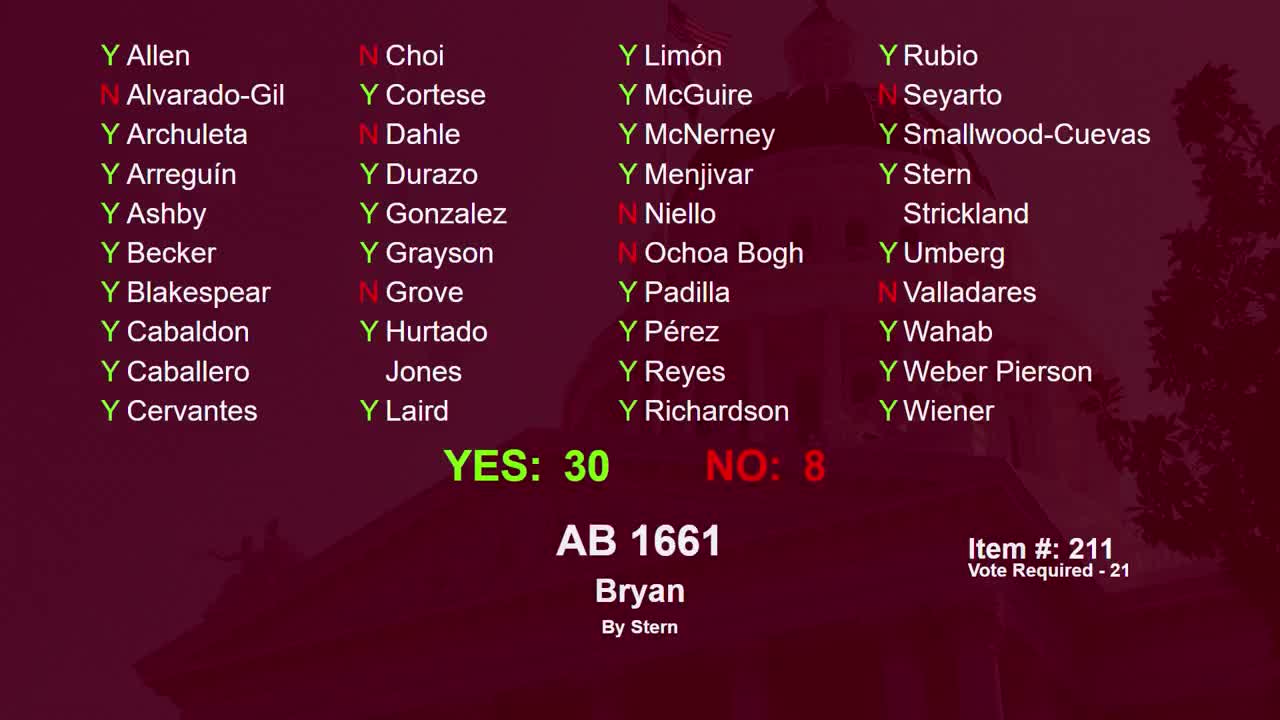
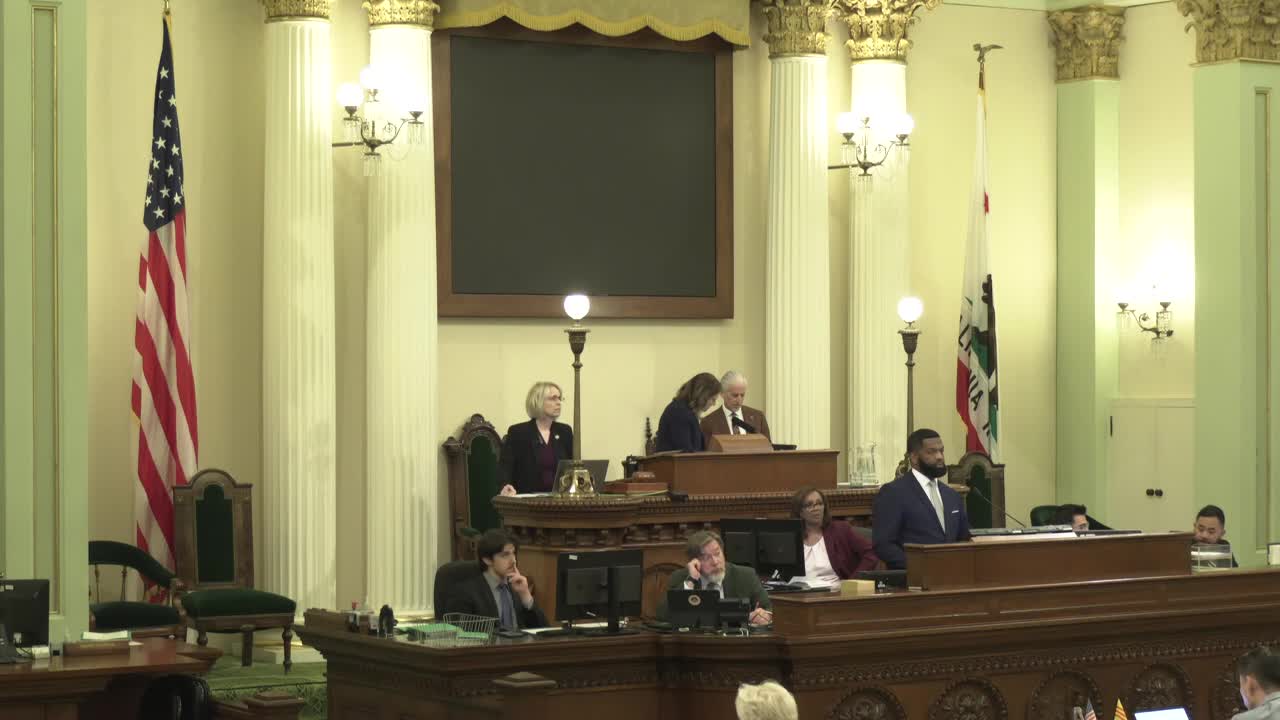
Bill Author
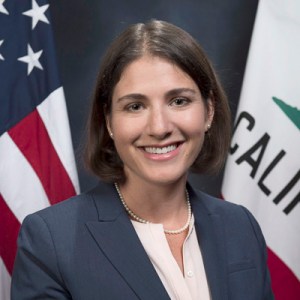
Bill Co-Author(s):