AB 2489: Controlled substances: research.
- Session Year: 2025-2026
- House: Assembly
- Latest Version Date: 2026-04-09
Current Status:
In Progress
(2026-05-14: In committee: Held under submission.)
Introduced
In Committee
Awaiting First Chamber Vote
Passed First Chamber
In Committee
Awaiting Second Chamber Vote
Passed Second Chamber
Enacted
Existing law, the California Uniform Controlled Substances Act, classifies controlled substances into 5 designated schedules, with the most restrictive limitations generally placed on controlled substances classified in Schedule I, and the least restrictive limitations generally placed on controlled substances in Schedule V. Existing law creates the Research Advisory Panel, as specified, to conduct hearings on, and in other ways study, research projects concerning controlled substances. Existing law authorizes the panel to approve research projects that have been registered with the Attorney General concerning the nature and effects of cannabis or hallucinogenic drugs and the treatment of abuse of controlled substances. Existing law authorizes a person who, under federal law, is entitled to use controlled substances for the purpose of research, instruction, or analysis to lawfully obtain and use those controlled substances upon approval by the panel, as specified.
This bill, the California Veterans Right to Try Act, would, until January 1, 2028, 2032, authorize the Research Advisory Panel to submit an investigational new drug application to the United States Food and Drug Administration requesting approval for a clinical trial of Schedule I or Schedule II controlled substances, as specified. The bill would authorize the Research Advisory Panel to, upon the failure of the United States Food and Drug Administration to timely approve an application, provide expedited approval of the research project if the application meets certain requirements, including proof of an independent peer review of the study for scientific merit and rigor by certain entities. The bill would require a veteran, in order to participate, to have been diagnosed with 2 or more severe or life-threatening mental health conditions and have been deemed ineligible to participate in United States Food and Drug Administration approved trials. substances to study the administration and efficacy of those compounds among a patient pool comprised exclusively of veteran subjects with comorbidities that commonly overlap with the incidence of suicidality among veterans.
This bill would make conforming technical changes and would make related findings and declarations.
Existing law, the California Uniform Controlled Substances Act, classifies controlled substances into 5 designated schedules, with the most restrictive limitations generally placed on controlled substances classified in Schedule I, and the least restrictive limitations generally placed on controlled substances in Schedule V. Existing law creates the Research Advisory Panel, as specified, to conduct hearings on, and in other ways study, research projects concerning controlled substances. Existing law authorizes the panel to approve research projects that have been registered with the Attorney General concerning the nature and effects of cannabis or hallucinogenic drugs and the treatment of abuse of controlled substances. Existing law authorizes a person who, under federal law, is entitled to use controlled substances for the purpose of research, instruction, or analysis to lawfully obtain and use those controlled substances upon approval by the panel, as specified.
This bill, the California Veterans Right to Try Act, would, until January 1, 2028, authorize the Research Advisory Panel to submit an investigational new drug application to the United States Food and Drug Administration requesting approval for a clinical trial of Schedule I or Schedule II controlled substances, as specified. The bill would authorize the Research Advisory Panel to, upon the failure of the United States Food and Drug Administration to timely approve an application, provide expedited approval of the research project if the application meets certain requirements, including proof of an independent peer review of the study for scientific merit and rigor by certain entities. The bill would require a veteran, in order to participate, to have been diagnosed with 2 or more severe or life-threatening mental health conditions and have been deemed ineligible to participate in United States Food and Drug Administration approved trials.
This bill would make conforming changes and would make related findings and declarations.
The Legislature finds and declares all of the following:
(a)California is home to over 1,500,000 United States military veterans, with the largest veteran population of any state in the nation.
(b)Since 2001, over 125,000 veterans have died by suicide, and 29 percent of veterans of the Global War on Terrorism are known to suffer from post-traumatic stress disorder (PTSD). The disproportionate incidence of serious health conditions, including PTSD, treatment-resistant depression, substance use disorders, and traumatic brain injuries, among veterans is also a driver of the disproportionate incidence of suicide among them. We lose between 17 and 44 veterans to suicide every day in the United States. Suicide is also a leading cause of violent death in California and our state loses veterans to suicide at a rate significantly more than double the rate that other Californians are lost to suicide each year.
(c)According to the most recent data available from the United States Department of Veterans Affairs, Californias veterans accounted for 449 of the 4,193 Californians, and 6,407 of all veterans, lost to suicide in the same year.
(d)Californias veterans are overrepresented among our states unhoused population, and disproportionately impacted by substance use disorders.
(e)The mental health crisis experienced by veterans in our state and across our nation has reached staggering proportions. Our great state needs to redouble efforts to address the mental health needs of these brave and unselfish Californians.
(f)There is a mental health emergency severely impacting Californias military veterans and it is necessary for the state to initiate ongoing and urgent action to address the veteran mental health emergency in California, until the rate of veteran suicide in California is no greater than the rate of suicide impacting all Californians.
(g)The United States Food and Drug Administration (FDA) has granted breakthrough therapy designation (BTD) to CYB003, a novel, proprietary, and synthetic psilocybin analog designed to provide the therapeutic benefits of classical psychedelics. The FDAs BTD is reserved for drugs that substantially improve over existing therapies in treating severe or life-threatening conditions. BTD status not only accelerates the development and review process, but it also facilitates closer collaboration between the drug developer and the FDA. The ultimate goal is to bring promising treatments to patients more quickly and efficiently. In awarding BTD status to a psilocybin analog in the treatment of major depressive disorder, the FDA recognized not only the revolutionary potential of psychedelic-assisted therapies in treating medical and psychiatric conditions that disproportionately impact veterans, they also recognized the urgent need to make access to these therapies broadly available in the United States.
(h)Veterans exploring treatment solutions are currently forced to leave our country in order to access novel medicines and psychedelic assisted therapies. This crisis necessitates swift action and coordination by the federal and state governments to explore and develop these novel treatments for service-related health conditions fueling the disproportionate incidence of suicide among veterans. However, FDA regulations and guidelines for approving investigational new drug research strongly discourage research protocols permitting trial participants with certain comorbidities, the overlapping occurrence of two or more medical or psychiatric conditions in a single subject, effectively deeming veterans with severe and life-threatening psychiatric conditions ineligible from participating in FDA-approved clinical trials, and leaving critical gaps in clinical research on the safety and efficacy of psychedelic-assisted therapies. At the same time, growing scientific evidence shows that psychedelics may be especially effective in treating patients with the types of comorbidities that are fueling the disproportionate incidence of veteran suicide, requiring a different approach to clinical trials of psychedelic compounds. Both the scale and immediacy of the crisis require concerted state and federal government action to address.
(i)Psychedelic medicines can help lay the foundation for further healing, and the approval of these new treatments would represent a revolutionary advance in care for those suffering from these health conditions. This advance has the potential to save the lives of countless veterans in California, and others throughout our great country, who might otherwise be lost to suicide.
(j)Our veterans need both state and federal laws to enable urgent clinical research of psychedelic treatments that actually includes veteran subjects. Veterans have largely been excluded from participating in FDA-regulated clinical trials due to the incidence of multiple overlapping mental health conditions commonly experienced by our veterans returning from war zones. Despite these barriers, the research is critical to advancing safe and effective treatments through the FDAs drug approval process, so that veterans can access them through the Department of Veterans Affairs and their medical facilities.
(k)In order to facilitate urgently needed clinical research with veteran participants, and facilitate clinical research with readily available, nonproprietary botanical forms of breakthrough treatments, and thereby provide veterans with debilitating or life-threatening mental health indications with timely, lawful, and medically supervised access to FDA-designated breakthrough therapies, it is necessary to provide the states public hospitals and research institutions with the ability to conduct that research in compliance with state law. In order to provide this critical ability, the Legislature finds it is necessary to pass this act to amend Sections 11213 and 11392 of the Health and Safety Code, and add Article 1.5 (commencing with Section 11214) to Chapter 5 of Division 10 of the Health and Safety Code.SEC. 2.Section 11213 of the Health and Safety Code is amended to read:11213.(a)Persons who, pursuant to any law, are lawfully entitled to use Schedule I, Schedule II, or both, controlled substances for the purpose of research, instruction, or analysis, may lawfully obtain and use those substances, as defined in this division, for those purposes upon approval for use of those controlled substances in bona fide research, instruction, or analysis by the Research Advisory Panel established pursuant to Section 11480.(b)Such research, instruction, or analysis shall be carried on only under the auspices of the head of a research project that has been approved by the Research Advisory Panel pursuant to Section 11480.1. Complete records of receipts, stocks at hand, and use of these controlled substances shall be kept.SEC. 3.SEC. 2.Article 1.5 (commencing with Section 11214) is added to Chapter 5 of Division 10 of the Health and Safety Code, to read:1.5.California Veterans Right to Try Act11214.This article shall be known, and may be cited, as the California Veterans Right to Try Act.
11214.1.(a)In order to facilitate urgently needed human clinical research to address the statewide veteran mental health emergency declared by the Legislature, the state authorizes the 11214.1.The Research Advisory Panel to may submit one or more investigational new drug applications to the United States Food and Drug Administration, requesting federal approval for a multisite human clinical trial of psilocybin, ibogaine, or other Schedule I or Schedule II controlled substances, at between 20 and 30 sites throughout the state, studying the administration and efficacy of those compounds among a patient pool comprised exclusively of veteran subjects with comorbidities that commonly overlap with the incidence of suicidality among veterans.
(b)For the purposes of this article, those applications shall be held by the panel on behalf of the state, and are referred to throughout this article as RAP-C IND.11214.2.(a)Notwithstanding any other law, and only upon the failure of the United States Food and Drug Administration to timely approve a RAP-C IND submitted pursuant to Section 11214.1, the panel may approve research projects investigating the safety and efficacy of the Schedule I or Schedule II controlled substance administered to human subjects.(b)In order to qualify for the project, the bona fide clinical research on the safety and efficacy of those Schedule I or Schedule II controlled substances when provided to subjects shall meet both of the following requirements:(1)Provided to veterans diagnosed with two or more severe or life-threatening mental health conditions.(2)The veterans were deemed ineligible to participate in United States Food and Drug Administration-approved trials.(c)The Research Advisory Panel shall review applications for research projects, using the process set forth in subdivision (d), provided that those applications include both of the following:(1)Proof of independent peer review of the study for scientific merit and rigor by the National Institutes of Health, the United States Department of Defense, the Heffter Research Institute, the United States National Science Foundation, or a comparable group within an institutional setting that has previous experience with research or grant review.(2)An approval letter from an institutional review board established in accordance with federal law, including, but not limited to, Part 46 of Title 45 of the Code of Federal Regulations, demonstrating that the boards evaluation of the underlying research protocol has considered relevant federal and state laws regarding the use of human subjects, including, but not limited to, the Protection of Human Subjects in Medical Experimentation Act (Chapter 1.3 (commencing with Section 24170) of Division 20) and laws governing research involving inmates, as described in Title 2.1 (commencing with Section 3500) of Part 3 of the Penal Code, the Information Practices Act of 1977 (Chapter 1 (commencing with Section 1798) of Title 1.8 of Part 4 of Division 3 of the Civil Code), and laws governing birth and death certificates, as described in Part 1 (commencing with Section 102100) of Division 102, Applicants who propose to conduct their research at a municipal or county public health facility may obtain and submit an approval letter from the State Committee for the Protection of Human Subjects, or an independent third-party institutional review board applying state law. A letter submitted pursuant to this paragraph may indicate approval by the board conditioned upon the approval of the panel.(d)Upon receiving a research project application that satisfies the criteria in subdivision (c), the panel chairperson, in consultation with the panels executive officer, may assign two or more individual panel members to conduct an expedited review of eligible research applications and deputize those panel members to approve those applications on behalf of the panel without the need for a full panel vote at a regularly scheduled meeting. Assigned panel members may approve eligible research project applications. Individual panel members also may communicate and consult asynchronously with other individual panel members with complementary core competencies outside of panel meetings in order to conduct their individual reviews. Panel members assigned to conduct a review pursuant to this subdivision are not a state body under the Bagley-Keene Open Meeting Act. Panel members shall notify the panels chairperson and executive officer of their decision to approve or withhold approval of the eligible research applications assigned for their review.11214.3.11214.2.This article shall remain in effect only until January 1, 2028, 2032, and as of that date is repealed.
SEC. 4.SEC. 3.Section 11392 of the Health and Safety Code is amended to read:11392.Spores or mycelium capable of producing mushrooms or other material that contains psilocin or psilocybin may be lawfully obtained and used for bona fide research, instruction, or analysis, if not in violation of state federal law, and if the research, instruction, or analysis is approved by the Research Advisory Panel established pursuant to Section 11480.
REVISIONS: HeadingLine 3.The Legislature finds and declares all of the following:
(a)California is home to over 1,500,000 United States military veterans, with the largest veteran population of any state in the nation.
(b)Since 2001, over 125,000 veterans have died by suicide, and 29 percent of veterans of the Global War on Terrorism are known to suffer from post-traumatic stress disorder (PTSD). The disproportionate incidence of serious health conditions, including PTSD, treatment-resistant depression, substance use disorders, and traumatic brain injuries, among veterans is also a driver of the disproportionate incidence of suicide among them. We lose between 17 and 44 veterans to suicide every day in the United States. Suicide is also a leading cause of violent death in California and our state loses veterans to suicide at a rate significantly more than double the rate that other Californians are lost to suicide each year.
(c)According to the most recent data available from the United States Department of Veterans Affairs, Californias veterans accounted for 449 of the 4,193 Californians, and 6,407 of all veterans, lost to suicide in the same year.
(d)Californias veterans are overrepresented among our states unhoused population, and disproportionately impacted by substance use disorders.
(e)The mental health crisis experienced by veterans in our state and across our nation has reached staggering proportions. Our great state needs to redouble efforts to address the mental health needs of these brave and unselfish Californians.
(f)There is a mental health emergency severely impacting Californias military veterans and it is necessary for the state to initiate ongoing and urgent action to address the veteran mental health emergency in California, until the rate of veteran suicide in California is no greater than the rate of suicide impacting all Californians.
(g)The United States Food and Drug Administration (FDA) has granted breakthrough therapy designation (BTD) to CYB003, a novel, proprietary, and synthetic psilocybin analog designed to provide the therapeutic benefits of classical psychedelics. The FDAs BTD is reserved for drugs that substantially improve over existing therapies in treating severe or life-threatening conditions. BTD status not only accelerates the development and review process, but it also facilitates closer collaboration between the drug developer and the FDA. The ultimate goal is to bring promising treatments to patients more quickly and efficiently. In awarding BTD status to a psilocybin analog in the treatment of major depressive disorder, the FDA recognized not only the revolutionary potential of psychedelic-assisted therapies in treating medical and psychiatric conditions that disproportionately impact veterans, they also recognized the urgent need to make access to these therapies broadly available in the United States.
(h)Veterans exploring treatment solutions are currently forced to leave our country in order to access novel medicines and psychedelic assisted therapies. This crisis necessitates swift action and coordination by the federal and state governments to explore and develop these novel treatments for service-related health conditions fueling the disproportionate incidence of suicide among veterans. However, FDA regulations and guidelines for approving investigational new drug research strongly discourage research protocols permitting trial participants with certain comorbidities, the overlapping occurrence of two or more medical or psychiatric conditions in a single subject, effectively deeming veterans with severe and life-threatening psychiatric conditions ineligible from participating in FDA-approved clinical trials, and leaving critical gaps in clinical research on the safety and efficacy of psychedelic-assisted therapies. At the same time, growing scientific evidence shows that psychedelics may be especially effective in treating patients with the types of comorbidities that are fueling the disproportionate incidence of veteran suicide, requiring a different approach to clinical trials of psychedelic compounds. Both the scale and immediacy of the crisis require concerted state and federal government action to address.
(i)Psychedelic medicines can help lay the foundation for further healing, and the approval of these new treatments would represent a revolutionary advance in care for those suffering from these health conditions. This advance has the potential to save the lives of countless veterans in California, and others throughout our great country, who might otherwise be lost to suicide.
(j)Our veterans need both state and federal laws to enable urgent clinical research of psychedelic treatments that actually includes veteran subjects. Veterans have largely been excluded from participating in FDA-regulated clinical trials due to the incidence of multiple overlapping mental health conditions commonly experienced by our veterans returning from war zones. Despite these barriers, the research is critical to advancing safe and effective treatments through the FDAs drug approval process, so that veterans can access them through the Department of Veterans Affairs and their medical facilities.
(k)In order to facilitate urgently needed clinical research with veteran participants, and facilitate clinical research with readily available, nonproprietary botanical forms of breakthrough treatments, and thereby provide veterans with debilitating or life-threatening mental health indications with timely, lawful, and medically supervised access to FDA-designated breakthrough therapies, it is necessary to provide the states public hospitals and research institutions with the ability to conduct that research in compliance with state law. In order to provide this critical ability, the Legislature finds it is necessary to pass this act to amend Sections 11213 and 11392 of the Health and Safety Code, and add Article 1.5 (commencing with Section 11214) to Chapter 5 of Division 10 of the Health and Safety Code.
SEC. 2.Section 11213 of the Health and Safety Code is amended to read:11213.(a)Persons who, under applicable federal laws or regulations, pursuant to any law, are lawfully entitled to use Schedule I, Schedule II, or both, controlled substances for the purpose of research, instruction, or analysis, may lawfully obtain and use those substances, as defined in this division, for those purposes upon approval for use of those controlled substances in bona fide research, instruction, or analysis by the Research Advisory Panel established pursuant to Section 11480.
(b)Such research, instruction, or analysis shall be carried on only under the auspices of the head of a research project that has been approved by the Research Advisory Panel pursuant to Section 11480.1. Complete records of receipts, stocks at hand, and use of these controlled substances shall be kept.
SEC. 3.Article 1.5 (commencing with Section 11214) is added to Chapter 5 of Division 10 of the Health and Safety Code, to read:1.5.California Veterans Right to Try Act11214.This article shall be known, and may be cited, as the California Veterans Right to Try Act.
11214.1.(a)In order to facilitate urgently needed human clinical research to address the statewide veteran mental health emergency declared by the Legislature, the state authorizes the Research Advisory Panel to submit one or more investigational new drug applications to the United States Food and Drug Administration, requesting federal approval for a multisite human clinical trial of psilocybin, ibogaine, or other Schedule I or Schedule II controlled substances, at between 20 and 30 sites throughout the state, studying the administration and efficacy of those compounds among a patient pool comprised exclusively of veteran subjects with comorbidities that commonly overlap with the incidence of suicidality among veterans.
(b)For the purposes of this article, those applications shall be held by the panel on behalf of the state, and are referred to throughout this article as RAP-C IND.
11214.2.(a)Notwithstanding any other law, and only upon the failure of the United States Food and Drug Administration to timely approve a RAP-C IND submitted pursuant to Section 11214.1, the panel may approve research projects investigating the safety and efficacy of the Schedule I or Schedule II controlled substance administered to human subjects.
(b)In order to qualify for the project, the bona fide clinical research on the safety and efficacy of those Schedule I or Schedule II controlled substances when provided to subjects shall meet both of the following requirements:
(1)Provided to veterans diagnosed with two or more severe or life-threatening mental health conditions.
(2)The veterans were deemed ineligible to participate in United States Food and Drug Administration-approved trials.
(c)The Research Advisory Panel shall review applications for research projects, using the process set forth in subdivision (d), provided that those applications include both of the following:
(1)Proof of independent peer review of the study for scientific merit and rigor by the National Institutes of Health, the United States Department of Defense, the Heffter Research Institute, the United States National Science Foundation, or a comparable group within an institutional setting that has previous experience with research or grant review.
(2)An approval letter from an institutional review board established in accordance with federal law, including, but not limited to, Part 46 of Title 45 of the Code of Federal Regulations, demonstrating that the boards evaluation of the underlying research protocol has considered relevant federal and state laws regarding the use of human subjects, including, but not limited to, the Protection of Human Subjects in Medical Experimentation Act (Chapter 1.3 (commencing with Section 24170) of Division 20) and laws governing research involving inmates, as described in Title 2.1 (commencing with Section 3500) of Part 3 of the Penal Code, the Information Practices Act of 1977 (Chapter 1 (commencing with Section 1798) of Title 1.8 of Part 4 of Division 3 of the Civil Code), and laws governing birth and death certificates, as described in Part 1 (commencing with Section 102100) of Division 102, Applicants who propose to conduct their research at a municipal or county public health facility may obtain and submit an approval letter from the State Committee for the Protection of Human Subjects, or an independent third-party institutional review board applying state law. A letter submitted pursuant to this paragraph may indicate approval by the board conditioned upon the approval of the panel.
(d)Upon receiving a research project application that satisfies the criteria in subdivision (c), the panel chairperson, in consultation with the panels executive officer, may assign two or more individual panel members to conduct an expedited review of eligible research applications and deputize those panel members to approve those applications on behalf of the panel without the need for a full panel vote at a regularly scheduled meeting. Assigned panel members may approve eligible research project applications. Individual panel members also may communicate and consult asynchronously with other individual panel members with complementary core competencies outside of panel meetings in order to conduct their individual reviews. Panel members assigned to conduct a review pursuant to this subdivision are not a state body under the Bagley-Keene Open Meeting Act. Panel members shall notify the panels chairperson and executive officer of their decision to approve or withhold approval of the eligible research applications assigned for their review.
11214.3.This article shall remain in effect only until January 1, 2028, and as of that date is repealed.
SEC. 4.Section 11392 of the Health and Safety Code is amended to read:11392.Spores or mycelium capable of producing mushrooms or other material which that contains psilocyn psilocin or psyoclyin psilocybin may be lawfuly lawfully obtained and used for bona fide research, instruction, or analysis, if not in violation of federal state law, and if the research, instruction, or analysis is approved by the Research Advisory Panel established pursuant to Sections 11480 and 11481. Section 11480.
|
Date
|
Status
|
|---|---|
| May 14, 2026 | Coauthors revised. |
| May 14, 2026 | In committee: Held under submission. |
| Apr 29, 2026 | In committee: Set, first hearing. Referred to APPR. suspense file. |
| Apr 13, 2026 | Re-referred to Com. on APPR. |
| Apr 9, 2026 | Read second time and amended. |
| Apr 8, 2026 | From committee: Amend, and do pass as amended and re-refer to Com. on APPR. (Ayes 16. Noes 0.) (April 7). |
| Mar 9, 2026 | Referred to Coms. on HEALTH and M. & V.A. |
| Feb 21, 2026 | From printer. May be heard in committee March 23. |
| Feb 20, 2026 | Read first time. To print. |
|
Date
|
Description
|
Location
|
Votes
|
|
|---|---|---|---|---|
| Apr 7, 2026 | Do pass as amended and be re-referred to the Committee on [Appropriations] | Assembly Standing Committee on Health |
Passed |
This list shows positions taken on this bill by organizations on the date displayed, which is linked to the original source.
Positions by individuals are not included.
|
Organization
|
Position
|
Date
|
|---|---|---|
| California Association Of County Veterans Service Officers | ** Support | |
| Navy Seal Foundation | ** Support | |
| The American Legion | ** Support | |
| Veterans Exploring Treatment Solutions (VETS) | ** Support | |
| Veterans Exploring Treatment Solutions (VETS) (sponsor) | ** Support | |
| Wounded Warrior Project, Inc. | ** Support |
Date of Hearing: April 29, 2026
ASSEMBLY COMMITTEE ON APPROPRIATIONS
Buffy Wicks, Chair
ABPCA Bill Id:AB 2489
Author:(Lowenthal) – As Amended Ver:April 9, 2026
Policy Committee: | Health | Vote: | 16 - 0 |
|
| ||
|
|
Urgency: No State Mandated Local Program: No Reimbursable: No
SUMMARY:
This bill establishes, until January 1, 2032, the California Veterans’ Right to Try Act (Act). The bill authorizes the Research Advisory Panel (RAPC) to submit one or more investigational new drug applications to the U.S. Food and Drug Administration (FDA), for approval of a multisite clinical trial of psilocybin, ibogaine, or other Schedule I or Schedule II controlled substances, among a patient pool composed exclusively of veterans with conditions associated with suicidality among veterans.
FISCAL EFFECT:
The California Department of Justice (DOJ), which provides administrative and legal support to RAPC, states this bill could have unquantifiable but potentially significant General Fund costs.
The Legislative Analyst’s Office recently warned of General Fund structural deficits of around $35 billion per year in the 2027-28 fiscal year and ongoing.
COMMENTS:
- Purpose. According to the author:
In California, veterans die by suicide at more than double the rate of other Californians. Yet the veterans most at risk, those carrying [post-traumatic stress disorder (PTSD)] alongside depression, substance use disorders, or a traumatic brain injury, are routinely disqualified from clinical trials that could help them, simply because their conditions are too complex under strict eligibility rules.
AB 2489 addresses this gap. By authorizing California’s Research Advisory Panel to seek investigational new drug approval from the U.S. Food and Drug Administration, the bill opens a pathway for our most vulnerable veterans to access critical research they are currently denied, while generating the data urgently needed to confront this crisis.
- Background. Addressing Veterans’ Behavioral Health. Veterans make up 13% of the suicides in the nation – in 2013, an average of about 17.5 veterans committed suicide per day. Among veterans in Veterans Health Administration (VHA) care who died from suicide in 2023, 61% had a VHA mental health or substance use disorder diagnosis.
In 2024 the U.S. Department of Veterans Affairs (VA) announced it would fund a five-year, approximately $1.5 million study on Methylenedioxymethamphetamine-assisted, or MDMA-assisted, therapy for PTSD and alcohol use disorder among veterans. This is the first VA-funded study for psychedelic-assisted therapy since the 1960s. Several military-focused news websites reported in 2025 that the studies would be expanding to nine additional sites, including Los Angeles, Palo Alto, San Diego, and San Francisco.
Another VA study, Psilocybin Intervention for Veterans Overcoming Treatment-Resistant Depression (PIVOT) is a multi-site randomized controlled trial to evaluate the efficacy and risks of psilocybin for use in treatment-resistant depression in male and female veterans with and without concurrent PTSD. The study is slated to start on June 1, 2026.
RAPC. Research entities seeking to conduct research projects concerning cannabis or hallucinogenic drugs in California must submit their research proposals to RAPC prior to receiving a federal Drug Enforcement Administration (DEA) license to use controlled substances in a research project. Such research entities may be affiliated with public or private research universities, private pharmaceutical companies, or drug manufacturers. RAPC evaluates the scientific validity of each proposed project. Members of RAPC are experts in their fields, appointed by the Governor, the Department of Public Health, the State Board of Pharmacy, the University of California, a statewide professional medical society, a private medical university, and the Attorney General. DOJ provides administrative and legal support to the RAPC. RAPC’s work complements a regulatory approval process that includes institutional review boards (IRBs), FDA, and DEA review of research studies using Schedule I and II controlled substances, or that involve new treatments for misuse of substances, such as fentanyl and other opioids.
Analysis Prepared by: Allegra Kim / APPR. / (916) 319-2081
Date of Hearing: April 7, 2026
ASSEMBLY COMMITTEE ON HEALTH
Mia Bonta, Chair
ABPCA Bill Id:AB 2489
Author:(Lowenthal) – As Introduced Ver:February 20, 2026
SUBJECT: Controlled substances: research.
SUMMARY: Permits the Research Advisory Panel (RAPC) to develop and submit an investigational new drug (IND) application to the United State Food and Drug Administration (FDA) requesting federal approval for a multisite human clinical trial of psilocybin, ibogaine, or other Schedule I or Schedule II controlled substances, at between 20 and 30 sites throughout the state, studying the administration and efficacy of those compounds among a patient pool comprised exclusively of veteran subjects with comorbidities that commonly overlap with the incidence of suicidality among veterans. Authorizes RAPC to approve, on an expedited basis and until January 1, 2028, bona fide clinical research proposals on the safety and efficacy of those Schedule I or Schedule II controlled substances when provided to subjects that meet specified criteria, if the FDA fails to timely approve the IND. Specifically, this bill:
- Authorizes persons who are lawfully entitled to use Schedule I, II, or both, controlled substances for the purposes of research, instruction, or analysis pursuant to any law, rather than just applicable federal laws and regulations, to obtain and use those substances.
- Authorizes RAPC to submit one or more IND applications to the FDA, requesting federal approval for a multisite human clinical trial of psilocybin, ibogaine, or other Schedule I or Schedule II controlled substances, at between 20 and 30 sites throughout the state, studying the administration and efficacy of those compounds among a patient pool comprised exclusively of veteran subjects with comorbidities that commonly overlap with the incidence of suicidality among veterans.
- Authorizes RAPC to approve research projects investigating the safety and efficacy of the Schedule I or Schedule II controlled substance administered to human subjects upon the failure of the FDA to timely approve a RAPC IND submitted pursuant to 2).
- Requires the bona fide clinical research on the safety and efficacy of those Schedule I or Schedule II controlled substances include subjects that meet both of the following requirements to qualify:
- The substances are provided to veterans diagnosed with two or more severe or life-threatening mental health conditions; and,
- The veterans were deemed ineligible to participate in FDA-approved trials.
- Requires RAPC to review applications for research projects using an expedited review process if those applications include both of the following:
- Proof of independent peer review of the study for scientific merit and rigor by the National Institutes of Health, the United States Department of Defense, the Heffter Research Institute, the United States National Science Foundation, or a comparable group within an institutional setting that has previous experience with research or grant review; and,
- An approval letter from an institutional review board (IRB) established in accordance with federal law demonstrating that the board’s evaluation of the underlying research protocol has considered relevant federal and state laws regarding the use of human subjects.
- Authorizes the RAPC chairperson, in consultation with the executive officer, to assign two or more individual panel members to conduct an expedited review of eligible research applications and deputize those panel members to approve those applications without the need for a full RAPC vote at a regularly scheduled meeting.
- Authorizes assigned members to approve eligible research project applications and individual members to communicate and consult asynchronously with other members with complementary core competencies outside of meetings in order to conduct their individual reviews.
- Exempts RAPC members assigned to conduct a review pursuant to this bill from the Bagley-Keene Open Meeting Act (Bagley-Keene). Requires RAPC members to notify the chairperson and executive officer of their decision to approve or withhold approval of the eligible research applications assigned for their review.
- States that the provisions of this bill shall be known as the California Veteran’s Right to Try Act.
- Sunsets the provisions in 2) through 8) on January 1, 2028.
- Updates a reference to “psilocyn” to read “psilocin” and a reference to “psyoclyin” to read “psilocybin.” Corrects a spelling error. Allows for the lawful acquisition and use of these substances if use for bona fide research, instruction, or analysis, if not in violation of state law, rather than the current reference to federal law.
- States legislative findings and declarations regarding the veteran population in California, the risk of suicide, and the lack of access to psychedelic treatments in the United States.
EXISTING LAW:
- Establishes RAPC as an independent panel to encourage further research into the nature and effects of cannabis and hallucinogenic drugs and to coordinate research efforts on such subjects. [Health & Safety Code (HSC) § 11480]
- Requires RAPC to review, and permits RAPC to approve, research projects to be conducted in this state that would require the administration of Schedule I or Schedule II controlled substances. Permits RAPC to review projects on an expedited basis and without the vote of the whole panel, until January 1, 2028, if the completed research application meets the following requirements:
- For all research projects, proof of independent peer review of the study for scientific merit and rigor by the National Institutes of Health, the United States Department of Defense, the Heffter Research Institute, the United States National Science Foundation, or a comparable group within an institutional setting that has previous experience with research or grant review.
- For all research projects, if otherwise required by law, one of the following: a Schedule I or II research registration issued by the United States Drug Enforcement Administration (DEA), an approval from the DEA for a research registration that is conditional on the approval of RAPC, or a copy of the application for a research registration submitted to the DEA, accompanied by a written acknowledgment of receipt of the application, or other evidence of authorization to conduct the research project pursuant to the federal Controlled Substances Act.
- For research projects involving human subjects:
- If approval by the FDA of an IND application is otherwise required by law, a letter from the FDA approving the application for an IND, a letter from the FDA indicating that the study may proceed, documentation that the 30-day statutory period for the FDA to respond to a project’s submission of an application for approval of an IND has expired, or a signed copy of FDA IND application.
- An approval letter from a federally chartered IRB of all study documents demonstrating that the board has considered relevant federal and state laws regarding the use of human subjects.
- For research projects with animal subjects: an approval letter from an institutional animal care and use committee (IACUC) established pursuant to federal law of all study documents demonstrating that the IACUC has considered relevant federal and state laws regarding for the use of live, vertebrate animals in the research project, and their humane treatment in compliance with all applicable state and federal regulations. [HSC § 11480.1]
- Requires RAPC to annually, and in the manner determined by RAPC, report to the Legislature and the Governor those research projects approved by RAPC, the nature of each research project, and where available, the conclusions of the research project. [HSC § 11481]
- Permits people who are entitled to use Schedule I, II, or both, controlled substances for the purpose of research, instruction, or analysis, to lawfully obtain and use those substances upon approval by RAPC in bona fide research, instruction, or analysis. [HSC § 11213]
- Permits the Attorney General (AG), with the approval of RAPC, to authorize persons engaged in research on the use and effects of controlled substances to withhold the names and other identifying characteristics of individuals who are the subjects of the research, and prohibits them from being compelled in any civil, criminal, administrative, legislative, or other proceedings to identify the individuals who are the subjects of research for which the authorization was obtained. [HSC § 11603]
- Permits the AG, with the approval of RAPC, to authorize the possession and distribution of controlled substances by persons engaged in research and exempts those persons from state prosecution for possession and distribution of controlled substances to the extent of the authorization. [HSC § 11604]
- Establishes the experimental subjects bill of rights. [HSC § 24172]
- Requires that experimental subjects provide their informed consent, voluntarily and freely given, prior to any medical experiment being undertaken. Defines informed consent to include, but not be limited to, being provided both verbally and in the written consent form, in nontechnical terms and in a language the subject is fluent in, a number of enumerated facts regarding the proposed experiment, which might influence the decision to undergo the experiment. [HSC § 24173]
- Exempts from state informed consent requirements any person who is conducting a medical experiment as an investigator within an institution that holds an assurance with the United States Department of Health and Human Services pursuant to Part 46 of Title 45 of the Code of Federal Regulations and who obtains informed consent in the method and manner required by those regulations. [HSC § 24178]
- Establishes Bagley-Keene, which requires state bodies to conduct their business in open public meetings, except as provided by Bagley-Keene, and establishes requirements and procedures for such meetings. [Government Code (GOV) § 11120, et seq.]
- Prohibits Bagley-Keene from being construed to prevent various state bodies from holding closed sessions for specified purposes. Authorizes RAPC to hold closed sessions not subject to Bagley-Keene until January 1, 2028. [GOV § 11126]
- Defines a “state body” as each of the following:
- Every state board, or commission, or similar multimember body of the state that is created by statute or required by law to conduct official meetings and every commission created by executive order;
- A board, commission, committee, or similar multimember body that exercises any authority of a state body delegated to it by that state body;
- An advisory board, advisory commission, advisory committee, advisory subcommittee, or similar multimember advisory body of a state body, if created by formal action of the state body or of any member of the state body, and if the advisory body so created consists of three or more persons; or,
- A board, commission, committee, or similar multimember body on which a member of a body that is a state body pursuant to this section serves in his or her official capacity as a representative of that state body and that is supported, in whole or in part, by funds provided by the state body, whether the multimember body is organized and operated by the state body or by a private corporation. [GOV § 11121]
- Exempts RAPC members assigned by the chairperson to conduct an expedited review from Bagley-Keene until January 1, 2028. [GOV § 11121.1]
- Defines Schedule I-V drugs for the purposes of state law. [HSC § 11053, et seq.]
FISCAL EFFECT: Unknown. This bill has not been analyzed by a fiscal committee.
COMMENTS:
- PURPOSE OF THIS BILL. According to the author, in California, veterans die by suicide at more than double the rate of other Californians. Yet the veterans most at risk, those carrying post-traumatic stress disorder (PTSD) alongside depression, substance use disorders, or a traumatic brain injury, are routinely disqualified from clinical trials that could help them, because their conditions are too complex under strict eligibility rules. The author states this bill aims to fix this issue. By authorizing RAPC to approve state-level trials of psychedelic-assisted therapies, this bill creates a pathway for our most vulnerable veterans to access research they are currently locked out of and generates the data we desperately need to address this crisis. The author concludes our Veterans didn’t leave anyone behind, we shouldn’t leave them behind either.
- BACKGROUND.
- Veteran mental health. According to a 2025 National Veteran Suicide Prevention Annual Report, Veterans make up 13% of the suicides in the nation. There were an estimated 47,711 suicides among all U.S. adults in 2023, on average 130.7 suicides per day. This includes 17.5 veteran suicides per day. Among Veterans in Veterans Health Administration (VHA) care who died from suicide in 2023, 60.9% had a VHA mental health or substance use disorder diagnosis, and 39.1% did not. According to the U.S. Department of Veterans Affairs (VA) National Center for PTSD, PTSD is slightly more common among veterans than civilians. At some point in their life, 7% of veterans will have PTSD. In the general population, 6% will have PTSD in their lifetime. PTSD is also more common among female veterans at 13% versus male veterans at 6%. Research is ongoing to better understand how PTSD affects veterans of color, LGBTQ+ veterans, and those of other diverse backgrounds. These social factors impact risk of trauma and PTSD in civilian life and in the military. Additionally, the number of veterans with PTSD varies by service era.
- Current research efforts. In December 2024 the VA announced that it will fund a study on Methylenedioxymethamphetamine-assisted, or MDMA-assisted, therapy for PTSD and alcohol use disorder (AUD) among Veterans. This is the first VA-funded study for psychedelic-assisted therapy since the 1960s. VA researchers affiliated with Brown University and Yale University will evaluate the potential of MDMA-assisted therapy as a treatment option for Veterans with both PTSD and AUD. Participants will receive psychotherapy sessions enhanced by MDMA, a psychedelic compound believed to increase emotional openness, reduce fear, and promote introspection during therapy. Some participants will be randomly chosen to receive an active placebo, which will be a lower dose of MDMA. The study is scheduled to take place at the Providence VA Medical Center in Rhode Island and the West Haven VA Medical Center in Connecticut and is anticipated to begin enrollment in fiscal year 2025. The grant award is approximately $1.5 million over five years. As with all VA studies, treatments will be conducted in a clinical setting with strict safety protocols and following all appropriate federal guidelines for conducting studies with controlled substances. Pharmaceutical-grade MDMA will be used, and participants will be closely monitored to ensure their well-being throughout the study. Several military-focused news websites reported in 2025 that the studies would be expanding to nine additional sites in the Bronx, Los Angeles, Omaha, Palo Alto, Portland (Oregon), San Diego, San Francisco, West Haven, and White River Junction. Military.com states that each site will recruit participants based on specific diagnostic criteria and treatment history. Some trials focus on combat-related PTSD, while others include veterans with depression or generalized anxiety disorder who have not responded to standard therapies.
Psilocybin Intervention for Veterans Overcoming Treatment-Resistant Depression (PIVOT) is a multi-site randomized controlled trial to evaluate the efficacy and risks of psilocybin for the treatment of depression in U.S. military Veterans with and without concurrent PTSD. The study is estimated to start on June 1, 2026. Current studies involving veterans and controlled substances identify exclusion criteria, which make participants ineligible for the study. For example, the PIVOT study excludes participants with any of the following (non-exhaustive): lifetime bipolar, schizophrenia spectrum, or other psychotic disorders; first-degree relative with history of bipolar I, schizophrenia spectrum or other psychotic disorder; certain substance use disorders or use of psilocybin, ayahuasca, or other psychedelics within past 6 months; history of severe traumatic brain injury; diagnosis of dementia or related progressive neurocognitive disorder; suicidal ideation; psychiatric inpatient treatment within past 3 months of baseline; clinically significant hypertension.
- RAPC. Research entities seeking to conduct research projects concerning cannabis or hallucinogenic drugs in California must submit their research proposals to the RAPC prior to receiving a DEA license to use controlled substances in a research project. These researchers are affiliated with public and private research universities, as well as private pharmaceutical companies and drug manufacturers. RAPC evaluates the scientific validity of each proposed project, and may reject proposals where the research is poorly conceived, would produce conclusions of little scientific value, or would not justify the exposure of human subjects in California to the risk of the proposed controlled substance exposure. Members of the panel are experts in their fields, and are appointed by the Governor, the Department of Public Health, the State Board of Pharmacy, the University of California, a statewide professional medical society, a private medical university, and the AG. The California Department of Justice (DOJ) provides administrative and legal support to the RAPC. RAPC’s work complements a regulatory approval process that includes IRBs, the FDA, and DEA review of controlled substance research studies using Schedule I and II controlled substances, or that involve new treatments for misuse of substances, such as fentanyl and other opioids. While the FDA and DEA are government institutions, IRBs are institutional entities registered with the FDA and charged with providing ethical oversight of research involving human subjects.
- Bagley-Keene. Bagley-Keene applies to all state boards and commissions, and requires these entities to publicly notice their meetings, prepare agendas, accept public testimony, and conduct their meetings in public, unless authorized to meet in closed session. Bagley-Keene covers multimember bodies and advisory bodies. Examples of entities covered by the act are: state boards; commissions; committees; panels; councils; advisory bodies created by the Legislature; and, advisory bodies having three or more members that are created by formal action of another body. The only gatherings of members of a body that are exempt from Bagley-Keene are social gatherings and conferences. Entities are required to provide notice of a meeting to any person who requests notice in writing and are required to make the notice available on the internet at least ten days in advance of the meeting. Notices are required to include the name, address, and telephone number of any person who can provide further information prior to the meeting and an agenda, including a brief description of the items of business to be transacted or discussed in either open or closed session, as specified. Upon request, entities are required to provide a person notice for all meetings of a state body or for a specific meeting or meetings. Notices are required to be made available in appropriate alternative formats that comply with the Americans with Disabilities Act of 1990 and relevant related federal rules and regulations, as specified.
- RAPC meetings halt because of interpretation of Bagley-Keene. A January 2024 article in the San Francisco Chronicle noted that a group of more than 70 leading addiction researchers and advocates sent a letter to Governor Newsom, California AG Rob Bonta, and state lawmakers requesting a dissolution of RAPC, which they called a nonviable obstruction to essential research and public health activities in California. The letter argued the cost of the RAPC delays is immense, entirely unique to California, and limiting the state’s capacity to respond to health crises tightly intertwined with homelessness. The San Francisco Chronicle story stated this extra regulatory step delayed trials by 5 to 10 months, costing taxpayers hundreds of thousands of dollars and leading some study funders to abandon California entirely. RAPC traditionally meets bimonthly, but it had not held a meeting from August 2023 to July 2024. A story in the Los Angeles Times in May 2024 stated that RAPC had long met behind closed doors to make its decisions, but concerns arose last year that it was supposed to fall under Bagley-Keene. The story states that holding those meetings in public raised alarm about exposing trade secrets and other sensitive information, so RAPC stopped meeting at all. The result was a ballooning backlog which, according to the author’s office, has been completely addressed after AB 2841 (Waldron), Chapter 156, Statutes of 2024, gave RAPC an exemption to Bagley-Keene in order to address one barrier to them meeting. AB 1103 (Ward), Chapter 571, Statutes of 2025, extended this exemption by one year and established an expedited review process for RAPC to sunset alongside the exemption.
- Scientific review of research proposals. Research proposals are reviewed by several entities before they are ultimately approved. The steps in this approval process can vary based on the subject of the research. Human subjects, animal subjects, and In-Vitro studies dealing with Schedule I and II controlled substances in California are all approved by their funder, the DEA, and RAPC at a minimum. Research on human subjects must also be approved by an IRB. In practice, all of these approvals and reviews happen before the proposal is reviewed by RAPC. Following RAPC approval, the study is then subject to continuous monitoring by the IRB, DEA, FDA, and RAPC.
- FDA. For clinical drug trials, the FDA requires an IND application, which is a request for authorization from the FDA to administer an investigational drug or biological product to humans. The FDA defines a clinical investigation as any experiment in which a drug is administered or dispensed to, or used involving, one or more human subjects. An experiment is any use of a drug except for the use of a marketed drug in the course of medical practice. The sponsor is any person who takes responsibility for and initiates a clinical investigation. The sponsor may be an individual of a pharmaceutical company, government agency, academic institution, private organization, or other organization.
The FDA is responsible for reviewing the pre-clinical pharmacology and toxicology, chemistry and manufacturing, and previous human data (if available) under an IND application. The FDA has two primary objectives in reviewing an IND: 1) To assure the safety and rights of subjects in all phases of an investigation, and 2) to help assure that the quality of the scientific evaluation of the drug is adequate to permit an evaluation of the drug's effectiveness and safety in phases two and three studies.
- DEA. For pharmaceutical controlled substances, the DEA’s responsibility is twofold: to prevent diversion and abuse of these substances while ensuring an adequate and uninterrupted supply is available to meet the country’s legitimate medical, scientific, and research needs. The DEA works closely with state and local authorities and other federal agencies to carry out this responsibility. According to the DEA, there are two separate categories for researcher registration which are based on controlled substance schedules: a schedule I researcher and a schedule II-V researcher. If a researcher wishes to conduct research in schedules I and schedules II-V, they must obtain two separate registrations. The DEA may require a state license to conduct research and/or a state controlled substance registration, if applicable, to be obtained before issuing a federal registration.
A schedule I research protocol must include the name, address, and DEA registration number of the investigator, as well as their institution or company and their qualifications. The protocol must also include the purpose of the research project, the controlled substances involved, including the amount needed (with justification) and the source, a detailed description of the research procedures, the dosages to be administered, the method of administration, the location of the study, a statement of security provisions for handling the substances, and a manufacturing or import statement.
- IRB. According to the University of California (UC), IRBs are administrative committees designated to provide ethical and regulatory oversight of research that involves human subjects. IRBs exist to protect the rights, safety, and welfare of human subjects involved in research projects, consistent with ethical principles and federal, state, and local regulations. IRBs are enacted under federal regulation (Part 46 of Title 45 of the Code of Federal Regulations) and are regulated by the Office for Human Research Protections within the U.S. Department of Health & Human Services.
- SUPPORT. Veterans Exploring Treatment Solutions (VETS) is the sponsor of this bill and states in support that veterans who need these innovative treatments must leave the United States to access these therapies. Existing FDA clinical trial requirements often lead to the exclusion of combat veterans with multiple conditions (and the highest risk of suicide) from participating in most clinical trials of these therapies. As a result, the veterans who most urgently need care are frequently denied access to both treatment and participation in research that could validate these therapies and expand availability in the United States. VETS states that since 2001, over 125,000 veterans have died by suicide, and nationally between 17 and 44 veterans die by suicide each day. VETS contends that the only sustainable solution is to accelerate clinical research, generate the data necessary for FDA approval, and ultimately integrate these therapies into the U.S. healthcare system, including the VHA.VETS argues that this bill directly addresses this challenge by creating a dual-track pathway for research. It directs RAPC to seek authorization from the FDA and allows RAPC to approve clinical trials if federal approval is denied or unreasonably delayed, provided that strict statutory safeguards are met. VETS concludes that this approach ensures that critical research can move forward without compromising patient safety or scientific integrity.
The Navy SEAL Foundation (NSF) supports this bill, stating that all veterans deserve access to cutting edge treatments to address their health conditions, especially those that drive the disproportionate incidence of suicide among veterans. NSF also recognizes that securing this access requires government action to expedite urgently needed clinical research into breakthrough therapies, so they can be made available as FDA-approved treatments through the VA. NSF says that veterans experience disproportionately high rates of PTSD, treatment-resistant depression, substance use disorders, and traumatic brain injuries, often simultaneously, and placing them at significantly elevated risk. NSF argues that this bill
represents a responsible and necessary step forward. By enabling research that studies veterans with complex and multiple conditions, California can lead the nation in advancing innovative therapies and addressing one of the most pressing public health crises facing our veteran community.
- RELATED LEGISLATION. AB 1616 (Davies) would require the California Department of Veterans Affairs to establish a program to fund a study for nonnarcotic PTSD treatments. Would require the department to submit a report that summarizes the findings and recommendations of the study to the Legislature no later than June 30, 2030, and would repeal the provisions on January 1, 2031.
- PREVIOUS LEGISLATION.
- AB 1103 (Ward), Chapter 571, Statutes of 2025, requires RAPC to review research projects that administer Schedule I and Schedule II controlled substances to human research subjects and authorizes RAPC to expedite the review of projects that have sought or received certain federal approvals and have proof of independent peer review of the study, which would include authority of the chairperson to assign two or more panel members to review the research project and to approve it, without a vote by the entire panel. Extends the existing Bagley-Keene exemption to, and sunsets the expedited review process, January 1, 2028.
- AB 2841 (Waldron), Chapter 156, Statutes of 2024, authorizes RAPC, until January 1, 2027, to meet in closed session for the purpose of discussing, reviewing, and approving research projects that require the sharing of trade secrets, potential intellectual property, or proprietary information in its possession, the public disclosure of which is prohibited by law.
- POLICY COMMENTS.
- Risks exist without federal approval. The goal of reducing veteran suicide is universal. This bill intends to allow research of the effects of psilocybin, ibogaine, or other Schedule I or Schedule II controlled substances without the federal approvals from the FDA and DEA that would otherwise be required. While the DEA could decide not to enforce controlled substances bans, any researcher or participant could be subject to arrest by the federal government, and any research entity receiving federal funds could put those at risk by proceeding with research not approved under federal law. While this bill authorizes RAPC to approve research without otherwise required federal sign off, IRBs are also regulated by the federal government. Since the state does not have the authority to waive federal obligations, it’s not immediately clear which research entities (public or private) would be willing to take this risk, and what, if any, protections this bill would provide to them.
- Will it result in reduced oversight and scrutiny? This bill also allows these research proposals to be approved through an expedited review process and not be subject to open public meeting requirements. The lack of otherwise required federal approvals may call for increased public scrutiny and state review processes, not less. As noted in the Background above, significant oversight of these research projects would be lost by bypassing federal approval, and it’s not clear that RAPC has the capacity to fill the roles of the DEA and FDA when it comes to monitoring access to controlled substances and participant safety.
- AMENDMENTS. The committee may wish to strike the provisions of this bill allowing RAPC to approve research projects that do not have the otherwise-required federal approvals and the allowing for persons to obtain controlled substances for research authorized under any law (not just federal law).
REGISTERED SUPPORT / OPPOSITION:
Support
Veterans Exploring Treatment Solutions (VETS) (sponsor)
California Association of County Veterans Service Officers
Navy Seal Foundation
The American Legion
Wounded Warrior Project, Inc.
Opposition
None on file
Analysis Prepared by: Logan Hess / HEALTH / (916) 319-2097
Date of Hearing: April 7, 2026
ASSEMBLY COMMITTEE ON HEALTH
Mia Bonta, Chair
ABPCA Bill Id:AB 2489
Author:(Lowenthal) – As Introduced Ver:February 20, 2026
SUBJECT: Controlled substances: research.
SUMMARY: Permits the Research Advisory Panel (RAPC) to develop and submit an investigational new drug (IND) application to the United State Food and Drug Administration (FDA) requesting federal approval for a multisite human clinical trial of psilocybin, ibogaine, or other Schedule I or Schedule II controlled substances, at between 20 and 30 sites throughout the state, studying the administration and efficacy of those compounds among a patient pool comprised exclusively of veteran subjects with comorbidities that commonly overlap with the incidence of suicidality among veterans. Authorizes RAPC to approve, on an expedited basis and until January 1, 2028, bona fide clinical research proposals on the safety and efficacy of those Schedule I or Schedule II controlled substances when provided to subjects that meet specified criteria, if the FDA fails to timely approve the IND. Specifically, this bill:
- Authorizes persons who are lawfully entitled to use Schedule I, II, or both, controlled substances for the purposes of research, instruction, or analysis pursuant to any law, rather than just applicable federal laws and regulations, to obtain and use those substances.
- Authorizes RAPC to submit one or more IND applications to the FDA, requesting federal approval for a multisite human clinical trial of psilocybin, ibogaine, or other Schedule I or Schedule II controlled substances, at between 20 and 30 sites throughout the state, studying the administration and efficacy of those compounds among a patient pool comprised exclusively of veteran subjects with comorbidities that commonly overlap with the incidence of suicidality among veterans.
- Authorizes RAPC to approve research projects investigating the safety and efficacy of the Schedule I or Schedule II controlled substance administered to human subjects upon the failure of the FDA to timely approve a RAPC IND submitted pursuant to 2).
- Requires the bona fide clinical research on the safety and efficacy of those Schedule I or Schedule II controlled substances include subjects that meet both of the following requirements to qualify:
- The substances are provided to veterans diagnosed with two or more severe or life-threatening mental health conditions; and,
- The veterans were deemed ineligible to participate in FDA-approved trials.
- Requires RAPC to review applications for research projects using an expedited review process if those applications include both of the following:
- Proof of independent peer review of the study for scientific merit and rigor by the National Institutes of Health, the United States Department of Defense, the Heffter Research Institute, the United States National Science Foundation, or a comparable group within an institutional setting that has previous experience with research or grant review; and,
- An approval letter from an institutional review board (IRB) established in accordance with federal law demonstrating that the board’s evaluation of the underlying research protocol has considered relevant federal and state laws regarding the use of human subjects.
- Authorizes the RAPC chairperson, in consultation with the executive officer, to assign two or more individual panel members to conduct an expedited review of eligible research applications and deputize those panel members to approve those applications without the need for a full RAPC vote at a regularly scheduled meeting.
- Authorizes assigned members to approve eligible research project applications and individual members to communicate and consult asynchronously with other members with complementary core competencies outside of meetings in order to conduct their individual reviews.
- Exempts RAPC members assigned to conduct a review pursuant to this bill from the Bagley-Keene Open Meeting Act (Bagley-Keene). Requires RAPC members to notify the chairperson and executive officer of their decision to approve or withhold approval of the eligible research applications assigned for their review.
- States that the provisions of this bill shall be known as the California Veteran’s Right to Try Act.
- Sunsets the provisions in 2) through 8) on January 1, 2028.
- Updates a reference to “psilocyn” to read “psilocin” and a reference to “psyoclyin” to read “psilocybin.” Corrects a spelling error. Allows for the lawful acquisition and use of these substances if use for bona fide research, instruction, or analysis, if not in violation of state law, rather than the current reference to federal law.
- States legislative findings and declarations regarding the veteran population in California, the risk of suicide, and the lack of access to psychedelic treatments in the United States.
EXISTING LAW:
- Establishes RAPC as an independent panel to encourage further research into the nature and effects of cannabis and hallucinogenic drugs and to coordinate research efforts on such subjects. [Health & Safety Code (HSC) § 11480]
- Requires RAPC to review, and permits RAPC to approve, research projects to be conducted in this state that would require the administration of Schedule I or Schedule II controlled substances. Permits RAPC to review projects on an expedited basis and without the vote of the whole panel, until January 1, 2028, if the completed research application meets the following requirements:
- For all research projects, proof of independent peer review of the study for scientific merit and rigor by the National Institutes of Health, the United States Department of Defense, the Heffter Research Institute, the United States National Science Foundation, or a comparable group within an institutional setting that has previous experience with research or grant review.
- For all research projects, if otherwise required by law, one of the following: a Schedule I or II research registration issued by the United States Drug Enforcement Administration (DEA), an approval from the DEA for a research registration that is conditional on the approval of RAPC, or a copy of the application for a research registration submitted to the DEA, accompanied by a written acknowledgment of receipt of the application, or other evidence of authorization to conduct the research project pursuant to the federal Controlled Substances Act.
- For research projects involving human subjects:
- If approval by the FDA of an IND application is otherwise required by law, a letter from the FDA approving the application for an IND, a letter from the FDA indicating that the study may proceed, documentation that the 30-day statutory period for the FDA to respond to a project’s submission of an application for approval of an IND has expired, or a signed copy of FDA IND application.
- An approval letter from a federally chartered IRB of all study documents demonstrating that the board has considered relevant federal and state laws regarding the use of human subjects.
- For research projects with animal subjects: an approval letter from an institutional animal care and use committee (IACUC) established pursuant to federal law of all study documents demonstrating that the IACUC has considered relevant federal and state laws regarding for the use of live, vertebrate animals in the research project, and their humane treatment in compliance with all applicable state and federal regulations. [HSC § 11480.1]
- Requires RAPC to annually, and in the manner determined by RAPC, report to the Legislature and the Governor those research projects approved by RAPC, the nature of each research project, and where available, the conclusions of the research project. [HSC § 11481]
- Permits people who are entitled to use Schedule I, II, or both, controlled substances for the purpose of research, instruction, or analysis, to lawfully obtain and use those substances upon approval by RAPC in bona fide research, instruction, or analysis. [HSC § 11213]
- Permits the Attorney General (AG), with the approval of RAPC, to authorize persons engaged in research on the use and effects of controlled substances to withhold the names and other identifying characteristics of individuals who are the subjects of the research, and prohibits them from being compelled in any civil, criminal, administrative, legislative, or other proceedings to identify the individuals who are the subjects of research for which the authorization was obtained. [HSC § 11603]
- Permits the AG, with the approval of RAPC, to authorize the possession and distribution of controlled substances by persons engaged in research and exempts those persons from state prosecution for possession and distribution of controlled substances to the extent of the authorization. [HSC § 11604]
- Establishes the experimental subjects bill of rights. [HSC § 24172]
- Requires that experimental subjects provide their informed consent, voluntarily and freely given, prior to any medical experiment being undertaken. Defines informed consent to include, but not be limited to, being provided both verbally and in the written consent form, in nontechnical terms and in a language the subject is fluent in, a number of enumerated facts regarding the proposed experiment, which might influence the decision to undergo the experiment. [HSC § 24173]
- Exempts from state informed consent requirements any person who is conducting a medical experiment as an investigator within an institution that holds an assurance with the United States Department of Health and Human Services pursuant to Part 46 of Title 45 of the Code of Federal Regulations and who obtains informed consent in the method and manner required by those regulations. [HSC § 24178]
- Establishes Bagley-Keene, which requires state bodies to conduct their business in open public meetings, except as provided by Bagley-Keene, and establishes requirements and procedures for such meetings. [Government Code (GOV) § 11120, et seq.]
- Prohibits Bagley-Keene from being construed to prevent various state bodies from holding closed sessions for specified purposes. Authorizes RAPC to hold closed sessions not subject to Bagley-Keene until January 1, 2028. [GOV § 11126]
- Defines a “state body” as each of the following:
- Every state board, or commission, or similar multimember body of the state that is created by statute or required by law to conduct official meetings and every commission created by executive order;
- A board, commission, committee, or similar multimember body that exercises any authority of a state body delegated to it by that state body;
- An advisory board, advisory commission, advisory committee, advisory subcommittee, or similar multimember advisory body of a state body, if created by formal action of the state body or of any member of the state body, and if the advisory body so created consists of three or more persons; or,
- A board, commission, committee, or similar multimember body on which a member of a body that is a state body pursuant to this section serves in his or her official capacity as a representative of that state body and that is supported, in whole or in part, by funds provided by the state body, whether the multimember body is organized and operated by the state body or by a private corporation. [GOV § 11121]
- Exempts RAPC members assigned by the chairperson to conduct an expedited review from Bagley-Keene until January 1, 2028. [GOV § 11121.1]
- Defines Schedule I-V drugs for the purposes of state law. [HSC § 11053, et seq.]
FISCAL EFFECT: Unknown. This bill has not been analyzed by a fiscal committee.
COMMENTS:
- PURPOSE OF THIS BILL. According to the author, in California, veterans die by suicide at more than double the rate of other Californians. Yet the veterans most at risk, those carrying post-traumatic stress disorder (PTSD) alongside depression, substance use disorders, or a traumatic brain injury, are routinely disqualified from clinical trials that could help them, because their conditions are too complex under strict eligibility rules. The author states this bill aims to fix this issue. By authorizing RAPC to approve state-level trials of psychedelic-assisted therapies, this bill creates a pathway for our most vulnerable veterans to access research they are currently locked out of and generates the data we desperately need to address this crisis. The author concludes our Veterans didn’t leave anyone behind, we shouldn’t leave them behind either.
- BACKGROUND.
- Veteran mental health. According to a 2025 National Veteran Suicide Prevention Annual Report, Veterans make up 13% of the suicides in the nation. There were an estimated 47,711 suicides among all U.S. adults in 2023, on average 130.7 suicides per day. This includes 17.5 veteran suicides per day. Among Veterans in Veterans Health Administration (VHA) care who died from suicide in 2023, 60.9% had a VHA mental health or substance use disorder diagnosis, and 39.1% did not. According to the U.S. Department of Veterans Affairs (VA) National Center for PTSD, PTSD is slightly more common among veterans than civilians. At some point in their life, 7% of veterans will have PTSD. In the general population, 6% will have PTSD in their lifetime. PTSD is also more common among female veterans at 13% versus male veterans at 6%. Research is ongoing to better understand how PTSD affects veterans of color, LGBTQ+ veterans, and those of other diverse backgrounds. These social factors impact risk of trauma and PTSD in civilian life and in the military. Additionally, the number of veterans with PTSD varies by service era.
- Current research efforts. In December 2024 the VA announced that it will fund a study on Methylenedioxymethamphetamine-assisted, or MDMA-assisted, therapy for PTSD and alcohol use disorder (AUD) among Veterans. This is the first VA-funded study for psychedelic-assisted therapy since the 1960s. VA researchers affiliated with Brown University and Yale University will evaluate the potential of MDMA-assisted therapy as a treatment option for Veterans with both PTSD and AUD. Participants will receive psychotherapy sessions enhanced by MDMA, a psychedelic compound believed to increase emotional openness, reduce fear, and promote introspection during therapy. Some participants will be randomly chosen to receive an active placebo, which will be a lower dose of MDMA. The study is scheduled to take place at the Providence VA Medical Center in Rhode Island and the West Haven VA Medical Center in Connecticut and is anticipated to begin enrollment in fiscal year 2025. The grant award is approximately $1.5 million over five years. As with all VA studies, treatments will be conducted in a clinical setting with strict safety protocols and following all appropriate federal guidelines for conducting studies with controlled substances. Pharmaceutical-grade MDMA will be used, and participants will be closely monitored to ensure their well-being throughout the study. Several military-focused news websites reported in 2025 that the studies would be expanding to nine additional sites in the Bronx, Los Angeles, Omaha, Palo Alto, Portland (Oregon), San Diego, San Francisco, West Haven, and White River Junction. Military.com states that each site will recruit participants based on specific diagnostic criteria and treatment history. Some trials focus on combat-related PTSD, while others include veterans with depression or generalized anxiety disorder who have not responded to standard therapies.
Psilocybin Intervention for Veterans Overcoming Treatment-Resistant Depression (PIVOT) is a multi-site randomized controlled trial to evaluate the efficacy and risks of psilocybin for the treatment of depression in U.S. military Veterans with and without concurrent PTSD. The study is estimated to start on June 1, 2026. Current studies involving veterans and controlled substances identify exclusion criteria, which make participants ineligible for the study. For example, the PIVOT study excludes participants with any of the following (non-exhaustive): lifetime bipolar, schizophrenia spectrum, or other psychotic disorders; first-degree relative with history of bipolar I, schizophrenia spectrum or other psychotic disorder; certain substance use disorders or use of psilocybin, ayahuasca, or other psychedelics within past 6 months; history of severe traumatic brain injury; diagnosis of dementia or related progressive neurocognitive disorder; suicidal ideation; psychiatric inpatient treatment within past 3 months of baseline; clinically significant hypertension.
- RAPC. Research entities seeking to conduct research projects concerning cannabis or hallucinogenic drugs in California must submit their research proposals to the RAPC prior to receiving a DEA license to use controlled substances in a research project. These researchers are affiliated with public and private research universities, as well as private pharmaceutical companies and drug manufacturers. RAPC evaluates the scientific validity of each proposed project, and may reject proposals where the research is poorly conceived, would produce conclusions of little scientific value, or would not justify the exposure of human subjects in California to the risk of the proposed controlled substance exposure. Members of the panel are experts in their fields, and are appointed by the Governor, the Department of Public Health, the State Board of Pharmacy, the University of California, a statewide professional medical society, a private medical university, and the AG. The California Department of Justice (DOJ) provides administrative and legal support to the RAPC. RAPC’s work complements a regulatory approval process that includes IRBs, the FDA, and DEA review of controlled substance research studies using Schedule I and II controlled substances, or that involve new treatments for misuse of substances, such as fentanyl and other opioids. While the FDA and DEA are government institutions, IRBs are institutional entities registered with the FDA and charged with providing ethical oversight of research involving human subjects.
- Bagley-Keene. Bagley-Keene applies to all state boards and commissions, and requires these entities to publicly notice their meetings, prepare agendas, accept public testimony, and conduct their meetings in public, unless authorized to meet in closed session. Bagley-Keene covers multimember bodies and advisory bodies. Examples of entities covered by the act are: state boards; commissions; committees; panels; councils; advisory bodies created by the Legislature; and, advisory bodies having three or more members that are created by formal action of another body. The only gatherings of members of a body that are exempt from Bagley-Keene are social gatherings and conferences. Entities are required to provide notice of a meeting to any person who requests notice in writing and are required to make the notice available on the internet at least ten days in advance of the meeting. Notices are required to include the name, address, and telephone number of any person who can provide further information prior to the meeting and an agenda, including a brief description of the items of business to be transacted or discussed in either open or closed session, as specified. Upon request, entities are required to provide a person notice for all meetings of a state body or for a specific meeting or meetings. Notices are required to be made available in appropriate alternative formats that comply with the Americans with Disabilities Act of 1990 and relevant related federal rules and regulations, as specified.
- RAPC meetings halt because of interpretation of Bagley-Keene. A January 2024 article in the San Francisco Chronicle noted that a group of more than 70 leading addiction researchers and advocates sent a letter to Governor Newsom, California AG Rob Bonta, and state lawmakers requesting a dissolution of RAPC, which they called a nonviable obstruction to essential research and public health activities in California. The letter argued the cost of the RAPC delays is immense, entirely unique to California, and limiting the state’s capacity to respond to health crises tightly intertwined with homelessness. The San Francisco Chronicle story stated this extra regulatory step delayed trials by 5 to 10 months, costing taxpayers hundreds of thousands of dollars and leading some study funders to abandon California entirely. RAPC traditionally meets bimonthly, but it had not held a meeting from August 2023 to July 2024. A story in the Los Angeles Times in May 2024 stated that RAPC had long met behind closed doors to make its decisions, but concerns arose last year that it was supposed to fall under Bagley-Keene. The story states that holding those meetings in public raised alarm about exposing trade secrets and other sensitive information, so RAPC stopped meeting at all. The result was a ballooning backlog which, according to the author’s office, has been completely addressed after AB 2841 (Waldron), Chapter 156, Statutes of 2024, gave RAPC an exemption to Bagley-Keene in order to address one barrier to them meeting. AB 1103 (Ward), Chapter 571, Statutes of 2025, extended this exemption by one year and established an expedited review process for RAPC to sunset alongside the exemption.
- Scientific review of research proposals. Research proposals are reviewed by several entities before they are ultimately approved. The steps in this approval process can vary based on the subject of the research. Human subjects, animal subjects, and In-Vitro studies dealing with Schedule I and II controlled substances in California are all approved by their funder, the DEA, and RAPC at a minimum. Research on human subjects must also be approved by an IRB. In practice, all of these approvals and reviews happen before the proposal is reviewed by RAPC. Following RAPC approval, the study is then subject to continuous monitoring by the IRB, DEA, FDA, and RAPC.
- FDA. For clinical drug trials, the FDA requires an IND application, which is a request for authorization from the FDA to administer an investigational drug or biological product to humans. The FDA defines a clinical investigation as any experiment in which a drug is administered or dispensed to, or used involving, one or more human subjects. An experiment is any use of a drug except for the use of a marketed drug in the course of medical practice. The sponsor is any person who takes responsibility for and initiates a clinical investigation. The sponsor may be an individual of a pharmaceutical company, government agency, academic institution, private organization, or other organization.
The FDA is responsible for reviewing the pre-clinical pharmacology and toxicology, chemistry and manufacturing, and previous human data (if available) under an IND application. The FDA has two primary objectives in reviewing an IND: 1) To assure the safety and rights of subjects in all phases of an investigation, and 2) to help assure that the quality of the scientific evaluation of the drug is adequate to permit an evaluation of the drug's effectiveness and safety in phases two and three studies.
- DEA. For pharmaceutical controlled substances, the DEA’s responsibility is twofold: to prevent diversion and abuse of these substances while ensuring an adequate and uninterrupted supply is available to meet the country’s legitimate medical, scientific, and research needs. The DEA works closely with state and local authorities and other federal agencies to carry out this responsibility. According to the DEA, there are two separate categories for researcher registration which are based on controlled substance schedules: a schedule I researcher and a schedule II-V researcher. If a researcher wishes to conduct research in schedules I and schedules II-V, they must obtain two separate registrations. The DEA may require a state license to conduct research and/or a state controlled substance registration, if applicable, to be obtained before issuing a federal registration.
A schedule I research protocol must include the name, address, and DEA registration number of the investigator, as well as their institution or company and their qualifications. The protocol must also include the purpose of the research project, the controlled substances involved, including the amount needed (with justification) and the source, a detailed description of the research procedures, the dosages to be administered, the method of administration, the location of the study, a statement of security provisions for handling the substances, and a manufacturing or import statement.
- IRB. According to the University of California (UC), IRBs are administrative committees designated to provide ethical and regulatory oversight of research that involves human subjects. IRBs exist to protect the rights, safety, and welfare of human subjects involved in research projects, consistent with ethical principles and federal, state, and local regulations. IRBs are enacted under federal regulation (Part 46 of Title 45 of the Code of Federal Regulations) and are regulated by the Office for Human Research Protections within the U.S. Department of Health & Human Services.
- SUPPORT. Veterans Exploring Treatment Solutions (VETS) is the sponsor of this bill and states in support that veterans who need these innovative treatments must leave the United States to access these therapies. Existing FDA clinical trial requirements often lead to the exclusion of combat veterans with multiple conditions (and the highest risk of suicide) from participating in most clinical trials of these therapies. As a result, the veterans who most urgently need care are frequently denied access to both treatment and participation in research that could validate these therapies and expand availability in the United States. VETS states that since 2001, over 125,000 veterans have died by suicide, and nationally between 17 and 44 veterans die by suicide each day. VETS contends that the only sustainable solution is to accelerate clinical research, generate the data necessary for FDA approval, and ultimately integrate these therapies into the U.S. healthcare system, including the VHA.VETS argues that this bill directly addresses this challenge by creating a dual-track pathway for research. It directs RAPC to seek authorization from the FDA and allows RAPC to approve clinical trials if federal approval is denied or unreasonably delayed, provided that strict statutory safeguards are met. VETS concludes that this approach ensures that critical research can move forward without compromising patient safety or scientific integrity.
The Navy SEAL Foundation (NSF) supports this bill, stating that all veterans deserve access to cutting edge treatments to address their health conditions, especially those that drive the disproportionate incidence of suicide among veterans. NSF also recognizes that securing this access requires government action to expedite urgently needed clinical research into breakthrough therapies, so they can be made available as FDA-approved treatments through the VA. NSF says that veterans experience disproportionately high rates of PTSD, treatment-resistant depression, substance use disorders, and traumatic brain injuries, often simultaneously, and placing them at significantly elevated risk. NSF argues that this bill
represents a responsible and necessary step forward. By enabling research that studies veterans with complex and multiple conditions, California can lead the nation in advancing innovative therapies and addressing one of the most pressing public health crises facing our veteran community.
- DOUBLE REFERRAL. This bill has been double referred; upon passage in this committee, this bill will be referred to the Assembly Military and Veterans Affairs Committee.
- RELATED LEGISLATION. AB 1616 (Davies) would require the California Department of Veterans Affairs to establish a program to fund a study for nonnarcotic PTSD treatments. Would require the department to submit a report that summarizes the findings and recommendations of the study to the Legislature no later than June 30, 2030, and would repeal the provisions on January 1, 2031.
- PREVIOUS LEGISLATION.
- AB 1103 (Ward), Chapter 571, Statutes of 2025, requires RAPC to review research projects that administer Schedule I and Schedule II controlled substances to human research subjects and authorizes RAPC to expedite the review of projects that have sought or received certain federal approvals and have proof of independent peer review of the study, which would include authority of the chairperson to assign two or more panel members to review the research project and to approve it, without a vote by the entire panel. Extends the existing Bagley-Keene exemption to, and sunsets the expedited review process, January 1, 2028.
- AB 2841 (Waldron), Chapter 156, Statutes of 2024, authorizes RAPC, until January 1, 2027, to meet in closed session for the purpose of discussing, reviewing, and approving research projects that require the sharing of trade secrets, potential intellectual property, or proprietary information in its possession, the public disclosure of which is prohibited by law.
- POLICY COMMENTS.
- Risks exist without federal approval. The goal of reducing veteran suicide is universal. This bill intends to allow research of the effects of psilocybin, ibogaine, or other Schedule I or Schedule II controlled substances without the federal approvals from the FDA and DEA that would otherwise be required. While the DEA could decide not to enforce controlled substances bans, any researcher or participant could be subject to arrest by the federal government, and any research entity receiving federal funds could put those at risk by proceeding with research not approved under federal law. While this bill authorizes RAPC to approve research without otherwise required federal sign off, IRBs are also regulated by the federal government. Since the state does not have the authority to waive federal obligations, it’s not immediately clear which research entities (public or private) would be willing to take this risk, and what, if any, protections this bill would provide to them.
- Will it result in reduced oversight and scrutiny? This bill also allows these research proposals to be approved through an expedited review process and not be subject to open public meeting requirements. The lack of otherwise required federal approvals may call for increased public scrutiny and state review processes, not less. As noted in the Background above, significant oversight of these research projects would be lost by bypassing federal approval, and it’s not clear that RAPC has the capacity to fill the roles of the DEA and FDA when it comes to monitoring access to controlled substances and participant safety.
- AMENDMENTS. The committee may wish to strike the provisions of this bill allowing RAPC to approve research projects that do not have the otherwise-required federal approvals and the allowing for persons to obtain controlled substances for research authorized under any law (not just federal law).
REGISTERED SUPPORT / OPPOSITION:
Support
Veterans Exploring Treatment Solutions (VETS) (sponsor)
California Association of County Veterans Service Officers
Navy Seal Foundation
The American Legion
Wounded Warrior Project, Inc.
Opposition
None on file
Analysis Prepared by: Logan Hess / HEALTH / (916) 319-2097
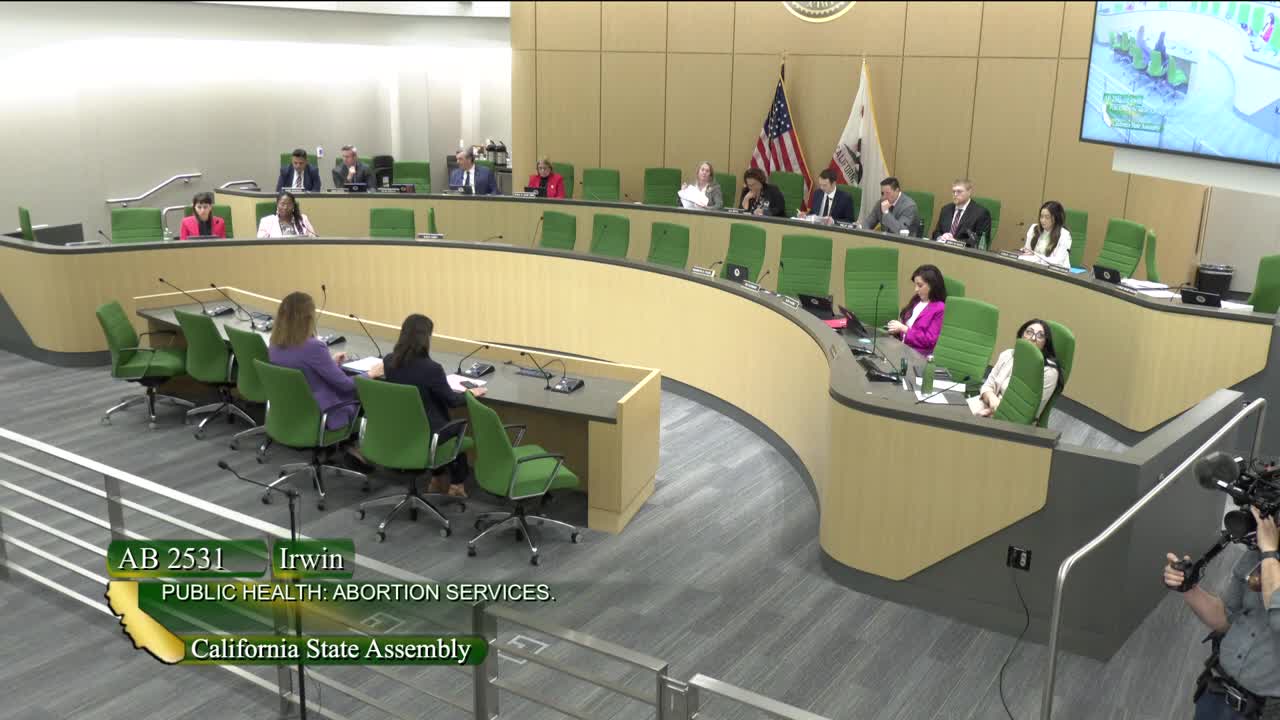
Bill Author