AB 536: Health care coverage: colorectal cancer screening.
- Session Year: 2025-2026
- House: Assembly
- Latest Version Date: 2025-03-24
Current Status:
In Progress
(2025-08-29: In committee: Held under submission.)
Introduced
In Committee
Awaiting First Chamber Vote
Passed First Chamber
In Committee
Awaiting Second Chamber Vote
Passed Second Chamber
Enacted
Existing law, the Knox-Keene Health Care Service Plan Act of 1975, provides for the licensure and regulation of health care service plans by the Department of Managed Health Care. Existing law provides for the regulation of health insurers by the Department of Insurance. Existing law generally requires a health care service plan contract or a health insurance policy issued, amended, or renewed on or after January 1, 2022, to provide coverage without cost sharing for a colorectal cancer screening test assigned either a grade of A or a grade of B by the United States Preventive Services Task Force and for a required colonoscopy for a positive result on a test with those grades.
This bill would make technical, nonsubstantive changes to those provisions.This bill would additionally require that coverage if the screening test is approved by the United States Food and Drug Administration and either meets requirements for coverage established by the federal Centers for Medicare and Medicaid Services, as specified, or is included in the most recently published guidelines from the American Cancer Society.
Existing law, the Knox-Keene Health Care Service Plan Act of 1975, provides for the licensure and regulation of health care service plans by the Department of Managed Health Care. Existing law provides for the regulation of health insurers by the Department of Insurance. Existing law generally requires a health care service plan contract or a health insurance policy issued, amended, or renewed on or after January 1, 2022, to provide coverage without cost sharing for a colorectal cancer screening test assigned either a grade of A or a grade of B by the United States Preventive Services Task Force and for a required colonoscopy for a positive result on a test with those grades.
This bill would make technical, nonsubstantive changes to those provisions.
(a)Every health care service plan contract, except a specialized health care service plan contract, that is issued, amended, or renewed on or after January 1, 2022, shall provide coverage without cost sharing for a colorectal cancer screening test assigned either a grade of A or a grade of B by the United States Preventive Services Task Force. The that meets any of the following conditions:
(1)Approved by the United States Food and Drug Administration (FDA) and meets the requirements for coverage established by the federal Centers for Medicare and Medicaid Services National Coverage Determination 210.3.
(2)Approved by the FDA and included in the most recently published guidelines from the American Cancer Society.
(3)Assigned either a grade of A or a grade of B by the United States Preventive Services Task Force.
(b)The required colonoscopy for a positive result on a test or procedure, other than a colonoscopy, that is a colorectal cancer screening examination or laboratory test identified assigned either a grade of A or a grade of B by the United States Preventive Services Task Force that meets any of the conditions described in paragraphs (1) to (3), inclusive, of subdivision (a) shall also be provided without cost sharing.
(b)(c)This section does not preclude a health care service plan that has coverage for out-of-network benefits from imposing cost-sharing requirements for the items or services described in this section that are delivered by an out-of-network provider.
SEC. 2.Section 10123.207 of the Insurance Code is amended to read:10123.207.(a)Every health insurance policy, except a specialized health insurance policy, that is issued, amended, or renewed on or after January 1, 2022, shall provide coverage without cost sharing for a colorectal cancer screening test assigned either a grade of A or a grade of B by the United States Preventive Services Task Force. The that meets any of the following conditions:
(1)Approved by the United States Food and Drug Administration (FDA) and meets the requirements for coverage established by the federal Centers for Medicare and Medicaid Services National Coverage Determination 210.3.
(2)Approved by the FDA and included in the most recently published guidelines from the American Cancer Society.
(3)Assigned either a grade of A or a grade of B by the United States Preventive Services Task Force.
(b)The required colonoscopy for a positive result on a test or procedure, other than a colonoscopy, that is a colorectal cancer screening examination or laboratory test identified assigned either a grade of A or a grade of B by the United States Preventive Services Task Force that meets any of the conditions described in paragraphs (1) to (3), inclusive, of subdivision (a) shall also be provided without cost sharing.
(b)(c)This section does not preclude a health insurer that has a network of providers from imposing cost-sharing requirements for the items or services described in this section that are delivered by an out-of-network provider.
(a)Every health care service plan contract, except a specialized health care service plan contract, that is issued, amended, or renewed on or after January 1, 2022, shall provide coverage without any cost sharing for a colorectal cancer screening test assigned either a grade of A or a grade of B by the United States Preventive Services Task Force. The required colonoscopy for a positive result on a test or procedure, other than a colonoscopy, that is a colorectal cancer screening examination or laboratory test identified assigned either a grade of A or a grade of B by the United States Preventive Services Task Force shall also be provided without any cost sharing.
(b)This section does not preclude a health care service plan that has coverage for out-of-network benefits from imposing cost-sharing requirements for the items or services described in this section that are delivered by an out-of-network provider.
SEC. 2.Section 10123.207 of the Insurance Code is amended to read:10123.207.(a)Every health insurance policy, except a specialized health insurance policy, that is issued, amended, or renewed on or after January 1, 2022, shall provide coverage without cost sharing for a colorectal cancer screening test assigned either a grade of A or a grade of B by the United States Preventive Services Task Force. The required colonoscopy for a positive result on a test or procedure, other than a colonoscopy, that is a colorectal cancer screening examination or laboratory test identified assigned either a grade of A or a grade of B by the United States Preventive Services Task Force shall also be provided without any cost sharing.
(b)This section does not preclude a health insurer that has a network of providers from imposing cost-sharing requirements for the items or services described in this section that are delivered by an out-of-network provider.
|
Date
|
Status
|
|---|---|
| Aug 29, 2025 | In committee: Held under submission. |
| Jul 14, 2025 | In committee: Referred to APPR. suspense file. |
| Jun 26, 2025 | From committee: Do pass and re-refer to Com. on APPR. (Ayes 8. Noes 1.) (June 25). Re-referred to Com. on APPR. |
| Jun 11, 2025 | In committee: Set, first hearing. Hearing canceled at the request of author. |
| May 14, 2025 | Referred to Com. on HEALTH. |
| May 6, 2025 | In Senate. Read first time. To Com. on RLS. for assignment. |
| May 5, 2025 | Read third time. Passed. Ordered to the Senate. (Ayes 74. Noes 0. Page 1425.) |
| Apr 24, 2025 | Read second time. Ordered to third reading. |
| Apr 23, 2025 | From committee: Do pass. (Ayes 15. Noes 0.) (April 23). |
| Apr 9, 2025 | From committee: Do pass and re-refer to Com. on APPR. (Ayes 15. Noes 0.) (April 8). Re-referred to Com. on APPR. |
| Mar 25, 2025 | Re-referred to Com. on HEALTH. |
| Mar 24, 2025 | From committee chair, with author's amendments: Amend, and re-refer to Com. on HEALTH. Read second time and amended. |
| Mar 24, 2025 | Referred to Com. on HEALTH. |
| Feb 12, 2025 | From printer. May be heard in committee March 14. |
| Feb 11, 2025 | Read first time. To print. |
|
Date
|
Description
|
Location
|
Votes
|
|
|---|---|---|---|---|
| Jul 14, 2025 | Placed on suspense file | Senate Standing Committee on Appropriations |
Passed |
|
| Jun 25, 2025 | Do pass, but first be re-referred to the Committee on [Appropriations] | Senate Standing Committee on Health |
Passed |
|
| May 5, 2025 | AB 536 Patterson Assembly Third Reading | Assembly Floor |
Passed |
|
| Apr 23, 2025 | Do pass. | Assembly Standing Committee on Appropriations |
Passed |
|
| Apr 8, 2025 | Do pass and be re-referred to the Committee on [Appropriations] | Assembly Standing Committee on Health |
Passed |
This list shows positions taken on this bill by organizations on the date displayed, which is linked to the original source.
Positions by individuals are not included.
|
Organization
|
Position
|
Date
|
|---|---|---|
| Association Of California Life & Health Insurance Companies | ** Against | |
| California Association Of Health Plans | ** Against | |
| California Clinical Laboratory Association | ** Support | |
| California Life Sciences Association | ** Support | |
| Fight Colorectal Cancer | ** Support | |
| Geneoscopy | ** Support | |
| Guardant Health | ** Support |
SENATE COMMITTEE ON APPROPRIATIONS
Senator Anna Caballero, Chair
2025 - 2026 Regular Session
AB 536 (Patterson) - Health care coverage: colorectal cancer screening
Version: March 24, 2025 | Policy Vote: HEALTH 8 - 1 |
Urgency: No | Mandate: No |
Hearing Date: July 14, 2025 | Consultant: Agnes Lee |
Bill Summary:
AB 536 would expand the criteria for colorectal cancer screening tests that health plans and insurers must cover without cost-sharing.
Fiscal Impact:
- Unknown potential General Fund cost pressures to CalPERS health plan premiums, to the extent health plans would be required to cover tests that that are not assigned either a grade of “A” or “B” by the United States Preventive Services Task Force.
- The Department of Managed Health Care (DMHC) anticipates minor and absorbable costs for state administration.
- The California Department of Insurance (CDI) estimates costs of $6,000 in 2025-26 and $18,000 ongoing thereafter for state administration (Insurance Fund).
Background:
The United States Preventive Services Task Force (USPSTF) is an independent, volunteer panel of national experts in prevention and evidence-based medicine. The USPSTF makes evidence-based recommendations about clinical preventive services such as screenings, counseling services, and preventive medications. The USPSTF assigns one of five letter grades (A, B, C, D, or I) which describe the strength of a recommendation. Grades A and B are recommended for practitioners, C should be selectively offered, D is not recommended, and I means there is insufficient evidence. The USPSTF recommends: screening for colorectal cancer in all adults aged 50 to 75 years (“A” recommendation); screening for colorectal cancer in adults aged 45 to 49 years (“B” recommendation); and, that clinicians selectively offer screening for colorectal cancer in adults aged 76 to 85 years because evidence indicates that the net benefit of screening all persons in this age group is small. In determining whether this service is appropriate in individual cases, patients and clinicians should consider the patient’s overall health, prior screening history, and preferences (“C” recommendation).The recommended tests and frequency of testing are:
- High-sensitivity guaiac fecal occult blood test (gFOBT) or fecal immunochemical test (FIT) every year;
- Stool DNA-FIT (sDNA-FIT) every one to three years;
- CT colonography every five years;
- Flexible sigmoidoscopy every five years;
- Flexible sigmoidoscopy every ten years + FIT every year;
- Colonoscopy screening every ten years.
The DMHC regulates health plans under the Knox-Keene Act and the CDI regulates health insurers. Current state law requires every health plan contract and insurance policy, except a specialized health plan contract or insurance policy, to provide coverage, without any cost-sharing, for a colorectal cancer screening test assigned either a grade of “A” or “B” by the USPSTF. Current law provides that a colonoscopy required for a positive result on a test or procedure (not a colonoscopy) that is a colorectal cancer screening examination or laboratory test assigned a grade of “A” or “B” by USPSTF must also be provided without any cost-sharing.
Proposed Law:
Specific provisions of the bill would:
- Require in addition, every health plan contract and insurance policy, except a specialized health plan contract or insurance policy, to provide coverage, without any cost-sharing, for a colorectal cancer screening test that meets any of the following conditions:
- Approved by the United States Food and Drug Administration (FDA) and meets the requirements for coverage established by the federal Centers for Medicare and Medicaid Services National Coverage Determination 210.3.
- Approved by the FDA and included in the most recently published guidelines from the American Cancer Society.
- Provide in addition, that a colonoscopy required for a positive result on a test or procedure (not a colonoscopy) that is a colorectal cancer screening examination or laboratory test, as described above, must also be provided by the health plan or insurer without any cost-sharing.
Related Legislation:
AB 3245 (Joe Patterson, 2024) would have expanded the criteria for colorectal cancer screening tests that health plans and insurers must cover without cost-sharing. The bill was vetoed by the Governor.
Staff Comments: The California Health Benefits Review Program (CHBRP) analysis of AB 3245 (introduced version) indicated that the bill would not result in a change in benefit coverage for enrollees in DMHC-regulated plans and CDI-regulated policies because the guidelines for colorectal cancer screening as recommended with an A or B grade by the USPSTF are the broadest, as of March 2024. Plans and policies are already required to cover colorectal cancer screening without cost sharing with these guidelines. However, CHBRP indicated that should another organization release colorectal cancer screening guidelines that are more expansive than those of the USPSTF, AB 3245 would result in a change in benefit coverage and therefore a change in utilization of screening tests and health care expenditures.
-- END --
SENATE COMMITTEE ON HEALTH
Senator Caroline Menjivar, Chair
BILL NO: AB 536
AUTHOR: | Patterson | ||
VERSION: | March 24, 2025 | ||
HEARING DATE: | June 25, 2025 | ||
CONSULTANT: | Teri Boughton | ||
SUBJECT: Health care coverage: colorectal cancer screening
SUMMARY:
Expands the criteria for colorectal cancer screening tests that health plans and health insurers must cover without cost-sharing.
Existing law:
- Establishes the Department of Managed Health Care (DMHC) to regulate health plans under the Knox-Keene Health Care Services Plan Act of 1975; the California Department of Insurance (CDI) to regulate health and other insurers; the Department of Health Care Services (DHCS) to administer the Medi-Cal program. [HSC §1340, et seq., INS §106, et seq., and WIC §14000, et seq.]
- Requires every health plan contract and insurance policy, except a specialized health plan contract or insurance policy, to provide coverage, without any cost-sharing, for a colorectal cancer screening test assigned either a grade of “A” or “B” by the United States Preventive Services Task Force (USPSTF). Includes coverage without cost-sharing of a colonoscopy required for a positive result on a test or procedure that is a colorectal cancer screening examination or laboratory test (that is not a colonoscopy) assigned a grade of “A” or “B” by USPSTF. [HSC §1367.668 and INS §10123.207]
- Requires a group or individual health plan contract or health insurance policy to, at a minimum, to provide coverage for without cost-sharing for all of the following (this is a codification of the federal Affordable Care Act (ACA) preventive services requirements):
- Evidence-based items or services that have in effect a rating of “A” or “B” in USPSTF recommendations, as periodically updated;
- Immunizations that have in effect a recommendation, as periodically updated, from the Advisory Committee on Immunization Practices (ACIP) of the Centers for Disease Control and Prevention (CDC) with respect to the individual involved;
- Evidence-informed preventive care and screening with respect to infants, children, and adolescents provided in the comprehensive guidelines, as periodically updated, supported by the Health Resources and Services Administration (HRSA);
- Additional preventive care and screenings for women not described in a) above as provided for in comprehensive guidelines supported by HRSA, as specified; and,
- Current USPSTF recommendations regarding breast cancer screening, mammography, and prevention. [HSC §1367.002 and INS §10112.2]
- States that 3) above does not prohibit a health plan contract or insurance policy from providing coverage for services in addition to those recommended by USPSTF or denying coverage for services that are not recommended by USPSTF. [HSC §1367.002 and INS §10112.2]
This bill:
- Expands the criteria which defines colorectal cancer screening tests that are required to be covered by plans and insurers without cost-sharing to include tests that are:
- FDA-approved and meet the requirements for coverage established by the federal Centers for Medicare and Medicaid Services (CMS) National Coverage Determination 210.3; or,
- FDA approved and included in the most recently published guidelines from the American Cancer Society.
- Requires a colonoscopy for a positive test result or procedure that is a colorectal cancer screening examination or laboratory test to also be provided without cost-sharing.
FISCAL EFFECT:
According to the Assembly Committee on Appropriations, minor and absorbable costs, if any, to DMHC and CDI.
PRIOR VOTES:
Assembly Floor: | 74 - 0 |
Assembly Appropriations Committee: | 15 - 0 |
Assembly Health Committee: | 15 - 0 |
COMMENTS:
- Author’s statement. According to the author, colorectal cancer awareness isn't just a campaign; it's a call to action for early detection, proactive screenings, and empowering education. In 2024, there were more than 53,000 deaths from colorectal cancer. This bill will ensure that coverage for colorectal cancer screenings continue irrespective of litigation occurring in other states that jeopardizes this critical preventative care option. At 40 years young, a friend of mine was diagnosed with stage three colorectal cancer after losing many months fighting for his own health. Fortunately, he survived, but would not have without a screening. This is why continuing to cover colorectal cancer screening is so important.
- Colorectal cancer background. According to the USPSTF recommendation statement published in the Journal of the American Medical Association on May 18, 2021, colorectal cancer is the third leading cause of cancer death for both men and women, with an estimated 52,980 persons in the U.S. projected to die of colorectal cancer in 2021. Colorectal cancer is most frequently diagnosed among persons aged 65 to 74 years. It is estimated that 10.5% of new colorectal cancer cases occur in persons younger than 50 years. Incidence of colorectal cancer (specifically adenocarcinoma) in adults aged 40 to 49 years has increased by almost 15% from 2000-2002 to 2014-2016. In 2016, 26% of eligible adults in the U.S. had never been screened for colorectal cancer, and in 2018, 31% were not up to date with screening. To update its 2016 recommendation, USPSTF commissioned a systematic review to evaluate the benefits and harms of screening for colorectal cancer in adults 40 years or older. The review also examined whether these findings varied by age, sex, or race/ethnicity. In addition, as in 2016, USPSTF commissioned a report from the Cancer Intervention and Surveillance Modeling Network Colorectal Cancer Working Group to provide information from comparative modeling on how estimated life-years gained, colorectal cancer cases averted, and colorectal cancer deaths averted vary by different starting and stopping ages for various screening strategies.
- USPSTF. The USPSTF was created in 1984, and is an independent, volunteer panel of national experts in prevention and evidence-based medicine. The USPSTF makes evidence-based recommendations about clinical preventive services such as screenings, counseling services, and preventive medications. The USPSTF posts the final recommendation statement, final evidence review, and an evidence summary on its website. The recommendation statement and the evidence summary are also published in a peer-reviewed scientific journal. USPSTF assigns one of five letter grades (A, B, C, D, or I) which describe the strength of a recommendation. Grades A and B are recommended for practitioners, C should be selectively offered, D is not recommended, and I means there is insufficient evidence. In the latest recommendations for colorectal cancer screening (released in 2021), USPSTF recommends screening in all adults aged 50 to 75 years (“A” recommendation); screening for colorectal cancer in adults aged 45 to 49 years (“B” recommendation); and, that clinicians selectively offer screening for colorectal cancer in adults aged 76 to 85 years because evidence indicates that the net benefit of screening all persons in this age group is small. In determining whether this service is appropriate in individual cases, patients and clinicians should consider the patient’s overall health, prior screening history, and preferences (“C” recommendation). The USPSTF assessment of net benefit applies to stool-based tests with high sensitivity, colonoscopy, computed tomography (CT) colonography, and flexible sigmoidoscopy. The recommendation for screening for colorectal cancer does not include serum tests, urine tests, or capsule endoscopy for colorectal cancer screening because of the limited available evidence on these tests and because other effective tests (i.e., the recommended screening strategies) are available. The recommended tests and frequency of testing are:
- High-sensitivity guaiac fecal occult blood test (gFOBT) or fecal immunochemical test (FIT) every year;
- Stool DNA-FIT (sDNA-FIT) every one to three years;
- CT colonography every five years;
- Flexible sigmoidoscopy every five years;
- Flexible sigmoidoscopy every ten years + FIT every year; and,
- Colonoscopy screening every ten years.
- American Cancer Society recommendations. The American Cancer Society 2018 guideline for colorectal cancer screening recommends that average risk adults aged 45 years and older undergo regular screening with either a high-sensitivity stool-based test or a visual exam. As a part of the screening process, all positive results on non-colonoscopy screening test should be followed up with a colonoscopy. The American Cancer Society makes a strong recommendation for regular screening in adults aged 50 years and older. The recommendation to begin screening at age 45 years is a “qualified recommendation.” The American Cancer Society recommends (qualified recommendations) that: a) average-risk adults in good health with a life expectancy of more than ten years continue colorectal cancer screening through the age of 75 years; b) clinicians individualize colorectal cancer screening decisions for individuals aged 76 through 85 years based on patient preferences, life expectancy, health status, and prior screening history; and, c) clinicians discourage individuals older than 85 years from continuing colorectal cancer screening. The options for colorectal cancer screening are: fecal immunochemical test annually; high-sensitivity, guaiac-based fecal occult blood test annually; multitarget stool DNA test every three years; colonoscopy every ten years; computed tomography colonography every five years; and flexible sigmoidoscopy every five years.
- Other guidelines. The California Health Benefits Review Program (CHBRP) examined guidelines in February and March of 2024 from U.S.-based entities, including the American College of Physicians, American College of Radiology, American Cancer Society, American College of Gastroenterology (and summarized by the American Academy of Family Physicians), American Gastroenterological Association, American Society of Clinical Oncology, National Comprehensive Cancer Network, and the U.S. Multi-Society Task Force. Recommendations from these guidelines are in line with the grade A/B USPSTF recommendations. CHBRP concluded in their 2024 review that there were no recommendations supported by high-quality evidence that are beyond what USPSTF currently recommends with an A or B grade. CHBRP points out that should new guidelines from other organizations recommend screening that is more expansive than existing USPSTF guidelines, this bill would require plans and policies to newly cover, without cost-sharing, the specified colorectal cancer screening tests, including changes in frequency and age of recommended screening tests. For example, a March 2024 study describes a newly developed blood-based colorectal cancer screening. Should an organization such as the American Cancer Society determine there is enough evidence to recommend this new modality of colorectal cancer screening before the USPSTF reviews the evidence and makes a recommendation, this bill would require coverage without cost-sharing of this blood test. This bill’s sponsor has indicated that the National Comprehensive Cancer Network (NCCN) on May 30, 2025 updated its Colorectal Cancer Screening Guidelines which include blood-based cell-free DNA screening for average risk patients as well as multi-target stool DNA and RNA-based testing.
- New tests. This bill’s sponsor, Guardant Health, indicates two new tests have been approved by the FDA, one by this bill’s sponsor called “Shield” and another by Geneoscopy, Inc. Information provided by the sponsor indicates premarket approval (PMA) was granted for both. According to the PMA letter, Guardant’s application is restricted to provide reasonable assurance of the safety and effectiveness of the test, and continued approval is contingent upon the submission of periodic reports, as specified, and an Annual Report. The PMA requires prominent display of the following precaution:
“Precaution: Based on data from clinical studies, Shield has limited detection (55%-65%) of Stage I colorectal cancer and does not detect 87% of precancerous lesions. One out of 10 patients with a negative Shield result may have a precancer that would have been detected by a screening colonoscopy. Shield demonstrated high detection of Stages II, III, and IV colorectal cancer.”
- NCCN Colorectal Cancer Screening Guidelines Version 1.2025. The NCCN guideline document provided to the committee is dated May 30, 2025. The document indicates that it is recommended that screening for persons at average risk begin at 45 years of age after available options have been discussed. Currently, recommended options include: colonoscopy every 10 years; annual high-sensitivity guaiac-based testing or FIT, or mt-sDNA–based testing (every 3 years); flexible sigmoidoscopy every 5 to 10 years; or CT colonography every 5 years. Elsewhere in the document mt-sRNA-based testing and blood-based screening modalities are also included. For blood-based modalities the recommendation is that the modalities should only be employed to screen individuals of average risk with the commitment to a follow-up colonoscopy for any abnormal test. This type of test is recommended and FDA-approved for every 3-years for average-risk screening. The guideline says given its modest performance, particularly among advanced precancerous lesions, this test is only recommended for individual who would not be willing to undergo screening through another modality. The document also indicates that the recommendations are category 2A unless otherwise indicated. Category 2A is based upon lower-level evidence, there is uniform NCCN consensus (greater than 85% support of the panel) that the intervention is appropriate. Category 1 is based upon high-level evidence and uniform NCCN consensus that the intervention is appropriate.
- CMS National Coverage Determination (NCD) 210.3. Federal law and regulations authorize Medicare coverage for screening colorectal cancer tests under Medicare Part B, and authorize the Secretary of HHS to add other tests and procedures (and modifications to test and procedures for colorectal cancer screening). NCD 210.3 describes the indications, limitations, and type of tests that will be covered by Medicare. For example, blood-based DNA testing/biomarker is covered as an appropriate colorectal cancer screening test once every three years for Medicare beneficiaries when performed in a Clinical Laboratory Improvement Act-certified laboratory, when ordered by a treating physician, and when the patient is 45 years or older, asymptomatic, and at average risk of developing colorectal cancer. The blood-based biomarker-screening test must have FDA market authorization with an indication for colorectal cancer screening. It must also have proven performance characteristics for a blood-based screening test with both sensitivity at or above 74% and at least 90% specificity in the detection of colorectal cancer compared to a colonoscopy, as minimal threshold levels, based on the pivotal studies included in the FDA labeling. Guardant indicates that Shield meets this standard.
- Braidwood Management Inc. v. Becerra was brought forth by plaintiffs with objections to coverage of pre-exposure prophylaxis to prevent HIV and other preventive services that are mandated under the ACA preventive services requirement. Plaintiffs assert, among other points, that the requirements in the ACA for specific expert committees and a federal government agency to recommend covered preventive services are unconstitutional. In September 2022, Texas U.S. District Court Judge Reed O’Connor ruled that the preventive service requirement for USPSTF recommendations was unconstitutional because the task force members are neither appointed by the President nor confirmed by the Senate, thereby violating the Appointments Clause. The 5th Circuit Court of Appeals issued an administrative stay of the Texas U.S. District Court Judge’s 2022 ruling while the decision is being appealed. Oral arguments were heard by the 5th Circuit Court of Appeals in March 2024. In June 2024, the 5th Circuit affirmed in part, reversed in part, and remanded in part the decision to the U.S. District Court for the Northern District of Texas. The Biden Administration appealed the 5th Circuit’s decision to the U.S. Supreme Court. Oral arguments were heard by the U.S. Supreme Court in now Kennedy v. Braidwood Management on April 21, 2025. Supplemental briefs were filed two weeks after the oral arguments in response to an order directing the Trump Administration and challengers to address the power of the HHS Secretary to appoint and remove task force members. A decision is expected by late June or early July. Existing California law that requires coverage without cost-sharing of colorectal cancer screening tests exists as a single statute, but is also subsumed in California’s preventive services mandate, which is modeled after the ACA preventive services mandate. Should future court decisions uphold a portion or all of the lower court’s ruling, federal and state governments may be prohibited from requiring health insurers to cover some or all USPSTF-recommended preventive services without cost-sharing. Braidwood may not necessarily impact California’s separate requirement for colorectal cancer screening.
- Prior legislation. AB 3245 (Joe Patterson of 2024), similar to this bill, would have expanded existing law to require a health plan contract and insurance policy to provide coverage without cost-sharing for a colorectal cancer screening test assigned either a grade of "A" or a grade of "B", or equivalent, in accordance with the most current recommendations established by another accredited or certified guideline agency approved by the California Health and Human Services Agency, and would have required coverage of the follow-up colonoscopy after a positive result on a noncolonoscopy test or procedure to also be provided without any cost-sharing. AB 3245 was vetoed by Governor Newsom, who wrote:
This bill would expand existing law, which requires health plans to provide coverage for colorectal cancer screenings and subsequent colonoscopies assigned a grade A or B by the United States Preventive Services Task Force (USPSTF) without any cost sharing, to also require coverage for equivalent standards and recommendations established by another accredited or certified guideline agency approved by the California Health and Human Services Agency.
I strongly support access to preventive health care, including colon cancer screenings and colonoscopies. However, existing law that requires coverage for these services without cost sharing is sufficient. Going beyond the USPSTF standard to include guidelines from other organizations and "equivalent" ratings is vague and would be difficult to implement.
AB 632 (Gipson of 2023) would have prohibited a health plan contract, except a specialized health plan contract, and a health insurance policy from applying a deductible, copayment, or coinsurance to coverage for screening services for prostate cancer for certain high risk individuals, as specified. AB 632 was vetoed by Governor Newsom who stated:
This bill would prohibit a health plan contract or insurance policy that is amended, renewed, or delivered on or after January 1, 2024, from applying a deductible, copayment, or coinsurance for prostate cancer screening services for an enrollee who is at a heightened risk of prostate cancer.
According to the California Health Benefits Review Program, approximately 97% of enrollees currently have coverage for prostate cancer screening without cost sharing and the remaining 3% pay an estimated $10 per screening. While the author's intent to increase prostate cancer screenings is commendable, this bill exceeds the cost sharing provisions under the Affordable Care Act (ACA). As such, this bill would result in increased costs to consumers through higher premiums. The State must weigh the potential benefits of all new mandates with the comprehensive costs to the entire delivery system.
AB 342 (Gipson, Chapter 436, Statutes of 2021) requires health plan contracts and health insurance policies to provide coverage without any cost sharing for a colorectal cancer screening test assigned either a grade of A or B by USPSTF, including when a colonoscopy is required after a positive result on a test or procedure that is a colorectal cancer screening or laboratory test assigned either a grade of A or B by USPSTF.
SB 406 (Pan, Chapter 302, Statutes of 2020), among other provisions, codifies specific provisions of the ACA prevention services mandate in California law.
- Support. According to this bill’s sponsor, Guardant Health, “the FDA has approved two new non-invasive screening methods that can help overcome barriers to screening and provide additional options to help reach eligible individuals that remain unscreened. These new tests could help overcome many access barriers associated with current screening methods, but only if added to the proverbial toolkit of options at a physician’s disposal. Access to these novel technologies may be delayed by several years despite FDA approval unless the USPSTF conducts a review and incorporates blood and new stool-based tests as appropriate screening modalities within the existing recommendation for colorectal cancer screening. This lag is unacceptable and needlessly puts Californian lives at risk. CMS has already issued a coverage determination for FDA approved blood-based screening tests that meet certain performance requirements. However, in the absence of an updated USPSTF recommendation, an access inequity exists whereby patients aged 65 and older have access to the technology while those between the ages of 45 and 64, the most essential critical workforce but also the most commonly under screened, are forced to needlessly wait for the USPSTF’s next review of its colorectal cancer screening recommendation.” Fight Colorectal Cancer writes, “According to the American Cancer Society, in 2025, it is estimated that 16,330 Californians will be diagnosed with colorectal cancer and 5,450 will die from the disease in this same year. As new screening tools and diagnostic methods come to market and are adopted by patients and providers, we believe that the standard set in 2022 will only be strengthened by Assembly Bill 536 incorporating diverse expertise and rigorous evidence-based clinical consensus. We know Californians will benefit from expanding access to colorectal cancer screening.”
- Opposition. The California Association of Health Plans (CAHP) and the Association of California Life and Health Insurance Companies (ACLHIC) write in opposition to 17 health insurance mandate bills including this one, that these bills will increase costs, reduce choice and competition, and further incent some employers and individuals to avoid state regulation by seeking other coverage options. According to the opposition, benefit mandates impose a one-size-fits all approach to medical care and benefit design without consideration for consumer choice. The opposition strongly urges the Legislature to pause any new mandate bills at this time given the uncertainty regarding what benefits may or may not be covered in the EHB benchmark plan. The opposition also indicates that adding new mandates at a time when the Office of Health Care Affordability (OHCA) is working to curb healthcare costs could disrupt those efforts and make it difficult for health care entities to meet the OCHA spending target. The opposition urges the Legislature to consider the cumulative impacts of these mandates on premiums and access to coverage, and they believe that benefit mandates stifle the use of innovative, evidence-based medicine.
- Policy comments.
- Broad policy approach. The blood test developed by this bill’s sponsor has shown promise in detecting cancer cells and may provide an option for noninvasive early detection when a colonoscopy isn’t feasible. However, experts indicate that colonoscopies are still the gold standard, which is the only way to identify and remove precancerous lesions that are not detectible in blood tests. Current California law allows for nationally recognized expert panels to evaluate preventive services and make recommendations that will result in commercial health insurance coverage requirements without cost-sharing. This bill’s sponsor is looking to fast track or avoid that process by creating other routes to qualification in this bill, similar to AB 3245 of 2024. In the near future there could be many other tests with varying cost-effectiveness approved by the FDA, and as CHBRP points out this bill would require plans and policies to newly cover, without cost-sharing, the specified colorectal cancer screening tests, including changes in frequency and age of recommended screening tests. In an environment with unlimited resources this broad based policy approach may be appropriate but there are not unlimited resources for many employers, families, and individual health insurance purchasers. As such, it may be necessary to narrow the policy in this bill.
- USPSTF Risk. Groups are rallying in support for the USPSTF describing it as “a critical driver of patient access to – and adoption of – preventive services, such as colorectal cancer screening, because screening tests that receive a USPSTF recommendation are required to be provided to patients at no cost. If the USPSTF is not protected and preserved – or if it is not given adequate funding and resources to stay up to date with their guidance – patients could incur out-of-pocket costs for their screening, be limited in the screening methods they have access to and may avoid getting screened altogether.” If USPSTF falls or is under resourced, an alternative approach will be necessary to preserve access for all current and future preventive services, not just colorectal cancer screening. State policymakers will need to develop a comprehensive alternative rather than one off approaches per preventive service category.
- Broad policy approach. The blood test developed by this bill’s sponsor has shown promise in detecting cancer cells and may provide an option for noninvasive early detection when a colonoscopy isn’t feasible. However, experts indicate that colonoscopies are still the gold standard, which is the only way to identify and remove precancerous lesions that are not detectible in blood tests. Current California law allows for nationally recognized expert panels to evaluate preventive services and make recommendations that will result in commercial health insurance coverage requirements without cost-sharing. This bill’s sponsor is looking to fast track or avoid that process by creating other routes to qualification in this bill, similar to AB 3245 of 2024. In the near future there could be many other tests with varying cost-effectiveness approved by the FDA, and as CHBRP points out this bill would require plans and policies to newly cover, without cost-sharing, the specified colorectal cancer screening tests, including changes in frequency and age of recommended screening tests. In an environment with unlimited resources this broad based policy approach may be appropriate but there are not unlimited resources for many employers, families, and individual health insurance purchasers. As such, it may be necessary to narrow the policy in this bill.
SUPPORT AND OPPOSITION:
Support: Guardant Health (sponsor)
California Clinical Laboratory Association
California Life Sciences Association
Fight Colorectal Cancer
Geneoscopy
Oppose: Association of California Life & Health Insurance Companies
California Association of Health Plans
-- END --
SENATE COMMITTEE ON HEALTH
Senator Caroline Menjivar, Chair
BILL NO: AB 536
AUTHOR: | Patterson | ||
VERSION: | March 24, 2025 | ||
HEARING DATE: | June 11, 2025 | ||
CONSULTANT: | Teri Boughton | ||
SUBJECT: Health care coverage: colorectal cancer screening
SUMMARY:
Expands the criteria for colorectal cancer screening tests that health plans and health insurers must cover without cost-sharing.
Existing law:
- Establishes the Department of Managed Health Care (DMHC) to regulate health plans under the Knox-Keene Health Care Services Plan Act of 1975; the California Department of Insurance (CDI) to regulate health and other insurers; the Department of Health Care Services (DHCS) to administer the Medi-Cal program. [HSC §1340, et seq., INS §106, et seq., and WIC §14000, et seq.]
- Requires every health plan contract and insurance policy, except a specialized health plan contract or insurance policy, to provide coverage, without any cost-sharing, for a colorectal cancer screening test assigned either a grade of “A” or “B” by the United States Preventive Services Task Force (USPSTF). Includes coverage without cost-sharing of a colonoscopy required for a positive result on a test or procedure that is a colorectal cancer screening examination or laboratory test (that is not a colonoscopy) assigned a grade of “A” or “B” by USPSTF. [HSC §1367.668 and INS §10123.207]
- Requires a group or individual health plan contract or health insurance policy to, at a minimum, to provide coverage for without cost-sharing for all of the following (this is a codification of the federal Affordable Care Act (ACA) preventive services requirements):
- Evidence-based items or services that have in effect a rating of “A” or “B” in USPSTF recommendations, as periodically updated;
- Immunizations that have in effect a recommendation, as periodically updated, from the Advisory Committee on Immunization Practices (ACIP) of the Centers for Disease Control and Prevention (CDC) with respect to the individual involved;
- Evidence-informed preventive care and screening with respect to infants, children, and adolescents provided in the comprehensive guidelines, as periodically updated, supported by the Health Resources and Services Administration (HRSA);
- Additional preventive care and screenings for women not described in a) above as provided for in comprehensive guidelines supported by HRSA, as specified; and,
- Current USPSTF recommendations regarding breast cancer screening, mammography, and prevention. [HSC §1367.002 and INS §10112.2]
- States that 3) above does not prohibit a health plan contract or insurance policy from providing coverage for services in addition to those recommended by USPSTF or denying coverage for services that are not recommended by USPSTF. [HSC §1367.002 and INS §10112.2]
This bill:
- Expands the criteria which defines colorectal cancer screening tests that are required to be covered by plans and insurers without cost-sharing to include tests that are:
- FDA-approved and meet the requirements for coverage established by the federal Centers for Medicare and Medicaid Services (CMS) National Coverage Determination 210.3; or,
- FDA approved and included in the most recently published guidelines from the American Cancer Society.
- Requires a colonoscopy for a positive test result or procedure that is a colorectal cancer screening examination or laboratory test to also be provided without cost-sharing.
FISCAL EFFECT:
According to the Assembly Committee on Appropriations, minor and absorbable costs, if any, to DMHC and CDI.
PRIOR VOTES:
Assembly Floor: | 74 - 0 |
Assembly Appropriations Committee: | 15 - 0 |
Assembly Health Committee: | 15 - 0 |
COMMENTS:
- Author’s statement. According to the author, colorectal cancer awareness isn't just a campaign; it's a call to action for early detection, proactive screenings, and empowering education. In 2024, there were more than 53,000 deaths from colorectal cancer. This bill will ensure that coverage for colorectal cancer screenings continue irrespective of litigation occurring in other states that jeopardizes this critical preventative care option. At 40 years young, a friend of mine was diagnosed with stage three colorectal cancer after losing many months fighting for his own health. Fortunately, he survived, but would not have without a screening. This is why continuing to cover colorectal cancer screening is so important.
- Colorectal cancer background. According to the USPSTF recommendation statement published in the Journal of the American Medical Association on May 18, 2021, colorectal cancer is the third leading cause of cancer death for both men and women, with an estimated 52,980 persons in the U.S. projected to die of colorectal cancer in 2021. Colorectal cancer is most frequently diagnosed among persons aged 65 to 74 years. It is estimated that 10.5% of new colorectal cancer cases occur in persons younger than 50 years. Incidence of colorectal cancer (specifically adenocarcinoma) in adults aged 40 to 49 years has increased by almost 15% from 2000-2002 to 2014-2016. In 2016, 26% of eligible adults in the U.S. had never been screened for colorectal cancer, and in 2018, 31% were not up to date with screening. To update its 2016 recommendation, USPSTF commissioned a systematic review to evaluate the benefits and harms of screening for colorectal cancer in adults 40 years or older. The review also examined whether these findings varied by age, sex, or race/ethnicity. In addition, as in 2016, USPSTF commissioned a report from the Cancer Intervention and Surveillance Modeling Network Colorectal Cancer Working Group to provide information from comparative modeling on how estimated life-years gained, colorectal cancer cases averted, and colorectal cancer deaths averted vary by different starting and stopping ages for various screening strategies.
- USPSTF. The USPSTF was created in 1984, and is an independent, volunteer panel of national experts in prevention and evidence-based medicine. The USPSTF makes evidence-based recommendations about clinical preventive services such as screenings, counseling services, and preventive medications. The USPSTF posts the final recommendation statement, final evidence review, and an evidence summary on its website. The recommendation statement and the evidence summary are also published in a peer-reviewed scientific journal. USPSTF assigns one of five letter grades (A, B, C, D, or I) which describe the strength of a recommendation. Grades A and B are recommended for practitioners, C should be selectively offered, D is not recommended, and I means there is insufficient evidence. In the latest recommendations for colorectal cancer screening (released in 2021), USPSTF recommends screening in all adults aged 50 to 75 years (“A” recommendation); screening for colorectal cancer in adults aged 45 to 49 years (“B” recommendation); and, that clinicians selectively offer screening for colorectal cancer in adults aged 76 to 85 years because evidence indicates that the net benefit of screening all persons in this age group is small. In determining whether this service is appropriate in individual cases, patients and clinicians should consider the patient’s overall health, prior screening history, and preferences (“C” recommendation). The USPSTF assessment of net benefit applies to stool-based tests with high sensitivity, colonoscopy, computed tomography (CT) colonography, and flexible sigmoidoscopy. The recommendation for screening for colorectal cancer does not include serum tests, urine tests, or capsule endoscopy for colorectal cancer screening because of the limited available evidence on these tests and because other effective tests (i.e., the recommended screening strategies) are available. The recommended tests and frequency of testing are:
- High-sensitivity guaiac fecal occult blood test (gFOBT) or fecal immunochemical test (FIT) every year;
- Stool DNA-FIT (sDNA-FIT) every one to three years;
- CT colonography every five years;
- Flexible sigmoidoscopy every five years;
- Flexible sigmoidoscopy every ten years + FIT every year; and,
- Colonoscopy screening every ten years.
- American Cancer Society recommendations. The American Cancer Society 2018 guideline for colorectal cancer screening recommends that average risk adults aged 45 years and older undergo regular screening with either a high-sensitivity stool-based test or a visual exam. As a part of the screening process, all positive results on non-colonoscopy screening test should be followed up with a colonoscopy. The American Cancer Society makes a strong recommendation for regular screening in adults aged 50 years and older. The recommendation to begin screening at age 45 years is a “qualified recommendation.” The American Cancer Society recommends (qualified recommendations) that: a) average-risk adults in good health with a life expectancy of more than ten years continue colorectal cancer screening through the age of 75 years; b) clinicians individualize colorectal cancer screening decisions for individuals aged 76 through 85 years based on patient preferences, life expectancy, health status, and prior screening history; and, c) clinicians discourage individuals older than 85 years from continuing colorectal cancer screening. The options for colorectal cancer screening are: fecal immunochemical test annually; high-sensitivity, guaiac-based fecal occult blood test annually; multitarget stool DNA test every three years; colonoscopy every ten years; computed tomography colonography every five years; and flexible sigmoidoscopy every five years.
- Other guidelines. The California Health Benefits Review Program (CHBRP) examined guidelines in February and March of 2024 from U.S.-based entities, including the American College of Physicians, American College of Radiology, American Cancer Society, American College of Gastroenterology (and summarized by the American Academy of Family Physicians), American Gastroenterological Association, American Society of Clinical Oncology, National Comprehensive Cancer Network, and the U.S. Multi-Society Task Force. Recommendations from these guidelines are in line with the grade A/B USPSTF recommendations. There are no recommendations supported by high-quality evidence that are beyond what USPSTF currently recommends with an A or B grade. Should new guidelines from other organizations recommend screening that is more expansive than existing USPSTF guidelines, this bill would require plans and policies to newly cover, without cost-sharing, the specified colorectal cancer screening tests, including changes in frequency and age of recommended screening tests. For example, a March 2024 study describes a newly developed blood-based colorectal cancer screening. Should an organization such as the American Cancer Society determine there is enough evidence to recommend this new modality of colorectal cancer screening before the USPSTF reviews the evidence and makes a recommendation, this bill would require coverage without cost-sharing of this blood test.
- New tests. This bill’s sponsor, Guardant Health, indicates two new tests have been approved by the FDA, one by this bill’s sponsor called “Shield” and another by Geneoscopy, Inc. Information provided by the sponsor indicates premarket approval (PMA) was granted for both. According to the PMA letter, Guardant’s application is restricted to provide reasonable assurance of the safety and effectiveness of the test, and continued approval is contingent upon the submission of periodic reports, as specified, and an Annual Report. The PMA requires prominent display of the following precaution:
“Precaution: Based on data from clinical studies, Shield has limited detection (55%-65%) of Stage I colorectal cancer and does not detect 87% of precancerous lesions. One out of 10 patients with a negative Shield result may have a precancer that would have been detected by a screening colonoscopy. Shield demonstrated high detection of Stages II, III, and IV colorectal cancer.”
- CMS National Coverage Determination (NCD) 210.3. Federal law and regulations authorize Medicare coverage for screening colorectal cancer tests under Medicare Part B, and authorize the Secretary of HHS to add other tests and procedures (and modifications to test and procedures for colorectal cancer screening). NCD 210.3 describes the indications, limitations, and type of tests that will be covered by Medicare. For example, blood-based DNA testing/biomarker is covered as an appropriate colorectal cancer screening test once every three years for Medicare beneficiaries when performed in a Clinical Laboratory Improvement Act-certified laboratory, when ordered by a treating physician, and when the patient is 45 years or older, asymptomatic, and at average risk of developing colorectal cancer. The blood-based biomarker-screening test must have FDA market authorization with an indication for colorectal cancer screening. It must also have proven performance characteristics for a blood-based screening test with both sensitivity at or above 74% and at least 90% specificity in the detection of colorectal cancer compared to a colonoscopy, as minimal threshold levels, based on the pivotal studies included in the FDA labeling. Guardant indicates that Shield meets this standard.
- Litigation. Braidwood Management Inc. v. Becerra was brought forth by plaintiffs with objections to coverage of pre-exposure prophylaxis to prevent HIV and other preventive services that are mandated under the ACA preventive services requirement. Plaintiffs assert, among other points, that the requirements in the ACA for specific expert committees and a federal government agency to recommend covered preventive services are unconstitutional. In September 2022, Texas U.S. District Court Judge Reed O’Connor ruled that the preventive service requirement for USPSTF recommendations was unconstitutional because the task force members are neither appointed by the President nor confirmed by the Senate, thereby violating the Appointments Clause. The 5th Circuit Court of Appeals issued an administrative stay of the Texas U.S. District Court Judge’s 2022 ruling while the decision is being appealed. Oral arguments were heard by the 5th Circuit Court of Appeals in March 2024. In June 2024, the 5th Circuit affirmed in part, reversed in part, and remanded in part the decision to the U.S. District Court for the Northern District of Texas. The Biden Administration appealed the 5th Circuit’s decision to the U.S. Supreme Court. Oral arguments were heard by the U.S. Supreme Court in now Kennedy v. Braidwood Management on April 21, 2025. Supplemental briefs were filed two weeks after the oral arguments in response to an order directing the Trump Administration and challengers to address the power of the HHS Secretary to appoint and remove task force members. A decision is expected by late June or early July. Existing California law that requires coverage without cost-sharing of colorectal cancer screening tests exists as a single statute, but is also subsumed in California’s preventive services mandate, which is modeled after the ACA preventive services mandate. Should future court decisions uphold a portion or all of the lower court’s ruling, federal and state governments may be prohibited from requiring health insurers to cover some or all USPSTF-recommended preventive services without cost-sharing. Braidwood may not necessarily impact California’s separate requirement for colorectal cancer screening.
- Prior legislation. AB 3245 (Patterson of 2024), similar to this bill, would have expanded existing law to require a health plan contract and insurance policy to provide coverage without cost-sharing for a colorectal cancer screening test assigned either a grade of "A" or a grade of "B", or equivalent, in accordance with the most current recommendations established by another accredited or certified guideline agency approved by the California Health and Human Services Agency, and would have required coverage of the follow-up colonoscopy after a positive result on a noncolonoscopy test or procedure to also be provided without any cost-sharing. AB 3245 was vetoed by Governor Newsom, who wrote:
This bill would expand existing law, which requires health plans to provide coverage for colorectal cancer screenings and subsequent colonoscopies assigned a grade A or B by the United States Preventive Services Task Force (USPSTF) without any cost sharing, to also require coverage for equivalent standards and recommendations established by another accredited or certified guideline agency approved by the California Health and Human Services Agency.
I strongly support access to preventive health care, including colon cancer screenings and colonoscopies. However, existing law that requires coverage for these services without cost sharing is sufficient. Going beyond the USPSTF standard to include guidelines from other organizations and "equivalent" ratings is vague and would be difficult to implement.
AB 632 (Gipson of 2023) would have prohibited a health plan contract, except a specialized health plan contract, and a health insurance policy from applying a deductible, copayment, or coinsurance to coverage for screening services for prostate cancer for certain high risk individuals, as specified. AB 632 was vetoed by Governor Newsom who stated:
This bill would prohibit a health plan contract or insurance policy that is amended, renewed, or delivered on or after January 1, 2024, from applying a deductible, copayment, or coinsurance for prostate cancer screening services for an enrollee who is at a heightened risk of prostate cancer.
According to the California Health Benefits Review Program, approximately 97% of enrollees currently have coverage for prostate cancer screening without cost sharing and the remaining 3% pay an estimated $10 per screening. While the author's intent to increase prostate cancer screenings is commendable, this bill exceeds the cost sharing provisions under the Affordable Care Act (ACA). As such, this bill would result in increased costs to consumers through higher premiums. The State must weigh the potential benefits of all new mandates with the comprehensive costs to the entire delivery system.
AB 342 (Gipson, Chapter 436, Statutes of 2021) requires health plan contracts and health insurance policies to provide coverage without any cost sharing for a colorectal cancer screening test assigned either a grade of A or B by USPSTF, including when a colonoscopy is required after a positive result on a test or procedure that is a colorectal cancer screening or laboratory test assigned either a grade of A or B by USPSTF.
SB 406 (Pan, Chapter 302, Statutes of 2020), among other provisions, codifies specific provisions of the ACA prevention services mandate in California law.
- Support. According to this bill’s sponsor, Guardant Health, “the FDA has approved two new non-invasive screening methods that can help overcome barriers to screening and provide additional options to help reach eligible individuals that remain unscreened. These new tests could help overcome many access barriers associated with current screening methods, but only if added to the proverbial toolkit of options at a physician’s disposal. Access to these novel technologies may be delayed by several years despite FDA approval unless the USPSTF conducts a review and incorporates blood and new stool-based tests as appropriate screening modalities within the existing recommendation for colorectal cancer screening. This lag is unacceptable and needlessly puts Californian lives at risk. CMS has already issued a coverage determination for FDA approved blood-based screening test that meet certain performance requirements. However, in the absence of an updated USPSTF recommendation, an access inequity exists whereby patients aged 65 and older have access to the technology while those between the ages of 45 and 64, the most essential critical workforce but also the most commonly under screened, are forced to needlessly wait for the USPSTF’s next review of its colorectal cancer screening recommendation.”
- Opposition. The California Association of Health Plans (CAHP) and the Association of California Life and Health Insurance Companies (ACLHIC) write in opposition to 17 health insurance mandate bills including this one, that these bills will increase costs, reduce choice and competition, and further incent some employers and individuals to avoid state regulation by seeking other coverage options. According to the opposition, benefit mandates impose a one-size-fits all approach to medical care and benefit design without consideration for consumer choice. The opposition strongly urges the Legislature to pause any new mandate bills at this time given the uncertainty regarding what benefits may or may not be covered in the EHB benchmark plan. The opposition also indicates that adding new mandates at a time when the Office of Health Care Affordability (OHCA) is working to curb healthcare costs could disrupt those efforts and make it difficult for health care entities to meet the OCHA spending target. The opposition urges the Legislature to consider the cumulative impacts of these mandates on premiums and access to coverage, and they believe that benefit mandates stifle the use of innovative, evidence-based medicine.
- Policy comments.
- Broad policy approach. The blood test developed by this bill’s sponsor has shown promise in detecting cancer cells and may provide an option for noninvasive early detection when a colonoscopy isn’t feasible. However, experts indicate that colonoscopies are still the gold standard, which is the only way to identify and remove precancerous lesions that are not detectible in blood tests. Current California law allows for nationally recognized expert panels to evaluate preventive services and make recommendations that will result in commercial health insurance coverage requirements without cost-sharing. This bill’s sponsor is looking to fast track or avoid that process by creating other routes to qualification in this bill, similar to AB 3245 of 2024. In the near future there could be many other tests with varying cost-effectiveness approved by the FDA, and as CHBRP points out this bill would require plans and policies to newly cover, without cost-sharing, the specified colorectal cancer screening tests, including changes in frequency and age of recommended screening tests. In an environment with unlimited resources this broad based policy approach may be appropriate but there are not unlimited resources for many employers, families, and individual health insurance purchasers. As such, it may be necessary to narrow the policy in this bill.
- USPSTF Risk. Groups are rallying in support for the USPSTF describing it as “a critical driver of patient access to – and adoption of – preventive services, such as colorectal cancer screening, because screening tests that receive a USPSTF recommendation are required to be provided to patients at no cost. If the USPSTF is not protected and preserved – or if it is not given adequate funding and resources to stay up to date with their guidance – patients could incur out-of-pocket costs for their screening, be limited in the screening methods they have access to and may avoid getting screened altogether.” If USPSTF falls or is under resourced, an alternative approach will be necessary to preserve access for all current and future preventive services, not just colorectal cancer screening. State policymakers will need to develop a comprehensive alternative rather than one off approaches per preventive service category.
- Broad policy approach. The blood test developed by this bill’s sponsor has shown promise in detecting cancer cells and may provide an option for noninvasive early detection when a colonoscopy isn’t feasible. However, experts indicate that colonoscopies are still the gold standard, which is the only way to identify and remove precancerous lesions that are not detectible in blood tests. Current California law allows for nationally recognized expert panels to evaluate preventive services and make recommendations that will result in commercial health insurance coverage requirements without cost-sharing. This bill’s sponsor is looking to fast track or avoid that process by creating other routes to qualification in this bill, similar to AB 3245 of 2024. In the near future there could be many other tests with varying cost-effectiveness approved by the FDA, and as CHBRP points out this bill would require plans and policies to newly cover, without cost-sharing, the specified colorectal cancer screening tests, including changes in frequency and age of recommended screening tests. In an environment with unlimited resources this broad based policy approach may be appropriate but there are not unlimited resources for many employers, families, and individual health insurance purchasers. As such, it may be necessary to narrow the policy in this bill.
SUPPORT AND OPPOSITION:
Support: Guardant Health (sponsor)
California Clinical Laboratory Association
Oppose: Association of California Life & Health Insurance Companies
California Association of Health Plans
-- END --
ASSEMBLY THIRD READING
ATR Bill Id:AB 536
Author:(Patterson)
As Amended Ver:March 24, 2025
Majority vote
SUMMARY
Requires health care service plans (health plan) and health insurers to provide coverage without cost sharing for a colorectal cancer (CRC) screening test that meets specified conditions.
Major Provisions
COMMENTS
Background. According to the California Health Benefits Review Program (CHBRP), CRC is cancer that occurs in either the colon or rectum. Most CRCs arise from abnormal growth in the linings of the large bowel that take 10 to 15 years on average to progress to cancerous tissues. In California, CRC is the third leading cause of cancer death for women and men. For women, the first and second leading causes are lung and breast cancers, respectively; for men, the top two are lung and prostate cancer. CRC is known as a "silent killer" since individuals with the disease tend to remain asymptomatic during early stages, resulting in a larger proportion of late-stage diagnoses; survival declines to 71% and 14% for patients diagnosed with regional and distant metastases, respectively. Although CRC is sometimes observed in younger adults, an individual's risk for large bowel cancers increases rapidly after age 50 years. The United States Preventive Services Task Force (USPSTF) found little evidence for increased benefit of screenings above the age of 75 years. Accordingly, USPSTF recommends routine screening for all asymptomatic adults between the ages of 50 and 75 years who have an average risk of colorectal cancer based on their genetic and medical history. There are only two CRC screening strategies (Fecal Occult Blood Test and flexible sigmoidoscopy) that have been shown in randomized controlled trials to reduce CRC mortality. The USPSTF does not explicitly recommend any specific screening strategy for CRC, and instead provides information regarding efficacy, suggested screening intervals, and other considerations.
USPSTF recommendations. The USPSTF assigns one of five letter grades (A, B, C, D, or I) when providing recommendations and suggestions for practice. Under state and federal law, evidence-based items or services given an A or B grade by the USPSTF must be covered without cost sharing. An A grade means the USPSTF has found there is a high certainty that the net benefit of an item or service is substantial. A B grade means that there is a high certainty that the net benefit is moderate or there is moderate certainty that the net benefit is moderate to substantial.
In May of 2021, the USPSTF issued final recommendations on CRC screening. The USPSTF gave an A grade recommendation for CRC screening in all adults aged 50 to 75 years. The USPSTF gave a B grade recommendation for CRC screening in adults aged 45 to 49 years. The USPSTF further recommended that clinicians selectively offer screening for CRC in adults aged 76 to 85 years, citing evidence that the net benefit of screening all persons in this age group as small. The USPSTF gave a C grade recommendation for this age group, stating patients and clinicians should consider the patient’s overall health, prior screening history, and preferences.
Patient Protection and Affordable Care Act (ACA) preventive care litigation. On March 30, 2023, a federal court in Texas struck down protections for preventive care benefits under the ACA in Braidwood Management Inc. v. Becerra. In January of 2025, the Supreme Court of the United States (SCOTUS) agreed to hear the Biden administration's appeal of the Texas ruling. Now Braidwood Management Inc. v. Kennedy is pending before SCOTUS. While the plaintiffs challenged all the preventive services requirements, SCOTUS' review will be limited to whether the USPSTF has the constitutional authority to issue binding recommendations on covered preventive services. If the Court rules in favor of Braidwood, private health insurers would no longer be required to cover, without cost sharing, certain preventive services recommended by USPSTF. Any service that was first recommended by USPSTF after 2010 when the ACA is enacted (and is not also recommended under United States Health Resources and Services Administration or the Advisory Committee on Immunization Practices) would no longer be required to be covered without out-of-pocket costs. California law, however, will still require coverage of recommended preventive care benefits (pursuant to AB 406 (Pan), Chapter 302, Statutes of 2020).
CHBRP. CHBRP was created in response to AB 1996 (Thomson), Chapter 795, Statutes of 2002, which requests the University of California to assess legislation proposing a mandated benefit or service and prepare a written analysis with relevant data on the medical, economic, and public health impacts of proposed health plan and health insurance benefit mandate legislation. SB 125 (Hernandez), Chapter 9, Statutes of 2015, added an impact assessment on essential health benefits (EHBs), and legislation that impacts health insurance benefit designs, cost sharing, premiums, and other health insurance topics to CHBRP's purview.
This bill makes no change in benefits. In 2024, CHBRP was requested to conduct an analysis of a substantially similar bill, AB 3245 (Patterson). In their review, CHBRP determined that AB 3245 would not result in a change of benefit coverage based on currently established recommendations for colorectal screening tests. CHBRP did state that if there should be new evidence-based guidelines or newly recommended screening tests that are different from current USPSTF recommendations, health plans and policies in California would be required to cover those tests without cost sharing.
According to the Author
CRC awareness isn't just a campaign; it's a call to action for early detection, proactive screenings, and empowering education. The author continues that in 2024 there were more than 53,000 deaths from CRC. The author argues that this bill will ensure that coverage for CRC screenings continue irrespective of litigation occurring in other states that jeopardizes this critical preventative care option. The author shares that at 40 years young, a friend of his was diagnosed with stage 3 CRC after losing many months fighting for his own health. Fortunately, the author continues, he survived, but would not have without a screening. The author concludes that this is why continuing to cover CRC screening is so important.
Arguments in Support
Guardant Health supports this bill, writing that a variety of threats could negatively impact the current landscape and disrupt Californian's access to preventive services. Guardant Health states that in the case of CRC, these threats could increase the number of preventable cancer deaths, drive up healthcare and out-of-pocket costs for patients, and disrupt public health. Guardant Health continues that preserving and protecting access to screening services is essential to preventing needless deaths and financial hardship. Guardant Health argues that the most effective way of bending the curve on cancer mortality is by increasing accessibility and adherence to routine screenings, especially for cancers like CRC where survival rates are very high if caught early, yet more than 75% of people who die from CRC today are not up to date with recommended screening. Guardant Health states that this bell seeks to protect existing access to cost-free CRC screening and the follow up colonoscopy for a positive result by allowing for coverage under other accredited clinical guidelines (such as those of the American Cancer Society) or a national coverage determination issued by the Centers for Medicare and Medicaid Services. Guardant Health notes that this bill does not remove current guidelines but simple seeks to provide patient access to the most medically relevant technologies in the most recently updated clinical guidelines.
Arguments in Opposition
The California Association of Health Plans (CAHP) and Association of California Life and Health Insurance Companies (ACLHIC) oppose this bill and others that include mandates for health plans and insurers to cover specific services. CAHP and ACLHIC state that benefit mandates impose a one-size-fits-all approach to medical care and benefit design without consideration for consumer choice. CAHP and ACLHIC argue that these bills will lead to higher premiums, harming health care affordability and access for small businesses and individuals. CAHP and ACLHIC continue that the state has consulted with an actuary to identify the cost and scope of new benefits that could be added to the state's Essential Health Benefits (EHB) plan. CAHP and ACLHIC continue that given the uncertainty regarding what benefits may or may not be covered in the benchmark plan as well as uncertainty pertaining to future funding from the federal government, they strongly urge the Legislature to pause any new mandate bills at this time. CAHP and ACLHIC note that focusing on updating the EHBs allows for a more comprehensive and thoughtful approach when determining benefits while California continues to grapple with rising health care costs and budget shortfalls. CAHP and ACLHIC further contend that the Office of Health Care Affordability (OHCA) Board approved a statewide health care spending target of 3% phased-in over time, starting initially at 3.5% for 2025 and 2026, lowering to 3.2% in 2027 and 2028, and ultimately reaching 3% in 2029 and beyond. CAHP and ACLHIC continue that while OHCA is working to curb healthcare costs and ensure resources are allocated in an efficient and affordable manner, adding new mandates at this pivotal moment could disrupt these efforts by driving up costs for insurers, employers, and consumers, while making it difficult for health care entities to meet the established spending target.
FISCAL COMMENTS
According to the Assembly Committee on Appropriations, minor and absorbable costs, if any, to the Department of Managed Health Care and Department of Insurance.
VOTES
ASM HEALTH: 15-0-0
YES: Bonta, Chen, Addis, Aguiar-Curry, Arambula, Carrillo, Flora, Mark González, Krell, Patel, Celeste Rodriguez, Sanchez, Schiavo, Sharp-Collins, Stefani
ASM APPROPRIATIONS: 15-0-0
YES: Wicks, Sanchez, Arambula, Calderon, Caloza, Dixon, Elhawary, Fong, Mark González, Hart, Pacheco, Pellerin, Solache, Ta, Tangipa
UPDATED
VERSION: March 24, 2025
CONSULTANT: Riana King / HEALTH / (916) 319-2097 FN: 0000277
Date of Hearing: April 23, 2025
ASSEMBLY COMMITTEE ON APPROPRIATIONS
Buffy Wicks, Chair
ABPCA Bill Id:AB 536
Author:(Patterson) – As Amended Ver:March 24, 2025
Policy Committee: | Health | Vote: | 15 - 0 |
|
| ||
|
|
Urgency: No State Mandated Local Program: No Reimbursable: No
SUMMARY:
This bill requires a health care service plan (health plan) or health insurer to provide coverage without cost sharing for a colorectal cancer (CRC) screening test that meets specified conditions.
Specifically, this bill:
- Requires a health plan or health insurer to provide coverage without cost sharing for a colorectal cancer (CRC) screening test that is any of the following:
- Approved by the federal Food and Drug Administration (FDA) and meets the requirements for coverage established by the federal Centers for Medicare and Medicaid Services National Coverage Determination 201.3.
- Approved by the FDA and included in the most recently published guidelines from the American Cancer Society.
- Assigned a grade of A or B by the U. S. Preventive Services Task Force (USPSTF).
- Requires a health plan or insurer to provide the colonoscopy for a positive result on a test or procedure, other than a colonoscopy, that meets any of the conditions in item 1, above, to be provided with no cost sharing.
FISCAL EFFECT:
Minor and absorbable costs, if any, to the Department of Managed Health Care and Department of Insurance.
COMMENTS:
- Purpose. This bill is sponsored by Guardant Health. According to the author:
Colorectal cancer awareness isn't just a campaign; it's a call to action for early detection, proactive screenings, and empowering education. In 2024 there were more than 53,000 deaths from colorectal cancer. AB 536 will ensure that coverage for colorectal cancer screenings continue irrespective of litigation occurring in other states that jeopardizes this critical preventative care option. At 40 years young, a friend of mine was diagnosed with stage 3 colorectal cancer after losing many months fighting for his own health. Fortunately, he survived, but would not have without a screening.
- Background. The USPSTF assigns one of five letter grades when providing recommendations and suggestions for practice. An A grade means the USPSTF has found there is a high certainty that the net benefit of an item or service is substantial. A B grade means that there is a high certainty that the net benefit is moderate or there is moderate certainty that the net benefit is moderate to substantial. Under state and federal law, evidence-based items or services given an A or B grade by the USPSTF must be covered without cost sharing. State law additionally requires the health plan or insurer to provide, without cost sharing, a colonoscopy for a positive result on a grade A or grade of B test or procedure, unless the underlying test or procedure was a colonoscopy.
- No Change in Benefits. In 2024, the Assembly Health Committee requested the California Health Benefits Review Program (CHBRP) analyze a substantially similar bill, AB 3245 (Patterson), of the 2023-24 Legislative Session. CHBRP concluded AB 3245 would not result in a change of benefit coverage based on established recommendations for CRC screening tests. However, CHBRP did state that if there should be new evidence-based guidelines or newly recommended screening tests that are different from current USPSTF recommendations, state and federal law would require health plans and policies in California to cover those tests without cost sharing.
CHBRP examined guidelines from U.S.-based entities such as the American Cancer Society, American College of Gastroenterology (summarized by the American Academy of Family Physicians), American Society of Clinical Oncology, and others. CHBRP stated recommendations from these guidelines are consistent with the USPSTF grade A or B recommendations. - Prior Legislation.
AB 3245 (Patterson) was similar to this bill and was vetoed by Governor Newsom, who stated:
I strongly support access to preventive health care, including CRC screenings and colonoscopies. However, existing law that requires coverage for these services without cost sharing is sufficient. Going beyond the USPSTF standard to include guidelines from other organizations and "equivalent" ratings is vague and would be difficult to implement.
AB 342 (Gipson), Chapter 436, Statutes of 2021, required a health plan contract or a health insurance policy to provide coverage for a CRC screening test, and required the health plan or health insurer to cover the colonoscopy for a positive result on a test or procedure without cost sharing, unless the underlying test or procedure was a colonoscopy.
Analysis Prepared by: Allegra Kim / APPR. / (916) 319-2081
Date of Hearing: April 8, 2025
ASSEMBLY COMMITTEE ON HEALTH
Mia Bonta, Chair
ABPCA Bill Id:AB 536
Author:(Patterson) – As Amended Ver:March 24, 2025
SUBJECT: Health care coverage: colorectal cancer screening.
SUMMARY: Requires health care service plans (health plan) and health insurers to provide coverage without cost sharing for a colorectal cancer (CRC) screening test that meets specified conditions. Specifically, this bill:
- Requires health plans and health insurers to provide coverage without cost sharing for a CRC screening test that meets any of the following conditions:
- Is approved by the United States Food and Drug Administration (FDA) and meets the requirements for coverage established by the federal Centers for Medicare and Medicaid Services (CMS) National Coverage Determination 201.3;
- Is approved by the FDA and included in the most recently published guidelines from the American Cancer Society; or,
- Is assigned either a grade of A or B by the United States Preventive Services Task Force (USPSTF).
- Requires the colonoscopy for a positive result on a test or procedure, other than a colonoscopy, that meets any of the conditions in 1) above to also be provided with no cost sharing.
EXISTING LAW:
- Establishes the Department of Managed Health Care to regulate health plans under the Knox-Keene Health Care Service Plan Act of 1975 and the California Department of Insurance to regulate health insurers. [Health and Safety Code (HSC) § 1340, et seq., and (Insurance Code (INS) § 106, et seq.]
- Establishes California's essential health benefits (EHBs) benchmark under the federal Patient Protection and Affordable Care Act (ACA) as the Kaiser Small Group Health Maintenance Organization contract, establishes existing California health insurance mandates and the 10 ACA mandated benefits. [HSC § 1367.005 and INS § 10112.27]
- Defines “basic health care services” as all of the following:
- Physician services, including consultation and referral;
- Hospital inpatient services and ambulatory care services;
- Diagnostic laboratory and therapeutic radiologic services;
- Home health services;
- Preventive health services;
- Emergency health care services; and,
- Hospice care, as specified. [HSC § 1345]
- Codifies the federal ACA provisions, in state law, to require a group or individual non-grandfathered health insurance policy to, at a minimum, provide coverage for and not impose any cost-sharing requirements for all of the following:
- Evidence-based items or services that have in effect a rating of “A” or “B” in the recommendations of the USPSTF, as periodically updated;
- Immunizations that have in effect a recommendation, as periodically updated, from the Advisory Committee on Immunization Practices (ACIP) of the federal Centers for Disease Control and Prevention with respect to the individual involved;
- With respect to infants, children, and adolescents, evidence-informed preventive care and screenings provided in the comprehensive guidelines, as periodically updated, supported by the United States Health Resources and Services Administration (HRSA);
- With respect to women, those additional preventive care and screenings as provided for in comprehensive guidelines supported by HRSA; and,
- Requires the current recommendations of the USPSTF regarding breast cancer screening, mammography, and prevention to be considered the most current other than those issued in or around November 2009. [HSC § 1367.002 and INS § 10112.2]
- Requires a health plan contract or a health insurance policy, except as specified, that is issued, amended, or renewed on or after January 1, 2022, to provide coverage for a CRC screening test assigned either a grade of A or a grade of B by the USPSTF, and requires the colonoscopy for a positive result on a test or procedure identified assigned either a grade of A or a grade of B by the USPSTF to be provided without cost sharing, unless the underlying test or procedure was a colonoscopy. [HSC § 1367.668 and INS § 10123.207]
FISCAL EFFECT: Unknown. This bill has not yet been analyzed by a fiscal committee.
COMMENTS:
- PURPOSE OF THIS BILL. According to the author, CRC awareness isn't just a campaign; it's a call to action for early detection, proactive screenings, and empowering education. The author continues that in 2024 there were more than 53,000 deaths from CRC. The author argues that this bill will ensure that coverage for CRC screenings continue irrespective of litigation occurring in other states that jeopardizes this critical preventative care option. The author shares that at 40 years young, a friend of his was diagnosed with stage 3 CRC after losing many months fighting for his own health. Fortunately, the author continues, he survived, but would not have without a screening. The author concludes that this is why continuing to cover CRC screening is so important.
- BACKGROUND. According to the California Health Benefits Review Program (CHBRP), CRC is cancer that occurs in either the colon or rectum. Most CRCs arise from abnormal growth in the linings of the large bowel that take 10 to 15 years on average to progress to cancerous tissues. In California, CRC is the third leading cause of cancer death for women and men. For women, the first and second leading causes are lung and breast cancers, respectively; for men, the top two are lung and prostate cancer. CRC is known as a "silent killer" since individuals with the disease tend to remain asymptomatic during early stages, resulting in a larger proportion of late-stage diagnoses; survival declines to 71% and 14% for patients diagnosed with regional and distant metastases, respectively. Although CRC is sometimes observed in younger adults, an individual's risk for large bowel cancers increases rapidly after age 50 years. The USPSTF found little evidence for increased benefit of screenings above the age of 75 years. Accordingly, USPSTF recommends routine screening for all asymptomatic adults between the ages of 50 and 75 years who have an average risk of colorectal cancer based on their genetic and medical history. There are only two CRC screening strategies (Fecal Occult Blood Test and flexible sigmoidoscopy) that have been shown in randomized controlled trials to reduce CRC mortality. The USPSTF does not explicitly recommend any specific screening strategy for CRC, and instead provides information regarding efficacy, suggested screening intervals, and other considerations.
- USPSTF recommendations. The USPSTF assigns one of five letter grades (A, B, C, D, or I) when providing recommendations and suggestions for practice. Under state and federal law, evidence-based items or services given an A or B grade by the USPSTF must be covered without cost sharing. An A grade means the USPSTF has found there is a high certainty that the net benefit of an item or service is substantial. A B grade means that there is a high certainty that the net benefit is moderate or there is moderate certainty that the net benefit is moderate to substantial.
In May of 2021, the USPSTF issued final recommendations on CRC screening. The USPSTF gave an A grade recommendation for CRC screening in all adults aged 50 to 75 years. The USPSTF gave a B grade recommendation for CRC screening in adults aged 45 to 49 years. The USPSTF further recommended that clinicians selectively offer screening for CRC in adults aged 76 to 85 years, citing evidence that the net benefit of screening all persons in this age group as small. The USPSTF gave a C grade recommendation for this age group, stating patients and clinicians should consider the patient’s overall health, prior screening history, and preferences.
- ACA preventive care litigation. On March 30, 2023, a federal court in Texas struck down protections for preventive care benefits under the ACA in Braidwood Management Inc. v. Becerra. In January of 2025, the Supreme Court of the United States (SCOTUS) agreed to hear the Biden administration’s appeal of the Texas ruling. Now Braidwood Management Inc. v. Kennedy is pending before SCOTUS. While the plaintiffs challenged all the preventive services requirements, SCOTUS’ review will be limited to whether the USPSTF has the constitutional authority to issue binding recommendations on covered preventive services. If the Court rules in favor of Braidwood, private health insurers would no longer be required to cover, without cost sharing, certain preventive services recommended by USPSTF. Any service that was first recommended by USPSTF after 2010 when the ACA is enacted (and is not also recommended under HRSA or the ACIP) would no longer be required to be covered without out-of-pocket costs.
California law, however, will still require coverage of recommended preventive care benefits (pursuant to AB 406 (Pan), Chapter 302, Statutes of 2020). One of the reasons preventive care was included in the ACA was because research shows that cost-sharing, even in small amounts, reduces the likelihood that people use preventive services. Millions of people each year report delaying or forgoing needed health care due to costs. The USPSTF is a group of independent experts that use a rigorous evidence-based process to review research, weighing both the benefits and risks of services. In the ACA, the preventive care coverage mandate was tied to recommendations by the USPSTF and other groups as a way of having a standard definition of what preventive care means, including changes over time as new evidence becomes available.
- CHBRP. CHBRP was created in response to AB 1996 (Thomson), Chapter 795, Statutes of 2002, which requests the University of California to assess legislation proposing a mandated benefit or service and prepare a written analysis with relevant data on the medical, economic, and public health impacts of proposed health plan and health insurance benefit mandate legislation. SB 125 (Hernandez), Chapter 9, Statutes of 2015, added an impact assessment on EHBs, and legislation that impacts health insurance benefit designs, cost sharing, premiums, and other health insurance topics to CHBRP’s purview.
- This bill makes no change in benefits. In 2024, CHBRP was requested to conduct an analysis of a substantially similar bill, AB 3245 (Patterson). In their review, CHBRP determined that AB 3245 would not result in a change of benefit coverage based on currently established recommendations for colorectal screening tests. CHBRP did state that if there should be new evidence-based guidelines or newly recommended screening tests that are different from current USPSTF recommendations, health plans and policies in California would be required to cover those tests without cost sharing.
CHBRP further examined guidelines from US-based entities including the American College of Physicians, American College of Radiology, American Cancer Society, American College of Gastroenterology (and summarized by the American Academy of Family Physicians), American Gastroenterological Association, American Society of Clinical Oncology, National Comprehensive Cancer Network, and the US Multi-Society Task Force. Recommendations from these guidelines are in line with the A or B grade USPSTF recommendations. There are no recommendations supported by high-quality evidence that are beyond what USPSTF currently recommends with an A or B grade.
- SUPPORT. Guardant Health supports this bill, writing that a variety of threats could negatively impact the current landscape and disrupt Californian’s access to preventive services. Guardant Health states that in the case of CRC, these threats could increase the number of preventable cancer deaths, drive up healthcare and out-of-pocket costs for patients, and disrupt public health. Guardant Health continues that preserving and protecting access to screening services is essential to preventing needless deaths and financial hardship. Guardant Health argues that the most effective way of bending the curve on cancer mortality is by increasing accessibility and adherence to routine screenings, especially for cancers like CRC where survival rates are very high if caught early, yet more than 75% of people who die from CRC today are not up to date with recommended screening. Guardant Health states that this bell seeks to protect existing access to cost-free CRC screening and the follow up colonoscopy for a positive result by allowing for coverage under other accredited clinical guidelines (such as those of the American Cancer Society) or a national coverage determination issued by the Centers for Medicare and Medicaid Services. Guardant Health notes that this bill does not remove current guidelines but simple seeks to provide patient access to the most medically relevant technologies in the most recently updated clinical guidelines.
- OPPOSITION. The California Association of Health Plans (CAHP) and Association of California Life and Health Insurance Companies (ACLHIC) oppose this bill and others that include mandates for health plans and insurers to cover specific services. CAHP and ACLHIC state that benefit mandates impose a one-size-fits-all approach to medical care and benefit design without consideration for consumer choice. CAHP and ACLHIC argue that these bills will lead to higher premiums, harming health care affordability and access for small businesses and individuals. CAHP and ACLHIC continue that the state has consulted with an actuary to identify the cost and scope of new benefits that could be added to the state’s Essential Health Benefits (EHB) plan. CAHP and ACLHIC continue that given the uncertainty regarding what benefits may or may not be covered in the benchmark plan as well as uncertainty pertaining to future funding from the federal government, they strongly urge the Legislature to pause any new mandate bills at this time. CAHP and ACLHIC note that focusing on updating the EHBs allows for a more comprehensive and thoughtful approach when determining benefits while California continues to grapple with rising health care costs and budget shortfalls. CAHP and ACLHIC further contend that the Office of Health Care Affordability (OHCA) Board approved a statewide health care spending target of 3% phased-in over time, starting initially at 3.5% for 2025 and 2026, lowering to 3.2% in 2027 and 2028, and ultimately reaching 3% in 2029 and beyond. CAHP and ACLHIC continue that while OHCA is working to curb healthcare costs and ensure resources are allocated in an efficient and affordable manner, adding new mandates at this pivotal moment could disrupt these efforts by driving up costs for insurers, employers, and consumers, while making it difficult for health care entities to meet the established spending target.
- RELATED LEGISLATION.
- AB 224 (Bonta) expresses the intent of the Legislature to review California’s EHB benchmark plan and establish a new benchmark plan for the 2027 plan year. AB 224 is currently pending in the Assembly Health Committee.
- SB 62 (Menjivar) expresses the intent of the Legislature to review California’s EHB benchmark plan and establish a new benchmark plan for the 2027 plan year. SB 62 is currently pending in the Senate Health Committee.
- PREVIOUS LEGISLATION.
- AB 3245 (Patterson) of 2025 would have expanded existing law to require a health plan and health insurer to provide coverage without cost sharing for a CRC screening test assigned either a grade of "A" or a grade of "B," or equivalent, in accordance with the most current recommendations established by another accredited or certified guideline agency approved by the California Health and Human Services Agency. AB 3245 was vetoed by Governor Newsom, whose veto message said, in part:
“I strongly support access to preventive health care, including CRC screenings and colonoscopies. However, existing law that requires coverage for these services without cost sharing is sufficient. Going beyond the USPSTF standard to include guidelines from other organizations and "equivalent" ratings is vague and would be difficult to implement.”
- AB 342 (Gipson), Chapter 436, Statutes of 2021, requires a health plan contract or a health insurance policy, except as specified, that is issued, amended, or renewed on or after January 1, 2022, to provide coverage for a colorectal cancer screening test, and would require the required colonoscopy for a positive result on a test or procedure to be provided without cost sharing, unless the underlying test or procedure was a colonoscopy.
- SB 406 (Pan), Chapter 302, Statutes of 2020, codifies existing ACA law into state law that prohibits lifetime or annual limits in health plan and health insurance policies and requires coverage of preventative health services without cost sharing.
REGISTERED SUPPORT / OPPOSITION:
Support
Guardant Health
Opposition
Association of California Life & Health Insurance Companies
California Association of Health Plans
Analysis Prepared by: Riana King / HEALTH / (916) 319-2097
Discussed in Hearing
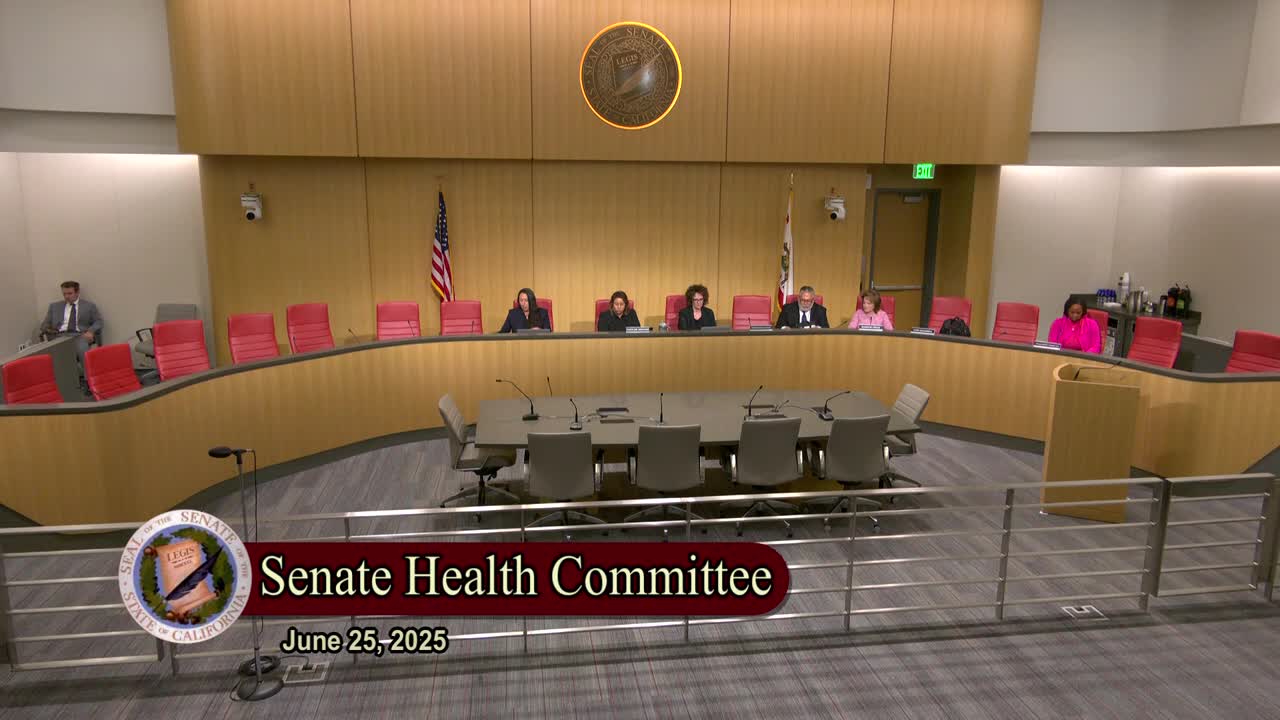 16MIN
Senate Standing Committee on Health
 1MIN
Assembly Floor
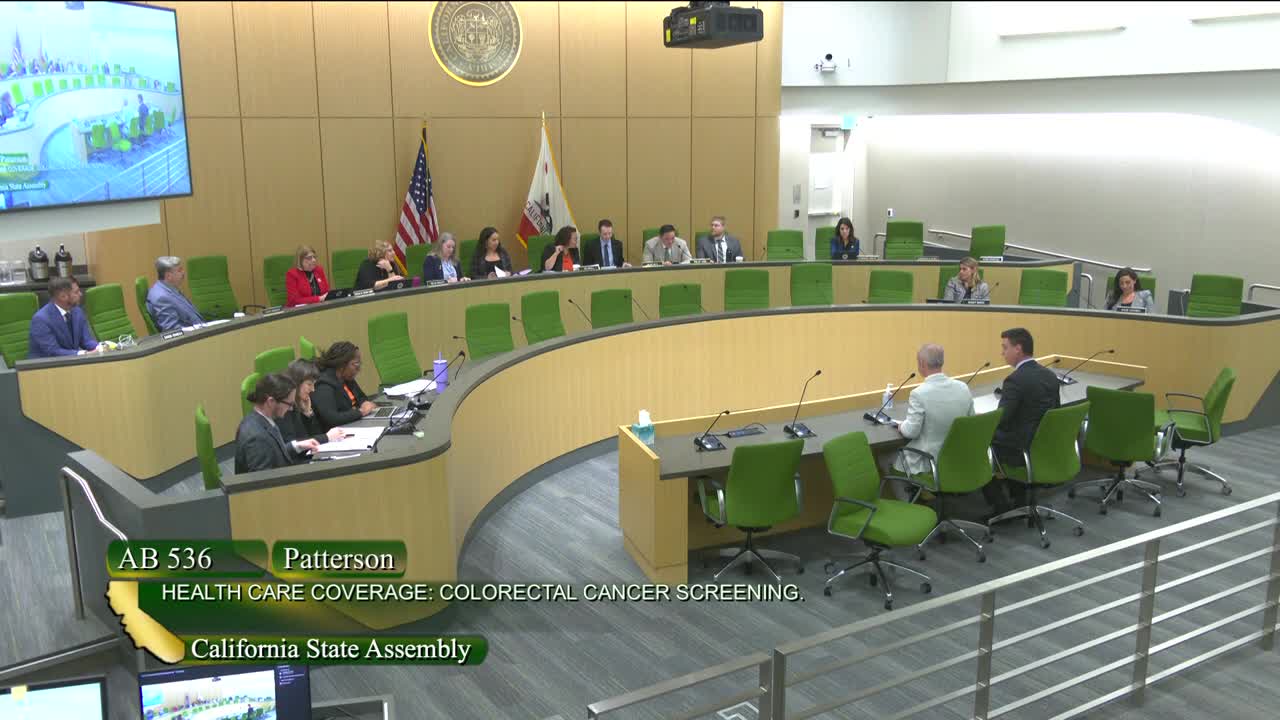 5MIN
Assembly Standing Committee on Health
Bill Author

Bill Co-Author(s):