AB 724: Intercountry adoption finalized in a foreign country.
- Session Year: 2017-2018
- House: Assembly
- Latest Version Date: 2018-09-05
Existing law generally provides for the adoption of a child native to a foreign country by a prospective adoptive parent or parents who are California residents that is either finalized in another country or this state. A licensed adoption agency facilitating an intercountry adoption that will be finalized in a foreign country is required to provide specific services that include certification to the federal government whether this states intercountry adoption requirements have been met. Existing law requires each resident of the state who adopts a child through an intercountry adoption that is finalized in a foreign country to readopt the child in this state if it is required by the United States Department of Homeland Security, and requires this readoption to include at least one postplacement in-home visit, a home study report, and final adoption order. Existing law also authorizes a resident of the state who adopts a child through an intercountry adoption that is finalized in a foreign country to readopt the child in this state.
This bill would repeal these readoption provisions and would instead require an adoptive parent, or if an adoptive parent fails to do so, then the adoption agency that facilitated the adoption, to file a petition to readopt within specified deadlines to establish a record by which an adoptee can prove the facts of the foreign adoption. The bill would require the petition to include, among other things, a report from at least one postplacement home visit by an intercountry adoption agency or a contractor of that agency licensed to provide intercountry adoption services in the state. The bill would require the clerk of the court to submit an order granting the petition to the State Registrar, and would require the State Registrar to issue a delayed registration of birth, as specified.
This bill would require a court that finds a child may be the subject of human trafficking or specified types of abuse to notify all appropriate authorities.
This bill would, if a licensed adoption agency has a written agreement for which postadoption services have been paid, require the licensed adoption agency to provide those services, and would also make technical, nonsubstantive changes to the other services a licensed adoption agency facilitating an intercountry adoption is required to provide.
Existing law generally provides for the adoption of a child native to a foreign country by a prospective adoptive parent or parents who are California residents that is either finalized in another country or this state. A licensed adoption agency facilitating an intercountry adoption that will be finalized in a foreign country is required to provide specific services that include certification to the federal government whether this states intercountry adoption requirements have been met. Existing law requires each resident of the state who adopts a child through an intercountry adoption that is finalized in a foreign country to readopt the child in this state if it is required by the United States Department of Homeland Security, and requires this readoption to include at least one postplacement in-home visit, a home study report, and final adoption order. Existing law also authorizes a resident of the state who adopts a child through an intercountry adoption that is finalized in a foreign country to readopt the child in this state.
This bill would repeal these readoption provisions and would instead establish a process to domesticate a foreign adoption decree or grant a readoption. The bill would require the state to recognize as full and final a foreign adoption decree, as specified, without the need for readoption or any other legal proceeding, if certain criteria are met. The bill would require, by the earlier of 60 days of the adoptees entry into the United States or the adoptees 18th birthday, each state resident who adopts a child through an intercountry adoption that is finalized in a foreign country to file a petition with the court to domesticate the foreign decree of adoption or readopt the child. The bill would require the adoption agency that placed the child for adoption to file the petition if the adoptive parent fails to do so. The bill would prohibit a court from granting the petition unless certain criteria are met, including the condition that the court receives a report from at least one postadoption home visit performed by a licensed adoption agency. require an adoptive parent, or if an adoptive parent fails to do so, then the adoption agency that facilitated the adoption, to file a petition to readopt within specified deadlines to establish a record by which an adoptee can prove the facts of the foreign adoption. The bill would require the petition to include, among other things, a report from at least one postplacement home visit by an intercountry adoption agency or a contractor of that agency licensed to provide intercountry adoption services in the state. The bill would require the clerk of the court to submit an order granting the petition to the State Registrar, with the required fee, and would require the State Registrar to issue a delayed registration of birth, as specified.
This bill would require a court that finds a child may be the subject of human trafficking or specified types of abuse to notify all appropriate authorities.
This bill would, if a licensed adoption agency has a written agreement for which postadoption services have been paid, require the licensed adoption agency to provide those services, and would also make technical, nonsubstantive changes to the other services a licensed adoption agency facilitating an intercountry adoption is required to provide.
Existing law establishes a process for readoption in this state. generally provides for the adoption of a child native to a foreign country by a prospective adoptive parent or parents who are California residents that is either finalized in another country or this state. A licensed adoption agency facilitating an intercountry adoption that will be finalized in a foreign country is required to provide specific services that include certification to the federal government whether this states intercountry adoption requirements have been met. Existing law requires each resident of the state who adopts a child through an intercountry adoption that is finalized in a foreign country to readopt the child in this state if it is required by the United States Department of Homeland Security, and requires this readoption to include at least one postplacement in-home visit, the a home study report, and the final adoption order. Existing law also authorizes a resident of the state who adopts a child through an intercountry adoption that is finalized in a foreign country to readopt the child in this state, and requires this readoption to meet the standards described above. state.
This bill would repeal these readoption provisions and would instead establish a process to domesticate a foreign adoption decree. decree or grant a readoption. The bill would require the state to recognize as full and final a foreign adoption decree, as specified, without the need for readoption or any other legal proceeding, if certain criteria are met. The bill would require, within the sooner by the earlier of 60 days of the adoptees entry into the United States or the adoptees 16th 18th birthday, each state resident who adopts a child through an intercountry adoption that is finalized in a foreign country to file a petition with the court to obtain a court declaration to domesticate the foreign decree of adoption and to provide each adoption agency that provided the parent with adoption services with a file-marked copy of the petition within 5 business days of filing. The bill would authorize the court to grant the petition if the petitioner provides the court with copies of specified documents. adoption or readopt the child. The bill would require the adoption agency that placed the child for adoption to file the petition if the adoptive parent fails to do so. The bill would prohibit a court from granting the petition unless certain criteria are met, including the condition that the court receives a report from at least one postadoption home visit performed by a licensed adoption agency. The bill would require the clerk of the court, within 10 business days after issuance of the domestication of the foreign judgment, to submit to the State Registrar the order, and upon receipt by the State Registrar, court to submit an order granting the petition to the State Registrar, with the required fee, and would require the State Registrar to issue a delayed registration of birth, as specified. The bill would require, if a person who has adopted a child through an intercountry adoption that is finalized in a foreign county fails to file a petition to obtain a court declaration to domesticate the foreign adoption decree within 60 days of the childs entry into the United States or the childs 16th birthday, whichever is sooner, and fails to provide a copy of that petition to each adoption agency that provided the adoption services to the parent, the adoption agency that placed the child for adoption to file a petition to domesticate the foreign decree of adoption within 90 days of the childs entry into the United States and to provide a file-marked copy of the petition to the adoptive family and to any other adoption agency that provided services to the adoption family. The bill would require the adoptive parent or parents to be liable to the adoption agency for all costs and fees incurred as a result of the good faith actions taken by the adoption agency to fulfill this requirement. The bill would permit the State Department of Social Services to take appropriate disciplinary action against an adoption agency that fails to file a petition under these circumstances. The bill would entitle, if a petition has not been filed to domesticate the foreign adoption decree within 90 days of the childs entry into the United States, any interested party, as defined, to file a petition to domesticate the foreign adoption decree. This bill would authorize an adoptive parent, if an adoption finalized in a foreign country according to the laws of that country does not meet statutory requirements, to readopt the child pursuant to the domestication of a foreign adoption decree procedure described above, and would require, upon entry of an order of readoption, the clerk of the court, within 10 business days after the entry of an order of readoption, to submit to the State Registrar the order, and upon receipt by the State Registrar, would require the State Registrar to issue a delayed registration of birth.
This bill would require a court that finds a child may be the subject of human trafficking or specified types of abuse to notify all appropriate authorities.
This bill would, if a licensed adoption agency has a written agreement for which postadoption services have been paid, require the licensed adoption agency to provide those services, and would also make technical, nonsubstantive changes to the other services a licensed adoption agency facilitating an intercountry adoption is required to provide.
Existing law requires a Hague adoption certificate or, in outgoing cases, a Hague custody declaration obtained from the United States Secretary of State pursuant to the procedures set forth in specified federal regulations to be recognized as a final valid adoption for purposes of all state and local laws.
Existing law establishes a process for readoption in this state. Existing law requires each resident of the state who adopts a child through an intercountry adoption that is finalized in a foreign country to readopt the child in this state if it is required by the United States Department of Homeland Security, and requires this readoption to include at least one postplacement in-home visit, the home study report, and the final adoption order. Existing law authorizes a resident of the state who adopts a child through an intercountry adoption that is finalized in a foreign country to readopt the child in this state, and requires this readoption to meet the standards described above.
This bill would repeal these readoption provisions and would instead establish a process to domesticate a foreign adoption decree. The bill would require the state to recognize as full and final a foreign adoption decree, as specified, without the need for readoption or any other legal proceeding, if certain criteria are met. The bill would require, within the sooner of 60 days of the adoptees entry into the United States or the adoptees 16th birthday, each state resident who adopts a child through an intercountry adoption that is finalized in a foreign country to file a petition with the court to obtain a court declaration to domesticate the foreign decree of adoption and to provide each adoption agency that provided the parent with adoption services with a file-marked copy of the petition within 5 business days of filing. The bill would authorize the court to grant the petition if the petitioner provides the court with copies of specified documents. The bill would require the clerk of the court, within 10 business days after issuance of the domestication of the foreign judgment, to submit to the State Registrar the order, and upon receipt by the State Registrar, would require the State Registrar to issue a delayed registration of birth, as specified. The bill would require, if a person who has adopted a child through an intercountry adoption that is finalized in a foreign county fails to file a petition to obtain a court declaration to domesticate the foreign adoption decree within 60 days of the childs entry into the United States or the childs 16th birthday, whichever is sooner, and fails to provide a copy of that petition to each adoption agency that provided the adoption services to the parent, the adoption agency that placed the child for adoption to file a petition to domesticate the foreign decree of adoption within 90 days of the childs entry into the United States and to provide a file-marked copy of the petition to the adoptive family and to any other adoption agency that provided services to the adoption family. The bill would require the adoptive parent or parents to be liable to the adoption agency for all costs and fees incurred as a result of the good faith actions taken by the adoption agency to fulfill this requirement. The bill would require permit the State Department of Social Services to take appropriate disciplinary action against an adoption agency that fails to file a petition under these circumstances. The bill would entitle, if a petition has not been filed to domesticate the foreign adoption decree within 90 days of the childs entry into the United States, any interested party, as defined, to file a petition to domesticate the foreign adoption decree. This bill would authorize an adoptive parent, if an adoption finalized in a foreign country according to the laws of that country does not qualify the adopted child to enter the United States as an immediate relative of the adoptive parent, meet statutory requirements, to readopt the child pursuant to the domestication of a foreign adoption decree procedure described above, and would require, upon entry of an order of readoption, the clerk of the court, within 10 business days after the entry of an order of readoption, to submit to the State Registrar the order, and upon receipt by the State Registrar, would require the State Registrar to issue a delayed registration of birth.
Existing law requires a Hague adoption certificate or, in outgoing cases, a Hague custody declaration obtained from the United States Secretary of State pursuant to the procedures set forth in specified federal regulations to be recognized as a final valid adoption for purposes of all state and local laws.
Existing law establishes a process for readoption in this state. Existing law requires each resident of the state who adopts a child through an intercountry adoption that is finalized in a foreign country to readopt the child in this state if it is required by the United States Department of Homeland Security, and requires this readoption to include at least one postplacement in-home visit, the home study report, and the final adoption order. Existing law authorizes a resident of the state who adopts a child through an intercountry adoption that is finalized in a foreign country to readopt the child in this state, and requires this readoption to meet the standards described above.
This bill would repeal these readoption provisions and would instead establish a process to domesticate a foreign adoption decree. The bill would require the state to recognize as full and final a foreign adoption decree, as specified, without the need for readoption or any other legal proceeding, if certain criteria are met. The bill would require, within the sooner of 60 days of the adoptees entry into the United States or the adoptees 16th birthday, each state resident who adopts a child through an intercountry adoption that is finalized in a foreign country to file a petition with the court to obtain a court declaration to domesticate the foreign decree of adoption and to provide each adoption agency that provided the parent with adoption services with a file-marked copy of the petition within 5 business days of filing. The bill would authorize the court to grant the petition if the petitioner provides the court with copies of specified documents. The bill would require the clerk of the court, within 10 business days after issuance of the domestication of the foreign judgment, to submit to the State Registrar the order, and upon receipt by the State Registrar, would require the State Registrar to issue a delayed registration of birth, as specified. The bill would require, if a person who has adopted a child through an intercountry adoption that is finalized in a foreign county fails to file a petition to obtain a court declaration to domesticate the foreign adoption decree within 60 days of the childs entry into the United States or the childs 16th birthday, whichever is sooner, and fails to provide a copy of that petition to each adoption agency that provided the adoption services to the parent, the adoption agency that placed the child for adoption to file a petition to domesticate the foreign decree of adoption within 90 days of the childs entry into the United States and to provide a file-marked copy of the petition to the adoptive family and to any other adoption agency that provided services to the adoption family. The bill would require the adoptive parent or parents to be liable to the adoption agency for all costs and fees incurred as a result of the good faith actions taken by the adoption agency to fulfill this requirement. The bill would require the State Department of Social Services to take appropriate disciplinary action against an adoption agency that fails to file a petition under these circumstances. The bill would entitle, if a petition has not been filed to domesticate the foreign adoption decree within 90 days of the childs entry into the United States, any interested party, as defined, to file a petition to domesticate the foreign adoption decree. This bill would authorize an adoptive parent, if an adoption finalized in a foreign country according to the laws of that country does not qualify the adopted child to enter the United States as an immediate relative of the adoptive parent, to readopt the child pursuant to the domestication of a foreign adoption decree procedure described above, and would require, upon entry of an order of readoption, the clerk of the court, within 10 business days after the entry of an order of readoption, to submit to the State Registrar the order, and upon receipt by the State Registrar, would require the State Registrar to issue a delayed registration of birth.
Existing law requires a Hague adoption certificate or, in outgoing cases, a Hague custody declaration obtained from the United States Secretary of State pursuant to the procedures set forth in specified federal regulations to be recognized as a final valid adoption for purposes of all state and local laws.
Existing law establishes a process for readoption in this state. Existing law requires each resident of the state who adopts a child through an intercountry adoption that is finalized in a foreign country to readopt the child in this state if it is required by the United States Department of Homeland Security, and requires this readoption to include at least one postplacement in-home visit, the home study report, and the final adoption order. Existing law authorizes a resident of the state who adopts a child through an intercountry adoption that is finalized in a foreign country to readopt the child in this state, and requires this readoption to meet the standards described above.
This bill would repeal these readoption provisions and would instead establish a process to domesticate a foreign adoption decree. The bill would require the state to recognize as full and final a foreign adoption decree, as specified, without the need for readoption or any other legal proceeding, if certain criteria are met. The bill would require, within the sooner of 60 days of the adoptees entry into the United States or the adoptees 16th birthday, each state resident who adopts a child through an intercountry adoption that is finalized in a foreign country to file a petition with the court to obtain a court declaration to domesticate the foreign decree of adoption and to provide each adoption agency that provided the parent with adoption services with a file-marked copy of the petition within 5 business days of filing. The bill would require authorize the court to grant the petition if the petitioner provides the court with copies of specified documents. The bill would require the clerk of the court, within 10 business days after issuance of the domestication of the foreign judgment, to submit to the State Registrar the order, and upon receipt by the State Registrar, would require the State Registrar to issue a delayed registration of birth, as specified. The bill would require, if a person who has adopted a child through an intercountry adoption that is finalized in a foreign county fails to file a petition to obtain a court declaration to domesticate the foreign adoption decree within 60 days of the childs entry into the United States or the childs 16th birthday, whichever is sooner, and fails to provide a copy of that petition to each adoption agency that provided the adoption services to the parent, the adoption agency that placed the child for adoption to file a petition to domesticate the foreign decree of adoption within 90 days of the childs entry into the United States and to provide a file-marked copy of the petition to the adoptive family and to any other adoption agency that provided services to the adoption family. The bill would require the adoptive parent or parents to be liable to the adoption agency for all costs and fees incurred as a result of the good faith actions taken by the adoption agency to fulfill this requirement. The bill would require the State Department of Social Services to take appropriate disciplinary action against an adoption agency that fails to file a petition under these circumstances. The bill would entitle, if a petition has not been filed to domesticate the foreign adoption decree within 90 days of the childs entry into the United States, any interested party, as defined, to file a petition to domesticate the foreign adoption decree.
Existing law requires a Hague adoption certificate or, in outgoing cases, a Hague custody declaration obtained from the United States Secretary of State pursuant to the procedures set forth in specified federal regulations to be recognized as a final valid adoption for purposes of all state and local laws.
Existing law establishes a process for readoption in this state. Existing law requires each resident of the state who adopts a child through an intercountry adoption that is finalized in a foreign country to readopt the child in this state if it is required by the United States Department of Homeland Security, and requires this readoption to include at least one postplacement in-home visit, the home study report, and the final adoption order. Existing law authorizes a resident of the state who adopts a child through an intercountry adoption that is finalized in a foreign county country to readopt the child in this state, and requires this readoption to meet the standards described above.
This bill would repeal these readoption provisions and would instead establish a process to domesticate a foreign adoption decree. The bill would require the state to recognize and give full faith and credit to as full and final a foreign adoption decree, as specified, without the need for readoption or any other legal proceeding, if certain criteria are met. The bill would require, within the sooner of 120 60 days of the adoptees entry into the United States or the adoptees 16th birthday, each state resident who adopts a child through an intercountry adoption that is finalized in a foreign country to file a petition with the court to obtain a court declaration to domesticate the foreign decree of adoption. adoption and to provide each adoption agency that provided the parent with adoption services with a file-marked copy of the petition within 5 business days of filing. The bill would require the court to grant the petition if the petitioner provides the court with copies of specified documents. The bill would require the clerk of the court, within 10 business days after issuance of the domestication of the foreign judgment, to submit to the State Registrar the order, and upon receipt by the State Registrar, would require the State Registrar to issue a delayed registration of birth, as specified. The bill would require, if a person who has adopted a child through an intercountry adoption that is finalized in a foreign county fails to file a petition to obtain a court declaration to domesticate the foreign adoption decree within 60 days of the childs entry into the United States or the childs 16th birthday, whichever is sooner, and fails to provide a copy of that petition to each adoption agency that provided the adoption services to the parent, the adoption agency that placed the child for adoption to file a petition to domesticate the foreign decree of adoption within 90 days of the childs entry into the United States and to provide a file-marked copy of the petition to the adoptive family and to any other adoption agency that provided services to the adoption family. The bill would require the adoptive parent or parents to be liable to the adoption agency for all costs and fees incurred as a result of the good faith actions taken by the adoption agency to fulfill this requirement. The bill would require the State Department of Social Services to take appropriate disciplinary action against an adoption agency that fails to file a petition under these circumstances. The bill would entitle, if any person who has adopted a child through an intercountry adoption and fails to complete any legal process necessary to obtain United States citizenship for the child within one year a petition has not been filed to domesticate the foreign adoption decree within 90 days of the childs entry into the United States, or by the childs 16th birthday, whichever is sooner, States, any interested party, as defined, to file a petition to domesticate the foreign adoption decree.
Existing law requires a Hague adoption certificate or, in outgoing cases, a Hague custody declaration obtained from the United States Secretary of State pursuant to the procedures set forth in specified federal regulations to be recognized as a final valid adoption for purposes of all state and local laws.
Existing law establishes a process for readoption in this state. Existing law requires each resident of the state who adopts a child through an intercountry adoption that is finalized in a foreign county country to readopt the child in this state if it is required by the United States Department of Homeland Security, and requires this readoption to include at least one postplacement in-home visit, the home study report, and the final adoption order. Existing law authorizes a resident of the state who adopts a child through an intercountry adoption that is finalized in a foreign county to readopt the child in this state, and requires this readoption to meet the standards described above.
This bill would repeal these readoption provisions and would instead establish a process to domesticate a foreign adoption decree. The bill would require the state to recognize and give full faith and credit to a foreign adoption decree, as specified, without the need for readoption or any other legal proceeding, if certain criteria are met. The bill would require, within the sooner of 120 days of the childs adoptees entry into the United States, and in no event later than the childs States or the adoptees 16th birthday, each state resident who adopts a child through an intercountry adoption that is finalized in a foreign country to file a petition with the court to obtain a court declaration of full faith and credit to domesticate the foreign decree of adoption. The bill would require the court to grant the petition if the petitioner provides the court with copies of specified documents. The bill would require the clerk of the court, within 10 business days after issuance of the domestication of the foreign judgment, to submit to the State Registrar the order, and upon receipt by the State Registrar, would entitle the child to receive require the State Registrar to issue a delayed registration of birth, as specified. The bill would entitle, if any person who has adopted a child through an intercountry adoption and fails to complete any legal process necessary to obtain United States citizenship for the child within one year of the childs entry into the United States, or by the childs 16th birthday, whichever is sooner, any interested person, party, as defined, to file a petition to domesticate the foreign adoption decree.
Existing law requires a Hague adoption certificate or, in outgoing cases, a Hague custody declaration obtained from the United States Secretary of State pursuant to the procedures set forth in specified federal regulations to be recognized as a final valid adoption for purposes of all state and local laws.
Existing law establishes a process for readoption in this state. Existing law requires each resident of the state who adopts a child through an intercountry adoption that is finalized in a foreign county to readopt the child in this state if it is required by the United States Department of Homeland Security, and requires this readoption to include at least one postplacement in-home visit, the home study report, and the final adoption order. Existing law authorizes a resident of the state who adopts a child through an intercountry adoption that is finalized in a foreign county to readopt the child in this state, and requires this readoption to meet the standards described above.
This bill would repeal these readoption provisions and would instead establish a process to domesticate a foreign adoption decree. The bill would require, within 120 days of the childs entry into the United States, and in no event later than the childs 16th birthday, each state resident who adopts a child through an intercountry adoption that is finalized in a foreign country to file a petition with the court to obtain a court declaration of full faith and credit to domesticate the foreign decree of adoption. The bill would require the court to grant the petition if the petitioner provides the court with specified documents. The bill would require the clerk of the court, within 10 business days after issuance of the domestication of the foreign judgment, to submit to the State Registrar the order, and upon receipt by the State Registrar, would entitle the child to receive a delayed registration of birth, as specified. The bill would entitle, if any person who has adopted a child through an intercountry adoption and fails to complete any legal process necessary to obtain United States citizenship for the child within one year of the childs entry into the United States, or by the childs 16th birthday, whichever is sooner, any interested person, as defined, to file a petition to domesticate the foreign adoption decree.
For an intercountry adoption that will be finalized in a foreign country, the licensed adoption agency shall provide all of the following services:
(a)Assessment of the suitability of the applicants home.
(b)Certification to the United States Citizenship and Immigration Services that this states intercountry adoption requirements have been met.
(c)Readoption services as required by the United States Citizenship and Immigrations Services.
(d)Postadoption services pursuant to any written agreement between the licensed adoption agency and any other person or entity for which the postadoption services have been paid.
SEC. 2.Section 8919 of the Family Code is repealed.SEC. 3.Section 8919 is added to the Family Code, to read:8919.(a)In order to establish a record by which an adoptee can prove the facts of the foreign adoption, each state resident who has finalized an intercountry adoption in a foreign country shall file the petition to readopt within the sooner of 60 days of the adoptees entry into the United States or the adoptees 16th birthday. The petition shall include all of the following:
(1)A certified or otherwise official copy of the foreign decree, order, or certification of adoption that reflects finalization of the adoption in the foreign country.
(2)Citation to the laws of the foreign country that were followed to finalize the adoption.
(3)A certified or otherwise official copy of the childs foreign birth certificate.
(4)A certified translation of all documents described in this subdivision that are not written in English. The court shall accept the certified translation, if any, that was completed abroad for purposes of obtaining the childs visa or passport.
(5)Proof that the child was granted lawful entry into the United States as an immediate relative of the adoptive parent or parents.
(6)A report from at least one postplacement home visit by an intercountry adoption agency or a contractor of that agency licensed to provide intercountry adoption services in the State of California.
(7)A copy of the homestudy report previously completed for the international finalized adoption by an adoption agency authorized to provide intercountry adoption services pursuant to Section 8900.
(b)A readoption order shall not be granted unless the court receives a copy of the reports listed in paragraphs (6) and (7) of subdivision (a). The court shall consider the postplacement visit or visits and the previously completed home study when deciding whether to grant or deny the petition for readoption.
(c)If an adoptive parent who has adopted a child through an intercountry adoption that is finalized in a foreign country fails to file a petition pursuant to this section by the earlier of 60 days of the childs entry into the United States or the childs 16th birthday or fails to provide a copy of the petition to each adoption agency that provided the adoption services to the adoptive parent, then the adoption agency that facilitated the adoption shall file a petition within 90 days of the childs entry into the United States, and shall provide a file-marked copy of the petition to the adoptive parent and to any other adoption agency that provided services to the adoptive parent within five business days of filing. An adoptive parent shall be liable to the adoption agency for all costs and fees incurred as a result of good faith actions taken by the adoption agency to fulfill its requirement pursuant to this subdivision. If the adoption agency fails to file a petition as required by this subdivision, the department may take appropriate disciplinary action against the adoption agency if it is licensed in the State of California and the department has actual or constructive knowledge that the petition was not filed.
(d)If the court finds that the child may be the subject of human trafficking or may be a child who is described in Section 300 of the Welfare and Institutions Code, the court shall, in accordance with existing law, notify all appropriate authorities.
(e)Within 10 business days, the clerk of the court shall submit to the State Registrar the order granting the petition to readopt. Upon receipt, the State Registrar shall issue a delayed registration of birth in accordance with Section 102695 of the Health and Safety Code that lists the adoptive parent or parents as the childs legal parent or parents.
For an intercountry adoption that will be finalized in a foreign country, the licensed adoption agency shall provide all of the following services:
(a)Assessment of the suitability of the applicants home.
(b)Certification to the United States Citizenship and Immigration Services that this states intercountry adoption requirements have been met.
(c)Readoption services as required by the United States Citizenship and Immigrations Services.
(d)Postadoption services pursuant to any written agreement between the licensed adoption agency and any other person or entity for which the postadoption services have been paid.
SEC. 2.Section 8919 of the Family Code is repealed.SEC. 3.Section 8919 is added to the Family Code, to read:8919.(a)In order to establish a record by which an adoptee can prove the facts of the foreign adoption, each state resident who has finalized an intercountry adoption in a foreign country shall file the petition to readopt within the sooner of 60 days of the adoptees entry into the United States or the adoptees 16th birthday. The petition shall include all of the following:
(1)A certified or otherwise official copy of the foreign decree, order, or certification of adoption that reflects finalization of the adoption in the foreign country.
(2)Citation to the laws of the foreign country that were followed to finalize the adoption.
(3)A certified or otherwise official copy of the childs foreign birth certificate.
(4)A certified translation of all documents described in this subdivision that are not written in English. The court shall accept the certified translation, if any, that was completed abroad for purposes of obtaining the childs visa or passport.
(5)Proof of the adoptive parents or parents United States citizenship.(6)(5)Proof that the child was granted lawful entry into the United States as an immediate relative of the adoptive parent or parents.
(7)(6)A report from at least one postplacement home visit by an intercountry adoption agency or a contractor of that agency licensed to provide intercountry adoption services in the State of California.
(8)(7)A copy of the homestudy report previously completed for the international finalized adoption by an adoption agency authorized to provide intercountry adoption services pursuant to Section 8900.
(b)A readoption order shall not be granted unless the court receives a copy of the reports listed in paragraphs (7) and (8) (6) and (7) of subdivision (a). The court shall consider the postplacement visit or visits and the previously completed home study when deciding whether to grant or deny the petition for readoption.
(c)If an adoptive parent who has adopted a child through an intercountry adoption that is finalized in a foreign country fails to file a petition pursuant to this section by the earlier of 60 days of the childs entry into the United States or the childs 16th birthday or fails to provide a copy of the petition to each adoption agency that provided the adoption services to the adoptive parent, then the adoption agency that facilitated the adoption shall file a petition within 90 days of the childs entry into the United States, and shall provide a file-marked copy of the petition to the adoptive parent and to any other adoption agency that provided services to the adoptive parent within five business days of filing. An adoptive parent shall be liable to the adoption agency for all costs and fees incurred as a result of good faith actions taken by the adoption agency to fulfill its requirement pursuant to this subdivision. If the adoption agency fails to file a petition as required by this subdivision, the department may take appropriate disciplinary action against the adoption agency if it is licensed in the State of California and the department has actual or constructive knowledge that the petition was not filed.
(d)If the court finds that the child may be the subject of human trafficking or may be a child who is described in Section 300 of the Welfare and Institutions Code, the court shall, in accordance with existing law, notify all appropriate authorities.
(e)Within 10 business days, the clerk of the court shall submit to the State Registrar the order granting the petition to readopt. Upon receipt, the State Registrar shall issue a delayed registration of birth in accordance with Section 102695 of the Health and Safety Code that lists the adoptive parent or parents as the childs legal parent or parents.
For an intercountry adoption that will be finalized in a foreign country, the licensed adoption agency shall provide all of the following services:
(a)Assessment of the suitability of the applicants home.
(b)Certification to the United States Citizenship and Immigration Services that this states intercountry adoption requirements have been met.
(c)Readoption services as required by the United States Immigration and Naturalization Service. Citizenship and Immigrations Services.
(d)Postadoption services pursuant to any written agreement between the licensed adoption agency and any other person or entity for which the postadoption services have been paid.
SEC. 2.Section 8919 of the Family Code is repealed.SEC. 3.Section 8919 is added to the Family Code, to read:8919.(a)The state shall recognize as a full and final adoption a foreign adoption decree so that the child shall receive United States citizenship pursuant to Part 320 (commencing with Section 320.1) of Subchapter C of Chapter 1 of Title 8 of the Code of Federal Regulations, or successor provisions, without the need to domesticate the foreign adoption decree, readopt the child, or any other legal proceeding, if all of the following are true:(1)The child was born in a foreign country.(2)The child was not a citizen of the United States at the time of birth.(3)The child was adopted by a resident of this state in a foreign proceeding in which the adoption was finalized pursuant to the laws of the country from which the child was adopted.(4)As a result of that foreign adoption, the child was granted lawful entry into the United States as an immediate relative of the adoptive parent or parents, at least one of whom is a United States citizen.(b)In order to establish a record by which an adoptee can prove the facts of the foreign adoption, each adoptive parent who has finalized an intercountry adoption in a foreign country shall file a petition to domesticate the foreign adoption decree or to readopt the child by the earlier of 60 days of the adoptees entry into the United States or the adoptees 18th birthday. The petition shall include all of the following:(1)A certified or otherwise official copy of the foreign decree, order, or certification of adoption that reflects finalization of the adoption in the foreign country.(2)A certified or otherwise official copy of the childs foreign birth certificate or passport.(3)A certified translation of all documents described in this subdivision that are not written in English. The court shall accept the certified translation, if any, that was completed abroad for purposes of obtaining the childs visa or passport.(4)Proof of the adoptive parents or parents United States citizenship.(5)A report from at least one postadoption home visit by an adoption agency licensed to provide intercountry adoption services in this state pursuant to Section 8900.(6)A copy of the home study completed for the international adoption process by an adoption agency licensed to provide intercountry adoption services in this state pursuant to Section 8900. An update of the home study shall not be required for the court to grant the petition for domestication of the foreign adoption decree or readoption.(c)If an adoptive parent who has adopted a child through an intercountry adoption that is finalized in a foreign country fails to file a petition pursuant to subdivision (b) by the earlier of 60 days of the childs entry into the United States or the childs 18th birthday or fails to provide a copy of the petition to each adoption agency that provided the adoption services to the adoptive parent, then the adoption agency that placed the child for adoption shall file the a petition within 90 days of the childs entry into the United States, and shall provide a file-marked copy of the petition to the adoptive parent and to any other adoption agency that provided services to the adoptive parent within five business days of filing. An adoptive parent shall be liable to the adoption agency for all costs and fees incurred as a result of good faith actions taken by the adoption agency to fulfill its requirement pursuant to this subdivision. If the adoption agency fails to file a petition as required by this subdivision, the department may take appropriate disciplinary action against the adoption agency.(d)The court shall not grant a petition filed pursuant to this section unless the court receives a copy of the reports described in paragraphs (5) and (6) of subdivision (b). The court shall consider all of these reports when deciding whether to grant or deny the petition. If the court denies the petition, the court shall state the reasons for the denial on the record.(e)If the court finds that the child may be the subject of human trafficking or may be a child who is described in Section 300 of the Welfare and Institutions Code, the court shall, in accordance with existing law, notify all appropriate authorities.(f)The court may enter the order granting the petition nunc pro tunc pursuant to Section 8601.5, except that the order may not be dated prior to the date the child lawfully entered the United States.(g)Within 10 business days after entry of the order granting the petition, the clerk of the court shall submit the order with the appropriate fee to the State Registrar. Upon receipt, the State Registrar shall issue a delayed registration of birth in accordance with Section 102695 of the Health and Safety Code that lists the adoptive parent or parents as the childs legal parent or parents.SEC. 3.Section 8919 is added to the Family Code, to read:8919.(a)In order to establish a record by which an adoptee can prove the facts of the foreign adoption, each state resident who has finalized an intercountry adoption in a foreign country shall file the petition to readopt within the sooner of 60 days of the adoptees entry into the United States or the adoptees 16th birthday. The petition shall include all of the following:
(1)A certified or otherwise official copy of the foreign decree, order, or certification of adoption that reflects finalization of the adoption in the foreign country.
(2)Citation to the laws of the foreign country that were followed to finalize the adoption.
(3)A certified or otherwise official copy of the childs foreign birth certificate.
(4)A certified translation of all documents described in this subdivision that are not written in English. The court shall accept the certified translation, if any, that was completed abroad for purposes of obtaining the childs visa or passport.
(5)Proof of the adoptive parents or parents United States citizenship.
(6)Proof that the child was granted lawful entry into the United States as an immediate relative of the adoptive parent or parents.
(7)A report from at least one postplacement home visit by an intercountry adoption agency or a contractor of that agency licensed to provide intercountry adoption services in the State of California.
(8)A copy of the homestudy report previously completed for the international finalized adoption by an adoption agency authorized to provide intercountry adoption services pursuant to Section 8900.
(b)A readoption order shall not be granted unless the court receives a copy of the reports listed in paragraphs (7) and (8) of subdivision (a). The court shall consider the postplacement visit or visits and the previously completed home study when deciding whether to grant or deny the petition for readoption.
(c)If an adoptive parent who has adopted a child through an intercountry adoption that is finalized in a foreign country fails to file a petition pursuant to this section by the earlier of 60 days of the childs entry into the United States or the childs 16th birthday or fails to provide a copy of the petition to each adoption agency that provided the adoption services to the adoptive parent, then the adoption agency that facilitated the adoption shall file a petition within 90 days of the childs entry into the United States, and shall provide a file-marked copy of the petition to the adoptive parent and to any other adoption agency that provided services to the adoptive parent within five business days of filing. An adoptive parent shall be liable to the adoption agency for all costs and fees incurred as a result of good faith actions taken by the adoption agency to fulfill its requirement pursuant to this subdivision. If the adoption agency fails to file a petition as required by this subdivision, the department may take appropriate disciplinary action against the adoption agency if it is licensed in the State of California and the department has actual or constructive knowledge that the petition was not filed.
(d)If the court finds that the child may be the subject of human trafficking or may be a child who is described in Section 300 of the Welfare and Institutions Code, the court shall, in accordance with existing law, notify all appropriate authorities.
(e)Within 10 business days, the clerk of the court shall submit to the State Registrar the order granting the petition to readopt. Upon receipt, the State Registrar shall issue a delayed registration of birth in accordance with Section 102695 of the Health and Safety Code that lists the adoptive parent or parents as the childs legal parent or parents.
For an intercountry adoption that will be finalized in a foreign country, the licensed adoption agency shall provide all of the following services:
(a)Assessment of the suitability of the applicants home.
(b)Certification to the Immigration and Naturalization Service United States Citizenship and Immigration Services that this states intercountry adoption requirements have been met.
(c)Readoption services as required by the United States Immigration and Naturalization Service.
(d)Postadoption services pursuant to any written agreement between the licensed adoption agency and any other person or entity for which the postadoption services have been paid.
SECTION 1.SEC. 2.Section 8919 of the Family Code is repealed.SEC. 2.Section 8919 is added to the Family Code, to read:8919.(a)The state shall recognize as full and final a foreign adoption decree so that the child shall receive United States citizenship pursuant to Section 320.1 of Title 8 of the Code of Federal Regulations, without the need for readoption or any other legal proceeding, if all of the following are true:(1)The child was born in a foreign country.(2)The child was not a citizen of the United States at the time of birth.(3)The child was adopted by a resident of this state in a foreign proceeding in which the adoption was finalized pursuant to the laws of the country from which the child was adopted.(4)As a result of that foreign adoption, the child was granted lawful entry into the United States as an immediate relative of the adoptive parent or parents, at least one of whom is a United States citizen.(b)In order to establish a record by which an adoptee can prove the facts of the foreign adoption that resulted in United States citizenship, each state resident who adopts a child through an intercountry adoption that is finalized in a foreign country shall, within the sooner of 60 days of the adoptees entry into the United States or the adoptees 16th birthday, file a petition to obtain a formal court declaration to domesticate the foreign decree of adoption and shall provide each adoption agency that provided the parent with adoption services with a file-marked copy of the petition within five business days of filing.(c)The petition to domesticate the foreign adoption decree may be granted if the petitioner supplies the court with copies of all of the following documents:(1)The foreign decree, order, or certification of adoption that evidences finalization of the adoption in the foreign country.(2)The childs passport or foreign birth certificate.(3)A certified translation of all documents described in this subdivision that are not written in English. The court shall accept the certified translation, if any, that was completed abroad for purposes of obtaining the childs visa or passport.(4)A report from at least one in-home postplacement visit.(5)A copy of the home study completed as part of the adoption process.(d)If at the hearing the court denies the petition for domestication of the foreign judgment, the court shall state the reasons for the denial on the record, and shall take any actions necessary to protect the health and safety of the child, including, but not limited to, an immediate referral to the county child welfare agency. A denial of the petition, or any partys failure to file the petition, shall not affect the states automatic recognition of the foreign judgment pursuant to subdivision (a), with all of the attendant benefits of that recognition.(e)Within 10 business days after domestication of the foreign judgment, the clerk of the court shall submit to the State Registrar the order domesticating the foreign adoption. Upon receipt of the order, the State Registrar shall issue a delayed registration of birth in accordance with Section 102600 of the Health and Safety Code that lists the adoptive parent or parents as the childs legal parent or parents.(f)If a person who has adopted a child through an intercountry adoption that is finalized in a foreign country fails to file a petition to obtain a court declaration to domesticate the foreign adoption decree within 60 days of the childs entry into the United States or the childs 16th birthday, whichever is sooner, and fails to provide a copy of that petition to each adoption agency that provided the adoption services to the parent, then the adoption agency that placed the child for adoption shall file a petition to domesticate the foreign adoption decree within 90 days of the childs entry into the United States, and shall provide a file-marked copy of the petition to the adoptive family and to any other adoption agency that provided services to the adoptive family within five business days of filing. The adoptive parent or parents shall be liable to the adoption agency for all costs and fees incurred as a result of good faith actions taken by the agency to fulfill this requirement. If the adoption agency fails to file such a petition as required by this subdivision, the State Department of Social Services may take appropriate disciplinary action against the agency. (g)(1)If no petition has been filed to domesticate the foreign adoption decree within 90 days of the childs entry into the United States, then any interested party may file a petition to domesticate the foreign adoption decree of any adoptee residing in this state. The requirement of standing to file a petition under this subdivision shall be liberally construed in favor of allowing the action to proceed at any time during the adoptees life, whether minority or adulthood, in order to protect the best interests of the adoptee. The court may cause the order domesticating the foreign judgment to be entered nunc pro tunc, and shall join each adoptive parent as a party to the case. The court shall also have the authority to join any other necessary persons or entities in order to require production of any documents necessary for the court to make the appropriate determination. After joining the adoptive parents as parties, the court may dismiss any interested party whose continued participation in the case is not necessary to protect the best interests of the child.(2)For purposes of this subdivision, interested party includes, but is not limited to, the adoptee, whether minor or an adult, an adoptive parent, whether acting with or without the consent of the other adoptive parent, a legal guardian or conservator of the adoptee, any biological or adoptive relative of the adoptee within the second degree, any adoption agency that provided services to the adoptive family or the adoptee, and any public child welfare agency that has taken the adoptee into protective custody. The filing of a domestication petition by an interested party shall not be construed to grant, nor used as the basis to grant, any rights of legal or physical custody over the child to the interested party.(h)(1)If an adoption finalized in a foreign country according to the laws of that country does not meet all of the requirements of subdivision (a), the adoptive parent may readopt the child by following the domestication of the foreign adoption decree procedure set forth in subdivision (c).(2)Within 10 business days after the entry of an order of readoption, the clerk of the court shall submit to the State Registrar the order of readoption. Upon receipt of the order, the State Registrar shall issue a delayed registration of birth in accordance with Section 102600 of the Health and Safety Code that lists the adoptive parent or parents as the childs legal parent or parents.SEC. 3.Section 8919 is added to the Family Code, to read:8919.(a)The state shall recognize as a full and final adoption a foreign adoption decree so that the child shall receive United States citizenship pursuant to Part 320 (commencing with Section 320.1) of Subchapter C of Chapter 1 of Title 8 of the Code of Federal Regulations, or successor provisions, without the need to domesticate the foreign adoption decree, readopt the child, or any other legal proceeding, if all of the following are true:
(1)The child was born in a foreign country.
(2)The child was not a citizen of the United States at the time of birth.
(3)The child was adopted by a resident of this state in a foreign proceeding in which the adoption was finalized pursuant to the laws of the country from which the child was adopted.
(4)As a result of that foreign adoption, the child was granted lawful entry into the United States as an immediate relative of the adoptive parent or parents, at least one of whom is a United States citizen.
(b)In order to establish a record by which an adoptee can prove the facts of the foreign adoption, each adoptive parent who has finalized an intercountry adoption in a foreign country shall file a petition to domesticate the foreign adoption decree or to readopt the child by the earlier of 60 days of the adoptees entry into the United States or the adoptees 18th birthday. The petition shall include all of the following:
(1)A certified or otherwise official copy of the foreign decree, order, or certification of adoption that reflects finalization of the adoption in the foreign country.
(2)A certified or otherwise official copy of the childs foreign birth certificate or passport.
(3)A certified translation of all documents described in this subdivision that are not written in English. The court shall accept the certified translation, if any, that was completed abroad for purposes of obtaining the childs visa or passport.
(4)Proof of the adoptive parents or parents United States citizenship.
(5)A report from at least one postadoption home visit by an adoption agency licensed to provide intercountry adoption services in this state pursuant to Section 8900.
(6)A copy of the home study completed for the international adoption process by an adoption agency licensed to provide intercountry adoption services in this state pursuant to Section 8900. An update of the home study shall not be required for the court to grant the petition for domestication of the foreign adoption decree or readoption.
(c)If an adoptive parent who has adopted a child through an intercountry adoption that is finalized in a foreign country fails to file a petition pursuant to subdivision (b) by the earlier of 60 days of the childs entry into the United States or the childs 18th birthday or fails to provide a copy of the petition to each adoption agency that provided the adoption services to the adoptive parent, then the adoption agency that placed the child for adoption shall file the a petition within 90 days of the childs entry into the United States, and shall provide a file-marked copy of the petition to the adoptive parent and to any other adoption agency that provided services to the adoptive parent within five business days of filing. An adoptive parent shall be liable to the adoption agency for all costs and fees incurred as a result of good faith actions taken by the adoption agency to fulfill its requirement pursuant to this subdivision. If the adoption agency fails to file a petition as required by this subdivision, the department may take appropriate disciplinary action against the adoption agency.
(d)The court shall not grant a petition filed pursuant to this section unless the court receives a copy of the reports described in paragraphs (5) and (6) of subdivision (b). The court shall consider all of these reports when deciding whether to grant or deny the petition. If the court denies the petition, the court shall state the reasons for the denial on the record.
(e)If the court finds that the child may be the subject of human trafficking or may be a child who is described in Section 300 of the Welfare and Institutions Code, the court shall, in accordance with existing law, notify all appropriate authorities.
(f)The court may enter the order granting the petition nunc pro tunc pursuant to Section 8601.5, except that the order may not be dated prior to the date the child lawfully entered the United States.
(g)Within 10 business days after entry of the order granting the petition, the clerk of the court shall submit the order with the appropriate fee to the State Registrar. Upon receipt, the State Registrar shall issue a delayed registration of birth in accordance with Section 102695 of the Health and Safety Code that lists the adoptive parent or parents as the childs legal parent or parents.
(a)The state shall recognize as full and final a foreign adoption decree so that the child shall receive United States citizenship pursuant to Section 320.1 of Title 8 of the Code of Federal Regulations, without the need for readoption or any other legal proceeding, if all of the following are true:
(1)The child was born in a foreign country.
(2)The child was not a citizen of the United States at the time of birth.
(3)The child was adopted by a resident of this state in a foreign proceeding in which the adoption was finalized pursuant to the laws of the country from which the child was adopted.
(4)As a result of that foreign adoption, the child was granted lawful entry into the United States as an immediate relative of the adoptive parent or parents. parents, at least one of whom is a United States citizen.
(b)In order to establish a record by which an adoptee can prove the facts of the foreign adoption that resulted in United States citizenship, each state resident who adopts a child through an intercountry adoption that is finalized in a foreign country shall, within the sooner of 60 days of the adoptees entry into the United States or the adoptees 16th birthday, file a petition to obtain a formal court declaration to domesticate the foreign decree of adoption and shall provide each adoption agency that provided the parent with adoption services with a file-marked copy of the petition within five business days of filing.
(c)The petition to domesticate the foreign adoption decree may be granted if the petitioner supplies the court with copies of all of the following documents:
(1)The foreign decree, order, or certification of adoption that evidences finalization of the adoption in the foreign country.
(2)The childs passport or foreign birth certificate.
(3)A certified translation of all documents described in this subdivision that are not written in English. The court shall accept the certified translation, if any, that was completed abroad for purposes of obtaining the childs visa or passport.
(4)A report from at least one in-home postplacement visit.
(5)A copy of the home study completed as part of the adoption process.
(d)If at the hearing the court denies the petition for domestication of the foreign judgment, the court shall state the reasons for the denial on the record, and shall take any actions necessary to protect the health and safety of the child, including, but not limited to, an immediate referral to the county child welfare agency. A denial of the petition, or any partys failure to file the petition, shall not affect the states automatic recognition of the foreign judgment pursuant to subdivision (a), with all of the attendant benefits of that recognition.
(e)Within 10 business days after domestication of the foreign judgment, the clerk of the court shall submit to the State Registrar the order domesticating the foreign adoption. Upon receipt of the order, the State Registrar shall issue a delayed registration of birth in accordance with Section 102600 of the Health and Safety Code that lists the adoptive parent or parents as the childs legal parent or parents.
(f)If a person who has adopted a child through an intercountry adoption that is finalized in a foreign country fails to file a petition to obtain a court declaration to domesticate the foreign adoption decree within 60 days of the childs entry into the United States or the childs 16th birthday, whichever is sooner, and fails to provide a copy of that petition to each adoption agency that provided the adoption services to the parent, then the adoption agency that placed the child for adoption shall file a petition to domesticate the foreign adoption decree within 90 days of the childs entry into the United States, and shall provide a file-marked copy of the petition to the adoptive family and to any other adoption agency that provided services to the adoptive family within five business days of filing. The adoptive parent or parents shall be liable to the adoption agency for all costs and fees incurred as a result of good faith actions taken by the agency to fulfill this requirement. If the adoption agency fails to file such a petition as required by this subdivision, the State Department of Social Services shall may take appropriate disciplinary action against the agency, up to, and including, suspension or revocation of the adoption agencys license. agency.
(g)(1)If no petition has been filed to domesticate the foreign adoption decree within 90 days of the childs entry into the United States, then any interested party may file a petition to domesticate the foreign adoption decree of any adoptee residing in this state. The requirement of standing to file a petition under this subdivision shall be liberally construed in favor of allowing the action to proceed at any time during the adoptees life, whether minority or adulthood, in order to protect the best interests of the adoptee. The court may cause the order domesticating the foreign judgment to be entered nunc pro tunc, and shall join each adoptive parent as a party to the case. The court shall also have the authority to join any other necessary persons or entities in order to require production of any documents necessary for the court to make the appropriate determination. After joining the adoptive parents as parties, the court may dismiss any interested party whose continued participation in the case is not necessary to protect the best interests of the child.
(2)For purposes of this subdivision, interested party includes, but is not limited to, the adoptee, whether minor or an adult, an adoptive parent, whether acting with or without the consent of the other adoptive parent, a legal guardian or conservator of the adoptee, any biological or adoptive relative of the adoptee within the second degree, any adoption agency that provided services to the adoptive family or the adoptee, and any public child welfare agency that has taken the adoptee into protective custody. The filing of a domestication petition by an interested party shall not be construed to grant, nor used as the basis to grant, any rights of legal or physical custody over the child to the interested party.
(h)(1)If an adoption finalized in a foreign country according to the laws of that country does not qualify the adopted child to enter the United States as an immediate relative of the adoptive parent, meet all of the requirements of subdivision (a), the adoptive parent may readopt the child by following the domestication of the foreign adoption decree procedure set forth in subdivision (c).
(2)Within 10 business days after the entry of an order of readoption, the clerk of the court shall submit to the State Registrar the order of readoption. Upon receipt of the order, the State Registrar shall issue a delayed registration of birth in accordance with Section 102600 of the Health and Safety Code that lists the adoptive parent or parents as the childs legal parent or parents.
(a)The state shall recognize as full and final a foreign adoption decree so that the child shall receive United States citizenship pursuant to Section 320.1 of Title 8 of the Code of Federal Regulations, without the need for readoption or any other legal proceeding, if all of the following are true:
(1)The child was born in a foreign country.
(2)The child was not a citizen of the United States at the time of birth.
(3)The child was adopted by a resident of this state in a foreign proceeding in which the adoption was finalized pursuant to the laws of the country from which the child was adopted.
(4)As a result of that foreign adoption, the child was granted lawful entry into the United States as an immediate relative of the adoptive parent or parents.
(b)In order to establish a record by which an adoptee can prove the facts of the foreign adoption that resulted in United States citizenship, each state resident who adopts a child through an intercountry adoption that is finalized in a foreign country shall, within the sooner of 60 days of the adoptees entry into the United States or the adoptees 16th birthday, file a petition to obtain a formal court declaration to domesticate the foreign decree of adoption and shall provide each adoption agency that provided the parent with adoption services with a file-marked copy of the petition within five business days of filing.
(c)The petition to domesticate the foreign adoption decree may be granted if the petitioner supplies the court with copies of all of the following documents:
(1)The foreign decree, order, or certification of adoption that evidences finalization of the adoption in the foreign country.
(2)The childs passport or foreign birth certificate.
(3)A certified translation of all documents described in this subdivision that are not written in English. The court shall accept the certified translation, if any, that was completed abroad for purposes of obtaining the childs visa or passport.
(4)A report from at least one in-home postplacement visit.
(5)A copy of the home study completed as part of the adoption process.
(d)If at the hearing the court denies the petition for domestication of the foreign judgment, the court shall state the reasons for the denial on the record, and shall take any actions necessary to protect the health and safety of the child, including, but not limited to, an immediate referral to the county child welfare agency. A denial of the petition, or any partys failure to file the petition, shall not affect the states automatic recognition of the foreign judgment pursuant to subdivision (a), with all of the attendant benefits of that recognition.
(e)Within 10 business days after domestication of the foreign judgment, the clerk of the court shall submit to the State Registrar the order domesticating the foreign adoption. Upon receipt receipt of the order, the State Registrar shall issue a delayed registration of birth in accordance with Section 102600 of the Health and Safety Code that lists the adoptive parent or parents as the childs legal parent or parents.
(f)If a person who has adopted a child through an intercountry adoption that is finalized in a foreign country fails to file a petition to obtain a court declaration to domesticate the foreign adoption decree within 60 days of the childs entry into the United States or the childs 16th birthday, whichever is sooner, and fails to provide a copy of that petition to each adoption agency that provided the adoption services to the parent, then the adoption agency that placed the child for adoption shall file a petition to domesticate the foreign adoption decree within 90 days of the childs entry into the United States, and shall provide a file-marked copy of the petition to the adoptive family and to any other adoption agency that provided services to the adoptive family, family within five business days of filing. The adoptive parent or parents shall be liable to the adoption agency for all costs and fees incurred as a result of good faith actions taken by the agency to fulfill this requirement. If the adoption agency fails to file such a petition as required by this subdivision, the State Department of Social Services shall take appropriate disciplinary action against the agency, up to, and including, suspension or revocation of the adoption agencys license.
(g)(1)If no petition has been filed to domesticate the foreign adoption decree within 90 days of the childs entry into the United States, then any interested party may file a petition to domesticate the foreign adoption decree of any adoptee residing in this state. The requirement of standing to file a petition under this subdivision shall be liberally construed in favor of allowing the action to proceed at any time during the adoptees life, whether minority or adulthood, in order to protect the best interests of the adoptee. The court may cause the order domesticating the foreign judgment to be entered nunc pro tunc, and shall also have the authority to join any necessary persons or entities in order to require production of any documents necessary for the court to make the appropriate determination.
(2)For purposes of this subdivision, interested party includes, but is not limited to, the adoptee, whether minor or an adult, an adoptive parent, whether acting with or without the consent of the other adoptive parent, a legal guardian or conservator of the adoptee, any relative of the adoptee within the second degree, any adoption agency that provided services to the adoptive family or the adoptee, and any public child welfare agency that has taken the adoptee into protective custody.
(h)(1)If an adoption finalized in a foreign country according to the laws of that country does not qualify the adopted child to enter the United States as an immediate relative of the adoptive parent, the adoptive parent may readopt the child by following the domestication of the foreign adoption decree procedure set forth in subdivision (c).
(2)Within 10 business days after the entry of an order of readoption, the clerk of the court shall submit to the State Registrar the order of readoption. Upon receipt of the order, the State Registrar shall issue a delayed registration of birth in accordance with Section 102600 of the Health and Safety Code that lists the adoptive parent or parents as the childs legal parent or parents.
(a)The state shall recognize as full and final a foreign adoption decree so that the child shall receive United States citizenship pursuant to Section 320.1 of Title 8 of the Code of Federal Regulations, without the need for readoption or any other legal proceeding, if all of the following are true:
(1)The child was born in a foreign country.
(2)The child was not a citizen of the United States at the time of birth.
(3)The child was adopted by a resident of this state in a foreign proceeding in which the adoption was finalized pursuant to the laws of the country from which the child was adopted.
(4)As a result of that foreign adoption, the child was granted lawful entry into the United States as an immediate relative of the adoptive parent or parents.
(b)In order to establish a record by which an adoptee can prove the facts of the foreign adoption that resulted in United States citizenship, each state resident who adopts a child through an intercountry adoption that is finalized in a foreign country shall, within the sooner of 60 days of the adoptees entry into the United States or the adoptees 16th birthday, file a petition to obtain a formal court declaration to domesticate the foreign decree of adoption and shall provide each adoption agency that provided the parent with adoption services with a file-marked copy of the petition within five business days of filing.
(c)The petition to domesticate the foreign adoption decree shall may be granted if the petitioner supplies the court with copies of all of the following documents:
(1)The foreign decree, order, or certification of adoption that evidences finalization of the adoption in the foreign country.
(2)The childs foreign birth certificate.
(3)A certified translation of all documents described in this subdivision that are not written in English. The court shall accept the certified translation, if any, that was completed abroad for purposes of obtaining the childs visa or passport.
(4)A report from at least one in-home postplacement visit.
(5)A copy of the home study completed as part of the adoption process.
(d)If at the hearing the court denies the petition for domestication of the foreign judgment, the court shall state the reasons for the denial on the record, and shall take any actions necessary to protect the health and safety of the child, including, but not limited to, an immediate referral to the county child welfare agency. A denial of the petition, or any partys failure to file the petition, shall not affect the states automatic recognition of the foreign judgment pursuant to subdivision (a), with all of the attendant benefits of that recognition.
(e)Within 10 business days after domestication of the foreign judgment, the clerk of the court shall submit to the State Registrar the order domesticating the foreign adoption. Upon receipt the State Registrar shall issue a delayed registration of birth in accordance with Section 102600 of the Health and Safety Code that lists the adoptive parent or parents as the childs legal parent or parents.
(f)If a person who has adopted a child through an intercountry adoption that is finalized in a foreign country fails to file a petition to obtain a court declaration to domesticate the foreign adoption decree within 60 days of the childs entry into the United States or the childs 16th birthday, whichever is sooner, and fails to provide a copy of that petition to each adoption agency that provided the adoption services to the parent, then the adoption agency that placed the child for adoption shall file a petition to domesticate the foreign adoption decree within 90 days of the childs entry into the United States, and shall provide a file-marked copy of the petition to the adoptive family and to any other adoption agency that provided services to the adoptive family, within five business days of filing. The adoptive parent or parents shall be liable to the adoption agency for all costs and fees incurred as a result of good faith actions taken by the agency to fulfill this requirement. If the adoption agency fails to file such a petition as required by this subdivision, the State Department of Social Services shall take appropriate disciplinary action against the agency, up to, and including, suspension or revocation of the adoption agencys license.
(g)(1)If no petition has been filed to domesticate the foreign adoption decree within 90 days of the childs entry into the United States, then any interested party may file a petition to domesticate the foreign adoption decree of any adoptee residing in this state. The requirement of standing to file a petition under this subdivision shall be liberally construed in favor of allowing the action to proceed at any time during the adoptees life, whether minority or adulthood, in order to protect the best interests of the adoptee. The court may cause the order domesticating the foreign judgment to be entered nunc pro tunc, and shall also have the authority to join any necessary persons or entities in order to require production of any documents necessary for the court to make the appropriate determination.
(2)For purposes of this subdivision, interested party includes, but is not limited to, the adoptee, whether minor or an adult, an adoptive parent, whether acting with or without the consent of the other adoptive parent, a legal guardian or conservator of the adoptee, any relative of the adoptee within the second degree, any adoption agency that provided services to the adoptive family or the adoptee, and any public child welfare agency that has taken the adoptee into protective custody.
(a)To protect the welfare of children, the state shall recognize and give full faith and credit to a foreign adoption decree, so that the rights and obligations of the parties shall be determined as though the order of adoption had been entered by a court of this state, and The state shall recognize as full and final a foreign adoption decree so that the child shall receive United States citizenship pursuant to Section 320.1 of Title 8 of the Code of Federal Regulations, without the need for readoption or any other legal proceeding, if all of the following are true:
(1)The child was born in a foreign country.
(2)The child was not a citizen of the United States at the time of birth.
(3)The child was adopted by a citizen resident of this state in a foreign proceeding in which the adoption was finalized pursuant to the laws of the country from which the child was adopted.
(4)As a result of that foreign adoption, the child was granted lawful entry into the United States as an immediate relative of the adoptive parent or parents.
(b)In order to establish a record by which an adoptee can prove the facts of the foreign adoption that resulted in United States citizenship, each state resident who adopts a child through an intercountry adoption that is finalized in a foreign country shall, within the sooner of 120 60 days of the adoptees entry into the United States or the adoptees 16th birthday, file a petition to obtain a formal court declaration to domesticate the foreign decree of adoption. adoption and shall provide each adoption agency that provided the parent with adoption services with a file-marked copy of the petition within five business days of filing.
(c)The petition to domesticate the foreign adoption decree shall be granted if the petitioner supplies the court with copies of all of the following documents:
(1)The foreign decree, order, or certification of adoption that evidences finalization of the adoption in the foreign country.
(2)The childs foreign birth certificate.
(3)A certified translation of all documents described in this subdivision that are not written in English. The court shall accept the certified translation, if any, that was completed abroad for purposes of obtaining the childs visa. visa or passport.
(4)A report from at least one in-home postplacement visit.
(5)A copy of the home study completed as part of the adoption process.
(d)If at the hearing the court denies a the petition for domestication of the foreign judgment, the court shall summarize its state the reasons for the denial on the record. record, and shall take any actions necessary to protect the health and safety of the child, including, but not limited to, an immediate referral to the county child welfare agency. A denial of the petition, or any partys failure to file the petition, shall not affect the states automatic recognition of the foreign judgment pursuant to subdivision (a), with all of the attendant benefits of that recognition.
(e)Within 10 business days after domestication of the foreign judgment, the clerk of the court shall submit to the State Registrar the order domesticating the foreign adoption. Upon receipt the State Registrar shall issue a delayed registration of birth in accordance with Section 102600 of the Health and Safety Code that lists the adoptive parent or parents as the childs legal parent or parents.
(f)(1)If a person who has adopted a child through an intercountry adoption that is finalized in a foreign country fails to complete any legal process necessary to obtain United States citizenship for the child within one year file a petition to obtain a court declaration to domesticate the foreign adoption decree within 60 days of the childs entry into the United States or the childs 16th birthday, whichever is sooner, any and fails to provide a copy of that petition to each adoption agency that provided the adoption services to the parent, then the adoption agency that placed the child for adoption shall file a petition to domesticate the foreign adoption decree within 90 days of the childs entry into the United States, and shall provide a file-marked copy of the petition to the adoptive family and to any other adoption agency that provided services to the adoptive family, within five business days of filing. The adoptive parent or parents shall be liable to the adoption agency for all costs and fees incurred as a result of good faith actions taken by the agency to fulfill this requirement. If the adoption agency fails to file such a petition as required by this subdivision, the State Department of Social Services shall take appropriate disciplinary action against the agency, up to, and including, suspension or revocation of the adoption agency s license.
(g)(1)If no petition has been filed to domesticate the foreign adoption decree within 90 days of the childs entry into the United States, then any interested party may file a petition to domesticate the foreign adoption decree of any adoptee residing in this state. The requirement of standing to file a petition under this subdivision shall be liberally construed in favor of allowing the action to proceed at any time during the adoptees life, whether minority or adulthood, in order to protect the best interests of the adoptee. The court may cause the order domesticating the foreign judgment to be entered nunc pro tunc, and shall also have the authority to join any necessary persons or entities in order to require production of any documents necessary for the court to make the appropriate determination.
(2)For purposes of this section, subdivision, interested party includes, but is not limited to, the adoptee, whether minor or an adult, an adoptive parent, whether acting with or without the consent of the other adoptive parent, a legal guardian or conservator of the adoptee, any relative of the adoptee within the second degree, any adoption agency that provided services to the adoptive family or the adoptee, and any public child welfare agency that has taken the adoptee into protective custody.
(a)To protect the welfare of children, the state shall recognize and give full faith and credit to a foreign adoption decree, so that the rights and obligations of the parties shall be determined as though the order of adoption had been entered by a court of this state, and so that the child shall receive United States citizenship pursuant to Section 320.1 of Title 8 of the Code of Federal Regulations, without the need for readoption or any other legal proceeding, if all of the following are true:
(1)The child was born in a foreign country.
(2)The child was not a citizen of the United States at the time of birth.
(3)The child was adopted by a citizen of this state in a foreign proceeding in which the adoption was finalized pursuant to the laws of the country from which the child was adopted.
(4)As a result of that foreign adoption, the child was granted lawful entry into the United States as an immediate relative of the adoptive parent or parents.
(b)In order to establish a record by which an adoptee can prove the facts of the foreign adoption that resulted in United States citizenship, each state resident who adopts a child through an intercountry adoption that is finalized in a foreign country shall, within the sooner of 120 days of the adoptees entry into the United States or the adoptees 16th birthday, file a petition to obtain a formal court declaration to domesticate the foreign decree of adoption.
(c)The petition to domesticate the foreign adoption decree shall be granted if the petitioner supplies the court with copies of all of the following documents:
(1)The foreign decree, order, or certification of adoption that evidences finalization of the adoption in the foreign country.
(2)The childs foreign birth certificate.
(3)A certified translation of all documents described in this subdivision that are not written in English. The court shall accept the certified translation, if any, that was completed abroad for purposes of obtaining the childs visa.
(d)If the court denies a petition for domestication of the foreign judgment, the court shall summarize its reasons for the denial on the record. A denial of the petition, or any partys failure to file the petition, shall not affect the states automatic recognition of the judgment pursuant to subdivision (a), with all of the attendant benefits of that recognition.
(e)Within 10 business days after domestication of the foreign judgment, the clerk of the court shall submit to the State Registrar the order domesticating the foreign adoption. Upon receipt the State Registrar shall issue a delayed registration of birth in accordance with Section 102600 of the Health and Safety Code that lists the adoptive parent or parents as the childs legal parent or parents.
(f)(1)If a person who has adopted a child through an intercountry adoption that is finalized in a foreign country fails to complete any legal process necessary to obtain United States citizenship for the child within one year of the childs entry into the United States or the childs 16th birthday, whichever is sooner, any interested party may file a petition to domesticate the foreign adoption decree of any adoptee residing in this state. The requirement of standing to file a petition under this subdivision shall be liberally construed in favor of allowing the action to proceed at any time during the adoptees life, whether minority or adulthood, in order to protect the best interests of the adoptee. The court may cause the order domesticating the foreign judgment to be entered nunc pro tunc, and shall also have the authority to join any necessary persons or entities in order to require production of any documents necessary for the court to make the appropriate determination.
(2)For purposes of this section, interested party includes, but is not limited to, the adoptee, whether minor or an adult, an adoptive parent, whether acting with or without the consent of the other adoptive parent, a legal guardian or conservator of the adoptee, any relative of the adoptee within the second degree, any adoption agency that provided services to the adoptive family or the adoptee, and any public child welfare agency that has taken the adoptee into protective custody.
(a)Each state resident who adopts a child through an intercountry adoption that is finalized in a foreign country shall, within 120 days of the childs entry into the United States, and in no event later than the childs 16th birthday, file a petition to obtain a court declaration of full faith and credit to domesticate the foreign decree of adoption.
(b)The petition to domesticate the foreign adoption decree shall be granted if the petitioner provides the court with all of the following documents:
(1)The foreign decree, order, or certification of adoption that evidences finalization of the adoption in the foreign country.
(2)The childs foreign birth certificate and visa.
(3)A certified translation of all documents described in this subdivision that are not written in English. The certified translation, if any, that was completed for purposes of obtaining the childs visa shall be acceptable for this purpose.
(c)If the court denies a petition for domestication of the foreign judgment, the court shall summarize its reasons for the denial on the record.
(d)Within 10 business days after domestication of the foreign judgment, the clerk of the court shall submit to the State Registrar the order domesticating the foreign adoption. Upon receipt by the State Registrar, the child whose foreign adoption decree was domesticated pursuant to this section shall be entitled to receive a delayed registration of birth in accordance with Section 102600 of the Health and Safety Code that lists the adoptive parent or parents as the childs legal parent or parents.
(e)In addition to the requirement of domestication set forth in this section, each state resident who adopts a child through an intercountry adoption that is finalized in a foreign country may obtain a birth certificate in the State of California in accordance with the provisions of Section 102635 or 103450 of the Health and Safety Code.
(f)(1)If any person who has adopted a child through an intercountry adoption that is finalized in a foreign country fails to complete any legal process necessary to obtain United States citizenship for the child within one year of the childs entry into the United States, or by the childs 16th birthday, whichever is sooner, then any interested person shall be entitled to file a petition to domesticate the foreign adoption decree. The requirement of standing to file a petition under this subdivision shall be liberally construed in favor of allowing the action to proceed to protect the best interests of the child. The court presiding over the petition shall have authority to join any necessary persons or entities in order to require production of any documents necessary for the court to make the appropriate determination.
(2)For purposes of this section, interested person includes, but is not limited to, the child, an adoptive parent whether acting with or without the consent of the other adoptive parent, a legal guardian of the child, any relative of the child within the second degree, any adoption agency that provided services to the adoptive family or the child, and any public child welfare agency that has taken the child into protective custody.
|
Date
|
Status
|
|---|---|
| Sep 29, 2018 | Vetoed by Governor. |
| Sep 11, 2018 | Enrolled and presented to the Governor at 4:30 p.m. |
| Aug 31, 2018 | In Assembly. Concurrence in Senate amendments pending. |
| Aug 31, 2018 | Read third time. Passed. Ordered to the Assembly. |
| Aug 28, 2018 | Read second time. Ordered to third reading. |
| Aug 27, 2018 | Read second time. Ordered to third reading. |
| Aug 24, 2018 | Read third time and amended. Ordered to second reading. |
| Aug 21, 2018 | Read second time. Ordered to third reading. |
| Aug 20, 2018 | From inactive file. |
| Sep 6, 2017 | Ordered to inactive file at the request of Senator Anderson. |
| Aug 22, 2017 | Read second time. Ordered to third reading. |
| Aug 21, 2017 | From committee: Be ordered to second reading pursuant to Senate Rule 28.8. |
| Jul 12, 2017 | From committee: Do pass and re-refer to Com. on APPR. (Ayes 7. Noes 0.) (July 11). Re-referred to Com. on APPR. |
| Jul 3, 2017 | From committee chair, with author's amendments: Amend, and re-refer to committee. Read second time, amended, and re-referred to Com. on JUD. |
| Jun 20, 2017 | In committee: Set, first hearing. Hearing canceled at the request of author. |
| Jun 20, 2017 | From committee chair, with author's amendments: Amend, and re-refer to committee. Read second time, amended, and re-referred to Com. on JUD. |
| Jun 1, 2017 | Referred to Com. on JUD. |
| May 18, 2017 | In Senate. Read first time. To Com. on RLS. for assignment. |
| May 18, 2017 | Read third time. Passed. Ordered to the Senate. (Ayes 69. Noes 0. Page 1617.) |
| May 11, 2017 | Read second time. Ordered to Consent Calendar. |
| May 10, 2017 | From committee: Do pass. To Consent Calendar. (Ayes 17. Noes 0.) (May 10). |
| Apr 27, 2017 | Re-referred to Com. on APPR. |
| Apr 26, 2017 | Read second time and amended. |
| Apr 25, 2017 | From committee: Amend, and do pass as amended and re-refer to Com. on APPR. (Ayes 11. Noes 0.) (April 25). |
| Apr 24, 2017 | Re-referred to Com. on JUD. |
| Apr 20, 2017 | From committee chair, with author's amendments: Amend, and re-refer to Com. on JUD. Read second time and amended. |
| Apr 5, 2017 | In committee: Set, first hearing. Hearing canceled at the request of author. |
| Mar 27, 2017 | In committee: Hearing postponed by committee. |
| Mar 21, 2017 | Re-referred to Com. on JUD. |
| Mar 20, 2017 | From committee chair, with author's amendments: Amend, and re-refer to Com. on JUD. Read second time and amended. |
| Mar 2, 2017 | Referred to Com. on JUD. |
| Feb 16, 2017 | From printer. May be heard in committee March 18. |
| Feb 15, 2017 | Read first time. To print. |
|
Date
|
Description
|
Location
|
Votes
|
|
|---|---|---|---|---|
| Aug 31, 2018 | AB 724 CHOI Concurrence in Senate Amendments | Assembly Floor |
Passed |
|
| Aug 31, 2018 | Assembly 3rd Reading AB724 Choi et al. By Moorlach | Senate Floor |
Passed |
|
| Jul 11, 2017 | Do pass, but first be re-referred to the Committee on [Appropriations] | Senate Standing Committee on Judiciary |
Passed |
|
| May 18, 2017 | AB 724 CHOI Consent Calendar Second Day Regular Session | Assembly Floor |
Passed |
|
| May 10, 2017 | Do pass. To Consent Calendar. | Assembly Standing Committee on Appropriations |
Passed |
|
| Apr 25, 2017 | Do pass as amended and be re-referred to the Committee on [Appropriations] | Assembly Standing Committee on Judiciary |
Passed |
This list shows positions taken on this bill by organizations on the date displayed, which is linked to the original source.
Positions by individuals are not included.
|
Organization
|
Position
|
Date
|
|---|---|---|
| Academy of California Adoption Lawyers | ** Support | Aug 28, 2018 |
| Academy Of California Family Formation Lawyers | ** Support | Aug 28, 2018 |
| American Civil Liberties Union of California | ** Support | Aug 28, 2018 |
| Bay Area Adoption Services | ** Support | Apr 21, 2017 |
| California Alliance Of Child And Family Services | ** Support | Apr 21, 2017 |
| California Association of Adoption Agencies | ** Support | Aug 28, 2018 |
| California Department of Social Services | ** Against | Aug 28, 2018 |
| National Korean American Service And Education Consortium | ** Support | Aug 28, 2018 |
GOVERNOR'S VETO
GV Bill Id:AB 724
Author:(Choi)
As Enrolled Ver:September 11, 2018
2/3 vote
ASSEMBLY: | 69-0 | (May 18, 2017) | SENATE: | 38-0 | (August 31, 2018) |
ASSEMBLY: | 79-0 | (August 31, 2018) |
|
|
|
Original Committee Reference: JUD.
SUMMARY: Requires that a foreign adoption be domesticated in California within a set period of time, as specified. Specifically, this bill:
- In order to establish a record to prove the facts of a foreign adoption, requires each state resident who adopts a child through an intercountry adoption in a foreign country, within the sooner of 60 days of the adoptee's entry into the United States (U.S.) or the adoptee's 16th birthday, to file a petition to readopt the child. Requires that the petition include:
- A certified or otherwise official copy of the foreign decree, order, or certification of adoption that reflects finalization of the adoption in the foreign country.
- Citation to the laws of the foreign country that were followed to finalize the adoption
- A certified or otherwise official copy of the child's passport.
- A certified translation of all documents that are not written in English. Requires the court to accept the certified translation, if any, that was completed abroad for purposes of obtaining the child's visa or passport.
- Proof that the child was granted lawful entry into the U.S. as an immediate relative of the adoptive parent.
- A report from at least one in-home post-placement visit.
- A copy of the home study completed as part of the adoption process.
- Prevents a court from granting a petition under 1), above, if items f) and g), above, are not received by the court. Requires that the court consider these reports when deciding whether to grant or deny the petition.
- Requires the court, if it finds that the child may be subject to human trafficking or may be at risk of abuse or neglect, to notify appropriate authorities.
- Requires the court clerk, within 10 business days of the order granting a petition to readopt, to submit the order to the State Registrar, who shall then issue a delayed registration of birth listing the adoptive parent as the child's legal parent.
- If a parent, who adopted a child through an intercountry adoption finalized in the foreign country, fails to file a petition to readopt within the required time period or fails to provide a copy of that petition to the adoption agency, requires the adoption agency which facilitated the adoption to file a petition within 90 days of the child's entry into the United States. Provides that the adoptive parent is liable to the adoption agency for all costs and fees incurred as a result of good faith actions taken by the agency to domesticate the adoption. Allows the Department of Social Services (DSS), if the adoption agency fails to file the required petition, to take appropriate disciplinary action against the adoption agency if the agency is licensed in California and if DSS has actual or constructive knowledge that the petition was not filed.
- Requires a licensed adoption agency, in an intercountry adoption finalized in a foreign country, to provide any postadoption services that have been contracted and paid for pursuant to a written agreement.
The Senate amendments eliminate the provision regarding what was needed for California to recognize as full and final a foreign adoption decree so that the adopted child receives U.S. citizenship, without the need for readoption, prevent a court from approving a petition to domesticate a foreign adoption without certain reports, allow, but do not require, DSS to take action against an adoption agency that does not ensure an action is filed to domesticate a foreign adoption, as provided, and make other more technical changes.
EXISTING LAW:
- Requires intercountry adoption services be provided solely by licensed private adoption agencies. (Family Code Section 8900. Unless stated otherwise, all further statutory references are to that code.)
- Requires that, for an adoption that will be finalized in a foreign country, a licensed adoption agency must assess the suitability of the applicant's home and certify to the Immigration and Naturalization Service (now United States Citizenship and Immigration Services) that the state's intercountry adoption requirements have been met. (Section 8904.)
- Except as provided, requires any California resident who adopts a child in a foreign country to readopt the child in California if it is required by the Department of Homeland Security. Requires a readoption to include at least one post-placement, in-home visit. Requires the court to consider the post-placement visit and the homestudy in deciding whether to grant or deny the readoption petition. (Section 8919.)
- When readoption is not required by the Department of Homeland Security, allows a California resident to readopt a child at his or her discretion. (Id.)
- Requires the DSS to certify countries whose adoption standards meet or exceed California's. Allows a court to grant readoption from those countries if: a) one post-placement visit occurs; b) the adoption was finalized in accordance with the other country's laws; and c) the petitioner submits a decree evidencing the finalization of the order in the foreign country, along with the child's birth certificate and visa. Requires the court, if it denies a petition for readoption, to summarize its reasons on the record. (Id.)
- Recognizes as a final valid adoption for purposes of all state and local laws an adoption certificate or, in outgoing cases, a custody declaration, as provided, from a country which is a party to the Hague Convention on Protection of Children and Co-operation in Respect of Intercountry Adoption (Hague Convention). (Section 8925.)
- Requires the State Registrar to create a new birth certificate upon receipt of either: a) a report of adoption from any court of record that has jurisdiction of the child in the United States, or in any foreign country, for any child born in California and whose certificate of birth is on file in the office of the State Registrar; or b) a readoption order, as provided. (Section 8919 (e); Health & Safety Code Section 102635.)
FISCAL EFFECT: According to the Senate Appropriations Committee, pursuant to Senate Rule 28.8, negligible state costs.
COMMENTS: When children are adopted from foreign countries by United States citizens (called intercountry adoptions), they do not automatically receive U.S. citizenship. When and how they receive U.S. citizenships depends on the country where the child has citizenship when adopted, where the adoption was finalized, which prospective adoptive parent saw the child, the type of visa issued for their entry into the U.S., and the state in which the adoptive parents' reside. Some states fully recognize a foreign adoption order if entered in compliance with the laws of that country and U.S. requirements. Other states, like California, fully recognize adoptions from some countries, but require that children from other countries must be "readopted" in this state in order for the adoption to be legally recognized. This bill revises the readoption process and helps ensure that the adopted child is not the victim of child trafficking or other harm.
This bill would establish a new re-adoption process for foreign-born adopted children and require parents to complete this process to have their children recognized by the state.
This measure is well-intentioned but goes too far because it requires a private adoption agency to proceed with the re-adoption process if the parents do not. I believe that parents who adopt foreign-born children can and will make their own decisions with respect to their child.
Analysis Prepared by: Leora Gershenzon / JUD. / (916) 319-2334 FN: 0005331 FN:
(Without Reference to File)
CONCURRENCE IN SENATE AMENDMENTS
CSA1 Bill Id:AB 724
Author:(Choi)
As Amended Ver:August 27, 2018
Majority vote
ASSEMBLY: | 69-0 | (May 18, 2017) | SENATE: | 37-0 | (August 31, 2018) |
Original Committee Reference: JUD.
SUMMARY: Requires that a foreign adoption be domesticated in California within a set period of time, as specified. Specifically, this bill:
- In order to establish a record to prove the facts of a foreign adoption, requires each state resident who adopts a child through an intercountry adoption in a foreign country, within the sooner of 60 days of the adoptee's entry into the United States (U.S.) or the adoptee's 16th birthday, to file a petition to readopt the child. Requires that the petition include:
- A certified or otherwise official copy of the foreign decree, order, or certification of adoption that reflects finalization of the adoption in the foreign country.
- Citation to the laws of the foreign country that were followed to finalize the adoption
- A certified or otherwise official copy of the child's passport.
- A certified translation of all documents that are not written in English. Requires the court to accept the certified translation, if any, that was completed abroad for purposes of obtaining the child's visa or passport.
- Proof that the child was granted lawful entry into the U.S. as an immediate relative of the adoptive parent.
- A report from at least one in-home post-placement visit.
- A copy of the home study completed as part of the adoption process.
- Prevents a court from granting a petition under 1), above, if items f) and g), above, are not received by the court. Requires that the court consider these reports when deciding whether to grant or deny the petition.
- Requires the court, if it finds that the child may be subject to human trafficking or may be at risk of abuse or neglect, to notify appropriate authorities.
- Requires the court clerk, within 10 business days of the order granting a petition to readopt, to submit the order to the State Registrar, who shall then issue a delayed registration of birth listing the adoptive parent as the child's legal parent.
- If a parent, who adopted a child through an intercountry adoption finalized in the foreign country, fails to file a petition to readopt within the required time period or fails to provide a copy of that petition to the adoption agency, requires the adoption agency which facilitated the adoption to file a petition within 90 days of the child's entry into the United States. Provides that the adoptive parent is liable to the adoption agency for all costs and fees incurred as a result of good faith actions taken by the agency to domesticate the adoption. Allows the Department of Social Services (DSS), if the adoption agency fails to file the required petition, to take appropriate disciplinary action against the adoption agency if the agency is licensed in California and if DSS has actual or constructive knowledge that the petition was not filed.
- Requires a licensed adoption agency, in an intercountry adoption finalized in a foreign country, to provide any postadoption services that have been contracted and paid for pursuant to a written agreement.
The Senate amendments eliminate the provision regarding what was needed for California to recognize as full and final a foreign adoption decree so that the adopted child receives U.S. citizenship, without the need for readoption, prevent a court from approving a petition to domesticate a foreign adoption without certain reports, allow, but do not require, DSS to take action against an adoption agency that does not ensure an action is filed to domesticate a foreign adoption, as provided, and make other more technical changes.
EXISTING LAW:
- Requires intercountry adoption services be provided solely by licensed private adoption agencies. (Family Code Section 8900. Unless stated otherwise, all further statutory references are to that code.)
- Requires that, for an adoption that will be finalized in a foreign country, a licensed adoption agency must assess the suitability of the applicant's home and certify to the Immigration and Naturalization Service (now United States Citizenship and Immigration Services) that the state's intercountry adoption requirements have been met. (Section 8904.)
- Except as provided, requires any California resident who adopts a child in a foreign country to readopt the child in California if it is required by the Department of Homeland Security. Requires a readoption to include at least one post-placement, in-home visit. Requires the court to consider the post-placement visit and the homestudy in deciding whether to grant or deny the readoption petition. (Section 8919.)
- When readoption is not required by the Department of Homeland Security, allows a California resident to readopt a child at his or her discretion. (Id.)
- Requires the DSS to certify countries whose adoption standards meet or exceed California's. Allows a court to grant readoption from those countries if: a) one post-placement visit occurs; b) the adoption was finalized in accordance with the other country's laws; and c) the petitioner submits a decree evidencing the finalization of the order in the foreign country, along with the child's birth certificate and visa. Requires the court, if it denies a petition for readoption, to summarize its reasons on the record. (Id.)
- Recognizes as a final valid adoption for purposes of all state and local laws an adoption certificate or, in outgoing cases, a custody declaration, as provided, from a country which is a party to the Hague Convention on Protection of Children and Co-operation in Respect of Intercountry Adoption (Hague Convention). (Section 8925.)
- Requires the State Registrar to create a new birth certificate upon receipt of either: a) a report of adoption from any court of record that has jurisdiction of the child in the United States, or in any foreign country, for any child born in California and whose certificate of birth is on file in the office of the State Registrar; or b) a readoption order, as provided. (Section 8919 (e); Health & Safety Code Section 102635.)
FISCAL EFFECT: According to the Senate Appropriations Committee, pursuant to Senate Rule 28.8, negligible state costs.
COMMENTS: When children are adopted from foreign countries by United States citizens (called intercountry adoptions), they do not automatically receive U.S. citizenship. When and how they receive U.S. citizenships depends on the country where the child has citizenship when adopted, where the adoption was finalized, which prospective adoptive parent saw the child, the type of visa issued for their entry into the U.S., and the state in which the adoptive parents' reside. Some states fully recognize a foreign adoption order if entered in compliance with the laws of that country and U.S. requirements. Other states, like California, fully recognize adoptions from some countries, but require that children from other countries must be "readopted" in this state in order for the adoption to be legally recognized. This bill revises the readoption process and helps ensure that the adopted child is not the victim of child trafficking or other harm.
Analysis Prepared by: Leora Gershenzon / JUD. / (916) 319-2334 FN: 0005059 FN:
Office of Senate Floor Analyses (916) 651-1520 Fax: (916) 327-4478 | AB |
THIRD READING
Bill No: AB 724
:
SENATE JUDICIARY COMMITTEE: 7-0, 7/11/17
AYES: Jackson, Moorlach, Anderson, Hertzberg, Monning, Stern, Wieckowski
SENATE APPROPRIATIONS COMMITTEE: Senate Rule 28.8
ASSEMBLY FLOOR: 69-0, 5/18/17 (Consent) - See last page for vote
SUBJECT: Intercountry adoption finalized in a foreign country
DIGEST:
This bill revises the process by which an intercountry adoption finalized outside of California is recognized in California.
Senate Floor Amendments of 8/27/18 delete the requirement that a petition for readoption of an adoptee whose adoption was finalized outside of California include proof of the adoptive parent’s or parents’ United States citizenship.
Senate Floor Amendments of 8/24/18 delete the requirement that California recognize a foreign adoption decree without the need to domesticate the decree, readopt the child, or any other legal proceeding, if certain criteria are met. The amendments also make other minor, technical changes.
Existing law:
- Provides that intercountry adoption services must be provided solely by licensed private adoption agencies. (Fam. Code Sec. 8900.)
- Provides that for an adoption that will be finalized in a foreign country, a licensed adoption agency must assess the suitability of the applicant’s home and certify to the Immigration and Naturalization Service (now United States Citizenship and Immigration Services) that the state’s intercountry adoption requirements have been met. (Fam. Code Sec. 8904.)
- Provides that each state resident who adopts a child through intercountry adoption that is finalized in a foreign country shall readopt the child in this state if it is required by the Department of Homeland Security. The readoption shall include, but is not limited to, at least one postplacement in-home visit, the filing of the adoption petition, the intercountry adoption court report, account reports, the home study report, and the final adoption order. (Fam. Code Sec. 8919.)
- Provides that no readoption order shall be granted unless the court receives a copy of the home study report previously completed for the international finalized adoption by an adoption agency authorized to provide intercountry adoption services. If the adoptive parents have already completed a home study as part of their adoption process, a copy of that study shall be submitted in lieu of a second home study. The court shall consider the postplacement visit or visits and the previously completed home study when deciding whether to grant or deny the petition for readoption. (Fam. Code Sec. 8919(a).)
- Provides that a state resident, who adopts a child through an intercountry adoption that is finalized in a foreign country with adoption standards that meet or exceed those of this state, as certified by the State Department of Social Services, may readopt the child in this state. The readoption shall include one postplacement in-home visit and the final adoption order. (Fam. Code Sec. 8919(b)-(c).)
- Provides that the petition to readopt may be granted if all of the following apply:
- the adoption was finalized in accordance with the laws of the foreign country;
- the resident has filed with the petition a copy of both the following:
- the decree, order, or certificate of adoption that evidences finalization of the adoption in the foreign country; and
- the child’s birth certificate and visa; and
- a certified translation is included of all documents described in this paragraph that are not in English. (Fam. Code Sec. 8919(c).)
- Provides that if the court denies the petition for readoption, the court shall summarize its reasons for the denial on the record. (Fam. Code Sec. 8919(c).)
- Provides that the State Department of Social Services shall certify whether the adoption standards in the following countries meet or exceed those of this state: China; Guatemala; Kazakhstan; Russia; or South Korea. (Fam. Code Sec. 8919(d).)
- Provides that in addition to the requirement or option of the readoption process, each state resident who adopts a child through an intercountry adoption which is finalized in a foreign country may obtain a birth certificate in the State of California in accordance with the provisions of the Health and Safety Code. (Fam. Code Sec. 8919(e).)
- Requires, with regard to an intercountry adoption that will be finalized in a foreign country, the licensed adoption agency to provide all of the following services:
- assessment of the suitability of the applicant’s home;
- certification to the Immigration and Naturalization Service that California’s intercountry adoption requirements have been met; and
- readoption services as requires by the Immigration and Naturalization Service.
This bill:
- Adds to the list of services a licensed adoption agency is required to perform in connection with an intercountry adoption postadoption services pursuant to any written agreement between the licensed adoption agency and any other person or entity for which the postadoption services have been paid.
- Repeals the existing statute governing readoption.
- Requires each state resident who has finalized an intercountry adoption in a foreign country to file a petition to readopt within 60 days of the adoptee’s entry into the United States or the adoptee’s 16th birthday. This requirement is intended to establish a record by which an adoptee can prove the facts of the foreign adoption. The petition must include the following:
- a certified or otherwise official copy of the foreign decree, order, or certification of adoption that reflects finalization of the adoption in the foreign country;
- citations to the laws of the foreign country that were followed to finalize the adoption;
- a certified or otherwise official copy of the child’s foreign birth certificate;
- a certified translation of all required documents that are not written in English, as specified;
- proof that the child was granted lawful entry into the United States as an immediate relative of the adoptive parent or parents;
- a report from at least one postadoption home visit by an adoption agency licensed to provide intercountry adoption services in this state, as specified; and
- a copy of the homestudy completed for the international adoption process by an adoption agency licensed to provide intercountry adoption services in this state, as specified.
- Prohibits a court from granting a readoption order unless the court receives a copy of the reports for the postadoption home visit and homestudy described above; requires the court to consider those reports when deciding whether to grant or deny the petition for readoption.
- Requires the adoption agency that facilitated the adoption, if the adoptive parent fails to file the petition by the earlier of 60 days of the child’s entry into the United States or the child’s 16th birthday or fails to provide a copy of that petition to the adoption agency, to file the petition within 90 days of the child’s entry to the United States, as specified. The adoptive parent would be liable to the adoption agency for costs incurred as a result of filing the petition.
- Authorizes the Department of Social Services, if an adoption agency licensed in California fails to observe the duty described in (4), to take appropriate disciplinary action against the agency, if the department has actual or constructive knowledge that the petition was not filed.
- Requires the court, if it finds that the child is the subject of human trafficking or a victim of abuse, to notify the appropriate authorities, as specified.
- Requires the clerk of the court to submit the order granting the petition to readopt to the State Registrar, who, upon receipt, would be required to issue a delayed registration of birth, as specified, that lists the adoptive parent or parents as the child’s legal parent or parents.
Background
Intercountry adoptions. Under existing law, each state resident who adopts a child through intercountry adoption that is finalized in a foreign country must readopt the child in this state if it is required by the Department of Homeland Security. Readoption is required even if a full and final adoption is granted in the foreign country, if both parents did not physically see and observe the child before the adoption was finalized. The readoption petition must include at least one postplacement in-home visit, the filing of the adoption petition, the intercountry adoption court report, account reports, the home study report, and the final adoption order. (Fam. Code Sec. 8919.)
Existing law also prohibits a readoption order from being granted unless the court receives a copy of the home study report previously completed for the international finalized adoption by an adoption agency authorized to provide intercountry adoption services. If the adoptive parents have already completed a home study as part of their adoption process, a copy of that study must be submitted in lieu of a second home study. The court must consider the postplacement visit or visits and the previously completed home study when deciding whether to grant or deny the petition for readoption. (Fam. Code Sec. 8919(a).)
This bill seeks to ensure the adoptee’s best interests are protected by requiring the parent (or if the parent fails to do so, the adoption agency) to file a petition with the court for readoption, and to establish a record by which an adoptee can prove the facts of the foreign adoption.
Comparison of California law with other states. As provided for in Section 320.1 of Title 8 of the Code of Federal Regulations, a state may recognize as full and final a foreign adoption, without requirements for readoption. This is because once a child is in the United States, recognition and validation of the adoption depends upon the laws of the parents’ state of residence. According to the Child Welfare Information Gateway, approximately 29 states and the District of Columbia, give full effect and recognition to an adoption decree that has been issued in full compliance with the laws of the United States and the country that granted the adoption. (State Recognition of Intercountry Adoptions Finalized Abroad (June 2014) -- https://www.childwelfare.gov/pubPDFs/intercountry.pdf# page=2&view= Readoption or validation after an intercountry adoption -- [as of July 5, 2017].) Five states require the adoptive parents to either petition the court for validation, or file or register the foreign adoption. Three states, including California, require readoption under certain circumstances. (Id.)
Comments
Purpose of the bill. According to the author:
Under current law, a child adopted from a foreign country has no guarantee to citizenship. In the event that the readoption process is not completed prior to their 18th birthday, they lose their adoption-derived eligibility to U.S. citizenship. Stories have come to light of adoptees that have grown up and learned they are not citizens when applying for passports or retirement benefits. In some cases, individuals have even been deported to the countries where they were born but have no connection to. AB 724 seeks to simplify the process necessary to make foreign born adoptees U.S. citizens. In doing so, it will ensure that these adoptees receive the benefits and protections.
Evolution of the bill. Prior versions of this bill would have created two mechanisms for an adoption consummated abroad to be recognized in California. First, this bill would have required that California recognize as full and final a foreign adoption decree so that the child would receive United States citizenship without the need to domesticate the foreign adoption decree, readopt the child, or any other legal proceeding. One prerequisite of this mechanism was that at least one of the parents be a United States citizen.
The other mechanism was essentially a revamping of the existing readoption process, in which the adoptive parents are required to file a petition with a court to domesticate the foreign adoption decree, thereby establishing a record that would help the adoptee prove they were adopted. If the adoptive parents fail to act, the bill would have required the adoption agency that facilitated the adoption to file the petition, and, failing that, the bill would have entitled other interested parties to file the petition.
In late-breaking opposition, the Department of Social Services asserted that the bill was not sufficiently protective of children and that it did not comport with federal law. The author’s office took a series of amendments designed to address these concerns. In its current form, the bill no longer provides a means by which certain foreign adoptions are recognized in California without the need for any additional procedure. The bill still contains the updated version of the readoption process, but no longer entitles interested parties to file a petition to domesticate the foreign adoption decree. Although these changes, among others, address the Department’s principal concerns, the Department has continued to express concerns about the implementation of the bill’s provisions, particularly with regard to the provision that authorizes the Department to take disciplinary action against an adoption agency that fails to file the readoption petition when the adoptive parents fail to do so. Thus, the Department has indicated that it will likely continue to remain in opposition.
Amendments ensure the readoption process is not limited to adoptive parents who are United States citizens. Under current law, an adoptive parent need not be a citizen to get a foreign adoption decree domesticated in California. Family Code Section 8919 applies to “residents of the state” who apply for a readoption of a child adopted from another country. The Senate Judiciary Committee’s analysis of the July 3, 2017 version of the bill specifically noted that the existing readoption process applies to permanent residents who seek to have a foreign adoption domesticated in California. The analysis noted that a provision in that version of the bill ensured that permanent residents would still be able to do so under the new readoption procedure this bill would add.
Amid a flurry of amendments to the bill, that provision was omitted and a new requirement was added to the information that must be included in a readoption petition: “Proof of the adoptive parent’s or parents’ United States citizenship.” This provision would have limited the readoption process to adoptive parents who are United States citizens. However, the author took an amendment on August 27, 2018, to delete this provision, thereby ensuring that permanent residents continue to be eligible to petition a court to domesticate a foreign adoption.
FISCAL EFFECT: Appropriation: Fiscal Com.: Local:
Academy of California Adoption Lawyers/Academy of California Family Formation Lawyers
American Civil Liberties Union of California
California Association of Adoption Agencies
National Korean American Service and Education Consortium
OPPOSITION: (Verified 8/28/18)
California Department of Social Services
ASSEMBLY FLOOR: 69-0, 5/18/17
AYES: Acosta, Travis Allen, Arambula, Baker, Berman, Bigelow, Bloom, Bocanegra, Bonta, Brough, Burke, Caballero, Cervantes, Chávez, Chen, Chiu, Choi, Chu, Cooley, Cooper, Cunningham, Dababneh, Dahle, Daly, Eggman, Flora, Fong, Gallagher, Cristina Garcia, Eduardo Garcia, Gomez, Gonzalez Fletcher, Gray, Grayson, Harper, Irwin, Jones-Sawyer, Kalra, Kiley, Lackey, Levine, Limón, Low, Maienschein, Mathis, Mayes, McCarty, Medina, Melendez, Muratsuchi, Nazarian, Obernolte, O'Donnell, Patterson, Quirk, Quirk-Silva, Reyes, Ridley-Thomas, Rodriguez, Rubio, Salas, Steinorth, Mark Stone, Thurmond, Ting, Voepel, Waldron, Weber, Wood
NO VOTE RECORDED: Aguiar-Curry, Calderon, Chau, Frazier, Friedman, Gipson, Gloria, Holden, Mullin, Santiago, Rendon
8/28/18 21:41:45
**** END ****
Office of Senate Floor Analyses (916) 651-1520 Fax: (916) 327-4478 | AB |
THIRD READING
Bill No: AB 724
:
SENATE JUDICIARY COMMITTEE: 7-0, 7/11/17
AYES: Jackson, Moorlach, Anderson, Hertzberg, Monning, Stern, Wieckowski
SENATE APPROPRIATIONS COMMITTEE: Senate Rule 28.8
ASSEMBLY FLOOR: 69-0, 5/18/17 (Consent) - See last page for vote
SUBJECT: Intercountry adoption finalized in a foreign country
DIGEST:
This bill revises the process by which an intercountry adoption finalized outside of California is recognized in California.
Senate Floor Amendments of 8/24/18 delete the requirement that California recognize a foreign adoption decree without the need to domesticate the decree, readopt the child, or any other legal proceeding, if certain criteria are met. The amendments also make other minor, technical changes.
Existing law:
- Provides that intercountry adoption services must be provided solely by licensed private adoption agencies. (Fam. Code Sec. 8900.)
- Provides that for an adoption that will be finalized in a foreign country, a licensed adoption agency must assess the suitability of the applicant’s home and certify to the Immigration and Naturalization Service (now United States Citizenship and Immigration Services) that the state’s intercountry adoption requirements have been met. (Fam. Code Sec. 8904.)
- Provides that each state resident who adopts a child through intercountry adoption that is finalized in a foreign country shall readopt the child in this state if it is required by the Department of Homeland Security. The readoption shall include, but is not limited to, at least one postplacement in-home visit, the filing of the adoption petition, the intercountry adoption court report, account reports, the home study report, and the final adoption order. (Fam. Code Sec. 8919.)
- Provides that no readoption order shall be granted unless the court receives a copy of the home study report previously completed for the international finalized adoption by an adoption agency authorized to provide intercountry adoption services. If the adoptive parents have already completed a home study as part of their adoption process, a copy of that study shall be submitted in lieu of a second home study. The court shall consider the postplacement visit or visits and the previously completed home study when deciding whether to grant or deny the petition for readoption. (Fam. Code Sec. 8919(a).)
- Provides that a state resident, who adopts a child through an intercountry adoption that is finalized in a foreign country with adoption standards that meet or exceed those of this state, as certified by the State Department of Social Services, may readopt the child in this state. The readoption shall include one postplacement in-home visit and the final adoption order. (Fam. Code Sec. 8919(b)-(c).)
- Provides that the petition to readopt may be granted if all of the following apply:
- the adoption was finalized in accordance with the laws of the foreign country;
- the resident has filed with the petition a copy of both the following:
- the decree, order, or certificate of adoption that evidences finalization of the adoption in the foreign country; and
- the child’s birth certificate and visa; and
- a certified translation is included of all documents described in this paragraph that are not in English. (Fam. Code Sec. 8919(c).)
- Provides that if the court denies the petition for readoption, the court shall summarize its reasons for the denial on the record. (Fam. Code Sec. 8919(c).)
- Provides that the State Department of Social Services shall certify whether the adoption standards in the following countries meet or exceed those of this state: China; Guatemala; Kazakhstan; Russia; or South Korea. (Fam. Code Sec. 8919(d).)
- Provides that in addition to the requirement or option of the readoption process, each state resident who adopts a child through an intercountry adoption which is finalized in a foreign country may obtain a birth certificate in the State of California in accordance with the provisions of the Health and Safety Code. (Fam. Code Sec. 8919(e).)
- Requires, with regard to an intercountry adoption that will be finalized in a foreign country, the licensed adoption agency to provide all of the following services:
- Assessment of the suitability of the applicant’s home.
- Certification to the Immigration and Naturalization Service that California’s intercountry adoption requirements have been met.
- Readoption services as requires by the Immigration and Naturalization Service.
This bill:
- Adds to the list of services a licensed adoption agency is required to perform in connection with an intercountry adoption postadoption services pursuant to any written agreement between the licensed adoption agency and any other person or entity for which the postadoption services have been paid.
- Repeals the existing statute governing readoption.
- Requires each state resident who has finalized an intercountry adoption in a foreign country to file a petition to readopt within 60 days of the adoptee’s entry into the United States or the adoptee’s 16th birthday. This requirement is intended to establish a record by which an adoptee can prove the facts of the foreign adoption. The petition must include the following:
- a certified or otherwise official copy of the foreign decree, order, or certification of adoption that reflects finalization of the adoption in the foreign country;
- citations to the laws of the foreign country that were followed to finalize the adoption;
- a certified or otherwise official copy of the child’s foreign birth certificate;
- a certified translation of all required documents that are not written in English, as specified;
- proof of the adoptive parents or parents’ United States citizenship;
- proof that the child was granted lawful entry into the United States as an immediate relative of the adoptive parent or parents;
- a report from at least one postadoption home visit by an adoption agency licensed to provide intercountry adoption services in this state, as specified; and
- a copy of the homestudy completed for the international adoption process by an adoption agency licensed to provide intercountry adoption services in this state, as specified.
- Prohibits a court from granting a readoption order unless the court receives a copy of the reports for the postadoption home visit and homestudy described above; requires the court to consider those reports when deciding whether to grant or deny the petition for readoption.
- Requires the adoption agency that facilitated the adoption, if the adoptive parent fails to file the petition by the earlier of 60 days of the child’s entry into the United States or the child’s 16th birthday or fails to provide a copy of that petition to the adoption agency, to file the petition within 90 days of the child’s entry to the United States, as specified. The adoptive parent would be liable to the adoption agency for costs incurred as a result of filing the petition.
- Authorizes the Department of Social Services, if an adoption agency licensed in California fails to observe the duty described in (4), to take appropriate disciplinary action against the agency, if the department has actual or constructive knowledge that the petition was not filed.
- Requires the court, if it finds that the child is the subject of human trafficking or a victim of abuse, to notify the appropriate authorities, as specified.
- Requires the clerk of the court to submit the order granting the petition to readopt to the State Registrar, who, upon receipt, would be required to issue a delayed registration of birth, as specified, that lists the adoptive parent or parents as the child’s legal parent or parents.
Background
Facilitates the full recognition of intercountry adoptions. Under existing law, each state resident who adopts a child through intercountry adoption that is finalized in a foreign country must readopt the child in this state if it is required by the Department of Homeland Security. Readoption is required even if a full and final adoption is granted in the foreign country, if both parents did not physically see and observe the child before the adoption was finalized. The readoption petition must include at least one postplacement in-home visit, the filing of the adoption petition, the intercountry adoption court report, account reports, the home study report, and the final adoption order. (Fam. Code Sec. 8919.)
Existing law also prohibits a readoption order from being granted unless the court receives a copy of the home study report previously completed for the international finalized adoption by an adoption agency authorized to provide intercountry adoption services. If the adoptive parents have already completed a home study as part of their adoption process, a copy of that study must be submitted in lieu of a second home study. The court must consider the postplacement visit or visits and the previously completed home study when deciding whether to grant or deny the petition for readoption. (Fam. Code Sec. 8919(a).)
This bill seeks to ensure the adoptee’s best interests are protected by requiring the parent (or if the parent fails to do so, the adoption agency) to file a petition with the court for readoption, and to establish a record by which an adoptee can prove the facts of the foreign adoption.
Comparison of California law with other states. As provided for in Section 320.1 of Title 8 of the Code of Federal Regulations, a state may recognize as full and final a foreign adoption, without requirements for readoption. This is because once a child is in the United States, recognition and validation of the adoption depends upon the laws of the parents’ state of residence. According to the Child Welfare Information Gateway, approximately 29 states and the District of Columbia, give full effect and recognition to an adoption decree that has been issued in full compliance with the laws of the United States and the country that granted the adoption. (State Recognition of Intercountry Adoptions Finalized Abroad (June 2014) -- https://www.childwelfare.gov/pubPDFs/intercountry.pdf# page=2&view= Readoption or validation after an intercountry adoption -- [as of July 5, 2017].) Five states require the adoptive parents to either petition the court for validation, or file or register the foreign adoption. Three states, including California, require readoption under certain circumstances. (Id.)
Comments
Evolution of the bill. Prior versions of this bill would have created a two-tiered mechanism for an adoption consummated abroad to be recognized in California. First, this bill would have required that California recognize as full and final a foreign adoption decree so that the child would receive United States citizenship without the need to domesticate the foreign adoption decree, readopt the child, or any other legal proceeding. One prerequisite of this approach was that at least one of the parents be a United States citizen.
The other mechanism was essentially a revamping of the existing readoption process, in which the adoptive parents are required to file a petition with a court to domesticate the foreign adoption decree, thereby establishing a record that would help the adoptee prove they were adopted. If the adoptive parents fail to act, the bill would have required the adoption agency that facilitated the adoption to file the petition, and, failing that, the bill would have entitled other interested parties to file the petition.
In late-breaking opposition, the Department of Social Services asserted that the bill was not sufficiently protective of children and that it did not comport with federal law. The author’s office took a series of amendments designed to address these concerns. In its current form, the bill no longer provides a means by which certain foreign adoptions are recognized in California without the need for any additional procedure. The bill still contains the updated version of the readoption process, but no longer entitles interested parties to file a petition to domesticate the foreign adoption decree. Although these changes address the Department’s principal concerns, the Department has continued to express concerns about the implementation of the bill’s provisions, particularly with regard to the provision that authorizes the Department to take disciplinary action against an adoption agency that fails to file the readoption petition when the adoptive parents fail to do so. Thus, the Department has indicated that it will likely continue to remain in opposition.
Inadvertently limits the readoption process to adoptive parents who are United States citizens. Under current law, an adoptive parent need not be a citizen to get a foreign adoption decree domesticated in California. Family Code Section 8919 applies to “residents of the state” who apply for a readoption of a child adopted from another country. The Senate Judiciary Committee’s analysis of the July 3, 2017 version of the bill specifically noted that the existing readoption process applies to permanent residents who seek to have a foreign adoption domesticated in California. The analysis noted that a provision in that version of the bill ensured that permanent residents would still be able to do so under the new readoption procedure this bill would add.
Amid the recent flurry of amendments to the bill, that provision was omitted. And, ostensibly to facilitate the granting of citizenship to an adoptee and protect against abuses, a new requirement was added to the information that must be included in a readoption petition: “Proof of the adoptive parent’s or parents’ United States citizenship.” Thus, although another part of the bill states that the readoption procedure applies to “any state resident” and the bill only forbids a court from granting a readoption order if it doesn’t receive reports on the homestudy and postplacement visit, if this bill is enacted, a readoption petition by permanent residents would be incomplete for lack of proof of citizenship. Thus, it is possible that a court would conclude that a permanent resident who is an adoptive parent would, as a result of this bill, no longer be eligible to petition a court to domesticate a foreign adoption petition. The author’s office has indicated that this result was unintended and is seeking to amend the bill to cure this issue.
FISCAL EFFECT: Appropriation: Fiscal Com.: Local:
Academy of California Adoption Lawyers/Academy of California Family Formation Lawyers
American Civil Liberties Union of California
California Association of Adoption Agencies
National Korean American Service and Education Consortium
OPPOSITION: (Verified 8/24/18)
California Department of Social Services
ARGUMENTS IN SUPPORT According to the author:
Under current law, a child adopted from a foreign country has no guarantee to citizenship. In the event that the readoption process is not completed prior to their 18th birthday, they lose their adoption-derived eligibility to U.S. citizenship. Stories have come to light of adoptees that have grown up and learned they are not citizens when applying for passports or retirement benefits. In some cases, individuals have even been deported to the countries where they were born but have no connection to. AB 724 seeks to simplify the process necessary to make foreign born adoptees U.S. citizens. In doing so, it will ensure that these adoptees receive the benefits and protections.
ASSEMBLY FLOOR: 69-0, 5/18/17
AYES: Acosta, Travis Allen, Arambula, Baker, Berman, Bigelow, Bloom, Bocanegra, Bonta, Brough, Burke, Caballero, Cervantes, Chávez, Chen, Chiu, Choi, Chu, Cooley, Cooper, Cunningham, Dababneh, Dahle, Daly, Eggman, Flora, Fong, Gallagher, Cristina Garcia, Eduardo Garcia, Gomez, Gonzalez Fletcher, Gray, Grayson, Harper, Irwin, Jones-Sawyer, Kalra, Kiley, Lackey, Levine, Limón, Low, Maienschein, Mathis, Mayes, McCarty, Medina, Melendez, Muratsuchi, Nazarian, Obernolte, O'Donnell, Patterson, Quirk, Quirk-Silva, Reyes, Ridley-Thomas, Rodriguez, Rubio, Salas, Steinorth, Mark Stone, Thurmond, Ting, Voepel, Waldron, Weber, Wood
NO VOTE RECORDED: Aguiar-Curry, Calderon, Chau, Frazier, Friedman, Gipson, Gloria, Holden, Mullin, Santiago, Rendon
8/27/18 19:40:16
**** END ****
Office of Senate Floor Analyses (916) 651-1520 Fax: (916) 327-4478 | AB |
THIRD READING
Bill No: AB 724
:
SENATE JUDICIARY COMMITTEE: 7-0, 7/11/17
AYES: Jackson, Moorlach, Anderson, Hertzberg, Monning, Stern, Wieckowski
SENATE APPROPRIATIONS COMMITTEE: Senate Rule 28.8
ASSEMBLY FLOOR: 69-0, 5/18/17 (Consent) - See last page for vote
SUBJECT: Intercountry adoption finalized in a foreign country
DIGEST:
This bill establishes a process to domesticate a foreign adoption decree. The bill requires the state to recognize as full and final a foreign adoption decree, as specified, without the need for readoption or any other legal proceedings, if certain criteria are met.
Senate Floor Amendments of 8/20/18 revise the bill’s process for the domestication of a foreign adoption decree.
Existing law:
- Provides that intercountry adoption services must be provided solely by licensed private adoption agencies. (Fam. Code Sec. 8900.)
- Provides that for an adoption that will be finalized in a foreign country, a licensed adoption agency must assess the suitability of the applicant’s home and certify to the Immigration and Naturalization Service (now United States Citizenship and Immigration Services) that the state’s intercountry adoption requirements have been met. (Fam. Code Sec. 8904.)
- Provides that each state resident who adopts a child through intercountry adoption that is finalized in a foreign country shall readopt the child in this state if it is required by the Department of Homeland Security. The readoption shall include, but is not limited to, at least one postplacement in-home visit, the filing of the adoption petition, the intercountry adoption court report, account reports, the home study report, and the final adoption order. (Fam. Code Sec. 8919.)
- Provides that no readoption order shall be granted unless the court receives a copy of the home study report previously completed for the international finalized adoption by an adoption agency authorized to provide intercountry adoption services. If the adoptive parents have already completed a home study as part of their adoption process, a copy of that study shall be submitted in lieu of a second home study. The court shall consider the postplacement visit or visits and the previously completed home study when deciding whether to grant or deny the petition for readoption. (Fam. Code Sec. 8919(a).)
- Provides that a state resident, who adopts a child through an intercountry adoption that is finalized in a foreign country with adoption standards that meet or exceed those of this state, as certified by the State Department of Social Services, may readopt the child in this state. The readoption shall include one postplacement in-home visit and the final adoption order. (Fam. Code Sec. 8919(b)-(c).)
- Provides that the petition to readopt may be granted if all of the following apply:
- the adoption was finalized in accordance with the laws of the foreign country;
- the resident has filed with the petition a copy of both the following:
- the decree, order, or certificate of adoption that evidences finalization of the adoption in the foreign country; and
- the child’s birth certificate and visa; and
- a certified translation is included of all documents described in this paragraph that are not in English. (Fam. Code Sec. 8919(c).)
- Provides that if the court denies the petition for readoption, the court shall summarize its reasons for the denial on the record. (Fam. Code Sec. 8919(c).)
- Provides that the State Department of Social Services shall certify whether the adoption standards in the following countries meet or exceed those of this state: China; Guatemala; Kazakhstan; Russia; or South Korea. (Fam. Code Sec. 8919(d).)
- Provides that in addition to the requirement or option of the readoption process, each state resident who adopts a child through an intercountry adoption which is finalized in a foreign country may obtain a birth certificate in the State of California in accordance with the provisions of the Health and Safety Code. (Fam. Code Sec. 8919(e).)
This bill:
- Provides that the state shall recognize as full and final a foreign adoption decree so that the child shall receive United States citizenship, without the need for readoption or any other legal proceeding, if all of the following are true:
- the child was born in a foreign country;
- the child was not a citizen of the United States at the time of birth;
- the child was adopted by a resident of this state in a foreign proceeding in which the adoption was finalized pursuant to the laws of the country from which the child was adopted; and
- as a result of that foreign adoption, the child was granted lawful entry into the United States as an immediate relative of the adoptive parent or parents, at least one of whom is a United States Citizen.
- Requires each adopted parent who has finalized an intercountry adoption decree to file a petition to domesticate the decree or to readopt the child by the earlier of 60 days of the adoptee’s entry to the United States or the adoptee’s birthday. The petition must include certain information to establish a record by which the adoptee can prove the facts of the foreign adoption, namely:
- a certified or otherwise official copy of the foreign decree, order, or certification of adoption that reflects finalization of the adoption in the foreign country;
- a certified or otherwise official copy of the child’s foreign birth certificate or passport;
- a certified translation of all documents described in this subdivision that are not written in English, as specified;
- proof of the adoptive parents or parents’ United States citizenship;
- a report from at least one postadoption home visit by an adoption agency licensed to provide intercountry adoption services in this state, as specified; and
- a copy of the home study completed for the international adoption process by an adoption agency licensed to provide intercountry adoption services in this state, as specified.
- Requires, if the adoptive parent fails to file the petition, the adoption agency that placed the child for adoption to file the petition within 90 days of the child’s entry to the United States, as specified. The adoptive parent would be liable to the adoption agency for costs incurred as a result of the commission of that obligation.
- Authorizes, if the adoption agency fails to act, the Department of Social Services to take appropriate disciplinary action against the agency.
- Requires the court, if it finds that the child is the subject of human trafficking or a victim of abuse, to notify the appropriate authorities, as specified.
- Authorizes a court to enter an order to retroactively revise an erroneous petition, as specified.
- Requires the clerk of the court to submit the order with the appropriate fee to the State Registrar, who, upon receipt, would be required to issue a delayed registration of birth, as specified, that lists the adoptive parent or parents as the child’s legal parent or parents.
Background
Facilitating the full recognition of intercountry adoptions. Under existing law, each state resident who adopts a child through intercountry adoption that is finalized in a foreign country shall readopt the child in this state if it is required by the Department of Homeland Security. Readoption is required even if a full and final adoption is granted in the foreign country, if both parents did not physically see and observe the child before the adoption was finalized. The readoption petition shall include, but is not limited to, at least one postplacement in-home visit, the filing of the adoption petition, the intercountry adoption court report, account reports, the home study report, and the final adoption order. (Fam. Code Sec. 8919.)
Existing law further provides that no readoption order shall be granted unless the court receives a copy of the home study report previously completed for the international finalized adoption by an adoption agency authorized to provide intercountry adoption services. If the adoptive parents have already completed a home study as part of their adoption process, a copy of that study shall be submitted in lieu of a second home study. The court shall consider the postplacement visit or visits and the previously completed home study when deciding whether to grant or deny the petition for readoption. (Fam. Code Sec. 8919(a).)
This bill seeks to reduce the burdens created on adoptive parents through the readoption process, while still ensuring the child’s best interests are protected through a domestication of the foreign decree of adoption.
Aligning California law with requirements of many other states. As provided for in Section 320.1 of Title 8 of the Code of Federal Regulations, a state may recognize as full and final a foreign adoption, without requirements for readoption. This is because once a child is in the United States, recognition and validation of the adoption depends upon the laws of the parents’ state of residence. According to the Child Welfare Information Gateway, approximately 29 states and the District of Columbia, give full effect and recognition to an adoption decree that has been issued in full compliance with the laws of the United States and the country that granted the adoption. (State Recognition of Intercountry Adoptions Finalized Abroad (June 2014) -- https://www.childwelfare.gov/pubPDFs/intercountry.pdf# page=2&view= Readoption or validation after an intercountry adoption -- [as of July 5, 2017].) Five states require the adoptive parents to either petition the court for validation, or file or register the foreign adoption. Three states, including California, require readoption under certain circumstances. (Id.) This bill replaces California’s requirements for readoption with a simpler process for domesticating the adoption.
Comments
Purpose of the bill. Under current law, a child adopted from a foreign country has no guarantee to citizenship. In the event that the readoption process is not completed prior to their 18th birthday, they lose their adoption-derived eligibility to U.S. citizenship. Stories have come to light of adoptees that have grown up and learned they are not citizens when applying for passports or retirement benefits. In some cases, individuals have even been deported to the countries where they were born but have no connection to. AB 724 seeks to simplify the process necessary to make foreign born adoptees U.S. citizens in order to ensure that these adoptees receive the benefits and protections.
Late-breaking opposition. As described below, the California Department of Social Services opposes the bill on the basis that it does not provide sufficient protections for the adoptee and it does not align with federal directives on domesticating foreign adoptions.
FISCAL EFFECT: Appropriation: Fiscal Com.: Local:
Academy of California Adoption Lawyers/Academy of California Family Formation Lawyers
American Civil Liberties Union of California
California Association of Adoption Agencies
National Korean American Service and Education Consortium
OPPOSITION: (Verified 8/21/18)
California Department of Social Services
ARGUMENTS IN SUPPORT: According to the author, “Under current law, a child adopted from a foreign country has no guarantee to citizenship. In the event that the readoption process is not completed prior to their 18th birthday, they lose their adoption-derived eligibility to U.S. citizenship. Stories have come to light of adoptees that have grown up and learned they are not citizens when applying for passports or retirement benefits. In some cases, individuals have even been deported to the countries where they were born but have no connection to. AB 724 seeks to simplify the process necessary to make foreign born adoptees U.S. citizens. In doing so, it will ensure that these adoptees receive the benefits and protections.”
ARGUMENTS IN OPPOSITION: The California Department of Social Services writes, “[T]his bill would place foreign-born adopted children at considerable risk for labor and sex trafficking by placing priority for citizenship above health and safety protections built into the existing adoptions process. In addition, this bill does not align with existing policies and statute[s] governing readoption and fails to recognize federal direction on domesticating foreign adoptions.”
ASSEMBLY FLOOR: 69-0, 5/18/17
AYES: Acosta, Travis Allen, Arambula, Baker, Berman, Bigelow, Bloom, Bocanegra, Bonta, Brough, Burke, Caballero, Cervantes, Chávez, Chen, Chiu, Choi, Chu, Cooley, Cooper, Cunningham, Dababneh, Dahle, Daly, Eggman, Flora, Fong, Gallagher, Cristina Garcia, Eduardo Garcia, Gomez, Gonzalez Fletcher, Gray, Grayson, Harper, Irwin, Jones-Sawyer, Kalra, Kiley, Lackey, Levine, Limón, Low, Maienschein, Mathis, Mayes, McCarty, Medina, Melendez, Muratsuchi, Nazarian, Obernolte, O'Donnell, Patterson, Quirk, Quirk-Silva, Reyes, Ridley-Thomas, Rodriguez, Rubio, Salas, Steinorth, Mark Stone, Thurmond, Ting, Voepel, Waldron, Weber, Wood
NO VOTE RECORDED: Aguiar-Curry, Calderon, Chau, Frazier, Friedman, Gipson, Gloria, Holden, Mullin, Santiago, Rendon
8/21/18 18:49:51
**** END ****
Office of Senate Floor Analyses (916) 651-1520 Fax: (916) 327-4478 | AB |
THIRD READING
Bill No: AB 724
:
SENATE JUDICIARY COMMITTEE: 7-0, 7/11/17
AYES: Jackson, Moorlach, Anderson, Hertzberg, Monning, Stern, Wieckowski
SENATE APPROPRIATIONS COMMITTEE: Senate Rule 28.8
ASSEMBLY FLOOR: 69-0, 5/18/17 (Consent) - See last page for vote
DIGEST:
This bill establishes a process to domesticate a foreign adoption decree. The bill requires the state to recognize as full and final a foreign adoption decree, as specified, without the need for readoption or any other legal proceedings, if certain criteria are met.
Existing law:
- Provides that intercountry adoption services must be provided solely by licensed private adoption agencies. (Fam. Code Sec. 8900.)
- Provides that for an adoption that will be finalized in a foreign country, a licensed adoption agency must assess the suitability of the applicant’s home and certify to the Immigration and Naturalization Service (now United States Citizenship and Immigration Services) that the state’s intercountry adoption requirements have been met. (Fam. Code Sec. 8904.)
- Provides that each state resident who adopts a child through intercountry adoption that is finalized in a foreign country shall readopt the child in this state if it is required by the Department of Homeland Security. The readoption shall include, but is not limited to, at least one postplacement in-home visit, the filing of the adoption petition, the intercountry adoption court report, account reports, the home study report, and the final adoption order. (Fam. Code Sec. 8919.)
- Provides that no readoption order shall be granted unless the court receives a copy of the home study report previously completed for the international finalized adoption by an adoption agency authorized to provide intercountry adoption services. If the adoptive parents have already completed a home study as part of their adoption process, a copy of that study shall be submitted in lieu of a second home study. The court shall consider the postplacement visit or visits and the previously completed home study when deciding whether to grant or deny the petition for readoption. (Fam. Code Sec. 8919(a).)
- Provides that a state resident, who adopts a child through an intercountry adoption that is finalized in a foreign country with adoption standards that meet or exceed those of this state, as certified by the State Department of Social Services, may readopt the child in this state. The readoption shall include one postplacement in-home visit and the final adoption order. (Fam. Code Sec. 8919(b)-(c).)
- Provides that the petition to readopt may be granted if all of the following apply:
- the adoption was finalized in accordance with the laws of the foreign country;
- the resident has filed with the petition a copy of both the following:
- the decree, order, or certificate of adoption that evidences finalization of the adoption in the foreign country; and
- the child’s birth certificate and visa; and
- a certified translation is included of all documents described in this paragraph that are not in English. (Fam. Code Sec. 8919(c).)
- Provides that if the court denies the petition for readoption, the court shall summarize its reasons for the denial on the record. (Fam. Code Sec. 8919(c).)
- Provides that the State Department of Social Services shall certify whether the adoption standards in the following countries meet or exceed those of this state: China; Guatemala; Kazakhstan; Russia; or South Korea. (Fam. Code Sec. 8919(d).)
- Provides that in addition to the requirement or option of the readoption process, each state resident who adopts a child through an intercountry adoption which is finalized in a foreign country may obtain a birth certificate in the State of California in accordance with the provisions of the Health and Safety Code. (Fam. Code Sec. 8919(e).)
This bill:
- Provides that the state shall recognize as full and final a foreign adoption decree so that the child shall receive United States citizenship, without the need for readoption or any other legal proceeding, if all of the following are true:
- the child was born in a foreign country;
- the child was not a citizen of the United States at the time of birth;
- the child was adopted by a resident of this state in a foreign proceeding in which the adoption was finalized pursuant to the laws of the country from which the child was adopted; and
- as a result of that foreign adoption, the child was granted lawful entry into the United States as an immediate relative of the adoptive parent or parents, at least one of whom is a United States Citizen.
- Provides that in order to establish a record by which an adoptee can prove the facts of the foreign adoption that resulted in United States citizenship, each state resident who adopts a child through an intercountry adoption that is finalized in a foreign country shall, within the sooner of 60 days of the adoptee’s entry into the United States or the adoptee’s 16th birthday, file a petition to obtain a formal court declaration to domesticate the foreign decree of adoption and shall provide each adoption agency that provided the parent with adoption services with a file-marked copy of the petition within five business days of filing.
- Provides that the petition to domesticate the foreign adoption decree may be granted if the petitioner supplies the court with copies of all of the following documents:
- the foreign decree, order, or certification of adoption that evidences finalization of the adoption in the foreign county;
- the child’s foreign birth certificate;
- a certified translation of all documents described in this subdivision that are not written in English;
- a report from at least one in-home placement visit; and
- a copy of the home study completed as part of the adoption process.
- Provides that if at the hearing the court denies the petition for domestication of the foreign judgment, the court shall state the reasons for the denial on the record, and shall take any actions necessary to protect the health and safety of the child, including, but not limited to, an immediate referral to the county child welfare agency. A denial of the petition, or any party’s failure to file the petition, shall not affect the state’s automatic recognition of the foreign judgment, with all of the attendant benefits of that recognition.
- Provides that within 10 business days after domestication of the foreign judgment, the clerk of the court shall submit to the State Registrar and the State Registrar shall issue a delayed registration of birth in accordance with the Health and Safety Code that lists the adoptive parent or parents as the child’s legal parent or parents.
- Provides that if a person who has adopted a child through an intercountry adoption, that is finalized in a foreign country, fails to file a petition to obtain a court declaration to domesticate the foreign adoption decree within 60 days of the child’s entry into the United States or the child’s 16th birthday, whichever is sooner, and fails to provide a copy of that petition to each adoption agency that provided the adoption services to the parent, then the adoption agency that placed the child for adoption shall file a petition to domesticate the foreign adoption decree within 90 days of the child’s entry into the United States, and shall provide a file-marked copy of the petition to the adoptive family to any other adoption agency that provided services to the adoptive family within five business days of filing.
- Provides that if the adoption agency fails to file such a petition, the State Department of Social Services may take appropriate disciplinary action against the agency.
- Provides that if no petition has been filed to domesticate the foreign adoption decree within 90 days of the child’s entry into the United States, then any interested party may file a petition to domesticate the foreign adoption decree of any adoptee residing in this state.
- Provides that the requirement of standing to file a petition under this subdivision shall be liberally construed in favor of allowing the action to proceed at any time during the adoptee’s life, whether minority or adulthood, in order to protect the best interests of the adoptee.
- Provides that the court may cause the order domesticating the foreign judgment to be entered in nunc pro tunc, and shall join each adoptive parent as a part to the case. The court shall also have the authority to join any other necessary persons or entities in order to require production of any documents necessary for the court to make the appropriate determination, after joining the adoptive parents the court may dismiss any interested party whose continued participation in the case is not necessary to protect the best interests of the child.
- Provides for purposes of this subdivision, “interested party,” includes, but is not limited to, the adoptee, whether minor or an adult, an adoptive parent, whether acting with or without the consent of the other adoptive parent, a legal guardian or conservator of the adoptee, any biological or adoptive relative of the adoptee within the second degree, any adoption agency that provided services to the adoptive family or the adoptee, and any public child welfare agency that has taken the adoptee into protective custody.
- Provides that the filing of a domestication petition by an interested party shall not be construed to grant, nor used as the basis to grant, any rights of legal or physical custody over the child to the interested party.
- Provides that if an adoption finalized in a foreign country according to the laws of that country does not meet all of the requirements of this state, the adoptive parent may readopt the child by following the domestication of the foreign adoption decree procedure.
- Provides that within 10 business days after the entry of an order of readoption, the clerk of the court shall submit to the State Registrar the order of readoption, upon receipt of which the State Registrar shall issue a delayed registration of birth that lists the adoptive parent or parents as the child’s legal parent or parents, in accordance with the Health and Safety Code, as provided.
Background
Facilitating the full recognition of intercountry adoptions. Under existing law, each state resident who adopts a child through intercountry adoption that is finalized in a foreign country shall readopt the child in this state if it is required by the Department of Homeland Security. Readoption is required even if a full and final adoption is granted in the foreign country, if both parents did not physically see and observe the child before the adoption was finalized. The readoption petition shall include, but is not limited to, at least one postplacement in-home visit, the filing of the adoption petition, the intercountry adoption court report, account reports, the home study report, and the final adoption order. (Fam. Code Sec. 8919.)
Existing law further provides that no readoption order shall be granted unless the court receives a copy of the home study report previously completed for the international finalized adoption by an adoption agency authorized to provide intercountry adoption services. If the adoptive parents have already completed a home study as part of their adoption process, a copy of that study shall be submitted in lieu of a second home study. The court shall consider the postplacement visit or visits and the previously completed home study when deciding whether to grant or deny the petition for readoption. (Fam. Code Sec. 8919(a).)
This bill seeks to reduce the burdens created on adoptive parents through the readoption process, while still ensuring the child’s best interests are protected through a domestication of the foreign decree of adoption.
Aligning California law with requirements of many other states. As provided for in Section 320.1 of Title 8 of the Code of Federal Regulations, a state may recognize as full and final a foreign adoption, without requirements for readoption. This is because once a child is in the United States, recognition and validation of the adoption depends upon the laws of the parents’ state of residence. According to the Child Welfare Information Gateway, approximately 29 states and the District of Columbia, give full effect and recognition to an adoption decree that has been issued in full compliance with the laws of the United States and the country that granted the adoption. (State Recognition of Intercountry Adoptions Finalized Abroad (June 2014) -- https://www.childwelfare.gov/pubPDFs/intercountry.pdf# page=2&view= Readoption or validation after an intercountry adoption -- [as of July 5, 2017].) Five states require the adoptive parents to either petition the court for validation, or file or register the foreign adoption. Three states, including California, require readoption under certain circumstances. (Id.) This bill replaces California’s requirements for readoption with a simpler process for domesticating the adoption.
Ensuring permanent residents may still adopt a child through intercountry adoption. Existing law does not place citizenship requirements on an individual who wishes to readopt a child brought to this state through intercountry adoption. Rather, Section 8919 of the Family Code just requires that the individual be a “state resident.” This bill requires at least one of the parents be a United States citizen for the purposes of recognizing a foreign adoption decree as a full and final adoption.
The author’s office amended this bill to provide for an adoptive parent to readopt the child in California as provided, if for any reason the adoption finalized in a foreign country does not meet all of the requirements of this bill’s provisions for domestication of the foreign adoption decree. This provision was added to ensure that legal permanent residents, who are eligible to readopt children brought to California through intercountry adoption, would not be barred from having their legal adoption fully recognized in California under the changes proposed by this bill.
Comments
Purpose of the bill. Under current law, a child adopted from a foreign country has no guarantee to citizenship. In the event that the readoption process is not completed prior to their 18th birthday, they lose their adoption-derived eligibility to U.S. citizenship. Stories have come to light of adoptees that have grown up and learned they are not citizens when applying for passports or retirement benefits. In some cases, individuals have even been deported to the countries where they were born but have no connection to. AB 724 seeks to simplify the process necessary to make foreign born adoptees U.S. citizens. In doing so, it will ensure that these adoptees receive the benefits and protections.
FISCAL EFFECT: Appropriation: Fiscal Com.: Local:
Academy of California Adoption Lawyers/Academy of California Family Formation Lawyers
American Civil Liberties Union of California
California Association of Adoption Agencies
National Korean American Service and Education Consortium
OPPOSITION: (Verified 8/22/17)
None received
ASSEMBLY FLOOR: 69-0, 5/18/17
AYES: Acosta, Travis Allen, Arambula, Baker, Berman, Bigelow, Bloom, Bocanegra, Bonta, Brough, Burke, Caballero, Cervantes, Chávez, Chen, Chiu, Choi, Chu, Cooley, Cooper, Cunningham, Dababneh, Dahle, Daly, Eggman, Flora, Fong, Gallagher, Cristina Garcia, Eduardo Garcia, Gomez, Gonzalez Fletcher, Gray, Grayson, Harper, Irwin, Jones-Sawyer, Kalra, Kiley, Lackey, Levine, Limón, Low, Maienschein, Mathis, Mayes, McCarty, Medina, Melendez, Muratsuchi, Nazarian, Obernolte, O'Donnell, Patterson, Quirk, Quirk-Silva, Reyes, Ridley-Thomas, Rodriguez, Rubio, Salas, Steinorth, Mark Stone, Thurmond, Ting, Voepel, Waldron, Weber, Wood
NO VOTE RECORDED: Aguiar-Curry, Calderon, Chau, Frazier, Friedman, Gipson, Gloria, Holden, Mullin, Santiago, Rendon
8/23/17 10:53:53
**** END ****
Senator Hannah-Beth Jackson, Chair
2017-2018 Regular Session
Bill No: AB 724 (Author:Choi)
Version: July 3, 2017
Hearing Date: July 11, 2017
Fiscal: Yes
Urgency: No
Consultant: MS
SUBJECT
Foreign adoption: domestication
DESCRIPTION
Existing law establishes a process for readoption, requiring each resident of the state who adopts a child through an intercountry adoption that is finalized in a foreign country to readopt the child in this state if it is required by the United States Department of Homeland Security. Existing law also requires the readoption process include at least one postplacement in-home visit, a home study report, and the final adoption order.
This bill would repeal these readoption provisions and would instead establish a process to domesticate a foreign adoption decree. The bill would require the state recognize as full and final a foreign adoption decree, as specified, without the need for readoption or any other legal proceeding, if certain criteria are met.
BACKGROUND
When children are adopted from foreign countries by United States citizens, through an intercountry adoption, they do not automatically receive United States citizenship. A variety of factors play a role in determining when and how a child who enters the United States due to an intercountry adoption receives United States citizenship, including where the child has citizenship when adopted, where the adoption was finalized, which prospective adoptive parent saw the child, the type of visa issued for entry into the United States, and the state in which the adoptive parents reside. Some states fully recognize a foreign adoption order, regardless of these factors, as long as it was entered in compliance with the laws of that country and federal requirements. California, on the other hand, fully recognizes adoptions from some countries, but requires that children from other countries be “readopted” in this state for the adoption to be legally recognized.
In California, whether a child must be readopted depends on whether the adoption was completed in a country that signed the Hague Convention on the Protection of Children and Co-operation in Respect of Intercountry Adoption (Convention). Existing law deems an intercountry adoption in which the final adoption was from a country who is a signer of the Convention as a final, valid adoption for the purposes of all federal and state laws. (42 U.S.C. 14931; Fam. Code Sec. 8925.) These signing countries are: Albania, Argentina, Australia, Austria, Belarus, Belgium, Bolivia, Brazil, Bulgaria, Canada, Chile, China, Colombia, Costa Rica, Cyprus, Czech Republic, Denmark, Ecuador, Egypt, El Salvador, Finland, France, Germany, Greece, Haiti, Honduras, Hungary, India, Indonesia, Ireland, Israel, Italy, Japan, Kenya, Korea, Latvia, Lebanon, Luxemburg, Madagascar, Mauritius, Mexico, Nepal, Netherlands, Norway, Panama, Peru, Philippines, Poland, Portugal, Romania, Russia, Senegal, Slovenia, Spain, Sri Lanka, Suriname, Sweden, Switzerland, Thailand, Turkey, United Kingdom, Uruguay, Vatican City, Venezuela, and Vietnam. The Convention took full force in the United States in 2008.
The Convention includes safeguards to help ensure intercountry adoptions protect the safety and wellbeing of children, including: accreditation requirements for adoption providers; a home study of the prospective parents that must meet certain requirements; ensuring no person or entity involved derives any improper financial or other gain; and ensuring the child’s parent(s) or legal guardian(s) provided informed, freely given, and irrevocable consent to the adoption, in writing, after the child is born, and without receiving payment or compensation. (Bureau of Consular Affairs, “Understanding the Hague Convention” (March 23, 2017) <Hague Convention on the Protection of Children and Co-operation in Respect of Intercountry Adoption> [as of July 4, 2017].) The result of adopting a child from a Convention country is that the United States Citizenship and Immigration Services (USCIS), a division of the Department of Homeland Security, provides an IH-3 Visa for the child upon a full and final adoption from a Convention country. Children who enter the United States on an IH-3 Visa automatically acquire United States citizenship, as long as they enter the United States before their 18th birthday and reside in the United States with their adoptive parents.
Children who are adopted from a non-Convention country must qualify as orphans, as defined by federal law, in order to receive legal status in the United States. USCIS determines whether the child qualifies as an orphan based on four key elements:
- the child must have no parents, or a sole or surviving parent who is unable to care for the child and has, in writing, irrevocably released the child for emigration and adoption;
- the child must be under the age of 16 at the time the proper petition is filed on their behalf with USCIS or a consular officer;
- the adopting parents must have completed a full and final adoption of the child or must have legal custody of the child for purposes of emigration and adoption in the United States; and
- the child has been or will be adopted by a married U.S. citizen and spouse jointly, or by an unmarried U.S. citizen at least 25 years of age, with the intent of forming a bona fide parent/child relationship. (Bureau of Consular Affairs, “Non-Hague Visa Process” <https://travel.state.gov/content/ adoptionsabroad/enus-visa-for-your-child/non-hague-visa-process.html> [as of July 4, 2017].)
If the child is found to qualify as an orphan by USCIS, the child may enter the United States on either an IR-3 visa or an IR-4 visa. IR-3 visas are issued if a full and final adoption is completed abroad by both adopting parents. This requires the parents to physically see the child prior to or during the local adoption proceedings and the country in which the child resides does not require re-adoption in the United States. Children who enter the United States on an IR-3 visa automatically acquire citizenship upon entry into the United States, as long as the child is under the age of 18 when they arrive. An IR-4 is issued when a full and final adoption will be completed in the United States. This occurs when the foreign country only allows the adoptive parents to obtain guardianship of the child, as well as when the adoptive parents have not physically seen nor observed the child prior to the adoption process. If a child, who legally qualifies as an orphan, enters the United States on an IR-4 visa the child becomes a lawful permanent resident and is automatically processed to receive a green card. (Bureau of Consular Affairs, “Non-Hague Visa Process” <https://travel.state.gov/ content/adoptionsabroad/enus-visa-for-your-child/non-hague-visa-process.html> [as of July 4, 2017].)
There is a caveat to USCIS’s approval of interstate adoptions and issuance of IR-3/IH-3 or IR-4/IH-4 visas. The USCIS does not recognize a foreign adoption decree as full and final, even if finalized in the issuing country, unless both adoptive parents physically met the child in person prior to the entry of the foreign adoption decree. This stems from the definition of adoption provided in Section 320.1 of Title 8 of the Code of Federal Regulations. This states “if a foreign adoption of an orphan was not full and final, was defective, or the unmarried U.S. citizen parent or U.S. citizen parent and spouse jointly did not see and observe the child prior to or during the foreign adoption proceedings, the child is not considered to have been fully, finally and completely adopted and must be readopted in the United States.” (8 C.F.R. Sec. 320.1.) However, this section provides a further caveat that allows readoption requirements to be waived if the state of residence of the United States citizen parent(s) recognized the foreign adoption as full and final under that state’s adoption laws.
California law requires readoption if it is required by the Department of Homeland Security. (Fam. Code Sec. 8919.) This means readoption is required if the adoption is not recognized as a full, final and complete adoption by the USCIS. Typically this applies when the foreign country issues the adoptive parents a guardianship, rather than a finalized adoption, or when the parents do not see and observe the child prior to or during the foreign adoption. In such cases, even if the foreign country granted a full and final adoption, the parents would still need to readopt the child in California.
In recognition of this, SB 1393 (Florez, Ch. 809, Stats. 2006) streamlined the readoption process for state residents who finalized their adoption in a foreign country and whose adoption standards meet or exceed those of California. Additionally, this bill allowed a California resident to readopt the child at their discretion when readoption was not required by the Department of Homeland Security. SB 703 (Ducheny, Ch. 583, Stats. 2007) then updated California law on intercountry adoptions to reflect changes in federal law, specifically those related to the accreditation of adoption agencies that provide intercountry adoptions. Despite this streamlining of the readoption process, it is not always clear to adoptive parents that they need to readopt their child in California. Moreover, the process is costly and burdensome so there are a variety of reasons that may result in its incompletion by the adoptive parents. This has real consequences for the adopted child because when the adopted child turns 18, they lose the adoptive-derived eligibility to establish citizenship. This means that a child adopted by American citizens, who has been residing in the California with their adoptive parents, may be unable to establish citizenships.
This bill would remove the requirement of readoption and replace it with a process for recognizing the foreign adoption decree. This bill would also provide for any interested party to the petition to file for recognition of the foreign adoption order so that in the event the adoptive parents fail to pursue recognition within the 60 provided days, an adoption agency, child protective services, or any other party may seek recognition. Additionally, the bill would still allow for readoption, as provided.
CHANGES TO EXISTING LAW
Existing law provides that intercountry adoption services must be provided solely by licensed private adoption agencies. (Fam. Code Sec. 8900.)
Existing law provides that for an adoption that will be finalized in a foreign country, a licensed adoption agency must assess the suitability of the applicant’s home and certify to the Immigration and Naturalization Service (now United States Citizenship and Immigration Services) that the state’s intercountry adoption requirements have been met. (Fam. Code Sec. 8904.)
Existing law provides that each state resident who adopts a child through intercountry adoption that is finalized in a foreign country shall readopt the child in this state if it is required by the Department of Homeland Security. The readoption shall include, but is not limited to, at least on postplacement in-home visits, the filing of the adoption petition, the intercountry adoption court report, account reports, the home study report, and the final adoption order. (Fam. Code Sec. 8919.)
Existing law provides that no readoption order shall be granted unless the court receives a copy of the home study report previously completed for the international finalized adoption by an adoption agency authorized to provide intercountry adoption services. If the adoptive parents have already completed a home study as part of their adoption process, a copy of that study shall be submitted in lieu of a second home study. The court shall consider the postplacement visit or visits and the previously completed home study when deciding whether to grant or deny the petition for readoption. (Fam. Code Sec. 8919(a).)
Existing law provides that a state resident, who adopts a child through an intercountry adoption that is finalized in a foreign country with adoption standards that meet or exceed those of this state, as certified by the State Department of Social Services, may readopt the child in this state. The readoption shall include one postplacement in-home visit and the final adoption order. (Fam. Code Sec. 8919(b)-(c).)
Existing law provides that the petition to readopt may be granted if all of the following apply:
- the adoption was finalized in accordance with the laws of the foreign country;
- the resident has filed with the petition a copy of both the following:
- the decree, order, or certificate of adoption that evidences finalization of the adoption in the foreign country; and
- the child’s birth certificate and visa; and
- a certified translation is included of all documents described in this paragraph that are not in English. (Fam. Code Sec. 8919(c).)
Existing law provides that if the court denies the petition for readoption, the court shall summarize its reasons for the denial on the record. (Fam. Code Sec. 8919(c).)
Existing law provides that the State Department of Social Services shall certify whether the adoption standards in the following countries meet or exceed those of this state: China; Guatemala; Kazakhstan; Russia; or South Korea. (Fam. Code Sec. 8919(d).)
Existing law provides that in addition to the requirement or option of the readoption process, each state resident who adopts a child through an intercountry adoption which is finalized in a foreign country may obtain a birth certificate in the State of California in accordance with the provisions of the Health and Safety Code. (Fam. Code Sec. 8919(e).)
Existing law provides that a new birth certificate shall be established by the State Registrar upon receipt of either of the following:
- a report of adoption from any court of record that has jurisdiction of the child in this state, another state, the District of Columbia, in any territory of the United States, or in any foreign country, for any child born in California and whose certificate of birth is on file in the office of the State Registrar; or
- a readoption order. (Health & Saf. Code Sec. 102635.)
This bill would provide that the state shall recognize as full and final a foreign adoption decree so that the child shall receive United States citizenship, without the need for readoption or any other legal proceeding, if all of the following are true:
- the child was born in a foreign country;
- the child was not a citizen of the United States at the time of birth;
- the child was adopted by a resident of this state in a foreign proceeding in which the adoption was finalized pursuant to the laws of the country from which the child was adopted; and
- as a result of that foreign adoption, the child was granted lawful entry into the United States as an immediate relative of the adoptive parent or parents, at least one of whom is a United States Citizen.
This bill would provide that in order to establish a record by which an adoptee can prove the facts of the foreign adoption that resulted in United States citizenship, each state resident who adopts a child through an intercountry adoption that is finalized in a foreign country shall, within the sooner of 60 days of the adoptee’s entry into the United States or the adoptee’s 16th birthday, file a petition to obtain a formal court declaration to domesticate the foreign decree of adoption and shall provide each adoption agency that provided the parent with adoption services with a file-marked copy of the petition within five business days of filing.
This bill would provide that the petition to domesticate the foreign adoption decree may be granted if the petitioner supplies the court with copies of all of the following documents:
- the foreign decree, order, or certification of adoption that evidences finalization of the adoption in the foreign county;
- the child’s foreign birth certificate;
- a certified translation of all documents described in this subdivision that are not written in English;
- a report from at least one in-home placement visit; and
- a copy of the home study completed as part of the adoption process.
This bill would provide that if at the hearing the court denies the petition for domestication of the foreign judgment, the court shall state the reasons for the denial on the record, and shall take any actions necessary to protect the health and safety of the child, including, but not limited to, an immediate referral to the county child welfare agency. A denial of the petition, or any party’s failure to file the petition, shall not affect the state’s automatic recognition of the foreign judgment, with all of the attendant benefits of that recognition.
This bill would provide that within 10 business days after domestication of the foreign judgment, the clerk of the court shall submit to the State Registrar and the State Registrar shall issue a delayed registration of birth in accordance with the Health and Safety Code that lists the adoptive parent or parents as the child’s legal parent or parents.
This bill would provide that if a person who has adopted a child through an intercountry adoption, that is finalized in a foreign country, fails to file a petition to obtain a court declaration to domesticate the foreign adoption decree within 60 days of the child’s entry into the United States or the child’s 16th birthday, whichever is sooner, and fails to provide a copy of that petition to each adoption agency that provided the adoption services to the parent, then the adoption agency that placed the child for adoption shall file a petition to domesticate the foreign adoption decree within 90 days of the child’s entry into the United States, and shall provide a file-marked copy of the petition to the adoptive family to any other adoption agency that provided services to the adoptive family within five business days of filing.
This bill would provide that if the adoption agency fails to file such a petition, the State Department of Social Services may take appropriate disciplinary action against the agency.
This bill would provide that if no petition has been filed to domesticate the foreign adoption decree within 90 days of the child’s entry into the United States, then any interested party may file a petition to domesticate the foreign adoption decree of any adoptee residing in this state.
This bill would provide that the requirement of standing to file a petition under this subdivision shall be liberally construed in favor of allowing the action to proceed at any time during the adoptee’s life, whether minority or adulthood, in order to protect the best interests of the adoptee.
This bill would provide that the court may cause the order domesticating the foreign judgment to be entered in nunc pro tunc, and shall join each adoptive parent as a part to the case. The court shall also have the authority to join any other necessary persons or entities in order to require production of any documents necessary for the court to make the appropriate determination, after joining the adoptive parents the court may dismiss any interested party whose continued participation in the case is not necessary to protect the best interests of the child.
This bill would provide for purposes of this subdivision, “interested party,” includes, but is not limited to, the adoptee, whether minor or an adult, an adoptive parent, whether acting with or without the consent of the other adoptive parent, a legal guardian or conservator of the adoptee, any biological or adoptive relative of the adoptee within the second degree, any adoption agency that provided services to the adoptive family or the adoptee, and any public child welfare agency that has taken the adoptee into protective custody.
This bill would provide that the filing of a domestication petition by an interested party shall not be construed to grant, nor used as the basis to grant, any rights of legal or physical custody over the child to the interested party.
This bill would provide that if an adoption finalized in a foreign country according to the laws of that country does not meet all of the requirements of this state, the adoptive parent may readopt the child by following the domestication of the foreign adoption decree procedure.
This bill would provide that within 10 business days after the entry of an order of readoption, the clerk of the court shall submit to the State Registrar the order of readoption, upon receipt of which the State Registrar shall issue a delayed registration of birth that lists the adoptive parent or parents as the child’s legal parent or parents, in accordance with the Health and Safety Code, as provided.
COMMENT
- Stated need for this bill
According to the Author:
Under current law, a child adopted from a foreign country has no guarantee to citizenship. In the event that the readoption process is not completed prior to their 18th birthday, they lose their adoption-derived eligibility to U.S. citizenship. Stories have come to light of adoptees that have grown up and learned they are not citizens when applying for passports or retirement benefits. In some cases, individuals have even been deported to the countries where they were born but have no connection to. AB 724 seeks to simplify the process necessary to make foreign born adoptees U.S. citizens. In doing so, it will ensure that these adoptees receive the benefits and protections.
- Facilitating the full recognition of intercountry adoptions
Under existing law, each state resident who adopts a child through intercountry adoption that is finalized in a foreign country shall readopt the child in this state if it is required by the Department of Homeland Security. Readoption is required even if a full and final adoption is granted in the foreign country, if both parents did not physically see and observe the child before the adoption was finalized. (See Background.) The readoption petition shall include, but is not limited to, at least one postplacement in-home visit, the filing of the adoption petition, the intercountry adoption court report, account reports, the home study report, and the final adoption order. (Fam. Code Sec. 8919.)
Existing law further provides that no readoption order shall be granted unless the court receives a copy of the home study report previously completed for the international finalized adoption by an adoption agency authorized to provide intercountry adoption services. If the adoptive parents have already completed a home study as part of their adoption process, a copy of that study shall be submitted in lieu of a second home study. The court shall consider the postplacement visit or visits and the previously completed home study when deciding whether to grant or deny the petition for readoption. (Fam. Code Sec. 8919(a).)
Under existing law, a petition to readopt may be granted if all of the following apply:
- the adoption was finalized in accordance with the laws of the foreign country;
- the resident has filed with the petition a copy of both the following:
- the decree, order, or certificate of adoption that evidences finalization of the adoption in the foreign country; and
- the child’s birth certificate and visa; and
- a certified translation is included of all documents described in this paragraph that are not in English. (Fam. Code Sec. 8919(c).)
This bill seeks to reduce the burdens created on adoptive parents through the readoption process, while still ensuring the child’s best interests are protected through a domestication of the foreign decree of adoption.
In support, the Academy of California Adoption Lawyers/Academy of California Family Formation Lawyers writes:
This bill promotes the welfare of internationally adopted children by providing a desperately needed “fix” to the current system. Pursuant to the interworking of state and federal law, some internationally adopted children who come home to California automatically receive U.S. citizenship, while others must be the subject of an additional, expensive legal proceeding solely for the purpose of obtaining citizenship. This is despite the fact that all internationally-adopted children – and their adoptive families- have undergone the exact same vetting procedure before the children are admitted to the U.S. Whatever the initial reason for creating such a distinction whereby some receive citizenship and some do not, this serves no practical purpose in today’s world.
Furthermore, the lack of consistent requirements between otherwise similar cases has resulted in the failure (intentional or otherwise) of some adoptive parents to complete the required legal steps to secure citizenship for their adopted children. Consequently, these children are subject to potential deportation the moment they reach adulthood, through no fault of their own.
Rather than leaving these vulnerable children stranded in a legal quagmire created by the “readoption” requirement to gain citizenship, AB 724 makes full and appropriate use of the federal law that allows for automatic citizenship if the state law so specifies. In addition, AB 724 goes further and requires the adoptive family to deposit the foreign adoption documents with the court, thereby creating a permanent stateside record of the adoption. This will eliminate the potential loss of critical identity documents that can and often does occur during moves, divorces, and other life changes.
- Ensuring permanent residents may still adopt a child through intercountry adoption
Existing law does not place citizenship requirements on an individual who wishes to readopt a child brought to this state through intercountry adoption. Rather, Section 8919 of the Family Code just requires that the individual be a “state resident.” This bill would require at least one of the parents be a United States citizen for the purposes of recognizing a foreign adoption decree as a full and final adoption.
The Author’s office amended this bill to provide for an adoptive parent to readopt the child in California as provided, if for any reason the adoption finalized in a foreign country does not meet all of the requirements of this bill’s provisions for domestication of the foreign adoption decree. This provision was added to ensure that legal permanent residents, who are eligible to readopt children brought to California through intercountry adoption, would not be barred from having their legal adoption fully recognized in California under the changes proposed by this bill.
Additionally, this provision would allow readoption to be sought in any instance that the foreign adoption does not meet the requirements for domestication as provided for by this bill. Thus, if there were a question as to whether the foreign country’s adoption laws are equal to California’s, the domestication of the foreign adoption decree could be denied and readoption could be ordered. This helps ensure the protection of the child’s best interests.
- Aligning California law with requirements of many other states
As provided for in Section 320.1 of Title 8 of the Code of Federal Regulations, a state may recognize as full and final a foreign adoption, without requirements for readoption. This is because once a child is in the United States, recognition and validation of the adoption depends upon the laws of the parents’ state of residence. According to the Child Welfare Information Gateway, approximately 29 states and the District of Columbia, give full effect and recognition to an adoption decree that has been issued in full compliance with the laws of the United States and the country that granted the adoption. (State Recognition of Intercountry Adoptions Finalized Abroad (June 2014) <https://www.childwelfare.gov/pubPDFs/intercountry.pdf#page=2&view= Readoption or validation after an intercountry adoption> [as of July 5, 2017].) Five states require the adoptive parents to either petition the court for validation, or file or register the foreign adoption. Three states, including California, require readoption under certain circumstances. (Id.) This bill would replace California’s requirements for readoption with a simpler process for domesticating the adoption.
In support, the American Civil Liberties Union of California writes:
Not all individuals adopted from a foreign country become citizens of the United States automatically at the time of adoption. When the adoption is completed in a foreign country, the adoptive parents must go through a process in California known as readoption to make the adoption final in this country. AB 724 would align California with the process used in the majority of other states, as California is one of approximately three states to require readoption in certain circumstances.
For too many children, the burdensome readoption process is never completed, leaving them vulnerable to future deportations. In some cases, the financial and time obligations create obstacles to completion. In other cases, the parents may divorce and if one parent refuses to cooperate with the process, the other parent does not have standing to pursue readoption without all parties to the original adoption.
By replacing readoption with the process to domesticate foreign decrees of adoption, assuming appropriate safeguards for the well-being of the child, AB 724 will spare adoptive parents the additional paperwork and fees that come with readoption and most importantly, ensure that adoptive child will have all the benefits that come with U.S. citizenship.
Support: Academy of California Adoption Lawyers/Academy of California Family Formation Lawyers; American Civil Liberties Union of California; California Association of Adoption Agencies; National Korean American Service and Education Consortium
Opposition: None Known
HISTORY
Source: Author
Related Pending Legislation: None Known
Prior Legislation:
SB 703 (Ducheny, Ch. 583, Stats. 2007) See Background.
SB 1393 (Florez, Ch. 809, Stats. 2006) See Background.
Prior Vote:
Assembly Floor (Ayes 69, Noes 0)
Assembly Appropriations Committee (Ayes 17, Noes 0)
Assembly Judiciary Committee (Ayes 11, Noes 0)
**************
Date of Hearing: May 10, 2017
ASSEMBLY COMMITTEE ON APPROPRIATIONS
Lorena Gonzalez Fletcher, Chair
ABPCA Bill Id:AB 724
Author:(Choi) – As Amended Ver:April 26, 2017
Policy Committee: | Judiciary | Vote: | 11 - 0 |
|
| ||
|
|
Urgency: No State Mandated Local Program: No Reimbursable: No
SUMMARY:
This bill requires California to recognize a foreign adoption decree as full and final, as provided, and requires that the adoption be domesticated in California within a set period of time, as specified. Specifically, this bill:
- Requires California to recognize as full and final a foreign adoption decree so that the adopted child receive United States citizenship, without the need for readoption or any other legal proceeding, if all specified conditions are met.
- Requires a state resident who adopts a child through an intercountry adoption that is finalized in a foreign country to file a petition under specified timeframes to obtain court declaration to domesticate a foreign adoption. If the parent fails to file the petition in the timeframes specified, the adoption agency is required to file the petition.
- Requires the Department of Social Services (DSS), if the adoption agency fails to file the required petition, to take appropriate disciplinary action against the adoption agency, up to and including suspension or revocation of the adoption agency's license.
FISCAL EFFECT:
Cost pressure of up to $100,000 to Judicial Council for rules, forms, and informational material.
COMMENTS:
- Background. When children are adopted from foreign countries by United States citizens (called intercountry adoptions), they do not automatically receive U.S. citizenship. When and how they receive U.S. citizenships depends on the country where the child has citizenship when adopted, where the adoption was finalized, which prospective adoptive parent saw the child, the type of visa issued for their entry into the U.S., and the state in which the adoptive parents' reside. Existing law, except as provided, requires any California resident who adopts a child in a foreign country to readopt the child in California if it is required by the Department of Homeland Security. Under existing law a readoption includes at least one post-placement, in-home visit. The court hearing the petition to readopt must consider the post-placement visit and the homestudy report in deciding whether to grant or deny the readoption petition.
- Purpose. According to the author, this bill is important because "[u]nder current law, a child adopted from a foreign country has no guarantee to citizenship. In the event that the readoption process is not completed prior to their 18th birthday, they lose their adoption-derived eligibility to U.S. citizenship. Stories have come to light of adoptees that have grown up and learned they are not citizens when applying for passports or retirement benefits. In some cases, individuals have even been deported to the countries where they were born but have no connection to. AB 724 seeks to simplify the process necessary to make foreign born adoptees U.S. citizens. In doing so, it will ensure that these adoptees receive the benefits and protections."
Analysis Prepared by: Jessica Peters / APPR. / (916) 319-2081
Date of Hearing: April 25, 2017
ASSEMBLY COMMITTEE ON JUDICIARY
Mark Stone, Chair
ABPCA Bill Id:AB 724
Author:(Choi) – As Amended Ver:April 20, 2017
As Proposed to be Amended
SUBJECT: Foreign adoptionS: FULL RECOGNITION AND REQUIRED domestication
KEY ISSUES:
- SHOULD FINAL ADOPTIONS FROM ALL FOREIGN COUNTRIES BY CALIFORNIA PARENTS BE RECOGNIZED AS FULL AND FINAL AND BE TREATED AS THOUGH THE ORDER HAD BEEN ISSUED BY A CALIFORNIA COURT IN ORDER TO ENSURE THAT ADOPTED CHILDREN QUALIFY FOR United states citizenship?
- IN ORDER TO HELP PROTECT THESE CHILDREN FROM POSSIBLE HARM, SHOULD ALL FOREIGN ADOPTION ORDERS BE REQUIRED TO BE DOMESTICATED BY A CALIFORNIA COURT, PROVIDING "EYES ON THE CHILD," AND ENSURING THE CHILD GETS A CALIFORNIA BIRTH CERTIFICATE?
SYNOPSIS
When children are adopted from foreign countries by United States citizens (called intercountry adoptions), they do not automatically receive U.S. citizenship. When and how they receive U.S. citizenship depends on the country where the child was born, the country where the adoption was finalized, the type of visa issued for their entry into the U.S., and the state in which the adoptive parents' reside. Some states fully recognize a foreign adoption order if entered in compliance with the laws of that country and U.S. requirements. Other states, like California, fully recognize adoptions from some countries, but require that children from other countries must be "readopted" in this state in order for the adoption to be legally recognized. This readoption process creates additional hurdles to obtaining U.S. citizenship for children adopted from those countries. This bill, in an effort to reduce the burden to obtain U.S. citizenship for children adopted by Californians, recognizes as full and final a foreign adoption decree entered in another country, but still requires a California court process to domesticate the adoption decree in order to ensure that the adopted child is not the victim of child trafficking and is safe from harm.
The author argues that the bill is needed in order to simplify the process to make foreign born adoptees U.S. citizens, with all the benefits and protection that citizenship offers. This bill is supported the American Civil Liberties Union, adoption lawyers and several adoption agencies. It has no reported opposition.
SUMMARY: Requires California to recognize a foreign adoption decree as full and final, as provided, and requires that the adoption be domesticated in California within a set period of time, as specified. Specifically, this bill:
- Requires California to recognize as full and final a foreign adoption decree so that the adopted child receive United States citizenship, without the need for readoption or any other legal proceeding, if all of the following are true:
- The child was born in a foreign country;
- The child was not a citizen of the United States at the time of birth;
- The child was adopted by a resident of California in a foreign proceeding in which the adoption was finalized pursuant to the laws of the country from which the child was adopted; and
- As a result of the foreign adoption, the child was granted lawful entry into the United States as an immediate relative of the adoptive parent.
- Requires each state resident who adopts a child through an intercountry adoption that is finalized in a foreign country, within the sooner of 60 days of the adoptee’s entry into the United States or the adoptee’s 16th birthday, to file a petition to obtain a court declaration to domesticate the foreign adoption and requires that the adoptive parent to provide each adoption agency that provided the parent with adoption services with a file-marked copy of the petition within five business days of filing. Requires that the domestication petition be granted if the petitioner provides the court with copies of the following documents:
- The foreign decree, order, or certification of adoption that evidences finalization of the adoption in the foreign country.
- The child’s foreign birth certificate.
- A certified translation of all documents that are not written in English. Requires the court to accept the certified translation, if any, that was completed abroad for purposes of obtaining the child’s visa or passport.
- A report from at least one in-home post-placement visit.
- A copy of the home study completed as part of the adoption process.
- Requires the court, if it denies the petition for domestication of the foreign adoption judgment, to state the reasons for the denial on the record, and requires the court to take any actions necessary to protect the health and safety of the child, including but not limited to an immediate referral to the county child welfare agency. Provides that a denial of the petition, or any party’s failure to file the domestication petition will not affect California's automatic recognition of the foreign judgment. Requires the court clerk, within 10 business days after domestication of the foreign judgment, to submit the order domesticating the foreign adoption to the State Registrar, who shall then issue a delayed registration of birth listing the adoptive parent as the child’s legal parent.
- If a parent, who adopted a child through an intercountry adoption finalized in the foreign country, fails to file a petition to domesticate the foreign adoption within the required time period and fails to provide a copy of that petition to the adoption agency, requires the adoption agency which finalized the adoption to file a petition to domesticate the foreign adoption within 90 days of the child’s entry into the United States. Provides that the adoptive parent is liable to the adoption agency for all costs and fees incurred as a result of good faith actions taken by the agency to domesticate the adoption. Requires the Department of Social Services (DSS), if the adoption agency fails to file the required petition, to take appropriate disciplinary action against the adoption agency, up to and including suspension or revocation of the adoption agency's license.
- Allows any interested party, if no petition has been filed to domesticate the foreign adoption decree within 90 days of the child’s entry to the United States, to file a petition to domesticate the foreign adoption decree of any adoptee residing in California. Requires that standing to file the petition be liberally construed in favor of allowing the action to proceed. Defines “interested party” to include, but not be limited to, the adoptee, the adoptive parent, whether acting with or without the consent of the other adoptive parent, a legal guardian or conservator of the adoptee, any relative of the adoptee within the second degree, any adoption agency that provided services to the adoptive family or the adoptee, and any child welfare agency that has taken the adoptee into protective custody.
EXISTING LAW:
- Requires intercountry adoption services be provided solely by licensed private adoption agencies. (Family Code Section 8900. Unless stated otherwise, all further statutory references are to that code.)
- Requires that, for an adoption that will be finalized in a foreign country, a licensed adoption agency must assess the suitability of the applicant's home and certify to the Immigration and Naturalization Service (now United States Citizenship and Immigration Services) that the state's intercountry adoption requirements have been met. (Section 8904.)
- Except as provided, requires any California resident who adopts a child in a foreign country to readopt the child in California if it is required by the Department of Homeland Security. Requires a readoption to include at least one post-placement, in-home visit. Requires the court to consider the post-placement visit and the homestudy in deciding whether to grant or deny the readoption petition. (Family Code Section 8919.)
- When readoption is not required by the Department of Homeland Security, allows a California resident to readopt a child at his or her discretion. (Id.)
- Requires the DSS to certify countries whose adoption standards meet or exceed California's. Allows a court to grant readoption from those countries if: (a) one post-placement visit occurs; (b) the adoption was finalized in accordance with the other country's laws; and (c) the petitioner submits a decree evidencing the finalization of the order in the foreign country, along with the child's birth certificate and visa. Requires the court, if it denies a petition for readoption, to summarize its reasons on the record. (Id.)
- Recognizes as a final valid adoption for purposes of all state and local laws an adoption certificate or, in outgoing cases, a custody declaration, as provided, from a country which is a party to the Hague Convention on Protection of Children and Co-operation in Respect of Intercountry Adoption (Hague Convention). (Section 8925.)
- Requires the State Registrar to create a new birth certificate upon receipt of either (a) a report of adoption from any court of record that has jurisdiction of the child in the United States, or in any foreign country, for any child born in California and whose certificate of birth is on file in the office of the State Registrar; or (b) a readoption order, as provided. (Section 8919 (e); Health & Safety Code Section 102635.)
FISCAL EFFECT: As currently in print this bill is keyed fiscal.
COMMENTS: When children are adopted from foreign countries by United States citizens (called intercountry adoptions), they do not automatically receive U.S. citizenship. When and how they receive U.S. citizenships depends on the country where the child has citizenship when adopted, where the adoption was finalized, which prospective adoptive parent saw the child, the type of visa issued for their entry into the U.S., and the state in which the adoptive parents' reside. Some states fully recognize a foreign adoption order if entered in compliance with the laws of that country and U.S. requirements. Other states, like California, fully recognize adoptions from some countries, but require that children from other countries must be "readopted" in this state in order for the adoption to be legally recognized. This readoption process creates additional hurdles to obtaining U.S. citizenship for children adopted from those countries. This bill, in an effort to reduce the burden of obtaining U.S. citizenship for children adopted by Californians, recognizes as full and final a foreign adoption decree entered in another country, but still requires a California court process to domesticate the adoption decree in order to ensure that the adopted child is not the victim of child trafficking and is safe from harm.
According to the author, this bill is important because "[u]nder current law, a child adopted from a foreign country has no guarantee to citizenship. In the event that the readoption process is not completed prior to their 18th birthday, they lose their adoption-derived eligibility to U.S. citizenship. Stories have come to light of adoptees that have grown up and learned they are not citizens when applying for passports or retirement benefits. In some cases, individuals have even been deported to the countries where they were born but have no connection to. AB 724 seeks to simplify the process necessary to make foreign born adoptees U.S. citizens. In doing so, it will ensure that these adoptees receive the benefits and protections."
A Brief Explanation of Immigration Status for Children Adopted Through Intercountry Adoptions: Children adopted from foreign countries receive different statuses and visas to enter the United States, depending on several factors. Adoption of children with final adoptions from countries who are signers of the Hague Convention on the Protection of Children and Co-operation in Respect of Inter-Country Adoption are recognized as a final, valid adoptions for purposes of all federal and state laws. (42 U.S.C. Section 14931; Family Code Section 8925.) This is in part because the Hague Convention establishes safeguards to help ensure that intercountry adoptions protect the safety and wellbeing of children, including accreditation requirements for adoption providers and specific requirements for home study of the prospective adoptive parents. The United States Citizenship and Immigration Services (USCIS) provides an IH-3 visa for a child with a full and final adoption from a Hague Convention country. Children with an IH-3 visa automatically acquire U.S. citizenship if they enter the U.S. before their 18th birthday and reside in the United States with their parents.
If a child is coming to the United States to be adopted from a Hague Convention country, but that adoption was not completed in the foreign country, the child will be given an IH-4 visa. The child does not acquire automatic citizenship on entry into the U.S., but does become a permanent resident and receives a green card. The child will automatically receive U.S. citizenship if the child is adopted in the U.S. before his or her 18th birthday.
Children who are adopted from a non-Hague Convention signatory country must qualify as orphans, as defined by federal law, in order to receive legal status in the United States. Many of the requirements for the adoption are the same for children from Hague Convention and non-Hague Convention countries, but there are some differences. Children coming to the United States with a final adoption from a non-Hague convention country will receive an IR-3 visa if the parent actually saw the child prior to or during the adoption process, unless the parents are married in which case only one one parent needs to see the child. Like an IH-3 visa, children with an IR-3 visa automatically acquire U.S. citizenship if they enter the U.S. before their 18th birthday and they reside in the United States with their parents. If the child was not seen by a parent or parents prior to or during the adoption (depending on whether the parent is married), was adopted by only one parent if the adopting parent is married, or is coming to the U.S. to be adopted, the child will receive an IR-4 visa. Like the IH-4, children with an IR-4 visa do not acquire automatic citizenship upon entry into the U.S., but do become permanent residents and receive green cards. They will automatically receive U.S. citizenship if they are adopted in the U.S. before their 18th birthday.
States Treat Foreign Country Adoptions Differently Today: Federal law requires that all states give full recognition to foreign adoptions from countries which have signed the Hague Convention that meet specified conditions, so all states treat those orders in the same way. According to the Child Welfare Information Gateway, State Recognition of Intercountry Adoptions Finalized Abroad, 29 states fully recognize adoptions completed in foreign countries, provided the orders for those adoptions are issued in compliance with the laws of that country and the U.S. Other states may require additional steps for an adoption from a non-Hague Convention country to be fully recognized. Some states require the adoptive parents to petition for readoption, or to register the foreign adoption in the state. Other states offer, but do not require, that adoptive parents readopt the child.
California requires that adoptive parents who reside in California and who adopt a child in a foreign country must readopt the child in California if it is required by the Department of Homeland Security. When readoption is not required by the Department of Homeland Security, California residents can choose to readopt the child, or not. Readoption requires at least one post-placement, in-home visit and the court is required to consider the post-placement visit and the home study, done as part of the foreign country adoption, in deciding whether to grant or deny the readoption petition. (Family Code Section 8919.) Readoption allows there to be "eyes on the child" to ensure the safety of the child and also allow the child to receive a California birth certificate.
This Bill Helps Ensure that Children Adopted by California Residents Gain U.S. Citizenship: California's readoption requirement and its choice not to fully recognize all foreign adoptions, while increasing child safety, can also add additional hurdles to a child who is adopted in a foreign country to receive U.S. citizenship. As a result, the author has provided stories of adopted children who did not receive U.S. citizenship during their childhood and have since been deported as adults. The author points to news accounts of the sad tale of Adam Crapser, who was adopted from South Korea when he was three, but was abandoned by his adoptive parents in Oregon, entered the foster care system there and was further abused, and never received U.S. citizenship. He was deported from Oregon last year after he was convicted of certain criminal acts.
This bill seeks to address the issue of citizenship, while still ensuring that children are safe in their adoptive homes (both of which would have benefited Adam Crapser). The bill does so by requiring California to recognize as full and final any foreign adoption decree in an order for the adopted child to receive United States citizenship, without the need for readoption or any other legal proceeding, if all of the following are true:
- The child was born in a foreign country;
- The child was not a citizen of the United States at the time of birth;
- The child was adopted by a resident of California in a foreign proceeding in which the adoption was finalized pursuant to the laws of the country from which the child was adopted; and
- As a result of the foreign adoption, the child was granted lawful entry into the United States as an immediate relative of the adoptive parent.
This provision will help ensure that the adoption is recognized by the Department of Homeland Security and that the child receives U.S. citizenship – automatically in some cases, and with minimal steps in others – which is the author's key objective for the bill.
Additionally, This Bill Contains Important Safeguards to Help Ensure That Children Adopted From Other Countries Are Safe From Harm: To protect against trafficking of children who are adopted from other countries and ensure that there are "eyes on the child," this bill rightly creates a process to ensure that all foreign adoption orders are domesticated in California. This process does not create a hurdle to the child's right to U.S. citizenship. It instead ensures, first and foremost, that the child is safe and also allows the child to receive a California birth certificate.
To accomplish this critical child safety oversight role, the bill requires that each state resident who adopts a child from a foreign country and finalizes the adoption in that country, within the sooner of 60 days of the child's entry into the U.S., or the child's 16th birthday, to petition a California court to domesticate the adoption. As proposed to be amended, the domestication petition may be granted if the petitioner provides the court with copies of the following documents:
- The foreign decree, order, or certification of adoption that evidences finalization of the adoption in the foreign country;
- The child’s foreign birth certificate;
- A certified translation of all documents that are not written in English. A certified translation that was completed abroad for purposes of obtaining the child’s visa or passport is acceptable;
- A report from at least one in-home post-placement visit;
- A copy of the home study completed as part of the adoption process.
By requiring at least one post-placement home visit, as well as a home study, the court should be able to determine if the child is safe and not a victim of human trafficking. If the court does not domesticate the adoption, the court must state the reasons for the denial on the record, and, more importantly, the court must take any actions necessary to protect the health and safety of the child, including but not limited to an immediate referral of the child to the county child welfare agency. While not undoing the adoption, this should help prevent child trafficking and should also prevent a child from falling through the cracks. The child will be treated like any other child who is subject to protection of the child welfare agency and the juvenile court.
Author's Amendments: In order to ensure that a court may, in appropriate cases, deny the order to domesticate the adoption and protect the child, the author has rightly agreed to amend the bill as follows:
(c) The petition to domesticate the foreign adoption decree shall may be granted if the petitioner supplies the court with copies of all of the following documents:
Even if the adoptive parent fails to domesticate the foreign adoption order or the court denies its domestication, the child's U.S. citizenship should not be impacted. This bill specifically provides that a denial of the petition or the failure to domesticate the adoption order will not impact California's automatic recognition of the foreign judgment. Moreover, if the foreign adoption order is domesticated, this bill ensures that the child will receive a California birth certificate by requiring the court clerk to submit the order domesticating the foreign adoption to the State Registrar, who, in turn, is required to issue a new birth certificate, listing the adoptive parent as the child’s legal parent.
The bill creates several alternatives if the adoptive parents fail to timely domesticate the foreign adoption order, which is needed to ensure the child is safe and properly recognized in California. In case the parent fails to file a petition to domesticate the foreign adoption within the required time period and fails to provide a copy of that petition to the adoption agency, the adoption agency which finalized the adoption must file the petition to domesticate the foreign adoption within 90 days of the child’s entry into the United States. This should incentivize adoption agencies to help make sure their adoptive parents follow through on the state domestication process, thus helping ensure foreign adoption orders are domesticated and child safety is overseen. The adoptive parent is liable to the adoption agency for all costs and fees incurred as a result of good faith actions taken by the agency to domesticate the adoption. If, after the parent fails to domesticate the adoption order, the adoption agency also fails to do so, the bill requires that DSS take appropriate disciplinary action against the adoption agency, up to and including suspension or revocation of the adoption agency's license. It is hoped that the adoptive parents will take the necessary steps to domesticate the order in the first place, so no additional action is required from the adoption agency.
Finally, if neither the adoptive parent nor the adoption agency files the petition to domesticate the foreign adoption, this bill allows any interested party, if no petition is filed within 90 days of the child’s entry to the United States, to file a petition on behalf of the child. The bill defines “interested party” very broadly to include the adoptee; the adoptive parent, whether acting with or without the consent of the other adoptive parent; a legal guardian or conservator of the adoptee; any relative of the adoptee within the second degree; any adoption agency that provided services to the adoptive family or the adoptee; and any child welfare agency that has taken the adoptee into protective custody. Additionally, the bill requires that standing to file the petition be liberally construed in favor of allowing the action to proceed. These provisions should help ensure that, should the parent and the adoption agency both fail to domesticate the adoption as required, anyone else who is likely to step in will have standing to do so. And while it is hoped that the adoptive parent does as required, it is useful to have alternative avenues to ensure the child's safety and well-being are properly protected.
ARGUMENTS IN SUPPORT: In support of the bill, the American Civil Liberties Union writes:
Not all individuals adopted from a foreign country become citizens of the United States automatically at the time of adoption. When the adoption is completed in the foreign country, the adoptive parents must go through a process in California known as readoption to make the adoption final in this country. AB 724 would align California with the process used in the majority of the country as California is one of approximately three states to require readoption in certain situations.
For too many children, the burdensome readoption process is never completed, leaving them vulnerable to future deportations. In some cases, the financial and time obligations create obstacles to completion. In other cases, the parents may divorce and if one parent refuses to cooperate with the process, the other parent does not have standing to pursue readoption without all parties to the original adoption.
Streamlining this process is especially important in the event a child is abandoned by the adoptive parents or if one adoptive parent refuses to pursue readoption. (Footnote omitted.)
The Academy of California Adoption Lawyers/Academy of California Family Formation Lawyers adds that this bill helps ensure that vulnerable children are not stranded in a legal quagmire and "subject to potential deportation the moment they reach adulthood, through no fault of their own."
REGISTERED SUPPORT / OPPOSITION:
Support (to a prior version of the bill)
Academy of California Adoption Lawyers/Academy of California Family Formation Lawyers
American Civil Liberties Union
Bay Area Adoption Services
California Alliance of Child and Family Services
California Association of Adoption Agencies
Opposition
None on file
Analysis Prepared by: Leora Gershenzon / JUD. / (916) 319-2334
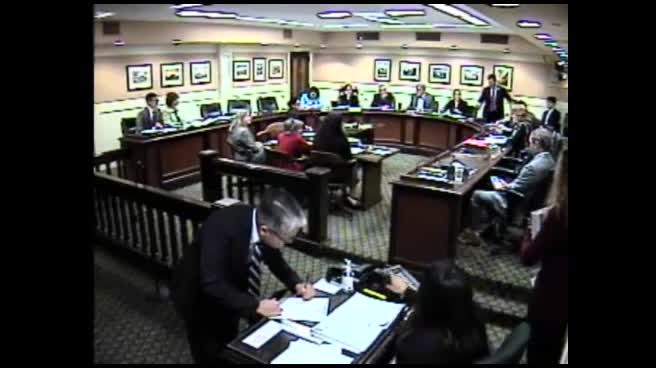
Bill Author