SB 164: Public postsecondary education: priority registration for Tribal TANF recipients.
- Session Year: 2017-2018
- House: Senate
- Latest Version Date: 2017-07-21
(1)Existing law establishes the California Community Colleges, under the administration of the Board of Governors of the California Community Colleges, as one of the segments of public postsecondary education in this state. Existing law establishes community college districts throughout the state, and authorizes these districts to provide instruction at the campuses they operate and maintain. Existing law requires each community college district that administers a priority enrollment system to grant priority in that system for registration for enrollment to any student who is a recipient of aid under the CalWORKs program, as defined.
This bill would also require each community college district that administers a priority enrollment system to grant priority in that system for registration for enrollment to any student who is a recipient of aid under the Tribal TANF program, as defined. Because this bill would impose new duties on community college districts that administer priority enrollment systems, it would constitute a state-mandated local program.
(2)The California Constitution requires the state to reimburse local agencies and school districts for certain costs mandated by the state. Statutory provisions establish procedures for making that reimbursement.
This bill would provide that, if the Commission on State Mandates determines that the bill contains costs mandated by the state, reimbursement for those costs shall be made pursuant to the statutory provisions noted above.
(a)The Legislature finds and declares that the priority enrollment for registration required by this section is necessary to ensure that the flexibility related to educational opportunities that was adopted as part of the broader changes to the California Work Opportunity and Responsibility to Kids (CalWORKs) program in Chapter 47 of the Statutes of 2012 is not undermined by students who are CalWORKs recipients being unable to access necessary classes.
(b)Each community college district that administers a priority enrollment system shall grant priority in that system for registration for enrollment to any student who is a CalWORKs or Tribal TANF recipient.
(c)Students who receive priority registration for enrollment pursuant to this section shall comply with the requirements of subdivision (a) of Section 78212.
(d)For purposes of this section:
(1)CalWORKs recipient means a recipient of aid under Chapter 2 (commencing with Section 11200) of Part 3 of Division 9 of the Welfare and Institutions Code or any successor program.
(2)Tribal TANF recipient means a recipient of aid pursuant to Section 10553.25 of the Welfare and Institutions Code or any successor provision.
SEC. 2.If the Commission on State Mandates determines that this act contains costs mandated by the state, reimbursement to local agencies and school districts for those costs shall be made pursuant to Part 7 (commencing with Section 17500) of Division 4 of Title 2 of the Government Code.
(a)The Legislature finds and declares that the priority enrollment for registration required by this section is necessary to ensure that the flexibility related to educational opportunities that was adopted as part of the broader changes to the California Work Opportunity and Responsibility to Kids (CalWORKs) program in Chapter 47 of the Statutes of 2012 is not undermined by students who are CalWORKs recipients being unable to access necessary classes.
(b)Each community college district that administers a priority enrollment system shall grant priority in that system for registration for enrollment to any student who is a CalWORKs or Tribal TANF recipient.
(c)Students who receive priority registration for enrollment pursuant to this section shall comply with the requirements of subdivision (a) of Section 78212.
(d)For purposes of this section, CalWORKs section:
(1)CalWORKs recipient means a recipient of aid under Chapter 2 (commencing with Section 11200) of Part 3 of Division 9 of the Welfare and Institutions Code or any successor program.
(2)Tribal TANF recipient means a recipient of aid pursuant to Section 10553.25 of the Welfare and Institutions Code or any successor provision.
SEC. 2.If the Commission on State Mandates determines that this act contains costs mandated by the state, reimbursement to local agencies and school districts for those costs shall be made pursuant to Part 7 (commencing with Section 17500) of Division 4 of Title 2 of the Government Code.
|
Date
|
Status
|
|---|---|
| Jul 21, 2017 | Chaptered by Secretary of State. Chapter 97, Statutes of 2017. |
| Jul 21, 2017 | Approved by the Governor. |
| Jul 12, 2017 | Enrolled and presented to the Governor at 12 p.m. |
| Jul 6, 2017 | In Senate. Ordered to engrossing and enrolling. |
| Jul 6, 2017 | Read third time. Passed. Ordered to the Senate. |
| Jun 29, 2017 | Read second time. Ordered to consent calendar. |
| Jun 28, 2017 | From committee: Do pass. Ordered to consent calendar. (Ayes 14. Noes 0.) (June 28). |
| Jun 21, 2017 | From committee: Do pass and re-refer to Com. on APPR. (Ayes 13. Noes 0.) (June 20). Re-referred to Com. on APPR. |
| May 18, 2017 | Referred to Com. on HIGHER ED. |
| Apr 6, 2017 | In Assembly. Read first time. Held at Desk. |
| Apr 6, 2017 | Read third time. Passed. (Ayes 39. Noes 0. Page 642.) Ordered to the Assembly. |
| Apr 4, 2017 | Read second time. Ordered to third reading. |
| Apr 3, 2017 | From committee: Do pass. (Ayes 7. Noes 0. Page 585.) (April 3). |
| Mar 24, 2017 | Set for hearing April 3. |
| Mar 8, 2017 | From committee: Do pass and re-refer to Com. on APPR. (Ayes 7. Noes 0. Page 327.) (March 8). Re-referred to Com. on APPR. |
| Feb 23, 2017 | Set for hearing March 8. |
| Feb 2, 2017 | Referred to Com. on ED. |
| Jan 20, 2017 | From printer. May be acted upon on or after February 19. |
| Jan 19, 2017 | Introduced. Read first time. To Com. on RLS. for assignment. To print. |
|
Date
|
Description
|
Location
|
Votes
|
|
|---|---|---|---|---|
| Jul 6, 2017 | SB 164 McGuire Consent Calendar Second Day Regular Session | Assembly Floor |
Passed |
|
| Jun 28, 2017 | Do pass. To Consent Calendar. | Assembly Standing Committee on Appropriations |
Passed |
|
| Jun 20, 2017 | Do pass and be re-referred to the Committee on [Appropriations] | Assembly Standing Committee on Higher Education |
Passed |
|
| Apr 6, 2017 | Senate 3rd Reading SB164 McGuire et al. | Senate Floor |
Passed |
|
| Apr 3, 2017 | Do pass | Senate Standing Committee on Appropriations |
Passed |
|
| Mar 8, 2017 | Do pass, but first be re-referred to the Committee on [Appropriations] | Senate Standing Committee on Education |
Passed |
This list shows positions taken on this bill by organizations on the date displayed, which is linked to the original source.
Positions by individuals are not included.
|
Organization
|
Position
|
Date
|
|---|---|---|
| American Federation of State, County and Municipal Employees | ** Support | Apr 5, 2017 |
| California Community Colleges Chancellor's Office | ** Support | Jun 19, 2017 |
| California Federation Of Teachers | ** Support | Jun 19, 2017 |
| Coalition of California Welfare Rights Organizations, Inc. | ** Support | Apr 5, 2017 |
| County Welfare Directors Association of California | ** Support | Jun 19, 2017 |
| Courage Campaign | ** Support | Apr 5, 2017 |
| Faculty Association Of California Community Colleges | ** Support | Jun 19, 2017 |
| Federated Indians Of Graton Rancheria | ** Support | Apr 5, 2017 |
| Jim Steele, District 3 Supervisor, County of Lake | ** Support | Apr 5, 2017 |
| National Association Of Social Workers, California Chapter | ** Support | Jun 19, 2017 |
| Owens Valley Paiute-Shoshone Board of Trustees | ** Support | Jun 19, 2017 |
| Robinson Rancheria Tribal Chair and the California Tribal TANF Partnership | * Support | Mar 8, 2017 |
| Ryan Jackson, Chairman, Hoop Valley Tribe | ** Support | Mar 7, 2017 |
| Ryan Jackson, Chairman, Hoopa Valley Tribe | ** Support | Apr 5, 2017 |
| Service Employees International Union | ** Support | Jun 19, 2017 |
| Walgreen's | * Support | Mar 8, 2017 |
| western center on law and poverty | ** Support | Apr 5, 2017 |
| Yurok Tribe | ** Support | Jun 19, 2017 |
Date of Hearing: June 28, 2017
ASSEMBLY COMMITTEE ON APPROPRIATIONS
Lorena Gonzalez Fletcher, Chair
SBPCA Bill Id:SB 164
Author:(McGuire) – As Introduced Ver:January 19, 2017
Policy Committee: | Higher Education | Vote: | 13 - 0 |
Urgency: No State Mandated Local Program: Yes Reimbursable: Yes
SUMMARY:
This bill requires each California Community College (CCC) district that administers a priority enrollment system to grant priority registration for enrollment to any student who is a recipient of aid under the Tribal Temporary Assistance for Needy Families (TANF) program.
FISCAL EFFECT:
Minor and absorbable Proposition 98/General Fund cost pressure for the CCC to add Tribal TANF recipients to the priority enrollment system. According to the CCC Chancellor’s Office, there are approximately 10,000 Native American students attending CCCs. Roughly 4,300 Tribal TANF participants could benefit from the provisions in this bill.
COMMENTS:
- Background. Existing law grants priority enrollment to any current or former foster youth or homeless youth until January 1, 2020, at the California State University (CSU), each CCC district, and requests that the University of California (UC), grant priority enrollment. Additional CCC priority enrollment is provided to students in the Extended Opportunity Programs and Services (EOPs) program, disabled students, and any student who is a recipient of aid under the California Work Opportunities and Responsibility to Kids (CalWORKs) program. The existing categories of students that receive enrollment priority are currently encouraged to comply with the requirements of the Student Success Initiative, and are likely receiving SSSP and/or Student Equity Plans funding.
- Purpose. CalWORKs is the California welfare implementation of the federal welfare-to-work TANF program that gives cash aid and services to eligible needy California families. In 2013, CalWORKs recipients were awarded priority registration at CCCs. According to the author, despite the highest poverty and lowest education attainment levels in the state, Tribal TANF participants were not granted priority registration with their CalWORKs counterparts. The author asserts that extending priority registration at CCCs to Tribal TANF participants would remove one of the barriers to breaking out of poverty through higher education and ensure that all TANF recipients receive the benefit of priority registration. This bill would grant parity between Tribal TANF recipients and traditional TANF recipients.
- Related Legislation. SB 906 (Beall), Chapter 437, Statutes of 2016, modified the definition of foster youth for purposes of priority registration at the UC, the CSU, and the CCC and also repealed the January 1, 2017 sunset on provisions providing priority registration at the CCC EOPS students and Disabled Student Programs and Services (DSPS) students.
AB 801 (Bloom), Chapter 432, Statues of 2016, among other things, extended priority enrollment to homeless youth at the CCCs and the CSU, and requests that the UC make this same extension.
AB 86 (Assembly Budget Committee), Chapter 48, Statutes of 2013, required that CCC students who are CalWORKs recipients to receive priority enrollment status, allowing these students who have a shortened amount of time on benefits due to changes made to the CalWORKs program in 2012, to enroll in classes earlier than other students.
Analysis Prepared by: Daisy Gonzales / APPR. / (916) 319-2081
Date of Hearing: June 20, 2017
ASSEMBLY COMMITTEE ON HIGHER EDUCATION
Jose Medina, Chair
SBPCA Bill Id:SB 164
Author:(McGuire) – As Introduced Ver:January 19, 2017
SENATE VOTE: 39-0
SUBJECT: Public postsecondary education: priority registration for Tribal TANF recipients.
SUMMARY: Requires each California Community College (CCC) district (CCD) that administers a priority enrollment system to grant priority registration for enrollment to any student who is a recipient of aid under the Tribal Temporary Assistance for Needy Families (TANF) program; and, includes a definition of “Tribal TANF recipient” that is identical to the definition under existing law.
EXISTING LAW:
- Requires the California State University (CSU) and each CCD, and requests the University of California (UC) to give priority for registration for enrollment to any member or former member of the Armed Forces or State Military Reserve, as defined, who is a resident of California and who has received an honorable discharge, a general discharge, or an other than honorable discharge, for any academic term attended at one of these institutions within four years of leaving state or federal active duty, if the institution already administers a priority enrollment system. Current law further requires that the veteran use this benefit within 15 years of leaving state or federal active duty and requires that these students comply with student responsibilities established by the Student Success Act of 2012 (Education Code (EC) Section 66025.8).
- Requires, if a postsecondary institution of higher learning administers a priority enrollment system for registration, that the CSU and each CCD, and requests the UC, grant priority enrollment to any current or former foster youth or, until January 1, 2020, homeless youth (EC Section 66025.9).
- Requires each CCD that administers a priority enrollment system for registration to grant priority registration for enrollment to students in the Extended Opportunity Programs and Services (EOPS) program and to students with disabilities (EC Section 66025.91).
- Requires each CCD that administers a priority enrollment system to grant priority registration for enrollment to any student who is a recipient of aid under the California Work Opportunities and Responsibility to Kids (CalWORKs) program (EC Section 66025.92).
- Requires the California Department of Social Services (CDSS) to make an annual allocation of funds to all eligible federally recognized American Indian tribes with reservation lands or rancherias located in California that administer a program pursuant to the federal Personal Responsibility and Work Opportunity Reconciliation Act (PRWORA) of 1996 (P.L. 104-193) (Welfare and Institutions Code Section 10553.25).
FISCAL EFFECT: According to the Senate Appropriations Committee, adding an additional priority enrollment category could result in minor Proposition 98 General Fund cost pressure for additional Student Success and Support Program and Student Equity Plans funding.
COMMENTS: Federal Personal Responsibility and Work Opportunity Reconciliation Act (PRWORA). According to CDSS, through PRWORA, Federal, Tribal, State, and local governments are encouraged to foster positive changes in the United States welfare system by forming partnerships with each other. PRWORA gives federally recognized Tribes flexibility in operating Tribal TANF Programs designed to:
- Provide assistance to needy families so that children may be cared for in their own homes or in the homes of relatives;
- End the dependence of needy parents on government benefits by promoting job preparation, work, and marriage;
- Prevent and reduce the incidence of out-of-wedlock pregnancies and establish annual numerical goals for preventing and reducing the incidence of these pregnancies; and,
- Encourage the formation and maintenance of two-parent families.
Tribes can define the service area, the service population, time limits (but not to exceed 60 months using TANF funds), benefits and services, eligibility criteria, and work activities. Tribal TANF Programs structure their program activities according to the needs of their people and their heritage so as to preserve and protect Native American communities and cultures.
Need for the measure. According to the author, Tribal TANF participants have some of the highest poverty and education attainment levels in the state. Presently, Tribal TANF participants are not eligible for priority registration at the CCC, but students on CalWORKs benefit from priority registration.
Student eligibility. According to the CCC Chancellor’s Office, currently, just over 10,000 Native American students attend the CCC. This number represents 0.44 percent of the 2.1 million students attending the CCC. According to Tribal TANF Total Recipients Data, in 2014, approximately 11,000 Tribal TANF participants resided in California, with approximately 4,300 adult participants that could benefit from the provisions established in this measure.
Current CCC categories for priority registration. As referenced in the "Existing Law" section of this analysis, several categories for students being eligible for priority registration already exist, including the following: 1) any member or former member of the Armed Forces or State Military Reserve; 2) current or former foster youth; 3) homeless youth; 4) EOPS students; 5) students with disabilities; and, 6) students receiving CalWORKs.
Committee staff notes that this measure seeks to bring parity between CCC Tribal TANF students and students receiving CalWORKs so that both will be able eligible for priority registration.
Committee comments. With several categories of priority registration in place for students, the Legislature may wish to consider if it is prudent to continue to add additional categories at the sake of potentially limiting the viability of the intent behind priority registration.
REGISTERED SUPPORT / OPPOSITION:
Support
American Federation of State, County and Municipal Employees, AFL-CIO
California Community Colleges Chancellor's Office
California Federation of Teachers
County Welfare Directors Association of California
Faculty Association of California Community Colleges
National Association of Social Workers, California Chapter
Owens Valley Paiute-Shoshone Board of Trustees
Service Employees International Union (SEIU)
Yurok Tribe
Opposition
None on file
Analysis Prepared by: Jeanice Warden / HIGHER ED. / (916) 319-3960
Office of Senate Floor Analyses (916) 651-1520 Fax: (916) 327-4478 | SB |
THIRD READING
Bill No: SB 164
:
SENATE EDUCATION COMMITTEE: 7-0, 3/8/17
AYES: Allen, Wilk, Galgiani, Leyva, Mendoza, Pan, Vidak
SENATE APPROPRIATIONS COMMITTEE: 7-0, 4/3/17
AYES: Lara, Bates, Beall, Bradford, Hill, Nielsen, Wiener
DIGEST: This bill requires each California Community College (CCC) district that administers a priority enrollment system to grant priority registration for enrollment to any student who is a recipient of aid under the Tribal Temporary Assistance for Needy Families (TANF) program.
Existing law:
- Requires, if the institution administers a priority enrollment system for registration, that the California State University and each CCC district, and requests that the University of California, grant priority enrollment to any current or former foster youth or, until January 1, 2020, homeless youth. (Education Code § 66025.9)
- Requires each CCC district that administers a priority enrollment system for registration to grant priority registration for enrollment to students in the Extended Opportunity Programs and Services (EOPs) program and to disabled students. (EC § 66025.91)
- Requires each CCC district that administers a priority enrollment system to grant priority in that system for registration for enrollment to any student who is a recipient of aid under the California Work Opportunities and Responsibility to Kids (CalWORKs) program. (EC § 66025.92)
This bill:
- Requires each community college district that administers a priority enrollment system to grant priority for registration for enrollment to any student who is a recipient of aid under the TANF program.
- Includes a definition of “Tribal TANF recipient,” that is identical to the definition under existing law.
Comments
- Need for the bill. In 2013, CalWORKs recipients were awarded priority registration at CCCs. CalWORKs is the California welfare implementation of the federal welfare-to-work TANF program that gives cash aid and services to eligible needy California families. According to the author, despite the highest poverty and lowest education attainment levels in the state, Tribal TANF participants were not granted priority registration with their CalWORKs counterparts. The author asserts that extending priority registration at CCCs to Tribal TANF participants would remove one of the barriers to breaking out of poverty through higher education and ensure that all TANF recipients receive the benefit of priority registration.
This bill seeks to provide parity among Tribal TANF recipients and CalWORKs recipients, who currently receive priority enrollment status under existing law.
- Eligible students. According to the CCC Chancellor’s Office, there are currently just over 10,000 Native American students attending CCCs representing .44% of the total CCC 2.1 million students. According to Tribal TANF Total Recipients Data, in 2014 there were approximately 11,000 Tribal TANF participants in California with about 4,300 adult participants that presumably would benefit from the provisions in this bill.
- CalWORKs and Tribal TANF recipients. The federal welfare reform law, Personal Responsibility and Work Opportunity Reconciliation Act, created the TANF program and additionally gave federally recognized Tribes the authority to independently design, administer and operate their own Tribal TANF programs.
California’s Budget Act of 2012 made significant changes to CalWORKs welfare-to-work rules, including the creation of a 24-month time limit with more flexible welfare-to-work activities, including education. In response to the modification, CCC students receiving CalWORKs were granted priority enrollment status to ensure access to classes within the new and more narrow 24-month time frame. This change did not include Tribal TANF participants. Tribes can define time limits but may not exceed 60 months of eligibility. Although, Tribal TANF recipients may have a greater window to access classes at CCCs, it appears that limits vary among tribes administering the program. Additionally, the author asserts that the goal of the Tribal TANF program is to get participants off of assistance as soon as possible without utilizing the full 60 months. The author argues that priority enrollment is an important tool to get families off of assistance in a more timely fashion.
- Existing community college enrollment priority categories. Existing law extends registration priority to current or former foster youth, homeless youth and to EOPS students and Disabled Students Programs and Services (DSPS) students at the community colleges. In addition, existing law grants priority enrollment registration to any member or former member of the Armed Forces and to any student who is a recipient of aid under the CalWORKs program.
Enrollment policies related to the implementation of the CCC’s Student Success Initiative have also been implemented. The Legislature has provided significant funding for the Student Services Support Program (SSSP) established by SB 1425 (Lowenthal, Chapter 624, Statutes of 2013) to provide targeted services such as orientation, assessment, and counseling and advising to assist students with the development of education plans. The CCC Board of Governors have implemented a number of related regulatory and administrative changes, including the provision of higher enrollment priority to students who have participated in these targeted services. CCC Districts are also now required to notify students that accumulating 100 degree-applicable units or being on academic or progress probation for two consecutive terms will result in the loss of enrollment priority.
AB 595 (Gomez, Chapter 704 Statutes of 2013), among other things, established the Legislature’s intent that any student who receives priority registration for enrollment (which includes veterans, CalWORKs recipients, EOPS students, foster youth, homeless youth and DSPS students) shall comply with the requirements of the Student Success Initiative. These provisions were adopted in order to ensure that the enrollment priorities supported, and did not undermine, statutory and regulatory efforts to ensure the development of statewide strategies and to incentivize student behaviors that result in student success.
By extension, students granted priority enrollment by the provisions of this bill will comply with EC § 66025.95 which clarifies that any student who receives priority registration shall participate in SSSP programs and services including orientation, assessment, counseling, and the development of an education plan, among other things.
Senate Education Committee staff notes that if priority is granted too widely it effectively dilutes the effect of prioritization. However, because of the similarities between the CalWORKs and Tribal TANF program, extending priority to Tribal TANF participants could be viewed as granting parity.
FISCAL EFFECT: Appropriation: Fiscal Com.: Local:
According to the Senate Appropriations Committee, adding an additional priority enrollment category could result in minor Proposition 98 General Fund cost pressure for additional SSSP and Student Equity Plans funding.
American Federation of State, County and Municipal Employees
Coalition of California Welfare Rights Organizations, Inc.
Courage Campaign
Faculty Association of California Community Colleges
Federated Indians of Graton Rancheria
Jim Steele, District 3 Supervisor, County of Lake
North Fork Rancheria of Mono Indians of California’s Tribal TANF program
Owens Valley Paiute-Shoshone Board of Trustees
Ryan Jackson, Chairman, Hoopa Valley Tribe
Western Center on Law and Poverty
Yurok Tribal Council
None received
4/5/17 14:49:08
SENATE COMMITTEE ON APPROPRIATIONS
Senator Ricardo Lara, Chair
2017 - 2018 Regular Session
SB 164 (McGuire) - Public postsecondary education: priority registration for Tribal TANF recipients
Version: January 19, 2017 | Policy Vote: ED. 7 - 0 |
Urgency: No | Mandate: Yes |
Hearing Date: April 3, 2017 | Consultant: Lenin Del Castillo |
This bill does not meet the criteria for referral to the Suspense File.
Bill Summary:
This bill requires each California Community College (CCC) district that administers a priority enrollment system to grant priority registration for enrollment to any student who is a recipient of aid under the Tribal Temporary Assistance for Needy Families (TANF) program.
Fiscal Impact:
Adding an additional priority enrollment category could result in minor Proposition 98 General Fund cost pressure for additional Student Success and Support Program and Student Equity Plans funding.
Background:
Existing law requires:
- If the institution administers a priority enrollment system for registration, that the California State University (CSU) and each CCC district, and requests that the University of California (UC), grant priority enrollment, to any current or former foster youth or until January 1, 2020, homeless youth. (Education Code § 66025.9)
- Requires each CCC district that administers a priority enrollment system for registration to grant priority registration for enrollment to students in the Extended Opportunity Programs and Services (EOPs) program and to disabled students. (EC § 66025.91)
- Requires each CCC district that administers a priority enrollment system to grant priority in that system for registration for enrollment to any student who is a recipient of aid under the California Work Opportunities and Responsibility to Kids (CalWORKs) program. (EC § 66025.92)
Proposed Law:
This bill:
- Requires each community college district that administers a priority enrollment system to grant priority for registration for enrollment to any student who is a recipient of aid under the TANF program.
- Includes a definition of “Tribal TANF recipient,” that is identical to the definition under existing law.
Related Legislation:
Chapter 437, Statutes of 2016 (SB 906, Beall) modified the definition of foster youth for purposes of priority registration at the University of California, the California State University, and the California Community Colleges (CCC) and also repealed the January 1, 2017 sunset on provisions providing priority registration at the California Community Colleges to Extended Opportunity Programs and Services (EOPS) students and Disabled Student Programs and Services (DSPS) students.
Chapter 432, Statues of 2016 (AB 801, Bloom) among other things, extended priority enrollment to homeless youth at the CCCs and the California State University, and requests that the University of California make this same extension.
Chapter 48, Statutes of 2013 (AB 86, Assembly Budget Committee) required that California Community College students who are CalWORKs recipients to receive priority enrollment status, allowing these students who have a shortened amount of time on benefits due to changes made to the CalWORKs program in 2012, to enroll in classes earlier than other students.
Chapter 704, Statutes of 2013 (AB 595, Gomez) established priority registration for EOPS and DSPS students until January 1, 2017.
Chapter 458, Statutes of 2011 (AB 194, Beall) established priority registration for current and former foster youth until January 1, 2017.
Staff Comments:
The existing categories of students that receive enrollment priority are currently encouraged to comply with the requirements of the Student Success Initiative, and are likely receiving Student Success and Support Program (SSSP) and/or Student Equity Plans funding. By creating an additional priority enrollment category, this bill could potentially create Proposition 98 General Fund cost pressure to provide additional SSSP or Student Equity Plans funding to the extent that it results in additional Tribal TANF recipients attending the community colleges. However, this cost pressure is likely to be minor. Approximately 4,300 Tribal TANF participants could benefit from the provisions in this bill and some are likely being served already with student success funds. The 2016 Budget Act includes approximately $820 million in Proposition 98 General Fund for the various community college student success programs.
-- END --
SENATE COMMITTEE ON EDUCATION
Senator Benjamin Allen, Chair
2017 - 2018 Regular
Bill No: Hearing Date: March 8, 2017
Author: | McGuire | ||
Version: |
| ||
Urgency: | Fiscal: | ||
Consultant: | |||
Subject:
SUMMARY
This bill requires each California Community College (CCC) district that administers a priority enrollment system to grant priority registration for enrollment to any student who is a recipient of aid under the Tribal Temporary Assistance for Needy Families (TANF) program.
BACKGROUND
Existing law requires:
- If the institution administers a priority enrollment system for registration, that the California State University (CSU) and each CCC district, and requests that the University of California (UC), grant priority enrollment, to any current or former foster youth or until January 1, 2020, homeless youth. (Education Code § 66025.9)
- Requires each CCC district that administers a priority enrollment system for registration to grant priority registration for enrollment to students in the Extended Opportunity Programs and Services (EOPs) program and to disabled students. (EC § 66025.91)
- Requires each CCC district that administers a priority enrollment system to grant priority in that system for registration for enrollment to any student who is a recipient of aid under the California Work Opportunities and Responsibility to Kids (CalWORKs) program. (EC § 66025.92)
ANALYSIS
This bill:
- Requires each community college district that administers a priority enrollment system to grant priority for registration for enrollment to any student who is a recipient of aid under the TANF program.
- Includes a definition of “Tribal TANF recipient,” that is identical to the definition under existing law.
STAFF COMMENTS
- Need for the bill. In 2013, California Work Opportunities and Responsibility to Kids (CalWORKs) recipients were awarded priority registration at CCCs. CalWORKs is the California welfare implementation of the federal welfare-to-work Temporary Assistance for Needy Families (TANF) program that gives cash aid and services to eligible needy California families. According to the author, despite the highest poverty and lowest education attainment levels in the state, Tribal TANF participants were not granted priority registration with their CalWORKs counterparts. The author asserts that extending priority registration at CCCs to Tribal TANF participants would remove one of the barriers to breaking out of poverty through higher education and ensure that all TANF recipients receive the benefit of priority registration.
This measure seeks to provide parity among Tribal TANF recipients and CalWORKs recipients, who currently receive priority enrollment status under existing law.
- Eligible students. According to the CCC Chancellor’s Office, there are currently just over 10,000 Native American students attending CCCs representing .44% of the total CCC 2.1 million students. According to Tribal TANF Total Recipients Data, in 2014 there were approximately 11,000 Tribal TANF participants in California with about 4,300 adult participants that presumably would benefit from the provisions in this bill.
- CalWORKs and Tribal TANF recipients. The federal welfare reform law, Personal Responsibility and Work Opportunity Reconciliation Act, created the TANF program and additionally gave federally recognized Tribes the authority to independently design, administer and operate their own Tribal TANF programs.
California’s Budget Act of 2012 made significant changes to CalWORKs welfare-to-work rules, including the creation of a 24-month time limit with more flexible welfare-to-work activities, including education. In response to the modification, CCC students receiving CalWORKs were granted priority enrollment status to ensure access to classes within the new and more narrow 24-month time frame. This change did not include Tribal TANF participants. Tribes can define time limits but may not exceed 60 months of eligibility. Although, Tribal TANF recipients may have a greater window to access classes at CCCs, it appears that limits vary among tribes administering the program. Additionally, the author asserts that the goal of the Tribal TANF program is to get participants off of assistance as soon as possible without utilizing the full 60 months. The author argues that priority enrollment is an important tool to get families off of assistance in a more timely fashion.
- Existing community college enrollment priority categories. Existing law extends registration priority to current or former foster youth, homeless youth and to EOPS students and Disabled Students Programs and Services (DSPS) students at the community colleges. In addition, existing law grants priority enrollment registration to any member or former member of the Armed Forces and to any student who is a recipient of aid under the CalWORKs program.
Enrollment policies related to the implementation of the CCC’s Student Success Initiative have also been implemented. The Legislature has provided significant funding for the Student Services Support Program (SSSP) established by SB 1425 (Lowenthal, Chapter 624, Statutes of 2013) to provide targeted services such as orientation, assessment, and counseling and advising to assist students with the development of education plans. The CCC Board of Governors have implemented a number of related regulatory and administrative changes, including the provision of higher enrollment priority to students who have participated in these targeted services. CCC Districts are also now required to notify students that accumulating 100 degree-applicable units or being on academic or progress probation for two consecutive terms will result in the loss of enrollment priority.
AB 595 (Gomez, Chapter 704 Statutes of 2013), among other things, established the Legislature’s intent that any student who receives priority registration for enrollment (which includes veterans, CalWORKs recipients, EOPS students, foster youth, homeless youth and DSPS students) shall comply with the requirements of the Student Success Initiative. These provisions were adopted in order to ensure that the enrollment priorities supported, and did not undermine, statutory and regulatory efforts to ensure the development of statewide strategies and to incentivize student behaviors that result in student success.
By extension, students granted priority enrollment by the provisions of this bill will comply with EC § 66025.95 which clarifies that any student who receives priority registration shall participate in SSSP programs and services including orientation, assessment, counseling, and the development of an education plan, among other things.
Staff notes that if priority is granted too widely it effectively dilutes the effect of prioritization. However, because of the similarities between the CalWORKs and Tribal TANF program, extending priority to Tribal TANF participants could be viewed as granting parity.
- Prior legislation:
- SB 906 (Beall, Chapter 437, Statues of 2016) conformed the definition of “foster youth or former foster youth,” for the purposes of priority registration at the University of California (UC), the California State University (CSU), and the California Community Colleges (CCCs), to existing state higher education program definitions, deleted the sunset on the extension of priority registration to foster youth or former foster youth, and deleted the sunset on the extension of priority registration to EOPs students and Disabled Student Programs and Services students at the California Community colleges (CCCs).
- AB 801 (Bloom, Chapter 432, Statues of 2016) among other things, extended priority enrollment to homeless youth at the CCCs and the California State University (CSU), and requests that the University of California (UC) make this same extension.
- AB 86 (Assembly Budget Committee, Chapter 48, Statutes of 2013) required that CCC students who are CalWORKs recipients to receive priority enrollment status, allowing these students who have a shortened amount of time on benefits due to changes made to the CalWORKs program in 2012, to enroll in classes earlier than other students.
- AB 595 (Gomez, Chapter 704, Statutes of 2013) required a community college district that administers a priority enrollment system to grant priority registration for enrollment to students in the Extended Opportunity Programs and Services programs and to disabled students, as defined and also established the Legislature’s intent that any student who receives priority registration for enrollment shall comply with the requirements of the Student Success initiative.
- SB 2133 (Blumenfield, Chapter 400, Statutes of 2012) required a veteran to use their four years of priority enrollment at the UC, CSI, and CCC within 15 years of leaving active duty. The bill also required that veterans receiving priority enrollment comply with the requirements of the Student Success Act of 2012.
- AB 194 (Beall, Chapter 458, Statutes of 2011) until July 1, 2017, required a community college district to grant priority enrollment for registration to any current or former foster youth, if the institution already administers a priority enrollment system, and repeals these provisions on January 1, 2017.
- SB 813 (Committee on Veteran Affairs, Chapter 375, Statutes of 2011) extended the time frame for eligibility for priority enrollment for veterans at the UC, CSU, and CCC from two years to four years.
- SB 272 (Runner, Chapter 356, Statutes of 2007) extended priority enrollment at the UC, CSU and CCC for a veteran who is a resident of California and who has received an honorable discharge, a general discharge, or an other than honorable discharge for any academic term attended at one of these institutions within two years of leaving state or federal active duty, if the institution already administered a priority enrollment system.
SUPPORT
American Federation of State, County and Municipal Employees (AFSCME)
Coalition of California Welfare Rights Organizations, Inc.
Courage Campaign
Faculty Association of California Community College
Federated Indians of Graton Rancheria
Jim Steele, District 3 Supervisor, County of Lake
North Fork Rancheria of Mono Indians of California’s Tribal TANF program
Owens Valley Paiute-Shoshone Board of Trustees
Ryan Jackson, Chairman, Hoop Valley Tribe
Western Center on Law and Poverty
Yurok Tribal Council
OPPOSITION
None received.
-- END --
Discussed in Hearing
 9MIN
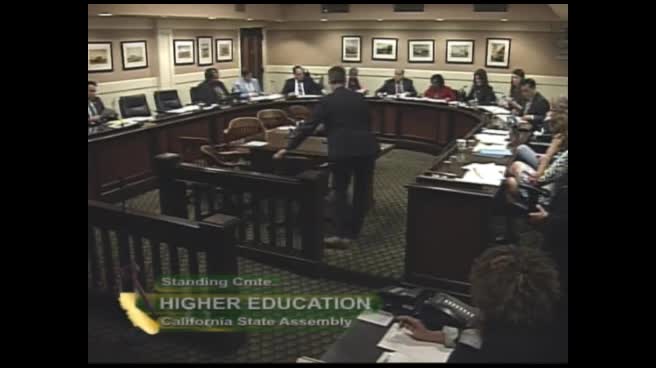
Assembly Standing Committee on Higher Education
 2MIN
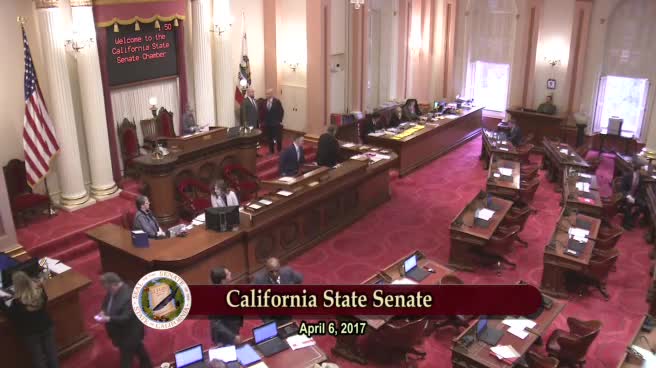
Senate Floor
 10MIN
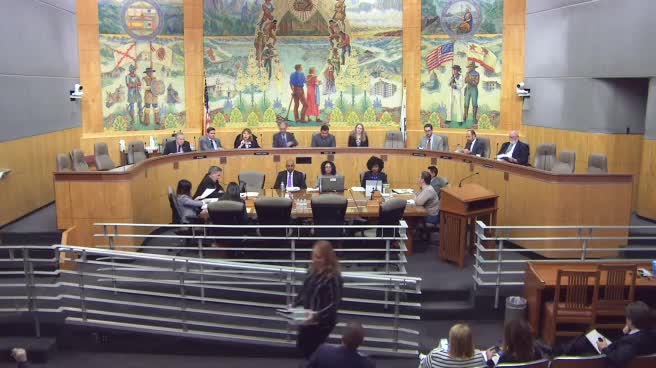
Senate Standing Committee on Appropriations
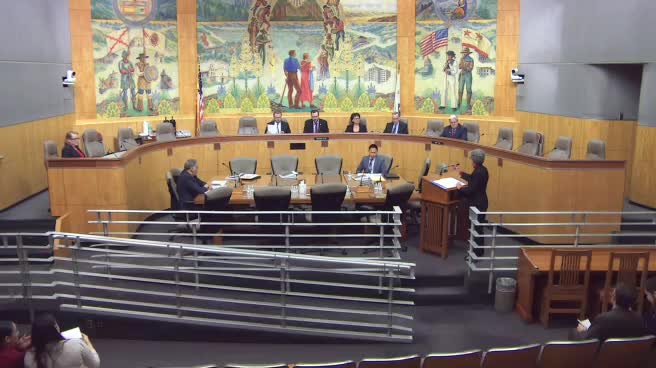 15MIN
Senate Standing Committee on Education
Bill Author