AB 508: Probation: environmental crimes.
- Session Year: 2023-2024
- House: Assembly
- Latest Version Date: 2023-09-30
Current Status:
Passed
(2023-09-30: Chaptered by Secretary of State - Chapter 264, Statutes of 2023.)
Introduced
In Committee
First Chamber
In Committee
Second Chamber
Enacted
Existing law authorizes courts generally to suspend a criminal sentence and make and enforce terms of probation for a period not to exceed 2 years. Existing law authorizes courts in misdemeanor cases to suspend a sentence and make and enforce terms of probation for a period not to exceed one year.
This bill would instead authorize a court, for entities with more than 10 employees, to impose a period of probation for a maximum period of 5 years in specified crimes relating to, among other things, dumping in waterways, pesticides, oil dumping and spills, waste management, and animal cruelty. By expanding the punishment for a crime, this bill would impose a state-mandated local program.
The California Constitution requires the state to reimburse local agencies and school districts for certain costs mandated by the state. Statutory provisions establish procedures for making that reimbursement.
This bill would provide that no reimbursement is required by this act for a specified reason.
Existing law authorizes courts generally to suspend a criminal sentence and make and enforce terms of probation for a period not to exceed 2 years. Existing law authorizes courts in misdemeanor cases to suspend a sentence and make and enforce terms of probation for a period not to exceed one year.
This bill would instead authorize a court court, for entities with more than 10 employees, to impose a period of probation for a maximum period of 5 years in specified crimes relating to, among other things, fish and game, dumping in waterways, pesticides, oil dumping and spills, waste management, and animal cruelty. By expanding the punishment for a crime, this bill would impose a state-mandated local program.
The California Constitution requires the state to reimburse local agencies and school districts for certain costs mandated by the state. Statutory provisions establish procedures for making that reimbursement.
This bill would provide that no reimbursement is required by this act for a specified reason.
Existing law authorizes courts generally to suspend a criminal sentence and make and enforce terms of probation for a period not to exceed 2 years. Existing law authorizes courts in misdemeanor cases to suspend a sentence and make and enforce terms of probation for a period not to exceed one year.
This bill would instead authorize a court to impose a period of probation for a maximum period of 5 years in specified crimes relating to, among other things, fish and game, pesticides, oil dumping and spills, waste management, and animal cruelty. By expanding the punishment for a crime, this bill would impose a state-mandated local program.
The California Constitution requires the state to reimburse local agencies and school districts for certain costs mandated by the state. Statutory provisions establish procedures for making that reimbursement.
This bill would provide that no reimbursement is required by this act for a specified reason.
(a)The Legislature finds and declares that environmental crimes are public welfare offenses resulting from violations of statutes designed to safeguard against threats or injury to the health and safety of the public and Californias environment and precious natural resources.
(b)Notwithstanding Section 1203.1 or 1203a, if an entity is granted probation upon conviction of an environmental crime, the term of probation shall not exceed five years, which may include a period of summary probation as appropriate. For purposes of this section, environmental crimes means violations of any crimes in the following sections:
(1)Division 9 (commencing with Section 12000) and Section 5650 of the Fish and Game Code.
(2)Section 12996 of the Food and Agricultural Code.
(3)Sections 132 and 133 of the Harbors and Navigation Code.
(4)Part 14 (commencing with Section 117600) of Division 104 of the Health and Safety Code.
(5)Article 3 (commencing with Section 42400) of Chapter 4 of Part 4 of Division 26 of the Health and Safety Code.
(6)Chapters 6.5 (commencing with Section 25100), Chapter 6.67 (commencing with Section 25270), Chapter 6.7 (commencing with Section 25280), and Chapter 6.95 (commencing with Section 25500) of Division 20 of the Health and Safety Code.
(7)Chapter 7.4 (commencing with Section 8670.1) of Division 1 of Title 2 of the Government Code.
(8)Sections 374.2, 374.3, 374.5, 374.7, 374.8, 597, 653o, 653p, and 653q of the Penal Code.
(9)Section 32001 and subdivision (b) of Section 34506 of the Vehicle Code.
(10)Section 13387 of the Water Code.
(c)For purposes of subdivision (b), an entity means a trust, firm, partnership, joint stock company, joint venture, association, limited liability company, corporation, or other legal entity with more than 10 employees.
SEC. 2.No reimbursement is required by this act pursuant to Section 6 of Article XIIIB of the California Constitution because the only costs that may be incurred by a local agency or school district will be incurred because this act creates a new crime or infraction, eliminates a crime or infraction, or changes the penalty for a crime or infraction, within the meaning of Section 17556 of the Government Code, or changes the definition of a crime within the meaning of Section 6 of Article XIIIB of the California Constitution.
(a)The Legislature finds and declares that environmental crimes are public welfare offenses resulting from violations of statutes designed to safeguard against threats or injury to the health and safety of the public and Californias environment and precious natural resources.
(b)Notwithstanding Sections Section 1203.1 or 1203a, if a person an entity is granted probation upon conviction of an environmental crime, the term of probation shall not exceed five years, which may include a period of summary probation as appropriate. For purposes of this section, environmental crimes means violations of any crimes in the following sections:
(1)Division 3 (commencing with Section 2000), Division 4 (commencing with Section 3000), Division 5 (commencing with Section 5000), Division 6 (commencing with Section 5500), and Division 9 (commencing with Section 12000) and Section 5650 of the Fish and Game Code.
(2)Section 12996 of the Food and Agriculture Agricultural Code.
(3)Sections 132 and 133 of the Harbors and Navigation Code.
(4)Part 14 (commencing with Section 117600) of Division 104 of the Health and Safety Code.
(5)Article 3 (commencing with Section 42400) of Chapter 4 of Part 4 of Division 26 of the Health and Safety Code.
(6)Chapters 6.5 (commencing with Section 25100), Chapter 6.67 (commencing with Section 25270), Chapter 6.7 (commencing with Section 25280), and Chapter 6.95 (commencing with Section 25500) of Division 20 of the Health and Safety Code.
(7)Chapter 7.4 (commencing with Section 8670.1) of Division 1 of Title 2 of the Government Code.
(8)Sections 372, 373a, 374.2, 374.3, 374.5, 374.7, 374.8, 597, 653o, 653p, and 653q of the Penal Code.
(9)Sections Section 32001 and subdivision (b) of Section 34506 of the Vehicle Code.
(10)Chapter 5.5 (commencing with Section 13370) of Division 7 of the Water Code.(10)Section 13387 of the Water Code.
(c)For purposes of subdivision (b), an entity means a trust, firm, partnership, joint stock company, joint venture, association, limited liability company, corporation, or other legal entity with more than 10 employees.
SEC. 2.No reimbursement is required by this act pursuant to Section 6 of Article XIIIB of the California Constitution because the only costs that may be incurred by a local agency or school district will be incurred because this act creates a new crime or infraction, eliminates a crime or infraction, or changes the penalty for a crime or infraction, within the meaning of Section 17556 of the Government Code, or changes the definition of a crime within the meaning of Section 6 of Article XIIIB of the California Constitution.
(a)The Legislature finds and declares that environmental crimes are public welfare offenses resulting from violations of statutes designed to safeguard against threats or injury to the health and safety of the public and Californias environment and precious natural resources.
(b)Notwithstanding Sections 1203.1 or 1203a, if a person is granted probation upon conviction of an environmental crime, the term of probation shall not exceed five years, which may include a period of summary probation as appropriate. For purposes of this section, environmental crimes means violations of any crimes in the following sections:
(1)Division 3 (commencing with Section 2000), Division 4 (commencing with Section 3000), Division 5 (commencing with Section 5000), Division 6 (commencing with Section 5500), and Division 9 (commencing with Section 12000) of the Fish and Game Code.
(2)Section 12996 of the Food and Agriculture Code.
(3)Sections 132 and 133 of the Harbors and Navigation Code.
(4)Part 14 (commencing with Section 117600) of Division 104 of the Health and Safety Code.
(5)Article 3 (commencing with Section 42400) of Chapter 4 of Part 4 of Division 26 of the Health and Safety Code.
(6)Chapters 6.5 (commencing with Section 25100), Chapter 6.67 (commencing with Section 25270), Chapter 6.7 (commencing with Section 25280), and Chapter 6.95 (commencing with Section 25500) of Division 20 of the Health and Safety Code.
(7)Chapter 7.4 (commencing with Section 8670.1) of Division 1 of Title 2 of the Government Code.
(8)Sections 372, 373a, 374.2, 374.5, 374.8, 597, 653o, 653p, and 653q of the Penal Code.
(9)Sections 32001 and 34506 of the Vehicle Code.
(10)Chapter 5.5 (commencing with Section 13370) of Division 7 of the Water Code.
SEC. 2.No reimbursement is required by this act pursuant to Section 6 of Article XIIIB of the California Constitution because the only costs that may be incurred by a local agency or school district will be incurred because this act creates a new crime or infraction, eliminates a crime or infraction, or changes the penalty for a crime or infraction, within the meaning of Section 17556 of the Government Code, or changes the definition of a crime within the meaning of Section 6 of Article XIIIB of the California Constitution.
|
Date
|
Status
|
|---|---|
| Sep 30, 2023 | Chaptered by Secretary of State - Chapter 264, Statutes of 2023. |
| Sep 30, 2023 | Approved by the Governor. |
| Sep 13, 2023 | Enrolled and presented to the Governor at 3 p.m. |
| Sep 6, 2023 | In Assembly. Ordered to Engrossing and Enrolling. |
| Sep 6, 2023 | Read third time. Passed. Ordered to the Assembly. (Ayes 40. Noes 0. Page 2393.). |
| Aug 15, 2023 | Read second time. Ordered to third reading. |
| Aug 14, 2023 | From committee: Be ordered to second reading pursuant to Senate Rule 28.8. |
| Jul 12, 2023 | From committee: Do pass and re-refer to Com. on APPR. (Ayes 4. Noes 0.) (July 11). Re-referred to Com. on APPR. |
| Jun 14, 2023 | Referred to Com. on PUB S. |
| Jun 1, 2023 | In Senate. Read first time. To Com. on RLS. for assignment. |
| May 31, 2023 | Read third time. Passed. Ordered to the Senate. (Ayes 80. Noes 0. Page 2007.) |
| May 18, 2023 | Read second time. Ordered to third reading. |
| May 18, 2023 | From committee: Do pass. (Ayes 15. Noes 0.) (May 18). |
| May 3, 2023 | In committee: Set, first hearing. Referred to APPR. suspense file. |
| Apr 26, 2023 | In committee: Hearing postponed by committee. |
| Mar 14, 2023 | From committee: Do pass and re-refer to Com. on APPR. with recommendation: To Consent Calendar. (Ayes 8. Noes 0.) (March 14). Re-referred to Com. on APPR. |
| Mar 8, 2023 | Re-referred to Com. on PUB. S. |
| Mar 7, 2023 | From committee chair, with author's amendments: Amend, and re-refer to Com. on PUB. S. Read second time and amended. |
| Feb 17, 2023 | Referred to Com. on PUB. S. |
| Feb 8, 2023 | From printer. May be heard in committee March 10. |
| Feb 7, 2023 | Read first time. To print. |
|
Date
|
Description
|
Location
|
Votes
|
|
|---|---|---|---|---|
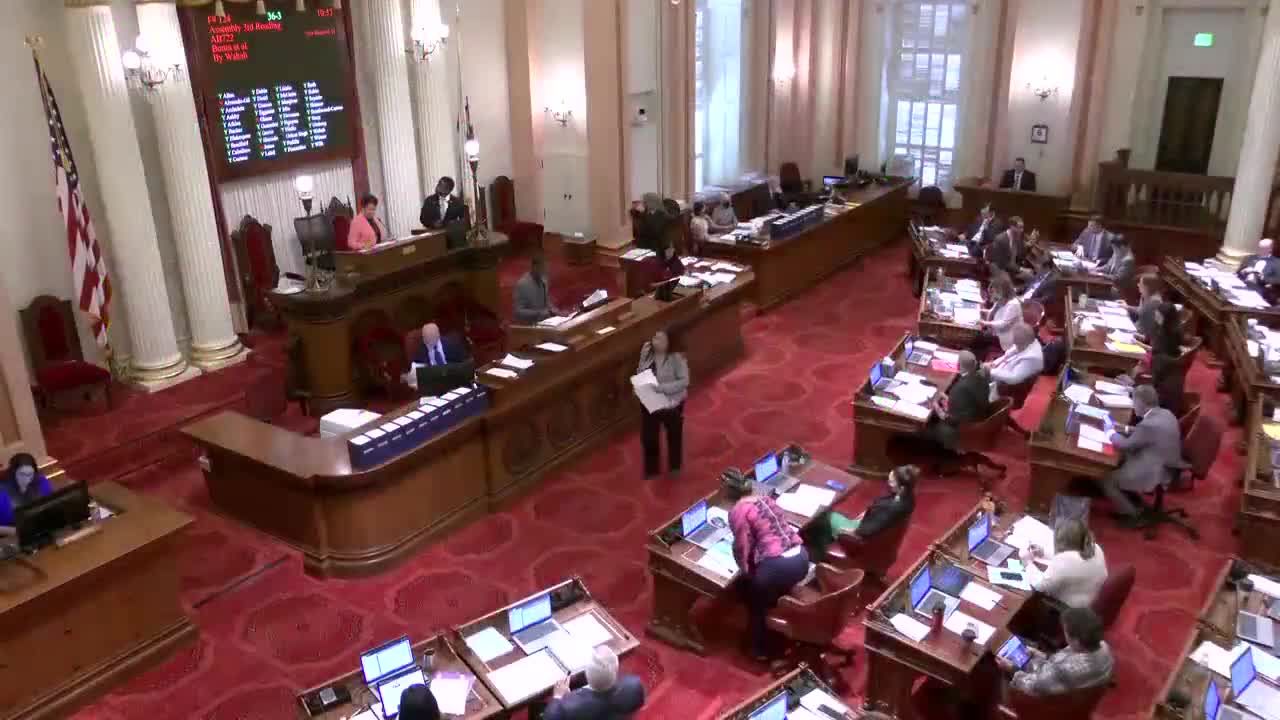
| Sep 6, 2023 | Assembly 3rd Reading AB508 Petrie-Norris et al. By Newman | Senate Floor |
Passed |
|
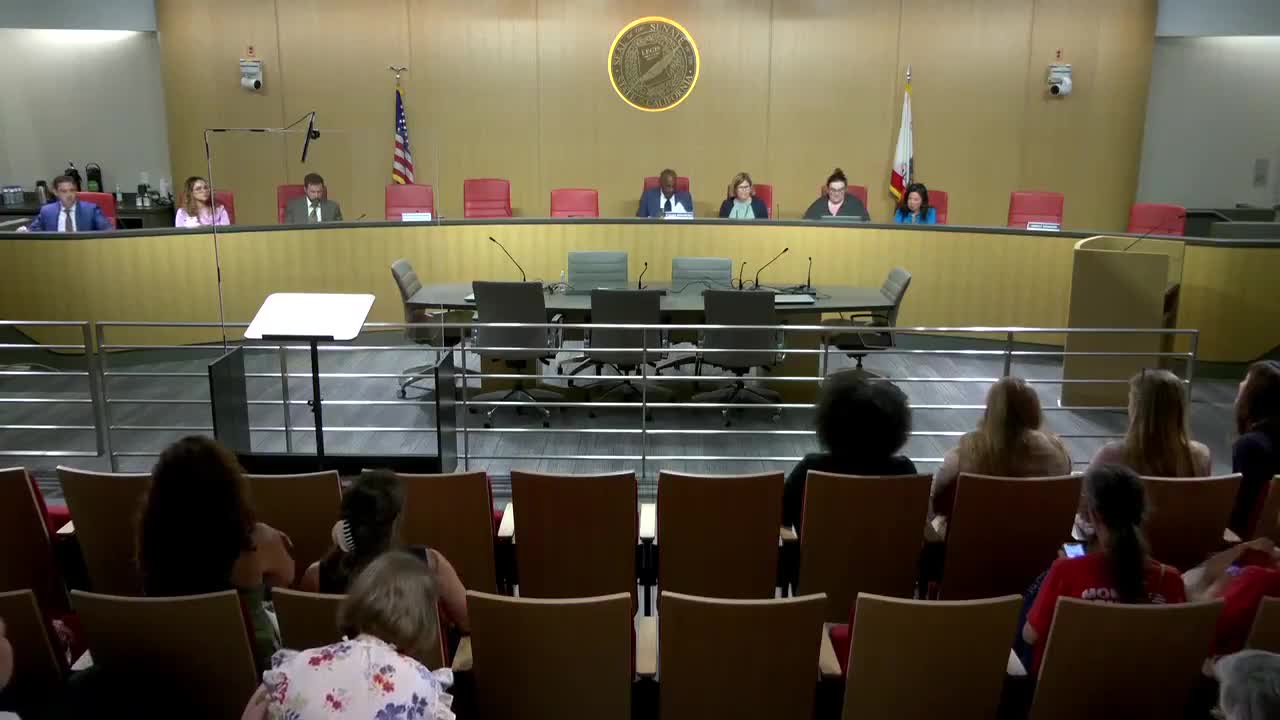
| Jul 11, 2023 | Do pass, but first be re-referred to the Committee on [Appropriations] | Senate Standing Committee on Public Safety |
Passed |
|
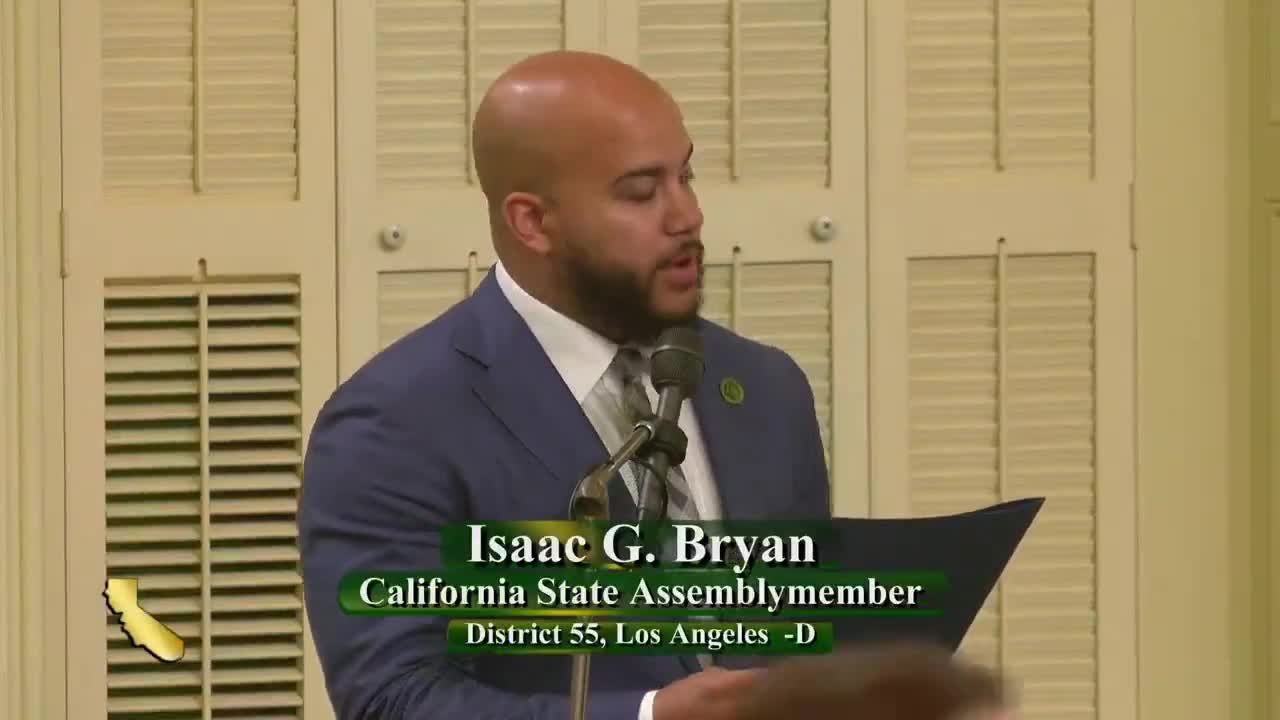
| May 31, 2023 | AB 508 Petrie-Norris Assembly Third Reading | Assembly Floor |
Passed |
|
| May 18, 2023 | Do pass. | Assembly Standing Committee on Appropriations |
Passed |
|
| Mar 14, 2023 | Do pass and be re-referred to the Committee on [Appropriations] with recommendation: To Consent Calendar | Assembly Standing Committee on Public Safety |
Passed |
This list shows positions taken on this bill by organizations on the date displayed, which is linked to the original source.
Positions by individuals are not included.
|
Organization
|
Position
|
Date
|
|---|---|---|
| California District Attorneys Association | ** Support | |
| Orange County Coastkeeper | ** Support | |
| Orange County District Attorney | ** Support | |
| San Diego City Attorney's Office | ** Support | |
| San Luis Obispo County District Attorney | ** Support |
SENATE RULES COMMITTEE Office of Senate Floor Analyses (916) 651-1520 Fax: (916) 327-4478 | AB 508 |
THIRD READING
Bill No: AB 508
Author: Petrie-Norris (D), et al.
Amended: 3/7/23 in Assembly
Vote: 21
SENATE PUBLIC SAFETY COMMITTEE: 4-0, 7/11/23
AYES: Bradford, Ochoa Bogh, Skinner, Wiener
NO VOTE RECORDED: Wahab
SENATE APPROPRIATIONS COMMITTEE: Senate Rule 28.8
ASSEMBLY FLOOR: 80-0, 5/31/23 - See last page for vote
SUBJECT: Probation: environmental crimes
SOURCE: California District Attorneys Association
Orange County District Attorney
DIGEST:
This bill extends the maximum allowable period of probation for specified environmental crimes when they are committed by an entity with more than 10 employees.
ANALYSIS:
Existing law:
- Defines “probation” as “the suspension of the imposition or execution of a sentence and the order of conditional and revocable release in the community under the supervision of a probation officer.” (Pen. Code, § 1203, subd. (a).)
- Defines “conditional sentence” as “the suspension of the imposition or execution of a sentence and the order of revocable release in the community subject to conditions established by the court without the supervision of a probation officer.” (Pen. Code, § 1203, subd. (a).)
- Limits the period of probation for a misdemeanor to no longer than one year, unless the offense includes specific probation lengths within its provisions. (Pen. Code, § 1203a.)
- Sets limits period of probation for a felony to no longer than two years, except as specified. (Pen. Code, § 1203.1, subds. (a) & (l).)
- Authorizes the court to impose and require any or all reasonable conditions of probation as it may determine are fitting and proper to the end that justice may be done, that amends may be done to society for the breach of the law, for any injury done to any person resulting from that breach, and generally and specifically for the reformation and rehabilitation of the probationer. (Pen. Code, § 1203.1, subd. (j).)
- Authorizes the court to revoke, modify, or terminate its order of probation. (Pen. Code, §§ 1203.2 & 1203.3.)
- Requires a court which grants probation to make payment of victim restitution a condition of probation. Provides that any unsatisfied amount of restitution after a defendant is no longer on probation is enforceable as a civil judgment. (Pen. Code, § 1202.4, subd. (l).)
- Authorizes the court to modify the dollar amount of restitution at any time during the term of probation. (Pen. Code, § 1203.3, subd. (b)(5).)
- Requires the court to consider whether, as a condition of probation, the defendant shall make restitution to a public agency for the costs of an emergency response, as specified. (Pen. Code, § 1203.1, subd. (e).)
This bill:
- Includes codified legislative findings and declarations that environmental crimes are public welfare offenses resulting from violations of statutes designed to safeguard against threats or injury to the health and safety of the public and California’s environment and precious natural resources.
- Authorizes a term of probation not to exceed five years if an entity is granted probation upon conviction of an environmental crime.
- Specifies that environmental crimes means violations of any crimes in the following sections:
- Specified provisions of the Fish and Game Code related to the unlawful taking of birds, mammals, fish, reptiles, or amphibians; the sale, purchase or capture of desert tortoises; the unlawful use of explosives in state waters inhabited by fish; and discharge of specified substances into the waters of the State;
- Specified provisions of the Food and Agriculture Code related to pesticides;
- Specified provision of the Harbors and Navigation Code related to discharging cargo overboard from a vessel, and discharging oil upon navigable waters;
- Specified provisions of the Health and Safety Code known as the Medical Waste Management Act, and the Aboveground Petroleum Storage Act;
- Specified provisions of the Health and Safety Code relating to non-vehicular air pollution control, hazardous waste control, underground storage of hazardous substances, and hazardous materials release;
- Specified provisions of the Government Code known as the Lempert–Keene–Seastrand Oil Spill Prevention and Response Act;
- Specified provisions of the Penal Code related to malicious discharge of any substance capable of causing substantial damage or harm to the operation of a public sewer system; illegal dumping; grease waste hauling violations; depositing hazardous substances; animal cruelty; importation, possession for sale, or sale of endangered species; and possession or sale of a dead seal;
- Vehicular transportation of hazardous material, and hazardous material transportation in violation of regulations of the Department of the California Highway Patrol; and,
- Specified provisions of the Water Code mandating compliance with the Federal Clean Water Act.
- Requires that an entity, including a trust, firm, partnership, joint stock company, joint venture, association, limited liability company, corporation, or other legal entity, employ more than ten individuals in order for the extended probation term for environmental crimes to be authorized.
Background
- Corporate Criminal Liability. Corporations can be subject to criminal liability. The Penal Code defines “person"” to include a corporation as well as a natural person. (Pen. Code, § 7.) However, unlike a natural person, a corporation cannot be incarcerated as a form of punishment after being convicted of a crime.
An example of a corporation being found criminally liable for its actions is PG&E’s convictions stemming from the 2010 San Bruno natural gas pipeline explosion. In 2016, a federal jury found PG&E guilty of obstruction and five counts of pipeline safety violations after the pipeline blast in 2010 sent a plume of fire into the air, killing eight people and destroying 38 homes. PG&E employees were not individually charged, so no one faced incarceration due to the criminal conduct. (Associated Press, PG&E is Found Guilty of Obstructing Investigators After Deadly 2010 Pipeline Blast (Aug. 9, 2016) available at <https://www.latimes.com/business/la-fi-pge-san-bruno-pipeline-blast-20160809-snap-story.html .)
- Probation Supervision. Probation is the suspension of a custodial sentence and a conditional release of a defendant into the community. Probation can be “formal” or “informal.” Formal probation is under the direction and supervision of a probation officer. Under informal probation, a defendant is not supervised by a probation officer but instead reports to the court. Probation supervision is intended to facilitate rehabilitation and ensure defendant accountability. The court has broad discretion to impose conditions that foster the defendant’s rehabilitation and protect the public safety. (People v. Carbajal (1995) 10 Cal.4th 1114, 1120. A valid condition must be reasonably related to the offense and aimed at deterring such misconduct in the future. (Id. at p. 1121.)
In 2020, AB 1950 (Kamlager, Chapter 328, Statutes of 2020) was enacted. It reduced the maximum length of probation for both misdemeanor and felony cases (in most cases). For felonies, the term of probation was reduced from five years—where the punishment did not exceed five years—to two years. (Pen. Code, § 1203.1.) For misdemeanors the term of probation was reduced from three years to one year. (Pen. Code, § 1203a.) In both types of cases, there was an exception made if a specific probation length was already dictated in statute for a particular offense. (Ibid.)
Proponents of this bill argue that because many environmental crimes are classified as misdemeanors, the reduced period of probation is insufficient to hold corporate wrongdoers accountable. This bill extends the possible probationary term for specified environmental crimes committed by a business entity, as defined, to a maximum of five years.
FISCAL EFFECT: Appropriation: No Fiscal Com.: Yes Local: Yes
SUPPORT: (Verified 8/14/23)
California District Attorneys Association (co-source)
Orange County District Attorney (co-source)
OPPOSITION: (Verified 8/14/23)
None received
ASSEMBLY FLOOR: 80-0, 5/31/23
AYES: Addis, Aguiar-Curry, Alanis, Alvarez, Arambula, Bains, Bauer-Kahan, Bennett, Berman, Boerner, Bonta, Bryan, Calderon, Juan Carrillo, Wendy Carrillo, Cervantes, Chen, Connolly, Megan Dahle, Davies, Dixon, Essayli, Flora, Mike Fong, Vince Fong, Friedman, Gabriel, Gallagher, Garcia, Gipson, Grayson, Haney, Hart, Holden, Hoover, Irwin, Jackson, Jones-Sawyer, Kalra, Lackey, Lee, Low, Lowenthal, Maienschein, Mathis, McCarty, McKinnor, Muratsuchi, Stephanie Nguyen, Ortega, Pacheco, Papan, Jim Patterson, Joe Patterson, Pellerin, Petrie-Norris, Quirk-Silva, Ramos, Reyes, Luz Rivas, Robert Rivas, Rodriguez, Blanca Rubio, Sanchez, Santiago, Schiavo, Soria, Ta, Ting, Valencia, Villapudua, Waldron, Wallis, Ward, Weber, Wicks, Wilson, Wood, Zbur, Rendon
Prepared by: Stephanie Jordan / PUB. S. /
8/16/23 14:42:34
**** END ****
SENATE COMMITTEE ON PUBLIC SAFETY
Senator Aisha Wahab, Chair
2023 - 2024 Regular
Bill No: AB 508 Hearing Date: July 11, 2023
Author: | Petrie-Norris | ||
Version: | March 7, 2023 | ||
Urgency: | No | Fiscal: | Yes |
Consultant: | SJ | ||
Subject: Probation: environmental crimes
HISTORY
Source: California District Attorneys Association
Orange County District Attorney
Prior Legislation: AB 1950 (Kamlager), Ch. 328, Stats. 2020
Support: California District Attorneys Association, Orange County District Attorney
Opposition: None known
Assembly Floor Vote: 80 - 0
PURPOSE
The purpose of this bill is extend the maximum allowable period of probation for specified environmental crimes when they are committed by an entity with more than 10 employees.
Existing law defines “probation” as “the suspension of the imposition or execution of a sentence and the order of conditional and revocable release in the community under the supervision of a probation officer.” (Pen. Code, § 1203, subd. (a).)
Existing law defines “conditional sentence” as “the suspension of the imposition or execution of a sentence and the order of revocable release in the community subject to conditions established by the court without the supervision of a probation officer.” (Pen. Code, § 1203, subd. (a).)
Existing law limits the period of probation for a misdemeanor to no longer than one year, unless the offense includes specific probation lengths within its provisions. (Pen. Code, § 1203a.)
Existing law sets limits period of probation for a felony to no longer than two years, except as specified. (Pen. Code, § 1203.1, subds. (a) & (l).)
Existing law authorizes the court to impose and require any or all reasonable conditions of probation as it may determine are fitting and proper to the end that justice may be done, that amends may be done to society for the breach of the law, for any injury done to any person resulting from that breach, and generally and specifically for the reformation and rehabilitation of the probationer. (Pen. Code, § 1203.1, subd. (j).)
Existing law authorizes the court to revoke, modify, or terminate its order of probation. (Pen. Code, §§ 1203.2 & 1203.3.)
Existing law requires a court which grants probation to make payment of victim restitution a condition of probation. Provides that any unsatisfied amount of restitution after a defendant is no longer on probation is enforceable as a civil judgment. (Pen. Code, § 1202.4, subd. (l).)
Existing law authorizes the court to modify the dollar amount of restitution at any time during the term of probation. (Pen. Code, § 1203.3, subd. (b)(5).)
Existing law requires the court to consider whether, as a condition of probation, the defendant shall make restitution to a public agency for the costs of an emergency response, as specified. (Pen. Code, § 1203.1, subd. (e).)
This bill includes codified legislative findings and declarations that environmental crimes are public welfare offenses resulting from violations of statutes designed to safeguard against threats or injury to the health and safety of the public and California’s environment and precious natural resources.
This bill authorizes a term of probation not to exceed five years if an entity is granted probation upon conviction of an environmental crime.
This bill specifies that environmental crimes means violations of any crimes in the following sections:
- Specified provisions of the Fish and Game Code related to the unlawful taking of birds, mammals, fish, reptiles, or amphibians; the sale, purchase or capture of desert tortoises; the unlawful use of explosives in state waters inhabited by fish; and discharge of specified substances into the waters of the State;
- Specified provisions of the Food and Agriculture Code related to pesticides;
- Specified provision of the Harbors and Navigation Code related to discharging cargo overboard from a vessel, and discharging oil upon navigable waters;
- Specified provisions of the Health and Safety Code known as the Medical Waste Management Act, and the Aboveground Petroleum Storage Act.
- Specified provisions of the Health and Safety Code relating to non-vehicular air pollution control, hazardous waste control, underground storage of hazardous substances, and hazardous materials release;
- Specified provisions of the Government Code known as the Lempert–Keene–Seastrand Oil Spill Prevention and Response Act;
- Specified provisions of the Penal Code related to malicious discharge of any substance capable of causing substantial damage or harm to the operation of a public sewer system; illegal dumping; grease waste hauling violations; depositing hazardous substances; animal cruelty; importation, possession for sale, or sale of endangered species; and possession or sale of a dead seal;
- Vehicular transportation of hazardous material, and hazardous material transportation in violation of regulations of the Department of the California Highway Patrol; and,
- Specified provisions of the Water Code mandating compliance with the Federal Clean Water Act.
This bill requires that an entity, including a trust, firm, partnership, joint stock company, joint venture, association, limited liability company, corporation, or other legal entity, employ more than ten individuals in order for the extended probation term for environmental crimes to be authorized.
COMMENTS
- Need For This Bill
According to the author:
AB 508 will help ensure corporations and other business entities who violate California environmental laws and are placed on probation complete the corresponding terms and conditions by expanding the probation time limit to a maximum of five years. This will ensure that corporate violators complete the requirements of their probation, including changing policies, training, and updating their industrial processes.
The need for extended regulatory oversight was exemplified in the 2022 oil spill case in Orange County, where the defendants (two corporations and an LLC) pled no contest to the criminal charges of failing to immediately report a discharge of oil into waters of the state, water pollution, and killing of protected wildlife. The defendant was ordered to pay state criminal fines totaling $4.9 million dollars and was placed on probation. The probation terms included significant training requirements, updating internal procedures, submitting new contingency plans, revising inspection timeframes, amongst other requirements. A one-year probation term does not allow nearly enough time for the appropriate regulatory oversight to ensure the defendant has made the necessary changes to ensure such a violation does not occur again. AB 508 is needed to protect our communities from serious environmental hazards.
- Corporate Criminal Liability
Corporations can be subject to criminal liability. The Penal Code defines “person"” to include a corporation as well as a natural person. (Pen. Code, § 7.) However, unlike a natural person, a corporation cannot be incarcerated as a form of punishment after being convicted of a crime.
An example of a corporation being found criminally liable for its actions is PG&E’s convictions stemming from the 2010 San Bruno natural gas pipeline explosion. In 2016, a federal jury found PG&E guilty of obstruction and five counts of pipeline safety violations after the pipeline blast six sent a plume of fire into the air, killing eight people and destroying 38 homes. PG&E employees were not individually charged, so no one faced incarceration due to the criminal conduct. (Associated Press, PG&E is Found Guilty of Obstructing Investigators After Deadly 2010 Pipeline Blast (Aug. 9, 2016) available at <https://www.latimes.com/business/la-fi-pge-san-bruno-pipeline-blast-20160809-snap-story.html>.)
- Probation Supervision
Probation is the suspension of a custodial sentence and a conditional release of a defendant into the community. Probation can be “formal” or “informal.” Formal probation is under the direction and supervision of a probation officer. Under informal probation, a defendant is not supervised by a probation officer but instead reports to the court. Probation supervision is intended to facilitate rehabilitation and ensure defendant accountability. The court has broad discretion to impose conditions that foster the defendant’s rehabilitation and protect the public safety. (People v. Carbajal (1995) 10 Cal.4th 1114, 1120. A valid condition must be reasonably related to the offense and aimed at deterring such misconduct in the future. (Id. at p. 1121.)
In 2020, AB 1950 (Kamlager, Chapter 328) was enacted. It reduced the maximum length of probation for both misdemeanor and felony cases (in most cases). For felonies, the term of probation was reduced from five years—where the punishment did not exceed five years—to two years. (Pen. Code, § 1203.1.) For misdemeanors the term of probation was reduced from three years to one year. (Pen. Code, § 1203a.) In both types of cases, there was an exception made if a specific probation length was already dictated in statute for a particular offense. (Ibid.)
Proponents of this bill argue that because many environmental crimes are classified as misdemeanors, the reduced period of probation is insufficient to hold corporate wrongdoers accountable. This bill extends the possible probationary term for specified environmental crimes committed by a business entity, as defined, to a maximum of five years.
- Argument in Support
The Orange County District Attorney’s Office, the bill’s sponsor writes:
As background, most environmental defendants are placed on informal probation and do not report to the probation department. The terms and conditions of this informal probation are narrowly tailored to the specific regulatory crime that was violated with the goal of preventing its recurrence and abating the harm caused. The need for extended regulatory oversight was exemplified by the 2022 oil spill in Orange County, where the defendant pled no contest to the criminal charges of failing to report a discharge of oil into waters of the state, water pollution, and killing of protected wildlife. The defendant was ordered to pay state criminal fines totaling $4.9 million dollars and was placed on probation. The probation terms included vast training requirements, updating internal procedures, submitting updated contingency plans, revising inspection timeframes, amongst other requirements. A one-year probation term does not allow enough time for the appropriate regulatory oversight to endure the defendant has made the necessary changes to ensure such an egregious violation does not occur again.
AB 508 is needed to ensure corporations and other business entities who violate California environmental laws and are placed on probation will be required to follow those terms and conditions of probation longer than just one year. It often takes environmental violators a period of time to revise and alter their policies, procedures, training programs, and update their industrial processes. AB 508 is needed to help protect the health and safety of the people of California and our environment.
-- END --
ASSEMBLY THIRD READING
ATR Bill Id:AB 508
Author:(Petrie-Norris)
As Amended Ver:March 7, 2023
Majority vote
SUMMARY
Extends the maximum allowable period of probation for specified environmental crimes when they are committed by an entity with more than 10 employees.
Major Provisions
- States that notwithstanding other statutes limiting the length of a probationary term to one year in misdemeanor cases and two years in felony cases, if an entity is granted probation based on conviction of an "environmental crime," the term of probation can be set at up to five years.
- Defines environmental crimes for purposes of extending probation as the following:
- Specified provisions of the Fish and Game Code related to the unlawful taking of birds, mammals, fish, reptiles, or amphibians; the sale, purchase or capture of desert tortoises; the unlawful use of explosives in state waters inhabited by fish; and discharge of specified substances into the waters of the State;
- Specified provisions of the Food and Agriculture Code related to pesticides;
- Specified provision of the Harbors and Navigation Code related to discharging cargo overboard from a vessel, and discharging oil upon navigable waters;
- Specified provisions of the Health and Safety Code known as the Medical Waste Management Act, and the Aboveground Petroleum Storage Act.
- Specified provisions of the Health and Safety Code relating to non-vehicular air pollution control, hazardous waste control, underground storage of hazardous substances, and hazardous materials release;
- Specified provisions of the Government Code known as the Lempert–Keene–Seastrand Oil Spill Prevention and Response Act;
- Specified provisions of the Penal Code related to malicious discharge of any substance capable of causing substantial damage or harm to the operation of a public sewer system; illegal dumping; grease waste hauling violations; depositing hazardous substances; animal cruelty; importation, possession for sale, or sale of endangered species; and possession or sale of a dead seal;
- Vehicular transportation of hazardous material, and hazardous material transportation in violation of regulations of the Department of the California Highway Patrol; and,
- Specified provisions of the Water Code mandating compliance with the Federal Clean Water Act.
- Defines "entity" as "a trust, firm, partnership, joint stock company, joint venture, association, limited liability company, corporation, or other legal entity with more than 10 employees."
COMMENTS
According to the Author
"AB 508 will help ensure corporations and other business entities who violate California environmental laws and are placed on probation complete the corresponding terms and conditions by expanding the probation time limit to a maximum of five years. This will ensure that corporate violators complete the requirements of their probation, including changing policies, training, and updating their industrial processes.
"The need for extended regulatory oversight was exemplified in the 2022 oil spill case in Orange County, where the defendants (two corporations and an LLC) pled no contest to the criminal charges of failing to immediately report a discharge of oil into waters of the state, water pollution, and killing of protected wildlife. The defendant was ordered to pay state criminal fines totaling $4.9 million dollars and was placed on probation. The probation terms included significant training requirements, updating internal procedures, submitting new contingency plans, revising inspection timeframes, amongst other requirements. A one-year probation term does not allow nearly enough time for the appropriate regulatory oversight to ensure the defendant has made the necessary changes to ensure such a violation does not occur again. AB 508 is needed to protect our communities from serious environmental hazards."
Arguments in Support
According to the Office of the Orange County District Attorney, the sponsor of this bill, "As background, most environmental defendants are placed on informal probation and do not report to the probation department. The terms and conditions of this informal probation are narrowly tailored to the specific regulatory crime that was violated with the goal of preventing its recurrence and abating the harm caused. The need for extended regulatory oversight was exemplified by the 2022 oil spill in Orange County, where the defendant pled no contest to the criminal charges of failing to report a discharge of oil into waters of the state, water pollution, and killing of protected wildlife. The defendant was ordered to pay state criminal fines totaling $4.9 million dollars and was placed on probation. The probation terms included vast training requirements, updating internal procedures, submitting updated contingency plans, revising inspection timeframes, amongst other requirements. A one-year probation term does not allow enough time for the appropriate regulatory oversight to endure the defendant has made the necessary changes to ensure such an egregious violation does not occur again.
"AB 508 is needed to ensure corporations and other business entities who violate California environmental laws and are placed on probation will be required to follow those terms and conditions of probation longer than just one year. It often takes environmental violators a period of time to revise and alter their policies, procedures, training programs, and update their industrial processes. AB 508 is needed to help protect the health and safety of the people of California and our environment."
Arguments in Opposition
No longer applicable.
FISCAL COMMENTS
According to the Assembly Appropriations Committee, "Potentially significant cost pressures to the courts (Trial Court Trust Fund, General Fund) due to longer periods of probation authorized by this bill. Informal probation is overseen directly by the courts, so longer periods of court-supervised probation would result in additional workload to the courts. Although courts are not funded on the basis of workload, increased pressure on the Trial Court Trust Fund may create a need for increased funding for courts from the General Fund. If funding is not provided for the new workload created by this bill, it may result in delays and prioritization of court cases."
VOTES
ASM PUBLIC SAFETY: 8-0-0
YES: Jones-Sawyer, Alanis, Bonta, Bryan, Lackey, Ortega, Santiago, Zbur
ASM APPROPRIATIONS: 15-0-1
YES: Holden, Megan Dahle, Bryan, Calderon, Wendy Carrillo, Dixon, Mike Fong, Hart, Lowenthal, Mathis, Papan, Pellerin, Sanchez, Weber, Ortega
ABS, ABST OR NV: Robert Rivas
UPDATED
VERSION: March 7, 2023
CONSULTANT: Sandy Uribe / PUB. S. / (916) 319-3744 FN: 0000713
Date of Hearing: May 3, 2023
ASSEMBLY COMMITTEE ON APPROPRIATIONS
Chris Holden, Chair
ABPCA Bill Id:AB 508
Author:(Petrie-Norris) – As Amended Ver:March 7, 2023
Policy Committee: | Public Safety | Vote: | 8 - 0 |
|
| ||
|
|
Urgency: No State Mandated Local Program: Yes Reimbursable: No
SUMMARY:
This bill increases the maximum probation period from one year to five years for an entity, as defined, convicted of certain environmental crimes.
FISCAL EFFECT:
Potentially significant cost pressures to the courts (Trial Court Trust Fund, General Fund) due to longer periods of probation authorized by this bill. Informal probation is overseen directly by the courts, so longer periods of court-supervised probation would result in additional workload to the courts. Although courts are not funded on the basis of workload, increased pressure on the Trial Court Trust Fund may create a need for increased funding for courts from the General Fund. If funding is not provided for the new workload created by this bill, it may result in delays and prioritization of court cases.
COMMENTS:
- Author’s Statement. According to the author:
AB 508 will help ensure corporations and other business entities who violate California environmental laws and are placed on probation complete the corresponding terms and conditions by expanding the probation time limit to a maximum of five years. This will ensure that corporate violators complete the requirements of their probation, including changing policies, training, and updating their industrial processes.
The need for extended regulatory oversight was exemplified in the 2022 oil spill case in Orange County, where the defendants (two corporations and an LLC) pled no contest to the criminal charges of failing to immediately report a discharge of oil into waters of the state, water pollution, and killing of protected wildlife. The defendant was ordered to pay state criminal fines totaling $4.9 million dollars and was placed on probation. The probation terms included significant training requirements, updating internal procedures, submitting new contingency plans, revising inspection timeframes, amongst other requirements. A one-year probation term does not allow nearly enough time for the appropriate regulatory oversight to ensure the defendant has made the necessary changes to ensure such a violation does not occur again.
- Background. Probation is the suspension of execution of a sentence and the order of conditional and revocable release in the community. Generally, probation means that someone who is convicted of a crime will spend a set period of time in the community under the supervision of the court or a probation officer, rather than serving their sentence in jail or prison. If the defendant violates the conditions of their probation set by the court, the court may impose the defendant’s suspended sentence and incarcerate them. Courts have broad discretion to impose conditions of probation that encourage the defendant’s rehabilitation, hold the defendant accountable, and benefit public safety.
Although business entities cannot be incarcerated, they can be convicted of criminal offenses and, if convicted, may be ordered by a court to complete probation. In the case of a business entity convicted of an environmental crime, the court may impose conditions of probation intended to remedy the environmental harm caused by the defendant or prevent a similar harm in the future. For example, the court may require the business entity to update its training programs, revise its inspection protocols, or submit contingency plans. Of course, a business entity cannot be incarcerated if it violates the conditions of its probation, so probation may be a less effective consequence for a corporation than for a person.
This bill would increase the maximum probation period for an entity, as specified, that is convicted of certain environmental crimes, such as vehicular transportation of hazardous material or discharge of specified substances into state waters. In these circumstances, the bill gives a judge discretion to impose up to five years of probation, compared to one year of probation authorized under current law. Only business entities with more than 10 employees would be subject to extended probation terms under this bill.
Analysis Prepared by: Annika Carlson / APPR. / (916) 319-2081
Date of Hearing:
Chief Counsel: Sandy Uribe
ASSEMBLY COMMITTEE ON PUBLIC SAFETY
Reginald Byron Jones-Sawyer, Sr., Chair
ABPCA Bill Id:AB 508
Author:(Petrie-Norris) – As Amended Ver:March 7, 2023
SUMMARY:
Extends the maximum allowable period of probation for specified environmental crimes when they are committed by an entity with more than 10 employees. Specifically, this bill:
- States that notwithstanding other statutes limiting the length of a probationary term to one year in misdemeanor cases and two years in felony cases, if an entity is granted probation based on conviction of an “environmental crime,” the term of probation can be set at up to five years.
- Defines environmental crimes for purposes of extending probation as the following:
- Specified provisions of the Fish and Game Code related to the unlawful taking of birds, mammals, fish, reptiles, or amphibians; the sale, purchase or capture of desert tortoises; the unlawful use of explosives in state waters inhabited by fish; and discharge of specified substances into the waters of the State;
- Specified provisions of the Food and Agriculture Code related to pesticides;
- Specified provision of the Harbors and Navigation Code related to discharging cargo overboard from a vessel, and discharging oil upon navigable waters;
- Specified provisions of the Health and Safety Code known as the Medical Waste Management Act, and the Aboveground Petroleum Storage Act.
- Specified provisions of the Health and Safety Code relating to non-vehicular air pollution control, hazardous waste control, underground storage of hazardous substances, and hazardous materials release;
- Specified provisions of the Government Code known as the Lempert–Keene–Seastrand Oil Spill Prevention and Response Act;
- Specified provisions of the Penal Code related to malicious discharge of any substance capable of causing substantial damage or harm to the operation of a public sewer system; illegal dumping; grease waste hauling violations; depositing hazardous substances; animal cruelty; importation, possession for sale, or sale of endangered species; and possession or sale of a dead seal;
- Vehicular transportation of hazardous material, and hazardous material transportation in violation of regulations of the Department of the California Highway Patrol; and,
- Specified provisions of the Water Code mandating compliance with the Federal Clean Water Act.
- Specified provisions of the Fish and Game Code related to the unlawful taking of birds, mammals, fish, reptiles, or amphibians; the sale, purchase or capture of desert tortoises; the unlawful use of explosives in state waters inhabited by fish; and discharge of specified substances into the waters of the State;
- Defines “entity” as “a trust, firm, partnership, joint stock company, joint venture, association, limited liability company, corporation, or other legal entity with more than 10 employees.”
EXISTING LAW:
- Defines “probation” as “the suspension of the imposition or execution of a sentence and the order of conditional and revocable release in the community under the supervision of a probation officer.” (Pen. Code, § 1203, subd. (a).)
- Defines “conditional sentence” as “the suspension of the imposition or execution of a sentence and the order of revocable release in the community subject to conditions established by the court without the supervision of a probation officer.” (Pen. Code, § 1203, subd. (a).)
- Sets the period of probation for a misdemeanor to no longer than one year, unless the offense includes specific probation lengths within its provisions. (Pen. Code, § 1203a.)
- Sets the period of probation for a felony to no longer than two years, except as specified (Pen. Code, § 1203.1, subds. (a) & (l).)
- Authorizes the court to impose and require any or all reasonable conditions of probation as it may determine are fitting and proper to the end that justice may be done, that amends may be done to society for the breach of the law, for any injury done to any person resulting from that breach, and generally and specifically for the reformation and rehabilitation of the probationer. (Pen. Code, § 1203.1, subd. (j).)
- Authorizes the court to revoke, modify, or terminate its order of probation. (Pen. Code, §§ 1203.2 & 1203.3.)
- Requires a court which grants probation to make payment of victim restitution a condition of probation. Any unsatisfied amount of restitution after a defendant is no longer on probation is enforceable as a civil judgment. (Pen. Code, § 1202.4, subd. (l).)
- Authorizes the court to modify the dollar amount of restitution at any time during the term of probation. (Pen. Code, § 1203.3, subd. (b)(5).)
- Requires the court to consider whether, as a condition of probation, the defendant shall make restitution to a public agency for the costs of an emergency response, as specified. (Pen. Code, § 1203.1, subd. (e).)
FISCAL EFFECT:
Unknown
COMMENTS:
- Author's Statement: According to the author, “AB 508 will help ensure corporations and other business entities who violate California environmental laws and are placed on probation complete the corresponding terms and conditions by expanding the probation time limit to a maximum of five years. This will ensure that corporate violators complete the requirements of their probation, including changing policies, training, and updating their industrial processes.
“The need for extended regulatory oversight was exemplified in the 2022 oil spill case in Orange County, where the defendants (two corporations and an LLC) pled no contest to the criminal charges of failing to immediately report a discharge of oil into waters of the state, water pollution, and killing of protected wildlife. The defendant was ordered to pay state criminal fines totaling $4.9 million dollars and was placed on probation. The probation terms included significant training requirements, updating internal procedures, submitting new contingency plans, revising inspection timeframes, amongst other requirements. A one-year probation term does not allow nearly enough time for the appropriate regulatory oversight to ensure the defendant has made the necessary changes to ensure such a violation does not occur again. AB 508 is needed to protect our communities from serious environmental hazards.” - Corporate Criminal Liability: Corporations can be subject to criminal liability. The Penal Code applies to corporations, and it defines "person" to include a corporation as well as a natural person. (Pen. Code, § 7.) Of course, unlike a natural person, a corporation cannot be incarcerated as a form of punishment after being convicted of a crime.
For example, in 2016 a federal jury found Pacific Gas & Electric Co. guilty of obstruction and five counts of pipeline safety violations after natural gas pipeline blast six sent a plume of fire into the air, killing eight people and destroying 38 homes in San Bruno, California. PG&E employees were not individually charged, so no one faced incarceration due to the criminal conduct. (PG&E is Found Guilty of Obstructing Investigators After Deadly 2010 Pipeline Blast, Associated Press, Aug. 9, 2016., https://www.latimes.com/business/la-fi-pge-san-bruno-pipeline-blast-20160809-snap-story.html [as of March 9, 2023].) - Probation Supervision: Probation is the suspension of a custodial sentence and a conditional release of a defendant into the community. Probation can be “formal” or “informal.” “Formal” probation is under the direction and supervision of a probation officer. Under “Informal” probation, a defendant is not supervised by a probation officer but instead reports to the court. Probation supervision is intended to facilitate rehabilitation and ensure defendant accountability. The court has broad discretion to impose conditions that foster the defendant’s rehabilitation and protect the public safety. (People v. Carbajal (1995) 10 Cal.4th 1114, 1120. A valid condition must be reasonably related to the offense and aimed at deterring such misconduct in the future. (Id. at 1121.)
In 2020, the Legislature passed AB 1950 (Kamlager) Chapter 328, which went into effect on January 1, 2021, and reduces the maximum length of probation for both misdemeanor and felony cases (in most cases). For felonies, the term of probation was reduced from five years (where the punishment did not exceed five years) to two years. (Pen. Code, § 1203.1.) For misdemeanors the term of probation was reduced from three years to one year. (Pen. Code, § 1203a.) In both types of cases, there was an exception made if a specific probation length was already dictated in statute describing the punishment for a particular criminal offense. (Ibid.)
Since many environmental crimes are classified as misdemeanors, proponents of this bill argue that the reduced period of probation is insufficient to hold corporate wrongdoers accountable. This bill would extend the possible probationary term for specified environmental crimes committed by a business entity, as defined, to a maximum of five years.
- Other Possible Remedies: Criminal liability is not the only response to corporate wrongdoing. And extending the length of a probationary term does not necessarily ensure that a business entity is held accountable for its criminal conduct. When an individual is granted probation, the possibility of incarceration in jail or prison looms, as a probationer who violates a condition of probation can have their probation revoked and the their suspended criminal sentence executed, or have a sentence imposed if one has not yet been imposed. However, with a business entity who will not suffer incarceration for criminal wrongdoing, there is no similar incentive to comply and successfully complete probation, no matter the length of the probationary period.
For example, the federal judge who supervised PG&E during its five-year probationary period, noted the utility’s failure to reform despite five years on probation. The judge acknowledge the failure: “While on probation, PG&E has set at least 31 wildfires, burned nearly one and one-half million acres, burned 23,956 structures, and killed 113 Californians.” “In probation, with a goal of rehabilitation in mind, we always prefer that criminal offenders learn to accept responsibility for their actions,” the judge wrote. “Sadly, during all five years of probation, PG&E has refused to accept responsibility for its actions until convenient to its cause or until it is forced to do so.” (PG&E Probation Ends, But Judge Offers Harsh comments, W. Shuck, Capitol Weekly, Jan. 25, 2022, https://capitolweekly.net/pge-probation-ends-but-judge-offers-harsh-comments/ [as of March 9, 2023].)
There are other, possibly more effective, ways to ensure compliance. Many corporations and other business entities are subject to state and federal regulatory agencies and licensing boards. Failure to address cleanup/abatement, and/or follow through with remedial plans and training could be handled by these administrative bodies. Further, a business entity may also be liable in civil court for damages arising from the business's criminal conduct. Arguably, financial penalties is what will most impact a business entity. - Argument in Support: According to the Office of the Orange County District Attorney, the sponsor of this bill, “As background, most environmental defendants are placed on informal probation and do not report to the probation department. The terms and conditions of this informal probation are narrowly tailored to the specific regulatory crime that was violated with the goal of preventing its recurrence and abating the harm caused. The need for extended regulatory oversight was exemplified by the 2022 oil spill in Orange County, where the defendant pled no contest to the criminal charges of failing to report a discharge of oil into waters of the state, water pollution, and killing of protected wildlife. The defendant was ordered to pay state criminal fines totaling $4.9 million dollars and was placed on probation. The probation terms included vast training requirements, updating internal procedures, submitting updated contingency plans, revising inspection timeframes, amongst other requirements. A one-year probation term does not allow enough time for the appropriate regulatory oversight to endure the defendant has made the necessary changes to ensure such an egregious violation does not occur again.
“AB 508 is needed to ensure corporations and other business entities who violate California environmental laws and are placed on probation will be required to follow those terms and conditions of probation longer than just one year. It often takes environmental violators a period of time to revise and alter their policies, procedures, training programs, and update their industrial processes. AB 508 is needed to help protect the health and safety of the people of California and our environment.” - Argument in Opposition: None submitted.
- Prior Legislation:
- AB 1753 (Gallagher), of the 2021-2022 Legislative Session, would have extended the period of probation for up to three years for specified crimes of illegal poaching. AB 1753 was not heard by the Water, Parks, and Wildlife Committee.
- AB 645 (Gallagher) of the 2021-2022 Legislative Session, would have extended the period of probation for up to three years for specified crimes of illegal poaching. AB 654 was held in the Assembly Appropriations Committee.
- AB 1950 (Kamlager), Chapter 328, Statutes of 2020, limits the term of probation to no longer than two years for a felony conviction and one year for a misdemeanor conviction, except as specified.
- AB 2205 (Dodd), of the Legislative Session of 2015-2016, would have overturned a Supreme Court case holding that a court lacks jurisdiction to adjudicate violations of probation occurring after the original term of probation ends. AB 2205 was never heard in the Assembly Public Safety Committee.
- AB 2477 (Patterson), of the Legislative Session of 2015-2016, would have overturned case law holding that a court lacks jurisdiction to modify a restitution order after the defendant's probation expires, thereby extending jurisdiction for restitution indefinitely. AB 2477 failed passage in the Assembly Public Safety Committee.
- AB 2339 (Quirk), Legislative Session of 2013-2014, would have required that all terms and conditions of supervision shall remain in effect during the time period that the running of the period of supervision is tolled. AB 2339 was never heard in the Assembly Public Safety Committee.
- AB 1753 (Gallagher), of the 2021-2022 Legislative Session, would have extended the period of probation for up to three years for specified crimes of illegal poaching. AB 1753 was not heard by the Water, Parks, and Wildlife Committee.
REGISTERED SUPPORT / OPPOSITION:
Support
Orange County District Attorney (Sponsor)
California District Attorneys Association (Co-Sponsor)
Orange County Coastkeeper
San Diego City Attorney's Office
San Luis Obispo County District Attorney
Opposition
None
Analysis Prepared by:
Sandy Uribe / PUB. S. / (916) 319-3744
Discussed in Hearing
 58SEC
Senate Floor
 5MIN
Senate Standing Committee on Public Safety
 1MIN
Assembly Floor
Bill Author




