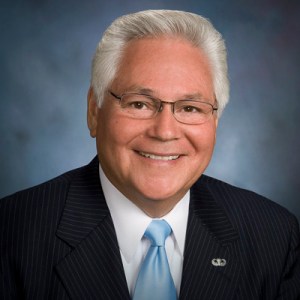
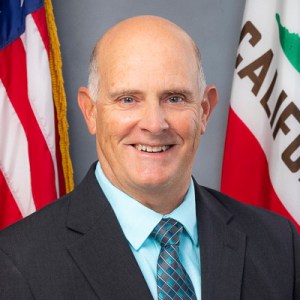
SB 726: Property taxation: exemption: disabled veteran homeowners.
- Session Year: 2023-2024
- House: Senate
- Latest Version Date: 2023-04-13
Current Status:
Failed
(2024-06-24: June 24 set for second hearing canceled at the request of author.)
Introduced
In Committee
First Chamber
In Committee
Second Chamber
Enacted
The California Constitution provides that all property is taxable, and requires that it be assessed at the same percentage of fair market value, unless otherwise provided by the California Constitution or federal law. The California Constitution and existing property tax law provide various exemptions from taxation, including, among others, a disabled veterans exemption and a veterans organization exemption.
This bill would exempt from taxation, on that part of the full value of the residence that does not exceed $863,790, as provided, property owned by, and that constitutes the principal place of residence of, a veteran, the veterans spouse, or the veteran and the veterans spouse jointly, if the veteran is 100% disabled. The bill would provide an unmarried surviving spouse a property exemption in the same amount that they would have been entitled to if the veteran was alive and if certain conditions are met. The bill would require certain documentation to be provided to the county assessor to receive the exemption and would prohibit any other real property tax exemption from being granted to the claimant if receiving the exemption provided by the provisions of this bill. The bill would make these exemptions applicable for property tax lien dates occurring on or after January 1, 2024, but occurring before January 1, 2034. By imposing additional duties on local tax officials, the bill would impose a state-mandated local program.
Existing law requires any bill authorizing a new tax expenditure to contain, among other things, specific goals, purposes, and objectives that the tax expenditure will achieve, detailed performance indicators, and data collection requirements.
This bill would state that it is the intent of the Legislature to apply those requirements to the bill and would set forth specified information relating to those requirements.
The California Constitution requires the state to reimburse local agencies and school districts for certain costs mandated by the state. Statutory provisions establish procedures for making that reimbursement.
This bill would provide that, if the Commission on State Mandates determines that the bill contains costs mandated by the state, reimbursement for those costs shall be made pursuant to the statutory provisions noted above.
Existing law requires the state to reimburse local agencies annually for certain property tax revenues lost as a result of any exemption or classification of property for purposes of ad valorem property taxation.
This bill would provide that, notwithstanding those provisions, no appropriation is made and the state shall not reimburse local agencies for property tax revenues lost by them pursuant to the bill.
This bill would take effect immediately as a tax levy.
The California Constitution provides that all property is taxable, and requires that it be assessed at the same percentage of fair market value, unless otherwise provided by the California Constitution or federal law. The California Constitution and existing property tax law provide various exemptions from taxation, including, among others, a disabled veterans exemption and a veterans organization exemption.
This bill would exempt from taxation, on that part of the full value of the residence that does not exceed $863,790, as provided, property owned by, and that constitutes the principal place of residence of, a veteran, the veterans spouse, or the veteran and the veterans spouse jointly, if the veteran is 100% disabled. The bill would provide an unmarried surviving spouse a property exemption in the same amount that they would have been entitled to if the veteran was alive and if certain conditions are met. The bill would require certain documentation to be provided to the county assessor to receive the exemption and would prohibit any other real property tax exemption from being granted to the claimant if receiving the exemption provided by the provisions of this bill. The bill would make these exemptions applicable for property tax lien dates occurring on or after January 1, 2024, but occurring before January 1, 2034. By imposing additional duties on local tax officials, the bill would impose a state-mandated local program.
Existing law requires any bill authorizing a new tax expenditure to contain, among other things, specific goals, purposes, and objectives that the tax expenditure will achieve, detailed performance indicators, and data collection requirements.
This bill would state that it is the intent of the Legislature to apply those requirements to the bill and would set forth specified information relating to those requirements.
The California Constitution requires the state to reimburse local agencies and school districts for certain costs mandated by the state. Statutory provisions establish procedures for making that reimbursement.
This bill would provide that, if the Commission on State Mandates determines that the bill contains costs mandated by the state, reimbursement for those costs shall be made pursuant to the statutory provisions noted above.
Existing law requires the state to reimburse local agencies annually for certain property tax revenues lost as a result of any exemption or classification of property for purposes of ad valorem property taxation.
This bill would provide that, notwithstanding those provisions, no appropriation is made and the state shall not reimburse local agencies for property tax revenues lost by them pursuant to the bill.
This bill would take effect immediately as a tax levy.
(a)(1)In lieu of the property exemption in Section 205.5, for property tax lien dates occurring on or after January 1, 2024, but occurring before January 1, 2034, property owned by, and that constitutes the principal place of residence of, a veteran, the veterans spouse, or the veteran and the veterans spouse jointly, shall be entitled to an exemption in accordance with the following: shall be exempt from taxation on that part of the full value of the residence that does not exceed eight hundred sixty-three thousand seven hundred ninety dollars ($863,790), as adjusted for the relevant assessment year as provided in subdivision (e), if all of the following conditions are met:
(A)If the veteran is blind in both eyes or has lost the use of two or more limbs as a result of injury or disease incurred in military service and the disability rating by the United States Department of Veterans Affairs or the military service from which the veteran was discharged is 100 percent, then the property shall be exempt from taxation on that part of the full value of the residence that does not exceed eight hundred sixty-three thousand seven hundred ninety dollars ($863,790), as adjusted for the relevant assessment year as provided in subdivision (e).(B)If the veteran is totally disabled as a result of injury or disease incurred in military service, then the property shall be exempt from taxation on that part of the full value of the residence that does not exceed eight hundred sixty-three thousand seven hundred ninety dollars ($863,790), as adjusted for the relevant assessment year as provided in subdivision (e).(A)The property is owned by and constitutes the principal place of residence of a veteran, the veterans spouse, or the veteran and the veterans spouse jointly.
(B)The veteran is blind in both eyes or has lost the use of two or more limbs as a result of injury or disease incurred in military service and the disability rating by the United States Department of Veterans Affairs or the military service from which the veteran was discharged is 100 percent.
(C)The veteran is totally disabled as a result of injury or disease incurred in military service.
(2)For purposes of this subdivision, property is deemed to be the principal place of residence of a veteran, disabled as described in paragraph (1), who is confined to a hospital or other care facility, if that property would be that veterans principal place of residence were it not for their confinement to a hospital or other care facility, provided that the residence is not rented or leased to a third party. For purposes of this paragraph, a family member who resides at the residence is not a third party.
(b)(1)Property that is owned by, and that constitutes the principal place of residence of, the unmarried surviving spouse of a deceased veteran is exempt from taxation in the same amount that the veteran or veterans spouse would have been entitled to in subdivision (a) if the veteran was alive, in the case of a veteran who was blind in both eyes, had lost the use of two or more limbs, or was totally disabled, provided that either of the following conditions is met:
(A)The deceased veteran, during their lifetime, qualified for the exemption pursuant to subdivision (a), or would have qualified for the exemption under the laws effective on January 1, 2024, except that the veteran died prior to January 1, 2024. The veteran shall must have been a resident of this state on January 1 of the year in which they died.
(B)The veteran died from an injury or disease that was service-connected as determined by the United States Department of Veterans Affairs, and the veteran was a resident of this state on January 1 of the year in which they died.
(2)(A)Property is deemed to be the principal place of residence of the unmarried surviving spouse of a deceased veteran, who is confined to a hospital or other care facility, if that property would be the unmarried surviving spouses principal place of residence were it not for their confinement to a hospital or other care facility, provided that the residence is not rented or leased to a third party. For purposes of this paragraph, a family member who resides at the residence is not a third party. person other than a member of the deceased veterans family, as defined by paragraph (4) of subsection (c) of Section 267 of the Internal Revenue Code.
(B)Property is deemed to be the principal place of residence of the unmarried surviving spouse of a deceased veteran only if the property was the principal place of residence of the veteran when they died.
(c)For purposes of this section, all of the following definitions apply:
(1)Blind in both eyes means having a visual acuity of 5/200 or less, or concentric contraction of the visual field to 5 degrees or less.
(2)Loss of the use of a limb means that the limb has been amputated or its use has been lost by reason of ankylosis, progressive muscular dystrophies, or paralysis.
(3)Totally disabled means the United States Department of Veterans Affairs or the military service from which the veteran was discharged has rated the disability at 100 percent or has rated the disability compensation at 100 percent by reason of being unable to secure or follow a substantially gainful occupation.
(4)Veteran means either of the following:
(A)A person who is serving in or has served in and has been discharged under other than dishonorable conditions from service in the United States Army, Navy, Air Force, Marine Corps, Coast Guard, or Space Force and served either in time of war or in time of peace in a campaign or expedition for which a medal has been issued by Congress, or in time of peace and because of a service-connected disability was released from active duty, and who has been determined by the United States Department of Veterans Affairs to be eligible for federal veterans health and medical benefits.
(B)Any person who would qualify as a veteran pursuant to subparagraph (A) except that they have, as a result of a service-connected injury or disease, died while on active duty in military service. The United States Department of Veterans Affairs shall determine whether an injury or disease is service connected.
(5)Property that is owned by a veteran or property that is owned by the veterans unmarried surviving spouse includes all of the following:
(A)Property owned by the veteran with the veterans spouse as a joint tenancy, tenancy in common, or as community property.
(B)Property owned by the veteran or the veterans spouse as separate property.
(C)Property owned with one or more other persons to the extent of the interest owned by the veteran, the veterans spouse, or both the veteran and the veterans spouse.
(D)Property owned by the veterans unmarried surviving spouse with one or more other persons to the extent of the interest owned by the veterans unmarried surviving spouse.
(E)So much of the property of a corporation as constitutes the principal place of residence of a veteran or a veterans unmarried surviving spouse when the veteran, or the veterans spouse, or the veterans unmarried surviving spouse is a shareholder of the corporation and the rights of shareholding entitle one to the possession of property, legal title to which is owned by the corporation. The exemption provided by this paragraph shall be shown on the local roll and shall reduce the full value of the corporate property. Notwithstanding any law or articles of incorporation or bylaws of a corporation described in this paragraph, any reduction of property taxes paid by the corporation shall reflect an equal reduction in any charges by the corporation to the person who, by reason of qualifying for the exemption, made possible the reduction for the corporation.
(d)In order to receive the exemption provided in this section, the claimant shall provide the county assessor documentation, including a letter from the United States Department of Veterans Affairs or the military service from which the veteran was discharged demonstrating the veterans disability rating, sufficient to demonstrate the claimants eligibility for the exemption.
(e)Commencing on the effective date of the act adding this subdivision, and for each assessment year thereafter, the exemption amounts set forth in subparagraphs (A) and (B) of paragraph (1) of subdivision (a) shall be compounded annually by an inflation factor that is the annual percentage change, measured from February to February of the two previous assessment years, rounded to the nearest one-thousandth of 1 percent, in the California Consumer Price Index for all items, as determined by the California Department of Industrial Relations.
(f)An exemption granted to a claimant pursuant to this section shall be in lieu of the veterans exemption provided by subdivisions (o), (p), (q), and (r) of Section 3 of Article XIII of the California Constitution, Section 205.5 of this code, and any other real property tax exemption to which the claimant may be entitled. Any other real property tax exemption shall not be granted to any other person with respect to the same residence for which an exemption has been granted pursuant to this section. However, if two or more veterans qualified pursuant to this section coown a property in which they reside, each is entitled to the exemption to the extent of their interest.
(g)This section shall remain in effect only until January 1, 2035, and as of that date is repealed.
SEC. 2.(a)It is the intent of the Legislature to apply the requirements of Section 41 of the Revenue and Taxation Code with respect to the exemption under Section 205.5.1 of the Revenue and Taxation Code, as added by this act.
(b)The goal, purpose, and objective of the exemption is to reduce homelessness by providing a tax exemption to 100 percent disabled veteran homeowners.
(c)(1)To assist the Legislature in determining whether the exemption allowed by this act fulfills the goal, purpose, and objective as described in subdivision (b), the State Board of Equalization shall, to the extent data is available from county assessors, annually collect and report to the to the Legislature, pursuant to paragraph (2), data from county assessors to quantify the amount of assessed value exempted and the number and type of taxpayers granted this exemption.
(2)By June 1, 2025, and every June 1 thereafter until June 1, 2034, the State Board of Equalization shall report this information to the Legislature in accordance with Section 9795 of the Government Code.
SEC. 3.If the Commission on State Mandates determines that this act contains costs mandated by the state, reimbursement to local agencies and school districts for those costs shall be made pursuant to Part 7 (commencing with Section 17500) of Division 4 of Title 2 of the Government Code.
SEC. 4.Notwithstanding Section 2229 of the Revenue and Taxation Code, no appropriation is made by this act and the state shall not reimburse any local agency for any property tax revenues lost by it pursuant to this act.
SEC. 5.This act provides for a tax levy within the meaning of Article IV of the California Constitution and shall go into immediate effect.
(a)(1)In lieu of the property exemption in Section 205.5, for property tax lien dates occurring on or after January 1, 2024, but occurring before January 1, 2034, property owned by, and that constitutes the principal place of residence of, a veteran, the veterans spouse, or the veteran and the veterans spouse jointly, shall be entitled to an exemption in accordance with the following:
(A)If the veteran is blind in both eyes or has lost the use of two or more limbs as a result of injury or disease incurred in military service and the disability rating by the United States Department of Veterans Affairs or the military service from which the veteran was discharged is 100 percent, then the property shall be exempt from taxation on that part of the full value of the residence that does not exceed eight hundred sixty-three thousand seven hundred ninety dollars ($863,790), as adjusted for the relevant assessment year as provided in subdivision (e).
(B)If the veteran is totally disabled as a result of injury or disease incurred in military service, then the property shall be exempt from taxation on that part of the full value of the residence that does not exceed eight hundred sixty-three thousand seven hundred ninety dollars ($863,790), as adjusted for the relevant assessment year as provided in subdivision (e).
(2)For purposes of this subdivision, property is deemed to be the principal place of residence of a veteran, disabled as described in paragraph (1), who is confined to a hospital or other care facility, if that property would be that veterans principal place of residence were it not for their confinement to a hospital or other care facility, provided that the residence is not rented or leased to a third party. For purposes of this paragraph, a family member who resides at the residence is not a third party.
(b)(1)Property that is owned by, and that constitutes the principal place of residence of, the unmarried surviving spouse of a deceased veteran is exempt from taxation in the same amount that the veteran or veterans spouse would have been entitled to in subdivision (a) if the veteran was alive, in the case of a veteran who was blind in both eyes, had lost the use of two or more limbs, or was totally disabled, provided that either of the following conditions is met:
(A)The deceased veteran, during their lifetime, qualified for the exemption pursuant to subdivision (a), or would have qualified for the exemption under the laws effective on January 1, 2024, except that the veteran died prior to January 1, 2024. The veteran shall have been a resident of this state on January 1 of the year in which they died.
(B)The veteran died from an injury or disease that was service-connected as determined by the United States Department of Veterans Affairs, and the veteran was a resident of this state on January 1 of the year in which they died.
(2)(A)Property is deemed to be the principal place of residence of the unmarried surviving spouse of a deceased veteran, who is confined to a hospital or other care facility, if that property would be the unmarried surviving spouses principal place of residence were it not for their confinement to a hospital or other care facility, provided that the residence is not rented or leased to a third party. For purposes of this paragraph, a family member who resides at the residence is not a third party.
(B)Property is deemed to be the principal place of residence of the unmarried surviving spouse of a deceased veteran only if the property was the principal place of residence of the veteran when they died.
(c)For purposes of this section, all of the following definitions apply:
(1)Blind in both eyes means having a visual acuity of 5/200 or less, or concentric contraction of the visual field to 5 degrees or less.
(2)Loss of the use of a limb means that the limb has been amputated or its use has been lost by reason of ankylosis, progressive muscular dystrophies, or paralysis.
(3)Totally disabled means the United States Department of Veterans Affairs or the military service from which the veteran was discharged has rated the disability at 100 percent or has rated the disability compensation at 100 percent by reason of being unable to secure or follow a substantially gainful occupation.
(4)Veteran means either of the following:
(A)A person who is serving in or has served in and has been discharged under other than dishonorable conditions from service in the United States Army, Navy, Air Force, Marine Corps, Coast Guard, or Space Force and served either in time of war or in time of peace in a campaign or expedition for which a medal has been issued by Congress, or in time of peace and because of a service-connected disability was released from active duty, and who has been determined by the United States Department of Veterans Affairs to be eligible for federal veterans health and medical benefits.
(B)Any person who would qualify as a veteran pursuant to subparagraph (A) except that they have, as a result of a service-connected injury or disease, died while on active duty in military service. The United States Department of Veterans Affairs shall determine whether an injury or disease is service connected.
(5)Property that is owned by a veteran or property that is owned by the veterans unmarried surviving spouse includes all of the following:
(A)Property owned by the veteran with the veterans spouse as a joint tenancy, tenancy in common, or as community property.
(B)Property owned by the veteran or the veterans spouse as separate property.
(C)Property owned with one or more other persons to the extent of the interest owned by the veteran, the veterans spouse, or both the veteran and the veterans spouse.
(D)Property owned by the veterans unmarried surviving spouse with one or more other persons to the extent of the interest owned by the veterans unmarried surviving spouse.
(E)So much of the property of a corporation as constitutes the principal place of residence of a veteran or a veterans unmarried surviving spouse when the veteran, or the veterans spouse, or the veterans unmarried surviving spouse is a shareholder of the corporation and the rights of shareholding entitle one to the possession of property, legal title to which is owned by the corporation. The exemption provided by this paragraph shall be shown on the local roll and shall reduce the full value of the corporate property. Notwithstanding any law or articles of incorporation or bylaws of a corporation described in this paragraph, any reduction of property taxes paid by the corporation shall reflect an equal reduction in any charges by the corporation to the person who, by reason of qualifying for the exemption, made possible the reduction for the corporation.
(d)In order to receive the exemption provided in this section, the claimant shall provide the county assessor documentation, including a letter from the United States Department of Veterans Affairs or the military service from which the veteran was discharged demonstrating the veterans disability rating, sufficient to demonstrate the claimants eligibility for the exemption.
(e)Commencing on the effective date of the act adding this subdivision, and for each assessment year thereafter, the exemption amounts set forth in subparagraphs (A) and (B) of paragraph (1) of subdivision (a) shall be compounded annually by an inflation factor that is the annual percentage change, measured from February to February of the two previous assessment years, rounded to the nearest one-thousandth of 1 percent, in the California Consumer Price Index for all items, as determined by the California Department of Industrial Relations.
(f)An exemption granted to a claimant pursuant to this section shall be in lieu of the veterans exemption provided by subdivisions (o), (p), (q), and (r) of Section 3 of Article XIII of the California Constitution, Section 205.5 of this code, and any other real property tax exemption to which the claimant may be entitled. Any other real property tax exemption shall not be granted to any other person with respect to the same residence for which an exemption has been granted pursuant to this section. However, if two or more veterans qualified pursuant to this section coown a property in which they reside, each is entitled to the exemption to the extent of their interest.
(g)This section shall remain in effect only until January 1, 2035, and as of that date is repealed.
SEC. 2.(a)It is the intent of the Legislature to apply the requirements of Section 41 of the Revenue and Taxation Code with respect to the exemption under Section 205.5.1 of the Revenue and Taxation Code, as added by this act.
(b)The goal, purpose, and objective of the exemption is to reduce homelessness by providing a tax exemption to 100 percent disabled veteran homeowners.
(c)(1)To assist the Legislature in determining whether the exemption allowed by this act fulfills the goal, purpose, and objective as described in subdivision (b), the State Board of Equalization shall, to the extent data is available from county assessors, annually collect and report to the to the Legislature, pursuant to paragraph (2), data from county assessors to quantify the amount of assessed value exempted and the number and type of taxpayers granted this exemption.
(2)By June 1, 2025, and every June 1 thereafter until June 1, 2034, the State Board of Equalization shall report this information to the Legislature in accordance with Section 9795 of the Government Code.
SEC. 3.If the Commission on State Mandates determines that this act contains costs mandated by the state, reimbursement to local agencies and school districts for those costs shall be made pursuant to Part 7 (commencing with Section 17500) of Division 4 of Title 2 of the Government Code.
SEC. 4.Notwithstanding Section 2229 of the Revenue and Taxation Code, no appropriation is made by this act and the state shall not reimburse any local agency for any property tax revenues lost by it pursuant to this act.
SEC. 5.This act provides for a tax levy within the meaning of Article IV of the California Constitution and shall go into immediate effect.
|
Date
|
Status
|
|---|---|
| Jun 24, 2024 | June 24 set for second hearing canceled at the request of author. |
| Jul 10, 2023 | July 10 set for first hearing canceled at the request of author. |
| Jun 21, 2023 | From committee: Do pass and re-refer to Com. on REV. & TAX. with recommendation: To consent calendar. (Ayes 9. Noes 0.) (June 20). Re-referred to Com. on REV. & TAX. |
| Jun 12, 2023 | Re-referred to Coms. on M. & V.A. and REV. & TAX. pursuant to Assembly Rule 96. |
| Jun 8, 2023 | Referred to Coms. on REV. & TAX. and M. & V.A. |
| May 25, 2023 | In Assembly. Read first time. Held at Desk. |
| May 25, 2023 | Read third time. Passed. (Ayes 40. Noes 0. Page 1304.) Ordered to the Assembly. |
| May 23, 2023 | Ordered to special consent calendar. |
| May 18, 2023 | Read second time. Ordered to third reading. |
| May 18, 2023 | From committee: Do pass. (Ayes 7. Noes 0. Page 1181.) (May 18). |
| May 12, 2023 | Set for hearing May 18. |
| May 1, 2023 | May 1 hearing: Placed on APPR suspense file. |
| Apr 26, 2023 | Set for hearing May 1. |
| Apr 24, 2023 | From committee: Do pass and re-refer to Com. on APPR with recommendation: To consent calendar. (Ayes 4. Noes 0. Page 855.) (April 24). Re-referred to Com. on APPR. |
| Apr 18, 2023 | Set for hearing April 24. |
| Apr 13, 2023 | Read second time and amended. Re-referred to Com. on M. & V.A. |
| Apr 12, 2023 | From committee: Do pass as amended and re-refer to Com. on M. & V.A. (Ayes 8. Noes 0. Page 684.) (April 12). |
| Mar 21, 2023 | Set for hearing April 12. |
| Mar 16, 2023 | March 29 hearing postponed by committee. |
| Mar 14, 2023 | Set for hearing March 29. |
| Mar 1, 2023 | Referred to Coms. on GOV. & F. and M. & V.A. |
| Feb 17, 2023 | From printer. May be acted upon on or after March 19. |
| Feb 16, 2023 | Introduced. Read first time. To Com. on RLS. for assignment. To print. |
|
Date
|
Description
|
Location
|
Votes
|
|
|---|---|---|---|---|
| Jun 20, 2023 | Do pass and be re-referred to the Committee on [Revenue and Taxation] with recommendation: To Consent Calendar | Assembly Standing Committee on Military and Veterans Affairs |
Passed |
|
| May 25, 2023 | Special Consent SB726 Archuleta et al. | Senate Floor |
Passed |
|
| May 18, 2023 | Do pass | Senate Standing Committee on Appropriations |
Passed |
|
| May 1, 2023 | Placed on suspense file | Senate Standing Committee on Appropriations |
Passed |
|
| Apr 24, 2023 | Do pass, but first be re-referred to the Committee on [Appropriations] with the recommendation: To Consent Calendar | Senate Standing Committee on Military and Veterans Affairs |
Passed |
|
| Apr 12, 2023 | Do pass as amended, but first amend, and re-refer to the Committee on [Military and Veterans Affairs] | Senate Standing Committee on Governance and Finance |
Passed |
This list shows positions taken on this bill by organizations on the date displayed, which is linked to the original source.
Positions by individuals are not included.
|
Organization
|
Position
|
Date
|
|---|---|---|
| California Association Of Realtors | ** Support | |
| Disabled Veteran Business Alliance | * Support | Apr 12, 2023 |
| Howard Jarvis Tax Payers Association | * Support | Apr 12, 2023 |
| San Diego Military Advisory Council | ** Support | |
| Several individuals | ** Support | |
| United States Army | * Support | Apr 12, 2023 |
| US Army | * Support | Apr 12, 2023 |
| Veteran Strong USA | ** Support | |
| Vietnam veteran | * Support | Apr 12, 2023 |
| Vietnam veteran | * Support | Apr 12, 2023 |
| Working Wardrobes Career Success Center | * Support | Apr 12, 2023 |
Date of Hearing: June 24, 2024
ASSEMBLY COMMITTEE ON REVENUE AND TAXATION
Jacqui Irwin, Chair
SBPCA Bill Id:SB 726
Author:(Archuleta) – As Amended Ver:April 13, 2023
Majority vote. Tax levy. Fiscal committee.
SENATE VOTE: 40-0
SUBJECT: Property taxation: exemption: disabled veteran homeowners
SUMMARY: Increases and expands the disabled veterans' property tax exemption for 10 years. Specifically, this bill:
- Increases, for property tax lien dates beginning on or after January 1, 2024, and before January 1, 2034, the disabled veterans' property tax exemption to $863,790, provides that this increased amount shall be in lieu of the existing exemption, and adjusts this amount annually for inflation.
- Provides that a property qualifies if:
- It is owned by, and constitutes the principal place of residence of, a "veteran," the veteran's spouse, or the veteran and the veteran's spouse jointly;
- The veteran is "blind in both eyes," or has "lost the use of two or more limbs" as a result of injury or disease incurred in military service, and has a disability rating by the United States Department of Veterans Affairs (USDVA) or the military service from which the veteran was discharged of 100%; and,
- The veteran is "totally disabled" as a result of injury or disease incurred in military service.
- Provides that property owned by, and constituting the principal place of residence of, the unmarried surviving spouse of a deceased veteran qualifies for the disabled veteran's property tax exemption if the deceased veteran was a resident of this state on January 1 of the year in which the veteran died and the deceased veteran either qualified for this bill's exemption while they were alive, regardless of the veteran's death occurring before the operative date of this bill, or the deceased veteran died from a service-connected injury or disease, as determined by the USDVA.
- Provides that a property is deemed to be the principal place of residence of a disabled veteran, or the unmarried surviving spouse of a disabled veteran, if that veteran or spouse is confined to a hospital or other care facility, that property would otherwise be their principal place of residence if it were not for their confinement, and, in the case of an unmarried surviving spouse, the property was the veteran's principal place of residence at their death. The property is ineligible for the exemption only if it is rented or leased to a third party, and a family member is not considered a third party. In the case of an eligible unmarried surviving spouse, a family member is defined as the deceased veteran's brother or sister, half-brother or half-sister, spouse, ancestors, and lineal descendants.
- Defines a "veteran", "blind in both eyes", "loss of the use of a limb", and "totally disabled" as those terms are defined under the existing disabled veteran's exemption.
- Provides that qualifying property owned by the veteran, or their surviving spouse, includes all types of property ownership eligible under the existing disabled veterans' exemption.
- Provides that a property benefiting from this bill's exemption shall not be entitled to any other real property tax exemption, except that a veteran shall receive the exemption on the portion of the eligible veteran's interest in a property co-owned by two or more eligible veterans who are residing in that property.
- Requires a claimant of this bill's exemption to provide documentation, including a letter from the USDVA or the military service from which the veteran was discharged, that demonstrates the veteran's disability rating sufficient to constitute eligibility for this bill's exemption.
- Provides that this bill shall only remain in effect until January 1, 2035, and is repealed on that date.
- States this bill's intent to apply the requirements of Revenue and Taxation Code (R&TC) Section 41 to this bill by providing that this bill's objective is to reduce homelessness through offering a tax exemption to 100% disabled veteran homeowners, which may be evaluated by measuring, to the extent data are available, the amount of assessed value exempted and the number and type of taxpayers granted this exemption. The State Board of Equalization (BOE) is required to annually submit this information, in accordance with existing law, to the Legislature beginning on June 1, 2025, and until June 1, 2034.
- Provides that reimbursement to local agencies and school districts shall be made if the Commission on State Mandates determines that this bill contains costs mandated by the state.
- Provides that no appropriation is made by this bill, and no reimbursement shall be made to local agencies and school districts for any property tax revenues lost pursuant to this bill.
- Takes immediate effect as a tax levy.
EXISTING LAW:
- Provides that all property is taxable unless otherwise provided by the California Constitution or the laws of the United States. (California Constitution, Article XIII, Section 1.)
- Limits the maximum amount of ad valorem property taxation to 1% of the full cash value of the property. Generally, the Constitution restricts the full cash value of a property to the assessed value upon a change of ownership in, or new construction on, the property. This is referred to as the base year value, which may be adjusted upwards for inflation at no more than 2% annually. (California Constitution, Article XIIIA, Section 1 and 2.)
- Authorizes the Legislature to exempt the home of a disabled veteran, or their eligible surviving spouse, from property taxation. (California Constitution, Article XIII, Section 4.) In implementing this authorization, the Legislature exempts $100,000 of the value of an eligible disabled veteran's principal residence from property taxation, or $150,000 if the disabled veteran has a household income of $40,000, or less. These amounts are all adjusted for inflation beginning on specified dates and this exemption is known as the "disabled veterans' exemption". A disabled veteran meets the qualifications of the exemption if they are rated by the USDVA as 100% disabled, or unemployable as a result of a service connected injury or disease. The unmarried surviving spouse of a deceased veteran is eligible for the exemption if the deceased veteran died from a disease that was service-connected, as determined by the USDVA, or if the deceased veteran qualified for the exemption when they were alive, or would have qualified for the exemption but died prior to the exemption's enactment. Property of a veteran, or a deceased veteran's unmarried surviving spouse, is considered the principal place of residence if the veteran or the unmarried surviving spouse is confined to a hospital or other care facility and would use that property as a principal place of residence were it not for that confinement, and if the property is not rented or leased to a third party. A family member residing at the property is not considered a third party. (R&TC Section 205.5.)
- Requires any classification or exemption of property for purposes of ad valorem property taxation to be reimbursed by the state. (R&TC Section 2229.)
FISCAL EFFECT: The BOE, in its analysis of this bill, estimates an annual reduction in local property tax revenues of $175 million. Committee staff notes that, depending on the year, the state may be required to reimburse local jurisdictions for reduced property tax revenues, pursuant to Proposition 98.
COMMENTS:
- The San Diego Military Advisory Council, writing in support of this bill, states, in part:
California has one of the most expensive and fastest growing housing markets, and is home to nearly one quarter of the nation's homeless veterans. Housing affordability is a high concern for veterans, with nearly 35 percent of veterans paying more than 30 percent of their income on housing. California must do more to ensure our veterans can afford to live in California while also striving to end veteran homelessness. Currently, California provides limited support for fully disabled veterans with respect to their property taxes. By passing this bill California will be joining several states including Florida, Texas, Virginia, New Mexico, and Hawaii in providing additional support to home-owning 100 percent disabled veterans in our community.
- Committee Staff Comments:
- California's homeless veterans: According to the 2022 Annual Homeless Assessment Report submitted to Congress by the United States Department of Housing and Urban Development, California has 10,395 homeless veterans, the highest number of homeless veterans of any state, who account for approximately 55% of the nation's homeless veterans.
- The disabled veterans' exemption: The disabled veterans' exemption is authorized in the state Constitution; however, the Constitution does not stipulate the specific amounts that may be exempt, nor does the Constitution prescribe any income or asset limitations. Rather, the Constitution only specifies the types of disabilities from which a veteran must suffer in order to qualify for the exemption. When implementing this authorization, the Legislature established the amount of property value exempted, and established a low-income exemption. Exempt amounts and the low-income threshold are all tied to inflation, beginning on certain dates. Today, these amounts equal $161,083 for the basic exemption, $241,627 for the low-income exemption, and $72,335 for the low-income threshold. While the standard disabled veterans' exemption does not require an annual reapplication, disabled veterans must annually refile for the low-income exemption, as yearly certification of income is required.
- This bill: As currently drafted, this bill would provide a property tax exemption to disabled veterans equal to $863,790 in lieu of the existing disabled veterans' property tax exemption. The existing disabled veterans' property tax exemption provides a standard exemption, and a low-income exemption. This bill does not distinguish the exemption by income, effectively removing the low-income exemption and providing the same relief for disabled veterans regardless of their financial well-being.
This bill does not address the annual inflation adjustment for exempt amounts under the existing property tax exemption for disabled veterans. The author and Committee may wish to provide that existing exempt amounts continue to be adjusted for inflation during the period where this bill's alternative exemption applies.
- The road less travelled: This bill proposes a property tax exemption for disabled veterans in lieu of the existing exemption, while retaining the majority of the provisions governing the existing exemption. The California Constitution only specifies the type of disability for a veteran to qualify for the exemption, and defers to the Legislature regarding other key components of a property tax exemption, such as the amount of value eligible for exemption, income limitations, ongoing compliance verification, among other factors. Thus, given the Legislature's wide authority regarding this exemption's provisions, the author and Committee may wish to consider simply amending the existing disabled veterans' exemption by temporarily increasing the existing exemption values, providing a greater exemption amount, without complicating existing administrative practices.
- Disabled veterans' property tax exemptions in other states: While California does provide a partial property tax exemption for disabled veterans, other states authorize more generous exemptions. Hawaii generally exempts the entire amount of a totally disabled veteran's home from taxation, as specified. Virginia exempts from property taxation the principal place of residence of a disabled veteran or their surviving spouse, as provided.
- Proposition 98: In 1988, voters established a minimum funding requirement for schools and community colleges, commonly referred to as the "minimum guarantee", by approving Proposition 98. The minimum guarantee is calculated through a series of formulas stipulated in the Constitution, and encompasses state General Fund (GF) and local property tax revenues. In any given year, the inputs used to calculate the minimum guarantee may vary. The state determines which inputs to use based on the formulas in the Constitution or "tests". Depending on certain inputs, such as GF revenue and changes in student attendance, the state determines the test that will be operative, and that test sets the minimum guarantee for that year. Thus, the amount of property tax revenue that schools and community colleges receive impacts the minimum guarantee calculation. The extent of that impact, however, varies based on the type of test used. In Test 1 years, the minimum guarantee equals a fixed percentage of state GF revenues, plus any amount of property tax revenues that the schools and community colleges receive in that year. Fluctuations in property tax revenue have a dollar-for-dollar effect on school funding in Test 1 years. In years where the other tests are operative, changes in property tax revenues do not affect the minimum guarantee or overall school funding, but do impact the amount of GF the state must allocate to meet the guarantee[1]. Thus, depending on the year, reductions in property tax revenues resulting from this bill may require backfill by the state.
- What is a "tax expenditure"? Existing law provides various credits, deductions, exclusions, and exemptions for particular taxpayer groups. In the late 1960s, United States Treasury officials began arguing that these features of the tax law should be referred to as "expenditures" since they are generally enacted to accomplish some governmental purpose and there is a determinable cost associated with each of them, in the form of forgone revenues. This bill would provide an expanded disabled veterans' property tax exemption in lieu of the existing exemption.
- Committee's tax expenditure policy: SB 1335 (Leno), Chapter 845, Statutes of 2014, added R&TC Section 41, which recognized that the Legislature should apply the same level of review used for government spending programs to tax credits introduced on or after January 1, 2015. AB 263 (Burke), Chapter 743, Statutes of 2019, extended the requirements in R&TC Section 41 to all tax expenditure measures under the Personal Income Tax (PIT) Law, the Corporation Tax (CT) Law, and the Sales and Use Tax (SUT) Law introduced on or after January 1, 2020. While R&TC Section 41 does not apply to proposals related to property taxation, this Committee treats all tax expenditures in a similar manner and applies the requirements of R&TC Section 41 to bills that confer a property tax expenditure. A tax expenditure proposal must outline specific goals, purposes, and objectives that the tax expenditure will achieve, along with detailed performance indicators for the Legislature to use when measuring whether the tax expenditure meets those stated goals, purposes, and objectives. In addition to the R&TC Section 41 requirements, this Committee's policy also requires that all tax expenditure proposals contain an appropriate sunset provision to be eligible for a vote[2]. Sunsets are required because eliminating a tax expenditure generally requires a two-thirds vote. These requirements must be satisfied before a bill can receive a vote in this Committee. This bill complies with R&TC Section 41 and includes an appropriate 10-year sunset.
- BOE analysis: In its staff analysis of this bill, the BOE makes the comments below:
- Filing: Current law requires a one-time filing for the basic exemption, and an annual filing for the low-income exemption. Since this bill has no household income requirement, annual filing may not be necessary.
- Annual adjustments for existing exemptions: This bill does not address whether the existing exemption and income threshold amounts will continue to be adjusted for inflation while this bill's alternative exemption is operative.
- Existing exemption recipients: This bill does not address whether this bill's alternative exemption would apply to recipients of the existing exemption.
- County assessor workload: the BOE does not currently request from county assessors the information required to be reported by this bill related to exempt amounts and the number and type of taxpayers benefitting from this bill's exemption. The BOE states that this requirement would be an administrative and a workload burden on county assessors' offices.
- Sunset date clarity: This bill provides an exemption for lien dates occurring on or after January 1, 2024, but occurring before January 1, 2034. The bill remains in effect, however, until January 1, 2035. Since lien dates occur on January 1st of each year, it is unclear whether the author intends for the exemption to apply for the January 1st lien date of 2033, 2034, or 2035. The author and Committee may wish to amend the bill to provide that this bill's provisions apply to property tax lien dates occurring before January 1, 2035, and repeal this bill's provisions on December 31, 2034.
- No basis for BOE annual reporting requirement: This bill requires the BOE to comply with the requirements of R&TC Section 41. That section, however, only applies to the PIT Law, CT Law, and SUT Law. Committee staff notes that this Committee's policy applies R&TC Section 41 provisions to property tax expenditures.
- Related legislation:
- AB 1361 (Hoover), Chapter 473, Statutes of 2023, authorizes a county assessor to provide a written or electronic determination of preliminary eligibility for the disabled veterans' property tax exemption.
- SCA 6 (Archuleta) would allow the homeowner's exemption to be applied to the same property as the veterans' exemption, and the disabled veterans' exemption, among other provisions. SCA 6 is pending referral to the Assembly Rules Committee.
- SB 82 (Seyarto), Chapter 773, Statutes of 2023, requires a county assessor to accept an electronically generated letter of service-connected disability, in lieu of an original letter at the discretion of the claimant, in order to verify eligibility for an exemption.
- SB 871 (Archuleta) statutorily implements the provisions of SCA 6. SB 871 is pending hearing by this Committee.
- Related legislation:
REGISTERED SUPPORT / OPPOSITION:
Support
American Legion, Department of California
AMVETS, Department of California
California Association of County Veterans Service officers
California Association of Realtors
California State Commanders Veterans council
Orange County Veterans and Military Families Collaborative
San Diego Military Advisory Council
Vietnam Veterans of America, California State Council
Opposition
None on file
Analysis Prepared by: Harrison Bowlby / REV. & TAX. / (916) 319-2098
LAO, Excess ERAF: A Review of the Calculations Affecting School Funding (2020) <https://lao.ca.gov/Publications/Report/4193> accessed March 2023. ↑
An "appropriate sunset provision" shall mean five years, except in the case of a tax expenditure measure providing relief to California veterans, in which case "appropriate sunset provision" shall mean 10 years. ↑
Date of Hearing: June 20, 2023
ASSEMBLY COMMITTEE ON MILITARY AND VETERANS AFFAIRS
Esmeralda Soria, Chair
SBPCA Bill Id:SB 726
Author:(Archuleta) – As Amended Ver:April 13, 2023
SENATE VOTE: 40-0
SUBJECT: Property taxation: exemption: disabled veteran homeowners
SUMMARY: This bill increases the disabled veterans’ exemption from property taxation to $863,790, and indexes the increased amount for inflation, for lien dates between January 1, 2024, and January 1, 2034. Specifically, this bill:
- Creates a new disabled veterans’ exemption in-lieu of the current one which excludes $863,790 from the taxable value of a disabled veteran’s principal place of residence.
- Adjusts its $863,790 amount for inflation each year according to the California Consumer Price Index for all items, as determined by the California Department of Industrial Relations.
- Applies for lien dates occurring on or after January 1, 2024, and before January 1, 2034, and sunsets its provisions on January 1, 2035.
- Imports nearly identical definitions, and other administrative provisions from the current exemption.
- Includes legislative findings and declarations intended to comply with Section 41 of the Revenue and Taxation Code.
EXISTING LAW:
- Provides that all property is taxable unless explicitly exempted by the California Constitution or federal law. (California Constitution, Article XIII, Section 1.)
- Allows the Legislature to exempt from property taxation in whole or in part the home of a veteran or veteran's spouse if the veteran, because of injury incurred in military service, is blind in both eyes, has lost the use of two or more limbs, or is totally disabled, or if the veteran has, as a result of a service-connected injury or disease, died while on active duty in military service, unless the home is receiving another real property exemption. (California Constitution, Article XIII, Section 4, Subdivision (a).)
- Exempts from property taxes the principal place of residence of a veteran, that is owned by the veteran, the veteran's spouse, or the veteran and the veteran's spouse jointly, if the veteran is disabled as a result of injury or disease incurred in military service, or if the veteran has, as a result of a service-connected injury or disease, died while on active duty in military service. The property tax exemption is on that part of the full value of the residence that does not exceed $100,000, or $150,000 if the household income of the claimant does not exceed $40,000, as adjusted for inflation, as specified. (Revenue and Taxation Code Section 205.5.)
- Requires that anyone claiming the disabled veterans' exemption file a claim with the County Assessor. (Revenue and Taxation Code Section 227.)
FISCAL EFFECT: According to the Senate Committee on Appropriations:
- The Board of Equalization (BOE) estimates that this bill would result in annual property tax revenue losses of $175 million. Reductions in local property tax revenues, in turn, increase General Fund Proposition 98 spending by up to roughly 50 percent (the exact amount depends on the specific amount of the annual Proposition 98 guarantee, which in turns depends upon a variety of economic, demographic and budgetary factors).
- BOE would incur minor and absorbable costs to implement the provisions of the bill.
- By adding to the duties of local tax officials in administering the disabled veterans’ property tax exemption, this bill creates a state-mandated local program. To the extent the Commission on State Mandates determines that the provisions of this bill create a new program or impose a higher level of service on local agencies, local agencies could claim reimbursement of those costs (General Fund). The magnitude is unknown.
COMMENTS:
According to the author:
“Veterans, like all Californians, are feeling the pressure of rising costs. This measure provides much needed tax relief for disabled veterans throughout the state. Currently, a disabled veteran must have a disability rating of 100 percent to be eligible for a $100,000 or $150,000 reduction in the assessed value of their home, depending on their income level. SB 726 increases the disabled veterans’ exemption to $863,790 for 100 percent disabled veteran up to $863,790. This disabled veterans’ exemption honors their bravery and commitment to our nation while also assisting our disabled veterans who are struggling with the high cost of living in California.”
The California Constitution provides that all property is taxable unless explicitly exempted by the Constitution or federal law. The Constitution limits the maximum amount of any ad valorem tax on real property at 1% of full cash value, plus any locally-authorized bonded indebtedness. Assessors reappraise property whenever it is purchased, newly constructed, or when ownership changes.
The Constitution allows the Legislature to partially or wholly exempt from property tax the value of a disabled veteran’s principal place of residence if the veteran has lost two or more limbs, is totally blind, or is totally disabled as a result of a service-connected injury. The taxpayer must have served in the United States Army, Navy, Air Force, Space Force, Coast Guard, or Marine Corps and been discharged under conditions other than dishonorable. This disabled veterans’ exemption is available to disabled veteran taxpayers or their unmarried surviving spouses, so long as the surviving spouse receives a U.S. Department of Veterans Affairs (USDVA) determination that the spouse’s death was service-connected. The exemption applies instead of other real property exemptions, like the homeowners’ exemption.
Current law defines “totally disabled” to mean that the USDVA or the military service from which the veteran was discharged has rated the disability at 100 percent, or has rated the disability compensation at 100 percent by reason of being unable to secure or follow a substantially gainful occupation. State law also contains specific definitions for blindness and the loss of two or more limbs.
State law implementing the exemption doesn’t fully exclude the value of a disabled veteran’s property, instead enacting a partial exemption of $100,000 for disabled veteran taxpayers with annual household income of more than $40,000, or $150,000 for income lower than that amount, with each threshold adjusted for inflation by the Department of Industrial Relations using the California Consumer Price Index for all items. The current inflation adjusted value for 2023 is $161,083 for disabled veterans with income of more than $72,335, and $241,627 for those with less than that amount.
Seeking to provide additional benefits for disabled veterans, the author wants to increase the amount of the exemption to $863,790. According to a June 2022 report by the California Association of Realtors, that was the median sale price of a home at that time.
In replacing the existing disabled veterans’ property tax exemption this bill does away with means-testing for a higher exemption, and instead provides the same property tax exemption to all those eligible regardless of income.
The Senate Committee on Governance and Finance notes: Generally, property tax exemption amounts don’t depend on the taxpayer’s income; however, the current bifurcated disabled veterans’ exemption amounts based on income were first enacted by the Legislature when it allowed a greater exemption ($15,000 at the time) for disabled veterans with income sufficiently low to qualify for the Property Tax Postponement program (AB 955, Mangers, 1978). The Legislature maintained the distinction when it fixed the current exemption amounts (SB 320, Royce, 1989), and applied the inflation adjustment (SB 1362, Poochigian, 2000). SB 725’s larger exemption does not incorporate this distinction by granting either a full or partial disabled veterans’ exemption to taxpayers who qualify for the current exemption. As a result, the bill could increase a benefit for those disabled veterans who have income sufficient to meet current tax obligations despite their disability. However, the bill’s greater disabled veterans’ exemption reduces taxes for those who have sacrificed greatly for their country, and would likely be easier for assessors to administer because they would no longer have to verify the taxpayer’s income.
REGISTERED SUPPORT / OPPOSITION:
Support
California Association of Realtors
San Diego Military Advisory Council (SDMAC)
Veteran Strong USA
Opposition
None on file.
Analysis Prepared by: Christian Burkin / M. & V.A. / (916) 319-3550
SENATE RULES COMMITTEE Office of Senate Floor Analyses (916) 651-1520 Fax: (916) 327-4478 | SB 726 |
THIRD READING
Bill No: SB 726
Author: Archuleta (D) and Grove (R), et al.
Amended: 4/13/23
Vote: 21- Urgency
SENATE GOVERNANCE & FIN. COMMITTEE: 8-0, 4/12/23
AYES: Caballero, Seyarto, Blakespear, Dahle, Durazo, Glazer, Skinner, Wiener
SENATE MILITARY & VETERANS COMMITTEE: 4-0, 4/24/23
AYES: Archuleta, Grove, Alvarado-Gil, Menjivar
NO VOTE RECORDED: Umberg
SENATE APPROPRIATIONS COMMITTEE: 7-0, 5/18/23
AYES: Portantino, Jones, Ashby, Bradford, Seyarto, Wahab, Wiener
SUBJECT: Property taxation: exemption: disabled veteran homeowners
SOURCE: Author
DIGEST:
This bill increases the disabled veterans’ exemption from property taxation to $863,790, and indexes the increased amount for inflation, for lien dates between January 1, 2024, and January 1, 2034.
ANALYSIS:
Existing law:
- Provides that all property is taxable unless explicitly exempted by the Constitution or federal law (California Constitution, Article XIII, Section One).
- Allows the Legislature to partially or wholly exempt from property tax the value of a disabled veteran’s principal place of residence if the veteran has lost two or more limbs, is totally blind, or is totally disabled as a result of a service-connected injury, so long as the taxpayer served in the United States Army, Navy, Air Force, Marine Corps, and been discharged under conditions other than dishonorable (California Constitution, Article XIII, Section Four).
- Makes the exemption available to disabled veteran taxpayers or their unmarried surviving spouses, so long as the surviving spouse receives a U.S. Department of Veterans Affairs (USDVA) determination that the spouse’s death was service connected.
- Provides that the exemption applies instead of other real property exemptions, like the homeowners’ exemption.
- Defines “totally disabled” to mean that the USDVA or the military service from which the veteran was discharged has rated the disability at 100 percent, or has rated the disability compensation at 100 percent by reason of being unable to secure or follow a substantially gainful occupation.
- Contains specific definitions for blindness and the loss of two or more limbs.
- Does not fully exclude the value of a disabled veteran’s property, instead enacting a partial exemption of $100,000 for disabled veteran taxpayers with annual household income of more than $40,000, or $150,000 for income lower than that amount, with each threshold adjusted for inflation by the Department of Industrial Relations using the California Consumer Price Index for all items. The current inflation adjusted value for 2023 is $161,083 for disabled veterans with income of more than $72,335, and $241,627 for those with less than that amount.
This bill:
- Creates a new disabled veterans’ exemption in-lieu of the current one which excludes $863,790 from the taxable value of a disabled veteran’s principal place of residence.
- Adjusts its $863,790 amount for inflation each year according to the California Consumer Price Index for all items, as determined by the California Department of Industrial Relations.
- Applies for lien dates occurring on or after January 1, 2024, and before January 1, 2034, and sunsets its provisions on January 1, 2035.
- Imports nearly identical definitions, and other administrative provisions from the current exemption.
- Includes legislative findings and declarations intended to comply with Section 41 of the Revenue and Taxation Code.
Comments
No income test. Generally, property tax exemption amounts don’t depend on the taxpayer’s income; however, the current bifurcated disabled veterans’ exemption amounts based on income were first enacted by the Legislature when it allowed a greater exemption ($15,000 at the time) for disabled veterans with income sufficiently low to qualify for the Property Tax Postponement program (AB 955, Mangers, Chapter 1276, Statues of 1978). The Legislature maintained the distinction when it fixed the current exemption amounts, and applied the inflation adjustment. SB 725’s larger exemption does not incorporate this distinction by granting either a full or partial disabled veterans’ exemption to taxpayers who qualify for the current exemption. As a result, the bill could increase a benefit for those disabled veterans who have income sufficient to meet current tax obligations despite their disability. However, the bill’s greater disabled veterans’ exemption reduces taxes for those who have sacrificed greatly for their country, and would likely be easier for assessors to administer because they would no longer have to verify the taxpayer’s income. The Legislature may wish to consider whether the amount of the disabled veterans’ exemption should depend on the disabled veteran’s income.
FISCAL EFFECT: Appropriation: No Fiscal Com.: Yes Local: Yes
According to the Senate Appropriations Committee:
- The Board of Equalization (BOE) estimates that this bill would result in annual property tax revenue losses of $175 million. Reductions in local property tax revenues, in turn, increase General Fund Proposition 98 spending by up to roughly 50 percent (the exact amount depends on the specific amount of the annual Proposition 98 guarantee, which in turns depends upon a variety of economic, demographic and budgetary factors).
- BOE would incur minor and absorbable costs to implement the provisions of this bill.
- By adding to the duties of local tax officials in administering the disabled veterans’ property tax exemption, this bill creates a state-mandated local program. To the extent the Commission on State Mandates determines that the provisions of this bill create a new program or impose a higher level of service on local agencies, local agencies could claim reimbursement of those costs (General Fund). The magnitude is unknown.
SUPPORT: (Verified 5/19/23)
California Association of Realtors
Veteran Strong USA
Several individuals
OPPOSITION: (Verified 5/19/23)
None received
ARGUMENTS IN SUPPORT: According to the author, “Veterans, like all Californians, are feeling the pressure of rising costs. This measure provides much needed tax relief for disabled veterans throughout the state. Currently, a disabled veteran must have a disability rating of 100 percent to be eligible for a $100,000 or $150,000 reduction in the assessed value of their home, depending on their income level. SB 726 expands the disabled veterans’ exemption to allow a full property tax exemption for 100 percent disabled veterans. This disabled veterans’ exemption honors their bravery and commitment to our nation while also assisting our disabled veterans who are struggling with the high cost of living in California.”
Prepared by: Colin Grinnell / GOV. & F. / (916) 651-4119
5/20/23 13:05:39
**** END ****
SENATE COMMITTEE ON
Senator Anthony Portantino, Chair
2023 - 2024 Regular Session
SB 726 (Archuleta) - Property taxation: exemption: disabled veteran homeowners
Version: | Policy Vote: |
Urgency: | Mandate: |
Hearing Date: | Consultant: |
Bill Summary:
SB 726 would (1) increase the disabled veterans’ property tax exemption to $863,790, and (2) index the increased amount for inflation, as specified.
Fiscal Impact:
- The Board of Equalization (BOE) estimates that this bill would result in annual property tax revenue losses of $175 million. Reductions in local property tax revenues, in turn, increase General Fund Proposition 98 spending by up to roughly 50 percent (the exact amount depends on the specific amount of the annual Proposition 98 guarantee, which in turns depends upon a variety of economic, demographic and budgetary factors).
- BOE would incur minor and absorbable costs to implement the provisions of the bill.
- By adding to the duties of local tax officials in administering the disabled veterans’ property tax exemption, this bill creates a state-mandated local program. To the extent the Commission on State Mandates determines that the provisions of this bill create a new program or impose a higher level of service on local agencies, local agencies could claim reimbursement of those costs (General Fund). The magnitude is unknown.
Background:
Under the California Constitution, all property is taxable unless explicitly exempted by either itself or by federal law. The Constitution limits the maximum amount of any ad valorem tax on real property at one percent of full cash value, plus any locally-authorized bonded indebtedness. County assessors reappraise property whenever it is purchased, newly constructed, or when its ownership changes.
The Constitution permits the Legislature to partially or wholly exempt from property tax the value of a disabled veteran’s principal place of residence if the veteran (1) has lost two or more limbs, (2) is totally blind, or (3) is totally disabled (as defined), as a result of a service-connected injury. This “disabled veterans’ exemption,” is available to disabled veteran taxpayers or their unmarried surviving spouses, and applies in lieu of other real property exemptions, like the homeowners’ exemption.
Under current law, the property tax exemption doesn’t fully exclude the value of a disabled veteran’s property, instead enacting (1) a partial exemption of $100,000 for disabled veteran taxpayers with annual household income of more than $40,000, or (2) $150,000 for income lower than that amount. Each of those thresholds are adjusted for inflation by the Department of Industrial Relations using the California Consumer Price Index. The current inflation adjusted value for 2023 is $161,083 for disabled veterans with income of more than $72,335, and $241,627 for those with less than that amount. In 2022-23, 68,114 disabled veterans exemptions claims were granted.
Proposed Law:
This bill would, for lien dates occurring on or after January 1, 2024, and before January 1, 2034, do the following if specified criteria are met:
- Create a new disabled veterans’ exemption in-lieu of the current one which excludes $863,790 from the taxable value of a disabled veteran’s principal place of residence.
- Adjust the $863,790 amount for inflation each year according to the California Consumer Price Index for all items, as determined by the California Department of Industrial Relations.
Related Legislation:
SB 1073 (Grove, 2022) would have expanded the disabled veterans’ exemption to allow a reduced exemption for partially disabled veterans. The bill was held under submission on the Suspense File of this Committee.
Staff Comments:
Overall, BOE staff estimate the total exemption value under the bill would be $17.5 billion. The resulting annual revenue loss at the basic 1 percent property tax rate would be $175 million. The revenue loss would increase in the out-years as exemption limits are annually adjusted for inflation.
-- END --
SENATE COMMITTEE ON MILITARY AND VETERANS AFFAIRS
Senator Bob Archuleta, Chair
2023 - 2024 Regular
Bill No: SB 726 Hearing Date: 4/24/23
Author: | Archuleta | ||
Version: | 4/13/23 Amended | ||
Urgency: | No | Fiscal: | Yes |
Consultant: | Jenny Callison | ||
Subject: Property taxation: exemption: disabled veteran homeowners
DESCRIPTION
Summary:
The California Constitution provides that all property is taxable unless explicitly exempted by the Constitution or federal law. The Constitution limits the maximum amount of any ad valorem tax on real property at 1% of full cash value, plus any locally-authorized bonded indebtedness. Assessors reappraise property whenever it is purchased, newly constructed, or when ownership changes.
Existing law:
State law implementing the exemption doesn’t fully exclude the value of a disabled veteran’s property, instead enacting a partial exemption of $100,000 for disabled veteran taxpayers with annual household income of more than $40,000, or $150,000 for income lower than that amount, with each threshold adjusted for inflation by the Department of Industrial Relations using the California Consumer Price Index for all items.
This bill:
Increases the disabled veterans’ exemption to $863,790, and indexes the increased amount for inflation, for lien dates between January 1, 2024, and January 1, 2034.
BACKGROUND
The Constitution allows the Legislature to partially or wholly exempt from property tax the value of a disabled veteran’s principal place of residence if the veteran has lost two or more limbs, is totally blind, or is totally disabled as a result of a service-connected injury. The taxpayer must have served in the United States Army, Navy, Air Force, Space Force, Coast Guard, or Marine Corps and been discharged under conditions other than dishonorable. This disabled veterans’ exemption is available to disabled veteran taxpayers or their unmarried surviving spouses, so long as the surviving spouse receives a U.S. Department of Veterans Affairs (VA) determination that the spouse’s death was service-connected. The exemption applies instead of other real property exemptions, like the homeowners’ exemption.
Current law defines “totally disabled” to mean that the VA or the military service from which the veteran was discharged has rated the disability at 100 percent, or has rated the disability compensation at 100 percent by reason of being unable to secure or follow a substantially gainful occupation. State law also contains specific definitions for blindness and the loss of two or more limbs.
State law implementing the exemption doesn’t fully exclude the value of a disabled veteran’s property, instead enacting a partial exemption of $100,000 for disabled veteran taxpayers with annual household income of more than $40,000, or $150,000 for income lower than that amount, with each threshold adjusted for inflation by the Department of Industrial Relations using the California Consumer Price Index for all items. The current inflation adjusted value for 2023 is $161,083 for disabled veterans with income of more than $72,335, and $241,627 for those with less than that amount.
COMMENT
According to the author, “Veterans, like all Californians, are feeling the pressure of rising costs. This measure provides much needed tax relief for disabled veterans throughout the state. Currently, a disabled veteran must have a disability rating of 100 percent to be eligible for a $100,000 or $150,000 reduction in the assessed value of their home, depending on their income level. SB 726 expands the disabled veterans’ exemption to allow a full property tax exemption for 100 percent disabled veterans. This disabled veterans’ exemption honors their bravery and commitment to our nation while also assisting our disabled veterans who are struggling with the high cost of living in California.
Senate Bill 726 creates a new disabled veterans’ exemption in-lieu of the current one which excludes $863,790 from the taxable value of a disabled veteran’s principal place of residence. The measure adjusts its $863,790 amount for inflation each year according to the California Consumer Price Index for all items, as determined by the California Department of Industrial Relations. The bill’s expanded exemption applies for lien dates occurring on or after January 1, 2024, and before January 1, 2034, and sunsets its provisions on January 1, 2035.
The bill imports nearly identical definitions, and other administrative provisions from the current exemption. The measure also includes legislative findings and declarations intended to comply with Section 41 of the Revenue and Taxation Code.
Related legislation: Currently set for May 3 hearing in the Senate Governance and Finance Committe, SCA 6 (Archuleta) proposes a Constitutional Amendment to remove the current prohibition in the California Constitution barring taxpayers from claiming the homeowners’ exemption in addition to the veterans’ or disabled veterans’ exemption, among other changes. SB 871 (Archuleta) makes statutory changes necessary to implement SCA 6, and is also set for May 3 hearing in the Senate Governance and Finance Committee.
Previous legislation:
SB 1357 (Archuleta, 2022) would have created a new disabled veterans’ exemption, including a full exemption, as an alternative to the current partial exemption.
SB 1073 (Grove, 2022) would have expanded the disabled veterans’ property tax exemption to allow a reduced exemption for partially disabled veterans.
SB 667 (Roth, Chapter 430, Statutes of 2021) allows the executor or administrator of the claimant’s estate to file a claim for the disabled veterans’ exemption.
SB 658 (Grove, 2021), would have expanded the disabled veterans’ property tax exemption to allow a reduced exemption for partially disabled veterans.
POSITIONS
Sponsor: Author.
Support:
California Association of Realtors
Veteran Strong USA
Several Individuals
Oppose: None on File.
-- END --
SENATE COMMITTEE ON GOVERNANCE AND FINANCE
Senator Anna M. Caballero, Chair
2023 - 2024 Regular
Bill No: | SB 726 | Hearing Date: | 4/12/23 |
Author: | Archuleta | Tax Levy: | Yes |
Version: | 2/16/23 | Fiscal: | Yes |
Consultant: | Grinnell | ||
Property taxation: exemption: disabled veteran homeowners
Increases the disabled veterans’ exemption to $863,790, and indexes the increased amount for inflation, for lien dates between January 1, 2024, and January 1, 2034.
Background
The California Constitution provides that all property is taxable unless explicitly exempted by the Constitution or federal law. The Constitution limits the maximum amount of any ad valorem tax on real property at 1% of full cash value, plus any locally-authorized bonded indebtedness. Assessors reappraise property whenever it is purchased, newly constructed, or when ownership changes.
The Constitution allows the Legislature to partially or wholly exempt from property tax the value of a disabled veteran’s principal place of residence if the veteran has lost two or more limbs, is totally blind, or is totally disabled as a result of a service-connected injury. The taxpayer must have served in the United States Army, Navy, Air Force, Space Force, Coast Guard, or Marine Corps and been discharged under conditions other than dishonorable. This disabled veterans’ exemption is available to disabled veteran taxpayers or their unmarried surviving spouses, so long as the surviving spouse receives a U.S. Department of Veterans Affairs (USDVA) determination that the spouse’s death was service-connected. The exemption applies instead of other real property exemptions, like the homeowners’ exemption.
Current law defines “totally disabled” to mean that the USDVA or the military service from which the veteran was discharged has rated the disability at 100 percent, or has rated the disability compensation at 100 percent by reason of being unable to secure or follow a substantially gainful occupation. State law also contains specific definitions for blindness and the loss of two or more limbs.
State law implementing the exemption doesn’t fully exclude the value of a disabled veteran’s property, instead enacting a partial exemption of $100,000 for disabled veteran taxpayers with annual household income of more than $40,000, or $150,000 for income lower than that amount, with each threshold adjusted for inflation by the Department of Industrial Relations using the California Consumer Price Index for all items. The current inflation adjusted value for 2023 is $161,083 for disabled veterans with income of more than $72,335, and $241,627 for those with less than that amount.
Seeking to provide additional benefits for disabled veterans, the author wants to increase the amount of the exemption to $863,790.
Proposed Law
Senate Bill 726 creates a new disabled veterans’ exemption in-lieu of the current one which excludes $863,790 from the taxable value of a disabled veteran’s principal place of residence. The measure adjusts its $863,790 amount for inflation each year according to the California Consumer Price Index for all items, as determined by the California Department of Industrial Relations. The bill’s expanded exemption applies for lien dates occurring on or after January 1, 2024, and before January 1, 2034, and sunsets its provisions on January 1, 2035.
The bill imports nearly identical definitions, and other administrative provisions from the current exemption. The measure also includes legislative findings and declarations intended to comply with Section 41 of the Revenue and Taxation Code.
State Revenue Impact
Pending.
Comments
1. Purpose of the bill. According to the author, “Veterans, like all Californians, are feeling the pressure of rising costs. This measure provides much needed tax relief for disabled veterans throughout the state. Currently, a disabled veteran must have a disability rating of 100 percent to be eligible for a $100,000 or $150,000 reduction in the assessed value of their home, depending on their income level. SB 726 expands the disabled veterans’ exemption to allow a full property tax exemption for 100 percent disabled veterans. This disabled veterans’ exemption honors their bravery and commitment to our nation while also assisting our disabled veterans who are struggling with the high cost of living in California.
2. No income test. Generally, property tax exemption amounts don’t depend on the taxpayer’s income; however, the current bifurcated disabled veterans’ exemption amounts based on income were first enacted by the Legislature when it allowed a greater exemption ($15,000 at the time) for disabled veterans with income sufficiently low to qualify for the Property Tax Postponement program (AB 955, Mangers, 1978). The Legislature maintained the distinction when it fixed the current exemption amounts (SB 320, Royce, 1989), and applied the inflation adjustment (SB 1362, Poochigian, 2000). SB 725’s larger exemption does not incorporate this distinction by granting either a full or partial disabled veterans’ exemption to taxpayers who qualify for the current exemption. As a result, the bill could increase a benefit for those disabled veterans who have income sufficient to meet current tax obligations despite their disability. However, the bill’s greater disabled veterans’ exemption reduces taxes for those who have sacrificed greatly for their country, and would likely be easier for assessors to administer because they would no longer have to verify the taxpayer’s income. The Committee may wish to consider whether the amount of the disabled veterans’ exemption should depend on the disabled veteran’s income.
3. Revenue loss. SB 725 will likely reduce valuations for property tax purposes. As a result, the state, cities, counties, and special districts will have to reduce spending or increase taxes to compensate for any foregone revenue resulting from the measure.
4. Related legislation. Currently pending in the Senate Rules Committee, SCA 6 (Archuleta) proposes a Constitutional Amendment to remove the current prohibition in the California Constitution barring taxpayers from claiming the homeowners’ exemption in addition to the veterans’ or disabled veterans’ exemption, among other changes. SB 871 (Archuleta) makes statutory changes necessary to implement SCA 6, and is currently pending in the Senate Governance and Finance Committee.
5. Section 41. Section 41 of the Revenue and Taxation Code requires any bill enacting a new tax expenditure to contain, among other things, specific goals, purposes, and objectives that the tax expenditure will achieve and detailed performance indicators, along with data collection and reporting requirements (SB 1335, Leno, 2014). To comply with Section 41, SB 726:
- States that its goal, purpose, and objective is to reduce homelessness by providing a tax exemption to 100 percent disabled veteran homeowners.
- Directs BOE, to the extent data is available from county assessors, to annually collect and report to the Legislature data from county assessors to quantify the amount of assessed value exempted and the number and type of taxpayers granted this exemption.
6. Mandate. The California Constitution requires the state to reimburse local governments for the costs of new or expanded state mandated local programs. Because SB 725 expands the disabled veterans’ exemption, Legislative Counsel says that it imposes a new state mandate. The measure provides that the state shall not reimburse local agencies for property tax revenue losses, instead stating that should the Commission on State Mandates determine that the bill imposes a reimbursable mandate, reimbursement must be made pursuant to existing statutory provisions.
7. Coming and going. The Senate Rules Committee ordered a double referral of SB 725: first, to the Governance and Finance Committee to consider its tax implications, and second to the Military and Veterans Affairs Committee.
8. Technicals. Committee staff recommends the following technical amendments:
- Consolidate subparagraphs (a)(1)(A) and (B).
- Change “shall” to “must” on Page 3, Line 32
- On Page 4, lines 4 to 6, strike out “a third party. For purposes of this paragraph, a family member who resides at the residence is not a third party.” And insert “a person that is not described in Section 267(c)(4) of Title 26 of the United States Code.”
Support and Opposition
(4/7/23)
Support:
California Association of Realtors
Veteran Strong USA
Several Individuals
Opposition: None submitted.
-- END --
Discussed in Hearing
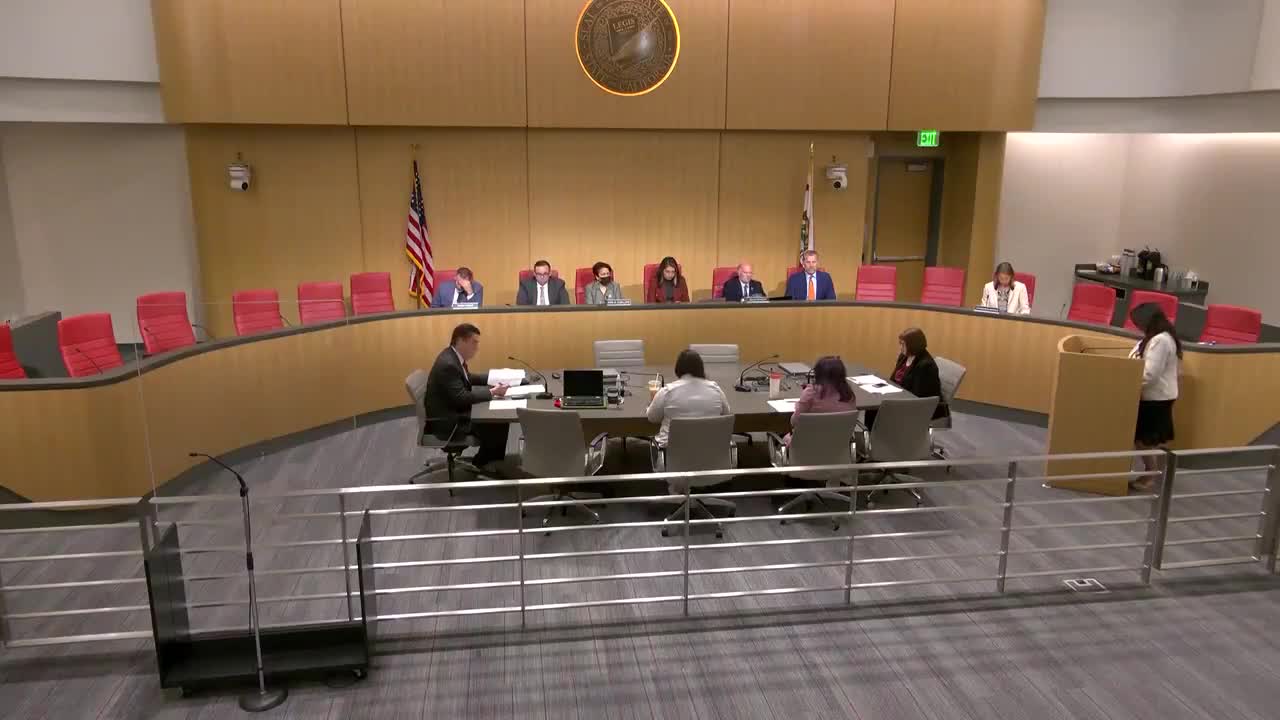 13MIN