AB 348: Full-service partnerships.
- Session Year: 2025-2026
- House: Assembly
- Latest Version Date: 2025-10-13
Current Status:
Passed
(2025-10-13: Chaptered by Secretary of State - Chapter 688, Statutes of 2025.)
Introduced
In Committee
Awaiting First Chamber Vote
Passed First Chamber
In Committee
Awaiting Second Chamber Vote
Passed Second Chamber
Enacted
What does this bill do?
The bill makes certain people with serious mental illness presumptively eligible for county full-service partnership programs — for example, those who are unsheltered homeless, those returning to the community after six months or more in prison, jail, or secured treatment, or those held five or more times on involuntary psychiatric holds (5150) in the past five years. Enrollment must meet clinical criteria and be recommended by a licensed behavioral health clinician; counties may decline enrollment if it would conflict with Medi‑Cal contracts, court orders, or exceed program capacity or funding, and a primary diagnosis of substance use disorder alone cannot be used to deny enrollment.
The summary is provided by generative AI which can make mistakes. For original language, please view the details in the table below.
Existing law, the Mental Health Services Act (MHSA), an initiative measure enacted by the voters as Proposition 63 at the November 2, 2004, statewide general election, funds a system of county mental health plans for the provision of mental health services, as specified. The MHSA establishes the Mental Health Services Fund, a continuously appropriated fund, which is administered by the State Department of Health Care Services (department), to fund specified county mental health programs. Existing law, the Behavioral Health Services Act (BHSA), a legislative act amending the MHSA that was approved by the voters as Proposition 1 at the March 5, 2024, statewide primary election, recast the MHSA by, among other things, renaming the fund to the Behavioral Health Services Fund and reallocating how moneys from that fund may be spent. The BHSA requires each county to establish and administer a full-service partnership program that includes, among other things, outpatient behavioral health services, as specified, and housing interventions.
This bill would establish criteria for an individual with a serious mental illness to be presumptively eligible for a full-service partnership, including, among other things, the person is transitioning to the community after 6 months or more in the state prison or county jail. The bill would specify that a county is not required to enroll an individual who meets that presumptive eligibility criteria if doing so would conflict with contractual Medi-Cal obligations or court orders, or exceed full-service partnership capacity or funding, as specified. The bill would make enrollment of a presumptively eligible individual contingent upon the individual meeting specified criteria and receiving a recommendation for enrollment by a licensed behavioral health clinician, as specified. The bill would prohibit deeming an individual with a serious mental illness ineligible for enrollment in a full-service partnership solely because their primary diagnosis is a substance use disorder. The bill would make these provisions operative on January 1, 2027.
Existing law, the Mental Health Services Act (MHSA), an initiative measure enacted by the voters as Proposition 63 at the November 2, 2004, statewide general election, funds a system of county mental health plans for the provision of mental health services, as specified. The MHSA establishes the Mental Health Services Fund, a continuously appropriated fund, which is administered by the State Department of Health Care Services (department), to fund specified county mental health programs. Existing law, the Behavioral Health Services Act (BHSA), a legislative act amending the MHSA that was approved by the voters as Proposition 1 at the March 5, 2024, statewide primary election, recast the MHSA by, among other things, renaming the fund to the Behavioral Health Services Fund and reallocating how moneys from that fund may be spent. The BHSA requires each county to establish and administer a full-service partnership program that includes, among other things, outpatient behavioral health services, as specified, and housing interventions.
This bill would establish criteria for an individual with a serious mental illness to be presumptively eligible for a full-service partnership, including, among other things, the person is transitioning to the community after 6 months or more in the state prison or county jail. The bill would specify that a county is not required to enroll an individual who meets that presumptive eligibility criteria if doing so would conflict with contractual Medi-Cal obligations or court orders, or exceed full-service partnership capacity or funding, as specified. The bill would make enrollment of a presumptively eligible individual contingent upon the individual meeting specified criteria and receiving a recommendation for enrollment by a licensed behavioral health clinician, as specified. The bill would prohibit deeming an individual with a serious mental illness ineligible for enrollment in a full-service partnership solely because their primary diagnosis is a substance use disorder. The bill would make these provisions operative on January 1, 2027.
Existing law, the Mental Health Services Act (MHSA), an initiative measure enacted by the voters as Proposition 63 at the November 2, 2004, statewide general election, funds a system of county mental health plans for the provision of mental health services, as specified. The MHSA establishes the Mental Health Services Fund, a continuously appropriated fund, which is administered by the State Department of Health Care Services (department), to fund specified county mental health programs. Existing law, the Behavioral Health Services Act (BHSA), a legislative act amending the MHSA that was approved by the voters as Proposition 1 at the March 5, 2024, statewide primary election, recast the MHSA by, among other things, renaming the fund to the Behavioral Health Services Fund and reallocating how moneys from that fund may be spent. The BHSA requires each county to establish and administer a full-service partnership program that includes, among other things, outpatient behavioral health services, as specified, and housing interventions.
This bill would establish criteria for an individual with a serious mental illness to be presumptively eligible for a full-service partnership, including, among other things, the person is transitioning to the community after 6 months or more in the state prison or county jail. The bill would specify that a county is not required to enroll an individual who meets that presumptive eligibility criteria if doing so would conflict with contractual Medi-Cal obligations or court orders, or exceed full-service partnership capacity or funding, as specified. The bill would make enrollment of a presumptively eligible individual contingent upon the individual meeting specified criteria and receiving a recommendation for enrollment by a licensed behavioral health clinician, as specified. The bill would prohibit deeming an individual with a serious mental illness ineligible for enrollment in a full-service partnership solely because their primary diagnosis is a substance use disorder. The bill would make these provisions operative on January 1, 2027.
Existing law, the Mental Health Services Act (MHSA), an initiative measure enacted by the voters as Proposition 63 at the November 2, 2004, statewide general election, funds a system of county mental health plans for the provision of mental health services, as specified. The MHSA establishes the Mental Health Services Fund, a continuously appropriated fund, which is administered by the State Department of Health Care Services (department), to fund specified county mental health programs. Existing law, the Behavioral Health Services Act (BHSA), a legislative act amending the MHSA that was approved by the voters as Proposition 1 at the March 5, 2024, statewide primary election, recast the MHSA by, among other things, renaming the fund to the Behavioral Health Services Fund and reallocating how moneys from that fund may be spent. The BHSA requires each county to establish and administer a full-service partnership program that includes, among other things, outpatient behavioral health services, as specified, and housing interventions.
This bill would establish criteria for an individual with a serious mental illness to be presumptively eligible for a full-service partnership, including, among other things, the person is transitioning to the community after 6 months or more in the state prison or county jail. The bill would specify that a county is not required to enroll an individual who meets that presumptive eligibility criteria if doing so would conflict with contractual Medi-Cal obligations or court orders, or exceed full-service partnership funding. capacity or funding, as specified. The bill would make enrollment of a presumptively eligible individual contingent upon the individual meeting specified criteria and receiving a recommendation for enrollment by a licensed behavioral health clinician, as specified. The bill would prohibit deeming an individual with a serious mental illness ineligible for enrollment in a full-service partnership solely because their primary diagnosis is a substance use disorder.
Existing law, the Mental Health Services Act (MHSA), an initiative measure enacted by the voters as Proposition 63 at the November 2, 2004, statewide general election, funds a system of county mental health plans for the provision of mental health services, as specified. The MHSA establishes the Mental Health Services Fund, a continuously appropriated fund, which is administered by the State Department of Health Care Services (department), to fund specified county mental health programs. Existing law, the Behavioral Health Services Act (BHSA), a legislative act amending the MHSA that was approved by the voters as Proposition 1 at the March 5, 2024, statewide primary election, recast the MHSA by, among other things, renaming the fund to the Behavioral Health Services Fund and reallocating how moneys from that fund may be spent. The BHSA requires each county to establish and administer a full-service partnership program that includes, among other things, outpatient behavioral health services, as specified, and housing interventions.
This bill would establish criteria for an individual with a serious mental illness to be presumptively eligible for a full-service partnership, including, among other things, the person is transitioning to the community after 6 months or more in the state prison or county jail. The bill would specify that a county is not required to enroll an individual who meets that presumptive eligibility criteria if doing so would exceed full-service partnership funding. The bill would prohibit deeming an individual with a serious mental illness ineligible for enrollment in a full-service partnership solely because their primary diagnosis is a substance use disorder.
Existing law, the Mental Health Services Act (MHSA), an initiative measure enacted by the voters as Proposition 63 at the November 2, 2004, statewide general election, funds a system of county mental health plans for the provision of mental health services, as specified. The MHSA establishes the Mental Health Services Fund, a continuously appropriated fund, which is administered by the State Department of Health Care Services (department), to fund specified county mental health programs. Existing law, the Behavioral Health Services Act (BHSA), a legislative act amending the MHSA that was approved by the voters as Proposition 1 at the March 5, 2024, statewide primary election, recast the MHSA by, among other things, renaming the fund to the Behavioral Health Services Fund and reallocating how moneys from that fund may be spent. The BHSA requires each county to establish and administer a full-service partnership program that includes, among other things, outpatient behavioral health services, as specified, and housing interventions.
This bill would establish criteria for an individual with a serious mental illness to be presumptively eligible for a full-service partnership, including, among other things, the person is transitioning to the community after 6 months or more in the state prison or county jail. The bill would specify that a county is not required to enroll an individual who meets that presumptive eligibility criteria if doing so would exceed full-service partnership funding.
The Legislature finds and declares all of the following:
(a)Individuals with serious mental illness face significant barriers to accessing necessary services, which results in adverse health outcomes and system inefficiencies.
(b)High-risk individuals with serious mental illness, including individuals experiencing homelessness, frequent psychiatric crises, or recent transitions from incarceration or institutional settings, are disproportionately affected by gaps in care, which leads to repeated hospitalizations, emergency room visits, and interactions with the criminal justice system.
(c)Full-service partnerships have been shown to improve outcomes for individuals with serious mental illness by providing comprehensive, coordinated care tailored to individual needs.
(d)Establishing presumptive eligibility for high-risk individuals ensures timely access to critical services, which reduces delays that exacerbate mental health crises and system costs.
(e)Presumptive eligibility aligns with Californias goals to improve behavioral health equity, reduce health disparities, and advance whole-person care for individuals with complex needs.
SEC. 2.Section 5887 of the Welfare and Institutions Code is amended to read:5887.(a)Each county shall establish and administer a full-service partnership program that include the following services:
(1)Mental health services, supportive services, and substance use disorder treatment services.
(2)Assertive Community Treatment and Forensic Assertive Community Treatment fidelity, Individual Placement and Support model of Supported Employment, high fidelity wraparound, or other evidence-based services and treatment models, as specified by the State Department of Health Care Services. Counties with a population of less than 200,000 may request an exemption from these requirements. Exemption requests shall be subject to approval by the State Department of Health Care Services. The State Department of Health Care Services shall collaborate with the California State Association of Counties and the County Behavioral Health Directors Association of California on reasonable criteria for those requests and a timely and efficient exemption process.
(3)Assertive field-based initiation for substance use disorder treatment services, including the provision of medications for addiction treatment, as specified by the State Department of Health Care Services.
(4)Outpatient behavioral health services, either clinic or field based, necessary for the ongoing evaluation and stabilization of an enrolled individual.
(5)Ongoing engagement services necessary to maintain enrolled individuals in their treatment plan inclusive of clinical and nonclinical services, including services to support maintaining housing.
(6)Other evidence-based services and treatment models, as specified by the State Department of Health Care Services.
(7)The service planning process pursuant to Sections 5806 or 5868 and all services identified during the applicable process.
(8)Housing interventions pursuant to Section 5830.
(b)(1)(A)Full-service partnership services shall be provided pursuant to a whole-person approach that is trauma informed, age appropriate, and in partnership with families or an individuals natural supports.
(B)These services shall be provided in a streamlined and coordinated manner so as to reduce any barriers to services.
(2)Full-service partnership services shall support the individual in the recovery process, reduce health disparities, and be provided for the length of time identified during the service planning process pursuant to Sections 5806 and 5868.
(c)Full-service partnership programs shall employ community-defined evidence practices, as specified by the State Department of Health Care Services.
(d)(1)Full-service partnership programs shall enroll eligible adults and older adults, as defined in Section 5892, who meet the priority population criteria specified in subdivision (d) of Section 5892 and other criteria, as specified by the State Department of Health Care Services.
(2)Full-service partnership programs shall enroll eligible children and youth, as defined in Section 5892.
(e)Full-service partnership programs shall have an established standard of care with levels based on an individuals acuity and criteria for step-down into the least intensive level of care, as specified by the State Department of Health Care Services, in consultation with the Behavioral Health Services Oversight and Accountability Commission, counties, providers, and other stakeholders.
(f)All behavioral health services, as defined in subdivision (k) of Section 5892, and supportive services provided to a client enrolled in a full-service partnership shall be paid from the funds allocated pursuant to paragraph (2) of subdivision (a) of Section 5892, subject to Section 5891.
(g)(1)The clinical record of each client participating in a full-service partnership program shall describe all services identified during the service planning process pursuant to Sections 5806 and 5868 that are provided to the client pursuant to this section.
(2)The State Department of Health Care Services may develop and revise documentation standards for service planning to be consistent with the standards developed pursuant to paragraph (3) of subdivision (h) of Section 14184.402.
(3)Documentation of the service planning process in the clients clinical record pursuant to paragraph (1) may fulfill the documentation requirements for both the Medi-Cal program and this section.
(h)For purposes of this part, the following definitions shall apply:
(1)Community-defined evidence practices means an alternative or complement to evidence-based practices that offer culturally anchored interventions that reflect the values, practices, histories, and lived-experiences of the communities they serve. These practices come from the community and the organizations that serve them and are found to yield positive results as determined by community consensus over time.
(2)Substance use disorder treatment services means those services as defined in subdivision (c) of Section 5891.5.
(3)Supportive services means those services necessary to support clients recovery and wellness, including, but not limited to, food, clothing, linkages to needed social services, linkages to programs administered by the federal Social Security Administration, vocational and education-related services, employment assistance, including supported employment, psychosocial rehabilitation, family engagement, psychoeducation, transportation assistance, occupational therapy provided by an occupational therapist, and group and individual activities that promote a sense of purpose and community participation.
(i)This section shall be implemented only to the extent that funds are provided from the Behavioral Health Services Fund for purposes of this section. This section does not obligate the counties to use funds from any other source for services pursuant to this section.
(j)This section shall remain in effect only until January 1, 2027, and as of that date is repealed.
SEC. 3.Section 5887 is added to the Welfare and Institutions Code, to read:5887.(a)Each county shall establish and administer a full-service partnership program that include the following services:
(1)Mental health services, supportive services, and substance use disorder treatment services.
(2)Assertive Community Treatment and Forensic Assertive Community Treatment fidelity, Individual Placement and Support model of Supported Employment, high fidelity wraparound, or other evidence-based services and treatment models, as specified by the State Department of Health Care Services. Counties with a population of less than 200,000 may request an exemption from these requirements. Exemption requests shall be subject to approval by the State Department of Health Care Services. The State Department of Health Care Services shall collaborate with the California State Association of Counties and the County Behavioral Health Directors Association of California on reasonable criteria for those requests and a timely and efficient exemption process.
(3)Assertive field-based initiation for substance use disorder treatment services, including the provision of medications for addiction treatment, as specified by the State Department of Health Care Services.
(4)Outpatient behavioral health services, either clinic or field based, necessary for the ongoing evaluation and stabilization of an enrolled individual.
(5)Ongoing engagement services necessary to maintain enrolled individuals in their treatment plan inclusive of clinical and nonclinical services, including services to support maintaining housing.
(6)Other evidence-based services and treatment models, as specified by the State Department of Health Care Services.
(7)The service planning process pursuant to Sections 5806 or 5868 and all services identified during the applicable process.
(8)Housing interventions pursuant to Section 5830.
(b)(1)(A)Full-service partnership services shall be provided pursuant to a whole-person approach that is trauma informed, age appropriate, and in partnership with families or an individuals natural supports.
(B)These services shall be provided in a streamlined and coordinated manner so as to reduce any barriers to services.
(2)Full-service partnership services shall support the individual in the recovery process, reduce health disparities, and be provided for the length of time identified during the service planning process pursuant to Sections 5806 and 5868.
(c)Full-service partnership programs shall employ community-defined evidence practices, as specified by the State Department of Health Care Services.
(d)(1)(A)Full-service partnership programs shall enroll eligible adults and older adults, as defined in Section 5892, who meet the priority population criteria specified in subdivision (d) of Section 5892 and other criteria, as specified by the State Department of Health Care Services.
(B)Full-service partnership programs shall enroll eligible children and youth, as defined in Section 5892.
(2)(A)An individual with a serious mental illness is presumptively eligible for a full-service partnership if they meet one or more of the following criteria:
(i)Is currently experiencing unsheltered homelessness as described in Section 91.5 of Title 24 of the Code of Federal Regulations.
(ii)Is transitioning to the community after six months or more in a secured treatment or residential setting, including, but not limited to, a mental health rehabilitation center, institution for mental disease, or secured skilled nursing facility.
(iii)Has been detained five or more times pursuant to Section 5150 over the last five years.
(iv)Is transitioning to the community after six months or more in the state prison or county jail.
(B)A county is not required to enroll an individual who meets the presumptive eligibility criteria in subparagraph (A) if doing so would conflict with contractual Medi-Cal obligations or court orders, or exceed full-service partnership capacity or funding pursuant to Section 5892.
(C)Enrollment of a presumptively eligible individual pursuant to subparagraph (A) shall be contingent upon both of the following:
(i)The individual meets the criteria established pursuant to subdivision (e).
(ii)The individual receives a recommendation by a licensed behavioral health clinician who, after assessing the individuals mental health needs, finds enrollment appropriate. This recommendation shall be documented in the individuals clinical record.
(3)An individual with a serious mental illness shall not be deemed ineligible for enrollment in a full-service partnership solely because their primary diagnosis is a substance use disorder.
(e)Full-service partnership programs shall have an established standard of care with levels based on an individuals acuity and criteria for step-down into the least intensive level of care, as specified by the State Department of Health Care Services, in consultation with the Behavioral Health Services Oversight and Accountability Commission, counties, providers, and other stakeholders.
(f)All behavioral health services, as defined in subdivision (k) of Section 5892, and supportive services provided to a client enrolled in a full-service partnership shall be paid from the funds allocated pursuant to paragraph (2) of subdivision (a) of Section 5892, subject to Section 5891.
(g)(1)The clinical record of each client participating in a full-service partnership program shall describe all services identified during the service planning process pursuant to Sections 5806 and 5868 that are provided to the client pursuant to this section.
(2)The State Department of Health Care Services may develop and revise documentation standards for service planning to be consistent with the standards developed pursuant to paragraph (3) of subdivision (h) of Section 14184.402.
(3)Documentation of the service planning process in the clients clinical record pursuant to paragraph (1) may fulfill the documentation requirements for both the Medi-Cal program and this section.
(h)For purposes of this part, the following definitions shall apply:
(1)Community-defined evidence practices means an alternative or complement to evidence-based practices that offer culturally anchored interventions that reflect the values, practices, histories, and lived-experiences of the communities they serve. These practices come from the community and the organizations that serve them and are found to yield positive results as determined by community consensus over time.
(2)Substance use disorder treatment services means those services as defined in subdivision (c) of Section 5891.5.
(3)Supportive services means those services necessary to support clients recovery and wellness, including, but not limited to, food, clothing, linkages to needed social services, linkages to programs administered by the federal Social Security Administration, vocational and education-related services, employment assistance, including supported employment, psychosocial rehabilitation, family engagement, psychoeducation, transportation assistance, occupational therapy provided by an occupational therapist, and group and individual activities that promote a sense of purpose and community participation.
(i)This section shall be implemented only to the extent that funds are provided from the Behavioral Health Services Fund for purposes of this section. This section does not obligate the counties to use funds from any other source for services pursuant to this section.
(j)This section shall become operative on January 1, 2027.
The Legislature finds and declares all of the following:
(a)Individuals with serious mental illness face significant barriers to accessing necessary services, which results in adverse health outcomes and system inefficiencies.
(b)High-risk individuals with serious mental illness, including individuals experiencing homelessness, frequent psychiatric crises, or recent transitions from incarceration or institutional settings, are disproportionately affected by gaps in care, which leads to repeated hospitalizations, emergency room visits, and interactions with the criminal justice system.
(c)Full-service partnerships have been shown to improve outcomes for individuals with serious mental illness by providing comprehensive, coordinated care tailored to individual needs.
(d)Establishing presumptive eligibility for high-risk individuals ensures timely access to critical services, which reduces delays that exacerbate mental health crises and system costs.
(e)Presumptive eligibility aligns with Californias goals to improve behavioral health equity, reduce health disparities, and advance whole-person care for individuals with complex needs.
SEC. 2.Section 5887 of the Welfare and Institutions Code is amended to read:5887.(a)Each county shall establish and administer a full-service partnership program that include the following services:
(1)Mental health services, supportive services, and substance use disorder treatment services.
(2)Assertive Community Treatment and Forensic Assertive Community Treatment fidelity, Individual Placement and Support model of Supported Employment, high fidelity wraparound, or other evidence-based services and treatment models, as specified by the State Department of Health Care Services. Counties with a population of less than 200,000 may request an exemption from these requirements. Exemption requests shall be subject to approval by the State Department of Health Care Services. The State Department of Health Care Services shall collaborate with the California State Association of Counties and the County Behavioral Health Directors Association of California on reasonable criteria for those requests and a timely and efficient exemption process.
(3)Assertive field-based initiation for substance use disorder treatment services, including the provision of medications for addiction treatment, as specified by the State Department of Health Care Services.
(4)Outpatient behavioral health services, either clinic or field based, necessary for the ongoing evaluation and stabilization of an enrolled individual.
(5)Ongoing engagement services necessary to maintain enrolled individuals in their treatment plan inclusive of clinical and nonclinical services, including services to support maintaining housing.
(6)Other evidence-based services and treatment models, as specified by the State Department of Health Care Services.
(7)The service planning process pursuant to Sections 5806 or 5868 and all services identified during the applicable process.
(8)Housing interventions pursuant to Section 5830.
(b)(1)(A)Full-service partnership services shall be provided pursuant to a whole-person approach that is trauma informed, age appropriate, and in partnership with families or an individuals natural supports.
(B)These services shall be provided in a streamlined and coordinated manner so as to reduce any barriers to services.
(2)Full-service partnership services shall support the individual in the recovery process, reduce health disparities, and be provided for the length of time identified during the service planning process pursuant to Sections 5806 and 5868.
(c)Full-service partnership programs shall employ community-defined evidence practices, as specified by the State Department of Health Care Services.
(d)(1)Full-service partnership programs shall enroll eligible adults and older adults, as defined in Section 5892, who meet the priority population criteria specified in subdivision (d) of Section 5892 and other criteria, as specified by the State Department of Health Care Services.
(2)Full-service partnership programs shall enroll eligible children and youth, as defined in Section 5892.
(e)Full-service partnership programs shall have an established standard of care with levels based on an individuals acuity and criteria for step-down into the least intensive level of care, as specified by the State Department of Health Care Services, in consultation with the Behavioral Health Services Oversight and Accountability Commission, counties, providers, and other stakeholders.
(f)All behavioral health services, as defined in subdivision (k) of Section 5892, and supportive services provided to a client enrolled in a full-service partnership shall be paid from the funds allocated pursuant to paragraph (2) of subdivision (a) of Section 5892, subject to Section 5891.
(g)(1)The clinical record of each client participating in a full-service partnership program shall describe all services identified during the service planning process pursuant to Sections 5806 and 5868 that are provided to the client pursuant to this section.
(2)The State Department of Health Care Services may develop and revise documentation standards for service planning to be consistent with the standards developed pursuant to paragraph (3) of subdivision (h) of Section 14184.402.
(3)Documentation of the service planning process in the clients clinical record pursuant to paragraph (1) may fulfill the documentation requirements for both the Medi-Cal program and this section.
(h)For purposes of this part, the following definitions shall apply:
(1)Community-defined evidence practices means an alternative or complement to evidence-based practices that offer culturally anchored interventions that reflect the values, practices, histories, and lived-experiences of the communities they serve. These practices come from the community and the organizations that serve them and are found to yield positive results as determined by community consensus over time.
(2)Substance use disorder treatment services means those services as defined in subdivision (c) of Section 5891.5.
(3)Supportive services means those services necessary to support clients recovery and wellness, including, but not limited to, food, clothing, linkages to needed social services, linkages to programs administered by the federal Social Security Administration, vocational and education-related services, employment assistance, including supported employment, psychosocial rehabilitation, family engagement, psychoeducation, transportation assistance, occupational therapy provided by an occupational therapist, and group and individual activities that promote a sense of purpose and community participation.
(i)This section shall be implemented only to the extent that funds are provided from the Behavioral Health Services Fund for purposes of this section. This section does not obligate the counties to use funds from any other source for services pursuant to this section.
(j)This section shall remain in effect only until January 1, 2027, and as of that date is repealed.
SEC. 3.Section 5887 is added to the Welfare and Institutions Code, to read:5887.(a)Each county shall establish and administer a full-service partnership program that include the following services:
(1)Mental health services, supportive services, and substance use disorder treatment services.
(2)Assertive Community Treatment and Forensic Assertive Community Treatment fidelity, Individual Placement and Support model of Supported Employment, high fidelity wraparound, or other evidence-based services and treatment models, as specified by the State Department of Health Care Services. Counties with a population of less than 200,000 may request an exemption from these requirements. Exemption requests shall be subject to approval by the State Department of Health Care Services. The State Department of Health Care Services shall collaborate with the California State Association of Counties and the County Behavioral Health Directors Association of California on reasonable criteria for those requests and a timely and efficient exemption process.
(3)Assertive field-based initiation for substance use disorder treatment services, including the provision of medications for addiction treatment, as specified by the State Department of Health Care Services.
(4)Outpatient behavioral health services, either clinic or field based, necessary for the ongoing evaluation and stabilization of an enrolled individual.
(5)Ongoing engagement services necessary to maintain enrolled individuals in their treatment plan inclusive of clinical and nonclinical services, including services to support maintaining housing.
(6)Other evidence-based services and treatment models, as specified by the State Department of Health Care Services.
(7)The service planning process pursuant to Sections 5806 or 5868 and all services identified during the applicable process.
(8)Housing interventions pursuant to Section 5830.
(b)(1)(A)Full-service partnership services shall be provided pursuant to a whole-person approach that is trauma informed, age appropriate, and in partnership with families or an individuals natural supports.
(B)These services shall be provided in a streamlined and coordinated manner so as to reduce any barriers to services.
(2)Full-service partnership services shall support the individual in the recovery process, reduce health disparities, and be provided for the length of time identified during the service planning process pursuant to Sections 5806 and 5868.
(c)Full-service partnership programs shall employ community-defined evidence practices, as specified by the State Department of Health Care Services.
(d)(1)(A)Full-service partnership programs shall enroll eligible adults and older adults, as defined in Section 5892, who meet the priority population criteria specified in subdivision (d) of Section 5892 and other criteria, as specified by the State Department of Health Care Services.
(B)Full-service partnership programs shall enroll eligible children and youth, as defined in Section 5892.
(2)(A)An individual with a serious mental illness is presumptively eligible for a full-service partnership if they meet one or more of the following criteria:
(i)Is currently experiencing unsheltered homelessness as described in Section 91.5 of Title 24 of the Code of Federal Regulations.
(ii)Is transitioning to the community after six months or more in a secured treatment or residential setting, including, but not limited to, a mental health rehabilitation center, institution for mental disease, or secured skilled nursing facility.
(iii)Has been detained five or more times pursuant to Section 5150 over the last five years.
(iv)Is transitioning to the community after six months or more in the state prison or county jail.
(B)A county is not required to enroll an individual who meets the presumptive eligibility criteria in subparagraph (A) if doing so would conflict with contractual Medi-Cal obligations or court orders, or exceed full-service partnership capacity or funding pursuant to Section 5892.
(C)Enrollment of a presumptively eligible individual pursuant to subparagraph (A) shall be contingent upon both of the following:
(i)The individual meets the criteria established pursuant to subdivision (e).
(ii)The individual receives a recommendation by a licensed behavioral health clinician who, after assessing the individuals mental health needs, finds enrollment appropriate. This recommendation shall be documented in the individuals clinical record.
(3)An individual with a serious mental illness shall not be deemed ineligible for enrollment in a full-service partnership solely because their primary diagnosis is a substance use disorder.
(e)Full-service partnership programs shall have an established standard of care with levels based on an individuals acuity and criteria for step-down into the least intensive level of care, as specified by the State Department of Health Care Services, in consultation with the Behavioral Health Services Oversight and Accountability Commission, counties, providers, and other stakeholders.
(f)All behavioral health services, as defined in subdivision (k) of Section 5892, and supportive services provided to a client enrolled in a full-service partnership shall be paid from the funds allocated pursuant to paragraph (2) of subdivision (a) of Section 5892, subject to Section 5891.
(g)(1)The clinical record of each client participating in a full-service partnership program shall describe all services identified during the service planning process pursuant to Sections 5806 and 5868 that are provided to the client pursuant to this section.
(2)The State Department of Health Care Services may develop and revise documentation standards for service planning to be consistent with the standards developed pursuant to paragraph (3) of subdivision (h) of Section 14184.402.
(3)Documentation of the service planning process in the clients clinical record pursuant to paragraph (1) may fulfill the documentation requirements for both the Medi-Cal program and this section.
(h)For purposes of this part, the following definitions shall apply:
(1)Community-defined evidence practices means an alternative or complement to evidence-based practices that offer culturally anchored interventions that reflect the values, practices, histories, and lived-experiences of the communities they serve. These practices come from the community and the organizations that serve them and are found to yield positive results as determined by community consensus over time.
(2)Substance use disorder treatment services means those services as defined in subdivision (c) of Section 5891.5.
(3)Supportive services means those services necessary to support clients recovery and wellness, including, but not limited to, food, clothing, linkages to needed social services, linkages to programs administered by the federal Social Security Administration, vocational and education-related services, employment assistance, including supported employment, psychosocial rehabilitation, family engagement, psychoeducation, transportation assistance, occupational therapy provided by an occupational therapist, and group and individual activities that promote a sense of purpose and community participation.
(i)This section shall be implemented only to the extent that funds are provided from the Behavioral Health Services Fund for purposes of this section. This section does not obligate the counties to use funds from any other source for services pursuant to this section.
(j)This section shall become operative on January 1, 2027.
The Legislature finds and declares all of the following:
(a)Individuals with serious mental illness face significant barriers to accessing necessary services, which results in adverse health outcomes and system inefficiencies.
(b)High-risk individuals with serious mental illness, including individuals experiencing homelessness, frequent psychiatric crises, or recent transitions from incarceration or institutional settings, are disproportionately affected by gaps in care, which leads to repeated hospitalizations, emergency room visits, and interactions with the criminal justice system.
(c)Full-service partnerships have been shown to improve outcomes for individuals with serious mental illness by providing comprehensive, coordinated care tailored to individual needs.
(d)Establishing presumptive eligibility for high-risk individuals ensures timely access to critical services, which reduces delays that exacerbate mental health crises and system costs.
(e)Presumptive eligibility aligns with Californias goals to improve behavioral health equity, reduce health disparities, and advance whole-person care for individuals with complex needs.
SEC. 2.Section 5887 of the Welfare and Institutions Code is amended to read:5887.(a)Each county shall establish and administer a full-service partnership program that include the following services:(1)Mental health services, supportive services, and substance use disorder treatment services.(2)Assertive Community Treatment and Forensic Assertive Community Treatment fidelity, Individual Placement and Support model of Supported Employment, high fidelity wraparound, or other evidence-based services and treatment models, as specified by the State Department of Health Care Services. Counties with a population of less than 200,000 may request an exemption from these requirements. Exemption requests shall be subject to approval by the State Department of Health Care Services. The State Department of Health Care Services shall collaborate with the California State Association of Counties and the County Behavioral Health Directors Association of California on reasonable criteria for those requests and a timely and efficient exemption process.(3)Assertive field-based initiation for substance use disorder treatment services, including the provision of medications for addiction treatment, as specified by the State Department of Health Care Services.(4)Outpatient behavioral health services, either clinic or field based, necessary for the ongoing evaluation and stabilization of an enrolled individual.(5)Ongoing engagement services necessary to maintain enrolled individuals in their treatment plan inclusive of clinical and nonclinical services, including services to support maintaining housing.(6)Other evidence-based services and treatment models, as specified by the State Department of Health Care Services.(7)The service planning process pursuant to Sections 5806 or 5868 and all services identified during the applicable process.(8)Housing interventions pursuant to Section 5830.(b)(1)(A)Full-service partnership services shall be provided pursuant to a whole-person approach that is trauma informed, age appropriate, and in partnership with families or an individuals natural supports.(B)These services shall be provided in a streamlined and coordinated manner so as to reduce any barriers to services.(2)Full-service partnership services shall support the individual in the recovery process, reduce health disparities, and be provided for the length of time identified during the service planning process pursuant to Sections 5806 and 5868.(c)Full-service partnership programs shall employ community-defined evidence practices, as specified by the State Department of Health Care Services.(d)(1)(A)Full-service partnership programs shall enroll eligible adults and older adults, as defined in Section 5892, who meet the priority population criteria specified in subdivision (d) of Section 5892 and other criteria, as specified by the State Department of Health Care Services.(B)Full-service partnership programs shall enroll eligible children and youth, as defined in Section 5892.(2)(A)An individual with a serious mental illness is presumptively eligible for a full-service partnership if they meet one or more of the following criteria:(i)Is currently experiencing unsheltered homelessness as described in Section 91.5 of Title 24 of the Code of Federal Regulations.(ii)Is transitioning to the community after six months or more in a secured treatment or residential setting, including, but not limited to, a mental health rehabilitation center, institution for mental disease, or secured skilled nursing facility.(iii)Has been detained five or more times pursuant to Section 5150 over the last five years.(iv)Is transitioning to the community after six months or more in the state prison or county jail.(B)A county is not required to enroll an individual who meets the presumptive eligibility criteria in subparagraph (A) if doing so would conflict with contractual Medi-Cal obligations or court orders, or exceed full-service partnership capacity or funding pursuant to Section 5892.(C)Enrollment of a presumptively eligible individual pursuant to subparagraph (A) shall be contingent upon both of the following:(i)The individual meets the criteria established pursuant to subdivision (e).(ii)The individual receives a recommendation by a licensed behavioral health clinician who, after assessing the individuals mental health needs, finds enrollment appropriate. This recommendation shall be documented in the individuals clinical record.(3)An individual with a serious mental illness shall not be deemed ineligible for enrollment in a full-service partnership solely because their primary diagnosis is a substance use disorder.(e)Full-service partnership programs shall have an established standard of care with levels based on an individuals acuity and criteria for step-down into the least intensive level of care, as specified by the State Department of Health Care Services, in consultation with the Behavioral Health Services Oversight and Accountability Commission, counties, providers, and other stakeholders.(f)All behavioral health services, as defined in subdivision (k) of Section 5892, and supportive services provided to a client enrolled in a full-service partnership shall be paid from the funds allocated pursuant to paragraph (2) of subdivision (a) of Section 5892, subject to Section 5891.(g)(1)The clinical record of each client participating in a full-service partnership program shall describe all services identified during the service planning process pursuant to Sections 5806 and 5868 that are provided to the client pursuant to this section.(2)The State Department of Health Care Services may develop and revise documentation standards for service planning to be consistent with the standards developed pursuant to paragraph (3) of subdivision (h) of Section 14184.402.(3)Documentation of the service planning process in the clients clinical record pursuant to paragraph (1) may fulfill the documentation requirements for both the Medi-Cal program and this section.(h)For purposes of this part, the following definitions shall apply:(1)Community-defined evidence practices means an alternative or complement to evidence-based practices that offer culturally anchored interventions that reflect the values, practices, histories, and lived-experiences of the communities they serve. These practices come from the community and the organizations that serve them and are found to yield positive results as determined by community consensus over time.(2)Substance use disorder treatment services means those services as defined in subdivision (c) of Section 5891.5.(3)Supportive services means those services necessary to support clients recovery and wellness, including, but not limited to, food, clothing, linkages to needed social services, linkages to programs administered by the federal Social Security Administration, vocational and education-related services, employment assistance, including supported employment, psychosocial rehabilitation, family engagement, psychoeducation, transportation assistance, occupational therapy provided by an occupational therapist, and group and individual activities that promote a sense of purpose and community participation.(i)This section shall be implemented only to the extent that funds are provided from the Behavioral Health Services Fund for purposes of this section. This section does not obligate the counties to use funds from any other source for services pursuant to this section.SEC. 2.Section 5887 of the Welfare and Institutions Code is amended to read:5887.(a)Each county shall establish and administer a full service full-service partnership program that include the following services:
(1)Mental health services, supportive services, and substance use disorder treatment services.
(2)Assertive Community Treatment and Forensic Assertive Community Treatment fidelity, Individual Placement and Support model of Supported Employment, high fidelity wraparound, or other evidence-based services and treatment models, as specified by the State Department of Health Care Services. Counties with a population of less than 200,000 may request an exemption from these requirements. Exemption requests shall be subject to approval by the State Department of Health Care Services. The State Department of Health Care Services shall collaborate with the California State Association of Counties and the County Behavioral Health Directors Association of California on reasonable criteria for those requests and a timely and efficient exemption process.
(3)Assertive field-based initiation for substance use disorder treatment services, including the provision of medications for addiction treatment, as specified by the State Department of Health Care Services.
(4)Outpatient behavioral health services, either clinic or field based, necessary for the ongoing evaluation and stabilization of an enrolled individual.
(5)Ongoing engagement services necessary to maintain enrolled individuals in their treatment plan inclusive of clinical and nonclinical services, including services to support maintaining housing.
(6)Other evidence-based services and treatment models, as specified by the State Department of Health Care Services.
(7)The service planning process pursuant to Sections 5806 or 5868 and all services identified during the applicable process.
(8)Housing interventions pursuant to Section 5830.
(b)(1)(A)Full-service partnership services shall be provided pursuant to a whole-person approach that is trauma informed, age appropriate, and in partnership with families or an individuals natural supports.
(B)These services shall be provided in a streamlined and coordinated manner so as to reduce any barriers to services.
(2)Full-service partnership services shall support the individual in the recovery process, reduce health disparities, and be provided for the length of time identified during the service planning process pursuant to Sections 5806 and 5868.
(c)Full-service partnership programs shall employ community-defined evidence practices, as specified by the State Department of Health Care Services.
(d)(1)Full-service partnership programs shall enroll eligible adults and older adults, as defined in Section 5892, who meet the priority population criteria specified in subdivision (c) (d) of Section 5892 and other criteria, as specified by the State Department of Health Care Services.
(2)Full-service partnership programs shall enroll eligible children and youth, as defined in Section 5892.
(e)Full-service partnership programs shall have an established standard of care with levels based on an individuals acuity and criteria for step-down into the least intensive level of care, as specified by the State Department of Health Care Services, in consultation with the Behavioral Health Services Oversight and Accountability Commission, counties, providers, and other stakeholders.
(f)All behavioral health services, as defined in subdivision (j) (k) of Section 5891.5, 5892, and supportive services provided to a client enrolled in a full-service partnership shall be paid from the funds allocated pursuant to paragraph (2) of subdivision (a) of Section 5892, subject to Section 5891.
(g)(1)The clinical record of each client participating in a full service full-service partnership program shall describe all services identified during the service planning process pursuant to Sections 5806 and 5868 that are provided to the client pursuant to this section.
(2)The State Department of Health Care Services may develop and revise documentation standards for service planning to be consistent with the standards developed pursuant to paragraph (3) of subdivision (h) of Section 14184.402.
(3)Documentation of the service planning process in the clients clinical record pursuant to paragraph (1) may fulfill the documentation requirements for both the Medi-Cal program and this section.
(h)For purposes of this part, the following definitions shall apply:
(1)Community-defined evidence practices means an alternative or complement to evidence-based practices, practices that offer culturally anchored interventions that reflect the values, practices, histories, and lived-experiences of the communities they serve. These practices come from the community and the organizations that serve them and are found to yield positive results as determined by community consensus over time.
(2)Substance use disorder treatment services means those services as defined in subdivision (c) of Section 5891.5.
(3)Supportive services means those services necessary to support clients recovery and wellness, including, but not limited to, food, clothing, linkages to needed social services, linkages to programs administered by the federal Social Security Administration, vocational and education-related services, employment assistance, including supported employment, psychosocial rehabilitation, family engagement, psychoeducation, transportation assistance, occupational therapy provided by an occupational therapist, and group and individual activities that promote a sense of purpose and community participation.
(i)This section shall be implemented only to the extent that funds are provided from the Behavioral Health Services Fund for purposes of this section. This section does not obligate the counties to use funds from any other source for services pursuant to this section.
(j)This section shall remain in effect only until January 1, 2027, and as of that date is repealed.
SEC. 3.Section 5887 is added to the Welfare and Institutions Code, to read:5887.(a)Each county shall establish and administer a full-service partnership program that include the following services:
(1)Mental health services, supportive services, and substance use disorder treatment services.
(2)Assertive Community Treatment and Forensic Assertive Community Treatment fidelity, Individual Placement and Support model of Supported Employment, high fidelity wraparound, or other evidence-based services and treatment models, as specified by the State Department of Health Care Services. Counties with a population of less than 200,000 may request an exemption from these requirements. Exemption requests shall be subject to approval by the State Department of Health Care Services. The State Department of Health Care Services shall collaborate with the California State Association of Counties and the County Behavioral Health Directors Association of California on reasonable criteria for those requests and a timely and efficient exemption process.
(3)Assertive field-based initiation for substance use disorder treatment services, including the provision of medications for addiction treatment, as specified by the State Department of Health Care Services.
(4)Outpatient behavioral health services, either clinic or field based, necessary for the ongoing evaluation and stabilization of an enrolled individual.
(5)Ongoing engagement services necessary to maintain enrolled individuals in their treatment plan inclusive of clinical and nonclinical services, including services to support maintaining housing.
(6)Other evidence-based services and treatment models, as specified by the State Department of Health Care Services.
(7)The service planning process pursuant to Sections 5806 or 5868 and all services identified during the applicable process.
(8)Housing interventions pursuant to Section 5830.
(b)(1)(A)Full-service partnership services shall be provided pursuant to a whole-person approach that is trauma informed, age appropriate, and in partnership with families or an individuals natural supports.
(B)These services shall be provided in a streamlined and coordinated manner so as to reduce any barriers to services.
(2)Full-service partnership services shall support the individual in the recovery process, reduce health disparities, and be provided for the length of time identified during the service planning process pursuant to Sections 5806 and 5868.
(c)Full-service partnership programs shall employ community-defined evidence practices, as specified by the State Department of Health Care Services.
(d)(1)(A)Full-service partnership programs shall enroll eligible adults and older adults, as defined in Section 5892, who meet the priority population criteria specified in subdivision (d) of Section 5892 and other criteria, as specified by the State Department of Health Care Services.
(B)Full-service partnership programs shall enroll eligible children and youth, as defined in Section 5892.
(2)(A)An individual with a serious mental illness is presumptively eligible for a full-service partnership if they meet one or more of the following criteria:
(i)Is currently experiencing unsheltered homelessness as described in Section 91.5 of Title 24 of the Code of Federal Regulations.
(ii)Is transitioning to the community after six months or more in a secured treatment or residential setting, including, but not limited to, a mental health rehabilitation center, institution for mental disease, or secured skilled nursing facility.
(iii)Has been detained five or more times pursuant to Section 5150 over the last five years.
(iv)Is transitioning to the community after six months or more in the state prison or county jail.
(B)A county is not required to enroll an individual who meets the presumptive eligibility criteria in subparagraph (A) if doing so would conflict with contractual Medi-Cal obligations or court orders, or exceed full-service partnership capacity or funding pursuant to Section 5892.
(C)Enrollment of a presumptively eligible individual pursuant to subparagraph (A) shall be contingent upon both of the following:
(i)The individual meets the criteria established pursuant to subdivision (e).
(ii)The individual receives a recommendation by a licensed behavioral health clinician who, after assessing the individuals mental health needs, finds enrollment appropriate. This recommendation shall be documented in the individuals clinical record.
(3)An individual with a serious mental illness shall not be deemed ineligible for enrollment in a full-service partnership solely because their primary diagnosis is a substance use disorder.
(e)Full-service partnership programs shall have an established standard of care with levels based on an individuals acuity and criteria for step-down into the least intensive level of care, as specified by the State Department of Health Care Services, in consultation with the Behavioral Health Services Oversight and Accountability Commission, counties, providers, and other stakeholders.
(f)All behavioral health services, as defined in subdivision (k) of Section 5892, and supportive services provided to a client enrolled in a full-service partnership shall be paid from the funds allocated pursuant to paragraph (2) of subdivision (a) of Section 5892, subject to Section 5891.
(g)(1)The clinical record of each client participating in a full-service partnership program shall describe all services identified during the service planning process pursuant to Sections 5806 and 5868 that are provided to the client pursuant to this section.
(2)The State Department of Health Care Services may develop and revise documentation standards for service planning to be consistent with the standards developed pursuant to paragraph (3) of subdivision (h) of Section 14184.402.
(3)Documentation of the service planning process in the clients clinical record pursuant to paragraph (1) may fulfill the documentation requirements for both the Medi-Cal program and this section.
(h)For purposes of this part, the following definitions shall apply:
(1)Community-defined evidence practices means an alternative or complement to evidence-based practices that offer culturally anchored interventions that reflect the values, practices, histories, and lived-experiences of the communities they serve. These practices come from the community and the organizations that serve them and are found to yield positive results as determined by community consensus over time.
(2)Substance use disorder treatment services means those services as defined in subdivision (c) of Section 5891.5.
(3)Supportive services means those services necessary to support clients recovery and wellness, including, but not limited to, food, clothing, linkages to needed social services, linkages to programs administered by the federal Social Security Administration, vocational and education-related services, employment assistance, including supported employment, psychosocial rehabilitation, family engagement, psychoeducation, transportation assistance, occupational therapy provided by an occupational therapist, and group and individual activities that promote a sense of purpose and community participation.
(i)This section shall be implemented only to the extent that funds are provided from the Behavioral Health Services Fund for purposes of this section. This section does not obligate the counties to use funds from any other source for services pursuant to this section.
(j)This section shall become operative on January 1, 2027.
The Legislature finds and declares all of the following:
(a)Individuals with serious mental illness face significant barriers to accessing necessary services, which results in adverse health outcomes and system inefficiencies.
(b)High-risk individuals with serious mental illness, including individuals experiencing homelessness, frequent psychiatric crises, or recent transitions from incarceration or institutional settings, are disproportionately affected by gaps in care, which leads to repeated hospitalizations, emergency room visits, and interactions with the criminal justice system.
(c)Full-service partnerships have been shown to improve outcomes for individuals with serious mental illness by providing comprehensive, coordinated care tailored to individual needs.
(d)Establishing presumptive eligibility for high-risk individuals ensures timely access to critical services, which reduces delays that exacerbate mental health crises and system costs.
(e)Presumptive eligibility aligns with Californias goals to improve behavioral health equity, reduce health disparities, and advance whole-person care for individuals with complex needs.
SEC. 2.Section 5887 of the Welfare and Institutions Code is amended to read:5887.(a)Each county shall establish and administer a full-service partnership program that include the following services:
(1)Mental health services, supportive services, and substance use disorder treatment services.
(2)Assertive Community Treatment and Forensic Assertive Community Treatment fidelity, Individual Placement and Support model of Supported Employment, high fidelity wraparound, or other evidence-based services and treatment models, as specified by the State Department of Health Care Services. Counties with a population of less than 200,000 may request an exemption from these requirements. Exemption requests shall be subject to approval by the State Department of Health Care Services. The State Department of Health Care Services shall collaborate with the California State Association of Counties and the County Behavioral Health Directors Association of California on reasonable criteria for those requests and a timely and efficient exemption process.
(3)Assertive field-based initiation for substance use disorder treatment services, including the provision of medications for addiction treatment, as specified by the State Department of Health Care Services.
(4)Outpatient behavioral health services, either clinic or field based, necessary for the ongoing evaluation and stabilization of an enrolled individual.
(5)Ongoing engagement services necessary to maintain enrolled individuals in their treatment plan inclusive of clinical and nonclinical services, including services to support maintaining housing.
(6)Other evidence-based services and treatment models, as specified by the State Department of Health Care Services.
(7)The service planning process pursuant to Sections 5806 or 5868 and all services identified during the applicable process.
(8)Housing interventions pursuant to Section 5830.
(b)(1)(A)Full-service partnership services shall be provided pursuant to a whole-person approach that is trauma informed, age appropriate, and in partnership with families or an individuals natural supports.
(B)These services shall be provided in a streamlined and coordinated manner so as to reduce any barriers to services.
(2)Full-service partnership services shall support the individual in the recovery process, reduce health disparities, and be provided for the length of time identified during the service planning process pursuant to Sections 5806 and 5868.
(c)Full-service partnership programs shall employ community-defined evidence practices, as specified by the State Department of Health Care Services.
(d)(1)(A)Full-service partnership programs shall enroll eligible adults and older adults, as defined in Section 5892, who meet the priority population criteria specified in subdivision (d) of Section 5892 and other criteria, as specified by the State Department of Health Care Services.
(B)Full-service partnership programs shall enroll eligible children and youth, as defined in Section 5892.
(2)(A)An individual with a serious mental illness is presumptively eligible for a full-service partnership if they meet one or more of the following criteria:
(i)Is currently experiencing unsheltered homelessness as described in Section 91.5 of Title 24 of the Code of Federal Regulations.
(ii)Is transitioning to the community after six months or more in a secured treatment or residential setting, including, but not limited to, a mental health rehabilitation center, institution for mental disease, or secured skilled nursing facility, or out-of-county placement. facility.
(iii)Has experienced two or more emergency department visits related to a serious mental illness or a psychiatric event in the last six months.(iii)Has been detained five or more times pursuant to Section 5150 over the last five years.
(iv)Is transitioning to the community after six months or more in the state prison or county jail.
(v)Has experienced two or more arrests in the last six months.(B)A county is not required to enroll an individual who meets the presumptive eligibility criteria in subparagraph (A) if doing so would conflict with contractual Medi-Cal obligations or court orders, or exceed full-service partnership capacity or funding pursuant to Section 5892.
(C)Enrollment of a presumptively eligible individual pursuant to subparagraph (A) shall be contingent upon both of the following:
(i)The individual meets the criteria established pursuant to subdivision (e).
(ii)The individual receives a recommendation by a licensed behavioral health clinician who, after assessing the individuals mental health needs, finds enrollment appropriate. This recommendation shall be documented in the individuals clinical record.
(3)An individual with a serious mental illness shall not be deemed ineligible for enrollment in a full-service partnership solely because their primary diagnosis is a substance use disorder.
(e)Full-service partnership programs shall have an established standard of care with levels based on an individuals acuity and criteria for step-down into the least intensive level of care, as specified by the State Department of Health Care Services, in consultation with the Behavioral Health Services Oversight and Accountability Commission, counties, providers, and other stakeholders.
(f)All behavioral health services, as defined in subdivision (k) of Section 5892, and supportive services provided to a client enrolled in a full-service partnership shall be paid from the funds allocated pursuant to paragraph (2) of subdivision (a) of Section 5892, subject to Section 5891.
(g)(1)The clinical record of each client participating in a full-service partnership program shall describe all services identified during the service planning process pursuant to Sections 5806 and 5868 that are provided to the client pursuant to this section.
(2)The State Department of Health Care Services may develop and revise documentation standards for service planning to be consistent with the standards developed pursuant to paragraph (3) of subdivision (h) of Section 14184.402.
(3)Documentation of the service planning process in the clients clinical record pursuant to paragraph (1) may fulfill the documentation requirements for both the Medi-Cal program and this section.
(h)For purposes of this part, the following definitions shall apply:
(1)Community-defined evidence practices means an alternative or complement to evidence-based practices that offer culturally anchored interventions that reflect the values, practices, histories, and lived-experiences of the communities they serve. These practices come from the community and the organizations that serve them and are found to yield positive results as determined by community consensus over time.
(2)Substance use disorder treatment services means those services as defined in subdivision (c) of Section 5891.5.
(3)Supportive services means those services necessary to support clients recovery and wellness, including, but not limited to, food, clothing, linkages to needed social services, linkages to programs administered by the federal Social Security Administration, vocational and education-related services, employment assistance, including supported employment, psychosocial rehabilitation, family engagement, psychoeducation, transportation assistance, occupational therapy provided by an occupational therapist, and group and individual activities that promote a sense of purpose and community participation.
(i)This section shall be implemented only to the extent that funds are provided from the Behavioral Health Services Fund for purposes of this section. This section does not obligate the counties to use funds from any other source for services pursuant to this section.
The Legislature finds and declares all of the following:
(a)Individuals with serious mental illness face significant barriers to accessing necessary services, which results in adverse health outcomes and system inefficiencies.
(b)High-risk individuals with serious mental illness, including individuals experiencing homelessness, frequent psychiatric crises, or recent transitions from incarceration or institutional settings, are disproportionately affected by gaps in care, which leads to repeated hospitalizations, emergency room visits, and interactions with the criminal justice system.
(c)Full-service partnerships have been shown to improve outcomes for individuals with serious mental illness by providing comprehensive, coordinated care tailored to individual needs.
(d)Establishing presumptive eligibility for high-risk individuals ensures timely access to critical services, which reduces delays that exacerbate mental health crises and system costs.
(e)Presumptive eligibility aligns with Californias goals to improve behavioral health equity, reduce health disparities, and advance whole-person care for individuals with complex needs.
SEC. 2.Section 5887 of the Welfare and Institutions Code is amended to read:5887.(a)Each county shall establish and administer a full-service partnership program that include the following services:
(1)Mental health services, supportive services, and substance use disorder treatment services.
(2)Assertive Community Treatment and Forensic Assertive Community Treatment fidelity, Individual Placement and Support model of Supported Employment, high fidelity wraparound, or other evidence-based services and treatment models, as specified by the State Department of Health Care Services. Counties with a population of less than 200,000 may request an exemption from these requirements. Exemption requests shall be subject to approval by the State Department of Health Care Services. The State Department of Health Care Services shall collaborate with the California State Association of Counties and the County Behavioral Health Directors Association of California on reasonable criteria for those requests and a timely and efficient exemption process.
(3)Assertive field-based initiation for substance use disorder treatment services, including the provision of medications for addiction treatment, as specified by the State Department of Health Care Services.
(4)Outpatient behavioral health services, either clinic or field based, necessary for the ongoing evaluation and stabilization of an enrolled individual.
(5)Ongoing engagement services necessary to maintain enrolled individuals in their treatment plan inclusive of clinical and nonclinical services, including services to support maintaining housing.
(6)Other evidence-based services and treatment models, as specified by the State Department of Health Care Services.
(7)The service planning process pursuant to Sections 5806 or 5868 and all services identified during the applicable process.
(8)Housing interventions pursuant to Section 5830.
(b)(1)(A)Full-service partnership services shall be provided pursuant to a whole-person approach that is trauma informed, age appropriate, and in partnership with families or an individuals natural supports.
(B)These services shall be provided in a streamlined and coordinated manner so as to reduce any barriers to services.
(2)Full-service partnership services shall support the individual in the recovery process, reduce health disparities, and be provided for the length of time identified during the service planning process pursuant to Sections 5806 and 5868.
(c)Full-service partnership programs shall employ community-defined evidence practices, as specified by the State Department of Health Care Services.
(d)(1)(A)Full-service partnership programs shall enroll eligible adults and older adults, as defined in Section 5892, who meet the priority population criteria specified in subdivision (d) of Section 5892 and other criteria, as specified by the State Department of Health Care Services.
(B)Full-service partnership programs shall enroll eligible children and youth, as defined in Section 5892.
(2)(A)An individual with a serious mental illness is presumptively eligible for a full-service partnership if they meet one or more of the following criteria:
(i)Is currently experiencing unsheltered homelessness as described in Section 91.5 of Title 24 of the Code of Federal Regulations.
(ii)Is transitioning to the community after six months or more in a secured treatment or residential setting, including, but not limited to, a mental health rehabilitation center, institution for mental disease, secured skilled nursing facility, or out-of-county placement.
(iii)Has experienced two or more emergency department visits related to a serious mental illness or a psychiatric event in the last six months.
(iv)Is transitioning to the community after six months or more in the state prison or county jail.
(v)Has experienced two or more arrests in the last six months.
(B)A county is not required to enroll an individual who meets the presumptive eligibility criteria in subparagraph (A) if doing so would exceed full-service partnership funding pursuant to Section 5892.
(3)An individual with a serious mental illness shall not be deemed ineligible for enrollment in a full-service partnership solely because their primary diagnosis is a substance use disorder.
(e)Full-service partnership programs shall have an established standard of care with levels based on an individuals acuity and criteria for step-down into the least intensive level of care, as specified by the State Department of Health Care Services, in consultation with the Behavioral Health Services Oversight and Accountability Commission, counties, providers, and other stakeholders.
(f)All behavioral health services, as defined in subdivision (k) of Section 5892, and supportive services provided to a client enrolled in a full-service partnership shall be paid from the funds allocated pursuant to paragraph (2) of subdivision (a) of Section 5892, subject to Section 5891.
(g)(1)The clinical record of each client participating in a full service full-service partnership program shall describe all services identified during the service planning process pursuant to Sections 5806 and 5868 that are provided to the client pursuant to this section.
(2)The State Department of Health Care Services may develop and revise documentation standards for service planning to be consistent with the standards developed pursuant to paragraph (3) of subdivision (h) of Section 14184.402.
(3)Documentation of the service planning process in the clients clinical record pursuant to paragraph (1) may fulfill the documentation requirements for both the Medi-Cal program and this section.
(h)For purposes of this part, the following definitions shall apply:
(1)Community-defined evidence practices means an alternative or complement to evidence-based practices that offer culturally anchored interventions that reflect the values, practices, histories, and lived-experiences of the communities they serve. These practices come from the community and the organizations that serve them and are found to yield positive results as determined by community consensus over time.
(2)Substance use disorder treatment services means those services as defined in subdivision (c) of Section 5891.5.
(3)Supportive services means those services necessary to support clients recovery and wellness, including, but not limited to, food, clothing, linkages to needed social services, linkages to programs administered by the federal Social Security Administration, vocational and education-related services, employment assistance, including supported employment, psychosocial rehabilitation, family engagement, psychoeducation, transportation assistance, occupational therapy provided by an occupational therapist, and group and individual activities that promote a sense of purpose and community participation.
(i)This section shall be implemented only to the extent that funds are provided from the Behavioral Health Services Fund for purposes of this section. This section does not obligate the counties to use funds from any other source for services pursuant to this section.
The Legislature finds and declares all of the following:
(a)Individuals with serious mental illness face significant barriers to accessing necessary services, which results in adverse health outcomes and system inefficiencies.
(b)High-risk individuals with serious mental illness, including individuals experiencing homelessness, frequent psychiatric crises, or recent transitions from incarceration or institutional settings, are disproportionately affected by gaps in care, which leads to repeated hospitalizations, emergency room visits, and interactions with the criminal justice system.
(c)Full-service partnerships have been shown to improve outcomes for individuals with serious mental illness by providing comprehensive, coordinated care tailored to individual needs.
(d)Establishing presumptive eligibility for high-risk individuals ensures timely access to critical services, which reduces delays that exacerbate mental health crises and system costs.
(e)Presumptive eligibility aligns with Californias goals to improve behavioral health equity, reduce health disparities, and advance whole-person care for individuals with complex needs.
SEC. 2.Section 5887 of the Welfare and Institutions Code is amended to read:5887.(a)Each county shall establish and administer a full service full-service partnership program that include the following services:
(1)Mental health services, supportive services, and substance use disorder treatment services.
(2)Assertive Community Treatment and Forensic Assertive Community Treatment fidelity, Individual Placement and Support model of Supported Employment, high fidelity wraparound, or other evidence-based services and treatment models, as specified by the State Department of Health Care Services. Counties with a population of less than 200,000 may request an exemption from these requirements. Exemption requests shall be subject to approval by the State Department of Health Care Services. The State Department of Health Care Services shall collaborate with the California State Association of Counties and the County Behavioral Health Directors Association of California on reasonable criteria for those requests and a timely and efficient exemption process.
(3)Assertive field-based initiation for substance use disorder treatment services, including the provision of medications for addiction treatment, as specified by the State Department of Health Care Services.
(4)Outpatient behavioral health services, either clinic or field based, necessary for the ongoing evaluation and stabilization of an enrolled individual.
(5)Ongoing engagement services necessary to maintain enrolled individuals in their treatment plan inclusive of clinical and nonclinical services, including services to support maintaining housing.
(6)Other evidence-based services and treatment models, as specified by the State Department of Health Care Services.
(7)The service planning process pursuant to Sections 5806 or 5868 and all services identified during the applicable process.
(8)Housing interventions pursuant to Section 5830.
(b)(1)(A)Full-service partnership services shall be provided pursuant to a whole-person approach that is trauma informed, age appropriate, and in partnership with families or an individuals natural supports.
(B)These services shall be provided in a streamlined and coordinated manner so as to reduce any barriers to services.
(2)Full-service partnership services shall support the individual in the recovery process, reduce health disparities, and be provided for the length of time identified during the service planning process pursuant to Sections 5806 and 5868.
(c)Full-service partnership programs shall employ community-defined evidence practices, as specified by the State Department of Health Care Services.
(d)(1)(A)Full-service partnership programs shall enroll eligible adults and older adults, as defined in Section 5892, who meet the priority population criteria specified in subdivision (c) (d) of Section 5892 and other criteria, as specified by the State Department of Health Care Services.
(2)(B)Full-service partnership programs shall enroll eligible children and youth, as defined in Section 5892.
(2)(A)An individual with a serious mental illness is presumptively eligible for a full-service partnership if they meet one or more of the following criteria:
(i)Is currently experiencing unsheltered homelessness as described in Section 91.5 of Title 24 of the Code of Federal Regulations.
(ii)Is transitioning to the community after six months or more in a secured treatment or residential setting, including, but not limited to, a mental health rehabilitation center, institution for mental disease, secured skilled nursing facility, or out-of-county placement.
(iii)Has experienced two or more emergency department visits related to a serious mental illness or a psychiatric event in the last six months.
(iv)Is transitioning to the community after six months or more in the state prison or county jail.
(v)Has experienced two or more arrests in the last six months.
(B)A county is not required to enroll an individual who meets the presumptive eligibility criteria in subparagraph (A) if doing so would exceed full-service partnership funding pursuant to Section 5892.
(e)Full-service partnership programs shall have an established standard of care with levels based on an individuals acuity and criteria for step-down into the least intensive level of care, as specified by the State Department of Health Care Services, in consultation with the Behavioral Health Services Oversight and Accountability Commission, counties, providers, and other stakeholders.
(f)All behavioral health services, as defined in subdivision (j) (k) of Section 5891.5, 5892, and supportive services provided to a client enrolled in a full-service partnership shall be paid from the funds allocated pursuant to paragraph (2) of subdivision (a) of Section 5892, subject to Section 5891.
(g)(1)The clinical record of each client participating in a full service partnership program shall describe all services identified during the service planning process pursuant to Sections 5806 and 5868 that are provided to the client pursuant to this section.
(2)The State Department of Health Care Services may develop and revise documentation standards for service planning to be consistent with the standards developed pursuant to paragraph (3) of subdivision (h) of Section 14184.402.
(3)Documentation of the service planning process in the clients clinical record pursuant to paragraph (1) may fulfill the documentation requirements for both the Medi-Cal program and this section.
(h)For purposes of this part, the following definitions shall apply:
(1)Community-defined evidence practices means an alternative or complement to evidence-based practices, practices that offer culturally anchored interventions that reflect the values, practices, histories, and lived-experiences of the communities they serve. These practices come from the community and the organizations that serve them and are found to yield positive results as determined by community consensus over time.
(2)Substance use disorder treatment services means those services as defined in subdivision (c) of Section 5891.5.
(3)Supportive services means those services necessary to support clients recovery and wellness, including, but not limited to, food, clothing, linkages to needed social services, linkages to programs administered by the federal Social Security Administration, vocational and education-related services, employment assistance, including supported employment, psychosocial rehabilitation, family engagement, psychoeducation, transportation assistance, occupational therapy provided by an occupational therapist, and group and individual activities that promote a sense of purpose and community participation.
(i)This section shall be implemented only to the extent that funds are provided from the Behavioral Health Services Fund for purposes of this section. This section does not obligate the counties to use funds from any other source for services pursuant to this section.
|
Date
|
Status
|
|---|---|
| Oct 13, 2025 | Chaptered by Secretary of State - Chapter 688, Statutes of 2025. |
| Oct 13, 2025 | Approved by the Governor. |
| Sep 11, 2025 | Enrolled and presented to the Governor at 4 p.m. |
| Sep 4, 2025 | Senate amendments concurred in. To Engrossing and Enrolling. (Ayes 78. Noes 0. Page 2914.). |
| Sep 3, 2025 | In Assembly. Concurrence in Senate amendments pending. |
| Sep 3, 2025 | Read third time. Passed. Ordered to the Assembly. (Ayes 40. Noes 0. Page 2442.). |
| Sep 2, 2025 | Read second time. Ordered to third reading. |
| Aug 29, 2025 | Read third time and amended. Ordered to second reading. |
| Jun 13, 2025 | Read second time. Ordered to third reading. |
| Jun 12, 2025 | From committee: Do pass. (Ayes 9. Noes 0.) (June 11). |
| May 21, 2025 | Referred to Com. on HEALTH. |
| May 13, 2025 | In Senate. Read first time. To Com. on RLS. for assignment. |
| May 12, 2025 | Read third time. Passed. Ordered to the Senate. (Ayes 76. Noes 0. Page 1510.) |
| Apr 28, 2025 | Read second time. Ordered to third reading. |
| Apr 24, 2025 | Read second time and amended. Ordered returned to second reading. |
| Apr 23, 2025 | From committee: Amend, and do pass as amended. (Ayes 16. Noes 0.) (April 22). |
| Apr 21, 2025 | Re-referred to Com. on HEALTH. |
| Apr 10, 2025 | From committee chair, with author's amendments: Amend, and re-refer to Com. on HEALTH. Read second time and amended. |
| Feb 18, 2025 | Referred to Com. on HEALTH. |
| Jan 30, 2025 | From printer. May be heard in committee March 1. |
| Jan 29, 2025 | Read first time. To print. |
|
Date
|
Description
|
Location
|
Votes
|
|
|---|---|---|---|---|
| Sep 4, 2025 | AB 348 Krell Concurrence in Senate Amendments | Assembly Floor |
Passed |
|
| Sep 3, 2025 | Assembly 3rd Reading AB348 Krell et al. By Ashby | Senate Floor |
Passed |
|
| Jun 11, 2025 | Do pass | Senate Standing Committee on Health |
Passed |
|
| May 12, 2025 | AB 348 Krell Assembly Third Reading | Assembly Floor |
Passed |
|
| Apr 22, 2025 | Do pass as amended. | Assembly Standing Committee on Health |
Passed |
This list shows positions taken on this bill by organizations on the date displayed, which is linked to the original source.
Positions by individuals are not included.
|
Organization
|
Position
|
Date
|
|---|---|---|
| Big City Mayors | ** Support | |
| California Association of Alcohol and Drug Program Executives | ** Support | |
| California Hospital Association | ** Support | |
| California Medical Association | ** Support | |
| California Pan-Ethnic Health Network | ** Support | |
| California Peer Watch | ** Support | |
| California State Association of Psychiatrists | ** Support | |
| Californians for Safety and Justice | ** Support | |
| City of Sunnyvale | ** Support | |
| Commission for Behavioral Health | ** Support | |
| Corporation For Supportive Housing | ** Support | |
| County Behavioral Health Directors Association | ** Against | |
| Courage California | ** Support | |
| Drug Policy Alliance | ** Support | |
| Ella Baker Center For Human Rights | ** Support | |
| Greater Sacramento Urban League | ** Support | |
| Housing California | ** Support | |
| League Of California Cities | ** Support | |
| Los Angeles County (LAC) | ** Against | |
| Mental Health America of California | ** Support | |
| National Alliance to End Homelessness | ** Support | |
| Occupational Therapy Association Of California | ** Support | |
| Psychiatric Physicians Alliance of California | ** Support | |
| Sacramento County Probation Association | ** Support | |
| Smart Justice California | ** Support | |
| The California Behavioral Health Association (CBHA) | ** Support | |
| The California District Attorneys Association (CDAA) | ** Support | |
| The National Alliance on Mental Illness California (NAMI-CA) | ** Support | |
| The Steinberg Institute (SI) | ** Support | |
| Vera Institute Of Justice | ** Support |
CONCURRENCE IN SENATE AMENDMENTS
CSA1 Bill Id:AB 348
Author:(Krell)
As Amended Ver:August 29, 2025
Majority vote
SUMMARY
Establishes specific criteria that would make a person with a serious mental illness (SMI) presumptively eligible for a full-service partnership (FSP), including the person is transitioning to the community after six months or more in a state prison or county jail, has been detained five or more times as a danger to themselves or others, or gravely disabled, over the last five years, or is currently experiencing unsheltered homelessness. Specifies that a county is not required to enroll an individual if doing so would conflict with contractual Medi-Cal obligations or court orders, or would exceed county FSP capacity or funding.
Senate Amendments
Delay the operative date of the presumptive eligibility criteria to January 1, 2027.
COMMENTS
Behavioral Health Services Act (BHSA) Implementation. Passed by California voters in the 2024 statewide primary election, Proposition 1 revised and recast the Mental Health Services Act (MHSA) as the Behavioral Health Services Act (BHSA), with a focus on expanding access to substance use disorder (SUD) treatment and changing how the money from the act is used. Many of the major policy changes won′t be in effect until July 2026 when the new county plans become effective. Since the passage of the BHSA, the Department of Health Care Services (DHCS) and the California Health and Human Services Agency have been collaborating with counties, providers, tribal leaders, and other stakeholders to prepare for implementation. In February 2025, DHCS released the final version of the BHSA County Policy Manual Module 1, which reflects feedback received through public listening sessions, comments, and engagement forums. The manual was released in multiple phases called ″modules.″ It is a comprehensive guide for all involved parties to implement the requirements detailed in the BHSA. Module 2 was released in April 2025, focusing on FSPs, BHSA fiscal policies, behavioral health services and supports (BHSS) (including early intervention), and documentation requirements for clinical BHSA services. Module 3, regarding guidance for completing the county integrated plan, was released in June 2025.
The BHSA also requires programs established under each of the three county expenditure categories (housing interventions, FSPs, and BHSS) to prioritize services for those who meet priority population criteria. These priority populations are children and youth who: are chronically homeless, experiencing homelessness, or at risk of experiencing homelessness; are in, or at risk of being in, the juvenile justice system; are reentering the community from a youth correctional facility; are in the child welfare system; or are at risk of institutionalization. Priority populations also include adults and older adults who: are chronically homeless, experiencing homelessness, or at risk of experiencing homelessness; are in, or at risk of being in, the justice system; are reentering the community from a state prison or county jail; are at risk of conservatorship; or are at risk of institutionalization.
Full-Service Partnerships. Regulations currently require County Mental Health Plans (CMHPs) to direct the majority of Community Services and Supports funds (76% of county MHSA funds) to FSP services, which generally are thought of as ″whatever it takes″ services that may include:
- Mental health treatment, including alternative and culturally specific treatments, peer support, supportive services to assist the client and the client′s family, wellness centers, needs assessments, and crisis intervention and stabilization services;
- Non-mental health services and supports like food, clothing, housing, and cost of health care treatment; and,
- Wrap-around services to children through the development of expanded family-based services programs.
Under the BHSA, 35% of county BHSA funds must be dedicated to FSPs. The BHSA codified standardized, evidence-based practices for models of treatment for FSPs including Assertive Community Treatment (ACT) and Forensic Assertive Community Treatment (FACT), Individual Placement and Support model of Supported Employment, high fidelity wraparound, or other evidence-based services and treatment models, as specified by DHCS.
BHSOAC FSP Innovation Project. In 2019, the Behavioral Health Services Oversight and Accountability Commission (BHSOAC) partnered with several local behavioral health departments and a non-profit consultant, Third Sector, to explore strategies to emphasize outcomes through the design and delivery of FSP services. One of the identified goals of that project was to increase the clarity and consistency of enrollment criteria, referral, and transition processes through developing and disseminating readily understandable tools and guidelines across stakeholders.
RAND then evaluated the multi-county innovation project and reported that the participating counties acknowledged that the absence of standardized definitions for their populations created difficulties in understanding who is eligible for FSP programs. As part of the project, counties successfully developed standardized definitions for key populations: individuals experiencing homelessness, those with justice system involvement, and those at risk of experiencing homelessness and justice system involvement. Healthy Brains Global Initiative also completed a report in partnership with the BHSOAC on FSPs, and reported that some family members had their adult children repeatedly arrested before gaining access to an FSP.
BHSOAC FSP Report. SB 465 (Eggman), Chapter 544, Statutes of 2021, requires the BHSOAC to report to the Legislature biennially on FSP enrollees, outcomes, and recommendations for strengthening FSPs to reduce incarceration, hospitalization, and homelessness. The first report was released in January 2023, and identified three primary concerns: data quality challenges for assessing effectiveness of FSPs, counties not appearing to meet minimum spending requirements, and insufficient technical assistance and support to ensure effectiveness. The BHSOAC shared the draft 2025 report at its February 2025 meeting and it recommends, among many other things, ″Clear and specific eligibility requirements for FSP clients to reduce wait times and ensure individuals are connected to the correct resources from day one.″
Behavioral Health Community-Based Organized Networks of Equitable Care and Treatment (BH-CONNECT). The state is currently implementing several interconnected behavioral health reforms. According to DHCS, the BH-CONNECT initiative is designed to increase access to and strengthen the continuum of community-based behavioral health services for Medi-Cal members living with significant behavioral health needs. BH-CONNECT is comprised of a new five-year Medicaid section 1115 demonstration, state plan amendments to expand coverage of Evidence-Based Practices (EBPs) available under Medi-Cal, and complementary guidance and policies to strengthen behavioral health services statewide. Beginning January 1, 2025, counties may opt to offer services like ACT, FACT, coordinated specialty care for first episode psychosis, individual placement and support supported employment, Community Health Worker services, and clubhouse services. ACT and FACT are also required as part of FSPs under the BHSA.
On April 11, 2025, DHCS released BH-CONNECT guidance via Behavioral Health Information Notice (BHIN) 25-009. The BHIN states ″Prior authorization is required prior to billing the bundled rate for ACT or FACT. Behavioral Health Plans are responsible for implementing or delegating prior authorization requirements and communicating those requirements to county-operated and county-contracted provider organizations. While awaiting prior authorization for ACT or FACT, the provider organization must ensure that the member continues to have access to medically necessary components of ACT or FACT that do not require prior authorization.″
According to the Author
California is continuing to invest in mental health assistance for those most in need, yet we continue to run into red tape. The author states that this bill ensures Californians with the highest need can access the fast, effective, and consistent care that will change their lives. The author says that FSPs are shown to be extremely beneficial for those suffering from severe mental illness, who have interacted with the criminal justice system and have a history of housing instability. The author argues that streamlining access to FSPs for this population will lead to better health outcomes.
Arguments in Support
The Steinberg Institute (SI) is co-sponsoring this bill and states it is a necessary step to get life-saving and stabilizing behavioral health care to the Californians who need it most. SI argues that though funding has existed for FSPs for more than two decades, the individuals most at risk of continued system involvement are not being prioritized for enrollment due to a lack of clarity in eligibility criteria. SI concludes that this bill is a fiscally responsible, evidence-based solution that maximizes California′s behavioral health investments, and ensures BHSA funding reaches the people who need it most, reducing homelessness, unnecessary hospitalizations, incarceration, and system cycling.
The California Behavioral Health Association (CBHA) is also co-sponsoring this bill and states inconsistency in eligibility processes between counties and complex administrative hurdles create artificial barriers to access. CBHA notes that FSPs are one of the most effective interventions for stabilizing individuals with SMI and complex social needs, and research shows this model significantly reduces incarceration, lowers hospitalization rates, and helps people stay housed and engaged in care. CBHA concludes that this bill ensures all available resources are allocated effectively to reach the highest risk individuals.
Californians for Safety and Justice (CSJ) supports this bill stating that the standardized criteria in this bill create a consistent, statewide approach to prioritizing access to intensive behavioral health services for those who need them most. CSJ says that these criteria do not require counties to enroll individuals beyond their existing FSP funding levels and, instead, ensure that resources are targeted to reach those most in need.
The California District Attorneys Association (CDAA) supports this bill and states far too often, individuals with serious mental illness experience significant delays or denials in accessing essential services due to administrative hurdles. CDAA argues this bill seeks to solve this issue by streamlining the process between incarceration and out-of-custody treatment/services by creating presumptive eligibility for an individual with serious mental illness transiting to the community after six months or more in prison or county jail. Ensuring individuals receive the intensive, wraparound support they need will reduce the risk of hospitalization, increase housing stability, and minimize involvement in the criminal justice system.
The National Alliance on Mental Illness California (NAMI-CA) also supports this bill and states FSPs are among California′s most effective tools for stabilizing individuals with complex mental health needs. These programs provide wraparound services—housing, crisis interventions, employment support—that are proven to reduce hospitalization, incarceration, and chronic homelessness. NAMI-CA argues despite their success, access to FSPs remains inconsistent due to fragmented eligibility criteria and burdensome administrative processes. As a result, too many individuals are left in crisis without care. NAMI-CA says this bill directly addresses this gap by creating presumptive eligibility for individuals with serious mental illness.
Arguments in Opposition
Los Angeles County (LAC) opposes the bill and states that by putting FSP eligibility criteria into statute, this bill would limit both the County′s and the State′s flexibility, and thereby ability, to deliver services in the best interest of clients. FSP eligibility criteria are currently established at the counties′ discretion, which allows us in Los Angeles to maximize the value and optimize allocation of counties′ limited resources. But what′s important and a priority in Los Angeles may not be a priority or important in San Francisco. Or Modoc. Or any of the other 57 counties in the state. LAC argues that although this bill proposes a process for counties to appeal that they do not have sufficient capacity or funding to provide FSP services to all clients who would meet the proposed presumptive eligibility requirements, this would create a new administrative burden that would detract from, not improve, client care. Complicating matters, AB 348 could place a substantial financial strain on LA County due to the anticipated rise in automatic referrals, thus imposing even more restrictions on how counties allocate our BHSA FSP funds.
FISCAL COMMENTS
None.
VOTES:
ASM HEALTH: 16-0-0
YES: Bonta, Chen, Addis, Aguiar-Curry, Rogers, Carrillo, Flora, Mark González, Krell, Patel, Patterson, Celeste Rodriguez, Sanchez, Schiavo, Sharp-Collins, Stefani
ASSEMBLY FLOOR: 76-0-3
YES: Addis, Aguiar-Curry, Ahrens, Alanis, Alvarez, Arambula, Ávila Farías, Bains, Bauer-Kahan, Bennett, Berman, Boerner, Bonta, Bryan, Calderon, Caloza, Carrillo, Castillo, Chen, Connolly, Davies, DeMaio, Dixon, Elhawary, Ellis, Flora, Fong, Gabriel, Gallagher, Gipson, Jeff Gonzalez, Mark González, Hadwick, Haney, Hart, Hoover, Irwin, Jackson, Kalra, Krell, Lackey, Lee, Lowenthal, Macedo, McKinnor, Muratsuchi, Nguyen, Ortega, Pacheco, Papan, Patel, Patterson, Pellerin, Petrie-Norris, Quirk-Silva, Ramos, Ransom, Celeste Rodriguez, Michelle Rodriguez, Rogers, Blanca Rubio, Sanchez, Schiavo, Schultz, Sharp-Collins, Solache, Soria, Ta, Tangipa, Valencia, Wallis, Ward, Wicks, Wilson, Zbur, Rivas
ABS, ABST OR NV: Garcia, Harabedian, Stefani
SENATE FLOOR: 40-0-0
YES: Allen, Alvarado-Gil, Archuleta, Arreguín, Ashby, Becker, Blakespear, Cabaldon, Caballero, Cervantes, Choi, Cortese, Dahle, Durazo, Gonzalez, Grayson, Grove, Hurtado, Jones, Laird, Limón, McGuire, McNerney, Menjivar, Niello, Ochoa Bogh, Padilla, Pérez, Reyes, Richardson, Rubio, Seyarto, Smallwood-Cuevas, Stern, Strickland, Umberg, Valladares, Wahab, Weber Pierson, Wiener
UPDATED
VERSION: April 24, 2025
CONSULTANT: Logan Hess / HEALTH / (916) 319-2097 FN: 0001582
SENATE RULES COMMITTEE Office of Senate Floor Analyses (916) 651-1520 Fax: (916) 327-4478 | AB 348 |
THIRD READING
Bill No: AB 348
Author: Krell (D)
Amended: 4/24/25 in Assembly
Vote: 21
SENATE HEALTH COMMITTEE: 9-0, 6/11/25
AYES: Menjivar, Valladares, Durazo, Grove, Limón, Padilla, Richardson, Rubio, Wiener
NO VOTE RECORDED: Gonzalez, Weber Pierson
ASSEMBLY FLOOR: 76-0, 5/12/25 - See last page for vote
SUBJECT: Full-service partnerships
SOURCE: Big City Mayors
California Behavioral Health Association
Steinberg Institute
DIGEST:
This bill deems an individual with a serious mental illness presumptively eligible for a full-service partnership program, if certain criteria are met.
ANALYSIS:
Existing law:
- Establishes a 1% tax on incomes over one-million dollars for the provision of behavioral health services to be deposited into the Behavioral Health Services Fund/Act (BHSF/BHSA, previously the Mental Health Services Fund/Act). [Revenue and Taxation Code (RTC) §17043 and §19602.5]
- Distributes BHSF moneys generally as follows (inoperative on July 1, 2026):
- 20% to county mental health programs (CMHPs/counties) for prevention and early intervention programs;
- 80% to CMHPs to fund the adult/older adult and the children’s systems of care (with the majority to fund full-service partnerships [FSPs] and priority given to those who are not receiving mental health services);
- 5% to CMHPs for Innovative programs;
- Up to 5% to CMHPs for specified planning costs; and,
- Up to 5% to various state departments and entities to implement all duties for programs funded by the BHSF. [Welfare and Institutions Code (WIC) §5892, 9 California Code of Regulations (CCR) §3200.310 and §3620(c)]
- Requires counties to allocate BHSF moneys generally as follows, with some flexibility to shift funds among categories with the Department of Health Care Services’ (DHCS’s) approval (operative on July 1, 2026, pursuant to Prop. 1 as approved by voters on March 5, 2024):
- 30% for housing interventions with half spent on those experiencing chronic homelessness and an emphasis on those in encampments;
- 35% for FSPs; and,
- 35% for Behavioral Health Services and Supports with 51% spent on early intervention, and 51% of that focused on youth 25 and younger. [WIC §5892]
- Requires each county, to the extent funds are provided from the BHSF for these purposes, to establish and administer a FSP program that includes various treatment, evidence-based, and ancillary services, including housing interventions, provided through a whole-person approach that is trauma informed, age appropriate, and in partnership with families or an individual’s natural supports. Requires the programs to prioritize services for various populations, including eligible adults and older adults, who are any one of the following:
- Chronically homeless or experiencing homelessness or are at risk of homelessness;
- In, or are at risk of being in, the justice system;
- Reentering the community from prison or jail;
- At risk of conservatorship through the Lanterman-Petris-Short (LPS) Act for meeting criteria as being a danger to self or others, or gravely disabled; or,
- At risk of institutionalization. [WIC §5887 and §5892(c)]
This bill:
- Deems an individual with a serious mental illness as presumptively eligible for an FSP if they are one or more of the following:
- Experiencing unsheltered homelessness as described in specified federal regulations;
- Transitioning to the community after six months or more in a secured treatment or residential setting, including, but not limited to, a mental health rehabilitation center, institution for mental disease, or secured skilled nursing facility;
- Involuntarily detained five or more times under the LPS Act over the last five years; or,
- Transitioning to the community after six months or more in a state prison or county jail.
- Specifies that counties are not required to enroll an individual who meets the presumptive eligibility criteria if doing so would conflict with contractual Medi-Cal obligations or court orders, or exceed FSP capacity or funding.
- Requires enrollment of a presumptively eligible individual to be contingent upon the individual meeting established criteria, and the individual receiving a recommendation by a licensed behavioral health clinician who, after assessing the individual’s mental health needs, finds enrollment appropriate and documents it in the individual’s clinical record.
- Prohibits an individual with a serious mental illness from being deemed ineligible for enrollment in an FSP solely because their primary diagnosis is a substance use disorder.
Comments
Author’s statement. According to the author, California is continuing to invest in mental health assistance for those most in need, yet we continue to run into red tape. This bill ensures Californians with the highest need can access the fast, effective, and consistent care that will change their lives. FSPs are shown to be extremely beneficial for those suffering from severe mental illness who have interacted with the criminal justice system and have a history of housing instability. Streamlining access to FSPs for this population will lead to better health outcomes.
FSPs. Regulations currently require CMHPs to direct the majority of Community Services and Supports funds (about 76% of county BHSF moneys) to FSP services, which generally are thought of as “whatever it takes” services, including:
- Mental health treatment, including alternative and culturally specific treatments, peer support, supportive services to assist the client and the client’s family, wellness centers, needs assessments, and crisis intervention and stabilization services;
- Non-mental health services and supports like food, clothing, housing, and cost of health care treatment; and,
- Wrap-around services to children through the development of expanded family-based services programs.
Under the BHSA, 35% of county BHSF moneys must be dedicated to FSPs. The BHSA codified standardized, evidence-based practices for models of treatment for FSPs, including Assertive Community Treatment (ACT) and Forensic ACT (FACT), Individual Placement and Support model of Supported Employment, high fidelity wraparound, or other evidence-based services and treatment models, as specified by DHCS. FSP programs are also required to have an established standard of care with levels based on an individual’s acuity and criteria for step-down into the least intensive level of care, as specified by DHCS, in consultation with the Behavioral Health Services Oversight and Accountability Commission (also known as the Commission for Behavioral Health [CBH]), counties, providers, and other stakeholders.
In an October 2024 listening session regarding FSPs, DHCS noted that the BHSA does not prohibit counties from establishing FSP programs for individuals with primary SUD diagnoses (i.e., without co-occurring significant mental health needs). However, counties are not required to develop new, dedicated Levels of Care specific to SUD or FSPs that are exclusively for SUD (apart from implementing new, field-based initiation of SUD care requirements). DHCS stated that the Drug Medi-Cal Organized Delivery System is intended to cover a comprehensive continuum of care for SUD.
FSP report. SB 465 (Eggman, Chapter 544, Statutes of 2021) requires the CBH to report to the Legislature biennially on FSP enrollees, outcomes, and recommendations for strengthening FSPs to reduce incarceration, hospitalization, and homelessness. The first report was released in January 2023 and identified three primary concerns: data quality challenges for assessing effectiveness of FSPs; counties appearing not to meet minimum spending requirements; and, insufficient technical assistance and support to ensure effectiveness. CBH shared the draft 2025 report at its February 2025 meeting and recommended, among other things, “clear and specific eligibility requirements for FSP clients to reduce wait times and ensure individuals are connected to the correct resources from day one.”
CBH states it has done extensive work to better understand what needs to be done to improve FSPs, including conducting targeted outreach, community forums, and a statewide survey reaching participants from 45 counties. In addition, CBH states on its website that it conducted deep dives with Nevada, San Francisco, and Orange counties to review current FSP contract practices; conducted case studies in two counties to better understand data collection, reporting practices, and the use of outcome and performance metrics; and, is conducting performance management technical assistance and capacity building pilots in Sacramento and Nevada counties. CBH says its next report will cover trends in the characteristics of FSP clients, including race and ethnic composition, diagnoses, service utilization, and housing status, as well as examine how clients have fared prior to and immediately after joining an FSP. The report will also examine FSPs as systems of care and illuminate how system-level issues, such as state-mandated data collection and reporting policies and practices, impact quality of care and client outcomes.
FISCAL EFFECT: Appropriation: No Fiscal Com.: No Local: No
SUPPORT: (Verified 6/12/25)
Big City Mayors (co-source)
California Behavioral Health Association (co-source)
Steinberg Institute (co-source)
California Association of Alcohol and Drug Program Executives
California District Attorneys Association
California Hospital Association
California Medical Association
California Pan-Ethnic Health Network
California Peer Watch
California State Association of Psychiatrists
Californians for Safety and Justice
City of Sunnyvale
Commission for Behavioral Health
Corporation for Supportive Housing
Courage California
Drug Policy Alliance
Ella Baker Center for Human Rights
Greater Sacramento Urban League
Housing California
League of California Cities
Mental Health America of California
National Alliance on Mental Illness - California
National Alliance to End Homelessness
Occupational Therapy Association of California
Psychiatric Physicians Alliance of California
Sacramento County Probation Association
Smart Justice California
Vera Institute of Justice
OPPOSITION: (Verified 6/12/25)
County Behavioral Health Directors Association
County of Los Angeles
ARGUMENTS IN SUPPORT: The California Behavioral Health Association and the Steinberg Institute, cosponsors of this bill, and other supporters comprised of stakeholders in the behavioral health space argue for too long individuals with serious mental illness have found themselves in a traumatizing cycle of homelessness, hospitalization, and incarceration, unable to access the intensive services they need to escape the cycle. Though FSP funding has existed for more than two decades, the individuals most at risk of continued system involvement are not being prioritized for enrollment due to a lack of clarity in eligibility criteria. The CBH 2024 FSP report found that the “complexity of the eligibility requirements and vast recent changes to the billing systems are creating significant administrative burdens that FSP providers feel are preventing them from maximizing the use of their staff time and funding to provide care to clients.” Supporters further argue that inconsistent, county-by-county eligibility processes delay access, create confusion, and leave the most vulnerable people without care. This bill standardizes eligibility for these high-need populations and removes the delays and barriers that have historically blocked the sickest individuals from care. By establishing presumptive eligibility, the bill ensures that those with a serious mental illness and experiencing chronic homelessness, hospitalization, and justice system involvement can access FSP services right away, which are the most effective tool for stabilizing individuals with serious mental illness and complex social needs. Supporters state that decades of research confirm when implemented correctly, FSPs prevent costly and inhumane cycles of crisis, law enforcement intervention, and institutionalization. CBH’s 2024 FSP report further found that “FSP clients experienced a 41% reduction in psychiatric hospitalizations, and another study identified that FSP clients spent less days on the streets, with an average reduction of 129 days per year.”
ARGUMENTS IN OPPOSITION: Los Angeles County (LAC) opposes based on the concern that by putting FSP eligibility criteria into statute, this bill would limit both LAC’s and the state’s flexibility, and thereby the ability to deliver services in the best interest of clients. FSP eligibility criteria are currently established at a county’s discretion, which allows LAC to maximize the value and optimize allocation of counties’ limited resources. LAC further argues that what’s important and a priority in LAC may not be a priority or important in San Francisco, Modoc, or any of the other counties in the state. Although this bill proposes a process for counties to appeal for not having sufficient capacity or funding to provide FSP services to all clients who would meet the bill’s proposed presumptive eligibility requirements, LAC argues this would create a new administrative burden that would detract from, not improve, client care. Complicating matters, this bill could place a substantial financial strain on LAC due to the anticipated rise in automatic referrals, thus imposing even more restrictions on how counties allocate BHSA FSP funds.
Oppose unless amended. The County Behavioral Health Directors Association (CBHDA) states that it remains concerned as this bill now opens up FSP eligibility to any individual with a serious mental illness that has been involuntarily detained five or more times for up to 72 hours [“5150” in the LPS Act] over the last five years. CBHDA says this additional criteria would significantly hinder county operations relating to implementing FSPs in accordance with current law and as proposed by this bill. CBHDA would like to see this provision removed from the bill.
ASSEMBLY FLOOR: 76-0, 5/12/25
AYES: Addis, Aguiar-Curry, Ahrens, Alanis, Alvarez, Arambula, Ávila Farías, Bains, Bauer-Kahan, Bennett, Berman, Boerner, Bonta, Bryan, Calderon, Caloza, Carrillo, Castillo, Chen, Connolly, Davies, DeMaio, Dixon, Elhawary, Ellis, Flora, Fong, Gabriel, Gallagher, Gipson, Jeff Gonzalez, Mark González, Hadwick, Haney, Hart, Hoover, Irwin, Jackson, Kalra, Krell, Lackey, Lee, Lowenthal, Macedo, McKinnor, Muratsuchi, Nguyen, Ortega, Pacheco, Papan, Patel, Patterson, Pellerin, Petrie-Norris, Quirk-Silva, Ramos, Ransom, Celeste Rodriguez, Michelle Rodriguez, Rogers, Blanca Rubio, Sanchez, Schiavo, Schultz, Sharp-Collins, Solache, Soria, Ta, Tangipa, Valencia, Wallis, Ward, Wicks, Wilson, Zbur, Rivas
NO VOTE RECORDED: Garcia, Harabedian, Stefani
Prepared by: Reyes Diaz / HEALTH / (916) 651-4111
6/13/25 15:46:15
**** END ****
SENATE COMMITTEE ON HEALTH
Senator Caroline Menjivar, Chair
BILL NO: AB 348
AUTHOR: | Krell | ||
VERSION: | April 24, 2025 | ||
HEARING DATE: | June 11, 2025 | ||
CONSULTANT: | Reyes Diaz | ||
SUBJECT: Full-service partnerships
SUMMARY:
Deems an individual with a serious mental illness presumptively eligible for a full-service partnership program, if certain criteria are met.
Existing law:
- Establishes a 1% tax on incomes over one-million dollars for the provision of behavioral health services to be deposited into the Behavioral Health Services Fund/Act (BHSF/BHSA, previously the Mental Health Services Fund/Act). [RTC §17043 and §19602.5]
- Distributes BHSF moneys generally as follows (inoperative on July 1, 2026):
- 20% to county mental health programs (CMHPs/counties) for prevention and early intervention (PEI) programs;
- 80% to CMHPs to fund the adult/older adult and the children’s systems of care (with the majority to fund full-service partnerships [FSPs] and priority given to those who are not receiving mental health services);
- 5% to CMHPs for Innovative programs;
- Up to 5% to CMHPs for specified planning costs; and,
- Up to 5% to various state departments and entities to implement all duties for programs funded by the BHSF. [WIC §5892, 9 CCR §3200.310 and §3620(c)]
- Requires counties to allocate BHSF moneys generally as follows, with some flexibility to shift funds among categories with the Department of Health Care Services’ (DHCS’s) approval (operative on July 1, 2026, pursuant to Prop. 1 as approved by voters on March 5, 2024):
- 30% for housing interventions with half spent on those experiencing chronic homelessness and an emphasis on those in encampments;
- 35% for FSPs; and,
- 35% for Behavioral Health Services and Supports with 51% spent on early intervention, and 51% of that focused on youth 25 and younger. [WIC §5892]
- Requires each county, to the extent funds are provided from the BHSF for these purposes, to establish and administer a FSP program that includes various treatment, evidence-based, and ancillary services, including housing interventions, provided through a whole-person approach that is trauma informed, age appropriate, and in partnership with families or an individual’s natural supports. Requires the programs to prioritize services for various populations, including eligible adults and older adults, who are any one of the following:
- Chronically homeless or experiencing homelessness or are at risk of homelessness;
- In, or are at risk of being in, the justice system;
- Reentering the community from prison or jail;
- At risk of conservatorship through the Lanterman-Petris-Short (LPS) Act for meeting criteria as being a danger to self or others, or gravely disabled; or,
- At risk of institutionalization. [WIC §5887 and §5892(c)]
This bill:
- Deems an individual with a serious mental illness as presumptively eligible for an FSP if they are one or more of the following:
- Experiencing unsheltered homelessness as described in specified federal regulations;
- Transitioning to the community after six months or more in a secured treatment or residential setting, including, but not limited to, a mental health rehabilitation center, institution for mental disease, or secured skilled nursing facility;
- Involuntarily detained five or more times under the LPS Act over the last five years; or,
- Transitioning to the community after six months or more in a state prison or county jail.
- Specifies that counties are not required to enroll an individual who meets the presumptive eligibility criteria if doing so would conflict with contractual Medi-Cal obligations or court orders, or exceed FSP capacity or funding.
- Requires enrollment of a presumptively eligible individual to be contingent upon the individual meeting established criteria, and the individual receiving a recommendation by a licensed behavioral health clinician who, after assessing the individual’s mental health needs, finds enrollment appropriate and documents it in the individual’s clinical record.
- Prohibits an individual with a serious mental illness from being deemed ineligible for enrollment in an FSP solely because their primary diagnosis is a substance use disorder (SUD).
FISCAL EFFECT:
This bill is keyed non-fiscal.
PRIOR VOTES:
Assembly Floor: | 76 - 0 |
Assembly Health Committee: | 16 - 0 |
COMMENTS:
- Author’s statement. According to the author, California is continuing to invest in mental health assistance for those most in need, yet we continue to run into red tape. This bill ensures Californians with the highest need can access the fast, effective, and consistent care that will change their lives. FSPs are shown to be extremely beneficial for those suffering from severe mental illness who have interacted with the criminal justice system and have a history of housing instability. Streamlining access to FSPs for this population will lead to better health outcomes.
- FSPs. Regulations currently require CMHPs to direct the majority of Community Services and Supports funds (about 76% of county BHSF moneys) to FSP services, which generally are thought of as “whatever it takes” services, including:
- Mental health treatment, including alternative and culturally specific treatments, peer support, supportive services to assist the client and the client’s family, wellness centers, needs assessments, and crisis intervention and stabilization services;
- Non-mental health services and supports like food, clothing, housing, and cost of health care treatment; and,
- Wrap-around services to children through the development of expanded family-based services programs.
Under the BHSA, 35% of county BHSF moneys must be dedicated to FSPs. The BHSA codified standardized, evidence-based practices for models of treatment for FSPs, including Assertive Community Treatment (ACT) and Forensic ACT (FACT), Individual Placement and Support model of Supported Employment, high fidelity wraparound, or other evidence-based services and treatment models, as specified by DHCS. FSP programs are also required to have an established standard of care with levels based on an individual’s acuity and criteria for step-down into the least intensive level of care, as specified by DHCS, in consultation with the Behavioral Health Services Oversight and Accountability Commission (also known as the Commission for Behavioral Health [CBH]), counties, providers, and other stakeholders.
In an October 2024 listening session regarding FSPs, DHCS noted that the BHSA does not prohibit counties from establishing FSP programs for individuals with primary SUD diagnoses (i.e., without co-occurring significant mental health needs). However, counties are not required to develop new, dedicated Levels of Care specific to SUD or FSPs that are exclusively for SUD (apart from implementing new, field-based initiation of SUD care requirements). DHCS stated that the Drug Medi-Cal Organized Delivery System is intended to cover a comprehensive continuum of care for SUD.
- FSP report. SB 465 (Eggman, Chapter 544, Statutes of 2021) requires the CBH to report to the Legislature biennially on FSP enrollees, outcomes, and recommendations for strengthening FSPs to reduce incarceration, hospitalization, and homelessness. The first report was released in January 2023 and identified three primary concerns: data quality challenges for assessing effectiveness of FSPs; counties appearing not to meet minimum spending requirements; and, insufficient technical assistance and support to ensure effectiveness. CBH shared the draft 2025 report at its February 2025 meeting and recommended, among other things, “clear and specific eligibility requirements for FSP clients to reduce wait times and ensure individuals are connected to the correct resources from day one.”
CBH states it has done extensive work to better understand what needs to be done to improve FSPs, including conducting targeted outreach, community forums, and a statewide survey reaching participants from 45 counties. In addition, CBH states on its website that it conducted deep dives with Nevada, San Francisco, and Orange counties to review current FSP contract practices; conducted case studies in two counties to better understand data collection, reporting practices, and the use of outcome and performance metrics; and, is conducting performance management technical assistance and capacity building pilots in Sacramento and Nevada counties. CBH says its next report will cover trends in the characteristics of FSP clients, including race and ethnic composition, diagnoses, service utilization, and housing status, as well as examine how clients have fared prior to and immediately after joining an FSP. The report will also examine FSPs as systems of care and illuminate how system-level issues, such as state-mandated data collection and reporting policies and practices, impact quality of care and client outcomes.
- Prior legislation. SB 326 (Eggman, Chapter 790, Statutes of 2023) revises and recasts the MHSA as the BHSA and modifies state and local spending requirements, codifies the FSP program, and creates additional oversight and reporting requirements for counties.
SB 465 (Eggman, Chapter 544, Statutes of 2021) requires CBH to report FSP information biennially to the Legislature and to make recommendations to strengthen FSPs to reduce incarceration, hospitalization, and homelessness.
- Support. The California Behavioral Health Association and the Steinberg Institute, cosponsors of this bill, and other supporters comprised of stakeholders in the behavioral health space argue for too long individuals with serious mental illness have found themselves in a traumatizing cycle of homelessness, hospitalization, and incarceration, unable to access the intensive services they need to escape the cycle. Though FSP funding has existed for more than two decades, the individuals most at risk of continued system involvement are not being prioritized for enrollment due to a lack of clarity in eligibility criteria. The CBH 2024 FSP report found that the “complexity of the eligibility requirements and vast recent changes to the billing systems are creating significant administrative burdens that FSP providers feel are preventing them from maximizing the use of their staff time and funding to provide care to clients.” Supporters further argue that inconsistent, county-by-county eligibility processes delay access, create confusion, and leave the most vulnerable people without care. This bill standardizes eligibility for these high-need populations and removes the delays and barriers that have historically blocked the sickest individuals from care. By establishing presumptive eligibility, the bill ensures that those with a serious mental illness and experiencing chronic homelessness, hospitalization, and justice system involvement can access FSP services right away, which are the most effective tool for stabilizing individuals with serious mental illness and complex social needs. Supporters state that decades of research confirm when implemented correctly, FSPs prevent costly and inhumane cycles of crisis, law enforcement intervention, and institutionalization. CBH’s 2024 FSP report further found that “FSP clients experienced a 41% reduction in psychiatric hospitalizations, and another study identified that FSP clients spent less days on the streets, with an average reduction of 129 days per year.”
- Opposition. Los Angeles County (LAC) opposes based on the concern that by putting FSP eligibility criteria into statute, this bill would limit both LAC’s and the state’s flexibility, and thereby the ability to deliver services in the best interest of clients. FSP eligibility criteria are currently established at a county’s discretion, which allows LAC to maximize the value and optimize allocation of counties’ limited resources. LAC further argues that what’s important and a priority in LAC may not be a priority or important in San Francisco, Modoc, or any of the other counties in the state. Although this bill proposes a process for counties to appeal for not having sufficient capacity or funding to provide FSP services to all clients who would meet the bill’s proposed presumptive eligibility requirements, LAC argues this would create a new administrative burden that would detract from, not improve, client care. Complicating matters, this bill could place a substantial financial strain on LAC due to the anticipated rise in automatic referrals, thus imposing even more restrictions on how counties allocate BHSA FSP funds.
- Oppose unless amended. The County Behavioral Health Directors Association (CBHDA) states that it remains concerned as this bill now opens up FSP eligibility to any individual with a serious mental illness that has been involuntarily detained five or more times for up to 72 hours [“5150” in the LPS Act] over the last five years. CBHDA says this additional criteria would significantly hinder county operations relating to implementing FSPs in accordance with current law and as proposed by this bill. CBHDA provided the following amendments for this Committee’s consideration:
SEC. 2.
5887. (d) (2) (A) An individual with a serious mental illness is presumptively eligible for a full-service partnership if they meet one or more of the following criteria:
(i) Is currently experiencing unsheltered homelessness as described in Section 91.5 of Title 24 of the Code of Federal Regulations.
(ii) Is transitioning to the community after six months or more in a secured treatment or residential setting, including, but not limited to, a mental health rehabilitation center, institution for mental disease, or secured skilled nursing facility.
(iii) Has been detained five or more times pursuant to Section 5150 over the last five years.
5887. (d) (2) (C) Enrollment of a presumptively eligible individual pursuant to subparagraph (A) shall be contingent upon both of the following:
(i) The individual meets the criteria established pursuant to subdivision (e).
(ii) The individual receives a recommendation by a county behavioral health department’s licensed behavioral health clinician who, after assessing the individual’s mental health needs, finds enrollment appropriate. This recommendation shall be documented in the individual’s clinical record.
SUPPORT AND OPPOSITION:
Support: California Behavioral Health Association (cosponsor)
Steinberg Institute (cosponsor)
Big City Mayors
California Association of Alcohol and Drug Program Executives
California District Attorneys Association
California Hospital Association
California Medical Association
California Pan-Ethnic Health Network
California Peer Watch
California State Association of Psychiatrists
Californians for Safety and Justice
City of Sunnyvale
Commission for Behavioral Health
Corporation for Supportive Housing
Courage California
Drug Policy Alliance
Ella Baker Center for Human Rights
Greater Sacramento Urban League
Housing California
League of California Cities
Mental Health America of California
National Alliance on Mental Illness - California
National Alliance to End Homelessness
Occupational Therapy Association of California
Psychiatric Physicians Alliance of California
Sacramento County Probation Association
Smart Justice California
Vera Institute of Justice
Oppose: County Behavioral Health Directors Association (unless amended)
County of Los Angeles
-- END --
ASSEMBLY THIRD READING
ATR Bill Id:AB 348
Author:(Krell)
As Amended Ver:April 24, 2025
Majority vote
SUMMARY
Establishes specific criteria that would make a person with a serious mental illness (SMI) presumptively eligible for a full-service partnership (FSP).
Major Provisions
- Establishes criteria for a person with an SMI to be presumptively eligible for an FSP.
- Specifies that a county is not required to enroll an individual if doing so would conflict with contractual Medi-Cal obligations or court orders, or would exceed county FSP capacity or funding.
- Makes enrollment of a presumptively eligible person contingent upon them meeting established criteria and receiving a recommendation for enrollment from a licensed behavioral health clinician.
COMMENTS
BHSA Implementation. Passed by California voters in the 2024 statewide primary election, Proposition 1 revised and recast the Mental Health Services Act (MHSA) as the Behavioral Health Services Act (BHSA), with a focus on expanding access to substance use disorder (SUD) treatment and changing how the money from the act is used. Many of the major policy changes won′t be in effect until July 2026 when the new county plans become effective. Since the passage of the BHSA, the Department of Health Care Services (DHCS) and the California Health and Human Services Agency have been collaborating with counties, providers, tribal leaders, and other stakeholders to prepare for implementation. In February 2025, DHCS released the final version of the BHSA County Policy Manual Module 1, which reflects feedback received through public listening sessions, comments, and engagement forums. The manual is being released in multiple phases called ″modules.″ Once completed, it will be a comprehensive guide for all involved parties to implement the requirements detailed in the BHSA. Module 2 was released in April 2025, focusing on FSPs, BHSA fiscal policies, behavioral health services and supports (BHSS) (including early intervention), and documentation requirements for clinical BHSA services. A draft of Module 3 regarding guidance for completing the county integrated plan was released for public comment at the same time.
The BHSA also requires programs established under each of the three county expenditure categories (housing interventions, FSPs, and BHSS) to prioritize services for those who meet priority population criteria. These priority populations are children and youth who: are chronically homeless, experiencing homelessness, or at risk of experiencing homelessness; are in, or at risk of being in, the juvenile justice system; are reentering the community from a youth correctional facility; are in the child welfare system; or are at risk of institutionalization. Priority populations also include adults and older adults who: are chronically homeless, experiencing homelessness, or at risk of experiencing homelessness; are in, or at risk of being in, the justice system; are reentering the community from a state prison or county jail; are at risk of conservatorship; or are at risk of institutionalization.
Full-Service Partnerships. Regulations currently require County Mental Health Plans (CMHPs) to direct the majority of Community Services and Supports funds (76% of county MHSA funds) to FSP services, which generally are thought of as ″whatever it takes″ services that may include:
- Mental health treatment, including alternative and culturally specific treatments, peer support, supportive services to assist the client and the client′s family, wellness centers, needs assessments, and crisis intervention and stabilization services;
- Non-mental health services and supports like food, clothing, housing, and cost of health care treatment; and,
- Wrap-around services to children through the development of expanded family-based services programs.
Under the BHSA, 35% of county BHSA funds must be dedicated to FSPs. The BHSA codified standardized, evidence-based practices for models of treatment for FSPs including Assertive Community Treatment (ACT) and Forensic Assertive Community Treatment (FACT), Individual Placement and Support model of Supported Employment, high fidelity wraparound, or other evidence-based services and treatment models, as specified by DHCS.
BHSOAC FSP Innovation Project. In 2019, the Behavioral Health Services Oversight and Accountability Commission (BHSOAC) partnered with several local behavioral health departments and a non-profit consultant, Third Sector, to explore strategies to emphasize outcomes through the design and delivery of FSP services. One of the identified goals of that project was to increase the clarity and consistency of enrollment criteria, referral, and transition processes through developing and disseminating readily understandable tools and guidelines across stakeholders.
RAND then evaluated the multi-county innovation project and reported that the participating counties acknowledged that the absence of standardized definitions for their populations created difficulties in understanding who is eligible for FSP programs. As part of the project, counties successfully developed standardized definitions for key populations: individuals experiencing homelessness, those with justice system involvement, and those at risk of experiencing homelessness and justice system involvement. Healthy Brains Global Initiative also completed a report in partnership with the BHSOAC on FSPs, and reported that some family members had their adult children repeatedly arrested before gaining access to an FSP.
BHSOAC FSP Report. SB 465 (Eggman), Chapter 544, Statutes of 2021, requires the BHSOAC to report to the Legislature biennially on FSP enrollees, outcomes, and recommendations for strengthening FSPs to reduce incarceration, hospitalization, and homelessness. The first report was released in January 2023, and identified three primary concerns: data quality challenges for assessing effectiveness of FSPs, counties not appearing to meet minimum spending requirements, and insufficient technical assistance and support to ensure effectiveness. The BHSOAC shared the draft 2025 report at its February 2025 meeting and it recommends, among many other things, ″Clear and specific eligibility requirements for FSP clients to reduce wait times and ensure individuals are connected to the correct resources from day one.″
Behavioral Health Community-Based Organized Networks of Equitable Care and Treatment (BH-CONNECT). The state is currently implementing several interconnected behavioral health reforms. According to DHCS, the BH-CONNECT initiative is designed to increase access to and strengthen the continuum of community-based behavioral health services for Medi-Cal members living with significant behavioral health needs. BH-CONNECT is comprised of a new five-year Medicaid section 1115 demonstration, state plan amendments to expand coverage of Evidence-Based Practices (EBPs) available under Medi-Cal, and complementary guidance and policies to strengthen behavioral health services statewide. Beginning January 1, 2025, counties may opt to offer services like ACT, FACT, coordinated specialty care for first episode psychosis, individual placement and support supported employment, Community Health Worker services, and clubhouse services. ACT and FACT are also required as part of FSPs under the BHSA.
On April 11, 2025, DHCS released BH-CONNECT guidance via Behavioral Health Information Notice (BHIN) 25-009. The BHIN states ″Prior authorization is required prior to billing the bundled rate for ACT or FACT. Behavioral Health Plans are responsible for implementing or delegating prior authorization requirements and communicating those requirements to county-operated and county-contracted provider organizations. While awaiting prior authorization for ACT or FACT, the provider organization must ensure that the member continues to have access to medically necessary components of ACT or FACT that do not require prior authorization.″
According to the Author
California is continuing to invest in mental health assistance for those most in need, yet we continue to run into red tape. The author states that this bill ensures Californians with the highest need can access the fast, effective, and consistent care that will change their lives. The author says that FSPs are shown to be extremely beneficial for those suffering from severe mental illness, who have interacted with the criminal justice system and have a history of housing instability. The author argues that streamlining access to FSPs for this population will lead to better health outcomes.
Arguments in Support
The Steinberg Institute (SI) is co-sponsoring this bill and states it is a necessary step to get life-saving and stabilizing behavioral health care to the Californians who need it most. SI argues that though funding has existed for FSPs for more than two decades, the individuals most at risk of continued system involvement are not being prioritized for enrollment due to a lack of clarity in eligibility criteria. SI concludes that this bill is a fiscally responsible, evidence-based solution that maximizes California′s behavioral health investments, and ensures BHSA funding reaches the people who need it most, reducing homelessness, unnecessary hospitalizations, incarceration, and system cycling.
The California Behavioral Health Association (CBHA) is also co-sponsoring this bill and states inconsistency in eligibility processes between counties and complex administrative hurdles create artificial barriers to access. CBHA notes that FSPs are one of the most effective interventions for stabilizing individuals with SMI and complex social needs, and research shows this model significantly reduces incarceration, lowers hospitalization rates, and helps people stay housed and engaged in care. CBHA concludes that this bill ensures all available resources are allocated effectively to reach the highest risk individuals.
Californians for Safety and Justice (CSJ) supports this bill stating that the standardized criteria in this bill create a consistent, statewide approach to prioritizing access to intensive behavioral health services for those who need them most. CSJ says that these criteria do not require counties to enroll individuals beyond their existing FSP funding levels and, instead, ensure that resources are targeted to reach those most in need.
The California District Attorneys Association (CDAA) supports this bill and states far too often, individuals with serious mental illness experience significant delays or denials in accessing essential services due to administrative hurdles. CDAA argues this bill seeks to solve this issue by streamlining the process between incarceration and out-of-custody treatment/services by creating presumptive eligibility for an individual with serious mental illness transiting to the community after six months or more in prison or county jail. Ensuring individuals receive the intensive, wraparound support they need will reduce the risk of hospitalization, increase housing stability, and minimize involvement in the criminal justice system.
The National Alliance on Mental Illness California (NAMI-CA) also supports this bill and states FSPs are among California′s most effective tools for stabilizing individuals with complex mental health needs. These programs provide wraparound services—housing, crisis interventions, employment support—that are proven to reduce hospitalization, incarceration, and chronic homelessness. NAMI-CA argues despite their success, access to FSPs remains inconsistent due to fragmented eligibility criteria and burdensome administrative processes. As a result, too many individuals are left in crisis without care. NAMI-CA says this bill directly addresses this gap by creating presumptive eligibility for individuals with serious mental illness.
Arguments in Opposition
The County Behavioral Health Director′s Association (CBHDA) opposes this bill unless amended stating concerns it broadens the scope of who will be eligible to be placed in a FSP when counties are currently using a portion of BHSA funding to stand up FSPs. Additionally, there is preexisting criteria for priority populations to be eligible for FSPs from DHCS and the populations identified in this bill, such as those with SMI experiencing homelessness, are already considered a priority population for FSPs, making the need for presumptive eligibility redundant to what is already in statute. CBHDA is requesting amendments to align presumptive eligibility with the current BHSA requirements.
FISCAL COMMENTS
None
VOTES
ASM HEALTH: 16-0-0
YES: Bonta, Chen, Addis, Aguiar-Curry, Rogers, Carrillo, Flora, Mark González, Krell, Patel, Patterson, Celeste Rodriguez, Sanchez, Schiavo, Sharp-Collins, Stefani
UPDATED
VERSION: April 24, 2025
CONSULTANT: Logan Hess / HEALTH / (916) 319-2097 FN: 0000286
Date of Hearing: April 22, 2025
ASSEMBLY COMMITTEE ON HEALTH
Mia Bonta, Chair
ABPCA Bill Id:AB 348
Author:(Krell) – As Amended Ver:April 10, 2025
SUBJECT: Full-service partnerships.
SUMMARY: Establishes specific criteria that would make a person with a serious mental illness (SMI) presumptively eligible for a full-service partnership (FSP). Specifically, this bill:
- States that an individual with an SMI is presumptively eligible for an FSP if they meet one or more of the following criteria:
- They are currently experiencing unsheltered homelessness, as described by federal regulations;
- They are transitioning to the community after six months or more in a secured treatment or residential setting, including, but not limited to, a mental health rehabilitation center, institution for mental disease, secured skilled nursing facility, or out-of-county placement;
- The have experienced two or more emergency department visits related to an SMI or a psychiatric event in the last six months;
- They are transitioning to the community after six months or more in the state prison or county jail; or,
- They have experienced two or more arrests in the last six months.
- States that a county would not be required to enroll an individual who meets these criteria if doing so would exceed the county’s FSP funding through the Behavioral Health Services Act (BHSA).
- States that an individual with an SMI is not ineligible for enrollment in FSP solely because their primary diagnosis is a substance use disorder (SUD).
- Makes Legislative findings and declarations relative to FSPs.
EXISTING LAW:
- Establishes a 1% tax on incomes over one-million dollars for the provision of behavioral health services. [Revenue and Taxation Code (RTC) § 17043]
- Establishes the Behavioral Health Services Fund to receive the tax revenue from 1) above. [RTC § 19602.5]
- Requires the Behavioral Health Services Oversight and Accountability Commission (BHSOAC) to report biennially to the Legislature the outcomes for those receiving community mental health services under an FSP and provide recommendations for improving FSPs. [Welfare and Institutions Code (WIC) § 5845.8]
- Specifies that the Mental Health Services Act (MHSA) can only be amended by a two-thirds vote of both houses of the Legislature and only as long as the amendment is consistent with and furthers the intent of the MHSA. Permits provisions clarifying the procedures and terms of the MHSA to be amended by majority vote. [Section 18 of Proposition 63 of 2004]
- Requires counties to complete a three-year integrated plan for behavioral health services with community stakeholder engagement and a public hearing on the proposed plan held by the local behavioral health board. Requires counties to complete annual updates to the integrated plans and permits intermittent updates, as necessary, but does not require a stakeholder engagement process for annual or intermittent updates. [WIC § 5963.03]
Inoperative July 1, 2026:
- Establishes the Mental Health Services Act (MHSA), enacted by voters in 2004 as Proposition 63, to provide funds to counties to expand services, develop innovative programs, and create integrated service plans for mentally ill children, adults, and seniors. [WIC § 5892]
- Requires each county mental health program (CMHP) to prepare and submit a three-year program and expenditure plan, and annual updates, adopted by the county board of supervisors, to the Mental Health Services Oversight and Accountability Commission (MHSOAC) and the Department of Health Care Services (DHCS) based on available unspent MHSA funds and estimated revenue allocations provided by the state and in accordance with established stakeholder engagement and planning requirements. [WIC § 5847]
Operative July 1, 2026:
- Requires counties to spend their portion of BHSA dollars as follows: 30% for housing interventions, 35% for FSPs, and 35% for Behavioral Health Services and Supports (BHSS), and defines these service categories. Requires counties to spend half of the housing category on those experiencing chronic homelessness, with an emphasis on those in encampments, and 51% of the BHSS category on early intervention, with 51% of that focused on youth 25 and younger. Allows counties some flexibility to move up to 7% from one expenditure category to another with approval from DHCS. [WIC § 5892]
- Requires each county to establish an FSP program to provide: mental health, supportive, and substance use disorder treatment services; specific treatment models, such as Assertive Community Treatment (ACT), high fidelity wraparound, and other evidence-based treatment models specified by DHCS; assertive field-based initiation for substance use disorder treatment services; outpatient behavioral health services; ongoing engagement services necessary to maintain enrolled individuals in their treatment plan inclusive of clinical and nonclinical services; service planning; and housing interventions. [WIC § 5887(a)]
- Requires FSP services to utilize a whole-person approach that is trauma informed, age appropriate, and in partnership with families or an individual’s natural supports in a streamlined and coordinated manner to reduce any barriers to services. Requires FSP services to support the individual in the recovery process, reduce health disparities, and be provided for the length of time identified during the service planning process. Requires FSP programs to employ community-defined evidence practices, as specified by DHCS. [WIC § 5887(b)-(c)]
- Requires counties to prioritize BHSA services for the following populations:
- Eligible adults and older adults who: are chronically homeless, experiencing homelessness, or at risk of experiencing homelessness; are in, or at risk of being in, the justice system; are reentering the community from a state prison or county jail; are at risk of conservatorship; or are at risk of institutionalization; and,
- Eligible children and youth who are chronically homeless, experiencing homelessness, or at risk of experiencing homelessness; are in, or at risk of being in, the juvenile justice system; are reentering the community from a youth correctional facility; are in the child welfare system; or are at risk of institutionalization. [WIC § 5892]
FISCAL EFFECT: This bill is keyed non-fiscal.
COMMENTS:
- PURPOSE OF THIS BILL. According to the author, California is continuing to invest in mental health assistance for those most in need, yet we continue to run into red tape. The author states that this bill ensures Californians with the highest need can access the fast, effective, and consistent care that will change their lives. The author says that FSPs are shown to be extremely beneficial for those suffering from severe mental illness, who have interacted with the criminal justice system and have a history of housing instability. The author argues that streamlining access to FSPs for this population will lead to better health outcomes.
- BACKGROUND.
- BHSA Implementation. Passed by California voters in the 2024 statewide primary election, Proposition 1 revised and recast the MHSA as the BHSA, with a focus on expanding access to SUD treatment and changing how the money from the act is used. Many of the major policy changes won’t be in effect until July 2026 when the new county plans become effective. Since the passage of the BHSA, DHCS and the California Health and Human Services Agency have been collaborating with counties, providers, tribal leaders, and other stakeholders to prepare for implementation. In February 2025, DHCS released the final version of the BHSA County Policy Manual Module 1, which reflects feedback received through public listening sessions, comments, and engagement forums. The manual is being released in multiple phases called “modules.” Once completed, it will be a comprehensive guide for all involved parties to implement the requirements detailed in the BHSA. Module 2 was released in April 2025, focusing on FSPs, BHSA fiscal policies, BHSS (including early intervention), and documentation requirements for clinical BHSA services. A draft of Module 3 regarding guidance for completing the county integrated plan was released for public comment at the same time.
The BHSA also requires programs established under each of the three county expenditure categories (housing interventions, FSPs, and BHSS) to prioritize services for those who meet priority population criteria. These priority populations are children and youth who: are chronically homeless, experiencing homelessness, or at risk of experiencing homelessness; are in, or at risk of being in, the juvenile justice system; are reentering the community from a youth correctional facility; are in the child welfare system; or are at risk of institutionalization. Priority populations also include adults and older adults who: are chronically homeless, experiencing homelessness, or at risk of experiencing homelessness; are in, or at risk of being in, the justice system; are reentering the community from a state prison or county jail; are at risk of conservatorship; or are at risk of institutionalization.
- Full-Service Partnerships. Regulations currently require CMHPs to direct the majority of Community Services and Supports funds (76% of county MHSA funds) to FSP services, which generally are thought of as “whatever it takes” services that may include:
- Mental health treatment, including alternative and culturally specific treatments, peer support, supportive services to assist the client and the client’s family, wellness centers, needs assessments, and crisis intervention and stabilization services;
- Non-mental health services and supports like food, clothing, housing, and cost of health care treatment; and,
- Wrap-around services to children through the development of expanded family-based services programs.
- Full-Service Partnerships. Regulations currently require CMHPs to direct the majority of Community Services and Supports funds (76% of county MHSA funds) to FSP services, which generally are thought of as “whatever it takes” services that may include:
Under the BHSA, 35% of county BHSA funds must be dedicated to FSPs. The BHSA codified standardized, evidence-based practices for models of treatment for FSPs including ACT and Forensic Assertive Community Treatment (FACT), Individual Placement and Support model of Supported Employment, high fidelity wraparound, or other evidence-based services and treatment models, as specified by DHCS.
- BHSOAC FSP Innovation Project. In 2019, the BHSOAC (then the MHSOAC) partnered with several local behavioral health departments and a non-profit consultant, Third Sector, to explore strategies to emphasize outcomes through the design and delivery of FSP services. One of the identified goals of that project was to increase the clarity and consistency of enrollment criteria, referral, and transition processes through developing and disseminating readily understandable tools and guidelines across stakeholders.
RAND then evaluated the multi-county innovation project and reported that the participating counties acknowledged that the absence of standardized definitions for their populations created difficulties in understanding who is eligible for FSP programs. As part of the project, counties successfully developed standardized definitions for key populations: individuals experiencing homelessness, those with justice system involvement, and those at risk of experiencing homelessness and justice system involvement. Healthy Brains Global Initiative also completed a report in partnership with the MHSOAC on FSPs, and reported that some family members had their adult children repeatedly arrested before gaining access to an FSP.
- BHSOAC FSP Report. SB 465 (Eggman), Chapter 544, Statutes of 2021, requires the BHSOAC to report to the Legislature biennially on FSP enrollees, outcomes, and recommendations for strengthening FSPs to reduce incarceration, hospitalization, and homelessness. The first report was released in January 2023, and identified three primary concerns: data quality challenges for assessing effectiveness of FSPs, counties not appearing to meet minimum spending requirements, and insufficient technical assistance and support to ensure effectiveness. The BHSOAC shared the draft 2025 report at its February 2025 meeting and it recommends, among many other things, “Clear and specific eligibility requirements for FSP clients to reduce wait times and ensure individuals are connected to the correct resources from day one.”
- Behavioral Health Community-Based Organized Networks of Equitable Care and Treatment (BH-CONNECT). The state is currently implementing several interconnected behavioral health reforms. According to DHCS, the BH-CONNECT initiative is designed to increase access to and strengthen the continuum of community-based behavioral health services for Medi-Cal members living with significant behavioral health needs. BH-CONNECT is comprised of a new five-year Medicaid section 1115 demonstration, state plan amendments to expand coverage of Evidence-Based Practices (EBPs) available under Medi-Cal, and complementary guidance and policies to strengthen behavioral health services statewide. Beginning January 1, 2025, counties may opt to offer services like ACT, FACT, coordinated specialty care for first episode psychosis, individual placement and support supported employment, Community Health Worker services, and clubhouse services. ACT and FACT are also required as part of FSPs under the BHSA.
On April 11, 2025, DHCS released BH-CONNECT guidance via Behavioral Health Information Notice (BHIN) 25-009. The BHIN states “Prior authorization is required prior to billing the bundled rate for ACT or FACT. Behavioral Health Plans are responsible for implementing or delegating prior authorization requirements and communicating those requirements to county-operated and county-contracted provider organizations. While awaiting prior authorization for ACT or FACT, the provider organization must ensure that the member continues to have access to medically necessary components of ACT or FACT that do not require prior authorization.”
- SUPPORT. The Steinberg Institute (SI) is co-sponsoring this bill and states it is a necessary step to get life-saving and stabilizing behavioral health care to the Californians who need it most. SI argues that though funding has existed for FSPs for more than two decades, the individuals most at risk of continued system involvement are not being prioritized for enrollment due to a lack of clarity in eligibility criteria. SI concludes that this bill is a fiscally responsible, evidence-based solution that maximizes California’s behavioral health investments, and ensures BHSA funding reaches the people who need it most, reducing homelessness, unnecessary hospitalizations, incarceration, and system cycling.
The California Behavioral Health Association (CBHA) is also co-sponsoring this bill and states inconsistency in eligibility processes between counties and complex administrative hurdles create artificial barriers to access. CBHA notes that FSPs are one of the most effective interventions for stabilizing individuals with SMI and complex social needs, and research shows this model significantly reduces incarceration, lowers hospitalization rates, and helps people stay housed and engaged in care. CBHA concludes that this bill ensures all available resources are allocated effectively to reach the highest risk individuals.
Californians for Safety and Justice (CSJ) supports this bill stating that the standardized criteria in this bill create a consistent, statewide approach to prioritizing access to intensive behavioral health services for those who need them most. CSJ says that these criteria do not require counties to enroll individuals beyond their existing FSP funding levels and, instead, ensure that resources are targeted to reach those most in need.
The California District Attorneys Association (CDAA) supports this bill and states far too often, individuals with serious mental illness experience significant delays or denials in accessing essential services due to administrative hurdles. CDAA argues this bill seeks to solve this issue by streamlining the process between incarceration and out-of-custody treatment/services by creating presumptive eligibility for an individual with serious mental illness transiting to the community after six months or more in prison or county jail. Ensuring individuals receive the intensive, wraparound support they need will reduce the risk of hospitalization, increase housing stability, and minimize involvement in the criminal justice system.
The National Alliance on Mental Illness California (NAMI-CA) also supports this bill and states FSPs are among California’s most effective tools for stabilizing individuals with complex mental health needs. These programs provide wraparound services—housing, crisis interventions, employment support—that are proven to reduce hospitalization, incarceration, and chronic homelessness. NAMI-CA argues despite their success, access to FSPs remains inconsistent due to fragmented eligibility criteria and burdensome administrative processes. As a result, too many individuals are left in crisis without care. NAMI-CA says this bill directly addresses this gap by creating presumptive eligibility for individuals with serious mental illness.
- OPPOSE UNLESS AMENDED. The County Behavioral Health Director’s Association (CBHDA) opposes this bill unless amended stating concerns it broadens the scope of who will be eligible to be placed in a FSP when counties are currently using a portion of BHSA funding to stand up FSPs. Additionally, there is preexisting criteria for priority populations to be eligible for FSPs from DHCS and the populations identified in this bill, such as those with SMI experiencing homelessness, are already considered a priority population for FSPs, making the need for presumptive eligibility redundant to what is already in statute. CBHDA is requesting amendments to align presumptive eligibility with the current BHSA requirements.
- PREVIOUS LEGISLATION.
- SB 326 (Eggman), Chapter 790, Statutes of 2023, recasts the MHSA as the BHSA and modifies state and local spending requirements, including the establishment of the FSP program in statute, and creates additional oversight and reporting requirements for counties.
- SB 465 (Eggman), Chapter 544, Statutes of 2021, requires the BHSOAC to report biennially to the Legislature the outcomes for those receiving community mental health services under an FSP and to make recommendations to strengthen FSPs to reduce incarceration, hospitalization, and homelessness.
- POLICY COMMENTS.
- Is updating the BHSA premature? The updated expenditure requirements and standardization of FSPs under the BHSA become operative July 1, 2026 pursuant to Proposition 1, however counties are already beginning their planning process and working with DHCS as it releases its new policy manual in multiple modules. Module 2 was released this spring focusing on FSPs, BHSA fiscal policies, BHSS (including early intervention), and documentation requirements for clinical BHSA services. Adding a new requirement to the law, which would take effect on January 1, 2026, may provide little time for counties to integrate the changes into their plans. There is also ongoing implementation of a separate but related state program, BH-CONNECT, which could affect the ultimate impacts of this bill. While there may be benefits to providing certain populations with presumptive eligibility, it may be premature given that these programs have not yet started in the new structure under the BHSA.
- Will presumptive eligibility result in better outcomes? The bill states that a county would not be required to enroll an individual who meets these presumptive eligibility criteria if doing so would exceed the county’s FSP funding through the BHSA. However, the bill could still result in a loss of county discretion when enrolling clients in an FSP. Many of the populations of focus under the BHSA are those that are already more challenging to reach, so functionally prioritizing one participant based on objective presumptive eligibility criteria when another participant may be experiencing similar conditions and challenges and be more willing to engage in treatment could present difficult treatment decisions. Also, adding specific numbers of arrests or emergency department visits as criteria could incentivize family members to seek out these interventions for their loved ones dealing with behavioral health issues, which are the exact interventions that FSPs seek to reduce.
- AMENDMENTS.
- Following conversations with the committee about the concern of incentivizing the arrest of individuals to get them in to treatment, the author is proposing striking the presumptive eligibility criteria requiring a minimum number of arrests or emergency department visits, and adding presumptive eligibility for a person with five or more detainments under WIC § 5150 in the last five years.
- The author also proposes clarifying that enrollment of a presumptively eligible individual under this bill be contingent upon the recommendation of a licensed behavioral health clinician, based on their professional assessment of the individual's mental health needs and appropriateness for enrollment, and documenting this recommendation in the individual's clinical record.
- The committee may wish to align the presumptive eligibility definition with existing BHSA standards of care, and clarify that counties are not required to enroll an individual if it would conflict with their contractual obligations under Medi-Cal or court orders.
REGISTERED SUPPORT / OPPOSITION:
Support
California Behavioral Health Association (Co-Sponsor)
Steinberg Institute (Co-Sponsor)
California Association of Alcohol and Drug Program Executives, INC.
California Big City Mayors Coalition
California District Attorneys Association
California Hospital Association
California Pan - Ethnic Health Network
California Peer Watch
Californians for Safety and Justice
Corporation for Supportive Housing
Courage California
Drug Policy Alliance
Ella Baker Center for Human Rights
Housing California
Mental Health America of California
National Alliance on Mental Illness (NAMI-CA)
National Alliance to End Homelessness
Occupational Therapy Association of California
Sacramento County Probation Association
Smart Justice California, a Project of Tides Advocacy
Vera Institute of Justice
Four individuals
Opposition
None on file
Analysis Prepared by: Logan Hess / HEALTH / (916) 319-2097
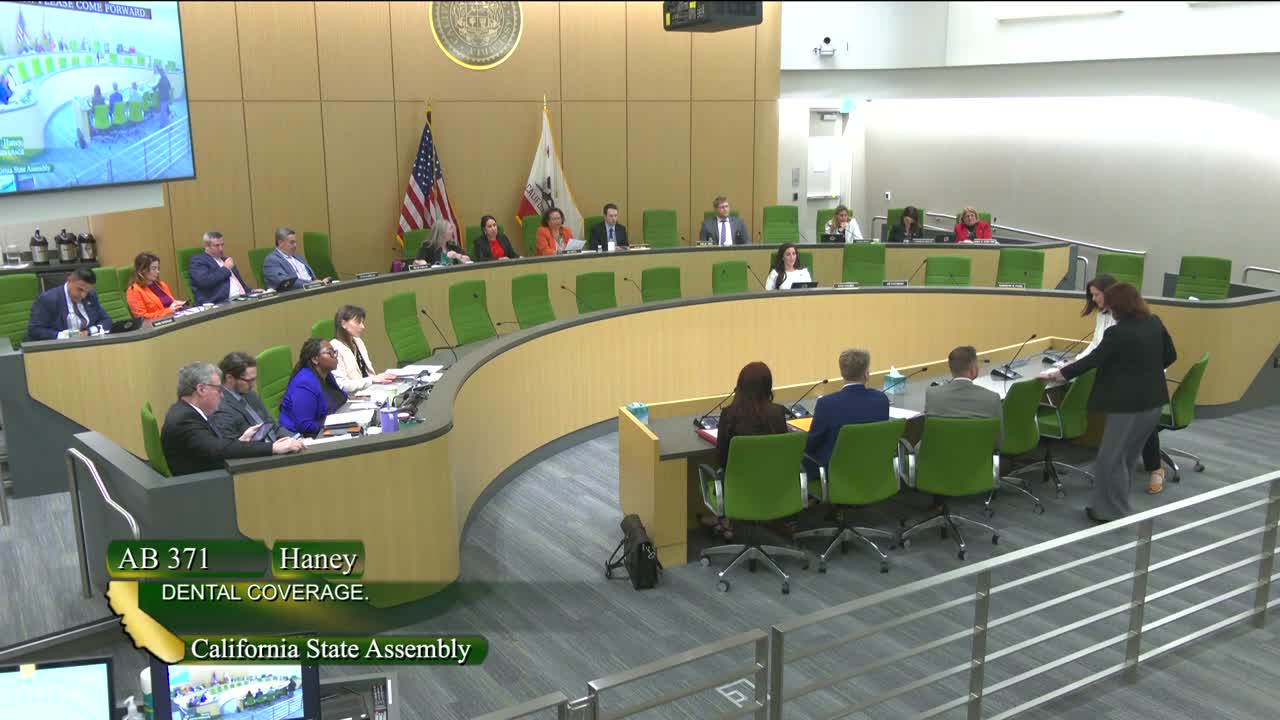
Bill Author
Bill Co-Author(s):
