AB 602: Public postsecondary education: student behavior: drug and alcohol use: rehabilitation programs.
- Session Year: 2025-2026
- House: Assembly
- Latest Version Date: 2025-10-01
Current Status:
Passed
(2025-10-01: Chaptered by Secretary of State - Chapter 159, Statutes of 2025.)
Introduced
In Committee
Awaiting First Chamber Vote
Passed First Chamber
In Committee
Awaiting Second Chamber Vote
Passed Second Chamber
Enacted
Existing law, known as the Donahoe Higher Education Act, establishes the California Community Colleges, the California State University, and the University of California as the public segments of postsecondary education in the state. Existing law requires the Regents of the University of California, the Trustees of the California State University, and the governing board of every community college district to adopt or provide for the adoption of specific rules and regulations governing student behavior and to adopt procedures by which all students are informed of the rules and regulations, with applicable penalties, as provided. Provisions of the act apply to the University of California only to the extent that the Regents of the University of California, by appropriate resolution, act to make a provision applicable.
Existing federal law requires, as a condition of receiving federal funds or other forms of financial assistance, institutions of higher education to annually distribute to each student and employee standards of conduct that clearly prohibit unlawful possession, use, or distribution of illicit drugs or alcohol, as provided, and a clear statement that the institution will impose sanctions for violations of the standards of conduct. Existing federal law characterizes the completion of an appropriate rehabilitation program as a permissible form of the required sanctions.
This bill would require the Regents of the University of California and the Trustees of the California State University, in adopting the above-described rules and regulations, to place in the highest priority the health, safety, and well-being of the campus community. The bill would also require those entities, on or before July 1, 2026, to adopt, or provide for the adoption of, rules and regulations that (1) prohibit students receiving medical treatment for the personal use of drugs or alcohol in violation of the rules and regulations governing student behavior from being subject to disciplinary action for that use of drugs or alcohol if they complete an appropriate rehabilitation program, as defined, and (2) require students who receive medical treatment for the personal use of drugs or alcohol in a manner that violates the rules or regulations of the university to be offered the chance to complete an appropriate rehabilitation program, as provided. The bill would establish that this prohibition on disciplinary action, and the requirement that the university offer an appropriate rehabilitation program, only apply to a student once in an academic semester, quarter, or term, as provided.
Existing law, known as the Donahoe Higher Education Act, establishes the California Community Colleges, the California State University, and the University of California as the public segments of postsecondary education in the state. Existing law requires the Regents of the University of California, the Trustees of the California State University, and the governing board of every community college district to adopt or provide for the adoption of specific rules and regulations governing student behavior and to adopt procedures by which all students are informed of the rules and regulations, with applicable penalties, as provided. Provisions of the act apply to the University of California only to the extent that the Regents of the University of California, by appropriate resolution, act to make a provision applicable.
Existing federal law requires, as a condition of receiving federal funds or other forms of financial assistance, institutions of higher education to annually distribute to each student and employee standards of conduct that clearly prohibit unlawful possession, use, or distribution of illicit drugs or alcohol, as provided, and a clear statement that the institution will impose sanctions for violations of the standards of conduct. Existing federal law characterizes the completion of an appropriate rehabilitation program as a permissible form of the required sanctions.
This bill would require the Regents of the University of California and the Trustees of the California State University, in adopting the above-described rules and regulations, to place in the highest priority the health, safety, and well-being of the campus community. The bill would also require those entities entities, on or before July 1, 2026, to adopt, or provide for the adoption of, rules and regulations that (1) prohibit students seeking medical treatment for themselves or another person, or receiving medical treatment, related to the treatment for the personal use of drugs or alcohol in violation of the rules and regulations governing student behavior, behavior from being subject to disciplinary action for that use of drugs or alcohol if they complete an appropriate rehabilitation program, as defined, and (2) require students who seek or receive medical treatment for the personal use of drugs or alcohol in a manner that violates the rules or regulations of the university to be offered the chance to complete an appropriate rehabilitation program, as provided. The bill would establish that this prohibition on disciplinary action, and the requirement that the university offer an appropriate rehabilitation program, only apply to a student once in an academic semester, quarter, or term, as provided.
Existing law, known as the Donahoe Higher Education Act, establishes the California Community Colleges, the California State University, and the University of California as the public segments of postsecondary education in the state. Existing law requires the Regents of the University of California, the Trustees of the California State University, and the governing board of every community college district to adopt or provide for the adoption of specific rules and regulations governing student behavior and to adopt procedures by which all students are informed of the rules and regulations, with applicable penalties, as provided. Provisions of the act apply to the University of California only to the extent that the Regents of the University of California, by appropriate resolution, act to make a provision applicable.
Existing federal law requires, as a condition of receiving federal funds or other forms of financial assistance, institutions of higher education to annually distribute to each student and employee standards of conduct that clearly prohibit unlawful possession, use, or distribution of illicit drugs or alcohol, as provided, and a clear statement that the institution will impose sanctions for violations of the standards of conduct. Existing federal law characterizes the completion of an appropriate rehabilitation program as a permissible form of the required sanctions.
This bill would require the Regents of the University of California, California and the Trustees of the California State University, and the governing board of every community college district, in adopting the above-described rules and regulations, to place in the highest priority the health, safety, and well-being of the campus community. The bill would also require those entities to adopt, or provide for the adoption of, rules and regulations that (1) prohibit students seeking medical treatment for themselves or another person, or receiving medical treatment, related to the use of drugs or alcohol in violation of the rules and regulations governing student behavior, from being subject to disciplinary action for that use of drugs or alcohol if they complete an appropriate rehabilitation program, and (2) require students who seek or receive medical treatment for the use of drugs or alcohol in a manner that violates the rules or regulations of the university or college to be offered the chance to complete an appropriate rehabilitation program, as provided. The bill would establish that this prohibition on disciplinary action, and the requirement that the university or college offer an appropriate rehabilitation program, only apply to a student once in an academic term, as provided. By imposing new duties on community college districts, the bill would impose a state-mandated local program.
The California Constitution requires the state to reimburse local agencies and school districts for certain costs mandated by the state. Statutory provisions establish procedures for making that reimbursement.This bill would provide that, if the Commission on State Mandates determines that the bill contains costs mandated by the state, reimbursement for those costs shall be made pursuant to the statutory provisions noted above.Existing law, known as the Donahoe Higher Education Act, establishes the California Community Colleges, the California State University, and the University of California as the public segments of postsecondary education in the state. Existing law requires the Regents of the University of California, the Trustees of the California State University, and the governing board of every community college district to adopt or provide for the adoption of specific rules and regulations governing student behavior and to adopt procedures by which all students are informed of the rules and regulations, with applicable penalties, as provided. Provisions of the act apply to the University of California only to the extent that the Regents of the University of California, by appropriate resolution, act to make a provision applicable.
This bill would prohibit the Chancellor of the California Community Colleges, the Trustees of the California State University, the Regents of the University of California, and every administrator at any campus of those institutions from adopting or enforcing a rule that imposes disciplinary sanctions on a student solely on the basis of acts of being under the influence of, or possessing for personal use, a controlled substance, controlled substance analog, or drug paraphernalia, under certain circumstances related to a drug-related overdose that prompted the seeking of medical assistance, and would prohibit those acts from being documented in a students disciplinary file, as provided. The bill would authorize the Chancellor of the California Community Colleges, the Trustees of the California State University, the Regents of the University of California, and every administrator at any campus of those institutions to require a student who has committed one of those acts to complete an assigned activity, as specified, and would authorize them to document the act and any assigned activity imposed in a students administrative file, as provided.Existing federal law requires, as a condition of receiving federal funds or other forms of financial assistance, institutions of higher education to annually distribute to each student and employee standards of conduct that clearly prohibit unlawful possession, use, or distribution of illicit drugs or alcohol, as provided, and a clear statement that the institution will impose sanctions for violations of the standards of conduct. Existing federal law characterizes the completion of an appropriate rehabilitation program as a permissible form of the required sanctions.
This bill would require the Regents of the University of California, the Trustees of the California State University, and the governing board of every community college district, in adopting the above-described rules and regulations, to place in the highest priority the health, safety, and well-being of the campus community. The bill would also require those entities to adopt, or provide for the adoption of, rules and regulations that (1) prohibit students seeking medical treatment for themselves or another person, or receiving medical treatment, related to the use of drugs or alcohol in violation of the rules and regulations governing student behavior, from being subject to disciplinary action for that use of drugs or alcohol if they complete an appropriate rehabilitation program, and (2) require students who seek or receive medical treatment for the use of drugs or alcohol in a manner that violates the rules or regulations of the university or college to be offered the chance to complete an appropriate rehabilitation program, as provided. The bill would establish that this prohibition on disciplinary action, and the requirement that the university or college offer an appropriate rehabilitation program, only apply to a student once in an academic term, as provided. By imposing new duties on community college districts, the bill would impose a state-mandated local program.
The California Constitution requires the state to reimburse local agencies and school districts for certain costs mandated by the state. Statutory provisions establish procedures for making that reimbursement.
This bill would provide that, if the Commission on State Mandates determines that the bill contains costs mandated by the state, reimbursement for those costs shall be made pursuant to the statutory provisions noted above.
Existing law, known as the Donahoe Higher Education Act, establishes the California Community Colleges, the California State University, and the University of California as the public segments of postsecondary education in the state. Existing law requires the Regents of the University of California, the Trustees of the California State University, and the governing board of every community college district to adopt or provide for the adoption of specific rules and regulations governing student behavior and to adopt procedures by which all students are informed of the rules and regulations, with applicable penalties, as provided. Provisions of the act apply to the University of California only to the extent that the Regents of the University of California, by appropriate resolution, act to make a provision applicable.
This bill would prohibit the Chancellor of the California Community Colleges, the Trustees of the California State University, the Regents of the University of California, and every administrator at any campus of those institutions from adopting or enforcing a rule that imposes disciplinary sanctions on a student solely on the basis of acts of being under the influence of, or possessing for personal use, a controlled substance, controlled substance analog, or drug paraphernalia, under certain circumstances related to a drug-related overdose that prompted the seeking of medical assistance, and would prohibit those acts from being documented in a students disciplinary file, as provided. The bill would authorize the Chancellor of the California Community Colleges, the Trustees of the California State University, the Regents of the University of California, and every administrator at any campus of those institutions to require a student who has committed one of those acts to complete an assigned activity, as specified, and would authorize them to document the act and any assigned activity imposed in a students administrative file, as provided.
Existing law, the Knox-Keene Health Care Service Plan Act of 1975, provides for the licensure and regulation of health care service plans by the Department of Managed Health Care, and makes a willful violation of the act a crime. Existing law provides for the regulation of health insurers by the Department of Insurance. Existing law requires a health care service plan or health insurer to cover preexposure prophylaxis (PrEP) and postexposure prophylaxis (PEP) furnished by a pharmacist, and prohibits a plan or insurer from subjecting antiretroviral drugs medically necessary for the prevention of AIDS/HIV to prior authorization or step therapy, except as specified. Existing law does not require a plan or insurer to cover all therapeutically equivalent versions of a drug, device, or product for the prevention of AIDS/HIV without prior authorization or step therapy.This bill would require a health care service plan contract or health insurance policy issued, amended, or renewed on or after January 1, 2026, to cover specified antiretroviral drugs for the prevention of AIDS/HIV, including PrEP and PEP, and would prohibit the imposition of any cost-sharing or utilization review requirements for those drugs. The bill would specify that, for therapeutically equivalent coverage purposes, a long-acting injectable drug is not therapeutically equivalent to a long-acting injectable drug with a different duration. Because a willful violation of these provisions by a health care service plan would be a crime, this bill would impose a state-mandated local program.The California Constitution requires the state to reimburse local agencies and school districts for certain costs mandated by the state. Statutory provisions establish procedures for making that reimbursement.This bill would provide that no reimbursement is required by this act for a specified reason.Existing law, the Knox-Keene Health Care Service Plan Act of 1975, provides for the licensure and regulation of health care service plans by the Department of Managed Health Care, and makes a willful violation of the act a crime. Existing law provides for the regulation of health insurers by the Department of Insurance. Existing law requires a health care service plan or health insurer to cover preexposure prophylaxis (PrEP) and postexposure prophylaxis (PEP) furnished by a pharmacist, and prohibits a plan or insurer from subjecting antiretroviral drugs medically necessary for the prevention of AIDS/HIV to prior authorization or step therapy, except as specified. Existing law does not require a plan or insurer to cover all therapeutically equivalent versions of a drug, device, or product for the prevention of AIDS/HIV without prior authorization or step therapy.
This bill would require a health care service plan contract or health insurance policy issued, amended, or renewed on or after January 1, 2026, to cover specified antiretroviral drugs for the prevention of AIDS/HIV, including PrEP and PEP, and would prohibit the imposition of any cost-sharing or utilization review requirements for those drugs. The bill would specify that, for therapeutically equivalent coverage purposes, a long-acting injectable drug is not therapeutically equivalent to a long-acting injectable drug with a different duration. Because a willful violation of these provisions by a health care service plan would be a crime, this bill would impose a state-mandated local program.
The California Constitution requires the state to reimburse local agencies and school districts for certain costs mandated by the state. Statutory provisions establish procedures for making that reimbursement.
This bill would provide that no reimbursement is required by this act for a specified reason.
(a)The Regents of the University of California, the Trustees of the California State University, and the governing board of every community college district, shall adopt or provide for the adoption of specific rules and regulations governing student behavior along with applicable penalties for violation of the rules and regulations. The institutions shall adopt procedures by which all students are informed of these rules and regulations, with applicable penalties, and any revisions thereof.
(b)In adopting the rules and regulations governing student behavior pursuant to subdivision (a), the Regents of the University of California and the Trustees of the California State University shall place in the highest priority the health, safety, and well-being of the campus community and shall, on or before July 1, 2026, adopt, or provide for the adoption of, rules and regulations governing student behavior as follows:
(1)Students receiving medical treatment for the personal use of drugs or alcohol shall not be subject to disciplinary action with respect to the use of drugs or alcohol in violation of the rules and regulations governing student behavior adopted pursuant to subdivision (a) if they complete an appropriate rehabilitation program, as described in subdivision (d).
(2)Students described in paragraph (1) who violate rules and regulations for drug or alcohol use shall be offered the chance to complete an appropriate rehabilitation program, as described in subdivision (d).
(c)Subdivision (b) shall not apply to students who receive medical treatment for personal use of drugs or alcohol and are subject to a disciplinary sanction or sanctions for additional violations of rules and regulations governing student behavior adopted pursuant to subdivision (a).
(d)In order for the prohibition on disciplinary action pursuant to subdivision (b) to apply to a student related to that students violation of the institutions rules and regulations on drug and alcohol use, the student shall, pursuant to Section 1011i of Title 20 of the United States Code, be required to participate in an appropriate rehabilitation program within the timeframe set by the campus administrator overseeing student disciplinary actions. If the student does not complete the appropriate rehabilitation program, they shall be subject to disciplinary action in accordance with the institutions rules and regulations governing student behavior.
(e)Nothing in this section shall prohibit the institution from including information about the appropriate rehabilitation program completed pursuant to subdivision (d) and the exemption from disciplinary action provided pursuant to subdivision (b) in a students administrative file.
(f)The prohibition on disciplinary action for drug and alcohol use described in paragraph (1) of subdivision (b), and the requirement that the student be offered the chance to complete an appropriate rehabilitation program, as described in paragraph (2) of subdivision (b), shall only apply to a student once in an academic semester, quarter, or term, as defined by the campus. For subsequent violations of rules and regulations related to drug and alcohol use in the same academic semester, quarter, or term, the institution shall subject the student to disciplinary proceedings, at the conclusion of which the institution may impose disciplinary action or offer the student the chance to complete an appropriate rehabilitation program, as that term is described in subdivision (d).
(g)It is the intent of the Legislature for a campus of the California State University and the University of California to provide restorative justice practices for disciplinary proceedings for violations of the institutions rules and regulations related to drug and alcohol use, when deemed appropriate based on the totality of circumstances.
(h)This section does not in any way modify or affect the requirements under state or federal law for the reporting of crimes that occur on campus as it pertains to drug possession, drug manufacturing, drug distribution, and drug use.
(i)For purposes of this section, appropriate rehabilitation program means an appropriate counseling, treatment, rehabilitation, or other diversion program, and may include, but is not limited to, participating in meetings with a school counselor or attending a drug education group.
(a)The Regents of the University of California, the Trustees of the California State University, and the governing board of every community college district, shall adopt or provide for the adoption of specific rules and regulations governing student behavior along with applicable penalties for violation of the rules and regulations. The institutions shall adopt procedures by which all students are informed of these rules and regulations, with applicable penalties, and any revisions thereof.
(b)In adopting the rules and regulations governing student behavior pursuant to subdivision (a), the Regents of the University of California and the Trustees of the California State University shall place in the highest priority the health, safety, and well-being of the campus community and shall shall, on or before July 1, 2026, adopt, or provide for the adoption of, rules and regulations governing student behavior as follows:
(1)Students seeking medical treatment for themselves or another person, related to the use of drugs or alcohol, shall not be subject to disciplinary action with respect to the use of drugs or alcohol in violation of the rules and regulations governing student behavior adopted pursuant to subdivision (a) if they complete an appropriate rehabilitation program, as described in subdivision (d). (2)(1)Students receiving medical treatment, related to the treatment for the personal use of drugs or alcohol, alcohol shall not be subject to disciplinary action with respect to the use of drugs or alcohol in violation of the rules and regulations governing student behavior adopted pursuant to subdivision (a) if they complete an appropriate rehabilitation program, as described in subdivision (d).
(3)(2)Students described in paragraphs (1) and (2) paragraph (1) who violate rules and regulations related to the use of drugs for drug or alcohol use shall be offered the chance to complete an appropriate rehabilitation program, as described in subdivision (d).
(c)Subdivision (b) does not preclude disciplinary action for other violations of the rules and regulations governing student behavior adopted pursuant to subdivision (a) not related to drug or alcohol use.(c)Subdivision (b) shall not apply to students who receive medical treatment for personal use of drugs or alcohol and are subject to a disciplinary sanction or sanctions for additional violations of rules and regulations governing student behavior adopted pursuant to subdivision (a).
(d)In order for the prohibition on disciplinary action pursuant to subdivision (b) to apply to a student related to that students violation of the institutions rules and regulations on drug and alcohol use, the student shall, pursuant to Section 1011i of Title 20 of the United States Code, be required to complete an appropriate rehabilitation program, which may include, but is not limited to, participating in meetings with a school counselor or attending a drug education group. participate in an appropriate rehabilitation program within the timeframe set by the campus administrator overseeing student disciplinary actions. If the student does not complete the appropriate rehabilitation program, they shall be subject to disciplinary action in accordance with the institutions rules and regulations governing student behavior.
(e)Nothing in this section shall prohibit the institution from including information about the appropriate rehabilitation program completed pursuant to subdivision (d) and the exemption from disciplinary action provided pursuant to subdivision (b) in a students administrative file.
(f)The prohibition on disciplinary action for drug and alcohol use described in paragraphs (1) and (2) paragraph (1) of subdivision (b), and the requirement that the student be offered the chance to complete an appropriate rehabilitation program, as described in paragraph (3) (2) of subdivision (b), shall only apply to a student once in an academic term. semester, quarter, or term, as defined by the campus. For subsequent violations of rules and regulations related to drug and alcohol use in the same academic semester, quarter, or term, the institution shall subject the student to disciplinary proceedings, at the conclusion of which the institution may impose disciplinary action or offer the student the chance to complete an appropriate rehabilitation program, as that term is described in subdivision (d).
(g)It is the intent of the Legislature for a campus of the California State University and the University of California to provide restorative justice practices for disciplinary proceedings for violations of the institutions rules and regulations related to drug and alcohol use. use, when deemed appropriate based on the totality of circumstances.
(h)This section does not in any way modify or affect the requirements under state or federal law for the reporting of crimes that occur on campus as it pertains to drug possession, drug manufacturing, drug distribution, and drug use.
(i)For purposes of this section, appropriate rehabilitation program means an appropriate counseling, treatment, rehabilitation, or other diversion program, and may include, but is not limited to, participating in meetings with a school counselor or attending a drug education group.
(a)The Regents of the University of California, the Trustees of the California State University, and the governing board of every community college district, shall adopt or provide for the adoption of specific rules and regulations governing student behavior along with applicable penalties for violation of the rules and regulations. The institutions shall adopt procedures by which all students are informed of these rules and regulations, with applicable penalties, and any revisions thereof.
(b)In adopting the rules and regulations governing student behavior pursuant to subdivision (a), the Regents of the University of California, California and the Trustees of the California State University, and the governing board of every community college district University shall place in the highest priority the health, safety, and well-being of the campus community and shall adopt, or provide for the adoption of, rules and regulations governing student behavior as follows:
(1)Students seeking medical treatment for themselves or another person, related to the use of drugs or alcohol, shall not be subject to disciplinary action with respect to the use of drugs or alcohol in violation of the rules and regulations governing student behavior adopted pursuant to subdivision (a) if they complete an appropriate rehabilitation program, as described in subdivision (d).
(2)Students receiving medical treatment, related to the use of drugs or alcohol, shall not be subject to disciplinary action with respect to the use of drugs or alcohol in violation of the rules and regulations governing student behavior adopted pursuant to subdivision (a) if they complete an appropriate rehabilitation program, as described in subdivision (d).
(3)Students described in paragraphs (1) and (2) who violate rules and regulations related to the use of drugs or alcohol shall be offered the chance to complete an appropriate rehabilitation program, as described in subdivision (d).
(c)Subdivision (b) does not preclude disciplinary action for other violations of the rules and regulations governing student behavior adopted pursuant to subdivision (a) not related to drug or alcohol use.
(d)In order for the prohibition on disciplinary action pursuant to subdivision (b) to apply to a student related to that students violation of the institutions rules and regulations on drug and alcohol use, the student shall, pursuant to Section 1011i of Title 20 of the United States Code, be required to complete an appropriate rehabilitation program, which may include, but is not limited to, participating in meetings with a school counselor or attending a drug education group.
(e)Nothing in this section shall prohibit the institution from including information about the appropriate rehabilitation program completed pursuant to subdivision (d) and the exemption from disciplinary action provided pursuant to subdivision (b) in a students administrative file.
(f)The prohibition on disciplinary action for drug and alcohol use described in paragraphs (1) and (2) of subdivision (b), and the requirement that the student be offered the chance to complete an appropriate rehabilitation program, as described in paragraph (3) of subdivision (b), shall only apply to a student once in an academic term. For subsequent violations of rules and regulations related to drug and alcohol use in the same academic term, the institution shall subject the student to disciplinary proceedings, at the conclusion of which the institution may impose disciplinary action or offer the student the chance to complete an appropriate rehabilitation program, as that term is described in subdivision (d).
(g)It is the intent of the Legislature for a campus of the community colleges, the California State University, University and the University of California to provide restorative justice practices for disciplinary proceedings for violations of the institutions rules and regulations related to drug and alcohol use.
(h)This section does not in any way modify or affect the requirements under state or federal law for the reporting of crimes that occur on campus as it pertains to drug possession, drug manufacturing, drug distribution, and drug use.
SEC. 2.If the Commission on State Mandates determines that this act contains costs mandated by the state, reimbursement to local agencies and school districts for those costs shall be made pursuant to Part 7 (commencing with Section 17500) of Division 4 of Title 2 of the Government Code.(a)The Regents of the University of California, the Trustees of the California State University, and the governing board of every community college district, shall adopt or provide for the adoption of specific rules and regulations governing student behavior along with applicable penalties for violation of the rules and regulations. The institutions shall adopt procedures by which all students are informed of such these rules and regulations, with applicable penalties, and any revisions thereof.
(b)In adopting the rules and regulations governing student behavior pursuant to subdivision (a), the Regents of the University of California, the Trustees of the California State University, and the governing board of every community college district shall place in the highest priority the health, safety, and well-being of the campus community and shall adopt, or provide for the adoption of, rules and regulations governing student behavior as follows:
(1)Students seeking medical treatment for themselves or another person, related to the use of drugs or alcohol, shall not be subject to disciplinary action with respect to the use of drugs or alcohol in violation of the rules and regulations governing student behavior adopted pursuant to subdivision (a) if they complete an appropriate rehabilitation program, as described in subdivision (d).
(2)Students receiving medical treatment, related to the use of drugs or alcohol, shall not be subject to disciplinary action with respect to the use of drugs or alcohol in violation of the rules and regulations governing student behavior adopted pursuant to subdivision (a) if they complete an appropriate rehabilitation program, as described in subdivision (d).
(3)Students described in paragraphs (1) and (2) who violate rules and regulations related to the use of drugs or alcohol shall be offered the chance to complete an appropriate rehabilitation program, as described in subdivision (d).
(c)Subdivision (b) does not preclude disciplinary action for other violations of the rules and regulations governing student behavior adopted pursuant to subdivision (a) not related to drug or alcohol use.
(d)In order for the prohibition on disciplinary action pursuant to subdivision (b) to apply to a student related to that students violation of the institutions rules and regulations on drug and alcohol use, the student shall, pursuant to Section 1011i of Title 20 of the United States Code, be required to complete an appropriate rehabilitation program, which may include, but is not limited to, participating in meetings with a school counselor or attending a drug education group.
(e)Nothing in this section shall prohibit the institution from including information about the appropriate rehabilitation program completed pursuant to subdivision (d) and the exemption from disciplinary action provided pursuant to subdivision (b) in a students administrative file.
(f)The prohibition on disciplinary action for drug and alcohol use described in paragraphs (1) and (2) of subdivision (b), and the requirement that the student be offered the chance to complete an appropriate rehabilitation program, as described in paragraph (3) of subdivision (b), shall only apply to a student once in an academic term. For subsequent violations of rules and regulations related to drug and alcohol use in the same academic term, the institution shall subject the student to disciplinary proceedings, at the conclusion of which the institution may impose disciplinary action or offer the student the chance to complete an appropriate rehabilitation program, as that term is described in subdivision (d).
(g)It is the intent of the Legislature for a campus of the community colleges, the California State University, and the University of California to provide restorative justice practices for disciplinary proceedings for violations of the institutions rules and regulations related to drug and alcohol use.
(h)This section does not in any way modify or affect the requirements under state or federal law for the reporting of crimes that occur on campus as it pertains to drug possession, drug manufacturing, drug distribution, and drug use.
SEC. 2.If the Commission on State Mandates determines that this act contains costs mandated by the state, reimbursement to local agencies and school districts for those costs shall be made pursuant to Part 7 (commencing with Section 17500) of Division 4 of Title 2 of the Government Code.
SECTION 1.Section 66301.5 is added to the Education Code, to read:66301.5.(a)The Chancellor of the California Community Colleges, the Trustees of the California State University, the Regents of the University of California, and every administrator at any campus of those institutions shall not adopt or enforce a rule that imposes disciplinary sanctions on a student solely on the basis of either of the following acts:(1)Being under the influence of, or possessing for personal use, a controlled substance, controlled substance analog, or drug paraphernalia, if the student, in good faith, seeks medical assistance for a person experiencing a drug-related overdose that is related to the possession of a controlled substance, controlled substance analog, or drug paraphernalia of the student seeking medical assistance, and the student does not obstruct medical or law enforcement personnel.(2)Experiencing a drug-related overdose and being in need of medical assistance while being under the influence of, or possessing for personal use, a controlled substance, controlled substance analog, or drug paraphernalia, if the student or one or more other persons at the scene of the overdose, in good faith, seeks medical assistance for the student experiencing the overdose.(b)(1)The Chancellor of the California Community Colleges, the Trustees of the California State University, the Regents of the University of California, and every administrator at any campus of those institutions may require a student who has committed an act specified in subdivision (a) to complete an assigned activity, such as participating in meetings with a school counselor or attending a drug education group, but shall not otherwise sanction the student.(2)The Chancellor of the California Community Colleges, the Trustees of the California State University, the Regents of the University of California, and the administrators at each campus of those institutions may document an act specified in subdivision (a) and any requirements imposed pursuant to paragraph (1) in a students administrative file, but shall not document the act or any related requirement in a disciplinary file.(a)The Chancellor of the California Community Colleges, the Trustees of the California State University, the Regents of the University of California, and every administrator at any campus of those institutions shall not adopt or enforce a rule that imposes disciplinary sanctions on a student solely on the basis of either of the following acts:
(1)Being under the influence of, or possessing for personal use, a controlled substance, controlled substance analog, or drug paraphernalia, if the student, in good faith, seeks medical assistance for a person experiencing a drug-related overdose that is related to the possession of a controlled substance, controlled substance analog, or drug paraphernalia of the student seeking medical assistance, and the student does not obstruct medical or law enforcement personnel.
(2)Experiencing a drug-related overdose and being in need of medical assistance while being under the influence of, or possessing for personal use, a controlled substance, controlled substance analog, or drug paraphernalia, if the student or one or more other persons at the scene of the overdose, in good faith, seeks medical assistance for the student experiencing the overdose.
(b)(1)The Chancellor of the California Community Colleges, the Trustees of the California State University, the Regents of the University of California, and every administrator at any campus of those institutions may require a student who has committed an act specified in subdivision (a) to complete an assigned activity, such as participating in meetings with a school counselor or attending a drug education group, but shall not otherwise sanction the student.
(2)The Chancellor of the California Community Colleges, the Trustees of the California State University, the Regents of the University of California, and the administrators at each campus of those institutions may document an act specified in subdivision (a) and any requirements imposed pursuant to paragraph (1) in a students administrative file, but shall not document the act or any related requirement in a disciplinary file.
SECTION 1.Section 1342.74 of the Health and Safety Code is amended to read:1342.74.(a)(1)Notwithstanding Section 1342.71, a health care service plan shall not subject antiretroviral drugs that are medically necessary for the prevention of AIDS/HIV, including preexposure prophylaxis or postexposure prophylaxis, to prior authorization, step therapy, or any other protocol designed to delay treatment, except as provided in paragraph (2).(2)If the United States Food and Drug Administration has approved one or more therapeutic equivalents of a drug, device, or product for the prevention of AIDS/HIV, this section does not require a health care service plan to cover all of the therapeutically equivalent versions without prior authorization or step therapy, if at least one therapeutically equivalent version is covered without prior authorization or step therapy. For purposes of this section, a long-acting injectable drug is not therapeutically equivalent to a long-acting injectable drug with a different duration.(b)Notwithstanding any other law, a health care service plan shall not prohibit, or permit a delegated pharmacy benefit manager to prohibit, a pharmacy provider from dispensing preexposure prophylaxis or postexposure prophylaxis.(c)A health care service plan shall cover preexposure prophylaxis and postexposure prophylaxis that has been furnished by a pharmacist, as authorized in Sections 4052.02 and 4052.03 of the Business and Professions Code, including the pharmacists services and related testing ordered by the pharmacist. A health care service plan shall pay or reimburse, consistent with the requirements of this chapter, for the service performed by a pharmacist at an in-network pharmacy or a pharmacist at an out-of-network pharmacy if the health care service plan has an out-of-network pharmacy benefit.(d)This section does not require a health care service plan to cover preexposure prophylaxis or postexposure prophylaxis by a pharmacist at an out-of-network pharmacy, unless the health care service plan has an out-of-network pharmacy benefit.(e)A health care service plan contract issued, amended, or renewed on or after January 1, 2026, shall provide coverage for, and shall not impose any cost-sharing or utilization review requirements for, antiretroviral drugs that are either approved by the United States Food and Drug Administration or recommended by the federal Centers for Disease Control and Prevention for the prevention of AIDS/HIV, including preexposure prophylaxis or postexposure prophylaxis.SEC. 2.Section 10123.1933 of the Insurance Code is amended to read:10123.1933.(a)(1)Notwithstanding Section 10123.201, a health insurer shall not subject antiretroviral drugs that are medically necessary for the prevention of AIDS/HIV, including preexposure prophylaxis or postexposure prophylaxis, to prior authorization, step therapy, or any other protocol designed to delay treatment, except as provided in paragraph (2).(2)If the United States Food and Drug Administration has approved one or more therapeutic equivalents of a drug, device, or product for the prevention of AIDS/HIV, this section does not require a health insurer to cover all of the therapeutically equivalent versions without prior authorization or step therapy, if at least one therapeutically equivalent version is covered without prior authorization or step therapy. For purposes of this section, a long-acting injectable drug is not therapeutically equivalent to a long-acting injectable drug with a different duration.(b)Notwithstanding any other law, a health insurer shall not prohibit, or permit a contracted pharmacy benefit manager to prohibit, a pharmacist from dispensing preexposure prophylaxis or postexposure prophylaxis.(c)A health insurer shall cover preexposure prophylaxis and postexposure prophylaxis that has been furnished by a pharmacist, as authorized in Sections 4052.02 and 4052.03 of the Business and Professions Code, including the pharmacists services and related testing ordered by the pharmacist. A health insurer shall pay or reimburse, consistent with the requirements of this chapter, for the service performed by a pharmacist at an in-network pharmacy or a pharmacist at an out-of-network pharmacy if the health insurer has an out-of-network pharmacy benefit.(d)A health insurance policy issued, amended, or renewed on or after January 1, 2026, shall provide coverage for, and shall not impose any cost-sharing or utilization review requirements for, antiretroviral drugs that are either approved by the United States Food and Drug Administration or recommended by the federal Centers for Disease Control and Prevention for the prevention of AIDS/HIV, including preexposure prophylaxis or postexposure prophylaxis.SEC. 3.No reimbursement is required by this act pursuant to Section 6 of Article XIIIB of the California Constitution because the only costs that may be incurred by a local agency or school district will be incurred because this act creates a new crime or infraction, eliminates a crime or infraction, or changes the penalty for a crime or infraction, within the meaning of Section 17556 of the Government Code, or changes the definition of a crime within the meaning of Section 6 of Article XIIIB of the California Constitution.(a)(1)Notwithstanding Section 1342.71, a health care service plan shall not subject antiretroviral drugs that are medically necessary for the prevention of AIDS/HIV, including preexposure prophylaxis or postexposure prophylaxis, to prior authorization or authorization, step therapy, or any other protocol designed to delay treatment, except as provided in paragraph (2).
(2)If the United States Food and Drug Administration has approved one or more therapeutic equivalents of a drug, device, or product for the prevention of AIDS/HIV, this section does not require a health care service plan to cover all of the therapeutically equivalent versions without prior authorization or step therapy, if at least one therapeutically equivalent version is covered without prior authorization or step therapy. For purposes of this section, a long-acting injectable drug is not therapeutically equivalent to a long-acting injectable drug with a different duration.
(b)Notwithstanding any other law, a health care service plan shall not prohibit, or permit a delegated pharmacy benefit manager to prohibit, a pharmacy provider from dispensing preexposure prophylaxis or postexposure prophylaxis.
(c)A health care service plan shall cover preexposure prophylaxis and postexposure prophylaxis that has been furnished by a pharmacist, as authorized in Sections 4052.02 and 4052.03 of the Business and Professions Code, including the pharmacists services and related testing ordered by the pharmacist. A health care service plan shall pay or reimburse, consistent with the requirements of this chapter, for the service performed by a pharmacist at an in-network pharmacy or a pharmacist at an out-of-network pharmacy if the health care service plan has an out-of-network pharmacy benefit.
(d)This section does not require a health care service plan to cover preexposure prophylaxis or postexposure prophylaxis by a pharmacist at an out-of-network pharmacy, unless the health care service plan has an out-of-network pharmacy benefit.
(e)This section shall not apply to Medi-Cal managed care plans contracting with the State Department of Health Care Services pursuant to Chapter 7 (commencing with Section 14000), Chapter 8 (commencing with Section 14200), or Chapter 8.75 (commencing with Section 14590) of Part 3 of Division 9 of the Welfare and Institutions Code, to the extent that the services described in this section are excluded from coverage under the contract between the Medi-Cal managed care plans and the State Department of Health Care Services.(e)A health care service plan contract issued, amended, or renewed on or after January 1, 2026, shall provide coverage for, and shall not impose any cost-sharing or utilization review requirements for, antiretroviral drugs that are either approved by the United States Food and Drug Administration or recommended by the federal Centers for Disease Control and Prevention for the prevention of AIDS/HIV, including preexposure prophylaxis or postexposure prophylaxis.
SEC. 2.Section 10123.1933 of the Insurance Code is amended to read:10123.1933.(a)(1)Notwithstanding Section 10123.201, a health insurer shall not subject antiretroviral drugs that are medically necessary for the prevention of AIDS/HIV, including preexposure prophylaxis or postexposure prophylaxis, to prior authorization or authorization, step therapy, or any other protocol designed to delay treatment, except as provided in paragraph (2).
(2)If the United States Food and Drug Administration has approved one or more therapeutic equivalents of a drug, device, or product for the prevention of AIDS/HIV, this section does not require a health insurer to cover all of the therapeutically equivalent versions without prior authorization or step therapy, if at least one therapeutically equivalent version is covered without prior authorization or step therapy. For purposes of this section, a long-acting injectable drug is not therapeutically equivalent to a long-acting injectable drug with a different duration.
(b)Notwithstanding any other law, a health insurer shall not prohibit, or permit a contracted pharmacy benefit manager to prohibit, a pharmacist from dispensing preexposure prophylaxis or postexposure prophylaxis.
(c)A health insurer shall cover preexposure prophylaxis and postexposure prophylaxis that has been furnished by a pharmacist, as authorized in Sections 4052.02 and 4052.03 of the Business and Professions Code, including the pharmacists services and related testing ordered by the pharmacist. A health insurer shall pay or reimburse, consistent with the requirements of this chapter, for the service performed by a pharmacist at an in-network pharmacy or a pharmacist at an out-of-network pharmacy if the health insurer has an out-of-network pharmacy benefit.
(d)A health insurance policy issued, amended, or renewed on or after January 1, 2026, shall provide coverage for, and shall not impose any cost-sharing or utilization review requirements for, antiretroviral drugs that are either approved by the United States Food and Drug Administration or recommended by the federal Centers for Disease Control and Prevention for the prevention of AIDS/HIV, including preexposure prophylaxis or postexposure prophylaxis.
SEC. 3.No reimbursement is required by this act pursuant to Section 6 of Article XIIIB of the California Constitution because the only costs that may be incurred by a local agency or school district will be incurred because this act creates a new crime or infraction, eliminates a crime or infraction, or changes the penalty for a crime or infraction, within the meaning of Section 17556 of the Government Code, or changes the definition of a crime within the meaning of Section 6 of Article XIIIB of the California Constitution.
|
Date
|
Status
|
|---|---|
| Oct 1, 2025 | Chaptered by Secretary of State - Chapter 159, Statutes of 2025. |
| Oct 1, 2025 | Approved by the Governor. |
| Sep 11, 2025 | Enrolled and presented to the Governor at 4 p.m. |
| Sep 4, 2025 | Senate amendments concurred in. To Engrossing and Enrolling. (Ayes 60. Noes 12. Page 2916.). |
| Sep 3, 2025 | In Assembly. Concurrence in Senate amendments pending. |
| Sep 3, 2025 | Read third time. Passed. Ordered to the Assembly. (Ayes 32. Noes 6. Page 2426.). |
| Jul 15, 2025 | Read second time. Ordered to third reading. |
| Jul 14, 2025 | From committee: Be ordered to second reading pursuant to Senate Rule 28.8. |
| Jul 2, 2025 | From committee: Do pass and re-refer to Com. on APPR. (Ayes 6. Noes 1.) (July 2). Re-referred to Com. on APPR. |
| Jun 16, 2025 | From committee chair, with author's amendments: Amend, and re-refer to committee. Read second time, amended, and re-referred to Com. on ED. |
| Jun 11, 2025 | Referred to Com. on ED. |
| Jun 3, 2025 | In Senate. Read first time. To Com. on RLS. for assignment. |
| Jun 2, 2025 | Read third time. Passed. Ordered to the Senate. (Ayes 59. Noes 13. Page 1903.) |
| May 27, 2025 | Read second time. Ordered to third reading. |
| May 23, 2025 | Read second time and amended. Ordered returned to second reading. |
| May 23, 2025 | From committee: Amend, and do pass as amended. (Ayes 12. Noes 2.) (May 23). |
| May 23, 2025 | Assembly Rule 63 suspended. (Ayes 51. Noes 16. Page 1644.) |
| May 14, 2025 | In committee: Set, first hearing. Referred to suspense file. |
| May 5, 2025 | Re-referred to Com. on APPR. |
| May 1, 2025 | Read second time and amended. |
| Apr 30, 2025 | From committee: Amend, and do pass as amended and re-refer to Com. on APPR. (Ayes 6. Noes 3.) (April 29). |
| Mar 28, 2025 | Re-referred to Com. on HIGHER ED. pursuant to Assembly Rule 96. |
| Mar 17, 2025 | Re-referred to Com. on HEALTH. |
| Mar 13, 2025 | From committee chair, with author's amendments: Amend, and re-refer to Com. on HEALTH. Read second time and amended. |
| Feb 24, 2025 | Referred to Com. on HEALTH. |
| Feb 14, 2025 | From printer. May be heard in committee March 16. |
| Feb 13, 2025 | Read first time. To print. |
|
Date
|
Description
|
Location
|
Votes
|
|
|---|---|---|---|---|
| Sep 4, 2025 | AB 602 Haney Concurrence in Senate Amendments | Assembly Floor |
Passed |
|
| Sep 3, 2025 | Assembly 3rd Reading AB602 Haney By Weber Pierson | Senate Floor |
Passed |
|
| Jul 2, 2025 | Do pass, but first be re-referred to the Committee on [Appropriations] | Senate Standing Committee on Education |
Passed |
|
| Jun 2, 2025 | AB 602 Haney Assembly Third Reading | Assembly Floor |
Passed |
|
| May 23, 2025 | Do pass as amended. | Assembly Standing Committee on Appropriations |
Passed |
|
| Apr 29, 2025 | Do pass as amended and be re-referred to the Committee on [Appropriations] | Assembly Standing Committee on Higher Education |
Passed |
This list shows positions taken on this bill by organizations on the date displayed, which is linked to the original source.
Positions by individuals are not included.
|
Organization
|
Position
|
Date
|
|---|---|---|
| California Youth Empowerment Network | ** Support | |
| Drug Policy Alliance | ** Support | |
| GENup | ** Support | |
| Mental Health America of California | ** Support | |
| National Center for Youth Law | ** Support | |
| Steinberg Institute | ** Support | |
| University Of California Student Association | ** Support | |
| Youth Power Project | ** Support |
CONCURRENCE IN SENATE AMENDMENTS
CSA1 Bill Id:AB 602
Author:(Haney)
As Amended Ver:June 16, 2025
Majority vote
SUMMARY
Establishes an amnesty policy from specified disciplinary sanctions for students who seek medical attention for a drug overdose at the California State University (CSU) and the University of California (UC).
Senate Amendments
- Delays the adoption of the rules and regulations related to an amnesty policy until July 1, 2026;
- Clarifies a student who receives medical attention for a drug overdose is to be provided the opportunity to complete an appropriate rehabilitation instead of receiving disciplinary actions related to personal drug and alcohol use; however, the amnesty does not extend to other student code of conduct violations and subsequent disciplinary actions for other violations committed by the student;
- Permits the CSU and UC to set a timeframe by which the student must complete an appropriate rehabilitation program to maintain amnesty from disciplinary actions related to a personal drug or alcohol overdose where medical assistance is provided;
- Clarifies the student may only use the amnesty policy once per semester, quarter, and terms as defined by the campus;
- Defines ″appropriate rehabilitation program″ with appropriate counseling, treatment, rehabilitation, or other diversion program, and may include, but is not limited to, participating in meetings with a school counselor or attending a drug education group.
COMMENTS
Drug-use among college students. Each year the U.S. Substance Abuse and Mental Health Services Administration issues a ″National Survey on Drug Use and Health″ to determine the national trends in substance use and mental health among people aged 12 years or older in the United States. The annual report from 2023 showed that in the last month: 49.5% of college students drank alcohol, 25.2% used marijuana, and more than 5% used an illicit drug.
Student codes of conduct. The Education Code authorizes the governing boards of each community college, the Board of Trustees of the CSU, and the Board of Regents at the UC to establish student codes of conduct or the ″specific rules and regulations governing student behavior.″ Both the CSU and the UC have systemwide student codes of conduct that apply to all campuses within the segment.
The CSU student code of conduct is memorialized in the California Code of Regulations and states the qualities of behavior a student is to have while on a CSU campus including maintaining a safe and healthy living and learning environment by choosing behaviors that ″contribute toward this end.″ Grounds for discipline include behavior that is not consistent with the student code of conduct, including, but not limited to:
- Disorderly, lewd, indecent, or obscene behavior at a University related activity or directed toward a member of the University community;
- Conduct that threatens or endangers the health or safety of any person within or related to the University community, including, physical abuse, threats, intimidation, harassment, or sexual misconduct;
- Use, possession, manufacture, or distribution of illegal drugs or drug-related paraphernalia (except as expressly permitted by law and University regulations) or the misuse of legal pharmaceutical drugs; and,
- Use, possession, manufacture, or distribution of alcoholic beverages (except as expressly permitted by law and University regulations), or public intoxication while on campus or at a University related activity (California Code of Regulations 5 CCR Section 41301).
The UC student code of conduct is similar to the CSU′s policy and includes a prohibition on the attempt to manufacture, distribute, dispense, or sale of controlled substances or alcohol.
Students who are found to have violated the student code of conduct policy are subject to disciplinary proceedings and then only if determined necessary, disciplinary sanctions. Disciplinary proceedings can include (1) a notice to the student of the disciplinary action, (2) an investigative process, and (3) potential hearing with a determination. A student who is found to have violated the student code of conduct is then subject to a disciplinary sanction which is contingent on the severity of the violation. Disciplinary sanctions include a range of disciplinary actions including, but not limited to: community service, a written warning in the student′s file, rehabilitation programs, or expulsion.
Existing ″Good Samaritan″ college campus policies. According to Students for Sensible Drug Policy, ″effective policies protect students whether they are using alcohol or other drugs…[and] Good Samaritan Policies are critical harm reduction tools which should be fully implemented at the campus, local, and state level.″
None of the public higher education institutions in California contain a systemwide ″Good Samaritan Policy″ exempting students from disciplinary sanctions for violations of the student code of conduct if they seek or receive medical assistance for drug or alcohol use.
In California, Pepperdine University, Stanford University, UC Davis, and UC Santa Barbara all have a semblance of a ″Good Samaritan″ policy. Pepperdine University and Stanford University place limits on the amnesty provided to a student through the policy. Specifically, a student only receives amnesty for drug or alcohol use and not possession. All four policies require a student to complete educational activities in order to receive the amnesty and provides flexibility to the campus to levy additional disciplinary sanctions should a student continuously need to use the amnesty policy. The policy at UC Davis goes a step further and states a student may only use the ″Good Samaritan″ policy once in a two-year period.
Stanford University has similar language in their Good Samaritan policy; however, Stanford University does not preclude students from receiving additional disciplinary sanctions for violations of the student code of conduct that may have occurred at the scene of the overdose or near the time of the overdose. For example, Stanford University is explicit in that the amnesty provision of their Good Samaritan policy does not extend to incidents involving sexual violence.
Safe and Drug-Free Schools and Communities Act. Authorized in 1994, the Safe and Drug-Free Schools and Communities Act became a central part of the Federal Government′s effort to address the ongoing challenge to prevent youth violence, alcohol, and drug use by creating spaces that were drug and alcohol-free. The Safe and Drug-Free Schools and Communities Act requires all postsecondary education institutions that receive federal funds, to a drug and alcohol policy that expressly prohibits the unlawful use, possession, distribution, and manufacture of those items on campus. Furthermore, the Safe and Drug-Free Schools and Communities Act requires disciplinary sanctions to be levied if a student or employee is found to be in violation of the drug and alcohol policy. The Safe and Drug-Free Schools and Communities Act is permissive regarding the type of disciplinary sanctions and states the ″sanctions required may include the completion of an appropriate rehabilitation program.″
Contained within the Federal Code of Regulations for Drug and Alcohol Abuse Prevention in the Education Section, institutions of higher education who fail to ″consistently enforce its disciplinary sanctions for violations by students and employees of the standards of conduct adopted by the institution rules adopted″ are subject to the loss and potential repayment of federal funding (34 CFR 86.300). The regulations state the standards of conduct must include a clear prohibition for the unlawful possession, use, or distribution of illicit drugs and alcohol by students and employees on the higher education institutions campus and as part of any of its activities. Furthermore, the drug and alcohol policy must clearly state the institution of higher education will impose disciplinary sanction, consistent with local, state, and federal laws, for violations of the drug and alcohol prohibition. The regulations stipulate the completion of an appropriate rehabilitation program, is an appropriate disciplinary sanction (34 CFR 86.100). This measure requires the CSU and UC to
According to the Author
As stated by the author, ″AB 602 confronts California′s campus overdose crisis head-on by removing the threat of academic punishment for students who seek emergency help. Every second counts during an overdose, yet too many students hesitate to call 911—paralyzed by fear that saving a life could cost them their education. This bill makes one thing clear: no student should ever have to choose between saving a life and protecting their future. AB 602 empowers students to act without fear, breaks the cycle of silence and shame, and lays the foundation for safer, more compassionate campuses across California.″
Arguments in Support
The need for AB 602 (Haney) is expressed by the University of California Student Association as ″every CSU, and UC campus has different policies, with no uniform standards across the state. Some schools impose automatic suspensions, while others leave decisions to administrators, resulting in unpredictable and harsh penalties. While some CSU and UC campuses have medical amnesty policies, most only protect students in alcohol-related emergencies, not drug overdoses. The rise of fentanyl has made this issue even more urgent. Opioid overdose deaths in California have more than tripled among people under 34 from 1999 to 2019. In 2022 alone, over 7,000 Californians died from opioid-related overdoses. College students are particularly at risk, with nearly half of full-time students reporting monthly alcohol use and 45% reporting illicit drug use annually… Without a clear, statewide policy, students fear severe consequences for seeking medical help, leading to dangerous delays in life-or-death situations. This legal gap, combined with inconsistent disciplinary policies, has created a crisis on California college campuses—where students are forced to choose between saving a life and protecting their academic future.″
Arguments in Opposition
None on file.
FISCAL COMMENTS
According to the Senate Appropriations Committee, pursuant to Senate Rule 28.8, negligible state costs.
VOTES:
ASM HIGHER EDUCATION: 6-3-1
YES: Fong, Boerner, Jackson, Muratsuchi, Patel, Celeste Rodriguez
NO: DeMaio, Jeff Gonzalez, Tangipa
ABS, ABST OR NV: Sharp-Collins
ASM APPROPRIATIONS: 12-2-1
YES: Wicks, Arambula, Calderon, Caloza, Elhawary, Fong, Mark González, Hart, Pacheco, Pellerin, Solache, Ta
NO: Dixon, Tangipa
ABS, ABST OR NV: Sanchez
ASSEMBLY FLOOR: 59-13-7
YES: Addis, Aguiar-Curry, Ahrens, Alvarez, Arambula, Ávila Farías, Bauer-Kahan, Bennett, Berman, Boerner, Bonta, Bryan, Calderon, Caloza, Carrillo, Connolly, Elhawary, Fong, Gabriel, Garcia, Gipson, Mark González, Haney, Harabedian, Hart, Jackson, Kalra, Krell, Lee, Lowenthal, McKinnor, Muratsuchi, Nguyen, Ortega, Pacheco, Papan, Patel, Pellerin, Petrie-Norris, Quirk-Silva, Ramos, Ransom, Celeste Rodriguez, Michelle Rodriguez, Rogers, Blanca Rubio, Schiavo, Schultz, Solache, Soria, Stefani, Ta, Valencia, Wallis, Ward, Wicks, Wilson, Zbur, Rivas
NO: Alanis, Davies, DeMaio, Dixon, Ellis, Flora, Gallagher, Jeff Gonzalez, Hadwick, Macedo, Patterson, Sanchez, Tangipa
ABS, ABST OR NV: Bains, Castillo, Chen, Hoover, Irwin, Lackey, Sharp-Collins
UPDATED
VERSION: June 16, 2025
CONSULTANT: Ellen Cesaretti-Monroy / HIGHER ED. / (916) 319-3960 FN: 0001563
SENATE RULES COMMITTEE Office of Senate Floor Analyses (916) 651-1520 Fax: (916) 327-4478 | AB 602 |
THIRD READING
Bill No: AB 602
Author: Haney (D)
Amended: 6/16/25 in Senate
Vote: 21
SENATE EDUCATION COMMITTEE: 6-1, 7/2/25
AYES: Pérez, Ochoa Bogh, Cabaldon, Cortese, Gonzalez, Laird
NOES: Choi
SENATE APPROPRIATIONS COMMITTEE: Senate Rule 28.8
ASSEMBLY FLOOR: 59-13, 6/2/25 - See last page for vote
SUBJECT: Public postsecondary education: student behavior: drug and alcohol use: rehabilitation programs
SOURCE: University of California Student Association
Youth Power Project
DIGEST:
This bill requires the University of California (UC) Regents, the California State University (CSU) Trustees to adopt student behavior policies by July 1, 2026, that exempt students seeking medical treatment for personal drug or alcohol use from disciplinary action if they complete an approved rehabilitation program, as specified.
ANALYSIS:
Existing Federal law:
- Establishes the U.S. Safe and Drug-Free Schools and Communities Act. Requires, as a condition for federal funding, that institutions of higher education implement a program to prevent the use of illicit drugs and abuse of alcohol by students and employees. The program must include a standard of conduct policy that prohibits the use of illicit drugs and alcohol by students and employees on the campus and at institutional activities and requires there to be clear disciplinary sanctions for the violation of the drug and alcohol policy. (United States Code Title 20, Chapter 28, Subchapter I, Part B, Section 1011i)
Existing State law:
- Establishes the UC as a public trust to be administered by the Regents and grants the Regents full powers of organization and governance subject only to legislative control as necessary to ensure the security of funds, compliance with terms of its endowments, and the statutory requirements around competitive bidding and contracts, sales of property, and the purchase of materials, goods, and services. (Article IX, Section (9) (a) of the California Constitution)
- Stipulates no provision of the Donahue Higher Education Act shall apply to the UC unless the UC Regents adopts the provision. (Education Code (EC) § 67400)
- Establishes the CSU system, made of 23 campuses, and bestows upon the CSU Trustees, through the Board of Trustees, the power, duties, and functions with respect to the management, administration, and control of the CSU system. (EC § 66606 and § 89030 et. seq.)
- Establishes the California Community Colleges (CCC) under the administration of the Board of Governors of the CCC, as one of the segments of public postsecondary education in this state. The CCC shall be comprised of community college districts. (EC § 70900)
- Establishes that CCC districts are under the control of a board of trustees, known as the governing board, who has the authority to establish, maintain, operate, and govern one or more community colleges, within its district as specified. (EC § 70902)
- Requires the CCC, CSU, UC College of the Law, San Francisco, UC, and any postsecondary education institution receiving public funds for student financial aid to authorize the appropriate officials on each campus to compile records of all occurrences reported to campus police, campus security personnel, or campus safety authorities of and arrests for, crimes that are committed on campus and that involve violence, hate violence, theft, destruction of property, illegal drugs or alcohol intoxication. (EC § 67380 (a) (1))
- Requires the CCC, CSU, and UC to adopt specific rules and regulations governing student behavior, along with the applicable penalties for violations of rules and regulations. The institutions shall adopt procedures by which all students are informed of such rules and regulations with applicable penalties. (EC § 66300)
- Requires health centers on campus of the CCC and CSU to provide two doses of opioid overdose reversal medication to each housing facility and sorority/fraternity housing on campus. Establishes training for residential advisors and housing managers for how to use the opioid reversal medication. Requires students to be notified each semester or term of the location of the opioid overdose medication on campus. States the primary concern of the CCC and CSU is to keep students safe and that disciplinary measures will not be imposed for incidents that result from the use of the overdose reversal medication. (EC § 67384.5)
- Requires the governing board of each CCC district and the Trustees of the CSU, and requests the Regents of the UC to do the following:
- Collaborate with campus-based and community-based recovery advocacy organizations to provide educational and prevention information provided by the State Department of Public Health about opioid overdose during the campus orientation. The educational and prevention materials should include information about the location of fentanyl test strips and opioid overdose reversal medication on campus.
- Notify students of the locations of fentanyl test strips on campus via email.
- Have each campus health center do the following:
- Apply to use the statewide standing order issued by the State Public Health Officer to distribute dosages of a federally approved opioid overdose reversal medication and to participate in the Naloxone Distribution Project;
- If approved, distribute the federally approved opioid overdose medication in accordance with the terms and conditions of the State Department of Health Care Services;
- Stock and distribute fentanyl strips with written instructions on how to properly use the fentanyl test strips. (EC § 67384)
This bill:
- Requires, in adopting the policies governing student behavior, the UC Regents and the CSU Trustees to place in the highest priority the health, safety, and well-being of the campus community and, by July 1, 2026, adopt, or provide for the adoption of, policies governing student behavior that:
- Exempt a student receiving medical treatment for the personal use of
drugs or alcohol from disciplinary action with respect to the use of drugs or alcohol in violation of the policies governing student behavior, provided the student completes an appropriate rehabilitation program.
- Offer a student who violates drug or alcohol use policies the chance to
complete an appropriate rehabilitation program.
- Prohibits the exemption from disciplinary actions and the requirement that the student be offered a chance to complete a rehabilitation program from applying to a student who receives medical treatment for personal drug or alcohol use and is subject to disciplinary sanction(s) for additional violations of policies governing student behavior.
- Requires that in order for the exemption on disciplinary action and the requirement that the student be offered a chance to complete a rehabilitation program to apply to a student who is in violation of the institution’s drug and alcohol use policies, the student be required to participate in an appropriate rehabilitation program with the timeframe set by the campus administrator overseeing student disciplinary actions. This bill requires that if the student does not complete the appropriate rehabilitation program, they are to be subject to disciplinary action in accordance with the institution’s policies governing student behavior.
- Provides that nothing in this bill prohibits the institution from including in the student’s administrative file information about the appropriate rehabilitation program completed and the exemption from disciplinary action.
- Limits the number of times that the exemption from disciplinary action and the requirement that the student be offered a chance to complete a rehabilitation program may be applied to a student to once in an academic semester, quarter, or term as defined by a campus. This bill requires that for subsequent violations in the same academic semester, quarter, or term the student be subject to disciplinary proceedings, at the conclusion of which the institution may impose disciplinary action or offer the student the chance to complete an appropriate rehabilitation program.
- States that it is the intent of the Legislature for a campus of the CSU and the UC to provide restorative justice practices for disciplinary proceedings for violations of the institution’s rules and regulations related to drug and alcohol use, when deemed appropriate based on the totality of the circumstances.
- States that this bill does not in any way modify or affect the requirements under state or federal law for the reporting of crimes that occur on campus as it pertains to drug possession, drug manufacturing, drug distribution, and drug use.
- Defines “appropriate rehabilitation program” to mean an appropriate counseling, treatment, rehabilitation, or other diversion program, and may include, but is not limited to, participating in meetings with a school counselor or attending a drug education group.
Comments
- Need for this bill. According to the author, “AB 602 confronts California’s campus overdose crisis head-on by removing the threat of academic punishment for students who seek emergency help. Every second counts during an overdose, yet too many students hesitate to call 911—paralyzed by fear that saving a life could cost them their education. This bill makes one thing clear: no student should ever have to choose between saving a life and protecting their future. AB 602 empowers students to act without fear, breaks the cycle of silence and shame, and lays the foundation for safer, more compassionate campuses across California.”
- College campuses maintain codes of student conduct. Existing law requires public higher education institutions to adopt rules and regulations governing student behavior. Typically, these codes of conduct include consequences for drug and alcohol use. Disciplinary action may include expulsion or suspension but may also include satisfactory completion or participation in a drug abuse assistance or rehabilitation program. Some campuses, like UC Davis, have adopted medical amnesty policies known as the Aggies Act to align with California’s Good Samaritan law. Specifically, it covers incidents where a student experiencing an alcohol- or drug-related overdose seeks medical assistance or any other person who, in good faith, seeks medical assistance on behalf of the person experiencing the overdose. The student who experienced the medical emergency may be assigned to a professional counselor for a consultation. Amnesty applies once the incident qualifies for the Aggies Act and the student meets counseling requirements. The author asserts that there is no uniform policy across the CSU or UC systems regarding medical amnesty in overdose situations from academic or disciplinary sanctions. Further, while California’s 911 Good Samaritan Law provides limited criminal immunity in overdose situations, those protections do not extend to disciplinary actions taken by colleges and universities. This bill attempts to extend a similar amnesty protection for students seeking medical help for substance abuse.
- Efforts to prioritize student well-being. The State has adopted measures to address substance abuse on college campuses. Current law, established by SB 367 (Hurtado, Chapter 218, Statutes of 2022), mandates that campuses distribute opioid overdose reversal medication and provide educational resources and preventive information about opioid overdose, including the use and location of the medication on campus. Additionally, AB 1841 (Weber, Chapter 942, Statutes of 2024) sought to expand access to opioid overdose reversal medication in student housing and requires training for residential advisors and house managers. The sponsors of this measure, the UC Student Association, argue that these policies do not fully protect students from disciplinary action when seeking or administering lifesaving aid. They also assert that this legal gap, combined with inconsistent disciplinary policies, has created a crisis on California college campuses—where students are forced to choose between saving a life and protecting their academic future.
- Promotes restorative justice practices. This bill seeks to align with efforts that encourage students to seek medical help in emergencies without the fear of facing strict disciplinary action or academic penalties. Under this measure, students who breach substance use policies are mandated to participate in a rehabilitation program within a timeline established by a campus administrator. This program may include counseling, treatment, rehabilitation, or other diversion programs such as participating in meetings with a school counselor or attending a drug education group. Notably, the medical amnesty does not apply if the student also violates any other behavioral policies, such as committing acts of violence. This bill specifies that a student may utilize medical amnesty once per semester, which is more frequent than the provisions under the Aggies Act, allowing its use only once in a two- year period.
FISCAL EFFECT: Appropriation: No Fiscal Com.: Yes Local: No
SUPPORT: (Verified 7/14/25)
University of California Student Association (co-source)
Youth Power Project (co-source)
California Youth Empowerment Network
Drug Policy Alliance
Mental Health America of California
OPPOSITION: (Verified 7/14/25)
None received
ASSEMBLY FLOOR: 59-13, 6/2/25
AYES: Addis, Aguiar-Curry, Ahrens, Alvarez, Arambula, Ávila Farías, Bauer-Kahan, Bennett, Berman, Boerner, Bonta, Bryan, Calderon, Caloza, Carrillo, Connolly, Elhawary, Fong, Gabriel, Garcia, Gipson, Mark González, Haney, Harabedian, Hart, Jackson, Kalra, Krell, Lee, Lowenthal, McKinnor, Muratsuchi, Nguyen, Ortega, Pacheco, Papan, Patel, Pellerin, Petrie-Norris, Quirk-Silva, Ramos, Ransom, Celeste Rodriguez, Michelle Rodriguez, Rogers, Blanca Rubio, Schiavo, Schultz, Solache, Soria, Stefani, Ta, Valencia, Wallis, Ward, Wicks, Wilson, Zbur, Rivas
NOES: Alanis, Davies, DeMaio, Dixon, Ellis, Flora, Gallagher, Jeff Gonzalez, Hadwick, Macedo, Patterson, Sanchez, Tangipa
NO VOTE RECORDED: Bains, Castillo, Chen, Hoover, Irwin, Lackey, Sharp-Collins
Prepared by: Olgalilia Ramirez / ED. / (916) 651-4105
7/15/25 16:21:41
**** END ****
ASSEMBLY THIRD READING
ATR Bill Id:AB 602
Author:(Haney)
As Amended Ver:May 23, 2025
Majority vote
SUMMARY
Establishes an amnesty policy from disciplinary sanctions for students who seek medical attention for a drug overdose at the California State University (CSU) and the University of California (UC).
Major Provisions
- Requires the CSU and UC to adopt a student code of conduct that provides for the following:
- Amnesty from campus sanctions for drug or alcohol violations for a student who (1) seeks medical treatment for themselves or another personal due to drug or alcohol use and (2) completes the appropriate rehabilitation program.
- Amnesty from campus sanctions for drug or alcohol violations for a student who receives medical treatment for drug and alcohol use if the student completes the appropriate rehabilitation program.
- Permits the amnesty policy established pursuant to (1) to be offered to the specified students once each academic term and the institution is permitted to include the exemption from disciplinary action in the student's administrative file.
- Clarifies the amnesty policy shall only be provided for drug and alcohol violations if the student completes the appropriate rehabilitation program and sought medical assistance. The amnesty policy will not apply to any other student code of conduct violations that may have occurred.
- Permits the appropriate rehabilitation program to include meetings with school counselor or attending a drug education group.
- States it is the intent of the Legislature for the CSU and UC to provide restorative justice practice for violation of the institution's rules and regulations related to drug and alcohol use.
- Clarifies the amnesty policy does not modify nor affect the requirements under state or federal law for the reporting of crimes that occur on campus as it relates to drug possession, drug manufacturing, drug distribution, and drug use.
COMMENTS
Drug-use among college students. Each year the U.S. Substance Abuse and Mental Health Services Administration issues a "National Survey on Drug Use and Health" to determine the national trends in substance use and mental health among people aged 12 years or older in the United States. The annual report from 2023 showed that in the last month: 49.5% of college students drank alcohol, 25.2% used marijuana, and more than 5% used an illicit drug.
Student codes of conduct. The Education Code authorizes the governing boards of each community college, the Board of Trustees of the CSU, and the Board of Regents at the UC to establish student codes of conduct or the "specific rules and regulations governing student behavior." Both the CSU and the UC have systemwide student codes of conduct that apply to all campuses within the segment.
The CSU student code of conduct is memorialized in the California Code of Regulations and states the qualities of behavior a student is to have while on a CSU campus including maintaining a safe and healthy living and learning environment by choosing behaviors that "contribute toward this end." Grounds for discipline include behavior that is not consistent with the student code of conduct, including, but not limited to:
- Disorderly, lewd, indecent, or obscene behavior at a University related activity or directed toward a member of the University community;
- Conduct that threatens or endangers the health or safety of any person within or related to the University community, including, physical abuse, threats, intimidation, harassment, or sexual misconduct;
- Use, possession, manufacture, or distribution of illegal drugs or drug-related paraphernalia (except as expressly permitted by law and University regulations) or the misuse of legal pharmaceutical drugs; and,
- Use, possession, manufacture, or distribution of alcoholic beverages (except as expressly permitted by law and University regulations), or public intoxication while on campus or at a University related activity (California Code of Regulations 5 CCR Section 41301).
The UC student code of conduct is similar to the CSU's policy and includes a prohibition on the attempt to manufacture, distribute, dispense, or sale of controlled substances or alcohol.
Students who are found to have violated the student code of conduct policy are subject to disciplinary proceedings and then only if determined necessary, disciplinary sanctions. Disciplinary proceedings can include (1) a notice to the student of the disciplinary action, (2) an investigative process, and (3) potential hearing with a determination. A student who is found to have violated the student code of conduct is then subject to a disciplinary sanction which is contingent on the severity of the violation. Disciplinary sanctions include a range of disciplinary actions including, but not limited to: community service, a written warning in the student's file, rehabilitation programs, or expulsion.
Existing "Good Samaritan" college campus policies. According to Students for Sensible Drug Policy, "effective policies protect students whether they are using alcohol or other drugs…[and] Good Samaritan Policies are critical harm reduction tools which should be fully implemented at the campus, local, and state level."
None of the public higher education institutions in California contain a systemwide "Good Samaritan Policy" exempting students from disciplinary sanctions for violations of the student code of conduct if they seek or receive medical assistance for drug or alcohol use.
In California, Pepperdine University, Stanford University, UC Davis, and UC Santa Barbara all have a semblance of a "Good Samaritan" policy. Pepperdine University and Stanford University place limits on the amnesty provided to a student through the policy. Specifically, a student only receives amnesty for drug or alcohol use and not possession. All four policies require a student to complete educational activities in order to receive the amnesty and provides flexibility to the campus to levy additional disciplinary sanctions should a student continuously need to use the amnesty policy. The policy at UC Davis goes a step further and states a student may only use the "Good Samaritan" policy once in a two-year period.
Stanford University has similar language in their Good Samaritan policy; however, Stanford University does not preclude students from receiving additional disciplinary sanctions for violations of the student code of conduct that may have occurred at the scene of the overdose or near the time of the overdose. For example, Stanford University is explicit in that the amnesty provision of their Good Samaritan policy does not extend to incidents involving sexual violence.
Safe and Drug-Free Schools and Communities Act. Authorized in 1994, the Safe and Drug-Free Schools and Communities Act became a central part of the Federal Government's effort to address the ongoing challenge to prevent youth violence, alcohol, and drug use by creating spaces that were drug and alcohol-free. As stated in the existing law section of this analysis, the Safe and Drug-Free Schools and Communities Act requires all postsecondary education institutions that receive federal funds, to a drug and alcohol policy that expressly prohibits the unlawful use, possession, distribution, and manufacture of those items on campus. Furthermore, the Safe and Drug-Free Schools and Communities Act requires disciplinary sanctions to be levied if a student or employee is found to be in violation of the drug and alcohol policy. The Safe and Drug-Free Schools and Communities Act is permissive regarding the type of disciplinary sanctions and states the "sanctions required may include the completion of an appropriate rehabilitation program."
Contained within the Federal Code of Regulations for Drug and Alcohol Abuse Prevention in the Education Section, institutions of higher education who fail to "consistently enforce its disciplinary sanctions for violations by students and employees of the standards of conduct adopted by the institution rules adopted" are subject to the loss and potential repayment of federal funding (34 CFR 86.300). The regulations state the standards of conduct must include a clear prohibition for the unlawful possession, use, or distribution of illicit drugs and alcohol by students and employees on the higher education institutions campus and as part of any of its activities. Furthermore, the drug and alcohol policy must clearly state the institution of higher education will impose disciplinary sanction, consistent with local, state, and federal laws, for violations of the drug and alcohol prohibition. The regulations stipulate the completion of an appropriate rehabilitation program, is an appropriate disciplinary sanction (34 CFR 86.100).
Please see the policy committee analysis for a full discussion of this bill.
According to the Author
As stated by the author, "AB 602 confronts California's campus overdose crisis head-on by removing the threat of academic punishment for students who seek emergency help. Every second counts during an overdose, yet too many students hesitate to call 911—paralyzed by fear that saving a life could cost them their education. This bill makes one thing clear: no student should ever have to choose between saving a life and protecting their future. AB 602 empowers students to act without fear, breaks the cycle of silence and shame, and lays the foundation for safer, more compassionate campuses across California."
Arguments in Support
The need for AB 602 (Haney) is expressed by the University of California Student Association as "every CSU, and UC campus has different policies, with no uniform standards across the state. Some schools impose automatic suspensions, while others leave decisions to administrators, resulting in unpredictable and harsh penalties. While some CSU and UC campuses have medical amnesty policies, most only protect students in alcohol-related emergencies, not drug overdoses. The rise of fentanyl has made this issue even more urgent. Opioid overdose deaths in California have more than tripled among people under 34 from 1999 to 2019. In 2022 alone, over 7,000 Californians died from opioid-related overdoses. College students are particularly at risk, with nearly half of full-time students reporting monthly alcohol use and 45% reporting illicit drug use annually… Without a clear, statewide policy, students fear severe consequences for seeking medical help, leading to dangerous delays in life-or-death situations. This legal gap, combined with inconsistent disciplinary policies, has created a crisis on California college campuses—where students are forced to choose between saving a life and protecting their academic future."
Arguments in Opposition
None on file.
FISCAL COMMENTS
According to the Assembly on Appropriations:
Minor and absorbable General Fund costs to the UC and CSU systems.
VOTES
ASM HIGHER EDUCATION: 6-3-1
YES: Fong, Boerner, Jackson, Muratsuchi, Patel, Celeste Rodriguez
NO: DeMaio, Jeff Gonzalez, Tangipa
ABS, ABST OR NV: Sharp-Collins
ASM APPROPRIATIONS: 12-2-1
YES: Wicks, Arambula, Calderon, Caloza, Elhawary, Fong, Mark González, Hart, Pacheco, Pellerin, Solache, Ta
NO: Dixon, Tangipa
ABS, ABST OR NV: Sanchez
UPDATED
VERSION: May 23, 2025
CONSULTANT: Ellen Cesaretti-Monroy / HIGHER ED. / (916) 319-3960 FN: 0000856
Date of Hearing: May 14, 2025
ASSEMBLY COMMITTEE ON APPROPRIATIONS
Buffy Wicks, Chair
ABPCA Bill Id:AB 602
Author:(Haney) – As Amended Ver:May 1, 2025
Policy Committee: | Higher Education | Vote: | 6 - 3 |
|
| ||
|
|
Urgency: No State Mandated Local Program: Yes Reimbursable: Yes
SUMMARY:
This bill requires student behavior rules and regulations adopted by the Regents of the University of California (UC), the Trustees of the California State University (CSU), and the governing board of a community college district (CCD) to exempt students seeking or receiving medical treatment related to the use of drugs or alcohol from disciplinary action if they complete an appropriate rehabilitation program, as prescribed.
Specifically, this bill requires the UC, CSU, or a CCD to offer the chance to complete an appropriate rehabilitation program to a student who violates the use of drugs or alcohol rules and regulations. The bill also does not in any way modify or affect the requirements under state or federal law for a campus to report drug possession, manufacturing, distribution, or use crimes.
FISCAL EFFECT:
- One-time Proposition 98 General Fund costs between $936,000 and $1.6 million for CCDs, collectively statewide, to develop and update policies in the student code of conduct.
- Minor and absorbable General Fund costs to the UC and CSU systems.
COMMENTS:
- Purpose. According to the author:
AB 602 confronts California’s campus overdose crisis head-on by removing the threat of academic punishment for students who seek emergency help. Every second counts during an overdose, yet too many students hesitate to call 911—paralyzed by fear that saving a life could cost them their education. This bill makes one thing clear: no student should ever have to choose between saving a life and protecting their future. AB 602 empowers students to act without fear, breaks the cycle of silence and shame, and lays the foundation for safer, more compassionate campuses across California.
- Background. Existing Exemptions for Individuals Under the Influence Seeking Medical Care. Current law provides amnesty from criminal prosecution for individuals under the influence and in possession of a controlled substance if they were seeking help or receive help for a drug overdose. This bill expands the amnesty protections to exempt college students on CCC, CSU, and UC campuses from disciplinary sanctions for drug possession and consumption if the student seeks medical attention, provided the student completes an appropriate rehabilitation program, including, but not limited to, participating in meetings with a school counselor or attending a drug education group.
Student Codes of Conduct. The Education Code authorizes the governing boards of each community college, the Board of Trustees of the CSU, and the Board of Regents at the UC to establish student codes of conduct or the “specific rules and regulations governing student behavior.” Both the CSU and the UC have systemwide student codes of conduct that apply to all campuses within each segment, whereas each community college’s local governing board establishes its own student code of conduct. Therefore, it is possible for there to be 73 different versions of the student code of conduct throughout the California Community College system.
The California Code of Regulations memorializes the CSU code of conduct and states the qualities of behavior a student should have while on a CSU campus including maintaining a safe and healthy living and learning environment by choosing behaviors that “contribute toward this end.” The UC student code of conduct is similar to the CSU’s, and both include a prohibition on the possession, manufacturing, or distribution of illegal drugs and alcohol. This bill removes the ability for a CCD, the CSU, or the UC to discipline a student who violated the student code of conduct drug policy for use and possession if the student sought medical assistance for themselves or for others, provided the student complete an appropriate rehabilitation program.
Analysis Prepared by: Aaron Heredia / APPR. / (916) 319-2081
Date of Hearing: April 29, 2025
ASSEMBLY COMMITTEE ON HIGHER EDUCATION
Mike Fong, Chair
ABPCA Bill Id:AB 602 (
Author:Haney) – As Amended Ver:March 13, 2025
SUBJECT: Public postsecondary education: student conduct: controlled substances
SUMMARY: Establishes an amnesty policy from disciplinary sanctions, if a student, under the influence of drugs, seeks medical assistance for a drug-related overdose either for themselves or for other students on a campus of the California Community College (CCC), the California State University (CSU), and the University of California (UC). Specifically, this bill:
- Prohibits the Chancellor of the CCC, the Trustees of the CSU, the Regents of the UC, and every administrator on any campus of the CCC, CSU, or UC from adopting or enforcing a rule that authorizes a disciplinary proceeding and a subsequent, disciplinary sanction for a student who has engaged in the following activities:
- The student while under the influence or in possession for personal use of a controlled substance, sought medical assistance for a person experiencing a drug-related overdose. Provides amnesty for the student who sought the medical attention even if the student was in possession of the drugs that is related to the overdose. Provides the student amnesty only if the student does not obstruct medical or law enforcement personnel.
- The student experienced an overdose and was in need of medical assistance while under the influence or in possession of a controlled substance. Provides amnesty for the student who experiences the overdose received medical assistance regardless of whether the student called for medical assistance or if one or more other students sought medical attention for them.
- Permits the Chancellor of the CCC, the Trustees of the CSU, the Regents of the UC, and every administrator on any campus of the CCC, CSU, or UC to require a student who is seeking amnesty pursuant to (1) of this analysis to participate in an assigned activity, such as participating in meetings with a school counselor or attending a drug education group. Clarifies the assigned activity is not a disciplinary sanction and reiterates the prohibition on sanctioning the student for drug–related activities pursuant to (1).
- Permits the Chancellor of the CCC, the Trustees of the CSU, the Regents of the UC, and every administrator on any campus of the CCC, CSU, or UC to document a student’s drug-related behavior, even if the student is provided amnesty from disciplinary sanctions, and any assigned activity required of the student in the student’s administrative file. Reiterates the institution may not document any related disciplinary sanctions in the file for activities referenced in (1).
EXISTING LAW: Federal law.
- Establishes the U.S. Safe and Drug-Free Schools and Communities Act. Requires, as a condition for federal funding, that institution of higher education implement a program to prevent the use of illicit drugs and abuse of alcohol by students and employees. The program must include a standard of conduct policy that prohibits the use of illicit drugs and alcohol by students and employees on the campus and at institutional activities and requires there to be clear disciplinary sanctions for the violation of the drug and alcohol policy (United States Code Title 20, Chapter 28, Subchapter I, Part B, Section 1011i).
State law.
- Establishes the UC as a public trust to be administered by the Regents and grants the Regents full powers of organization and governance subject only to legislative control as necessary to ensure the security of funds, compliance with terms of its endowments, and the statutory requirements around competitive bidding and contracts, sales of property, and the purchase of materials, goods, and services (Article IX, Section (9) (a) of the California Constitution).
- Stipulates no provision of the Donahue Higher Education Act shall apply to the UC unless the UC Regents adopts the provision (Education Code (EDC) Section 67400).
- Establishes the CSU system, made of 23 campuses, and bestows upon the CSU Trustees, through the Board of Trustees, the power, duties, and functions with respect to the management, administration, and control of the CSU system (EDC Section 66606 and 89030 et. Seq.).
- Establishes the CCC under the administration of the Board of Governors of the CCC, as one of the segments of public postsecondary education in this state. The CCC shall be comprised of community college districts (EDC Section 70900).
- Establishes that CCC districts are under the control of a board of trustees, known as the governing board, who has the authority to establish, maintain, operate, and govern one or more community colleges, within its district as specified (EDC Section 70902).
- Requires the CCC, the CSU, the UC College of the Law, San Francisco, UC, and any postsecondary education institution receiving public funds for student financial aid to authorize the appropriate officials one each campus to compile records of all occurrences reported to campus police, campus security personnel, or campus safety authorities of and arrests for, crimes that are committed on campus and that involve violence, hate violence, theft, destruction of property, illegal drugs or alcohol intoxication (EDC Section 67380 (a) (1)).
- Requires the CCC, the CSU, and the UC to adopt specific rules and regulations governing student behavior along with the applicable penalties for violations of rules and regulations. The institutions shall adopt procedures by which all students are informed of such rules and regulations with applicable penalties (EDC Section 66300).
- Requires health centers on campus of the CCC and CSU to provide two doses of opioid overdose reversal medication to each housing facility and sorority/fraternity housing on campus. Establishes training for residential advisors and housing mangers for how to use the opioid reversal medication. Requires students to be notified each semester or term on the location of the opioid overdose medication on campus. States the primary concern of the CCC and CSU is to keep students safe and that disciplinary measures will not be imposed for incidents that result from the use of the overdose reversal medication (EDC Section 67384.5).
- Requires the governing board of each CCC district and the Trustees of the CSU, and requests the Regents of the UC to do the following:
- Collaborate with campus-based and community-based recovery advocacy organizations to provide educational and prevention information provided by the State Department of Public Health about opioid overdose during the campus orientation. The educational and prevention materials should include information about the location of fentanyl test strips and opioid overdose reversal medication on campus.
- Notify students of the locations of fentanyl test strips on campus via email.
- Have each campus health center do the following:
- Apply to use the statewide standing order issued by the State Public Health Officer to distribute dosages of a federally approved opioid overdose reversal medication and to participate in the Naloxone Distribution Project;
- If approved, distribute the federally approved opioid overdose medication in accordance with the terms and conditions of the State Department of Health Care Services;
- Stock and distribute fentanyl strips with written instruction on how to properly use the fentanyl test strips (Education Code Section 67384).
FISCAL EFFECT: Unknown, as this measure has not been reviewed by the Assembly Committee on Appropriations.
COMMENTS: Purpose. As stated by the author, “AB 602 confronts California’s campus overdose crisis head-on by removing the threat of academic punishment for students who seek emergency help. Every second counts during an overdose, yet too many students hesitate to call 911—paralyzed by fear that saving a life could cost them their education. This bill makes one thing clear: no student should ever have to choose between saving a life and protecting their future. AB 602 empowers students to act without fear, breaks the cycle of silence and shame, and lays the foundation for safer, more compassionate campuses across California.”
In 2012, the Legislature passed the AB 472 (Ammiano), Chapter 338, Statutes of 2012, which provided amnesty from criminal prosecution for individuals under the influence and in possession of a controlled substance if they were seeking help or receive help for a drug overdose. The author of the measure former-Assemblymember Tom Ammiano explained the need for the measure as, “the demographic of addiction and drug overdose has gone through a sudden transformation in California. In the suburban areas, the emergency rooms, and addictions centers are seeing more and more overdoses among teens and young adults… [AB 472] will protect all our communities.”[1] At the time, California was the 10th state in the United States to adopt an amnesty law for those seeking or receiving medical attention for an overdose.[2] Modeled after AB 472 (Ammiano), AB 602 (Haney) will expand the amnesty protections to exempt college students on CCC, CSU, and UC campuses from disciplinary sanctions for drug possession and consumption, if the student seeks medical attention.
Drug-use among college students. Each year the U.S. Substance Abuse and Mental Health Services Administration issues a “National Survey on Drug Use and Health” to determine the national trends in substance use and mental health among people aged 12 years or older in the United States. The annual report from 2023 contained the following data points regarding drug use among college-age students:
Drug | % of 18-25 year olds who reported using the drug as indicated |
Alcohol | 49.5% (in the past month) |
Binge Drinking | 28.7% (in the past month) |
Marijuana | 25.2% (in the past month) |
Cocaine | 3.1% (in the past year) |
Heroine | 0.1% (in the past year) |
Methamphetamine | 0.3% (in the past year) |
Hallucinogens | 6.7% (in the past year) |
Inhalant | 2.0% (in the past year) |
Prescription stimulant use (abuse) | 3.1% (in the past year) |
Source: 2023 National Survey on Drug Use and Health[3]
The American College Health Association conducts a nationally recognized survey that assists colleges and universities in determining the health and wellness of their student population. In fall 2024, 48 institutions participated in the American College Health Association survey with over 33,000 students completing the survey. The below figure conceptualizes the percentage of students, who completed the survey and also indicated ever having used tobacco, alcohol, or other drugs:

Source: National College Health Assessment by American College Health Association.[4]
Student codes of conduct. The Education Code authorizes the governing boards of each community college, the Board of Trustees of the CSU, and the Board of Regents at the UC to establish student codes of conduct or the “specific rules and regulations governing student behavior.” Both the CSU and the UC have systemwide student codes of conduct that apply to all campuses within the segment. Whereas each community college’s student code of conduct is established by the local governing board; therefore, it is possible for there to be 73 different versions of the student code of conduct throughout the CCC system.
The CSU student code of conduct is memorialized in the California Code of Regulations and states the qualities of behavior a student is to have while on a CSU campus including maintaining a safe and healthy living and learning environment by choosing behaviors that “contribute toward this end.” Grounds for discipline include behavior that is not consistent with the student code of conduct, including, but not limited to:
- Disorderly, lewd, indecent, or obscene behavior at a University related activity or directed toward a member of the University community;
- Conduct that threatens or endangers the health or safety of any person within or related to the University community, including, physical abuse, threats, intimidation, harassment, or sexual misconduct;
- Use, possession, manufacture, or distribution of illegal drugs or drug-related paraphernalia (except as expressly permitted by law and University regulations) or the misuse of legal pharmaceutical drugs; and,
- Use, possession, manufacture, or distribution of alcoholic beverages (except as expressly permitted by law and University regulations), or public intoxication while on campus or at a University related activity (California Code of Regulations 5 CCR § 41301).
The UC student code of conduct is similar to the CSU’s policy and includes a prohibition on the attempt to manufacture, distribute, dispense, or sale of controlled substances or alcohol.[5] Committee Staff examined the student code of conducts of seven CCC districts located throughout the state and each contained similar provisions to the CSU and UC policy.
AB 602 would remove the ability for the CCC, CSU, or UC to discipline a student who violated the drug policy for use and possession as listed above if the student called for medical assistance either for themselves or for others.
Students who are found to have violated the student code of conduct policy are subject to disciplinary proceedings and then only if determined necessary, disciplinary sanctions. Disciplinary proceedings can include (1) a notice to the student of the disciplinary action, (2) an investigative process, and (3) potential hearing with a determination. A student who is found to have violated the student code of conduct is then subject to a disciplinary sanction which is contingent on the severity of the violation. Disciplinary sanctions include a range of disciplinary actions including, but not limited to: community service, a written warning in the student’s file, rehabilitation programs, or expulsion.
Committee staff note student codes of conduct only apply to actions that occur on campus or during campus-sanctioned events. Therefore, the amnesty policy contained within AB 602 would only apply to drug use, possession, and distribution on campus or during campus-sanctioned events.
Existing “Good Samaritan” college campus policies. According to Students for Sensible Drug Policy, “effective policies protect students whether they are using alcohol or other drugs…[and] Good Samaritan Policies are critical harm reduction tools which should be fully implemented at the campus, local, and state level.”[6]
Committee staff note California already has a statewide “Good Samaritan” law that prevents criminal prosecution for both the caller and the person experiencing the overdose. The language of the existing “Good Samaritan” law is similar in nature to AB 602 (Haney); expect, this measure would expand the existing “Good Samaritan” law to include amnesty from disciplinary sanctions.
None of the public higher education institutions in California contain a systemwide “Good Samaritan Policy” exempting students from disciplinary sanctions for violations of the student code of conduct if they seek or receive medical assistance for drug or alcohol overdoses. Students For Sensible Drug Policy, an organization that promotes student health and safety over criminal action or disciplinary sanctions, maintains a U.S. Campus Policy Gradebook, where it is suggested that most colleges and universities have a policy in place that is “centered on student health, safety, and education rather than punitive enforcement of laws and campus regulations.”[7]
Committee staff reviewed the “U.S. Campus Policy Gradebook” and found most of the public higher education institutions listed in California do not have a campus-based “Good Samaritan” policies for their students.
In California, Pepperdine University, Stanford University, UC Davis, and UC Santa Barbara all have a semblance of a “Good Samaritan” policy. Pepperdine University and Stanford University place limits on the amnesty provided to a student through the policy.[8] Specifically, a student only receives amnesty for drug or alcohol use and not possession. All four policies require a student to complete educational activities in order to receive the amnesty and provides flexibility to the campus to levy additional disciplinary sanctions should a student continuously need to use the amnesty policy.[9] The policy at UC Davis goes a step further and states a student may only use the “Good Samaritan” policy once in a two-year period.[10]
AB 602 (Haney) does not require students to complete an assigned activity (educational activity) in order to receive amnesty for violations of the campus’ student code of conduct for drug possession and/or drug use.
Furthermore, AB 602 (Haney) removes the ability for public higher education institutions to address repeat violators of the campus’ drug policies if the student continuously seeks medical assistance.
AB 602 (Haney) prohibits a public higher educations from adopting or enforcing a rule that imposes disciplinary sanctions on a student solely on the basis of on the following specified actions:
- Being under the influence or possessing for person use an illicit substance if the student calls for medical assistance due to either their own or another person’s overdose; even, if drug in possession of the caller was related to the overdose. The caller is only given amnesty if they do not interfere with medical personnel; and,
- Experiencing an overdose and being in need of medical assistance while under the influence, possessing for person use an illicit substance, if the student (experiencing the overdose) or others at the scene of the overdose seek medical assistance.
Stanford University has similar language in their Good Samaritan policy; however, Stanford University does not preclude students from receiving additional disciplinary sanctions for violations of the student code of conduct that may have occurred at the scene of the overdose or near the time of the overdose. For example, Stanford University is explicit in that the amnesty provision of their Good Samaritan policy does not extend to incidents involving sexual violence.
AB 602 (Haney) does not include a specific provision stipulating nothing prohibits the institution from applying additional disciplinary sanctions for other violations of the student code of conduct or other laws governing student behavior.
During disciplinary proceedings, a public higher education institution must provide evidence as to why a student has violated the student code of conduct and it is possible that AB 602 (Haney) could be interpreted to mean evidence of a students use or possession could be prohibited from being used as evidence to support non-drug disciplinary sanctions, if it is the sole reason for the additional student code of conduct violations. For example if a student organization hazes students by having them take drugs or alcohol and the hazed students calls 911 due to symptoms, conceptually AB 602 (Haney) would preclude all the students from disciplinary sanction for drug use, possession, and possibly hazing. Similarly, if a student (A) gave another student (B) a date rape drug, and the student (B) had an adverse reaction to it, and called 911, the institution would not be able to discipline student (A).
AB 602 (Haney) applies to the public higher education institutions and removes all forms of disciplinary sanctions for violations of the student code of conduct pertaining to drug possession and use if the student either seeks or receives medical assistance for a drug-overdose. The measure does provide permission for the institutions to require an assigned educational activity, but the measure is silent on whether the student must complete the assigned educational activity.
Safe and Drug-Free Schools and Communities Act. Authorized in 1994, the Safe and Drug-Free Schools and Communities Act became a central part of the Federal Government’s effort to address the ongoing challenge to prevent youth violence, alcohol, and drug use by creating spaces that were drug and alcohol-free. As stated in the existing law section of this analysis, the Safe and Drug-Free Schools and Communities Act requires all postsecondary education institutions that receive federal funds, to a drug and alcohol policy that expressly prohibits the unlawful use, possession, distribution, and manufacture of those items on campus. Furthermore, the Safe and Drug-Free Schools and Communities Act requires disciplinary sanctions to be levied if a student or employee is found to be in violation of the drug and alcohol policy. The Safe and Drug-Free Schools and Communities Act is permissive regarding the type of disciplinary sanctions and states the “sanctions required may include the completion of an appropriate rehabilitation program.”
Since AB 602 (Haney) does not require the completion of the assigned activity, technically no disciplinary sanction is assigned to the drug and alcohol policy violation, therefore, if implemented AB 602 (Haney) would result in the public higher education institutions being in violation of Federal law.
Contained within the Federal Code of Regulations for Drug and Alcohol Abuse Prevention in the Education Section, institutions of higher education who fail to “consistently enforce its disciplinary sanctions for violations by students and employees of the standards of conduct adopted by the institution rules adopted” are subject to the loss and potential repayment of federal funding (34 CFR 86.300). The regulations state the standards of conduct must include a clear prohibition for the unlawful possession, use, or distribution of illicit drugs and alcohol by students and employees on the higher education institutions campus and as part of any of its activities. Furthermore, the drug and alcohol policy must clearly state the institution of higher education will impose disciplinary sanction, consistent with local, state, and federal laws, for violations of the drug and alcohol prohibition. The regulations stipulate the completion of an appropriate rehabilitation program, is an appropriate disciplinary sanction (34 CFR 86.100).
Proponents of Good Samaritan policies have stated the disciplinary sanctions required for the drug and alcohol violations pursuant to the Federal law and regulations, may not apply if a local, state, or federal law stipulates otherwise; since the provisions say the disciplinary sanctions are to be imposed consistent with local or state law. If this were true, every campus of the CCC, CSU, and UC would be permitted to allow students and employees to engage in marijuana activities since state law classifies it as a legal substance. This fact statement is obliterated by the UC’s guidance on use and possession of marijuana on UC property.[11] The guidance clearly states: “Despite Proposition 64 and Proposition 215, in light of Federal law, discussed below, UC policy remains that marijuana is prohibited on all university property and at all university events.” Therefore, the concept state law or local law can subvert the requirement of a disciplinary sanction is not accurate.
The more accurate read of the Federal law and the regulations is to state the “disciplinary sanctions” are to be implemented in compliance with local, state, or federal law; meaning, if the violation of the drug and alcohol policy requires termination or expulsion as delineated by state law, the institutions is required to apply the “disciplinary sanction” of termination or expulsion. The provision does not mean the institution is absolved of adhering to the disciplinary sanction requirement because a state law that prevents institutions from applying their drug and alcohol polices for specific cases.
Committee staff note federal law preempts state law and therefore, even if this measure were to be signed into law in its current form, it is unlikely any institution would implement the law out of concerns that compliance would results in a loss of federal funding.
Arguments in support. The need for AB 602 (Haney) is expressed by the University of California Student Association as “every community college, CSU, and UC campus has different policies, with no uniform standards across the state. Some schools impose automatic suspensions, while others leave decisions to administrators, resulting in unpredictable and harsh penalties. While some CSU and UC campuses have medical amnesty policies, most only protect students in alcohol-related emergencies, not drug overdoses. The rise of fentanyl has made this issue even more urgent. Opioid overdose deaths in California have more than tripled among people under 34 from 1999 to 2019. In 2022 alone, over 7,000 Californians died from opioid-related overdoses. College students are particularly at risk, with nearly half of full-time students reporting monthly alcohol use and 45% reporting illicit drug use annually… Without a clear, statewide policy, students fear severe consequences for seeking medical help, leading to dangerous delays in life-or-death situations. This legal gap, combined with inconsistent disciplinary policies, has created a crisis on California college campuses—where students are forced to choose between saving a life and protecting their academic future.”
Committee comments. In 2024, the Legislature passed AB 1841 (Weber), Chapter 942, Statutes of 2024, which provided doses of naloxone to housing managers and residential advisors who could then administer the overdose reversal medication to students. Additionally, the measure contained an amnesty clause stating, if the naloxone was administered by a residential advisor or a house manager the student would not receive a disciplinary sanction for any violation related to the institution’s student code of conduct for drug possession, use, or treatment that occurred around or near the time of the event. The amnesty was contained to only violations of the campus’s drug policy and not to any additional student code of conduct violations which may have occurred in addition to the drug violation. AB 602 (Haney) expands the existing “Good Samaritan” policy established by AB 1841 (Weber) to all incidents of medical assistance for drug overdoses.
However, as stated above in the Safe and Drug-Free Schools and Communities Act section of this analysis, both AB 1841 (Weber) and AB 602 (Haney) require institutions to implement provisions in state law which could be viewed as violations of Federal law. Furthermore, AB 602 (Haney) could contribute to an unsafe campus environment for students if the institutions are unable to address students who repeatedly violate the campus’ drug policies.
To address the concerns raised in this analysis by addressing the conflict with federal law and to provide flexibility to the institutions to address repeat incidents, the Committee has suggested and the author has accepted the following amendments:
- Removes the existing language.
- Amends existing law, Section 66300 of the Education Code to read as follows:
66300. (a) The Regents of the University of California, the Trustees of the California State University, and the governing board of every community college district, shall adopt or provide for the adoption of specific rules and regulations governing student behavior along with applicable penalties for violation of the rules and regulations. The institutions shall adopt procedures by which all students are informed of such these rules and regulations, with applicable penalties, and any revisions thereof.
(b) In adopting the rules and regulations governing student behavior pursuant to subdivision (a), the Regents of the University of California, the Trustees of the California State University, and the governing board of every community college district shall place in the highest priority the health, safety, and well-being of the campus community and shall adopt, or provide for the adoption of, rules and regulations governing student behavior as follows:
(1) Students seeking medical treatment for themselves or another person, related to the use of drugs or alcohol, shall not be subject to disciplinary action with respect to the use of drugs or alcohol in violation of the rules and regulations governing student behavior adopted pursuant to subdivision (a) if they complete an appropriate rehabilitation program, as described in subdivision (d).
(2) Students receiving medical treatment, related to the use of drugs or alcohol, shall not be subject to disciplinary action with respect to the use of drugs or alcohol in violation of the rules and regulations governing student behavior adopted pursuant to subdivision (a) if they complete an appropriate rehabilitation program, as described in subdivision (d).
(3) Students described in paragraphs (1) and (2) who violate rules and regulations related to the use of drugs or alcohol shall be offered the chance to complete an appropriate rehabilitation program, as described in subdivision (d).
(c) Subdivision (b) does not preclude disciplinary action for other violations of the rules and regulations governing student behavior adopted pursuant to subdivision (a) not related to drug or alcohol use.
(d) In order for the prohibition on disciplinary action pursuant to subdivision (b) to apply to a student related to that student’s violation of the institution’s rules and regulations on drug and alcohol use, the student shall, pursuant to Section 1011i of Title 20 of the United States Code, be required to complete an appropriate rehabilitation program, which may include, but is not limited to, participating in meetings with a school counselor or attending a drug education group.
(e) Nothing in this section shall prohibit the institution from including the activity completed pursuant to subdivision (d) and the exemption provided pursuant to paragraph (b) in a student’s administrative file.
(f) The prohibition on disciplinary action for drug and alcohol use described in paragraphs (1) and (2) of subdivision (b), and the requirement that the student be offered the chance to complete an appropriate rehabilitation program, as described in paragraph (3) of subdivision (b), shall only apply to a student once in an academic term. For subsequent violations of rules and regulations related to drug and alcohol use in the same academic term, the institution shall subject the student to disciplinary proceedings, and may impose disciplinary action or offer the student the chance to complete an appropriate rehabilitation program.
(g) It is the intent of the Legislature for a campus of the community colleges, the California State University, and the University of California to provide restorative justice principles to disciplinary sanctions for drug and alcohol violations to the institution’s rules and regulations governing student behavior.
(h) This section does not in any way modify or affect the requirements under state or federal law for the reporting of crimes that occur on campus as it pertains to drug possession, drug manufacturing, drug distribution, and drug use.
REGISTERED SUPPORT / OPPOSITION:
Support
California Youth Empowerment Network
Drug Policy Alliance
Genup (generation Up)
Mental Health America of California
National Center for Youth Law (NCYL)
Steinberg Institute
University of California Student Association
Opposition
None on file.
Analysis Prepared by: Ellen Cesaretti-Monroy / HIGHER ED. / (916) 319-3960
https://drugpolicy.org/news/bipartisan-support-california-legislature-passes-bill-help-prevent-drug-overdose-deaths/ ↑
https://drugpolicy.org/news/gov-jerry-brown-signs-911-good-samaritan-law-reduce-drug-overdose-deaths/ ↑
https://www.samhsa.gov/data/sites/default/files/reports/rpt47095/National%20Report/National%20Report/2023-nsduh-annual-national.pdf ↑
https://www.acha.org/wp-content/uploads/NCHA-IIIb_FALL_2024_REFERENCE_GROUP_EXECUTIVE_SUMMARY.pdf ↑
https://policy.ucop.edu/doc/2710530/pacaos-100 ↑
https://ssdp.org/our-work/call-911-good-samaritan-policies/#:~:text=A%20campus%20Good%20Samaritan%20Policy,person%20experiencing%20overdose%20is%20exposed ↑
https://ssdp.org/our-work/campus-policy-gradebook/ ↑
https://www.pepperdine.edu/student-life/student-code-of-conduct/good-samaritan.htm and https://studentaffairs.stanford.edu/campus-life/policies-processes/alcohol-other-drugs-unpublished/student-alcohol-and-other-drugs ↑
https://regulations.sa.ucsb.edu/home and https://shcs.ucdavis.edu/health-and-wellness/alcohol-tobacco-and-other-drugs/overdose-information ↑
https://shcs.ucdavis.edu/health-and-wellness/alcohol-tobacco-and-other-drugs/overdose-information ↑
https://www.ucop.edu/safety-and-loss-prevention/environmental/program-resources/uc-smoke-free/marijuana-and-drug-policy.html ↑
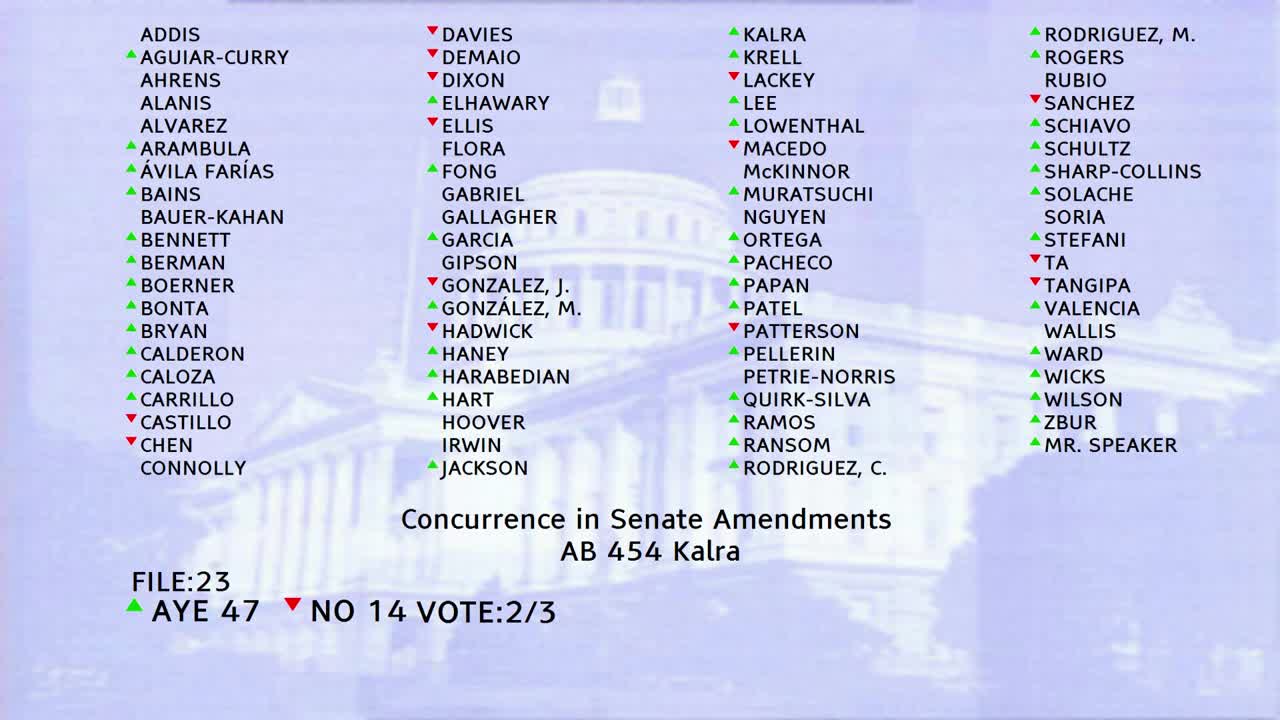
Bill Author

Bill Co-Author(s):
