AB 15: Denti-Cal program: reimbursement rates.
- Session Year: 2017-2018
- House: Assembly
- Latest Version Date: 2017-03-23
Existing law provides for the Medi-Cal program, which is administered by the State Department of Health Care Services, under which qualified low-income individuals receive health care services. The Medi-Cal program is, in part, governed and funded by federal Medicaid program provisions. Existing law provides for a schedule of benefits provided under the Medi-Cal program, which includes certain dental services that are referred to as Denti-Cal.
Existing law, the California Healthcare, Research, and Prevention Tobacco Tax Act of 2016, or Proposition 56, which was approved by voters at the November 8, 2016, statewide general election, increases taxes imposed on distributors of cigarettes and tobacco products and allocates a specified percentage of those revenues to the department to increase funding for existing health care programs under the Medi-Cal program. Existing law establishes the Healthcare Treatment Fund for this purpose.
This bill would require the State Department of Health Care Services to increase department, for the 201718 fiscal year, to double Denti-Cal provider reimbursement rates for the 15 most common prevention, treatment, and oral evaluation services to the regional average commercial rates, effective January 1, 2018. based on the average rates per service established in the 201516 fiscal year. The bill would appropriate for the 201718 fiscal year such an amount as may be necessary to double the reimbursement rates from the Healthcare Treatment Fund to the department, as specified.
Existing law provides for the Medi-Cal program, which is administered by the State Department of Health Care Services, under which qualified low-income individuals receive health care services. The Medi-Cal program is, in part, governed and funded by federal Medicaid program provisions. Existing law provides for a schedule of benefits provided under the Medi-Cal program, which includes certain dental services that are referred to as Denti-Cal.
This bill would require the State Department of Health Care Services to increase Denti-Cal provider reimbursement rates for the 15 most common prevention, treatment, and oral evaluation services to the regional average commercial rates, effective January 1, 2018.
The Legislature finds and declares all of the following:
(a)Californias Medicaid dental program, Denti-Cal, is charged with providing an adequate level of dental coverage to 13 million low-income Californians, including five million children.
(b)Dental care, particularly preventative care, can have significant long-term impacts. Tooth decay and disease are associated with pregnancy risks, diabetes, and respiratory and heart disease. Additionally, a lack of access to dental care among children can result in missed school days, and ultimately poorer academic performance.
(c)Denti-Cal, as currently implemented and funded, is a failure. Just 37.8 percent of Californias five million Denti-Cal-eligible children saw a dentist in the 2014 calendar year.
(d)The Milton Marks Little Hoover Commission on California State Government Organization and Efficiency Economy and the California State Auditor both note these low utilization rates, which stem from a lack of providers and an uneven distribution of those providers that do participate in the Denti-Cal program. Five counties have no providers, and 14 counties only have providers that are not accepting new patients.
(e)The lack of providers is partly a result of low reimbursement rates, which are typically one-third to one-half of the national average for common procedures.
SEC. 2.(a)It is the intent of the Legislature to attract and retain more Denti-Cal providers, with an emphasis on underserved areas, and to increase utilization of the program.(b)Effective January 1, 2018, the State Department of Health Care Services shall increase Denti-Cal provider reimbursement rates for the 15 most common prevention, treatment, and oral evaluation services to the regional average commercial rates.SEC. 2.Section 14149.9 is added to the Welfare and Institutions Code, immediately following Section 14149.8, to read:14149.9.(a)It is the intent of the Legislature to attract and retain more Denti-Cal providers, with an emphasis on underserved areas, and to increase utilization of the program.
(b)For the 201718 fiscal year, the State Department of Health Care Services shall double Denti-Cal provider reimbursement rates for the 15 most common prevention, treatment, and oral evaluation services based on the average rates per service established in the 201516 fiscal year.
(c)The Legislature shall appropriate for the 201718 fiscal year such an amount as may be necessary to implement subdivision (b) from the Healthcare Treatment Fund to the State Department of Health Care Services in accordance with subdivision (a) of Section 30130.55 of the Revenue and Taxation Code, in combination with the maximum federal financial participation that can be obtained.
REVISIONS: HeadingLine 7.The Legislature finds and declares all of the following:
(a)Californias Medicaid dental program, Denti-Cal, is charged with providing an adequate level of dental coverage to 13 million low-income Californians, including five million children.
(b)Dental care, particularly preventative care, can have significant long-term impacts. Tooth decay and disease are associated with pregnancy risks, diabetes, and respiratory and heart disease. Additionally, a lack of access to dental care among children can result in missed school days, and ultimately poorer academic performance.
(c)Denti-Cal, as currently implemented and funded, is a failure. Just 37.8 percent of Californias five million Denti-Cal-eligible children saw a dentist in the 2014 calendar year.
(d)The Milton Marks Little Hoover Commission on California State Government Organization and Efficiency and the California State Auditor both note these low utilization rates, which stem from a lack of providers and an uneven distribution of those providers that do participate in the Denti-Cal program. Five counties have no providers, and 14 counties only have providers that are not accepting new patients.
(e)The lack of providers is partly a result of low reimbursement rates, which are typically one-third to one-half of the national average for common procedures.
SEC. 2.(a)It is the intent of the Legislature to attract and retain more Denti-Cal providers, with an emphasis on underserved areas, and to increase utilization of the program.
(b)Effective January 1, 2018, the State Department of Health Care Services shall increase Denti-Cal provider reimbursement rates for the 15 most common prevention, treatment, and oral evaluation services to the regional average commercial rates.
|
Date
|
Status
|
|---|---|
| Feb 1, 2018 | From committee: Filed with the Chief Clerk pursuant to Joint Rule 56. |
| Jan 31, 2018 | Died pursuant to Art. IV, Sec. 10(c) of the Constitution. |
| Jun 20, 2017 | Coauthors revised. |
| May 26, 2017 | In committee: Held under submission. |
| Apr 5, 2017 | In committee: Set, first hearing. Referred to APPR. suspense file. |
| Apr 3, 2017 | Coauthors revised. |
| Mar 27, 2017 | Re-referred to Com. on APPR. |
| Mar 23, 2017 | Read second time and amended. |
| Mar 22, 2017 | From committee: Amend, and do pass as amended and re-refer to Com. on APPR. (Ayes 15. Noes 0.) (March 21). |
| Jan 19, 2017 | Referred to Com. on HEALTH. |
| Dec 6, 2016 | From printer. May be heard in committee January 5. |
| Dec 5, 2016 | Read first time. To print. |
|
Date
|
Description
|
Location
|
Votes
|
|
|---|---|---|---|---|
| Mar 21, 2017 | Do pass as amended and be re-referred to the Committee on [Appropriations] | Assembly Standing Committee on Health |
Passed |
This list shows positions taken on this bill by organizations on the date displayed, which is linked to the original source.
Positions by individuals are not included.
|
Organization
|
Position
|
Date
|
|---|---|---|
| California Academy of Physician Assistants | ** Support | Mar 20, 2017 |
| California Children's Defense Fund | * Support | Mar 21, 2017 |
| California Coverage and Health Initiatives | * Support | Mar 21, 2017 |
| California Dental Association | ** Support | Mar 20, 2017 |
| California Dental Hygenist Association | * Support | Mar 21, 2017 |
| California State Council on Developmental Disabilities | ** Support | Mar 20, 2017 |
| CalPACE | * Support | Mar 21, 2017 |
| Common Sense Kids Action | * Support | Mar 21, 2017 |
| County of Humboldt | ** Support | Mar 20, 2017 |
| Dental Surgery Center Coalition | * Support | Mar 21, 2017 |
| Department of Health Care Services | ** Against | Mar 20, 2017 |
| First Five California | * Support | Mar 21, 2017 |
| Friends Committee on Legislation in California | * Support | Mar 21, 2017 |
| Futures Explored | * Support | Mar 21, 2017 |
| Happy Bear Surgery Center | * Support | Mar 21, 2017 |
| Jewish Family Service of San Diego | ** Support | Mar 20, 2017 |
| Little Hoover Commission | * Support | Mar 21, 2017 |
| United Ways Of California | * Support | Mar 21, 2017 |
| Western Center On Law And Poverty Inc. | * Support | Mar 21, 2017 |
| Western Dental Services, Inc. | * Support | Mar 21, 2017 |
Date of Hearing: April 5, 2017
ASSEMBLY COMMITTEE ON APPROPRIATIONS
Lorena Gonzalez Fletcher, Chair
ABPCA Bill Id:AB 15
Author:(Maienschein) – As Amended Ver:March 23, 2017
Policy Committee: | Health | Vote: | 15 - 0 |
|
|
Urgency: No State Mandated Local Program: No Reimbursable: No
SUMMARY:
This bill increases rates paid to dental providers participating in Denti-Cal, the dental component of the state's Medicaid program. Specifically, this bill:
- Requires the Department of Health Care Services (DHCS) to double rates for the 2017-18 fiscal year for the 15 most common prevention, treatment, and oral evaluation services.
- Requires the Legislature to appropriate funds for the 2017–18 fiscal year from the Healthcare Treatment Fund created by Proposition 56 of 2016 (the tobacco tax initiative), as well as commensurate federal matching funds, in such an amount as may be necessary to implement the rate increases.
FISCAL:
- Increased Denti-Cal costs in the range of $180 million associated with doubling rates in the fee-for-service Denti-Cal system (Healthcare Treatment Fund /federal).
- Uncertain, significant additional costs associated with increases in utilization. For every 5% increase of Denti-Cal services overall, costs would be in the range of $50 million (Healthcare Treatment Fund and/or GF, and federal funds). Utilization rates of Denti-Cal services are relatively low. There is consensus that low reimbursement rates discourage dentists from participating in the program, limiting access to services. By raising Denti-Cal rates substantially, the bill is likely to encourage enrollment of new dentists and additional Denti-Cal services provided by existing and newly enrolled dentists. It is unclear precisely how much utilization would increase. If Healthcare Treatment Fund dollars appropriated were insufficient to fund increased utilization, there could be GF cost pressure.
- Increased administrative costs associated with higher provider enrollment, for at least the first year of implementation, potentially in the millions of dollars (GF/federal).
- To the extent the bill results in increased utilization of preventive dental services in Denti-Cal, there is likely to be some unknown level of cost savings from reduced spending on serious dental procedures (GF/federal savings). Regular dental care can prevent serious health problems that require more costly interventions.
- The Governor's January 2017 budget already allocates Proposition 56 Healthcare Treatment Fund funds to projected 2017-18 Medi-Cal spending. Any redirection of these funds would result in a GF shortfall of a like amount, unless higher GF revenues are projected at the time of the May Revision to the budget.
COMMENTS:
- Purpose. This bill seeks to improve provider participation in the Denti-Cal program by increasing rates for common dental procedures. The author describes Denti-Cal as underfunded and asserts providers do not participate because reimbursement rates are too low.
- Background. Recent reports by the Little Hoover Commission and the California State Auditor have examined access to care in the Denti-Cal program. The 2014 State Auditor report identified limited access to dental care for enrolled children in certain counties, and included over 20 recommendations related to access monitoring, performance measurement, streamlining of provider enrollment, and other administrative improvements. Though it recommended DHCS conduct a reimbursement rate review consistent with existing law, the report did not make a recommendation related to reimbursement rate levels. It does, however, reference other studies that indicate low reimbursement rates are one of the primary reasons dental providers don’t participate. The audit found California's reimbursement rates for the 10 dental procedures most frequently authorized for payment within the program in 2012 averaged $21.60—only 35 percent of the national average for these same procedures.
- Proposition 56. In November 2016, voters approved Proposition 56, which increases excise taxes on tobacco products by $2. The measure also prescribes how to distribute the increased tax revenues. Most of the new revenue is dedicated to Medi-Cal, and funds are required to supplement, not supplant, existing spending on the program. The Governor's Budget allocates $1.3 billion in Proposition 56 funds in 2017-18 to support anticipated cost increases in the Medi-Cal program. The Legislative Analyst's Office notes revenues directed to Medi-Cal could also be used to increase Medi-Cal payment rates or to implement other legislative priorities. This bill's proposed Proposition 56 expenditure appears consistent with the initiative's restrictions on uses of the revenue. The proposition requires:
"To the extent possible given the limits of funding under this article, [payments] shall be increased based on criteria developed and periodically updated as part of the annual state budget process….These criteria shall include, but not be limited to, ensuring timely access, limiting specific geographic shortages of services, or ensuring quality care."
- Dental Rates. A 2008 study by the National Academy for State Health Policy, "The Effects of Medicaid Reimbursement Rates on Access to Dental Care," notes dental rate increases are investments that must be sustained over time, so it is important to gauge whether the benefit derived from rate increases is proportionate to the size of the investment. It also recommends assessing whether there is a particular threshold level of reimbursement that produces and maintains the utilization and participation increases that states desire. The report notes consensus that rate increases should be sufficient to raise payments to a level where the provider does not lose money by participating in Medicaid, and that dental overhead costs have been estimated to comprise 60 percent to 65 percent of providers’ income. Finally, the report notes a large and sustained increase in rates can result in costs far beyond initial estimates, as better access and higher utilization is realized.
- Staff Comments:
- Reimbursement and Access to Care. This bill attempts to address low Denti-Cal provider participation rates by significantly increasing payment for the 15 most common services. However, the bill's approach raises several questions. Will the new reimbursement rate be adequate to attract more providers, particularly in the geographic areas most access-challenged? Is there a lower level of reimbursement or a more targeted approach that would still attract more providers, and what assurance would the state have that the proposed approach would optimally balance increased state costs with increased access? Does creating an increased payment tier for only the 15 most common services have any unintended consequences? Is there any evidence basis for the particular rates proposed in this bill? Should rate increases be considered as a component of a broader provider participation initiative in order to improve the cost-efficiency of the state's efforts to expand access to dental care?
- Proposition 56 Appropriation. Staff notes Proposition 56 allocations are currently being considered as part of the annual budget process, and any appropriation made in a stand-alone bill may be inconsistent with decisions made through the budget process.
- Support and Opposition. This bill is supported by the Little Hoover Commission, first 5 California, and a number of health advocacy groups, among others. The Department of Health Care Services opposes the bill, citing the budget process as an appropriate decision-making venue for expenditure proposals.
Analysis Prepared by: Lisa Murawski / APPR. / (916) 319-2081
Date of Hearing: March 21, 2017
ASSEMBLY COMMITTEE ON HEALTH
Jim Wood, Chair
ABPCA Bill Id:AB 15
Author:(Maienschein) – As Introduced Ver:December 5, 2016
SUBJECT: Denti-Cal program: reimbursement rates.
SUMMARY: Requires, commencing January 1, 2018, the Department of Health Care Services (DHCS) to increase provider reimbursement rates for the 15 most common dental services provided in the Denti-Cal program to the regional average commercial rates.
EXISTING LAW:
- Establishes the Medi-Cal program, which is administered by DHCS, under which qualified low-income individuals receive health care services, including certain dental services, as specified. Provides for the delivery of dental services through the fee-for-service (FFS) Denti-Cal program, except in Sacramento County, where enrollment in a dental managed care plan is required (with exceptions), and in Los Angeles County, where beneficiaries have the option to enroll in a dental managed care plan.
- Requires the DHCS Director to annually review the reimbursement levels for physician and dental services under Medi-Cal, and to revise periodically the rates of reimbursement to physicians and dentists to ensure the reasonable access of Medi-Cal beneficiaries to physician and dental services.
FISCAL EFFECT: This bill has not yet been analyzed by a fiscal committee.
COMMENTS:
- PURPOSE OF THIS BILL. According to the author, Denti-Cal provides dental coverage for more than 14 million Californians, including 5 million children, but has been chronically underfunded. Recent reports by the State Auditor and Little Hoover Commission (LHC) found that less than 38% of Denti-Cal-eligible children received dental care in 2014. Denti-Cal consistently falls short in caring for the one-third of our state’s residents and half of our children that are covered by it.
The author concludes that tooth decay and dental disease are associated with pregnancy risks, diabetes, and respiratory and heart diseases. The inability to obtain proper dental care can have significant long-term impacts, which contribute to multi-generational poverty. Our state health and social safety net programs should provide hope and opportunity for low-income Californians, not make life harder.
- BACKGROUND.
- Denti-Cal. States are federally required to provide dental benefits to children covered by Medicaid (Medi-Cal in California) and the Children's Health Insurance Program. Denti-Cal is the Medicaid program that provides comprehensive dental care to pediatric and pregnant Medi-Cal beneficiaries and limited emergency services to adult beneficiaries. While Medicaid covers dental services for all child enrollees as part of a comprehensive set of benefits, referred to as the Early and Periodic Screening, Diagnostic and Treatment benefit, states may choose to provide dental benefits for adults. Minimum federal requirements for pediatric dental Medicaid programs include relief of pain and infections, restoration of teeth and maintenance of dental health. For children in Medi-Cal, dental care is provided on a FFS basis in all counties, with Sacramento and Los Angeles Counties also offering services through Medi-Cal Dental Managed Care Program (DMC) plans.
For more than 40 years Medicaid-enrolled Californians of any age were eligible for basic diagnostic, preventive, restorative, and emergency dental procedures provided by participating dentists through Denti-Cal. In 2007, Denti-Cal provided comprehensive oral health care to more than 8 million people. However, from July 2009, to May 2014, California eliminated funding for most adult non-emergency Denti-Cal benefits, effectively eliminating California’s oral health safety-net for adults. A partial restoration of benefits, primarily diagnostic and preventative services, was enacted in the 2013 Budget Act and became effective May 1, 2014.
- Denti-Cal Managed Care Performance. Under the FFS model, providers are reimbursed according to a rate schedule set by DHCS. The Medi-Cal DMC contracts with three Geographic Managed Care (GMC) Plans and five Prepaid Health Plans (PHP) that provide dental services to enrolled beneficiaries. Each dental plan receives a negotiated monthly per capita rate from the state for every recipient enrolled in their plan. Medi-Cal beneficiaries residing in Los Angeles County can access dental care either through the FFS delivery system or through PHPs, while most Medi-Cal beneficiaries residing in Sacramento County are mandatorily enrolled in prepaid health plans for dental care. If Sacramento County beneficiaries are unable to secure services through their prepaid health plan in accordance with the applicable contractual time frames and the Knox-Keene Health Care Service Plan Act of 1975, they can qualify for the beneficiary dental exemption, which allows them to move into the FFS delivery system. In 2012, about 143,000 child beneficiaries received services under the DMC plans operating in the counties of Los Angeles and Sacramento.
- FFS Study. In 2012, dental health plans contracted with Barbara Aved Associates to conduct research on Medi-Cal’s FFS dental care. The study found, in part, that: i) 97% of non-participating dentists cited low reimbursement rates as the reason for not participating; ii) 90% of general dentists said it was somewhat or very difficult to find a pediatric dentists accepting Medi-Cal referrals; and, iii) 38% of general dentists and 69% of pediatric dentists who take Medi-Cal have 15% or less of their patient population in Medi-Cal. The researcher concluded that children in Medi-Cal are getting inadequate dental care, largely due to insufficient provider participation, reflecting low reimbursement rates. The researcher recommended: i) streamlining the provider enrollment process; ii) increasing rates; iii) adopting more quality measures; iv) increasing monitoring of utilization data; and, v) increasing public oral health education to families.
- Reports, Hearings, and Audits of Denti-Cal.
- Sacramento First 5 Report. In 2010, First 5 of Sacramento commissioned the “Sacramento Deserves Better” report which analyzed access, utilization, and quality of dental care under Sacramento’s GMC Dental Services model. Key findings from this report include the following:
- Only 20% of children in GMC dental services used a dental service in 2008, as compared to over 40% of children in Medi-Cal statewide who are predominantly in FFS;
- Only 30% of children in GMC dental services received a dental service in 2010;
- Sacramento GMC dental services is consistently one of the lowest-ranking counties for Medi-Cal dental access in the entire state;
- Dental plans have not complied with a “first tooth/first birthday” recommendation for the initial dental visit;
- Inadequate prevention services were provided; and,
- The state provided minimal oversight of GMC dental services contracts.
- Sacramento First 5 Report. In 2010, First 5 of Sacramento commissioned the “Sacramento Deserves Better” report which analyzed access, utilization, and quality of dental care under Sacramento’s GMC Dental Services model. Key findings from this report include the following:
Early in 2012, through a series of articles and editorials, the Sacramento Bee (Bee) brought attention to the dire conditions of Sacramento County’s pediatric GMC Dental Services program. The Bee coverage focused on the findings of the report commissioned by First 5 of Sacramento, which revealed shockingly low utilization rates and highlighted a series of examples of specific children who had been in desperate need of dental care, yet unable to access the care they needed without significant delays, worsening conditions, prolonged pain, and a significant amount of fear, frustration, and relentless advocacy on the part of their parents.
- Legislative Hearings. After the Sacramento First 5 Report was published, a series of legislative hearings in 2012 found a lack of oversight of the GMC programs in Sacramento and Los Angeles counties by DHCS, resulting in significant underutilization by pediatric beneficiaries. On March 8, 2012, the Assembly Select Committee on Workforce and Access to Care convened a meeting to examine the state of the dental safety net, followed by a Senate Budget Hearing on March 22, 2012, that directly examined the Sacramento GMC dental program. As a result, the 2012 budget trailer bill provided for the beneficiary dental exemption process, which allows beneficiaries who are not receiving adequate or timely access to care to opt out of the GMC dental program, requires DHCS to establish performance measures and benchmarks for dental health plans, requires DHCS to utilize dental health plan performance data for contracting purposes, and requires the establishment of contract incentives and disincentives, along with enacting other oversight mechanisms.
- State Auditor's Report. On December 11, 2014, the California State Auditor issued a report titled “California Department of Health Care Services: Weaknesses in Its Denti-Cal Limit Children's Access to Dental Care" (Audit). The report stated that insufficient number of dental providers willing to participate in Medi-Cal, low reimbursement rates, and a failure to adequately monitor the program, led to limited access to care, and low utilization rates for Medi-Cal beneficiaries across the state. The Audit found that 16 counties either have no active providers or do not have providers willing to accept new Medi-Cal patients, and 16 other counties have an insufficient number of providers. Recent changes in federal and state laws that have expanded Medi-Cal coverage could increase the number of children and adults who can receive additional covered dental services from 2.7 million to as many as 6.4 million, bringing into question the state's ability to provide timely and adequate care to beneficiaries.
- Office of Inspector General (OIG) Report. In January 2016, the federal Department of Health and Human Services OIG published a report titled “Most Children with Medicaid in Four States are Not Receiving Required Dental Services.” The study focused on four states: California, Indiana, Louisiana, and Maryland and analyzed Medicaid dental claims with service dates in 2011 and 2012, beneficiary enrollment files, and conducted structured interviews with state officials. The OIG report found that three out of four children did not receive all required dental services, with one in four children failing to see a dentist at all. All four states reported that they do not routinely track whether children are receiving all the required services. In addition, two of the four states had policies that do not allow payment for particular services in accordance with their periodicity schedules. All states reviewed reported facing shortages of participating dental providers and challenges in educating families about the importance of regular dental care.
- The Little Hoover Commission Report. On April 1, 2016, the LHC published a report titled “Fixing Denti-Cal." The LHC initiated an examination of the state’s Denti-Cal program after receiving formal requests for a review from Legislators in April of 2015 and following the findings of the 2014 State Auditor’s Report. Lawmakers requested that the LHC “undertake a review of the Denti-Cal program and identify the necessary steps to assure this vital program meets its purpose to provide access to dental care for many of the most vulnerable Californians including children.” The LHC Report highlighted the lack of providers in the Denti-Cal program, inadequate and low provider reimbursement rates, enrollment, billing, and administrative challenges. The LHC provided 11 recommendations on how to improve the Denti-Cal program, as follows:
- The Legislature should set a target of 66% of children with Denti-Cal coverage making annual dental visits;
- DHCS should simplify the Denti-cal provider enrollment forms and put them online in 2017;
- DHCS should overhaul the process of treatment authorization requests;
- DHCS should implement a customer focused program to improve relationships with its providers;
- DHCS should purge outdated regulations;
- The Legislature and Governor should enact and sign legislation in 2016 to create an evidence-based advisory group for the Denti-Cal program;
- The Legislature and Governor should fund a statewide expansion of teledentistry and the virtual dental home;
- State government, funders, and non-profits should lead a sustained statewide “game changer” to reorient the oral health care system for Denti-Cal beneficiaries toward preventative care;
- The Legislature and DHCS should expand the concepts of Washington State’s Access to Baby and Child Dentistry program and Alameda County’s Healthy Kids, Healthy Teeth program to more regions of California;
- DHCS and California counties should steer more Denti-Cal eligible patients into Federally Qualified Health Centers with capacity to see them; and,
- Medical societies and non-profit organizations should recruit more pediatricians to provide preventative dental checkups during well-child visits.
- Transformation Waiver. The new "Medi-Cal 20-20 Waiver" includes provisions to implement the "Dental Transformation Initiative" (DTI), which aims to improve dental health for Medi-Cal children by focusing on high-value care, improved access, and utilization of performance measures to drive delivery system reform. The DTI provides incentive payments to Medi-Cal dental providers who meet certain requirements and benchmarks. The DTI provides $148 million annually in funding for five years for a maximum of $750 million. More specifically, DTI will include three domains: preventive service, caries risk assessment and management, and continuity of care. Specific incentive payments within each domain will be available to qualified providers, along with messaging and education to providers and beneficiaries about programs and efforts in their local communities.
- 2016 DHCS Rate Review. In accordance with state law, DHCS undertakes an annual analysis of Denti-Cal provider rates. DHCS compares reimbursement rates of the top 25 most utilized Denti-Cal FFS procedures, with other comparable states' Medicaid Programs, in addition to the commercial rates from five different geographic regions around the nation. These 25 procedures made up approximately 89% of billed procedures in fiscal year (FY) 2013-14 and FY 2014-15. California's Denti-Cal FFS program in FY 2014-15 paid on average 29% of the average rates for the pacific division region that encompasses the states of California, Alaska, Hawaii, Oregon, and Washington. Denti-Cal pays 30% of the national average reimbursement rate for the top 25 most utilized services. Committee staff requested information from DHCS regarding what the top 15 most utilized dental services are in the Denti-Cal program. DHCS was unable to provide the information at the time of publication of this analysis.
- Proposition 56. In 2016, California voters passed Proposition 56, which increased the cigarette tax by $2.00 per pack, with equivalent increases on other tobacco products and electronic cigarettes containing nicotine. It is anticipated that the tax will result in an additional net state revenue of $1 billion to $1.4 billion in 2017-18, with potentially lower revenues in future years. The proposition directed revenues to be used primarily to augment spending on health care for low-income Californians including a $30 million annual appropriation to fund the State Department of Public Health state dental program to provide oral health education, and to prevent and treat dental disease, prioritizing underserved areas and populations. Proposition 56 also requires funded programs to include, but not be limited to, the following: education, disease prevention, disease treatment, surveillance, and case management.
- Governor's 2017-2018 Budget Proposal. The Governor’s Budget allocates the bulk of the Proposition 56 revenues raised through the end of 2017-18 to Medi-Cal. Of the $1.3 billion in revenues, about $1.2 billion would be spent in Medi-Cal in 2017-18 and the remainder would be spent in 2018-19 due to Medi‑Cal’s accounting structure. Proposition 56 directs that its revenues “shall not be used to supplant existing state general funds for these same purposes,” namely, state Medi-Cal payments. According to the Legislative Analyst's Office (LAO), questions have been raised as to whether the Governor’s proposals for the use of Proposition 56 Medi-Cal revenues meet the initiative’s requirement to supplement existing spending. The Governor’s Medi‑Cal proposal uses the Proposition 56 revenue to pay for typical year‑to‑year cost increases in the program. The LAO points out that the Governor’s proposal, by contrast, uses the new revenues to pay for typical year‑to‑year cost increases in Medi‑Cal. Proposition 56 funds are not used to increase provider rates or expand the current scope of the Medi-Cal program in any way. There is therefore disagreement about whether or not the Governor’s proposal complies with the measure’s non‑supplantation requirements for Medi-Cal.
- SUPPORT. The California Dental Association (CDA) states in support of the bill that numerous reports have consistently highlighted the insufficiencies and dysfunction of the state's dental program, including reimbursement rates among the nation's lowest, an abundance of restrictive rules, and reliance on outdated paper-based administrative processes. Addressing the program's deficiencies will take a multifaceted approach, yet it is clear that additional funding to increase provider participation in the program is essential. The access crisis in Medi-Cal/Denti-Cal is among the reasons that CDA and a coalition of healthcare providers sponsored last fall's successful Proposition 56 to increase the tobacco tax by $2 a pack. The state must utilize the Proposition 56 funds as intended by the voters to improve access to medical and dental care and to improve the health status of the millions of Californians enrolled in the Medi-Cal program.
First 5 California states that a significant investment is needed as a first step in improving access to dental services for the 13 million Californians, including 5 million children, who depend on the Denti-Cal Program. First 5 California notes that early childhood tooth decay is the single-most prevalent chronic disease of early childhood and a major cause of preschool and school absenteeism. About one-third of California preschool children have untreated tooth decay, which can cause pain and infection that often leads to problems with nutrition, growth, school readiness, and speech. First 5 California also states that First 5 county commissions have played a critical role providing supplemental oral health services to fill gaps in access and coverage. However, these investments cannot be sustained indefinitely given the steady decline of First 5 revenue. First 5 California and county commissions will continue to make oral health a priority, but systemic, state-level solutions are necessary to address the growing oral health needs of California's youngest children.
The California State Council on Developmental Disabilities states that this bill is consistent with its mission and values of ensuring that individuals with developmental disabilities and their families participate in the planning, design and receipt of the services and supports they need which promote increased independence, productivity, inclusion and self-determination.
- OPPOSE. DHCS states that this bill would result in additional expenditures of $401 million total funds annually ($184 million General Fund) and that adjustments to provider rates with fiscal implications are more appropriately addressed as part of the budget process.
- RELATED LEGISLATION. AB 753 (Caballero) would require DHCS to implement specified initiatives designed to significantly improve access to dental services as provided for in Proposition 56, requires DHCS to develop and implement a DTI for adults, as specified and would require DHCS to increase reimbursement rates of qualified providers for the 20 most common pediatric diagnostic and restorative services, as specified. AB 753 is pending in the Assembly Health Committee.
- PREVIOUS LEGISLATION.
- AB 2207 (Wood), Chapter 613, Statutes of 2016, makes changes to the Denti-Cal provider enrollment and disenrollment process, increases access and utilization oversight responsibility of the DHCS over Denti-Cal contracts, and aligns Denti-Cal FFS and DMC annual and quarterly data reporting requirements.
- AB 1051 (Maienschein) of 2016 was substantially similar to this bill and would have required DHCS to increase provider reimbursement rates for the 15 most common dental services provided in the Denti-Cal program to average regional commercial rates. AB 1051 was held in the Senate Appropriations Committee.
- SUGGESTED AMENDMENTS.
- Proposition 56. The Committee may wish to consider language that appropriates the needed funds for this measure from the account established by Proposition 56 for the purpose of providing education, disease prevention, disease treatment, surveillance, and case management.
- Rates. This bill as currently drafted describes "average regional commercial rates." There are a total of five different regions that are used for the purpose of determining average regional commercial rates across the country. As drafted this bill is silent on which region to use to compare rates. California Denti-Cal rates are roughly 60% less than any of the regional commercial rates. Instead of trying to match any of the regional commercial rates, the Committee may wish to consider a more feasible approach of doubling the current rate for each of the top 15 most utilized Denti-Cal services.
- Technical Amendments. This bill as currently drafted is uncodified. Committee should consider codifying section 2 of the bill.
REGISTERED SUPPORT / OPPOSITION:
Support
California Academy of Physician Assistants
California Dental Association (in concept)
California PACE Association
California State Council on Developmental Disabilities
Children’s Defense Fund – California
County of Humboldt
First 5 California
Jewish Family Service of San Diego
Little Hoover Commission
United Ways of California
Western Center on Law & Poverty
Opposition
Department of Health Care Services
Analysis Prepared by: Paula Villescaz / HEALTH / (916) 319-2097
Discussed in Hearing
 1H
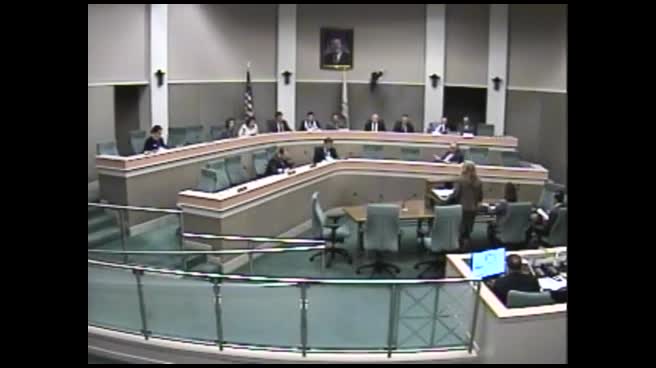
Assembly Standing Committee on Appropriations
 11MIN
Assembly Standing Committee on Health
Bill Author
Bill Co-Author(s):