AB 2635: Education finance: local control funding formula: supplemental grants: lowest performing pupil subgroup or subgroups.
- Session Year: 2017-2018
- House: Assembly
- Latest Version Date: 2018-02-15
Existing law establishes a public school financing system that requires state funding for county superintendents of schools, school districts, and charter schools to be calculated pursuant to a local control funding formula, as specified. Under the local control funding formula, an important component is the number of unduplicated pupils, as defined to be pupils classified as English learners, as eligible for free or reduced-price meals, or as foster youth, for purposes of supplemental grants.
This bill would, commencing with the 201819 fiscal year, adjust the definition of unduplicated pupils to include pupils who are included in the lowest performing subgroup or subgroups, as defined, based on the most recently available mathematics or language arts results on the California Assessment of Student Performance and Progress, as specified. The bill would require the Superintendent of Public Instruction to annually identify the lowest performing pupil subgroup or subgroups. The bill would require that implementation of these provisions be contingent upon the appropriation of funds for these purposes in the annual Budget Act or other statute.
For the 201314 fiscal year and for each fiscal year thereafter, the Superintendent annually shall calculate a county local control funding formula for each county superintendent of schools as follows:
(a)Compute a county office of education operations grant equal to the sum of each of the following amounts:
(1)Six hundred fifty-five thousand nine hundred twenty dollars ($655,920).
(2)One hundred nine thousand three hundred twenty dollars ($109,320) multiplied by the number of school districts for which the county superintendent of schools has jurisdiction pursuant to Section 1253.
(3)(A)Seventy dollars ($70) multiplied by the number of units of countywide average daily attendance, up to a maximum of 30,000 units.
(B)Sixty dollars ($60) multiplied by the number of units of countywide average daily attendance for the portion of countywide average daily attendance, if any, above 30,000 units, up to a maximum of 60,000 units.
(C)Fifty dollars ($50) multiplied by the number of units of countywide average daily attendance for the portion of countywide average daily attendance, if any, above 60,000, up to a maximum of 140,000 units.
(D)Forty dollars ($40) multiplied by the number of units of countywide average daily attendance for the portion of countywide average daily attendance, if any, above 140,000 units.
(E)For purposes of this section, countywide average daily attendance means the aggregate number of annual units of average daily attendance within the county attributable to all school districts for which the county superintendent of schools has jurisdiction pursuant to Section 1253, charter schools authorized by school districts for which the county superintendent of schools has jurisdiction, and charter schools authorized by the county superintendent of schools.
(4)For the 201415 fiscal year and each fiscal year thereafter, adjust each of the rates provided in the prior year pursuant to paragraphs (1), (2), and (3) by the percentage change in the annual average value of the Implicit Price Deflator for State and Local Government Purchases of Goods and Services for the United States, as published by the United States Department of Commerce for the 12-month period ending in the third quarter of the prior fiscal year. This percentage change shall be determined using the latest data available as of May 10 of the preceding fiscal year compared with the annual average value of the same deflator for the 12-month period ending in the third quarter of the second preceding fiscal year, using the latest data available as of May 10 of the preceding fiscal year, as reported by the Department of Finance.
(b)Determine the enrollment percentage of unduplicated pupils pursuant to the following:
(1)(A)For the 201314 fiscal year, divide the enrollment of unduplicated pupils in all schools operated by a county superintendent of schools in the 201314 fiscal year by the total enrollment in those schools in the 201314 fiscal year.
(B)For the 201415 fiscal year, divide the sum of the enrollment of unduplicated pupils in all schools operated by a county superintendent of schools in the 201314 and 201415 fiscal years by the sum of the total enrollment in those schools in the 201314 and 201415 fiscal years.
(C)For the 201516 fiscal year and each fiscal year thereafter, divide the sum of the enrollment of unduplicated pupils in all schools operated by a county superintendent of schools in the current fiscal year and the two prior fiscal years by the sum of the total enrollment in those schools in the current fiscal year and the two prior fiscal years.
(D)(i)For purposes of the quotients determined pursuant to subparagraphs (B) and (C), the Superintendent shall use a county superintendent of schools enrollment of unduplicated pupils and total pupil enrollment in the 201415 fiscal year instead of the enrollment of unduplicated pupils and total pupil enrollment in the 201314 fiscal year if doing so would yield an overall greater percentage of unduplicated pupils.
(ii)It is the intent of the Legislature to review each county office of educations enrollment of unduplicated pupils for the 201314 and 201415 fiscal years and provide one-time funding, if necessary, for a county office of education with higher enrollment of unduplicated pupils in the 201415 fiscal year as compared to the 201314 fiscal year.
(E)For purposes of determining the enrollment percentage of unduplicated pupils pursuant to this subdivision, enrollment in schools or classes established pursuant to Article 2.5 (commencing with Section 48645) of Chapter 4 of Part 27 of Division 4 of Title 2 and the enrollment of pupils other than the pupils identified in clauses (i) to (iii), inclusive, of subparagraph (A) of paragraph (4) of subdivision (c), shall be excluded from the calculation of the enrollment percentage of unduplicated pupils.
(F)The data used to determine the percentage of unduplicated pupils shall be final once that data is no longer used in the current fiscal year calculation of the percentage of unduplicated pupils. This subparagraph does not apply to a change that is the result of an audit that has been appealed pursuant to Section 41344.
(2)(A)For purposes of this section, an unduplicated pupil is a pupil who is classified as an English learner, eligible for a free or reduced-price meal, or a foster youth. For purposes of this section, the definitions in Section 42238.01 of an English learner, a pupil eligible for a free or reduced-price meal, and foster youth shall apply. A pupil shall be counted only once for purposes of this section if any of the following apply:
(A)(i)The pupil is classified as an English learner and is eligible for a free or reduced-price meal.
(B)(ii)The pupil is classified as an English learner and is a foster youth.
(C)(iii)The pupil is eligible for a free or reduced-price meal and is classified as a foster youth.
(D)(iv)The pupil is classified as an English learner, is eligible for a free or reduced-price meal, and is a foster youth.
(v)(I)Commencing with the 201819 fiscal year, the pupil is classified as a member of the lowest performing subgroup or subgroups, as defined in paragraph (7) of subdivision (b) of Section 42238.02, and the pupil is classified as an English learner, is eligible for a free or reduced-price meal, or is a foster youth.
(II)The implementation of subclause (I) shall be contingent upon the appropriation of funds for its purpose in the annual Budget Act or other statute.
(B)(i)Commencing with the 201819 fiscal year, unduplicated pupil shall also mean a pupil who is included in the lowest performing subgroup or subgroups, as identified pursuant to paragraph (7) of subdivision (b) of Section 42238.02.
(ii)The implementation of clause (i) shall be contingent upon the appropriation of funds for its purpose in the annual Budget Act or other statute.
(3)(A)(i)Under procedures and timeframes established by the Superintendent, commencing with the 201314 fiscal year, a county superintendent of schools annually shall report the enrollment of unduplicated pupils, pupils classified as English learners, pupils eligible for free and reduced-price meals, and foster youth in schools operated by the county superintendent of schools to the Superintendent using the California Longitudinal Pupil Achievement Data System.
(ii)(I)Commencing with the 201819 fiscal year, a county superintendent of schools annually shall also report the enrollment of pupils in schools operated by the county superintendent of schools who are classified as members of the lowest performing subgroup or subgroups, as identified pursuant to paragraph (7) of subdivision (b) of Section 42238.02.
(II)The implementation of subclause (I) shall be contingent upon the appropriation of funds for its purpose in the annual Budget Act or other statute.
(B)The Superintendent shall make the calculations pursuant to this section using the data submitted through the California Longitudinal Pupil Achievement Data System.
(C)The Controller shall include instructions, as appropriate, in the audit guide required by subdivision (a) of Section 14502.1, for determining if the data reported by a county superintendent of schools using the California Longitudinal Pupil Achievement Data System is consistent with pupil data records maintained by the county office of education.
(c)Compute an alternative education grant equal to the sum of the following:
(1)(A)For the 201314 fiscal year, a base grant equal to the 201213 per pupil undeficited statewide average juvenile court school base revenue limit calculated pursuant to Article 3 (commencing with Section 2550) 2550.3) of Chapter 12, as that article read on January 1, 2013. For purposes of this subparagraph, the 201213 statewide average juvenile court school base revenue limit shall be considered final as of the annual apportionment for the 201213 fiscal year, as calculated for purposes of the certification required on or before February 20, 2014, pursuant to Sections 41332 and 41339.
(B)Commencing with the 201314 fiscal year, the per pupil base grant shall be adjusted by the percentage change in the annual average value of the Implicit Price Deflator for State and Local Government Purchases of Goods and Services for the United States, as published by the United States Department of Commerce for the 12-month period ending in the third quarter of the prior fiscal year. This percentage change shall be determined using the latest data available as of May 10 of the preceding fiscal year compared with the annual average value of the same deflator for the 12-month period ending in the third quarter of the second preceding fiscal year, using the latest data available as of May 10 of the preceding fiscal year, as reported by the Department of Finance.
(2)A supplemental grant equal to 35 percent of the base grant described in paragraph (1) multiplied by the enrollment percentage calculated in subdivision (b). The supplemental grant shall be expended in accordance with the regulations adopted pursuant to Section 42238.07.
(3)(A)A concentration grant equal to 35 percent of the base grant described in paragraph (1) multiplied by the greater of either of the following:
(i)The enrollment percentage calculated in subdivision (b) less 50 percent.
(ii)Zero.
(B)The concentration grant shall be expended in accordance with the regulations adopted pursuant to Section 42238.07.
(4)(A)Multiply the sum of paragraphs (1), (2), and (3) by the total number of units of average daily attendance for pupils attending schools operated by a county office of education, excluding units of average daily attendance for pupils attending schools or classes established pursuant to Article 2.5 (commencing with Section 48645) of Chapter 4 of Part 27 of Division 4 of Title 2, who are enrolled pursuant to any of the following:
(i)Probation-referred pursuant to Sections 300, 601, 602, and 654 of the Welfare and Institutions Code.
(ii)On probation or parole and not in attendance in a school.
(iii)Expelled for any of the reasons specified in subdivision (a) or (c) of Section 48915.
(B)Multiply the number of units of average daily attendance for pupils attending schools or classes established pursuant to Article 2.5 (commencing with Section 48645) of Chapter 4 of Part 27 of Division 4 of Title 2 by the sum of the base grant calculated pursuant to paragraph (1), a supplemental grant equal to 35 percent of the base grant calculated pursuant to paragraph (1), and a concentration grant equal to 17.5 percent of the base grant calculated pursuant to paragraph (1). Funds provided for the supplemental and concentration grants pursuant to this calculation shall be expended in accordance with the regulations adopted pursuant to Section 42238.07.
(C)Add the amounts calculated in subparagraphs (A) and (B).
(d)Add the amount calculated in subdivision (a) to the amount calculated in subparagraph (C) of paragraph (4) of subdivision (c).
(e)Add all of the following to the amount calculated in subdivision (d):
(1)The amount of funding a county superintendent of schools received for the 201213 fiscal year from funds allocated pursuant to the Targeted Instructional Improvement Block Grant program, as set forth in Article 6 (commencing with Section 41540) of Chapter 3.2 of Part 24 of Division 3 of Title 2, as that article read on January 1, 2013.
(2)(A)(i)The amount of funding a county superintendent of schools received for the 201213 fiscal year from funds allocated pursuant to the Home-to-School Transportation program, as set forth in former Article 2 (commencing with Section 39820) of Chapter 1 of Part 23.5 of Division 3 of Title 2, former Article 10 (commencing with Section 41850) of Chapter 5 of Part 24 of Division 3 of Title 2, and the Small School District Transportation program, as set forth in former Article 4.5 (commencing with Section 42290) of Chapter 7 of Part 24 of Division 3 of Title 2, as those articles read on January 1, 2013.
(ii)If a home-to-school transportation joint powers agency, established pursuant to Article 1 (commencing with Section 6500) of Chapter 5 of Division 7 of Title 1 of the Government Code for purposes of providing pupil transportation, received an apportionment directly from the Superintendent pursuant to Item 6110-111-0001 of Section 2.00 of the Budget Act of 2012, as identified in clause (i) of subparagraph (A) of paragraph (2) of subdivision (a) of Section 2575, the joint powers agency may identify the member local educational agencies and transfer entitlement to that funding to any of those member local educational agencies by reporting to the Superintendent, on or before September 30, 2015, the reassignment of a specified amount of the joint powers agencys 201213 fiscal year entitlement to the member local educational agency. Commencing with the 201516 fiscal year, the Superintendent shall add the reassigned amounts to the amounts calculated pursuant to this paragraph.
(B)On or before March 1, 2014, the Legislative Analysts Office shall submit recommendations to the fiscal committees of both houses of the Legislature regarding revisions to the methods of funding pupil transportation that address historical funding inequities across county offices of education and school districts and improve incentives for local educational agencies to provide efficient and effective pupil transportation services.
(3)The difference determined by subtracting the amount calculated pursuant to paragraph (1) of subdivision (c) for pupils attending a school that is eligible for funding pursuant to paragraph (2) of subdivision (b) of Section 42285 from the amount of funding that is provided to eligible schools pursuant to Section 42284, if the difference is positive.
SEC. 2.Section 42238.02 of the Education Code is amended to read:42238.02.(a)The amount computed pursuant to this section shall be known as the school district and charter school local control funding formula.
(b)(1)For purposes of this section unduplicated pupil means a pupil enrolled in a school district or a charter school who is either classified as an English learner, eligible for a free or reduced-price meal, or is a foster youth. A pupil shall be counted only once for purposes of this section if any of the following apply:
(A)The pupil is classified as an English learner and is eligible for a free or reduced-price meal.
(B)The pupil is classified as an English learner and is a foster youth.
(C)The pupil is eligible for a free or reduced-price meal and is classified as a foster youth.
(D)The pupil is classified as an English learner, is eligible for a free or reduced-price meal, and is a foster youth.
(E)(i)Commencing with the 201819 fiscal year, the pupil is classified as a member of the lowest performing subgroup or subgroups as defined in paragraph (7).
(ii)The implementation of clause (i) shall be contingent upon the appropriation of funds for its purpose in the annual Budget Act or other statute.
(2)Under procedures and timeframes established by the Superintendent, commencing with the 201314 fiscal year, a school district or charter school shall annually submit its enrolled free and reduced-price meal eligibility, foster youth, and English learner pupil-level records for enrolled pupils to the Superintendent using the California Longitudinal Pupil Achievement Data System.
(3)(A)Commencing with the 201314 fiscal year, a county office of education shall review and validate certified aggregate English learner, foster youth, and free or reduced-price meal eligible pupil data for school districts and charter schools under its jurisdiction to ensure the data is reported accurately. The Superintendent shall provide each county office of education with appropriate access to school district and charter school data reports in the California Longitudinal Pupil Achievement Data System for purposes of ensuring data reporting accuracy.
(B)The Controller shall include the instructions necessary to enforce paragraph (2) in the audit guide required by Section 14502.1. The instructions shall include, but are not necessarily limited to, procedures for determining if the English learner, foster youth, and free or reduced-price meal eligible pupil counts are consistent with the school districts or charter schools English learner, foster youth, and free or reduced-price meal eligible pupil records.
(4)The Superintendent shall make the calculations pursuant to this section using the data submitted by local educational agencies, including charter schools, through the California Longitudinal Pupil Achievement Data System. Under timeframes and procedures established by the Superintendent, school districts and charter schools may review and revise their submitted data on English learner, foster youth, and free or reduced-price meal eligible pupil counts to ensure the accuracy of data reflected in the California Longitudinal Pupil Achievement Data System.
(5)The Superintendent shall annually compute the percentage of unduplicated pupils for each school district and charter school by dividing the enrollment of unduplicated pupils in a school district or charter school by the total enrollment in that school district or charter school pursuant to all of the following:
(A)For the 201314 fiscal year, divide the sum of unduplicated pupils for the 201314 fiscal year by the sum of the total pupil enrollment for the 201314 fiscal year.
(B)For the 201415 fiscal year, divide the sum of unduplicated pupils for the 201314 and 201415 fiscal years by the sum of the total pupil enrollment for the 201314 and 201415 fiscal years.
(C)For the 201516 fiscal year and each fiscal year thereafter, divide the sum of unduplicated pupils for the current fiscal year and the two prior fiscal years by the sum of the total pupil enrollment for the current fiscal year and the two prior fiscal years.
(D)(i)For purposes of the quotients determined pursuant to subparagraphs (B) and (C), the Superintendent shall use a school districts or charter schools enrollment of unduplicated pupils and total pupil enrollment in the 201415 fiscal year instead of the enrollment of unduplicated pupils and total pupil enrollment in the 201314 fiscal year if doing so would yield an overall greater percentage of unduplicated pupils.
(ii)It is the intent of the Legislature to review each school district and charter schools enrollment of unduplicated pupils for the 201314 and 201415 fiscal years and provide one-time funding, if necessary, for a school district or charter school with higher enrollment of unduplicated pupils in the 201415 fiscal year as compared to the 201314 fiscal year.
(6)The data used to determine the percentage of unduplicated pupils shall be final once that data is no longer used in the current fiscal year calculation of the percentage of unduplicated pupils. This paragraph does not apply to a change that is the result of an audit that has been appealed pursuant to Section 41344.
(7)(A)Commencing with the 201819 fiscal year, unduplicated pupil shall also mean a pupil who is included in the lowest performing subgroup or subgroups, as defined in Section 52052, based on the most recently available mathematics or language arts results on the California Assessment of Student Performance and Progress. For purposes of this paragraph, the Superintendent shall annually identify the lowest performing pupil subgroup or subgroups. For the 201819 fiscal year, the Superintendent shall use the 2017 assessment results.
(B)The identification of subgroups for purposes of this paragraph shall exclude both of the following:
(i)A subgroup already identified for supplemental funding in paragraph (1).
(ii)Any subgroup specifically receiving supplemental funding on a per-pupil basis through state or federal resources received from a source other than pursuant to this section.
(C)A subgroup identified in the 201819 fiscal year as a lowest performing subgroup shall continue to receive supplemental funding under this section until its performance meets or exceeds the highest performing subgroup of pupils in the state.
(D)The implementation of subparagraphs (A) to (C), inclusive, shall be contingent upon the appropriation of funds for its purpose in the annual Budget Act or other statute.
(c)Commencing with the 201314 fiscal year and each fiscal year thereafter, the Superintendent shall annually calculate a local control funding formula grant for each school district and charter school in the state pursuant to this section.
(d)The Superintendent shall compute a grade span adjusted base grant equal to the total of the following amounts:
(1)For the 201314 fiscal year, a base grant of:
(A)Six thousand eight hundred forty-five dollars ($6,845) for average daily attendance in kindergarten and grades 1 to 3, inclusive.
(B)Six thousand nine hundred forty-seven dollars ($6,947) for average daily attendance in grades 4 to 6, inclusive.
(C)Seven thousand one hundred fifty-four dollars ($7,154) for average daily attendance in grades 7 and 8.
(D)Eight thousand two hundred eighty-nine dollars ($8,289) for average daily attendance in grades 9 to 12, inclusive.
(2)In each year the grade span adjusted base grants in paragraph (1) shall be adjusted by the percentage change in the annual average value of the Implicit Price Deflator for State and Local Government Purchases of Goods and Services for the United States, as published by the United States Department of Commerce for the 12-month period ending in the third quarter of the prior fiscal year. This percentage change shall be determined using the latest data available as of May 10 of the preceding fiscal year compared with the annual average value of the same deflator for the 12-month period ending in the third quarter of the second preceding fiscal year, using the latest data available as of May 10 of the preceding fiscal year, as reported by the Department of Finance.
(3)(A)The Superintendent shall compute an additional adjustment to the kindergarten and grades 1 to 3, inclusive, base grant as adjusted for inflation pursuant to paragraph (2) equal to 10.4 percent. The additional grant shall be calculated by multiplying the kindergarten and grades 1 to 3, inclusive, base grant, as adjusted by paragraph (2), by 10.4 percent.
(B)Until paragraph (4) of subdivision (b) of Section 42238.03 is effective, as a condition of the receipt of funds in this paragraph, a school district shall make progress toward maintaining an average class enrollment of not more than 24 pupils for each schoolsite in kindergarten and grades 1 to 3, inclusive, unless a collectively bargained alternative annual average class enrollment for each schoolsite in those grades is agreed to by the school district, pursuant to the following calculation:
(i)Determine a school districts average class enrollment for each schoolsite for kindergarten and grades 1 to 3, inclusive, in the prior year. For the 201314 fiscal year, this amount shall be the average class enrollment for each schoolsite for kindergarten and grades 1 to 3, inclusive, in the 201213 fiscal year.
(ii)Determine a school districts proportion of total need pursuant to paragraph (2) of subdivision (b) of Section 42238.03.
(iii)Determine the percentage of the need calculated in clause (ii) that is met by funding provided to the school district pursuant to paragraph (3) of subdivision (b) of Section 42238.03.
(iv)Determine the difference between the amount computed pursuant to clause (i) and an average class enrollment of not more than 24 pupils.
(v)Calculate a current year average class enrollment adjustment for each schoolsite for kindergarten and grades 1 to 3, inclusive, equal to the adjustment calculated in clause (iv) multiplied by the percentage determined pursuant to clause (iii).
(C)School districts that have an average class enrollment for each schoolsite for kindergarten and grades 1 to 3, inclusive, of 24 pupils or less for each schoolsite in the 201213 fiscal year, shall be exempt from the requirements of subparagraph (B) so long as the school district continues to maintain an average class enrollment for each schoolsite for kindergarten and grades 1 to 3, inclusive, of not more than 24 pupils, unless a collectively bargained alternative ratio is agreed to by the school district.
(D)Upon full implementation of the local control funding formula, as a condition of the receipt of funds in this paragraph, all school districts shall maintain an average class enrollment for each schoolsite for kindergarten and grades 1 to 3, inclusive, of not more than 24 pupils for each schoolsite in kindergarten and grades 1 to 3, inclusive, unless a collectively bargained alternative ratio is agreed to by the school district.
(E)The average class enrollment requirement for each schoolsite for kindergarten and grades 1 to 3, inclusive, established pursuant to this paragraph shall not be subject to waiver by the state board pursuant to Section 33050 or by the Superintendent.
(F)The Controller shall include the instructions necessary to enforce this paragraph in the audit guide required by Section 14502.1. The instructions shall include, but are not necessarily limited to, procedures for determining if the average class enrollment for each schoolsite for kindergarten and grades 1 to 3, inclusive, exceeds 24 pupils, or an alternative average class enrollment for each schoolsite pursuant to a collectively bargained alternative ratio. The procedures for determining average class enrollment for each schoolsite shall include criteria for employing sampling.
(4)The Superintendent shall compute an additional adjustment to the base grant for grades 9 to 12, inclusive, as adjusted for inflation pursuant to paragraph (2), equal to 2.6 percent. The additional grant shall be calculated by multiplying the base grant for grades 9 to 12, inclusive, as adjusted by paragraph (2), by 2.6 percent.
(e)The Superintendent shall compute a supplemental grant add-on equal to 20 percent of the base grants as specified in subparagraphs (A) to (D), inclusive, of paragraph (1) of subdivision (d), as adjusted by paragraphs (2) to (4), inclusive, of subdivision (d), for each school districts or charter schools percentage of unduplicated pupils calculated pursuant to paragraph (5) of subdivision (b). The supplemental grant shall be calculated by multiplying the base grants as specified in subparagraphs (A) to (D), inclusive, of paragraph (1), as adjusted by paragraphs (2) to (4), inclusive, of subdivision (d), by 20 percent and by the percentage of unduplicated pupils calculated pursuant to paragraph (5) of subdivision (b) in that school district or charter school. The supplemental grant shall be expended in accordance with the regulations adopted pursuant to Section 42238.07.
(f)(1)The Superintendent shall compute a concentration grant add-on equal to 50 percent of the base grants as specified in subparagraphs (A) to (D), inclusive, of paragraph (1) of subdivision (d), as adjusted by paragraphs (2) to (4), inclusive, of subdivision (d), for each school districts or charter schools percentage of unduplicated pupils calculated pursuant to paragraph (5) of subdivision (b) in excess of 55 percent of the school districts or charter schools total enrollment. The concentration grant shall be calculated by multiplying the base grants as specified in subparagraphs (A) to (D), inclusive, of paragraph (1) of subdivision (d), as adjusted by paragraphs (2) to (4), inclusive, of subdivision (d), by 50 percent and by the percentage of unduplicated pupils calculated pursuant to paragraph (5) of subdivision (b) in excess of 55 percent of the total enrollment in that school district or charter school.
(2)(A)For a charter school physically located in only one school district, the percentage of unduplicated pupils calculated pursuant to paragraph (5) of subdivision (b) in excess of 55 percent used to calculate concentration grants shall not exceed the percentage of unduplicated pupils calculated pursuant to paragraph (5) of subdivision (b) in excess of 55 percent of the school district in which the charter school is physically located. For a charter school physically located in more than one school district, the charter schools percentage of unduplicated pupils calculated pursuant to paragraph (5) of subdivision (b) in excess of 55 percent used to calculate concentration grants shall not exceed that of the school district with the highest percentage of unduplicated pupils calculated pursuant to paragraph (5) of subdivision (b) in excess of 55 percent of the school districts in which the charter school has a school facility. The concentration grant shall be expended in accordance with the regulations adopted pursuant to Section 42238.07.
(B)For purposes of this paragraph and subparagraph (A) of paragraph (1) of subdivision (f) of Section 42238.03, a charter school shall report its physical location to the department under timeframes established by the department. For a charter school authorized by a school district, the department shall include the authorizing school district in the departments determination of physical location. For a charter school authorized on appeal pursuant to subdivision (j) of Section 47605, the department shall include the sponsoring school district in the departments determination of physical location. The reported physical location of the charter school shall be considered final as of the second principal apportionment for that fiscal year. For purposes of this paragraph, the percentage of unduplicated pupils of the school district associated with the charter school pursuant to subparagraph (A) shall be considered final as of the second principal apportionment for that fiscal year.
(g)The Superintendent shall compute an add-on to the total sum of a school districts or charter schools base, supplemental, and concentration grants equal to the amount of funding a school district or charter school received from funds allocated pursuant to the Targeted Instructional Improvement Block Grant program, as set forth in Article 6 (commencing with Section 41540) of Chapter 3.2, for the 201213 fiscal year, as that article read on January 1, 2013. A school district or charter school shall not receive a total funding amount from this add-on greater than the total amount of funding received by the school district or charter school from that program in the 201213 fiscal year. The amount computed pursuant to this subdivision shall reflect the reduction specified in paragraph (2) of subdivision (a) of Section 42238.03.
(h)(1)The Superintendent shall compute an add-on to the total sum of a school districts or charter schools base, supplemental, and concentration grants equal to the amount of funding a school district or charter school received from funds allocated pursuant to the Home-to-School Transportation program, as set forth in former Article 2 (commencing with Section 39820) of Chapter 1 of Part 23.5, former Article 10 (commencing with Section 41850) of Chapter 5, and the Small School District Transportation program, as set forth in former Article 4.5 (commencing with Section 42290), as those articles read on January 1, 2013, for the 201213 fiscal year. A school district or charter school shall not receive a total funding amount from this add-on greater than the total amount received by the school district or charter school for those programs in the 201213 fiscal year. The amount computed pursuant to this subdivision shall reflect the reduction specified in paragraph (2) of subdivision (a) of Section 42238.03.
(2)If a home-to-school transportation joint powers agency, established pursuant to Article 1 (commencing with Section 6500) of Chapter 5 of Division 7 of Title 1 of the Government Code for purposes of providing pupil transportation, received an apportionment directly from the Superintendent from any of the funding sources specified in paragraph (1) for the 201213 fiscal year, the joint powers agency may identify the member local educational agencies and transfer entitlement to that funding to any of those member local educational agencies by reporting to the Superintendent, on or before September 30, 2015, the reassignment of a specified amount of the joint powers agencys 201213 fiscal year entitlement to the member local educational agency. Commencing with the 201516 fiscal year, the Superintendent shall compute an add-on to the total sum of a school districts or charter schools base, supplemental, and concentrations grants equal to the amount of the entitlement to funding transferred by the joint powers agency to the member school district or charter school.
(i)(1)The sum of the local control funding formula rates computed pursuant to subdivisions (c) to (f), inclusive, shall be multiplied by:
(A)For school districts, the average daily attendance of the school district in the corresponding grade level ranges computed pursuant to Section 42238.05, excluding the average daily attendance computed pursuant to paragraph (2) of subdivision (a) of Section 42238.05 for purposes of the computation specified in subdivision (d).
(B)For charter schools, the total current year average daily attendance in the corresponding grade level ranges.
(2)The amount computed pursuant to Article 4 (commencing with Section 42280) shall be added to the amount computed pursuant to paragraphs (1) to (4), inclusive, of subdivision (d), as multiplied by subparagraph (A) or (B) of paragraph (1), as appropriate.
(j)The Superintendent shall adjust the sum of each school districts or charter schools amount determined in subdivisions (g) to (i), inclusive, pursuant to the calculation specified in Section 42238.03, less the sum of the following:
(1)(A)For school districts, the property tax revenue received pursuant to Chapter 3.5 (commencing with Section 75) and Chapter 6 (commencing with Section 95) of Part 0.5 of Division 1 of the Revenue and Taxation Code.
(B)For charter schools, the in-lieu property tax amount provided to a charter school pursuant to Section 47635.
(2)The amount, if any, received pursuant to Part 18.5 (commencing with Section 38101) of Division 2 of the Revenue and Taxation Code.
(3)The amount, if any, received pursuant to Chapter 3 (commencing with Section 16140) of Part 1 of Division 4 of Title 2 of the Government Code.
(4)Prior years taxes and taxes on the unsecured roll.
(5)Fifty percent of the amount received pursuant to Section 41603.
(6)The amount, if any, received pursuant to the Community Redevelopment Law (Part 1 (commencing with Section 33000) of Division 24 of the Health and Safety Code), less any amount received pursuant to Section 33401 or 33676 of the Health and Safety Code that is used for land acquisition, facility construction, reconstruction, or remodeling, or deferred maintenance and that is not an amount received pursuant to Section 33492.15, or paragraph (4) of subdivision (a) of Section 33607.5, or Section 33607.7 of the Health and Safety Code that is allocated exclusively for educational facilities.
(7)The amount, if any, received pursuant to Sections 34177, 34179.5, 34179.6, 34183, and 34188 of the Health and Safety Code.
(8)Revenue received pursuant to subparagraph (B) of paragraph (3) of subdivision (e) of Section 36 of Article XIII of the California Constitution.
(k)A school district shall annually transfer to each of its charter schools funding in lieu of property taxes pursuant to Section 47635.
(l)(1)Nothing in this section shall be interpreted to authorize a school district that receives funding on behalf of a charter school pursuant to Section 47651 to redirect this funding for another purpose unless otherwise authorized in law pursuant to paragraph (2) or pursuant to an agreement between the charter school and its chartering authority.
(2)A school district that received funding on behalf of a locally funded charter school in the 201213 fiscal year pursuant to paragraph (2) of subdivision (b) of Section 42605, Section 42606, and subdivision (b) of Section 47634.1, as those sections read on January 1, 2013, or a school district that was required to pass through funding to a conversion charter school in the 201213 fiscal year pursuant to paragraph (2) of subdivision (b) of Section 42606, as that section read on January 1, 2013, may annually redirect for another purpose a percentage of the amount of the funding received on behalf of that charter school. The percentage of funding that may be redirected shall be determined pursuant to the following computation:
(A)(i)Determine the sum of the need fulfilled for that charter school pursuant to paragraph (3) of subdivision (b) of Section 42238.03 in the then current fiscal year for the charter school.
(ii)Determine the sum of the need fulfilled in every fiscal year before the then current fiscal year pursuant to paragraph (3) of subdivision (b) of Section 42238.03 adjusted for changes in average daily attendance pursuant to paragraph (3) of subdivision (a) of Section 42238.03 for the charter school.
(iii)Subtract the amount computed pursuant to paragraphs (1) to (3), inclusive, of subdivision (a) of Section 42238.03 from the amount computed for that charter school under the local control funding formula entitlement computed pursuant to subdivision (i) of this section.
(iv)Compute a percentage by dividing the sum of the amounts computed to clauses (i) and (ii) by the amount computed pursuant to clause (iii).
(B)Multiply the percentage computed pursuant to subparagraph (A) by the amount of funding the school district received on behalf of the charter school in the 201213 fiscal year pursuant to paragraph (2) of subdivision (b) of Section 42605, Section 42606, and subdivision (b) of Section 47634.1, as those sections read on January 1, 2013.
(C)The maximum amount that may be redirected shall be the lesser of the amount of funding the school district received on behalf of the charter school in the 201213 fiscal year pursuant to paragraph (2) of subdivision (b) of Section 42605, Section 42606, and subdivision (b) of Section 47634.1, as those sections read on January 1, 2013, or the amount computed pursuant to subparagraph (B).
(3)Commencing with the 201314 fiscal year, a school district operating one or more affiliated charter schools shall provide each affiliated charter school schoolsite with no less than the amount of funding the schoolsite received pursuant to the charter school block grant in the 201213 fiscal year.
(m)Any calculations in law that are used for purposes of determining if a local educational agency is an excess tax school entity or basic aid school district, including, but not limited to, this section and Sections 42238.03, 41544, 47632, 47660, 47663, 48310, and 48359.5, and Section 95 of the Revenue and Taxation Code, shall be made exclusive of the revenue received pursuant to subparagraph (B) of paragraph (3) of subdivision (e) of Section 36 of Article XIII of the California Constitution.
(n)The funds apportioned pursuant to this section and Section 42238.03 shall be available to implement the activities required pursuant to Article 4.5 (commencing with Section 52060) of Chapter 6.1 of Part 28 of Division 4.
(o)A school district that does not receive an apportionment of state funds pursuant to this section, as implemented pursuant to Section 42238.03, excluding funds apportioned pursuant to the requirements of subparagraph (A) of paragraph (2) of subdivision (e) of Section 42238.03, shall be considered a basic aid school district or an excess tax entity.
REVISIONS: HeadingLine 2.|
Date
|
Status
|
|---|---|
| Jun 7, 2018 | Referred to Com. on ED. |
| May 31, 2018 | In Senate. Read first time. To Com. on RLS. for assignment. |
| May 30, 2018 | Read third time. Passed. Ordered to the Senate. |
| May 25, 2018 | From committee: Do pass. (Ayes 15. Noes 0.) (May 25). |
| Apr 25, 2018 | In committee: Set, first hearing. Referred to APPR. suspense file. |
| Apr 12, 2018 | Coauthors revised. |
| Mar 8, 2018 | Referred to Com. on ED. |
| Feb 16, 2018 | From printer. May be heard in committee March 18. |
| Feb 15, 2018 | Read first time. To print. |
|
Date
|
Description
|
Location
|
Votes
|
|
|---|---|---|---|---|
| May 30, 2018 | AB 2635 WEBER Assembly Third Reading | Assembly Floor |
Passed |
|
| May 25, 2018 | Do pass. | Assembly Standing Committee on Appropriations |
Passed |
|
| Apr 11, 2018 | Do pass and be re-referred to the Committee on [Appropriations] | Assembly Standing Committee on Education |
Passed |
This list shows positions taken on this bill by organizations on the date displayed, which is linked to the original source.
Positions by individuals are not included.
|
Organization
|
Position
|
Date
|
|---|---|---|
| Academica California | * Support | Apr 11, 2018 |
| APEX Academy | * Support | Apr 11, 2018 |
| Barack Obama Charter School Compton | * Support | Apr 11, 2018 |
| Black American Political Association of California | ** Support | Apr 9, 2018 |
| California Alliance of African American Educators | ** Support | Apr 9, 2018 |
| California Association of Black School Educators | * Support | Apr 11, 2018 |
| California Black Chamber of Commerce | ** Support | Apr 9, 2018 |
| California Charter School Association | * Support | Apr 11, 2018 |
| California Policy Solutions | * Support | Apr 11, 2018 |
| California School Board Assocation | * Support | Apr 11, 2018 |
| California State Conference of the NAACP | ** Support | Apr 9, 2018 |
| Charter Schools Development Center | * Support | Apr 11, 2018 |
| Children Now | * Support | Apr 11, 2018 |
| City Charter Schools | * Support | Apr 11, 2018 |
| City Language Immersion Charter Los Angeles | * Support | Apr 11, 2018 |
| Education Trust West | * Support | Apr 11, 2018 |
| Edvoice | * Support | Apr 11, 2018 |
| Fortune Schools | * Support | Apr 11, 2018 |
| Greater Sacramento Urban League | * Support | Apr 11, 2018 |
| ICEF Public Schools | * Support | Apr 11, 2018 |
| KIPP LA Public Schools | * Support | Apr 11, 2018 |
| Los Angeles County Office Of Education | * Support | Apr 11, 2018 |
| Los Angeles Promise Charter High School | * Support | Apr 11, 2018 |
| Los Angeles Urban League | ** Support | Apr 11, 2018 |
| Magnolia Science Academy 3 | * Support | Apr 11, 2018 |
| Matrix Academies for Success | ** Support | Apr 11, 2018 |
| National Coalition of 100 Black Women throughout California | * Support | Apr 11, 2018 |
| New West Charter | * Support | Apr 11, 2018 |
| Northern California 3rd District PTA | * Support | Apr 11, 2018 |
| Oakland Unified School District | * Support | Apr 11, 2018 |
| Resolute Academy | ** Support | Apr 9, 2018 |
| Sacramento Black Chamber Of Commerce | * Support | Apr 11, 2018 |
| Sacramento Black Parallel School Board | * Support | Apr 11, 2018 |
| Sacramento City Unified School District | * Support | Apr 11, 2018 |
| Sacramento County African American Coalition | * Support | Apr 11, 2018 |
| San Diego Urban League | ** Support | Apr 11, 2018 |
| SIATech | * Support | Apr 11, 2018 |
| Today's Fresh Start Charter School | * Support | Apr 11, 2018 |
| Two individuals | ** Support | Apr 9, 2018 |
| UC system | * Support | Apr 11, 2018 |
| United Negro College Fund | ** Support | Apr 9, 2018 |
| United Parents and Students | * Support | Apr 11, 2018 |
| Urban Advocates Achievers | * Support | Apr 11, 2018 |
| Vox Collegiate | ** Support | Apr 9, 2018 |
| Wilder's Preparatory Academy Charter Schools Inglewood | * Support | Apr 11, 2018 |
| Yellow County Board of Education | * Support | Apr 11, 2018 |
ASSEMBLY THIRD READING
ATR Bill Id:AB 2635
Author:(Weber, et al.)
As Introduced Ver:February 15, 2018
Majority vote
Committee | Votes | Ayes | Noes |
Education | 7-0 | O'Donnell, Kiley, Kalra, McCarty, Steinorth, Thurmond, Weber | |
Appropriations | 15-0 | Gonzalez Fletcher, Bigelow, Bloom, Bonta, Calderon, Carrillo, Chau, Eggman, Fong, Friedman, Gallagher, Eduardo Garcia, Nazarian, Quirk, Reyes |
|
SUMMARY: Augments the definition of "unduplicated pupil" for Local Control Funding Formula (LCFF) purposes by adding a pupil who is classified as a member of the lowest performing subgroup or subgroups, as defined. Specifically, this bill:
- Provides that, for school districts, charter schools, and county offices of education, the LCFF definition of "unduplicated pupil" shall include a pupil who is classified as a member of the lowest performing subgroup or subgroups.
- Requires the Superintendent of Public Instruction (SPI) to annually identify the lowest performing subgroup or subgroups based on the most recently available mathematics or language arts results on the California Assessment of Student Performance and Progress (CAASPP).
- Requires the SPI to use 2017 CAASPP results for the 2018-19 fiscal year.
- Excludes the following subgroups from being identified pursuant to this calculation:
- A subgroup already identified for LCFF supplemental funding (English learners, low income pupils, and foster youth)
- Any subgroup specifically receiving supplemental funding on a per-pupil basis through state or federal resources received from a source other than LCFF (pupils with disabilities).
- Requires county superintendents of schools to annually report the enrollment of pupils in schools operated by them who are classified as members of the lowest performing group or subgroups.
- Provides that a subgroup identified in the 2018–19 fiscal year as a lowest performing subgroup shall continue to receive supplemental funding until its performance meets or exceeds the highest performing subgroup of pupils in the state.
- Provides that its provisions shall be contingent upon the appropriation of funds for its purpose in the annual Budget Act or other statute.
EXISTING LAW: Establishes the LCFF, which provides school districts, charter schools, and county offices of education with a base level of funding plus additional funding based on the enrollment of pupils who are either English learners, low income, or in foster care. Pupils that fall into more than one category are counted only once for LCFF purposes, hence the term "unduplicated pupil."
FISCAL EFFECT: According to the Assembly Appropriations Committee: ongoing annual Proposition 98 General Fund of about $400 million to provide additional LCFF funding to the lowest performing subgroup or groups. (Assumes about 90,000 additional students would qualify for additional LCFF funding, and that about 65% of these students would be located in districts that receive concentration grant funding, as described in more detail below.) Additional ongoing funding in the hundreds of millions of dollars if multiple subgroups qualify for funding in future years.
COMMENTS: The LCFF was established in the 2013-14 fiscal year to address the achievement gap by providing more equitable funding among local education agencies (LEAs), that is, to provide a higher level of funding to LEAs that enroll larger numbers of unduplicated pupils so they could provide those pupils with additional services and support. The LCFF consists of three primary components:
- A base grant of the following amounts in 2017-18:
- $7,942 for grades K-3, which includes a 10.4% grade span adjustment for class size reduction;
- $7,301 for grades 4-6;
- $7,518 for grades 7-8; and
- $8,938 for grades 9-12, which includes a 2.6% grade span adjustment for college and career readiness.
- A supplemental grant equal to 20% of the base grant for each unduplicated pupil.
- A concentration grant based on the number of unduplicated pupils in excess of 55% of the district or charter school total enrollment.
This bill adds a pupil who is classified as a member of the lowest performing subgroup or subgroups as defined by Education Code Section 52052 to the definition of unduplicated pupil. That section defines subgroups to include the following:
- Ethnic subgroups
- Socioeconomically disadvantaged pupils
- English learners
- Pupils with disabilities
- Foster youth
- Homeless youth
However, the bill also exempts the following subgroups from its expanded definition of unduplicated pupil:
- A subgroup already identified for supplemental funding under LCFF (this includes socioeconomically disadvantaged pupils, English learners, Foster youth, and homeless youth)
- Any subgroup specifically receiving supplemental funding on a per-pupil basis through state or federal resources received from a source other than the LCFF (this includes pupils with disabilities)
In effect, then, an ethnic subgroup is the only subgroup that would be added to the LCFF definition of unduplicated pupil.
The California Department of Education (CDE) reports test scores for the following subgroups:
- Black or African American
- American Indian or Alaska Native
- Asian
- Filipino
- Hispanic or Latino
- Native Hawaiian or Pacific Islander
- White
- Two or more races
According to data provided by the California Department of Education (CDE) and the author's office, the lowest-performing ethnic group is Black/African American. Therefore, this bill would add Black/African American pupils to the unduplicated pupil count for LCFF purposes.
Analysis Prepared by: Rick Pratt / ED. / (916) 319-2087 FN: 0003161
Date of Hearing: April 25, 2018
ASSEMBLY COMMITTEE ON APPROPRIATIONS
Lorena Gonzalez Fletcher, Chair
ABPCA Bill Id:AB 2635
Author:(Weber) – As Introduced Ver:February 15, 2018
Policy Committee: | Education | Vote: | 7 - 0 |
Urgency: No State Mandated Local Program: No Reimbursable: No
SUMMARY: This bill changes the Local Control Funding Formula (LCFF) definition of "unduplicated” student to include students who are classified as members of the lowest performing subgroup or groups, excluding subgroups that already are counted as unduplicated students or specifically receive other funding on a per student basis.
FISCAL EFFECT:
Ongoing annual Proposition 98 General Fund of about $400 million to provide additional LCFF funding to the lowest performing subgroup or groups. (Assumes about 90,000 additional students would qualify for additional LCFF funding, and that about 65% of these students would be located in districts that receive concentration grant funding, as described in more detail below.) Additional ongoing funding in the hundreds of millions of dollars if multiple subgroups qualify for funding in future years.
COMMENTS:
- Current Law. The state established the LCFF in the 2013-14 school year. The LCFF provides schools with a base level of funding per student, plus additional funding based on the number of students who are either English learners, low income, or in foster care. Students that fall into more than one category are counted only once for LCFF purposes, hence the term "unduplicated” student.
The LCFF consists of three primary components: (a) A base grant of the following amounts in as proposed in the Governor’s Budget 2018-19: $8,141 for grades kindergarten through third; $7,484 for grades four through sixth; $7,484 for grades seven through eighth; and $9,163 for grades nine through 12th; (b) a supplemental grant equal to 20% of the base grant for each unduplicated student; and (c) a concentration grant based on the number of unduplicated students in excess of 55% of the district or charter school total enrollment of 50%.
- Student Subgroups. The state’s accountability system requires that data about student performance be broken down by student subgroups to ensure their performance is not masked by averages. Current law defines subgroups to include ethnic subgroups, socioeconomically disadvantaged students, English learners, students with disabilities, foster youth, and homeless youth.
- Which Subgroup Does This Bill Apply To? Because all the other subgroups defined by law already count toward unduplicated counts or receive other funding on a per-student basis (as is the case for students with disabilities), this bill applies only to the lowest-performing ethnic subgroup. The CDE reports scores for the following ethnic subgroups: Black or African American; American Indian or Alaska Native; Asian; Filipino; Hispanic or Latino; Native Hawaiian or Pacific Islander; White; and two or more ethnic subgroups. CAASPP data indicates that the lowest-performing ethnic group is Black/African American. Therefore, this bill would add Black/African American students to the unduplicated student count for LCFF purposes.
- How Many Students Would Be Added to the Unduplicated Count? About 350,000 students in K-12 schools identify as Black/African American, comprising about 6% of the total K-12 population. According to the CDE, about 90,000 students identified as Black/African American are not already identified as unduplicated students. Accordingly, this bill would add about 90,000 students to the total number of unduplicated students for purposes of the LCFF.
- Future Implications. This bill provides that the subgroup identified for the 2018-19 fiscal year based on 2017 CAASPP scores shall be included within the unduplicated student count until its scores equal or exceed the highest performing subgroup, while other subgroups that may be identified in future years would generate additional funding only if they remain the lowest scoring group. This means that Black/African American students could be the second-highest performing subgroup and still receive additional funding on the basis of their prior status as the lowest performing subgroup.
- California Constitution. Section 31, Article I of the California Constitution states, in part, "The state shall not discriminate against, or grant preferential treatment to, any individual or group on the basis of race, sex, color, ethnicity, or national origin in the operation of public employment, public education, or public contracting," and defines "state" to include school districts. Although the bill does not name a specific ethnic group that would receive additional funding, it uses test scores to identify an additional category of students from only among ethnic groups. The committee may wish to consult with Legislative Counsel on the constitutionality of this bill.
Analysis Prepared by: Natasha Collins / APPR. / (916) 319-2081
Date of Hearing: April 11, 2018
ASSEMBLY COMMITTEE ON EDUCATION
Patrick O'Donnell, Chair
ABPCA Bill Id:AB 2635 (
Author:Weber) – As Introduced Ver:February 15, 2018
SUBJECT: Education finance: local control funding formula: supplemental grants: lowest performing pupil subgroup or subgroups
SUMMARY: Augments the definition of "unduplicated pupil" for Local Control Funding Formula (LCFF) purposes by adding a pupil who is classified as a member of the lowest performing subgroup or subgroups, as defined. Specifically, this bill:
- Provides that, for school districts, charter schools, and county offices of education, the LCFF definition of "unduplicated pupil" shall include a pupil who is classified as a member of the lowest performing subgroup or subgroups.
- Requires the Superintendent of Public Instruction (SPI) to annually identify the lowest performing subgroup or subgroups based on the most recently available mathematics or language arts results on the California Assessment of Student Performance and Progress (CAASPP).
- Requires the SPI to use 2017 CAASPP results for the 2018-19 fiscal year.
- Excludes the following subgroups from being identified pursuant to this calculation:
- A subgroup already identified for LCFF supplemental funding (English learners, low income pupils, and foster youth)
- Any subgroup specifically receiving supplemental funding on a per-pupil basis through state or federal resources received from a source other than LCFF (pupils with disabilities).
- Requires county superintendents of schools to annually report the enrollment of pupils in schools operated by them who are classified as members of the lowest performing group or subgroups.
- Provides that a subgroup identified in the 2018–19 fiscal year as a lowest performing subgroup shall continue to receive supplemental funding until its performance meets or exceeds the highest performing subgroup of pupils in the state.
- Provides that its provisions shall be contingent upon the appropriation of funds for its purpose in the annual Budget Act or other statute.
EXISTING LAW: Establishes the LCFF, which provides school districts, charter schools, and county offices of education with a base level of funding plus additional funding based on the enrollment of pupils who are either English learners, low income, or in foster care. Pupils that fall into more than one category are counted only once for LCFF purposes, hence the term "unduplicated pupil."
FISCAL EFFECT: Unknown
COMMENTS: The LCFF was established in the 2013-14 fiscal year to address the achievement gap by providing more equitable funding among local education agencies (LEAs), that is, to provide a higher level of funding to LEAs that enroll larger numbers of unduplicated pupils so they could provide those pupils with additional services and support. The LCFF consists of three primary components:
- A base grant of the following amounts in 2017-18:
- $7,942 for grades K-3, which includes a 10.4% grade span adjustment for class size reduction;
- $7,301 for grades 4-6;
- $7,518 for grades 7-8; and
- $8,938 for grades 9-12, which includes a 2.6% grade span adjustment for college and career readiness.
- A supplemental grant equal to 20% of the base grant for each unduplicated pupil.
- A concentration grant based on the number of unduplicated pupils in excess of 55% of the district or charter school total enrollment.
This bill adds a pupil who is classified as a member of the lowest performing subgroup or subgroups as defined by Education Code §52052 to the definition of unduplicated pupil. That section defines subgroups to include the following:
- Ethnic subgroups
- Socioeconomically disadvantaged pupils
- English learners
- Pupils with disabilities
- Foster youth
- Homeless youth
However, the bill also exempts the following subgroups from its expanded definition of unduplicated pupil:
- A subgroup already identified for supplemental funding under LCFF (this includes socioeconomically disadvantaged pupils, English learners, Foster youth, and homeless youth)
- Any subgroup specifically receiving supplemental funding on a per-pupil basis through state or federal resources received from a source other than the LCFF (this includes pupils with disabilities)
In effect, then, an ethnic subgroup is the only subgroup that would be added to the LCFF definition of unduplicated pupil.
The California Department of Education (CDE) reports test scores for the following subgroups:
- Black or African American
- American Indian or Alaska Native
- Asian
- Filipino
- Hispanic or Latino
- Native Hawaiian or Pacific Islander
- White
- Two or more races
According to data provided by the California Department of Education (CDE) and the author's office, the lowest-performing ethnic group is Black/African American. Therefore, this bill would add Black/African American pupils to the unduplicated pupil count for LCFF purposes. Tables 1 and 2 show the 2017 test results in English/language arts and mathematics for all pupil subgroups.
About 350,000 pupils in K-12 schools identify as Black/African American, comprising about 5.6% of the total K-12 population. According to the CDE, about 92,000 pupils identified as Black/African American are not also low income. Accordingly, this bill would add about 92,000 pupils to the total number of unduplicated pupils for purposes of the LCFF.
The black-white achievement gap. Studies show that the black-white achievement gap has persisted, but changed over time. It narrowed in both reading and math from the early 1970s to the late 1980s, then widened in the early 1990s, but has been narrowing consistently since 1999.[1] Tables 1 and 2 (appended) show that the scores of Black/African American pupils are the lowest among the reported racial subgroups. In addition, even though the Black/African American subgroup includes pupils at all income levels, its scores are below the scores of economically disadvantaged pupils, which suggests that poverty alone does not explain this outcome. According to Reardon, et al.:
"A relatively common question addressed in studies of racial/ethnic achievement gaps (particularly the black-white gap) is the extent to which the observed gaps can be explained by socioeconomic differences between the groups. [Research shows] that socioeconomic factors explain almost all (85 percent) of the black-white math gap, and all of the reading gap at the start of kindergarten.…By the third grade, however, …the same socioeconomic factors account for only about 60 percent of both the math and reading black-white gaps. This finding suggests that socioeconomic factors explain, in large part, the black-white differences in cognitive skills at the start of formal schooling, but do not account for the growth of the black-white gap as children progress through elementary school." [2]
The academic achievement gap has consequences beyond school. A recent report from the Equality of Opportunity Project at Stanford University found that "black children born to parents
in the bottom household income quintile have a 2.5% chance of rising to the top quintile of household income, compared with 10.6% for whites," and "American Indian and black children have a much higher rate of downward mobility than other groups [emphasis in original]."[3]
Possible conflict with the California Constitution. In 1996 California voters approved Proposition 209, which added Section 31 of Article I to the California Constitution. This section states, in part, "The state shall not discriminate against, or grant preferential treatment to, any individual or group on the basis of race, sex, color, ethnicity, or national origin in the operation of public employment, public education, or public contracting," and defines "state" to include school districts. The author's office argues that this bill does not violate this prohibition for two reasons:
- It targets a subgroup based on test scores, not ethnicity
- It provides supplemental funding to school districts, not to pupils
Although the bill does not name a specific ethnic group, it does use test scores to identify an additional category of unduplicated pupils from only among ethnic groups. The effect, therefore, is to ultimately target an ethnic group for supplemental funding. If, by contrast, the bill created a new subgroup based only on test scores to receive supplemental funding, then low scoring pupils of all ethnicities would be included, and one ethnic group would not be singled out for preferential treatment.
In addition, while the LCFF is used to allocate funds to local education agencies (LEAs), the LEAs must use them to "increase or improve services for unduplicated pupils in proportion to the increase in funds apportioned…" In other words, existing law requires LEAs to give preferential treatment to the pupils who generate the supplemental funds, potentially violating the constitution, if the pupils receiving the preferential treatment have been identified because of ethnicity.
The author's office also cites as precedent for this bill's approach a legal decision in a 2009 case, American Civil Rights Foundation v. Berkeley Unified School District, which challenged the constitutionality of the district's method of assigning pupils to schools in order to "promote the values of socioeconomic and racial diversity." That method uses the following priorities to determine a pupil's admission to a school:
- Pupils currently attending the school who live within its attendance zone
- Pupils currently attending the school who live outside its zone
- Siblings of pupils currently attending the school
- Pupils not attending the school who live within its attendance zone
- District residents not attending the school who live outside its zone
- Nonresidents wanting an interdistrict transfer
Within a given priority, the district determines a pupil's "diversity category," which is based on (1) the average household income of the pupil's neighborhood (or "planning area," usually between four and eight blocks), (2) the average education level attained by adults in the pupil's neighborhood, and (3) the percentage of pupils of color living in the pupil's neighborhood. All pupils in the same neighborhood receive the same diversity rating regardless of their own ethnicity. Therefore, the court ruled that this system did not violate the constitution, because, as it is applied, "every student within a given neighborhood receives the same treatment, regardless of his or her individual race." This bill is different. Grouping pupils by test scores is analogous to grouping pupils by neighborhood planning areas. But whereas all pupils in the same neighborhood are treated the same, regardless of ethnicity, this bill provides preferential treatment to only one subgroup of low performing pupils, based on ethnicity. While test scores are used to identify the subgroup, only an ethnic subgroup can be identified for supplemental funding under this bill. If the method proposed in this bill paralleled the Berkeley Unified example, then all low scoring pupils, regardless of ethnicity, would receive supplemental funding. It is not clear, therefore, that the Berkeley decision supports the constitutionality of this bill.
The subgroup identified in year one is treated differently than other subgroups that may be identified in future years. This bill provides that the subgroup identified for the 2018-19 fiscal year based on 2017 CAASPP scores (which is the Black/African American subgroup) shall be included within the unduplicated pupil count until its scores equals or exceeds the highest performing subgroup (Asians, in 2017). Other subgroups that may be identified in future years would generate additional funding only if they remain the lowest scoring group. This means that black pupils could be the second-highest performing subgroup and still receive additional funding on the basis of their prior status as the lowest performing subgroup. The committee may wish to consider why additional funding provided to a subgroup solely on the basis of low scores should continue to be provided when its scores are no longer low.
Ambiguous funding requirement. This bill provides that the implementation of the expanded definition of unduplicated pupils "shall be contingent upon the appropriation of funds for its purpose in the annual Budget Act or other statute." However, LCFF funds are continuously appropriated—they are not appropriated in the Budget Act. Accordingly, a strict reading of this provision could mean that this bill would never be funded absent a Budget Act appropriation specifically for its purposes. The author's intent, however, is to include the new category of unduplicated pupil within the LCFF formula only if the additional cost is specifically included within the continuous appropriation. The author's office has indicated that, if the bill moves forward, it will propose language to clarify this.
Arguments in support. Supporters point out that African American students are the lowest performing ethnic subgroup, with only 31% meeting English language arts standards and 19% meeting math standards, compared to a state average of 49% and 38%, respectively. They argue that about 92,000 African American students are neither low income nor English learners, and therefore do not generate supplemental LCFF funding. This bill "would ensure that every African American student within the state is generating additional supplemental funding to provide resources to increase their academic performance, [and ] would additionally ensure that school districts and charter schools are being held accountable to provide additional services and improve academic performance among African American students."
REGISTERED SUPPORT / OPPOSITION:
Support
Academica California
Black American Political Association of California
Black Parallel School Board
California Alliance of African American Educators
California Black Chamber of Commerce
California Charter School Association
California Policy Solutions
California School Boards Association
California State Conference of the NAACP
Children Now
EdVoice
Education Trust - West
Greater Sacramento Urban League
ICEF Public Schools
KIPP LA Public Schools
Los Angeles County Office of Education
Magnolia Science Academy 3
National Coalition of 100 Black Women - Sacramento
New West Charter
Oakland Unified School District
Resolute Academy
Sacramento Black Chamber of Commerce
United Negro College Fund
Vox Collegiate
Wilder's Preparatory Academy Charter School\
Two individuals
Opposition
None received
Analysis Prepared by: Rick Pratt / ED. / (916) 319-2087
Table 2
Mean Scale Score for Mathematics by Subgroup, 2017
Subgroup | Grade 3 | Grade 4 | Grade 5 | Grade 6 | Grade 7 | Grade 8 | Grade 11 |
Students with Disabilities | 2354.9 | 2384.7 | 2399.1 | 2397.2 | 2412.4 | 2416.6 | 2429.5 |
English Learners | 2387.4 | 2411.1 | 2423.0 | 2429.1 | 2436.1 | 2434.7 | 2454.5 |
Black or African American | 2387.4 | 2419.5 | 2437.9 | 2452.5 | 2466.3 | 2478.1 | 2500.9 |
Economically Disadvantaged | 2397.5 | 2432.4 | 2452.9 | 2478.7 | 2494.2 | 2504.2 | 2525.3 |
American Indian or Alaska Native | 2403.7 | 2436.6 | 2456.4 | 2473.0 | 2488.7 | 2503.8 | 2527.4 |
Hispanic or Latino | 2407.2 | 2439.3 | 2459.4 | 2477.6 | 2489.5 | 2503.0 | 2527.1 |
Native Hawaiian or Pacific Islander | 2417.5 | 2452.2 | 2478.3 | 2496.0 | 2508.7 | 2525.1 | 2544.7 |
All | 2419.3 | 2455.5 | 2478.9 | 2506.4 | 2526.3 | 2531.9 | 2560.1 |
White | 2455.6 | 2494.6 | 2521.4 | 2548.1 | 2567.4 | 2583.6 | 2603.7 |
Two or More Races | 2456.3 | 2496.0 | 2521.8 | 2549.9 | 2569.5 | 2581.2 | 2601.5 |
Filipino | 2462.9 | 2502.0 | 2532.1 | 2561.5 | 2580.6 | 2597.4 | 2617.1 |
Asian | 2491.9 | 2533.1 | 2564.0 | 2600.6 | 2627.4 | 2652.2 | 2682.8 |
Sean F. Reardon, et al., "Patterns and Trends in Racial/Ethnic and Socioeconomic Academic Achievement Gaps," in Handbook of Research in Education Finance and Policy (Helen A. Ladd and Margaret E. Goertz, eds.), New York, NY: Routledge, 2014. ↑
Ibid ↑
Raj Chetty and Nathaniel Hendren, "Race and Economic Opportunity in the United States," the Equality of Opportunity Project, Stanford University , March 2018. ↑
Discussed in Hearing
View Older Hearings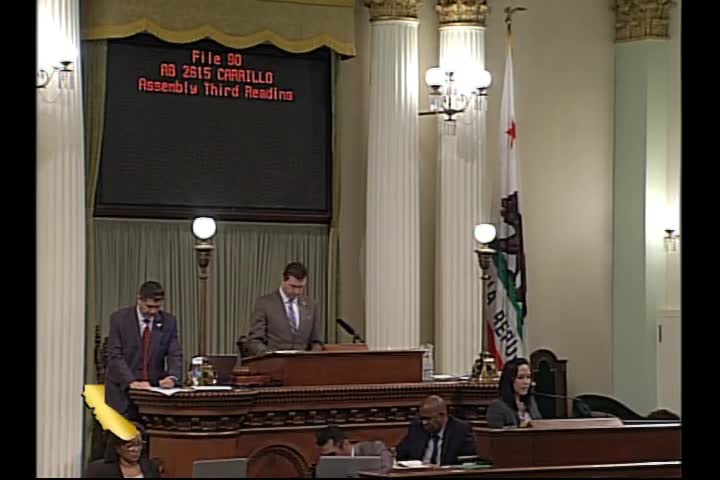



Bill Co-Author(s):






