AB 3224: Local health department workforce assessment.
- Session Year: 2019-2020
- House: Assembly
- Latest Version Date: 2020-05-04
|
Date
|
Status
|
|---|---|
| Aug 20, 2020 | In committee: Held under submission. |
| Aug 17, 2020 | In committee: Referred to APPR. suspense file. |
| Aug 11, 2020 | From committee: Do pass and re-refer to Com. on APPR. (Ayes 8. Noes 0.) (August 10). Re-referred to Com. on APPR. |
| Jul 1, 2020 | Referred to Com. on HEALTH. |
| Jun 11, 2020 | In Senate. Read first time. To Com. on RLS. for assignment. |
| Jun 10, 2020 | Read third time. Passed. Ordered to the Senate. (Ayes 76. Noes 0. Page 4780.) |
| Jun 4, 2020 | Read second time. Ordered to third reading. |
| Jun 3, 2020 | From committee: Do pass. (Ayes 18. Noes 0.) (June 3). |
| Jun 2, 2020 | In committee: Set, first hearing. Referred to APPR. suspense file. |
| May 19, 2020 | From committee: Do pass and re-refer to Com. on APPR. (Ayes 15. Noes 0.) (May 18). Re-referred to Com. on APPR. |
| May 5, 2020 | Re-referred to Com. on HEALTH. |
| May 4, 2020 | From committee chair, with author's amendments: Amend, and re-refer to Com. on HEALTH. Read second time and amended. |
| Mar 9, 2020 | Referred to Com. on HEALTH. |
| Feb 24, 2020 | Read first time. |
| Feb 22, 2020 | From printer. May be heard in committee March 23. |
| Feb 21, 2020 | Introduced. To print. |
|
Date
|
Description
|
Location
|
Votes
|
|
|---|---|---|---|---|
| Aug 17, 2020 | Placed on suspense file | Senate Standing Committee on Appropriations |
Passed |
|
| Aug 10, 2020 | Do pass, but first be re-referred to the Committee on [Appropriations] | Senate Standing Committee on Health |
Passed |
|
| Jun 10, 2020 | AB 3224 Rodriguez Assembly Third Reading | Assembly Floor |
Passed |
|
| Jun 3, 2020 | Do pass. | Assembly Standing Committee on Appropriations |
Passed |
|
| May 18, 2020 | Do pass and be re-referred to the Committee on [Appropriations] | Assembly Standing Committee on Health |
Passed |
This list shows positions taken on this bill by organizations on the date displayed, which is linked to the original source.
Positions by individuals are not included.
SENATE COMMITTEE ON
Senator Anthony Portantino, Chair
2019 - 2020 Regular Session
AB 3224 (Rodriguez) - Local health department workforce assessment.
Version: May 4, 2020 | Policy Vote: HEALTH 8 – 0 |
Urgency: No | Mandate: No |
Hearing Date: August 17, 2020 | Consultant: Samantha Lui |
Bill Summary:
Assembly Bill 3224 would require the Department of Public Health (CDPH) to contract with an entity to evaluate of local health department infrastructure; make recommendations for staffing, workforce needs, and resources, in order to accurately and adequately fund local public health. Would require, by July 1, 2022, the CDPH submit a legislative report.
Fiscal Impact:
- CDPH.
- Unknown, significant, one-time costs (approximately up to $3 million GF) to contract with an entity to conduct a statewide evaluation of the local health jurisdictions.
- Unknown, significant, state administrative costs (potentially mid- to high- hundreds of thousands, GF) for CDPH staff resources to manage the contractor, convene and facilitate the advisory group, operations costs for members to attend the advisory meetings, and draft the legislative report
- Unknown, potentially significant (tens of millions) ongoing cost pressures to implement the legislative reports findings to achieve the bill’s broad definition of adequate funding for local public health. The bill’s language also requires the require evaluation to determine resources needed to sustain the work of local health departments, which would increase pressures on the General Fund to provide the resources identified in the report.
- Emergency Medical Services Authority. No fiscal impact.
Background:
- The CDPH is comprised of more than 200 programs, which are responsible for a wide range of functions, including: assisting in emergency response; licensing and certification for health facilities, labs, and certain health care professionals; and, conducting surveillance and research of chronic disease. In addition, CDPH is the lead entity for tracking the control of communicable disease in the state.
The CDPH works with local health departments to implement a number of critical health functions, including infectious disease control, at the local level through the 61 legally-appointed physician LHOs in California (one from each of the 58 counties and three cities of Berkeley, Long Beach, and Pasadena). While LHDs administer many of the programs identified under CDPH, including enforcement and front-line delivery of public health services to California’s communities.
Proposed Law:
AB 3224 would include the following provisions:
Contract evaluation. The bill requires the CDPH to contract with an appropriate and qualified entity to conduct an evaluation of the adequacy of the local health department infrastructure, and to make recommendations for future staffing, workforce needs, and resources, in order to accurately and adequately fund local public health. This evaluation shall, at a minimum, accomplish all of the following:
- Evaluate the public health workforce, including recommendations for adequate staffing, appropriate credentialing, workforce development, recruitment and retention supports, and incentivizing a pipeline of public health professionals.
- Assess the efficacy of health information tools utilized by local health departments.
- Evaluate the state’s public health laboratory capacity and make recommendations for laboratories to better meet local health department needs.
- Evaluate federal and state funding trends and resources needed to sustain the work of local health departments.
The evaluation and recommendations must consider all of the following:
- The current state and federal statutory and regulatory environment for public health.
- The capacity needed on an ongoing basis to meet the demands in a public health emergency.
- Additional factors adding to the work of public health, including social determinants of health, health inequities, climate change, natural disasters, and unique local conditions.
Advisory workgroup. The bill requires the CDPH to convene an advisory group comprised of specified individuals, including representatives of the Emergency Medical Services Authority (EMSA), County Health Executives Association of California, California Conference of Local Health Officers, public health laboratory directors, public health nurses, communicable disease controllers, the representatives of public health workers, local emergency medical services administrators, schools of public health, and organizations aimed at addressing health disparities in California.
The bill requires the advisory group to oversee the process of selecting the evaluator, and to provide oversight of, and technical assistance to, the entity selected to conduct the evaluation.
Legislative report. The bill requires the CDPH to report the findings and recommendations of the evaluation to the appropriate policy and fiscal committees of the Legislature on or before July 1, 2022. The legislative report requirements are made inoperative on July 1, 2026.
Staff Comments:
On March 4, the Governor declared a state of emergency in response to the novel COVID-19 virus. Since then, local, state, and federal public health coordination, preparedness, workforce and service delivery have key topics of public discussion to aid in California’s recovery.
-- END --
SENATE COMMITTEE ON HEALTH
Senator Dr. Richard Pan, Chair
BILL NO: AB 3224
AUTHOR: | Rodriguez | ||
VERSION: | May 4, 2020 | ||
HEARING DATE: | August 10, 2020 | ||
CONSULTANT: | Melanie Moreno | ||
SUBJECT: Local health department workforce assessment.
SUMMARY:
Requires the Department of Public Health to contract with an appropriate and qualified entity to conduct an evaluation of the adequacy of local health department infrastructure, and to make recommendations for future staffing, workforce needs, and resources, in order to accurately and adequately fund local public health.
Existing law:
- Establishes the Department of Public Health (DPH), directed by a state Public Health Officer (PHO), to be vested with all the duties, powers, purposes, functions, responsibilities, and jurisdiction as they relate to public health and licensing of health facilities, as specified. Gives the PHO, broad authority to detect, monitor, and prevent the spread of communicable disease in the state. [HSC §131050 and §120130, et seq.]
- Requires each county board of supervisors to appoint a local health officer (LHO). Requires LHOs to enforce and observe orders and ordinances of the board of supervisors, pertaining to the public health and sanitary matters, orders, including quarantine and other regulations, prescribed by DPH, and statutes relating to public health. [HSC §101000 and §101030]
- Establishes the California Conference of Local Health Officers (CCLHO), consisting of all legally appointed LHOs in the state. Requires DPH to consult with the CCLHO in establishing public health standards for the state. Permits CCLHO to consult with, advise, and make recommendations to the department, other departments, boards, commissions and officials of federal, state, and local government, the Legislature, and any other organization or association on matters affecting health. [HSC §100925]
This bill:
- Requires DPH to contract with an appropriate and qualified entity to conduct an evaluation of the adequacy of local health department (LHD) infrastructure, and to make recommendations for future staffing, workforce needs, and resources, in order to accurately and adequately fund local public health. Requires the evaluation to, at a minimum:
- Evaluate the public health workforce, including identification of barriers and recommendations for adequate staffing of local health departments, appropriate credentialing, access to training and workforce development, recruitment and retention supports, and incentivizing a pipeline of professionals to work in public health;
- Assess the efficacy of health information tools utilized by LHDs;
- Evaluate the state’s public health laboratory capacity and make recommendations for laboratories to better meet the needs of LHDs; and,
- Evaluate recent trends with federal and state funding streams provided to LHDs and the resources needed to sustain the work of LHDs.
- Requires the evaluation and recommendations to consider factors related to the statutory and regulatory environment for public health; the capacity needed to meet the demands in a public health emergency; and, others such as the social determinants of health, health inequities, climate change, natural disasters, and unique local conditions.
- Requires DPH to convene an advisory group that includes representatives of the Emergency Medical Services Authority, County Health Executives Association of California (CHEAC), California Conference of Local Health Officers (CCLHO), public health laboratory directors, public health nurses, communicable disease controllers, the exclusive representatives of public health workers, local emergency medical services administrators, schools of public health, and organizations aimed at addressing health disparities in California. Requires the advisory group to oversee the process of selecting an entity to conduct the required evaluation and provide oversight of, and technical assistance to, the entity selected to conduct the evaluation.
- Requires DPH to report the findings and recommendations of the evaluation to the Legislature, as specified, on or before July 1, 2022. Sunsets the report requirement on July 1, 2026.
FISCAL EFFECT:
According to Assembly Appropriations Committee, one-time contract costs to DPH in the range of $2 million General Fund (GF) to conduct the evaluation and issue recommendations, and $150,000 GF per year over the same three years in state administrative costs to monitor the contract.
PRIOR VOTES:
Assembly Floor: | 76 - 0 |
Assembly Appropriations Committee: | 18 - 0 |
Assembly Health Committee: | 15 - 0 |
COMMENTS:
- Author’s statement. According to the author, California needs to prepare for the workforce challenges facing public health – and for the next emergency or pandemic – by creating a comprehensive plan to address urgent workforce and resource needs of local health departments. California’s local public health workforce faced several challenges before the outbreak of COVID-19: chronic underfunding, low emergency preparedness funding, shrinking workforce, competition from the private sector for workforce. Based on urgent workforce shortages and demographic trends, the California Future Healthcare Workforce Commission February 2019 report identified the following priority professions in the field of prevention and public health:
- State and LHD staff (e.g. epidemiologists, public health nutritionists, infectious disease experts, disaster preparedness specialists);
- Public health nurses;
- Data analysts;
- Health administrators;
- Community health workers/promotores; and,
- Community health educators.
This bill will create a framework to evaluate and make recommendations to address local public health workforce needs, better preparing California to address both day-to-day public health needs and pandemics and other emergencies that threaten the health of California residents. Specifically, this bill would require DPH to contract with an appropriate and qualified entity to conduct an evaluation of the adequacy of LHD infrastructure, including as assessment of future staffing, workforce, and resource needs.
- California’s public health system. In California, DPH is charged with protecting the health of the state’s residents. DPH is comprised of more than 200 programs, which are responsible for a wide range of functions, including: enforcing California’s tobacco control law; assisting in the response to local emergencies; administering federal HIV funds; conducting newborn screening; licensing and certification for health facilities, labs, and certain health care professionals; maintaining vital records for California’s 38 million residents; and, conducting surveillance and research of chronic disease. In addition, DPH is the entity responsible for ensuring the tracking and control of communicable disease for the state. According to DPH’s website, its Division of Communicable Disease Control (DCDC) works to promptly identify, prevent and control infectious diseases that pose a threat to public health, including emerging and re-emerging infectious diseases, vaccine-preventable agents, bacterial toxins, bioterrorism, and pandemics. DPH works with LHDs to implement infectious disease control at the local level through the 61 legally-appointed physician LHOs in California, one from each of the 58 counties and three cities of Berkeley, Long Beach, and Pasadena. The CCLHO, which is comprised of all LHOs in the state, was established in statute in 1947 to advise DPH, other departments, boards, commissions, and officials of federal, state and local agencies, the Legislature and other organizations on all matters affecting health. The CCLHO program committees consider technical and policy issues in communicable disease control and prevention; chronic disease and injury prevention; environmental health; health equity; and maternal, child and adolescent health. Funding for DPH comes from a variety of sources: 42% of its $3.218 billion budget comes from special funds (approximately $1.338 billion) and 46.3% is federal funds (approximately $1.49 billion).
- LHDs role. LHDs have a broad mandate to take measures necessary to preserve and protect public health. While LHDs administer many of the programs identified under DPH, LHDs have a fundamental role as the front line for delivery of public health services to California’s communities. The structure and size of LHDs vary by jurisdiction, and some include operations such as public hospitals, primary care clinics, and animal control services. Select core functions include:
- Infectious disease control. LHDs prevent and control the spread of infectious diseases through immunizations, epidemiologic surveillance, disease investigation, laboratory testing and response activities;
- Emergency preparedness and response. LHDs work to ensure communities are informed, supplies and medications are accessible, and that there is capacity to expand medical services in large events. In addition, LHDs utilize public health labs to investigate and identify potential bioterrorism threats. In the event of a disaster, LHDs may staff shelters and screen for infectious diseases and address the needs for medically fragile residents; and,
- Maternal, child, and adolescent health. LHDs work to identify, disseminate, and promote emerging and evidence-based information about early interventions in prenatal and early childhood periods that promote lifelong health, positive social-emotional development, and reduce health disparities.
- Support. The County Health Executives Association of California, the Health Officers Association of California, and Service Employees International Union California, sponsors of this bill, state that as evidenced by the ongoing COVID-19 pandemic, the role and function of local health departments in California are critical in ensuring the health and safety of California’s nearly 40 million residents. This bill would support both the state’s preparedness for current and future workforce challenges faced by local health departments, as well as preparedness for future emergencies or pandemics that may be faced by our state.
- Opposition. The California Right to Life Committee opposes this bill and is concerned that in this assessment tool there could be room for agencies and policies that are family-invasive and disruptive of societal institutions.
SUPPORT AND OPPOSITION:
Support: County Health Executives Association of California (co-sponsor)
Health Officers Association of California (co-sponsor)
Service Employees International Union California (co-sponsor)
American Congress of Obstetricians & Gynecologists - District IX
California Academy of Family Physicians
California Hospital Association
California Pan-Ethnic Health Network
California State Association of Counties
County of Humboldt
County of Los Angeles
County of San Bernardino
County of Santa Clara
County of Solano
Madera County Department of Public Health
Monterey County Health Department
Nurse - Family Partnership
Sierra County Department of Public Health
Solano County Health and Social Services Department
Oppose: California Right to Life Committee, Inc.
-- END --
ASSEMBLY THIRD READING
ATR Bill Id:AB 3224
Author:(Rodriguez)
As Amended Ver:May 4, 2020
Majority vote
SUMMARY:
Requires the Department of Public Health (DPH) to contract with an entity to conduct an evaluation of the adequacy of local health department (LHD) infrastructure and make recommendations on workforce needs, including adequate staffing of LHDs, an evaluation of the state's public health laboratory capacity and make recommendations for laboratories to better meet the needs of LHDs; and, other resources. Requires DPH to convene an advisory group that includes representatives of the Emergency Medical Services Authority, County Health Executives Association of California, California Conference of Local Health Officers, public health laboratory directors, public health nurses, communicable disease controllers, the exclusive representatives of public health workers, local emergency medical services administrators, schools of public health, and organizations aimed at addressing health disparities in California. Requires the advisory group to oversee the process of selecting an entity to conduct an evaluation and, provide oversight of, and technical assistance to, the entity selected to conduct the evaluation. Requires DPH to report the findings and recommendations of the evaluation to the appropriate policy and fiscal committees of the Legislature on or before July 1, 2022.
Major Provisions
COMMENTS:
According to DPH's website, LHDs play a vital role in preparing for and responding to public health emergencies. Current law requires each county board of supervisors to appoint a health officer who is a county officer who is empowered to take any measures necessary to preserve and protect public health. During an emergency, including state of war emergency, state of emergency, or local emergency, a local health officer may take any preventive measure that may be necessary to protect and preserve the public health from any public health hazard during any state of war emergency, state of emergency or local emergency, as defined.
In March 2019, the Senate Health Committee held an informational hearing entitled "California's Public Health Infrastructure and Capacity." The background paper for that hearing states that LHDs have a broad mandate to take measures necessary to preserve and protect public health. While LHDs administer many of the programs identified under DPH, LHDs have a fundamental role as the front line for delivery of public health services to California's communities. The structure and size of LHDs vary by jurisdiction, and some include operations such as public hospitals, primary care clinics, and animal control services. Select core functions include:
- Infectious disease control. LHDs prevent and control the spread of infectious diseases through immunizations, epidemiologic surveillance, disease investigation, laboratory testing and response activities;
- Emergency preparedness and response. LHDs work to ensure communities are informed, supplies and medications are accessible, and that there is capacity to expand medical services in large events. In addition, LHDs utilize public health labs to investigate and identify potential bioterrorism threats. In the event of a disaster, LHDs may staff shelters and screen for infectious diseases and address the needs for medically fragile residents; and,
- Maternal, child, and adolescent health. LHDs work to identify, disseminate, and promote emerging and evidence-based information about early interventions in prenatal and early childhood periods that promote lifelong health, positive social-emotional development, and reduce health disparities.
This bill would require DPH to contract with an appropriate and qualified entity to conduct an evaluation of the adequacy of the LHD infrastructure, and to make recommendations for future staffing, workforce needs, and resources, in order to accurately and adequately fund local public health. According to the Final Report of the California Future Health Workforce Commission, California (report) does not have enough of the right types of health workers in the right places to meet the needs of a growing, aging, and increasingly diverse California population.
According to this report, the public health workforce in California is chronically underfunded, and most local public health agencies lack personnel with expertise in key areas such as epidemiology and the essential skills to design, implement, and evaluate comprehensive approaches to community health improvement. The demand for new leaders will increase rapidly in the coming years, as a large percentage of current leaders is slated for retirement. Many LHDs report challenges in recruiting and retaining well-qualified workers, citing a lack of tools for recruiting, limited options for advancement, and instability of funded positions.
LHDs around the country have lead on the frontlines of the COVID-19 response as they do everything possible and put their own safety at risk to protect the health of their communities. LHDs are playing a critical role in testing, tracing, and tracking the spread of the corona virus; providing up-to-date health information and education to communities; collaborating with mental and behavioral health organizations to reduce anxiety and promote well-being in these uncertain times; and offering resources to help battle stigma and discrimination. According to a Health Affairs blog entitled "No Longer Invisible: The Critical Role of LHDs in Responding to COVID-19," despite intense media coverage of the pandemic, there has been limited public recognition of the role of LHDs in preparing for and responding to crises such as COVID-19. LHDs are engaged in many activities that are necessary to slow the epidemic and minimize its impact on communities. However, while LHDs are critical to COVID-19 response, "they are chronically underfunded, with limited investment in the public health workforce. Funding is siloed, with grants typically supporting activities on projects to address specific disease areas such as obesity or opioids rather than basic public health functions. Although federal emergency funding for COVID-19 will trickle down to LHDs, the current model of receiving emergency disaster relief funding is both inefficient and unsustainable. Focused attention is needed to address workforce training and bolster recruitment and retention because a recent survey suggests that approximately one-fifth of the LHD workforce is considering leaving their position in the next year for reasons other than retirement."
The May revise of the Governor's 2020-21 Budget, which was released on May 14, 2020, proposes $5.9 million General Fund (GF) for 2020-21and $4.8 million GF ongoing, to support laboratory staff to increase the laboratories' testing capacity, and to purchase equipment and laboratory supplies that are specifically utilized for COVID-19 testing as well as other diseases.
According to the Author:
According to the author, California needs to prepare for the workforce challenges facing public health – and for the next emergency or pandemic – by creating a comprehensive plan to address urgent workforce and resource needs of LHDs. California's local public health workforce faced several challenges before the outbreak of COVID-19: chronic underfunding, low emergency preparedness funding, shrinking workforce, and competition from the private sector for workforce. The author concludes that this bill would create a framework to evaluate and make recommendations to address local public health workforce needs, better preparing California to address both day-to-day public health needs and pandemics and other emergencies that threaten the health of California residents.
Arguments in Support:
The County Health Executives Association of California, the Health Officers Association of California, and Service Employees International Union California, sponsors of this bill, state that as evidenced by the ongoing COVID-19 pandemic, the role and function of local health departments in California are critical in ensuring the health and safety of California's nearly 40 million residents. This bill would support both the state's preparedness for current and future workforce challenges faced by local health departments, as well as preparedness for future emergencies or pandemics that may be faced by our state.
Arguments in Opposition:
The California Right to Life Committee opposes this bill and is concerned that in this assessment tool there could be room for agencies and policies that are family-invasive and disruptive of societal institutions.
FISCAL COMMENTS:
According to Assembly Appropriations Committee, one-time contract costs to DPH in the range of $2 million GF to conduct the evaluation and issue recommendations, and $150,000 GF per year over the same three years in state administrative costs to monitor the contract.
VOTES:
ASM HEALTH: 15-0-0
YES: Wood, Mayes, Aguiar-Curry, Bigelow, Bonta, Burke, Carrillo, Flora, Limón, McCarty, Nazarian, Ramos, Rodriguez, Santiago, Waldron
ASM APPROPRIATIONS: 18-0-0
YES: Gonzalez, Bigelow, Bauer-Kahan, Bloom, Bonta, Calderon, Carrillo, Chau, Megan Dahle, Diep, Eggman, Fong, Gabriel, Eduardo Garcia, Petrie-Norris, McCarty, Robert Rivas, Voepel
UPDATED:
VERSION: May 4, 2020
CONSULTANT: Rosielyn Pulmano / HEALTH / (916) 319-2097 FN: 0002890
Date of Hearing: June 2, 2020
ASSEMBLY COMMITTEE ON APPROPRIATIONS
Lorena Gonzalez, Chair
ABPCA Bill Id:AB 3224
Author:(Rodriguez) – As Amended Ver:May 4, 2020
Policy Committee: | Health | Vote: | 15-0 |
Urgency: No State Mandated Local Program: No Reimbursable: No
SUMMARY:
This bill requires the California Department of Public Health (CDPH) to contract with an entity to conduct an evaluation of the adequacy of local health department infrastructure and make recommendations on workforce needs and resources.
FISCAL EFFECT:
One-time contract costs to CDPH in the range of $2 million GF to conduct the evaluation and issue recommendations, and $150,000 GF per year over the same three years in state administrative costs to monitor the contract.
COMMENTS:
- Purpose. According to the author, California needs to prepare for the workforce challenges facing public health – and for the next emergency or pandemic – by creating a comprehensive plan to address urgent workforce and resource needs of local health departments.
- Background. In California as in many states, public health services are delivered through a state-local partnership. The state generally provides coordination, funding, licensing services, technical expertise and statewide data collection, research, and planning. Local health departments provide a wide range of services important to maintain community health, including but not limited to maternal and child health, emergency preparedness, laboratory analysis, epidemiology, infectious and chronic disease control, lead poisoning prevention, tobacco control, health-related professional training and public health education and communication.
According to the final report of the reputable California Future Health Workforce Commission, the public health workforce in California is chronically underfunded, and most local public health agencies lack personnel with expertise in key areas such as epidemiology and in the essential skills to design, implement and evaluate comprehensive approaches to community health improvement. This bill requires an entity to assess the adequacy of local health department infrastructure and make recommendations for future staffing, workforce needs and resources.
Analysis Prepared by: Lisa Murawski / APPR. / (916) 319-2081
Date of Hearing: May 18, 2020
ASSEMBLY COMMITTEE ON HEALTH
Jim Wood, Chair
ABPCA Bill Id:AB 3224
Author:(Rodriguez) – As Amended Ver:May 4, 2020
SUBJECT: Local health department workforce assessment.
SUMMARY: Requires the Department of Public Health (DPH) to contract with an entity to conduct an evaluation of the adequacy of local health department (LHD) infrastructure and make recommendations on workforce needs and resources. Specifically, this bill:
- Requires DPH to contract with an appropriate and qualified entity to conduct an evaluation of the adequacy of the LHD infrastructure, and to make recommendations for future staffing, workforce needs, and resources, in order to accurately and adequately fund local public health.
- Requires the evaluation required by 1) above to, at a minimum, accomplish all of the following:
- Evaluate the public health workforce, including identification of barriers and recommendations for adequate staffing of LHDs, appropriate credentialing, access to training and workforce development, recruitment and retention supports, and incentivizing a pipeline of professionals to work in public health;
- Assess the efficacy of health information tools utilized by LHDs;
- Evaluate the state’s public health laboratory capacity and make recommendations for laboratories to better meet the needs of LHDs; and,
- Evaluate recent trends with federal and state funding streams provided to LHDs and the resources needed to sustain the work of LHDs.
- Requires the evaluation and recommendations to consider all of the following:
- The current state and federal statutory and regulatory environment for public health;
- The capacity needed on an ongoing basis to meet the demands in a public health emergency; and,
- Additional factors adding to the work of public health, including social determinants of health, health inequities, climate change, natural disasters, and unique local conditions.
- Requires DPH to convene an advisory group that includes representatives of the Emergency Medical Services Authority, County Health Executives Association of California, California Conference of Local Health Officers, public health laboratory directors, public health nurses, communicable disease controllers, the exclusive representatives of public health workers, local emergency medical services administrators, schools of public health, and organizations aimed at addressing health disparities in California.
- Requires the advisory group to do both of the following:
- Oversee the process of selecting an entity to conduct an evaluation as required in 1) above; and,
- Provide oversight of, and technical assistance to, the entity selected to conduct the evaluation.
- Requires DPH to report the findings and recommendations of the evaluation to the appropriate policy and fiscal committees of the Legislature on or before July 1, 2022.
- Requires the report to comply with existing reporting requirements, and is inoperative on July 1, 2026.
EXISTING LAW:
- Establishes DPH to, among other functions, protect and improve the health of communities through education, promotion of healthy lifestyles, and research for diseases and injury prevention.
- Requires each county board of supervisors to appoint a health officer who is a county officer who is empowered to take any measures necessary to preserve and protect public health.
- Authorizes a local health officer (LHO) to take any preventive measure that may be necessary to protect and preserve the public health from any public health hazard during any state of war emergency, state of emergency or local emergency, as defined.
- Establishes functions of LHOs including: taking action when there is a leak in an active gas pipeline, as specified; investigate health and sanitary conditions in every county jail, or any other publicly operated detention facility in the county; and, designating a nonprofit food distribution to coordinate and facilitate food donation.
- Allows the governing body of each county or a city to employ one or more public health nurses to attend to matters pertaining to the health and sanitary conditions of the city, as specified.
- Requires the LHD of a city or county to have available the services of a public health laboratory for the examination of specimens from suspected cases of infectious and environmental disease, that may include, but not limited to, the examination of specimens from milk, milk products, waters, food products, vectors, and the environment. Requires the public health laboratory to also provide the analyses required to assist in community surveillance and to meet the responsibilities and support the programs of the LHD.
- Defines a LHD to mean any of the following public health administrative organizations:
- A LHD serving one or more counties that shall provide services to all cities whose population is less than 50,000 in addition to the unincorporated territory of the county or counties;
- A county health department that does not serve all of the cities of less than 50,000 population, but that has the provisional approval of DPH, as specified;
- The health department of a city of 50,000 or greater population, except that the governing body of the city by resolution may declare its intention to be included under the jurisdiction of the county health department, as provided by existing statutes; and,
- The LHD of any county that had under its jurisdiction on September 19, 1947, a population in excess of 1,000,000, or the LHD of any city and county.
FISCAL EFFECT: This bill has not been analyzed by a fiscal committee.
COMMENTS:
- PURPOSE OF THIS BILL. According to the author, California needs to prepare for the workforce challenges facing public health – and for the next emergency or pandemic – by creating a comprehensive plan to address urgent workforce and resource needs of LHDs. California’s local public health workforce faced several challenges before the outbreak of COVID-19: chronic underfunding, low emergency preparedness funding, shrinking workforce, and competition from the private sector for workforce. Based on urgent workforce shortages and demographic trends, the California Future Healthcare Workforce Commission February 2019 report identified the following priority professions in the field of prevention and public health:
- State and LHD staff (e.g. epidemiologists, public health nutritionists, infectious disease experts, disaster preparedness specialists);
- Public health nurses;
- Data analysts;
- Health administrators;
- Community health workers/promotores; and,
- Community health educators
The author concludes that this bill would create a framework to evaluate and make recommendations to address local public health workforce needs, better preparing California to address both day-to-day public health needs and pandemics and other emergencies that threaten the health of California residents.
- BACKGROUND. According to DPH’s website, LHDs play a vital role in preparing for and responding to public health emergencies. Current law requires each county board of supervisors to appoint a health officer who is a county officer who is empowered to take any measures necessary to preserve and protect public health. During an emergency, including state of war emergency, state of emergency, or local emergency, a local health officer may take any preventive measure that may be necessary to protect and preserve the public health from any public health hazard during any state of war emergency, state of emergency or local emergency, as defined.
- LHDs (LHDs). In March 2019, the Senate Health Committee held an informational hearing entitled “California’s Public Health Infrastructure and Capacity.” The background paper for that hearing states that LHDs have a broad mandate to take measures necessary to preserve and protect public health. While LHDs administer many of the programs identified under DPH, LHDs have a fundamental role as the front line for delivery of public health services to California’s communities. The structure and size of LHDs vary by jurisdiction, and some include operations such as public hospitals, primary care clinics, and animal control services. Select core functions include:
- Infectious disease control. LHDs prevent and control the spread of infectious diseases through immunizations, epidemiologic surveillance, disease investigation, laboratory testing and response activities;
- Emergency preparedness and response. LHDs work to ensure communities are informed, supplies and medications are accessible, and that there is capacity to expand medical services in large events. In addition, LHDs utilize public health labs to investigate and identify potential bioterrorism threats. In the event of a disaster, LHDs may staff shelters and screen for infectious diseases and address the needs for medically fragile residents; and,
- Maternal, child, and adolescent health. LHDs work to identify, disseminate, and promote emerging and evidence-based information about early interventions in prenatal and early childhood periods that promote lifelong health, positive social-emotional development, and reduce health disparities.
- Public Health Workforce. This bill would require DPH to contract with an appropriate and qualified entity to conduct an evaluation of the adequacy of the LHD infrastructure, and to make recommendations for future staffing, workforce needs, and resources, in order to accurately and adequately fund local public health. According to the Final Report of the California Future Health Workforce Commission, California (report) does not have enough of the right types of health workers in the right places to meet the needs of a growing, aging, and increasingly diverse California population.
According to this report, the public health workforce in California is chronically underfunded, and most local public health agencies lack personnel with expertise in key areas such as epidemiology and the essential skills to design, implement, and evaluate comprehensive approaches to community health improvement. The demand for new leaders will increase rapidly in the coming years, as a large percentage of current leaders is slated for retirement. Many LHDs report challenges in recruiting and retaining well-qualified workers, citing a lack of tools for recruiting, limited options for advancement, and instability of funded positions.
The report points out the following: At the state level, 61% of managers and supervisors, and 44% of nonsupervisory staff, are currently eligible for retirement. DPH estimates that two-thirds of its workforce will retire in the next five years. Both state and local public health agencies face increasing competition with the private sector, which provides higher pay, and amenities such as updated technology. Local public health agencies have an increasing demand for skilled professionals in areas such as epidemiology to better design and monitor evidence-based interventions that optimize use of available resources. A 2005 study found that only 25% of local public health agencies employed people with epidemiological expertise; patterns of public sector funding since suggest that these percentages have not increased substantially. Many LHDs report challenges in recruiting and retaining well-qualified workers, citing a lack of tools for recruiting, limited options for advancement, and instability of funded positions. Moreover, approximately 95% of current funding for government public health is tied to categorical programs, leaving very few resources for the design, implementation, and evaluation of comprehensive strategies to improve health and well-being. - Pandemic Response. LHDs around the country have lead on the frontlines of the COVID-19 response as they do everything possible and put their own safety at risk to protect the health of their communities. LHDs are playing a critical role in testing, tracing, and tracking the spread of the corona virus; providing up-to-date health information and education to communities; collaborating with mental and behavioral health organizations to reduce anxiety and promote well-being in these uncertain times; and offering resources to help battle stigma and discrimination. According to a Health Affairs blog entitled “No Longer Invisible: The Critical Role of LHDs in Responding to COVID-19,” despite intense media coverage of the pandemic, there has been limited public recognition of the role of LHDs in preparing for and responding to crises such as COVID-19. LHDs are engaged in many activities that are necessary to slow the epidemic and minimize its impact on communities. However, while LHDs are critical to COVID-19 response, “they are chronically underfunded, with limited investment in the public health workforce. Funding is siloed, with grants typically supporting activities on projects to address specific disease areas such as obesity or opioids rather than basic public health functions. Although federal emergency funding for COVID-19 will trickle down to LHDs, the current model of receiving emergency disaster relief funding is both inefficient and unsustainable. Focused attention is needed to address workforce training and bolster recruitment and retention because a recent survey suggests that approximately one-fifth of the LHD workforce is considering leaving their position in the next year for reasons other than retirement.”
- Governor’s May Revise. The May revise of the Governor’s 2020-21 Budget, which was released on May 14, 2020, proposes $5.9 million General Fund (GF) for 2020-21and $4.8 million GF ongoing, to support laboratory staff to increase the laboratories’ testing capacity, and to purchase equipment and laboratory supplies that are specifically utilized for COVID-19 testing as well as other diseases.
- LHDs (LHDs). In March 2019, the Senate Health Committee held an informational hearing entitled “California’s Public Health Infrastructure and Capacity.” The background paper for that hearing states that LHDs have a broad mandate to take measures necessary to preserve and protect public health. While LHDs administer many of the programs identified under DPH, LHDs have a fundamental role as the front line for delivery of public health services to California’s communities. The structure and size of LHDs vary by jurisdiction, and some include operations such as public hospitals, primary care clinics, and animal control services. Select core functions include:
- SUPPORT. The County Health Executives Association of California, the Health Officers Association of California, and Service Employees International Union California, sponsors of this bill, state that as evidenced by the ongoing COVID-19 pandemic, the role and function of local health departments in California are critical in ensuring the health and safety of California’s nearly 40 million residents. This bill would support both the state’s preparedness for current and future workforce challenges faced by local health departments, as well as preparedness for future emergencies or pandemics that may be faced by our state.
- OPPOSITION. The California Right to Life Committee opposes this bill and is concerned that in this assessment tool there could be room for agencies and policies that are family-invasive and disruptive of societal institutions.
- RELATED LEGISLATION. AB 2644 (Wood) would require, in the event of a declared emergency related to a communicable disease, a skilled nursing facility, as defined, to report each suspected disease related death to the county coroner within 24 hours. AB 2644 is pending in Assembly Health Committee. SB 932 (Wiener) would require DPH, and each local health officer, to collect data relating to the sexual orientation and gender identity of individuals who are diagnosed with COVID-19. SB 932 was passed out of the Senate Health Committee on May 13, 2020.
REGISTERED SUPPORT / OPPOSITION:
Support
County Health Executives Association of California (sponsor)
Health Officers Association of California (cosponsor)
Service Employees International Union California (cosponsor)
American Congress of Obstetricians & Gynecologists –District IX
California Academy of Family Physicians
California Hospital Association
California State Association of Counties
Madera County Department of Public Health
Solano County
Opposition
California Right to Life
Analysis Prepared by: Rosielyn Pulmano / HEALTH / (916) 319-2097
Bill Author
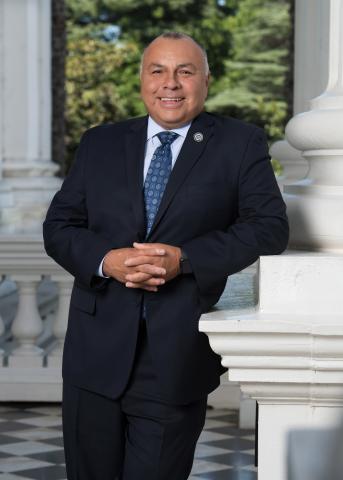
Bill Co-Author(s):