SB 1235: Public postsecondary education: Artificial Intelligence and Deepfake Working Group.
- Session Year: 2023-2024
- House: Senate
- Latest Version Date: 2024-04-15
Current Status:
Failed
(2024-04-24: April 24 set for first hearing canceled at the request of author.)
Introduced
In Committee
First Chamber
In Committee
Second Chamber
Enacted
Existing law requires the Secretary of Government Operations, upon appropriation by the Legislature, to evaluate, among other things, the impact the proliferation of deepfakes, as defined, has on state government, California-based businesses, and residents of the state, and the risks, including privacy risks, associated with the deployment of digital content forgery technologies and deepfakes on state and local government, California-based businesses, and residents of the state.
Existing law establishes the California Community Colleges, the California State University, and the University of California as the public segments of postsecondary education in the state.
This bill would require an unspecified California State University, Long Beach, in consultation with other public institution institutions of higher education education, to establish the Artificial Intelligence and Deepfake Working Group to evaluate and advise the Legislature and the public on the relevant issues and impacts of artificial intelligence and deepfakes, as provided. Group, and authorize California State University, Long Beach to develop a scoping plan in the first year to establish the topics that may be evaluated by, and the stakeholders that may be included in, the working group. The bill would require authorize California State University, Long Beach to include, as part of the working group to consist of group, at least one representative of 9 10 specified interests, the Secretary of the Government Operations Agency, the Executive Director of the California Privacy Protection Agency, and the Secretary of State, or their designees. The bill would require the working group, on or before January 1, 2026, and annually thereafter, to submit a report to the Legislature on the working groups research and findings related to the relevant issues and impacts of artificial intelligence and deepfakes evaluated by the working group, as specified.
Existing law requires the Secretary of Government Operations, upon appropriation by the Legislature, to evaluate, among other things, the impact the proliferation of deepfakes, as defined, has on state government, California-based businesses, and residents of the state, and the risks, including privacy risks, associated with the deployment of digital content forgery technologies and deepfakes on state and local government, California-based businesses, and residents of the state.
Existing law establishes the California Community Colleges, the California State University, and the University of California as the public segments of postsecondary education in the state.
This bill would require an unspecified public institution of higher education to establish the Artificial Intelligence and Deepfake Working Group to evaluate and advise the Legislature and the public on the relevant issues and impacts of artificial intelligence and deepfakes, as provided. The bill would require the working group to consist of at least one representative of 9 specified interests, the Secretary of the Government Operations Agency, the Executive Director of the California Privacy Protection Agency, and the Secretary of State, or their designees. The bill would require the working group, on or before January 1, 2026, and annually thereafter, to submit a report to the Legislature on the working groups research and findings related to the relevant issues and impacts of artificial intelligence and deepfakes evaluated by the working group, as specified.
As used in this article, the following definitions apply:
(a)Artificial intelligence means a machine-based system that can, for a given set of human-defined objectives, make predictions, recommendations, or decisions influencing real or virtual environments. Artificial intelligence systems use machine- and human-based inputs to do all of the following:
(1)Perceive real and virtual environments.
(2)Abstract those perceptions into models through analysis in an automated manner.
(3)Use model inferences to formulate options for information or action.
(b)Deepfake means audio or visual content that has been generated or manipulated by artificial intelligence that would falsely appear to be authentic or truthful and that features depictions of people appearing to say or do things they did not say or do without their consent.
(c)Digital content forgery means the use of technologies, including artificial intelligence and machine learning techniques, to fabricate or manipulate audio, visual, or text content with the intent to mislead.
(d)Digital content provenance means the verifiable chronology of the original piece of digital content, such as an image, video, audio recording, or electronic document.
99501.(a)A The California State University, Long Beach, in consultation with other public institution institutions of higher education education, shall establish the Artificial Intelligence and Deepfake Working Group. (b)The working group shall evaluate and advise the Legislature and the public on the relevant issues and impacts of artificial intelligence and deepfakes, including, but not limited to, all of the following:(b)The California State University, Long Beach may develop a scoping plan in the first year to establish the topics that may be evaluated by, and the stakeholders that may be included in, the working group. The scoping plan may address the following topics:
(1)The impact of the proliferation of artificial intelligence and deepfakes on state and local government, California-based businesses and the workforce, elementary, secondary, and postsecondary education, and residents of the state.
(2)The risks, including privacy risks, associated with artificial intelligence and the deployment of digital content forgery technologies and deepfakes on state and local government, California-based businesses, institutions of higher education, and residents of the state.
(3)The potential impact on the workforce and strategies to protect employees and to prevent potential job loss due to artificial intelligence proliferation.
(4)The impact of artificial intelligence, digital content forgery technologies, and deepfakes on civic engagement, including voting and elections.
(5)The legal implications and privacy impacts associated with the use of artificial intelligence, digital content forgery technologies, deepfakes, and technologies allowing public verification of digital content provenance.
(c)The working group shall California State University, Long Beach shall, if developing the scoping plan described in subdivision (b), solicit input from a broad range of stakeholders with a diverse range of interests affected by emerging artificial intelligence and deepfake technologies. The diverse range of interests shall include, but not be limited to, stakeholders representing privacy, business, consumer protection, courts, the legal community, academia, organized labor, the workforce, education, and state government.
(d)(1)The California State University, Long Beach may include, as part of the working group shall, at minimum, consist of group, at least one representative from all of the following:
(A)Those in the workforce impacted by potential job loss due to artificial intelligence adoption.
(B)Organized labor unions.
(C)Nontechnology-related industries.
(D)The legal community who can advise on the legal implications of artificial intelligence.
(E)Privacy rights organizations.
(F)Consumer protection organizations.
(G)The technology industry, with a technical focus that includes digital content, media manipulation, or related subjects.
(H)Elementary, secondary, and postsecondary education, including staff, teachers, faculty, and students.
(I)Experts in elections and election safety.
(J)Ethicists or specialists in ethics.
(2)The California State University, Long Beach may also include, as part of the working group shall also include group, all of the following:
(A) The Secretary of Government Operations or their designee.
(B)The Executive Director of the California Privacy Protection Agency or their designee.
(C)The Secretary of State or their designee.
(e)(1)Notwithstanding Section 10231.5 of the Government Code, on or before January 1, 2026, and annually thereafter, the working group shall submit a report to the Legislature on the working groups research and findings related to findings, including, but not limited to, research and findings related to the issues and impacts evaluated identified pursuant to subdivision (b). The working group shall make the report publically available.
(2)A report submitted pursuant to paragraph (1) shall be submitted in compliance with Section 9795 of the Government Code.
(f)The public institution of higher education that establishes the working group, as provided in subdivision (a), shall California State University, Long Beach may consult with the Government Operations Agency and Agency, the California Privacy Protection Agency Agency, or any state or local agency on the establishment of the working group.
(g)Meetings of the working group shall be subject to the Bagley-Keene Open Meeting Act (Article 9 (commencing with Section 11120) of Chapter 1 of Part 1 of Division 3 of Title 2 of the Government Code).
As used in this article, the following definitions apply:
(a)Artificial intelligence means a machine-based system that can, for a given set of human-defined objectives, make predictions, recommendations, or decisions influencing real or virtual environments. Artificial intelligence systems use machine- and human-based inputs to do all of the following:
(1)Perceive real and virtual environments.
(2)Abstract those perceptions into models through analysis in an automated manner.
(3)Use model inferences to formulate options for information or action.
(b)Deepfake means audio or visual content that has been generated or manipulated by artificial intelligence that would falsely appear to be authentic or truthful and that features depictions of people appearing to say or do things they did not say or do without their consent.
(c)Digital content forgery means the use of technologies, including artificial intelligence and machine learning techniques, to fabricate or manipulate audio, visual, or text content with the intent to mislead.
(d)Digital content provenance means the verifiable chronology of the original piece of digital content, such as an image, video, audio recording, or electronic document.
99501.(a)A public institution of higher education shall establish the Artificial Intelligence and Deepfake Working Group.
(b)The working group shall evaluate and advise the Legislature and the public on the relevant issues and impacts of artificial intelligence and deepfakes, including, but not limited to, all of the following:
(1)The impact of the proliferation of artificial intelligence and deepfakes on state and local government, California-based businesses and the workforce, elementary, secondary, and postsecondary education, and residents of the state.
(2)The risks, including privacy risks, associated with artificial intelligence and the deployment of digital content forgery technologies and deepfakes on state and local government, California-based businesses, institutions of higher education, and residents of the state.
(3)The potential impact on the workforce and strategies to protect employees and to prevent potential job loss due to artificial intelligence proliferation.
(4)The impact of artificial intelligence, digital content forgery technologies, and deepfakes on civic engagement, including voting and elections.
(5)The legal implications and privacy impacts associated with the use of artificial intelligence, digital content forgery technologies, deepfakes, and technologies allowing public verification of digital content provenance.
(c)The working group shall solicit input from a broad range of stakeholders with a diverse range of interests affected by emerging artificial intelligence and deepfake technologies. The diverse range of interests shall include, but not be limited to, stakeholders representing privacy, business, consumer protection, courts, the legal community, academia, organized labor, the workforce, education, and state government.
(d)(1)The working group shall, at minimum, consist of at least one representative from all of the following:
(A)Those in the workforce impacted by potential job loss due to artificial intelligence adoption.
(B)Organized labor unions.
(C)Nontechnology-related industries.
(D)The legal community who can advise on the legal implications of artificial intelligence.
(E)Privacy rights organizations.
(F)Consumer protection organizations.
(G)The technology industry, with a technical focus that includes digital content, media manipulation, or related subjects.
(H)Elementary, secondary, and postsecondary education, including staff, teachers, faculty, and students.
(I)Experts in elections and election safety.
(2)The working group shall also include all of the following:
(A) The Secretary of Government Operations or their designee.
(B)The Executive Director of the California Privacy Protection Agency or their designee.
(C)The Secretary of State or their designee.
(e)(1)Notwithstanding Section 10231.5 of the Government Code, on or before January 1, 2026, and annually thereafter, the working group shall submit a report to the Legislature on the working groups research and findings related to the issues and impacts evaluated pursuant to subdivision (b). The working group shall make the report publically available.
(2)A report submitted pursuant to paragraph (1) shall be submitted in compliance with Section 9795 of the Government Code.
(f)The public institution of higher education that establishes the working group, as provided in subdivision (a), shall consult with the Government Operations Agency and the California Privacy Protection Agency on the establishment of the working group.
(g)Meetings of the working group shall be subject to the Bagley-Keene Open Meeting Act (Article 9 (commencing with Section 11120) of Chapter 1 of Part 1 of Division 3 of Title 2 of the Government Code).
|
Date
|
Status
|
|---|---|
| Apr 24, 2024 | April 24 set for first hearing canceled at the request of author. |
| Apr 15, 2024 | From committee with author's amendments. Read second time and amended. Re-referred to Com. on ED. |
| Apr 5, 2024 | Set for hearing April 24. |
| Feb 29, 2024 | Referred to Com. on ED. |
| Feb 16, 2024 | From printer. May be acted upon on or after March 17. |
| Feb 15, 2024 | Introduced. Read first time. To Com. on RLS. for assignment. To print. |
This list shows positions taken on this bill by organizations on the date displayed, which is linked to the original source.
Positions by individuals are not included.
|
Organization
|
Position
|
Date
|
|---|---|---|
| Technet | ** Support |
SENATE COMMITTEE ON EDUCATION
Senator Josh Newman, Chair
2023 - 2024 Regular
Bill No: SB 1235 Hearing Date: April 24, 2024
Author: | |||
Version: | April 15, 2024 | ||
Urgency: | No | Fiscal: | Yes |
Consultant: | Olgalilia Ramirez | ||
Subject: Public postsecondary education: Artificial Intelligence and Deepfake Working Group.
SUMMARY
This bill requires the California State University, Long Beach (CSULB), in consultation with other public institutions of higher education, to establish the Artificial Intelligence (AI) and Deepfake Working Group and annually report to the Legislature on its research and findings. It further authorizes CSULB to develop a scoping plan in the first year to establish the topics that may be evaluated by, and the stakeholders that may be included in, the working group.
BACKGROUND
Existing law:
- Requires the Secretary of Government Operations, upon appropriation by the Legislature, to evaluate, among other things, the impact the proliferation of deepfakes, as defined, has on state government, California-based businesses, and residents of the state, and the risks, including privacy risks, associated with the deployment of digital content forgery technologies and deepfakes on state and local government, California-based businesses, and residents of the state. (Government Code § 11547.5 et seq)
- Establishes the California Community Colleges, the California State University, and the University of California (UC) as the public segments of postsecondary education in the state. (Education Code § 66010.4 et seq)
ANALYSIS
This bill:
- Requires a CSULB, in consultation with other public institutions of higher education, to establish the AI and Deepfake Working Group.
- Authorizes CSULB to develop a scoping plan in the first year to establish the topics that may be evaluated by, and the stakeholders that may be included in, the working group. Specifies that the topics addressed by the scoping plan may include the following:
- The impact of the proliferation of AI and deepfakes on state and local
government, California-based businesses and the workforce, elementary, secondary, and postsecondary education, and residents of the state.
- The risks, including privacy risks, associated with AI and the deployment
of digital content forgery technologies and deepfakes on state and local government, California-based businesses, higher education institutions, and California residents.
- The potential impact on the workforce and strategies to protect employees
and to prevent potential job loss due to AI proliferation.
- The impact of AI, digital content forgery technologies, and deepfakes on
civic engagement, including voting and elections.
- The legal implications and privacy impacts associated with the use of AI,
digital content forgery technologies, deepfakes, and technologies allowing public verification of digital content provenance.
- Requires CSULB, if developing the scoping plan as described in the bill to solicit input from a broad range of stakeholders with a diverse range of interests affected by emerging AI and deepfake technologies.
- Authorizes CSULB to include as part of the working group at least one representative from various groups including, workforce impacted by potential job loss due to AI adoption, labor unions, privacy rights organizations, consumer protection organizations, the technology industry, education and postsecondary education staff, teachers, faculty and students, elections experts and ethics specialist, the specified state government officials and others.
- Requires on or before January 1, 2026, and annually thereafter, the working group to submit and make publicly available, a report to the Legislature on the working group’s research and findings, including, but not limited to, research and findings related to the issues and impacts identified pursuant to the bill.
- Authorizes CSULB to consult with the Government Operations Agency and the California Privacy Protection Agency or any other state or local agency on the establishment of the working group.
- Provides that meetings of the working group be subject to the Bagley-Keene Open Meeting Act.
- Defines all of the following terms for purposes of the bill:
- “Artificial intelligence” to mean machine-based system that can, for a
given set of human-defined objectives, make predictions, recommendations, or decisions influencing real or virtual environments. AI systems use machine- and human-based inputs to do all of the following:
- Perceive real and virtual environments.
- Abstract those perceptions into models through analysis in an
automated manner.
- Use model inferences to formulate options for information or action.
- “Deepfake” to mean audio or visual content that has been generated or
manipulated by AI that would falsely appear to be authentic or truthful and that features depictions of people appearing to say or do things they did not say or do without their consent.
- “Digital content forgery” to mean the use of technologies, including
AI and machine learning techniques, to fabricate or
manipulate audio, visual, or text content with the intent to mislead.
- “Digital content provenance” to mean the verifiable chronology of the
original piece of digital content, such as an image, video, audio recording, or electronic document.
STAFF COMMENTS
- Need for the bill. According to the author, “Artificial intelligence (AI) and deepfake technology is developing at an unprecedented pace and is already having profound impacts on almost every sector of the economy, government, and our everyday lives, with new applications being implemented in real time. In the same way that society couldn’t have predicted the advancement and pervasiveness of AI and deepfake technology 20 years ago, it is likewise hard to predict how these technologies will impact Californians several decades from now. Clearly, AI and deepfakes will come with benefits and risks, but the full impact of these new tools is not yet fully understood, especially as the technology continues to rapidly evolve. Currently, there is no official stakeholder body advising the Legislature on AI and deepfakes. The widespread application and fast-paced development of the technologies will present challenges for the Legislature as it seeks to balance enabling innovation while mitigating negative outcomes on privacy, elections, jobs, and other areas of civic life. Senate Bill 1235 will provide valuable, ongoing information and guidance to the Legislature on this issue by creating an AI and deepfake Working Group at a public university in California (CSULB). The Working Group will enable the Legislature to make informed decisions about AI and deepfakes by tapping into the collective brain trust of leading experts from a broad range of interests, including privacy, consumer protection, courts, academia, organized labor, business, and state and local government.”
- Deepfakes and AI. According to the congressional research service report, the term “deepfakes,” describes realistic photo, audio, video, and other forgeries generated with AI technologies. The report warns that the use of AI to generate deepfakes is causing concern because the results are increasingly realistic, rapidly created, and cheaply made with freely available software and the ability to rent processing power through cloud computing. As a result, unskilled operators could download the requisite software tools and, using publically available data, create increasingly convincing counterfeit content. Deepfakes is used for entertainment and other beneficial purposes such as producing medical images for training purposes. However, the technology can also be used in nefarious ways. For example, creating falsified videos of public figures behaving inappropriately. Existing state law requires the Government Operations Agency to evaluate the impact of deepfakes and the risks associated with the deployment of digital content forgery technologies on government businesses and California residents. The evaluation conducted by the Government Operations Agency is not continuous. This bill proposes that an annual report be provided to the Legislature.
- Function of the working group. Statutory changes are not necessarily required in order for CSULB to establish a working group. However, the bill is intended to provide a direct benefit to the legislature in the form of advice and information on an emerging and evolving topic, which may warrant statutory changes. On numerous occasions, the Legislature has called on the state’s public universities to help address state needs by funding various research initiatives or centers. Examples of these initiatives include the Firearm Violence Research Center at UC Davis and the Dyslexia Center at UC, San Francisco. Rather than have CSULB research and advise the Legislature, this bill delegates those responsibilities to a working group that can be composed of a diverse range of individuals to convene over the impact of AI and deepfakes technologies on the workforce, government, privacy, and legal issues. The working group structure is more conducive to sharing opinions and experiences rather than conducting extensive research. The working group proposed in this bill has the task of producing a yearly report resulting from its research and findings. The committee may wish to consider whether the working group structure is the appropriate model for achieving a research goal or whether providing further clarity on the working group’s role in relation to the university is merited.
As drafted, the university’s primary purpose is to assemble a group of experts who can provide guidance to the Legislature. However, this role appears to be better suited for the California State University Chancellor’s Office as they have a greater geographic reach and other responsibilities that necessitate regular reporting to the Legislature. For these reasons, staff recommends that the bill be amended to make the CSU Chancellor’s Office, rather than CSULB, responsible for implementing the provisions of the bill.
- Related legislation.
SB 1288 (Becker, 2024) would require the State Superintendent of Public Instruction, in consultation with the State Board of Education, to convene a working group, as specified, for the purpose of evaluating AI-enabled teaching and learning practices. SB 1288 is set to be heard by this committee on April 24.
AB 2652 (Muratsuchi, 2024) is substantially similar to SB 1288.
SUPPORT
TechNet
OPPOSITION
None received
-- END --
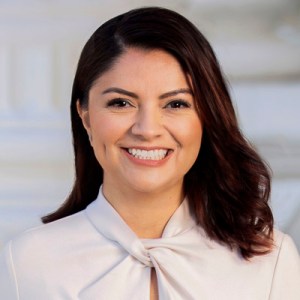
Bill Author
Bill Co-Author(s):