SB 644: Hotel and private residence rental reservations: cancellation: refunds.
- Session Year: 2023-2024
- House: Senate
- Latest Version Date: 2023-10-10
Current Status:
Passed
(2023-10-10: Chaptered by Secretary of State. Chapter 718, Statutes of 2023.)
Introduced
In Committee
First Chamber
In Committee
Second Chamber
Enacted
What does this bill do?
The bill requires hotels, short‑term rental hosts, hosting platforms, and third‑party booking services to let California reservations made at least 72 hours before check‑in be canceled without penalty for 24 hours after confirmation. If a consumer cancels under that rule, the business must refund all amounts paid, including optional service fees, to the original payment method within 30 days, and the Attorney General or local prosecutors may sue for violations with civil fines up to $10,000 per violation; the rule excludes negotiated nonpublic rates and bookings where the specific property is not disclosed at booking.
The summary is provided by generative AI which can make mistakes. For original language, please view the details in the table below.
The Unfair Competition Law (UCL) makes various unfair competition practices unlawful, including any unlawful, unfair, or fraudulent business act or practice.
Existing law regulates consumer refunds specific to certain industries under specified circumstances.
This bill would require a hotel, third-party booking service, hosting platform, or short-term rental, as defined, to allow a reservation for a hotel accommodation or a short-term rental located in California to be canceled without penalty for at least 24 hours after the reservation is confirmed if the reservation is made 72 hours or more before the time of check-in. This bill would require, if a consumer cancels a reservation pursuant to that provision, the hotel, third-party booking service, hosting platform, or short-term rental to issue a refund to a consumer for all amounts paid to the hosting platform, hotel, third-party booking service, or short-term rental to the original form of payment within 30 days of the cancellation of the reservation.
This bill would authorize certain public attorneys, including the Attorney General, to bring an enforcement action, as provided. The bill would require a court to impose a civil penalty of not more than $10,000 for each violation pursuant to consideration of specified factors. The bill would exempt certain types of reservations from its provisions, including a reservation made for a negotiated rate that was not advertised, or otherwise made available, for booking by the general public.
The Unfair Competition Law (UCL) makes various unfair competition practices unlawful, including any unlawful, unfair, or fraudulent business act or practice.
Existing law regulates consumer refunds specific to certain industries under specified circumstances.
This bill would require a hotel, third-party booking service, hosting platform, or short-term rental, as defined, to allow a reservation for a hotel accommodation or a short-term rental located in California to be canceled without penalty for at least 24 hours after the reservation is confirmed if the reservation is made 24 72 hours or more before the day of check-in, as specified. check-in. This bill would require, if a consumer cancels a reservation pursuant to that provision, the hotel, third-party booking service, hosting platform, or short-term rental to issue a refund to a consumer for all amounts paid to the hosting platform, hotel, third-party booking service, or short-term rental to the original form of payment within 30 days of the cancellation of the reservation.
This bill would authorize certain public attorneys, including the Attorney General, to bring an enforcement action, as provided. The bill would require a court to impose a civil penalty of not more than $10,000 for each violation pursuant to consideration of specified factors. The bill would exempt certain types of reservations from its provisions provisions, including a reservation made under for a negotiated rate that was not advertised, or otherwise made available, for booking by the general public.
The Unfair Competition Law (UCL) makes various unfair competition practices unlawful, including any unlawful, unfair, or fraudulent business act or practice.
Existing law regulates consumer refunds specific to certain industries under specified circumstances.
This bill would require a hotel, third-party booking service, hosting platform, and or short-term rental, as defined, to allow a reservation to be canceled without penalty for at least 24 hours after the reservation is confirmed if the reservation is made 24 hours or more before the day of check-in, as specified. This bill would require, if a consumer cancels a reservation pursuant to that provision, the hotel, third-party booking service, hosting platform, and or short-term rental to issue a refund to a consumer for all amounts paid to the hosting platform, hotel, third-party booking service, or short-term rental to the original form of payment within 30 days of the cancellation of the reservation.
This bill would authorize certain public attorneys, including the Attorney General, to bring an enforcement action, as provided. The bill would require a court to impose a civil penalty of not more than $10,000 for each violation pursuant to consideration of specified factors. The bill would exempt from its provisions a reservation booked by a third party on behalf of a consumer pursuant to a contract between the third party and the hosting platform, hotel, third-party booking service, or short-term rental. made under a negotiated rate that was not advertised, or otherwise made available, for booking by the general public.
The Unfair Competition Law (UCL) makes various unfair competition practices unlawful, including any unlawful, unfair, or fraudulent business act or practice.
Existing law regulates consumer refunds specific to certain industries under specified circumstances.
This bill would require a hotel, third-party booking service, hosting platform, and short-term rental, as defined, to allow a reservation to be canceled without penalty for at least 24 hours after the reservation is confirmed if the reservation is made 24 hours or more before the day of check-in, as specified. This bill would require, if a consumer cancels a reservation pursuant to that provision, the hotel, third-party booking service, hosting platform, and short-term rental to issue a refund to a consumer for all amounts paid to the hosting platform, hotel, third-party booking service, or short-term rental to the original form of payment within 30 days of the cancellation of the reservation.
This bill would authorize certain public attorneys, including the Attorney General, to bring an enforcement action, as provided. The bill would require a court to impose a civil penalty of not more than $10,000 for each violation pursuant to consideration of specified factors. The bill would exempt from its provisions a reservation booked by a third party on behalf of a consumer pursuant to a contract between the third party and the hosting platform, hotel, third-party booking service, or short-term rental.
The Unfair Competition Law (UCL) makes various unfair competition practices unlawful, including any unlawful, unfair, or fraudulent business act or practice.
Existing law regulates consumer refunds specific to certain industries under specified circumstances.
This bill would require a hotel, third-party booking service, hosting platform, and short-term rental, as defined, to allow a reservation to be canceled without penalty if the cancellation is commenced within for at least 24 hours of after the reservation being finalized so long as is confirmed if the reservation is made 24 hours or more prior to before the day of check-in. check-in, as specified. This bill would require require, if a consumer cancels a reservation pursuant to that provision, the hotel, third-party booking service, hosting platform, and short-term rental to issue the a refund to the customer a consumer for the full amount of the reservation, including fees, all amounts paid to the hosting platform, hotel, third-party booking service, or short-term rental to the original form of payment within 30 days of the cancellation of the reservation.
This bill would authorize certain public attorneys, including the Attorney General General, to bring an enforcement action and recommend a civil penalty, action, as provided. The bill would require a court to impose a civil penalty of not more than $10,000 for each violation, violation pursuant to consideration of specified factors. This bill would provide that a violation of its provisions constitutes an unfair and unlawful business act or practice under the UCL. The bill would provide that a violation of its provisions does not constitute a crime or serve as a basis for a private right of action. The bill would exempt from its provisions a reservation booked by a third party on behalf of a consumer pursuant to a contract between the third party and the hosting platform, hotel, third-party booking service, or short-term rental.
The Unfair Competition Law (UCL) makes various unfair competition practices unlawful, including any unlawful, unfair, or fraudulent business act or practice.
Existing law regulates consumer refunds specific to certain industries under specified circumstances.
This bill would require a hotel, third-party booking service, hosting platform, and short-term rental, as defined, to allow a reservation to be canceled without penalty if the cancellation is commenced within 24 hours of the reservation being finalized so long as the reservation is made 24 hours or more prior to the day of check-in. This bill would require the hotel, third-party booking service, hosting platform, and short-term rental to issue the refund to the customer for the full amount of the reservation, including fees, to the original form of payment within 30 days of the cancellation of the reservation.
This bill would authorize the Attorney General to bring an enforcement action and recommend a civil penalty, as provided. The bill would require a court to impose a civil penalty of not more than $10,000 for each violation, pursuant to consideration of specified factors. This bill would provide that a violation of its provisions constitutes an unfair and unlawful business act or practice under the UCL. The bill would provide that a violation of its provisions does not constitute a crime or serve as a basis for a private right of action.
For purposes of this chapter:
(a)Accepted debit card means any debit card which the debit cardholder has requested and received or has signed, or has used, or has authorized another person to use, for the purpose of obtaining money, property, labor, or services. Any debit card issued in renewal of, or in substitution for, an accepted debit card becomes an accepted debit card when received by the debit cardholder, whether the debit card is issued by the same or by a successor card issuer.
(b)Business means a proprietorship, partnership, corporation, or other form of commercial enterprise. Business does not include a restaurant.
(c)Cardholder means a natural person to whom a prepaid debit card is issued.
(d)Debit card means an accepted debit card or other means of access to a debit cardholders account that may be used to initiate electronic funds transfers and may be used without unique identifying information such as a personal identification number to initiate access to the debit cardholders account.
(e)Prepaid debit card means a debit card that meets either of the following:
(1)A card, code, or other means of access to funds of a recipient that is usable at multiple, unaffiliated merchants for goods or services, or usable at automated teller machines.
(2)The same as those terms or related terms are defined in the regulations adopted under the Electronic Fund Transfer Act regarding general use reloadable cards.
(f)Refund means a return of a sum of money to a customer who has overpaid for services or property or is otherwise owed money by the business.
SEC. 3.Chapter 2 (commencing with Section 1748.80) is added to Title 1.3.5 of Part 4 of Division 3 of the Civil Code, to read:2.Hotel and Private Residence Rental Reservation Refunds1748.80.For purposes of this chapter:
(a)Hosting platform has the same meaning as defined in Section 22590 of the Business and Professions Code.
(b)(1)Hotel means a hotel, motel, bed and breakfast inn, or other similar transient lodging establishment located in this state.
(2)Hotel does not include a residential hotel, as defined in Section 50519 of the Health and Safety Code.
(c)Third-party booking service means a person that facilitates the booking of a hotel room or short-term rental in this state.
(d)Short-term rental means a residential dwelling, or any portion of a residential dwelling, that is rented to a person or persons for 30 or fewer consecutive days and that is located in this state.
1748.81.A hosting platform, hotel, third-party booking service, or short-term rental shall allow a reservation for a hotel accommodation or a short-term rental located in California to be canceled without penalty for at least 24 hours after the reservation is confirmed if the reservation is made 72 hours or more before the time of check-in.
1748.82.(a)If a consumer cancels a reservation pursuant to Section 1748.81, the hosting platform, hotel, third-party booking service, or short-term rental shall issue a refund to a consumer of all amounts paid to the hosting platform, hotel, third-party booking service, or short-term rental to the original form of payment within 30 days of the cancellation of the reservation.
(b)The refund required by this section shall include a refund of all fees charged to the consumer for optional services.
1748.83.(a)An action for a violation of this chapter may be brought only by any of the following:
(1)The Attorney General.
(2)A district attorney.
(3)A city attorney of a city having a population in excess of 750,000.
(4)A county counsel of any county within which a city has a population in excess of 750,000.
(5)With the consent of the district attorney, a city prosecutor in a city that has a full-time city prosecutor.
(b)In an action alleging a violation of this chapter, the court shall assess a civil penalty of not more than ten thousand dollars ($10,000) for each violation. In determining the amount of the civil penalty, the court shall consider any of the relevant circumstances presented by any of the parties to the case, including, but not limited to, all of the following:
(1)The nature and seriousness of the misconduct.
(2)The number of violations.
(3)The persistence of the misconduct.
(4)The length of time over which the misconduct occurred.
(5)The willfulness of the misconduct.
(6)The defendants assets, liabilities, and net worth.
(c)Each day that a defendant remains in violation of this chapter shall constitute a single violation.
(d)The duties and obligations imposed by this chapter are cumulative with any other duties or obligations imposed under other law and shall not be construed to relieve any party from any duties or obligations imposed under other law.
1748.84.This chapter does not apply to a reservation that meets any of the following criteria:
(a)The reservation was made for a negotiated rate that was not advertised, or otherwise made available, for booking by the general public.
(b)The reservation is for a hotel accommodation or short-term rental reservation that was confirmed before July 1, 2024.
(c)The reservation is one in which the specific hotel or short-term rental is not disclosed to the consumer until after the booking is confirmed.
For purposes of this chapter:
(a)Accepted debit card means any debit card which the debit cardholder has requested and received or has signed, or has used, or has authorized another person to use, for the purpose of obtaining money, property, labor, or services. Any debit card issued in renewal of, or in substitution for, an accepted debit card becomes an accepted debit card when received by the debit cardholder, whether the debit card is issued by the same or by a successor card issuer.
(b)Business means a proprietorship, partnership, corporation, or other form of commercial enterprise. Business does not include a restaurant.
(c)Cardholder means a natural person to whom a prepaid debit card is issued.
(d)Debit card means an accepted debit card or other means of access to a debit cardholders account that may be used to initiate electronic funds transfers and may be used without unique identifying information such as a personal identification number to initiate access to the debit cardholders account.
(e)Prepaid debit card means a debit card that meets either of the following:
(1)A card, code, or other means of access to funds of a recipient that is usable at multiple, unaffiliated merchants for goods or services, or usable at automated teller machines.
(2)The same as those terms or related terms are defined in the regulations adopted under the Electronic Fund Transfer Act regarding general use reloadable cards.
(f)Refund means a return of a sum of money to a customer who has overpaid for services or property or is otherwise owed money by the business.
SEC. 3.Chapter 2 (commencing with Section 1748.80) is added to Title 1.3.5 of Part 4 of Division 3 of the Civil Code, to read:2.Hotel and Private Residence Rental Reservation Refunds1748.80.For purposes of this chapter:
(a)Hosting platform has the same meaning as defined in Section 22590 of the Business and Professions Code.
(b)(1)Hotel means a hotel, motel, bed and breakfast inn, or other similar transient lodging establishment located in this state.
(2)Hotel does not include a residential hotel, as defined in Section 50519 of the Health and Safety Code.
(c)Third-party booking service means a person that facilitates the booking of a hotel room or short-term rental in this state.
(d)Short-term rental means a residential dwelling, or any portion of a residential dwelling, that is rented in this state to a person or persons for 30 or fewer consecutive days. days and that is located in this state.
1748.81.A hosting platform, hotel, third-party booking service, or short-term rental shall allow a reservation for a hotel accommodation or a short-term rental located in California to be canceled without penalty for at least 24 hours after the reservation is confirmed if the reservation is made 24 72 hours or more before the time of check-in. The 24-hour window starts from the moment the reservation is confirmed.
1748.82.(a)If a consumer cancels a reservation pursuant to Section 1748.81, the hosting platform, hotel, third-party booking service, or short-term rental shall issue a refund to a consumer of all amounts paid to the hosting platform, hotel, third-party booking service, or short-term rental to the original form of payment within 30 days of the cancellation of the reservation.
(b)The refund required by this section shall include a refund of all fees charged to the consumer for optional services.
1748.83.(a)An action for a violation of this chapter may be brought only by any of the following:
(1)The Attorney General.
(2)A district attorney.
(3)A city attorney of a city having a population in excess of 750,000.
(4)A county counsel of any county within which a city has a population in excess of 750,000.
(5)With the consent of the district attorney, a city prosecutor in a city that has a full-time city prosecutor.
(b)In an action alleging a violation of this chapter, the court shall assess a civil penalty of not more than ten thousand dollars ($10,000) for each violation. In determining the amount of the civil penalty, the court shall consider any of the relevant circumstances presented by any of the parties to the case, including, but not limited to, all of the following:
(1)The nature and seriousness of the misconduct.
(2)The number of violations.
(3)The persistence of the misconduct.
(4)The length of time over which the misconduct occurred.
(5)The willfulness of the misconduct.
(6)The defendants assets, liabilities, and net worth.
(c)Each day that a defendant remains in violation of this chapter shall constitute a single violation.
(d)The duties and obligations imposed by this chapter are cumulative with any other duties or obligations imposed under other law and shall not be construed to relieve any party from any duties or obligations imposed under other law.
1748.84.This chapter does not apply to a reservation made under a negotiated rate that was not advertised, or otherwise made available, for booking by the general public. that meets any of the following criteria:
(a)The reservation was made for a negotiated rate that was not advertised, or otherwise made available, for booking by the general public.
(b)The reservation is for a hotel accommodation or short-term rental reservation that was confirmed before July 1, 2024.
(c)The reservation is one in which the specific hotel or short-term rental is not disclosed to the consumer until after the booking is confirmed.
For purposes of this chapter:
(a)Accepted debit card means any debit card which the debit cardholder has requested and received or has signed, or has used, or has authorized another person to use, for the purpose of obtaining money, property, labor, or services. Any debit card issued in renewal of, or in substitution for, an accepted debit card becomes an accepted debit card when received by the debit cardholder, whether the debit card is issued by the same or by a successor card issuer.
(b)Business means a proprietorship, partnership, corporation, or other form of commercial enterprise. Business does not include a restaurant.
(c)Cardholder means a natural person to whom a prepaid debit card is issued.
(d)Debit card means an accepted debit card or other means of access to a debit cardholders account that may be used to initiate electronic funds transfers and may be used without unique identifying information such as a personal identification number to initiate access to the debit cardholders account.
(e)Prepaid debit card means a debit card that meets either of the following:
(1)A card, code, or other means of access to funds of a recipient that is usable at multiple, unaffiliated merchants for goods or services, or usable at automated teller machines.
(2)The same as those terms or related terms are defined in the regulations adopted under the Electronic Fund Transfer Act regarding general use reloadable cards.
(f)Refund means a return of a sum of money to a customer who has overpaid for services or property or is otherwise owed money by the business.
SEC. 3.Chapter 2 (commencing with Section 1748.80) is added to Title 1.3.5 of Part 4 of Division 3 of the Civil Code, to read:2.Hotel and Private Residence Rental Reservation Refunds1748.80.For purposes of this chapter:
(a)Hosting platform has the same meaning as defined in Section 22590 of the Business and Professions Code.
(b)(1)Hotel means any a hotel, motel, bed and breakfast inn, or other similar transient lodging establishment, but it shall not include any residential hotel as defined in Section 50519 of the Health and Safety Code. establishment in this state.
(2)Hotel does not include a residential hotel, as defined in Section 50519 of the Health and Safety Code.
(c)Third-party booking service means a person that facilitates the booking of a hotel room or short-term rental in this state.
(d)Short-term rental means a residential dwelling, or any portion of a residential dwelling, that is rented in this state to a person or persons for 30 or fewer consecutive days.
1748.81.(a)A hosting platform, hotel, third-party booking service, or short-term rental shall allow a reservation to be canceled without penalty for at least 24 hours after the reservation is confirmed if the reservation is made 24 hours or more before the time of check-in. The 24-hour window starts from the moment the reservation is confirmed.
(b)(1)If a reservation is made directly with a hosting platform, hotel, or short-term rental, the reservation shall be deemed to be confirmed when the consumer receives a confirmation email from the hosting platform, hotel, or short-term rental.(2)If a reservation is made with a third-party booking service, the reservation shall be deemed to be confirmed when the consumer receives a confirmation email from the third-party booking service and, as applicable, from the hosting platform, hotel, or short-term rental.1748.82.(a)If a consumer cancels a reservation pursuant to Section 1748.81, the hosting platform, hotel, third-party booking service, or short-term rental shall issue a refund to a consumer of all amounts paid to the hosting platform, hotel, third-party booking service, or short-term rental to the original form of payment within 30 days of the cancellation of the reservation.
(b)The refund required by this section shall include a refund of all fees charged to the consumer for optional services.
1748.83.(a)An action for a violation of this chapter may be brought only by any of the following:
(1)The Attorney General.
(2)A district attorney.
(3)A city attorney of a city having a population in excess of 750,000.
(4)A county counsel of any county within which a city has a population in excess of 750,000.
(5)With the consent of the district attorney, a city prosecutor in a city that has a full-time city prosecutor.
(b)In an action alleging a violation of this chapter, the court shall assess a civil penalty of not more than ten thousand dollars ($10,000) for each violation. In determining the amount of the civil penalty, the court shall consider any of the relevant circumstances presented by any of the parties to the case, including, but not limited to, all of the following:
(1)The nature and seriousness of the misconduct.
(2)The number of violations.
(3)The persistence of the misconduct.
(4)The length of time over which the misconduct occurred.
(5)The willfulness of the misconduct.
(6)The defendants assets, liabilities, and net worth.
(c)Each day that a defendant remains in violation of this chapter shall constitute a single violation.
(d)The duties and obligations imposed by this chapter are cumulative with any other duties or obligations imposed under other law and shall not be construed to relieve any party from any duties or obligations imposed under other law.
1748.84.This chapter does not apply to a reservation booked by a third party, other than a third-party booking service, on behalf of a consumer pursuant to a contract between the third party and the hosting platform, hotel, third-party booking service, or short-term rental.1748.84.This chapter does not apply to a reservation made under a negotiated rate that was not advertised, or otherwise made available, for booking by the general public.
For purposes of this chapter:
(a)Accepted debit card means any debit card which the debit cardholder has requested and received or has signed, or has used, or has authorized another person to use, for the purpose of obtaining money, property, labor, or services. Any debit card issued in renewal of, or in substitution for, an accepted debit card becomes an accepted debit card when received by the debit cardholder, whether the debit card is issued by the same or by a successor card issuer.
(b)Business means a proprietorship, partnership, corporation, or other form of commercial enterprise. Business does not include a restaurant.
(c)Cardholder means a natural person to whom a prepaid debit card is issued.
(d)Debit card means an accepted debit card or other means of access to a debit cardholders account that may be used to initiate electronic funds transfers and may be used without unique identifying information such as a personal identification number to initiate access to the debit cardholders account.
(e)Prepaid debit card means a debit card that meets either of the following:
(1)A card, code, or other means of access to funds of a recipient that is usable at multiple, unaffiliated merchants for goods or services, or usable at automated teller machines.
(2)The same as those terms or related terms are defined in the regulations adopted under the Electronic Fund Transfer Act regarding general use reloadable cards.
(f)Refund means a return of a sum of money to a customer who has overpaid for services or property or is otherwise owed money by the business.
SEC. 3.Chapter 2 (commencing with Section 1748.80) is added to Title 1.3.5 of Part 4 of Division 3 of the Civil Code, to read:2.Hotel and Private Residence Rental Reservation Refunds1748.80.For purposes of this chapter:
(a)Hosting platform has the same meaning as defined in Section 22590 of the Business and Professions Code.
(b)Hotel means any hotel, motel, bed and breakfast inn, or other similar transient lodging establishment, but it shall not include any residential hotel as defined in Section 50519 of the Health and Safety Code.
(c)Third-party booking service means a person that facilitates the booking of a hotel room or short-term rental in this state.
(d)Short-term rental means a residential dwelling, or any portion of a residential dwelling, that is rented to a person or persons for 30 or fewer consecutive days.
1748.81.(a)A hosting platform, hotel, third-party booking service, or short-term rental shall allow a reservation to be canceled without penalty for at least 24 hours after the reservation is confirmed if the reservation is made 24 hours or more before the time of check-in. The 24-hour window starts from the moment the reservation is confirmed.
(b)(1)If a reservation is made directly with a hosting platform, hotel, or short-term rental, the reservation shall be deemed to be confirmed when the consumer receives a confirmation email from the hosting platform, hotel, or short-term rental.
(2)If a reservation is made with a third-party booking service, the reservation shall be deemed to be confirmed when the consumer receives a confirmation email from the third-party booking service and, as applicable, from the hosting platform, hotel, or short-term rental.
1748.82.(a)If a consumer cancels a reservation pursuant to Section 1748.81, the hosting platform, hotel, third-party booking service, or short-term rental shall issue a refund to a consumer of all amounts paid to the hosting platform, hotel, third-party booking service, or short-term rental to the original form of payment within 30 days of the cancellation of the reservation.
(b)The refund required by this section shall include a refund of all fees charged to the consumer for optional services.
1748.83.(a)An action for a violation of this chapter may be brought only by any of the following:
(1)The Attorney General.
(2)A district attorney.
(3)A city attorney of a city having a population in excess of 750,000.
(4)A county counsel of any county within which a city has a population in excess of 750,000.
(5)With the consent of the district attorney, a city prosecutor in a city that has a full-time city prosecutor.
(b)In an action alleging a violation of this chapter, the court shall assess a civil penalty of not more than ten thousand dollars ($10,000) for each violation. In determining the amount of the civil penalty, the court shall consider any of the relevant circumstances presented by any of the parties to the case, including, but not limited to, all of the following:
(1)The nature and seriousness of the misconduct.
(2)The number of violations.
(3)The persistence of the misconduct.
(4)The length of time over which the misconduct occurred.
(5)The willfulness of the misconduct.
(6)The defendants assets, liabilities, and net worth.
(c)Each day that a defendant remains in violation of this chapter shall constitute a single violation.
(d)The duties and obligations imposed by this chapter are cumulative with any other duties or obligations imposed under other law and shall not be construed to relieve any party from any duties or obligations imposed under other law.
1748.84.This chapter does not apply to a reservation booked by a third party, other than a third-party booking service, on behalf of a consumer pursuant to a contract between the third party and the hosting platform, hotel, third-party booking service, or short-term rental.
For purposes of this title: chapter:
(a)Accepted debit card means any debit card which the debit cardholder has requested and received or has signed, or has used, or has authorized another person to use, for the purpose of obtaining money, property, labor, or services. Any debit card issued in renewal of, or in substitution for, an accepted debit card becomes an accepted debit card when received by the debit cardholder, whether the debit card is issued by the same or by a successor card issuer.
(b)Business means a proprietorship, partnership, corporation, or other form of commercial enterprise. Business does not include a restaurant.
(c)Cardholder means a natural person to whom a prepaid debit card is issued.
(d)Debit card means an accepted debit card or other means of access to a debit cardholders account that may be used to initiate electronic funds transfers and may be used without unique identifying information such as a personal identification number to initiate access to the debit cardholders account.
(e)Prepaid debit card means a debit card that meets either of the following:
(1)A card, code, or other means of access to funds of a recipient that is usable at multiple, unaffiliated merchants for goods or services, or usable at automated teller machines.
(2)The same as those terms or related terms are defined in the regulations adopted under the Electronic Fund Transfer Act regarding general use reloadable cards.
(f)Refund means a return of a sum of money to a customer who has overpaid for services or property or is otherwise owed money by the business.
SEC. 2.SEC. 3.Chapter 2 (commencing with Section 1748.80) is added to Title 1.3.5 of Part 4 of Division 3 of the Civil Code, to read:2.Hotel and Private Residence Rental Reservation Refunds1748.80.For purposes of this chapter, the following definitions shall apply: chapter:
(a)Hosting platform has the same meaning as that term is defined in Section 22590 of the Business and Professions Code.
(b)Hotel means any hotel, motel, bed and breakfast inn, or other similar transient lodging establishment, but it shall not include any residential hotel as defined in Section 50519 of the Health and Safety Code.
(c)Third-party booking service means a person that facilitates the booking of a hotel room or short-term rental in this state.
(d)Short-term rental means a residential dwelling, or any portion of a residential dwelling, that is rented to a person or persons for 30 or fewer consecutive days or less. days.
1748.81.Every (a)A hosting platform, hotel, third-party booking service, and or short-term rental shall allow a reservation to be canceled without penalty for at least 24 hours after the reservation is made confirmed if the reservation is made 24 hours or more prior to before the time of check-in. The 24-hour window starts from the moment the reservation is finalized. confirmed.
(b)(1)If a reservation is made directly with a hosting platform, hotel, or short-term rental, the reservation shall be deemed to be confirmed when the consumer receives a confirmation email from the hosting platform, hotel, or short-term rental.
(2)If a reservation is made with a third-party booking service, the reservation shall be deemed to be confirmed when the consumer receives a confirmation email from the third-party booking service and, as applicable, from the hosting platform, hotel, or short-term rental.
1748.82.Where a refund is due, (a)If a consumer cancels a reservation pursuant to Section 1748.81, the hosting platform, hotel, third-party booking service, or short-term rental shall issue the a refund to the a consumer of all amounts paid to the hosting platform, hotel, third-party booking service, or short-term rental to the original form of payment within 30 days of the cancellation of the reservation. The refund shall include a refund of all fees charged to the consumer for optional services that the consumer did not use.
(b)The refund required by this section shall include a refund of all fees charged to the consumer for optional services.
1748.83.(a)(1)The Attorney General may bring an enforcement action in a court of competent jurisdiction against any person who violates this chapter.(2)The Attorney General may recommend a civil penalty pursuant to the factors in paragraph (3) if it determines that there has been a violation of this chapter.(3)The1748.83.(a)An action for a violation of this chapter may be brought only by any of the following:
(1)The Attorney General.
(2)A district attorney.
(3)A city attorney of a city having a population in excess of 750,000.
(4)A county counsel of any county within which a city has a population in excess of 750,000.
(5)With the consent of the district attorney, a city prosecutor in a city that has a full-time city prosecutor.
(b)In an action alleging a violation of this chapter, the court shall assess a civil penalty of not more than ten thousand dollars ($10,000) for each violation. In determining the amount of the civil penalty, the court shall consider any one or more of the relevant circumstances presented by any of the parties to the case, including, but not limited to, all of the following:
(A)(1)The nature and seriousness of the misconduct.
(B)(2)The number of violations.
(C)(3)The persistence of the misconduct.
(D)(4)The length of time over which the misconduct occurred.
(E)(5)The willfulness of the misconduct.
(F)(6)The hosting platform, hotel, third-party booking service, and short-term rentals defendants assets, liabilities, and net worth.
(4)(c)Each day that a person defendant remains in violation of this chapter shall constitute a single violation.
(5)The penalties provided by this subdivision are in addition to any other civil, criminal, and administrative penalties or sanctions provided by law, and do not supplant, but are cumulative to, other penalties or sanctions.(b)(1)A violation of this chapter constitutes an unfair and unlawful business act or practice under Section 17200 of the Business and Professions Code and may be enforced under Chapter 5 (commencing with Section 17200) of Part 2 of Division 7 of the Business and Professions Code.(2)A violation of this chapter is not subject to the Consumers Legal Remedies Act (Title 1.5 (commencing with Section 1750) of Part 4).(3)Notwithstanding any other law, a violation of this chapter shall not constitute a crime.(4)Notwithstanding any other law, nothing in this chapter shall serve as the basis for a private right of action.1748.84.This chapter does not apply to a reservation booked by a third party, other than a third-party booking service, on behalf of a consumer pursuant to a contract between the third party and the hosting platform, hotel, third-party booking service, or short-term rental.
For purposes of this chapter, the following definitions shall apply:
(a)Hosting platform has the same meaning as that term is defined in Section 22590 of the Business and Professions Code.
(b)Hotel means any hotel, motel, bed and breakfast inn, or other similar transient lodging establishment, but it shall not include any residential hotel as defined in Section 50519 of the Health and Safety Code.
(c)Third-party booking service means a person that facilitates the booking of a hotel room or short-term rental in this state.
(d)Short-term rental means a residential dwelling, or any portion of a residential dwelling, that is rented to a person or persons for 30 consecutive days or less.
1748.81.Every hosting platform, hotel, third-party booking service, and short-term rental shall allow a reservation to be canceled without penalty for at least 24 hours after the reservation is made if the reservation is made 24 hours or more prior to the time of check-in. The 24-hour window starts from the moment the reservation is finalized.
1748.82.Where a refund is due, the hosting platform, hotel, third-party booking service, or short-term rental shall issue the refund to the consumer to the original form of payment within 30 days of the cancellation of the reservation. The refund shall include a refund of all fees charged to the consumer for optional services that the consumer did not use.
1748.83.(a)(1)The Attorney General may bring an enforcement action in a court of competent jurisdiction against any person who violates this chapter.
(2)The Attorney General may recommend a civil penalty pursuant to the factors in paragraph (3) if it determines that there has been a violation of this chapter.
(3)The court shall assess a civil penalty of not more than ten thousand dollars ($10,000) for each violation. In determining the amount of the civil penalty, the court shall consider any one or more of the relevant circumstances presented by any of the parties to the case, including, but not limited to, all of the following:
(A)The nature and seriousness of the misconduct.
(B)The number of violations.
(C)The persistence of the misconduct.
(D)The length of time over which the misconduct occurred.
(E)The willfulness of the misconduct.
(F)The hosting platform, hotel, third-party booking service, and short-term rentals assets, liabilities, and net worth.
(4)Each day that a person remains in violation of this chapter shall constitute a single violation.
(5)The penalties provided by this subdivision are in addition to any other civil, criminal, and administrative penalties or sanctions provided by law, and do not supplant, but are cumulative to, other penalties or sanctions.
(b)(1)A violation of this chapter constitutes an unfair and unlawful business act or practice under Section 17200 of the Business and Professions Code and may be enforced under Chapter 5 (commencing with Section 17200) of Part 2 of Division 7 of the Business and Professions Code.
(2)A violation of this chapter is not subject to the Consumers Legal Remedies Act (Title 1.5 (commencing with Section 1750) of Part 4).
(3)Notwithstanding any other law, a violation of this chapter shall not constitute a crime.
(4)Notwithstanding any other law, nothing in this chapter shall serve as the basis for a private right of action.
|
Date
|
Status
|
|---|---|
| Oct 10, 2023 | Chaptered by Secretary of State. Chapter 718, Statutes of 2023. |
| Oct 10, 2023 | Approved by the Governor. |
| Sep 15, 2023 | Enrolled and presented to the Governor at 3 p.m. |
| Sep 11, 2023 | Assembly amendments concurred in. (Ayes 39. Noes 0. Page 2602.) Ordered to engrossing and enrolling. |
| Sep 7, 2023 | In Senate. Concurrence in Assembly amendments pending. |
| Sep 7, 2023 | Read third time. Passed. (Ayes 73. Noes 0. Page 2996.) Ordered to the Senate. |
| Sep 5, 2023 | Read second time. Ordered to third reading. |
| Sep 1, 2023 | From committee: Do pass. (Ayes 13. Noes 2.) (September 1). |
| Jul 12, 2023 | July 12 set for first hearing. Placed on APPR. suspense file. |
| Jun 27, 2023 | From committee: Do pass and re-refer to Com. on APPR. (Ayes 9. Noes 1.) (June 27). Re-referred to Com. on APPR. |
| Jun 22, 2023 | From committee with author's amendments. Read second time and amended. Re-referred to Com. on JUD. |
| Jun 15, 2023 | Read second time and amended. Re-referred to Com. on JUD. |
| Jun 14, 2023 | From committee: Do pass as amended and re-refer to Com. on JUD. (Ayes 7. Noes 0.) (June 13). |
| Jun 1, 2023 | Referred to Coms. on P. & C.P. and JUD. |
| May 25, 2023 | In Assembly. Read first time. Held at Desk. |
| May 24, 2023 | Read third time. Passed. (Ayes 33. Noes 6. Page 1256.) Ordered to the Assembly. |
| May 18, 2023 | Read second time. Ordered to third reading. |
| May 18, 2023 | From committee: Do pass. (Ayes 5. Noes 2. Page 1178.) (May 18). |
| May 12, 2023 | Set for hearing May 18. |
| Apr 24, 2023 | April 24 hearing: Placed on APPR suspense file. |
| Apr 18, 2023 | Set for hearing April 24. |
| Apr 13, 2023 | Read second time and amended. Re-referred to Com. on APPR. |
| Apr 12, 2023 | From committee: Do pass as amended and re-refer to Com. on APPR. (Ayes 9. Noes 0. Page 687.) (April 11). |
| Mar 30, 2023 | From committee with author's amendments. Read second time and amended. Re-referred to Com. on JUD. |
| Mar 21, 2023 | Set for hearing April 11. |
| Mar 1, 2023 | Referred to Com. on JUD. |
| Feb 17, 2023 | From printer. May be acted upon on or after March 19. |
| Feb 16, 2023 | Introduced. Read first time. To Com. on RLS. for assignment. To print. |
|
Date
|
Description
|
Location
|
Votes
|
|
|---|---|---|---|---|
| Sep 11, 2023 | Unfinished Business SB644 Glazer et al. Concurrence | Senate Floor |
Passed |
|
| Sep 7, 2023 | SB 644 Glazer Senate Third Reading By Berman | Assembly Floor |
Passed |
|
| Sep 1, 2023 | Do pass. | Assembly Standing Committee on Appropriations |
Passed |
|
| Jun 27, 2023 | Do pass and be re-referred to the Committee on [Appropriations] | Assembly Standing Committee on Judiciary |
Passed |
|
| Jun 13, 2023 | Do pass as amended and be re-referred to the Committee on [Judiciary] | Assembly Standing Committee on Privacy and Consumer Protection |
Passed |
|
| May 24, 2023 | Senate 3rd Reading SB644 Glazer et al. | Senate Floor |
Passed |
|
| May 18, 2023 | Do pass | Senate Standing Committee on Appropriations |
Passed |
|
| Apr 24, 2023 | Placed on suspense file | Senate Standing Committee on Appropriations |
Passed |
|
| Apr 11, 2023 | Do pass as amended, but first amend, and re-refer to the Committee on [Appropriations] | Senate Standing Committee on Judiciary |
Passed |
This list shows positions taken on this bill by organizations on the date displayed, which is linked to the original source.
Positions by individuals are not included.
|
Organization
|
Position
|
Date
|
|---|---|---|
| Airbnb, Inc. | ** Against | |
| Bay Area Council | ** Against | |
| California Attractions And Parks Association | * Indeterminate | Jun 13, 2023 |
| California Chamber Of Commerce | * Neutral | Jun 13, 2023 |
| California Hotel & Lodging Association | ** Against | |
| California Travel Association | * Indeterminate | Jun 13, 2023 |
| Consumer Attorneys Of California | ** Support | |
| Consumer Federation Of California | * For If Amend | Jun 27, 2023 |
| Expedia Group | ** Against | |
| National Federation Of Independent Business | ** Against | |
| VALLEY INDUSTRY AND COMMERCE ASSOCIATION | ** Support |
SENATE RULES COMMITTEE Office of Senate Floor Analyses (916) 651-1520 Fax: (916) 327-4478 | SB 644 |
UNFINISHED BUSINESS
Bill No: SB 644
Author: Glazer (D), et al.
Amended: 6/22/23
Vote: 21
SENATE JUDICIARY COMMITTEE: 9-0, 4/11/23
AYES: Umberg, Wilk, Allen, Ashby, Laird, McGuire, Min, Niello, Wiener
NO VOTE RECORDED: Durazo, Stern
SENATE APPROPRIATIONS COMMITTEE: 5-2, 5/18/23
AYES: Portantino, Ashby, Bradford, Wahab, Wiener
NOES: Jones, Seyarto
SENATE FLOOR: 33-6, 5/24/23
AYES: Allen, Archuleta, Ashby, Atkins, Becker, Blakespear, Bradford, Caballero, Cortese, Dodd, Durazo, Eggman, Glazer, Gonzalez, Hurtado, Laird, McGuire, Menjivar, Min, Newman, Niello, Ochoa Bogh, Padilla, Portantino, Roth, Rubio, Skinner, Smallwood-Cuevas, Stern, Umberg, Wahab, Wiener, Wilk
NOES: Alvarado-Gil, Dahle, Grove, Jones, Nguyen, Seyarto
NO VOTE RECORDED: Limón
ASSEMBLY FLOOR: 73-0, 9/7/23 - See last page for vote
SUBJECT: Hotel and private residence rental reservations: cancellation: refunds
SOURCE: Author
DIGEST:
This bill requires a hosting platform, hotel, third-party booking service, or short-term rental to allow a consumer to cancel a reservation within 24 hours without penalty if made at least 72 hours or more before the time of check-in and to have the funds refunded to the original form of payment, as specified.
Assembly Amendments
narrow application to only lodging in California, require the reservation to be made at least 72 hours in advance, and exempt certain reservations.
ANALYSIS:
Existing law:
- Establishes the Unfair Competition Law (UCL), which provides a statutory cause of action for any unlawful, unfair, or fraudulent business act or practice and unfair, deceptive, untrue, or misleading advertising, including over the internet. (Bus. & Prof. Code § 17200 et seq.)
- Establishes the Consumer Legal Remedies Act (CLRA), which prohibits unfair methods of competition and unfair or deceptive acts or practices undertaken by any person in a transaction intended to result or which results in the sale or lease of goods or services to any consumer. (Civ. Code § 1750 et seq.)
- Provides that any consumer who suffers any damage as a result of the use or employment by any person of a method, act, or practice declared to be unlawful by the CLRA may bring an action against that person to recover or obtain specified remedies. (Civ. Code § 1780.)
This bill:
- Requires a hosting platform, hotel, third-party booking service, or short-term rental to allow a reservation to be canceled without penalty for at least 24 hours after the reservation is confirmed if the reservation is made 72 hours or more before the time of check-in.
- Requires the attendant refund to be issued to the original form of payment within 30 days of the cancellation of the reservation. The refund shall include a refund of all fees charged to the consumer for optional services that the consumer did not use.
- Authorizes the Attorney General, district attorneys, and specified city attorneys and county counsel to bring an enforcement action against those in violation. The court is required to assess a civil penalty of up to $10,000 for each violation based on various factors, including the extent and severity of the violator’s conduct. Each day in violation constitutes a separate violation.
- Defines the relevant terms, as follows:
- “hotel” means a hotel, motel, bed and breakfast inn, or other similar transient lodging establishment located in this state, but it shall not include any residential hotel as defined in Section 50519 of the Health and Safety Code;
- “third-party booking service” means a person that facilitates the booking of a hotel room or short-term rental in this state;
- “short-term rental” means a residential dwelling, or any portion of a residential dwelling, that is rented to a person or persons for 30 consecutive days or fewer and that is located in this state; and
- “hosting platform” has the same meaning as that term is defined in Section 22590 of the Business and Professions Code.
- Clarifies that it does not apply to reservations meeting the following criteria:
- The reservation was made for a negotiated rate that was not advertised, or otherwise made available, for booking by the general public.
- The reservation is for a hotel accommodation or short-term rental reservation that was confirmed before July 1, 2024.
- The reservation is one in which the specific hotel or short-term rental is not disclosed to the consumer until after the booking is confirmed.
- Provides that the duties and obligations imposed by it are cumulative with any other duties or obligations imposed under other law, and shall not be construed to relieve any party from any duties or obligations imposed under other law.
Background
In recent years, rates at hotels and other short-term lodging have risen steadily. While this occurs, cancellation policies at these lodging establishments have gotten progressively stricter, a stark departure from traditionally lenient cancellation policies. With the transition to mostly online booking and the troubling practice of drip pricing, consumer unfriendly cancellation policies are particularly problematic.
This bill sets an extremely modest floor for cancellation policies. It requires hosting platforms, hotels, third-party booking services, and short-term rentals to provide consumers at least a 24-hour cancellation window after booking if the reservation is made at least 72 hours before the time of check-in. Any attendant refunds must be returned to the original form of payment, as specified.
This bill is author sponsored and supported by the Consumer Attorneys of California. There is no known opposition.
Comment
According to the author:
Internet searches can provide a jungle of conflicting links, and consumers can easily fall into a quicksand of misleading lodging prices. Many bookings are irreversible and non-refundable with some third-party reservation sites, hotels, and short-term rentals. Unfortunately, no state or federal law protects consumers under these unfair circumstances. Consumers are then left vulnerable to losing their money on a reservation cannot be canceled even one minute after booking.
This bill would provide greater protections for consumers in case they inadvertently made a mistake while booking, or change their minds about where to stay. This bill would require hotels, short-term rentals, and third party booking services to allow consumers to cancel their reservation for free and receive a full refund 24 hours after booking the reservation. This bill would allow consumers to cancel within a 24 hour period as long as the reservation was made at least 24 hours prior to the day of check-in. Finally, this bill would require the refund to be issued to the consumer within at least 30 days of cancellation.
California’s consumer protection laws
The Legislature has long considered consumer protection to be a matter of high importance. State law is replete with statutes aimed at protecting California consumers from unfair, dishonest, or harmful market practices. These consumer-protection laws authorize consumers to enforce their own rights and seek remedies to make them whole.
The UCL (Bus. & Prof. Code § 17200) provides remedies for “anything that can properly be called a business practice and that at the same time is forbidden by law.” (Cel-Tech Communications, Inc. v. Los Angeles Cellular Telephone Co. (1999) 20 Cal.4th 163, 180 [citations omitted].) The UCL provides that a court “may make such orders or judgments . . . as may be necessary to restore to any person in interest any money or property, real or personal, which may have been acquired by means of such unfair competition.” (Bus. & Prof. Code § 17203; see also Korea Supply Co. v. Lockheed Martin Corp. (2003) 29 Cal.4th 1134, 1146 [“An order for restitution, then, is authorized by the clear language of the [UCL.”]].) The law also permits courts to award injunctive relief and, in certain cases, to assess civil penalties against the violator. (Bus. & Prof. Code §§ 17203, 17206.)
The FAL proscribes making or disseminating any statement that is known or should be known to be untrue or misleading with intent to directly or indirectly dispose of real or personal property. (Bus. & Prof. Code § 17500 et seq.) Violators are subject to a civil penalty not to exceed $2,500 for each violation in an action brought by the Attorney General or by any district attorney, county counsel, or city attorney. (Bus. & Prof. Code § 17536.) Similar to the UCL, the FAL provides that a person may bring an action for an injunction or restitution if the person has suffered injury in fact and has lost money or property as a result of a violation of the FAL. (Bus. & Prof. Code § 17535.)
The CLRA was enacted “to protect the statute’s beneficiaries from deceptive and unfair business practices,” and to provide aggrieved consumers with “strong remedial provisions for violations of the statute.” (Am. Online, Inc. v. Superior Court (2001) 90 Cal.App.4th 1, 11.) The CLRA prohibits “unfair methods of competition and unfair or deceptive acts or practices undertaken by any person in a transaction intended to result or which results in the sale or lease of goods or services to any consumer,” (Civ. Code § 1770(a)), and prohibits conduct “likely to mislead a reasonable consumer.” (Colgan v. Leatherman Tool Grp., Inc. (2006) 135 Cal. App. 4th 663, 680; internal quotation marks omitted.)
Providing a floor for lodging cancellation
This bill addresses the trend toward stricter cancellation policies in the short-term lodging industry, as hotels and others look to the generous profits that can be generated by doing so. One study summarizes the issue with quantitative data:
The annual revenue of the US lodging industry from fees and surcharges has steadily increased since 2000, except for brief periods during economic recessions in the early 2000s and in 2008 (Hanson 2017). In 2001, the US hotels generated an estimated $1 billion in fees and surcharges. This figure increased to an estimated record of $2.7 billion in 2017 (Hanson 2017). The trend toward stricter cancellation policies in the hotel industry is an important driver of this impressive growth in fee and surcharge revenue.
Not too long ago, most hotels were allowing their customers to cancel their reservations free of charge until 4 PM, or 6 PM, on their check-in day. . . . Despite negative reactions from both leisure and business travellers, it appears that stricter cancellation policies are now becoming an industry standard without no sign of cancellation leniency in the foreseeable future.[1]
Given the issues of pricing transparency in the industry, this move toward stricter cancellation policies can have a serious impact on consumers. This bill seeks to create a cancellation floor for hotels, short-term rentals, other lodging establishments, and booking platforms.
Given the historic leniency of allowing same day cancellation and even the current practices generally offering free cancellation several days in advance of the stay, it does not seem overly onerous to require a no-penalty 24-hour window after booking. To ensure the method of refund does not create additional barriers for consumers, the bill requires the hosting platform, hotel, third-party booking service, or short-term rental to issue the refund to the original form of payment and to do so with 30 days of cancellation.
A similar consumer protection is found in the airline industry. The federal Department of Transportation promulgated regulations establishing the “Enhancing Airline Passenger Protections.” The regulation requires carriers to adopt a Customer Service Plan that complies with specified minimum standards. Relevant here, the plan must allow “reservations to be held at the quoted fare without payment, or cancelled without penalty, for at least twenty-four hours after the reservation is made if the reservation is made one week or more prior to a flight’s departure.”[2]
Enforcement is left to the Attorney General, district attorneys, and specified city attorneys and county counsel. Practically speaking, this means only the most egregious violators will likely be held accountable. These public prosecutors can seek a penalty of up to $10,000 per violation.
FISCAL EFFECT: Appropriation: No Fiscal Com.: Yes Local: No
According to the Senate Appropriations Committee:
- Judicial Branch: Unknown court workload cost pressures in order to adjudicate civil violations of this bill’s provisions (Trial Court Trust Fund, General Fund). See Staff Comments for additional details.
- DOJ: Likely minor and absorbable costs to the Department of Justice (DOJ) in order to bring enforcement actions under the UCL. (Unfair Competition Law Fund).
Consumer Attorneys of California
Valley Industry and Commerce Association
OPPOSITION: (Verified 9/8/23)
None received
ARGUMENTS IN SUPPORT: The Consumer Attorneys of California write:
The Consumer Attorneys of California supports SB 644 and SB 683, both of which address consumer issues in lodging. . . . We believe clarity in this area is needed to protect users; we also believe private enforcement is a necessary tool to enforce any consumer protection law.
ASSEMBLY FLOOR: 73-0, 9/7/23
AYES: Addis, Aguiar-Curry, Alanis, Alvarez, Arambula, Bains, Bauer-Kahan, Bennett, Berman, Boerner, Bonta, Bryan, Calderon, Juan Carrillo, Wendy Carrillo, Cervantes, Chen, Connolly, Davies, Dixon, Flora, Mike Fong, Friedman, Gabriel, Gallagher, Garcia, Gipson, Grayson, Haney, Hart, Holden, Hoover, Irwin, Jackson, Jones-Sawyer, Kalra, Lee, Low, Lowenthal, Maienschein, Mathis, McCarty, McKinnor, Muratsuchi, Stephanie Nguyen, Ortega, Pacheco, Papan, Jim Patterson, Pellerin, Petrie-Norris, Quirk-Silva, Ramos, Rendon, Reyes, Luz Rivas, Rodriguez, Blanca Rubio, Santiago, Schiavo, Soria, Ting, Valencia, Villapudua, Waldron, Wallis, Ward, Weber, Wicks, Wilson, Wood, Zbur, Robert Rivas
NO VOTE RECORDED: Megan Dahle, Essayli, Vince Fong, Lackey, Joe Patterson, Sanchez, Ta
Prepared by: Christian Kurpiewski / JUD. / (916) 651-4113
9/8/23 13:55:55
**** END ****
Arash Riasi, Zvi Schwartz, & Chih-Chien Chen, A paradigm shift in revenue management? The new landscape of hotel cancellation policies (2019) Journal of Revenue and Pricing Management (citations omitted), available at https://link.springer.com/article/10.1057/s41272-019-00189-3 [as of Sept. 8, 2023]. ↑
14 C.F.R. § 259.5. ↑
SENATE THIRD READING
STR Bill Id:SB 644
Author:(Glazer)
As Amended Ver:June 22, 2023
Majority vote
SUMMARY
Requires a hosting platform, hotel, third-party booking service, or short-term rental to allow a consumer to cancel a reservation within 24 hours of making the reservation without penalty and to have the funds refunded to the original form of payment, if the reservation is made 72 hours or more before the time of check-in.
Major Provisions
- Requires every hosting platform, hotel, third-party booking service, and short-term rental to allow a reservation to be canceled without penalty for at least 24 hours after the reservation is confirmed if the reservation is made 72 hours or more before the time of check-in.
- Requires the refund to be issued in the original form of payment within 30 days of the cancellation of the reservation. The refund shall include a refund of all fees charged to the consumer for optional services that the consumer did not use.
- Exempts from 1), above, the following types of reservations:
- Those made under a negotiated rate that was not advertised, or otherwise made available, for booking by the general public.
- Those in which the specific hotel or short-term rental is not disclosed to the consumer until after the booking is confirmed.
- Those that were confirmed before July 1, 2024.
- Authorizes the Attorney General, district attorneys, city attorneys of cities with populations in excess of 750,000, county counsels of counties with populations in excess of 750,000, and full-time city prosecutors (with the consent of the district attorney) to bring an enforcement action against those in violation.
COMMENTS
In recent years, the hotel industry has moved away from its long-standing policy of allowing people to easily cancel their hotel reservations without paying a financial penalty. Now, hotel cancellation policies are a key component of hotel revenue and the practice of charging a cancellation fee has become standard in many hotel chains.
This bill is an attempt to address that new practice by providing a minimum level of consumer protection by allowing customers to cancel lodging reservations in California, whether made directly with the hotel or through a third party, within 24 hours of making them without paying a financial penalty.
What this bill does. In order to protect consumers who are making lodging reservations in California, this bill does three things:
- Requires hosting platforms, hotels, short-term rentals, and third party booking services to allow consumers to cancel their reservation for free and receive a full refund 24 hours after booking the reservation, as long as the reservation was made at least 72 hours prior to check-in.
- Requires that the business provide a full refund issued in the original form of payment within 30 days.
- Establishes a civil penalty that can be brought by designated public attorneys if a business fails to comply with the provisions of the bill.
Given the historic leniency in the lodging industry of allowing same day cancellation and even the current practices generally offering free cancellation several days in advance of the stay, it does not seem overly onerous to require a no-penalty 24-hour cancellation window after booking. In addition, ensuring that the method of refund does not create additional barriers for consumers, the bill requires the hosting platform, hotel, third-party booking service, or short-term rental to issue the refund to the original form of payment and to do so within 30 days of cancellation.
Analysis. Ensuring that consumers have a 24-hour grace period when booking lodging reservations is an important and reasonable policy. By including a 72 hour cutoff for the cancellation policy, this bill strikes a balance between consumer protections, allowing consumers to receive the best rate possible, and developing a workable policy for the lodging industry.
This bill only provides for enforcement by the Attorney General, district attorneys, city attorneys of cities with populations in excess of 750,000, county counsels of counties with populations in excess of 750,000, and full-time city prosecutors (if they have the consent of the district attorney). These public prosecutors all have significant responsibilities. As such, it is reasonable to assume that they are only going to bring enforcement actions against large-scale offenders, such as hotel chains or widely-used internet platforms, that flout the law's protections. As such, this bill seems in keeping with efforts to steer the industry back toward more consumer-friendly practices.
According to the Author
Internet searches can provide a jungle of conflicting links, and consumers can easily fall into a quicksand of misleading lodging prices. Many bookings are irreversible and non-refundable with some third-party reservation sites, hotels, and short-term rentals. Unfortunately, no state or federal law protects consumers under these unfair circumstances. Consumers are then left vulnerable to losing their money on a reservation that cannot be canceled even one minute after booking.
This bill would provide greater protections for consumers in case they inadvertently made a mistake while booking, or change their minds about where to stay. This bill would require hotels, short-term rentals, and third party booking services to allow consumers to cancel their reservation for free and receive a full refund 24 hours after booking the reservation.
Arguments in Support
The Valley Industry and Commerce Association writes in support:
Hotel and short-term lodging rates have steadily risen over the decades. While this occurs, cancellation policies at these lodging establishments have gotten stricter, a stark departure from traditionally lenient cancellation policies. With the transition to mostly online booking and the practice of drip pricing, unfriendly consumer cancellation policies are problematic.
The U.S lodging industry revenue from fees and surcharges have steadily increased since 2000, except for brief periods during economic recessions in the early 2000's and 2008. In 2001, the industry generated an estimated $1 billion in fees and surcharges, with the figure growing to $2.7 billion in 2017, and the trend towards stricter cancellation policies contributes to this revenue growth. In addition, the move towards stricter cancellation policies has serious impacts on consumers with nonrefundable reservation fees, resort fees, and many others.
Arguments in Opposition
None on file.
FISCAL COMMENTS
According to the Assembly Appropriations Committee:
- Cost pressures (Trial Court Trust Fund, General Fund) of an unknown but potentially significant amount to adjudicate civil enforcement actions. Actual costs will depend on the number of violations and the number of enforcement actions brought by the Attorney General, district attorneys, and authorized city attorneys, county counsel, and city prosecutors. It costs approximately $1,000 to operate a courtroom for one hour. If these actions generate 150 hours of court time statewide, the resulting costs would meet the suspense threshold. Although courts are not funded on the basis of workload, increased pressure on the Trial Court Trust Fund may create a need for increased funding from the General Fund. The 2023-24 budget agreement includes $105.14 million ongoing General Fund to backfill the Trial Court Trust Fund.
- Likely minor and absorbable costs to the Department of Justice (DOJ) and non-reimbursable costs to local prosecutors to bring civil enforcement actions.
VOTES
SENATE FLOOR: 33-6-1
YES: Allen, Archuleta, Ashby, Atkins, Becker, Blakespear, Bradford, Caballero, Cortese, Dodd, Durazo, Eggman, Glazer, Gonzalez, Hurtado, Laird, McGuire, Menjivar, Min, Newman, Niello, Ochoa Bogh, Padilla, Portantino, Roth, Rubio, Skinner, Smallwood-Cuevas, Stern, Umberg, Wahab, Wiener, Wilk
NO: Alvarado-Gil, Dahle, Grove, Jones, Nguyen, Seyarto
ABS, ABST OR NV: Limón
ASM PRIVACY AND CONSUMER PROTECTION: 7-0-4
YES: Gabriel, Bauer-Kahan, Bennett, Irwin, Lowenthal, Papan, Wicks
ABS, ABST OR NV: Joe Patterson, Essayli, Vince Fong, Wilson
ASM JUDICIARY: 9-1-1
YES: Maienschein, Essayli, Connolly, Haney, Kalra, Pacheco, Papan, Reyes, Lee
NO: Dixon
ABS, ABST OR NV: Sanchez
ASM APPROPRIATIONS: 13-2-1
YES: Holden, Bryan, Calderon, Wendy Carrillo, Mike Fong, Hart, Lowenthal, Mathis, Papan, Pellerin, Soria, Weber, Wilson
NO: Megan Dahle, Dixon
ABS, ABST OR NV: Sanchez
UPDATED
VERSION: June 22, 2023
CONSULTANT: Julie Salley / P. & C.P. / (916) 319-2200 FN: 0001613
Date of Hearing: July 12, 2023
ASSEMBLY COMMITTEE ON APPROPRIATIONS
Chris Holden, Chair
SBPCA Bill Id:SB 644
Author:(Glazer) – As Amended Ver:June 22, 2023
Policy Committee: | Privacy and Consumer Protection | Vote: | 7 - 0 |
Judiciary | 9 - 1 | ||
|
|
Urgency: No State Mandated Local Program: No Reimbursable: No
SUMMARY:
This bill requires a hosting platform, hotel, third-party booking service, or short-term rental to allow a customer to cancel a reservation within 24 hours of making the reservation and provide a refund in the customer’s original form of payment, without penalty, and authorizes public prosecutors to bring related civil enforcement actions.
FISCAL EFFECT:
- Cost pressures (Trial Court Trust Fund, General Fund) of an unknown but potentially significant amount to adjudicate civil enforcement actions. Actual costs will depend on the number of violations and the number of enforcement actions brought by the Attorney General, district attorneys, and authorized city attorneys, county counsel, and city prosecutors. It costs approximately $1,000 to operate a courtroom for one hour. If these actions generate 150 hours of court time statewide, the resulting costs would meet the suspense threshold. Although courts are not funded on the basis of workload, increased pressure on the Trial Court Trust Fund may create a need for increased funding from the General Fund. The 2023-24 budget agreement includes $105.14 million ongoing General Fund to backfill the Trial Court Trust Fund.
- Likely minor and absorbable costs to the Department of Justice (DOJ) and non-reimbursable costs to local prosecutors to bring civil enforcement actions.
COMMENTS:
- Purpose. According to the author:
Internet searches can provide a jungle of conflicting links, and consumers can easily fall into a quicksand of misleading lodging prices. Many bookings are irreversible and non-refundable with some third-party reservation sites, hotels, and short-term rentals. Unfortunately, no state or federal law protects consumers under these unfair circumstances. Consumers are then left vulnerable to losing their money on a reservation cannot be canceled even one minute after booking. This bill would provide greater protections for consumers in case they inadvertently made a mistake while booking, or change their minds about where to stay.
- Background. Historically, a customer who reserved hotel rooms or similar accommodations could usually cancel those reservations with no penalty, often right up until the time of check-in. Although online bookings for accommodations have become ubiquitous, many hotels, short-term rental companies, and other online reservations systems do not offer free cancellation for reservations made online, even if a customer makes an error while completing their reservation.
This bill requires specified hosting platforms, hotels, third-party booking services, and short-term rental companies to allow a customer to cancel their reservation within 24 hours of booking without incurring any fees. This requirement will be enforced by authorized public prosecutors, including the Attorney General, who may bring a claim for up to $10,000 per violation. The 24-hour no-fee cancellation policy does not apply to reservations made with non-public rates, reservations made through websites that offer opaque pricing deals like Hotwire, and reservations made within 72 hours of check-in.
Analysis Prepared by: Annika Carlson / APPR. / (916) 319-2081
Date of Hearing: June 27, 2023
ASSEMBLY COMMITTEE ON JUDICIARY
Brian Maienschein, Chair
SBPCA Bill Id:SB 644
Author:(Glazer) – As Amended Ver:June 22, 2023
SENATE VOTE: 33-6
SUBJECT: Hotel and private residence rental reservations: cancellation: refunds
KEY ISSUE: SHOULD CONSUMERS BE ALLOWED TO CANCEL A HOTEL OR SHORT-TERM RENTAL RESERVATION WITHIN 24 HOURS OF BOOKING WITHOUT INCURRING ANY FEES?
SYNOPSIS
Consumers often meticulously plan their trips, from tickets to hotel reservations. However, they sometimes make mistakes while booking or quickly change their minds about where to stay and are unable to receive a full refund. Historically, consumers were able to cancel hotel reservations with relative ease—often up until the time of check-in. While many hotel providers continue to offer flexible cancellation policies, others do not. Likewise, many short-term rental sites, which have become increasingly popular in recent years, do not require properties advertised on their platforms to have no-fee cancellation policies. In response to this variability, this measure imposes a common sense requirement: hotel and short-term rental providers in this state must allow a no-fee cancellation within 24 hours of booking. This measure borrows the approach of a recently promulgated federal rule requiring airline providers to extend a no fee 24-hour cancellation period for airline flights. This measure is supported by the Consumer Attorneys of California and the Valley Industry and Commerce Association. A coalition of travel industry members as well as the Chamber of Commerce were opposed to prior versions of this bill. The bill in print appears to address and resolve their concerns, but not all of the groups have removed their formal opposition.
SUMMARY: Requires a hosting platform, hotel, third-party booking service, or short-term rental to allow a consumer to cancel a reservation within 24 hours of making the reservation without penalty and to have the funds refunded to the original form of payment, as specified. Specifically, this bill:
- Requires every hosting platform, hotel, third-party booking service, and short-term rental to allow a reservation to be canceled without penalty for at least 24 hours after the reservation is confirmed if the reservation is made 72 hours or more before the time of check-in.
- Requires the refund to be issued in the original form of payment within 30 days of the cancellation of the reservation. The refund shall include a refund of all fees charged to the consumer for optional services that the consumer did not use.
- Exempts from 1) the following types of reservations:
- Those made under a negotiated rate that was not advertised, or otherwise made available, for booking by the general public.
- Those in which the specific hotel or short-term rental is not disclosed to the consumer until after the booking is confirmed.
- Authorizes the Attorney General, district attorneys, city attorneys of cities with populations in excess of 750,000, county counsels of counties with populations in excess of 750,000, and full-time city prosecutors (with the consent of the district attorney) to bring an enforcement action against those in violation.
- Deems each day in violation to constitute a separate violation. Requires courts to assess a civil penalty of up to $10,000 for each violation based on various factors, including but not limited to:
- The nature and seriousness of the misconduct.
- The number of violations.
- The persistence of the misconduct.
- The length of time over which the misconduct occurred.
- The willfulness of the misconduct.
- The defendant’s assets, liabilities, and net worth.
- Defines the relevant terms, as follows:
- “Hotel” means a hotel, motel, bed and breakfast inn, or other similar transient lodging establishment in this state.
- “Third-party booking service” means a person that facilitates the booking of a hotel room or short-term rental in this state.
- “Short-term rental” means a residential dwelling, or any portion of a residential dwelling, that is rented in this state to a person or persons for 30 consecutive days or less.
- “Hosting platform” has the same meaning as that term is defined in Section 22590 of the Business and Professions Code.
- Delays implementation of 1) until July 1, 2024.
EXISTING LAW:
- Defines a “hosting platform” as a marketplace that is created for the primary purpose of facilitating the rental of a residential unit offered for occupancy for tourist or transient use for compensation and the operator of the platform derives revenue, including booking fees or advertising revenue, from providing or maintaining the marketplace. (Business and Professions Code Section 22590.)
- Establishes the Unfair Competition Law (UCL), which provides a statutory cause of action for any unlawful, unfair, or fraudulent business act or practice and unfair, deceptive, untrue, or misleading advertising, including over the internet. (Business and Professions Code Sections 17200 et seq.)
- Establishes the Consumer Legal Remedies Act (CLRA), which prohibits unfair methods of competition and unfair or deceptive acts or practices undertaken by any person in a transaction intended to result or which results in the sale or lease of goods or services to any consumer. (Civil Code Section 1750 et seq.)
- Provides that any consumer who suffers any damage as a result of the use or employment by any person of a method, act, or practice declared to be unlawful by the CLRA may bring an action against that person to recover or obtain specified remedies. (Civil Code Section 1780.)
FISCAL EFFECT: As currently in print this bill is keyed fiscal.
COMMENTS: Consumers often meticulously plan their trips, from tickets to hotel reservations. However, they sometimes make mistakes while booking or quickly change their mind about where to stay and are unable to receive a full refund. Historically, consumers were able to cancel hotel reservations with relative ease—often up until the time of check-in. While many hotel providers offer a no-fee cancellation policy within 24 hours of booking, others do not. And many short-term rental platforms, which have become increasingly popular in recent years, do not require properties advertised on their platforms to have any no-fee cancellation policy at all. In response to this variability, this measure imposes a common sense requirement: accommodation providers in this state must allow no-fee cancellations of accommodations within 24 hours of booking. This measure borrows the approach of a recently promulgated federal rule requiring airline providers to extend a no fee 24-hour cancellation period for airline flights.
The author explains the impetus for this measure:
Internet searches can provide a jungle of conflicting links, and consumers can easily fall into a quicksand of misleading lodging prices. Many bookings are irreversible and non-refundable with some third-party reservation sites, hotels, and short-term rentals. Unfortunately, no state or federal law protects consumers under these unfair circumstances. Consumers are then left vulnerable to losing their money on a reservation cannot be canceled even one minute after booking. This bill would provide greater protections for consumers in case they inadvertently made a mistake while booking, or change their minds about where to stay. This bill would require hotels, short-term rentals, and third party booking services to allow consumers to cancel their reservation for free and receive a full refund 24 hours after booking the reservation. This bill would allow consumers to cancel within a 24 hour period as long as the reservation was made at least 24 hours prior to the day of check-in. Finally, this bill would require the refund to be issued to the consumer within at least 30 days of cancellation.
Some hotels and short-term rentals do not offer free cancellations. Many hotels, and particularly large chain hotels, permit free cancellation within at least 24 hours of booking. Some, however, do not. This is also true with booking sites for short-term rental properties, such as Vrbo.com, which does not require its properties to offer any free cancellation period, advising consumers that “cancellation policies vary from property to property. For the most up to date information, read the listing’s cancellation policy before you book.” (https://help.vrbo.com/articles/What-is-the-cancellation-policy.) This type of inconsistency increases the risk of confusion among consumers and creates an unlevel playing field among accommodation providers.
California law does not prescribe a uniform timeline for free cancellation of travel products. The federal government recently promulgated a regulation requiring airlines to allow a 24 hour free cancellation period for consumers if they book at least seven days in advance of the flight. (14 Code of Federal Regulations 259.5(b)(4).) Alternatively, the airline may allow consumers to place a reservation on hold for 24 hours without paying and have the option of cancelling within that time period without penalty. This common-sense measure does not have an accommodation equivalent—until now.
This bill requires all hotels and short-term rentals to allow consumers to cancel within 24 hours of booking without incurring any fees. There is no private enforcement, meaning that only the Attorney General, district attorneys, and specified city attorneys and county counsel can bring a claim for up to $10,000 per violation. In practical terms, only the most egregious violators will be sued. This bill also expressly confirms that obligations under any other law— such as California’s robust consumer protection laws under the CLRA and UCL—would still apply.
In response to practical considerations raised by the travel industry and the California Chamber of Commerce, the bill in print represents the following amendments:
- Clarifies that the bill’s requirements applies only to properties located within California.
- Exempts the following types of reservations from the bill’s no-fee 24 hour cancellation mandate:
- Non-public rates (such as those negotiated as part of a group package, for example)
- Those that feature opaque pricing in which the specific hotel or short-term rental is not disclosed to the consumer until after the booking is confirmed (e.g., Priceline.com)
- Provides this 24 no-fee cancellation guarantee only to those whose reservation was made 72 hours or more before the time of check-in.
- Delays implementation until July 1, 2024, so that any accommodations confirmed before that date do not apply within this bill’s ambit.
Additional considerations. The author’s office has taken amendments that have alleviated virtually all concerns raised by those initially opposed to the measure. The Committee notes that providers of accommodation should update their cancellation policies to reflect the changes implemented by this measure, specifically the ability to cancel a reservation for 24 hours without penalty. This would better inform consumers about their rights before making accommodation reservations and whenever questions may arise. The author may wish to include a provision requiring accommodation providers to advertise their 24-hour no-fee cancellation policy.
ARGUMENTS IN SUPPORT: The Valley Industry and Commerce Association writes in support of this measure:
Hotel and short-term lodging rates have steadily risen over the decades. While this occurs, cancellation policies at these lodging establishments have gotten stricter, a stark departure from traditionally lenient cancellation policies. With the transition to mostly online booking and the practice of drip pricing, unfriendly consumer cancellation policies are problematic.
The U.S lodging industry revenue from fees and surcharges have steadily increased since 2000, except for brief periods during economic recessions in the early 2000’s and 2008. In 2001, the industry generated an estimated $1 billion in fees and surcharges, with the figure growing to $2.7 billion in 2017, and the trend towards stricter cancellation policies contributes to this revenue growth. In addition, the move towards stricter cancellation policies has serious impacts on consumers with nonrefundable reservation fees, resort fees, and many others.
SB 644 looks to provide greater protection for consumers in cases they make a mistake while booking or change their minds about their reservations. SB 644 would require hotels, short-term rentals, and third-party booking services to allow consumers to cancel their reservation for free and receive a full refund up to 24 hours from their initial reservation, with a refund being issued within than 30 days of the request.
REGISTERED SUPPORT / OPPOSITION:
Support
Consumer Attorneys of California
Valley Industry and Commerce Association (VICA)
Oppose Unless Amended
AirBnB, Inc. (prior version)
Expedia Group (prior version)
Bay Area Council (prior version)
California Hotel & Lodging Association (prior version)
Analysis Prepared by: Shiran Zohar / JUD. / (916) 319-2334
Date of Hearing: June 13, 2023
ASSEMBLY COMMITTEE ON PRIVACY AND CONSUMER PROTECTION
Jesse Gabriel, Chair
SBPCA Bill Id:SB 644
Author:(Glazer) – As Amended Ver:April 13, 2023
AS PROPOSED TO BE AMENDED
SENATE VOTE: 33-6
SUBJECT: Hotel and private residence rental reservations: cancellation: refunds
SYNOPSIS
In recent years, the hotel industry has moved away from its long-standing policy of allowing people to easily cancel their reservations without paying a financial penalty. According to information provided by the author, bookings for some hosting platforms, third-party reservation sites, hotels, and short-term rentals are often irreversible and non-refundable. Unfortunately, no state or federal law protects consumers under these circumstances. Consumers are then left vulnerable to losing their money on a reservation that cannot be canceled even one minute after booking.
This bill is intended to start to reverse this trend by requiring that hosting platforms, third-party reservation sites, hotels, and short-term rentals allow consumers to cancel their reservations and receive a full refund if they cancel during the first 24 hours after the booking is made.
As the bill’s opponents note, the current language allows cancellations up until the time of check in, in the event someone makes a reservation 24 hours before arrival. However, this appears to be a case of potential harms caused by a few obscuring the very real benefits for the public overall. Most people make travel reservations in good faith, cancel only if something unexpected happens, and would benefit greatly from this bill. A traveler who seeks to book a room less than 24 hours in advance of when they need it is the exception, not the norm (since they run the risk of not finding a place to stay); and a room that is vacant 24 hours in advance is one that runs a risk of not being rented (in which case it would provide zero revenue regardless of cancellation).
Ultimately, given the fact that up until the last decade, travelers were generally able to cancel lodging reservations up until the time of check in and were not necessarily required to provide credit card information or put down a deposit in order to hold a room, it is reasonable to assume that returning to something that approximates that business model would not significantly impact the lodging industry.
This bill is supported by the Consumer Attorneys of California and is opposed by a number of trade associations, including the California Attractions and Parks Association, the California Chamber of Commerce, the California Travel Association, and National Federation of Independent Businesses.
If passed by this Committee, the bill will next be heard by the Assembly Judiciary Committee.
SUMMARY: Requires a hosting platform, hotel, third-party booking service, or short-term rental to allow a consumer to cancel a reservation within 24 hours of making the reservation without penalty and to have the funds refunded to the original form of payment, as specified. Specifically, this bill:
- Requires every hosting platform, hotel, third-party booking service, and short-term rental to allow a reservation to be canceled without penalty for at least 24 hours after the reservation is confirmed if the reservation is made 24 hours or more before the time of check-in. The 24-hour window starts from the moment the reservation is confirmed.
- Requires the refund to be issued in the original form of payment within 30 days of the cancellation of the reservation. The refund shall include a refund of all fees charged to the consumer for optional services that the consumer did not use.
- Exempts from 1) reservations made under a negotiated rate that was not advertised, or otherwise made available, for booking by the general public.
- Authorizes the Attorney General, district attorneys, city attorneys of cities with populations in excess of 750,000, county counsels of counties with populations in excess of 750,000, and full-time city prosecutors (with the consent of the district attorney) to bring an enforcement action against those in violation.
- Deems each day in violation to constitute a separate violation. Requires courts to assess a civil penalty of up to $10,000 for each violation based on various factors, including but not limited to:
- The nature and seriousness of the misconduct.
- The number of violations.
- The persistence of the misconduct.
- The length of time over which the misconduct occurred.
- The willfulness of the misconduct.
- The defendant’s assets, liabilities, and net worth.
- Defines the relevant terms, as follows:
- “Hotel” means any hotel, motel, bed and breakfast inn, or other similar transient lodging establishment in the state, but it does not include a residential hotel, which is defined, in part, as a hotel primarily used by guests as their primary residence.
- “Third-party booking service” means a person that facilitates the booking of a hotel room or short-term rental in this state.
- “Short-term rental” means a residential dwelling, or any portion of a residential dwelling in the state, that is rented to a person or persons for 30 consecutive days or less.
- “Hosting platform” has the same meaning as that term is defined in Section 22590 of the Business and Professions Code.
EXISTING LAW:
- Defines a “hosting platform” as a marketplace that is created for the primary purpose of facilitating the rental of a residential unit offered for occupancy for tourist or transient use for compensation and the operator of the platform derives revenue, including booking fees or advertising revenue, from providing or maintaining the marketplace. (Bus. & Prof. Code § 22590.)
- Defines a “residential hotel” as any building containing six or more guestrooms or efficiency units which can be rented out for sleeping purposes by guests and is also the primary residence of those guests. The definition excludes any building containing six or more guestrooms or efficiency units which is primarily used by transient guests who do not occupy that building as their primary residence. (Health and Saf. Code § 50519.)
FISCAL EFFECT: As currently in print this bill is keyed fiscal.
COMMENTS:
1) Purpose of the bill. In recent years, the hotel industry has moved away from its long-standing policy of allowing people to easily cancel their hotel reservations without paying a financial penalty. A 2018 study published in the Journal of Revenue and Pricing Management noted:
Hotel cancellation policies are an integral part of the hotel revenue management policies and practices, and as such, play a crucial role in determining various aspects of the hotel business, including the ultimate goal of revenues and profits optimisation.
[. . .]
The annual revenue of the US lodging industry from fees and surcharges has steadily increased since 2000, except for brief periods during economic recessions in the early 2000s and in 2008. In 2001, the US hotels generated an estimated $1 billion in fees and surcharges. This figure increased to an estimated record of $2.7 billion in 2017. The trend toward stricter cancellation policies in the hotel industry is an important driver of this impressive growth in fee and surcharge revenue.
Not too long ago, most hotels were allowing their customers to cancel their reservations free of charge until 4PM, or 6 PM, on their check-in day. However, many hotel chains are now experimenting with more restrictive cancellation policies. Despite negative reactions from both leisure and business travelers, it appears that stricter cancellation policies are now becoming an industry standard without no sign of cancellation leniency in the foreseeable future. (Riasi, et al, A paradigm shift in revenue management? The new landscape of hotel cancellation policies, Journal of Revenue and Pricing Management, (Mar. 5, 2019) (citations omitted), available at https://link.springer.com/article/10.1057/s41272-019-00189-3.)
This bill is an attempt to address that new practice by providing a minimum level of consumer protection by allowing customers to cancel lodging reservations in California, whether made directly with the hotel or through a third party, within 24 hours of making them without paying a financial penalty.
2) Author’s statement. According to the author:
Internet searches can provide a jungle of conflicting links, and consumers can easily fall into a quicksand of misleading lodging prices. Many bookings are irreversible and non-refundable with some third-party reservation sites, hotels, and short-term rentals. Unfortunately, no state or federal law protects consumers under these unfair circumstances. Consumers are then left vulnerable to losing their money on a reservation that cannot be canceled even one minute after booking.
This bill would provide greater protections for consumers in case they inadvertently made a mistake while booking, or change their minds about where to stay. This bill would require hotels, short-term rentals, and third party booking services to allow consumers to cancel their reservation for free and receive a full refund 24 hours after booking the reservation. This bill would allow consumers to cancel within a 24 hour period as long as the reservation was made at least 24 hours prior to the day of check-in. Finally, this bill would require the refund to be issued to the consumer within at least 30 days of cancellation.
3) What this bill does. In order to protect consumers who are making lodging reservations in California, this bill does three things:
- Requires hosting platforms, hotels, short-term rentals, and third party booking services to allow consumers to cancel their reservation for free and receive a full refund 24 hours after booking the reservation, as long as the reservation was made at least 24 hours prior to check-in.
- Requires that the business provide a full refund issued in the original form of payment within 30 days.
- Establishes a civil penalty that can be brought by designated public attorneys if a business fails to comply with the provisions of the bill.
4) Author’s amendments. The author has offered amendments that endeavor to do three things:
- Exempt non-public rates pursuant to a contract. This is meant to exclude bookings associated with a large corporate meeting or other event that was negotiated beforehand.
- Start the 24-hour period after the reservation is confirmed more generally, rather than when the confirmation email is received. The current language does not take into consideration short-term rentals, third parties, or hotels that do not confirm via email.
- Clarify that the bill only applies to California properties.
Specifically, the amendments make the following changes:
Amends Gov. Code § 1748.80 as follows –
(b) (1) “Hotel” means any a hotel, motel, bed and breakfast inn, or other similar transient lodging establishment, but it shall not include any residential hotel as defined in Section 50519 of the Health and Safety Code. establishment in this state.
(2) “Hotel” does not include a residential hotel, as defined in Section 50519 of the Health and Safety Code.
(d) “Short-term rental” means a residential dwelling, or any portion of a residential dwelling, that is rented in this state to a person or persons for 30 or fewer consecutive days.
These changes clarify that this statute only applies to establishments in California.
Amends Gov. Code § 1748.81 as follows –
(a) A hosting platform, hotel, third-party booking service, or short-term rental shall allow a reservation to be canceled without penalty for at least 24 hours after the reservation is confirmed if the reservation is made 24 hours or more before the time of check-in. The 24-hour window starts from the moment the reservation is confirmed.
(b) (1) If a reservation is made directly with a hosting platform, hotel, or short-term rental, the reservation shall be deemed to be confirmed when the consumer receives a confirmation email from the hosting platform, hotel, or short-term rental.
(2) If a reservation is made with a third-party booking service, the reservation shall be deemed to be confirmed when the consumer receives a confirmation email from the third-party booking service and, as applicable, from the hosting platform, hotel, or short-term rental.
This amendment removes the requirement that the reservation confirmation must be made through email.
Amends Gov. Code § 1747.84 as follows –
1748.84. This chapter does not apply to a reservation booked by a third party, other than a third-party booking service, on behalf of a consumer pursuant to a contract between the third party and the hosting platform, hotel, third-party booking service, or short-term rental.
1748.84. This chapter does not apply to a reservation made under a negotiated rate that was not advertised, or otherwise made available, for booking by the general public.
This final amendment is intended to clarify that special negotiated non-public rates, such as for large conferences, are exempt from the 24-hour requirement.
5) Analysis. Given the historic leniency in the lodging industry of allowing same day cancellation and even the current practices generally offering free cancellation several days in advance of the stay, it does not seem overly onerous to require a no-penalty 24-hour cancellation window after booking. In addition, ensuring that the method of refund does not create additional barriers for consumers, the bill requires the hosting platform, hotel, third-party booking service, or short-term rental to issue the refund to the original form of payment and to do so within 30 days of cancellation.
While ensuring that consumers have a 24-hour grace period when booking lodging reservations is an important and reasonable policy, often striking the right balance between consumer protections, allowing consumers to receive the best rate possible, and developing a workable policy for the lodging industry is a little more complicated. As the bill’s opponents note, the current language allows cancellations up until the time of check in, in the event someone makes a reservation 24 hours before arrival. As an example, a customer could make a reservation at 2:59 pm on a Thursday for a check in time of 3:00 on Friday and receive a full refund as long as they cancel by 2:59 pm on Friday, potentially making it difficult for a hotel or short-term rental to re-book the accommodation for that day.
That said, this appears to be a case of potential harms caused by a few obscuring the very real benefits for the public overall. Most travelers make reservations in good faith, and cancel them within 24 hours only if some unexpected event alters their plans. A family on vacation or a businessperson going to another city for work is interested in finding a place to stay that is in their budget; they generally lack the time or the motivation to game the system. A traveler who seeks to book lodging 24 hours in advance of when they need it is the exception, not the norm (since they run the risk of not finding a place to stay); and a room that is vacant 24 hours in advance is one that runs a risk of not being rented (in which case it would provide zero revenue regardless of cancellation). It is not clear that the policy in this bill should be thwarted on the basis of this scenario.
Further, this bill only provides for enforcement by the Attorney General, district attorneys, city attorneys of cities with populations in excess of 750,000, county counsels of counties with populations in excess of 750,000, and full-time city prosecutors (if they have the consent of the district attorney). These public prosecutors all have significant responsibilities. As such, it is reasonable to assume that they are only going to bring enforcement actions against large-scale offenders, such as hotel chains or widely-used internet platforms, that flout the law’s protections. As such, this bill seems in keeping with efforts to steer the industry back towards more consumer-friendly practices.
Ultimately, as noted in the Senate Judiciary analysis of this bill, “Given the historic leniency of allowing same day cancellation and even the current practices generally offering free cancellation several days in advance of the stay, it does not seem overly onerous to require a no-penalty 24-hour window after booking.”
6) Related legislation. AB 537 (Berman, 2023) would prohibit a place of “short-term lodging,” which includes short-term rentals and hotels, from advertising or offering a room rate that does not include all taxes and fees required to book or reserve the short-term lodging. This prohibition would extend to applications and online platforms through which rental of a place of short-term lodging is advertised or offered. This bill is currently pending referral in the Senate Rules Committee.
SB 478 (Dodd, 2023) would make it an unlawful business practice pursuant to the Consumer Legal Remedies Act to advertise, display, or offer a price for a good or service that does not include all mandatory fees or charges other than taxes imposed by a government. SB 478 is currently pending referral in the Assembly Rules Committee.
SB 683 (Glazer, 2023) would require a person that publicly advertises a rate for a hotel room or short-term rental in or from this state to include in the advertised rate all mandatory fees and to make certain disclosures clearly and conspicuously. It authorizes the Attorney General to bring civil actions seeking civil penalties and makes violations actionable under the Unfair Competition Law and False Advertising Law. SB 683 is currently pending in the Business and Professions Committee.
AB 1556 (Friedman, Ch. 180, Stats. 2021) required, for cancelled events, that a refund be made within 30 calendar days of the cancellation; and required a ticket price at any event which is postponed, rescheduled, or replaced with another event at the same date and time be fully refunded to the purchaser by the ticket seller upon request within 30 calendar days of the refund request.
AB 3235 (Kansen Chu, 2020) would have prohibited a place of short-term lodging, an internet or mobile website, application, or centralized online platform from advertising a room rate that does not include all of the required fees to be paid in order to stay at the place of lodging, as specified. The bill declared that its provisions regarding fee disclosures were declaratory of existing law. The bill failed passage in the Assembly Business and Professions Committee.
ARGUMENTS IN SUPPORT. In support of this bill and SB 683 (Glazer), the Consumer Attorneys of California writes:
These bills are a step in the right direction and will help level the playing field for businesses who are up-front about their prices by demanding transparency and a fair marketplace.
ARGUMENTS IN OPPOSITION. In opposition, a coalition consisting of the California Attractions and Parks Association, the California Chamber of Commerce, the California Travel Association, and National Federation of Independent Businesses argue that:
One of the key concerns for hotels and short-term rentals is their ability to re-rent the room if the booking customer decides to refund their stay. The less time between the expiration of the 24-hour refundable period and the check-in time, the more likely that the room will not be re-rented and will remain empty.
In addition, as it relates to bundled vacation packages they raise the following concern:
For package deals, some elements of the package serve as the profit to compensate for the elements where there is a loss– as a result, separating these elements and requiring a refund of the hotel room (which may be the profitable piece of the package) poses unique financial issues. Moreover, for third-party-organized packages, the ability to work with multiple vendors to unpackage a package deal is its own issue. As a result, we are concerned that SB 644 fails to consider these difficulties, and loops these special circumstances into its one-size-fits-all provisions.
Also in opposition to the bill, Airbnb, Inc. notes:
While we understand the author’s stated goal to accommodate consumers who have made a booking inadvertently, the bill, as currently drafted, would have unintended and costly consequences on short-term rental hosts throughout the state. Because last-minute cancellations impact local hosts much differently than hotels, short-term rentals should be omitted from this bill.
Unlike hotels, short-term rental hosts share their homes and often make unique preparations in advance of a guest’s arrival. Hosts may relocate, hire local cleaning services, or make other arrangements to accommodate guests – like heating a pool, purchasing perishable refreshments, or making the space more kid- or pet-friendly. These are significant costs that a host cannot recoup if a listing is canceled the day before check-in is scheduled to begin.
As drafted, the 24-hour period between booking a listing and checking in for that stay does not provide adequate time for a host to rebook a listing if a last-minute cancellation occurs. In this instance, hosts would likely lose the opportunity to book a new guest, having an immediate impact on their earnings.
REGISTERED SUPPORT / OPPOSITION:
Support
Consumer Attorneys of California
Oppose unless Amended
Airbnb, INC
California Hotel & Lodging Association
Opposition
California Attractions and Parks Association
California Chamber of Commerce
California Travel Association
National Federation of Independent Business
Analysis Prepared by: Julie Salley / P. & C.P. / (916) 319-2200
SENATE RULES COMMITTEE Office of Senate Floor Analyses (916) 651-1520 Fax: (916) 327-4478 | SB 644 |
THIRD READING
Bill No: SB 644
Author: Glazer (D), et al.
Amended: 4/13/23
Vote: 21
SENATE JUDICIARY COMMITTEE: 9-0, 4/11/23
AYES: Umberg, Wilk, Allen, Ashby, Laird, McGuire, Min, Niello, Wiener
NO VOTE RECORDED: Durazo, Stern
SENATE APPROPRIATIONS COMMITTEE: 5-2, 5/18/23
AYES: Portantino, Ashby, Bradford, Wahab, Wiener
NOES: Jones, Seyarto
SUBJECT: Hotel and private residence rental reservations: cancellation: refunds
SOURCE: Author
DIGEST:
This bill requires a hosting platform, hotel, third-party booking service, or short-term rental to allow a consumer to cancel a reservation within 24 hours without penalty and to have the funds refunded to the original form of payment, as specified.
ANALYSIS:
Existing law:
- Establishes the Unfair Competition Law (UCL), which provides a statutory cause of action for any unlawful, unfair, or fraudulent business act or practice and unfair, deceptive, untrue, or misleading advertising, including over the internet. (Bus. & Prof. Code § 17200 et seq.)
- Establishes the Consumer Legal Remedies Act (CLRA), which prohibits unfair methods of competition and unfair or deceptive acts or practices undertaken by any person in a transaction intended to result or which results in the sale or lease of goods or services to any consumer. (Civ. Code § 1750 et seq.)
- Provides that any consumer who suffers any damage as a result of the use or employment by any person of a method, act, or practice declared to be unlawful by the CLRA may bring an action against that person to recover or obtain specified remedies. (Civ. Code § 1780.)
This bill:
- Requires every hosting platform, hotel, third-party booking service, and short-term rental to allow a reservation to be canceled without penalty for at least 24 hours after the reservation is confirmed if the reservation is made 24 hours or more before the time of check-in. The 24-hour window starts from the moment the reservation is confirmed.
- Requires the attendant refund to be issued to the original form of payment within 30 days of the cancellation of the reservation. The refund shall include a refund of all fees charged to the consumer for optional services that the consumer did not use.
- Authorizes the Attorney General, district attorneys, and specified city attorneys and county counsel to bring an enforcement action against those in violation. The court is required to assess a civil penalty of up to $10,000 for each violation based on various factors, including the extent and severity of the violator’s conduct. Each day in violation constitutes a separate violation.
- Defines the relevant terms, as follows:
- “hotel” means any hotel, motel, bed and breakfast inn, or other similar transient lodging establishment, but it shall not include any residential hotel as defined in Section 50519 of the Health and Safety Code;
- “third-party booking service” means a person that facilitates the booking of a hotel room or short-term rental in this state;
- “short-term rental” means a residential dwelling, or any portion of a residential dwelling, that is rented to a person or persons for 30 consecutive days or less; and
- “hosting platform” has the same meaning as that term is defined in Section 22590 of the Business and Professions Code.
- Clarifies that it does not apply to a reservation booked by a third party, other than a third-party booking service, on behalf of a consumer pursuant to a contract between the third party and the hosting platform, hotel, third-party booking service, or short-term rental.
- Provides that the duties and obligations imposed by it are cumulative with any other duties or obligations imposed under other law, and shall not be construed to relieve any party from any duties or obligations imposed under other law.
Background
In recent years, rates at hotels and other short-term lodging have risen steadily. While this occurs, cancellation policies at these lodging establishments have gotten progressively stricter, a stark departure from traditionally lenient cancellation policies. With the transition to mostly online booking and the troubling practice of drip pricing, consumer unfriendly cancellation policies are particularly problematic.
This bill sets an extremely modest floor for cancellation policies. It requires hosting platforms, hotels, third-party booking services, and short-term rentals to provide consumers at least a 24-hour cancellation window after booking if the reservation is made more than 24 hours before the time of check-in. Any attendant refunds must be returned to the original form of payment, as specified.
This bill is author sponsored and supported by the Consumer Attorneys of California. The bill is opposed by a host of industry groups, including the California Travel Association and the California Chamber of Commerce.
Comment
According to the author:
Internet searches can provide a jungle of conflicting links, and consumers can easily fall into a quicksand of misleading lodging prices. Many bookings are irreversible and non-refundable with some third-party reservation sites, hotels, and short-term rentals. Unfortunately, no state or federal law protects consumers under these unfair circumstances. Consumers are then left vulnerable to losing their money on a reservation cannot be canceled even one minute after booking.
This bill would provide greater protections for consumers in case they inadvertently made a mistake while booking, or change their minds about where to stay. This bill would require hotels, short-term rentals, and third party booking services to allow consumers to cancel their reservation for free and receive a full refund 24 hours after booking the reservation. This bill would allow consumers to cancel within a 24 hour period as long as the reservation was made at least 24 hours prior to the day of check-in. Finally, this bill would require the refund to be issued to the consumer within at least 30 days of cancellation.
California’s consumer protection laws
The Legislature has long considered consumer protection to be a matter of high importance. State law is replete with statutes aimed at protecting California consumers from unfair, dishonest, or harmful market practices. These consumer-protection laws authorize consumers to enforce their own rights and seek remedies to make them whole.
The UCL (Bus. & Prof. Code § 17200) provides remedies for “anything that can properly be called a business practice and that at the same time is forbidden by law.” (Cel-Tech Communications, Inc. v. Los Angeles Cellular Telephone Co. (1999) 20 Cal.4th 163, 180 [citations omitted].) The UCL provides that a court “may make such orders or judgments . . . as may be necessary to restore to any person in interest any money or property, real or personal, which may have been acquired by means of such unfair competition.” (Bus. & Prof. Code § 17203; see also Korea Supply Co. v. Lockheed Martin Corp. (2003) 29 Cal.4th 1134, 1146 [“An order for restitution, then, is authorized by the clear language of the [UCL.”]].) The law also permits courts to award injunctive relief and, in certain cases, to assess civil penalties against the violator. (Bus. & Prof. Code §§ 17203, 17206.)
The FAL proscribes making or disseminating any statement that is known or should be known to be untrue or misleading with intent to directly or indirectly dispose of real or personal property. (Bus. & Prof. Code § 17500 et seq.) Violators are subject to a civil penalty not to exceed $2,500 for each violation in an action brought by the Attorney General or by any district attorney, county counsel, or city attorney. (Bus. & Prof. Code § 17536.) Similar to the UCL, the FAL provides that a person may bring an action for an injunction or restitution if the person has suffered injury in fact and has lost money or property as a result of a violation of the FAL. (Bus. & Prof. Code § 17535.)
The CLRA was enacted “to protect the statute’s beneficiaries from deceptive and unfair business practices,” and to provide aggrieved consumers with “strong remedial provisions for violations of the statute.” (Am. Online, Inc. v. Superior Court (2001) 90 Cal.App.4th 1, 11.) The CLRA prohibits “unfair methods of competition and unfair or deceptive acts or practices undertaken by any person in a transaction intended to result or which results in the sale or lease of goods or services to any consumer,” (Civ. Code § 1770(a)), and prohibits conduct “likely to mislead a reasonable consumer.” (Colgan v. Leatherman Tool Grp., Inc. (2006) 135 Cal. App. 4th 663, 680; internal quotation marks omitted.)
Providing a floor for lodging cancellation
This bill addresses the trend toward stricter cancellation policies in the short-term lodging industry, as hotels and others look to the generous profits that can be generated by doing so. One study summarizes the issue with quantitative data:
The annual revenue of the US lodging industry from fees and surcharges has steadily increased since 2000, except for brief periods during economic recessions in the early 2000s and in 2008 (Hanson 2017). In 2001, the US hotels generated an estimated $1 billion in fees and surcharges. This figure increased to an estimated record of $2.7 billion in 2017 (Hanson 2017). The trend toward stricter cancellation policies in the hotel industry is an important driver of this impressive growth in fee and surcharge revenue.
Not too long ago, most hotels were allowing their customers to cancel their reservations free of charge until 4 PM, or 6 PM, on their check-in day. . . . Despite negative reactions from both leisure and business travellers, it appears that stricter cancellation policies are now becoming an industry standard without no sign of cancellation leniency in the foreseeable future.[1]
Given the issues of pricing transparency in the industry, this move toward stricter cancellation policies can have a serious impact on consumers. This bill seeks to create a cancellation floor for hotels, short-term rentals, other lodging establishments, and booking platforms.
Given the historic leniency of allowing same day cancellation and even the current practices generally offering free cancellation several days in advance of the stay, it does not seem overly onerous to require a no-penalty 24-hour window after booking. To ensure the method of refund does not create additional barriers for consumers, the bill requires the hosting platform, hotel, third-party booking service, or short-term rental to issue the refund to the original form of payment and to do so with 30 days of cancellation.
A similar consumer protection is found in the airline industry. The federal Department of Transportation promulgated regulations establishing the “Enhancing Airline Passenger Protections.” The regulation requires carriers to adopt a Customer Service Plan that complies with specified minimum standards. Relevant here, the plan must allow “reservations to be held at the quoted fare without payment, or cancelled without penalty, for at least twenty-four hours after the reservation is made if the reservation is made one week or more prior to a flight’s departure.”[2]
Enforcement is left to the Attorney General, district attorneys, and specified city attorneys and county counsel. Practically speaking, this means only the most egregious violators will likely be held accountable. These public prosecutors can seek a penalty of up to $10,000 per violation.
EFFECT: Appropriation: No Fiscal Com.: Yes Local: No
According to the Senate Appropriations Committee:
- Judicial Branch: Unknown court workload cost pressures in order to adjudicate civil violations of this bill’s provisions (Trial Court Trust Fund, General Fund). See Staff Comments for additional details.
- DOJ: Likely minor and absorbable costs to the Department of Justice (DOJ) in order to bring enforcement actions under the UCL. (Unfair Competition Law Fund).
SUPPORT: (Verified 5/18/23)
Consumer Attorneys of California
OPPOSITION: (Verified 5/18/23)
Airbnb
Bay Area Council
California Attractions and Parks Association
California Chamber of Commerce
California Hotel & Lodging Association
California Travel Association
National Federation of Independent Business
ARGUMENTS IN SUPPORT: The Consumer Attorneys of California write:
“The Consumer Attorneys of California supports SB 644 and SB 683, both of which address consumer issues in lodging. SB 644 requires all short-term lodging services to allow consumers to cancel their stay and receive a full cash refund 24 hours after booking so long as it was booked at least 24 hours in advance of the stay.”
ARGUMENTS IN OPPOSITION: A coalition of industry groups argues:
One of the key concerns for hotels and short-term rentals is their ability to re-rent the room if the booking customer decides to refund their stay. The less time between the expiration of the 24-hour refundable period and the check-in time, the more likely that the room will not be re-rented and will remain empty.
On first glance, SB 644 appears to create a 24-hour cutoff wherein a business might be able to know what rooms are actually rented for the following day – or attempt to fill any reservations that cancelled. However, upon closer examination, the 24-hour pre-check-in period is illusory because it does not allow hotels or short-term rentals any time to actually re-rent the room.
SB 644 provides for a 24-hour refundability period so long as “the reservation is made 24 hours or more before the time of check-in". In other words: if a reservation is made at 11:59 on Thursday, and check-in is noon on Friday, the room could be refunded until Friday at 11:59...one minute before check-in. This leaves negligible time for hotels and short-term rental facilities to re-rent that room, should the potential customer cancel. We hope to discuss lengthening the pre-check-in cutoff time period with the author to return to his original draft of five days, which
would effectuate his goal of refundability, while also protecting the ability of hotels and short-term rentals to re-rent rooms in the event of cancellation.
Prepared by: Christian Kurpiewski / JUD. / (916) 651-4113
5/20/23 13:00:40
**** END ****
Arash Riasi, Zvi Schwartz, & Chih-Chien Chen, A paradigm shift in revenue management? The new landscape of hotel cancellation policies (2019) Journal of Revenue and Pricing Management (citations omitted), available at https://link.springer.com/article/10.1057/s41272-019-00189-3 [as of Mar. 29, 2023]. ↑
14 C.F.R. § 259.5. ↑
SENATE COMMITTEE ON APPROPRIATIONS
Senator Anthony Portantino, Chair
2023 - 2024 Regular Session
SB 644 (Glazer) - Hotel and private residence rental reservations: cancellation: refunds
Version: April 13, 2023 | Policy Vote: JUD. 9 - 0 |
Urgency: No | Mandate: No |
Hearing Date: April 24, 2023 | Consultant: Matthew Fleming |
Bill Summary:
SB 644 would require a hosting platform, hotel, third-party booking service, or short-term rental to allow a consumer to cancel a reservation within 24 hours without penalty and to have the funds refunded to the original form of payment, as specified.
Fiscal Impact:
- Judicial Branch: Unknown court workload cost pressures in order to adjudicate civil violations of this bill’s provisions (Trial Court Trust Fund, General Fund). See Staff Comments for additional details.
- DOJ: Likely minor and absorbable costs to the Department of Justice (DOJ) in order to bring enforcement actions under the UCL. (Unfair Competition Law Fund).
Background:
The Unfair Competition Law (UCL) provides remedies for anything that can properly be called a business practice and that at the same time is forbidden by law. The UCL provides that a court may make such orders or judgments as necessary to restore to any person in interest any money or property, real or personal, which may have been acquired by means of such unfair competition. The law also permits courts to award injunctive relief and, in certain cases, to assess civil penalties against the violator.
This bill seeks to address the trend toward stricter cancellation policies in the short-term lodging industry by amending the UCL. This bill sets a floor for cancellation policies. It requires hosting platforms, hotels, third-party booking services, and short-term rentals to provide consumers at least a 24-hour cancellation window after booking if the reservation is made more than 24 hours before the time of check-in. Any attendant refunds must be returned to the original form of payment, as specified. Enforcement of these provisions are left to the Attorney General, district attorneys, and specified city attorneys and county counsel. These public prosecutors can seek a penalty of up to $10,000 per violation.
Proposed Law:
- Requires every hosting platform, hotel, third-party booking service, and short-term rental to allow a reservation to be canceled without penalty for at least 24 hours after the reservation is confirmed if the reservation is made 24 hours or more before the time of check-in. Provides that the 24-hour window starts from the moment the reservation is confirmed.
- Requires the attendant refund to be issued to the original form of payment within 30 days of the cancellation of the reservation. The refund shall include a refund of all fees charged to the consumer for optional services that the consumer did not use.
- Authorizes the Attorney General, district attorneys, and specified city attorneys and county counsel to bring an enforcement action against those in violation. The court is required to assess a civil penalty of up to $10,000 for each violation based on various factors, including the extent and severity of the violator’s conduct. Each day in violation constitutes a separate violation.
Related Legislation:
- SB 478 (Dodd, 2023) makes it an unlawful business practice pursuant to the Consumer Legal Remedies Act to advertise, display, or offer a price for a good or service that does not include all mandatory fees or charges other than taxes imposed by a government. SB 478 is currently pending in the Senate Judiciary Committee.
- SB 683 (Glazer, 2023) requires a person that publicly advertises a rate for a hotel room or short-term rental in or from this state to include in the advertised rate all mandatory fees and to make certain disclosures clearly and conspicuously. It authorizes the Attorney General to bring civil actions seeking civil penalties and makes violations actionable under the UCL. SB 683 is pending in this Committee.
- SB 829 (Wilk, 2023) prohibits the operator of an entertainment facility and a primary ticket seller from entering into a contract that provides for the primary ticket seller to be the exclusive ticket seller for the operator of the entertainment facility. SB 829 is currently pending in the Senate Judiciary Committee.
- AB 8 (Friedman, 2023) requires a ticket seller to disclose to a purchaser the total price of the ticket and the portion of that price that represents any fees or surcharges. The seller must also provide a link to an internet webpage that includes certain refund requirements, as specified. AB 8 is currently pending referral in the Assembly.
- AB 537 (Berman, 2023) would prohibit a place of “short-term lodging,” which includes short-term rentals and hotels, from advertising or offering a room rate that does not include all taxes and fees required to book or reserve the short-term lodging. This bill is currently pending in the Senate Judiciary Committee.
Staff Comments:
It is unknown how many violations of SB 644 will occur and necessitate court involvement. It generally costs about $1,000 to operate a courtroom for one hour. Therefore, if actions are brought that consume 50 hours or more of court time, this measure would meet the Suspense threshold. Although courts are not funded on the basis of workload, increased staff time and resources may create a need for increased funding for courts from the General Fund (GF) to perform existing duties. Numerous trial court operations are funded through the imposition and collection of criminal fines and fees. However, the Legislature has reduced and eliminated criminal fines and fees over the past decade. As a result, the 2023-24 proposed budget anticipates an ongoing annual allocation of $109.3 million from the GF to backfill declining revenue to the Trial Court Trust Fund.
-- END --
Senator Thomas Umberg, Chair
2023-2024 Regular Session
Bill No: SB 644 (Author:Glazer)
Version: March 30, 2023
Hearing Date: April 11, 2023
Fiscal: Yes
Urgency: No
Consultant: CK
SUBJECT
Business practices: hotel and private residence rental reservations: refunds
DIGEST
This bill requires a hosting platform, hotel, third-party booking service, or short-term rental to allow a consumer to cancel a reservation within 24 hours without penalty and to have the funds refunded to the original form of payment, as specified.
EXECUTIVE SUMMARY
In recent years, rates at hotels and other short-term lodging have risen steadily. While this occurs, cancellation policies at these lodging establishments have gotten progressively stricter, a stark departure from traditionally lenient cancellation policies. With the transition to mostly online booking and the troubling practice of drip pricing, consumer unfriendly cancellation policies are particularly problematic.
This bill sets an extremely modest floor for cancellation policies. It requires hosting platforms, hotels, third-party booking services, and short-term rentals to provide consumers at least a 24-hour cancellation window after booking if the reservation is made more than 24 hours before the time of check-in. Any attendant refunds must be returned to the original form of payment, as specified.
This bill is author sponsored and supported by the Consumer Attorneys of California. The bill is opposed by a host of industry groups, including the California Travel Association and the California Chamber of Commerce.
PROPOSED CHANGES TO THE LAW
Existing law:
- Establishes the Unfair Competition Law (UCL), which provides a statutory cause of action for any unlawful, unfair, or fraudulent business act or practice and unfair, deceptive, untrue, or misleading advertising, including over the internet. (Bus. & Prof. Code § 17200 et seq.)
- Establishes the Consumer Legal Remedies Act (CLRA), which prohibits unfair methods of competition and unfair or deceptive acts or practices undertaken by any person in a transaction intended to result or which results in the sale or lease of goods or services to any consumer. (Civ. Code § 1750 et seq.)
- Provides that any consumer who suffers any damage as a result of the use or employment by any person of a method, act, or practice declared to be unlawful by the CLRA may bring an action against that person to recover or obtain specified remedies. (Civ. Code § 1780.)
This bill:
- Requires every hosting platform, hotel, third-party booking service, and short-term rental to allow a reservation to be canceled without penalty for at least 24 hours after the reservation is confirmed if the reservation is made 24 hours or more before the time of check-in. The 24-hour window starts from the moment the reservation is confirmed.
- Requires the attendant refund to be issued to the original form of payment within 30 days of the cancellation of the reservation. The refund shall include a refund of all fees charged to the consumer for optional services that the consumer did not use.
- Authorizes the Attorney General, district attorneys, and specified city attorneys and county counsel to bring an enforcement action against those in violation. The court is required to assess a civil penalty of up to $10,000 for each violation based on various factors, including the extent and severity of the violator’s conduct. Each day in violation constitutes a separate violation.
- Defines the relevant terms, as follows:
- “hotel” means any hotel, motel, bed and breakfast inn, or other similar transient lodging establishment, but it shall not include any residential hotel as defined in Section 50519 of the Health and Safety Code;
- “third-party booking service” means a person that facilitates the booking of a hotel room or short-term rental in this state;
- “short-term rental” means a residential dwelling, or any portion of a residential dwelling, that is rented to a person or persons for 30 consecutive days or less; and
- “hosting platform” has the same meaning as that term is defined in Section 22590 of the Business and Professions Code.
- Clarifies that it does not apply to a reservation booked by a third party, other than a third-party booking service, on behalf of a consumer pursuant to a contract between the third party and the hosting platform, hotel, third-party booking service, or short-term rental.
COMMENTS
- California’s consumer protection laws
The Legislature has long considered consumer protection to be a matter of high importance. State law is replete with statutes aimed at protecting California consumers from unfair, dishonest, or harmful market practices. These consumer-protection laws authorize consumers to enforce their own rights and seek remedies to make them whole.
The UCL (Bus. & Prof. Code § 17200) provides remedies for “anything that can properly be called a business practice and that at the same time is forbidden by law.” (Cel-Tech Communications, Inc. v. Los Angeles Cellular Telephone Co. (1999) 20 Cal.4th 163, 180 [citations omitted].) The UCL provides that a court “may make such orders or judgments . . . as may be necessary to restore to any person in interest any money or property, real or personal, which may have been acquired by means of such unfair competition.” (Bus. & Prof. Code § 17203; see also Korea Supply Co. v. Lockheed Martin Corp. (2003) 29 Cal.4th 1134, 1146 [“An order for restitution, then, is authorized by the clear language of the [UCL.”]].) The law also permits courts to award injunctive relief and, in certain cases, to assess civil penalties against the violator. (Bus. & Prof. Code §§ 17203, 17206.)
The FAL proscribes making or disseminating any statement that is known or should be known to be untrue or misleading with intent to directly or indirectly dispose of real or personal property. (Bus. & Prof. Code § 17500 et seq.) Violators are subject to a civil penalty not to exceed $2,500 for each violation in an action brought by the Attorney General or by any district attorney, county counsel, or city attorney. (Bus. & Prof. Code § 17536.) Similar to the UCL, the FAL provides that a person may bring an action for an injunction or restitution if the person has suffered injury in fact and has lost money or property as a result of a violation of the FAL. (Bus. & Prof. Code § 17535.)
The CLRA was enacted “to protect the statute’s beneficiaries from deceptive and unfair business practices,” and to provide aggrieved consumers with “strong remedial provisions for violations of the statute.” (Am. Online, Inc. v. Superior Court (2001) 90 Cal.App.4th 1, 11.) The CLRA prohibits “unfair methods of competition and unfair or deceptive acts or practices undertaken by any person in a transaction intended to result or which results in the sale or lease of goods or services to any consumer,” (Civ. Code § 1770(a)), and prohibits conduct “likely to mislead a reasonable consumer.” (Colgan v. Leatherman Tool Grp., Inc. (2006) 135 Cal. App. 4th 663, 680; internal quotation marks omitted.)
- Providing a floor for lodging cancellation
This bill addresses the trend toward stricter cancellation policies in the short-term lodging industry, as hotels and others look to the generous profits that can be generated by doing so. One study summarizes the issue with quantitative data:
The annual revenue of the US lodging industry from fees and surcharges has steadily increased since 2000, except for brief periods during economic recessions in the early 2000s and in 2008 (Hanson 2017). In 2001, the US hotels generated an estimated $1 billion in fees and surcharges. This figure increased to an estimated record of $2.7 billion in 2017 (Hanson 2017). The trend toward stricter cancellation policies in the hotel industry is an important driver of this impressive growth in fee and surcharge revenue.
Not too long ago, most hotels were allowing their customers to cancel their reservations free of charge until 4 PM, or 6 PM, on their check-in day. . . . Despite negative reactions from both leisure and business travellers, it appears that stricter cancellation policies are now becoming an industry standard without no sign of cancellation leniency in the foreseeable future.[1]
Given the issues of pricing transparency in the industry, this move toward stricter cancellation policies can have a serious impact on consumers. This bill seeks to create a cancellation floor for hotels, short-term rentals, other lodging establishments, and booking platforms. According to the author:
Internet searches can provide a jungle of conflicting links, and consumers can easily fall into a quicksand of misleading lodging prices. Many bookings are irreversible and non-refundable with some third-party reservation sites, hotels, and short-term rentals. Unfortunately, no state or federal law protects consumers under these unfair circumstances. Consumers are then left vulnerable to losing their money on a reservation cannot be canceled even one minute after booking.
This bill would provide greater protections for consumers in case they inadvertently made a mistake while booking, or change their minds about where to stay. This bill would require hotels, short-term rentals, and third party booking services to allow consumers to cancel their reservation for free and receive a full refund 24 hours after booking the reservation. This bill would allow consumers to cancel within a 24 hour period as long as the reservation was made at least 24 hours prior to the day of check-in. Finally, this bill would require the refund to be issued to the consumer within at least 30 days of cancellation.
Given the historic leniency of allowing same day cancellation and even the current practices generally offering free cancellation several days in advance of the stay, it does not seem overly onerous to require a no-penalty 24-hour window after booking. To ensure the method of refund does not create additional barriers for consumers, the bill requires the hosting platform, hotel, third-party booking service, or short-term rental to issue the refund to the original form of payment and to do so with 30 days of cancellation.
A similar consumer protection is found in the airline industry. The federal Department of Transportation promulgated regulations establishing the “Enhancing Airline Passenger Protections.” The regulation requires carriers to adopt a Customer Service Plan that complies with specified minimum standards. Relevant here, the plan must allow “reservations to be held at the quoted fare without payment, or cancelled without penalty, for at least twenty-four hours after the reservation is made if the reservation is made one week or more prior to a flight’s departure.”[2]
Enforcement is left to the Attorney General, district attorneys, and specified city attorneys and county counsel. Practically speaking, this means only the most egregious violators will likely be held accountable. These public prosecutors can seek a penalty of up to $10,000 per violation. To ensure this modest consumer protection does not interfere with other existing rights, the author has agreed to include the following provision:
Amendment
“The duties and obligations imposed by this title are cumulative with any other duties or obligations imposed under other law, and shall not be construed to relieve any party from any duties or obligations imposed under other law.”
Writing in opposition, a coalition of industry groups argues:
One of the key concerns for hotels and short-term rentals is their ability to re-rent the room if the booking customer decides to refund their stay. The less time between the expiration of the 24-hour refundable period and the check-in time, the more likely that the room will not be re-rented and will remain empty.
On first glance, SB 644 appears to create a 24-hour cutoff wherein a business might be able to know what rooms are actually rented for the following day – or attempt to fill any reservations that cancelled. However, upon closer examination, the 24-hour pre-check-in period is illusory because it does not allow hotels or short-term rentals any time to actually re-rent the room.
SB 644 provides for a 24-hour refundability period so long as “the reservation is made 24 hours or more before the time of check-in". In other words: if a reservation is made at 11:59 on Thursday, and check-in is noon on Friday, the room could be refunded until Friday at 11:59...one minute before check-in. This leaves negligible time for hotels and short-term rental facilities to re-rent that room, should the potential customer cancel. We hope to discuss lengthening the pre-check-in cutoff time period with the author to return to his original draft of five days, which would effectuate his goal of refundability, while also protecting the ability of hotels and short-term rentals to re-rent rooms in the event of cancellation.
SUPPORT
Consumer Attorneys of California
OPPOSITION
Airbnb
Bay Area Council
California Chamber of Commerce
California Hotel & Lodging Association
California Travel Association
National Federation of Independent Business
RELATED LEGISLATION
Pending Legislation:
SB 478 (Dodd, 2023) makes it an unlawful business practice pursuant to the Consumer Legal Remedies Act to advertise, display, or offer a price for a good or service that does not include all mandatory fees or charges other than taxes imposed by a government. SB 478 is currently in this Committee.
SB 683 (Glazer, 2023) requires a person that publicly advertises a rate for a hotel room or short-term rental in or from this state to include in the advertised rate all mandatory fees and to make certain disclosures clearly and conspicuously. It authorizes the Attorney General to bring civil actions seeking civil penalties and makes violations actionable under the UCL and FAL. SB 683 is set to be heard in this Committee the same day as this bill.
SB 829 (Wilk, 2023) prohibits the operator of an entertainment facility and a primary ticket seller from entering into a contract that provides for the primary ticket seller to be the exclusive ticket seller for the operator of the entertainment facility. SB 829 is currently in the Senate Business, Professions, and Economic Development Committee.
AB 8 (Friedman, 2023) requires a ticket seller to disclose to a purchaser the total price of the ticket and the portion of that price that represents any fees or surcharges. The seller must also provide a link to an internet webpage that includes certain refund requirements, as specified. This bill is currently pending referral in the Assembly.
AB 537 (Berman, 2023) prohibits a place of “short-term lodging,” which includes short-term rentals and hotels, from advertising or offering a room rate that does not include all taxes and fees required to book or reserve the short-term lodging. This prohibition extends to applications and online platforms whereby rental of a place of short-term lodging is advertised or offered. This bill is currently in the Assembly Business and Professions Committee.
Prior Legislation:
AB 1556 (Friedman, Ch. 180, Stats. 2021) requires, for cancelled events, that a refund be made within 30 calendar days of the cancellation; and requires a ticket price at any event which is postponed, rescheduled, or replaced with another event at the same date and time be fully refunded to the purchaser by the ticket seller upon request within 30 calendar days of the refund request.
AB 3235 (Kansen Chu, 2020) would have prohibited a place of short-term lodging, an internet or mobile website, application, or centralized online platform from advertising a room rate that does not include all of the required fees to be paid in order to stay at the place of lodging, as specified. The bill declared that its provisions regarding fee disclosures were declaratory of existing law. The bill failed passage in the Assembly Business and Professions Committee.
**************
Arash Riasi, Zvi Schwartz, & Chih-Chien Chen, A paradigm shift in revenue management? The new landscape of hotel cancellation policies (2019) Journal of Revenue and Pricing Management (citations omitted), available at https://link.springer.com/article/10.1057/s41272-019-00189-3 [as of Mar. 29, 2023]. ↑
14 C.F.R. § 259.5. ↑
Discussed in Hearing
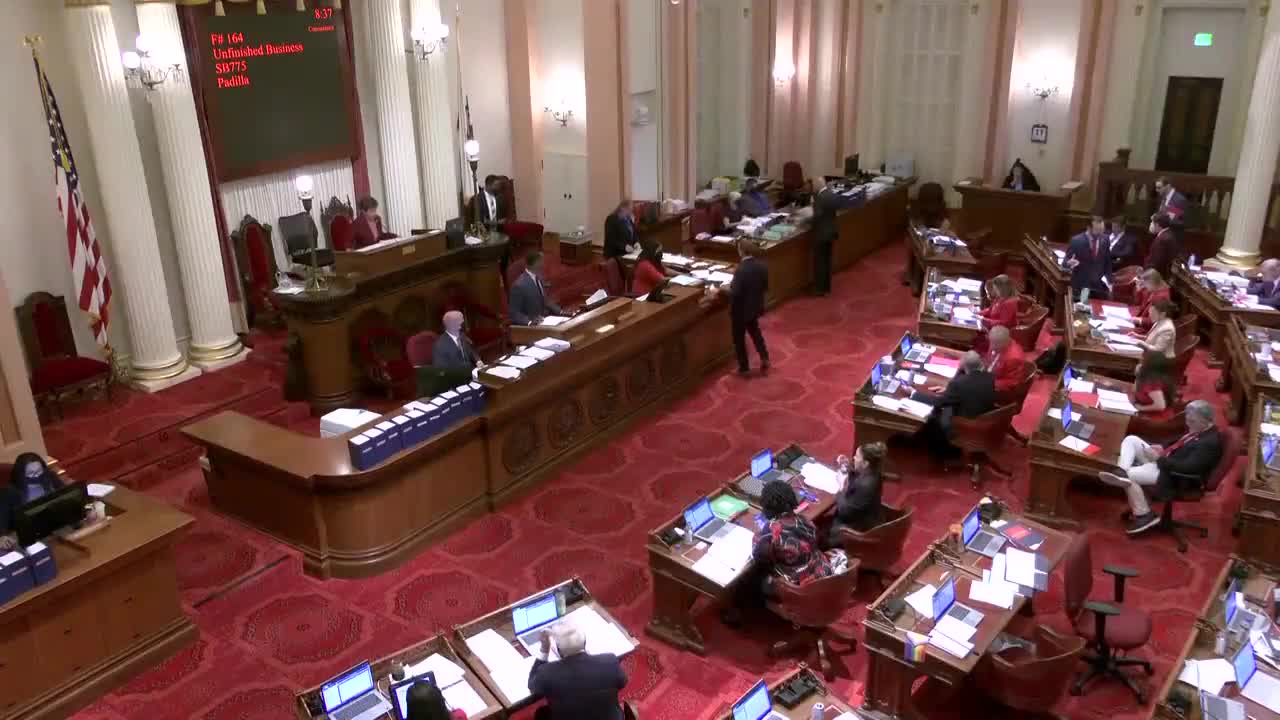 2MIN
Senate Floor
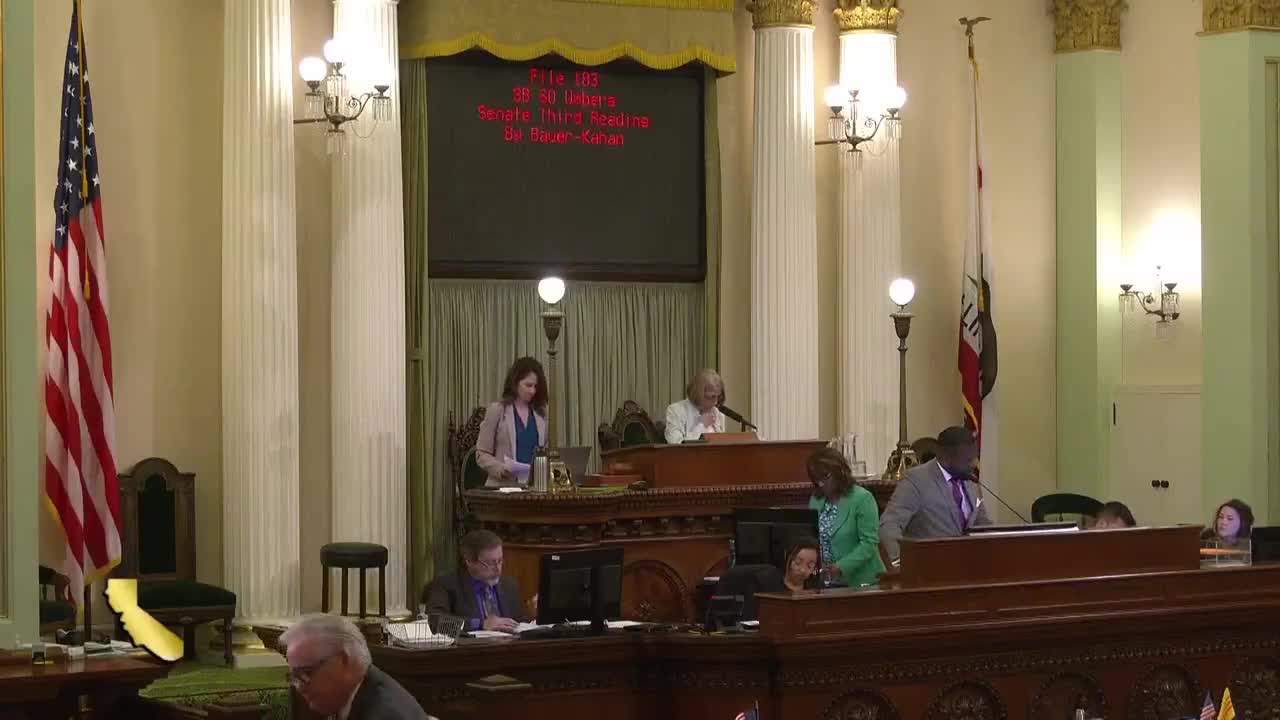 1MIN
Assembly Floor
 4MIN
Assembly Standing Committee on Judiciary
 22MIN
Assembly Standing Committee on Privacy and Consumer Protection
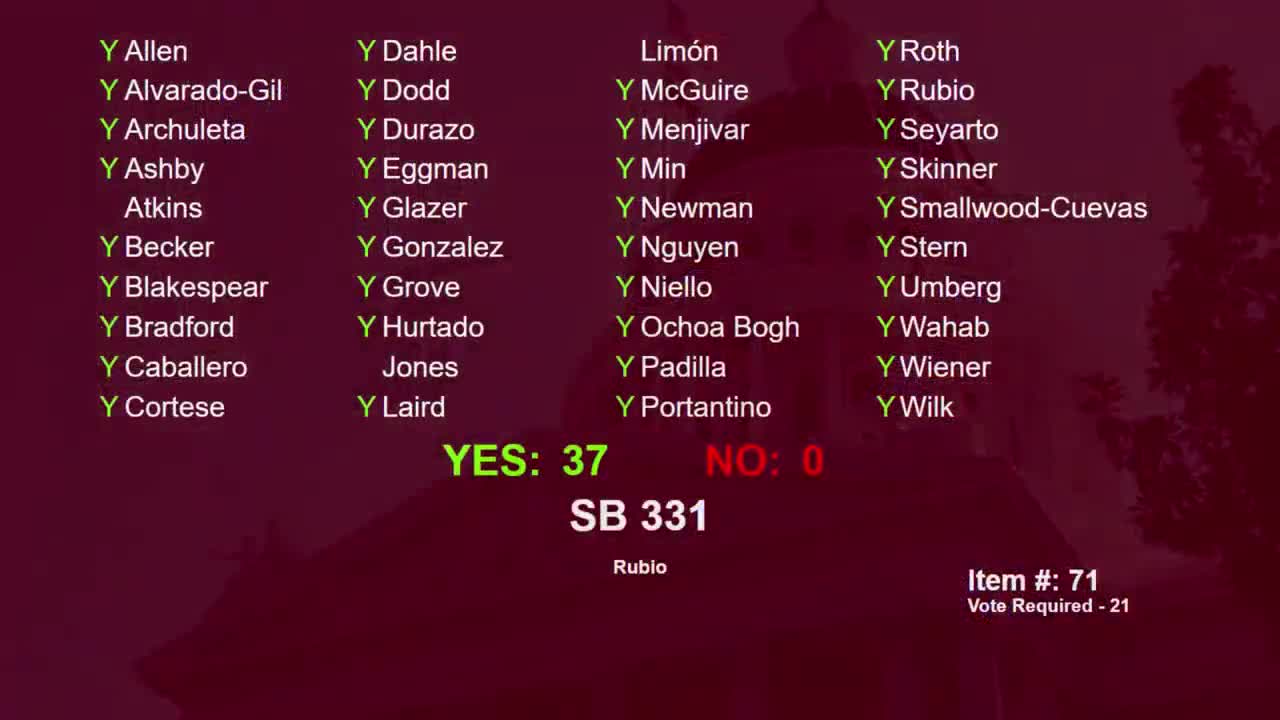 4MIN
Senate Floor
 12MIN