AB 1092: Magnetic resonance imaging technologists.
- Session Year: 2015-2016
- House: Assembly
- Latest Version Date: 2015-05-04
Existing law provides for the licensure and regulation of various healing arts practitioners by boards within the Department of Consumer Affairs. Existing law also provides for the certification and regulation of radiologic technologists by the State Department of Public Health.
This bill would provide for the registration of magnetic resonance imaging (MRI) technologists, as defined, with the State Department of Public Health. The bill would authorize the department to issue a citation and civil penalty to a person acting as an MRI technologist without being registered. The bill would require the department to maintain an official roster of registered MRI technologists, and technologists, as specified. The bill would authorize the department to impose fees a fee on a registrant in an amount reasonably sufficient to cover the administrative costs of the registration program program, but would exempt a certified radiologic technologist from paying that fee.
Existing law provides for the licensure and regulation of various healing arts practitioners by boards within the Department of Consumer Affairs. Existing law also provides for the certification and regulation of radiologic technologists by the State Department of Public Health.
This bill would provide for the registration of magnetic resonance imaging (MRI) technologists, as defined, with the State Department of Public Health. The bill would authorize the department to issue a citation and civil penalty to a person acting as an MRI technologist without being registered. The bill would require the department to maintain an official roster of registered MRI technologists, and would authorize the department to impose fees on a registrant in an amount reasonably sufficient to cover the administrative costs of the registration program.
Existing law provides for the certification and regulation of radiologic technologists by the State Department of Public Health. Existing law authorizes the department to adopt regulations to implement those provisions, as specified. Existing law authorizes the department to charge a fee for a certificate issued under those provisions. Existing law requires a fee collected under those provisions to be deposited into the Radiation Control Fund, subject to appropriation by the Legislature. A violation of those provisions is a crime.
This bill would provide for the licensure of Magnetic Resonance Imaging (MRI) technologists and would make it a misdemeanor to operate a magnetic resonance imaging machine in this state without a license, except as provided. The bill would authorize a person licensed pursuant to these provisions to use the title Licensed MRI Technologist (LMRIT) and would make it a misdemeanor to use that title without a license. By creating new crimes, this bill would impose a state-mandated local program.
The California Constitution requires the state to reimburse local agencies and school districts for certain costs mandated by the state. Statutory provisions establish procedures for making that reimbursement.
This bill would provide that no reimbursement is required by this act for a specified reason.
Existing law provides for the certification and regulation of radiologic technologists by the State Department of Public Health. Existing law authorizes the department to adopt regulations to implement those provisions, as specified. Existing law authorizes the department to charge a fee for a certificate issued under those provisions. Existing law requires a fee collected under those provisions to be deposited into the Radiation Control Fund, subject to appropriation by the Legislature. A violation of those provisions is a crime.
This bill would make technical, nonsubstantive changes to that provision. provide for the licensure of Magnetic Resonance Imaging (MRI) technologists and would make it a misdemeanor to operate a magnetic resonance imaging machine in this state without a license, except as provided. The bill would authorize a person licensed pursuant to these provisions to use the title Licensed MRI Technologist (LMRIT) and would make it a misdemeanor to use that title without a license. By creating new crimes, this bill would impose a state-mandated local program.
The California Constitution requires the state to reimburse local agencies and school districts for certain costs mandated by the state. Statutory provisions establish procedures for making that reimbursement.
This bill would provide that no reimbursement is required by this act for a specified reason.
Existing law provides for the certification and regulation of radiologic technologists by the State Department of Public Health. Existing law authorizes the department to adopt regulations to implement those provisions, as specified. Existing law authorizes the department to charge a fee for a certificate issued under those provisions. Existing law requires a fee collected under those provisions to be deposited into the Radiation Control Fund, subject to appropriation by the Legislature. A violation of those provisions is a crime.
This bill would make technical, nonsubstantive changes to that provision.
For purposes of this chapter, the following definitions apply:
(a)Department means the State Department of Public Health.
(b)MRI means magnetic resonance imaging.
(c)MRI technologist means a person who operates MRI equipment to produce cross-sectional images of a patients body for diagnostic purposes.
(d)Serious disability has the same meaning as defined in Section 1279.1 of the Health and Safety Code.
1401.A person shall not hold himself or herself out as an MRI technologist without registering with the department pursuant to this chapter.
1402.(a)The department shall maintain an official roster of registered MRI technologists, and shall record all of the following information:
(1)The location, employer, and supervisor of each MRI technologist.
(2)A description of the practice of each MRI technologist, including the services provided.
(3)Any certification possessed by the MRI technologist, if applicable.
(b)A radiologic technologist certified under subdivision (b) or (c) of Section 114870 of the Health and Safety Code may provide the information described in subdivision (a) in accordance with any of the following:
(1)As part of the radiologic technologists initial application for certification.
(2)As part of the radiologic technologists request for renewal of certification.
(3)By use of a method established by the department.
(b)
(c)(1)The department may impose a fee for the registration of an MRI technologist in an amount that is no greater than the amount reasonably sufficient to cover the administrative costs of the registration program.
(2)A radiologic technologist certified under subdivision (b) or (c) of Section 114870 of the Health and Safety Code is not required to pay a registration fee under this chapter.
1403.A An employer of a registered MRI technologist shall report to the department any accident an accident resulting from the use or malfunction of MRI equipment, within 30 days of its occurrence, that resulted in injury the serious disability or death to of a patient, damage to the property of a patient, or damage to the MRI equipment.
1404.The department may issue a citation to a person if he or she is acting in the capacity of, or engaging in the practice of, an MRI technologist without being registered with the department. The citation shall contain an order of abatement and an assessment of a civil penalty in an amount not less than two hundred dollars ($200) nor more than one thousand dollars ($1,000).
1405.This chapter does not authorize an MRI technologist to practice medicine, surgery, or any other form of healing.
For purposes of this chapter, the following definitions apply:
(a)Department means the State Department of Public Health.
(b)MRI means magnetic resonance imaging.
(c)MRI technologist means a person who operates MRI equipment to produce cross-sectional images of a patients body for diagnostic purposes.
1401.A person shall not hold himself or herself out as an MRI technologist without registering with the department pursuant to this chapter.
1402.(a)The department shall maintain an official roster of registered MRI technologists, and shall record all of the following information:
(1)The location, employer, and supervisor of each MRI technologist.
(2)A description of the practice of each MRI technologist, including the services provided.
(3)Any certification possessed by the MRI technologist, if applicable.
(b)The department may impose a fee for the registration of an MRI technologist in an amount that is no greater than the amount reasonably sufficient to cover the administrative costs of the registration program.
1403.A registered MRI technologist shall report to the department any accident, within 30 days of its occurrence, that resulted in injury or death to a patient, damage to the property of a patient, or damage to the MRI equipment.
1404.The department may issue a citation to a person if he or she is acting in the capacity of, or engaging in the practice of, an MRI technologist without being registered with the department. The citation shall contain an order of abatement and an assessment of a civil penalty in an amount not less than two hundred dollars ($200) nor more than one thousand dollars ($1,000).
1405.This chapter does not authorize an MRI technologist to practice medicine, surgery, or any other form of healing.
SECTION 1.Article 5.7 (commencing with Section 107120) is added to Chapter 4 of Part 1 of Division 104 of the Health and Safety Code, to read:5.7.Magnetic Resonance Imaging Technologists107120.(a)A person shall not operate a magnetic resonance imaging machine in this state without a license issued pursuant to this article. Violation of this provision is a misdemeanor.
(b)This section does not apply to any of the following:
(1)A licentiate of the healing arts.
(2)Students in an approved school for MRI technologists or other licentiates of the healing arts where the instructor is a licensed MRI technologist.
(3)A person employed by an agency of the United States government while performing the duties of that employment.
107121.For purposes of this article, the following definitions shall apply:
(a)Department means the State Department of Public Health.
(b)MRI means magnetic resonance imaging.
(c)MRI technologist means a person who operates MRI equipment to produce cross sectional images of a patients body for diagnostic purposes.
107122.(a)The department shall license a person as an MRI technologist who fulfills all of the following requirements:
(1)Completes and turns in to the department an application for licensure on a form prescribed by the department.
(2)Pays the fee required for licensure as specified in subdivision (c).
(3)Is certified by either the American Registry of Magnetic Resonance Imaging Technologists (ARMRIT) or the American Registry of Radiologic Technologists - MRI specialty (ARRT).
(b)A license as an MRI technologist is effective for one year and may be renewed annually pursuant to a process prescribed by the department.
(c)The department shall set a fee for initial licensure and renewal of an MRI technologist license at an amount no greater than the amount reasonably sufficient to cover the administrative costs of the licensing program.
107123.A person licensed pursuant to this article may use the title Licensed MRI Technologist (LMRIT). Any other person using that designation shall be guilty of a misdemeanor.
107124.A license as an MRI technologist may be denied, revoked, or suspended by the department for any of the following reasons:
(a)Habitual intemperance in the use of alcoholic beverages, narcotics, or stimulants to the extent that the person is incapacitated for the performance of his or her professional duties.
(b)Incompetence or gross negligence in performing MRI technologist functions.
(c)Conviction of practicing one of the healing arts without a license in violation of Chapter 5 (commencing with Section 2000) of Division 2 of the Business and Professions Code.
(d)Procuring a license by fraud, misrepresentation, or mistake.
(e)Use of the title of Licensed MRI Technologist by one not entitled to that use.
(f)Nonpayment of fees pursuant to subdivision (c) of Section 107122.
(g)(1)Conviction, either within the state or elsewhere, of a misdemeanor or felony involving moral turpitude, that was committed during the performance of MRI technologist duties. A plea or verdict of guilty or a conviction following a plea of nolo contendere made to a charge is deemed a conviction for this purpose.
(2)Upon the recommendation, of either the court that imposed or suspended sentence or the parole or probation authority having jurisdiction of the person, that the person has responded to the correctional and rehabilitative process to a degree that might warrant waiver of the provisions of this subdivision, the department may, at its discretion, take no action pursuant to this subdivision.
SEC. 2.No reimbursement is required by this act pursuant to Section 6 of Article XIIIB of the California Constitution because the only costs that may be incurred by a local agency or school district will be incurred because this act creates a new crime or infraction, eliminates a crime or infraction, or changes the penalty for a crime or infraction, within the meaning of Section 17556 of the Government Code, or changes the definition of a crime within the meaning of Section 6 of Article XIIIB of the California Constitution.
(a)A person shall not operate a magnetic resonance imaging machine in this state without a license issued pursuant to this article. Violation of this provision is a misdemeanor.
(b)This section does not apply to any of the following:
(1)A licentiate of the healing arts.
(2)Students in an approved school for MRI technologists or other licentiates of the healing arts where the instructor is a licensed MRI technologist.
(3)A person employed by an agency of the United States government while performing the duties of that employment.
107121.For purposes of this article, the following definitions shall apply:
(a)Department means the State Department of Public Health.
(b)MRI means magnetic resonance imaging.
(c)MRI technologist means a person who operates MRI equipment to produce cross sectional images of a patients body for diagnostic purposes.
107122.(a)The department shall license a person as an MRI technologist who fulfills all of the following requirements:
(1)Completes and turns in to the department an application for licensure on a form prescribed by the department.
(2)Pays the fee required for licensure as specified in subdivision (c).
(3)Is certified by either the American Registry of Magnetic Resonance Imaging Technologists (ARMRIT) or the American Registry of Radiologic Technologists - MRI specialty (ARRT).
(b)A license as an MRI technologist is effective for one year and may be renewed annually pursuant to a process prescribed by the department.
(c)The department shall set a fee for initial licensure and renewal of an MRI technologist license at an amount no greater than the amount reasonably sufficient to cover the administrative costs of the licensing program.
107123.A person licensed pursuant to this article may use the title Licensed MRI Technologist (LMRIT). Any other person using that designation shall be guilty of a misdemeanor.
107124.A license as an MRI technologist may be denied, revoked, or suspended by the department for any of the following reasons:
(a)Habitual intemperance in the use of alcoholic beverages, narcotics, or stimulants to the extent that the person is incapacitated for the performance of his or her professional duties.
(b)Incompetence or gross negligence in performing MRI technologist functions.
(c)Conviction of practicing one of the healing arts without a license in violation of Chapter 5 (commencing with Section 2000) of Division 2 of the Business and Professions Code.
(d)Procuring a license by fraud, misrepresentation, or mistake.
(e)Use of the title of Licensed MRI Technologist by one not entitled to that use.
(f)Nonpayment of fees pursuant to subdivision (c) of Section 107122.
(g)(1)Conviction, either within the state or elsewhere, of a misdemeanor or felony involving moral turpitude, that was committed during the performance of MRI technologist duties. A plea or verdict of guilty or a conviction following a plea of nolo contendere made to a charge is deemed a conviction for this purpose.
(2)Upon the recommendation, of either the court that imposed or suspended sentence or the parole or probation authority having jurisdiction of the person, that the person has responded to the correctional and rehabilitative process to a degree that might warrant waiver of the provisions of this subdivision, the department may, at its discretion, take no action pursuant to this subdivision.
SEC. 2.No reimbursement is required by this act pursuant to Section 6 of Article XIIIB of the California Constitution because the only costs that may be incurred by a local agency or school district will be incurred because this act creates a new crime or infraction, eliminates a crime or infraction, or changes the penalty for a crime or infraction, within the meaning of Section 17556 of the Government Code, or changes the definition of a crime within the meaning of Section 6 of Article XIIIB of the California Constitution.
SECTION 1.Section 114870 of the Health and Safety Code is amended to read:114870.The department shall do all of the following:
(a)Upon recommendation of the committee, adopt regulations as may be necessary to accomplish the purposes of this chapter.
(b)(1)Provide for the certification of radiologic technologists, without limitation as to procedures or areas of application, except as provided in Section 106980. Separate certificates shall be provided for diagnostic radiologic technology, for mammographic radiologic technology, and for therapeutic radiologic technology. If a person has received accreditation to perform mammography from a private accreditation organization, the department shall consider this accreditation when deciding to issue a mammographic radiologic technology certificate.
(2)Provide, upon recommendation of the committee, that a radiologic technologist who operates digital radiography equipment devote a portion of his or her continuing education credit hours to continuing education in digital radiologic technology.
(c)(1)(A)Provide, as may be deemed appropriate, for issuing limited permits to persons to conduct radiologic technology limited to the performance of certain procedures or the application of X-rays to specific areas of the human body, except for mammography, prescribe minimum standards of training and experience for these persons, and prescribe procedures for examining applicants for limited permits. The minimum standards shall include a requirement that persons issued limited permits under this subdivision shall meet those fundamental requirements in basic radiological health training and knowledge similar to those required for persons certified under subdivision (b) as the department determines are reasonably necessary for the protection of the health and safety of the public.
(B)Provide that an applicant for approval as a limited permit X-ray technician in the categories of chest radiography, extremities radiography, gastrointestinal radiography, genitourinary radiography, leg-podiatric radiography, skull radiography, and torso-skeletal radiography, as these categories are defined in Section 30443 of Title 17 of the California Code of Regulations, shall have at least 50 hours of education in radiological protection and safety. The department may allocate these hours as it deems appropriate.
(2)Provide that a limited permit X-ray technician in the categories of chest radiography, extremities radiography, gastrointestinal radiography, genitourinary radiography, leg-podiatric radiography, skull radiography, and torso-skeletal radiography, as these categories are defined in Section 30443 of Title 17 of the California Code of Regulations, may perform digital radiography within their respective scopes of practice after completion of 20 hours or more of instruction in digital radiologic technology approved by the department. This requirement shall not be construed to preclude limited permit X-ray technicians in the categories of dental laboratory radiography and X-ray bone densitometry from performing digital radiography upon meeting the educational requirements determined by the department.
(3)Provide, upon recommendation of the committee, that a limited permit X-ray technician who has completed the initial instruction described in paragraph (2) devote a portion of his or her required continuing education credit hours to additional continuing instruction in digital radiologic technology.
(d)Provide for the approval of schools for radiologic technologists. Schools for radiologic technologists shall include 20 hours of approved instruction in digital radiography. The department may exempt a school from this requirement as it deems appropriate.
(e)Provide, upon recommendation of the committee, for certification of licentiates of the healing arts to supervise the operation of X-ray machines or to operate X-ray machines, or both, prescribe minimum standards of training and experience for these licentiates of the healing arts, and prescribe procedures for examining applicants for certification. This certification may limit the use of X-rays to certain X-ray procedures and the application of X-rays to specific areas of the human body.
(f)(1)Provide for certification of any physician and surgeon to operate, and supervise the operation of, a bone densitometer, if that physician and surgeon provides the department a certificate that evidences training in the use of a bone densitometer by a representative of a bone densitometer machine manufacturer, or through any radiologic technology school. The certification shall be valid for the particular bone densitometer the physician and surgeon was trained to use, and for any other bone densitometer that meets all of the criteria specified in subparagraphs (A) to (C), inclusive, if the physician and surgeon has completed training, as specified in subparagraph (A) of paragraph (2), for the use of that bone densitometer. The physician and surgeon shall, upon request of the department, provide evidence of training, pursuant to subparagraph (A) of paragraph (2), for the use of any bone densitometer used by the physician and surgeon. The activity covered by the certificate shall be limited to the use of an X-ray bone densitometer to which all of the following is applicable:
(A)The bone densitometer does not require user intervention for calibration.
(B)The bone densitometer does not provide an image for diagnosis.
(C)The bone densitometer is used only to estimate bone density of the heel, wrist, or finger of the patient.
(2)The certificate shall be accompanied by a copy of the curriculum covered by the manufacturers representative or radiologic technology school. The curriculum shall include, at a minimum, instruction in all of the following areas:
(A)Procedures for operation of the bone densitometer by the physician and surgeon, and for the supervision of the operation of the bone densitometer by other persons, including procedures for quality assurance of the bone densitometer.
(B)Proper radiation protection of the operator, the patient, and third parties in proximity to the bone densitometer.
(C)Provisions of Article 5 (commencing with Section 106955) of Chapter 4 of Part 1 of Division 104.
(D)Provisions of Chapter 6 (commencing with Section 114840) of Part 9 of Division 104.
(E)Provisions of Group 1 (commencing with Section 30100) of Subchapter 4 of Chapter 5 of Division 1 of Title 17 of the California Code of Regulations.
(F)Provisions of Group 1.5 (commencing with Section 30108) of Subchapter 4 of Chapter 5 of Division 1 of Title 17 of the California Code of Regulations.
(G)Provisions of Article 1 (commencing with Section 30250) of Group 3 of Subchapter 4 of Chapter 5 of Division 1 of Title 17 of the California Code of Regulations.
(H)Provisions of Article 2 (commencing with Section 30254) of Group 3 of Subchapter 4 of Chapter 5 of Division 1 of Title 17 of the California Code of Regulations.
(I)Provisions of Article 3 (commencing with Section 30265) of Group 3 of Subchapter 4 of Chapter 5 of Division 1 of Title 17 of the California Code of Regulations.
(J)Provisions of Article 4 (commencing with Section 30305) of Group 3 of Subchapter 4 of Chapter 5 of Division 1 of Title 17 of the California Code of Regulations.
(K)Provisions of Subchapter 4.5 (commencing with Section 30400) of Chapter 5 of Division 1 of Title 17 of the California Code of Regulations.
(3)(A)Notwithstanding any other provision of law, this subdivision shall constitute all the requirements that must be met by a physician and surgeon in order to operate, and supervise the operation of, a bone densitometer. The department may adopt regulations consistent with this section in order to administer the certification requirements.
(B)No person may be supervised by a physician and surgeon in the use of a bone densitometer unless that person possesses the necessary license or permit required by the department.
(C)Nothing in this subdivision shall affect the requirements imposed by the committee or the department for the registration of a bone densitometer machine, or for the inspection of facilities in which any bone densitometer machine is operated.
(D)This subdivision shall not apply to a licentiate of the healing arts who is certified pursuant to subdivision (e) or pursuant to Section 107111.
(E)The department shall charge a fee for a certificate issued pursuant to this subdivision to the extent necessary to administer certification. The fee shall be in an amount sufficient to cover the departments costs of implementing this subdivision and shall not exceed the fee for certification to operate or supervise the operation of an X-ray machine pursuant to subdivision (e). The fees collected pursuant to this subparagraph shall be deposited into the Radiation Control Fund established pursuant to Section 114980.
(g)Upon recommendation of the committee, exempt from certification requirements those licentiates of the healing arts who have successfully completed formal courses in schools certified by the department and who have successfully passed a roentgenology technology and radiation protection examination approved by the department and administered by the board that issued his or her license.
The department shall do all of the following:
(a)Upon recommendation of the committee, adopt regulations as may be necessary to accomplish the purposes of this chapter.
(b)(1)Provide for the certification of radiologic technologists, without limitation as to procedures or areas of application, except as provided in Section 106980. Separate certificates shall be provided for diagnostic radiologic technology, for mammographic radiologic technology, and for therapeutic radiologic technology. If a person has received accreditation to perform mammography from a private accreditation organization, the department shall consider this accreditation when deciding to issue a mammographic radiologic technology certificate.
(2)Provide, upon recommendation of the committee, that a radiologic technologist who operates digital radiography equipment devote a portion of his or her continuing education credit hours to continuing education in digital radiologic technology.
(c)(1)(A)Provide, as may be deemed appropriate, for granting issuing limited permits to persons to conduct radiologic technology limited to the performance of certain procedures or the application of X-rays to specific areas of the human body, except for mammography, prescribe minimum standards of training and experience for these persons, and prescribe procedures for examining applicants for limited permits. The minimum standards shall include a requirement that persons granted issued limited permits under this subdivision shall meet those fundamental requirements in basic radiological health training and knowledge similar to those required for persons certified under subdivision (b) as the department determines are reasonably necessary for the protection of the health and safety of the public.
(B)Provide that an applicant for approval as a limited permit X-ray technician in the categories of chest radiography, extremities radiography, gastrointestinal radiography, genitourinary radiography, leg-podiatric radiography, skull radiography, and torso-skeletal radiography, as these categories are defined in Section 30443 of Title 17 of the California Code of Regulations, shall have at least 50 hours of education in radiological protection and safety. The department may allocate these hours as it deems appropriate.
(2)Provide that a limited permit X-ray technician in the categories of chest radiography, extremities radiography, gastrointestinal radiography, genitourinary radiography, leg-podiatric radiography, skull radiography, and torso-skeletal radiography, as these categories are defined in Section 30443 of Title 17 of the California Code of Regulations, may perform digital radiography within their respective scopes of practice after completion of 20 hours or more of instruction in digital radiologic technology approved by the department. This requirement shall not be construed to preclude limited permit X-ray technicians in the categories of dental laboratory radiography and X-ray bone densitometry from performing digital radiography upon meeting the educational requirements determined by the department.
(3)Provide, upon recommendation of the committee, that a limited permit X-ray technician who has completed the initial instruction described in paragraph (2) devote a portion of his or her required continuing education credit hours to additional continuing instruction in digital radiologic technology.
(d)Provide for the approval of schools for radiologic technologists. Schools for radiologic technologists shall include 20 hours of approved instruction in digital radiography. The department may exempt a school from this requirement as it deems appropriate.
(e)Provide, upon recommendation of the committee, for certification of licentiates of the healing arts to supervise the operation of X-ray machines or to operate X-ray machines, or both, prescribe minimum standards of training and experience for these licentiates of the healing arts, and prescribe procedures for examining applicants for certification. This certification may limit the use of X-rays to certain X-ray procedures and the application of X-rays to specific areas of the human body.
(f)(1)Provide for certification of any physician and surgeon to operate, and supervise the operation of, a bone densitometer, if that physician and surgeon provides the department a certificate that evidences training in the use of a bone densitometer by a representative of a bone densitometer machine manufacturer, or through any radiologic technology school. The certification shall be valid for the particular bone densitometer the physician and surgeon was trained to use, and for any other bone densitometer that meets all of the criteria specified in subparagraphs (A) to (C), inclusive, if the physician and surgeon has completed training, as specified in subparagraph (A) of paragraph (2), for the use of that bone densitometer. The physician and surgeon shall, upon request of the department, provide evidence of training, pursuant to subparagraph (A) of paragraph (2), for the use of any bone densitometer used by the physician and surgeon. The activity covered by the certificate shall be limited to the use of an X-ray bone densitometer to which all of the following is applicable:
(A)The bone densitometer does not require user intervention for calibration.
(B)The bone densitometer does not provide an image for diagnosis.
(C)The bone densitometer is used only to estimate bone density of the heel, wrist, or finger of the patient.
(2)The certificate shall be accompanied by a copy of the curriculum covered by the manufacturers representative or radiologic technology school. The curriculum shall include, at a minimum, instruction in all of the following areas:
(A)Procedures for operation of the bone densitometer by the physician and surgeon, and for the supervision of the operation of the bone densitometer by other persons, including procedures for quality assurance of the bone densitometer.
(B)Proper radiation protection of the operator, the patient, and third parties in proximity to the bone densitometer.
(C)Provisions of Article 5 (commencing with Section 106955) of Chapter 4 of Part 1 of Division 104.
(D)Provisions of Chapter 6 (commencing with Section 114840) of Part 9 of Division 104.
(E)Provisions of Group 1 (commencing with Section 30100) of Subchapter 4 of Chapter 5 of Division 1 of Title 17 of the California Code of Regulations.
(F)Provisions of Group 1.5 (commencing with Section 30108) of Subchapter 4 of Chapter 5 of Division 1 of Title 17 of the California Code of Regulations.
(G)Provisions of Article 1 (commencing with Section 30250) of Group 3 of Subchapter 4 of Chapter 5 of Division 1 of Title 17 of the California Code of Regulations.
(H)Provisions of Article 2 (commencing with Section 30254) of Group 3 of Subchapter 4 of Chapter 5 of Division 1 of Title 17 of the California Code of Regulations.
(I)Provisions of Article 3 (commencing with Section 30265) of Group 3 of Subchapter 4 of Chapter 5 of Division 1 of Title 17 of the California Code of Regulations.
(J)Provisions of Article 4 (commencing with Section 30305) of Group 3 of Subchapter 4 of Chapter 5 of Division 1 of Title 17 of the California Code of Regulations.
(K)Provisions of Subchapter 4.5 (commencing with Section 30400) of Chapter 5 of Division 1 of Title 17 of the California Code of Regulations.
(3)(A)Notwithstanding any other provision of law, this subdivision shall constitute all the requirements that must be met by a physician and surgeon in order to operate, and supervise the operation of, a bone densitometer. The department may adopt regulations consistent with this section in order to administer the certification requirements.
(B)No person may be supervised by a physician and surgeon in the use of a bone densitometer unless that person possesses the necessary license or permit required by the department.
(C)Nothing in this subdivision shall affect the requirements imposed by the committee or the department for the registration of a bone densitometer machine, or for the inspection of facilities in which any bone densitometer machine is operated.
(D)This subdivision shall not apply to a licentiate of the healing arts who is certified pursuant to subdivision (e) or pursuant to Section 107111.
(E)The department shall charge a fee for a certificate issued pursuant to this subdivision to the extent necessary to administer certification. The fee shall be in an amount sufficient to cover the departments costs of implementing this subdivision and shall not exceed the fee for certification to operate or supervise the operation of an X-ray machine pursuant to subdivision (e). The fees collected pursuant to this subparagraph shall be deposited into the Radiation Control Fund established pursuant to Section 114980.
(g)Upon recommendation of the committee, exempt from certification requirements those licentiates of the healing arts who have successfully completed formal courses in schools certified by the department and who have successfully passed a roentgenology technology and radiation protection examination approved by the department and administered by the board that issued his or her license.
|
Date
|
Status
|
|---|---|
| Feb 27, 2015 | Introduced. To print. |
| Mar 1, 2015 | From printer. May be heard in committee March 31. |
| Mar 2, 2015 | Read first time. |
| Mar 26, 2015 | From committee chair, with author's amendments: Amend, and re-refer to Com. on B. & P. Read second time and amended. |
| Mar 26, 2015 | Referred to Com. on B. & P. |
| Apr 6, 2015 | Re-referred to Com. on B. & P. |
| Apr 20, 2015 | From committee chair, with author's amendments: Amend, and re-refer to Com. on B. & P. Read second time and amended. |
| Apr 21, 2015 | Re-referred to Com. on B. & P. |
| Apr 30, 2015 | From committee: Amend, and do pass as amended and re-refer to Com. on APPR. (Ayes 13. Noes 0.) (April 28). |
| May 4, 2015 | Read second time and amended. |
| May 5, 2015 | Re-referred to Com. on APPR. |
| May 13, 2015 | In committee: Set, first hearing. Referred to APPR. suspense file. |
| May 28, 2015 | In committee: Held under submission. |
| Jan 31, 2016 | Died pursuant to Article IV, Sec. 10(c) of the Constitution. |
| Feb 1, 2016 | From committee: Filed with the Chief Clerk pursuant to Joint Rule 56. |
|
Date
|
Description
|
Location
|
Votes
|
|
|---|---|---|---|---|
| Apr 28, 2015 | Do pass as amended and be re-referred to the Committee on [Appropriations] | Assembly Standing Committee on Business and Professions |
Passed |
This list shows positions taken on this bill by organizations on the date displayed, which is linked to the original source.
Positions by individuals are not included.
|
Organization
|
Position
|
Date
|
|---|---|---|
| Sutter Memorial Hospital | * Support | Apr 28, 2015 |
| Vision Plan | * Support | Jun 27, 2018 |
AB 1092
Page 1
Date of Hearing: May 13, 2015
ASSEMBLY COMMITTEE ON APPROPRIATIONS
Jimmy Gomez, Chair
AB 1092
(Mullin) – As Amended May 4, 2015
Policy Committee: |
Business and Professions |
Vote: |
13 - 0 |
|
|
|
|
|
|
|
|
Urgency: No State Mandated Local Program: No Reimbursable: No
SUMMARY:
This bill establishes a registration program for Magnetic Resonance Imaging (MRI) technologists under the California Department of Public Health (CDPH).
FISCAL EFFECT:
One-time GF costs over the first two years, likely in the range of $1 million over two years. This includes development of policies and procedures, promulgation of regulations, mailing regulatory advisory packages to the regulated community, and information technology costs.
Ongoing costs, likely in the range of $200,000 for staff and IT support, would be fee-supported GF costs. Assuming 3,000 registrants, fees would be approximately $80.
COMMENTS:
Purpose. This bill is intended to gather more data on who is performing MRI and provide oversight of MRI-related accidents. The author believes of the regulatory approaches available, registration is the least burdensome option for providers, and will permit collection of information that can further inform regulatory strategy. The author concludes this bill is a good step towards better MRI safety and practices.
Background. According to the FDA, MRI is a medical imaging procedure that uses strong magnetic fields and radio waves to produce cross-sectional images of organs and internal structures in the body. Although MRI is safer than the more stringently regulated ionizing radiation techniques, such as computed tomography (CT), fluoroscopy, and radiography (X-ray), MRI machines are not without safety concerns. For example, loose, ferrous metal objects may cause damage or injury if pulled toward the magnet. The magnet can also cause pacemakers, artificial limbs, and other implanted medical devices containing ferrous metal to malfunction or heat up. MRI technologists are not overseen by any state entity in California, though private certifications exist and are widely required in order to work as an MRI technologist. Two other states, Oregon and West Virginia, require licenses for MRI technologists.
Staff Comments. This bill is silent with respect to where fees are deposited. Staff suggests a relevant special fund be identified and the bill be amended to clearly state the program is supported by those fee revenues in the identified fund.
Analysis Prepared by: Lisa Murawski / APPR. / (916) 319-2081
AB 1092
Page 7
Date of Hearing: April 28, 2015
ASSEMBLY COMMITTEE ON BUSINESS AND PROFESSIONS
Susan Bonilla, Chair
AB 1092
(Mullin) – As Amended April 20, 2015
SUBJECT: Magnetic resonance imaging technologists.
SUMMARY: Establishes a registration program for Magnetic Resonance Imaging (MRI) technologists under the California Department of Public Health (CDPH).
EXISTING STATE LAW:
Establishes standards of education, training, and experience for persons who use X-rays on human beings and prescribes means for assuring that these standards are met. (Health and Safety Code (HSC) §§ 114840-114896)
Defines a radiologic technologist (RT) as a person, other than a licentiate of the healing arts, applying X-rays to human beings for diagnostic or therapeutic purposes. (HSC § 114850)
Makes it unlawful to perform radiological imaging procedures on humans without a license, certification, and supervision. (HCS §§ 116955-107111)
Requires general acute care hospitals, acute psychiatric hospitals, and dentistry and maternity hospitals to report “adverse events” to the CDPH no later than five days after the adverse event has been detected, or, if that event is an ongoing urgent or emergent threat to the welfare, health, or safety of patients, personnel, or visitors, not later than 24 hours after the adverse event has been detected. (HSC § 1279.1)
Defines an “adverse event” as, among other things, 1) patient death or serious disability associated with the use or function of a device in patient care in which the device is used or functions other than as intended, and 2) an event or series of events that cause the death or serious disability of a patient, personnel, or visitor. (HSC § 1279.1)
Defines “serious disability” as a physical or mental impairment that substantially limits one or more of the major life activities of an individual, or the loss of bodily function, if the impairment or loss lasts more than seven days or is still present at the time of discharge from an inpatient health care facility, or the loss of a body part. (HSC § 1279.1(d))
Requires the CDPH to provide information regarding reports of substantiated adverse events and the outcomes of inspections and investigations conducted on its website and in written form, including each substantiated adverse event, including compliance information history. (HSC § 1279.3)
EXISTING FEDERAL LAW:
Establishes mandatory requirements for manufacturers, importers, and device user facilities to report certain device-related adverse events and product problems to the federal Food and Drug Administration (FDA): (Title 21 Code of Federal Regulations (CFR) § 803)
Requires manufacturers to report to the FDA when they learn that any of their devices may have caused or contributed to a death or serious injury. Manufacturers must also report to the FDA when they become aware that their device has malfunctioned and would be likely to cause or contribute to a death or serious injury if the malfunction were to recur. (21 CFR §§ 803.50-803.58)
Requires importers to report to the FDA and the manufacturer when they learn that one of their devices may have caused or contributed to a death or serious injury. The importer must report only to the manufacturer if their imported devices have malfunctioned and would be likely to cause or contribute to a death or serious injury if the malfunction were to recur. (21 CFR §§ 803.40-803.42)
Requires user facilities to report a suspected medical device-related death to both the FDA and the manufacturer. User facilities must report a medical device-related serious injury to the manufacturer, or to the FDA if the medical device manufacturer is unknown. Defines a “device user facility” as a hospital, ambulatory surgical facility, nursing home, outpatient diagnostic facility, or outpatient treatment facility, which is not a physician’s office. User facilities must also submit annual reports to the FDA by January 1. (21 CFR §§ 803.30-803.33)
THIS BILL:
Defines an “MRI technologist” as a person who operates MRI equipment to produce cross-sectional images of a patient’s body for diagnostic purposes.
Requires MRI technologists to register with the CDPH.
Requires the CDPH to maintain an official roster of registered MRI technologists, and record:
The location, employer, and supervisor of each MRI technologist;
A description of the practice of each MRI technologist, including the services provided; and,
Any certification possessed by the MRI technologist, if applicable.
Authorizes the CDPH to impose a fee for the registration of an MRI technologist in an amount that is no greater than the amount reasonably sufficient to cover the administrative costs of the registration program.
Requires a registered MRI technologist to report to the CDPH any accident, within 30 days of its occurrence, resulting in injury or death to a patient, damage to the property of a patient, or damage to the MRI equipment.
Authorizes the CDPH to issue a citation to a person, if acting in the capacity of, or engaging in the practice of, an MRI technologist, not registered with the department.
Requires the citation to contain an order of abatement and a minimum civil penalty of two hundred dollars ($200) up to a maximum of one thousand dollars ($1,000).
States that MRI technologist are not authorized to practice medicine, surgery, or any other form of healing.
FISCAL EFFECT: Unknown. This bill is keyed fiscal by the Legislative Counsel.
COMMENTS:
Purpose. This bill is author sponsored. According to the author, “Currently, California law is silent on MRI technologists. AB 1092 will provide for a registry of all persons in the state of California operating MRI. This bill will allow the Department of Public Health to collect more data on specifically who is performing MRI; this language would also require reporting of accidents within 30 days of occurrence. Registration of MRI technologists is the least burdensome option for providers, and will permit collection of information relevant to the regulatory strategy. This bill is a good step towards better MRI safety and practices.”
Background. According to the FDA, MRI is a medical imaging procedure that uses strong magnetic fields and radio waves to produce cross-sectional images of organs and internal structures in the body. MRI devices run an electric current through coiled wires to create a temporary magnetic field around a patient’s body. Radio waves are sent from and received by a transmitter/receiver in the machine, and the signals are used to produce digital images of the area of interest.
The individuals that operate the medical imaging devices include technologists and technicians. Technologists and technicians that operate MRI scanners may, among other things: 1) provide instructions for patients, 2) assist patients on and off the scanning table, 3) monitor vital signs, 4) keep the MRI suite clear of ferrous magnetic objects, and 5) adjust the scanner to fix image quality issues. While technologists often interact with patients when operating the equipment, they do not interpret the images produced and must be supervised by a qualified healing arts licensee (HCS § 106960).
State Regulation of Medical Imaging. In California, MRI technologists are industry regulated—there are no licensing or certification requirements for technologists or technicians that operate MRI scanners. While an employer may hire any individual to serve as an MRI technologist, the employer is unlikely to hire or keep the technologist if the technologist is poorly trained, consistently produces poor quality images, or negligently operates the machine.
Even if there are no mandatory educational requirements for MRI technologists, there are several voluntary MRI certifications available, such as the American Registry of Radiologic Technologists (AART) MRI certification and the American Registry of Magnetic Resonance Imaging Technologists (ARMRIT) certification. Job searches for MRI Technologist using websites such as Glassdoor and Indeed show that many employers in California require or prefer candidates with MRI AART or ARMRIT certifications. There also voluntary MRI safety guidelines published by the American College of Radiology (ACR), which the FDA recommends (discussed below).
Under current law, the only medical imaging devices that require a license to operate are those that use ionizing radiation, such as devices used for computed tomography (CT), fluoroscopy, and radiography (X-ray). Ionizing radiation is regulated is because it can be dangerous, even when used correctly. According to the FDA, ionizing radiation is high-energy radiation that can potentially cause damage to DNA, elevating a person’s lifetime risk of developing cancer. Further, poorly produced images and retests unnecessarily increase this risk.
In California, certified radiologic technologists (CRT) that work with ionizing radiation are licensed by the Radiological Health Branch (RHB) under the CDPH. CRTs must meet educational, training, and experience requirements designed to prevent “excessive and improper exposure to ionizing radiation” (HSC § 114840). They must also be AART certified, although not in MRI specifically.
Further, while not specific to MRI or imaging, there are mandatory reporting requirements under state law—certain medical facilities are required to report adverse events. Adverse events include any event, or series of events, including those involving MRI, that cause the death or serious disability of a patient, personnel, or visitor. However, this is limited to general acute care hospitals, acute psychiatric hospitals, and dentistry and maternity hospitals. Other facilities, including facilities that only perform imaging, are excluded.
The CDPH posts the adverse event information on its website: https://hfcis.cdph.ca.gov/.
Hazards Associated with MRI. Unlike ionizing radiation, MRI is not inherently dangerous. According to the FDA, there are no known harmful side-effects associated with temporary exposure to the strong magnetic field used by MRI scanners. However, the FDA does note the following safety concerns involved with the MRI environment:
The magnet can cause pacemakers, artificial limbs, and other implanted medical devices containing ferrous metal to malfunction or heat up;
Loose, ferrous metal objects may cause damage or injury if pulled toward the magnet; and,
Dyes from tattoos or tattooed eyeliner can cause skin or eye irritation;
Medication patches with ferrous metal can cause a skin burn;
The wire leads used to monitor an electrocardiogram (ECG) trace or respiration during a scan must be placed carefully to avoid causing a skin burn;
Prolonged exposure to radio waves during the scan could lead to slight warming of the body; and,
If a contrast agent is used, there is a slight risk of an allergic reaction. MRI contrast agents can cause problems in patients with significant kidney disease. In California, contrast agents require a license to inject, MRI technologists cannot perform this procedure (HSC § 106985);
FDA Workshop on MRI Safety. In 2011, the FDA held a public workshop to obtain information regarding the safety of MRI use (76 Federal Register (FR) 58281). It also held a two-month public comment period, however it only received 20 comments. In the public workshop notice, the FDA indicated:
The number of MRI procedures performed each year continues to rise. At the same time, MRI technology, implanted medical devices and medical device accessories (non-implanted) are becoming more complex. There is increasing demand to scan patients with implanted or accessory medical devices, and the presence of these devices are becoming commonplace in the MRI suite during imaging procedures. While MRI procedures are relatively safe, there are hazards inherent to the MRI environment that must be considered to ensure the safety of patients, healthcare providers, and others who enter the MRI suite. The Agency recognizes the need to work with stakeholders to identify hazard reduction strategies that minimize risk in the MRI environment.
During the stakeholder meeting, the speakers and attendees discussed general MRI safety, ferromagnetic detectors, scanning patients with medical implants, and the impact of innovation on MRI safety concerns. The FDA also discussed its own MRI data—including the fact that its reporting database, the Manufacturer and User Facility Device Experience (MAUDE), was not meant to evaluate trends. It also noted that “preventing harm is likely possible if the users are aware of the known hazards and follow existing [ACR] recommendations pertaining to MRI safety.”
Federal Reporting Requirements. Federal law requires manufacturers, importers, and healthcare facilities to report device related adverse events to MAUDE, including adverse events related to MRI scanners. Manufacturers and importers must report when they learn that a device sold may have caused or contributed to death or serious injury. Facilities using the device must report any suspected device related death, but not device malfunction.
Although a user facility is not required to report a device malfunction, they can voluntarily inform the FDA of such product problems through MedWatch, the FDA’s Safety Information and Adverse Event Reporting Program. MedWatch is used to report adverse events relating to medical products, including serious drug side effects, product use errors, product quality problems, and therapeutic failures for, among other things, medical devices.
Other Regulation of MRI. MRI technologists require licenses in two other states, Oregon and West Virginia. At the federal level, health plans may only receive Medicare reimbursement for medical imaging, including MRI, if the facilities are accredited by the ACR, Intersocietal Accreditation Commission, RadSite, or the The Joint Commission. The four accreditation bodies each require MRI technologists to either be certified or be licensed to practice MRI, but the certification does not necessarily have to be MRI specific (ACR, for instance, requires a general ARRT certification).
ARGUMENTS IN SUPPORT:
The American Registry of Magnetic Resonance Imaging Technologists writes in support, “MRI is an exceptionally safe imaging modality, with no inherent adverse biological affects when performed correctly and safely. MRI is the preferred modality, especially for pediatric patients, due to the need to avoid CT Scans and X-Ray (ionizing radiation). CT Scans and X-Ray have been directly related to cancer. As stated by Speakers at our 2014 Annual Meeting in San Diego, CA, the current and future applications of MRI are infinitesimal.
MRI is however not without unique safety issues. Ferrous objects can fly into the magnet bore causing severe injury or death, radio-frequency burns could occur on the patient's skin, high-decibel acoustic noise can damage hearing, and gadolinium-based IV-contrast agents, while much safer than iodine based contrast agents, can be harmful in patients with compromised kidney function.
MRI accidents reported to the FDA, it is estimated, amount to only 30-40 percent of the total number that have occurred The MRI Technologist must be trained in preventing, and responding to, all possible MRI hazards. The most horrific injuries that have occurred were due to ferrous oxygen tanks and other ferrous items allowed near the MRI machine which were drawn into the magnet bore with incredible levels of force. There have been a number of MRI related fatalities, which occurred when a technologist failed to protect his/her patients. Lack of proper MRI safety training is the cause.”
ARGUMENTS IN OPPOSITION:
None on file.
AMENDMENTS:
At this time, there is no clear data suggesting the industry is unable to properly regulate MRI technologists. Further, there are licensed CRTs that currently perform MRI that are already required to pay a fee. Therefore, the author should make the amendments below to narrow the scope of the registration requirement.
Exempt RTs to prevent double registration:
On page 3, between lines 12 and 13, insert:
(b) A radiological technologist certified under subdivision (b) or (c) of Section 114870 of the Health and Safety Code may provide the information described in subdivision (a) of this section:
(1) In the technologist’s initial Radiologic Technology Certificate Application;
(2) In the technologist’s Renewal Application forms; or
(3) Using a method established by the department under this section.
On page 3, line 13, strike:
(b)and before “The” insert:
(c)
On page 3, between lines 16 and 17, insert:
(b) A radiological technologist certified under subdivision (b) or (c) of Section 114870 of the Health and Safety Code is not required to pay a registration fee under this chapter.
Switch the reporting from the individual to the facility:
On page 3, line 17, strike:
Aand before “registered” insert:
Each employer of a
Narrow the reportable accidents:
On page 2, after line 12, insert:
(d) “Serious disability” means a physical or mental impairment as defined Section 1279.1(d) of the Health and Safety Code. “Serious disability” may result from following MRI-specific issues the following MRI-specific issues:
(1) Thermal-related issues.
(2) Medical device incompatibility.
(3) Faulty or lack of hearing protection.
(4) The presence of ferrous objects.
(5) Contrast media issues.
On page 3, line 18, strike:
any accident, and after “department” insert:
an accident resulting from the use or malfunction of MRI equipment,
On page 3, line 19, strike:
injuryand after “in” insert:
serious disability
REGISTERED SUPPORT:
American Registry of Magnetic Resonance Imaging Technologists
REGISTERED OPPOSITION:
None on file.
Analysis Prepared by: Vincent Chee / B. & P. / (916) 319-3301
Discussed in Hearing
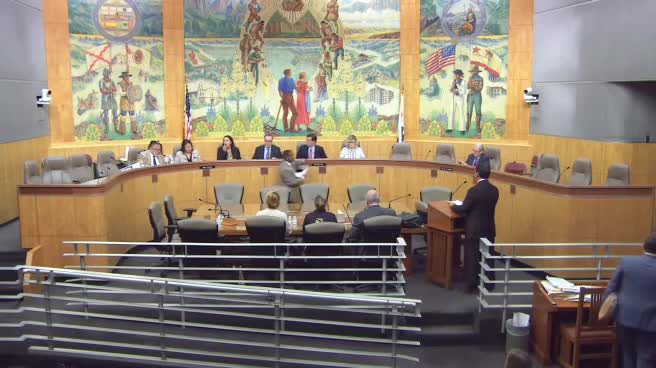 3MIN
Senate Standing Committee on Health
 6MIN
Assembly Standing Committee on Business and Professions
Bill Author

Bill Co-Author(s):