SB 1350: Agricultural lands: greenhouse gases: Healthy Soils Program.
- Session Year: 2015-2016
- House: Senate
- Latest Version Date: 2016-05-10
The California Global Warming Solutions Act of 2006 designates the State Air Resources Board as the state agency charged with monitoring and regulating sources of emissions of greenhouse gases. The act authorizes the state board to include in its regulations the use of market-based compliance mechanisms. Existing law requires all moneys, except for fines and penalties, collected by the State Air Resources Board from the auction or sale of allowances as part of a market-based compliance mechanism to be deposited in the Greenhouse Gas Reduction Fund and to be available upon appropriation by the Legislature. Existing law requires the State Air Resources Board to develop guidance on reporting and quantification methods for state agencies receiving an appropriation from the Greenhouse Gas Reduction Fund.
Existing law, the Cannella Environmental Farming Act of 1995, requires the Department of Food and Agriculture to establish and oversee an environmental farming program to provide incentives to farmers whose practices promote the well-being of ecosystems, air quality, and wildlife and their habitat. The act requires the Secretary of Food and Agriculture to convene a 5-member Scientific Advisory Panel on Environmental Farming, as prescribed, for the purpose of providing advice and assistance to federal, state, and local government agencies on issues relating to air, water, and wildlife habitat, as specified. Existing law authorizes the panel to establish ad hoc committees to assist the panel in performing its functions.
This bill would change the number of members on the panel from 5 to 7 members and would require that the secretary appoint 5 members, 5 instead of 3, 3 of these members. The bill would require that, of the members appointed by the secretary, at least 2 members, instead of one, have a minimum of 5 years of training and experience in the field of agriculture, and at least one member have training and experience in on-farm management practices that reduce greenhouse gas emissions, sequester carbon, or both. members, as prescribed. The bill would additionally allow the secretary to appoint, in consultation with the panel, ex officio nonvoting members to the panel. The bill would add representatives of nongovernmental entities to persons who may be on the ad hoc committees.
The bill would require the State Air Resources Board to consult with the Secretary of Food and Agriculture and the panel in developing the quantification methods to demonstrate and quantify on-farm greenhouse gas emissions reductions.
The bill would require the Department of Food and Agriculture, in consultation with the panel, to establish and oversee a Healthy Soils Program to provide to seek to optimize climate benefits while supporting the economic viability of California agriculture by providing incentives, including loans, grants, research, and technical assistance, or educational materials and outreach, to farmers whose management practices contribute to healthful healthy soils and result in net long-term on-farm greenhouse gas benefits. The bill would authorize the program to include funding of on-farm demonstration projects and, if the funding of those projects is included, would require the department to establish a technical advisory committee to review the project applications for scientific validity and the projects potential to achieve greenhouse gas benefits. The bill would require the department to implement the program and quantify greenhouse gas emissions reductions in accordance with the quantification methods developed by the State Air Resources Board and specified funding guidelines. The bill would make $20,000,000 available, upon appropriation by the Legislature, from the Greenhouse Gas Reduction Fund to the department to support the Healthy Soils Program.
The California Global Warming Solutions Act of 2006 designates the State Air Resources Board as the state agency charged with monitoring and regulating sources of emissions of greenhouse gases. The act authorizes the state board to include in its regulations the use of market-based compliance mechanisms. Existing law requires all moneys, except for fines and penalties, collected by the State Air Resources Board from the auction or sale of allowances as part of a market-based compliance mechanism to be deposited in the Greenhouse Gas Reduction Fund and to be available upon appropriation by the Legislature. Existing law requires the State Air Resources Board to develop guidance on reporting and quantification methods for state agencies receiving an appropriation from the Greenhouse Gas Reduction Fund.
Existing law, the Cannella Environmental Farming Act of 1995, requires the Department of Food and Agriculture to establish and oversee an environmental farming program to provide incentives to farmers whose practices promote the well-being of ecosystems, air quality, and wildlife and their habitat. The act requires the Secretary of Food and Agriculture to convene a 5-member Scientific Advisory Panel on Environmental Farming, as prescribed, for the purpose of providing advice and assistance to federal, state, and local government agencies on issues relating to air, water, and wildlife habitat, as specified.
This bill would change the number of members on the panel from 5 to 7 members and would require that the secretary appoint 5 members, instead of 3, of these members. The bill would require that, of the members appointed by the secretary, at least 2 members, instead of one, have a minimum of 5 years of training and experience in the field of agriculture, and at least one member have training and experience in on-farm management practices that reduce greenhouse gas emissions, sequester carbon, or both.
The bill would require the State Air Resources Board to consult with the Secretary of Food and Agriculture and the panel in developing the quantification methods to demonstrate and quantify on-farm greenhouse gas emissions reductions.
The bill would require the Department of Food and Agriculture, in consultation with the panel, to establish and oversee a Healthy Soils Program to provide incentives, including loans, grants, research, and technical assistance, or educational materials and outreach, to farmers whose management practices contribute to healthful soils and result in net long-term on-farm greenhouse gas benefits. The bill would require the department to implement the program and quantify greenhouse gas emissions reductions in accordance with the quantification methods developed by the State Air Resources Board and specified funding guidelines. The bill would make $20,000,000 available, upon appropriation by the Legislature, from the Greenhouse Gas Reduction Fund to the department to support the Healthy Soils Program.
(a)The Legislature further finds and declares all of the following:
(1)Californias agricultural output is larger and more diverse than any state in the United States, providing the majority of the countrys fruits, vegetables, nuts, and dairy products. Californias agricultural lands and rangelands account for nearly 50 percent of the states land area.
(2)Dependent on land and natural resources, California agriculture is uniquely vulnerable to climate change, which poses a serious threat to California agriculture with rising temperatures, increases in extreme weather events, constrained water resources, reduced winter chilling hours, and rising sea levels.
(3)California agriculture also is uniquely positioned to provide climate benefits by reducing greenhouse gas emissions. Research funded by the State Energy Resources Conservation and Development Commissions Public Interest Energy Research program Research, Demonstration, and Development Program finds that some agricultural practices will not only reduce greenhouse gas emissions, but they also may help to store carbon in soils and trees. Carbon storage is an important strategy to help meet the states greenhouse gas emissions targets. In addition, Californias agricultural lands and rangelands hold the potential to sequester millions of metric tons of carbon, resulting in enhanced agricultural production and increased resilience to climate change and drought.
(4)Robust, Numerous peer-reviewed, published data strongly support the hypothesis have found that climate smart agriculture, including on-farm and ranch soil and vegetation management management, can significantly enhance soil carbon sequestration, resulting in a wide range of environmental and agricultural cobenefits, including increased water retention in soils, improved water quality, soil health, and forage quantity and quality, reductions in greenhouse gases, and climate adaptation and resilience.
(5)Steps taken by those working in California agriculture to reduce greenhouse gas emissions and sequester atmospheric carbon can provide other important environmental cobenefits, such as improved air and water quality, water conservation, enhanced wildlife habitat, and healthier rural communities.
(b)It is, therefore, the intent of the Legislature to enhance the long-term viability of California agriculture by supporting activities that reduce climate change impacts that may negatively impact it and the rest of the state.
(c)It is further the intent of the Legislature that the department, pursuant to this article, support the states agricultural sector in pursuing on-farm practices and activities that reduce greenhouse gas emissions and increase carbon storage in agricultural soils and woody biomass.
SEC. 2.Section 568 of the Food and Agricultural Code is amended to read:568.(a)The secretary shall convene a seven-member Scientific Advisory Panel on Environmental Farming to advise and assist federal, state, and local government agencies on issues relating to air, water, and wildlife habitat to do all of the following:
(1)Review data on the impact that agriculture has on the environment and recommend to appropriate state agencies data that the panel approves as scientifically valid. A state agency that receives data recommended by the panel may adopt and incorporate the data into the appropriate program. If a state agency does not utilize the data recommended by the panel, it shall provide the panel with a written statement of reasons for not utilizing the data. The reasons, at a minimum, shall specify the scientific basis for not utilizing the data. The reasons shall be provided within 180 days of receiving the data from the panel.
(2)Compile the net environmental impacts that agriculture creates for the environment, identified pursuant to paragraph (1).
(3)Research, review, and comment on data upon which proposed environmental policies and regulatory programs are based to ensure that the environmental impacts of agricultural activities are accurately portrayed and to identify incentives that may be provided to encourage agricultural practices with environmental benefits.
(4)Assist government agencies to incorporate benefits identified pursuant to paragraph (1) into environmental regulatory programs.
(b)(1)Members of the panel shall be highly qualified and professionally active or engaged in the conduct of scientific research. Of the members first appointed to the panel, two shall serve for a term of two years and three shall serve for a term of three years, as determined by lot. Thereafter, members shall be appointed for a term of three years. The members shall be appointed as follows:
(1)
(A)Five members shall be appointed by the secretary. At least two of these members shall secretary as follows:
(i)At least two members shall have a minimum of five years of training and experience in the field of agriculture and shall represent production agriculture. At least one of the five members shall
(ii)At least one member shall have training and field experience in on-farm management practices that reduce greenhouse gas emissions, sequester carbon, or both.
(iii)At least one member shall be certified as a producer pursuant to the federal Organic Foods Production Act of 1990 (7 U.S.C. Sec. 6501 et seq.).
(iv)At least one member shall have technical expertise in agricultural conservation planning and management.
(2)
(B)One member, who has a minimum of five years of training and experience in the field of human health or environmental science, shall be appointed by the Secretary for Environmental Protection.
(3)
(C)One member, who has a minimum of five years of training and experience in the field of resource management, shall be appointed by the Secretary of the Natural Resources Agency.
(2)The secretary may also appoint, in consultation with the panel, ex officio nonvoting members to the panel.
(c)The panel may establish ad hoc committees, which may include professionals or professionals, scientists, or representatives of nongovernmental entities, to assist it in performing its functions.
(d)The panel shall be created and maintained with funds made available from existing resources within the department to the extent they are available.
(e)The State Air Resources Board shall consult with the secretary and the panel, as appropriate, in developing the quantification methods described in subdivision (b) of Section 16428.9 of the Government Code as it relates to the demonstration and quantification of on-farm greenhouse gas emissions reductions.
SEC. 3.Section 569 is added to the Food and Agricultural Code, to read:569.(a)(1)The department, in consultation with the panel, shall establish and oversee a Healthy Soils Program. The program shall provide seek to optimize climate benefits while supporting the economic viability of California agriculture by providing incentives, including, but not limited to, loans, grants, research, and technical assistance, and educational materials and outreach, to farmers whose management practices contribute to healthful healthy soils and result in net long-term on-farm greenhouse gas benefits. The program may also include the funding of on-farm demonstration projects that further the goals of the program.
(2)The department, in consultation with the panel, may determine priorities for the program and give priority to projects that occur in and benefit disadvantaged communities identified pursuant to Section 39711 of the Health and Safety Code, show promise of being replicable in other parts of the state, or provide environmental and agronomic cobenefits, such as improved air and water quality, improved crop yield, and reduced soil erosion.
(3)The panel may also advise the department on scientific findings, program framework, guidelines, grower incentives, and providing technical assistance.
(4)If the department elects to fund on-farm demonstration projects described in paragraph (1), the department, in consultation with the panel, shall establish a technical advisory committee to review on-farm demonstration project applications for scientific validity and the proposed projects potential to achieve greenhouse gas benefits.
(b)The department shall implement the program and quantify greenhouse gas emissions reductions in accordance with the funding guidelines developed by the State Air Resources Board pursuant to Section 39715 of the Health and Safety Code and the quantification methods developed by the State Air Resources Board pursuant to Section 16428.9 of the Government Code.
(c)(1)The sum of twenty million dollars ($20,000,000) shall be made available, upon appropriation by the Legislature, from the Greenhouse Gas Reduction Fund to the department to support the Healthy Soils Program.
(2)
(c)(1)The department may also pursue other public and private sources to support the Healthy Soils Program.
(2)To the extent funds are available, the department may provide support to the program, including, but not limited to, technical assistance, education, and outreach.
(d)For purposes of this section, panel means the Scientific Advisory Panel on Environmental Farming.
(e)For purposes of the Healthy Soils Program, the following terms have the following meanings:
(1)Greenhouse gas benefits means greenhouse gas emissions source reduction or carbon sequestration.
(2)Healthy soils means soils that enhance their continuing capacity to function as a biological system, increase soil organic matter, improve soil structure and water- and nutrient-holding capacity, and result in net long-term greenhouse gas benefits.
(3)On-farm demonstration projects means projects that incorporate farm management practices that result in greenhouse gas benefits across all farming types with the intent to establish or promote healthy soils.
(a)The Legislature further finds and declares all of the following:
(1)Californias agricultural output is larger and more diverse than any state in the United States, providing the majority of the countrys fruits, vegetables, nuts, and dairy products. Californias agricultural lands and rangelands account for nearly 50 percent of the states land area.
(2)Dependent on land and natural resources, California agriculture is uniquely vulnerable to climate change, which poses a serious threat to California agriculture with rising temperatures, increases in extreme weather events, constrained water resources, reduced winter chilling hours, and rising sea levels.
(3)California agriculture also is uniquely positioned to provide climate benefits by reducing greenhouse gas emissions. Research funded by the State Energy Resources Conservation and Development Commissions Public Interest Energy Research program finds that some agricultural practices will not only reduce greenhouse gas emissions, but they also may help to store carbon in soils and trees. Carbon storage is an important strategy to help meet the states greenhouse gas emissions targets. In addition, Californias agricultural lands and rangelands hold the potential to sequester millions of metric tons of carbon, resulting in enhanced agricultural production and increased resilience to climate change and drought.
(4)Robust, peer-reviewed, published data strongly support the hypothesis that on-farm and ranch soil and vegetation management can significantly enhance soil carbon sequestration, resulting in a wide range of environmental and agricultural cobenefits, including increased water retention in soils, improved water quality, soil health, and forage quantity and quality, reductions in greenhouse gases, and climate adaptation and resilience.
(5)Steps taken by those working in California agriculture to reduce greenhouse gas emissions and sequester atmospheric carbon can provide other important environmental cobenefits, such as improved air and water quality, water conservation, enhanced wildlife habitat, and healthier rural communities.
(b)It is, therefore, the intent of the Legislature to enhance the long-term viability of California agriculture by supporting activities that reduce climate change impacts that may negatively impact it and the rest of the state.
(c)It is further the intent of the Legislature that the department, pursuant to this article, support the states agricultural sector in pursuing on-farm practices and activities that reduce greenhouse gas emissions and increase carbon storage in agricultural soils and woody biomass.
SEC. 2.Section 568 of the Food and Agricultural Code is amended to read:568.(a)The secretary shall convene a five-member seven-member Scientific Advisory Panel on Environmental Farming to advise and assist federal, state, and local government agencies on issues relating to air, water, and wildlife habitat to do the following:
(1)Review data on the impact that agriculture has on the environment and recommend to appropriate state agencies data that the panel approves as scientifically valid. A state agency that receives data recommended by the panel may adopt and incorporate the data into the appropriate program. If a state agency does not utilize the data recommended by the panel, it shall provide the panel with a written statement of reasons for not utilizing the data. The reasons, at a minimum, shall specify the scientific basis for not utilizing the data. The reasons shall be provided within 180 days of receiving the data from the panel.
(2)Compile the net environmental impacts that agriculture creates for the environment, identified pursuant to paragraph (1).
(3)Research, review, and comment on data upon which proposed environmental policies and regulatory programs are based to ensure that the environmental impacts of agricultural activities are accurately portrayed and to identify incentives that may be provided to encourage agricultural practices with environmental benefits.
(4)Assist government agencies to incorporate benefits identified pursuant to paragraph (1) into environmental regulatory programs.
(b)Members of the panel shall be highly qualified and professionally active or engaged in the conduct of scientific research. Of the members first appointed to the panel, two shall serve for a term of two years and three shall serve for a term of three years, as determined by lot. Thereafter, members shall be appointed for a term of three years. The members shall be appointed as follows:
(1)Three Five members shall be appointed by the secretary. At least one two of these members shall have a minimum of five years of training and experience in the field of agriculture and shall represent production agriculture. At least one of the five members shall have training and experience in on-farm management practices that reduce greenhouse gas emissions, sequester carbon, or both.
(2)One member, who has a minimum of five years of training and experience in the field of human health or environmental science, shall be appointed by the Secretary of the for Environmental Protection Agency. Protection.
(3)One member, who has a minimum of five years of training and experience in the field of resource management, shall be appointed by the Secretary of the Resources Agency.
(c)The panel may establish ad hoc committees, which may include professionals or scientists, to assist it in performing its functions.
(d)The panel shall be created and maintained with funds made available from existing resources within the department to the extent they are available.
(e)The State Air Resources Board shall consult with the secretary and the panel, as appropriate, in developing the quantification methods described in subdivision (b) of Section 16428.9 of the Government Code as it relates to the demonstration and quantification of on-farm greenhouse gas emissions reductions.
SEC. 3.Section 569 is added to the Food and Agricultural Code, to read:569.(a)The department, in consultation with the panel, shall establish and oversee a Healthy Soils Program. The program shall provide incentives, including, but not limited to, loans, grants, research, and technical assistance, and educational materials and outreach, to farmers whose management practices contribute to healthful soils and result in net long-term on-farm greenhouse gas benefits. The program may also include the funding of on-farm demonstration projects that further the goals of the program.
(b)The department shall implement the program and quantify greenhouse gas emissions reductions in accordance with the funding guidelines developed by the State Air Resources Board pursuant to Section 39715 of the Health and Safety Code and the quantification methods developed by the State Air Resources Board pursuant to Section 16428.9 of the Government Code.
(c)(1)The sum of twenty million dollars ($20,000,000) shall be made available, upon appropriation by the Legislature, from the Greenhouse Gas Reduction Fund to the department to support the Healthy Soils Program.
(2)The department may also pursue other public and private sources to support the Healthy Soils Program.
|
Date
|
Status
|
|---|---|
| Apr 19, 2016 | From committee: Do pass and re-refer to Com. on APPR. (Ayes 5. Noes 0. Page 3590.) (April 19). Re-referred to Com. on APPR. |
| May 27, 2016 | May 27 hearing: Held in committee and under submission. |
| May 20, 2016 | Set for hearing May 27. |
| May 16, 2016 | May 16 hearing: Placed on APPR. suspense file. (Ayes 7. Noes 0.) |
| May 10, 2016 | From committee with author's amendments. Read second time and amended. Re-referred to Com. on APPR. |
| May 6, 2016 | Set for hearing May 16. |
| May 4, 2016 | May 9 set for first hearing canceled at the request of author. |
| Apr 29, 2016 | Set for hearing May 9. |
| Apr 19, 2016 | From committee: Do pass and re-refer to Com. on APPR. (Ayes 5. Noes 0.) (April 19). Re-referred to Com. on APPR. |
| Feb 19, 2016 | Introduced. To Com. on RLS. for assignment. To print. |
| Apr 12, 2016 | Set for hearing April 19. |
| Apr 6, 2016 | From committee: Do pass and re-refer to Com. on AGRI. (Ayes 6. Noes 0.) (April 6). Re-referred to Com. on AGRI. |
| Apr 6, 2016 | From committee: Do pass and re-refer to Com. on AGRI. (Ayes 6. Noes 0. Page 3419.) (April 6). Re-referred to Com. on AGRI. |
| Mar 15, 2016 | Set for hearing April 6. |
| Mar 3, 2016 | Referred to Coms. on E.Q. and AGRI. |
| Feb 22, 2016 | Read first time. |
| Feb 22, 2016 | From printer. May be acted upon on or after March 23. |
|
Date
|
Description
|
Location
|
Votes
|
|
|---|---|---|---|---|
| May 16, 2016 | Placed on suspense file | Senate Standing Committee on Appropriations |
Passed |
|
| Apr 19, 2016 | Do pass, but first be re-referred to the Committee on [Appropriations] | Senate Standing Committee on Agriculture |
Passed |
|
| Apr 6, 2016 | Do pass, but first be re-referred to the Committee on [Agriculture] | Senate Standing Committee on Environmental Quality |
Passed |
This list shows positions taken on this bill by organizations on the date displayed, which is linked to the original source.
Positions by individuals are not included.
|
Organization
|
Position
|
Date
|
|---|---|---|
| Audubon California | * Support | Apr 6, 2016 |
| California Association Of Resource Conservation Districts | * Support | Apr 6, 2016 |
| California Conservation Voters | * Support | Apr 6, 2016 |
| California Department of Food and Agriculture | * Support | Apr 6, 2016 |
| California Trout | ** Support | Apr 6, 2016 |
| Californians Against Waste | ** Support | Apr 6, 2016 |
| Californians for Pesticide Reform | ** Support | Apr 6, 2016 |
| CalTax | ** Against | Apr 6, 2016 |
| Carbon Cycle Institute | ** Support | Apr 6, 2016 |
| Environmental Working Group | ** Support | Apr 6, 2016 |
| Land Trust Of Santa Cruz County | * Support | Apr 6, 2016 |
| Lutheran Office of Public Policy, California | ** Support | Apr 6, 2016 |
| National Audubon Society | ** Support | Apr 6, 2016 |
| Pesticide Action Network | ** Support | Apr 6, 2016 |
| Wholly H2O | ** Support | Apr 6, 2016 |
SENATE COMMITTEE ON
Senator Ricardo Lara, Chair
2015 - 2016 Regular Session
SB 1350 (Wolk) - Agricultural lands: greenhouse gases: Healthy Soils Program
Version: May 10, 2016 | Policy Vote: |
Urgency: | Mandate: |
Hearing Date: | Consultant: |
This bill meets the criteria for referral to the Suspense File.
Bill Summary:
SB 1350 requires the California Department of Food and Agriculture (CDFA), in consultation with the Environmental Farming Scientific Advisory Panel (panel), to establish and oversee a Healthy Soils Program that provides incentives (i.e., loans and grants) and educational materials and outreach to farmers whose management practices contribute to healthful soils and result in net long-term on-farm greenhouse gas benefits. The bill also expands the panel from five to seven members and requires at least one member to have training and experience in on-farm management practices that reduce greenhouse gas emissions or sequester carbon.
Fiscal Impact:
- Approximately $290,000 (Cost of Implementation Fund (COI) and GGRF) for the ARB to coordinate program development and implementation with CDFA, to develop quantification methodologies for eligible projects, and to evaluate the legal nexus and GHG reduction opportunities.
- Approximately $2.2 million (GGRF) annually for CDFA’s staffing costs for program development and administration.
Background:
- Agriculture and GHG reductions. According to ARB’s 2014 Scoping Plan Update, agricultural sources in 2012 accounted for about eight percent of California’s total GHG emissions, including methane (CH4), carbon dioxide (CO2), nitrous oxide (N2O), and black carbon. California’s agricultural GHG emission inventory includes on-site emissions from animal enteric fermentation, manure management, rice cultivation, energy use (including fuel combustion), crop residue burning, and soil management practices, particularly fertilizer and manure applications.
However, various agricultural practices can significantly reduce GHG emissions, and sequester carbon as well. GHG reduction and sequestration strategies in the agricultural sector include reduced energy usage through more efficient watering systems, such as drip irrigation; reduced nitrogen fertilizer usage; shifting tilling practices to improve soil carbon retention; changing livestock feed and practices to reduce livestock enteric rumination, manure management where manure is converted to alternative fuels; and establishing perennial vegetation on land retired from agriculture production to sequester carbon in the plants and soil. In addition, recent research also suggests that applications of compost may result in greater carbon sequestration in soils.
Many of these land management practices to reduce or sequester GHGs also result in significant environmental cobenefits, such as improved water efficiency, improved air and water quality, and greater resiliency of agricultural land to climate change.
Cap-and-trade auction revenue. Since November 2012, ARB has conducted 14 cap-and-trade auctions, generating over $4 billion in proceeds to the state.
State law specifies that the auction revenues must be used to facilitate the achievement of GHG emissions reductions and outlines various categories of allowable expenditures. Statute further requires the Department of Finance, in consultation with ARB and any other relevant state agency, to develop a three-year investment plan for the auction proceeds, which are deposited in the GGRF.
Legal consideration of cap-and-trade auction revenues. The 2012-13 Budget analysis of cap-and-trade auction revenue by the Legislative Analyst’s Office noted that, based on an opinion from the Office of Legislative Counsel, the auction revenues should be considered mitigation fee revenues, and their use requires that a clear nexus exist between an activity for which a mitigation fee is used and the adverse effects related to the activity on which that fee is levied. Therefore, in order for their use to be valid as mitigation fees, revenues from the cap-and-trade auction must be used to mitigate GHG emissions or the harms caused by GHG emissions.
In 2012, the California Chamber of Commerce filed a lawsuit against the ARB claiming that cap-and-trade auction revenues constitute illegal tax revenue. In November 2013, the superior court ruling declined to hold the auction a tax, concluding that it is more akin to a regulatory fee. In February of 2014, the plaintiffs filed an appeal with the 3rd District Court of Appeal in Sacramento. That case is currently pending.
Healthy Soils Initiative and the budget. In his 2015-16 budget proposal, Governor Brown directed $10 million from the GGRF toward a new “Healthy Soils Initiative” to increase carbon in soil to improve soil health, agricultural productivity, soil water-holding capacity, and decreased sediment erosion. Governor Brown directed CDFA, under its existing authority provided by the Cannella Environmental Farming Act, to coordinate with other key agencies to work on several new initiatives. CDFA has since developed five action measures: protect and restore soil carbon; identify funding opportunities, including market development; provide research, education and technical support; increase governmental efficiencies to enhance soil health on public and private lands; and ensure interagency coordination and collaboration. However, no appropriations to CDFA for a “Healthy Soils” program were approved by the Legislature last year.
Proposed Law:
This bill:
- Requires the Secretary of CDFA to appoint five members to the panel, bringing the total Panel membership to seven, and requires two of those members have at least five years of experience in agriculture and represent production agriculture.
- Requires that at least one of the members appointed by the Secretary of CDFA have experience in on-farm management practices that reduce or sequester GHG emissions.
- Requires ARB to consult with the Secretary of CDFA, and the Panel, for development of on-farm GHG emission reduction quantification methodology.
- Allows CDFA, in consultation with the panel, to determine priorities for the program and give priority to projects that occur in and benefit disadvantaged communities, show promise of being replicable in other parts of the state, or provide environmental and agronomic cobenefits, such as improved air and water quality, improved crop yield, and reduced soil erosion.
- Authorizes the panel to advise CDFA on scientific findings, program framework, guidelines, grower incentives, and providing technical assistance.
- If CDFA elects to fund on-farm demonstration projects, requires CDFA, in consultation with the panel, to establish a technical advisory committee to review on-farm demonstration project applications for scientific validity and the proposed project’s potential to achieve greenhouse gas benefits.
- Requires CDFA, in consultation with the Panel, to implement a Healthy Soils Program to provide incentives, including loans, grants, research, and technical assistance or educational materials and outreach, to farmers whose management practices contribute to healthful soils and result in net long-term on-farm greenhouse gas benefits.
- Requires CDFA to implement the program in accordance with funding guidelines and quantification methodologies developed by ARB.
Staff Comments: Staff notes that there are multiple bills being considered by both houses of the Legislature that propose projects that would be eligible to receive GGRF funds. It is unclear how these bills will interact with each other.
-- END --
SENATE COMMITTEE ON AGRICULTURE
Senator Cathleen Galgiani, Chair
2015 - 2016 Regular
Bill No: SB 1350 Hearing Date: 4/19/16
Author: | Wolk | ||
Version: | 2/19/16 Introduced | ||
Urgency: | No | Fiscal: | Yes |
Consultant: | Anne Megaro | ||
Subject: Agricultural lands: greenhouse gases: Healthy Soils Program
SUMMARY
:
This bill would increase the Scientific Advisory Panel on Environmental Farming from five to seven members and require one member to have on-farm experience using management practices that reduce greenhouse gas (GHG) emissions and/or sequester carbon; would require the California Department of Food and Agriculture (CDFA) to establish and oversee a Healthy Soils Program that would provide incentives to farmers whose management practices contribute to healthful soils and result in net long-term on-farm GHG benefits; would allocate $20 million from the Greenhouse Gas Reduction Fund to CDFA to support the Healthy Soils Program.
BACKGROUND AND EXISTING LAW
:
The Cannella Environmental Farming Act of 1995 requires CDFA to establish and oversee an environmental farming program that provides incentives to farmers whose practices promote the well-being of ecosystems, air quality, and wildlife and their habitat. The act also created the Scientific Advisory Panel on Environmental Farming (Science Panel) to, among other responsibilities, advise and assist government agencies on these issues by conducting scientific data reviews and approving and recommending scientifically valid data. In addition, the Science Panel is authorized to research, review, and comment on data used as the basis for proposed environmental policies and regulatory programs so that agricultural activities are accurately portrayed. The panel also identifies incentives to encourage agricultural practices with environmental benefits.
Existing law:
- Requires CDFA, through the Cannella Environmental Farming Act of 1995, to establish and oversee an environmental farming program that provides incentives to farmers whose practices promote the well-being of ecosystems, air quality, and wildlife and their habitat.
- Establishes the Scientific Advisory Panel on Environmental Farming to, among other responsibilities, advise and assist government agencies on the above issues by conducting scientific data reviews and approving and recommending scientifically valid data.
- Requires the state Air Resources Board (ARB), through the California Global Warming Solutions Act of 2006, to monitor and regulate sources of greenhouse gas emissions that cause global warming in order to reduce emissions of greenhouse gases. Requires ARB to determine the 1990 statewide level of GHG emissions, approve a GHG emissions limit that is equivalent to that level to be achieved by 2020, and adopt rules and regulations regarding GHG emissions reductions (AB 32 of 2006; Health and Safety Code § 38500 et seq.).
- Creates the Greenhouse Gas Reduction Fund (GGRF) to collect all monies, except for fines and penalties, from the auction or sale of GHG allowances established by the ARB market-based compliance mechanism and authorizes the legislature to appropriate monies from this fund (Government Code § 16428.8).
- Requires that the GGRF only be used to facilitate the achievement of reductions of GHG emissions in California, as specified (Health and Safety Code § 39710 et seq.).
PROPOSED LAW
:
This bill:
- Makes findings and declarations in regards to California agriculture, its vulnerability to climate change, and ability to sequester carbon in soils.
- Makes findings and declarations that California agriculture is uniquely positioned to provide climate benefits by reducing GHG emissions, as California’s agricultural lands and rangelands hold the potential to sequester millions of metric tons of carbon.
- Finds that robust, peer-reviewed, published data strongly supports the hypothesis that on-farm and ranch soil and vegetation management can significantly enhance soil carbon sequestration, resulting in a wide range of environmental and agricultural co-benefits.
- States that it is the intent of the legislature that CDFA support on-farm practices and activities that reduce GHG emissions and increase carbon storage in agricultural soils and woody biomass.
- Increases, from five to seven, the number of members on CDFA’s Scientific Advisory Panel on Environmental Farming.
- Increases, from three to five, the number of members appointed by the secretary.
- Increases, from one to two, the number of members with a minimum five years of training and experience in the field of agriculture.
- Requires that at least one of the five members have training and experience in on-farm management practices that reduce GHG emissions, sequester carbon, or both.
- Requires CARB to consult with CDFA and the panel to develop quantification methods for on-farm GHG emissions reductions.
- Requires CDFA, in consultation with the panel, to establish and oversee a healthy soils program that would provide incentives including loans, grants, research, and technical assistance, and educational materials and outreach to farmers whose management practices contribute to healthful soils and result in net long-term on-farm GHG benefits.
- Authorizes CDFA to also fund on-farm demonstration projects that further the goals of the program.
- Requires CDFA to develop the program and quantify GHG emissions reductions in accordance with GGRF funding guidelines and quantification methods developed by ARB.
- Appropriates $20 million from the GGRF to CDFA for the Healthy Soils Program.
- Authorizes CDFA to pursue other public and private sources to support the program.
ARGUMENTS IN SUPPORT:
According to the author, “California’s agriculture industry contributes more than $40 billion annually to our state’s economy. Climate change, however, threatens the continued viability of this industry. The latest science suggests that future challenges will include rising temperatures, increases in extreme weather events, constrained water resources, reduces winter chilling hours, and rising sea levels. As we enter the fourth year of an extreme drought, it is clear that farmers and ranchers are on the frontlines of climate impacts.
California agriculture is also uniquely positioned to provide climate benefits by reducing greenhouse gas emissions. Research funded by the California Energy Commission’s Public Interest Energy Research program suggests that some agricultural practices will not only reduce greenhouse gas emissions, but can also help to store atmospheric carbon in soils, trees, and other woody plants. Many of the most effective climate protection strategies provide additional environmental co-benefits such as enhanced on-farm resilience to climate impacts, improved air and water quality, water conservation, enhanced wildlife habitat and healthy rural communities.”
Furthermore, “this proposal would add two additional members to the Science Advisory Panel, one which would have experience in production agriculture and another member who would have experience and training in on-farm management practices that reduce greenhouse gas emissions and/or sequester carbon.” Changing panel membership in this manner will add to the portfolio of scientific knowledge represented and will assist in program development and implementation.
ARGUMENTS IN OPPOSITION:
According to the California Taxpayers Association, this bill “distorts the nature of a regulatory fee. The cap-and-trade program cannot legally be earmarked for expenditures such as those identified in this bill, absent a two-thirds vote.” Absent a two-thirds vote approving the cap-and-trade program, the program must comply with existing law: 1) primary purpose of a fee is not to generate revenue; 2) fees must have a nexus to the payer; 3) regulatory fees must be reasonable.
“By directing funds beyond the clear regulatory purposes, this bill opens up the cap-and-trade program to ongoing challenges.”
COMMENTS
:
Agriculture and Climate Change. Farmers and ranchers are uniquely sensitive to the effects of climate change as agriculture is largely dependent upon uncertain weather patterns and the availability of natural resources. For example, the current multi-year drought has caused many farmers to fallow fields, sell livestock due to lack of available grazing, and lay off employees due to reduced workload and productivity.
The potential for agriculture to contribute to the reduction of climate change by sequestering carbon and reducing GHG emissions is not fully realized or utilized. Plants absorb CO2 from the atmosphere and use it to produce fruits and vegetables and store carbon in the soil, thereby increasing soil organic matter. Animals produce manure that could be used to create energy (through methane digesters), compost, and several other valuable products, while also reducing the emission of methane and other GHG. Land management practices have been and continue to be adopted to reduce negative effects on the environment such as drip irrigation, reduced land tillage, reduced soil erosion, nitrogen management, and the use of cover crops. This bill would provide funding to continue the development and implementation of on-farm management practices to further the environmental benefits of California’s agricultural lands.
Healthy Soils Initiative. In his 2015-16 budget proposal, Governor Brown included the new “Healthy Soils Initiative” to increase carbon in soil to improve soil health, agricultural productivity, soil water-holding capacity, and decreased sediment erosion. Governor Brown directed CDFA, under its existing authority provided by the Cannella Environmental Farming Act, to coordinate with other key agencies to work on several new initiatives. CDFA has since developed five action measures: protect and restore soil carbon; identify funding opportunities, including market development; provide research, education and technical support; increase governmental efficiencies to enhance soil health on public and private lands; and ensure interagency coordination and collaboration.
In a 2016-17 budget change proposal (BCP), CDFA requests $75 million funding from GGRF for activities promoting GHG emissions reductions in the agricultural sector through “Climate Smart Agriculture” programs, specifically $20 million for the State Water Efficiency and Enhancement Program; $35 million for the Dairy Digester Research and Development Program; and $20 million to develop and administer the new Healthy Soils Program.
In this BCP, CDFA provides a framework for the Healthy Soils Program that will be designed to reduce GHG emissions and increase carbon sequestration through better soil management practices. In collaboration with California Department of Resources Recycling and Recovery (CalRecycle), California Department of Conservation (DOC), and California Air Resources Board (ARB), CDFA will provide funds as an incentive to farms implementing climate-smart management practices as well as for demonstration projects that have quantifiable GHG reductions. Collaboration across state agencies will provide the expertise needed to quantify GHG reduction methodologies and ensure that the program complements existing land conservation activities.
Amendments: The California Climate and Agriculture Network (CalCAN) and the Community Alliance with Family Farmers (CAFF) are in conversations with CDFA and the author’s office regarding amendments to this bill. In general, they would like the bill to provide additional expertise on the panel and include robust parameters for the Healthy Soils Program. Specifically, their concerns and comments are as follows:
- Increase the number of members on the Science Panel to include representatives of resource conservation districts, registered organic producers, and UC Cooperative Extension; modify member qualifications and expertise to include climate change mitigation and natural resource management, among others.
- Establish Healthy Soils Program parameters in statute to maintain program integrity and consistency under future administrations.
- Use of the term “climate smart” agriculture and extrapolate on program goals and outcomes.
Work in progress: The author’s office is committed to working with CDFA and stakeholders on adopting amendments to address concerns and strengthen the Healthy Soils Program in statute.
The committee may wish to consider which amendments should be discussed and addressed in subsequent versions of this bill. For example, programmatic details such as:
- Definitions of healthy soils, on-farm demonstration projects, GHG benefits, and management practices;
- Criteria used to determine project prioritization and how projects will be funded (competitively, land management type used, level of GHG reduction, impact on co-benefits, local/private funding support);
- Clarified program goals;
- Reporting requirements;
- Prioritization of disadvantaged communities;
- Collaboration with state agencies in addition to ARB;
- USDA-NRCS National Conservation Practice Standards as appropriate management practices to be used to achieve program goals;
- Collaboration with local agencies and research institutions to provide technical assistance, education, and outreach;
Many of these details are already included in CDFA’s BCP. The committee may wish to consider which details should be established in statute.
RELATED LEGISLATION
:
SB 1247 (Jackson) currently in the Senate Committee on Agriculture. This bill would require the Department of Pesticide Regulation to establish, in consultation with CDFA, a voluntary incentive program for farmers who utilize environmental farming practices within an “agricultural innovation zone,” as defined. This bill requires at least 50% of any funding made available to be given to projects that avoid applications of pesticides other than those approved for use in organic production.
SB 367 (Wolk) of 2015. Held under submission in the Assembly Appropriations Committee. This bill would recast and expand the membership and the duties of CDFA’s Science Advisory Panel on Environmental Farming; would appropriate $25 million from the Greenhouse Gas Reduction Fund to CDFA for the establishment of a new grant program to support on-farm practices that reduce GHG emissions and increase carbon storage in soil; and would appropriate 2% of the proceeds from this fund to the Sustainable Agricultural Lands Conservation Program for these activities.
AB 761 (Levine) of 2015. Held under submission in the Senate Appropriations Committee. This bill would require CDFA, upon appropriation, to establish a grant program to fund projects that increase carbon sequestration and reduce GHG emissions on agricultural lands.
PRIOR ACTIONS
:
Senate Environmental Quality Committee: | 6 - 0 |
SUPPORT
:
California Department of Food and Agriculture (Sponsor)
California Compost Coalition
California Farm Bureau Federation
California League of Conservation Voters
California Trout
Californians Against Waste
Californians For Pesticide Reform
Carbon Cycle Institute
Environment California
Environmental Working Group
Land Trust of Santa Cruz County
Lutheran Office of Public Policy – California
National Audubon Society
The Nature Conservancy
Pesticide Action Network – North America
Santa Clara Valley Open Space Authority
Union of Concerned Scientists
Wholly H2O
OPPOSITION
:
California Taxpayers Association
-- END --
SENATE COMMITTEE ON ENVIRONMENTAL QUALITY
Senator Wieckowski, Chair
2015 - 2016 Regular
Bill No: SB 1350
Author: | Wolk | ||
Version: | 2/19/2016 | Hearing Date: | 4/6/2016 |
Urgency: | No | Fiscal: | Yes |
Consultant: | Rebecca Newhouse | ||
SUBJECT: Agricultural lands: greenhouse gases: Healthy Soils Program
ANALYSIS:
Existing law:
- Under the California Global Warming Solutions Act of 2006 (also known as AB 32), requires the California Air Resources Board (ARB) to determine the 1990 statewide greenhouse gas (GHG) emissions level and approve a statewide GHG emissions limit that is equivalent to that level, to be achieved by 2020, and to adopt GHG emissions reductions measures by regulation. ARB is authorized to include the use of market-based mechanisms to comply with these regulations. (Health and Safety Code §38500 et seq.)
- Establishes the Greenhouse Gas Reduction Fund (GGRF) in the State Treasury, requires all moneys, except for fines and penalties, collected pursuant to a market-based mechanism be deposited in the fund. (Government Code §16428.8)
- Prohibits the state from approving allocations for a measure or program using GGRF moneys except after determining that the use of those moneys furthers the regulatory purposes of AB 32, and requires moneys from the GGRF be used to facilitate the achievement of reductions of GHG emissions in California. (HSC §39712)
- Requires the ARB to develop guidance on reporting and quantification methods for all state agencies that receive appropriations from the GGRF. (Government Code §16428.9)
- Under the Cannella Environmental Farming Act of 1995 (Food and Agricultural Code §561 et seq.), requires:
- The Department of Food and Agriculture (CDFA) to establish an environmental farming program to provide incentives to farmers whose practices promote the wellbeing of ecosystems, air quality, and wildlife and their habitat.
- The Secretary of CDFA to convene a five-member Scientific Advisory Panel (Panel) on Environmental Farming to advise federal, state, and local agencies on air, water, and wildlife habitat issues, where three members are appointed by the Secretary of CDFA, and one member each is appointed by the Secretary of the California Environmental Protection Agency and the Secretary of the Natural Resources Agency. One member appointed by the Secretary of CDFA is required to have at least five years of experience in agriculture and represent production agriculture.
This bill:
- Requires the Secretary of CDFA to appoint five members to the panel, bringing the total Panel membership to seven, and requires two of those members have at least five years of experience in agriculture and represent production agriculture.
- Requires that at least one of the members appointed by the Secretary of CDFA have experience in on-farm management practices that reduce or sequester GHG emissions.
- Requires ARB to consult with the Secretary of CDFA, and the Panel, for development of on-farm GHG emission reduction quantification methodology.
- Requires CDFA, in consultation with the Panel, to implement a Healthy Soils Program to provide incentives, including loans, grants, research, and technical assistance or educational materials and outreach, to farmers whose management practices contribute to healthful soils and result in net long-term on-farm greenhouse gas benefits.
- Requires CDFA to implement the program in accordance with funding guidelines and quantification methodologies developed by ARB.
- Appropriates $20 million to CDFA to implement the Healthy Soils Program.
Background
- Agriculture and GHG reductions. According to ARB’s 2014 Scoping Plan Update, agricultural sources in 2012 accounted for about eight percent of California’s total GHG emissions, including methane (CH4), carbon dioxide (CO2), nitrous oxide (N2O), and black carbon. California’s agricultural GHG emission inventory includes on-site emissions from animal enteric fermentation, manure management, rice cultivation, energy use (including fuel combustion), crop residue burning, and soil management practices, particularly fertilizer and manure applications.
However, various agricultural practices can significantly reduce GHG emissions, and sequester carbon as well. GHG reduction and sequestration strategies in the agricultural sector include reduced energy usage through more efficient watering systems, such as drip irrigation; reduced nitrogen fertilizer usage; shifting tilling practices to improve soil carbon retention; changing livestock feed and practices to reduce livestock enteric rumination, manure management where manure is converted to alternative fuels; and establishing perennial vegetation on land retired from agriculture production to sequester carbon in the plants and soil. In addition, recent research also suggests that applications of compost may result in greater carbon sequestration in soils.
Many of these land management practices to reduce or sequester GHGs also result in significant environmental cobenefits, such as improved water efficiency, improved air and water quality, and greater resiliency of agricultural land to climate change.
- Cap-and-trade auction revenue. Since November 2012, ARB has conducted 14 cap-and-trade auctions, generating over $4 billion in proceeds to the state.
State law specifies that the auction revenues must be used to facilitate the achievement of GHG emissions reductions and outlines various categories of allowable expenditures. Statute further requires the Department of Finance, in consultation with ARB and any other relevant state agency, to develop a three-year investment plan for the auction proceeds, which are deposited in the GGRF.
Disadvantaged communities. SB 535 (de León, Chapter 830, Statutes of 2012) requires the Department of Finance, in the investment plan, to allocate at least 25% of available moneys in the GGRF to projects that provide benefits to disadvantaged communities, and at least 10% to projects located within disadvantaged communities.
To meet the SB 535 mandate, the Office of Environmental Health Hazard Assessment, under CalEPA’s guidance, developed a tool (termed CalEnviroScreen) to assess and rank census tracts across the state that are disproportionately affected by multiple types of pollution and areas with vulnerable populations. CalEPA has designated 25% of census tracts in California as disadvantaged communities for the purpose of investing cap-and-trade proceeds.
Additionally, SB 862 (Committee on Budget and Fiscal Review, Chapter 36, Statutes of 2014) requires ARB to develop guidelines on maximizing benefits for disadvantaged communities by agencies administering GGRF funds.
Legal consideration of cap-and-trade auction revenues. The 2012-13 Budget analysis of cap-and-trade auction revenue by the Legislative Analyst’s Office noted that, based on an opinion from the Office of Legislative Counsel, the auction revenues should be considered mitigation fee revenues, and their use requires that a clear nexus exist between an activity for which a mitigation fee is used and the adverse effects related to the activity on which that fee is levied. Therefore, in order for their use to be valid as mitigation fees, revenues from the cap-and-trade auction must be used to mitigate GHG emissions or the harms caused by GHG emissions.
In 2012, the California Chamber of Commerce filed a lawsuit against the ARB claiming that cap-and-trade auction revenues constitute illegal tax revenue. In November 2013, the superior court ruling declined to hold the auction a tax, concluding that it is more akin to a regulatory fee. In February of 2014, the plaintiffs filed an appeal with the 3rd District Court of Appeal in Sacramento. That case is currently pending.
Budget allocations. SB 862 (Committee on Budget and Fiscal Review, Chapter 36, Statutes of 2014) established a long-term cap-and-trade expenditure plan by continuously appropriating portions of the funds for designated programs or purposes. The legislation appropriates 25% for the state’s high-speed rail project, 20% for affordable housing and sustainable communities grants, 10% to the Transit and Intercity Rail Capital Program, and 5% for low-carbon transit operations. The remaining 40% is available for annual appropriation by the Legislature.
The Governor’s 2016-17 proposed budget appropriates over $3 billion to a variety of programs and projects in the transportation, energy, natural resources, and waste diversion sectors.
- Healthy Soils Initiative and the budget. In his 2015-16 budget proposal, Governor Brown directed $10 million from the GGRF toward a new “Healthy Soils Initiative” to increase carbon in soil to improve soil health, agricultural productivity, soil water-holding capacity, and decreased sediment erosion. Governor Brown directed CDFA, under its existing authority provided by the Cannella Environmental Farming Act, to coordinate with other key agencies to work on several new initiatives. CDFA has since developed five action measures: protect and restore soil carbon; identify funding opportunities, including market development; provide research, education and technical support; increase governmental efficiencies to enhance soil health on public and private lands; and ensure interagency coordination and collaboration. However, no appropriations to CDFA for a “Healthy Soils” program were approved by the Legislature last year.
The Governor’s 2016-17 budget proposal appropriates $75 million to CDFA to implement three separate programs, all under the heading of Climate Smart Agriculture. Of the $75 million, $20 million is proposed to continue CDFA’s existing State Water Efficiency and Enhancement Program (SWEEP), which provides financial incentives to growers to implement efficient water distribution systems; $35 million is proposed for continuation of CDFA’s existing Dairy Digester Research and Development Program to provide grants for the implementation of dairy digesters and related management practices to reduce GHG emissions; and $20 million is proposed for the development of a Healthy Soils Initiative intended to capture atmospheric carbon and increase carbon levels in agricultural soils.
Comments
- Purpose of Bill. According to the author, “California’s agriculture industry contributes more than $40 billion annually to our state’s economy. Climate change, however, threatens the continued viability of this industry. The latest science suggests that future challenges will include rising temperatures, increases in extreme weather events, constrained water resources, reduced winter chilling hours, and rising sea levels. As we enter the fourth year of an extreme drought, it is clear that farmers and ranchers are on the frontlines of climate impacts.
“California agriculture is also uniquely positioned to provide climate benefits by reducing greenhouse gas emissions. Research funded by the California Energy Commission’s Public Interest Energy Research program suggests that some agricultural practices will not only reduce greenhouse gas emissions, but can also help to store atmospheric carbon in soils, trees and other woody plants. Many of the most effective climate protection strategies provide additional environmental co-benefits such as enhanced on-farm resilience to climate impacts, improved air and water quality, water conservation, enhanced wildlife habitat and healthy rural communities.
“The Environmental Farming Act of 1995 (Cannella, 1995) created the Environmental Farming Panel, an advisory committee to the California Department of Food and Agriculture. The panel was created to promote farming practices that “contribute to the well-being of ecosystems, air quality and wildlife and their habitat.” However, the 1995 Act did not anticipate the agricultural challenges and opportunities presented by climate change and should be updated.
SB 1350 would expand the membership of the Science Advisory Panel, as authorized by the Environmental Farming Act of 1995. More specifically, this proposal would add two additional members to the Science Advisory Panel, one which would have experience in production agriculture and another member who would have experience and training in on-farm management practices that reduce greenhouse gas emissions and/or sequester carbon. Expanding the membership of the Science Advisory Panel, in this manner, will add to the portfolio of scientific knowledge represented and will assist in the implementation of the Healthy Soils Program to develop and promote on-farm management practices that have the benefit of reducing greenhouse gas, sequestering carbon and ultimately, developing [soil organic matter] in California’s soils.”
- Implementing a budget proposal. As noted in the background, the Governor’s 2016-17 budget proposal appropriates $20 million to CDFA for the development of a Healthy Soils Initiative intended to capture atmospheric carbon and increase carbon levels in agricultural soils. As SB 1350 also includes a $20 million appropriation to CDFA for a Healthy Soils Program, the bill seems to align with the Governor’s proposed budget for the current fiscal year, in addition to providing the implementing statutory language.
- Piece by piece. GGRF investments must facilitate the achievement of GHG emissions reductions. However, after that requirement is fulfilled, there are a number of other policy goals that should be considered, including benefits to environmental quality, resource protection, public health and the economy, as well as benefits to disadvantaged communities. Various policy committees have been referred proposals for investing GGRF moneys, and these committees will likely consider whether proposals meet basic statutory requirements and align with legislative priorities. However, in order to create an optimized investment strategy from GGRF moneys, proposals should not be considered in isolation, but be assessed in aggregate to evaluate which set of proposals best meets the requirements of the fund, uses resources most efficiently, and maximizes policy objectives. As the budget committees are considering the Governor’s proposal of GGRF expenditures, the budget process may be an ideal way to comprehensively consider the numerous policy bills, including SB 1350, that propose new programs funded through the GGRF.
- Criteria for eligible projects? SB 1350 specifies that the Healthy Soils Program will provide incentives to farmers whose management practices contribute to healthful soils and result in net long-term on-farm greenhouse gas benefits.
The bill does not define “healthful soils” or provide clarity for what is meant by “greenhouse gas benefits.” Consequently, it is not clear what types of projects are eligible for funding under the program.
Additionally, SB 1350 does not specify what prioritization will be given to projects. Will prioritization be based on GHG emissions reduction or sequestration potential? Will prioritization also take into account cobenefits? If so, what types of cobenefits will be evaluated? Should CDFA be required to create program guidelines?
As the bill lacks detail in terms of program goals, project eligibility, and selection criteria, it is unclear to what extent the program will result in GHG emissions reductions.
- Research, outreach, and technical assistance. SB 1350 specifies that incentives provided to farmers under the program can take the form of loans, grants, research, technical assistance, educational materials, and outreach. It is unclear to what extent research, technical assistance, and educational materials will result in GHG emissions reductions, and therefore unclear whether these projects would be appropriate expenditures from the GGRF.
- Demonstration projects. SB 1350 provides that the program may include funding of demonstration projects on farms that further the goals of the program. As noted in comment #3, the program goals are unclear. Additionally, how will the demonstration projects differ from the other component of the program that provides incentives to farmers for healthful soils and GHG benefits? What will the demonstration element of the Healthy Soils Program seek to demonstrate?
- Work in progress. As noted earlier, a relatively recent body of research has reported on the multiple environmental benefits that result from various land and soil management practices in the agricultural sector. However, as there is very little specificity in the bill regarding program goals and implementation, it is unclear at this point how the Healthy Soils Program will operate to obtain those benefits and advance the goals of AB 32 to reduce GHG emissions. As the bill moves forward, the author and sponsor should work to provide more direction with regard to goals, implementation, and project eligibility and selection criteria, to ensure the Healthy Soils Program established in SB 1350 will result in GHG emissions reductions, and maximize environmental cobenefits.
Related/Prior Legislation
SB 367 (Wolk, 2015) would recast and expand the membership and the duties of CDFA’s Science Advisory Panel on Environmental Farming and would appropriate $25 million from the GGRF to CDFA for the establishment of a new grant program to support on-farm practices that reduce GHG emissions and increase carbon storage in soil. SB 367 was held on the Assembly Appropriations suspense file.
AB 761 (Levine, 2015) provides $50 million to the Department of Conservation to establish a grant program to fund projects that increase carbon sequestration in agricultural soils. AB 761 was held on the Senate Appropriations suspense file.
DOUBLE REFERRAL:
If this measure is approved by the Senate Environmental Quality Committee, the do pass motion must include the action to re-refer the bill to the Senate Agriculture Committee.
SOURCE:
California Department of Food and Agriculture
SUPPORT:
California Trout
Californians Against Waste
Californians for Pesticide Reform
Carbon Cycle Institute
Environmental Working Group
Land Trust of Santa Cruz County
Lutheran Office of Public Policy, California
National Audubon Society
Pesticide Action Network
Wholly H2O
OPPOSITION:
CalTax
-- END --
Discussed in Hearing
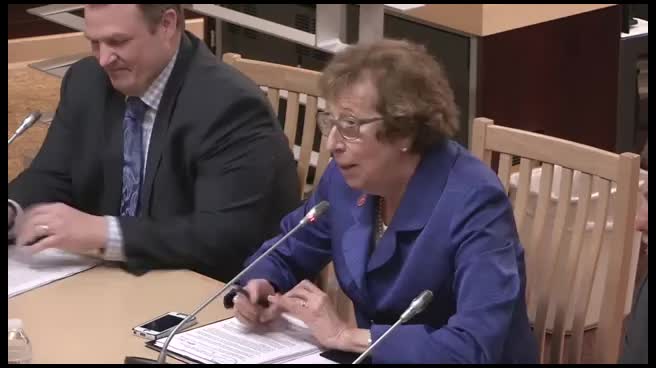 19MIN
Senate Standing Committee on Environmental Quality
Bill Author

Bill Co-Author(s):