SB 287: Habitat restoration: invasive species: Phytophthora pathogens.
- Session Year: 2017-2018
- House: Senate
- Latest Version Date: 2017-03-15
Existing law establishes the Department of Fish and Wildlife and sets forth the powers and duties of the department with regard to the implementation and administration of, among other things, projects and programs to protect wildlife and wildlife habitat in the state.
This bill would require the department, on or before December 31, 2019, to adopt regulations to minimize the risk of Phytophthora pathogens in plant materials used for habitat restoration projects authorized, funded, or required by the state.
(a)The Legislature finds and declares all of the following:
(1)Phytophthora, the Latin term for plant destroyer, is a microscopic plant pathogen that can severely damage or kill a wide variety of agricultural, ornamental, and native plants.(2)Phytophthora infestans caused the Great Irish Potato Famine from 1845 to 1849, and Phytophthora ramorum is the pathogen that causes sudden oak death, which has devastated oak and tanoak populations in coastal California and southwest Oregon.(3)The presence of root-rotting Phytophthora species in commercial ornamental plant nurseries has been known for some time, but more recently, a wide variety of Phytophthora species have been identified in habitat restoration plantings and native plant nurseries in California.(4) Native plants have no resistance to these introduced pathogens, so they can cause great damage to our wildlands. Planting Phytophthora-infected nursery stock in native habitats may be the most direct means of introducing these pathogens into wildlands.(5)Once these pathogens are introduced into the wild, they are extremely difficult, if not impossible, to eradicate.(6)State agencies promote the use of nursery stock in wildlands through their vegetative coverage standards for habitat restoration projects.(7)Use of infested nursery stock in habitat restoration projects increases long term cost for restoring these habitats due to high rates of plant failure.(8)The best defense against Phytophthora pathogens becoming established in wildlands is to prevent their inadvertent introduction via infested nursery stock.(9) Existing state regulations address detection, not prevention, do not cover the growing number of Phytophthora species being introduced to the state, and do not cover all suppliers for habitat restoration projects.(1)Phytophthora species, or plant destroyers, in Greek, are microscopic plant pathogens that can severely damage or kill a wide variety of agricultural, ornamental, and forest plants, including native vegetation.
(2)Phytophthora infestans caused the Irish Potato Famine in the 1840s, and Phytophthora ramorum causes sudden oak death, which has killed millions of oaks and tanoaks in coastal California and southwest Oregon.
(3)The presence of root-rotting Phytophthora species in commercial horticultural plant nurseries has been well documented over many years, but recently well over 50 Phytophthora species have been found in habitat restoration plantings and native plant nurseries in California. These include Phytophthora species detected for the first time in the United States and new hybrid species.
(4)Restoration plantings can inadvertently introduce Phytophthora species into the soil, contaminating pristine areas, or the limited habitats of threatened, rare, or sensitive plants. Planting pathogen-infected nursery stock in native habitats is the most direct means of introducing invasive exotic diseases into wildlands.
(5)Many native plants have little or no natural resistance to these introduced pathogens. Introduction of Phytophthora pathogens can cause the destruction of native habitat and the mortality of endangered species, and is counter to the goals of restoration.
(6)Once these pathogens are introduced into the wildlands, parks, open space areas, or wetlands, they are extremely difficult, if not impossible, to eradicate.
(7)Use of Phytophthora-infested nursery stock in habitat restoration projects increases long-term costs of restoring these habitats due to high rates of plant failure, reduced growth, and future costs to remediate contaminated sites. Adjacent native vegetation is put at risk to infection.
(8)The best defense against Phytophthora pathogens becoming established in wildlands is to prevent their inadvertent introduction via infested nursery stock.
(9)State agencies promote the use of nursery stock in wildlands through their vegetative cover standards for habitat restoration projects.
(10)No existing state regulations prevent or discourage the use of Phytophthora-infected nursery stock in habitat restoration projects.
(b)It is the intent of the Legislature that all of the following occur:
(1)The spread of harmful plant pathogens in our wildlands be avoided in state actions that authorize, fund, or require habitat restoration in California.
(2)The availability of safe plant materials be increased by requiring the use of best management practices and clean phytosanitary standards by the suppliers of nursery stock for habitat restoration projects.
(3)The success of habitat restoration projects be improved, and their long-term costs and potential for adverse environmental impacts reduced, by providing guidance to project sponsors on the procurement and installation of clean plant materials that are disease free to the maximum extent possible for their projects.
SEC. 2.Section 1017.5 is added to the Fish and Game Code, to read:1017.5.(a)On or before December 31, 2019, the department shall adopt regulations to minimize the risk of Phytophthora pathogens in plant materials used for habitat restoration projects authorized, funded, or required by the state.
(b)In developing the regulations, the department shall consult with regional water quality control boards and the Department of Food and Agriculture. boards, other state departments and agencies with responsibilities related to habitat restoration projects, and plant pathologists with expertise in Phytophthora diseases.
(c)The department shall conduct at least three public meetings to consider public comment before adopting the regulations.
(d)On or before December 31, 2018, the department shall submit a report on its progress toward adopting the regulations to the Legislature, including to the appropriate policy committees. The report shall be submitted in compliance with Section 9795 of the Government Code.
(a)The Legislature finds and declares all of the following:
(1)Phytophthora, the Latin term for plant destroyer, is a microscopic plant pathogen that can severely damage or kill a wide variety of agricultural, ornamental, and native plants.
(2)Phytophthora infestans caused the Great Irish Potato Famine from 1845 to 1849, and Phytophthora ramorum is the pathogen that causes sudden oak death, which has devastated oak and tanoak populations in coastal California and southwest Oregon.
(3)The presence of root-rotting Phytophthora species in commercial ornamental plant nurseries has been known for some time, but more recently, a wide variety of Phytophthora species have been identified in habitat restoration plantings and native plant nurseries in California.
(4)Native plants have no resistance to these introduced pathogens, so they can cause great damage to our wildlands. Planting Phytophthora-infected nursery stock in native habitats may be the most direct means of introducing these pathogens into wildlands.
(5)Once these pathogens are introduced into the wild, they are extremely difficult, if not impossible, to eradicate.
(6)State agencies promote the use of nursery stock in wildlands through their vegetative coverage standards for habitat restoration projects.
(7)Use of infested nursery stock in habitat restoration projects increases long term cost for restoring these habitats due to high rates of plant failure.
(8)The best defense against Phytophthora pathogens becoming established in wildlands is to prevent their inadvertent introduction via infested nursery stock.
(9)Existing state regulations address detection, not prevention, do not cover the growing number of Phytophthora species being introduced to the state, and do not cover all suppliers for habitat restoration projects.
(b)It is the intent of the Legislature that all of the following occur:
(1)The spread of harmful plant pathogens in our wildlands be avoided in state actions that authorize, fund, or require habitat restoration in California.
(2)The availability of safe plant materials be increased by requiring the use of best management practices by the suppliers of nursery stock for habitat restoration projects.
(3)The success of habitat restoration projects be improved, and their long-term costs reduced, by providing guidance to project sponsors on the procurement and installation of plant materials for their projects.
SEC. 2.Section 1017.5 is added to the Fish and Game Code, to read:1017.5.(a)On or before December 31, 2019, the department shall adopt regulations to minimize the risk of Phytophthora pathogens in plant materials used for habitat restoration projects authorized, funded, or required by the state.
(b)In developing the regulations, the department shall consult with regional water quality control boards and the Department of Food and Agriculture.
(c)The department shall conduct at least three public meetings to consider public comment before adopting the regulations.
(d)On or before December 31, 2018, the department shall submit a report on its progress toward adopting the regulations to the Legislature, including to the appropriate policy committees. The report shall be submitted in compliance with Section 9795 of the Government Code.
|
Date
|
Status
|
|---|---|
| Feb 1, 2018 | Returned to Secretary of Senate pursuant to Joint Rule 56. |
| May 25, 2017 | May 25 hearing: Held in committee and under submission. |
| May 19, 2017 | Set for hearing May 25. |
| Apr 24, 2017 | April 24 hearing: Placed on APPR. suspense file. |
| Apr 13, 2017 | Set for hearing April 24. |
| Apr 13, 2017 | April 17 set for first hearing canceled at the request of author. |
| Apr 5, 2017 | Set for hearing April 17. |
| Mar 28, 2017 | From committee: Do pass and re-refer to Com. on APPR. (Ayes 7. Noes 1.) (March 28). Re-referred to Com. on APPR. |
| Mar 15, 2017 | From committee with author's amendments. Read second time and amended. Re-referred to Com. on N.R. & W. |
| Mar 7, 2017 | Set for hearing March 28. |
| Feb 23, 2017 | Referred to Com. on N.R. & W. |
| Feb 10, 2017 | From printer. May be acted upon on or after March 12. |
| Feb 9, 2017 | Introduced. Read first time. To Com. on RLS. for assignment. To print. |
|
Date
|
Description
|
Location
|
Votes
|
|
|---|---|---|---|---|
| Apr 24, 2017 | Placed on suspense file | Senate Standing Committee on Appropriations |
Passed |
|
| Mar 28, 2017 | Do pass, but first be re-referred to the Committee on [Appropriations] | Senate Standing Committee on Natural Resources and Water |
Passed |
This list shows positions taken on this bill by organizations on the date displayed, which is linked to the original source.
Positions by individuals are not included.
|
Organization
|
Position
|
Date
|
|---|---|---|
| California Association Of Nurseries And Garden Centers | ** Against | Mar 23, 2017 |
| California Forest Pest Council | ** Support | Mar 23, 2017 |
| California Invasive Plant Council | ** Support | Mar 23, 2017 |
| california native plant society--willis jepson chapter | ** Support | Mar 23, 2017 |
| California Native Plant SocietyWillis Jepson Chapter | ** Support | Mar 23, 2017 |
| Midpeninsula Regional Open Space District | ** Support | Mar 23, 2017 |
| Phytophthoras in Native Habitats Working Group | ** Support | Mar 23, 2017 |
| Phytosphere Research | ** Support | Mar 23, 2017 |
| Sierra Club California | ** Support | Mar 23, 2017 |
| Solano County Board of Supervisors | * Support | Apr 24, 2017 |
| Watershed Nursery | ** Support | Mar 23, 2017 |
SENATE COMMITTEE ON
Senator Ricardo Lara, Chair
2017 - 2018 Regular Session
SB 287 (Dodd) - Habitat restoration: invasive species: Phytophthora pathogens
Version: | Policy Vote: |
Urgency: | Mandate: |
Hearing Date: | Consultant: |
This bill meets the criteria for referral to the Suspense File.
Bill Summary:
SB 287 requires the California Department of Fish and Wildlife (CDFW), on or before December 31, 2019, to adopt best management practices that minimize the risk of Phytophthora pathogens in plant material used for habitat restoration projects authorized, funded, or required by the state. The bill also specifies consultation, public comment, and reporting requirements.
Fiscal Impact:
- Significant, unknown costs (Fish and Game Preservation Fund), for the CDFW to develop best practices, consult with relevant agencies, and hold public meetings. (See staff comments)
- Minor costs (various special funds and General Fund) to various state entities for consultation.
Background:
- Existing law establishes the CDFW and sets forth its powers and duties to protect wildlife and wildlife habitat in the state. The CDFW and other state agencies such as the regional water boards and local governments frequently require mitigation for projects that have environmental impacts.
Phytophthora are microscopic plant pathogens that can severely damage or kill a wide variety of agricultural, ornamental, and forest plants, including native vegetation. One species is particularly well-known in California as the cause of sudden oak death, which has devastated oak woodlands in several California counties.
Proposed Law:
This bill requires the CDFW to:
- On or before December 31, 2019, to adopt best management practices that minimize the risk of Phytophthora pathogens in plant material used for habitat restoration projects authorized, funded, or required by the State and clean phytosanitary standards.
- Consult with regional water boards, other state departments with responsibilities related to habitat restoration projects, and plant pathologists with expertise in Phytophthora diseases.
- Hold three public meetings prior to adoption of the best management practices; and
- Develop and submit a report to the Legislature and on or before December 31, 2018.
Staff Comments:
Implementation Cost. Staff notes that the CDFW has indicated minor and absorbable costs to implement this bill. However, staff notes an average cost of at least $50,000 to adopt regulations and $5,000 per public meeting (excluding staff time to plan and conduct the meeting, staff time to incorporate comments, meeting materials, travel costs, and incidentals). Given that this bill deals with a space that CDFW does not currently occupy, the development of the best practices related to Phytophthora pathogens in plant material will likely require a significant redirection of resources.
The Fish and Game Preservation Fund (FGPF). This bill would result in a cost to the FGPF. According to the Legislative Analyst Office (LAO), expenditures from the fund currently exceed annual revenues by more than $20 million. To address this deficit, the Governor’s proposed 2017 budget includes an increase in commercial fishing landing fees and a one‑time redirection of $10.6 million from the Lifetime License Account. According to the LAO, the proposed budgetary actions will sustain the current level of service, but more permanent measures must be implemented in 2018‑19 to address the deficit. The LAO also expressed concern about the increase to landing fees being too large for the industry to sustain, and recommended a lower increase in fees. If this recommendation is adopted by the Legislature, the fund may not be brought into balance.
-- END --
SENATE COMMITTEE ON NATURAL RESOURCES AND WATER
Senator Robert Hertzberg, Chair
2017 - 2018 Regular
Bill No: SB 287 Hearing Date: March 28, 2017
Author: | |||
Version: |
| ||
Urgency: | Fiscal: | ||
Consultant: | |||
Subject: Habitat restoration: invasive species: Phytophthora pathogens
BACKGROUND AND EXISTING LAW
- Establishes the California Department of Fish and Wildlife (CDFW) and sets forth its powers and duties to protect wildlife and wildlife habitat in the state. CDFW and other state agencies such as the regional water boards, local governments and others, frequently require mitigation for projects that have environmental impacts and the mitigation in many circumstances occurs on wildlife or habitat lands.
- Phytophthora are microscopic plant pathogens that can severely damage or kill a wide variety of agricultural, ornamental, and forest plants, including native vegetation. One species is particularly well-known in California as the cause of sudden oak death, which has devastated oak woodlands in several California counties. The focus of this measure, however, is on those species that infest commercial horticultural plant nurseries.
- Does not directly address the use of planting material infected with Phytophthora or other pathogens in restoration plantings authorized, mandated, or funded by the state.
PROPOSED LAW
This bill requires CDFW, on or before 12/31/19 to adopt best management practices that minimize the risk of Phytophthora pathogens in plant material used for habitat restoration projects authorized, funded, or required by the state and clean phytosanitary standards.
CDFW would consult with regional water boards, other state departments with responsibilities related to habitat restoration projects, and plant pathologists with expertise in Phytophthora diseases.
CDFW would also be required to hold three public meetings prior to adoption of the best management practices and the bill contains a reporting requirement to report back to the Legislature on or before 12/31/18.
ARGUMENTS IN SUPPORT
According to the author, more than 50 Phytophthora species, including species detected for the first time in the U.S. and California, and new hybrid species, have been identified in habitat restoration plantings and native plant nurseries in California.
The author further notes that many native plants have little or no resistance to these introduced pathogens which can persist in the soil and proliferate on the plants they infect, causing irreparable damage to sensitive habitats. Habitat restoration projects are frequently required as mitigation for projects. Phytophthora is a concern in restoration activities because nursery plants are placed into a wildland habitat providing a direct pathway for pathogen introduction and spread. Once these pathogens get into the wild, they are very difficult, if not impossible, to eradicate.
State agencies promote the use of nursery stock in wildlands through their vegetative cover standards for habitat restoration projects. As the California Invasive Plant Council notes, agencies such as CDFW, the Wildlife Conservation Board, California State Parks, and other agencies need to be able to rely on safe stock from native plant nurseries when they undertake restoration projects. Other supporters point out that the best defense against Phytophthora pathogens becoming established in wildlands and other areas is to prevent their inadvertent introduction through infested nursery stock.
Many of the supporters also point out that the death of plants in restoration projects increases the long-term costs of restoring these habitats, adds future remediation costs to the public, and places adjacent native vegetation at risk of infection.
ARGUMENTS IN OPPOSITION
The California Association of Nurseries and Garden Centers raises two concerns: (1) It views the involvement of CDFW as duplicative of regulations that involve the licensure of nurseries undertaken by the California Department of Food and Agriculture (CDFA); and (2) it argues the bill is misdirected by focusing on nursery stock, and not the conditions into which nursery plants are planted.
COMMENTS
Staff suggests that the licensing and annual inspections of nurseries conducted by the CDFA are not focused on the problem identified by this bill. In fact, it is safe to say that contaminated nursery stock has been used in restoration plantings that was obtained from nurseries that are in compliance with the annual inspection and certification process of CDFA and its related regulations.
SUPPORT
California Forest Pest Council
California Invasive Plant Council
California Native Plant Society—Willis Jepson Chapter
MidPeninsula Regional Open Space District
Phytophthoras in Native Habitats Working Group
Phytosphere Research
Sierra Club California
Watershed Nursery
Matteo Garbelotto, Director Forest Pathology Lab, UC Berkeley Extension
OPPOSITION
California Association of Nurseries and Garden Centers
-- END --
Discussed in Hearing
 48MIN
Senate Standing Committee on Appropriations
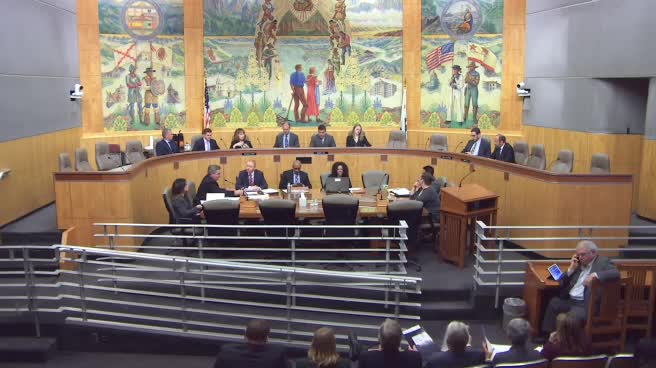 22SEC
Senate Standing Committee on Appropriations
Bill Author

Bill Co-Author(s):