SB 53: Natural gas vehicles.
- Session Year: 2017-2018
- House: Senate
- Latest Version Date: 2017-04-26
Existing state and federal law sets specified limits on the total gross weight imposed on the highway by any group of 2 or more consecutive axles. Existing federal law authorizes a vehicle operated by an engine fueled primarily by natural gas to exceed these weight limits, up to a specified maximum, by an amount equal to the difference between the weight of the vehicle attributable to the natural gas tank and fueling system carried by that vehicle and the weight of a comparable diesel tank and fueling system.
This bill would authorize a vehicle operated by an engine fueled wholly or partially primarily by natural gas to exceed these weight limits by an amount, up to a specified maximum, equal to the difference between the weight of the vehicle attributable to the natural gas tank and fueling system carried by that vehicle and the weight of a comparable diesel tank and fueling system. The bill would additionally require the University of California Institute of Transportation Studies or the Department of Transportation to estimate the damage caused by vehicles operating pursuant to this authorization and report its findings to the Senate Committee on Transportation and Housing and the Assembly Committee on Transportation on or before October 1, 2018.
Existing state and federal law sets specified limits on the total gross weight imposed on the highway by any group of 2 or more consecutive axles. Existing federal law authorizes a vehicle operated by an engine fueled primarily by natural gas to exceed these weight limits, up to a specified maximum, by an amount equal to the difference between the weight of the vehicle attributable to the natural gas tank and fueling system carried by that vehicle and the weight of a comparable diesel tank and fueling system.
This bill would authorize a vehicle operated by an engine fueled primarily wholly or partially by natural gas to exceed these weight limits, up to a specified maximum, limits by an amount amount, up to a specified maximum, equal to the difference between the weight of the vehicle attributable to the natural gas tank and fueling system carried by that vehicle and the weight of a comparable diesel tank and fueling system.
Existing state and federal law sets specified limits on the total gross weight imposed on the highway by any group of 2 or more consecutive axles. Existing federal law authorizes a vehicle operated by an engine fueled primarily by natural gas to exceed these weight limits, up to a specified maximum, by an amount equal to the difference between the weight of the vehicle attributable to the natural gas tank and fueling system carried by that vehicle and the weight of a comparable diesel tank and fueling system.
This bill would authorize a vehicle operated by an engine fueled primarily by natural gas to exceed these weight limits, up to a specified maximum, by an amount equal to the difference between the weight of the vehicle attributable to the natural gas tank and fueling system carried by that vehicle and the weight of a comparable diesel tank and fueling system.
(a)Except as otherwise provided in this section or Section 35551.5, the total gross weight in pounds imposed on the highway by any group of two or more consecutive axles shall not exceed that given for the respective distance in the following table:
Distance in feet between | |||||
axles | 2 axles | 3 axles | 4 axles | 5 axles | 6 axles |
4 | 34,000 | 34,000 | 34,000 | 34,000 | 34,000 |
5 | 34,000 | 34,000 | 34,000 | 34,000 | 34,000 |
6 | 34,000 | 34,000 | 34,000 | 34,000 | 34,000 |
7 | 34,000 | 34,000 | 34,000 | 34,000 | 34,000 |
8 | 34,000 | 34,000 | 34,000 | 34,000 | 34,000 |
9 | 39,000 | 42,500 | 42,500 | 42,500 | 42,500 |
10 | 40,000 | 43,500 | 43,500 | 43,500 | 43,500 |
11 | 40,000 | 44,000 | 44,000 | 44,000 | 44,000 |
12 | 40,000 | 45,000 | 50,000 | 50,000 | 50,000 |
13 | 40,000 | 45,500 | 50,500 | 50,500 | 50,500 |
14 | 40,000 | 46,500 | 51,500 | 51,500 | 51,500 |
15 | 40,000 | 47,000 | 52,000 | 52,000 | 52,000 |
16 | 40,000 | 48,000 | 52,500 | 52,500 | 52,500 |
17 | 40,000 | 48,500 | 53,500 | 53,500 | 53,500 |
18 | 40,000 | 49,500 | 54,000 | 54,000 | 54,000 |
19 | 40,000 | 50,000 | 54,500 | 54,500 | 54,500 |
20 | 40,000 | 51,000 | 55,500 | 55,500 | 55,500 |
21 | 40,000 | 51,500 | 56,000 | 56,000 | 56,000 |
22 | 40,000 | 52,500 | 56,500 | 56,500 | 56,500 |
23 | 40,000 | 53,000 | 57,500 | 57,500 | 57,500 |
24 | 40,000 | 54,000 | 58,000 | 58,000 | 58,000 |
25 | 40,000 | 54,500 | 58,500 | 58,500 | 58,500 |
26 | 40,000 | 55,500 | 59,500 | 59,500 | 59,500 |
27 | 40,000 | 56,000 | 60,000 | 60,000 | 60,000 |
28 | 40,000 | 57,000 | 60,500 | 60,500 | 60,500 |
29 | 40,000 | 57,500 | 61,500 | 61,500 | 61,500 |
30 | 40,000 | 58,500 | 62,000 | 62,000 | 62,000 |
31 | 40,000 | 59,000 | 62,500 | 62,500 | 62,500 |
32 | 40,000 | 60,000 | 63,500 | 63,500 | 63,500 |
33 | 40,000 | 60,000 | 64,000 | 64,000 | 64,000 |
34 | 40,000 | 60,000 | 64,500 | 64,500 | 64,500 |
35 | 40,000 | 60,000 | 65,500 | 65,500 | 65,500 |
36 | 40,000 | 60,000 | 66,000 | 66,000 | 66,000 |
37 | 40,000 | 60,000 | 66,500 | 66,500 | 66,500 |
38 | 40,000 | 60,000 | 67,500 | 67,500 | 67,500 |
39 | 40,000 | 60,000 | 68,000 | 68,000 | 68,000 |
40 | 40,000 | 60,000 | 68,500 | 70,000 | 70,000 |
41 | 40,000 | 60,000 | 69,500 | 72,000 | 72,000 |
42 | 40,000 | 60,000 | 70,000 | 73,280 | 73,280 |
43 | 40,000 | 60,000 | 70,500 | 73,280 | 73,280 |
44 | 40,000 | 60,000 | 71,500 | 73,280 | 73,280 |
45 | 40,000 | 60,000 | 72,000 | 76,000 | 80,000 |
46 | 40,000 | 60,000 | 72,500 | 76,500 | 80,000 |
47 | 40,000 | 60,000 | 73,500 | 77,500 | 80,000 |
48 | 40,000 | 60,000 | 74,000 | 78,000 | 80,000 |
49 | 40,000 | 60,000 | 74,500 | 78,500 | 80,000 |
50 | 40,000 | 60,000 | 75,500 | 79,000 | 80,000 |
51 | 40,000 | 60,000 | 76,000 | 80,000 | 80,000 |
52 | 40,000 | 60,000 | 76,500 | 80,000 | 80,000 |
53 | 40,000 | 60,000 | 77,500 | 80,000 | 80,000 |
54 | 40,000 | 60,000 | 78,000 | 80,000 | 80,000 |
55 | 40,000 | 60,000 | 78,500 | 80,000 | 80,000 |
56 | 40,000 | 60,000 | 79,500 | 80,000 | 80,000 |
57 | 40,000 | 60,000 | 80,000 | 80,000 | 80,000 |
58 | 40,000 | 60,000 | 80,000 | 80,000 | 80,000 |
59 | 40,000 | 60,000 | 80,000 | 80,000 | 80,000 |
60 | 40,000 | 60,000 | 80,000 | 80,000 | 80,000 |
(b)In addition to the weights specified in subdivision (a), two consecutive sets of tandem axles may carry a gross weight of 34,000 pounds each if the overall distance between the first and last axles of the consecutive sets of tandem axles is 36 feet or more. The gross weight of each set of tandem axles shall not exceed 34,000 pounds and the gross weight of the two consecutive sets of tandem axles shall not exceed 68,000 pounds.
(c)The distance between axles shall be measured to the nearest whole foot. When a fraction is exactly six inches, the next larger whole foot shall be used.
(d)Nothing contained in this section shall affect the right to prohibit the use of any highway or any bridge or other structure thereon in the manner and to the extent specified in Article 4 (commencing with Section 35700) and Article 5 (commencing with Section 35750) of this chapter.
(e)The gross weight limits expressed by this section and Section 35550 shall include all enforcement tolerances.
(f)(1)A motor vehicle, if operated by an engine fueled wholly or partially primarily by compressed or liquefied natural gas, may exceed axle, tandem, gross, or bridge formula weight limits by an amount, not to exceed a maximum of 2,000 pounds, that is equal to the difference between the weight of the vehicle attributable to the natural gas tank and fueling system carried by that vehicle and the weight of a comparable diesel tank and fueling system.
(2)The weight exemption authorized pursuant to this subdivision is pursuant to subdivision (s) of Section 127 of Title 23 of the United States Code, as amended by Section 1410 of the Fixing Americas Surface Transportation Act.
(g)(1)The University of California Institute of Transportation Studies, or, if the institute concludes it is unable to do so, the Department of Transportation, shall conduct an analysis to estimate the damage caused by vehicles operating pursuant to subdivision (f) and estimate a fee that compensates for the cost of that damage. The institute or the department shall complete this analysis and report its findings to the Senate Committee on Transportation and Housing and the Assembly Committee on Transportation on or before October 1, 2018.
(2)The requirement for submitting a report imposed under this subdivision is inoperative on October 1, 2022, pursuant to Section 10231.5 of the Government Code.
(a)Except as otherwise provided in this section or Section 35551.5, the total gross weight in pounds imposed on the highway by any group of two or more consecutive axles shall not exceed that given for the respective distance in the following table:
Distance in feet between | |||||
axles | 2 axles | 3 axles | 4 axles | 5 axles | 6 axles |
4 | 34,000 | 34,000 | 34,000 | 34,000 | 34,000 |
5 | 34,000 | 34,000 | 34,000 | 34,000 | 34,000 |
6 | 34,000 | 34,000 | 34,000 | 34,000 | 34,000 |
7 | 34,000 | 34,000 | 34,000 | 34,000 | 34,000 |
8 | 34,000 | 34,000 | 34,000 | 34,000 | 34,000 |
9 | 39,000 | 42,500 | 42,500 | 42,500 | 42,500 |
10 | 40,000 | 43,500 | 43,500 | 43,500 | 43,500 |
11 | 40,000 | 44,000 | 44,000 | 44,000 | 44,000 |
12 | 40,000 | 45,000 | 50,000 | 50,000 | 50,000 |
13 | 40,000 | 45,500 | 50,500 | 50,500 | 50,500 |
14 | 40,000 | 46,500 | 51,500 | 51,500 | 51,500 |
15 | 40,000 | 47,000 | 52,000 | 52,000 | 52,000 |
16 | 40,000 | 48,000 | 52,500 | 52,500 | 52,500 |
17 | 40,000 | 48,500 | 53,500 | 53,500 | 53,500 |
18 | 40,000 | 49,500 | 54,000 | 54,000 | 54,000 |
19 | 40,000 | 50,000 | 54,500 | 54,500 | 54,500 |
20 | 40,000 | 51,000 | 55,500 | 55,500 | 55,500 |
21 | 40,000 | 51,500 | 56,000 | 56,000 | 56,000 |
22 | 40,000 | 52,500 | 56,500 | 56,500 | 56,500 |
23 | 40,000 | 53,000 | 57,500 | 57,500 | 57,500 |
24 | 40,000 | 54,000 | 58,000 | 58,000 | 58,000 |
25 | 40,000 | 54,500 | 58,500 | 58,500 | 58,500 |
26 | 40,000 | 55,500 | 59,500 | 59,500 | 59,500 |
27 | 40,000 | 56,000 | 60,000 | 60,000 | 60,000 |
28 | 40,000 | 57,000 | 60,500 | 60,500 | 60,500 |
29 | 40,000 | 57,500 | 61,500 | 61,500 | 61,500 |
30 | 40,000 | 58,500 | 62,000 | 62,000 | 62,000 |
31 | 40,000 | 59,000 | 62,500 | 62,500 | 62,500 |
32 | 40,000 | 60,000 | 63,500 | 63,500 | 63,500 |
33 | 40,000 | 60,000 | 64,000 | 64,000 | 64,000 |
34 | 40,000 | 60,000 | 64,500 | 64,500 | 64,500 |
35 | 40,000 | 60,000 | 65,500 | 65,500 | 65,500 |
36 | 40,000 | 60,000 | 66,000 | 66,000 | 66,000 |
37 | 40,000 | 60,000 | 66,500 | 66,500 | 66,500 |
38 | 40,000 | 60,000 | 67,500 | 67,500 | 67,500 |
39 | 40,000 | 60,000 | 68,000 | 68,000 | 68,000 |
40 | 40,000 | 60,000 | 68,500 | 70,000 | 70,000 |
41 | 40,000 | 60,000 | 69,500 | 72,000 | 72,000 |
42 | 40,000 | 60,000 | 70,000 | 73,280 | 73,280 |
43 | 40,000 | 60,000 | 70,500 | 73,280 | 73,280 |
44 | 40,000 | 60,000 | 71,500 | 73,280 | 73,280 |
45 | 40,000 | 60,000 | 72,000 | 76,000 | 80,000 |
46 | 40,000 | 60,000 | 72,500 | 76,500 | 80,000 |
47 | 40,000 | 60,000 | 73,500 | 77,500 | 80,000 |
48 | 40,000 | 60,000 | 74,000 | 78,000 | 80,000 |
49 | 40,000 | 60,000 | 74,500 | 78,500 | 80,000 |
50 | 40,000 | 60,000 | 75,500 | 79,000 | 80,000 |
51 | 40,000 | 60,000 | 76,000 | 80,000 | 80,000 |
52 | 40,000 | 60,000 | 76,500 | 80,000 | 80,000 |
53 | 40,000 | 60,000 | 77,500 | 80,000 | 80,000 |
54 | 40,000 | 60,000 | 78,000 | 80,000 | 80,000 |
55 | 40,000 | 60,000 | 78,500 | 80,000 | 80,000 |
56 | 40,000 | 60,000 | 79,500 | 80,000 | 80,000 |
57 | 40,000 | 60,000 | 80,000 | 80,000 | 80,000 |
58 | 40,000 | 60,000 | 80,000 | 80,000 | 80,000 |
59 | 40,000 | 60,000 | 80,000 | 80,000 | 80,000 |
60 | 40,000 | 60,000 | 80,000 | 80,000 | 80,000 |
(b)In addition to the weights specified in subdivision (a), two consecutive sets of tandem axles may carry a gross weight of 34,000 pounds each if the overall distance between the first and last axles of the consecutive sets of tandem axles is 36 feet or more. The gross weight of each set of tandem axles shall not exceed 34,000 pounds and the gross weight of the two consecutive sets of tandem axles shall not exceed 68,000 pounds.
(c)The distance between axles shall be measured to the nearest whole foot. When a fraction is exactly six inches, the next larger whole foot shall be used.
(d)Nothing contained in this section shall affect the right to prohibit the use of any highway or any bridge or other structure thereon in the manner and to the extent specified in Article 4 (commencing with Section 35700) and Article 5 (commencing with Section 35750) of this chapter.
(e)The gross weight limits expressed by this section and Section 35550 shall include all enforcement tolerances.
(f)A vehicle, if operated by an engine fueled primarily by natural gas, may exceed any vehicle weight limit under this section by an amount that is equal to the difference between the weight of the vehicle attributable to the natural gas tank and fueling system carried by that vehicle and the weight of a comparable diesel tank and fueling system. The maximum gross vehicle weight of a vehicle subject to this subdivision is 82,000 pounds.(f)(1)A motor vehicle, if operated by an engine fueled wholly or partially by compressed or liquefied natural gas, may exceed axle, tandem, gross, or bridge formula weight limits by an amount, not to exceed a maximum of 2,000 pounds, that is equal to the difference between the weight of the vehicle attributable to the natural gas tank and fueling system carried by that vehicle and the weight of a comparable diesel tank and fueling system.
(2)The weight exemption authorized pursuant to this subdivision is pursuant to subdivision (s) of Section 127 of Title 23 of the United States Code, as amended by Section 1410 of the Fixing Americas Surface Transportation Act.
(a)Except as otherwise provided in this section or Section 35551.5, the total gross weight in pounds imposed on the highway by any group of two or more consecutive axles shall not exceed that given for the respective distance in the following table:
Distance in feet between | |||||
axles | 2 axles | 3 axles | 4 axles | 5 axles | 6 axles |
4 | 34,000 | 34,000 | 34,000 | 34,000 | 34,000 |
5 | 34,000 | 34,000 | 34,000 | 34,000 | 34,000 |
6 | 34,000 | 34,000 | 34,000 | 34,000 | 34,000 |
7 | 34,000 | 34,000 | 34,000 | 34,000 | 34,000 |
8 | 34,000 | 34,000 | 34,000 | 34,000 | 34,000 |
9 | 39,000 | 42,500 | 42,500 | 42,500 | 42,500 |
10 | 40,000 | 43,500 | 43,500 | 43,500 | 43,500 |
11 | 40,000 | 44,000 | 44,000 | 44,000 | 44,000 |
12 | 40,000 | 45,000 | 50,000 | 50,000 | 50,000 |
13 | 40,000 | 45,500 | 50,500 | 50,500 | 50,500 |
14 | 40,000 | 46,500 | 51,500 | 51,500 | 51,500 |
15 | 40,000 | 47,000 | 52,000 | 52,000 | 52,000 |
16 | 40,000 | 48,000 | 52,500 | 52,500 | 52,500 |
17 | 40,000 | 48,500 | 53,500 | 53,500 | 53,500 |
18 | 40,000 | 49,500 | 54,000 | 54,000 | 54,000 |
19 | 40,000 | 50,000 | 54,500 | 54,500 | 54,500 |
20 | 40,000 | 51,000 | 55,500 | 55,500 | 55,500 |
21 | 40,000 | 51,500 | 56,000 | 56,000 | 56,000 |
22 | 40,000 | 52,500 | 56,500 | 56,500 | 56,500 |
23 | 40,000 | 53,000 | 57,500 | 57,500 | 57,500 |
24 | 40,000 | 54,000 | 58,000 | 58,000 | 58,000 |
25 | 40,000 | 54,500 | 58,500 | 58,500 | 58,500 |
26 | 40,000 | 55,500 | 59,500 | 59,500 | 59,500 |
27 | 40,000 | 56,000 | 60,000 | 60,000 | 60,000 |
28 | 40,000 | 57,000 | 60,500 | 60,500 | 60,500 |
29 | 40,000 | 57,500 | 61,500 | 61,500 | 61,500 |
30 | 40,000 | 58,500 | 62,000 | 62,000 | 62,000 |
31 | 40,000 | 59,000 | 62,500 | 62,500 | 62,500 |
32 | 40,000 | 60,000 | 63,500 | 63,500 | 63,500 |
33 | 40,000 | 60,000 | 64,000 | 64,000 | 64,000 |
34 | 40,000 | 60,000 | 64,500 | 64,500 | 64,500 |
35 | 40,000 | 60,000 | 65,500 | 65,500 | 65,500 |
36 | 40,000 | 60,000 | 66,000 | 66,000 | 66,000 |
37 | 40,000 | 60,000 | 66,500 | 66,500 | 66,500 |
38 | 40,000 | 60,000 | 67,500 | 67,500 | 67,500 |
39 | 40,000 | 60,000 | 68,000 | 68,000 | 68,000 |
40 | 40,000 | 60,000 | 68,500 | 70,000 | 70,000 |
41 | 40,000 | 60,000 | 69,500 | 72,000 | 72,000 |
42 | 40,000 | 60,000 | 70,000 | 73,280 | 73,280 |
43 | 40,000 | 60,000 | 70,500 | 73,280 | 73,280 |
44 | 40,000 | 60,000 | 71,500 | 73,280 | 73,280 |
45 | 40,000 | 60,000 | 72,000 | 76,000 | 80,000 |
46 | 40,000 | 60,000 | 72,500 | 76,500 | 80,000 |
47 | 40,000 | 60,000 | 73,500 | 77,500 | 80,000 |
48 | 40,000 | 60,000 | 74,000 | 78,000 | 80,000 |
49 | 40,000 | 60,000 | 74,500 | 78,500 | 80,000 |
50 | 40,000 | 60,000 | 75,500 | 79,000 | 80,000 |
51 | 40,000 | 60,000 | 76,000 | 80,000 | 80,000 |
52 | 40,000 | 60,000 | 76,500 | 80,000 | 80,000 |
53 | 40,000 | 60,000 | 77,500 | 80,000 | 80,000 |
54 | 40,000 | 60,000 | 78,000 | 80,000 | 80,000 |
55 | 40,000 | 60,000 | 78,500 | 80,000 | 80,000 |
56 | 40,000 | 60,000 | 79,500 | 80,000 | 80,000 |
57 | 40,000 | 60,000 | 80,000 | 80,000 | 80,000 |
58 | 40,000 | 60,000 | 80,000 | 80,000 | 80,000 |
59 | 40,000 | 60,000 | 80,000 | 80,000 | 80,000 |
60 | 40,000 | 60,000 | 80,000 | 80,000 | 80,000 |
(b)In addition to the weights specified in subdivision (a), two consecutive sets of tandem axles may carry a gross weight of 34,000 pounds each if the overall distance between the first and last axles of the consecutive sets of tandem axles is 36 feet or more. The gross weight of each set of tandem axles shall not exceed 34,000 pounds and the gross weight of the two consecutive sets of tandem axles shall not exceed 68,000 pounds.
(c)The distance between axles shall be measured to the nearest whole foot. When a fraction is exactly six inches, the next larger whole foot shall be used.
(d)Nothing contained in this section shall affect the right to prohibit the use of any highway or any bridge or other structure thereon in the manner and to the extent specified in Article 4 (commencing with Section 35700) and Article 5 (commencing with Section 35750) of this chapter.
(e)The gross weight limits expressed by this section and Section 35550 shall include all enforcement tolerances.
(f)A vehicle, if operated by an engine fueled primarily by natural gas, may exceed any vehicle weight limit under this section by an amount that is equal to the difference between the weight of the vehicle attributable to the natural gas tank and fueling system carried by that vehicle and the weight of a comparable diesel tank and fueling system. The maximum gross vehicle weight of a vehicle subject to this subdivision is 82,000 pounds.
|
Date
|
Status
|
|---|---|
| Feb 1, 2018 | Returned to Secretary of Senate pursuant to Joint Rule 56. |
| May 25, 2017 | May 25 hearing: Held in committee and under submission. |
| May 19, 2017 | Set for hearing May 25. |
| May 15, 2017 | May 15 hearing: Placed on APPR. suspense file. |
| May 4, 2017 | Set for hearing May 15. |
| May 3, 2017 | May 8 hearing postponed by committee. |
| May 1, 2017 | Set for hearing May 8. |
| Apr 26, 2017 | Read second time and amended. Re-referred to Com. on APPR. |
| Apr 25, 2017 | From committee: Do pass as amended and re-refer to Com. on APPR. (Ayes 11. Noes 0. Page 749.) (April 18). |
| Apr 4, 2017 | Set for hearing April 18. |
| Apr 3, 2017 | April 4 set for first hearing canceled at the request of author. |
| Mar 20, 2017 | From committee with author's amendments. Read second time and amended. Re-referred to Com. on T. & H. |
| Mar 14, 2017 | Set for hearing April 4. |
| Jan 12, 2017 | Referred to Com. on T. & H. |
| Dec 6, 2016 | From printer. May be acted upon on or after January 5. |
| Dec 5, 2016 | Introduced. Read first time. To Com. on RLS. for assignment. To print. |
|
Date
|
Description
|
Location
|
Votes
|
|
|---|---|---|---|---|
| May 15, 2017 | Placed on suspense file | Senate Standing Committee on Appropriations |
Passed |
|
| Apr 18, 2017 | Do pass as amended, but first amend, and re-refer to the Committee on [Appropriations] | Senate Standing Committee on Transportation and Housing |
Passed |
This list shows positions taken on this bill by organizations on the date displayed, which is linked to the original source.
Positions by individuals are not included.
|
Organization
|
Position
|
Date
|
|---|---|---|
| Accurate Underground and Grading, Inc. | ** Support | Apr 13, 2017 |
| Agility Fuel Solutions | ** Support | Apr 13, 2017 |
| Alameda County Industries | ** Support | Apr 13, 2017 |
| Alliant Specialty Insurance Services | ** Support | Apr 13, 2017 |
| ANGI | ** Support | Apr 13, 2017 |
| Antonini Freight Express, Inc. | ** Support | Apr 13, 2017 |
| Athens Services | ** Support | Apr 13, 2017 |
| Atlas Industries | ** Support | Apr 13, 2017 |
| Bay Counties SMaRT | ** Support | Apr 13, 2017 |
| Bioenergy Association of California | * Support | Apr 18, 2017 |
| BLT Enterprises | ** Support | Apr 13, 2017 |
| BMS Technologies | ** Support | Apr 13, 2017 |
| Burrtec Waste Industries Inc. | ** Support | Apr 13, 2017 |
| CALCIMA | ** Support | Apr 13, 2017 |
| California Capters of Swana | * Support | Apr 18, 2017 |
| California Natural Gas Vehicle Association | ** Support | Apr 13, 2017 |
| California Refuse Recycling Council | * Support | Apr 18, 2017 |
| California Trucking Association | * Support | Apr 18, 2017 |
| Californians Against Waste | ** Support | Apr 13, 2017 |
| Calportland Company | ** Support | Apr 13, 2017 |
| CASS Inc. | ** Support | Apr 13, 2017 |
| Chavez Transport Inc. | ** Support | Apr 13, 2017 |
| Cherry Engineering | ** Support | Apr 13, 2017 |
| Clean Energy | * Support | Apr 18, 2017 |
| Cleanstreet | ** Support | Apr 13, 2017 |
| Cr&R, Inc. | * Support | Apr 18, 2017 |
| Cummins & White LLP | ** Support | Apr 13, 2017 |
| Desert Valley Disposal Inc. | ** Support | Apr 13, 2017 |
| Dickson Co Inc. | ** Support | Apr 13, 2017 |
| Direct Disposal | ** Support | Apr 13, 2017 |
| East Bay Sanitary Co. | ** Support | Apr 13, 2017 |
| Ecology Recycling Services and Transportation | ** Support | Apr 13, 2017 |
| EDCO Waste and Recycling Services | ** Support | Apr 13, 2017 |
| Escondido Disposal Inc. | ** Support | Apr 13, 2017 |
| EW Truck and Equipment Company Inc. | ** Support | Apr 13, 2017 |
| Facility Builders and Erectors | ** Support | Apr 13, 2017 |
| Fastech | ** Support | Apr 13, 2017 |
| Fremont Recycling and Transfer Station | ** Support | Apr 13, 2017 |
| Garden City Sanitation | ** Support | Apr 13, 2017 |
| GEOCON | ** Support | Apr 13, 2017 |
| Gladstein, Neandress &Associates | ** Support | Apr 13, 2017 |
| Green, Hasson, Janks LLP | ** Support | Apr 13, 2017 |
| GreenWaste Recovery Inc. | ** Support | Apr 13, 2017 |
| Harris Ranch | ** Support | Apr 13, 2017 |
| hastie's capitol sand & gravel, co. | ** Support | Apr 13, 2017 |
| Hasties Capitol Sand & Gravel, Co. | ** Support | Apr 13, 2017 |
| Haul Away Rubbish Service Co. Inc. | ** Support | Apr 13, 2017 |
| Inland Empire Disposal Association | ** Support | Apr 13, 2017 |
| J&L Transport | ** Support | Apr 13, 2017 |
| J-W Power Company | ** Support | Apr 13, 2017 |
| JRMA Architects and Engineers | ** Support | Apr 13, 2017 |
| Ken Grody Ford | ** Support | Apr 13, 2017 |
| Livermore Sanitation | ** Support | Apr 13, 2017 |
| Los Angeles County Disposal Association | ** Support | Apr 13, 2017 |
| Los Angeles County Solid Waste Management Committee | ** Support | Apr 13, 2017 |
| Los Angeles County Waste Management Association | * Support | Apr 18, 2017 |
| Marin Sanitary Service | ** Support | Apr 13, 2017 |
| McNeilus Truck and Manufacturing Inc. | ** Support | Apr 13, 2017 |
| Mission Trail Waste Systems, Inc. | ** Support | Apr 13, 2017 |
| Mobile Fueling Solutions | ** Support | Apr 13, 2017 |
| Mountain Valley Express | ** Support | Apr 13, 2017 |
| Napa Recycling and Waste Services LLC. | ** Support | Apr 13, 2017 |
| NASA Services | ** Support | Apr 13, 2017 |
| Nationwide Environmental Services | ** Support | Apr 13, 2017 |
| Northern Recycling Operations and Waste Services LLC. | ** Support | Apr 13, 2017 |
| Olympic Wire and Equipment | ** Support | Apr 13, 2017 |
| Orchard Supply Hardware | ** Support | Apr 13, 2017 |
| Pacific Rim Communications | ** Support | Apr 13, 2017 |
| Palm Springs Disposal Services | ** Support | Apr 13, 2017 |
| Peas Disposal Inc. | ** Support | Apr 13, 2017 |
| pena's disposal inc. | ** Support | Apr 13, 2017 |
| Peninsula Sanitary Service Inc. | ** Support | Apr 13, 2017 |
| Penske Truck Leasing | ** Support | Apr 13, 2017 |
| Pleasanton Garbage Service | ** Support | Apr 13, 2017 |
| Rainbow Environmental Services | ** Support | Apr 13, 2017 |
| Ramona Disposal Service | ** Support | Apr 13, 2017 |
| Raymundo Engineering Company Inc. | ** Support | Apr 13, 2017 |
| ReFuel | ** Support | Apr 13, 2017 |
| Refuel Energy Partners | * Support | Apr 18, 2017 |
| Republic Services | ** Support | Apr 13, 2017 |
| Riley Electric Inc. | ** Support | Apr 13, 2017 |
| robinson's mechanical construction inc. | ** Support | Apr 13, 2017 |
| Robinsons Mechanical Construction Inc. | ** Support | Apr 13, 2017 |
| San Diego County Disposal Association | * Support | Apr 18, 2017 |
| San Diego Gas & Electric | * Support | Apr 18, 2017 |
| SFA LLC. | ** Support | Apr 13, 2017 |
| Silke Communications | ** Support | Apr 13, 2017 |
| Solid Waste Association of North America | ** Support | Apr 13, 2017 |
| Solid Waste Association Of Orange County | ** Support | Apr 13, 2017 |
| South Coast Air Quality Management District | ** Support | Apr 13, 2017 |
| South San Francisco Scavenger Company Inc. | ** Support | Apr 13, 2017 |
| Southern California Disposal and Recycling Co Inc. | ** Support | Apr 13, 2017 |
| Spear and Associations Inc. | ** Support | Apr 13, 2017 |
| Strategic Materials | ** Support | Apr 13, 2017 |
| T&T Trucking | ** Support | Apr 13, 2017 |
| TruStar Energy | ** Support | Apr 13, 2017 |
| Turlock Scavenger Recycling and Transfer | ** Support | Apr 13, 2017 |
| Universal Waste Systems Inc. | ** Support | Apr 13, 2017 |
| Upper Valley Disposal and Recycling | ** Support | Apr 13, 2017 |
| Valley Vista Services Inc. | ** Support | Apr 13, 2017 |
| Varner Bros., Inc. | ** Support | Apr 13, 2017 |
| Volvo Trucks of North America | ** Support | Apr 13, 2017 |
| WARE Disposal Co. Inc. | ** Support | Apr 13, 2017 |
| Waste Connections, Inc. | * Support | Apr 18, 2017 |
| Waste Management | ** Support | Apr 13, 2017 |
| Western Trailers | ** Support | Apr 13, 2017 |
| Westhoff, Cone & Holmstedt | ** Support | Apr 13, 2017 |
| Zanker Recycling | ** Support | Apr 13, 2017 |
SENATE COMMITTEE ON
Senator Ricardo Lara, Chair
2017 - 2018 Regular Session
SB 53 (Hueso) - Natural gas vehicles
Version: | Policy Vote: |
Urgency: | Mandate: |
Hearing Date: | Consultant: |
This bill meets the criteria for referral to the Suspense File.
Bill Summary:
SB 53 would authorize a motor vehicle with an engine fueled primarily by natural gas to exceed specified maximum weight limits by up to 2,000 pounds, and require a specified analysis to estimate the damage caused by these vehicles and a fee that compensates for the cost of that damage.
Fiscal Impact:
- Study: Unknown, minor to significant costs for the University of California Institute of Transportation Studies (UC ITS) to perform an analysis estimating damage from overweight natural gas powered vehicles and an appropriate fee that would compensate for that damage. Actual costs would depend upon the level of detail and analysis, and whether the study included materials and structure (bridge) testing. (General Fund or Road Maintenance and Rehabilitation Account – RMRA)
To the extent UC ITS declines to do the study, the Department of Transportation (Caltrans) estimates that costs could be in the range of $500,000 to contract out for an expedited study, which includes field and lab research and the development of a cost model to estimate a fee that would compensate for pavement damage (State Highway Account) - Pavement degradation: Unquantifiable, potentially significant impact on pavement, roadway, and structure maintenance costs as a result of accelerated degradation by allowing the operation of overweight natural gas powered vehicles (State Highway Account, RMRA, local funds). Due to the numerous factors that may result in pavement and roadway degradation, it is impossible to calculate the isolated impacts and costs associated with the operation of overweight natural gas powered vehicles on state highways, bridges, and local streets and roads.
Background:
Existing law establishes a maximum weight on any single axle of a vehicle of 20,000 pounds, and maximum gross, or loaded weights, for vehicles, which vary based on the distance between axles and the number of axles. For two-axle vehicles the maximum weight is 40,000 pounds, for three-axle vehicles the maximum weight is 60,000 pounds, and for vehicles with four or more axles the maximum weight is 80,000 pounds. Existing law also establishes a maximum gross weight imposed by any group of two or more consecutive axles (tandem) on specified truck-trailer combinations that depend upon the distance between the first and last axle, with a maximum of 46,400 pounds for combinations of 18 feet or less, and a maximum of 76,800 for the longer combinations of 56 feet or over. Existing law also authorized Caltrans or a city with a population of over 1.1 million by 1970 to lower the maximum vehicle weights for bridges for safety reasons, as specified, and requires signs specifying the maximum weights on bridges under those circumstances.
The most recent federal transportation authorization, the Fixing America’s Surface Transportation (FAST) Act of 2015 authorizes vehicles operated by an engine fueled primarily by natural gas, to exceed any vehicle weight limit by an amount equal to the difference between the weight attributable to the natural gas tank and fueling system and the weight of a comparable diesel tank and fueling system (up to a maximum vehicle weight of 82,000 pounds). The FAST Act left it up to the states to increase maximum vehicle weight as a result of a natural gas powered engine.
Existing law, as enacted by the recent transportation funding measure SB 1 (Beall), Chap. 5/2017, establishes the Road Maintenance and Rehabilitation (RMR) Program to address deferred maintenance on the state highway system and the local street and road system. While the majority of funding in the program is allocated to Caltrans and local agencies for those purposes, the program also provides for the allocation of $5 million per year to the UC ITS to fund transportation research and transportation-related workforce education, training, and development.
Proposed Law:
SB 53 would authorize a motor vehicle powered by an engine fueled primarily by compressed or liquefied natural gas to exceed the specified maximum axle, tandem, gross, or bridge formula weight limits by up to 2,000 pounds, or the weight differential between the natural gas tank and fueling system and a comparable diesel tank and fueling system, whichever is less.
The bill would also require the UC ITS, or Caltrans, if the UC ITS determines it is unable, to conduct an analysis to estimate the damage caused by vehicles operating pursuant to the overweight natural gas vehicle exception, and estimate a fee that compensates for the cost of that damage. The UC ITS or Caltrans must complete the study and report its findings to the Legislature by October 1, 2018, as specified.
Related Legislation:
SB 1250 (Bloom), Chap. 484/2015, authorized the permanent operation of existing overweight transit buses, and established a declining maximum unladen weight per axle for future transit bus procurements.
Staff Comments:
Allowing the operation of overweight vehicles on the state’s highways and local streets and roads contributes to the problem of pavement degradation at a time when the roadways are in an ongoing state of disrepair. A recent needs assessment indicates that in order to fully fund necessary maintenance and preservation of local streets and roads, an additional $78 billion in funding is needed over the next ten years. In addition, the Administration has estimated that the state faces a $59 billion shortfall over the same period to adequately maintain the existing state highway system. Since there are many factors that contribute to pavement degradation, it is impossible to quantify the isolated impacts that overweight natural gas powered vehicles may have on pavement lifespan and the costs associated with those impacts, although it is undeniable that they would be a contributing factor, especially related to those vehicles that make frequent stops. The increased weight limits for natural gas powered vehicles specified in this bill would further accelerate pavement degradation throughout the state.
This bill requires either UC ITS or Caltrans to perform an analysis to estimate the damage caused by overweight natural gas vehicles, as specified, and to estimate a fee that would compensate for the cost of that damage. Staff notes that the University of California was unable to provide a finalized cost estimate at the time of this analysis that included assumed parameters of study. Caltrans indicates that it would likely contract out for the study, considering it is due by October of 2018, at an estimated cost of approximately $500,000, which would consist of a review of literature on damage caused by overloading structures, field and lab research, and developing a cost model to estimate a fee to compensate for damage caused by overweight natural gas powered vehicles.
Staff notes that the May Revision to the Governor’s proposed 2017-18 Budget includes the full first-year allocation of funding to the UC ITS from the RMR program. If the 2017-18 Enacted Budget includes the UC ITS allocation, it would appear to be an appropriate funding source for the study specified in this bill. If the RMRA allocation is not included in the enacted budget, any UC ITS costs for the study would be a General Fund impact.
-- END --
SENATE COMMITTEE ON TRANSPORTATION AND HOUSING
Senator Jim Beall, Chair
2017 - 2018 Regular
Bill No: Hearing Date: 4/18/2017
Author: | Hueso | ||
Version: | 3/20/2017 Amended | ||
Urgency: | No | Fiscal: | Yes |
Consultant: | Randy Chinn | ||
SUBJECT: .
DIGEST: This bill authorizes vehicles wholly or partially powered by natural gas to exceed normal weight limits by up to 2,000 pounds.
ANALYSIS:
Existing law: establishes maximum gross, or loaded weights, for vehicles, which vary based on the distance between axles and the number of axles. For two-axle vehicles the maximum weight is 40,000 pounds, for three-axle vehicles the maximum weight is 60,000 pounds, and for vehicles with four or more axles the maximum weight is 80,000 pounds.
This bill authorizes vehicles fueled wholly or partially by natural gas to exceed the maximum weight by up to 2000 pounds, or the extra weight attributable to the natural gas tank and fuel system, whichever is less.
COMMENTS:
- Purpose. According to the author, natural gas vehicles generate 90% fewer greenhouse gas emissions than traditional gasoline or diesel-powered vehicles. With garbage trucks, the natural gas fuel systems can add up to 2,000 pounds to a vehicle’s weight. This additional weight reduces the capacity of the truck by about 10%, requiring 10% more trips. This inefficiency can offset the environmental benefits of natural gas vehicles. The Federal FAST Act of 2015 acknowledges this by allowing natural gas vehicles to exceed the federal weight limit by up to 2,000 pounds. States can choose to do the same, preserving the environmental and energy independence benefits of natural gas vehicles.
- Weight Equals Damage. California has struggled to deal with finding adequate funding to repair our failing highways, roads and bridges. Using this infrastructure damages it, and the most damage comes from heavy vehicles. If only passenger vehicles used our roads we would see very little damage. An analysis from the Government Accounting Office observed that one truck loaded to its legal limit damages the roads as much as 9,600 passenger vehicles.[1] Other studies have indicated lesser damage but all show that heavy trucks are at least 1000 times more damaging to roads than passenger vehicles.[2] This shows that the damage to the roads is much more than proportionate to the weight. Some analyses show that the road damage increases by the power of 4 to the increase in weight (e.g. a doubling of the weight increases the damage by 16 times).[3] Therefore, increasing the weight on one axle from 20,000 pounds, the current limit, to 22,000 pounds, as authorized by this bill, increases the road damage by nearly 50%.
In some ways, refuse trucks are the worst trucks to be allowed to carry extra weight. This is because refuse trucks drive on every local street which, unlike concrete interstate freeways, are not built to handle heavy loads. Also, the damage from heavy vehicles occurs when the vehicle stops, as refuse trucks do at every residence. The stopping creates a friction which disturbs both the pavement and the subgrade. The damage done by heavy vehicles is magnified on already damaged roads. The sponsors note that the overweight only occurs towards the end of the route as the refuse truck fills. However, the extra 2000 pounds is carried all the time.
- Conflicting Values. Reducing greenhouse gas emissions and criteria pollutants is a statewide policy which is reflected in numerous California laws and regulations. Replacing diesel-powered vehicles with natural gas-fueled power supports that policy. But pursuit of this policy can conflict with other important public policy goals, such as maintaining safe and functional roads, highways and bridges. Natural gas-powered refuse trucks are commercially available at weights which do not exceed current California limits. Consequently, raising maximum weights is not necessary if the goal is to replace diesel with natural gas. But the sponsors contend that those trucks have a smaller payload and must therefore make additional trips to service the same number of homes, diminishing the environmental benefits of the natural gas fueling.
- Paying for the Damage. Because extra weight increases road damage, it may be appropriate for the parties causing the damage to pay for it, rather than leaving the cost to the public at large. At a minimum, the damage should be assessed. The author and committee may wish to consider having Caltrans conduct an analysis to determine the cost, if any, of the increased damage caused by the extra weight of these vehicles.
- Conforming to Federal Law. The federal law authorizing certain natural gas powered vehicles to exceed the federal weight limit uses slightly different definitions of eligible vehicles and weight limits than this bill. Because this bill is intended to be an extension of the federal eligibility, the author and committee may wish to consider adopting the same definitional language as in federal law.
Related Legislation:
AB 1250 (Bloom; Chapter 484 of 2015) — this bill establishes a program and schedule for transit agencies to reduce the weight of overweight busses.
FISCAL EFFECT: Appropriation: No Fiscal Com.: Yes Local: No
POSITIONS: (Communicated to the committee before noon on Wednesday,
April 12, 2017.)
SUPPORT:
San Diego County Disposal Association (co-sponsor)
California Natural Gas Vehicle Association (co-sponsor)
Accurate Underground and Grading, Inc.
Agility Fuel Solutions
Alameda County Industries
Alliant Specialty Insurance Services
ANGI
Antonini Freight Express, Inc.
Athens Services
Atlas Industries
Bay Counties Smart
Bioenergy Association of California
BLT Enterprises
BMS Technologies
Burrtec Waste Industries Inc.
CALCIMA
California Refuse Recycling Council
California Trucking Association
Californians Against Waste
CalPortland Company
CASS Inc.
Chavez Transport Inc.
Cherry Engineering
CleanStreet
Clean Energy
CR&R Inc.
Cummins & White LLP
Desert Valley Disposal Inc.
Dickson Co Inc.
Direct Disposal
East Bay Sanitary Co.
Ecology Recycling Services and Transportation
EDCO Waste and Recycling Services
Escondido Disposal Inc.
EW Truck and Equipment Company Inc.
Facility Builders and Erectors
FASTECH
Fremont Recycling and Transfer Station
Garden City Sanitation
GEOCON
Gladstein, Neandress &Associates
Green, Hasson, Janks LLP
GreenWaste Recovery Inc.
Harris Ranch
Haul Away Rubbish Service Co. Inc.
Hastie’s Capitol Sand & Gravel, Co.
Inland Empire Disposal Association
J&L Transport
JRMA Architects and Engineers
J-W Power Company
Ken Grody Ford
Los Angeles County Disposal Association
Los Angeles County Solid Waste Management Committee
Los Angeles County Waste Management Association
Livermore Sanitation
Marin Sanitary Service
McNeilus Truck and Manufacturing Inc.
Mission Trail Waste Systems, Inc.
Mobile Fueling Solutions
Mountain Valley Express
Napa Recycling and Waste Services LLC.
NASA Services
Nationwide Environmental Services
Northern Recycling Operations and Waste Services LLC.
Olympic Wire and Equipment
Orchard Supply Hardware
Pacific Rim Communications
Palm Springs Disposal Services
Peña’s Disposal Inc.
Penske Truck Leasing
Pleasanton Garbage Service
Peninsula Sanitary Service Inc.
Rainbow Environmental Services
Ramona Disposal Service
Raymundo Engineering Company Inc.
Refuel
Republic Services
Riley Electric Inc.
Robinson’s Mechanical Construction Inc.
San Diego Gas & Electric Company
SFA LLC.
Silke Communications
Solid Waste Association of North America
Solid Waste Association of Orange County
Southern California Gas Company
Southern California Disposal and Recycling Co Inc.
South Coast Air Quality Management District
South San Francisco Scavenger Company Inc.
Spear and Associations Inc.
Strategic Materials
T&T Trucking
TruStar Energy
Turlock Scavenger Recycling and Transfer
Upper Valley Disposal and Recycling
UPS
Universal Waste Systems Inc.
Valley Vista Services Inc.
Varner Bros., Inc.
Volvo Trucks of North America
WARE Disposal Co. Inc.
Waste Connections, Inc.
Waste Management
Western Trailers
Westhoff, Cone & Holmstedt
Zanker Recycling
OPPOSITION:
None received.
-- END --
Comptroller General’s report to Congress: An Expensive Burden We Can No Longer Support; CED-79-94. ↑
See “Too Big for The Road”, from Governing, July 2007; also, “Residential Solid Waste Profile & Assessment Report” by Washtenaw County Michigan Department of Planning and Environmental Solid Waste Program, May 2005. ↑
See “Pavements and Truck Size and Weight Regulations”, Working Paper 3 prepared for the Federal Highway Administration; February 1995. ↑
Discussed in Hearing
 48MIN
Senate Standing Committee on Appropriations
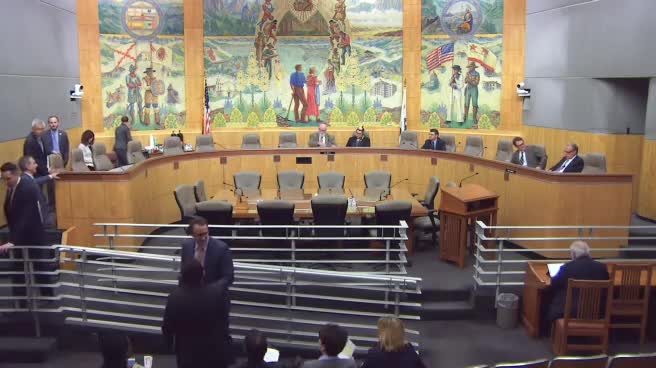 7MIN
Senate Standing Committee on Transportation and Housing
Bill Author


