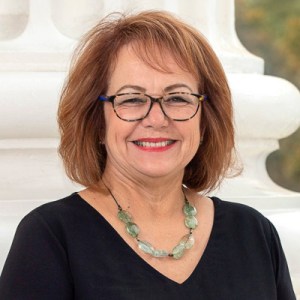
AB 2901: School and community college employees: paid disability and parental leave.
- Session Year: 2023-2024
- House: Assembly
- Latest Version Date: 2024-08-23
Current Status:
Failed
(2024-08-28: Ordered to inactive file at the request of Senator Gonzalez.)
Introduced
In Committee
First Chamber
In Committee
Second Chamber
Enacted
Existing law requires the governing board of a school district, and the governing board of a community college district, to provide for a leave of absence from duty for a certificated employee or an academic employee of the district who is required to be absent from duty because of pregnancy, miscarriage, childbirth, and recovery from those conditions.
Existing law authorizes the governing board of a school district, and the governing board of a community college district, to provide for a leave of absence from duty as it deems appropriate for a female employee in the classified service of the district who is required to be absent from duty because of pregnancy or convalescence following childbirth. Existing law authorizes a governing board to adopt rules and regulations about leaves of absence for classified employees for these purposes, and authorizes a governing board to provide in the rules and regulations whether the leave granted shall be with or without pay, as provided.
Commencing January 1, 2028, and only if an appropriation is made for these purposes in the annual Budget Act or another statute, this bill would delete the latter provisions authorizing a governing board of a school district and the governing board of a community college district to adopt those rules and regulations. The bill instead would require a public school employer to, for a certificated employee or an employee in the classified service of the public school employer, and would require a community college district to, for an academic employee or an employee in the classified service of the community college district, provide up to 14 weeks of a leave of absence with specified pay benefits for an employee who is required to be absent from duty because of pregnancy, miscarriage, childbirth, termination of pregnancy, or recovery from those conditions, as provided. The bill would authorize the paid leave to begin before and continue after childbirth if the employee is actually disabled by pregnancy, childbirth, termination of pregnancy, or a related condition. The bill would prohibit a leave of absence taken pursuant to these provisions from being deducted from other leaves of absence, as provided.
Existing law requires the governing board of a school district, and the governing board of a community college district, to provide for a leave of absence from duty for a certificated employee or an academic employee of the district who is required to be absent from duty because of pregnancy, miscarriage, childbirth, and recovery from those conditions.
Existing law authorizes the governing board of a school district, and the governing board of a community college district, to provide for a leave of absence from duty as it deems appropriate for a female employee in the classified service of the district who is required to be absent from duty because of pregnancy or convalescence following childbirth. Existing law authorizes a governing board to adopt rules and regulations about leaves of absence for classified employees for these purposes, and authorizes a governing board to provide in the rules and regulations whether the leave granted shall be with or without pay, as provided.
ThisCommencing January 1, 2028, and only if an appropriation is made for these purposes in the annual Budget Act or another statute, this bill would delete the latter provisions authorizing a governing board of a school district and the governing board of a community college district to adopt those rules and regulations. The bill instead would require a public school employer to, for a certificated employee or an employee in the classified service of the public school employer, and would require a community college district to, for an academic employee or an employee in the classified service of the community college district, provide up to 14 weeks of a leave of absence with specified pay benefits for an employee who is required to be absent from duty because of pregnancy, miscarriage, childbirth, termination of pregnancy, or recovery from those conditions, as provided. The bill would authorize the paid leave to begin before and continue after childbirth if the employee is actually disabled by pregnancy, childbirth, termination of pregnancy, or a related condition. The bill would prohibit a leave of absence taken pursuant to these provisions from being deducted from other leaves of absence, as provided.
Existing law requires the governing board of a school district, and the governing board of a community college district, to provide for a leave of absence from duty for a certificated employee or an academic employee of the district who is required to be absent from duty because of pregnancy, miscarriage, childbirth, and recovery from those conditions.
Existing law authorizes the governing board of a school district, and the governing board of a community college district, to provide for a leave of absence from duty as it deems appropriate for a female employee in the classified service of the district who is required to be absent from duty because of pregnancy or convalescence following childbirth. Existing law authorizes a governing board to adopt rules and regulations about leaves of absence for classified employees for these purposes, and authorizes a governing board to provide in the rules and regulations whether the leave granted shall be with or without pay, as provided.
This bill would delete the latter provisions authorizing a governing board of a school district and the governing board of a community college district to adopt those rules and regulations. The bill instead would require a public school employer to, for a certificated employee or an employee in the classified service of the public school employer, and would require a community college district to, for an academic employee or an employee in the classified service of the community college district, provide up to 14 weeks of a leave of absence with full specified pay benefits for an employee who is required to be absent from duty because of pregnancy, miscarriage, childbirth, termination of pregnancy, or recovery from those conditions. conditions, as provided. The bill would authorize the paid leave to begin before and continue after childbirth if the employee is actually disabled by pregnancy, childbirth, termination of pregnancy, or a related condition. The bill would prohibit a leave of absence taken pursuant to these provisions from being deducted from other leaves of absence, as provided.
Existing law requires the governing board of a school district, and the governing board of a community college district, to provide for a leave of absence from duty for a certificated employee or an academic employee of the district who is required to be absent from duty because of pregnancy, miscarriage, childbirth, and recovery from those conditions.
Existing law authorizes the governing board of a school district, and the governing board of a community college district, to provide for a leave of absence from duty as it deems appropriate for a female employee in the classified service of the district who is required to be absent from duty because of pregnancy or convalescence following childbirth. Existing law authorizes a governing board to adopt rules and regulations about leaves of absence for classified employees for these purposes, and authorizes a governing board to provide in the rules and regulations whether the leave granted shall be with or without pay, as provided.
This bill would delete the latter provisions authorizing a governing board of a school district and the governing board of a community college district to adopt those rules and regulations. The bill instead would require a public school employer to, for a certificated employee or an employee in the classified service of the public school employer, and would require a community college district to, for an academic employee or an employee in the classified service of the community college district, provide up to 14 weeks of a leave of absence with full pay for an employee who is required to be absent from duty because of pregnancy, miscarriage, childbirth, termination of pregnancy, or recovery from those conditions. The bill would authorize the paid leave to begin before and continue after childbirth if the employee is actually disabled by pregnancy, childbirth, termination of pregnancy, or a related condition. The bill would prohibit a leave of absence taken pursuant to these provisions from being deducted from other leaves of absence, as provided.
The governing board of any a school district shall provide for leave of absence from duty for any a certificated employee of the district who is required to be absent from duties because of pregnancy, miscarriage, childbirth, and recovery therefrom. The length of the leave of absence, including the date on which the leave shall commence and the date on which the employee shall resume duties, shall be determined by the employee and the employees physician.
Disabilities caused or contributed to by pregnancy, miscarriage, childbirth, and recovery therefrom are, for all job-related purposes, temporary disabilities and shall be treated as such under any health or temporary disability insurance or sick leave plan available in connection with employment by any a school district.
Except as provided herein, written and unwritten employment policies and practices of any a school district shall be applied to disability due to pregnancy or childbirth on the same terms and conditions applied to other temporary disabilities.
This section shall be construed as requiring the governing board of a school district to grant leave with pay only when it is necessary to do so in order that leaves of absence for disabilities caused or contributed to by pregnancy, miscarriage, or childbirth be treated the same as leaves for illness, injury, or disability.
This section shall become inoperative on January 1, 2028, only if an appropriation of funds by the Legislature is made in the annual Budget Act or another statute to implement Section 44965, as added by Section 2 of Assembly Bill 2901 of the 202324 Regular Session.
SEC. 2.Section 44965 is added to the Education Code, to read:44965.(a)(1)A public school employer shall provide for a leave of absence from duty for a certificated employee of the public school employer who is required to be absent from duty because the employee is experiencing or has experienced pregnancy, miscarriage, childbirth, termination of pregnancy, or recovery from those conditions. The length of the leave of absence, including the date on which the leave shall commence and the date on which the employee shall resume duties, shall be determined by the employee and the employees physician. Except as provided in paragraph (2), the leave of absence shall be with full pay, subject to a maximum of 14 weeks. A leave of absence taken under this section shall not be deducted from any other leaves of absence available to the employee pursuant to state or federal regulations or laws. The paid leave may begin before and continue after childbirth if the employee is actually disabled by pregnancy, childbirth, termination of pregnancy, or related medical conditions.
(2)For part-time certificated employees, the amount of paid leave per week, subject to a maximum of 14 weeks, shall be calculated in accordance with the following:
(A)If the part-time employee works a fixed number of hours per week, the employee shall receive weekly pay for the total number of hours the employee is normally scheduled to work for the public school employer.
(B)(i)Except as provided in clause (ii), if the part-time employee does not work a fixed number of hours per week, the employee shall receive weekly pay in the amount of seven times the average number of hours the employee worked each day for the public school employer in the six months preceding the date that the employee began their paid leave.
(ii)If the part-time employee has been employed for less than six months, the employee shall receive weekly pay in the amount of seven times the average number of hours the employee worked each day in the entire period preceding the date that the employee began their paid leave.
(b)Disabilities caused or contributed to by pregnancy, miscarriage, childbirth, termination of pregnancy, or recovery from those conditions are, for all job-related purposes, temporary disabilities, and shall be treated as such under any health or temporary disability insurance or sick leave plan available in connection with employment by a public school employer.
(c)Except as provided in this section, written and unwritten employment policies and practices of a public school employer shall be applied to disability due to pregnancy or childbirth on the same terms and conditions applied to other temporary disabilities.
(d)Nothing in this section shall be construed to diminish the obligation of a public school employer to comply with any collective bargaining agreement entered into by a public school employer and an exclusive bargaining representative pursuant to Chapter 10.7 (commencing with Section 3540) of Division 4 of Title 1 of the Government Code that provides greater disability or parental leave rights to employees than the rights established under this section.
(e)This section shall become operative on January 1, 2028, only if an appropriation of funds by the Legislature is made in the annual Budget Act or another statute to implement this section.
SEC. 3.Section 45193 of the Education Code is amended to read:45193.The governing board of any a school district may provide for such leave of absence from duty as it deems appropriate for any a female employee in the classified service of the district who is required to absent herself from her duties because of pregnancy or convalescence following childbirth, and may adopt rules and regulations prescribing the manner of proof of pregnancy, the time during pregnancy at which the leave of absence shall be taken, and the length of time for which the leave of absence shall continue after birth of the child. The board may also provide in the rules and regulations whether leave granted under this section shall be with or without pay and, if with pay, the amount, if any, to be deducted from the salary due the employee for the period in which the absence occurs. However, nothing in this section shall be construed so as to deprive any an employee of sick leave rights under other sections of this code for absences due to illness or injury resulting from pregnancy.
This section shall apply to districts that have adopted the merit system in the same manner and effect as if it were a part of Article 6 (commencing with Section 45420).
This section shall become inoperative on January 1, 2028, only if an appropriation of funds by the Legislature is made in the annual Budget Act or another statute to implement Section 45193, as added by Section 4 of Assembly Bill 2901 of the 202324 Regular Session.
SEC. 4.Section 45193 is added to the Education Code, to read:45193.(a)(1)A public school employer shall provide for a leave of absence from duty for an employee in the classified service of the public school employer who is required to be absent from duty because the employee is experiencing or has experienced pregnancy, miscarriage, childbirth, termination of pregnancy, or recovery from those conditions. The length of the leave of absence, including the date on which the leave shall commence and the date on which the employee shall resume duties, shall be determined by the employee and the employees physician. Except as provided in paragraph (2), the leave of absence shall be with full pay, subject to a maximum of 14 weeks. A leave of absence taken under this section shall not be deducted from any other leaves of absence available to the employee pursuant to state or federal regulations or laws. The paid leave may begin before and continue after childbirth if the employee is actually disabled by pregnancy, childbirth, termination of pregnancy, or related medical conditions.
(2)For part-time employees in the classified service, the amount of paid leave per week, subject to a maximum of 14 weeks, shall be calculated in accordance with the following:
(A)If the part-time employee works a fixed number of hours per week, the employee shall receive weekly pay for the total number of hours the employee is normally scheduled to work for the public school employer.
(B)(i)Except as provided in clause (ii), if the part-time employee does not work a fixed number of hours per week, the employee shall receive weekly pay in the amount of seven times the average number of hours the employee worked each day for the public school employer in the six months preceding the date that the employee began their paid leave.
(ii)If the part-time employee has been employed for less than six months, the employee shall receive weekly pay in the amount of seven times the average number of hours the employee worked each day in the entire period preceding the date that the employee began their paid leave.
(b)Disabilities caused or contributed to by pregnancy, miscarriage, childbirth, termination of pregnancy, or recovery from those conditions are, for all job-related purposes, temporary disabilities, and shall be treated as such under any health or temporary disability insurance or sick leave plan available in connection with employment by a public school employer.
(c)Except as provided in this section, written and unwritten employment policies and practices of a public school employer shall be applied to disability due to pregnancy or childbirth on the same terms and conditions applied to other temporary disabilities.
(d)Nothing in this section shall be construed to diminish the obligation of a public school employer to comply with any collective bargaining agreement entered into by a public school employer and an exclusive bargaining representative pursuant to Chapter 10.7 (commencing with Section 3540) of Division 4 of Title 1 of the Government Code that provides greater disability or parental leave rights to employees than the rights established under this section.
(e)This section shall apply to school districts that have adopted the merit system in the same manner and effect as if it were a part of Article 6 (commencing with Section 45240).
(f)This section shall become operative on January 1, 2028, only if an appropriation of funds by the Legislature is made in the annual Budget Act or another statute to implement this section.
SEC. 5.Section 87766 of the Education Code is amended to read:87766.The governing board of a community college district shall provide for leave of absence from duty for any an academic employee of the district who is required to be absent from duties because of pregnancy, miscarriage, childbirth, and recovery therefrom. The length of the leave of absence, including the date on which the leave shall commence and the date on which the employee shall resume duties, shall be determined by the employee and the employees physician.
Disabilities caused or contributed to by pregnancy, miscarriage, childbirth, and recovery therefrom are, for all job-related purposes, temporary disabilities and shall be treated as such under any health or temporary disability insurance or sick leave plan available in connection with employment by any a school district.
Except as provided herein, written and unwritten employment policies and practices of a community college district shall be applied to disability due to pregnancy or childbirth on the same terms and conditions applied to other temporary disabilities.
This section shall be construed as requiring the governing board of a community college district to grant leave with pay only when it is necessary to do so in order that leaves of absence for disabilities caused or contributed to by pregnancy, miscarriage, or childbirth be treated the same as leaves for illness, injury, or disability.
This section shall become inoperative on January 1, 2028, only if an appropriation of funds by the Legislature is made in the annual Budget Act or another statute to implement Section 87766, as added by Section 6 of Assembly Bill 2901 of the 202324 Regular Session.
SEC. 6.Section 87766 is added to the Education Code, to read:87766.(a)(1)The governing board of a community college district shall provide for a leave of absence from duty for an academic employee of the community college district who is required to be absent from duty because the employee is experiencing or has experienced pregnancy, miscarriage, childbirth, termination of pregnancy, or recovery from those conditions. The length of the leave of absence, including the date on which the leave shall commence and the date on which the employee shall resume duties, shall be determined by the employee and the employees physician. Except as provided in paragraph (2), the leave of absence shall be with full pay, subject to a maximum of 14 weeks. A leave of absence taken under this section shall not be deducted from any other leaves of absence available to the employee pursuant to state or federal regulations or laws. The paid leave may begin before and continue after childbirth if the employee is actually disabled by pregnancy, childbirth, termination of pregnancy, or related medical conditions.
(2)For part-time academic employees, the amount of paid leave per week, subject to a maximum of 14 weeks, shall be calculated in accordance with the following:
(A)If the part-time employee works a fixed number of hours per week, the employee shall receive weekly pay for the total number of hours the employee is normally scheduled to work for the public school employer.
(B)(i)Except as provided in clause (ii), if the part-time employee does not work a fixed number of hours per week, the employee shall receive weekly pay in the amount of seven times the average number of hours the employee worked each day for the public school employer in the six months preceding the date that the employee began their paid leave.
(ii)If the part-time employee has been employed for less than six months, the employee shall receive weekly pay in the amount of seven times the average number of hours the employee worked each day in the entire period preceding the date that the employee began their paid leave.
(b)Disabilities caused or contributed to by pregnancy, miscarriage, childbirth, termination of pregnancy, or recovery from those conditions are, for all job-related purposes, temporary disabilities, and shall be treated as such under any health or temporary disability insurance or sick leave plan available in connection with employment by a community college district.
(c)Except as provided in this section, written and unwritten employment policies and practices of a community college district shall be applied to disability due to pregnancy or childbirth on the same terms and conditions applied to other temporary disabilities.
(d)Nothing in this section shall be construed to diminish the obligation of a community college district to comply with any collective bargaining agreement entered into by a community college district and an exclusive bargaining representative pursuant to Chapter 10.7 (commencing with Section 3540) of Division 4 of Title 1 of the Government Code that provides greater disability or parental leave rights to employees than the rights established under this section.
(e)This section shall become operative on January 1, 2028, only if an appropriation of funds by the Legislature is made in the annual Budget Act or another statute to implement this section.
SEC. 7.Section 88193 of the Education Code is amended to read:88193.The governing board of any a community college district may provide for such leave of absence from duty as it deems appropriate for any a female employee in the classified service of the district who is required to absent herself from her duties because of pregnancy or convalescence following childbirth, and may adopt rules and regulations prescribing the manner of proof of pregnancy, the time during pregnancy at which the leave of absence shall be taken, and the length of time for which the leave of absence shall continue after birth of the child. The board may also provide in the rules and regulations whether leave granted under this section shall be with or without pay and, if with pay, the amount, if any, to be deducted from the salary due the employee for the period in which the absence occurs. However, nothing in this section shall be construed so as to deprive any an employee of sick leave rights under other sections of this code for absences due to illness or injury resulting from pregnancy.
This section shall apply to districts that have adopted the merit system in the same manner and effect as if it were a part of Article 3 (commencing with Section 88060).
This section shall become inoperative on January 1, 2028, only if an appropriation of funds by the Legislature is made in the annual Budget Act or another statute to implement Section 88193, as added by Section 8 of Assembly Bill 2901 of the 202324 Regular Session.
SEC. 8.Section 88193 is added to the Education Code, to read:88193.(a)(1)The governing board of a community college district shall provide for a leave of absence from duty for an employee in the classified service of the community college district who is required to be absent from duty because the employee is experiencing or has experienced pregnancy, miscarriage, childbirth, termination of pregnancy, or recovery from those conditions. The length of the leave of absence, including the date on which the leave shall commence and the date on which the employee shall resume duties, shall be determined by the employee and the employees physician. Except as provided in paragraph (2), the leave of absence shall be with full pay, subject to a maximum of 14 weeks. A leave of absence taken under this section shall not be deducted from any other leaves of absence available to the employee pursuant to state or federal regulations or laws. The paid leave may begin before and continue after childbirth if the employee is actually disabled by pregnancy, childbirth, termination of pregnancy, or related medical conditions.
(2)For part-time employees in the classified service, the amount of paid leave per week, subject to a maximum of 14 weeks, shall be calculated in accordance with the following:
(A)If the part-time employee works a fixed number of hours per week, the employee shall receive weekly pay for the total number of hours the employee is normally scheduled to work for the public school employer.
(B)(i)Except as provided in clause (ii), if the part-time employee does not work a fixed number of hours per week, the employee shall receive weekly pay in the amount of seven times the average number of hours the employee worked each day for the public school employer in the six months preceding the date that the employee began their paid leave.
(ii)If the part-time employee has been employed for less than six months, the employee shall receive weekly pay in the amount of seven times the average number of hours the employee worked each day in the entire period preceding the date that the employee began their paid leave.
(b)Disabilities caused or contributed to by pregnancy, miscarriage, childbirth, termination of pregnancy, or recovery from those conditions are, for all job-related purposes, temporary disabilities, and shall be treated as such under any health or temporary disability insurance or sick leave plan available in connection with employment by a community college district.
(c)Except as provided in this section, written and unwritten employment policies and practices of a community college district shall be applied to disability due to pregnancy or childbirth on the same terms and conditions applied to other temporary disabilities.
(d)Nothing in this section shall be construed to diminish the obligation of a community college district to comply with any collective bargaining agreement entered into by a community college district and an exclusive bargaining representative pursuant to Chapter 10.7 (commencing with Section 3540) of Division 4 of Title 1 of the Government Code that provides greater disability or parental leave rights to employees than the rights established under this section.
(e)This section shall apply to community college districts that have adopted the merit system in the same manner and effect as if it were a part of Article 3 (commencing with Section 88060).
(f)This section shall become operative on January 1, 2028, only if an appropriation of funds by the Legislature is made in the annual Budget Act or another statute to implement this section.
The governing board of any school district shall provide for leave of absence from duty for any certificated employee of the district who is required to be absent from duties because of pregnancy, miscarriage, childbirth, and recovery therefrom. The length of the leave of absence, including the date on which the leave shall commence and the date on which the employee shall resume duties, shall be determined by the employee and the employees physician.
Disabilities caused or contributed to by pregnancy, miscarriage, childbirth, and recovery therefrom are, for all job-related purposes, temporary disabilities and shall be treated as such under any health or temporary disability insurance or sick leave plan available in connection with employment by any school district.
Except as provided herein, written and unwritten employment policies and practices of any school district shall be applied to disability due to pregnancy or childbirth on the same terms and conditions applied to other temporary disabilities.
This section shall be construed as requiring the governing board of a school district to grant leave with pay only when it is necessary to do so in order that leaves of absence for disabilities caused or contributed to by pregnancy, miscarriage, or childbirth be treated the same as leaves for illness, injury, or disability.
This section shall become inoperative on January 1, 2028, only if an appropriation of funds by the Legislature is made in the annual Budget Act or another statute to implement Section 44965, as added by Section 2 of Assembly Bill 2901 of the 202324 Regular Session.
SEC. 2.Section 44965 is added to the Education Code, to read:44965.(a)(1)A public school employer shall provide for a leave of absence from duty for a certificated employee of the public school employer who is required to be absent from duty because the employee is experiencing or has experienced pregnancy, miscarriage, childbirth, termination of pregnancy, or recovery from those conditions. The length of the leave of absence, including the date on which the leave shall commence and the date on which the employee shall resume duties, shall be determined by the employee and the employees physician. Except as provided in paragraph (2), the leave of absence shall be with full pay, subject to a maximum of 14 weeks. A leave of absence taken under this section shall not be deducted from any other leaves of absence available to the employee pursuant to state or federal regulations or laws. The paid leave may begin before and continue after childbirth if the employee is actually disabled by pregnancy, childbirth, termination of pregnancy, or related medical conditions.
(2)For part-time certificated employees, the amount of paid leave per week, subject to a maximum of 14 weeks, shall be calculated in accordance with the following:
(A)If the part-time employee works a fixed number of hours per week, the employee shall receive weekly pay for the total number of hours the employee is normally scheduled to work for the public school employer.
(B)(i)Except as provided in clause (ii), if the part-time employee does not work a fixed number of hours per week, the employee shall receive weekly pay in the amount of seven times the average number of hours the employee worked each day for the public school employer in the six months preceding the date that the employee began their paid leave.
(ii)If the part-time employee has been employed for less than six months, the employee shall receive weekly pay in the amount of seven times the average number of hours the employee worked each day in the entire period preceding the date that the employee began their paid leave.
(b)Disabilities caused or contributed to by pregnancy, miscarriage, childbirth, termination of pregnancy, or recovery from those conditions are, for all job-related purposes, temporary disabilities, and shall be treated as such under any health or temporary disability insurance or sick leave plan available in connection with employment by a public school employer.
(c)Except as provided in this section, written and unwritten employment policies and practices of a public school employer shall be applied to disability due to pregnancy or childbirth on the same terms and conditions applied to other temporary disabilities.
(d)Nothing in this section shall be construed to diminish the obligation of a public school employer to comply with any collective bargaining agreement entered into by a public school employer and an exclusive bargaining representative pursuant to Chapter 10.7 (commencing with Section 3540) of Division 4 of Title 1 of the Government Code that provides greater disability or parental leave rights to employees than the rights established under this section.
(e)This section shall become operative on January 1, 2028, only if an appropriation of funds by the Legislature is made in the annual Budget Act or another statute to implement this section.
SEC. 3.Section 45193 of the Education Code is amended to read:45193.The governing board of any school district may provide for such leave of absence from duty as it deems appropriate for any female employee in the classified service of the district who is required to absent herself from her duties because of pregnancy or convalescence following childbirth, and may adopt rules and regulations prescribing the manner of proof of pregnancy, the time during pregnancy at which the leave of absence shall be taken, and the length of time for which the leave of absence shall continue after birth of the child. The board may also provide in the rules and regulations whether leave granted under this section shall be with or without pay and, if with pay, the amount, if any, to be deducted from the salary due the employee for the period in which the absence occurs. However, nothing in this section shall be construed so as to deprive any employee of sick leave rights under other sections of this code for absences due to illness or injury resulting from pregnancy.
This section shall apply to districts that have adopted the merit system in the same manner and effect as if it were a part of Article 6 (commencing with Section 45240) of this chapter. 45420).
This section shall become inoperative on January 1, 2028, only if an appropriation of funds by the Legislature is made in the annual Budget Act or another statute to implement Section 45193, as added by Section 4 of Assembly Bill 2901 of the 202324 Regular Session.
SEC. 4.Section 45193 is added to the Education Code, to read:45193.(a)(1)A public school employer shall provide for a leave of absence from duty for an employee in the classified service of the public school employer who is required to be absent from duty because the employee is experiencing or has experienced pregnancy, miscarriage, childbirth, termination of pregnancy, or recovery from those conditions. The length of the leave of absence, including the date on which the leave shall commence and the date on which the employee shall resume duties, shall be determined by the employee and the employees physician. Except as provided in paragraph (2), the leave of absence shall be with full pay, subject to a maximum of 14 weeks. A leave of absence taken under this section shall not be deducted from any other leaves of absence available to the employee pursuant to state or federal regulations or laws. The paid leave may begin before and continue after childbirth if the employee is actually disabled by pregnancy, childbirth, termination of pregnancy, or related medical conditions.
(2)For part-time employees in the classified service, the amount of paid leave per week, subject to a maximum of 14 weeks, shall be calculated in accordance with the following:
(A)If the part-time employee works a fixed number of hours per week, the employee shall receive weekly pay for the total number of hours the employee is normally scheduled to work for the public school employer.
(B)(i)Except as provided in clause (ii), if the part-time employee does not work a fixed number of hours per week, the employee shall receive weekly pay in the amount of seven times the average number of hours the employee worked each day for the public school employer in the six months preceding the date that the employee began their paid leave.
(ii)If the part-time employee has been employed for less than six months, the employee shall receive weekly pay in the amount of seven times the average number of hours the employee worked each day in the entire period preceding the date that the employee began their paid leave.
(b)Disabilities caused or contributed to by pregnancy, miscarriage, childbirth, termination of pregnancy, or recovery from those conditions are, for all job-related purposes, temporary disabilities, and shall be treated as such under any health or temporary disability insurance or sick leave plan available in connection with employment by a public school employer.
(c)Except as provided in this section, written and unwritten employment policies and practices of a public school employer shall be applied to disability due to pregnancy or childbirth on the same terms and conditions applied to other temporary disabilities.
(d)Nothing in this section shall be construed to diminish the obligation of a public school employer to comply with any collective bargaining agreement entered into by a public school employer and an exclusive bargaining representative pursuant to Chapter 10.7 (commencing with Section 3540) of Division 4 of Title 1 of the Government Code that provides greater disability or parental leave rights to employees than the rights established under this section.
(e)This section shall apply to school districts that have adopted the merit system in the same manner and effect as if it were a part of Article 6 (commencing with Section 45240).
(f)This section shall become operative on January 1, 2028, only if an appropriation of funds by the Legislature is made in the annual Budget Act or another statute to implement this section.
SEC. 5.Section 87766 of the Education Code is amended to read:87766.The governing board of a community college district shall provide for leave of absence from duty for any academic employee of the district who is required to be absent from duties because of pregnancy, miscarriage, childbirth, and recovery therefrom. The length of the leave of absence, including the date on which the leave shall commence and the date on which the employee shall resume duties, shall be determined by the employee and the employees physician.
Disabilities caused or contributed to by pregnancy, miscarriage, childbirth, and recovery therefrom are, for all job-related purposes, temporary disabilities and shall be treated as such under any health or temporary disability insurance or sick leave plan available in connection with employment by any school district.
Except as provided herein, written and unwritten employment policies and practices of a community college district shall be applied to disability due to pregnancy or childbirth on the same terms and conditions applied to other temporary disabilities.
This section shall be construed as requiring the governing board of a community college district to grant leave with pay only when it is necessary to do so in order that leaves of absence for disabilities caused or contributed to by pregnancy, miscarriage, or childbirth be treated the same as leaves for illness, injury, or disability.
This section shall become inoperative on January 1, 2028, only if an appropriation of funds by the Legislature is made in the annual Budget Act or another statute to implement Section 87766, as added by Section 6 of Assembly Bill 2901 of the 202324 Regular Session.
SEC. 6.Section 87766 is added to the Education Code, to read:87766.(a)(1)The governing board of a community college district shall provide for a leave of absence from duty for an academic employee of the community college district who is required to be absent from duty because the employee is experiencing or has experienced pregnancy, miscarriage, childbirth, termination of pregnancy, or recovery from those conditions. The length of the leave of absence, including the date on which the leave shall commence and the date on which the employee shall resume duties, shall be determined by the employee and the employees physician. Except as provided in paragraph (2), the leave of absence shall be with full pay, subject to a maximum of 14 weeks. A leave of absence taken under this section shall not be deducted from any other leaves of absence available to the employee pursuant to state or federal regulations or laws. The paid leave may begin before and continue after childbirth if the employee is actually disabled by pregnancy, childbirth, termination of pregnancy, or related medical conditions.
(2)For part-time academic employees, the amount of paid leave per week, subject to a maximum of 14 weeks, shall be calculated in accordance with the following:
(A)If the part-time employee works a fixed number of hours per week, the employee shall receive weekly pay for the total number of hours the employee is normally scheduled to work for the public school employer.
(B)(i)Except as provided in clause (ii), if the part-time employee does not work a fixed number of hours per week, the employee shall receive weekly pay in the amount of seven times the average number of hours the employee worked each day for the public school employer in the six months preceding the date that the employee began their paid leave.
(ii)If the part-time employee has been employed for less than six months, the employee shall receive weekly pay in the amount of seven times the average number of hours the employee worked each day in the entire period preceding the date that the employee began their paid leave.
(b)Disabilities caused or contributed to by pregnancy, miscarriage, childbirth, termination of pregnancy, or recovery from those conditions are, for all job-related purposes, temporary disabilities, and shall be treated as such under any health or temporary disability insurance or sick leave plan available in connection with employment by a community college district.
(c)Except as provided in this section, written and unwritten employment policies and practices of a community college district shall be applied to disability due to pregnancy or childbirth on the same terms and conditions applied to other temporary disabilities.
(d)Nothing in this section shall be construed to diminish the obligation of a community college district to comply with any collective bargaining agreement entered into by a community college district and an exclusive bargaining representative pursuant to Chapter 10.7 (commencing with Section 3540) of Division 4 of Title 1 of the Government Code that provides greater disability or parental leave rights to employees than the rights established under this section.
(e)This section shall become operative on January 1, 2028, only if an appropriation of funds by the Legislature is made in the annual Budget Act or another statute to implement this section.
SEC. 7.Section 88193 of the Education Code is amended to read:88193.The governing board of any community college district may provide for such leave of absence from duty as it deems appropriate for any female employee in the classified service of the district who is required to absent herself from her duties because of pregnancy or convalescence following childbirth, and may adopt rules and regulations prescribing the manner of proof of pregnancy, the time during pregnancy at which the leave of absence shall be taken, and the length of time for which the leave of absence shall continue after birth of the child. The board may also provide in the rules and regulations whether leave granted under this section shall be with or without pay and, if with pay, the amount, if any, to be deducted from the salary due the employee for the period in which the absence occurs. However, nothing in this section shall be construed so as to deprive any employee of sick leave rights under other sections of this code for absences due to illness or injury resulting from pregnancy.
This section shall apply to districts that have adopted the merit system in the same manner and effect as if it were a part of Article 3 (commencing with Section 88060) of this chapter. 88060).
This section shall become inoperative on January 1, 2028, only if an appropriation of funds by the Legislature is made in the annual Budget Act or another statute to implement Section 88193, as added by Section 8 of Assembly Bill 2901 of the 202324 Regular Session.
SEC. 8.Section 88193 is added to the Education Code, to read:88193.(a)(1)The governing board of a community college district shall provide for a leave of absence from duty for an employee in the classified service of the community college district who is required to be absent from duty because the employee is experiencing or has experienced pregnancy, miscarriage, childbirth, termination of pregnancy, or recovery from those conditions. The length of the leave of absence, including the date on which the leave shall commence and the date on which the employee shall resume duties, shall be determined by the employee and the employees physician. Except as provided in paragraph (2), the leave of absence shall be with full pay, subject to a maximum of 14 weeks. A leave of absence taken under this section shall not be deducted from any other leaves of absence available to the employee pursuant to state or federal regulations or laws. The paid leave may begin before and continue after childbirth if the employee is actually disabled by pregnancy, childbirth, termination of pregnancy, or related medical conditions.
(2)For part-time employees in the classified service, the amount of paid leave per week, subject to a maximum of 14 weeks, shall be calculated in accordance with the following:
(A)If the part-time employee works a fixed number of hours per week, the employee shall receive weekly pay for the total number of hours the employee is normally scheduled to work for the public school employer.
(B)(i)Except as provided in clause (ii), if the part-time employee does not work a fixed number of hours per week, the employee shall receive weekly pay in the amount of seven times the average number of hours the employee worked each day for the public school employer in the six months preceding the date that the employee began their paid leave.
(ii)If the part-time employee has been employed for less than six months, the employee shall receive weekly pay in the amount of seven times the average number of hours the employee worked each day in the entire period preceding the date that the employee began their paid leave.
(b)Disabilities caused or contributed to by pregnancy, miscarriage, childbirth, termination of pregnancy, or recovery from those conditions are, for all job-related purposes, temporary disabilities, and shall be treated as such under any health or temporary disability insurance or sick leave plan available in connection with employment by a community college district.
(c)Except as provided in this section, written and unwritten employment policies and practices of a community college district shall be applied to disability due to pregnancy or childbirth on the same terms and conditions applied to other temporary disabilities.
(d)Nothing in this section shall be construed to diminish the obligation of a community college district to comply with any collective bargaining agreement entered into by a community college district and an exclusive bargaining representative pursuant to Chapter 10.7 (commencing with Section 3540) of Division 4 of Title 1 of the Government Code that provides greater disability or parental leave rights to employees than the rights established under this section.
(e)This section shall apply to community college districts that have adopted the merit system in the same manner and effect as if it were a part of Article 3 (commencing with Section 88060).
(f)This section shall become operative on January 1, 2028, only if an appropriation of funds by the Legislature is made in the annual Budget Act or another statute to implement this section.
All matter omitted in this version of the bill appears in the bill as amended in the Assembly, May 16, 2024. (JR11)(a)(1)A public school employer shall provide for a leave of absence from duty for a certificated employee of the public school employer who is required to be absent from duty because the employee is experiencing or has experienced pregnancy, miscarriage, childbirth, termination of pregnancy, or recovery from those conditions. The length of the leave of absence, including the date on which the leave shall commence and the date on which the employee shall resume duties, shall be determined by the employee and the employees physician. The Except as provided in paragraph (2), the leave of absence shall be with full pay, subject to a maximum of 14 weeks. A leave of absence taken under this section shall not be deducted from any other leaves of absence available to the employee pursuant to state or federal regulations or laws. The paid leave may begin before and continue after childbirth if the employee is actually disabled by pregnancy, childbirth, termination of pregnancy, or related medical conditions.
(2)For part-time certificated employees, the amount of paid leave per week, subject to a maximum of 14 weeks, shall be calculated in accordance with the following:
(A)If the part-time employee works a fixed number of hours per week, the employee shall receive weekly pay for the total number of hours the employee is normally scheduled to work for the public school employer.
(B)(i)Except as provided in clause (ii), if the part-time employee does not work a fixed number of hours per week, the employee shall receive weekly pay in the amount of seven times the average number of hours the employee worked each day for the public school employer in the six months preceding the date that the employee began their paid leave.
(ii)If the part-time employee has been employed for less than six months, the employee shall receive weekly pay in the amount of seven times the average number of hours the employee worked each day in the entire period preceding the date that the employee began their paid leave.
(b)Disabilities caused or contributed to by pregnancy, miscarriage, childbirth, termination of pregnancy, or recovery from those conditions are, for all job-related purposes, temporary disabilities, and shall be treated as such under any health or temporary disability insurance or sick leave plan available in connection with employment by a public school employer.
(c)Except as provided in this section, written and unwritten employment policies and practices of a public school employer shall be applied to disability due to pregnancy or childbirth on the same terms and conditions applied to other temporary disabilities.
(d)Nothing in this section shall be construed to diminish the obligation of a public school employer to comply with any collective bargaining agreement entered into by a public school employer and an exclusive bargaining representative pursuant to Chapter 10.7 (commencing with Section 3540) of Division 4 of Title 1 of the Government Code that provides greater disability or parental leave rights to employees than the rights established under this section.
SEC. 2.Section 45193 of the Education Code is amended to read:45193.(a)(1)A public school employer shall provide for a leave of absence from duty for an employee in the classified service of the public school employer who is required to be absent from duty because the employee is experiencing or has experienced pregnancy, miscarriage, childbirth, termination of pregnancy, or recovery from those conditions. The length of the leave of absence, including the date on which the leave shall commence and the date on which the employee shall resume duties, shall be determined by the employee and the employees physician. The Except as provided in paragraph (2), the leave of absence shall be with full pay, subject to a maximum of 14 weeks. A leave of absence taken under this section shall not be deducted from any other leaves of absence available to the employee pursuant to state or federal regulations or laws. The paid leave may begin before and continue after childbirth if the employee is actually disabled by pregnancy, childbirth, termination of pregnancy, or related medical conditions.
(2)For part-time employees in the classified service, the amount of paid leave per week, subject to a maximum of 14 weeks, shall be calculated in accordance with the following:
(A)If the part-time employee works a fixed number of hours per week, the employee shall receive weekly pay for the total number of hours the employee is normally scheduled to work for the public school employer.
(B)(i)Except as provided in clause (ii), if the part-time employee does not work a fixed number of hours per week, the employee shall receive weekly pay in the amount of seven times the average number of hours the employee worked each day for the public school employer in the six months preceding the date that the employee began their paid leave.
(ii)If the part-time employee has been employed for less than six months, the employee shall receive weekly pay in the amount of seven times the average number of hours the employee worked each day in the entire period preceding the date that the employee began their paid leave.
(b)Disabilities caused or contributed to by pregnancy, miscarriage, childbirth, termination of pregnancy, or recovery from those conditions are, for all job-related purposes, temporary disabilities, and shall be treated as such under any health or temporary disability insurance or sick leave plan available in connection with employment by a public school employer.
(c)Except as provided in this section, written and unwritten employment policies and practices of a public school employer shall be applied to disability due to pregnancy or childbirth on the same terms and conditions applied to other temporary disabilities.
(d)Nothing in this section shall be construed to diminish the obligation of a public school employer to comply with any collective bargaining agreement entered into by a public school employer and an exclusive bargaining representative pursuant to Chapter 10.7 (commencing with Section 3540) of Division 4 of Title 1 of the Government Code that provides greater disability or parental leave rights to employees than the rights established under this section.
(e)This section shall apply to school districts that have adopted the merit system in the same manner and effect as if it were a part of Article 6 (commencing with Section 45240).
SEC. 3.Section 87766 of the Education Code is amended to read:87766.(a)(1)The governing board of a community college district shall provide for a leave of absence from duty for an academic employee of the community college district who is required to be absent from duty because the employee is experiencing or has experienced pregnancy, miscarriage, childbirth, termination of pregnancy, or recovery from those conditions. The length of the leave of absence, including the date on which the leave shall commence and the date on which the employee shall resume duties, shall be determined by the employee and the employees physician. The Except as provided in paragraph (2), the leave of absence shall be with full pay, subject to a maximum of 14 weeks. A leave of absence taken under this section shall not be deducted from any other leaves of absence available to the employee pursuant to state or federal regulations or laws. The paid leave may begin before and continue after childbirth if the employee is actually disabled by pregnancy, childbirth, termination of pregnancy, or related medical conditions.
(2)For part-time academic employees, the amount of paid leave per week, subject to a maximum of 14 weeks, shall be calculated in accordance with the following:
(A)If the part-time employee works a fixed number of hours per week, the employee shall receive weekly pay for the total number of hours the employee is normally scheduled to work for the public school employer.
(B)(i)Except as provided in clause (ii), if the part-time employee does not work a fixed number of hours per week, the employee shall receive weekly pay in the amount of seven times the average number of hours the employee worked each day for the public school employer in the six months preceding the date that the employee began their paid leave.
(ii)If the part-time employee has been employed for less than six months, the employee shall receive weekly pay in the amount of seven times the average number of hours the employee worked each day in the entire period preceding the date that the employee began their paid leave.
(b)Disabilities caused or contributed to by pregnancy, miscarriage, childbirth, termination of pregnancy, or recovery from those conditions are, for all job-related purposes, temporary disabilities, and shall be treated as such under any health or temporary disability insurance or sick leave plan available in connection with employment by a community college district.
(c)Except as provided in this section, written and unwritten employment policies and practices of a community college district shall be applied to disability due to pregnancy or childbirth on the same terms and conditions applied to other temporary disabilities.
(d)Nothing in this section shall be construed to diminish the obligation of a community college district to comply with any collective bargaining agreement entered into by a community college district and an exclusive bargaining representative pursuant to Chapter 10.7 (commencing with Section 3540) of Division 4 of Title 1 of the Government Code that provides greater disability or parental leave rights to employees than the rights established under this section.
SEC. 4.Section 88193 of the Education Code is amended to read:88193.(a)(1)The governing board of a community college district shall provide for a leave of absence from duty for an employee in the classified service of the community college district who is required to be absent from duty because the employee is experiencing or has experienced pregnancy, miscarriage, childbirth, termination of pregnancy, or recovery from those conditions. The length of the leave of absence, including the date on which the leave shall commence and the date on which the employee shall resume duties, shall be determined by the employee and the employees physician. The Except as provided in paragraph (2), the leave of absence shall be with full pay, subject to a maximum of 14 weeks. A leave of absence taken under this section shall not be deducted from any other leaves of absence available to the employee pursuant to state or federal regulations or laws. The paid leave may begin before and continue after childbirth if the employee is actually disabled by pregnancy, childbirth, termination of pregnancy, or related medical conditions.
(2)For part-time employees in the classified service, the amount of paid leave per week, subject to a maximum of 14 weeks, shall be calculated in accordance with the following:
(A)If the part-time employee works a fixed number of hours per week, the employee shall receive weekly pay for the total number of hours the employee is normally scheduled to work for the public school employer.
(B)(i)Except as provided in clause (ii), if the part-time employee does not work a fixed number of hours per week, the employee shall receive weekly pay in the amount of seven times the average number of hours the employee worked each day for the public school employer in the six months preceding the date that the employee began their paid leave.
(ii)If the part-time employee has been employed for less than six months, the employee shall receive weekly pay in the amount of seven times the average number of hours the employee worked each day in the entire period preceding the date that the employee began their paid leave.
(b)Disabilities caused or contributed to by pregnancy, miscarriage, childbirth, termination of pregnancy, or recovery from those conditions are, for all job-related purposes, temporary disabilities, and shall be treated as such under any health or temporary disability insurance or sick leave plan available in connection with employment by a community college district.
(c)Except as provided in this section, written and unwritten employment policies and practices of a community college district shall be applied to disability due to pregnancy or childbirth on the same terms and conditions applied to other temporary disabilities.
(d)Nothing in this section shall be construed to diminish the obligation of a community college district to comply with any collective bargaining agreement entered into by a community college district and an exclusive bargaining representative pursuant to Chapter 10.7 (commencing with Section 3540) of Division 4 of Title 1 of the Government Code that provides greater disability or parental leave rights to employees than the rights established under this section.
(e)This section shall apply to community college districts that have adopted the merit system in the same manner and effect as if it were a part of Article 3 (commencing with Section 88060).
The governing board of any school district (a)A public school employer shall provide for a leave of absence from duty for any a certificated employee of the district public school employer who is required to be absent from duties because of duty because the employee is experiencing or has experienced pregnancy, miscarriage, childbirth, and recovery therefrom. termination of pregnancy, or recovery from those conditions. The length of the leave of absence, including the date on which the leave shall commence and the date on which the employee shall resume duties, shall be determined by the employee and the employees physician. The leave of absence shall be with full pay, subject to a maximum of 14 weeks. A leave of absence taken under this section shall not be deducted from any other leaves of absence available to the employee pursuant to state or federal regulations or laws. The paid leave may begin before and continue after childbirth if the employee is actually disabled by pregnancy, childbirth, termination of pregnancy, or related medical conditions.
Disabilities(b)Disabilities caused or contributed to by pregnancy, miscarriage, childbirth, and recovery therefrom termination of pregnancy, or recovery from those conditions are, for all job-related purposes, temporary disabilities disabilities, and shall be treated as such under any health or temporary disability insurance or sick leave plan available in connection with employment by any school district. a public school employer.
Except(c)Except as provided herein, in this section, written and unwritten employment policies and practices of any school district a public school employer shall be applied to disability due to pregnancy or childbirth on the same terms and conditions applied to other temporary disabilities.
This section shall be construed as requiring the governing board of a school district to grant leave with pay only when it is necessary to do so in order that leaves of absence for disabilities caused or contributed to by pregnancy, miscarriage, or childbirth be treated the same as leaves for illness, injury, or disability.(d)Nothing in this section shall be construed to diminish the obligation of a public school employer to comply with any collective bargaining agreement entered into by a public school employer and an exclusive bargaining representative pursuant to Chapter 10.7 (commencing with Section 3540) of Division 4 of Title 1 of the Government Code that provides greater disability or parental leave rights to employees than the rights established under this section.
SEC. 2.Section 45193 of the Education Code is amended to read:45193.The governing board of any school district may (a)(1)A public school employer shall provide for such a leave of absence from duty as it deems appropriate for any female for an employee in the classified service of the district public school employer who is required to be absent herself from her duties because of pregnancy or convalescence following childbirth, and may adopt rules and regulations prescribing the manner of proof of pregnancy, the time during pregnancy at which the leave of absence shall be taken, and the length of time for which the leave of absence shall continue after birth of the child. The board may also provide in the rules and regulations whether leave granted under this section shall be with or without pay and, if with pay, the amount, if any, to be deducted from the salary due the employee for the period in which the absence occurs. However, nothing in this section shall be construed so as to deprive any employee of sick leave rights under other sections of this code for absences due to illness or injury resulting from pregnancy. from duty because the employee is experiencing or has experienced pregnancy, miscarriage, childbirth, termination of pregnancy, or recovery from those conditions. The length of the leave of absence, including the date on which the leave shall commence and the date on which the employee shall resume duties, shall be determined by the employee and the employees physician. The leave of absence shall be with full pay, subject to a maximum of 14 weeks. A leave of absence taken under this section shall not be deducted from any other leaves of absence available to the employee pursuant to state or federal regulations or laws. The paid leave may begin before and continue after childbirth if the employee is actually disabled by pregnancy, childbirth, termination of pregnancy, or related medical conditions.
(b)Disabilities caused or contributed to by pregnancy, miscarriage, childbirth, termination of pregnancy, or recovery from those conditions are, for all job-related purposes, temporary disabilities, and shall be treated as such under any health or temporary disability insurance or sick leave plan available in connection with employment by a public school employer.
(c)Except as provided in this section, written and unwritten employment policies and practices of a public school employer shall be applied to disability due to pregnancy or childbirth on the same terms and conditions applied to other temporary disabilities.
(d)Nothing in this section shall be construed to diminish the obligation of a public school employer to comply with any collective bargaining agreement entered into by a public school employer and an exclusive bargaining representative pursuant to Chapter 10.7 (commencing with Section 3540) of Division 4 of Title 1 of the Government Code that provides greater disability or parental leave rights to employees than the rights established under this section.
This(e)This section shall apply to school districts that have adopted the merit system in the same manner and effect as if it were a part of Article 6 (commencing with Section 45240) of this chapter. 45240).
SEC. 3.Section 87766 of the Education Code is amended to read:87766.(a)The governing board of a community college district shall provide for a leave of absence from duty for any an academic employee of the community college district who is required to be absent from duties because of duty because the employee is experiencing or has experienced pregnancy, miscarriage, childbirth, and recovery therefrom. termination of pregnancy, or recovery from those conditions. The length of the leave of absence, including the date on which the leave shall commence and the date on which the employee shall resume duties, shall be determined by the employee and the employees physician. The leave of absence shall be with full pay, subject to a maximum of 14 weeks. A leave of absence taken under this section shall not be deducted from any other leaves of absence available to the employee pursuant to state or federal regulations or laws. The paid leave may begin before and continue after childbirth if the employee is actually disabled by pregnancy, childbirth, termination of pregnancy, or related medical conditions.
Disabilities(b)Disabilities caused or contributed to by pregnancy, miscarriage, childbirth, and recovery therefrom termination of pregnancy, or recovery from those conditions are, for all job-related purposes, temporary disabilities disabilities, and shall be treated as such under any health or temporary disability insurance or sick leave plan available in connection with employment by any school a community college district.
Except(c)Except as provided herein, in this section, written and unwritten employment policies and practices of a community college district shall be applied to disability due to pregnancy or childbirth on the same terms and conditions applied to other temporary disabilities.
This section shall be construed as requiring the governing board of a community college district to grant leave with pay only when it is necessary to do so in order that leaves of absence for disabilities caused or contributed to by pregnancy, miscarriage, or childbirth be treated the same as leaves for illness, injury, or disability.(d)Nothing in this section shall be construed to diminish the obligation of a community college district to comply with any collective bargaining agreement entered into by a community college district and an exclusive bargaining representative pursuant to Chapter 10.7 (commencing with Section 3540) of Division 4 of Title 1 of the Government Code that provides greater disability or parental leave rights to employees than the rights established under this section.
SEC. 4.Section 88193 of the Education Code is amended to read:88193.(a)The governing board of any a community college district may shall provide for such a leave of absence from duty as it deems appropriate for any female for an employee in the classified service of the community college district who is required to be absent herself from her duties because of pregnancy or convalescence following childbirth, and may adopt rules and regulations prescribing the manner of proof of pregnancy, the time during pregnancy at which the leave of absence shall be taken, and the length of time for which the leave of absence shall continue after birth of the child. The board may also provide in the rules and regulations whether leave granted under this section shall be with or without pay and, if with pay, the amount, if any, to be deducted from the salary due the employee for the period in which the absence occurs. However, nothing in this section shall be construed so as to deprive any employee of sick leave rights under other sections of this code for absences due to illness or injury resulting from pregnancy. from duty because the employee is experiencing or has experienced pregnancy, miscarriage, childbirth, termination of pregnancy, or recovery from those conditions. The length of the leave of absence, including the date on which the leave shall commence and the date on which the employee shall resume duties, shall be determined by the employee and the employees physician. The leave of absence shall be with full pay, subject to a maximum of 14 weeks. A leave of absence taken under this section shall not be deducted from any other leaves of absence available to the employee pursuant to state or federal regulations or laws. The paid leave may begin before and continue after childbirth if the employee is actually disabled by pregnancy, childbirth, termination of pregnancy, or related medical conditions.
(b)Disabilities caused or contributed to by pregnancy, miscarriage, childbirth, termination of pregnancy, or recovery from those conditions are, for all job-related purposes, temporary disabilities, and shall be treated as such under any health or temporary disability insurance or sick leave plan available in connection with employment by a community college district.
(c)Except as provided in this section, written and unwritten employment policies and practices of a community college district shall be applied to disability due to pregnancy or childbirth on the same terms and conditions applied to other temporary disabilities.
(d)Nothing in this section shall be construed to diminish the obligation of a community college district to comply with any collective bargaining agreement entered into by a community college district and an exclusive bargaining representative pursuant to Chapter 10.7 (commencing with Section 3540) of Division 4 of Title 1 of the Government Code that provides greater disability or parental leave rights to employees than the rights established under this section.
This(e)This section shall apply to community college districts that have adopted the merit system in the same manner and effect as if it were a part of Article 3 (commencing with Section 88060) of this chapter. 88060).
REVISIONS: HeadingLines 3 and 4.|
Date
|
Status
|
|---|---|
| Aug 28, 2024 | Ordered to inactive file at the request of Senator Gonzalez. |
| Aug 26, 2024 | Read second time. Ordered to third reading. |
| Aug 23, 2024 | Read third time and amended. Ordered to second reading. |
| Aug 19, 2024 | Read second time. Ordered to third reading. |
| Aug 15, 2024 | Read second time and amended. Ordered returned to second reading. |
| Aug 15, 2024 | From committee: Amend, and do pass as amended. (Ayes 5. Noes 2.) (August 15). |
| Aug 5, 2024 | In committee: Referred to APPR suspense file. |
| Jun 19, 2024 | From committee: Do pass and re-refer to Com. on APPR. (Ayes 5. Noes 0.) (June 19). Re-referred to Com. on APPR. |
| Jun 12, 2024 | From committee: Do pass and re-refer to Com. on L., P.E. & R. (Ayes 5. Noes 0.) (June 12). Re-referred to Com. on L., P.E. & R. |
| May 29, 2024 | Referred to Coms. on ED., L., P.E. & R. and APPR. |
| May 22, 2024 | In Senate. Read first time. To Com. on RLS. for assignment. |
| May 21, 2024 | Read third time. Passed. Ordered to the Senate. (Ayes 67. Noes 1. Page 5381.) |
| May 20, 2024 | Read second time. Ordered to third reading. |
| May 16, 2024 | Read second time and amended. Ordered returned to second reading. |
| May 16, 2024 | From committee: Amend, and do pass as amended. (Ayes 11. Noes 1.) (May 16). |
| May 16, 2024 | Assembly Rule 63 suspended. |
| May 8, 2024 | In committee: Set, first hearing. Referred to APPR. suspense file. |
| Apr 24, 2024 | From committee: Do pass and re-refer to Com. on APPR. (Ayes 9. Noes 1.) (April 23). Re-referred to Com. on APPR. |
| Apr 4, 2024 | From committee: Do pass and re-refer to Com. on HIGHER ED. (Ayes 7. Noes 0.) (April 3). Re-referred to Com. on HIGHER ED. |
| Apr 4, 2024 | Coauthors revised. |
| Mar 18, 2024 | Referred to Coms. on ED. and HIGHER ED. |
| Feb 16, 2024 | From printer. May be heard in committee March 17. |
| Feb 15, 2024 | Read first time. To print. |
|
Date
|
Description
|
Location
|
Votes
|
|
|---|---|---|---|---|
| Aug 15, 2024 | Do pass as amended | Senate Standing Committee on Appropriations |
Passed |
|
| Aug 5, 2024 | Placed on suspense file | Senate Standing Committee on Appropriations |
Passed |
|
| Jun 19, 2024 | Do pass, but first be re-referred to the Committee on [Appropriations] | Senate Standing Committee on Labor, Public Employment and Retirement |
Passed |
|
| Jun 12, 2024 | Do pass, but first be re-referred to the Committee on [Labor, Public Employment and Retirement ] | Senate Standing Committee on Education |
Passed |
|
| May 21, 2024 | AB 2901 Aguiar-Curry Assembly Third Reading | Assembly Floor |
Passed |
|
| May 16, 2024 | Do pass as amended. | Assembly Standing Committee on Appropriations |
Passed |
|
| Apr 23, 2024 | Do pass and be re-referred to the Committee on [Appropriations] | Assembly Standing Committee on Higher Education |
Passed |
|
| Apr 3, 2024 | Do pass and be re-referred to the Committee on [Higher Education] | Assembly Standing Committee on Education |
Passed |
This list shows positions taken on this bill by organizations on the date displayed, which is linked to the original source.
Positions by individuals are not included.
|
Organization
|
Position
|
Date
|
|---|---|---|
| American Association Of University Women - California | ** Support | |
| American Federation of State, County, and Municipal Employees | ** Support | |
| Anderson Union School District | * Support | Apr 3, 2024 |
| Asian Law Alliance | ** Support | |
| Association Of California School Administrators | ** Against | |
| BreastfeedLA | ** Support | |
| California Association Of School Business Officials | ** Against | |
| California Association of School of Business Officials | * Against | Jun 19, 2024 |
| California Breastfeeding Coalition | ** Support | |
| California Child Care Resource and Referral Network | ** Support | |
| California Community College Independence Faculty Union | * Support | Apr 23, 2024 |
| California Department of Education | * Support | Apr 3, 2024 |
| California Domestic Workers Coalition | ** Support | |
| California Employment Lawyers Association | ** Support | |
| California Faculty Association | ** Support | |
| California Federation of Business and Professional Women | ** Support | |
| California Federation of Labor Unions | ** Support | |
| California Federation Of Teachers | ** Support | |
| California Labor Federation | ** Support | |
| California Legislative Women's Caucus | ** Support | |
| California Retired Teachers Association | ** Support | |
| California School Employees Association | ** Support | |
| California Small School District Association | * Against | Jun 20, 2024 |
| california state teachers' retirement system | ** Support | |
| California State Treasurer | ** Support | |
| California State Treasurer Fiona Ma | ** Support | |
| California Teachers Association | ** Support | |
| California Teamsters | * Support | Jun 20, 2024 |
| California Wic Association | ** Support | |
| California Women's Law Center | ** Support | |
| California Work & Family Coalition | ** Support | |
| Caring Across Generations | ** Support | |
| Center for Community Action and Environmental Justice | ** Support | |
| Center For Workers' Rights | ** Support | |
| Child Care Law Center | ** Support | |
| Children Now | ** Support | |
| Citizens for Choice | ** Support | |
| Delta Kappa Gamma International - Chi State | ** Support | |
| Early Edge California | ** Support | |
| Electric Universe | ** Support | |
| Equal Rights Advocates | ** Support | |
| Faculty Association Of California Community Colleges | ** Support | |
| Fairfield-Suisun Unified School District | * Support | Apr 3, 2024 |
| Folsom Cordova Education Association--FCEA | * Support | Apr 3, 2024 |
| Food Empowerment Project | ** Support | |
| Friends Committee On Legislation Of California | ** Support | |
| Health Access California | ** Support | |
| Human Impact Partners | ** Support | |
| Jewish Center for Justice | ** Support | |
| LA Alliance for a New Economy | * Support | Jun 12, 2024 |
| LA Alliance for A New Economy | ** Support | |
| LA Alliance for a New Economy | ** Support | Jun 14, 2024 |
| LA Best Babies Network | ** Support | |
| Legal Aid At Work | ** Support | |
| Los Angeles Alliance for a New Economy | * Support | Apr 23, 2024 |
| Marin Child Care Council | ** Support | |
| National Council Of Jewish Women Los Angeles | ** Support | |
| National Partnership for Women & Families | ** Support | |
| National Women's Political Caucus of California | ** Support | |
| Natomas Teachers' Association | * Support | Apr 3, 2024 |
| Orange County Equality Coalition | ** Support | |
| Orange County Equity Coalition | * Support | Jun 12, 2024 |
| Orange County Equity Coalition | ** Support | Jun 14, 2024 |
| Our Family Coalition | ** Support | |
| Parent Voices California | ** Support | |
| Poder Latinx | ** Support | |
| Public Counsel | ** Support | |
| Reproductive Freedom for All | ** Support | |
| Sacramento City Teachers Association | * Support | Apr 3, 2024 |
| San Diego County Breastfeeding Coalition | ** Support | |
| San Francisco Unified School District | ** Support | |
| San Joaquin Delta College | * Support | Apr 23, 2024 |
| San Juan Unified School District | * Support | Apr 3, 2024 |
| School Employers Association Of California | ** Support | |
| SEIU California | * Support | Apr 23, 2024 |
| State Superintendent of Public Instruction Tony Thurmond | ** Support | |
| Twin Rivers Unified Educators | * Support | Apr 3, 2024 |
| Twin Rivers Unified School District | * Support | Apr 3, 2024 |
| UAW Region 6 | ** Support | |
| UFCW - Western States Council | ** Support | |
| Washington Unified School District | * Support | Apr 3, 2024 |
| Worksafe | ** Support |
SENATE RULES COMMITTEE Office of Senate Floor Analyses (916) 651-1520 Fax: (916) 327-4478 | AB 2901 |
THIRD READING
Bill No: AB 2901
Author: Aguiar-Curry (D), et al.
Amended: 8/23/24 in Senate
Vote: 21
SENATE EDUCATION COMMITTEE: 5-0, 6/12/24
AYES: Newman, Cortese, Gonzalez, Limón, Wilk
NO VOTE RECORDED: Ochoa Bogh, Glazer
SENATE LABOR, PUB. EMP. & RET. COMMITTEE: 5-0, 6/19/24
AYES: Smallwood-Cuevas, Wilk, Cortese, Gonzalez, Laird
SENATE APPROPRIATIONS COMMITTEE: 5-2, 8/15/24
AYES: Caballero, Ashby, Becker, Bradford, Wahab
NOES: Jones, Seyarto
ASSEMBLY FLOOR: 67-1, 5/21/24 - See last page for vote
SUBJECT: School and community college employees: paid disability and parental leave
SOURCE: California State Treasurer Fiona Ma
State Superintendent of Public Instruction Tony Thurmond
California Federation of Teachers
California Teachers Association
DIGEST:
This bill requires school and community college districts to provide up to 14 weeks of paid leave for employees experiencing pregnancy, miscarriage, childbirth, termination of pregnancy, or recovery from those conditions, beginning January 1, 2028 and only if an appropriation is made for this purpose in the budget.
Senate Floor Amendments of 8/23/24 add co-authors.
ANALYSIS:
Existing law:
- Provides that, under the Fair Employment and Housing Act (FEHA) and associated regulations, it is an unlawful employment practice, unless based upon a bona fide occupational qualification, for an employer to refuse to allow a female employee disabled by pregnancy, childbirth, or a related medical condition to take a leave for a reasonable period of time not to exceed four months and thereafter return to work. The employee is entitled to utilize any accrued vacation leave during this period of time. Also under the FEHA, reasonable accommodation of a disability related to pregnancy can include an extended leave of absence. (Government Code (GC) 12945)
- Provides, through the California Family Rights Act (CFRA), certain employees up to 12 weeks of unpaid, job-protected leave a year for the purpose of bonding with a child, caring for a parent, spouse, or child with a serious health condition, or due to an employee’s own serious health condition, and requires group health benefits to be maintained during the leave as if employees continued to work instead of taking leave. (GC 12945.2)
- Requires that school districts provide for a leave of absence from duty for a certificated employee of the school district who is required to be absent from duties because of pregnancy, miscarriage, childbirth, and recovery therefrom. Requires that the length of the leave of absence be determined by the employee and the employee’s physician. (Education Code (EC) 44965)
- Requires that school districts provide for a leave of absence from duty for a classified employee of the school district who is required to be absent from duties because of pregnancy, childbirth, and convalescence therefrom. Requires that the length of the leave of absence be determined by the employee and the employee’s physician. (EC 45193)
- Specifies that during each school year, when a person employed in a position requiring certification qualifications has exhausted all available sick leave, including all accumulated sick leave, and continues to be absent from his or her duties on account of illness or accident for an additional period of five school months, the amount deducted from the salary due him or her for any of the additional five months in which the absence occurs shall not exceed the sum that is actually paid a substitute employee employed to fill his or her position during his or her absence or, if no substitute employee was employed, the amount that would have been paid to the substitute had he or she been employed. Specifies the following:
- Requires the sick leave, including accumulated sick leave, and the five-month period to run consecutively; and
- Limits the benefit to one five-month period per illness or accident. However, if a school year terminates before the five-month period is exhausted, the employee may take the balance of the five-month period in a subsequent school year. (EC 44977)
- Requires that certificated and classified employees participate in the differential pay program receive no less than 50 percent of their regular salary during the period of such absence. (EC 44983)
This bill requires school and community college districts to provide up to 14 weeks of paid leave for employees experiencing pregnancy, miscarriage, childbirth, termination of pregnancy, or recovery from those conditions, beginning January 1, 2028 and only if an appropriation is made for this purpose in the budget.
Comments
- Need for the bill. According to the author, “Today, teachers in California do not receive pregnancy leave. This forces teachers to deplete all of their sick leave and then receive reduced ‘differential’ pay where they effectively pay for their own substitute teacher. This practice makes it hard for pregnant teachers to care for their families and has long term financial consequences. 70% of teachers are women, and studies have shown that the women in the teaching ranks will receive nearly $100,000 less than their male counterparts in their retirement because they are forced to use up all of their accrued sick leave. At a time when our educators are leaving this vital profession due to the pressures of the pandemic, and college students seek other paths for their careers, AB 2901 takes a necessary step to invest in our educators by giving them 14 weeks of paid pregnancy leave. AB 2901 will help to attract and retain educators. But, more importantly, it will grant the basic human right to care for one’s child to the people we count on most to care for our children and grandchildren.”
- Pregnancy disability leave. Existing law provides that it is unlawful to refuse to allow a female employee disabled by pregnancy, childbirth, or a related medical condition to take leave not to exceed four months. The employee is entitled to use vacation leave during this time. Once the vacation time is exhausted, the employee can receive differential pay for the remaining time, for up to five months.
- Protected leave. Existing law also prohibits, except under certain circumstances, the refusal to grant a request by any employee with a certain amount of service to take up to a total of 12 workweeks in a 12 month period for family care and medical leave. The employer is required to provide the employee a guarantee of employment in the same or comparable position upon the termination of the leave. The law specifies that this protected leave is separate and distinct from the pregnancy disability leave. Once an employee is cleared to return to work by a physician, the employee may take this protected leave.
The federal Family Medical Leave Act (FMLA) and the California Family Rights Act (CFRA) provide certain employees up to 12 weeks of unpaid, job-protected leave a year for the purpose of bonding with a child, care for a parent, spouse, or child with a serious health condition, or due to an employee’s own serious health condition, and requires group health benefits to be maintained during the leave as if employees continued to work instead of taking leave. But there is no pay associated with the FMLA and the CFRA, other than what the employee has earned in other accrued leaves that may apply. The FMLA and CFRA are only employment protected leaves.
- Paid Family Leave (PFL). The PFL program extends disability compensation to individuals (male or female) who take time off work to care for a seriously ill child, spouse, parent, domestic partner, or to bond with a new child, or a child in connection with adoption or foster care placement. The PFL program is a component of the State Disability Insurance (SDI) program and workers covered by the SDI program are also covered for this benefit. The maximum benefit is six times the weekly benefit amount, with no more than six weeks of PFL benefits paid within any 12-month period. Employees may only be eligible for the PFL program if they are covered by the SDI program through a negotiated agreement with the State of California. If an employee does not pay into the SDI program, he or she would not be eligible to receive disability compensation under PFL. In this scenario and assuming the employee is on leave for bonding time, the employee would need to use vacation time, sick leave, or personal necessity to receive compensation or elect to take leave without pay.
FISCAL EFFECT: Appropriation: No Fiscal Com.: No Local: No
According to the Senate Appropriations Committee:
- This bill could result in local costs potentially in the high tens of millions to low hundreds of millions of dollars each year for K-12 local education agencies (LEAs) and community college districts to provide the new employee benefit of six weeks of paid pregnancy-related leave. This estimate includes all statutory benefits and the costs associated with hiring substitute teachers. The exact cost will depend on the number of employees utilizing this benefit as well as the salary structure of the employees. While the bill does not appear to impose a reimbursable state mandate since the benefit would be a condition of employment, there could be cost pressure for the state to provide additional Proposition 98 funds to LEAs and community college districts for this purpose. Additionally, to the extent that school or community college districts currently pay into State Disability Insurance or private disability insurance, the bill’s costs could lower.
- To the extent that this bill results in employees accumulating higher sick leave balances that are converted to service credit at retirement, this bill could result in additional General Fund costs to the California Public Employees' Retirement System or California State Teachers' Retirement System (CalSTRS). The extent of these costs is unknown and would depend on the number of impacted employees and the amount of sick days that are accumulated and converted to service credit. According to CalSTRS, the increase in pension costs for the average CalSTRS member to convert one day of sick leave to service credit is $4 per year.
- This bill could result in additional Proposition 98 General Fund costs to school and community college districts to the extent that employees accumulate larger sick leave balances and receive larger pay outs when leaving employment from public education.
SUPPORT: (Verified 8/23/24)
California State Treasurer Fiona Ma (co-source)
State Superintendent of Public Instruction Tony Thurmond (co-source)
California Federation of Teachers (co-source)
California Teachers Association (co-source)
California Federation of Labor Unions
American Association of University Women - California
American Federation of State, County, and Municipal Employees
Asian Law Alliance
BreastfeedLA
California Breastfeeding Coalition
California Child Care Resource and Referral Network
California Domestic Workers Coalition
California Employment Lawyers Association
California Faculty Association
California Federation Business and Professional Women
California Labor Federation
California Legislative Women's Caucus
California Retired Teachers Association
California School Employees Association
California State Teachers' Retirement System
California WIC Association
California Women's Law Center
California Work & Family Coalition
Caring Across Generations
Center for Community Action and Environmental Justice
Center for Workers' Rights
Child Care Law Center
Children Now
Citizens for Choice
Delta Kappa Gamma International - Chi State
Early Edge California
Electric Universe
Equal Rights Advocates
Faculty Association of California Community Colleges
Food Empowerment Project
Friends Committee on Legislation of California
Health Access California
Human Impact Partners
Jewish Center for Justice
LA Alliance for a New Economy
LA Best Babies Network
Legal Aid At Work
Marin Child Care Council
National Council of Jewish Women Los Angeles
National Partnership for Women & Families
National Women's Political Caucus of California
Orange County Equality Coalition
Our Family Coalition
Parent Voices California
Poder Latinx
Public Counsel
Reproductive Freedom for All
San Diego County Breastfeeding Coalition
San Francisco Unified School District
School Employers Association of California
UAW Region 6
UFCW - Western States Council
Worksafe
OPPOSITION: (Verified 8/23/24)
Association of California School Administrators
California Association of School Business Officials
ARGUMENTS IN SUPPORT: The California Teachers Association states, “Establishing pregnancy disability leave will help retain educators during a historic educator shortage. Studies show that while educators enter the profession to help students and make a difference, many today are feeling acute levels of stress and are considering leaving the profession. This retention problem is made worse because of the lack of paid disability leave, as many are forced to leave the profession when they are pregnant and often do not return. This compounds significant challenges to educator retention and recruitment, in an environment where California schools are having widespread difficulty hiring and retaining educators, due in part to low pay, high housing costs and other rising costs of living. Under current state law, educators cannot earn any paid pregnancy leave. Only after they have used all their sick leave are educators eligible to receive differential pay for up to five months when they cannot work due to pregnancy-related disabilities. Differential pay is the educator’s regular salary minus the cost of their substitute.”
ARGUMENTS IN OPPOSITION: The Association of California School Administrators states, “AB 2901 would require LEAs to provide up to 14 weeks of full pay for pregnancy-related leaves of absence taken by certificated, academic and classified employees serving grades K-14. This leave may be taken before or after the pregnancy-related condition, and the employee is not required to use any sick leave prior to accessing this leave. There are no limitations on how frequently the leave may be taken, nor are there any required hours/weeks of employment to be completed before the employee qualifies for leave. Regrettably, the additional costs of this paid leave would be carried by the LEA and could easily reach the mid to high tens of millions of dollars annually between employee salary, benefits, and long-term substitute teaching positions needed for credentialed employees. It also would result in greater pension liability as sick leave accrual would count towards final benefit calculations. Given the nature of school finance, AB 2901 would draw from a finite pool of resources at the same time that the state is facing a significant budget deficit. LEAs are also implementing new student services such as Universal Transitional Kindergarten, school meals programs, and Extended Learning Opportunity Programs.”
ASSEMBLY FLOOR: 67-1, 5/21/24
AYES: Addis, Aguiar-Curry, Alanis, Alvarez, Arambula, Bains, Bauer-Kahan, Bennett, Berman, Boerner, Bonta, Bryan, Calderon, Juan Carrillo, Wendy Carrillo, Chen, Connolly, Davies, Mike Fong, Garcia, Gipson, Grayson, Haney, Hart, Hoover, Irwin, Jackson, Jones-Sawyer, Kalra, Lee, Low, Lowenthal, Maienschein, McCarty, McKinnor, Muratsuchi, Stephanie Nguyen, Ortega, Pacheco, Papan, Jim Patterson, Joe Patterson, Pellerin, Petrie-Norris, Quirk-Silva, Ramos, Rendon, Reyes, Rodriguez, Blanca Rubio, Sanchez, Santiago, Schiavo, Soria, Ta, Ting, Valencia, Villapudua, Waldron, Wallis, Ward, Weber, Wicks, Wilson, Wood, Zbur, Robert Rivas
NOES: Essayli
NO VOTE RECORDED: Cervantes, Megan Dahle, Dixon, Flora, Vince Fong, Friedman, Gabriel, Gallagher, Holden, Lackey, Mathis, Luz Rivas
Prepared by: Ian Johnson / ED. / (916) 651-4105
8/25/24 13:35:50
**** END ****
SENATE RULES COMMITTEE Office of Senate Floor Analyses (916) 651-1520 Fax: (916) 327-4478 | AB 2901 |
THIRD READING
Bill No: AB 2901
Author: Aguiar-Curry (D), et al.
Amended: 8/15/24 in Senate
Vote: 21
SENATE EDUCATION COMMITTEE: 5-0, 6/12/24
AYES: Newman, Cortese, Gonzalez, Limón, Wilk
NO VOTE RECORDED: Ochoa Bogh, Glazer
SENATE LABOR, PUB. EMP. & RET. COMMITTEE: 5-0, 6/19/24
AYES: Smallwood-Cuevas, Wilk, Cortese, Gonzalez, Laird
SENATE APPROPRIATIONS COMMITTEE: 5-2, 8/15/24
AYES: Caballero, Ashby, Becker, Bradford, Wahab
NOES: Jones, Seyarto
ASSEMBLY FLOOR: 67-1, 5/21/24 - See last page for vote
SUBJECT: School and community college employees: paid disability and parental leave
SOURCE: California State Treasurer Fiona Ma
State Superintendent of Public Instruction Tony Thurmond
California Federation of Teachers
California Teachers Association
DIGEST:
This bill requires school and community college districts to provide up to 14 weeks of paid leave for employees experiencing pregnancy, miscarriage, childbirth, termination of pregnancy, or recovery from those conditions, beginning January 1, 2028 and only if an appropriation is made for this purpose in the budget.
ANALYSIS:
Existing law:
- Under the Fair Employment and Housing Act (FEHA) and associated regulations, it is an unlawful employment practice, unless based upon a bona fide occupational qualification, for an employer to refuse to allow a female employee disabled by pregnancy, childbirth, or a related medical condition to take a leave for a reasonable period of time not to exceed four months and thereafter return to work. The employee is entitled to utilize any accrued vacation leave during this period of time. Also under the FEHA, reasonable accommodation of a disability related to pregnancy can include an extended leave of absence. (Government Code (GC) 12945)
- The California Family Rights Act (CFRA) provides certain employees up to 12 weeks of unpaid, job-protected leave a year for the purpose of bonding with a child, caring for a parent, spouse, or child with a serious health condition, or due to an employee’s own serious health condition, and requires group health benefits to be maintained during the leave as if employees continued to work instead of taking leave. (GC 12945.2)
- Requires that school districts provide for a leave of absence from duty for a certificated employee of the school district who is required to be absent from duties because of pregnancy, miscarriage, childbirth, and recovery therefrom. Requires that the length of the leave of absence be determined by the employee and the employee’s physician. (Education Code (EC) 44965)
- Requires that school districts provide for a leave of absence from duty for a classified employee of the school district who is required to be absent from duties because of pregnancy, childbirth, and convalescence therefrom. Requires that the length of the leave of absence be determined by the employee and the employee’s physician. (EC 45193)
- Specifies that during each school year, when a person employed in a position requiring certification qualifications has exhausted all available sick leave, including all accumulated sick leave, and continues to be absent from his or her duties on account of illness or accident for an additional period of five school months, the amount deducted from the salary due him or her for any of the additional five months in which the absence occurs shall not exceed the sum that is actually paid a substitute employee employed to fill his or her position during his or her absence or, if no substitute employee was employed, the amount that would have been paid to the substitute had he or she been employed. Specifies the following:
- Requires the sick leave, including accumulated sick leave, and the five-month period to run consecutively; and
- Limits the benefit to one five-month period per illness or accident. However, if a school year terminates before the five-month period is exhausted, the employee may take the balance of the five-month period in a subsequent school year. (EC 44977)
- Requires that certificated and classified employees participate in the differential pay program receive no less than 50 percent of their regular salary during the period of such absence. (EC 44983)
This bill requires school and community college districts to provide up to 14 weeks of paid leave for employees experiencing pregnancy, miscarriage, childbirth, termination of pregnancy, or recovery from those conditions, beginning January 1, 2028 and only if an appropriation is made for this purpose in the budget.
Comments
- Need for the bill. According to the author, “Today, teachers in California do not receive pregnancy leave. This forces teachers to deplete all of their sick leave and then receive reduced ‘differential’ pay where they effectively pay for their own substitute teacher. This practice makes it hard for pregnant teachers to care for their families and has long term financial consequences. 70% of teachers are women, and studies have shown that the women in the teaching ranks will receive nearly $100,000 less than their male counterparts in their retirement because they are forced to use up all of their accrued sick leave. At a time when our educators are leaving this vital profession due to the pressures of the pandemic, and college students seek other paths for their careers, AB 2901 takes a necessary step to invest in our educators by giving them 14 weeks of paid pregnancy leave. AB 2901 will help to attract and retain educators. But, more importantly, it will grant the basic human right to care for one’s child to the people we count on most to care for our children and grandchildren.”
- Pregnancy disability leave. Existing law provides that it is unlawful to refuse to allow a female employee disabled by pregnancy, childbirth, or a related medical condition to take leave not to exceed four months. The employee is entitled to use vacation leave during this time. Once the vacation time is exhausted, the employee can receive differential pay for the remaining time, for up to five months.
- Protected leave. Existing law also prohibits, except under certain circumstances, the refusal to grant a request by any employee with a certain amount of service to take up to a total of 12 workweeks in a 12 month period for family care and medical leave. The employer is required to provide the employee a guarantee of employment in the same or comparable position upon the termination of the leave. The law specifies that this protected leave is separate and distinct from the pregnancy disability leave. Once an employee is cleared to return to work by a physician, the employee may take this protected leave.
The federal Family Medical Leave Act (FMLA) and the California Family Rights Act (CFRA) provide certain employees up to 12 weeks of unpaid, job-protected leave a year for the purpose of bonding with a child, care for a parent, spouse, or child with a serious health condition, or due to an employee’s own serious health condition, and requires group health benefits to be maintained during the leave as if employees continued to work instead of taking leave. But there is no pay associated with the FMLA and the CFRA, other than what the employee has earned in other accrued leaves that may apply. The FMLA and CFRA are only employment protected leaves.
- Paid Family Leave (PFL). The PFL program extends disability compensation to individuals (male or female) who take time off work to care for a seriously ill child, spouse, parent, domestic partner, or to bond with a new child, or a child in connection with adoption or foster care placement. The PFL program is a component of the State Disability Insurance (SDI) program and workers covered by the SDI program are also covered for this benefit. The maximum benefit is six times the weekly benefit amount, with no more than six weeks of PFL benefits paid within any 12-month period. Employees may only be eligible for the PFL program if they are covered by the SDI program through a negotiated agreement with the State of California. If an employee does not pay into the SDI program, he or she would not be eligible to receive disability compensation under PFL. In this scenario and assuming the employee is on leave for bonding time, the employee would need to use vacation time, sick leave, or personal necessity to receive compensation or elect to take leave without pay.
FISCAL EFFECT: Appropriation: No Fiscal Com.: No Local: No
According to the Senate Appropriations Committee:
- This bill could result in local costs potentially in the high tens of millions to low hundreds of millions of dollars each year for K-12 local education agencies (LEAs) and community college districts to provide the new employee benefit of six weeks of paid pregnancy-related leave. This estimate includes all statutory benefits and the costs associated with hiring substitute teachers. The exact cost will depend on the number of employees utilizing this benefit as well as the salary structure of the employees. While the bill does not appear to impose a reimbursable state mandate since the benefit would be a condition of employment, there could be cost pressure for the state to provide additional Proposition 98 funds to LEAs and community college districts for this purpose. Additionally, to the extent that school or community college districts currently pay into State Disability Insurance or private disability insurance, the bill’s costs could lower.
- To the extent that this bill results in employees accumulating higher sick leave balances that are converted to service credit at retirement, this bill could result in additional General Fund costs to the California Public Employees' Retirement System or California State Teachers' Retirement System (CalSTRS). The extent of these costs is unknown and would depend on the number of impacted employees and the amount of sick days that are accumulated and converted to service credit. According to CalSTRS, the increase in pension costs for the average CalSTRS member to convert one day of sick leave to service credit is $4 per year.
- This bill could result in additional Proposition 98 General Fund costs to school and community college districts to the extent that employees accumulate larger sick leave balances and receive larger pay outs when leaving employment from public education.
SUPPORT: (Verified 8/16/24)
California State Treasurer Fiona Ma (co-source)
State Superintendent of Public Instruction Tony Thurmond (co-source)
California Federation of Teachers (co-source)
California Teachers Association (co-source)
California Federation of Labor Unions
American Association of University Women - California
American Federation of State, County, and Municipal Employees
Asian Law Alliance
BreastfeedLA
California Breastfeeding Coalition
California Child Care Resource and Referral Network
California Domestic Workers Coalition
California Employment Lawyers Association
California Faculty Association
California Federation Business and Professional Women
California Labor Federation
California Legislative Women's Caucus
California Retired Teachers Association
California School Employees Association
California State Teachers' Retirement System
California WIC Association
California Women's Law Center
California Work & Family Coalition
Caring Across Generations
Center for Community Action and Environmental Justice
Center for Workers' Rights
Child Care Law Center
Children Now
Citizens for Choice
Delta Kappa Gamma International - Chi State
Early Edge California
Electric Universe
Equal Rights Advocates
Faculty Association of California Community Colleges
Food Empowerment Project
Friends Committee on Legislation of California
Health Access California
Human Impact Partners
Jewish Center for Justice
LA Alliance for a New Economy
LA Best Babies Network
Legal Aid At Work
Marin Child Care Council
National Council of Jewish Women Los Angeles
National Partnership for Women & Families
National Women's Political Caucus of California
Orange County Equality Coalition
Our Family Coalition
Parent Voices California
Poder Latinx
Public Counsel
Reproductive Freedom for All
San Diego County Breastfeeding Coalition
San Francisco Unified School District
School Employers Association of California
UAW Region 6
UFCW - Western States Council
Worksafe
OPPOSITION: (Verified 8/16/24)
Association of California School Administrators
California Association of School Business Officials
ARGUMENTS IN SUPPORT: The California Teachers Association states, “Establishing pregnancy disability leave will help retain educators during a historic educator shortage. Studies show that while educators enter the profession to help students and make a difference, many today are feeling acute levels of stress and are considering leaving the profession. This retention problem is made worse because of the lack of paid disability leave, as many are forced to leave the profession when they are pregnant and often do not return. This compounds significant challenges to educator retention and recruitment, in an environment where California schools are having widespread difficulty hiring and retaining educators, due in part to low pay, high housing costs and other rising costs of living. Under current state law, educators cannot earn any paid pregnancy leave. Only after they have used all their sick leave are educators eligible to receive differential pay for up to five months when they cannot work due to pregnancy-related disabilities. Differential pay is the educator’s regular salary minus the cost of their substitute.”
ARGUMENTS IN OPPOSITION: The Association of California School Administrators states, “AB 2901 would require LEAs to provide up to 14 weeks of full pay for pregnancy-related leaves of absence taken by certificated, academic and classified employees serving grades K-14. This leave may be taken before or after the pregnancy-related condition, and the employee is not required to use any sick leave prior to accessing this leave. There are no limitations on how frequently the leave may be taken, nor are there any required hours/weeks of employment to be completed before the employee qualifies for leave. Regrettably, the additional costs of this paid leave would be carried by the LEA and could easily reach the mid to high tens of millions of dollars annually between employee salary, benefits, and long-term substitute teaching positions needed for credentialed employees. It also would result in greater pension liability as sick leave accrual would count towards final benefit calculations. Given the nature of school finance, AB 2901 would draw from a finite pool of resources at the same time that the state is facing a significant budget deficit. LEAs are also implementing new student services such as Universal Transitional Kindergarten, school meals programs, and Extended Learning Opportunity Programs.”
ASSEMBLY FLOOR: 67-1, 5/21/24
AYES: Addis, Aguiar-Curry, Alanis, Alvarez, Arambula, Bains, Bauer-Kahan, Bennett, Berman, Boerner, Bonta, Bryan, Calderon, Juan Carrillo, Wendy Carrillo, Chen, Connolly, Davies, Mike Fong, Garcia, Gipson, Grayson, Haney, Hart, Hoover, Irwin, Jackson, Jones-Sawyer, Kalra, Lee, Low, Lowenthal, Maienschein, McCarty, McKinnor, Muratsuchi, Stephanie Nguyen, Ortega, Pacheco, Papan, Jim Patterson, Joe Patterson, Pellerin, Petrie-Norris, Quirk-Silva, Ramos, Rendon, Reyes, Rodriguez, Blanca Rubio, Sanchez, Santiago, Schiavo, Soria, Ta, Ting, Valencia, Villapudua, Waldron, Wallis, Ward, Weber, Wicks, Wilson, Wood, Zbur, Robert Rivas
NOES: Essayli
NO VOTE RECORDED: Cervantes, Megan Dahle, Dixon, Flora, Vince Fong, Friedman, Gabriel, Gallagher, Holden, Lackey, Mathis, Luz Rivas
Prepared by: Ian Johnson / ED. / (916) 651-4105
8/22/24 16:50:41
**** END ****
SENATE RULES COMMITTEE Office of Senate Floor Analyses (916) 651-1520 Fax: (916) 327-4478 | AB 2901 |
THIRD READING
Bill No: AB 2901
Author: Aguiar-Curry (D), et al.
Amended: 8/15/24 in Senate
Vote: 21
SENATE EDUCATION COMMITTEE: 5-0, 6/12/24
AYES: Newman, Cortese, Gonzalez, Limón, Wilk
NO VOTE RECORDED: Ochoa Bogh, Glazer
SENATE LABOR, PUB. EMP. & RET. COMMITTEE: 5-0, 6/19/24
AYES: Smallwood-Cuevas, Wilk, Cortese, Gonzalez, Laird
SENATE APPROPRIATIONS COMMITTEE: 5-2, 8/15/24
AYES: Caballero, Ashby, Becker, Bradford, Wahab
NOES: Jones, Seyarto
ASSEMBLY FLOOR: 67-1, 5/21/24 - See last page for vote
SUBJECT: School and community college employees: paid disability and parental leave
SOURCE: California State Treasurer Fiona Ma
State Superintendent of Public Instruction Tony Thurmond
California Federation of Teachers
California Teachers Association
DIGEST:
This bill requires school and community college districts to provide up to 14 weeks of paid leave for employees experiencing pregnancy, miscarriage, childbirth, termination of pregnancy, or recovery from those conditions, beginning January 1, 2028 and only if an appropriation is made for this purpose in the budget.
ANALYSIS:
Existing law:
- Under the Fair Employment and Housing Act (FEHA) and associated regulations, it is an unlawful employment practice, unless based upon a bona fide occupational qualification, for an employer to refuse to allow a female employee disabled by pregnancy, childbirth, or a related medical condition to take a leave for a reasonable period of time not to exceed four months and thereafter return to work. The employee is entitled to utilize any accrued vacation leave during this period of time. Also under the FEHA, reasonable accommodation of a disability related to pregnancy can include an extended leave of absence. (Government Code (GC) 12945)
- The California Family Rights Act (CFRA) provides certain employees up to 12 weeks of unpaid, job-protected leave a year for the purpose of bonding with a child, caring for a parent, spouse, or child with a serious health condition, or due to an employee’s own serious health condition, and requires group health benefits to be maintained during the leave as if employees continued to work instead of taking leave. (GC 12945.2)
- Requires that school districts provide for a leave of absence from duty for a certificated employee of the school district who is required to be absent from duties because of pregnancy, miscarriage, childbirth, and recovery therefrom. Requires that the length of the leave of absence be determined by the employee and the employee’s physician. (Education Code (EC) 44965)
- Requires that school districts provide for a leave of absence from duty for a classified employee of the school district who is required to be absent from duties because of pregnancy, childbirth, and convalescence therefrom. Requires that the length of the leave of absence be determined by the employee and the employee’s physician. (EC 45193)
- Specifies that during each school year, when a person employed in a position requiring certification qualifications has exhausted all available sick leave, including all accumulated sick leave, and continues to be absent from his or her duties on account of illness or accident for an additional period of five school months, the amount deducted from the salary due him or her for any of the additional five months in which the absence occurs shall not exceed the sum that is actually paid a substitute employee employed to fill his or her position during his or her absence or, if no substitute employee was employed, the amount that would have been paid to the substitute had he or she been employed. Specifies the following:
- Requires the sick leave, including accumulated sick leave, and the five-month period to run consecutively; and
- Limits the benefit to one five-month period per illness or accident. However, if a school year terminates before the five-month period is exhausted, the employee may take the balance of the five-month period in a subsequent school year. (EC 44977)
- Requires that certificated and classified employees participate in the differential pay program receive no less than 50 percent of their regular salary during the period of such absence. (EC 44983)
This bill requires school and community college districts to provide up to 14 weeks of paid leave for employees experiencing pregnancy, miscarriage, childbirth, termination of pregnancy, or recovery from those conditions, beginning January 1, 2028 and only if an appropriation is made for this purpose in the budget.
Comments
- Need for the bill. According to the author, “Today, teachers in California do not receive pregnancy leave. This forces teachers to deplete all of their sick leave and then receive reduced ‘differential’ pay where they effectively pay for their own substitute teacher. This practice makes it hard for pregnant teachers to care for their families and has long term financial consequences. 70% of teachers are women, and studies have shown that the women in the teaching ranks will receive nearly $100,000 less than their male counterparts in their retirement because they are forced to use up all of their accrued sick leave. At a time when our educators are leaving this vital profession due to the pressures of the pandemic, and college students seek other paths for their careers, AB 2901 takes a necessary step to invest in our educators by giving them 14 weeks of paid pregnancy leave. AB 2901 will help to attract and retain educators. But, more importantly, it will grant the basic human right to care for one’s child to the people we count on most to care for our children and grandchildren.”
- Pregnancy disability leave. Existing law provides that it is unlawful to refuse to allow a female employee disabled by pregnancy, childbirth, or a related medical condition to take leave not to exceed four months. The employee is entitled to use vacation leave during this time. Once the vacation time is exhausted, the employee can receive differential pay for the remaining time, for up to five months.
- Protected leave. Existing law also prohibits, except under certain circumstances, the refusal to grant a request by any employee with a certain amount of service to take up to a total of 12 workweeks in a 12 month period for family care and medical leave. The employer is required to provide the employee a guarantee of employment in the same or comparable position upon the termination of the leave. The law specifies that this protected leave is separate and distinct from the pregnancy disability leave. Once an employee is cleared to return to work by a physician, the employee may take this protected leave.
The federal Family Medical Leave Act (FMLA) and the California Family Rights Act (CFRA) provide certain employees up to 12 weeks of unpaid, job-protected leave a year for the purpose of bonding with a child, care for a parent, spouse, or child with a serious health condition, or due to an employee’s own serious health condition, and requires group health benefits to be maintained during the leave as if employees continued to work instead of taking leave. But there is no pay associated with the FMLA and the CFRA, other than what the employee has earned in other accrued leaves that may apply. The FMLA and CFRA are only employment protected leaves.
- Paid Family Leave (PFL). The PFL program extends disability compensation to individuals (male or female) who take time off work to care for a seriously ill child, spouse, parent, domestic partner, or to bond with a new child, or a child in connection with adoption or foster care placement. The PFL program is a component of the State Disability Insurance (SDI) program and workers covered by the SDI program are also covered for this benefit. The maximum benefit is six times the weekly benefit amount, with no more than six weeks of PFL benefits paid within any 12-month period. Employees may only be eligible for the PFL program if they are covered by the SDI program through a negotiated agreement with the State of California. If an employee does not pay into the SDI program, he or she would not be eligible to receive disability compensation under PFL. In this scenario and assuming the employee is on leave for bonding time, the employee would need to use vacation time, sick leave, or personal necessity to receive compensation or elect to take leave without pay.
FISCAL EFFECT: Appropriation: No Fiscal Com.: No Local: No
According to the Senate Appropriations Committee:
- This bill could result in local costs potentially in the high tens of millions to low hundreds of millions of dollars each year for K-12 local education agencies (LEAs) and community college districts to provide the new employee benefit of six weeks of paid pregnancy-related leave. This estimate includes all statutory benefits and the costs associated with hiring substitute teachers. The exact cost will depend on the number of employees utilizing this benefit as well as the salary structure of the employees. While the bill does not appear to impose a reimbursable state mandate since the benefit would be a condition of employment, there could be cost pressure for the state to provide additional Proposition 98 funds to LEAs and community college districts for this purpose. Additionally, to the extent that school or community college districts currently pay into State Disability Insurance or private disability insurance, the bill’s costs could lower.
- To the extent that this bill results in employees accumulating higher sick leave balances that are converted to service credit at retirement, this bill could result in additional General Fund costs to the California Public Employees' Retirement System or California State Teachers' Retirement System (CalSTRS). The extent of these costs is unknown and would depend on the number of impacted employees and the amount of sick days that are accumulated and converted to service credit. According to CalSTRS, the increase in pension costs for the average CalSTRS member to convert one day of sick leave to service credit is $4 per year.
- This bill could result in additional Proposition 98 General Fund costs to school and community college districts to the extent that employees accumulate larger sick leave balances and receive larger pay outs when leaving employment from public education.
SUPPORT: (Verified 8/16/24)
California State Treasurer Fiona Ma (co-source)
State Superintendent of Public Instruction Tony Thurmond (co-source)
California Federation of Teachers (co-source)
California Teachers Association (co-source)
American Association of University Women - California
American Federation of State, County, and Municipal Employees
Asian Law Alliance
BreastfeedLA
California Breastfeeding Coalition
California Child Care Resource and Referral Network
California Domestic Workers Coalition
California Employment Lawyers Association
California Faculty Association
California Federation Business and Professional Women
California Labor Federation
California Legislative Women's Caucus
California Retired Teachers Association
California School Employees Association
California State Teachers' Retirement System
California WIC Association
California Women's Law Center
California Work & Family Coalition
Caring Across Generations
Center for Community Action and Environmental Justice
Center for Workers' Rights
Child Care Law Center
Children Now
Citizens for Choice
Delta Kappa Gamma International - Chi State
Early Edge California
Electric Universe
Equal Rights Advocates
Faculty Association of California Community Colleges
Food Empowerment Project
Friends Committee on Legislation of California
Health Access California
Human Impact Partners
Jewish Center for Justice
LA Alliance for a New Economy
LA Best Babies Network
Legal Aid At Work
Marin Child Care Council
National Council of Jewish Women Los Angeles
National Partnership for Women & Families
National Women's Political Caucus of California
Orange County Equality Coalition
Our Family Coalition
Parent Voices California
Poder Latinx
Public Counsel
Reproductive Freedom for All
San Diego County Breastfeeding Coalition
San Francisco Unified School District
School Employers Association of California
UAW Region 6
UFCW - Western States Council
Worksafe
OPPOSITION: (Verified 8/16/24)
Association of California School Administrators
California Association of School Business Officials
ARGUMENTS IN SUPPORT: The California Teachers Association states, “Establishing pregnancy disability leave will help retain educators during a historic educator shortage. Studies show that while educators enter the profession to help students and make a difference, many today are feeling acute levels of stress and are considering leaving the profession. This retention problem is made worse because of the lack of paid disability leave, as many are forced to leave the profession when they are pregnant and often do not return. This compounds significant challenges to educator retention and recruitment, in an environment where California schools are having widespread difficulty hiring and retaining educators, due in part to low pay, high housing costs and other rising costs of living. Under current state law, educators cannot earn any paid pregnancy leave. Only after they have used all their sick leave are educators eligible to receive differential pay for up to five months when they cannot work due to pregnancy-related disabilities. Differential pay is the educator’s regular salary minus the cost of their substitute.”
ARGUMENTS IN OPPOSITION: The Association of California School Administrators states, “AB 2901 would require LEAs to provide up to 14 weeks of full pay for pregnancy-related leaves of absence taken by certificated, academic and classified employees serving grades K-14. This leave may be taken before or after the pregnancy-related condition, and the employee is not required to use any sick leave prior to accessing this leave. There are no limitations on how frequently the leave may be taken, nor are there any required hours/weeks of employment to be completed before the employee qualifies for leave. Regrettably, the additional costs of this paid leave would be carried by the LEA and could easily reach the mid to high tens of millions of dollars annually between employee salary, benefits, and long-term substitute teaching positions needed for credentialed employees. It also would result in greater pension liability as sick leave accrual would count towards final benefit calculations. Given the nature of school finance, AB 2901 would draw from a finite pool of resources at the same time that the state is facing a significant budget deficit. LEAs are also implementing new student services such as Universal Transitional Kindergarten, school meals programs, and Extended Learning Opportunity Programs.”
ASSEMBLY FLOOR: 67-1, 5/21/24
AYES: Addis, Aguiar-Curry, Alanis, Alvarez, Arambula, Bains, Bauer-Kahan, Bennett, Berman, Boerner, Bonta, Bryan, Calderon, Juan Carrillo, Wendy Carrillo, Chen, Connolly, Davies, Mike Fong, Garcia, Gipson, Grayson, Haney, Hart, Hoover, Irwin, Jackson, Jones-Sawyer, Kalra, Lee, Low, Lowenthal, Maienschein, McCarty, McKinnor, Muratsuchi, Stephanie Nguyen, Ortega, Pacheco, Papan, Jim Patterson, Joe Patterson, Pellerin, Petrie-Norris, Quirk-Silva, Ramos, Rendon, Reyes, Rodriguez, Blanca Rubio, Sanchez, Santiago, Schiavo, Soria, Ta, Ting, Valencia, Villapudua, Waldron, Wallis, Ward, Weber, Wicks, Wilson, Wood, Zbur, Robert Rivas
NOES: Essayli
NO VOTE RECORDED: Cervantes, Megan Dahle, Dixon, Flora, Vince Fong, Friedman, Gabriel, Gallagher, Holden, Lackey, Mathis, Luz Rivas
Prepared by: Ian Johnson / ED. / (916) 651-4105
8/18/24 17:50:17
**** END ****
SENATE COMMITTEE ON APPROPRIATIONS
Senator Anna Caballero, Chair
2023 - 2024 Regular Session
AB 2901 (Aguiar-Curry) - School and community college employees: paid disability and parental leave
Version: May 16, 2024 | Policy Vote: ED. 5 - 0, L., P.E. & R. 5 - 0 |
Urgency: No | Mandate: No |
Hearing Date: August 15, 2024 | Consultant: Lenin Del Castillo |
Bill Summary:
This bill requires school and community college districts to provide up to 14 weeks of paid leave for employees experiencing pregnancy, miscarriage, childbirth, termination of pregnancy, or recovery from those conditions.
*********** ANALYSIS ADDENDUM – SUSPENSE FILE ***********
The following information is revised to reflect amendments
adopted by the committee on August 15, 2024
Fiscal Impact:
- While the bill’s provisions would be contingent upon an appropriation, it could result in Proposition 98 General Fund cost pressures in the high tens of millions to low hundreds of millions of dollars each year for the state to fund the new employee benefit at K-12 school and community college districts. This estimate includes all statutory benefits and the costs associated with hiring substitute teachers. The exact cost will depend on the number of employees utilizing this benefit as well as the salary structure of the employees. Additionally, to the extent that school or community college districts currently pay into State Disability Insurance or private disability insurance, the bill’s costs could lower.
- To the extent that this bill results in employees accumulating higher sick leave balances that are converted to service credit at retirement, this bill could result in additional General Fund costs to the California Public Employees' Retirement System or California State Teachers' Retirement System (CalSTRS). The extent of these costs is unknown and would depend on the number of impacted employees and the amount of sick days that are accumulated and converted to service credit. According to CalSTRS, the increase in pension costs for the average CalSTRS member to convert one day of sick leave to service credit is $4 per year.
- This bill could result in additional Proposition 98 General Fund costs to school and community college districts to the extent that employees accumulate larger sick leave balances and receive larger pay outs when leaving employment from public education.
Committee Amendments:
Delay implementation to January 1, 2028 and make the bill’s requirements contingent upon an appropriation.
-- END --
SENATE COMMITTEE ON APPROPRIATIONS
Senator Anna Caballero, Chair
2023 - 2024 Regular Session
AB 2901 (Aguiar-Curry) - School and community college employees: paid disability and parental leave
Version: May 16, 2024 | Policy Vote: ED. 5 - 0, L., P.E. & R. 5 - 0 |
Urgency: No | Mandate: No |
Hearing Date: August 5, 2024 | Consultant: Lenin Del Castillo |
Bill Summary:
This bill requires school and community college districts to provide up to 14 weeks of paid leave for employees experiencing pregnancy, miscarriage, childbirth, termination of pregnancy, or recovery from those conditions.
Fiscal Impact:
- This bill could result in local costs potentially in the high tens of millions to low hundreds of millions of dollars each year for K-12 local education agencies (LEAs) and community college districts to provide the new employee benefit of six weeks of paid pregnancy-related leave. This estimate includes all statutory benefits and the costs associated with hiring substitute teachers. The exact cost will depend on the number of employees utilizing this benefit as well as the salary structure of the employees. While the bill does not appear to impose a reimbursable state mandate since the benefit would be a condition of employment, there could be cost pressure for the state to provide additional Proposition 98 funds to LEAs and community college districts for this purpose. Additionally, to the extent that school or community college districts currently pay into State Disability Insurance or private disability insurance, the bill’s costs could lower.
- To the extent that this bill results in employees accumulating higher sick leave balances that are converted to service credit at retirement, this bill could result in additional General Fund costs to the California Public Employees' Retirement System or California State Teachers' Retirement System (CalSTRS). The extent of these costs is unknown and would depend on the number of impacted employees and the amount of sick days that are accumulated and converted to service credit. According to CalSTRS, the increase in pension costs for the average CalSTRS member to convert one day of sick leave to service credit is $4 per year.
- This bill could result in additional Proposition 98 General Fund costs to school and community college districts to the extent that employees accumulate larger sick leave balances and receive larger pay outs when leaving employment from public education.
Background:
Existing law establishes the California Family Rights Act (CFRA), which provides certain employees up to 12 weeks of unpaid, job-protected leave per year for the purpose of bonding with a child, care for a parent, spouse, or child with a serious health condition, or due to an employee’s own serious health condition, and requires group health benefits to be maintained during the leave as if employees continued to work instead of taking leave. Further, existing law requires school districts to provide for a leave of absence from duty for a certificated employee of the school district who is required to be absent from duties because of pregnancy, miscarriage, childbirth, and recovery therefrom. Existing law requires that the length of the leave of absence be determined by the employee and the employee’s physician.
School districts are required to provide for a leave of absence from duty for a classified employee of the school district who is required to be absent from duties because of pregnancy, childbirth, and convalescence therefrom, and the length of the leave of absence shall be determined by the employee and the employee’s physician.
Existing law specifies that during each school year, when a person employed in a position requiring certification qualifications has exhausted all available sick leave, including all accumulated sick leave, and continues to be absent from his or her duties on account of illness or accident for an additional period of five school months, the amount deducted from the salary due him or her for any of the additional five months in which the absence occurs shall not exceed the sum that is actually paid a substitute employee employed to fill his or her position during his or her absence or, if no substitute employee was employed, the amount that would have been paid to the substitute had he or she been employed. The sick leave, including accumulated sick leave, and the five-month period shall run consecutively and the benefit is limited to one five-month period per illness or accident. Certificated and classified employees that participate in the differential pay program shall receive no less than 50 percent of their regular salary during the period of such absence.
Proposed Law:
This bill requires school and community college district to provide for a leave of absence for certificated, academic or classified employees who are required to be absent from duty because the employee is experiencing or has experienced pregnancy, miscarriage, childbirth, termination of pregnancy, or recovery from those conditions. It requires that the length of the leave of absence, including the date on which the leave commences and the date on which the employee shall resume duties, be determined by the employee and the employee's physician.
This bill requires the leave of absence to be with full pay, subject to a maximum of 14 weeks, and prohibits a leave of absence taken from being deducted from any other leaves of absence available to the employee pursuant to state or federal regulations or laws. This bill also authorizes the paid leave to begin before and continue after childbirth if the employee is actually disabled by pregnancy, childbirth, termination of pregnancy, or related medical conditions.
This bill states that for part-time certificated, academic, or classified employees, the amount of paid leave per week, subject to a maximum of 14 weeks, shall be calculated in accordance with the following:
- If the part-time employee works a fixed number of hours per week, the employee shall receive weekly pay for the total number of hours the employee is normally scheduled to work for the public school employer.
- If the part-time employee does not work a fixed number of hours per week, the employee shall receive weekly pay in the amount of seven times the average number of hours the employee worked each day for the public school employer in the six months preceding the date that the employee began their paid leave. If the part-time employee has been employed for less than six months, the employee shall receive weekly pay in the amount of seven times the average number of hours the employee worked each day in the entire period preceding the date that the employee began their paid leave.
Related Legislation:
AB 500 (Gonzalez, 2019) would have required that school districts, charter schools, and community colleges to provide at least six weeks of full pay for pregnancy-related leaves of absence taken by certificated, academic, and classified employees. This bill was vetoed by the Governor with the following message:
Providing every California worker with paid family leave is a noble goal and a priority for my administration. However, this bill will likely result in annual costs of tens of millions of dollars that should be considered as part of the annual budget process and as part of local collective bargaining. Moreover, this proposal should be considered within the broader context of the Paid Family Leave Task Force, which is assessing increased paid family leave for all of California's workers.
AB 568 (Gonzalez-Fletcher, 2017) was similar to this measure and vetoed by former Governor Brown with the following message:
I have signed two previous bills, AB 2393 of 2016 and AB 375 of 2015, that allow these employees to receive differential pay for maternity and paternity leave. I believe further decisions regarding leave policies for school employees are best resolved through the collective bargaining process at the local level. I would also encourage districts to consider participating in the State Disability Insurance program that would allow these employees to receive pay in addition to what is already being provided.
AB 375 (Campos, Chapter 400, Statutes of 2015) expands the instances in which differential pay is provided for purposes of maternity and paternity leave to include the 12 workweek protected leave.
AB 625 (Fong, Chapter 204, Statutes of 2014) allows a community college faculty member to count a leave of absence, including maternity and paternity leave, to his/her second, third, or fourth contract year, as is required in a local bargaining agreement.
Staff Comments:
Existing law provides that it is unlawful to refuse to allow a female employee disabled by pregnancy, childbirth, or a related medical condition to take leave not to exceed four months. The employee is entitled to use vacation leave during this time. Once the vacation time is exhausted, the employee can receive differential pay for the remaining time, for up to five months.
This bill would allow up to 14 weeks of full pay for pregnancy-related leaves of absence taken by certificated, academic, and classified school employees at school and community college districts. The bill prohibits a leave of absence taken from being deducted from any other leaves of absence available, and also authorizes the paid leave to begin before and continue after childbirth if the employee is actually disabled by the pregnancy, childbirth, termination of pregnancy, or related medical conditions.
-- END --
SENATE COMMITTEE ON LABOR, PUBLIC EMPLOYMENT AND RETIREMENT
Senator Lola Smallwood-Cuevas, Chair
2023 - 2024 Regular
Bill No: AB 2901 Hearing Date: June 19, 2024
Author: | Aguiar-Curry | ||
Version: | May 16, 2024 | ||
Urgency: | No | Fiscal: | No |
Consultant: | Alma Perez-Schwab | ||
SUBJECT: School and community college employees: paid disability and parental leave
KEY ISSUE
This bill requires K-12 public schools and community college districts to provide up to 14 weeks of paid leave for employees experiencing pregnancy, miscarriage, childbirth, termination of pregnancy, or recovery from those conditions.
ANALYSIS
Existing federal law:
- Establishes the Family Medical Leave Act (FMLA) to provide most employees the right to take up to 12 weeks of job-protected, unpaid time off work for the birth or adoption of a child, due to a serious health condition of the employee, for an exigency arising out of the fact that the employee’s close relative is a military member on active duty, and for the employee to care for a close relative with a serious health condition. Applies these provisions to private employers that employ 50 or more employees during each of 20 or more calendar workweeks in the current or preceding year. (28 U.S.C. §2601 et seq., §2611)
Existing state law:
- Establishes the California Family Rights Act (CFRA) and makes it an unlawful employment practice for an employer to refuse to grant a request from an eligible employee to take up to a total of 12 weeks off in any 12-month period for specified family care and medical leave. Defines “family care and medical leave” for this provision to mean taking leave to care for a new child; to care for a child, parent, grandparent, grandchild, sibling, spouse, or domestic partner who has a serious health condition; to take leave because of the employee’s own serious health condition; or for a qualifying exigency related to the employee’s close family’s active duty as a member of the Armed Forces, as specified. Provides that these provisions only apply to employers with five or more employees, and to employees who have held their job for at least a year and worked at least 1,250 hours in the previous 12-month period. (Government Code §12945.2)
- Under Pregnancy Disability Leave (PDL) provisions, makes it an unlawful employment practice, unless based upon a bona fide occupational qualification, for an employer to refuse to allow an employee disabled by pregnancy, childbirth, or a related medical condition to take a leave for a reasonable period of time not to exceed four months and thereafter return to work. The employee is entitled to utilize any accrued vacation leave during this period of time. Also under the FEHA, reasonable accommodation of a disability related to pregnancy can include an extended leave of absence. (Government Code §12945)
- Provides, through the State Disability Insurance (SDI) program, short-term wage replacement benefits to eligible workers who are unable to work due to a non-work-related illness or injury and for a maximum of 52 weeks. SDI benefits can be used for an illness or injury, either physical or mental, which prevents an employee from performing their regular and customary work and includes elective surgery, pregnancy, childbirth, or other medical conditions. (Unemployment Insurance Code §2601-3308)
- Provides, through the Paid Family Leave (PFL) program, a component of SDI, eligible employees up to eight weeks of wage replacement benefits within a 12-month period to workers who need to take time off work to care for a seriously ill child, spouse, parent, grandparent, grandchild, sibling, or domestic partner; to bond with a minor child within one year of the birth or placement of the child in connection with foster care or adoption; or to participate in a qualifying event because of a family member’s military deployment. (Unemployment Insurance Code §3301)
- Requires that school districts provide for a leave of absence from duty for a certificated employee of the school district who is required to be absent from duties because of pregnancy, miscarriage, childbirth, and recovery therefrom. Requires that the length of the leave of absence be determined by the employee and the employee’s physician. (Education Code §44965)
- Requires that school districts provide for a leave of absence from duty for a classified employee of the school district who is required to be absent from duties because of pregnancy, childbirth, and convalescence therefrom. Requires that the length of the leave of absence be determined by the employee and the employee’s physician. (Education Code §45193)
- Specifies that during each school year, when a person employed in a position requiring certification qualifications has exhausted all available sick leave, including all accumulated sick leave, and continues to be absent from his or her duties on account of illness or accident for an additional period of five school months, the amount deducted from the salary due to him or her for any of the additional five months in which the absence occurs shall not exceed the sum that is actually paid a substitute employee employed to fill his or her position during his or her absence or, if no substitute employee was employed, the amount that would have been paid to the substitute had he or she been employed. Specifies the following:
- Requires the sick leave, including accumulated sick leave, and the five-month period to run consecutively; and
- Limits the benefit to one five-month period per illness or accident. However, if a school year terminates before the five-month period is exhausted, the employee may take the balance of the five-month period in a subsequent school year.
(Education Code §44977)
- Requires that certificated and classified employees participating in the differential pay program receive no less than 50 percent of their regular salary during the period of such absence. (Education Code §44983)
This bill:
Certificated or Classified School District Employees:
- Requires a public school employer to provide for a leave of absence for a certificated or classified employee who is required to be absent from duty because the employee is experiencing or has experienced pregnancy, miscarriage, childbirth, termination of pregnancy, or recovery from those conditions.
- Requires that the length of the leave of absence, including the date on which the leave commences and the date on which the employee shall resume duties, be determined by the employee and the employee's physician.
- Requires the leave of absence to be with full pay, subject to a maximum of 14 weeks.
- Prohibits a leave of absence taken from being deducted from any other leaves of absence available to the employee pursuant to state or federal regulations or laws.
- Authorizes the paid leave to begin before and continue after childbirth if the employee is actually disabled by pregnancy, childbirth, termination of pregnancy, or related medical conditions.
- Specifies that for part-time certificated or classified employees, the amount of paid leave per week, subject to a maximum of 14 weeks, shall be calculated in accordance with the following:
- If the part-time employee works a fixed number of hours per week, the employee shall receive weekly pay for the total number of hours the employee is normally scheduled to work for the public school employer.
- If the part-time employee does not work a fixed number of hours per week, the employee shall receive weekly pay in the amount of seven times the average number of hours the employee worked each day for the public school employer in the six months preceding the date that the employee began their paid leave.
- If the part-time employee has been employed for less than six months, the employee shall receive weekly pay in the amount of seven times the average number of hours the employee worked each day in the entire period preceding the date that the employee began their paid leave.
Academic or Classified Community College District Employees:
- Requires a community college district to provide for a leave of absence from duty for an academic or classified employee of the community college district who is required to be absent from duty because the employee is experiencing or has experienced pregnancy, miscarriage, childbirth, termination of pregnancy, or recovery from those conditions.
- Requires the length of the leave of absence, including the date on which the leave commences and the date on which the employee resumes duties, to be determined by the employee and the employee's physician.
- Requires the leave of absence to be with full pay, subject to a maximum of 14 weeks.
- Prohibits a leave of absence from being deducted from any other leaves of absence available to the employee pursuant to state or federal regulations or laws.
- Authorizes the paid leave to begin before and continue after childbirth if the employee is actually disabled by pregnancy, childbirth, termination of pregnancy, or related medical conditions.
- Specifies that for part-time academic or classified employees, the amount of paid leave per week, subject to a maximum of 14 weeks, shall be calculated in accordance with the following:
- If the part-time employee works a fixed number of hours per week, the employee shall receive weekly pay for the total number of hours the employee is normally scheduled to work for the public school employer.
- If the part-time employee does not work a fixed number of hours per week, the employee shall receive weekly pay in the amount of seven times the average number of hours the employee worked each day for the public school employer in the six months preceding the date that the employee began their paid leave.
- If the part-time employee has been employed for less than six months, the employee shall receive weekly pay in the amount of seven times the average number of hours the employee worked each day in the entire period preceding the date that the employee began their paid leave.
For both systems:
- Specifies that nothing shall diminish the obligation of a school or community college district to comply with any collective bargaining agreement entered into by a school or community college district and an exclusive bargaining representative that provides greater disability or parental leave rights to employees than the rights established under these provisions.
COMMENTS
1. Background:
Parental leave is proven to benefit families and communities by improving long-term health outcomes for mothers and children, decreasing stress for caregivers and new parents, encouraging equitable co-parenting, and reducing income volatility. Whether or not that leave is paid or has some wage replacement component is crucial in allowing families to take time to care for themselves and their families while financially providing for them.
A 2010 study by the International Labour Organization of the United Nations found that out of 167 countries studied, 97 percent provide paid maternity leave for women. Only four out of the 167 countries studied did not: Lesotho, Papua New Guinea, Swaziland, and the United States.[1]
California has several medical leaves under which an employee may be able to take time off of work to care for their illness, that of specified family members or for the bonding with a new child. Below is a brief summary of some and their eligibility requirements.
| CA Family Rights Act (CFRA) Job Protected | Paid Family Leave (PFL) No Job Protection | Pregnancy Disability Leave (PDL) Job Protected | Family Medical Leave Act (FMLA) Job Protected | AB 2901 (This bill) |
Employers Covered | Five or more employees | One or more (employee pays, employee gets) | Five or more employees | 50+ employees within 75-mile radius | Public School/Community College district No size specified |
Employee Eligibility | Worked 1,250 hours in prior 12 months | Once employee earns $300 in base period for fund contribution | Immediate as necessary | Worked 1,250 in prior 12 months | Unspecified |
Reason for Leave | Employee serious health condition; seriously ill family member care; bond with newborn or newly placed adopted or foster child | Care for seriously ill family member; bond with a child within 1 year of birth, foster care or adoption placement; qualifying event because of a family member’s military deployment | Disability due to pregnancy, childbirth or related medical condition | Bond with a child w/in 1 year of birth, adoption or foster care placement OR due to serious pregnancy-related health condition | Pregnancy, miscarriage, childbirth, termination of pregnancy, or recovery from those conditions |
Length of Leave | 12 weeks in 12-month period | 8 weeks in 12-month period | Up to 4 months | Up to 12 weeks | Determined by employee and physician |
Paid or Unpaid | Unpaid, may run concurrent with other paid leave | Partial wage replacement (60-70% now, 70-90% after 1/1/25) | Unpaid, may run concurrent with SDI for partial wage replacement | Unpaid, employee can use vacation, paid sick time | Full pay, up to a maximum of 14 weeks |
Continued Health Coverage | Yes | No | Yes | Yes | Unspecified |
Points of note regarding these leaves:
- When both state and federal laws apply, the employee receives the benefit of the more protective law.
- PFL provides benefit payments but not job protection; however, the employee’s job may be protected if taken concurrently with FMLA or CFRA.
- There is no pay associated with the FMLA and CFRA, other than what the employee has earned in other accrued leaves that may apply.
- Employees may only be eligible for the PFL program if they are covered by the SDI program. SDI is employee funded. If an employee does not pay into the SDI program, they are not eligible to receive disability benefits PFL.
2. Existing leave options for public school and community college district employees:
As noted by the Assembly Higher Education Committee analysis of this bill:
“The pregnancy-leave compensation provided to community college employees (beyond differential pay as required by law) likely varies considerably based on local bargaining agreements and participation in disability insurance programs. It is unclear how many community college or school districts participate in SDI, but some do as of 2021, including the Los Angeles Unified School District. Some districts do not participate in SDI but contract for private disability insurance, and some do not provide any such benefit. At least two school districts, the Grossmont Union High School District and the Palm Springs Unified School District, had agreed through collective bargaining to provide six weeks of paid maternity leave.”
This bill (AB 2901):
As noted under existing law above, it is currently unlawful to refuse to allow an employee disabled by pregnancy, childbirth, or a related medical condition to take leave not to exceed four months. The employee is entitled to use any vacation or sick leave they may have available during this time. Once those options are exhausted, the employee can receive differential pay for the remaining time, for up to five months. Differential pay takes the educator’s regular salary minus the cost of their substitute. Employees may be eligible for the PFL program but only if they are covered by the SDI program (not all employees are). If PFL is not an option, the employee is left with a partial salary benefit or possibly nothing and must choose whether to take the time to bond with, or recover from a loss of, a child with no income.
This bill would mandate that K-12 public schools and community college districts provide up to 14 weeks of fully paid leave for employees experiencing pregnancy, miscarriage, childbirth, termination of pregnancy, or recovery from any of those conditions. Staff notes that this bill does not have any eligibility requirements like other existing leaves have. CFRA and FMLA, for example, require an employee to work 1,250 hours in a 12-month period for the employer before being able to access the leave.
3. Need for this bill?
According to the author:
“California’s public school educators do not have pregnancy leave. Only after they have used all their sick leave are educators eligible to receive differential pay for up to five months when they cannot work due to pregnancy-related disabilities. Differential pay is the educator’s regular salary less the cost of their substitute. School employees are left with the decision to either ‘schedule’ pregnancies based on the school calendar or try to get by with significantly less pay. This current practice disproportionately discriminates against women as they are required to deplete their leave balances to bear children. The decision to have children is not an illness.
Improving pregnancy leave will help retain educators during a historic shortage of workers choosing public education for their career. While educators enter the profession to help students and make a difference, many today are feeling acute levels of stress and are considering leaving the profession. This retention problem is made worse because of the lack of pregnancy leave, as many are forced to leave the profession when they are pregnant and often do not return. This compounds significant challenges to educator retention and recruitment, in an environment where California schools are having widespread difficulty hiring and retaining educators, due in part to low pay, high housing costs and other rising costs of living.
This bill will finally end the discriminatory practice of giving employees who are pregnant no choice but to deplete their sick leave. When an educator is forced to use up their sick leave for pregnancy leave, they return to the classroom with no leave to care for sick family members or themselves. The current policy encourages sick educators to come to school endangering other educators, parents and students. By requiring school and community college districts to provide 14 weeks of fully paid pregnancy disability leave, this bill will help employees working in public schools and community colleges to take necessary time off without sacrificing their financial security, the health of their families or the health of their school communities.”
4. Proponent Arguments:
According to one of the sponsors of the measure, the California Teachers Association:
“Establishing pregnancy disability leave will help retain educators during a historic educator shortage. Studies show that while educators enter the profession to help students and make a difference, many today are feeling acute levels of stress and are considering leaving the profession. This retention problem is made worse because of the lack of paid disability leave, as many are forced to leave the profession when they are pregnant and often do not return. This compounds significant challenges to educator retention and recruitment, in an environment where California schools are having widespread difficulty hiring and retaining educators, due in part to low pay, high housing costs and other rising costs of living.”
CTA further notes that:
“When an educator retires, CalSTRS converts unused sick leave to additional service credit. But school employees who have exhausted their sick leave due to pregnancy, miscarriage, childbirth, termination of pregnancy or recovery from those conditions are penalized. CTA believes all persons, regardless of gender, should be given equal opportunity for employment, promotion, compensation, including equal pay for comparable worth.
Let’s do the math: According to CalSTRS data analyzing the inequity between average retirement benefits over the past 5 years, women have a retirement benefit that is about $267 less than their male counterparts every month, and women convert about 35 less unused sick days to retirement credit. CalSTRS presumes that a woman will live to age 91, and if she retires at age 62, she will receive that monthly retirement benefit for 29 years. Receiving a retirement benefit that is $267 less every month over that period, means that on average a woman will receive $92,916 less in retirement benefits than their male counterparts.
As we embrace our diversity and move legislation forward that introduces ‘the California way’ to the world, we have an opportunity to bring more equity to retirement benefits. CTA believes in an inclusive society and calls upon all people and all levels of government to eliminate, by statute and practice, gender barriers that prevent some individuals from exercising rights enjoyed by others.”
5. Opponent Arguments:
Opposition from the Association of California School Administrators rests on the fiscal impact it would place on local educational agencies (LEAs) and the complexity this would add to an already complicated, extensive set of employee-leave programs. They write:
“No Dedicated Funding Source: Regrettably, the additional costs of this paid leave would be carried by the LEA and could reach hundreds of millions of dollars annually statewide between employee salary and in benefits. For certificated employees, costs are also created from the additional substitute teaching positions needed to fill temporary vacancies. It also would result in greater pension liability as sick leave accrual would count towards final benefit calculations. Given the nature of school finance, AB 2901 would draw from a finite pool of resources at the same time that the state is facing a significant budget deficit. LEAs are also implementing new student services such as Universal Transitional Kindergarten, school meals programs, and Extended Learning Opportunity Programs.
Combined Leave Could Add up to an Entire Academic Year: School employees are provided leave coverage through existing state and federal laws, including those related to pregnancy disability, maternity and paternity leave, new child bonding and related health and caregiver issues. The interplay between these various leave-related statutory provisions, and the ability of employees to receive pay while on these leave programs, has become increasingly complex. Based on current law, depending on the level of sick leave and/or vacation they have accumulated, a school employee could already be fully paid for the majority of their pregnancy-related disability leave. Further, the combination of leave benefits provided for bonding and other parental duty-related needs could create the scenario of a school employee being on leave with full or partial pay status from August through April. This is nearly an entire academic year.
This bill is also notable because it proposes to create a new type of leave that includes none of the parameters that apply to other existing leaves offered for similar purposes. AB 2901 does not require any days of service prior to use, or use of sick leave for eligibility. It may be used as many times as determined needed by the employee’s doctor and it is paid (both salary and benefits.) We understand the purpose of AB 2901 but we must consider the fiscal impact, as well as the impact on the ability to fully staff classrooms, educational programs, and other school-based services that are already threatened by a persistent teacher and classified staff shortage.”
Lastly, the School Employers Association of California argues, “The bill also does not address the academic and emotional impact on students due to the absence of their regular teachers. The frequent use of rotating substitute teachers can disrupt learning continuity and negatively affect educational outcomes. If we provide additional leave for our teachers, we need to seriously consider policies around substitute teachers in California as a part of this conversation.”
6. Double Referral:
This bill was double referred and prior to our hearing was heard and passed by the Senate Education Committee.
7. Prior Legislation:
AB 500 (Gonzalez, 2019, Vetoed) would have required that school districts, charter schools, and community colleges provide at least six weeks of full pay for pregnancy-related leaves of absence taken by certificated, academic, and classified employees. This bill was vetoed by Governor Newsom who stated the following:
Providing every California worker with paid family leave is a noble goal and a priority for my administration. However, this bill will likely result in annual costs of tens of millions of dollars that should be considered as part of the annual budget process and as part of local collective bargaining. Moreover, this proposal should be considered within the broader context of the Paid Family Leave Task Force, which is assessing increased paid family leave for all of California's workers.
SUPPORT
California State Treasurer Fiona Ma (Co-Sponsor)
California Teachers Association (Co-Sponsor)
State Superintendent of Public Instruction Tony Thurmond (Co-Sponsor)
American Federation of State, County and Municipal Employees
Asian Law Alliance
BreastfeedLA
California Breastfeeding Coalition
California Child Care Resource and Referral Network
California Domestic Workers Coalition
California Employment Lawyers Association
California Faculty Association
California Federation of Teachers
California Labor Federation
California Legislative Women's Caucus
California Retired Teachers Association
California School Employees Association
California State Teachers' Retirement System
California WIC Association
California Women's Law Center
California Work & Family Coalition
Caring Across Generations
Center for Community Action and Environmental Justice
Center for Workers' Rights
Child Care Law Center
Children Now
Citizens for Choice
Delta Kappa Gamma California
Early Edge California
Electric Universe
Equal Rights Advocates
Faculty Association of California Community Colleges
Food Empowerment Project
Friends Committee on Legislation of California
Health Access California
Human Impact Partners
Jewish Center for Justice
LA Alliance for A New Economy
LA Best Babies Network
Legal Aid At Work
National Council of Jewish Women Los Angeles
National Partnership for Women & Families
National Women's Political Caucus of California
Orange County Equality Coalition
Our Family Coalition
Parent Voices California
Poder Latinx
Public Counsel
Reproductive Freedom for All California
San Diego County Breastfeeding Coalition
San Francisco Unified School District
SEIU California
UAW Region 6
UFCW - Western States Council
Worksafe
OPPOSITION
Association of California School Administrators
California Association of School Business Officials (CASBO)
San Bernardino County District Advocates for Better Schools
School Employers Association of California
Small School Districts Association
-- END --
International Labour Organization, “Maternity and paternity at work: Law and practice across the world.” https://www.ilo.org/sites/default/files/wcmsp5/groups/public/@dgreports/@dcomm/@publ/documents/publication/wcms_242615.pdf ↑
SENATE COMMITTEE ON EDUCATION
Senator Josh Newman, Chair
2023 - 2024 Regular
Bill No: AB 2901 Hearing Date: June 12, 2024
Author: | |||
Version: | May 16, 2024 | ||
Urgency: | No | Fiscal: | No |
Consultant: | Ian Johnson | ||
Subject: School and community college employees: paid disability and parental leave.
NOTE: This bill has been referred to the Committees on Education and Labor, Public Employment and Retirement. A "do pass" motion should include referral to the Committee on Labor, Public Employment and Retirement.
SUMMARY
This bill requires school and community college districts to provide up to 14 weeks of paid leave for employees experiencing pregnancy, miscarriage, childbirth, termination of pregnancy, or recovery from those conditions.
BACKGROUND
Existing law:
- Under the Fair Employment and Housing Act (FEHA) and associated regulations, it is an unlawful employment practice, unless based upon a bona fide occupational qualification, for an employer to refuse to allow a female employee disabled by pregnancy, childbirth, or a related medical condition to take a leave for a reasonable period of time not to exceed four months and thereafter return to work. The employee is entitled to utilize any accrued vacation leave during this period of time. Also under the FEHA, reasonable accommodation of a disability related to pregnancy can include an extended leave of absence. (Government Code (GC) 12945)
- The California Family Rights Act (CFRA) provides certain employees up to 12 weeks of unpaid, job-protected leave a year for the purpose of bonding with a child, caring for a parent, spouse, or child with a serious health condition, or due to an employee’s own serious health condition, and requires group health benefits to be maintained during the leave as if employees continued to work instead of taking leave. (GC 12945.2)
- Requires that school districts provide for a leave of absence from duty for a certificated employee of the school district who is required to be absent from duties because of pregnancy, miscarriage, childbirth, and recovery therefrom. Requires that the length of the leave of absence be determined by the employee and the employee’s physician. (Education Code (EC) 44965)
- Requires that school districts provide for a leave of absence from duty for a classified employee of the school district who is required to be absent from duties because of pregnancy, childbirth, and convalescence therefrom. Requires that the length of the leave of absence be determined by the employee and the employee’s physician. (EC 45193)
- Specifies that during each school year, when a person employed in a position requiring certification qualifications has exhausted all available sick leave, including all accumulated sick leave, and continues to be absent from his or her duties on account of illness or accident for an additional period of five school months, the amount deducted from the salary due him or her for any of the additional five months in which the absence occurs shall not exceed the sum that is actually paid a substitute employee employed to fill his or her position during his or her absence or, if no substitute employee was employed, the amount that would have been paid to the substitute had he or she been employed. Specifies the following:
- Requires the sick leave, including accumulated sick leave, and the five-month period to run consecutively; and
- Limits the benefit to one five-month period per illness or accident. However, if a school year terminates before the five-month period is exhausted, the employee may take the balance of the five-month period in a subsequent school year. (EC 44977)
- Requires that certificated and classified employees participate in the differential pay program receive no less than 50 percent of their regular salary during the period of such absence. (EC 44983)
ANALYSIS
This bill:
- Requires a school district to provide for a leave of absence for a certificated or classified employee who is required to be absent from duty because the employee is experiencing or has experienced pregnancy, miscarriage, childbirth, termination of pregnancy, or recovery from those conditions. Requires that the length of the leave of absence, including the date on which the leave commences and the date on which the employee shall resume duties, be determined by the employee and the employee's physician. Requires the leave of absence to be with full pay, subject to a maximum of 14 weeks. Prohibits a leave of absence taken from being deducted from any other leaves of absence available to the employee pursuant to state or federal regulations or laws. Authorizes the paid leave to begin before and continue after childbirth if the employee is actually disabled by pregnancy, childbirth, termination of pregnancy, or related medical conditions.
- States that for part-time certificated or classified employees, the amount of paid leave per week, subject to a maximum of 14 weeks, shall be calculated in accordance with the following:
- If the part-time employee works a fixed number of hours per week, the employee shall receive weekly pay for the total number of hours the employee is normally scheduled to work for the public school employer.
- If the part-time employee does not work a fixed number of hours per week, the employee shall receive weekly pay in the amount of seven times the average number of hours the employee worked each day for the public school employer in the six months preceding the date that the employee began their paid leave. If the part-time employee has been employed for less than six months, the employee shall receive weekly pay in the amount of seven times the average number of hours the employee worked each day in the entire period preceding the date that the employee began their paid leave.
- Requires a community college district to provide for a leave of absence from duty for an academic or classified employee of the community college district who is required to be absent from duty because the employee is experiencing or has experienced pregnancy, miscarriage, childbirth, termination of pregnancy, or recovery from those conditions. Requires the length of the leave of absence, including the date on which the leave commences and the date on which the employee resumes duties, to be determined by the employee and the employee's physician. Requires the leave of absence be with full pay, subject to a maximum of 14 weeks. Prohibits a leave of absence from being deducted from any other leaves of absence available to the employee pursuant to state or federal regulations or laws. Authorizes the paid leave may begin before and continue after childbirth if the employee is actually disabled by pregnancy, childbirth, termination of pregnancy, or related medical conditions.
- States that for part-time academic or classified employees, the amount of paid leave per week, subject to a maximum of 14 weeks, shall be calculated in accordance with the following:
- If the part-time employee works a fixed number of hours per week, the employee shall receive weekly pay for the total number of hours the employee is normally scheduled to work for the public school employer.
- If the part-time employee does not work a fixed number of hours per week, the employee shall receive weekly pay in the amount of seven times the average number of hours the employee worked each day for the public school employer in the six months preceding the date that the employee began their paid leave. If the part-time employee has been employed for less than six months, the employee shall receive weekly pay in the amount of seven times the average number of hours the employee worked each day in the entire period preceding the date that the employee began their paid leave.
- States that nothing in the measure shall diminish the obligation of a school or community college district to comply with any collective bargaining agreement entered into by a school or community college district and an exclusive bargaining representative that provides greater disability or parental leave rights to employees than the rights established under this measure.
STAFF COMMENTS
- Need for the bill. According to the author, “Today, teachers in California do not receive pregnancy leave. This forces teachers to deplete all of their sick leave and then receive reduced ‘differential’ pay where they effectively pay for their own substitute teacher. This practice makes it hard for pregnant teachers to care for their families and has long term financial consequences. 70% of teachers are women, and studies have shown that the women in the teaching ranks will receive nearly $100,000 less than their male counterparts in their retirement because they are forced to use up all of their accrued sick leave. At a time when our educators are leaving this vital profession due to the pressures of the pandemic, and college students seek other paths for their careers, AB 2901 takes a necessary step to invest in our educators by giving them 14 weeks of paid pregnancy leave. AB 2901 will help to attract and retain educators. But, more importantly, it will grant the basic human right to care for one’s child to the people we count on most to care for our children and grandchildren.”
- Pregnancy disability leave. Existing law provides that it is unlawful to refuse to allow a female employee disabled by pregnancy, childbirth, or a related medical condition to take leave not to exceed four months. The employee is entitled to use vacation leave during this time. Once the vacation time is exhausted, the employee can receive differential pay for the remaining time, for up to five months.
- Protected leave. Existing law also prohibits, except under certain circumstances, the refusal to grant a request by any employee with a certain amount of service to take up to a total of 12 workweeks in a 12 month period for family care and medical leave. The employer is required to provide the employee a guarantee of employment in the same or comparable position upon the termination of the leave. The law specifies that this protected leave is separate and distinct from the pregnancy disability leave. Once an employee is cleared to return to work by a physician, the employee may take this protected leave.
The federal Family Medical Leave Act (FMLA) and the California Family Rights Act (CFRA) provide certain employees up to 12 weeks of unpaid, job-protected leave a year for the purpose of bonding with a child, care for a parent, spouse, or child with a serious health condition, or due to an employee’s own serious health condition, and requires group health benefits to be maintained during the leave as if employees continued to work instead of taking leave. But there is no pay associated with the FMLA and the CFRA, other than what the employee has earned in other accrued leaves that may apply. The FMLA and CFRA are only employment protected leaves.
- Paid Family Leave (PFL). The PFL program extends disability compensation to individuals (male or female) who take time off work to care for a seriously ill child, spouse, parent, domestic partner, or to bond with a new child, or a child in connection with adoption or foster care placement. The PFL program is a component of the State Disability Insurance (SDI) program and workers covered by the SDI program are also covered for this benefit. The maximum benefit is six times the weekly benefit amount, with no more than six weeks of PFL benefits paid within any 12-month period. Employees may only be eligible for the PFL program if they are covered by the SDI program through a negotiated agreement with the State of California. If an employee does not pay into the SDI program, he or she would not be eligible to receive disability compensation under PFL. In this scenario and assuming the employee is on leave for bonding time, the employee would need to use vacation time, sick leave, or personal necessity to receive compensation or elect to take leave without pay.
- Arguments in support. The California Teachers Association states, “Establishing pregnancy disability leave will help retain educators during a historic educator shortage. Studies show that while educators enter the profession to help students and make a difference, many today are feeling acute levels of stress and are considering leaving the profession. This retention problem is made worse because of the lack of paid disability leave, as many are forced to leave the profession when they are pregnant and often do not return. This compounds significant challenges to educator retention and recruitment, in an environment where California schools are having widespread difficulty hiring and retaining educators, due in part to low pay, high housing costs and other rising costs of living. Under current state law, educators cannot earn any paid pregnancy leave. Only after they have used all their sick leave are educators eligible to receive differential pay for up to five months when they cannot work due to pregnancy-related disabilities. Differential pay is the educator’s regular salary minus the cost of their substitute.”
- Arguments in opposition. The Association of California School Administrators states, “AB 2901 would require LEAs to provide up to 14 weeks of full pay for pregnancy-related leaves of absence taken by certificated, academic and classified employees serving grades K-14. This leave may be taken before or after the pregnancy-related condition, and the employee is not required to use any sick leave prior to accessing this leave. There are no limitations on how frequently the leave may be taken, nor are there any required hours/weeks of employment to be completed before the employee qualifies for leave. Regrettably, the additional costs of this paid leave would be carried by the LEA and could easily reach the mid to high tens of millions of dollars annually between employee salary, benefits, and long-term substitute teaching positions needed for credentialed employees. It also would result in greater pension liability as sick leave accrual would count towards final benefit calculations. Given the nature of school finance, AB 2901 would draw from a finite pool of resources at the same time that the state is facing a significant budget deficit. LEAs are also implementing new student services such as Universal Transitional Kindergarten, school meals programs, and Extended Learning Opportunity Programs.”
- Similar measure previously vetoed. AB 500 (Gonzalez, 2019) would have required that school districts, charter schools, and community colleges provide at least six weeks of full pay for pregnancy-related leaves of absence taken by certificated, academic, and classified employees. This bill was vetoed by the Governor with the following message:
Providing every California worker with paid family leave is a noble goal and a priority for my administration. However, this bill will likely result in annual costs of tens of millions of dollars that should be considered as part of the annual budget process and as part of local collective bargaining. Moreover, this proposal should be considered within the broader context of the Paid Family Leave Task Force, which is assessing increased paid family leave for all of California's workers.
SUPPORT
California State Treasurer Fiona Ma (Co-Sponsor)
California State Superintendent of Public Instruction Tony Thurmond (Co-Sponsor)
California Teachers Association (Co-Sponsor)
American Federation of State, County and Municipal Employees
Asian Law Alliance
BreastfeedLA
California Breastfeeding Coalition
California Child Care Resource and Referral Network
California Domestic Workers Coalition
California Employment Lawyers Association
California Faculty Association
California Labor Federation
California Legislative Women's Caucus
California Retired Teachers Association
California State Teachers' Retirement System
California WIC Association
California Work & Family Coalition
Caring Across Generations
Center for Community Action and Environmental Justice
Center for Workers' Rights
Child Care Law Center
Children Now
Citizens for Choice
Delta Kappa Gamma International - Chi State
Early Edge California
Electric Universe
Equal Rights Advocates
Faculty Association of California Community Colleges
Food Empowerment Project
Friends Committee on Legislation of California
Health Access California
Human Impact Partners
Jewish Center for Justice
LA Alliance for A New Economy
LA Best Babies Network
Legal Aid At Work
National Council of Jewish Women Los Angeles
National Partnership for Women & Families
National Women's Political Caucus of California
Orange County Equality Coalition
Our Family Coalition
Parent Voices California
Poder Latinx
Public Counsel
San Diego County Breastfeeding Coalition
San Francisco Unified School District
UAW Region 6
UFCW - Western States Council
Worksafe
OPPOSITION
Association of California School Administrators
California Association of School Business Officials
-- END --
SENATE COMMITTEE ON EDUCATION
Senator Josh Newman, Chair
2023 - 2024 Regular
Bill No: Hearing Date: June 12, 2024
Author: | Aguiar-Curry | ||
Version: |
| ||
Urgency: | Fiscal: | ||
Consultant: | |||
Subject: .
NOTE: This bill has been referred to the Committees on Education and Labor, Public Employment and Retirement. A "do pass" motion should include referral to the Committee on Labor, Public Employment and Retirement.
SUMMARY
This bill requires school and community college districts to provide up to 14 weeks of paid leave for employees experiencing pregnancy, miscarriage, childbirth, termination of pregnancy, or recovery from those conditions.
BACKGROUND
Existing law:
- Under the Fair Employment and Housing Act (FEHA) and associated regulations, it is an unlawful employment practice, unless based upon a bona fide occupational qualification, for an employer to refuse to allow a female employee disabled by pregnancy, childbirth, or a related medical condition to take a leave for a reasonable period of time not to exceed four months and thereafter return to work. The employee is entitled to utilize any accrued vacation leave during this period of time. Also under the FEHA, reasonable accommodation of a disability related to pregnancy can include an extended leave of absence. (Government Code (GC) 12945)
- The California Family Rights Act (CFRA) provides certain employees up to 12 weeks of unpaid, job-protected leave a year for the purpose of bonding with a child, caring for a parent, spouse, or child with a serious health condition, or due to an employee’s own serious health condition, and requires group health benefits to be maintained during the leave as if employees continued to work instead of taking leave. (GC 12945.2)
- Requires that school districts provide for a leave of absence from duty for a certificated employee of the school district who is required to be absent from duties because of pregnancy, miscarriage, childbirth, and recovery therefrom. Requires that the length of the leave of absence be determined by the employee and the employee’s physician. (Education Code (EC) 44965)
- Requires that school districts provide for a leave of absence from duty for a classified employee of the school district who is required to be absent from duties because of pregnancy, childbirth, and convalescence therefrom. Requires that the length of the leave of absence be determined by the employee and the employee’s physician. (EC 45193)
- Specifies that during each school year, when a person employed in a position requiring certification qualifications has exhausted all available sick leave, including all accumulated sick leave, and continues to be absent from his or her duties on account of illness or accident for an additional period of five school months, the amount deducted from the salary due him or her for any of the additional five months in which the absence occurs shall not exceed the sum that is actually paid a substitute employee employed to fill his or her position during his or her absence or, if no substitute employee was employed, the amount that would have been paid to the substitute had he or she been employed. Specifies the following:
- Requires the sick leave, including accumulated sick leave, and the five-month period to run consecutively; and
- Limits the benefit to one five-month period per illness or accident. However, if a school year terminates before the five-month period is exhausted, the employee may take the balance of the five-month period in a subsequent school year. (EC 44977)
- Requires that certificated and classified employees participate in the differential pay program receive no less than 50 percent of their regular salary during the period of such absence. (EC 44983)
ANALYSIS
This bill:
- Requires a school district to provide for a leave of absence for a certificated or classified employee who is required to be absent from duty because the employee is experiencing or has experienced pregnancy, miscarriage, childbirth, termination of pregnancy, or recovery from those conditions. Requires that the length of the leave of absence, including the date on which the leave commences and the date on which the employee shall resume duties, be determined by the employee and the employee's physician. Requires the leave of absence to be with full pay, subject to a maximum of 14 weeks. Prohibits a leave of absence taken from being deducted from any other leaves of absence available to the employee pursuant to state or federal regulations or laws. Authorizes the paid leave to begin before and continue after childbirth if the employee is actually disabled by pregnancy, childbirth, termination of pregnancy, or related medical conditions.
- States that for part-time certificated or classified employees, the amount of paid leave per week, subject to a maximum of 14 weeks, shall be calculated in accordance with the following:
- If the part-time employee works a fixed number of hours per week, the employee shall receive weekly pay for the total number of hours the employee is normally scheduled to work for the public school employer.
- If the part-time employee does not work a fixed number of hours per week, the employee shall receive weekly pay in the amount of seven times the average number of hours the employee worked each day for the public school employer in the six months preceding the date that the employee began their paid leave. If the part-time employee has been employed for less than six months, the employee shall receive weekly pay in the amount of seven times the average number of hours the employee worked each day in the entire period preceding the date that the employee began their paid leave.
- Requires a community college district to provide for a leave of absence from duty for an academic or classified employee of the community college district who is required to be absent from duty because the employee is experiencing or has experienced pregnancy, miscarriage, childbirth, termination of pregnancy, or recovery from those conditions. Requires the length of the leave of absence, including the date on which the leave commences and the date on which the employee resumes duties, to be determined by the employee and the employee's physician. Requires the leave of absence be with full pay, subject to a maximum of 14 weeks. Prohibits a leave of absence from being deducted from any other leaves of absence available to the employee pursuant to state or federal regulations or laws. Authorizes the paid leave may begin before and continue after childbirth if the employee is actually disabled by pregnancy, childbirth, termination of pregnancy, or related medical conditions.
- States that for part-time academic or classified employees, the amount of paid leave per week, subject to a maximum of 14 weeks, shall be calculated in accordance with the following:
- If the part-time employee works a fixed number of hours per week, the employee shall receive weekly pay for the total number of hours the employee is normally scheduled to work for the public school employer.
- If the part-time employee does not work a fixed number of hours per week, the employee shall receive weekly pay in the amount of seven times the average number of hours the employee worked each day for the public school employer in the six months preceding the date that the employee began their paid leave. If the part-time employee has been employed for less than six months, the employee shall receive weekly pay in the amount of seven times the average number of hours the employee worked each day in the entire period preceding the date that the employee began their paid leave.
- States that nothing in the measure shall diminish the obligation of a school or community college district to comply with any collective bargaining agreement entered into by a school or community college district and an exclusive bargaining representative that provides greater disability or parental leave rights to employees than the rights established under this measure.
STAFF COMMENTS
- Need for the bill. According to the author, “Today, teachers in California do not receive pregnancy leave. This forces teachers to deplete all of their sick leave and then receive reduced ‘differential’ pay where they effectively pay for their own substitute teacher. This practice makes it hard for pregnant teachers to care for their families and has long term financial consequences. 70% of teachers are women, and studies have shown that the women in the teaching ranks will receive nearly $100,000 less than their male counterparts in their retirement because they are forced to use up all of their accrued sick leave. At a time when our educators are leaving this vital profession due to the pressures of the pandemic, and college students seek other paths for their careers, AB 2901 takes a necessary step to invest in our educators by giving them 14 weeks of paid pregnancy leave. AB 2901 will help to attract and retain educators. But, more importantly, it will grant the basic human right to care for one’s child to the people we count on most to care for our children and grandchildren.”
- Pregnancy disability leave. Existing law provides that it is unlawful to refuse to allow a female employee disabled by pregnancy, childbirth, or a related medical condition to take leave not to exceed four months. The employee is entitled to use vacation leave during this time. Once the vacation time is exhausted, the employee can receive differential pay for the remaining time, for up to five months.
- Protected leave. Existing law also prohibits, except under certain circumstances, the refusal to grant a request by any employee with a certain amount of service to take up to a total of 12 workweeks in a 12 month period for family care and medical leave. The employer is required to provide the employee a guarantee of employment in the same or comparable position upon the termination of the leave. The law specifies that this protected leave is separate and distinct from the pregnancy disability leave. Once an employee is cleared to return to work by a physician, the employee may take this protected leave.
The federal Family Medical Leave Act (FMLA) and the California Family Rights Act (CFRA) provide certain employees up to 12 weeks of unpaid, job-protected leave a year for the purpose of bonding with a child, care for a parent, spouse, or child with a serious health condition, or due to an employee’s own serious health condition, and requires group health benefits to be maintained during the leave as if employees continued to work instead of taking leave. But there is no pay associated with the FMLA and the CFRA, other than what the employee has earned in other accrued leaves that may apply. The FMLA and CFRA are only employment protected leaves.
- Paid Family Leave (PFL). The PFL program extends disability compensation to individuals (male or female) who take time off work to care for a seriously ill child, spouse, parent, domestic partner, or to bond with a new child, or a child in connection with adoption or foster care placement. The PFL program is a component of the State Disability Insurance (SDI) program and workers covered by the SDI program are also covered for this benefit. The maximum benefit is six times the weekly benefit amount, with no more than six weeks of PFL benefits paid within any 12-month period. Employees may only be eligible for the PFL program if they are covered by the SDI program through a negotiated agreement with the State of California. If an employee does not pay into the SDI program, he or she would not be eligible to receive disability compensation under PFL. In this scenario and assuming the employee is on leave for bonding time, the employee would need to use vacation time, sick leave, or personal necessity to receive compensation or elect to take leave without pay.
- Arguments in support. The California Teachers Association states, “Establishing pregnancy disability leave will help retain educators during a historic educator shortage. Studies show that while educators enter the profession to help students and make a difference, many today are feeling acute levels of stress and are considering leaving the profession. This retention problem is made worse because of the lack of paid disability leave, as many are forced to leave the profession when they are pregnant and often do not return. This compounds significant challenges to educator retention and recruitment, in an environment where California schools are having widespread difficulty hiring and retaining educators, due in part to low pay, high housing costs and other rising costs of living. Under current state law, educators cannot earn any paid pregnancy leave. Only after they have used all their sick leave are educators eligible to receive differential pay for up to five months when they cannot work due to pregnancy-related disabilities. Differential pay is the educator’s regular salary minus the cost of their substitute.”
- Arguments in opposition. The Association of California School Administrators states, “AB 2901 would require LEAs to provide up to 14 weeks of full pay for pregnancy-related leaves of absence taken by certificated, academic and classified employees serving grades K-14. This leave may be taken before or after the pregnancy-related condition, and the employee is not required to use any sick leave prior to accessing this leave. There are no limitations on how frequently the leave may be taken, nor are there any required hours/weeks of employment to be completed before the employee qualifies for leave. Regrettably, the additional costs of this paid leave would be carried by the LEA and could easily reach the mid to high tens of millions of dollars annually between employee salary, benefits, and long-term substitute teaching positions needed for credentialed employees. It also would result in greater pension liability as sick leave accrual would count towards final benefit calculations. Given the nature of school finance, AB 2901 would draw from a finite pool of resources at the same time that the state is facing a significant budget deficit. LEAs are also implementing new student services such as Universal Transitional Kindergarten, school meals programs, and Extended Learning Opportunity Programs.”
- Similar measure previously vetoed. AB 500 (Gonzalez, 2019) would have required that school districts, charter schools, and community colleges provide at least six weeks of full pay for pregnancy-related leaves of absence taken by certificated, academic, and classified employees. This bill was vetoed by the Governor with the following message:
Providing every California worker with paid family leave is a noble goal and a priority for my administration. However, this bill will likely result in annual costs of tens of millions of dollars that should be considered as part of the annual budget process and as part of local collective bargaining. Moreover, this proposal should be considered within the broader context of the Paid Family Leave Task Force, which is assessing increased paid family leave for all of California's workers.
SUPPORT
California State Treasurer Fiona Ma (Co-Sponsor)
California State Superintendent of Public Instruction Tony Thurmond (Co-Sponsor)
California Teachers Association (Co-Sponsor)
American Federation of State, County and Municipal Employees
Asian Law Alliance
BreastfeedLA
California Breastfeeding Coalition
California Child Care Resource and Referral Network
California Domestic Workers Coalition
California Employment Lawyers Association
California Faculty Association
California Labor Federation
California Legislative Women's Caucus
California Retired Teachers Association
California State Teachers' Retirement System
California WIC Association
California Work & Family Coalition
Caring Across Generations
Center for Community Action and Environmental Justice
Center for Workers' Rights
Child Care Law Center
Children Now
Citizens for Choice
Delta Kappa Gamma International - Chi State
Early Edge California
Electric Universe
Equal Rights Advocates
Faculty Association of California Community Colleges
Food Empowerment Project
Friends Committee on Legislation of California
Health Access California
Human Impact Partners
Jewish Center for Justice
LA Alliance for A New Economy
LA Best Babies Network
Legal Aid At Work
National Council of Jewish Women Los Angeles
National Partnership for Women & Families
National Women's Political Caucus of California
Orange County Equality Coalition
Our Family Coalition
Parent Voices California
Poder Latinx
Public Counsel
San Diego County Breastfeeding Coalition
San Francisco Unified School District
School Employers Association of California
UAW Region 6
UFCW - Western States Council
Worksafe
OPPOSITION
Association of California School Administrators
California Association of School Business Officials
-- END --
ASSEMBLY THIRD READING
ATR Bill Id:AB 2901
Author:(Aguiar-Curry)
As Amended Ver:May 16, 2024
Majority vote
SUMMARY
Requires K-12 public schools and community college districts to provide up to 14 weeks of paid leave for employees experiencing pregnancy, miscarriage, childbirth, termination of pregnancy, or recovery from those conditions.
Major Provisions
K-12 public schools
- Requires a public school employer to provide for a leave of absence from duty for a certificated or classified employee of the public school employer who is required to be absent from duty because the employee is experiencing or has experienced pregnancy, miscarriage, childbirth, termination of pregnancy, or recovery from those conditions. Requires that the length of the leave of absence, including the date on which the leave commences and the date on which the employee shall resume duties, be determined by the employee and the employee's physician. Requires the leave of absence to be with full pay, subject to a maximum of 14 weeks. Prohibits a leave of absence taken from being deducted from any other leaves of absence available to the employee pursuant to state or federal regulations or laws. Authorizes the paid leave to begin before and continue after childbirth if the employee is actually disabled by pregnancy, childbirth, termination of pregnancy, or related medical conditions.
- States that for part-time certificated or classified employees, the amount of paid leave per week, subject to a maximum of 14 weeks, shall be calculated in accordance with the following:
- If the part-time employee works a fixed number of hours per week, the employee shall receive weekly pay for the total number of hours the employee is normally scheduled to work for the public school employer.
- If the part-time employee does not work a fixed number of hours per week, the employee shall receive weekly pay in the amount of seven times the average number of hours the employee worked each day for the public school employer in the six months preceding the date that the employee began their paid leave. If the part-time employee has been employed for less than six months, the employee shall receive weekly pay in the amount of seven times the average number of hours the employee worked each day in the entire period preceding the date that the employee began their paid leave.
- States that nothing in this measure shall be construed to diminish the obligation of a public school employer to comply with any collective bargaining agreement entered into by a public school employer and an exclusive bargaining representative that provides greater disability or parental leave rights to employees than the rights established under this measure.
Community college districts
- Requires the governing board of a community college district to provide for a leave of absence from duty for an academic or classified employee of the community college district who is required to be absent from duty because the employee is experiencing or has experienced pregnancy, miscarriage, childbirth, termination of pregnancy, or recovery from those conditions. Requires the length of the leave of absence, including the date on which the leave commences and the date on which the employee resumes duties, to be determined by the employee and the employee's physician. Requires the leave of absence be with full pay, subject to a maximum of 14 weeks. Prohibits a leave of absence from being deducted from any other leaves of absence available to the employee pursuant to state or federal regulations or laws. Authorizes the paid leave may begin before and continue after childbirth if the employee is actually disabled by pregnancy, childbirth, termination of pregnancy, or related medical conditions.
- States that for part-time academic or classified employees, the amount of paid leave per week, subject to a maximum of 14 weeks, shall be calculated in accordance with the following:
- If the part-time employee works a fixed number of hours per week, the employee shall receive weekly pay for the total number of hours the employee is normally scheduled to work for the public school employer.
- If the part-time employee does not work a fixed number of hours per week, the employee shall receive weekly pay in the amount of seven times the average number of hours the employee worked each day for the public school employer in the six months preceding the date that the employee began their paid leave. If the part-time employee has been employed for less than six months, the employee shall receive weekly pay in the amount of seven times the average number of hours the employee worked each day in the entire period preceding the date that the employee began their paid leave.
- States that nothing in this measure shall be construed to diminish the obligation of a community college district to comply with any collective bargaining agreement entered into by a community college district and an exclusive bargaining representative that provides greater disability or parental leave rights to employees than the rights established under this measure.
COMMENTS
Paid Family Leave (PFL). The PFL program extends disability compensation to individuals (male or female) who take time off work to care for a seriously ill child, spouse, parent, domestic partner, or to bond with a new child, or a child in connection with adoption or foster care placement. The PFL program is a component of the State Disability Insurance (SDI) program and workers covered by the SDI program are also covered for this benefit. Employees may only be eligible for the PFL program if they are covered by the SDI program through a negotiated agreement with the State. If an employee does not pay into the SDI program, he or she would not be eligible to receive disability compensation under PFL.
Pregnancy Disability Leave and FMLA: Typically, mothers are on pregnancy disability leave during the first six to eightweeks, or longer, after a baby's birth. They are also entitled, under the FMLA and state law, to take 12 weeks of additional leave for bonding.
Under current law, during pregnancy disability leave certificated school district employees use any sick leave, and once it is exhausted are entitled to differential pay (as described above). During their subsequent FMLA leave, they are also entitled to use sick leave and then receive differential pay. Differential pay may be no less than 50% of the employee's salary.
Differential pay. The Moore-Brown-Roberti Family Rights Act (CFRA) is the state-law equivalent of the federal Family and Medical Leave Act (FMLA). Both acts provide for up to 12 weeks of unpaid family and medical leave for public and private employees. Current law requires that certificated employees of school districts be provided with differential pay during their FMLA leave.
Differential pay is calculated by subtracting the cost of a substitute employee from the certificated employee's salary. As an example, if the certificated employee made $50,000 and the substitute cost $35,000, then the certificated employee would be paid the difference of $15,000 during maternity or paternity leave, after exhausting all accrued sick time.
The chart below provides an overview of current law and the effect of this measure on both certificated and classified employees who are pregnant and give birth. It is important to note that 1) it is a broad summary of a highly complex system and does not reflect all requirements and options, 2) local practice may vary significantly, since some of these benefits can be modified by collective bargaining agreements, and 3) it does not include all types of leave or apply to all employees, 4) it may not apply to all education employers. This chart is provided for summary purposes and should not be used to guide local decision-making.
Pregnancy Disability Leave (PDL) – up to four months unpaid | California Family Rights Act (CFRA) Bonding Leave – up to 12 weeks unpaid | ||
Current law | Can use sick leave and then differential pay;* SDI (if paying in) | Can use sick leave and then differential pay; SDI (if paying in) | |
AB 2901 | Full pay for 14 weeks | From 14 weeks up to four months can use sick leave and then differential pay; SDI (if paying in) | Can use sick leave and then differential pay; SDI (if paying in) |
FMLA leave runs concurrently with PDL and CFRA. | |||
*Employees are eligible for differential pay after sick leave is exhausted and for up to five months.
What do school districts currently provide for pregnancy-related leave? The pregnancy-leave compensation provided to school district employees (beyond differential pay as required by law) varies considerably based on local bargaining agreements and participation in disability insurance programs.
It is unclear how many school districts participate in SDI, but some as of 2021, including the Los Angeles Unified School District, do. Some districts do not participate in SDI but contract for private disability insurance, and some do not provide any such benefit. At least two school districts, the Grossmont Union High School District and the Palm Springs Unified School District, had agreed through collective bargaining to provide six weeks of paid maternity leave.
According to the Author
"Today, teachers in California do not receive pregnancy leave. This forces teachers to deplete all of their sick leave and then receive reduced 'differential' pay where they effectively pay for their own substitute teacher. This practice makes it hard for pregnant teachers to care for their families and has long term financial consequences. 70% of teachers are women, and studies have shown that the women in the teaching ranks will receive nearly $100,000 less than their male counterparts in their retirement because they are forced to use up all of their accrued sick leave. At a time when our educators are leaving this vital profession due to the pressures of the pandemic, and college students seek other paths for their careers, AB 2901 takes a necessary step to invest in our educators by giving them 14 weeks of paid pregnancy leave. AB 2901 will help to attract and retain educators. But, more importantly, it will grant the basic human right to care for one's child to the people we count on most to care for our children and grandchildren."
Arguments in Support
The California Teachers Association states, "Establishing pregnancy disability leave will help retain educators during a historic educator shortage. Studies show that while educators enter the profession to help students and make a difference, many today are feeling acute levels of stress and are considering leaving the profession. This retention problem is made worse because of the lack of paid disability leave, as many are forced to leave the profession when they are pregnant and often do not return. This compounds significant challenges to educator retention and recruitment, in an environment where California schools are having widespread difficulty hiring and retaining educators, due in part to low pay, high housing costs and other rising costs of living. Under current state law, educators cannot earn any paid pregnancy leave. Only after they have used all their sick leave are educators eligible to receive differential pay for up to five months when they cannot work due to pregnancy-related disabilities. Differential pay is the educator's regular salary minus the cost of their substitute."
Arguments in Opposition
The Association of California School Administrators states, "AB 2901 would require LEAs to provide up to 14 weeks of full pay for pregnancy-related leaves of absence taken by certificated, academic and classified employees serving grades K-14. This leave may be taken before or after the pregnancy-related condition, and the employee is not required to use any sick leave prior to accessing this leave. There are no limitations on how frequently the leave may be taken, nor are there any required hours/weeks of employment to be completed before the employee qualifies for leave. Regrettably, the additional costs of this paid leave would be carried by the LEA and could easily reach the mid to high tens of millions of dollars annually between employee salary, benefits, and long-term substitute teaching positions needed for credentialed employees. It also would result in greater pension liability as sick leave accrual would count towards final benefit calculations. Given the nature of school finance, AB 2901 would draw from a finite pool of resources at the same time that the state is facing a significant budget deficit. LEAs are also implementing new student services such as Universal Transitional Kindergarten, school meals programs, and Extended Learning Opportunity Programs."
FISCAL COMMENTS
According to the Appropriations Committee:
- Ongoing Proposition 98 General Fund costs, potentially totaling in the tens of millions of dollars to hundreds of millions of dollars annually, to school districts, charter schools, and community colleges to provide maternity leave for up to 14 weeks at full pay and to provide substitute employees for that period, if needed.
- Ongoing Proposition 98 General Fund costs to educational employers or General Fund costs to California Public Employees' Retirement System or California State Teachers' Retirement System (CalSTRS) to the extent this bill results in employees accumulating larger sick leave balances that result in larger pay outs to employees leaving public education or retirement benefits if converted to service credit. If a member converted 25 days of sick leave to service credit at the end of their career that they otherwise would not have converted, they would annually receive $100 more in retirement benefits. If 1% of teachers received this amount, costs would total $300,000 annually.
- Ongoing Proposition 98 General Fund costs to educational employers to the extent this bill results in employees accumulating larger sick leave balances that result in larger pay outs to employees leaving public education.
VOTES
ASM EDUCATION: 6-0-0
YES: Muratsuchi, Addis, Alvarez, Bonta, Hoover, McCarty
ASM HIGHER EDUCATION: 9-1-1
YES: Mike Fong, Ta, Arambula, Boerner, Chen, Irwin, Jackson, Low, Muratsuchi
NO: Essayli
ABS, ABST OR NV: Quirk-Silva
ASM APPROPRIATIONS: 11-1-3
YES: Wicks, Arambula, Bryan, Calderon, Wendy Carrillo, Mike Fong, Grayson, Haney, Hart, Pellerin, Villapudua
NO: Dixon
ABS, ABST OR NV: Sanchez, Jim Patterson, Ta
UPDATED
VERSION: May 16, 2024
CONSULTANT: Chelsea Kelley / ED. / (916) 319-2087 FN: 0003189
Date of Hearing: May 8, 2024
ASSEMBLY COMMITTEE ON APPROPRIATIONS
Buffy Wicks, Chair
ABPCA Bill Id:AB 2901
Author:(Aguiar-Curry) – As Introduced Ver:February 15, 2024
Policy Committee: | Education | Vote: | 7 - 0 |
Higher Education | 9 - 1 | ||
|
|
Urgency: No State Mandated Local Program: No Reimbursable: No
SUMMARY:
This bill requires schools and community colleges to provide up to 14 weeks of full pay for pregnancy-related leaves of absence taken by certificated, academic and classified employees. The paid leave may begin before and continue after childbirth if the employee is actually disabled by pregnancy, childbirth, termination of pregnancy, or related medical conditions. The bill states a leave of absence taken under this section is not to be deducted from any other leaves of absence available to the employee pursuant to state or federal regulations or laws, including sick leave and Family Medical Leave Act (FMLA) leave.
FISCAL EFFECT:
- Ongoing Proposition 98 General Fund costs, potentially totaling in the hundreds of millions of dollars annually, to school districts, charter schools, and community colleges to provide maternity leave for up to 14 weeks at full pay and to provide substitute employees for that period, if needed. The cost would depend on the number of employees using the benefit and their salary. To the extent school districts or community colleges already pay into State Disability Insurance (SDI) or private disability insurance, costs would be lower.
California has about 300,000 public school teachers. If 1% of teachers salaried at $75,000 annually, or $417 daily for a 180 day school year, were to receive 14 weeks of full pay for pregnancy-related leaves of absence, statewide costs would be $120 million. In addition, this benefit would be available to over 250,000 certificated, classified, and academic employees at schools and community colleges.
- Ongoing Proposition 98 General Fund costs to educational employers or General Fund costs to California Public Employees' Retirement System or California State Teachers' Retirement System (CalSTRS) to the extent this bill results in employees accumulating larger sick leave balances that result in larger pay outs to employees leaving public education or retirement benefits if converted to service credit.
According to CalSTRS, the increase in pension costs for the average CalSTRS member to convert one day of sick leave to service credit is $4 per year. If a member converted 25 days of sick leave to service credit at the end of their career that they otherwise would not have converted, they would annually receive $100 more in retirement benefits. If 1% of teachers received this amount, costs would total $300,000 annually.
- Ongoing Proposition 98 General Fund costs to educational employers to the extent this bill results in employees accumulating larger sick leave balances that result in larger pay outs to employees leaving public education.
This bill is keyed non fiscal by Legislative Counsel. The bill addresses conditions of employment, but does not require a higher level of service to the general public. Therefore, the bill does not create a new state mandated local program and would likely not be a reimbursable state mandate.
According to the Legislative Analyst’s Office, the General Fund faces a structural deficit in the tens of billions of dollars over the next several fiscal years.
COMMENTS:
- Purpose. According to the author:
At a time when our educators are leaving this vital profession due to the pressures of the pandemic, and college students seek other paths for their careers, AB 2901 takes a necessary step to invest in our educators by giving them 14 weeks of paid pregnancy leave. AB 2901 will help to attract and retain educators. But, more importantly, it will grant the basic human right to care for one’s child to the people we count on most to care for our children and grandchildren.
- Background. Under current law, certificated, academic, and classified employees at K-12 schools and community colleges generally use pregnancy disability leave during the first six to eight weeks after their child’s birth. To qualify for pregnancy disability leave, an employee must be “disabled by pregnancy,” which means that a health care provider must certify that the employee's pregnancy, childbirth, loss of pregnancy, or related medical conditions prevent them from working.
During pregnancy disability leave, school and college employees may use any sick leave they have accrued and they are entitled to receive differential pay for the remainder of the six to eight weeks of leave. (Differential pay is calculated by subtracting the cost of a substitute employee from the certificated employee's salary.) Some employers participate in the SDI program or another private disability insurance program. In these cases, employees generally must pay into the program, which provides paid leave to the employee during the six-week to eight-week period. It is unclear how many school districts participate in SDI or private disability insurance. (The state’s largest school district, Los Angeles Unified School District, participates in SDI.) After the first six to eight weeks of leave, these employees may access FMLA leave for 12 weeks during any time in the year following the birth of their child. Generally, employees must first use any sick leave they have accrued and then receive differential pay for the duration of the 12 weeks.
This bill requires employers to provide K-12 and community college employees with up to 14 weeks of full pay for pregnancy-related absences. The bill states the leave is not to be deducted from any other leaves of absence available to the employee pursuant to state or federal regulations or laws. In other words, according to the bill’s sponsor, the leave granted by this bill is not to run concurrently with sick leave, pregnancy disability leave, FMLA leave, or any other leaves currently provided under state or federal law or regulation. For any leaves taken by an employee after the up to 14 weeks paid leave provided by this bill, an employee could use any sick leave and, thereafter, receive differential pay.
- Support and Opposition. This bill is sponsored by the California Teachers Association (CTA) and supported by the Faculty Association of the California Community Colleges, among many others. CTA indicates this bill will not only result in more paid leave for school employees, which they contend will lead to higher teacher retention and better recruitment yield, but also will help address discrepancies in retirement income between men and women, as women exhaust sick time for parental leave more often than men:
Women have a retirement benefit that is about $267 less than their male counterparts every month, and women convert about 35 less unused sick days to retirement credit. CalSTRS presumes that a woman will live to age 91, and if she retires at age 62, she will receive that monthly retirement benefit for 29 years. Receiving a retirement benefit that is $267 less every month over that period, means that on average a woman will receive $92,916 less in retirement benefits than their male counterparts.
This bill is opposed by the Association of California School Administrators (ACSA) and the California Association of School Business Officials who share similar concerns primarily related to cost and indicate this will impose an unfunded mandate on schools. ACSA writes:
We understand the purpose of AB 2901 but we must consider the fiscal impact, as well as the impact on the ability to fully staff classrooms, educational programs, and other school-based services that are already threatened by a persistent teacher and classified staff shortage.
- Related Legislation. AB 2134 (Muratsuchi) makes statutory changes to ensure the transfer of sick leave for certificated and classified employees from one public school to another public school employer. The bill is pending in this committee.
- Prior Legislation. AB 500 (Gonzalez), of the 2019-22 Legislative Session, would have required K-12 schools and community colleges provide at least six weeks of full pay for pregnancy-related leaves of absence taken by certificated, academic, and classified employees. The bill was vetoed by the Governor, who wrote:
Providing every California worker with paid family leave is a noble goal and a priority for my administration. However, this bill will likely result in annual costs of tens of millions of dollars that should be considered as part of the annual budget process and as part of local collective bargaining.
AB 375 (Campos), Chapter 400, Statutes of 2015, requires certificated school employees on maternity or paternity leave to receive differential pay after exhausting accrued sick leave.
AB 2393 (Campos), Chapter 883, Statutes of 2016, allowed school district classified employees and community college academic and classified to receive differential pay.
Analysis Prepared by: Natasha Collins / APPR. / (916) 319-2081
Date of Hearing: April 23, 2024
ASSEMBLY COMMITTEE ON HIGHER EDUCATION
Mike Fong, Chair
ABPCA Bill Id:AB 2901 (
Author:Aguiar-Curry) – As Introduced Ver:February 15, 2024
SUBJECT: School and community college employees: paid disability and parental leave
SUMMARY: Requires K-12 public schools and community college districts (CCD) to provide up to 14 weeks of paid leave for employees experiencing pregnancy, miscarriage, childbirth, termination of pregnancy, or recovery from any of those conditions. Specifically, this bill:
CCDs
- Requires the governing board of a CCD to provide for a leave of absence from duty for an academic or classified employee of the CCD who is required to be absent from duty because the employee is experiencing or has experienced pregnancy, miscarriage, childbirth, termination of pregnancy, or recovery from those conditions. Requires the length of the leave of absence, including the date on which the leave commences and the date on which the employee resumes duties, to be determined by the employee and the employee’s physician. Requires the leave of absence be with full pay, subject to a maximum of 14 weeks. Prohibits a leave of absence from being deducted from any other leaves of absence available to the employee pursuant to state or federal regulations or laws. Authorizes the paid leave may begin before and continue after childbirth if the employee is actually disabled by pregnancy, childbirth, termination of pregnancy, or related medical conditions.
- Requires that disabilities caused or contributed to by pregnancy, miscarriage, childbirth, termination of pregnancy, or recovery from those conditions, for all job-related purposes, be temporary disabilities, be treated as such under any health or temporary disability insurance or sick leave plan available in connection with employment by a CCD.
- Requires that written and unwritten employment policies and practices of a CCD be applied to disability due to pregnancy or childbirth be on the same terms and conditions applied to other temporary disabilities.
- States that nothing in this measure shall be construed to diminish the obligation of a CCD to comply with any collective bargaining agreement entered into by a CCD and an exclusive bargaining representative that provides greater disability or parental leave rights to employees than the rights established under this measure.
K-12 public schools
- Requires a public school employer to provide for a leave of absence from duty for a certificated or classified employee of the public school employer who is required to be absent from duty because the employee is experiencing or has experienced pregnancy, miscarriage, childbirth, termination of pregnancy, or recovery from those conditions. Requires that the length of the leave of absence, including the date on which the leave commences and the date on which the employee shall resume duties, be determined by the employee and the employee’s physician. Requires the leave of absence to be with full pay, subject to a maximum of 14 weeks. Prohibits a leave of absence taken from being deducted from any other leaves of absence available to the employee pursuant to state or federal regulations or laws. Authorizes the paid leave to begin before and continue after childbirth if the employee is actually disabled by pregnancy, childbirth, termination of pregnancy, or related medical conditions.
- Requires disabilities caused or contributed to by pregnancy, miscarriage, childbirth, termination of pregnancy, or recovery from those conditions, for all job-related purposes, be temporary disabilities, and be treated as such under any health or temporary disability insurance or sick leave plan available in connection with employment by a public school employer.
- Requires written and unwritten employment policies and practices of a public school employer be applied to disability due to pregnancy or childbirth be on the same terms and conditions applied to other temporary disabilities.
- States that nothing in this measure shall be construed to diminish the obligation of a public school employer to comply with any collective bargaining agreement entered into by a public school employer and an exclusive bargaining representative that provides greater disability or parental leave rights to employees than the rights established under this measure.
EXISTING LAW:
- Under Fair Employment and Housing Act (FEHA) and associated regulations, it is an unlawful employment practice, unless based upon a bona fide occupational qualification, for an employer to refuse to allow a female employee disabled by pregnancy, childbirth, or a related medical condition to take a leave for a reasonable period of time not to exceed four months and thereafter return to work. The employee is entitled to utilize any accrued vacation leave during this period of time. (Government Code (GC) 12945) Also under the FEHA, reasonable accommodation of a disability related to pregnancy can include an extended leave of absence.
- The California Family Rights Act (CFRA) provides certain employees up to 12 weeks of unpaid, job-protected leave a year for the purpose of bonding with a child, caring for a parent, spouse, or child with a serious health condition, or due to an employee’s own serious health condition, and requires group health benefits to be maintained during the leave as if employees continued to work instead of taking leave. (GC 12945.2)
- Requires the governing board of a community college district to provide a leave of absence for any academic employee required to be absent due to pregnancy, miscarriage and recovery therefrom. Stipulates that the length and time frame of the absence are determined by the employee and the employee's physician. (Education Code (EDC) 87766)
- Authorizes the governing board of a community college district to provide a leave of absence, as it deems appropriate, for any female classified employee due to pregnancy or convalescence following childbirth, and to adopt rules and regulations prescribing the manner of proof of pregnancy, the time during pregnancy at which the leave shall be taken, and the length of time for which the leave of absence shall continue after the birth of the child. (EDC Section 88193).
- Provides that when an academic or classified community college employee is absent for up to five months due to illness or accident, the amount deducted from the salary due them during the absence shall not exceed the sum that is actually paid a substitute employee. (EDC Sections 87780 and 88196.)
- Authorizes an academic or classified community college employee to use up to 12 weeks of their sick leave each school year for purposes of parental leave, including for the birth of a child, and when the employee has exhausted all available sick leave and continues to be absent due to parental leave, the amount deducted from the salary due them for any of the remaining portion of the 12-week period in which the absence occurs shall not exceed the sum that is actually paid a substitute employee and shall not be less than 50 percent of the academic or classified employees’ regular salary. (EC Sections 87780.1 and 88196.1)
FISCAL EFFECT: Unknown
COMMENTS: Double-referral. AB 2901 (Aguiar-Curry) was previously heard in the Assembly Committee on Education on April 3, 2024, where it passed with unanimous support.
Purpose. According to the author, “Current law forces teachers to deplete all of their sick leave and then receive reduced “differential” pay where they effectively pay for their own substitute teacher. This practice makes it hard for pregnant teachers to care for their families and has long term financial consequences. 70% of teachers are women, and studies have shown that the women in the teaching ranks will receive nearly $100,000 less than their male counterparts in their retirement because they are forced to use up all of their accrued sick leave. At a time when our educators are leaving this vital profession due to the pressures of the pandemic, and college students seek other paths for their careers, AB 2901 takes a necessary step to invest in our educators by giving them 14 weeks of paid pregnancy leave. AB 2901 will help to attract and retain educators. But, more importantly, it will grant the basic human right to care for one’s child to the people we count on most to care for our children and grandchildren.”
Paid Family Leave (PFL). The PFL program extends disability compensation to individuals (male or female) who take time off work to care for a seriously ill child, spouse, parent, domestic partner, or to bond with a new child, or a child in connection with adoption or foster care placement. The PFL program is a component of the State Disability Insurance (SDI) program and workers covered by the SDI program are also covered for this benefit. Employees may only be eligible for the PFL program if they are covered by the SDI program through a negotiated agreement with the State. If an employee does not pay into the SDI program, he or she would not be eligible to receive disability compensation under PFL.
Pregnancy Disability Leave and FMLA: Typically, mothers are on pregnancy disability leave during the first 6-8 weeks, or longer, after a baby's birth. They are also entitled, under the FMLA and state law, to take 12 weeks of additional leave for bonding.
Under current law, during pregnancy disability leave certificated school district employees use any sick leave, and once it is exhausted are entitled to differential pay (as described in below). During their subsequent FMLA leave, they are also entitled to use sick leave and then receive differential pay. Differential pay may be no less than 50% of the employee’s salary.
Differential pay. The Moore-Brown-Roberti Family Rights Act (CFRA) is the state-law equivalent of the federal Family and Medical Leave Act (FMLA). Both acts provide for up to 12 weeks of unpaid family and medical leave for public and private employees. Current law requires that certificated employees of school districts be provided with differential pay during their FMLA leave. Differential pay is calculated by subtracting the cost of a substitute employee from the certificated employee's salary. As an example, if the certificated employee made $50,000 and the substitute cost $35,000, then the certificated employee would be paid the difference of $15,000 during maternity or paternity leave, after exhausting all accrued sick time.
The chart below provides an overview of current law and the effect of AB 2901 (Aguiar-Curry) on both academic and classified employees. (This is a broad summary that does not reflect all requirements and options, and local practice may vary significantly, since some of these benefits can be modified by collective bargaining agreements.)
Pregnancy Disability Leave (PDL) – up to four months unpaid | California Family Rights Act (CFRA) Bonding Leave – up to 12 weeks unpaid | ||
Current law | Can use sick leave and then differential pay; SDI (if paying in) | Can use sick leave and then differential pay; SDI (if paying in) | |
AB 2901 | Full pay for 14 weeks | From 14 weeks up to four months can use sick leave and then differential pay; SDI (if paying in) | Can use sick leave and then differential pay; SDI (if paying in) |
FMLA leave runs concurrently with PDL and CFRA. | |||
What do CCDs currently provide for pregnancy-related leave? The pregnancy-leave compensation provided to community college employees (beyond differential pay as required by law) likely varies considerably based on local bargaining agreements and participation in disability insurance programs. It is unclear how many community college or school districts participate in SDI, but some do as of 2021, including the Los Angeles Unified School District.
Some districts do not participate in SDI but contract for private disability insurance, and some do not provide any such benefit. At least two school districts, the Grossmont Union High School District and the Palm Springs Unified School District, had agreed through collective bargaining to provide six weeks of paid maternity leave.
Parental leave in the United States and other countries. A 2019 study by the Institute for Women's Policy Research found that paid maternity leave keeps women in the workforce and lowers their need for public assistance. Most developed nations pay new mothers at least half of their salary during their time off, according to a December 2022 report by the Organization of Economic Cooperation and Development (OECD) that studied maternity leave in its 38 member countries, of policies in place as of April 2022. On average, maternity leave in the OECD countries lasts 18.5 weeks. Only one developed country — the United States — offers no national paid maternity leave, although some individual states and employers do offer it.
A 2010 study by the International Labor Organization of the United Nations found that out of
167 countries studied, 97% provide paid maternity leave for women. Only four out of the 167 countries studied did not: Lesotho, Papua New Guinea, Swaziland, and the United States.
Australia was also listed in this study as not providing paid maternity leave, but their policy changed and parents there currently receive 18 weeks of paid leave. Examples of countries with progressive paid maternity/paternity leave laws as of 2020 include Ireland with 6.5 months of paid leave, Italy with 5 months of paid leave, England with nearly 10 months of paid leave, and Sweden with nearly 16 months of paid leave.
Arguments in support. The Faculty Association of the California Community Colleges (FACCC) wrote in support of AB 2901, arguing that the bill “…provides critical support and job security for our valued faculty members at a critical time in their lives. By requiring up to 14 weeks of paid leave for pregnancy, childbirth, and related conditions, this bill ensures that our educators can prioritize their own health and the well-being of their families without fear of financial hardship or job loss.”
“Furthermore, AB 2901 emphasizes the importance of classifying pregnancy and childbirth-related disabilities as temporary under any health or disability insurance policy. This provision is critical in ensuring that our faculty members receive the same level of support and accommodations as those with other temporary disabilities, thereby creating a more equitable and inclusive work environment.”
“Finally, the bill protects faculty members' rights under existing collective bargaining agreements, ensuring that the new provisions do not reduce any additional disability or parental leave rights that have already been negotiated. This demonstrates a dedication to preserving the hard-won benefits negotiated by our union and its members.”
Arguments in opposition. The Associations of California School Administrators (ACSA) wrote in opposition, noting that “Our opposition to the bill is based on two factors and is consistent with concerns expressed with prior legislation on this issue. The first factor is the fiscal impact that AB 2901 would have on local educational agencies (LEAs). The second fact is the complexity this would add to an already complicated, extensive set of employee-leave programs.”
“AB 2901 would require LEAs to provide up to 14 weeks of full pay for pregnancy-related leaves of absence taken by certificated, academic and classified employees serving grades K-14. This leave may be taken before or after the pregnancy-related condition, and the employee is not required to use any sick leave prior to accessing this leave. There are no limitations on how frequently the leave may be taken, nor are there any required hours/weeks of employment to be completed before the employee qualifies for leave.”
“Regrettably, the additional costs of this paid leave would be carried by the LEA and could easily reach the mid to high tens of millions of dollars annually between employee salary, benefits, and long-term substitute teaching positions needed for credentialed employees. It also would result in greater pension liability as sick leave accrual would count towards final benefit calculations. Given the nature of school finance, AB 2901 would draw from a finite pool of resources at the same time that the state is facing a significant budget deficit.”
Prior legislation. AB 500 (Gonzalez) of the 2019-20 Session would have required that school districts, charter schools, and community colleges provide at least six weeks of full pay for pregnancy-related leaves of absence taken by certificated, academic, and classified employees. This bill was vetoed by the Governor with the following message:
“Providing every California worker with paid family leave is a noble goal and a priority for my administration. However, this bill will likely result in annual costs of tens of millions of dollars that should be considered as part of the annual budget process and as part of local collective bargaining. Moreover, this proposal should be considered within the broader context of the Paid Family Leave Task Force, which is assessing increased paid family leave for all of California's workers.”
AB 2012 (Medina) Chapter 994, Statutes of 2018 requires that a person employed in a position requiring certification qualifications, a person employed in an academic position, or a classified employee receive no less than 50% of his or her regular salary during parental leave, after sick leave has been exhausted, regardless of the type of parental leave pay system used by the school district or community college district.
AB 568 (Gonzales-Fletcher) of the 2017-18 Session would have required that school districts and community colleges provide at least six weeks of full pay for pregnancy-related leaves of absence taken by certificated, academic, and classified employees. This bill was vetoed by the Governor, who stated:
“I have signed two previous bills, AB 2393 of 2016 and AB 375 of 2015, that allow these employees to receive differential pay for maternity and paternity leave. I believe further decisions regarding leave policies for school employees are best resolved through the collective bargaining process at the local level. I would also encourage districts to consider participating in the State Disability Insurance program that would allow these employees to receive pay in addition to what is already being provided.”
AB 375 (Campos) Chapter 400, Statutes of 2015, requires certificated school employees on maternity or paternity leave to receive differential pay after exhausting accrued sick leave.
AB 2393 (Campos), Chapter 883, Statutes of 2016, allowed school district classified employees and community college academic and classified to receive differential pay.
REGISTERED SUPPORT / OPPOSITION:
Support
Asian Law Alliance
Breastfeedla
California Breastfeeding Coalition
California Child Care Resource and Referral Network
California Domestic Workers Coalition
California Employment Lawyers Association
California Federation of Teachers Afl-cio
California Labor Federation, Afl-cio
California Retired Teachers Association
California School Employees Association
California State Council of Service Employees International Union (seiu California)
California State Treasurer
California Teachers Association
California Wic Association
California Women's Law Center
California Work & Family Coalition
Caring Across Generations
Center for Community Action and Environmental Justice
Center for Workers' Rights
Child Care Law Center
Children Now
Citizens for Choice
Delta Kappa Gamma International - Chi State
Early Edge California
Electric Universe
Equal Rights Advocates
Faculty Association of California's Community Colleges
Friends Committee on Legislation of California
Health Access California
Human Impact Partners
Jewish Center for Justice
LA Alliance for A New Economy
LA Best Babies Network
Legal Aid At Work
National Council of Jewish Women Los Angeles
National Partnership for Women & Families
National Women's Political Caucus of California
Orange County Equality Coalition
Our Family Coalition
Parent Voices California
Poder Latinx
Public Counsel
Reproductive Freedom for All
Reproductive Freedom for All CA
San Diego County Breastfeeding Coalition
State Superintendent of Public Instruction Tony Thurmond
Worksafe
Opposition
Association of California School Administrators
California Association of School Business Officials (CASBO)
Analysis Prepared by: Kevin J. Powers / HIGHER ED. / (916) 319-3960
Date of Hearing: April 3, 2024
ASSEMBLY COMMITTEE ON EDUCATION
Al Muratsuchi, Chair
ABPCA Bill Id:AB 2901 (
Author:Aguiar-Curry) – As Introduced Ver:February 15, 2024
[Note: This bill was double-referred to the Assembly Committee on Higher Education and will heard by that Committee as it relates to issues under its jurisdiction.]
SUBJECT: School and community college employees: paid disability and parental leave
SUMMARY: Requires K-12 public schools and community college districts to provide up to 14 weeks of paid leave for employees experiencing pregnancy, miscarriage, childbirth, termination of pregnancy, or recovery from those conditions. Specifically, this bill:
K-12 public schools
- Requires a public school employer to provide for a leave of absence from duty for a certificated or classified employee of the public school employer who is required to be absent from duty because the employee is experiencing or has experienced pregnancy, miscarriage, childbirth, termination of pregnancy, or recovery from those conditions. Requires that the length of the leave of absence, including the date on which the leave commences and the date on which the employee shall resume duties, be determined by the employee and the employee’s physician. Requires the leave of absence to be with full pay, subject to a maximum of 14 weeks. Prohibits a leave of absence taken from being deducted from any other leaves of absence available to the employee pursuant to state or federal regulations or laws. Authorizes the paid leave to begin before and continue after childbirth if the employee is actually disabled by pregnancy, childbirth, termination of pregnancy, or related medical conditions.
- Requires disabilities caused or contributed to by pregnancy, miscarriage, childbirth, termination of pregnancy, or recovery from those conditions, for all job-related purposes, be temporary disabilities, and be treated as such under any health or temporary disability insurance or sick leave plan available in connection with employment by a public school employer.
- Requires written and unwritten employment policies and practices of a public school employer be applied to disability due to pregnancy or childbirth on the same terms and conditions applied to other temporary disabilities.
- States that nothing in this measure shall be construed to diminish the obligation of a public school employer to comply with any collective bargaining agreement entered into by a public school employer and an exclusive bargaining representative that provides greater disability or parental leave rights to employees than the rights established under this measure.
Community college districts
- Requires the governing board of a community college district to provide for a leave of absence from duty for an academic or classified employee of the community college district who is required to be absent from duty because the employee is experiencing or has experienced pregnancy, miscarriage, childbirth, termination of pregnancy, or recovery from those conditions. Requires the length of the leave of absence, including the date on which the leave commences and the date on which the employee resumes duties, to be determined by the employee and the employee’s physician. Requires the leave of absence be with full pay, subject to a maximum of 14 weeks. Prohibits a leave of absence from being deducted from any other leaves of absence available to the employee pursuant to state or federal regulations or laws. Authorizes the paid leave may begin before and continue after childbirth if the employee is actually disabled by pregnancy, childbirth, termination of pregnancy, or related medical conditions.
- Requires that disabilities caused or contributed to by pregnancy, miscarriage, childbirth, termination of pregnancy, or recovery from those conditions, for all job-related purposes, be temporary disabilities, be treated as such under any health or temporary disability insurance or sick leave plan available in connection with employment by a community college district.
- Requires that written and unwritten employment policies and practices of a community college district be applied to disability due to pregnancy or childbirth on the same terms and conditions applied to other temporary disabilities.
- States that nothing in this measure shall be construed to diminish the obligation of a community college district to comply with any collective bargaining agreement entered into by a community college district and an exclusive bargaining representative that provides greater disability or parental leave rights to employees than the rights established under this measure.
EXISTING LAW:
- Under Fair Employment and Housing Act (FEHA) and associated regulations, it is an unlawful employment practice, unless based upon a bona fide occupational qualification, for an employer to refuse to allow a female employee disabled by pregnancy, childbirth, or a related medical condition to take a leave for a reasonable period of time not to exceed four months and thereafter return to work. The employee is entitled to utilize any accrued vacation leave during this period of time. (Government Code (GC) 12945) Also under the FEHA, reasonable accommodation of a disability related to pregnancy can include an extended leave of absence.
- The California Family Rights Act (CFRA) provides certain employees up to 12 weeks of unpaid, job-protected leave a year for the purpose of bonding with a child, caring for a parent, spouse, or child with a serious health condition, or due to an employee’s own serious health condition, and requires group health benefits to be maintained during the leave as if employees continued to work instead of taking leave. (GC 12945.2)
- Requires that school districts provide for a leave of absence from duty for a certificated employee of the school district who is required to be absent from duties because of pregnancy, miscarriage, childbirth, and recovery therefrom. Requires that the length of the leave of absence be determined by the employee and the employee’s physician. (Education Code (EC) 44965)
- Requires that school districts provide for a leave of absence from duty for a classified employee of the school district who is required to be absent from duties because of pregnancy, childbirth, and convalescence therefrom. Requires that the length of the leave of absence be determined by the employee and the employee’s physician. (EC 45193)
- Specifies that during each school year, when a person employed in a position requiring certification qualifications has exhausted all available sick leave, including all accumulated sick leave, and continues to be absent from his or her duties on account of illness or accident for an additional period of five school months, the amount deducted from the salary due him or her for any of the additional five months in which the absence occurs shall not exceed the sum that is actually paid a substitute employee employed to fill his or her position during his or her absence or, if no substitute employee was employed, the amount that would have been paid to the substitute had he or she been employed. Specifies the following:
- Requires the sick leave, including accumulated sick leave, and the five-month period to run consecutively; and
- Limits the benefit to one five-month period per illness or accident. However, if a school year terminates before the five-month period is exhausted, the employee may take the balance of the five-month period in a subsequent school year. (EC 44977)
- Requires that certificated and classified employees participate in the differential pay program receive no less than 50% of their regular salary during the period of such absence. (EC 44983)
FISCAL EFFECT: Unknown
COMMENTS:
Need for the bill. According to the author, “Today, teachers in California do not receive pregnancy leave. This forces teachers to deplete all of their sick leave and then receive reduced ‘differential’ pay where they effectively pay for their own substitute teacher. This practice makes it hard for pregnant teachers to care for their families and has long term financial consequences. 70% of teachers are women, and studies have shown that the women in the teaching ranks will receive nearly $100,000 less than their male counterparts in their retirement because they are forced to use up all of their accrued sick leave. At a time when our educators are leaving this vital profession due to the pressures of the pandemic, and college students seek other paths for their careers, AB 2901 takes a necessary step to invest in our educators by giving them 14 weeks of paid pregnancy leave. AB 2901 will help to attract and retain educators. But, more importantly, it will grant the basic human right to care for one’s child to the people we count on most to care for our children and grandchildren.”
Paid Family Leave (PFL). The PFL program extends disability compensation to individuals (male or female) who take time off work to care for a seriously ill child, spouse, parent, domestic partner, or to bond with a new child, or a child in connection with adoption or foster care placement. The PFL program is a component of the State Disability Insurance (SDI) program and workers covered by the SDI program are also covered for this benefit. Employees may only be eligible for the PFL program if they are covered by the SDI program through a negotiated agreement with the State. If an employee does not pay into the SDI program, he or she would not be eligible to receive disability compensation under PFL.
Pregnancy Disability Leave and FMLA: Typically, mothers are on pregnancy disability leave during the first 6-8 weeks, or longer, after a baby's birth. They are also entitled, under the FMLA and state law, to take 12 weeks of additional leave for bonding.
Under current law, during pregnancy disability leave certificated school district employees use any sick leave, and once it is exhausted are entitled to differential pay (as described above). During their subsequent FMLA leave, they are also entitled to use sick leave and then receive differential pay. Differential pay may be no less than 50% of the employee’s salary.
Differential pay. The Moore-Brown-Roberti Family Rights Act (CFRA) is the state-law equivalent of the federal Family and Medical Leave Act (FMLA). Both acts provide for up to 12 weeks of unpaid family and medical leave for public and private employees. Current law requires that certificated employees of school districts be provided with differential pay during their FMLA leave.
Differential pay is calculated by subtracting the cost of a substitute employee from the certificated employee's salary. As an example, if the certificated employee made $50,000 and the substitute cost $35,000, then the certificated employee would be paid the difference of $15,000 during maternity or paternity leave, after exhausting all accrued sick time.
The chart below provides an overview of current law and the effect of this measure on both certificated and classified employees who are pregnant and give birth. It is important to note that 1) it is a broad summary of a highly complex system and does not reflect all requirements and options, 2) local practice may vary significantly, since some of these benefits can be modified by collective bargaining agreements, and 3) it does not include all types of leave or apply to all employees, 4) it may not apply to all education employers. This chart is provided for summary purposes and should not be used to guide local decision-making.
Pregnancy Disability Leave (PDL) – up to four months unpaid | California Family Rights Act (CFRA) Bonding Leave – up to 12 weeks unpaid | ||
Current law | Can use sick leave and then differential pay;* SDI (if paying in) | Can use sick leave and then differential pay; SDI (if paying in) | |
AB 2901 | Full pay for 14 weeks | From 14 weeks up to four months can use sick leave and then differential pay; SDI (if paying in) | Can use sick leave and then differential pay; SDI (if paying in) |
FMLA leave runs concurrently with PDL and CFRA. | |||
*Employees are eligible for differential pay after sick leave is exhausted and for up to five months.
What do school districts currently provide for pregnancy-related leave? The pregnancy-leave compensation provided to school district employees (beyond differential pay as required by law) varies considerably based on local bargaining agreements and participation in disability insurance programs.
It is unclear how many school districts participate in SDI, but some as of 2021, including the Los Angeles Unified School District, do. Some districts do not participate in SDI but contract for private disability insurance, and some do not provide any such benefit. At least two school districts, the Grossmont Union High School District and the Palm Springs Unified School District, had agreed through collective bargaining to provide six weeks of paid maternity leave.
Parental leave in the United States and other countries. A 2019 study by the Institute for Women's Policy Research found that paid maternity leave keeps women in the workforce and lowers their need for public assistance. Most developed nations pay new mothers at least half of their salary during their time off, according to a December 2022 report by the Organization of Economic Cooperation and Development (OECD) that studied maternity leave in its 38 member countries, of policies in place as of April 2022. On average, maternity leave in the OECD countries lasts 18.5 weeks. Only one developed country — the United States — offers no national paid maternity leave, although some individual states and employers do offer it.
A 2010 study by the International Labor Organization of the United Nations found that out of 167 countries studied, 97% provide paid maternity leave for women. Only four out of the 167 countries studied did not: Lesotho, Papua New Guinea, Swaziland, and the United States. Australia was also listed in this study as not providing paid maternity leave, but their policy changed and parents there currently receive 18 weeks of paid leave.
Examples of countries with progressive paid maternity/paternity leave laws as of 2020 include Ireland with 6.5 months of paid leave, Italy with 5 months of paid leave, England with nearly 10 months of paid leave, and Sweden with nearly 16 months of paid leave.
Arguments in support. The California Teachers Association states, “Establishing pregnancy disability leave will help retain educators during a historic educator shortage. Studies show that while educators enter the profession to help students and make a difference, many today are feeling acute levels of stress and are considering leaving the profession. This retention problem is made worse because of the lack of paid disability leave, as many are forced to leave the profession when they are pregnant and often do not return. This compounds significant challenges to educator retention and recruitment, in an environment where California schools are having widespread difficulty hiring and retaining educators, due in part to low pay, high housing costs and other rising costs of living. Under current state law, educators cannot earn any paid pregnancy leave. Only after they have used all their sick leave are educators eligible to receive differential pay for up to five months when they cannot work due to pregnancy-related disabilities. Differential pay is the educator’s regular salary minus the cost of their substitute.”
Arguments in opposition. The Association of California School Administrators states, “AB 2901 would require LEAs to provide up to 14 weeks of full pay for pregnancy-related leaves of absence taken by certificated, academic and classified employees serving grades K-14. This leave may be taken before or after the pregnancy-related condition, and the employee is not required to use any sick leave prior to accessing this leave. There are no limitations on how frequently the leave may be taken, nor are there any required hours/weeks of employment to be completed before the employee qualifies for leave. Regrettably, the additional costs of this paid leave would be carried by the LEA and could easily reach the mid to high tens of millions of dollars annually between employee salary, benefits, and long-term substitute teaching positions needed for credentialed employees. It also would result in greater pension liability as sick leave accrual would count towards final benefit calculations. Given the nature of school finance, AB 2901 would draw from a finite pool of resources at the same time that the state is facing a significant budget deficit. LEAs are also implementing new student services such as Universal Transitional Kindergarten, school meals programs, and Extended Learning Opportunity Programs.”
Related legislation. AB 500 (Gonzalez) of the 2019-20 Session would have required that school districts, charter schools, and community colleges provide at least six weeks of full pay for pregnancy-related leaves of absence taken by certificated, academic, and classified employees. This bill was vetoed by the Governor with the following message:
Providing every California worker with paid family leave is a noble goal and a priority for my administration. However, this bill will likely result in annual costs of tens of millions of dollars that should be considered as part of the annual budget process and as part of local collective bargaining. Moreover, this proposal should be considered within the broader context of the Paid Family Leave Task Force, which is assessing increased paid family leave for all of California's workers.
AB 2012 (Medina) Chapter 994, Statutes of 2018 requires that a person employed in a position requiring certification qualifications, a person employed in an academic position, or a classified employee receive no less than 50% of his or her regular salary during parental leave, after sick leave has been exhausted, regardless of the type of parental leave pay system used by the school district or community college district.
AB 568 (Gonzales-Fletcher) of the 2017-18 Session would have required that school districts and community colleges provide at least six weeks of full pay for pregnancy-related leaves of absence taken by certificated, academic, and classified employees. This bill was vetoed by the Governor, who stated:
I have signed two previous bills, AB 2393 of 2016 and AB 375 of 2015, that allow these employees to receive differential pay for maternity and paternity leave. I believe further decisions regarding leave policies for school employees are best resolved through the collective bargaining process at the local level. I would also encourage districts to consider participating in the State Disability Insurance program that would allow these employees to receive pay in addition to what is already being provided.
AB 375 (Campos) Chapter 400, Statutes of 2015, requires certificated school employees on maternity or paternity leave to receive differential pay after exhausting accrued sick leave.
AB 2393 (Campos), Chapter 883, Statutes of 2016, allowed school district classified employees and community college academic and classified to receive differential pay.
REGISTERED SUPPORT / OPPOSITION:
Support
Afscme CA
California Breastfeeding Coalition
California Child Care Resource and Referral Network
California Employment Lawyers Association
California Federation of Teachers Afl-cio
California Labor Federation, Afl-cio
California Retired Teachers Association
California School Employees Association
California State Teachers' Retirement System
California Teachers Association
California Wic Association
California Women's Law Center
California Work & Family Coalition
Caring Across Generations
Center for Community Action and Environmental Justice
Center for Workers' Rights
Children Now
Citizens for Choice
Delta Kappa Gamma International - Chi State
Electric Universe
Equal Rights Advocates
Faculty Association of California Community Colleges
Friends Committee on Legislation of California
Human Impact Partners
Jewish Center for Justice
LA Alliance for A New Economy
LA Best Babies Network
Legal Aid At Work
National Council of Jewish Women Los Angeles
National Partnership for Women & Families
National Women's Political Caucus of California
Orange County Equality Coalition
Parent Voices California
Public Counsel
Reproductive Freedom for All
State Superintendent of Public Instruction Tony Thurmond
Worksafe
Opposition
Association of California School Administrators
California Association of School Business Officials (CASBO)
Analysis Prepared by: Chelsea Kelley / ED. / (916) 319-2087
Discussed in Hearing
 58SEC
Senate Standing Committee on Appropriations
 16MIN
Senate Standing Committee on Labor, Public Employment and Retirement
 19MIN
Senate Standing Committee on Education
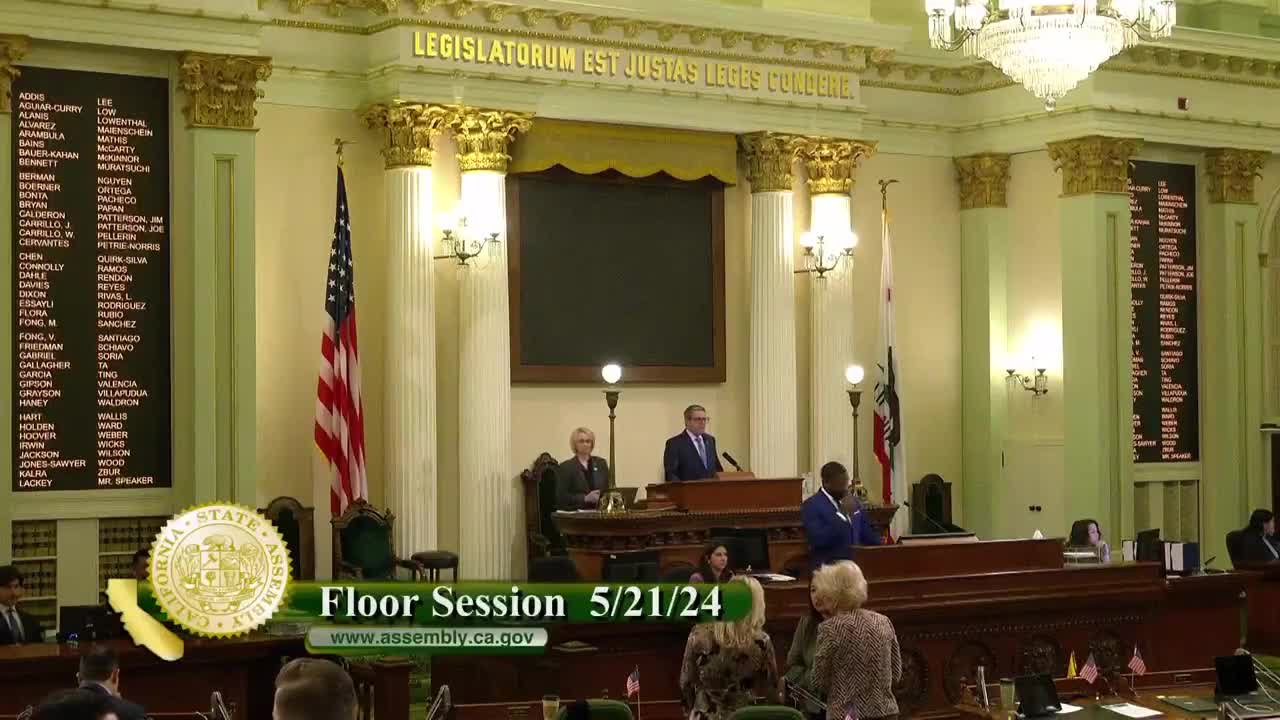 3MIN
Assembly Floor
 11MIN
Assembly Standing Committee on Higher Education
 34SEC
Assembly Standing Committee on Higher Education
 27SEC
Assembly Standing Committee on Higher Education
 29MIN
Assembly Standing Committee on Education
Bill Author