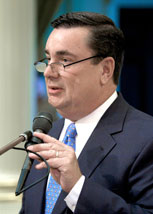
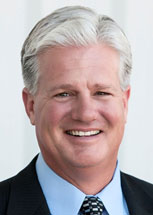
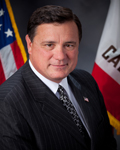
AB 190: Solid waste: single-use carryout bags.
- Session Year: 2015-2016
- House: Assembly
- Latest Version Date: 2015-03-11
Existing law, inoperative due to a pending referendum petition, election, would otherwise, as of July 1, 2015, prohibit stores that have a specified amount of sales in dollars or retail floor space from providing a single-use carryout bag to a customer, with specified exceptions. That law would also prohibit those stores from selling or distributing a recycled paper bag at the point of sale unless the store makes that bag available for purchase for not less than $0.10 and would allow those stores to distribute compostable bags at the point of sale only in jurisdictions that meet specified requirements and at a cost of not less than $0.10.
This same law, on and after July 1, 2016, would additionally impose these prohibitions and requirements on convenience food stores, foodmarts, and entities that are engaged in the sale of a limited line of goods, or goods intended to be consumed off premises, and that hold a specified license with regard to alcoholic beverages.
This inoperative law would require, on and after July 1, 2015, a reusable grocery bag sold by certain stores to a customer at the point of sale to be made by a certified reusable grocery bag producer and to meet specified requirements with regard to the bags durability, material, labeling, heavy metal content, and, with regard to reusable grocery bags made from plastic film on and after January 1, 2016, recycled material content.
Existing law, included in the bill that enacted the provisions currently inoperative due to the pending referendum petition, election, but not included in the pending referendum petition election, and thus operative, appropriates $2,000,000 from the Recycling Market Development Revolving Loan Subaccount in the Integrated Waste Management Account to the department for the purposes of providing loans for the creation and retention of jobs and economic activity in California for the manufacture and recycling of plastic reusable grocery bags that use recycled content.
Existing law, subject to the referendum petition, election, requires the department, no later than March 1, 2018, to provide a status report to the Legislature on the implementation of all of these provisions.
This bill would repeal the above provisions and related provisions.
This bill would declare that it is to take effect immediately as an urgency statute.
Existing law, inoperative due to a pending referendum petition, would otherwise, as of July 1, 2015, prohibit stores that have a specified amount of sales in dollars or retail floor space from providing a single-use carryout bag to a customer, with specified exceptions. That law would also prohibit those stores from selling or distributing a recycled paper bag at the point of sale unless the store makes that bag available for purchase for not less than $0.10 and would allow those stores to distribute compostable bags at the point of sale only in jurisdictions that meet specified requirements and at a cost of not less than $0.10.
This same law, on and after July 1, 2016, would additionally impose these prohibitions and requirements on convenience food stores, foodmarts, and entities that are engaged in the sale of a limited line of goods, or goods intended to be consumed off premises, and that hold a specified license with regard to alcoholic beverages.
This inoperative law would require, on and after July 1, 2015, a reusable grocery bag sold by certain stores to a customer at the point of sale to be made by a certified reusable grocery bag producer and to meet specified requirements with regard to the bags durability, material, labeling, heavy metal content, and, with regard to reusable grocery bags made from plastic film on and after January 1, 2016, recycled material content.
Existing law, included in the bill that enacted the provisions currently inoperative due to the pending referendum petition, but not included in the pending referendum petition and thus operative, appropriates $2,000,000 from the Recycling Market Development Revolving Loan Subaccount in the Integrated Waste Management Account to the department for the purposes of providing loans for the creation and retention of jobs and economic activity in California for the manufacture and recycling of plastic reusable grocery bags that use recycled content.
Existing law, subject to the referendum petition, requires the department, no later than March 1, 2018, to provide a status report to the Legislature on the implementation of all of these provisions.
This bill would repeal the above provisions and related provisions.
This bill would declare that it is to take effect immediately as an urgency statute.
This act is an urgency statute necessary for the immediate preservation of the public peace, health, or safety within the meaning of Article IV of the Constitution and shall go into immediate effect. The facts constituting the necessity are:
In order to prevent the negative effects that these provisions would have on consumers and businesses beginning on July 1, 2015, businesses, and to avoid costly preparations for an unnecessary election, it is necessary for this act to take effect immediately.
No later than March 1, 2018, the department, as a part of its reporting requirement pursuant to Section 40507 of the Public Resources Code, shall provide a status report on the implementation of Chapter 5.3 (commencing with Section 42280) of Part 3 of Division 30 of the Public Resources Code.
SEC. 3.This act is an urgency statute necessary for the immediate preservation of the public peace, health, or safety within the meaning of Article IV of the Constitution and shall go into immediate effect. The facts constituting the necessity are:
In order to prevent the negative effects that these provisions would have on consumers and businesses beginning on July 1, 2015, it is necessary for this act to take effect immediately.
|
Date
|
Status
|
|---|---|
| Jan 27, 2015 | Read first time. To print. |
| Jan 28, 2015 | From printer. May be heard in committee February 27. |
| Mar 2, 2015 | Referred to Com. on NAT. RES. |
| Mar 11, 2015 | From committee chair, with author's amendments: Amend, and re-refer to Com. on NAT. RES. Read second time and amended. |
| Mar 12, 2015 | Re-referred to Com. on NAT. RES. |
| Mar 23, 2015 | In committee: Set, first hearing. Hearing canceled at the request of author. |
| Apr 13, 2015 | In committee: Set, second hearing. Failed passage. Reconsideration granted. |
| Jan 31, 2016 | Died pursuant to Article IV, Sec. 10(c) of the Constitution. |
| Feb 1, 2016 | From committee: Filed with the Chief Clerk pursuant to Joint Rule 56. |
|
Date
|
Description
|
Location
|
Votes
|
|
|---|---|---|---|---|
| Apr 13, 2015 | Reconsideration. | Assembly Standing Committee on Natural Resources |
Passed |
|
| Apr 13, 2015 | Do pass and be re-referred to the Committee on [Appropriations] | Assembly Standing Committee on Natural Resources |
Failed |
This list shows positions taken on this bill by organizations on the date displayed, which is linked to the original source.
Positions by individuals are not included.
|
Organization
|
Position
|
Date
|
|---|---|---|
| 1 Bag at a Time | ** Against | Apr 13, 2015 |
| 5 Gyres Institute | ** Against | Apr 13, 2015 |
| 7th Generation Advisors | ** Against | Apr 13, 2015 |
| Advance Polybag, Inc. | ** Support | Apr 13, 2015 |
| American Progressive Bag Alliance | ** Support | Apr 13, 2015 |
| California Capters of Swana | * Against | Apr 13, 2015 |
| California League Of Conservation Voters | * Against | Apr 13, 2015 |
| California Manufacturing & Technology Association | ** Support | Apr 13, 2015 |
| California Retailers Association | ** Against | Apr 13, 2015 |
| Californians Against Waste | * Against | Apr 13, 2015 |
| Center for Oceanic Awareness, Research, & Education | ** Against | Apr 13, 2015 |
| ChicoEco, Inc. | ** Against | Apr 13, 2015 |
| City of Los Angeles Councilmember Paul Koretz | ** Against | Apr 13, 2015 |
| Clean Water Action | ** Against | Apr 13, 2015 |
| Cleanups For Change | ** Against | Apr 13, 2015 |
| Command Packaging | ** Against | Apr 13, 2015 |
| Community Environmental Council | ** Against | Apr 13, 2015 |
| Crown Poly | ** Support | Apr 13, 2015 |
| Environment California | ** Against | Apr 13, 2015 |
| Environmental Working Group | ** Against | Apr 13, 2015 |
| Green Sangha | ** Against | Apr 13, 2015 |
| Heal The Bay | ** Against | Apr 13, 2015 |
| Hidden Resources | ** Against | Apr 13, 2015 |
| Howard Jarvis Taxpayers Association | * Against | Apr 13, 2015 |
| Howard Jarvis Taxpayers Association | * Support | Apr 13, 2015 |
| I.Marketing Group | ** Against | Apr 13, 2015 |
| Marin County Board of Supervisors | ** Against | Apr 13, 2015 |
| Novolex | ** Support | Apr 13, 2015 |
| Orange County | * Support | Apr 13, 2015 |
| Orange County Board of Supervisors | * Support | Apr 13, 2015 |
| Palo Alto, City Of | ** Against | Apr 13, 2015 |
| San Francisco County | * Against | Apr 13, 2015 |
| Sierra Club | * Against | Apr 13, 2015 |
| West Marin Environmental Action Committee | * Against | Apr 13, 2015 |
AB 190
Page 7
Date of Hearing: April 13, 2015
ASSEMBLY COMMITTEE ON NATURAL RESOURCES
Das Williams, Chair
AB 190
(Harper) – As Amended March 11, 2015
SUBJECT:
Solid waste: single-use carryout bags.
SUMMARY:
Repeals California's plastic bag law, which is currently inoperative pending the outcome of a referendum on the November 2016 ballot.
EXISTING LAW: Pursuant to SB 270 (Padilla), Chapter 850, Statutes of 2014 (SB 270), establishes various requirements relating to the distribution of carryout bags, but is currently inoperative pending the outcome of the referendum to repeal the state's ban on single-use plastic bags.
Establishes various definitions relating to carryout bags, including:
“Recycled paper bag” as a paper carryout bag provided by a store to a customer at the point of sale and contains a minimum of 40% postconsumer recycled materials. For a bag with the capacity to hold eight pounds or less, the bag must contain at least 20% postconsumer recycled materials. A recycled paper bag must be accepted for recycling in a majority of households in curbside recycling programs in the state, as well as have specified information printed on the bag.
“Reusable grocery bag” as a bag that can be used a minimum of 125 times, as specified; can be cleaned; has specified information visible on the bag; cannot contain lead, cadmium, or any other toxic material that may pose a threat to public health; and, must be consistent with federal regulations related to recyclable claims if the bag producer claims the bag is recyclable
“Single-use carryout bag” as a bag made of plastic, paper, or other material that is provided by a store to a customer at the point of sale. Exempts from this definition specified bags, including a bag provided by a pharmacy for a prescription purchase, a non-handled bag used to protect an item from damaging or contaminating other items when placed in a recycled paper bag or reusable grocery bag, and a dry-cleaning or garment bag.
“Store” as a full-line self-service retail store with gross annual sales of at least $2 million and sells a line of dry grocery, canned goods, or nonfood items and some perishables (a typical grocery store); has at least 10,000 square feet of retail space and a pharmacy; or, a convenience food store or foodmart. Includes in the definition of store any other retail establishment that voluntarily agrees to comply with the requirements of this bill.
Prohibits stores from making single-use carryout bags available at the point of sale on the following timeline:
On and after January 1, 2015, at either a grocery store or retailer with at least 10,000 square feet of retail space and a pharmacy.
On and after July 1, 2016, at a convenience food store and foodmart.
Authorizes a store to make available a reusable grocery bag or recycled paper bag at the point of sale. Requires that these bags may not be sold to a consumer for less than $0.10.
Requires that all monies collected by stores pursuant to this law be retained at the store and be used for costs associated with complying with the law; actual costs of providing recycled paper bags and reusable grocery bags; and costs associated with a store’s educational materials or educational campaign encouraging the use of reusable bags.
Requires a store to provide a reusable bag or recycled paper bag at no charge to any customer using California Special Supplemental Food Program for Women, Infants and Children benefits, CalFresh benefits (federally known as Supplemental Nutrition Assistance Program [SNAP] benefits), California Food Assistance Program benefits, or cash aid benefits.
Preempts local ordinances adopted on or after September 1, 2014, relating to reusable grocery bags, single-use carryout bags, or recycled paper bags.
THIS BILL:
Repeals the provisions of SB 270.
Includes an urgency clause, which states that this bill is necessary for the immediate preservation of the public peace, health, or safety within the meaning of Article IV of the Constitution in order to prevent the negative effects of SB 270 on consumers and businesses and to avoid costly preparations for an unnecessary election.
FISCAL EFFECT:
Unknown
COMMENTS:
This bill. According to the author, "there is no proof that the ban will be effective, but what is certain is that it will result in an undue hardship for California's consumers… [AB] 190 is needed to repeal SB 270's unnecessary grip and fees upon Californians and the excessive retailer windfall caused by the fee."
Background on plastic. Plastic bags and plastic film together represent just over 2% of the waste stream, and every year California taxpayers spend $25 million disposing of the 14 billion plastic bags used annually. Although plastic represents a relatively small fraction of the overall waste stream in California by weight, plastic waste is the predominate form of marine debris. Plastics are estimated to comprise 60-80% of all marine debris and 90% of all floating debris. According to the California Coastal Commission, the primary source of marine debris is urban runoff, of which lightweight plastic bags and plastic film are particularly susceptible. Unlike most forms of plastic, lightweight single-use bags pose a litter threat even when properly disposed of by consumers; they are prone to blowing off the working surface of landfills and off of trucks during transport.
Due to the interplay of ocean currents, marine debris preferentially
accumulates in certain areas throughout the ocean. According
to Eriksen et al. (2014), 24 expeditions from 2007-2013 estimated
that there is approximately 96,400 metric tons of floating plastic in
the Northern Pacific Ocean. The North Pacific Central Gyre is
the ultimate destination for much of the marine debris originating
from the California coast. A study by the Algalita Marine Research
Foundation found an average of more than 300,000 plastic pieces per
square mile of the Gyre and that the mass of plastic was six times
greater than zooplankton floating on the water’s surface.
Most plastic marine debris exists as small plastic particles due to
excessive UV radiation exposure and subsequent photo-degradation.
These plastic pieces are confused with small
fish, plankton, or krill and ingested by aquatic organisms.
Plastic bags can be mistaken for jellyfish,
especially by sea turtles. Over 600 marine animal species
have been negatively affected by ingesting plastic worldwide. Last
month, scientists at the ARC Centre of Excellence for Coral Reef
Studies at James Cook University found that corals are also ingesting
small plastic particles, which remain in their small stomach cavities
and impede their ability to consume and digest normal food.
In
addition to the physical impacts of plastic pollution, hydrophobic
chemicals present in the ocean in trace amounts (e.g., from
contaminated runoff and oil and chemical spills) have an affinity
for, and can bind to, plastic particles where they enter and
accumulate in the food chain.
In
2007, the OPC adopted a resolution on "reducing and preventing
marine debris." A year later, OPC released the Implementation
Strategy for the [OPC] Resolution to Reduce and Prevent Ocean Litter,
which established four broad
objectives to reduce marine debris: 1) Reduce single-use packaging
and promote sustainable alternatives; 2) Prevent and control litter
and plastic debris; 3) Cleanup and remove ocean litter; and, 4)
Coordinate with other jurisdictions in the pacific region.
Local action. Over 100 cities and counties throughout California have adopted ordinances banning plastic bags, including Los Angeles, Santa Barbara, San Francisco, San Jose, Long Beach, Los Angeles County, Santa Clara County, and Alameda County. Many of these local governments also require stores to charge a fee for a paper carryout bag, and a few have banned both single-use plastic and paper carryout bags. While current law preempts local ordinances adopted after September 1, 2014, many local governments are considering adopting a ban while the law is inoperative pending the outcome of the referendum. If AB 190 is chaptered, the preemption would be repealed.
Huntington Beach, located within the author's district, adopted a ban in 2013. In January of this year, the city council voted to "take the necessary steps" to repeal the ban, beginning with an Environmental Impact Report, which is expected to be completed by the end of April.
Let the voters decide? The Referendum to Overturn Ban on Single-Use Plastic Bags was certified by the California Secretary of State on February 24, 2015 after receiving a total of 809,810 signatures, 598,684 of which were projected to be valid. The measure will be on the November 8, 2016 ballot. The American Progressive Bag Alliance is the main proponent for the repeal; other supporters include the City of Laguna Niguel, 7 other organizations, and 11 businesses. The campaign to support SB 270 and oppose the referendum is led by California vs. Big Plastic, and includes 7 State officials, 21 municipalities, over 60 organizations, and 6 businesses. As of February 2, 2015, referendum proponents have raised over $6.6 million, nearly all of that from the plastic industry. SB 270 supporters have raised just under $100,000 from environmental organizations and reusable bag manufacturers.
A poll conducted by the University of Southern California and the Los Angeles Times in November 2014 found that 59% of California voters would vote in support of the ban; 34% indicated that they would vote for repeal.
Previous legislation. A significant number of bills related to single-use bags have been introduced.
AB 2058 (Levine) of 2007 would have prohibited the free dispensing of carryout plastic bags by a store to its customers, unless the store can demonstrate to the former California Integrated Waste Management Board (CIWMB), now CalRecycle, that 70% of the plastic bags it dispensed had been diverted from the waste stream. AB 2058 was held in Senate Appropriations Committee.
SB 531 (DeSaulnier) of 2009 would have required manufacturers of plastic carryout bags to consult with various entities, including the CIWMB, when developing specified educational materials to encourage the reduced use or recycling of those bags, and authorized the CIWMB to modify those materials. SB 531 was held in Assembly Natural Resources Committee without further action.
AB 68 (Brownley) of 2009 and AB 87 (Davis) of 2009 both would have required a 25 cent fee on the distribution of single-use carryout bags. Both bills were held in the Assembly Appropriations Committee.
AB 2138 (Chesbro) of 2010 would have established recycling and composting requirements for take-out food packaging, including bags. AB 2138 was held on the Assembly Appropriations Committee suspense file.
AB 1998 (Brownley) of 2010 would have repealed the at-store recycling program and instead prohibited stores from providing a single-use plastic carryout bag to a customer and required stores to provide reusable bags for purchase or recycled paper bags for a fee. AB 1998 was held on the Senate Floor.
AB 298 (Brownley) of 2011would have prohibited a reusable bag manufacturer from selling or distributing a reusable bag in the state unless it meets specified requirements. AB 298 was held in the Senate Appropriations Committee.
SB 915 (Calderon) of 2011 would have established plastic bag reduction and recycled content goals. A hearing in the Senate Environmental Quality Committee was canceled at the request of the author.
AB 1834 (Brownley) of 2012 would have defined reusable bags. This bill was held on the Senate Floor.
SB 1106 (Strickland) of 2012 would have prohibited the manufacture, distribution, and sale of reusable bags without a warning label that both specifies the need for reusable bags to be cleaned and disinfected between uses and outlines the health risks associated with not cleaning or disinfecting reusable bags between uses. SB 1106 was held in the Senate Environmental Quality Committee.
SB 1219 (Wolk), Chapter 384, Statutes of 2012, extended the sunset of the At-Store Recycling Program requirements from January 1, 2013 to January 1, 2020 and repealed the provisions preempting local regulatory action related to the at-store recycling program requirements.
AB 158 (Levine) of 2013 would have prohibited grocery stores from providing single-use plastic bags to customers and required stores to make reusable bags available for purchase by customers. This bill was moved to the Assembly inactive file by the author.
SB 405 (Padilla) of 2013 would have prohibited grocery stores from providing single-use plastic bags to consumers and required stores to make reusable bags available for purchase by customers. This bill was moved to the Senate inactive file by the author.
SB 700 (Wolk) of 2013 would have required retail establishments, as defined, to collect a fee of five cents for every single-use carryout bag provided to a customer. The bill required that the fees be available for grants to cities and counties for local parks and local programs that reduce and clean up litter. This bill was held in the Senate Appropriations Committee.
AB 1337 (Allen) of 2013 would have pre-empted any local government from enacting or enforcing any rule prohibiting the distribution of plastic single-use carryout bags or imposing a fee on the distribution of non-plastic single-use carryout bags (i.e., paper). This bill was held in Assembly Natural Resources Committee.
SB 270 (Padilla), Chapter 850, Statutes of 2014 prohibits stores, as defined, from distributing lightweight, single-use plastic bags after specified dates. Establishes requirements for reusable bags and prohibits stores from distributing reusable bags for less than 10 cents per bag. The statutes established by this bill are currently inoperative, pending the outcome of the plastic bag referendum.
Related legislation.
AB 191 (Harper) repeals the 10 cent charge for reusable bags and recycled paper bags. This bill has also been referred to this committee and is set to be heard on April 13th.
AB 1136 (Steinorth) expands the category of people exempt from paying the 10 cent charge for reusable bags or recycled paper bags to include seniors and students. This bill has been double referred to the Assembly Aging and Long-Term Care Committee and Natural Resources Committee.
Urgency. This bill is an urgency measure and, if chaptered, will take effect immediately.
REGISTERED SUPPORT / OPPOSITION:
Support
Advance
Polybag, Inc.
American Progressive Bag Alliance
California Manufacturing & Technology Association
Crown Poly
Howard Jarvis Taxpayers Association
Novolex
Orange County Board of Supervisors
SPI: The Plastics Industry Trade Association
Opposition
1 Bag at a
Time
5 Gyres Institute
7th Generation Advisors
California
League of Conservation Voters
California Retailers
Association
Californians Against Waste
Center for Oceanic
Awareness, Research, & Education
City of Los Angeles
Councilmember Paul Koretz
City of Palo Alto
ChicoEco,
Inc.
Clean Water Action
Cleanups for Change
Command
Packaging
Community Environmental Council
Environment
California
Environmental Working Group
Green Sangha
Heal
the Bay
Hidden Resources
Howard Jarvis Taxpayers
Association
I.Marketing Group
Marin County Board
of Supervisors
Marin County Hazardous and Solid Waste Management
Joint Powers Authority
Napa Valley CanDo
Natural Resources
Defense Council
Plastic Pollution Coalition
San Francisco
Department of the Environment
Sierra Club California
Surfrider
Foundation
Wildcoast
World Society for the Protection of
Animals
Zero Waste Humboldt
Analysis Prepared by:
Elizabeth MacMillan / NAT. RES. / (916) 319-2092
AB 190
Page 7
Date of Hearing: March 23, 2015
ASSEMBLY COMMITTEE ON NATURAL RESOURCES
Das Williams, Chair
AB 190
(Harper) – As Amended March 11, 2015
SUBJECT:
Solid waste: single-use carryout bags.
SUMMARY:
Repeals California's plastic bag law, which is currently inoperative pending the outcome of a referendum on the November 2016 ballot.
EXISTING LAW: Pursuant to SB 270 (Padilla), Chapter 850, Statutes of 2014 (SB 270), establishes various requirements relating to the distribution of carryout bags, but is currently inoperative pending the outcome of the referendum to repeal the state's ban on single-use plastic bags.
Establishes various definitions relating to carryout bags, including:
“Recycled paper bag” as a paper carryout bag provided by a store to a customer at the point of sale and contains a minimum of 40% postconsumer recycled materials. For a bag with the capacity to hold eight pounds or less, the bag must contain at least 20% postconsumer recycled materials. A recycled paper bag must be accepted for recycling in a majority of households in curbside recycling programs in the state, as well as have specified information printed on the bag.
“Reusable grocery bag” as a bag that can be used a minimum of 125 times, as specified; can be cleaned; has specified information visible on the bag; cannot contain lead, cadmium, or any other toxic material that may pose a threat to public health; and, must be consistent with federal regulations related to recyclable claims if the bag producer claims the bag is recyclable
“Single-use carryout bag” as a bag made of plastic, paper, or other material that is provided by a store to a customer at the point of sale. Exempts from this definition specified bags, including a bag provided by a pharmacy for a prescription purchase, a non-handled bag used to protect an item from damaging or contaminating other items when placed in a recycled paper bag or reusable grocery bag, and a dry-cleaning or garment bag.
“Store” as a full-line self-service retail store with gross annual sales of at least $2 million and sells a line of dry grocery, canned goods, or nonfood items and some perishables (a typical grocery store); has at least 10,000 square feet of retail space and a pharmacy; or, a convenience food store or foodmart. Includes in the definition of store any other retail establishment that voluntarily agrees to comply with the requirements of this bill.
Prohibits stores from making single-use carryout bags available at the point of sale on the following timeline:
On and after January 1, 2015, at either a grocery store or retailer with at least 10,000 square feet of retail space and a pharmacy.
On and after July 1, 2016, at a convenience food store and foodmart.
Authorizes a store to make available a reusable grocery bag or recycled paper bag at the point of sale. Requires that these bags may not be sold to a consumer for less than $0.10.
Requires that all monies collected by stores pursuant to this law be retained at the store and be used for costs associated with complying with the law; actual costs of providing recycled paper bags and reusable grocery bags; and costs associated with a store’s educational materials or educational campaign encouraging the use of reusable bags.
Requires a store to provide a reusable bag or recycled paper bag at no charge to any customer using California Special Supplemental Food Program for Women, Infants and Children benefits, CalFresh benefits (federally known as Supplemental Nutrition Assistance Program [SNAP] benefits), California Food Assistance Program benefits, or cash aid benefits.
Preempts local ordinances adopted on or after September 1, 2014, relating to reusable grocery bags, single-use carryout bags, or recycled paper bags.
THIS BILL:
Repeals the provisions of SB 270.
Includes an urgency clause, which states that this bill is necessary for the immediate preservation of the public peace, health, or safety within the meaning of Article IV of the Constitution in order to prevent the negative effects of SB 270 on consumers and businesses and to avoid costly preparations for an unnecessary election.
FISCAL EFFECT:
Unknown
COMMENTS:
This bill. According to the author, "there is no proof that the ban will be effective, but what is certain is that it will result in an undue hardship for California's consumers… [AB] 190 is needed to repeal SB 270's unnecessary grip and fees upon Californians and the excessive retailer windfall caused by the fee."
Background on plastic. Plastic bags and plastic film together represent just over 2% of the waste stream, and every year California taxpayers spend $25 million disposing of the 14 billion plastic bags used annually. Although plastic represents a relatively small fraction of the overall waste stream in California by weight, plastic waste is the predominate form of marine debris. Plastics are estimated to comprise 60-80%of all marine debris and 90% of all floating debris. According to the California Coastal Commission, the primary source of marine debris is urban runoff, of which lightweight plastic bags and plastic film are particularly susceptible. Unlike most forms of plastic, lightweight single-use bags pose a litter threat even when properly disposed of by consumers; they are prone to blowing off the working surface of landfills and off of trucks during transport.
Due to the interplay of ocean currents, marine debris preferentially
accumulates in certain areas throughout the ocean. According
to Eriksen et al. (2014), 24 expeditions from 2007-2013 estimated
that there is approximately 96,400 metric tons of floating plastic in
the Northern Pacific Ocean. The North Pacific Central Gyre is
the ultimate destination for much of the marine debris originating
from the California coast. A study by the Algalita Marine Research
Foundation found an average of more than 300,000 plastic pieces per
square mile of the Gyre and that the mass of plastic was six times
greater than zooplankton floating on the water’s surface.
Most plastic marine debris exists as small plastic particles due to
excessive UV radiation exposure and subsequent photo-degradation.
These plastic pieces are confused with small
fish, plankton, or krill and ingested by aquatic organisms.
Plastic bags can be mistaken for jellyfish,
especially by sea turtles. Over 600 marine animal species
have been negatively affected by ingesting plastic worldwide. Last
month, scientists at the ARC Centre of Excellence for Coral Reef
Studies at James Cook University found that corals are also ingesting
small plastic particles, which remain in their small stomach cavities
and impede their ability to consume and digest normal food.
In
addition to the physical impacts of plastic pollution, hydrophobic
chemicals present in the ocean in trace amounts (e.g., from
contaminated runoff and oil and chemical spills) have an affinity
for, and can bind to, plastic particles where they enter and
accumulate in the food chain.
In
2007, the OPC adopted a resolution on "reducing and preventing
marine debris." A year later, OPC released the Implementation
Strategy for the [OPC] Resolution to Reduce and Prevent Ocean Litter,
which established four broad
objectives to reduce marine debris: 1) Reduce single-use packaging
and promote sustainable alternatives; 2) Prevent and control litter
and plastic debris; 3) Cleanup and remove ocean litter; and, 4)
Coordinate with other jurisdictions in the pacific region.
Local action. Over 100 cities and counties throughout California have adopted ordinances banning plastic bags, including Los Angeles, Santa Barbara, San Francisco, San Jose, Long Beach, Los Angeles County, Santa Clara County, and Alameda County. Many of these local governments also require stores to charge a fee for a paper carryout bag, and a few have banned both single-use plastic and paper carryout bags. While current law preempts local ordinances adopted after September 1, 2014, many local governments are considering adopting a ban while the law is inoperative pending the outcome of the referendum. If AB 190 is chaptered, the preemption would be repealed.
Huntington Beach, located within the author's district, adopted a ban in 2013. In January of this year, the city council voted to "take the necessary steps" to repeal the ban, beginning with an Environmental Impact Report, which is expected to be completed by the end of April.
Let the voters decide? The Referendum to Overturn Ban on Single-Use Plastic Bags was certified by the California Secretary of State on February 24, 2015 after receiving a total of 809,810 signatures, 598,684 of which were projected to be valid. The measure will be on the November 8, 2016 ballot. The American Progressive Bag Alliance is the main proponent for the repeal; other supporters include the City of Laguna Niguel, 7 other organizations, and 11 businesses. The campaign to support SB 270 and oppose the referendum is led by California vs. Big Plastic, and includes 7 State officials, 21 municipalities, over 60 organizations, and 6 businesses. As of February 2, 2015, referendum proponents have raised over $6.6 million, nearly all of that from the plastic industry. SB 270 supporters have raised just under $100,000 from environmental organizations and reusable bag manufacturers.
A poll conducted by the University of Southern California and the Los Angeles Times in November 2014 found that 59% of California voters would vote in support of the ban; 34% indicated that they would vote for repeal.
Previous legislation. A significant number of bills related to single-use bags have been introduced.
AB 2058 (Levine) of 2007 would have prohibited the free dispensing of carryout plastic bags by a store to its customers, unless the store can demonstrate to the former California Integrated Waste Management Board (CIWMB), now CalRecycle, that 70% of the plastic bags it dispensed had been diverted from the waste stream. AB 2058 was held in Senate Appropriations Committee.
SB 531 (DeSaulnier) of 2009 would have required manufacturers of plastic carryout bags to consult with various entities, including the CIWMB, when developing specified educational materials to encourage the reduced use or recycling of those bags, and authorized the CIWMB to modify those materials. SB 531 was held in Assembly Natural Resources Committee without further action.
AB 68 (Brownley) of 2009 and AB 87 (Davis) of 2009 both would have required a 25 cent fee on the distribution of single-use carryout bags. Both bills were held in the Assembly Appropriations Committee.
AB 2138 (Chesbro) of 2010 would have established recycling and composting requirements for take-out food packaging, including bags. AB 2138 was held on the Assembly Appropriations Committee suspense file.
AB 1998 (Brownley) of 2010 would have repealed the at-store recycling program and instead prohibited stores from providing a single-use plastic carryout bag to a customer and required stores to provide reusable bags for purchase or recycled paper bags for a fee. AB 1998 was held on the Senate Floor.
SB 915 (Calderon) of 2011 would have established plastic bag reduction and recycled content goals. A hearing in the Senate Environmental Quality Committee was canceled at the request of the author.
AB 1834 (Brownley) of 2012 would have defined reusable bags. This bill was held on the Senate Floor.
SB 1106 (Strickland) of 2012 would have prohibited the manufacture, distribution, and sale of reusable bags without a warning label that both specifies the need for reusable bags to be cleaned and disinfected between uses and outlines the health risks associated with not cleaning or disinfecting reusable bags between uses. SB 1106 was held in the Senate Environmental Quality Committee.
AB 298 (Brownley) of 2011would have prohibited a reusable bag manufacturer from selling or distributing a reusable bag in the state unless it meets specified requirements. AB 298 was held in the Senate Appropriations Committee.
SB 1219 (Wolk), Chapter 384, Statutes of 2012, extended the sunset of the At-Store Recycling Program requirements from January 1, 2013 to January 1, 2020 and repealed the provisions preempting local regulatory action related to the at-store recycling program requirements.
AB 158 (Levine) of 2013 would have prohibited grocery stores from providing single-use plastic bags to customers and required stores to make reusable bags available for purchase by customers. This bill was moved to the Assembly inactive file by the author.
SB 405 (Padilla) of 2013 would have bill prohibited grocery stores from providing single-use plastic bags to consumers and required stores to make reusable bags available for purchase by customers. This bill was moved to the Senate inactive file by the author.
SB 700 (Wolk) of 2013 would have required retail establishments, as defined, to collect a fee of five cents for every single-use carryout bag provided to a customer. The bill required that the fees be available for grants to cities and counties for local parks and local programs that reduce and cleanup litter. This bill was held in the Senate Appropriations Committee.
AB 1337 (Allen) of 2013 would have pre-empted any local government from enacting or enforcing any rule prohibiting the distribution of plastic single-use carryout bags or imposing a fee on the distribution of non-plastic single-use carryout bags (i.e., paper). This bill was held in Assembly Natural Resources Committee.
SB 270 (Padilla), Chapter 850, Statutes of 2014 prohibits stores, as defined, from distributing lightweight, single-use plastic bags after specified dates. Establishes requirements for reusable bags and prohibits stores from distributing reusable bags for less than 10 cents per bag. The statutes established by this bill are currently inoperative, pending the outcome of the plastic bag referendum.
Related legislation.
AB 191 (Harper) repeals the 10 cent charge for reusable bags and recycled paper bags. This bill has also been referred to this committee and is set to be heard on March 23rd.
AB 1136 (Steinorth) expands the category of people exempt from paying the 10 cent charge for reusable bags or recycled paper bags to include seniors and students. This bill has been referred to this committee.
Urgency. This bill is an urgency measure and, if chaptered, will take effect immediately.
REGISTERED SUPPORT / OPPOSITION:
Support
Advance Polybag, Inc.
American Progressive Bag Alliance
Crown Poly
Howard
Jarvis Taxpayers Association
Novolex
Orange County
SPI: The Plastics Industry Trade Association
Opposition
1 Bag at a Time
5
Gyres Institute
7th Generation Advisors
California League
of Conservation Voters
Californians Against Waste
Center
for Oceanic Awareness, Research, & Education
City of Los
Angeles Councilmember Paul Koretz
City of Palo Alto
ChicoEco,
Inc.
Clean Water Action
Cleanups for Change
Command
Packaging
Community Environmental Council
Environment
California
Environmental Working Group
Green Sangha
Heal
the Bay
Hidden Resources
I.Marketing Group
Marin
County Board of Supervisors
Marin County Hazardous and Solid
Waste Management Joint Powers Authority
Napa Valley
CanDo
Natural Resources Defense Council
Plastic Pollution
Coalition
Sierra Club California
Surfrider Foundation
Wildcoast
World Society for the Protection of Animals
Zero Waste Humboldt
Analysis Prepared by:
Elizabeth MacMillan / NAT. RES. / (916) 319-2092
Discussed in Hearing
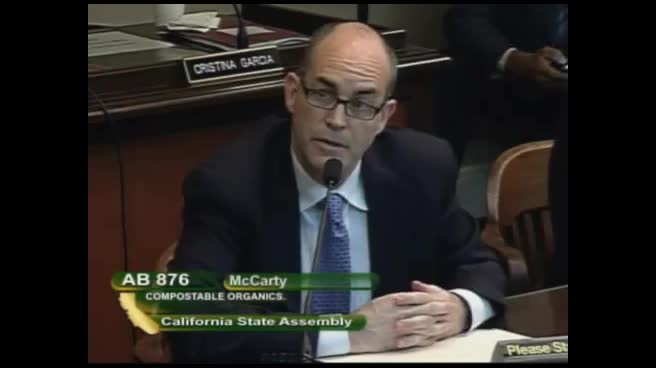 19MIN
Assembly Standing Committee on Natural Resources
Bill Author