AB 2345: Commission on Health Care Cost Review.
- Session Year: 2015-2016
- House: Assembly
- Latest Version Date: 2016-04-18
Existing law establishes various programs relating to health policy and planning in this state. Existing law establishes the California Health Benefit Review Program to assess legislation that proposes to mandate or repeal a mandated health benefit or service, as defined, and to prepare a written analysis with relevant data on specified information, including public health impacts and financial impacts.
This bill would establish the Commission on Health Care Cost Review to study and report every 2 years to the Assembly and Senate Committees on Health on public policies affecting health care costs and access to health care coverage in California. The commission would be comprised of 5 members, with 3 members appointed by the Governor, one member appointed by the Senate Committee on Rules, and one member appointed by the Speaker of the Assembly, subject to 4-year terms. The bill would authorize the Department of Managed Health Care to accept voluntary contributions to be deposited into the Health Care Affordability Fund, which the bill would create in the State Treasury, to fund, upon appropriation by the Legislature, the costs of the operation of the commission. The bill would provide that the implementation of these provisions is contingent upon a determination of the department that sufficient voluntary contributions exist or will exist in the Health Care Affordability Fund. The bill would repeal these provisions on either January 1, 2020, if the department does not, by December 31, 2019, notify the Legislature that it has received sufficient voluntary contributions to fund the costs of operation of the commission, or on January 1, 2025, if the department, by December 31, 2019, notifies the Legislature that it has received sufficient voluntary contributions to fund the costs of operation of the commission.
Existing law establishes various programs relating to health policy and planning in this state. Existing law establishes the California Health Benefit Review Program to assess legislation that proposes to mandate or repeal a mandated health benefit or service, as defined, and to prepare a written analysis with relevant data on specified information, including public health impacts and financial impacts.
This bill would establish the Commission on Health Care Cost Review to study and report every 2 years to the Assembly and Senate Committees on Health on public policies affecting health care costs and access to health care coverage in California. The commission would be comprised of 5 members, with 3 members appointed by the Governor, one member appointed by the Senate Committee on Rules, and one member appointed by the Speaker of the Assembly, subject to 4-year terms. The bill would authorize the Department of Managed Health Care to accept voluntary contributions to be deposited into the Health Care Affordability Fund, which the bill would create in the State Treasury, to fund, upon appropriation by the Legislature, the costs of the operation of the commission. The bill would provide that the implementation of these provisions is contingent upon a determination of the department that sufficient voluntary contributions exist or will exist in the Health Care Affordability Fund.
Existing law establishes the Office of Patient Advocate, within the California Health and Human Services Agency, to provide assistance to, and advocate on behalf of, health care consumers. The goal of the office is to coordinate amongst, provide assistance to, and collect data from, all of the state agency consumer assistance or patient assistance programs and call centers, to better enable health care consumers to access the health care services to which they are eligible under the law, including, but not limited to, commercial and exchange coverage, Medi-Cal, Medicare, and federal veterans health benefits.
This bill would state the intent of the Legislature to enact legislation to require a study regarding the problems confronted by patients in accessing health care in California.
The Commission on Health Care Cost Review is hereby created.
127651.(a)The commission shall consist of five members. Three members shall be appointed by the Governor, one member shall be appointed by the Senate Committee on Rules, and one member shall be appointed by the Speaker of the Assembly. Each member shall serve a term of four years.
(b)Members of the commission shall not receive compensation. The commission may conduct virtual meetings.
127652.(a)The commission shall study and analyze public policies affecting health care costs and access to health care coverage in California.
(b)(1)The commission shall report its findings to the Assembly and Senate Committees on Health every two years.
(2)A report submitted pursuant to subdivision (a) shall be submitted in compliance with Section 9795 of the Government Code.
127653.(a)The Department of Managed Health Care may accept voluntary contributions to pay for the costs of operation of the commission established under this chapter. These voluntary contributions shall be deposited into the Health Care Affordability Fund, which is hereby created in the State Treasury. The moneys in the Health Care Affordability Fund shall be are available, upon appropriation by the Legislature, for purposes of funding the costs of the operation of the commission. No state State funds shall not be used to fund the operation of the commission established under this chapter.
(b)The implementation of this chapter shall be is contingent upon a determination by the Department of Managed Health Care that sufficient voluntary contributions exist or will exist in the Health Care Affordability Fund. Upon making this determination determination, the Department of Managed Health Care shall notify the Legislature that sufficient voluntary contributions exist or will exist in the Health Care Affordability Fund.
127654.(a)If the Department of Managed Health Care does not, by December 31, 2019, notify the Legislature that it has received sufficient voluntary contributions to fund the costs of operation of the commission established under this chapter, this chapter shall be repealed on January 1, 2020.
(b)If the Department of Managed Health Care, by December 31, 2019, notifies the Legislature that it has received sufficient voluntary contributions to fund the costs of operation of the commission established under this chapter, this chapter shall be repealed on January 1, 2025.
The Commission on Health Care Cost Review is hereby created.
127651.(a)The commission shall consist of five members. Three members shall be appointed by the Governor, one member shall be appointed by the Senate Committee on Rules, and one member shall be appointed by the Speaker of the Assembly. Each member shall serve a term of four years.
(b)Members of the commission shall not receive compensation. The commission may conduct virtual meetings.
127652.(a)The commission shall study and analyze public policies affecting health care costs and access to health care coverage in California.
(b)(1)The commission shall report its findings to the Assembly and Senate Committees on Health every two years.
(2)A report submitted pursuant to subdivision (a) shall be submitted in compliance with Section 9795 of the Government Code.
127653.(a)The Department of Managed Health Care may accept voluntary contributions to pay for the costs of operation of the commission established under this chapter. These voluntary contributions shall be deposited into the Health Care Affordability Fund, which is hereby created in the State Treasury. The moneys in the Health Care Affordability Fund shall be available, upon appropriation by the Legislature, for purposes of funding the costs of the operation of the commission. No state funds shall be used to fund the operation of the commission established under this chapter.
(b)The implementation of this chapter shall be contingent upon a determination by the Department of Managed Health Care that sufficient voluntary contributions exist or will exist in the Health Care Affordability Fund. Upon making this determination the Department of Managed Health Care shall notify the Legislature that sufficient voluntary contributions exist or will exist in the Health Care Affordability Fund.
SECTION 1.It is the intent of the Legislature to enact legislation to require a study regarding the problems confronted by patients in accessing health care in California.
It is the intent of the Legislature to enact legislation to require a study regarding the problems confronted by patients in accessing health care in California.
|
Date
|
Status
|
|---|---|
| Feb 18, 2016 | Read first time. To print. |
| Feb 19, 2016 | From printer. May be heard in committee March 20. |
| Mar 17, 2016 | Referred to Com. on HEALTH. |
| Mar 18, 2016 | From committee chair, with author's amendments: Amend, and re-refer to Com. on HEALTH. Read second time and amended. |
| Mar 28, 2016 | Re-referred to Com. on HEALTH. |
| Apr 14, 2016 | From committee: Amend, and do pass as amended and re-refer to Com. on APPR. (Ayes 19. Noes 0.) (April 12). |
| Apr 18, 2016 | Read second time and amended. |
| Apr 19, 2016 | Re-referred to Com. on APPR. |
| Apr 27, 2016 | In committee: Set, first hearing. Referred to APPR. suspense file. |
| May 27, 2016 | In committee: Held under submission. |
|
Date
|
Description
|
Location
|
Votes
|
|
|---|---|---|---|---|
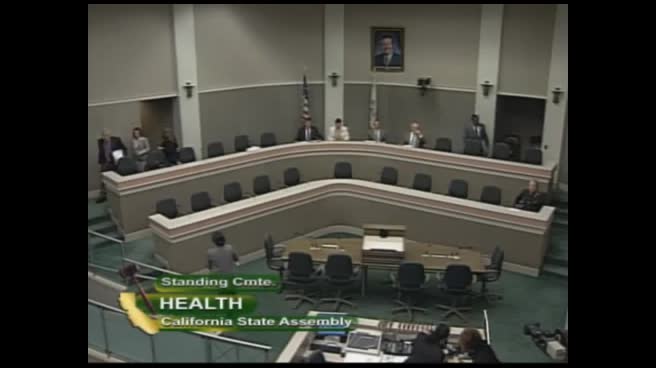
| Apr 12, 2016 | Do pass as amended and be re-referred to the Committee on [Appropriations] | Assembly Standing Committee on Health |
Passed |
This list shows positions taken on this bill by organizations on the date displayed, which is linked to the original source.
Positions by individuals are not included.
|
Organization
|
Position
|
Date
|
|---|---|---|
| California Primary Care Association | ** Support | Apr 12, 2016 |
Date of Hearing: April 27, 2016
ASSEMBLY COMMITTEE ON APPROPRIATIONS
Lorena Gonzalez, Chair
ABPCA Bill Id:AB 2345
Author:(Ridley-Thomas) – As Amended Ver:April 18, 2016
Policy Committee: | Health | Vote: | 19 - 0 |
Urgency: No State Mandated Local Program: No Reimbursable: No
SUMMARY:
This bill creates the Commission on Health Care Cost Review (Commission) to study and analyze public policies relating to health care costs and access to health care coverage, and requires the Commission report its findings to the Assembly and Senate Committees on Health every two years, as specified. It also:
- Allows the Department of Managed Health Care (DMHC) to accept voluntary contributions to pay for the costs of operation of the Commission.
- Creates the Health Care Affordability Fund and requires that implementation of the Commission is contingent upon a determination by the DMHC that sufficient voluntary contributions exist or will exist in the Health Care Affordability Fund.
- Sunsets on January 1, 2020 if sufficient voluntary contributions are not available, and sunsets in January 1, 2025 if sufficient voluntary contributions are available.
FISCAL EFFECT:
- Unknown, significant cost pressure, likely in the low millions annually for staff and contract costs to support the commission (Health Care Affordability Fund, funded by private donations). For comparative purposes, the California Health Benefits Review Program (CHBRP), which has a narrower mission than the commission envisioned by this bill, has an annual budget of $2 million. A health policy commission with more expansive duties in Massachusetts has a budget of about $10.5 million, about one-third of which is attributed to market review activities similar to those envisioned by the bill.
- Minor administrative costs to DMHC to establish and administer funds to create the commission (Managed Care Fund).
COMMENTS:
- Purpose. According to the author, legislators do not have adequate information to respond to the myriad of policy concerns regarding health care. The author states the intent of this bill is to enhance the information available to legislators, in order to assist them in identifying and responding to issues related to cost, coverage, and access to services. The California Primary Care Association has expressed support and the bill has no opposition.
- Current California efforts. As of 2013, health care accounted for 12% of California's Gross State Product. Pursuant to Governor Brown's Executive Order B-19-12 on May 3, 2012, California established the Let’s Get Healthy California Task Force under the Secretary of the Health and Human Services Agency to develop a 10-year plan for improving the health of Californians, controlling health care costs, promoting personal responsibility for individual health, and advancing health equity. The Secretary convened a task force and issued a report, and recently unveiled a website to track progress towards health goals.
Various types of state health policy decisions are also made by the CoveredCA Board, CalPERS for health benefits for government workers, and the Department of Health Care Services, often with stakeholder input. CHBRP is housed within the University of California Office of the President and is tasked with reviewing the costs, medical effectiveness, and public health impacts of legislation that proposes to institute or repeal health insurance benefit mandates. Private foundations regularly commission health policy reports and issue related recommendations. Recent studies have discussed regional market reviews, surveys of access to health care in Medi-Cal, and other issues.
However, the state does not have a centralized commission to review issues relating to health care costs, coverage, and access broadly.
- Other states. Colorado, Maryland, and Massachusetts have established health policy commissions. Maryland's commission appears to focus on hospital care. Colorado's is envisioned as a one-time commission tasked with specific recommendations, while the commission in Massachusetts determines the state's health care cost growth benchmark, assesses market performance, and researches cost trends, as well as other activities.
- Prior legislation. AB 1801 (Pacheco) of 2002 created the Commission on Health Care Cost Review and required the commission to study and report to the Legislature and the Department of Finance on specified matters, including the public policies affecting health care costs and access to health care coverage in California. AB 1801 was not in any policy Committee.
- Related legislation. SB 1159 (Hernandez), currently pending in Senate Health Committee, requires the Secretary of California Health and Human Services to convene an advisory committee composed of a broad spectrum of health care stakeholders and experts, as specified, to, among other things, develop the parameters for establishing, implementing, and administering a health care cost and quality database. SB 1159 also requires the secretary to arrange for the preparation of an annual report to the Legislature and the Governor that examines and addresses specified issues, including, among others, containing the cost of health care services and coverage.
Analysis Prepared by: Lisa Murawski / APPR. / (916) 319-2081
Date of Hearing: April 12, 2016
ASSEMBLY COMMITTEE ON HEALTH
Jim Wood, Chair
ABPCA Bill Id:AB 2345
Author:(Ridley-Thomas) – As Amended Ver:March 18, 2016
SUBJECT: Commission on Health Care Cost Review.
SUMMARY: Creates the Commission on Health Care Cost Review (Commission) to study and analyze public policies relating to health care costs and access to health care coverage. Specifically, this bill:
- Creates the Commission consisting of five members, in which three members are appointed by the Governor, one member is appointed by the Senate Committee on Rules, and one member is appointed by the Speaker of the Assembly. Specifies that each member will serve a term of four years and each member will not receive compensation.
- Requires the Commission to study and analyze public policies affecting health care costs and access to health care coverage in California and report its findings to the Assembly and Senate Committees on Health every two years in a report, as specified.
- Allows the Department of Managed Health Care (DMHC) to accept voluntary contributions to pay for the costs of operation of the Commission and such voluntary contributions will be deposited into the Health Care Affordability Fund, which is created in the State Treasury, as specified. Requires that implementation of the Commission is contingent upon a determination by the DMHC that sufficient voluntary contributions exist or will exist in the Health Care Affordability Fund.
EXISTING LAW:
- Establishes the California Health Benefit Review Program (CHBRP) to assess legislation that proposes to mandate or repeal a mandated health benefit or service.
- Regulates health plans under the Knox-Keene Health Care Service Plan Act of 1975 through the DMHC and regulates health insurers under the Insurance Code through the California Department of Insurance.
- Establishes various programs relating to health policy and planning, including the Advisory Committee on Managed Health Care and the Clinical Advisory Panel in the DMHC.
FISCAL EFFECT: This bill has not yet been analyzed by a fiscal committee.
COMMENTS:
- PURPOSE OF THIS BILL. According to the author, legislators do not have adequate information to respond to the myriad of policy concerns regarding the health care industry. Consumers are faced with difficulties in finding a contracted provider. The author contends that providing the Legislature with timely analysis of those accessibility issues and related recommendations as well as information about the types of policies available and how they affect price would give policy makers a holistic understanding of this complicated area so they can make better decisions for their constituents. The author also states that this bill is necessary so members of the legislature can better understand the larger policy context of the health care industry so they can make informed decisions about particular aspects of the system. For example, as recent changes to the federal and state health care system are still working their way through down to consumers, issues related to the cost of coverage and access to services still plague many communities. The author states that the intent of this bill is to identify the cause of these and other larger issues so meaningful and direct action can be taken by the legislature.
The author notes that some may argue that this bill establishes a Commission to perform the same functions as CHBRP, however the author notes that the aim of the Commission is to provide a comprehensive analysis of any policy affecting health care cost and access to coverage and make related recommendations to improve those areas. According to the author, CHBRP does not provide policy recommendations. CHBRP provides valuable information; however its conclusions are academic in nature and only relate to pending legislation. The information provided by the Commission would go beyond pending legislation proposing to mandate or repeal a benefit or service to address things including, but not limited to, gaps in access, regional trends, healthy communities, and social determinants of health and provide related policy recommendations.
- BACKGROUND.
- CHBRP. Existing law establishes CHBRP to assess legislation that proposes to mandate or repeal a mandated health benefit or service. It also requests the University of California to provide the analysis to the appropriate policy and fiscal committees of the Legislature within 60 days after receiving a request for the analysis. This analysis would include relevant data discussing impacts to public health, medical and financial, as specified. SB 125 (Hernandez), Chapter 9, Statutes of 2015, expanded this request to include impacts on essential health benefits and on the California Health Benefit Exchange in the analysis prepared under the program. SB 125 further requested that the University of California assess legislation that impacts health insurance benefit design, cost sharing, premiums, and other health insurance topics. SB 125 extended the operative date of the program and the fund, including the annual charge on health care service plans and health insurers, to June 30, 2017 and would repeal the described provisions as of January 1, 2018.
- Little Hoover Commission. The Little Hoover Commission (Commission) on California State Government Organization and Economy, is an independent state oversight agency that was created in 1962. Its mission is to investigate state government operations - through reports recommendations and legislative proposals – promote efficiency, economy and improved service. The Commission selects study topics from citizens, legislators and other sources and explore how programs could and should function in today’s world. The Commission also produces in-depth, well-documented reports that serve as a factual basis for crafting effective reform legislation.
- Covered California and Other States. California’s Health Benefit Exchange (also referred to as Covered California) is currently considering amendments to its Qualified Health Plan (QHP) contracts with QHP issuers to develop and implement policies and practices that will promote the Triple Aim (seeking to lower costs, improve quality, and improve health outcomes), impacting not just the enrollees of Covered California but the QHP’s entire California membership. Based upon the description of this amendment, QHP Issuers have the opportunity to take a leading role in helping Covered California support new models of care which promote the vision of the Affordable Care Act and meet consumer needs and expectations.
In Colorado, the Colorado Commission on Affordable Health Care has a three year mission to analyze health care costs and make policy recommendations to its Legislature and governor for lowering health care costs in the state. The Colorado Commission is expected to complete its work and submit a report to the Colorado General Assembly and Governor’s Office in late 2017.
In Massachusetts, the Massachusetts Health Policy Commission (HPC) is an independent state agency that develops policy to reduce health care cost growth and improve the quality of patient care. The HPC's mission is to advance a more transparent, accountable, and innovative health care system through its independent policy leadership and investment programs. The HPC’s goal is better health and better care at a lower cost across the Commonwealth. The HPC’s main responsibilities include monitoring the performance of the health care system; analyzing the impact of health care market transactions on cost, quality, and access; setting the health care cost growth benchmark; and, investing in community health care delivery and innovations.
In Maryland, the Health Services Cost Review Commission (HSCRC) is an independent state agency with seven Commissioners appointed by the Governor. The HSCRC was given broad responsibility regarding the public disclosure of hospital data and operating performance and was authorized to establish hospital rates to promote cost containment, access to care, equity, financial stability and hospital accountability.
- SUPPORT. The California Primary Care Association states that it is important to fully understand how to improve access to care and this commission is one way to achieve this goal.
- PREVIOUS LEGISLATION. AB 1801 (Pacheco) introduced in 2002 would have created the Commission on Health Care Cost Review and would have required the commission to study and report to the Legislature and the Department of Finance on specified matters, including the public policies affecting health care costs and access to health care coverage in California. AB 1801 was never heard in the Health Committee.
- RELATED LEGISLATION.
- SB 1159 (Hernandez) would require the Secretary of California Health and Human Services to convene an advisory committee composed of a broad spectrum of health care stakeholders and experts, as specified, to, among other things, develop the parameters for establishing, implementing, and administering a health care cost and quality database. SB 1159 would require the secretary to arrange for the preparation of an annual report to the Legislature and the Governor that examines and addresses specified issues, including, among others, containing the cost of health care services and coverage. SB 1159 would provide that members of the committee not receive a per diem or travel expense reimbursement, or any other expense reimbursement. Currently pending in Senate Health Committee.
- AB 1764 (Waldron) would additionally request the University of California to include as part of its CHBRP financial impact analysis, relevant data on the impact of coverage or repeal of coverage of the benefit or service on anticipated costs or savings estimated upon implementation for the two subsequent state fiscal years and, if applicable, for the five subsequent state fiscal years, as specified. Currently pending in Assembly Health Committee.
- POLICY COMMENTS. This bill would create a Commission to study and analyze public policies affecting health care costs and access to health care coverage in California and will report its findings to the Assembly and Senate Committees on Health every two years in a report. The Health Committee may want the author to address the following:
- Scope of the Commission’s review and whether the Commission is tasked with a specific issue like Colorado or meant to address issues that arise from legislation or questions from the Assembly and Senate Committees on Health and whether the Commission acts as an advisory committee.
- Report requirements, if any, and whether this information should include clinical studies, actuarial information, or information from different stakeholders.
- Commission members’ background and expertise, if any.
- Impact of report findings, specifically with respect to the authority of the Commission and how the report or the Commission impacts pending legislation or how bills are introduced.
- How often should the Commission meet and will the Commission have support staff.
- Inclusion of a sunset clause of two years.
REGISTERED SUPPORT / OPPOSITION:
Support
California Primary Care Association
Opposition
None on file.
Analysis Prepared by: Kristene Mapile / HEALTH / (916) 319-2097
Bill Author

Bill Co-Author(s):