SB 1158: Specialized license plates: “Have a Heart, Be a Star, Help Our Kids†license plate program.
- Session Year: 2017-2018
- House: Senate
- Latest Version Date: 2018-02-14
Existing law establishes the Have a Heart, Be a Star, Help Our Kids specialized license plate program. Existing law establishes fees for those specialized license plates, including a $50 fee for initial license plates with a character sequence determined by the applicant and a $20 fee for initial license plates with a character sequence determined by the department. Existing law requires those and other fees, less specified expenses, to be deposited in the Child Health and Safety Fund, and makes moneys in the fund available, upon appropriation, for child safety and licensing administration for child day care facilities.
This bill would increase the fees for those initial Have a Heart, Be a Star, Help Our Kids license plates to $98 and $50, respectively.
Existing law requires that 50% of the funds received from the Have a Heart, Be a Star, Help Our Kids specialized license plate program be expended for licensing administration for child day care facilities. Existing law requires the balance of funds remaining in the fund derived from the license plate program, upon appropriation, to be used for programs that address specified child health and safety concerns.
This bill would revise those allocations to instead require, of the moneys in that fund derived from the license plate program that are collected on and after January 1, 2019, that 20% of those funds be used for licensing administration for child day care facilities by the State Department of Social Services, and that 20% of those funds be used by the Emergency Medical Services Authority to support the function of child care licensee primary care and safety training program support. The bill would further require that 25% of the moneys in the fund derived from the license plate program that are collected on and after January 1, 2019, be used by the State Department of Social Services for child abuse prevention, as specified. The bill would require the remaining 35% of those moneys to be used by the State Department of Public Health for other child health and safety concerns. The bill would include in that list of specified child health and safety concerns, among other concerns, pedestrian safety, sleep suffocation, and sports-related concussions. The bill would require the continued allocation of funds collected before January 1, 2019, upon appropriation, for those purposes that existed prior to January 1, 2019, as specified, until those funds are exhausted.
(a)Any A person described in Section 5101 may also apply for a set of Have a Heart, Be a Star, Help Our Kids license plates, and the department shall issue those special license plates in lieu of the regular license plates. The Have a Heart, Be a Star, Help Our Kids plates shall be distinct from other existing license plates by the inclusion of a well within the portion of the license plate that has the alpha-numeric sequence. The well may be placed in any position within that portion of the license plate. A heart shape, a five-pointed star, a hand shape, a plus-sign shape, shall be imprinted within the well itself. However, for purposes of processing the alpha-numeric sequence, the symbol within the well shall be read as a blank within the alpha-numeric sequence. The Department of Motor Vehicles shall cooperate with representatives of the Department of the California Highway Patrol and the Prison Industries Industry Authority to design the final shape and dimension of the symbols for these license plates.
(b)An applicant for a license plate described in subdivision (a) may choose to either accept a license plate character sequence assigned by the department that includes one of the four symbols or request a specialized license plate character sequence determined by the applicant that includes one of the four symbols, in accordance with instructions which shall be provided by the department.
(c)In addition to the regular fees for an original registration, a renewal of registration, or a transfer of registration, the following Have a Heart, Be a Star, Help Our Kids license plate fees shall be paid:
(1)Notwithstanding Section 5106, for those specialized license plates whose character sequence is determined by the license owner or applicant:
(A)Fifty dollars ($50) Ninety-eight dollars ($98) for the initial issuance of the plates. These plates shall be permanent and shall not be required to be replaced.
(B)Forty dollars ($40) for each renewal of registration which includes the continued display of the plates.
(C)Fifteen dollars ($15) for transfer of the plates to another vehicle.
(D)Thirty-five dollars ($35) for replacement plates, if the plates become damaged or unserviceable.
(2)For those specialized license plates whose character sequence is assigned by the department:
(A)Twenty dollars ($20) Fifty dollars ($50) for the initial issuance of the plates. These plates shall be permanent and shall not be required to be replaced.
(B)The legally allowed fee for renewal plus fifteen dollars ($15) for each renewal of registration, which includes the continued display of the plates.
(C)Fifteen dollars ($15) for transfer of the plates to another vehicle.
(D)Twenty dollars ($20) for replacement plates, if the plates become damaged or unserviceable.
(d)When payment of renewal fees is not required as specified in Section 4000, or when the person determines to retain the Have a Heart, Be a Star, Help Our Kids license plates upon sale, trade, or other release of the vehicle upon which the plates have been displayed, the person shall notify the department and the person may retain the plates.
(e)The revenue derived from the additional special fees provided in this section, less costs incurred by the department, the Department of the California Highway Patrol, and local law enforcement for developing and administering this license plate program pursuant to this section, shall be deposited in the Child Health and Safety Fund, created pursuant to Chapter 4.6 (commencing with Section 18285) of Part 6 of Division 9 of the Welfare and Institutions Code, and, when appropriated by the Legislature shall be available for the purposes specified in that chapter.
(f)It is the intent of the Legislature that the additional special fees specified in subdivision (e) are not used to replace existing appropriation levels in the 199192 Budget Act.SEC. 2.Section 18285 of the Welfare and Institutions Code is amended to read:18285.(a)There is hereby created in the State Treasury the Child Health and Safety Fund for the purposes specified in this section.
(b)Moneys for this fund shall be derived from the license plate program provided for pursuant to established in Section 5072 of the Vehicle Code and from civil penalties on child day care facility providers.
(c)Moneys in the fund shall be expended, upon appropriation by the Legislature, for the purposes specified in subdivisions (d), (e) and (f).
(d)(1)Fifty percent of moneys derived from the license plate program pursuant to Section 5072 of the Vehicle Code that are collected before January 1, 2019, shall be available, upon appropriation, to the State Department of Social Services for the purpose of administering provisions of Sections 1596.816, 1596.87, 1596.872b, 1596.893b 1596.893b, 1596.895, 1596.95, 1597.091, 1597.54, 1597.541, 1597.542, 1597.55b 1597.55b, and 1597.62 of the Health and Safety Code. Upon appropriation by the Legislature, an additional five hundred one thousand dollars ($501,000), in excess of the 50 percent derived from the license plate program, also shall be made available for these purposes. The State Department of Social Services shall allocate these special funds funds, until exhausted, according to the following priorities:
(1)(A)Site visits performed pursuant to Sections 1597.091 and 1597.55b of the Health and Safety Code.
(2)(B)The monitoring responsibility of the child care advocate program.
(3)(C)Training for investigative and licensing field staff.
(4)(D)Other aspects of the child care advocate program performed pursuant to Section 1596.872b of the Health and Safety Code.
(5)(E)The salary of the chief of the child care licensing branch.
(2)(A)Twenty percent of moneys derived from the license plate program pursuant to Section 5072 of the Vehicle Code that are collected on and after January 1, 2019, shall be available, upon appropriation, to the State Department of Social Services for the purpose of administering provisions of Sections 1596.816, 1596.87, 1596.872b, 1596.893b, 1596.895, 1596.95, 1597.091, 1597.54, 1597.541, 1597.542, 1597.55b, and 1597.62 of the Health and Safety Code. The State Department of Social Services shall allocate these funds for the following purposes:
(i)Site visits performed pursuant to Sections 1597.091 and 1597.55b of the Health and Safety Code.
(ii)Training for investigative and licensing field staff.
(iii)Other aspects of the child care advocate program performed pursuant to Section 1596.872b of the Health and Safety Code.
(iv)The salary of the chief of the child care licensing branch.
(B)Twenty percent of moneys derived from the license plate program pursuant to Section 5072 of the Vehicle Code that are collected on and after January 1, 2019, shall be available, upon appropriation, to the Emergency Medical Services Authority to support the function of child care licensee primary care and safety training program support, and may, as necessary, fund appropriate administrative support costs.
In(3)In order to implement the list of priorities set forth in this subdivision, and to complete implementation of subdivision (a) of Section 1596.816 of the Health and Safety Code, the State Department of Social Services may, as necessary, fund appropriate administrative support costs.
(e) (1)The balance of funds remaining after the appropriations allocations specified in paragraph (1) of subdivision (d) derived from the license plate program pursuant to Section 5072 of the Vehicle Code and collected before January 1, 2019, shall be available, upon appropriation, and until exhausted, for programs that address any of the following child health and safety concerns and that are either to be carried out within a two-year period or whose implementation is dependent upon one-time initial funding:
(1)(A)Child abuse prevention, except that not more than 25 percent of the moneys in this fund that are collected before January 1, 2019, shall be used for this purpose. Ninety percent of the 25 percent shall be deposited in the county childrens trust fund, established pursuant to Section 18966 of the Welfare and Institutions Code, 18966, for the support of child abuse prevention services in the community, and 10 percent of the 25 percent shall be deposited in the State Childrens Trust Fund, established pursuant to Section 18969, for public education, training, and technical assistance.
(2)(B)Vehicular safety, including restraint warnings and education programs.
(3)(C)Drowning prevention.
(4)(D)Playground safety standards.
(5)(E)Bicycle safety.
(6)(F)Gun safety.
(7)(G)Fire safety.
(8)(H)Poison control and safety.
(9)(I)In-home safety.
(10)(J)Childhood lead poisoning.
(11)(K)Sudden infant death syndrome.
(2)(A)Twenty-five percent of moneys derived from the license plate program pursuant to Section 5072 of the Vehicle Code that are collected on and after January 1, 2019, shall be available, upon appropriation, to the State Department of Social Services for child abuse prevention. Ninety percent of the 25 percent shall be deposited in the county childrens trust fund, established pursuant to Section 18966, for the support of child abuse prevention services in the community, and 10 percent of the 25 percent shall be deposited in the State Childrens Trust Fund, established pursuant to Section 18969, for public education, training, and technical assistance.
(B)Thirty-five percent of moneys derived from the license plate program pursuant to Section 5072 of the Vehicle Code that are collected on and after January 1, 2019, shall be available, upon appropriation, to the State Department of Public Health. From this amount, the department may expend, as necessary to fund appropriate administrative support costs, an amount not to exceed 5 percent of moneys derived from the license plate program pursuant to Section 5072 of the Vehicle Code that are collected on and after January 1, 2019. The moneys less the administrative support cost shall be expended by the department for the following:
(i)Vehicular safety, including restraint, warnings, and education programs.
(ii)Drowning prevention.
(iii)Playground safety standards.
(iv)Pedestrian safety.
(v)Bicycle safety.
(vi)Gun safety.
(vii)Fire safety.
(viii)Poison control and safety.
(ix)In-home safety.
(x)Childhood poisoning.
(xi)Sleep suffocation and sudden infant death syndrome.
(xii)Children left in parked cars and children run over by cars moving forward or backward.
(xiii)Sports-related concussions, heat stroke, and spinal injury safety.
(f)Moneys derived from civil penalties imposed on child day care facility providers shall be made available, upon appropriation, to the State Department of Social Services exclusively for the technical assistance, orientation, training, and education of child day care facility providers.
SEC. 3.Section 18285.5 of the Welfare and Institutions Code is amended to read:18285.5.(a)It is the intent of the Legislature that the priorities and programs set forth in subdivisions (d) and (e) paragraph (1) of subdivision (d) and paragraph (1) of subdivision (e) of Section 18285 be funded and implemented in the order they are listed, and that each priority and program may be funded and implemented independently of the other priorities and programs.
(b)The Director of Motor Vehicles and the Director of Social Services shall annually make a determination whether the total annual receipts for the Have a Heart, Be a Star, Help Our Kids license plate program established pursuant to Article 8.4 (commencing with Section 5072) of Chapter 1 of Division 3 of the Vehicle Code is that are collected before January 1, 2019, are sufficient to cover the priorities and programs described in subdivisions (d) and (e) paragraph (1) of subdivision (d) and paragraph (1) of subdivision (e) of Section 18285. 18285, in whole or in part. If sufficient funds collected before January 1, 2019, are available to cover any of the priorities or programs described in subdivisions (d) and (e) of Section 18285, those paragraphs, in whole or in part, the department shall implement fund that priority or program.
(c)This section shall remain operative until funds collected before January 1, 2019, and used for the purposes of paragraph (1) of subdivision (d) and paragraph (1) of subdivision (e) of Section 18285 are exhausted.
|
Date
|
Status
|
|---|---|
| May 25, 2018 | May 25 hearing: Held in committee and under submission. |
| May 18, 2018 | Set for hearing May 25. |
| May 14, 2018 | May 14 hearing: Placed on APPR. suspense file. |
| May 4, 2018 | Set for hearing May 14. |
| Apr 26, 2018 | From committee: Do pass and re-refer to Com. on APPR. (Ayes 7. Noes 0.) (April 25). Re-referred to Com. on APPR. |
| Apr 12, 2018 | Set for hearing April 25. |
| Apr 11, 2018 | From committee: Do pass and re-refer to Com. on HEALTH. (Ayes 5. Noes 0.) (April 10). Re-referred to Com. on HEALTH. |
| Feb 27, 2018 | Set for hearing April 10. |
| Feb 22, 2018 | Referred to Coms. on HUMAN S. and HEALTH. |
| Feb 15, 2018 | From printer. May be acted upon on or after March 17. |
| Feb 14, 2018 | Introduced. Read first time. To Com. on RLS. for assignment. To print. |
|
Date
|
Description
|
Location
|
Votes
|
|
|---|---|---|---|---|
| May 14, 2018 | Placed on suspense file | Senate Standing Committee on Appropriations |
Passed |
|
| Apr 25, 2018 | Do pass, but first be re-referred to the Committee on [Appropriations] | Senate Standing Committee on Health |
Passed |
|
| Apr 10, 2018 | Do pass, but first be re-referred to the Committee on [Health] | Senate Standing Committee on Human Services |
Passed |
This list shows positions taken on this bill by organizations on the date displayed, which is linked to the original source.
Positions by individuals are not included.
|
Organization
|
Position
|
Date
|
|---|---|---|
| American Academy of Pediatrics | * Support | Apr 25, 2018 |
| Association Of California Life And Health Insurance Companies | ** Support | Apr 23, 2018 |
| California Coalition for Children's Safety and Health | * Support | Apr 25, 2018 |
| California State Association Of Counties | ** Support | Apr 23, 2018 |
| California Walks | ** Support | Apr 23, 2018 |
| Children's Advocacy Institute | ** Support | Apr 23, 2018 |
| Del Norte Care Council | ** Support | Apr 23, 2018 |
| Del Norte Child Care Council | ** Support | Apr 6, 2018 |
| Family Resource Center Of The Redwoods | ** Support | Apr 23, 2018 |
| Health Officers Association Of California | * Support | Apr 25, 2018 |
| Rural County Represenatatives of California | * Support | Apr 25, 2018 |
| The Family Resource Center Of The Redwoods | ** Support | Apr 6, 2018 |
SENATE COMMITTEE ON APPROPRIATIONS
Senator Ricardo Lara, Chair
2017 - 2018 Regular Session
SB 1158 (McGuire) - Specialized license plates: “Have a Heart, Be a Star, Help Our Kids” license plate program
Version: February 14, 2018 | Policy Vote: HUMAN S. 5 - 0, HEALTH 7 - 0 |
Urgency: No | Mandate: No |
Hearing Date: May 14, 2018 | Consultant: Debra Cooper |
This bill meets the criteria for referral to the Suspense File.
Bill Summary:
SB 1158 would increase the fees for initial special license plates under the “Have a Heart, Be a Star, Help Our Kids” (Kids’ Plate) program and revise allocation of funds derived from that program to reduce the percentage provided to the California Department of Social Services (CDSS) Community Care Licensing (CCL) Division, increase the percentage allocated to the Department of Public Health (CDPH), and provide a new allocation to the Emergency Medical Services Authority (EMSA). The bill would also modify the list of specified child health and safety concerns administered by CDPH.
Fiscal Impact:
CDSS: The decrease in the allocation percentage provided to CDSS would result in a loss of revenue for the department. With the new calculations, CDSS would receive approximately $1.5-2.0 million less to go toward CCL efforts, which CDSS would need to backfill, likely from the General Fund.
CDPH: The increase in the allocation percentage provided to CDPH would result in a gain in revenue for the department of approximately an additional $400,000. The expanded size and scope of the program under this bill would require increased staffing for CDPH. CDPH would require increased workload for planning and developing the program, training, overseeing fiscal processes, procurement and processing of invoices, and program oversight. CDPH would incur approximately $284,000 per year for increased staffing.
EMSA: A new allocation from the Kids’ Plate program to EMSA would result in new revenue for the department of approximately $800,000.
The estimates for CDSS, CDPH and EMSA are based off the current fee structure for Kids’ Plates. This bill would produce unknown fee revenue gain related to the increase in fees for the Kids’ Plates. Additional revenue impacts would depend upon demand for new registrations, and the potential deterrent effect of the increased fees, neither of which can be determined at this time. (Child Health and Safety Fund)
Background:
The Kids’ Plate program, established in 1992, allows vehicle owners to choose a hand, heart, star, or plus sign for their license plate. Fees generated from the program are deposited in the Child Health and Safety Fund to be used for regulation of licensed child care facilities, child abuse prevention programs, and efforts to prevent childhood injuries.
Currently, the Kids’ Plate program allocates 50% of the revenue plus an additional $501,000 to support CCL responsibilities for child care licensing. Of the remaining balance, up to 25% could be used to support child abuse prevention efforts lead by the counties and CDSS (90% of which is deposited into the county children’s trust fund) and public education, training, and technical assistance (10% of which is deposited into the State Children’s Trust Fund). The remainder could be used to support programs that address injury prevention, which are run by CDPH.
Community Care Licensing: The CCL Division is responsible for the licensure or certification of approximately 72,000 licensed community care facilities that include child care, children’s residential, adult, and senior care facilities. CCL’s Child Care Licensing Program is charged with ensuring licensed child care facilities meet health and safety standards through monitoring facilities, providing technical assistance, and establishing partnerships with providers, parents, and the child care community. CCL is required to conduct pre- and post- licensure inspections every three years.
Pediatric First Aid, Pediatric CPR, and Preventive Health Practices: Existing statute requires that at least one director or teacher at each day care center and each family day care home licensee must complete training in pediatric first aid, pediatric CPR, and preventive health practices. EMSA is charged with establishing minimum standards for the training in pediatric first aid, pediatric CPR, and preventive health practices that day care centers and family care homes are required to take. EMSA reviews training program applications and renewal and investigates complaints about training providers, but does not perform any proactive oversight of the training programs. EMSA charges a $240 fee every two years to review and approve all three of the required courses as well as $3 for a sticker to affix to the certificate of completion.
Safe and Active Communities Branch (SACB): The Kids’ Plate program also generates revenue for the SACB within CDPH, which works to prevent unintentional childhood injuries. SACB is responsible for developing and implementing policies and program interventions, and conducting surveillance activities to prevent deaths and disability from injury. SACB provides funding, technical assistance, and training to local entities to support the implementation of evidence-based programs and the distribution of child safety equipment.
Proposed Law:
This bill would:
- Raise the fee for an initial Kids’ Plate from $50 to $98 for a plate on which the character sequence is determined by the vehicle owner and from $20 to $50 for a plate on which the sequence is assigned by the DMV;
- Require that revenue collected in the Child Health and Safety Fund after January 1, 2019 be allocated as follows:
- 20% to CDSS for childcare licensing and administration
- 25% for child abuse prevention (90% of which is deposited into the county’s children’s trust fund and 10% of which is deposited into the State Children’s Trust Fund)
- 20% to EMSA to support the function of child care licensee primary care and safety training program support, and appropriate administrative support costs
- 35% to CDPH to fund administrative support costs (up to 5%) and to support specified child safety and injury prevention programs.
Related Legislation:
AB 243 (Alpert, Chapter 246, Statutes of 1994) established training requirements for family day care home licensees and day care centers to include pediatric CPR, pediatric first aid and preventive health practices. This bill also provided CDSS the authority to enforce the training requirements and EMSA the authority to establish a process for ongoing review and approval of the training programs and to charge fees for these purposes.
AB 3087 (Speier, Chapter 1316, Statutes of 1992) created the California Kids Plate program, as well as the Children’s Health and Safety Special Fund to capture and expend the revenues off the Kids Plate license sales and renewals.
Staff Comments:
In budget year 2017-18, about $4 million was deposited into the Child Health and Safety Fund from license plate fee revenues, which was about $200,000 more than the previous year. The increase in fees for new registrations for the Kids’ Plate may increase overall revenue for the program and money deposited into the Child Health and Safety Fund. It is unknown how much the change in fees will affect the overall revenue; however, any increase in the amount deposited into the Child Health and Safety Fund will subsequently increase the amounts allocated to CDSS, CDPH, EMSA, and the county and state children’s trust funds. While there is expected be an overall increase in the deposits to the Child Health and Safety Fund, the significant loss of revenue to CDSS, which would need to be backfilled, would result in this bill meeting the suspense threshold.
-- END --
SENATE COMMITTEE ON HEALTH
Senator Ed Hernandez, O.D., Chair
BILL NO: SB 1158
AUTHOR: | McGuire | ||
VERSION: | February 14, 2018 | ||
HEARING DATE: | April 25, 2018 | ||
CONSULTANT: | Vincent D. Marchand | ||
SUBJECT: Specialized license plates: “Have a Heart, Be a Star, Help Our Kids” license plate program
SUMMARY:
Increases the initial fee of the “Have a Heart, Be a Star, Help Our Kids” specialty license plate, and revises the allocation of the funds collected under this program by reducing the 50% allocation to the Department of Social Services for child day care licensing activities to 20%, increasing the Department of Public Health’s allocation from 25% to 35% for unintentional injury prevention, and allocating 20% to the Emergency Medical Services Authority for oversight of specified day care provider training programs.
Existing law:
- Establishes the “Have a Heart, Be a Star, Help Our Kids” (Kids Plate) license plate program in the Department of Motor Vehicles (DMV), which provides for license plates that include a heart shape, a five-pointed star, a hand shape, or a plus-sign shape to be imprinted on a license plate. [VC §5072]
- Establishes a fee schedule for the Kids Plate program, as follows:
- For a Kids Plate where the character sequence is determined by the license owner, the initial issuance fee is $50, the renewal of registration fee is $40, transferring to another vehicle is $15, and the replacement for a lost or damaged plate is $35; and,
- For a Kids Plate where the DMV assigns the character sequence, the initial issuance fee is $20, the renewal fee is $15, the transfer fee is $15, and the replacement fee is $20. [VC §5072 (c)]
- Requires revenue derived from the Kids Plate program, less costs for developing and administering the program, to be deposited in the Child Health and Safety Fund (CHS Fund), which is established in the State Treasury. In addition to the funds from the Kids Plate program, requires civil penalties on child day care facility providers to also be deposited in the CHS Fund. [WIC §18285]
- Establishes the Child Day Care Facilities Act (CDCF Act) within the Department of Social Services (DSS) to license and regulate child day care facilities. [HSC §1596.70 et seq.]
- Allocates CHS Funds as follows:
- 50% of moneys from the license plate program, plus $501,000, to DSS for the purposes of administering provisions of the CDCF Act relating to the licensing and regulation of day care facilities and family day care providers, including site visits, the child care advocate program, training for licensing field staff, and paying the salary of the chief of the child care licensing branch;
- Up to 25% of the funds remaining after the allocation in a) above, to child abuse prevention, with 90% of this 25% going to county programs, and ten percent going to the state; and,
- The remaining funds (approximately 25%) going to a list of ten unintentional injury prevention programs, as follows: vehicular safety, drowning prevention, playground safety standards, bicycle safety, gun safety, fire safety, poison control and safety, in-home safety, childhood lead poisoning, and sudden infant death syndrome (SIDS). [WIC §18285]
- Requires as a condition of licensure as part of the CDCF Act, in addition to other required training, that at least one director or teacher at each day care center, and each family day care home licensee who provides care, to have at least 16 hours of health and safety training. Requires this training to include pediatric first aid, pediatric cardiopulmonary resuscitation, and a preventive health practices course that includes instruction in the recognition, management, and prevention of infectious diseases, and prevention of childhood injuries, and a one hour course of childhood nutrition. [HSC §1596.866]
- Requires the Emergency Medical Services Agency (EMSA) to establish minimum standards for the training of day care providers required in 6) above, and to establish a process for the ongoing review and approval of training programs. Requires EMSA to charge fees equal to its costs incurred for the ongoing review and approval of these programs. [HSC §1797.191]
This bill:
- Increases the initial fees for the Kids Plate as follows: from $50 to $98 for Kids Plates whose character sequence is determined by the license owner; and from $20 to $50 for Kids Plates whose character sequence is assigned by DMV.
- Revises the allocation of moneys collected in the CHS Fund after January 1, 2019, as follows:
- Reduces the current 50% plus an additional $501,000 of funds derived from the Kids Plate program allocated to DSS for specified purposes, to only 20% of funds allocated to DSS; and,
- Uses the 30% of funds taken from DSS as follows:
- Increases the amount of funds directed to safety prevention programs in DPH from 25% to 35% of the funds derived from the Kids Plate program; and,
- Allocates 20% of the funds to EMSA to support the function of child care licensee primary care and safety training program support, and as necessary, fund appropriate administrative support costs.
- Revises the list of safety prevention programs in DPH funded by the Kids Plate program as follows: adding pedestrian safety, children left in parked cars and children run over by cars moving forward or backward, and sports-related concussions, heat stroke, and spinal injury safety; and, revising childhood lead poisoning to just childhood poisoning, and revising SIDS to include sleep suffocation.
- Requires funds that are collected prior to January 1, 2019, to be allocated and expended according to the process outlined in existing law until those funds are exhausted.
FISCAL EFFECT:
This bill has not been analyzed by a fiscal committee.
COMMENTS:
- Author’s statement. According to the author, the original legislation setting up the Kids Plate program was intended to institutionalize funding for childhood unintentional injury prevention, child abuse prevention, and child care health and safety licensing programs. Since the time of the original bill in the early 1990s, state governmental agencies responsibilities have changed. Some of the original program needs of the initial Kids Plate’s funds have greatly changed. Several components of the original Kids Plate/CHS Fund programs no longer match the health and safety needs of California’s children or the agencies responsible for the expenditure of these funds. For example, one of the most significant purposes of the Kids Plate legislation was to support health and safety licensing support for child care providers. Currently, child care licensing primary care and safety training curriculum is overseen by EMSA and not DSS. This bill will ensure both agencies with responsibilities for child care licensing and provider health and safety education and training are supported with an equal share of Kids Plate funding. Another example is data regarding childhood unintentional injury causes is more robust now and shows that the original list of unintentional injury issues focused on in the Kids Plates law needs to be updated to match the leading causes of death and hospitalization due to unintentional injury. This bill adds pedestrian and sports related issue areas, amends the childhood poisoning, to allow for more inclusive use of that issue, and clarifies sleep suffocation as the most significant cause of SIDS. The price for an initial purchase of the Kids Plate license plate is still at 1992 rates, far below the average DMV charges for other specialty plates. SB 1158 brings that initial cost of a Kids Plate purchase to the average for other specialty vehicle license plates.
- Kids Plate program. The Kids Plate program was established pursuant to AB 3087 (Speier, Chapter 1316, Statutes of 1992). Revenue from the sale of the specialized plates, which contain an embossed heart, hand, star, or plus sign, goes into the CHS Fund and is used to support three child health and safety issues in California: 1) unintentional childhood injuries (approximately 25%); 2) child abuse (approximately 25%); and, 3) child care licensing and inspection (approximately 50%). In Budget Year 2017/18, about $4 million was deposited into the CHS Fund from license plate fee revenue, which was up almost $200,000 from the prior year.
- Unintentional injury program. This bill increases the allocation to unintentional injury prevention from approximately 25% to 35% of the license plate revenues. The State and Local Injury Control Section (SLIC) of DPH’s Safe and Active Communities Branch oversees and administers the portion of the CHS Fund dedicated to preventing unintentional injury, which is the leading cause of death for California’s children from ages one to 18. There are ten injury prevention categories: (1) vehicular safety, including restraint warnings and education programs; (2) drowning prevention; (3) playground safety standards; (4) bicycle safety; (5) gun safety; (6) fire safety; (7) poison control and safety; (8) in-home safety; (9) childhood lead poisoning; and, (10) SIDS. Since 1998 SLIC has made more than 700 awards throughout California to reduce or eliminate unintentional injuries in children and youth. In fiscal year 2015-16, SLIC appropriated more than $500,000 on awards to local entities. Following a Request for Application released in 2016, SLIC awarded child safety equipment to 145 local non-profit organizations, including distributing 1,496 child safety seats, 12,936 multi-sport helmets, 5,654 life vests, and 6,846 smoke alarms.
- Child abuse. This bill leaves untouched the percentage allocation dedicated to child abuse prevention. By law, the majority of these funds (90% of the approximately 25% allocation of license plate revenue) goes to counties, which are required to use these monies to fund child abuse and neglect prevention and intervention programs operated by private nonprofit organizations or public institutions of higher education with recognized expertise in fields related to child welfare. County funds are also used to support counties’ Child Abuse Prevention Coordinating Councils. The remaining ten percent of this allocation that goes to the state is to be used for public education, training, and technical assistance.
- Child care licensing and inspection. This bill reduces the allocation of license plate fee revenues dedicated to child care licensing and inspection from over 50% to a flat 20% of the fee revenue. These funds are required to support DSS’s Child Care Licensing Program (CCLP), which is charged with ensuring licensed child care facilities and family day care homes meet licensing requirement. CCLP conducts pre-and post-licensure inspections, which is required to be done every three years. While the license plate fee revenue dedicated to DSS is more than $2 million annually at the current fee collection rates, this is a small portion of the overall budget for DSS’ CCLP.
- New allocation to EMSA. This bill allocates 20% of the license plate fee revenue to EMSA, which does not currently receive any of the Kids Plate program funds. As noted by the author, legislation that charged EMSA with reviewing and approving child care provider training programs was enacted after the Kids Plate program was already established. AB 243 (Alpert, Chapter 246, Statutes of 1994) required at least one director or teacher at each day care center, and each family day care home licensee, to complete training in pediatric first aid, pediatric CPR, and preventive health practices. With a recent addition of one hour of nutrition added to the preventive health practices training requirement, the total training requirement is 16 hours for all three programs. EMSA is required to charge fees equal to its costs incurred for the ongoing review and approval of these programs. According to EMSA, there are currently 24 approved training programs. In 2016, the American Red Cross decided to discontinue its preventive health and safety practice training programs. EMSA states that 12 counties do not have preventive health and safety training programs, and that staff receive occasional inquiries from students looking for courses, and that these students must travel to nearby counties where the training is offered.
According to the sponsor, EMSA only receives revenue from course completion sticker sales of around $200,000 to support their entire oversight responsibilities associated with child care provider training programs. The sponsor argues that this limits the ability of EMSA to audit the child care provider health and safety programs it has certified, and that checking on these training programs is a fundamental oversight responsibility that is missing in the current level of EMSA’s training program oversight. Additionally, the sponsor argues that there are far too few training programs available to accommodate the need, because California needs to grow its child care provider availability by 75% to meet demand. The sponsor states that with more funding EMSA can help attract additional training programs to become approved. - Changes to unintentional injury prevention program. In addition to increasing the funding allocation to this program, this bill adds three new types of unintentional injuries to the current list of ten categories of injury type: (1) pedestrian safety; (2) children left in parked cars and children run over by cars moving forward (frontovers) or backward (backovers); and, (3) sports-related concussions, heat stroke, and spinal injury safety. According to the sponsor, in 2016 in California, there were more than 3,000 traffic-related fatalities, which was a ten percent increase from the year before, and that one-third of these fatalities involved pedestrian and bicycle-related collisions. With regard to sports-related unintentional injuries, concussion is one of the major unintentional injury concerns, and that it is estimated that there are more than 220,000 sports related concussions involving California’s children and youth. With regard to kids left in vehicles, backovers, and frontovers, there are major preventative efforts underway to educate parents and caregivers of the dangers of leaving children in vehicle, and that backovers and frontovers lead to nearly 200 fatal or severe injuries in California each year.
Additionally this bill revises childhood lead poisoning by removing the reference to lead, and revised SIDS by specifically including sleep suffocation. The sponsor states that removing the term “lead” is based on data showing the leading cause of childhood poisoning is misuse of prescription medication, and that removing the word does not remove lead as a possible unintended injury issue for Kids Plate funding. Adding sleep suffocation reflects today’s better understanding of how the majority of SIDS cases occur. - Double referral. This bill was heard in the Senate Human Services Committee on April 10, 2018, and passed with a 5-0 vote.
- Prior legislation. AB 3087 established the Kids Plate program, as well as the CHS Fund to collect and allocate the revenues from the Kids Plate license sales and renewals.
AB 243 established training requirements for family day care home licensees and day care centers to include pediatric CPR, pediatric first aid, and preventive health practices. Required EMSA to establish a process for ongoing review and approval of the training programs and to charge fees for these purposes. - Support. This bill is sponsored by the California Coalition for Children’s Safety and Health (CCCSH). CCCSH states that this bill will update California’s Kids Plate program. CCCSH states that currently, child care health and safety efforts are overseen by two, instead of one agency as in the past. CCCSH points out that DSS still provides oversight for child care licensee inspections, but the child care provider health and safety education and training is overseen by EMSA, and this bill correctly updates the Kids Plate expenditures to ensure funding support for these critical child care provider safety issues. Additionally, CCCSH states that every ten years in California, preventable unintentional injuries cause the death of nearly 10,000 California children, and result in the hospitalization of more than 240,000 others. This bill will increase the share of Kids Plate funds going to unintentional injury prevention actions, and will update the list of unintentional injury areas of focus.
The Association of California Life and Health Insurance Companies states in support that it has been more than 25 years since the Kids Plate law has been updated, and this bill will strengthen statewide efforts to reduce childhood unintentional injuries. The Health Officers Association of California states in support that this bill would generate funds for programs benefitting children by increasing the initial fee for the specialized license plates of the Kids Plate program. The Regional Council of Rural Counties states in support that the revisions in this bill are necessary to reflect how child health and safety programs are currently overseen and administered. The American Academy of Pediatrics, California states in support that this bill would direct more funds toward abuse prevention and other child safety programs, and it would also contribute towards additional training for child care licensees , so that these licensees can care for children to the best of their ability.
SUPPORT AND OPPOSITION:
Support: California Coalition for Children’s Safety and Health (sponsor)
American Academy of Pediatrics, California
Association of California Life and Health Insurance Companies
California Coalition for Children's Safety and Health
California State Association of Counties
California Walks
Children’s Advocacy Institute
Del Norte Care Council
Family Resource Center of the Redwoods
Health Officers Association of California
Rural County Representatives of California
Opposition: None received
-- END --
SENATE COMMITTEE ON HUMAN SERVICES
Senator Wiener, Chair
2017 - 2018 Regular
Bill No: SB 1158
Author: | McGuire | ||
Version: | February 14, 2018 | Hearing Date: | April 10, 2018 |
Urgency: | No | Fiscal: | Yes |
Consultant: | Taryn Smith | ||
Subject: Specialized license plates: “Have a Heart, Be a Star, Help Our Kids” license plate program
SUMMARY
This bill increases the fees for initial license plates under the “Have a Heart, Be a Star, Help Our Kids” (Kids’ Plate) program and revises allocation of funds derived from that program to reduce the percentage provided to the California Department of Social Services (CDSS) Community Care Licensing (CCL) Division, increase the percentage allocated to the Department of Public Health (DPH), and provide a new allocation to the Emergency Medical Service Authority (EMSA). The bill also modifies the list of specified child health and safety concerns administered by DPH.
ABSTRACT
Existing law:
- Establishes the “Have a Heart, Be a Star, Help Our Kids” license plate (Kids’ Plate) program and sets fees for the initial, renewal, transfer and replacement of the plates. (Vehicle Code 5072)
- Creates within the State Treasury the Child Health and Safety Fund. Requires that moneys for the fund shall be derived from the Kids’ Plate program and that civil penalties on child day care facility providers shall be deposited into this fund. Requires that revenue to be allocated as follows:
- 50 percent, plus $501,000, to CDSS for childcare licensing and administration
- 25 percent to CDSS for child abuse prevention, 90 percent of which is deposited into the county’s children’s trust fund
- 25 percent to DPH to support prevention education, training, and technical assistance on a specified list of ten childhood unintentional injury areas. (WIC 18285)
States Legislative intent that specified priorities and programs be funded and implemented in the order they are listed, and that each priority and program may be funded and implemented independently of the other priorities and programs. Requires the Directors of the Department of Motor Vehicles and CDSS to annually make a determination whether the total annual receipts for the Kids’ Plate program is sufficient to cover these priorities and programs and, if so, CDSS shall implement that priority or program. (WIC 18285.5)
- Requires that a county board of supervisors that designates a commission with duties primarily related to services for children, as specified, shall also establish a county children’s trust fund, as specified. Further requires that money in the county children’s trust fund shall be used to fund child abuse and neglect prevention and intervention programs operated by private nonprofit organizations or public institutions of higher education with recognized expertise in fields related to child welfare. (WIC 18965 et seq.)
- Creates in the State Treasury the State Children’s Trust Fund, money from which shall be allocated to CDSS for the purpose of funding child abuse and neglect prevention and intervention programs, as specified. (WIC 18969)
- Establishes the California Child Day Care Facilities Act and creates separate licensing categories for child day care centers and family day care homes. The Act is implemented and enforced by CCL within CDSS. (HSC 1596.70 et seq.)
- Requires at least one director or teacher at each day care center, and each family day care home licensee who provides care to have at least 15 hours of health and safety training including, but not limited to, pediatric first aid, pediatric cardiopulmonary resuscitation (CPR) and a preventive health practices course or courses that include instruction in the recognition, management, and prevention of infectious diseases, including immunizations, and prevention of childhood injuries. (HSC 1596.866)
- Permits CDSS to establish a child care advocate program with one child care advocate for each licensing district regional office and sets duties for the child care advocate, some of which include providing information to the general public and parents on child care licensing standards and regulations; and serving as a liaison to local business, community, law enforcement, labor, and education groups, as well as child care providers and consumers, for the purpose of providing information about licensing standards and regulations. (WIC 1596.872b)
- Requires EMSA to establish minimum standards for the mandatory training in pediatric first aid, pediatric CPR, and preventive health practices for day care center directors and licensees of family day care homes. Further requires EMSA to establish processes for the ongoing review and approval of the trainings. (HSC 1797.191 et seq.)
This bill:
Raises the fee for an initial Kids’ Plate from $50 to $98 for a plate on which the character is sequence determined by the vehicle owner, and from $20 to $50 if the sequence is assigned by the DMV, effective January 1, 2019
Requires that revenue collected in the Child Health and Safety Fund after January 1, 2019 to be allocated as follows:
- 20 percent to CDSS for childcare licensing and administration
- 25 percent to CDSS for child abuse prevention, 90 percent of which is deposited into the county’s children’s trust fund
- 35 percent to DPH to support prevention education, training, and technical assistance on a specified list of ten childhood unintentional injury areas
- 20 percent to EMSA to support the function of child care licensee primary care and safety training program support and appropriate administrative support costs
Requires funds appropriated to DPH, less administrative support costs, be expended for the following:
- Vehicular safety, including restraint, warnings, and education programs
- Drowning prevention
- Playground safety standards
- Pedestrian safety
- Bicycle safety
- Gun safety
- Fire safety
- Poison control and safety
- In-home safety
- Childhood poisoning
- Sleep suffocation and sudden infant death syndrome
- Children left in parked cars and children run over by cars moving forward or backward
FISCAL IMPACT
This bill has not been analyzed by a fiscal committee.
BACKGROUND AND DISCUSSION
Purpose of the bill:
According to the author, AB 3087 (Speier, Chapter 1316, Statutes of 1992) established the California Kids’ Plate program in order to institutionalize funding for childhood unintentional injury prevention, child abuse prevention, and child care health and safety licensing programs.
Per the author, one of the most significant purposes of the Kids’ Plate legislation was to support health and safety licensing for child care providers – a function conducted by CDSS. Since the bill was implemented, state agencies’ responsibilities have changed and EMSA was given the responsibility of overseeing the training curriculum for child care licensing primary care and safety.
SB 1158 will ensure both agencies with responsibilities for child care licensing and provider health and safety education and training are supported with an equal share of Kids Plate funding, according to the author.
SB 1158 also updates the subject areas for injury prevention efforts to reflect the current leading causes of child death and hospitalization due to unintentional injury.
Have a Heart, Be a Star, Help Our Kids – Kids’ Plate Program
The Kids’ Plate program allows vehicle owners to choose a hand, heart, star or plus sign for their license plate. Fees generated from the Kids’ Plate program are deposited in the Child Health and Safety Fund and used for regulation of licensed child care facilities, child abuse prevention programs, and efforts to prevent childhood injuries.
Currently, the first 50 percent of the Kids’ Plate revenue plus an additional $501,000 is dedicated to support CCL responsibilities for child care licensing as follows: site visits, monitoring of the child care advocate program, training for investigative and licensing staff, other aspects of the child care advocate program and the salary of the chief of the child care licensing branch. Up to 25 percent of the remaining funds support child abuse prevention efforts lead by the counties and CDSS. CDSS may, as necessary, fund appropriate administrative costs. The rest supports DPH-run programs that address injury prevention.
This bill proposes to do three things:
- Raise the initial fee for a Kids’ Plate
- Revise the formula used to distribute revenue generated by the Kids’ Plate program and add Emergency Medical Services Authority to the list of entities that receive these funds
- Revise the injury prevention trainings overseen by DPH
Community Care Licensing (CCL) Division
CCL is responsible for the licensure or certification of approximately 72,000 licensed community care facilities that include child care, children’s residential, adult and senior care facilities. CCL’s Child Care Licensing Program is charged with ensuring licensed child care facilities meet health and safety standards through monitoring facilities, providing technical assistance, and establishing partnerships with providers, parents, and the child care community.
CCL conducts pre-and post-licensure inspections for new facilities and unannounced visits to licensed facilities under statutorily-required timeframes. Prior to 2003, child care facilities were inspected once every three years. Inspections were used to check for compliance with health and safety requirements and designed to protect those in the care of licensed facilities. In 2003, significant budget cuts caused the mandatory frequency of inspections to be reduced to every five years. The extended time between visits made CCL’s oversight efforts complaint-driven, rather than proactively identifying and addressing risks that may result in someone being harmed.
Over the past few years, CDSS has been rebuilding CCL with a broader approach that includes prevention, collaboration, and enforcement, rather than the primary focus on enforcement adopted after the 2003 budget cuts. In recent years, CDSS has launched several quality enhancements and improvements in CCL to (1) create a more robust training program for licensing inspectors, (2) create a quality assurance unit that is trained to detect instances of systemic noncompliance, (3) centralize and make more efficient the application and complaint intake process, and (4) create some medical capacity at DSS to begin considering the increasing medical needs of those in assisted living facilities. CCL resources have grown with these changes.
With rebuilding of CCL, mandatory inspection frequency has been enhanced. As of January 2017, mandatory inspections for child care facilities, children’s residential care, and adult and senior care facilities increased to once every three years. As of January 2018, the inspection frequency for children’s residential care and adult and senior care facilities increased to no less than once every two years. Beginning January 2019, adult and senior care facilities will be inspected at least annually.
Pediatric First Aid, Pediatric CPR, and Preventive Health Practices
AB 243 (Alpert, Chapter 246, Statutes of 1994) created a new requirement that at least one director or teacher at each day care center, and each family day care home licensee must complete training in pediatric first aid, pediatric CPR, and preventive health practices. When these licensed child care providers complete their training from an approved trainer, they are issued certificates of completion with stickers affixed. When CCL staff inspects licensed child care facilities, the stickers are presented to confirm compliance with the training. Non-compliance may result in the provider receiving a citation.
AB 243 also charged EMSA with establishing minimum standards for the training in pediatric first aid, pediatric CPR, and preventive health practices that day care centers and family care homes are required to take. EMSA reviews training program applications and renewals and investigates complaints about training providers. EMSA does not perform any proactive oversight of the training programs.
When EMSA was given the responsibility for this function, it was also given the mandate to charge fees equal to its costs incurred for the pediatric first aid and pediatric CPR training standards program and for the ongoing review and approval of these programs. EMSA was also given the authority to charge a fee equal to its costs incurred for the preventive health practices program and for the initial review and approval and renewal of approval of the program, as well as for the course completion cards.
Currently, EMSA charges a fee of $240 every two years to review and approve all three of the required courses. They also provide approved trainers with stickers that are affixed to certificates of completion. These stickers are issued to the trainers for $3.00 each. Trainers affix the sticker to certificates of completion.
EMSA reports that the Red Cross, one of the largest training providers in the state, withdrew from offering health and safety training California in 2016. At that time, EMSA contacted approved training programs to encourage expanding their training territory to fill-in the gaps. EMSA also provided technical assistance to the University of California at San Francisco to create a preventive health and safety training curriculum for the resource and referral agencies.
It is not clear if currently approved training providers are able to meet the training needs of newly licensed child care facilities. A lack of approved training providers could potentially create a barrier to opening newly licensed child care centers.
Child Care Advocate Program (CCAP)
The Child Care Advocate Program (CCAP) was created to provide a link between child care licensing and the community. By statute, CDSS may establish a child care in each of its 14 licensing district regional offices. Currently 4 regional offices have an advocate program and those local offices tailor their activities to fit the needs of the local community. Child Care Advocates provide information to parents, child care providers, employers, educators, and community groups. They participate in community activities and special projects in order to:
- Disseminate information on the state's licensing role
- Provide information to the public and parents on child care licensing
- Act as a liaison to child care resource and referral agencies
- Serve as liaison to businesses, education groups, child care provider organizations, Resource and Referral Agencies, and other child care programs
- Assist county government and community agencies in capacity building and quality improvement efforts to ensure the availability of quality child care
- Assist in the coordination of complaints and concerns on behalf of children in child care
Child Abuse and Neglect Prevention
Revenue from the Kids’ Plate program is also used for child abuse and neglect prevention efforts at the state and county level, the majority of funds dedicated to child abuse prevention is given to the counties. Counties are required to use these monies to fund child abuse and neglect prevention and intervention programs operated by private nonprofit organizations or public institutions of higher education with recognized expertise in fields related to child welfare. Funds are also used to support counties’ Child Abuse Prevention Coordinating Councils.
Unintentional Injury Prevention
Funds from the Kids’ Plate program also support the Safe and Active Communities Branch (SACB) within DPH, which works to prevent unintentional childhood injuries. SACB is responsible for developing and implementing policies and program interventions and conducting surveillance activities to prevent deaths and disability from injury. SACB provides funding, technical assistance, and training to local entities to support the implementation of evidence-based programs and the distribution of child safety equipment. By statute, SACB’s efforts to reduce unintentional injuries if children and youth are focused on:
- Vehicular Safety
- Drowning Prevention
- Playground Safety Standards
- Bicycle Safety
- Gun Safety
- Fire Safety
- Poison Control and Safety
- In-home Safety
- Childhood Lead Poisoning
- Sudden Infant Death Syndrome
SB 1158 proposes to change the list of training topics. This will be addressed in Senate Health Committee.
Related legislation:
AB 3087 (Speier, Chapter 1316, Statutes of 1992) created the California Kids Plate program, as well as the Children’s Health and Safety Special Fund to capture and expend the revenues off of the Kids Plate license sales and renewals.
AB 243 (Alpert, Chapter 246, Statutes of 1994) established training requirements for family day care home licensees and day care centers to include pediatric CPR, pediatric first aid and preventive health practices. This bill also provided CDSS the authority to enforce the training requirements and EMSA the authority to establish a process for ongoing review and approval of the training programs and to charge fees for these purposes.
COMMENTS
This bill seeks to increase the initial fee, not renewals fee, for Kids’ Plates. Renewal fees will typically generate more revenue with more consistency than initial fees. Because this bill has not yet been analyzed by a fiscal committee, it is unclear how it might impact oversight of child care providers by CCL and oversight of training providers by EMSA.
This bill is also referred to Senate Health Committee. Provisions in the bill pertaining to the injury prevention training administered by DPH and the training programs administered by EMSA will be address by that committee.
POSITIONS
Support:
California Coalition for Children’s Safety & Health (Sponsor)
Association of California Life and Health Insurance Companies
California Walks
Del Norte Child Care Council
The American Academy of Pediatrics
The Children’s Advocacy Institute
The Family Resource Center of the Redwoods
Oppose:
None received
-- END –
Discussed in Hearing
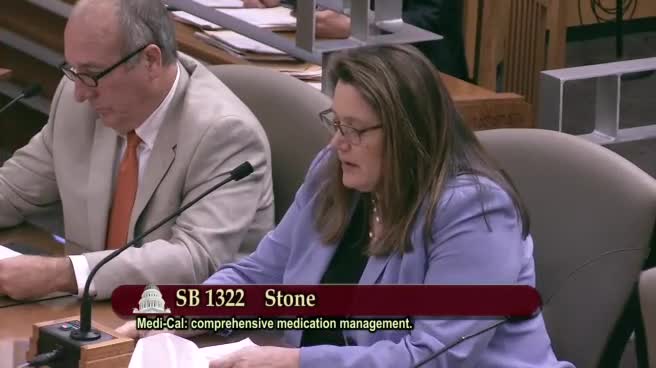 3MIN
Senate Standing Committee on Health
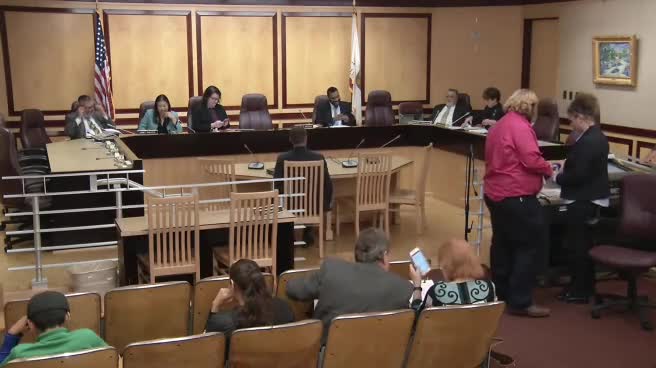 11MIN
Senate Standing Committee on Human Services
Bill Author
Bill Co-Author(s):