AB 766: Unsealed beverage container portion cap.
- Session Year: 2019-2020
- House: Assembly
- Latest Version Date: 2019-04-02
|
Date
|
Status
|
|---|---|
| Feb 3, 2020 | From committee: Filed with the Chief Clerk pursuant to Joint Rule 56. |
| Jan 31, 2020 | Died pursuant to Art. IV, Sec. 10(c) of the Constitution. |
| Apr 9, 2019 | In committee: Set, first hearing. Hearing canceled at the request of author. |
| Apr 3, 2019 | Re-referred to Com. on HEALTH. |
| Apr 2, 2019 | From committee chair, with author's amendments: Amend, and re-refer to Com. on HEALTH. Read second time and amended. |
| Feb 28, 2019 | Referred to Coms. on HEALTH and JUD. |
| Feb 20, 2019 | From printer. May be heard in committee March 22. |
| Feb 19, 2019 | Read first time. To print. |
This list shows positions taken on this bill by organizations on the date displayed, which is linked to the original source.
Positions by individuals are not included.
Date of Hearing: April 9, 2019
ASSEMBLY COMMITTEE ON HEALTH
Jim Wood, Chair
ABPCA Bill Id:AB 766
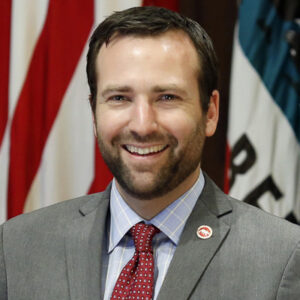
Author:(Chiu) – As Amended Ver:April 2, 2019
SUBJECT: Unsealed beverage container portion cap
SUMMARY: Prohibits a retailer from selling an unsealed beverage container that is able to contain more than 16 fluid ounces, except for a container for water. Specifically, this bill:
- Prohibits a retailer from selling, offering for sale, or providing to a consumer an unsealed beverage container that is able to contain more than 16 fluid ounces, except for an unsealed beverage container designated for the consumption of water.
- Defines a retailer as a person, firm, corporation, or business that sells, offers for sale, or otherwise provides a sugar-sweetened beverage (SSB) to a consumer.
- Defines SSB as any sweetened, nonalcoholic beverage, carbonated or noncarbonated, intended for human consumption that has added caloric sweeteners and contains 75 calories or more per 12 fluid ounces.
- Excludes from the definition of SSB any of the following:
- A beverage containing 100% natural fruit juice or natural vegetable juice with no added caloric sweeteners;
- A product manufactured for any of the following uses, and commonly referred to as a “dietary aid”:
- An oral nutritional therapy for persons who cannot absorb or metabolize dietary nutrients from food or beverages;
- A source of necessary nutrition used as a result of a medical condition;
- An oral electrolyte solution for infants and children formulated to prevent dehydration due to illness;
- A product for consumption by infants and that is commonly referred to as “infant formula;” And,
- A beverage whose principal ingredient by weight is animal milk or a milk substitute.
- Defines unsealed beverage container as a beverage container into which a beverage is dispensed or poured at the business premises where the beverage is purchased or received, including, but not limited to, a container for fountain drinks.
- Makes a violation of this bill an infraction in the amount of, or a civil penalty in an action brought by the Attorney General, or a district attorney, county counsel, or city attorney, in the amount of: a) $200 for the first violation; b) $500 for the second violation; and, $1,000 for each subsequent violation.
- Defines other terms, including:
- Animal milk as natural liquid milk that is secreted by an animal and consumed by humans, and includes, but is not limited to, natural milk concentrate and dehydrated natural milk, whether or not reconstituted.
- Caloric sweetener as any substance containing calories, suitable for human consumption that humans perceive as sweet. “Caloric sweetener” includes, but is not limited to, sucrose, fructose, glucose, and other sugars and fruit juice concentrates.
- Milk substitute as a plant-based beverage in which the principal ingredients by weight are: i) water; and, ii) grains, nuts, legumes, or seeds. Includes in the definition almond milk, coconut milk, flax milk, hazelnut milk, oat milk, rice milk, and soy milk.
- Natural fruit juice as the original liquid resulting from the pressing of fruit, the liquid resulting from the reconstitution of natural fruit juice concentrate, or the liquid resulting from the restoration of water to dehydrated natural fruit juice.
- Natural vegetable juice as the original liquid resulting from the pressing of vegetables, the liquid resulting from the reconstitution of natural vegetable juice concentrate, or the liquid resulting from the restoration of water to dehydrated natural vegetable juice.
- Nonalcoholic beverage as any beverage that contains less than one-half of 1% of alcohol per volume.
- Finds and declares the link between obesity, diabetes, dental and heart diseases and the consumption of SSBs.
EXISTING LAW:
- Establishes the Department of Public Health (DPH) to protect and improve the health of communities through education, promotion of healthy lifestyles, and research for disease and injury prevention.
- Establishes the California Retail Food Code (CRFC), administered by DPH, which provides health and sanitation standards for retail food facilities, various types of food, and food-related equipment, including vending machines. Requires local health agencies to enforce the CRFC.
- Defines food facility to mean an operation that stores, prepares, packages, serves, vends, or provides food for human consumption at the retail level and includes an operation where food is consumed on or off the premises regardless of whether there is a charge for the food or a place used in conjunction with specified operations, including storage facilities for food-related utensils, equipment and materials. Includes in this definition public and private school cafeterias, vending machines, and temporary food facilities (swap meets).
FISCAL EFFECT: This bill has not yet been analyzed by a fiscal committee.
COMMENTS:
- PURPOSE OF THIS BILL. According to the author, California is facing a public health crisis of skyrocketing rates of obesity and diabetes. Almost half of California is obese or overweight, that’s up 40% over the past two decades. Fifty-five percent of the state’s adult population has diabetes or prediabetes. This public health crisis is in part driven by big soda. Consuming sugary beverages is linked to obesity, diabetes, heart disease, hypertension, and tooth decay. And with hundreds of billions of dollars of revenue from soft drinks, it’s clear that big soda companies are profiting off of the diseases that their products cause.
According to nutritional experts, SSBs, including soft drinks, energy drinks, sweet teas, and sports drinks, offer little or no nutritional value, but massive quantities of added sugars. A 20-ounce bottle of soda contains the equivalent of approximately 16 teaspoons of sugar. Yet, the American Heart Association recommends that Americans consume no more than five to nine teaspoons of sugar per day. Research shows that almost one-half of the extra calories Americans consume in their diet come from sugary beverages, with the average American drinks nearly 50 gallons of SSBs per year, the equivalent of 39 pounds of extra sugar per year.
Over the last few decades, soda companies have learned that when beverages are served in larger containers, people drink more. Twenty years ago, a single serving of regular soda was 6.5 ounces, but today, that number has grown to 20 ounces. As restaurants and other food establishments serve larger sizes, SSBs have solidified their place as the leading source of added sugars in our diet. This bill does not put an overall cap on the amount of soda sold. Consumers can go back for refills or buy larger bottles of soda. The goal of this legislation is simply to encourage consumers think about their decision to get a refill or consume more soda than 16 ounces. If actively thinking about that decision gets Californians to make a healthier choice, then we’d be on track to reverse the negative health trends our state is facing. - BACKGROUND. This bill is part of a three-bill package jointly sponsored by the California Medical Association and the California Dental Association. The other bills are: AB 764 (Bonta) which prohibits a beverage company, manufacturer, or distributor from giving or offering a distributor or retailer a nonsale distribution incentive for a SSB; and AB 765 (Wicks) which prohibits stores from making available SSBs in the checkout areas.
- SSBs. According to the Centers for Disease Control and Prevention (CDC), SSBs are any liquids that are sweetened with various forms of added sugars like brown sugar, corn sweetener, corn syrup, dextrose, fructose, glucose, high-fructose corn syrup, honey, lactose, malt syrup, maltose, molasses, raw sugar, and sucrose. Examples of SSBs include, but are not limited to, regular soda (not sugar-free), fruit drinks, sports drinks, energy drinks, sweetened waters, and coffee and tea beverages with added sugars. The CDC states that the average American gets 270 calories of added sugars each day or 17 teaspoons of sugar. One 12-ounce can of regular Coke contains 39 grams of total sugar, which is more than nine teaspoons of sugar.
- Obesity, Diabetes, and Other Chronic Diseases. According to the CDC, obesity affected about 93.3 million of U.S. adults in 2015-16. Hispanics (47.0%) and non-Hispanic blacks (46.8%) had the highest age-adjusted prevalence of obesity, followed by non-Hispanic whites (37.9%) and non-Hispanic Asians (12.7%) during the same time. The prevalence of obesity was 35.7% among young adults aged 20 to 39 years, 42.8% among middle-aged adults aged 40 to 59 years, and 41.0% among older adults aged 60 and older.
Among children and adolescents aged two to 19 years, the prevalence of obesity was 18.5% and affected about 13.7 million children and adolescents. Obesity prevalence was 13.9% among two- to five-year-olds, 18.4% among six- to 11-year-olds, and 20.6% among 12- to 19-year-olds. Similar to adult obesity, childhood obesity is also more common among certain populations: Hispanics (25.8%) and non-Hispanic blacks (22.0%) had higher obesity prevalence than non-Hispanic whites (14.1%). Non-Hispanic Asians (11.0%) had lower obesity prevalence than non-Hispanic blacks and Hispanics.
Obesity-related conditions include heart disease, stroke, type 2 (also known as adult onset) diabetes and certain types of cancer that are some of the leading causes of preventable, premature death. According to the September 2014 “Burden of Diabetes in California” report by DPH, over 2.3 million California adults report having been diagnosed with diabetes, representing one out of every 12 adult Californians. The vast majority of diabetes cases in California are type 2, representing 1.9 million adults. The prevalence increases with age—one out of every six adult Californians aged 65 and above have type 2 diabetes—and is higher among ethnic/racial minorities and Californians with low education attainment and/or family income. Compared with non-Hispanic whites, Hispanics and African Americans have twice the prevalence of type 2 diabetes and are twice as likely to die from their disease. Diabetes is the seventh leading cause of death in California, and determined to be the underlying cause of death in almost 8,000 people each year. As diabetes is a contributing factor to many deaths from heart disease and stroke, diabetes may be under-represented as a contributing cause of death. - The Economic Burden. Overall health care spending on obesity continues to significantly burden the nation. According to the CDC, the estimated annual medical cost of obesity in the United States was $147 billion in 2008 U.S. dollars; the medical cost for people who have obesity was $1,429 higher than those of normal weight. According to the National Conference on State Legislatures, taxpayers fund about half of these costs, at approximately $60 billion, through Medicare and Medicaid. Recent research indicates that if obesity rates are reduced by as little as 5%, health care savings could exceed $29 billion. Childhood obesity also poses a national security challenge, as obesity has become one of the most common disqualifiers for military service; affecting 25% of those who apply to serve.
According to an article in the December 2018 issue of Obesity Journal, the economic burden of obesity-related comorbidities has prompted federal, state, and organizational policymakers to incorporate obesity screening and management into health plan policies. For example, Section 2713 of the Patient Protection and Affordable Care Act mandates that all nongrandfathered private and nonfederal governmental group health plans (state employee plans) cover clinical preventive services recommended by the U.S. Preventive Services Task Force without cost sharing, including referrals to intensive behavioral interventions and healthy diet counseling for adults with obesity and other cardiovascular disease risk factors. However, these plans are not required to cover obesity-related preventive services. - Efforts to Reduce Calorie Consumption. Along with increasing physical activity and providing nutritious food, reducing calories from all sources is a necessary component to reduce obesity and associated chronic health conditions. Research shows that people generally underestimate the number of calories in the foods they consume. A recent study asking participants to estimate the caloric content of nine restaurant entrées found that 90% underestimated the caloric content of less healthy items by an average of more than 600 calories. Controlling the intake of added sugars represents an important component of lifestyle management for weight control and maintenance. A report by the Institute of Medicine (IOM) identified sugary drinks as the single largest contributor of calories and added sugars to the U.S. diet. One of the recommendations on the IOM report is for governments to consider excise taxes on SSBs with the revenues being dedicated to obesity prevention programs.
Additionally, according to the “2015-2020 Dietary Guidelines for Americans,” published every five years jointly by the U.S. Department of Health and Human Services and the U.S. Department of Agriculture, the two main sources of added sugars in U.S. diets are SSBs and snacks and sweets; and recommends limiting added sugar consumption to less than 10% calories per day. In March 2015, the World Health Organization’s (WHO) new “Guideline: Sugars Intake for Adults and Children” recommends reduced intake of sugar throughout the life course. In both adults and children, the intake of sugar should be reduced to less than 10% of total energy intake. For a person who consumes 2,000 calories per day that means intake of added sugars should be limited to less than 30 grams (or two tablespoons). WHO found that a further reduction to below 5% of total energy intake would provide additional health benefits. - Policy Interventions and Unhealthy Products. Mounting evidence suggests that effectively curbing the obesity epidemic and reversing the upward trend will require comprehensive approaches across sectors involving public and private stakeholders at the local, state, and federal level. Many believe that the comprehensive approach must be similar to policy efforts previously employed to improve motor vehicle safety or curb usage of alcohol or tobacco. After passage of the California Tobacco Tax and Health Promotion Act of 1988 (Proposition 99), the state created the California Tobacco Control Program (CTCP), implemented a variety of grassroots efforts to educate consumers about the harmful effects of tobacco use, and passed several anti-tobacco laws, such as local and statewide policies to limit smoking in public places, prohibit the incidence of tobacco sales to minors, and restrictions on tobacco advertising; all designed to address smoking prevalence. California's early efforts have shaped best practices for comprehensive tobacco control efforts throughout the nation and the world. According to CTCP, these efforts have so far saved more than one million lives and over $86 billion in health care costs. While tobacco use continues to be pervasive and costly, California has been successful at significantly curbing the burden of tobacco use on California families, our health care system and our economy.
Since the early 1980s, a growing number of economists have examined the impact of the price of alcoholic beverages on alcohol consumption. Studies investigating such a relationship found that alcohol prices were one factor influencing alcohol consumption among youth and young adults. Other studies determined that increases in the total price of alcohol can reduce drinking and driving and its consequences among all age groups; lower the frequency of diseases, injuries, and deaths related to alcohol use and abuse; and, reduce alcohol-related violence and other crime. A large body of research supports the view that increases in the monetary prices of alcoholic beverages, which can be achieved by raising federal, state, and local alcohol taxes, significantly reduce alcohol consumption. - New York. In 2012, then New York’s Mayor Michael Bloomberg announced the Sugary Drinks Portion Cap Rule or Soda Ban which would limit the size of cups and containers for SSBs to 16 ounces effective the following year. This ban was enacted through regulation. The soda industry eventually sued the city and on appeal, New York’s highest court ruled that the New York City Board of Health exceeded its regulatory authority in adopting the regulation.
- SSBs. According to the Centers for Disease Control and Prevention (CDC), SSBs are any liquids that are sweetened with various forms of added sugars like brown sugar, corn sweetener, corn syrup, dextrose, fructose, glucose, high-fructose corn syrup, honey, lactose, malt syrup, maltose, molasses, raw sugar, and sucrose. Examples of SSBs include, but are not limited to, regular soda (not sugar-free), fruit drinks, sports drinks, energy drinks, sweetened waters, and coffee and tea beverages with added sugars. The CDC states that the average American gets 270 calories of added sugars each day or 17 teaspoons of sugar. One 12-ounce can of regular Coke contains 39 grams of total sugar, which is more than nine teaspoons of sugar.
- SUPPORT. Supporter such as the American Heart Association, the Public Health Institute, Napa County Medical Society, and California Food & Farming state that as restaurants and other food establishments serve larger sizes, SSBs have become a leading source of added sugars in our diet. This bill is a moderate response to addressing today’s obesity crisis, which is a significant public health issue
- OPPOSITION. The National Association of Theatre Owners of California/Nevada state that larger sizes beverages may make sense for families. Larger sizes are often more economical to purchase, and consumers often buy a large size beverage to share with family members when taking to movies, concerts, shows or other events. Mandating a size ban would raise costs for families and would also hurt local businesses.
The California Retailers Association state that prohibiting the size of the container will not decrease the amount of consumption of SSBs because consumers will simply refill their containers more frequently than what would have been necessary if they had a container larger than 16 ounces. The California Chamber of Commerce, Orange County Business Council, and 7-Eleven state that education is more impactful than size bans when it comes to influencing consume behavior. - RELATED LEGISLATION. AB 138 (Bloom) imposes a fee on every distributor of SSBs. AB 138 will be heard in Assembly Health Committee April 9, 2019. SB 347 (Monning) establishes the Sugar-Sweetened Beverages Safety Warning Act, to be administered by DPH, and requires a safety warning on all sealed SSB containers. SB 347 is pending in Senate Appropriations Committee.
- PREVIOUS LEGISLATION.
- AB 1003 (Bloom) of 2017, AB 2782 (Bloom) of 2016, and AB 1357 (Bloom) of 2015 would have imposed a fee on every distributor for distributing bottled sugary drinks and concentrate and established the California Community Health Fund to consist of fees or penalties collected. AB 1003 was held in the Assembly Health Committee, and the subject matter was referred to the Committee on Rules for assignment to the proper committee for study. AB 2782 was not heard in the Assembly Health Committee. AB 1357 failed passage in the Assembly Health Committee.
- SB 300 (Monning) of 2017, SB 203 (Monning) of 2015, SB 1000 (Monning) of 2014, and AB 1335 (Bonta) of 2018 would have required a safety warning on all sealed SSB containers. SB 300 was not heard in this Committee. SB 203 and SB 1000 failed passage in the Assembly Health Committee. AB 1335 was held on the Senate Appropriations Committee suspense file.
- SCR 34 (Monning), Chapter 99, Statutes of 2015, proclaims the month of September 2015, and each year thereafter, as Childhood Obesity Awareness Month, and expresses the Legislature’s support of various programs that work to reduce obesity among children, including those that increase access to affordable healthful foods and beverages and provide less access to high-calorie foods and SSBs.
- SB 622 (Monning) of 2013, AB 669 (Monning) of 2011, SB 1210 (Florez) of 2010, and AB 2100 (Coto) of 2010 would have imposed a $0.01 per fluid ounce tax on any beverage that adds caloric sweeteners, such as sodas, energy drinks, sweet teas, and sports drinks. SB 622 would have required funds generated by the tax to be directed to the newly created Children’s Health Promotion Fund and allocated to statewide childhood obesity prevention activities and programs. SB 622 was held on the Senate Appropriations Committee suspense file. AB 669 was held on the Assembly Revenue and Taxation Committee suspense file. SB 1210 was held on the Senate Revenue and Taxation Committee suspense file. AB 2100 was not heard in the Assembly Revenue and Taxation Committee.
- AB 1746 (Williams) of 2012 would have, commencing July 1, 2013, restricted the sale of electrolyte replacement beverages in middle schools and high schools to specified times before and after school. AB 1746 was held on the Assembly Appropriations Committee suspense file.
- AB 1003 (Bloom) of 2017, AB 2782 (Bloom) of 2016, and AB 1357 (Bloom) of 2015 would have imposed a fee on every distributor for distributing bottled sugary drinks and concentrate and established the California Community Health Fund to consist of fees or penalties collected. AB 1003 was held in the Assembly Health Committee, and the subject matter was referred to the Committee on Rules for assignment to the proper committee for study. AB 2782 was not heard in the Assembly Health Committee. AB 1357 failed passage in the Assembly Health Committee.
REGISTERED SUPPORT / OPPOSITION:
Support
American Academy of Pediatrics, California (cosponsor)
California Dental Association (cosponsor)
California Medical Association (cosponsor)
Alameda-Contra Costa Medical Association
American Diabetes Association
American Federation of State, County And Municipal Employees, AFL-CIO
American Heart Association
California Food and Farming Network
California Orthopedic Association
California Society of Pediatric Dentistry
Center For Science in the Public Interest
Kern County Medical Society
MomsRising
Monterey County Medical Society
Napa County Medical Society
Orange County Medical Association
Placer Nevada County Medical Society
Public Health Institute
San Francisco Marin Medical Society
Santa Clara County Medical Association
Sierra Sacramento Valley Medical Society
Tuolumne County Medical Society
Opposition
American Beverage Association
Brea Chamber of Commerce
CalAsian Chamber of Commerce
California Attractions and Parks Association
California Business Roundtable
California Chamber of Commerce
California Food Producers
California Fuels And Convenience Alliance
California Grocers Association
California Hispanic Chambers Of Commerce
California Manufacturers And Technology Association
California Restaurant Association
California Retailers Association
Juice Products Association
Los Angeles Area Chamber of Commerce
Ms.
National Association of Theatre Owners of California/Nevada
National Coalition of Associations of 7-Eleven Franchisees
Orange County Business Council
Rancho Cordova Chamber Of Commerce
San Gabriel Valley Economic Partnership
Southwest California Legislative Council
Torrance Area Chamber Of Commerce
Valley Industry And Commerce Association
Analysis Prepared by: Rosielyn Pulmano / HEALTH / (916) 319-2097
Bill Author

Bill Co-Author(s):