SB 446: Medi-Cal: hypertension medication management services.
- Session Year: 2019-2020
- House: Senate
- Latest Version Date: 2019-04-11
|
Date
|
Status
|
|---|---|
| Feb 3, 2020 | Returned to Secretary of Senate pursuant to Joint Rule 56. |
| May 16, 2019 | May 16 hearing: Held in committee and under submission. |
| May 14, 2019 | Set for hearing May 16. |
| May 13, 2019 | May 13 hearing: Placed on APPR. suspense file. |
| May 3, 2019 | Set for hearing May 13. |
| Apr 25, 2019 | From committee: Do pass and re-refer to Com. on APPR. (Ayes 9. Noes 0.) (April 24). Re-referred to Com. on APPR. |
| Apr 11, 2019 | From committee with author's amendments. Read second time and amended. Re-referred to Com. on HEALTH. |
| Apr 5, 2019 | Set for hearing April 24. |
| Apr 4, 2019 | April 10 set for first hearing canceled at the request of author. |
| Mar 26, 2019 | Set for hearing April 10. |
| Mar 7, 2019 | Referred to Com. on HEALTH. |
| Feb 22, 2019 | From printer. May be acted upon on or after March 24. |
| Feb 21, 2019 | Introduced. Read first time. To Com. on RLS. for assignment. To print. |
|
Date
|
Description
|
Location
|
Votes
|
|
|---|---|---|---|---|
| May 13, 2019 | Placed on suspense file | Senate Standing Committee on Appropriations |
Passed |
|
| Apr 24, 2019 | Do pass, but first be re-referred to the Committee on [Appropriations] | Senate Standing Committee on Health |
Passed |
This list shows positions taken on this bill by organizations on the date displayed, which is linked to the original source.
Positions by individuals are not included.
SENATE COMMITTEE ON APPROPRIATIONS
Senator Anthony Portantino, Chair
2019 - 2020 Regular Session
SB 446 (Stone) - Medi-Cal: hypertension medication management services
Version: April 11, 2019 | Policy Vote: HEALTH 9 - 0 |
Urgency: No | Mandate: No |
Hearing Date: May 13, 2019 | Consultant: Samantha Lui |
Bill Summary:
Senate Bill 446 would require Medi-Cal to provide coverage for hypertension medication management services provided by a pharmacist or an advance practice pharmacist, pursuant to scope of practice.
Fiscal Impact:
The following estimate is based on a substantively similar bill (SB 1264, Stone, 2017), which would have required a specified Medi-Cal reimbursement rate of pharmacist services for providing two of three authorized services within scope of practice. Last year’s estimate included:
- Ongoing Medi-Cal local assistance costs of $130 million ($65 million General Fund) in budget year and $259 million ($129 million General Fund) in 2020-21 and annually thereafter.
- Limited-term administrative costs of $324,000 in 2020-21 and 306,000 in 2021-22 to implement and oversee the new benefit.
Although SB 446 authorizes hypertension medication management services, it does not specify any eligibility criteria or propose a limit on the number of services that can be provided, billed, and reimbursed. Without eligibility criteria or utilization controls, the Department of Health Care Services previously estimated an average cost of $23 per visit and assumed 25 percent of all managed care and fee-for-service beneficiaries would utilize medication management services through a pharmacist at a rate of four times per year. Staff estimates costs for the bill could be potentially higher, as it requires the provision for all three specified services.
Background:
SB 493 (Hernandez), Chapter 469, Statutes of 2013, and AB 1535 (Bloom), Chapter 326, Statutes of 2014, expanded the scope of practice of pharmacists. Among other provisions, SB 493, allows pharmacists to furnish certain hormonal contraceptives, nicotine replacement products, and prescription medications for travel. AB 1535 authorized a pharmacist to furnish naloxone hydrochloride in accordance with standardized procedures or protocols developed and approved by both the Board and the Medical Board of California, in consultation with specified entities.
Proposed Law:
This bill would require Medi-Cal to provide coverage for hypertension medication management services provided by a pharmacist or an advance practice pharmacist pursuant to scope of practice provisions.
Related Legislation:
- AB 1131 (Gloria) requires CMM, as defined, to be a covered benefit under the Medi-Cal program. Requires CMM to be offered to a beneficiary who meets certain criteria, including being prescribed eight or more prescription drugs to treat two or more chronic medical conditions. AB 1131 is pending the Assembly Appropriations Committee.
- SB 1264 (Stone, 2018) would have included providing specified hypertension medication management services as a covered pharmacist under Medi-Cal. The bill was held on the Assembly Appropriations suspense file.
- SB 1322 (Stone, 2018) adds comprehensive medication management (CMM) services as a covered under the Medi-Cal program. CMM is defined as the process of care that ensures each beneficiary’s medications (prescription drugs and biologics, over-the-counter medication, or nutritional supplements), are individually assessed to determine that each medication is appropriate for the beneficiary, effective for the medical condition, and safe given the comorbidities and other medications being taken, and all medications are able to be taken by the patient as intended. The bill failed passage in the Senate Health Committee.
-- END --
SENATE COMMITTEE ON HEALTH
Senator Dr. Richard Pan, Chair
BILL NO: SB 446
AUTHOR: | Stone | ||
VERSION: | April 11, 2019 | ||
HEARING DATE: | April 24, 2019 | ||
CONSULTANT: | Kimberly Chen | ||
SUBJECT: Medi-Cal: hypertension medication management services
SUMMARY:
Requires hypertension medication management services provided by a pharmacist or an advanced practice pharmacist, as specified, to be a covered benefit under the Medi-Cal program.
Existing law:
- Establishes the Medi-Cal program, administered by the Department of Health Care Services (DHCS), under which low-income individuals are eligible for medical coverage. [WIC §14000, et seq.]
- Establishes a schedule of benefits covered under the Medi-Cal program, including pharmacist services, subject to approval by the federal Centers for Medicare and Medicaid Services. Requires the following to be covered pharmacist services that may be provided to a Medi-Cal beneficiary, subject to DHCS protocols and utilization controls:
- Furnishing travel medications;
- Furnishing naloxone hydrochloride;
- Furnishing self-administered hormonal contraception;
- Initiating and administering immunizations; and,
- Providing tobacco cessation counseling and furnishing nicotine replacement therapy. [WIC §141432.968]
- Requires DHCS to establish a fee schedule for the list of pharmacist services and requires the reimbursement rate for those services to be at 85% of the fee schedule of physician services under Medi-Cal. [WIC §141432.968]
- Authorizes DHCS to implement, interpret, or make specific the pharmacist services covered by Medi-Cal, and any applicable federal waivers and state plan amendments, by means of all-county letters, plan letters, plan or provider bulletins, or similar instructions, without taking regulatory action. Requires DHCS, by July 1, 2021, to adopt regulations to implement pharmacist services covered by Medi-Cal. [WIC §14132.968]
- Establishes the practice of pharmacy and scope of practice for pharmacists. Establishes the California Board of Pharmacy (Board) to administer and enforce those provisions. [WIC §4000, et seq. and 4051]
- Authorizes the following procedures to be performed by a pharmacist practicing in a licensed health care facility, licensed health home agency, licensed correctional center, or clinic which has a physician, is overseen by a physician, or has a provider who contracts with a health plan to provide services to that health plan’s enrollees:
- Ordering or performing routine drug therapy-related patient assessment procedures including temperature, pulse, and respiration;
- Ordering drug therapy-related laboratory tests;
- Administering drugs and biologicals by injection pursuant to a prescriber’s order; and,
- Initiating or adjusting the drug regimen of a patient pursuant to an order or authorization made by the patient’s prescriber and in accordance with specified policies, procedures, or protocols of the licensed facility, health home agency, correctional center, or clinic. [BPC §4052.1 and 4052.2]
- Defines an “advance practice pharmacist” (APP) as a licensed pharmacist who has been recognized as an APP by the Board, and entitles a Board-recognized APP to practice advanced practice pharmacy, within or outside of a licensed pharmacy. Authorizes an APP to do all of the following:
- Perform patient assessments;
- Order and interpret drug therapy-related tests;
- Refer patients to other health care providers;
- Participate in the evaluation and management of diseases and health conditions in collaboration with other health care providers; and,
- Initiate, adjust, or discontinue drug therapy in a manner and setting consistent with pharmacists who practice in a licensed facility, health home agency, correctional center, or clinic, as specified in existing law. [BPC §4016.5 and 4052.6]
This bill:
- Requires hypertension medication management services provided by a pharmacist or APP to be a covered Medi-Cal benefit.
- Requires hypertension medication management services are provided under this bill to be provided by a pharmacist practicing in a licensed health care facility, licensed health home agency, licensed correctional center, or clinic which has a physician, is overseen by a physician, or has a provider who contracts with a health plan to provide services to that health plan’s enrollees, pursuant to existing law. Requires the services to include all three of the following procedures, authorized under existing law, for the purposes of monitoring and managing hypertension medication:
- Ordering or performing routine drug therapy-related patient assessment procedures including temperature, pulse, and respiration;
- Ordering drug therapy-related laboratory tests; and,
- Initiating or adjusting the drug regimen of a patient pursuant to an order or authorization made by the patient’s prescriber and in accordance with specified policies, procedures, or protocols.
- Requires hypertension medication management services provided by an APP to include all three of the following procedures, authorized under existing law, for the purposes of monitoring and managing hypertension medication:
- Perform patient assessments;
- Order and interpret drug therapy-related tests; and,
- Initiate, adjust or discontinue drug therapy of patient in a manner and setting consistent with pharmacists who practice in a licensed facility, health home agency, correctional center, or clinic, as specified in existing law.
FISCAL EFFECT:
This bill has not been analyzed by a fiscal committee.
COMMENTS:
- Author’s statement. According to the author, hypertension control in the U.S. has hovered at roughly 50% over the past decade, despite the dangerous role hypertension plays in cardiovascular disease (CVD) and that the first five lines of medications for hypertension are generic and inexpensive. Pharmacists have the training and expertise to manage hypertension drug therapy, and offer a new and proven avenue for managing a persistent major public health problem. CVD is the leading cause of morbidity and mortality in the U.S. Hypertension is one of the major contributors to CVD and the greatest directly attributable risk for death worldwide. Hypertension poses a considerable burden on the healthcare system at the individual level and in terms of cost burden. With the release of new guidelines and lower blood pressure goals for hypertension in November 2017 from the American Heart Association, the prevalence of hypertension is now 46%, or over 100 million adults. Engaging pharmacists in the management of hypertension is crucial to achieving goals for uncontrolled patients. Pharmacists are highly effective at managing medications for hypertension and ensuring patients reach blood pressure goals.
- Hypertension. According to the Centers for Disease Control and Prevention (CDC), hypertension occurs when the force of blood pushing against the walls of arteries stays high for a long period of time, which can lead to damage to the heart and other health problems. Hypertension raises the risk for heart disease and stroke, which are the leading causes of death in the United States. Medications can help reduce hypertension and control blood pressure. The CDC estimates that 75 million U.S. adults have hypertension and, of those individuals, 54% have their condition under control.
According to the California Health Interview Survey (CHIS) conducted by the University of California, Los Angeles, in 2017, approximately 34.9% of adults enrolled in Medi-Cal has or has been previously diagnosed with hypertension. CHIS also found that of adults who have ever been diagnosed with hypertension, 72% take medication for their hypertension.
- California Health Benefits Review Program (CHBRP). AB 1996 (Thomson, Chapter 795, Statutes of 2002) requests the University of California to assess legislation proposing a mandated benefit or service and prepare a written analysis with relevant data on the medical, economic, and public health impacts of proposed health plan and health insurance benefit mandate legislation.
CHBRP provided an analysis of SB 1322 (Stone of 2018) which would have required Medi-Cal to cover comprehensive medication management (CMM) for beneficiaries identified as high risk for medication-related problems or having one or more chronic diseases. CMM is defined by the Patient-Centered Primary Care Collaborative as a service that evaluates patients’ medications, whether prescription or over-the-counter, for safety and effectiveness in the treatment of disease. It is a specific type of healthcare service delivered by a healthcare provider and pharmacist, collaboratively, and may be either plan-based or provider-based. CHBRP’s analysis of SB 1322 reviewed whether CMM had an impact on individuals with specific or multiple chronic conditions, including individuals with hypertension and individuals with hypertension alongside other chronic diseases. CHBRP found that there is a preponderance of evidence that receiving CMM is associated with greater reductions in blood pressure than without receiving CMM.
CHBRB also provided an analysis for AB 2084 (Wood of 2016) which was substantially similar to SB 1322. Because of the low number of studies on CMM at the time, CHBRB also reviewed studies on medication therapy management (MTM). MTM may include a variety of services, including medication review, patient-directed education, care coordination and opportunity for follow up, and is targeted toward medication taken for a particular disease. CHBRB found a preponderance of evidence that pharmacists’ direct patient care interventions identified as MTM are more effective for patient outcomes than without the intervention. At least half of the MTM studies were in an outpatient setting. The interventions identified as MTM and the chronic disease targeted varied by study.
- Related legislation. AB 1131 (Gloria) requires CMM, as defined, to be a covered benefit under the Medi-Cal program. Requires CMM to be offered to a beneficiary who meets certain criteria, including being prescribed eight or more prescription drugs to treat two or more chronic medical conditions. AB 1131 is pending the Assembly Health Committee.
- Prior legislation. SB 1264 (Stone of 2018) was identical to this bill. SB 1364 was held on the suspense in the Assembly Appropriations Committee.
SB 1285 (Stone of 2018) would have required CMM, as defined, provided by an APP to be a covered service for a health plan, including a Medi-Cal managed care plan, to the extent FFP is available. SB 1285 failed passage in the Senate Health Committee.
SB 1322 (Stone of 2018) would have required CMM, as defined, to be a covered benefit under the Medi-Cal program. Required DHCS to evaluate the effectiveness of CMM on quality of care, patient outcomes, and total program costs, as specified. SB 1322 failed passage in the Senate Health Committee.
AB 2084 (Wood of 2016) was substantially similar to SB 1322 and included criteria for beneficiaries who would qualify for CMM services. AB 2084 was held on suspense in the Assembly Appropriations Committee.
- Support. America’s Physician Group (APG) is in support of this bill. APG writes that cardiovascular disease is the leading cause of morbidity and mortality in the U.S. and hypertension is one of the major contributors to this disease. APG argues that pharmacists are a critical component to the health care delivery team and concludes that this bill is a commonsense solution to assist patients manage their hypertension and to ensure critical health care professionals are reimbursed for their services.
- Oppose. The California Chapter of the American College of Cardiology (CA-ACC) is opposed to this bill, stating concerns about pharmacists’ ability to safely and effectively provide hypertension medication management services and increasing funding for physician services into the Medi-Cal system for non-physicians. CA-AAC argues that pharmacists do not have access to the extensive patient information the prescribing physician does to safely and effectively manage their hypertension. Even if the pharmacist does have access to all the information as the prescribing physician, the pharmacist does not have the training and education to understand when it is appropriate to order or perform drug therapy assessment procedures, order drug therapy related lab tests, or initiate or adjust medication for hypertension. CA-AAC believes if new revenues are being provided to providers in the Medi-Cal program it should be directed towards physician services.
- Policy Comment. CHBRP’s analysis of CMM and MTM included numerous studies set in community pharmacies and a variety of outpatient settings. This bill limits the provision of hypertension medication management services to being performed in a health care facility or clinic. Therefore, this bill will likely be less effective in improving patient outcomes than suggested by the findings of the studies in CHBRP’s analysis.
SUPPORT AND OPPOSITION:
Support: America’s Physician Groups
Oppose: California Chapter of the American College of Cardiology
-- END --
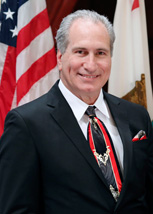
Bill Author
Bill Co-Author(s):