AB 1123: Dispute resolution programs: court administration.
- Session Year: 2015-2016
- House: Assembly
- Latest Version Date: 2015-02-27
Existing law authorizes a county to establish a program of grants to public entities and nonprofit organizations for the provision of dispute resolution services and prescribes a variety of eligibility requirements and duties in this regard. Existing law requires the Administrative Office of the Courts to make monthly distributions from superior court filing fees for the support of dispute resolution programs in each county that has acted to establish a program, as specified.
This bill would permit a county that has established and is operating a dispute resolution program as described above to contract with the superior court of the county to transfer operation of the program to the court. The court would be required to operate the program in compliance with all requirements, rules, and regulations associated with the program. The bill would provide that a court that contracts to operate a dispute resolution program assumes the relevant rights and responsibilities connected with the program and would require the county to transfer, within a reasonable time, any funds received for administration of the program, with future program funding to be provided directly to the court.
(a)A county that has established and is operating a program pursuant to this chapter may contract with the superior court of the county to transfer operation of the program to the court. The court shall operate the program in compliance with the requirements of the chapter and all rules and regulations associated with the program.
(b)If a county and a superior court agree to transfer responsibility for a program pursuant to the authority provided in subdivision (a), the court shall assume all rights and responsibilities associated with operating the program. The county shall transfer to the court, within a reasonable time, any funds received for administration of the program and all future funding of the program shall be provided directly to the court.
|
Date
|
Status
|
|---|---|
| Feb 27, 2015 | Introduced. To print. |
| Mar 1, 2015 | From printer. May be heard in committee March 31. |
| Mar 2, 2015 | Read first time. |
| Mar 19, 2015 | Referred to Com. on JUD. |
| Apr 21, 2015 | From committee: Do pass and re-refer to Com. on APPR. with recommendation: To Consent Calendar. (Ayes 10. Noes 0.) (April 21). Re-referred to Com. on APPR. |
| May 6, 2015 | From committee: Do pass. (Ayes 16. Noes 0.) (May 6). |
| May 7, 2015 | Read second time. Ordered to third reading. |
| May 11, 2015 | Ordered to inactive file at the request of Assembly Member Mayes. |
| Sep 4, 2015 | Read second time. Ordered to third reading. |
| Feb 1, 2016 | Died on inactive file. |
|
Date
|
Description
|
Location
|
Votes
|
|
|---|---|---|---|---|
| May 6, 2015 | Do pass. | Assembly Standing Committee on Appropriations |
Passed |
|
| Apr 21, 2015 | Do pass and be re-referred to the Committee on [Appropriations] with recommendation: To Consent Calendar | Assembly Standing Committee on Judiciary |
Passed |
This list shows positions taken on this bill by organizations on the date displayed, which is linked to the original source.
Positions by individuals are not included.
|
Organization
|
Position
|
Date
|
|---|---|---|
| Community Mediations Center in Contra Costa | * Indeterminate | May 6, 2015 |
| County of San Bernardino | * Support | May 6, 2015 |
AB 1123
Page 3
Date of Hearing: April 21, 2015
ASSEMBLY COMMITTEE ON JUDICIARY
Mark Stone, Chair
AB 1123
(Mayes) – As Introduced February 27, 2015
PROPOSED CONSENT
SUBJECT: DISPUTE RESOLUTION PROGRAMS: COURT ADMINISTRATION
KEY ISSUE: SHOULD COUNTIES BE ALLOWED TO FORMALLY TRANSFER THE REVENUES AND RESPONSIBILITIES operation of local DISPUTE RESOLUTION PROGRAMs to their superior courts, upon the agreement of those superior courts?
SYNOPSIS
This non-controversial bill, sponsored by the County of San Bernardino, seeks to clarify that a county has the authority to transfer operations and revenue of an established county alternative dispute resolution program to the superior court of its county. Counties and courts have memoranda of understanding and other agreements to transfer these programs, and they operate by these agreements, but they question whether they are operating outside of existing law. Also, because existing law gives counties the authority to establish and conduct these programs, there is confusion as to whether courts can exercise authority over these programs and the required procurement processes to operate the programs. This bill will alleviate any confusion about these issues by specifically authorizing counties and courts to agree to transfer alternative dispute resolution programs to the court when they choose to do so.
SUMMARY: Permits a county to transfer the operations of an established alternative dispute resolution program to the superior court in the county. Specifically, this bill:
1) Allows a county and the superior court of the same county to formally agree to the transfer of the revenues and responsibilities of an established dispute resolution program to the court to operate the program.
2) Requires that upon transfer of the alternative dispute program to the superior court, the court must operate the program in compliance with requirements, rules and regulations associated with the program.
3) Provides that a court which contracts to operate a dispute resolution program assumes the relevant rights and responsibilities connected with the program.
4) Requires the county to transfer, within a reasonable time, any funds received for the administration of the program, and that all future program funding to be provided directly to the court.
EXISTING LAW provides that local dispute resolution services provide an alternative to formal court proceedings. (Business and Professions Code, Section 465. All further statutory references are to that code, unless otherwise indicated.)
1) Provides for the establishment and funding of local dispute resolution programs to be operated by counties and for participating counties to receive funds to administer the programs. (Sections 465-467.1.)
2) Provides that local dispute resolution programs are funded by civil filing fee surcharges. (Section 470.5.)
3) The Department of Consumer Affairs is charged with the oversight and enforcement of alternative dispute resolution programs. (Section 471.)
FISCAL EFFECT: As currently in print this bill is keyed fiscal.
COMMENTS: The Dispute Resolution Programs Act of 1986 (Chapter 1313, Statutes of 1986 and Chapter 28, Statutes of 1987), or Act, provides for the establishment, funding and use of local dispute resolution programs. In considering the Act’s implementation, the Legislature determined that the resolution of disputes could be unnecessarily costly, time-consuming, and complex when achieved through formal court proceedings. In an attempt to achieve more effective and efficient dispute resolution, the Legislature encouraged greater use of alternatives to litigation, such as mediation, conciliation, and arbitration. In order to achieve effectiveness and efficiency and facilitate more flexible forums to hash out disputes, the Legislature created the Act to encourage counties to utilize these less formal, less costly programs for the resolution of disputes. Since the Act was established, many counties have created local alternative dispute resolution programs to assist persons who wish to resolve disputes prior to trial. (www.dca.ca.gov/publications)
Although some counties contract with their superior courts to handle the operations of their alternative dispute resolution programs, their authority to do so is not clear in the Act. This bill will allow counties and courts to formalize their existing practices of transferring the responsibility for operating such programs to courts and will allow other counties and courts who may wish to do so, to contract for the transfer of alternative dispute resolution programs and their revenue, from the county to the court.
In support the author writes:
The Dispute Resolution Programs Act of 1986 provides for the establishment and funding of local dispute resolution programs. The purpose of the Act is to encourage the use of local dispute resolution services as an alternative to formal court proceedings. The program is funded by civil filing fee surcharges.
In several counties, including the County of San Bernardino, the program has been administered by the local superior court. However, the County is required to adopt the code sections and the funds are deposited with the County.
Assembly Bill 1123 would allow counties and courts to agree to formally transfer revenues and responsibilities relating to the Dispute Resolution Programs Act of 1986. This would formalize the current practice in several counties, reduce staff time, and eliminate confusion over program authority and procurement process. This bill would not mandate any change, it would only allow it.
Oversight of Alternative Dispute Resolution Programs. The Act provides the framework for the statewide system of oversight. Initially, a limited-term Dispute Resolution Advisory Council (Council) was created in the Act to adopt temporary guidelines and propose regulations to supplement the provisions of the Act. After completion of its responsibilities, the Council was disbanded on January 1, 1989. The Department of Consumer Affairs now has the responsibility to oversee the local programs, review and modify the rules and regulations governing the local programs, provide technical assistance to counties and their programs, monitor local government program compliance with the Act and applicable regulations, and evaluate the programs and their impact on the state justice system. This bill does not change any oversight provisions of the Act, except to the extent that existing oversight of county alternative dispute resolution programs will now extend to programs operated by county superior courts after they are transferred to the local superior courts. (www.dca.ca.gov/publications)
ARGUMENTS IN SUPPORT: The sponsor of this bill, the County of San Bernardino writes in support:
The County of San Bernardino operates a dispute resolution program that has been administered by the San Bernardino Court since 2004. This is particularly important in the County of San Bernardino given the limited number of judicial positions relative to caseload.
The County of San Bernardino has maintained involvement because the code sections require that the funds are deposited with the County. However, in practice, the funds are administered by the Court. Questions have arisen regarding responsibility for procurement and contracting authority, often resulting in duplicative work performed by the Court and San Bernardino County.
AB 1123 would allow for the transfer of revenues and responsibilities under the Act on a permissive basis to formalize the County’s current practice, whereby the Court administers the funds and oversees operations, reduce staff time, increase efficiencies and eliminate confusion over program authority and procurement processes.
REGISTERED SUPPORT / OPPOSITION:
Support
County of San Bernardino (sponsor)
California Judicial Council
California State Association of Counties
Opposition
None on file
Analysis Prepared by: Khadijah Hargett / JUD. / (916) 319-2334
AB 1123
Page 3
ASSEMBLY THIRD READING
AB 1123
(Mayes)
As Introduced February 27, 2015
Majority vote
Committee |
Votes |
Ayes |
Noes |
Judiciary |
10-0 |
Mark Stone, Wagner, Alejo, Chau, Chiu, Gallagher, Cristina Garcia, Holden, Maienschein, O'Donnell |
|
Appropriations |
16-0 |
Gomez, Bigelow, Bonta, Calderon, Chang, Daly, Eggman, Gallagher, Eduardo Garcia, Holden, Jones, Quirk, Rendon, Wagner, Weber, Wood |
|
SUMMARY: Permits a county to transfer the operations of an established alternative dispute resolution program to the superior court in the county. Specifically, this bill:
1) Allows a county and the superior court of the same county to formally agree to the transfer of the revenues and responsibilities of an established dispute resolution program to the court to operate the program.
2) Requires that upon transfer of the alternative dispute program to the superior court, the court must operate the program in compliance with requirements, rules and regulations associated with the program.
3) Provides that a court which contracts to operate a dispute resolution program assumes the relevant rights and responsibilities connected with the program.
4) Requires the county to transfer, within a reasonable time, any funds received for the administration of the program, and that all future program funding to be provided directly to the court.
EXISTING LAW provides that local dispute resolution services provide an alternative to formal court proceedings.
1) Provides for the establishment and funding of local dispute resolution programs to be operated by counties and for participating counties to receive funds to administer the programs.
2) Provides that local dispute resolution programs are funded by civil filing fee surcharges.
3) The Department of Consumer Affairs (DCA) is charged with the oversight and enforcement of alternative dispute resolution programs.
FISCAL EFFECT: According to the Assembly Appropriations, any costs to the DCA, which is charged with oversight and enforcement of alternative dispute resolution programs, would be minor and absorbable.
COMMENTS: The Dispute Resolution Programs Act of 1986 (Chapter 1313, Statutes of 1986 and Chapter 28, Statutes of 1987), or Act, provides for the establishment, funding and use of local dispute resolution programs. In considering the Act's implementation, the Legislature determined that the resolution of disputes could be unnecessarily costly, time-consuming, and complex when achieved through formal court proceedings. In an attempt to achieve more effective and efficient dispute resolution, the Legislature encouraged greater use of alternatives to litigation, such as mediation, conciliation, and arbitration. In order to achieve effectiveness and efficiency and facilitate more flexible forums to hash out disputes, the Legislature created the Act to encourage counties to utilize these less formal, less costly programs for the resolution of disputes. Since the Act was established, many counties have created local alternative dispute resolution programs to assist persons who wish to resolve disputes prior to trial. (www.dca.ca.gov/publications)
Although some counties contract with their superior courts to handle the operations of their alternative dispute resolution programs, their authority to do so is not clear in the Act. This bill will allow counties and courts to formalize their existing practices of transferring the responsibility for operating such programs to courts and will allow other counties and courts who may wish to do so, to contract for the transfer of alternative dispute resolution programs and their revenue, from the county to the court.
In support the author writes:
The Dispute Resolution Programs Act of 1986 provides for the establishment and funding of local dispute resolution programs. The purpose of the Act is to encourage the use of local dispute resolution services as an alternative to formal court proceedings. The program is funded by civil filing fee surcharges.
In several counties, including the County of San Bernardino, the program has been administered by the local superior court. However, the County is required to adopt the code sections and the funds are deposited with the County.
Assembly Bill 1123 would allow counties and courts to agree to formally transfer revenues and responsibilities relating to the Dispute Resolution Programs Act of 1986. This would formalize the current practice in several counties, reduce staff time, and eliminate confusion over program authority and procurement process. This bill would not mandate any change, it would only allow it.
Oversight of Alternative Dispute Resolution Programs. The Act provides the framework for the statewide system of oversight. Initially, a limited-term Dispute Resolution Advisory Council (Council) was created in the Act to adopt temporary guidelines and propose regulations to supplement the provisions of the Act. After completion of its responsibilities, the Council was disbanded on January 1, 1989. The DCA now has the responsibility to oversee the local programs, review and modify the rules and regulations governing the local programs, provide technical assistance to counties and their programs, monitor local government program compliance with the Act and applicable regulations, and evaluate the programs and their impact on the state justice system. This bill does not change any oversight provisions of the Act, except to the extent that existing oversight of county alternative dispute resolution programs will now extend to programs operated by county superior courts after they are transferred to the local superior courts. (www.dca.ca.gov/publications)
The sponsor of this bill, the County of San Bernardino writes in support:
The County of San Bernardino operates a dispute resolution program that has been administered by the San Bernardino Court since 2004. This is particularly important in the County of San Bernardino given the limited number of judicial positions relative to caseload.
The County of San Bernardino has maintained involvement because the code sections require that the funds are deposited with the County. However, in practice, the funds are administered by the Court. Questions have arisen regarding responsibility for procurement and contracting authority, often resulting in duplicative work performed by the Court and San Bernardino County.
AB 1123 would allow for the transfer of revenues and responsibilities under the Act on a permissive basis to formalize the County's current practice, whereby the Court administers the funds and oversees operations, reduce staff time, increase efficiencies and eliminate confusion over program authority and procurement processes.
Analysis Prepared by: Khadijah Hargett / JUD. / (916) 319-2334 FN: 0000286
AB 1123
Page 1
Date of Hearing: May 6, 2015
ASSEMBLY COMMITTEE ON APPROPRIATIONS
Jimmy Gomez, Chair
AB 1123
(Mayes) – As Introduced February 27, 2015
Policy Committee: |
Judiciary |
Vote: |
10 - 0 |
|
|
|
|
|
|
|
|
Urgency: No State Mandated Local Program: No Reimbursable: No
SUMMARY:
This bill authorizes counties that have established dispute resolution programs to contract with, and transfer operation of, these programs to their respective county superior courts, which assume all rights and responsibilities connected with the programs. A county would also be required to also transfer to the court any funds received for administering the program, and all future program funding would go directly to the court.
FISCAL EFFECT:
Any costs to the Department of Consumer Affairs (DCA), which is charged with oversight and enforcement of alternative dispute resolution programs, would be minor and absorbable.
COMMENTS:
Background. The Dispute Resolution Programs Act of 1986 provides for the establishment, funding and use of local dispute resolution programs. In considering the Act’s implementation, the Legislature determined that the resolution of disputes could be unnecessarily costly, time-consuming, and complex when achieved through formal court proceedings. In an attempt to achieve more effective and efficient dispute resolution, the Legislature encouraged greater use of alternatives to litigation, such as mediation, conciliation, and arbitration.
Purpose. Although some counties contract with their superior courts to handle the operations of their alternative dispute resolution programs, their authority to do so is not clear in the Act. This bill, sponsored by the County of San Bernardino, will allow counties and courts to formalize their existing practices of transferring the responsibility for operating such programs to courts and will allow other counties and courts who may wish to do so, to contract for the transfer of alternative dispute resolution programs and their revenue, from the county to the court.
Analysis Prepared by: Chuck Nicol / APPR. / (916) 319-2081
Discussed in Hearing
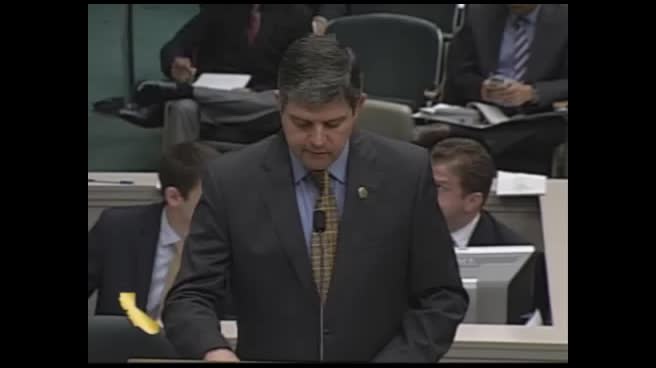 9MIN
Assembly Standing Committee on Appropriations
Bill Author


