SB 1462: Vehicles: driving under the influence: drug testing.
- Session Year: 2015-2016
- House: Senate
- Latest Version Date: 2016-04-21
Existing law provides that a person who drives a motor vehicle is deemed to have given his or her consent to chemical testing of his or her blood for the purpose of determining the drug content of his or her blood if lawfully arrested for driving under the influence of alcohol or drugs. Existing law provides that if a blood test is unavailable, the person shall be deemed to have given his or her consent to chemical testing of his or her urine and shall submit to a urine test. Existing law authorizes an officer to use a preliminary alcohol screening test that indicates the presence or concentration of alcohol based on a breath sample as a further investigatory tool in order to establish reasonable cause to believe the person was driving a vehicle in violation of certain prohibitions against driving under the influence of alcohol or drugs.
This bill would authorize an officer to use a preliminary oral fluid screening test that indicates the presence or concentration of a drug or controlled substance as a further investigatory tool in order to establish reasonable cause to believe the person was driving a vehicle in violation of certain prohibitions against driving under the influence of drugs.
Existing law provides that a person who drives a motor vehicle is deemed to have given his or her consent to chemical testing of his or her blood for the purpose of determining the drug content of his or her blood if lawfully arrested for driving under the influence of alcohol or drugs. Existing law provides that if a blood test is unavailable, the person shall be deemed to have given his or her consent to chemical testing of his or her urine and shall submit to a urine test. Existing law authorizes an officer to use a preliminary alcohol screening test that indicates the presence or concentration of alcohol based on a breath sample as a further investigatory tool in order to establish reasonable cause to believe the person was driving a vehicle in violation of certain prohibitions against driving under the influence of alcohol or drugs.
This bill would authorize an officer to use a preliminary oral fluid screening test that indicates the presence or concentration of a drug or controlled substance as a further investigatory tool in order to establish reasonable cause to believe the person was driving a vehicle in violation of certain prohibitions against driving under the influence of drugs. The bill would authorize a local law enforcement agency to provide oral fluids testing for these purposes and would specify that this provision does not require a local law enforcement agency to provide or make an oral fluids test available for these purposes or for purposes of any other law. The bill would prohibit a state law enforcement agency from providing or making an oral fluids test available for these purposes or for purposes of any other law.
(a)(1)(A)A person who drives a motor vehicle is deemed to have given his or her consent to chemical testing of his or her blood or breath for the purpose of determining the alcoholic content of his or her blood, if lawfully arrested for an offense allegedly committed in violation of Section 23140, 23152, or 23153. If a blood or breath test, or both, are unavailable, then paragraph (2) of subdivision (d) applies.
(B)A person who drives a motor vehicle is deemed to have given his or her consent to chemical testing of his or her blood for the purpose of determining the drug content of his or her blood, if lawfully arrested for an offense allegedly committed in violation of Section 23140, 23152, or 23153. If a blood test is unavailable, the person shall be deemed to have given his or her consent to chemical testing of his or her urine and shall submit to a urine test.
(C)The testing shall be incidental to a lawful arrest and administered at the direction of a peace officer having reasonable cause to believe the person was driving a motor vehicle in violation of Section 23140, 23152, or 23153.
(D)The person shall be told that his or her failure to submit to, or the failure to complete, the required chemical testing will result in a fine, mandatory imprisonment if the person is convicted of a violation of Section 23152 or 23153, and (i) the suspension of the persons privilege to operate a motor vehicle for a period of one year, (ii) the revocation of the persons privilege to operate a motor vehicle for a period of two years if the refusal occurs within 10 years of a separate violation of Section 23103 as specified in Section 23103.5, or of Section 23140, 23152, or 23153 of this code, or of Section 191.5 or subdivision (a) of Section 192.5 of the Penal Code that resulted in a conviction, or if the persons privilege to operate a motor vehicle has been suspended or revoked pursuant to Section 13353, 13353.1, or 13353.2 for an offense that occurred on a separate occasion, or (iii) the revocation of the persons privilege to operate a motor vehicle for a period of three years if the refusal occurs within 10 years of two or more separate violations of Section 23103 as specified in Section 23103.5, or of Section 23140, 23152, or 23153 of this code, or of Section 191.5 or subdivision (a) of Section 192.5 of the Penal Code, or any combination thereof, that resulted in convictions, or if the persons privilege to operate a motor vehicle has been suspended or revoked two or more times pursuant to Section 13353, 13353.1, or 13353.2 for offenses that occurred on separate occasions, or if there is any combination of those convictions, administrative suspensions, or revocations.
(2)(A)If the person is lawfully arrested for driving under the influence of an alcoholic beverage, the person has the choice of whether the test shall be of his or her blood or breath and the officer shall advise the person that he or she has that choice. If the person arrested either is incapable, or states that he or she is incapable, of completing the chosen test, the person shall submit to the remaining test. If a blood or breath test, or both, are unavailable, then paragraph (2) of subdivision (d) applies.
(B)If the person is lawfully arrested for driving under the influence of any drug or the combined influence of an alcoholic beverage and any drug, the person has the choice of whether the test shall be of his or her blood or breath, and the officer shall advise the person that he or she has that choice.
(C)A person who chooses to submit to a breath test may also be requested to submit to a blood test if the officer has reasonable cause to believe that the person was driving under the influence of a drug or the combined influence of an alcoholic beverage and a drug and if the officer has a clear indication that a blood test will reveal evidence of the person being under the influence. The officer shall state in his or her report the facts upon which that belief and that clear indication are based. The officer shall advise the person that he or she is required to submit to an additional test. The person shall submit to and complete a blood test. If the person arrested is incapable of completing the blood test, the person shall submit to and complete a urine test.
(3)If the person is lawfully arrested for an offense allegedly committed in violation of Section 23140, 23152, or 23153, and, because of the need for medical treatment, the person is first transported to a medical facility where it is not feasible to administer a particular test of, or to obtain a particular sample of, the persons blood or breath, the person has the choice of those tests, including a urine test, that are available at the facility to which that person has been transported. In that case, the officer shall advise the person of those tests that are available at the medical facility and that the persons choice is limited to those tests that are available.
(4)The officer shall also advise the person that he or she does not have the right to have an attorney present before stating whether he or she will submit to a test or tests, before deciding which test or tests to take, or during administration of the test or tests chosen, and that, in the event of refusal to submit to a test or tests, the refusal may be used against him or her in a court of law.
(5)A person who is unconscious or otherwise in a condition rendering him or her incapable of refusal is deemed not to have withdrawn his or her consent and a test or tests may be administered whether or not the person is told that his or her failure to submit to, or the noncompletion of, the test or tests will result in the suspension or revocation of his or her privilege to operate a motor vehicle. A person who is dead is deemed not to have withdrawn his or her consent and a test or tests may be administered at the direction of a peace officer.
(b)A person who is afflicted with hemophilia is exempt from the blood test required by this section, but shall submit to, and complete, a urine test.
(c)A person who is afflicted with a heart condition and is using an anticoagulant under the direction of a licensed physician and surgeon is exempt from the blood test required by this section, but shall submit to, and complete, a urine test.
(d)(1)A person lawfully arrested for an offense allegedly committed while the person was driving a motor vehicle in violation of Section 23140, 23152, or 23153 may request the arresting officer to have a chemical test made of the arrested persons blood or breath for the purpose of determining the alcoholic content of that persons blood, and, if so requested, the arresting officer shall have the test performed.
(2)If a blood or breath test is not available under subparagraph (A) of paragraph (1) of subdivision (a), or under subparagraph (A) of paragraph (2) of subdivision (a), or under paragraph (1) of this subdivision, the person shall submit to the remaining test in order to determine the percent, by weight, of alcohol in the persons blood. If both the blood and breath tests are unavailable, the person shall be deemed to have given his or her consent to chemical testing of his or her urine and shall submit to a urine test.
(e)If the person, who has been arrested for a violation of Section 23140, 23152, or 23153, refuses or fails to complete a chemical test or tests, or requests that a blood or urine test be taken, the peace officer, acting on behalf of the department, shall serve the notice of the order of suspension or revocation of the persons privilege to operate a motor vehicle personally on the arrested person. The notice shall be on a form provided by the department.
(f)If the peace officer serves the notice of the order of suspension or revocation of the persons privilege to operate a motor vehicle, the peace officer shall take possession of all drivers licenses issued by this state that are held by the person. The temporary drivers license shall be an endorsement on the notice of the order of suspension and shall be valid for 30 days from the date of arrest.
(g)(1)The peace officer shall immediately forward a copy of the completed notice of suspension or revocation form and any drivers license taken into possession under subdivision (f), with the report required by Section 13380, to the department. If the person submitted to a blood or urine test, the peace officer shall forward the results immediately to the appropriate forensic laboratory. The forensic laboratory shall forward the results of the chemical tests to the department within 15 calendar days of the date of the arrest.
(2)(A)Notwithstanding any other law, a document containing data prepared and maintained in the governmental forensic laboratory computerized database system that is electronically transmitted or retrieved through public or private computer networks to or by the department is the best available evidence of the chemical test results in all administrative proceedings conducted by the department. In addition, any other official record that is maintained in the governmental forensic laboratory, relates to a chemical test analysis prepared and maintained in the governmental forensic laboratory computerized database system, and is electronically transmitted and retrieved through a public or private computer network to or by the department is admissible as evidence in the departments administrative proceedings. In order to be admissible as evidence in administrative proceedings, a document described in this subparagraph shall bear a certification by the employee of the department who retrieved the document certifying that the information was received or retrieved directly from the computerized database system of a governmental forensic laboratory and that the document accurately reflects the data received or retrieved.
(B)Notwithstanding any other law, the failure of an employee of the department to certify under subparagraph (A) is not a public offense.
(h)A preliminary alcohol screening test that indicates the presence or concentration of alcohol based on a breath sample in order to establish reasonable cause to believe the person was driving a vehicle in violation of Section 23140, 23152, or 23153 is a field sobriety test and may be used by an officer as a further investigative tool.
(i)A preliminary oral fluid screening test that indicates the presence or concentration of a drug or controlled substance based on a sample in order to establish reasonable cause to believe the person was driving a vehicle in violation of Section 23140, 23152, 23152 or 23153 is a field sobriety test and may be used by an officer as a further investigative tool.
(j)If the officer decides to use a preliminary alcohol or oral fluid screening test, the officer shall advise the person that he or she is requesting that person to take a preliminary alcohol or oral fluid screening test to assist the officer in determining if that person is under the influence of alcohol or drugs, or a combination of alcohol and drugs. The persons obligation to submit to a blood, breath, or urine test, as required by this section, for the purpose of determining the alcohol or drug content of that persons blood, is not satisfied by the person submitting to a preliminary alcohol or oral fluid screening test. The officer shall advise the person of that fact and of the persons right to refuse to take the preliminary alcohol or oral fluid screening test.
(a)(1)(A)A person who drives a motor vehicle is deemed to have given his or her consent to chemical testing of his or her blood or breath for the purpose of determining the alcoholic content of his or her blood, if lawfully arrested for an offense allegedly committed in violation of Section 23140, 23152, or 23153. If a blood or breath test, or both, are unavailable, then paragraph (2) of subdivision (d) applies.
(B)A person who drives a motor vehicle is deemed to have given his or her consent to chemical testing of his or her blood for the purpose of determining the drug content of his or her blood, if lawfully arrested for an offense allegedly committed in violation of Section 23140, 23152, or 23153. If a blood test is unavailable, the person shall be deemed to have given his or her consent to chemical testing of his or her urine and shall submit to a urine test.
(C)The testing shall be incidental to a lawful arrest and administered at the direction of a peace officer having reasonable cause to believe the person was driving a motor vehicle in violation of Section 23140, 23152, or 23153.
(D)The person shall be told that his or her failure to submit to, or the failure to complete, the required chemical testing will result in a fine, mandatory imprisonment if the person is convicted of a violation of Section 23152 or 23153, and (i) the suspension of the persons privilege to operate a motor vehicle for a period of one year, (ii) the revocation of the persons privilege to operate a motor vehicle for a period of two years if the refusal occurs within 10 years of a separate violation of Section 23103 as specified in Section 23103.5, or of Section 23140, 23152, or 23153 of this code, or of Section 191.5 or subdivision (a) of Section 192.5 of the Penal Code that resulted in a conviction, or if the persons privilege to operate a motor vehicle has been suspended or revoked pursuant to Section 13353, 13353.1, or 13353.2 for an offense that occurred on a separate occasion, or (iii) the revocation of the persons privilege to operate a motor vehicle for a period of three years if the refusal occurs within 10 years of two or more separate violations of Section 23103 as specified in Section 23103.5, or of Section 23140, 23152, or 23153 of this code, or of Section 191.5 or subdivision (a) of Section 192.5 of the Penal Code, or any combination thereof, that resulted in convictions, or if the persons privilege to operate a motor vehicle has been suspended or revoked two or more times pursuant to Section 13353, 13353.1, or 13353.2 for offenses that occurred on separate occasions, or if there is any combination of those convictions, administrative suspensions, or revocations.
(2)(A)If the person is lawfully arrested for driving under the influence of an alcoholic beverage, the person has the choice of whether the test shall be of his or her blood or breath and the officer shall advise the person that he or she has that choice. If the person arrested either is incapable, or states that he or she is incapable, of completing the chosen test, the person shall submit to the remaining test. If a blood or breath test, or both, are unavailable, then paragraph (2) of subdivision (d) applies.
(B)If the person is lawfully arrested for driving under the influence of any drug or the combined influence of an alcoholic beverage and any drug, the person has the choice of whether the test shall be of his or her blood or breath, and the officer shall advise the person that he or she has that choice.
(C)A person who chooses to submit to a breath test may also be requested to submit to a blood test if the officer has reasonable cause to believe that the person was driving under the influence of a drug or the combined influence of an alcoholic beverage and a drug and if the officer has a clear indication that a blood test will reveal evidence of the person being under the influence. The officer shall state in his or her report the facts upon which that belief and that clear indication are based. The officer shall advise the person that he or she is required to submit to an additional test. The person shall submit to and complete a blood test. If the person arrested is incapable of completing the blood test, the person shall submit to and complete a urine test.
(3)If the person is lawfully arrested for an offense allegedly committed in violation of Section 23140, 23152, or 23153, and, because of the need for medical treatment, the person is first transported to a medical facility where it is not feasible to administer a particular test of, or to obtain a particular sample of, the persons blood or breath, the person has the choice of those tests, including a urine test, that are available at the facility to which that person has been transported. In that case, the officer shall advise the person of those tests that are available at the medical facility and that the persons choice is limited to those tests that are available.
(4)The officer shall also advise the person that he or she does not have the right to have an attorney present before stating whether he or she will submit to a test or tests, before deciding which test or tests to take, or during administration of the test or tests chosen, and that, in the event of refusal to submit to a test or tests, the refusal may be used against him or her in a court of law.
(5)A person who is unconscious or otherwise in a condition rendering him or her incapable of refusal is deemed not to have withdrawn his or her consent and a test or tests may be administered whether or not the person is told that his or her failure to submit to, or the noncompletion of, the test or tests will result in the suspension or revocation of his or her privilege to operate a motor vehicle. A person who is dead is deemed not to have withdrawn his or her consent and a test or tests may be administered at the direction of a peace officer.
(b)A person who is afflicted with hemophilia is exempt from the blood test required by this section, but shall submit to, and complete, a urine test.
(c)A person who is afflicted with a heart condition and is using an anticoagulant under the direction of a licensed physician and surgeon is exempt from the blood test required by this section, but shall submit to, and complete, a urine test.
(d)(1)A person lawfully arrested for an offense allegedly committed while the person was driving a motor vehicle in violation of Section 23140, 23152, or 23153 may request the arresting officer to have a chemical test made of the arrested persons blood or breath for the purpose of determining the alcoholic content of that persons blood, and, if so requested, the arresting officer shall have the test performed.
(2)If a blood or breath test is not available under subparagraph (A) of paragraph (1) of subdivision (a), or under subparagraph (A) of paragraph (2) of subdivision (a), or under paragraph (1) of this subdivision, the person shall submit to the remaining test in order to determine the percent, by weight, of alcohol in the persons blood. If both the blood and breath tests are unavailable, the person shall be deemed to have given his or her consent to chemical testing of his or her urine and shall submit to a urine test.
(e)If the person, who has been arrested for a violation of Section 23140, 23152, or 23153, refuses or fails to complete a chemical test or tests, or requests that a blood or urine test be taken, the peace officer, acting on behalf of the department, shall serve the notice of the order of suspension or revocation of the persons privilege to operate a motor vehicle personally on the arrested person. The notice shall be on a form provided by the department.
(f)If the peace officer serves the notice of the order of suspension or revocation of the persons privilege to operate a motor vehicle, the peace officer shall take possession of all drivers licenses issued by this state that are held by the person. The temporary drivers license shall be an endorsement on the notice of the order of suspension and shall be valid for 30 days from the date of arrest.
(g)(1)The peace officer shall immediately forward a copy of the completed notice of suspension or revocation form and any drivers license taken into possession under subdivision (f), with the report required by Section 13380, to the department. If the person submitted to a blood or urine test, the peace officer shall forward the results immediately to the appropriate forensic laboratory. The forensic laboratory shall forward the results of the chemical tests to the department within 15 calendar days of the date of the arrest.
(2)(A)Notwithstanding any other law, a document containing data prepared and maintained in the governmental forensic laboratory computerized database system that is electronically transmitted or retrieved through public or private computer networks to or by the department is the best available evidence of the chemical test results in all administrative proceedings conducted by the department. In addition, any other official record that is maintained in the governmental forensic laboratory, relates to a chemical test analysis prepared and maintained in the governmental forensic laboratory computerized database system, and is electronically transmitted and retrieved through a public or private computer network to or by the department is admissible as evidence in the departments administrative proceedings. In order to be admissible as evidence in administrative proceedings, a document described in this subparagraph shall bear a certification by the employee of the department who retrieved the document certifying that the information was received or retrieved directly from the computerized database system of a governmental forensic laboratory and that the document accurately reflects the data received or retrieved.
(B)Notwithstanding any other law, the failure of an employee of the department to certify under subparagraph (A) is not a public offense.
(h)A preliminary alcohol screening test that indicates the presence or concentration of alcohol based on a breath sample in order to establish reasonable cause to believe the person was driving a vehicle in violation of Section 23140, 23152, or 23153 is a field sobriety test and may be used by an officer as a further investigative tool.
(i)A preliminary oral fluid screening test that indicates the presence or concentration of a drug or controlled substance based on a sample in order to establish reasonable cause to believe the person was driving a vehicle in violation of Section 23140, 23152, or 23153 is a field sobriety test and may be used by an officer as a further investigative tool.
(j)If the officer decides to use a preliminary alcohol or oral fluid screening test, the officer shall advise the person that he or she is requesting that person to take a preliminary alcohol or oral fluid screening test to assist the officer in determining if that person is under the influence of alcohol or drugs, or a combination of alcohol and drugs. The persons obligation to submit to a blood, breath, or urine test, as required by this section, for the purpose of determining the alcohol or drug content of that persons blood, is not satisfied by the person submitting to a preliminary alcohol or oral fluid screening test. The officer shall advise the person of that fact and of the persons right to refuse to take the preliminary alcohol or oral fluid screening test.
(k)A local law enforcement agency may provide oral fluids testing for purposes of this section. This section does not require a local law enforcement agency to provide or make an oral fluids test available for purposes of this or any other law. A state law enforcement agency shall not provide or make an oral fluids test available for purposes of this section or any other law.
(a)(1)(A)A person who drives a motor vehicle is deemed to have given his or her consent to chemical testing of his or her blood or breath for the purpose of determining the alcoholic content of his or her blood, if lawfully arrested for an offense allegedly committed in violation of Section 23140, 23152, or 23153. If a blood or breath test, or both, are unavailable, then paragraph (2) of subdivision (d) applies.
(B)A person who drives a motor vehicle is deemed to have given his or her consent to chemical testing of his or her blood for the purpose of determining the drug content of his or her blood, if lawfully arrested for an offense allegedly committed in violation of Section 23140, 23152, or 23153. If a blood test is unavailable, the person shall be deemed to have given his or her consent to chemical testing of his or her urine and shall submit to a urine test.
(C)The testing shall be incidental to a lawful arrest and administered at the direction of a peace officer having reasonable cause to believe the person was driving a motor vehicle in violation of Section 23140, 23152, or 23153.
(D)The person shall be told that his or her failure to submit to, or the failure to complete, the required chemical testing will result in a fine, mandatory imprisonment if the person is convicted of a violation of Section 23152 or 23153, and (i) the suspension of the persons privilege to operate a motor vehicle for a period of one year, (ii) the revocation of the persons privilege to operate a motor vehicle for a period of two years if the refusal occurs within 10 years of a separate violation of Section 23103 as specified in Section 23103.5, or of Section 23140, 23152, or 23153 of this code, or of Section 191.5 or subdivision (a) of Section 192.5 of the Penal Code that resulted in a conviction, or if the persons privilege to operate a motor vehicle has been suspended or revoked pursuant to Section 13353, 13353.1, or 13353.2 for an offense that occurred on a separate occasion, or (iii) the revocation of the persons privilege to operate a motor vehicle for a period of three years if the refusal occurs within 10 years of two or more separate violations of Section 23103 as specified in Section 23103.5, or of Section 23140, 23152, or 23153 of this code, or of Section 191.5 or subdivision (a) of Section 192.5 of the Penal Code, or any combination thereof, that resulted in convictions, or if the persons privilege to operate a motor vehicle has been suspended or revoked two or more times pursuant to Section 13353, 13353.1, or 13353.2 for offenses that occurred on separate occasions, or if there is any combination of those convictions, administrative suspensions, or revocations.
(2)(A)If the person is lawfully arrested for driving under the influence of an alcoholic beverage, the person has the choice of whether the test shall be of his or her blood or breath and the officer shall advise the person that he or she has that choice. If the person arrested either is incapable, or states that he or she is incapable, of completing the chosen test, the person shall submit to the remaining test. If a blood or breath test, or both, are unavailable, then paragraph (2) of subdivision (d) applies.
(B)If the person is lawfully arrested for driving under the influence of any drug or the combined influence of an alcoholic beverage and any drug, the person has the choice of whether the test shall be of his or her blood or breath, and the officer shall advise the person that he or she has that choice.
(C)A person who chooses to submit to a breath test may also be requested to submit to a blood test if the officer has reasonable cause to believe that the person was driving under the influence of a drug or the combined influence of an alcoholic beverage and a drug and if the officer has a clear indication that a blood test will reveal evidence of the person being under the influence. The officer shall state in his or her report the facts upon which that belief and that clear indication are based. The officer shall advise the person that he or she is required to submit to an additional test. The person shall submit to and complete a blood test. If the person arrested is incapable of completing the blood test, the person shall submit to and complete a urine test.
(3)If the person is lawfully arrested for an offense allegedly committed in violation of Section 23140, 23152, or 23153, and, because of the need for medical treatment, the person is first transported to a medical facility where it is not feasible to administer a particular test of, or to obtain a particular sample of, the persons blood or breath, the person has the choice of those tests, including a urine test, that are available at the facility to which that person has been transported. In that case, the officer shall advise the person of those tests that are available at the medical facility and that the persons choice is limited to those tests that are available.
(4)The officer shall also advise the person that he or she does not have the right to have an attorney present before stating whether he or she will submit to a test or tests, before deciding which test or tests to take, or during administration of the test or tests chosen, and that, in the event of refusal to submit to a test or tests, the refusal may be used against him or her in a court of law.
(5)A person who is unconscious or otherwise in a condition rendering him or her incapable of refusal is deemed not to have withdrawn his or her consent and a test or tests may be administered whether or not the person is told that his or her failure to submit to, or the noncompletion of, the test or tests will result in the suspension or revocation of his or her privilege to operate a motor vehicle. A person who is dead is deemed not to have withdrawn his or her consent and a test or tests may be administered at the direction of a peace officer.
(b)A person who is afflicted with hemophilia is exempt from the blood test required by this section, but shall submit to, and complete, a urine test.
(c)A person who is afflicted with a heart condition and is using an anticoagulant under the direction of a licensed physician and surgeon is exempt from the blood test required by this section, but shall submit to, and complete, a urine test.
(d)(1)A person lawfully arrested for an offense allegedly committed while the person was driving a motor vehicle in violation of Section 23140, 23152, or 23153 may request the arresting officer to have a chemical test made of the arrested persons blood or breath for the purpose of determining the alcoholic content of that persons blood, and, if so requested, the arresting officer shall have the test performed.
(2)If a blood or breath test is not available under subparagraph (A) of paragraph (1) of subdivision (a), or under subparagraph (A) of paragraph (2) of subdivision (a), or under paragraph (1) of this subdivision, the person shall submit to the remaining test in order to determine the percent, by weight, of alcohol in the persons blood. If both the blood and breath tests are unavailable, the person shall be deemed to have given his or her consent to chemical testing of his or her urine and shall submit to a urine test.
(e)If the person, who has been arrested for a violation of Section 23140, 23152, or 23153, refuses or fails to complete a chemical test or tests, or requests that a blood or urine test be taken, the peace officer, acting on behalf of the department, shall serve the notice of the order of suspension or revocation of the persons privilege to operate a motor vehicle personally on the arrested person. The notice shall be on a form provided by the department.
(f)If the peace officer serves the notice of the order of suspension or revocation of the persons privilege to operate a motor vehicle, the peace officer shall take possession of all drivers licenses issued by this state that are held by the person. The temporary drivers license shall be an endorsement on the notice of the order of suspension and shall be valid for 30 days from the date of arrest.
(g)(1)The peace officer shall immediately forward a copy of the completed notice of suspension or revocation form and any drivers license taken into possession under subdivision (f), with the report required by Section 13380, to the department. If the person submitted to a blood or urine test, the peace officer shall forward the results immediately to the appropriate forensic laboratory. The forensic laboratory shall forward the results of the chemical tests to the department within 15 calendar days of the date of the arrest.
(2)(A)Notwithstanding any other law, a document containing data prepared and maintained in the governmental forensic laboratory computerized database system that is electronically transmitted or retrieved through public or private computer networks to or by the department is the best available evidence of the chemical test results in all administrative proceedings conducted by the department. In addition, any other official record that is maintained in the governmental forensic laboratory, relates to a chemical test analysis prepared and maintained in the governmental forensic laboratory computerized database system, and is electronically transmitted and retrieved through a public or private computer network to or by the department is admissible as evidence in the departments administrative proceedings. In order to be admissible as evidence in administrative proceedings, a document described in this subparagraph shall bear a certification by the employee of the department who retrieved the document certifying that the information was received or retrieved directly from the computerized database system of a governmental forensic laboratory and that the document accurately reflects the data received or retrieved.
(B)Notwithstanding any other law, the failure of an employee of the department to certify under subparagraph (A) is not a public offense.
(h)A preliminary alcohol screening test that indicates the presence or concentration of alcohol based on a breath sample in order to establish reasonable cause to believe the person was driving a vehicle in violation of Section 23140, 23152, or 23153 is a field sobriety test and may be used by an officer as a further investigative tool.
(i)A preliminary oral fluid screening test that indicates the presence or concentration of a drug or controlled substance based on a sample in order to establish reasonable cause to believe the person was driving a vehicle in violation of Section 23140, 23152, or 23153 is a field sobriety test and may be used by an officer as a further investigative tool.
(i)
(j)If the officer decides to use a preliminary alcohol or oral fluid screening test, the officer shall advise the person that he or she is requesting that person to take a preliminary alcohol or oral fluid screening test to assist the officer in determining if that person is under the influence of alcohol or drugs, or a combination of alcohol and drugs. The persons obligation to submit to a blood, breath, or urine test, as required by this section, for the purpose of determining the alcohol or drug content of that persons blood, is not satisfied by the person submitting to a preliminary alcohol or oral fluid screening test. The officer shall advise the person of that fact and of the persons right to refuse to take the preliminary alcohol or oral fluid screening test.
(k)A local law enforcement agency may provide oral fluids testing for purposes of this section. This section does not require a local law enforcement agency to provide or make an oral fluids test available for purposes of this or any other law. A state law enforcement agency shall not provide or make an oral fluids test available for purposes of this section or any other law.
|
Date
|
Status
|
|---|---|
| Feb 19, 2016 | Introduced. To Com. on RLS. for assignment. To print. |
| Feb 22, 2016 | From printer. May be acted upon on or after March 23. |
| Feb 22, 2016 | Read first time. |
| Mar 10, 2016 | Referred to Com. on PUB. S. |
| Mar 15, 2016 | April 5 hearing postponed by committee. |
| Mar 15, 2016 | Set for hearing April 5. |
| Mar 16, 2016 | Set for hearing April 19. |
| Mar 30, 2016 | From committee with author's amendments. Read second time and amended. Re-referred to Com. on PUB. S. |
| Apr 20, 2016 | From committee: Do pass as amended and re-refer to Com. on APPR. (Ayes 4. Noes 1. Page 3615.) (April 19). |
| Apr 20, 2016 | From committee: Do pass as amended and re-refer to Com. on APPR. (Ayes 4. Noes 1.) (April 19). |
| Apr 21, 2016 | Read second time and amended. Re-referred to Com. on APPR. |
| Apr 29, 2016 | Set for hearing May 9. |
| May 9, 2016 | May 9 hearing: Placed on APPR. suspense file. |
| May 20, 2016 | Set for hearing May 27. |
| May 27, 2016 | May 27 hearing: Held in committee and under submission. |
|
Date
|
Description
|
Location
|
Votes
|
|
|---|---|---|---|---|
| May 9, 2016 | Placed on suspense file | Senate Standing Committee on Appropriations |
Passed |
|
| Apr 19, 2016 | Do pass as amended, but first amend, and re-refer to the Committee on [Appropriations] | Senate Standing Committee on Public Safety |
Passed |
This list shows positions taken on this bill by organizations on the date displayed, which is linked to the original source.
Positions by individuals are not included.
|
Organization
|
Position
|
Date
|
|---|---|---|
| Americans for Safe Access | * Against | May 9, 2016 |
| Brownie Mary Democratic Club | * Against | May 9, 2016 |
| California Police Chiefs Association | * Support | May 9, 2016 |
| Crusaders for Patients' Rights | * Against | May 9, 2016 |
| Crusaders for Patients' Rights | * Support | May 9, 2016 |
| Draeger Safety Diagnostics | * Support | Apr 19, 2016 |
| We Save Lives | * Support | Apr 19, 2016 |
SENATE COMMITTEE ON APPROPRIATIONS
Senator Ricardo Lara, Chair
2015 - 2016 Regular Session
SB 1462 (Huff) - Vehicles: driving under the influence: drug testing
Version: April 21, 2016 | Policy Vote: PUB. S. 4 - 1 |
Urgency: No | Mandate: No |
Hearing Date: May 9, 2016 | Consultant: Jolie Onodera |
This bill meets the criteria for referral to the Suspense File.
Bill Summary:
SB 1462 would allow the use of an oral fluid screening test to determine the presence or concentration of drugs, to assist an officer in making a determination that a person was driving under the influence of drugs.
Fiscal Impact:
- Local law enforcement agencies: Potentially major non-reimbursable local costs in the millions of dollars (Local Funds) statewide for screening kits, training, and associated operational costs.
- CHP: To the extent the California Highway Patrol (CHP) opts to utilize this investigatory tool, potentially significant one-time and ongoing costs potentially in the hundreds of thousands of dollars (Special Fund*/Federal Funds) to purchase the screening kits. To the extent the CHP seeks federal grant funding to purchase the screening kits would serve to mitigate state costs. To the extent federal funding is not granted or is insufficient to cover total costs, these costs would be funded by state funds. The costs associated with training on the use of the tests are estimated to be minor and absorbable.
- DMV: Minor costs of less than $10,000 (Special Fund*) to distribute memoranda to the courts and law enforcement agencies.
- State prisons: Potentially significant increase in state costs (General Fund) for new commitments to state prison to the extent the use of oral fluid screening tests results in additional felony convictions to state prison. The CDCR indicates over 1,700 commitments in 2015 under the applicable DUI offenses. The number of additional commitments resulting from the bill cannot be known with certainly. For every one percent increase in annual commitments, costs are estimated at $500,000 (General Fund) assuming the contract bed rate of $29,000 per year.
- Local jails: Potentially major increase in local costs (Local Funds) for additional misdemeanor convictions that result in a greater number of sentences to county jail. The DMV data indicates nearly 118,000 convictions in 2015 for the DUI offenses applicable to this measure. Even a one percent increase in convictions would result in a significant impact to local jails.
*Motor Vehicle Account
Background:
Existing law provides that it is unlawful for a person who is under the influence of any alcoholic beverage or drug, or under the combined influence of any alcoholic beverage and drug, to drive a vehicle. (Vehicle Code (VC) § 23152.)
Existing law provides that it is unlawful for a person, while under the influence of any alcoholic beverage or drug, or while under the combined influence of any alcoholic beverage and drug, to drive a vehicle and concurrently do any act forbidden by law, or neglect any duty imposed by law in driving the vehicle, which act or neglect proximately causes bodily injury to any person other than the driver. (VC § 23153.)
Under existing law, a preliminary alcohol screening test based on a breath sample in order to establish reasonable cause to believe the person was driving a vehicle in violation of specified DUI laws may be used by an officer. If the officer decides to use a preliminary alcohol screening test, the officer is required to advise the person that he or she is requesting that person take the test to assist the officer in determining if that person is under the influence of alcohol or drugs, or a combination of both. Existing law provides that a person’s obligation to submit to a blood, breath, or urine test for the purposes of determining the alcohol or drug content of that person’s blood is not satisfied by the person submitting to the preliminary test. The officer is required to advise the person of that fact and of the person’s right to refuse to take the preliminary alcohol screening test. (VC § 23612.)
This bill seeks to additionally authorize the use of preliminary oral fluid screening tests to assist officers in establishing reasonable cause to believe a person is driving under the influence of drugs.
According to the U.S. Governmental Accounting Office (GAO) report to Congress, Drug-Impaired Driving – Additional Support Needed for Public Awareness Initiatives (February 2015):
Various state and national-level data sources—including surveys, arrest data, drug-testing results, and crash data—provide limited information on the extent of drugged and drug-impaired driving in the United States. For example, based on preliminary results from a representative sample of weekend-nighttime and Friday daytime drivers, the National Highway Traffic Safety Administration’s (NHTSA) 2013-2014 National Roadside Survey of Alcohol and Drug Use by Drivers (NRS) estimated that 20 percent of drivers would have tested positive for at least one drug, with marijuana being the most common drug. However, the survey does not capture the extent to which drivers were impaired by drugs. Arrest data and drug-testing results provide some information on drug-impaired driving, but these data are limited. For example, data for drug impairment may not be separated from that for alcohol impairment and drug testing is not standardized. According to NHTSA officials, currently available data on drug involvement in crashes are generally unreliable due to variances in reporting and testing.
The lack of a clear link between impairment and drug concentrations in the body makes it difficult to define drug impairment, which, in turn, exacerbates challenges related to enforcement and public awareness. Compared to alcohol, defining and identifying impairment due to drugs is more complicated due to the large number of available drugs and their unpredictable effects. For example, the NRS includes tests for 75 illegal prescriptions, and over-the-counter (OTC) drugs identified as potentially impairing. Additionally, law enforcement processes for obtaining samples for drug testing can be time consuming and result in a loss of evidence. For example, there is no validated device for roadside drug testing, and obtaining a search warrant to collect a blood sample to confirm the presence of drugs in a driver’s system could take several hours, during which time the concentration of the drug in the driver’s system could dissipate. Further, state officials identified limited public awareness about the dangers of drugged driving as a challenge. As a result, members of the public may drive while impaired without knowing the risks, potentially leading to collisions, injuries, and fatalities.
Proposed Law:
This bill would allow the use of an oral fluid screening test by a state or local law enforcement officer to determine the presence or concentration of drugs, to assist an officer in making a determination that a person was driving under the influence of drugs. Specifically, this bill:
- Provides that a preliminary oral fluid screening test that indicates the presence or concentration of a drug or controlled substance based on a sample is a field sobriety test and may be used in order to establish reasonable cause to believe the person was driving a vehicle in violation of specified driving under the influence offenses.
- States that if an officer decides to use an oral fluid screening test, the officer shall advise the person that he or she is requesting that person to take an oral fluid screening test to assist the officer in determining if that person is under the influence of alcohol or drugs, or a combination of alcohol and drugs.
- States that a person’s obligation to submit to a blood, breath, or urine test, as required after arrest, for the purpose of determining the alcohol or drug content of that person’s blood, is not satisfied by the person submitting to an oral fluid screening test. The officer shall advise the person of that fact.
- Requires the officer to advise the person of his or her right to refuse to take the oral fluid screening test.
Related Legislation:
AB 1356 (Lackey) 2015 was substantially similar to this measure. AB 1356 failed passage in the Assembly Committee on Public Safety.
Staff Comments:
By authorizing the use of oral fluid screening tests, this bill could result in major costs to law enforcement agencies to purchase the oral fluid screening tests and provide officer training on their use. Costs would be dependent on the number of kits purchased, the number of officers trained to use the investigatory advice, and the associated operational activities required.
To the extent the use of oral fluid screening tests leads to additional arrests and subsequent convictions for DUI offenses, this bill could result in additional costs for state and local incarceration of an unknown, but potentially significant amount.
Staff notes there is currently no per se level at which a person is presumed intoxicated due to a controlled substance, and a standard level has not been established at which a person is presumed to be impaired. The lack of such a standard could lead to future cost pressure on the courts related to challenges brought forward on cases involving the use of these devices.
-- END --
SENATE COMMITTEE ON PUBLIC SAFETY
Senator Loni Hancock, Chair
2015 - 2016 Regular
Bill No: SB 1462 Hearing Date: April 19, 2016
Author: | Huff | ||
Version: | March 30, 2016 | ||
Urgency: | No | Fiscal: | Yes |
Consultant: | MK | ||
Subject: Vehicles: Driving Under the Influence: Drug Testing
HISTORY
Source: We Save Lives
Prior Legislation: None
Support: The Association for Los Angeles Deputy Sheriffs; The California Association of Code Enforcement Officers; California Association of Highway Patrolmen; The California College and University Police Chiefs Association; California Narcotic Officers’ Association; California Police Chiefs Association Inc.; Crime Victims United of California; The Los Angeles Police Protective League; The Los Angeles County Professional Peace Officers Association; The Riverside Sheriffs Association
Opposition: None known
PURPOSE
The purpose of this bill is to allow for the use of a preliminary oral fluid screening test to establish reasonable cause to believe a person was driving in violation of laws prohibiting driving under the influence.
Existing law provides that it is unlawful for a person under the age of 21 years who has 0.05% or more, by weight, of alcohol in his or her blood to drive a vehicle. (Vehicle Code § 23140)
Existing law provides it is unlawful for any person who is under the influence of any alcoholic beverage or drug, or under the combined influence of any alcoholic beverage and drug, to drive a vehicle. (Vehicle Code § 23152)
Existing law provides it is unlawful for a person, while driving under the influence of any drug to drive a vehicle and concurrently do any act forbidden by law, or neglect any duty imposed by law in driving the vehicle, which act or neglect proximately causes bodily injury to any person other than the driver. (Vehicle Code § 23153(e))
Existing law provides that a person who drives a motor vehicle is deemed to have given his or her consent to chemical testing of his or her blood or breath for the purpose of determining the alcoholic content of his or her blood, if lawfully arrested for a DUI offense. (Vehicle Code § 23612 (a))
Existing law provides that a preliminary alcohol screening test that indicates the presence or concentration of alcohol based on a breath sample in order to establish reasonable cause to believe the person was driving a vehicle in violation of the sections prohibiting driving under the influence is a field sobriety test and may be used by an officer as a further investigative tool. (Vehicle Code § 23162 (h))
This bill provides that a preliminary oral fluid screening test that indicates the presence or concentration of a drug or controlled substance based on a sample in order to establish reasonable cause to believe the person was driving a vehicle in violation of the sections prohibiting driving under the influence is a field sobriety test and may be used by the officer as a further investigative tool.
RECEIVERSHIP/OVERCROWDING CRISIS AGGRAVATION
For the past several years this Committee has scrutinized legislation referred to its jurisdiction for any potential impact on prison overcrowding. Mindful of the United States Supreme Court ruling and federal court orders relating to the state’s ability to provide a constitutional level of health care to its inmate population and the related issue of prison overcrowding, this Committee has applied its “ROCA” policy as a content-neutral, provisional measure necessary to ensure that the Legislature does not erode progress in reducing prison overcrowding.
On February 10, 2014, the federal court ordered California to reduce its in-state adult institution population to 137.5% of design capacity by February 28, 2016, as follows:
- 143% of design bed capacity by June 30, 2014;
- 141.5% of design bed capacity by February 28, 2015; and,
- 137.5% of design bed capacity by February 28, 2016.
In December of 2015 the administration reported that as “of December 9, 2015, 112,510 inmates were housed in the State’s 34 adult institutions, which amounts to 136.0% of design bed capacity, and 5,264 inmates were housed in out-of-state facilities. The current population is 1,212 inmates below the final court-ordered population benchmark of 137.5% of design bed capacity, and has been under that benchmark since February 2015.” (Defendants’ December 2015 Status Report in Response to February 10, 2014 Order, 2:90-cv-00520 KJM DAD PC, 3-Judge Court, Coleman v. Brown, Plata v. Brown (fn. omitted).) One year ago, 115,826 inmates were housed in the State’s 34 adult institutions, which amounted to 140.0% of design bed capacity, and 8,864 inmates were housed in out-of-state facilities. (Defendants’ December 2014 Status Report in Response to February 10, 2014 Order, 2:90-cv-00520 KJM DAD PC, 3-Judge Court, Coleman v. Brown, Plata v. Brown (fn. omitted).)
While significant gains have been made in reducing the prison population, the state must stabilize these advances and demonstrate to the federal court that California has in place the “durable solution” to prison overcrowding “consistently demanded” by the court. (Opinion Re: Order Granting in Part and Denying in Part Defendants’ Request For Extension of December 31, 2013 Deadline, NO. 2:90-cv-0520 LKK DAD (PC), 3-Judge Court, Coleman v. Brown, Plata v. Brown (2-10-14). The Committee’s consideration of bills that may impact the prison population therefore will be informed by the following questions:
- Whether a proposal erodes a measure which has contributed to reducing the prison population;
- Whether a proposal addresses a major area of public safety or criminal activity for which there is no other reasonable, appropriate remedy;
- Whether a proposal addresses a crime which is directly dangerous to the physical safety of others for which there is no other reasonably appropriate sanction;
- Whether a proposal corrects a constitutional problem or legislative drafting error; and
- Whether a proposal proposes penalties which are proportionate, and cannot be achieved through any other reasonably appropriate remedy.
COMMENTS
1. Need for This Bill
According to the author:
Given the shocking escalation in drug overdose related deaths and increasing number of drugged driving fatalities, this has become an urgent matter of public safety. The alarming increase in drugged drivers is clearly becoming a greater threat than drunk drivers. The National Highway Traffic Safety Administration has reported a decrease in alcohol consumption and an increase in drug use by drivers in 2014. http://www.leftlanenews.com/nhtsa-drunk-driving-down-drugged-driving-up-in-2014.html#ixzz44u6uzjBD
Drugged driving is a serious public health and safety problem that is under-reported and under-enforced. According to Mothers Against Drunk Driving, over 10 million Americans admitted to driving under the influence of illicit drugs.
We lack the same kind of deterrents for drugged driving as we do for drunk driving, yet highway safety hazards and fatalities are increasing with widespread prescription and illicit drug abuse across all demographics. Driving under the influence of drugs is a growing problem nationally and in California. A 2014 National Highway Traffic Safety Administration report found that between 2007 and 2014, the percentage of drivers with drugs in their system on weekend nights grew from 16% to 20% - including a 50% increase in drivers with cannabis in their system. The same study found that the prevalence of alcohol declined by 30% over the same period, showing the success of increased enforcement and educational efforts.
***
Currently, law enforcement lacks a roadside screening device which can detect drugs in a motorist’s system – similar to field breathalyzers to detect alcohol.
SB 1462 allows law enforcement officers to use oral fluid drug screening tests, proven to be highly effective, when there is probable cause that a driver is impaired and the driver has failed sobriety field tests. Law enforcement now relies on blood tests to measure drug presence and to indicate possible drug impairment. Blood tests cannot measure drug levels at the time of an incident because of legal and logistical delays in collecting a blood sample. For drugs, this is a serious problem. For example, 90% of marijuana's THC is cleared from blood within the first hour after smoking.
Oral fluid drug screening technology allows officers to receive critical information in their evaluation of impaired driving incident, though an oral fluid drug screening test. Officers can produce more meaningful impairment assessments and get drivers under the influence off the road.
Police departments in Bakersfield, Fullerton, Los Angeles and Sacramento tested oral swabs during 2013 and 2014, with assistance from the California Office of Traffic Safety and the National Highway Traffic Safety Administration.
Kern’s case is believed to be the first time oral swab evidence has been used to get a DUI conviction in California. “Kern was chosen as a pilot area for the swab study for some decidedly sordid reasons, according to Supervising Deputy District Attorney Michael Yraceburn said.
“We have the most drunken drivers in Kern County. And we have a methamphetamine problem. And that’s one of the reasons we were chosen unfortunately, the high likelihood of catching people driving under the influence of different substances,” Yraceburn said. “A lot of people have been watching our case. That’s my understanding.”
Oral swabs do not replace blood tests, which deliver more conclusive detail about the exact concentration of legal and illegal substances in a person’s blood. However, oral swabs are the only way to quickly and accurately test for the presence of six most common drugs for abuse in a motorist’s system. These are, Amphetamine, Benzodiazepines, Cannabis (THC), Cocaine, Methamphetamine, Opiates.
According to We Save Lives approximately 13 states allow for oral fluid testing with California (LA pilot program), Arizona, Nevada, Vermont and Tennessee currently using oral fluid testing devices. The program has been so successful in England and Wales that it is being expanded to Ireland and the use of the roadside devices will be phased in nationwide beginning in 2016.
Oral fluid technology presents a solution to this problem of drugged driving by allowing an opportunity to provide roadside testing to detect the presence of drugs at the time of the traffic stop before the drug has had time to metabolize. Oral fluid testing is now used internationally in Australia and Belgium among other countries, and has been used to administer roadside tests in a pilot program by the City of Los Angeles since 2012. The Los Angeles City Attorney’s office has cited that impaired driving cases filed using oral fluid technology as evidence are pleading out earlier than cases solely using blood tests. The speed of test results from oral fluids allowed them to be available at the time of filing the case, while blood results were still pending at the crime lab.
2. Use of Preliminary Oral Fluid Screening Test
When a person is suspected of being DUI, an officer can use a preliminary alcohol screening test to indicate the presence of alcohol based on sample breath in order to establish reasonable cause to believe a person was driving in violations of the section prohibiting driving under the influence.
This bill would allow law enforcement to use a preliminary oral fluid screening test that indicates the presence or concentration of a drug or controlled substance based on a sample in order to establish reasonable cause to believe the person was driving in violation of sections prohibiting driving under the influence.
3. No Per Se for Drugs
Unlike alcohol, there is no per se level at which a person is presumed intoxicated because of a controlled substance because the science has yet to be conclusive on what those levels should be. Because a person can be deemed DUI at a .08% alcohol level even if they are not showing other signs of intoxication, giving a breathalyzer to a person who is not otherwise showing signs of intoxication may not be inappropriate. However, because there is not a per se level for controlled substances giving the oral swab test without other reasonable suspicion is probably not appropriate. The Committee may wish to consider whether it is appropriate to amend this bill to require reasonable suspicion of impairment before an oral swab test is given.
4. Technical Amendment
The Vehicle Code Section 23140 reference should be removed from this bill because it only addresses people under 21 driving with alcohol in their system not controlled substances.
-- END –
Discussed in Hearing
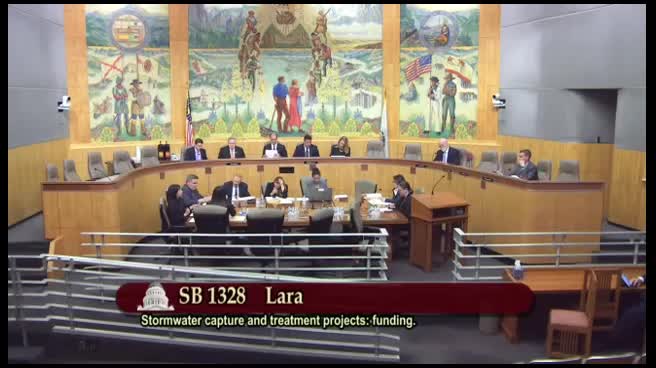 12MIN
Senate Standing Committee on Appropriations
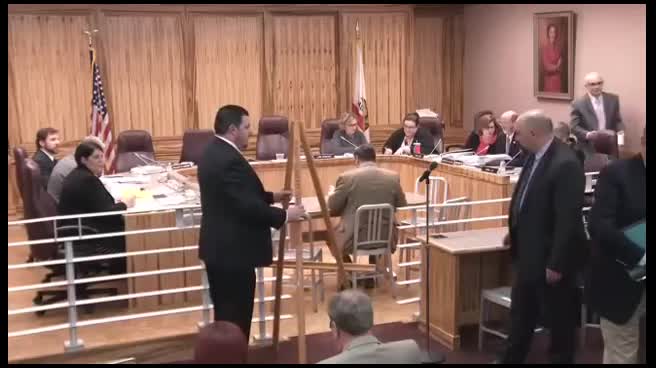 14MIN
Senate Standing Committee on Public Safety
Bill Author