AB 1030: Energy storage systems.
- Session Year: 2017-2018
- House: Assembly
- Latest Version Date: 2017-03-30
Under existing law, the Public Utilities Commission (PUC) has regulatory authority over public utilities, including electrical corporations. corporations, while local publicly owned electric utilities, as defined, are under the direction of their governing board. Existing law requires the PUC to open a proceeding to determine appropriate targets, if any, for each load-serving entity, as defined, to procure viable and cost-effective energy storage systems to be achieved by December 31, 2015, and December 31, 2020. If determined to be appropriate, the PUC is required to adopt the procurement targets and to reevaluate all of these determinations not less than once every 3 years. Existing law excludes an electrical corporation that has 60,000 or fewer customer accounts within California from these requirements. Existing law requires each load-serving entity to submit a report to the commission demonstrating that it has complied with the energy storage system procurement targets and policies adopted by the commission by January 1, 2016, and again on January 1, 2021. Existing law requires the governing board of each local publicly owned electric utility to initiate a process to determine appropriate targets, if any, for the utility to procure viable and cost-effective energy storage systems to be achieved by December 31, 2016, and December 31, 2020. If determined to be appropriate, the governing board is required to adopt the procurement targets, by October 1, 2014, and to reevaluate the determinations not less than once every 3 years. Existing law requires a local publicly owned electric utility to report to the State Energy Resources Conservation and Development Commission (Energy Commission) regarding the energy storage system procurement targets and policies adopted by the governing board, report any modifications made to those targets as a result of a reevaluation, and to submit reports demonstrating that it has complied with the energy storage system procurement targets and policies adopted by the governing board.
Existing law requires the PUC, in consultation with the State Air Resources Board and the State Energy Resources Conservation and Development Energy Commission, to direct the states 3 largest electrical corporations to file applications for programs and investments to accelerate widespread deployment of distributed energy storage systems, as defined. Existing law authorizes the PUC to approve, or modify and approve, programs and investments in distributed energy storage systems, as provided, and requires the PUC to prioritize those programs and investments that provide distributed energy storage systems to public sector and low-income customers. Existing law makes no comparable requirement for local publicly owned electric utilities.
This bill would require the PUC to establish a program to incentivize residential and commercial customers to adopt energy storage systems. establish 4 energy policy goals of the state with respect to energy storage and would require the PUC, on behalf of electrical corporations, and require the governing board, on behalf of a local publicly owned electric utility, to undertake specified actions with respect to customer- and load-sited energy storage systems in order to achieve those energy policy goals, including a rebate program dedicated to energy storage that carves out a portion of funding for low-income customers and disadvantaged communities. Because a violation of any order, decision, rule, direction, demand, or requirement of the PUC implementing these requirements would be a crime, this bill would impose a state-mandated local program. By placing requirements upon a local publicly owned electric utility, the bill would impose a state-mandated local program.
The California Constitution requires the state to reimburse local agencies and school districts for certain costs mandated by the state. Statutory provisions establish procedures for making that reimbursement.This bill would provide that no reimbursement is required by this act for a specified reason.The California Constitution requires the state to reimburse local agencies and school districts for certain costs mandated by the state. Statutory provisions establish procedures for making that reimbursement.
This bill would provide that no reimbursement is required by this act for specified reasons.
Under existing law, the Public Utilities Commission (PUC) has regulatory authority over public utilities, including electrical corporations. Existing law requires the PUC to open a proceeding to determine appropriate targets, if any, for each load-serving entity, as defined, to procure viable and cost-effective energy storage systems to be achieved by December 31, 2015, and December 31, 2020. If determined to be appropriate, the PUC is required to adopt the procurement targets and to reevaluate all of these determinations not less than once every 3 years. Existing law excludes an electrical corporation that has 60,000 or fewer customer accounts within California from these requirements.
Existing law requires the PUC, in consultation with the State Air Resources Board and the State Energy Resources Conservation and Development Commission, to direct the states 3 largest electrical corporations to file applications for programs and investments to accelerate widespread deployment of distributed energy storage systems, as defined. Existing law authorizes the PUC to approve, or modify and approve, programs and investments in distributed energy storage systems, as provided, and requires the PUC to prioritize those programs and investments that provide distributed energy storage systems to public sector and low-income customers.
This bill would require the PUC to establish a program to incentivize residential and commercial customers to adopt energy storage systems. Because a violation of any order, decision, rule, direction, demand, or requirement of the PUC implementing these requirements would be a crime, this bill would impose a state-mandated local program.
The California Constitution requires the state to reimburse local agencies and school districts for certain costs mandated by the state. Statutory provisions establish procedures for making that reimbursement.
This bill would provide that no reimbursement is required by this act for a specified reason.
The Legislature finds and declares all of the following:
(a)The electrical system is evolving from a model dominated by centralized powerplants and long distance transmission of electricity toward a model focused on local energy sources located close to customer electrical demand.
(b)A decentralized electrical system can create greater energy independence and provide opportunities for increased resiliency of the supply of electricity.
(c)Locating generation near where the electricity is used reduces losses associated with the long-distance transmission of electricity.
(d)Empowering customers to take more active roles in the states electrical system leverages private capital, protects consumers from rising energy costs, and promotes customer understanding and engagement.
(e)Installation of energy storage systems on a mass scale will be essential to the integration of renewable energy resources sufficient to meet the states goals for reducing emissions of greenhouse gases.
(f)A competitive market for energy storage systems would create jobs, stimulate economic development, and benefit the economy statewide.
(g)California is a worldwide leader in the development of energy storage systems and advanced management of the electrical grid, but the market is so small that this leadership position is not firm.
SEC. 2.Section 2837.5 is added to the Public Utilities Code, to read:2837.5.(a)The following are energy policy goals of the state:
(1)Make energy storage a mainstream technology that enables utility customers to help reduce variation in electricity consumption in local circuits of the electrical distribution system and the statewide electrical system.
(2)Create a marketplace for energy services that harnesses innovation stimulated by competition and that fairly compensates distributed energy resources for the electrical and other system attributes and grid services that those resources provide to the electrical system.
(3)Achieve market transformation for energy storage systems. Market transformation would enable advanced technology energy companies and associated entities to achieve the scale and experience necessary to offer solutions at prices that are cost effective for customers. The market transformation of energy storage systems can also help address time-varying energy needs of the electrical system.
(4)Use customer-sited energy storage as a primary strategy to meet the existing targets for reducing emissions of greenhouse gases established by the State Air Resources Board pursuant to the California Global Warming Solutions Act of 2006 (Division 25.5 (commencing with Section 38500) of the Health and Safety Code).
(b)In order to achieve the energy policy goals of subdivision (a), the Public Utilities Commission and the governing board of a local publicly owned electric utility shall do all of the following:
(1)Approve optional tariffs that account for the electrical, capacity, and other grid services provided to the electrical system by customers with customer-sited energy storage systems and are intended to motivate customers to install load-sited energy storage systems.
(2)Ensure that demand response programs prioritize opportunities for participation by customers with load-sited energy storage systems.
(3)Ensure that tariff and market rules do not prevent full utilization of customer-sited energy storage systems to provide the services they are capable of performing.
(4)Ensure that rules governing the interconnection of customer-sited energy systems to utility distribution systems are streamlined, cost effective, and remain up to date for the evolving technological characteristics of customer-sited energy storage systems.
(5)Coordinate with the Independent System Operator to remove obstacles for customer-sited and aggregated distributed energy resources to participate in the wholesale energy markets.
(6)Establish a rebate program dedicated to energy storage and that carves out a portion of funding for low-income customers and disadvantaged communities.
SEC. 3.No reimbursement is required by this act pursuant to Section 6 of Article XIIIB of the California Constitution because a local agency or school district has the authority to levy service charges, fees, or assessments sufficient to pay for the program or level of service mandated by this act or because costs that may be incurred by a local agency or school district will be incurred because this act creates a new crime or infraction, eliminates a crime or infraction, or changes the penalty for a crime or infraction, within the meaning of Section 17556 of the Government Code, or changes the definition of a crime within the meaning of Section 6 of Article XIIIB of the California Constitution.
SECTION 1.Section 2837.5 is added to the Public Utilities Code, to read:2837.5.The commission shall establish a program to incentivize residential and commercial customers to adopt energy storage systems.SEC. 2.No reimbursement is required by this act pursuant to Section 6 of Article XIIIB of the California Constitution because the only costs that may be incurred by a local agency or school district will be incurred because this act creates a new crime or infraction, eliminates a crime or infraction, or changes the penalty for a crime or infraction, within the meaning of Section 17556 of the Government Code, or changes the definition of a crime within the meaning of Section 6 of Article XIIIB of the California Constitution.The commission shall establish a program to incentivize residential and commercial customers to adopt energy storage systems.
SEC. 2.No reimbursement is required by this act pursuant to Section 6 of Article XIIIB of the California Constitution because the only costs that may be incurred by a local agency or school district will be incurred because this act creates a new crime or infraction, eliminates a crime or infraction, or changes the penalty for a crime or infraction, within the meaning of Section 17556 of the Government Code, or changes the definition of a crime within the meaning of Section 6 of Article XIIIB of the California Constitution.
|
Date
|
Status
|
|---|---|
| May 24, 2017 | From committee: Without further action pursuant to Joint Rule 62(a). |
| Apr 26, 2017 | In committee: Set, first hearing. Failed passage. |
| Apr 19, 2017 | In committee: Hearing postponed by committee. |
| Apr 3, 2017 | Re-referred to Com. on U. & E. |
| Mar 30, 2017 | From committee chair, with author's amendments: Amend, and re-refer to Com. on U. & E. Read second time and amended. |
| Mar 6, 2017 | Referred to Com. on U. & E. |
| Feb 17, 2017 | From printer. May be heard in committee March 19. |
| Feb 16, 2017 | Read first time. To print. |
|
Date
|
Description
|
Location
|
Votes
|
|
|---|---|---|---|---|
| Apr 26, 2017 | Do pass and be re-referred to the Committee on [Appropriations] | Assembly Standing Committee on Utilities and Energy |
Failed |
This list shows positions taken on this bill by organizations on the date displayed, which is linked to the original source.
Positions by individuals are not included.
|
Organization
|
Position
|
Date
|
|---|---|---|
| ACR Solar International Corp. | ** Support | Apr 24, 2017 |
| adroit energy | ** Support | Apr 24, 2017 |
| Alive Industries | ** Support | Apr 24, 2017 |
| Alternative Energy Systems Inc. | ** Support | Apr 24, 2017 |
| Avalon Battery Corporation | ** Support | Apr 24, 2017 |
| Aztec Solar Inc. | ** Support | Apr 24, 2017 |
| Bosch | ** Support | Apr 24, 2017 |
| Brightline Defense | * Support | Apr 26, 2017 |
| CalCom Solar | ** Support | Apr 24, 2017 |
| California Energy Storage Alliance | ** Support | Apr 24, 2017 |
| California Housing Partnership Corporation | ** Support | Apr 24, 2017 |
| California Municipal Utilities Association | * Against | Apr 26, 2017 |
| California Public Interest Research Group (Calpirg) | * Support | Apr 26, 2017 |
| California Solar Energy Industries Association | * Support | Apr 26, 2017 |
| California State Association Of Electrical Workers | * Against | Apr 26, 2017 |
| California Storage Alliance | * Support | Apr 26, 2017 |
| Cinnamon Solar | * Support | Apr 26, 2017 |
| Climate Action Campaign | ** Support | Apr 24, 2017 |
| Coalition of California Utility Employees | ** Against | Apr 24, 2017 |
| Cobalt Power Systems Inc. | ** Support | Apr 24, 2017 |
| Energy Toolbase | ** Support | Apr 24, 2017 |
| Enphase | ** Support | Apr 24, 2017 |
| Environment California | ** Support | Apr 24, 2017 |
| Friends Committee On Legislation Of California | ** Support | Apr 24, 2017 |
| Friends of the Earth - US | ** Support | Apr 24, 2017 |
| Green Charge | * Support | Apr 26, 2017 |
| Grid Alternatives | ** Support | Apr 24, 2017 |
| Growing Energy Labs, Inc. | ** Support | Apr 24, 2017 |
| IBEW 1245 | * Against Unless Amend | Apr 26, 2017 |
| IBEW Local 1245 | * Against Unless Amend | Apr 26, 2017 |
| IBEW Local 1245 | * Against | Apr 26, 2017 |
| IBEW Local 465 | * Against | Apr 26, 2017 |
| JKB ENERGY | ** Support | Apr 24, 2017 |
| Luminol | * Support | Apr 26, 2017 |
| McCalmont Engineering | ** Support | Apr 24, 2017 |
| Mercedes-Benz Energy | ** Support | Apr 24, 2017 |
| Northern California Power Agency | * Against | Apr 26, 2017 |
| OpTerra Energy Services | ** Support | Apr 24, 2017 |
| Promise Energy | ** Support | Apr 24, 2017 |
| Quality Home Services | ** Support | Apr 24, 2017 |
| regreen | ** Support | Apr 24, 2017 |
| Renova Solar | ** Support | Apr 24, 2017 |
| Renvu | ** Support | Apr 24, 2017 |
| Rising Sun Energy Center | * Support | Apr 26, 2017 |
| School Energy Coalition | ** Support | Apr 24, 2017 |
| Sierra Club California | * Support | Apr 26, 2017 |
| Solar Forward | ** Support | Apr 24, 2017 |
| Solar Richmond | ** Support | Apr 24, 2017 |
| SolarGnosis | ** Support | Apr 24, 2017 |
| Spectrum Energy Development, Inc. | ** Support | Apr 24, 2017 |
| sunearth | ** Support | Apr 24, 2017 |
| Sunrun Inc. | * Support | Apr 26, 2017 |
| Techna | * Support | Apr 26, 2017 |
| TerraVerde Renewable Partners | ** Support | Apr 24, 2017 |
| The Alliance For Solar Choice | * Support | Apr 26, 2017 |
| U. & E. | ** Against | Apr 24, 2017 |
| Villara Building Systems | ** Support | Apr 24, 2017 |
| Voices for Progress | ** Support | Apr 24, 2017 |
| Vote Solar | ** Support | Apr 24, 2017 |
| Yaskawa Solectria Solar | ** Support | Apr 24, 2017 |
Date of Hearing: April 26, 2017
ASSEMBLY COMMITTEE ON UTILITIES AND ENERGY
Chris Holden, Chair
ABPCA Bill Id:AB 1030 (
Author:Ting) – As Amended Ver:March 30, 2017
SUBJECT: Energy storage systems
SUMMARY: Requires the California Public Utilities Commission (CPUC) and the governing boards of local publicly owned utilities (POUs) to establish a rebate program dedicated to energy storage and that carves out a portion of funding for low-income customers and disadvantaged communities. Specifically, this bill:
- Establishes the following energy policy goals:
- Make storage mainstream technology that enables utility customers to help reduce variation in electricity consumption in local circuits of the electrical distribution system and the statewide electrical system
- Create a marketplace for energy services that harnesses innovation stimulated by competition and that fairly compensates distributed energy resources for the electrical and other system attributes and grid services that those resources provide to the electrical system.
- Achieve market transformation for energy storage systems.
- Use customer-sited energy storage as a primary strategy to meet the existing targets for reducing emissions of greenhouse.
- Requires the CPUC and the POUs to establish a rebate program dedicated to energy storage and that carves out a portion of funding for low-income customers and disadvantaged communities, and:
- Approve optional tariffs that account for the electrical, capacity, and other grid services provided to the electrical system by customers with customer-sited energy storage systems and are intended to motivate customers to install load-sited energy storage systems.
- Ensure that demand response programs prioritize opportunities for participation by customers with load-sited energy storage systems.
- Ensure that tariff and market rules do not prevent full utilization of customer-sited energy storage systems to provide the services they are capable of performing.
- Ensure that rules governing the interconnection of customer-sited energy systems to utility distribution systems are streamlined, cost effective, and remain up to date for the evolving technological characteristics of customer-sited energy storage systems.
- Coordinate with the Independent System Operator (ISO) to remove obstacles for customer-sited and aggregated distributed energy resources to participate in the wholesale energy markets.
EXISTING LAW:
- Requires the CPUC to determine appropriate targets for each load-serving entity to procure viable and cost-effective energy storage systems to be achieved by December 31, 2015, and December 31, 2020, reevaluate the determinations made pursuant to this subdivision not less than once every three years, and ensure that the energy storage system procurement targets and policies that are established are technologically viable and cost effective. (Public Utilities Code §§ 2836, 2836.2)
- Requires POUs to determine appropriate targets, if any, for the utility to procure viable and cost-effective energy storage systems to be achieved by December 31, 2016, and December 31, 2020. (Public Utilities Code § 2836)
- Requires the CPUC to direct the IOUs file applications for programs and investments to accelerate widespread deployment of distributed energy storage systems for a total capacity not to exceed 500 megawatts. (Public Utilities Code § 2838.2)
- Authorizes the CPUC to require the IOUs to collect funds from ratepayers, through December 31, 2019, to be used to provide incentives through January 1, 2021, under SGIP, for distributed energy resources and energy storage systems, the CPUC, in consultation with ARB, determines will achieve reductions in emissions of GHGs. (Public Utilities Code § 379.6)
- Defines “distributed resources” as distributed renewable generation resources, energy efficiency, energy storage, electric vehicles, and demand response technologies and requires IOUs to develop distribution resources plans to identify optimal locations for the deployment of distributed resources. (Public Utilities Code § 769)
- Requires the CPUC and CEC to where feasible, authorize procurement of resources to provide grid reliability services that minimize reliance on system power and fossil fuel resources and, where feasible, cost effective, and consistent with other state policy objectives, increase the use of large- and small-scale energy storage with a variety of technologies, targeted energy efficiency, demand response, including, but not limited to, automated demand response, eligible renewable energy resources, or other renewable and nonrenewable technologies with zero or lowest feasible emissions of greenhouse gases, criteria pollutants, and toxic air contaminants onsite to protect system reliability. (Public Utilities Code § 400)
- Requires the CPUC to evaluate and analyze the potential for all types of long duration bulk energy storage resources to help integrate renewable generation into the electrical grid. (Chapter 680, Statutes of 2016)
FISCAL EFFECT: This bill is keyed fiscal and will be referred to the Appropriations Committee for its review of the fiscal effect of this bill. It is important to note however that the Appropriations Committee limits its analysis to the impact on overall state agency impacts and cannot assess the impacts of policy on the costs of electricity or gas service to ratepayers.
BACKGROUND:
California Energy Storage Roadmap. In late 2014, the California Energy Commission (CEC), the ISO, and the CPUC, developed an energy storage roadmap (Roadmap) that identifies policy, technology and process changes to address challenges faced by the energy storage sector. The comprehensive roadmap assesses the current market environment and regulatory policies for connecting new energy storage technology to the state’s power grid. It is the result of collaboration by the three organizations and input from more than 400 stakeholders, including utilities, technology companies, environmental groups, and interested parties.
The roadmap focuses on activities that address three critical categories of challenges:
- Expanding revenue opportunities for energy storage providers;
- Reducing costs of integrating and connecting to the power grid; and
- Streamlining and defining policies and processes to increase the certainty of expected benefits of energy storage systems.
CPUC Energy Storage Roadmap. The CPUC has developed a comprehensive strategy on storage which builds on the joint agency energy storage roadmap and is reflected in several CPUC decisions the last of which was issued in March.[1] The IOU energy storage procurements were revised in this decision and each was directed to plan for procurement of its share of AB 2868 (Gatto) distributed energy storage systems which will be reflected in the 2018 IOU energy storage procurement and investment plans due before March 1, 2018. The next track of this proceeding will consider rules for “multiple-use applications” which are behind-the-meter storage resources participating in the wholesale market.
Self Generation Incentive Program (SGIP). This program provides incentives to support existing, new, and emerging distributed energy resources (DERs). SGIP provides rebates for qualifying DERs installed on the customer's side of the utility meter. Qualifying technologies include wind turbines, waste heat to power technologies, pressure reduction turbines, internal combustion engines, microturbines, gas turbines, fuel cells, and advanced energy storage systems.
Annual funding for the SGIP comes from gas and electric rates of the three largest IOUs. The following chart summarizes the funding for SGIP as a result of AB 1637 (Low) in 2016 (which doubled program funding) and a March decision by the CPUC.[2] As indicated 85% of program revenues from 2017-2019 will subsidize storage on the customer’s side of the meter:
Total AB 1637 Collections | $249,000,000 |
Energy Storage Incentive Allocation (85%) | $196,834,500 |
Renewable Generation Incentive Allocation (15%) | $34,735,500 |
Program Administration | $17,430,000 |
Utility Storage Procurement Mandates. AB 2514 (Skinner, Chapter 469, Statutes of 2010) required the CPUC to determine appropriate targets for load-serving entities (LSEs) to procure energy storage systems. The bill required LSEs to meet any targets adopted by the CPUC by 2015 and 2020. The bill also required POUs to set their own targets for the procurement of energy storage and then meet those targets by 2016 and 2021.
The CPUC, in implementing AB 2514, established the following procurement targets for the three largest electric IOUs totaling 1,325 MW. (D.13-10-040) The CPUC reports the IOUs have each progressed in meeting their energy storage procurement goals. However, none has yet met its final procurement goal in any category, other than Southern California Edison (SCE), which has already exceeded the procurement goal for customer-side storage several times over.
Service territory Customer Distribution Transmission Total by Utility
PG&E | 85 | 185 | 310 | 580 |
SCE | 85 | 185 | 310 | 580 |
SDG&E | 30 | 55 | 80 | 165 |
TOTAL BY DOMAIN | 200 MW | 425 MW | 700 MW | 1325 MW |
AB 2868 (Gatto, Chapter 681, Statutes of 2016). The new mandate requires the IOUS to file applications with the CPUC for programs and investments in distributed energy storage systems. The total capacity of the programs and investments in distributed energy storage systems approved by the CPUC shall not exceed 500 megawatts, divided equally among the state’s three largest IOUs.
Independent System Operator Role. The ISO launched the first phase of the ESDER initiative (ESDER 1) in June 2015. The central focus of the ISO’s energy storage and distributed energy resources (ESDER) initiative is to lower barriers and enhance the ability of transmission grid- connected energy storage and distribution-connected resources, i.e., distributed energy resources, to participate in the ISO market. The number and diversity of these resources are growing and represent an increasingly important part of the resource mix. Integrating these resources will help lower carbon emissions and add operational flexibility. The ESDER initiative is an omnibus initiative covering several related but distinct topics. For the second phase of ESDER, i.e., ESDER 2 these topics include demand response (DR), non-generator resources, multiple-use applications (MUA), and station power for storage resources. ESDER 2 is taking multiple approaches to pursue and address each topic. For example, in the case of the DR topic, a stakeholder-led working group – the Baseline Analysis Working Group (BAWG) is discussing and recommending stakeholder-desired enhancements to the proxy demand resource (PDR) performance evaluation methods. The proposal produced by this working group is not the ISO’s proposal, but is the work product of the working group. A working group for the NGR topic is exploring use-limitations for storage resources. A different approach is being used for the remaining two topics of ESDER 2 – MUA and station power for storage resources – wherein the ISO is continuing its efforts to address these two topics in collaboration with the CPUC through its energy storage proceeding.
Similar to the CPUC’s storage rulemaking, the ESDER initiative began with the general intent to address high-priority action items from the Storage Roadmap that call for clarifying existing ISO requirements, rules, and market products for energy storage and aggregated distributed energy resources, and specifying enhancements to these existing rules. The ESDER initiative’s central focus is to lower barriers and enhance the ability of transmission grid-connected energy storage and the many examples of distribution-connected resources to participate in the ISO market. The scope of ESDER 1 was comprised of three topics areas: (1) enhancements to the ISO non-generator resources model; (2) enhancements to demand response performance measures and statistical sampling for the ISO proxy demand resource and reliability demand response resource market participation models; and, (3) clarifications to rules for non-resource adequacy multiple-use applications.
DER Action Plan. The CPUC launched the DER Action Plan (Plan)[3] to align the organization’s vision and actions in shaping California’s distributed energy resources future. The Plan outlines a vision of distributed energy resources (DERs) over the next several years, and serves as a roadmap in coordinating activities across multiple proceedings as California continues its commitment to GHG reduction and reform of utility distribution planning, investment, and operations. The Plan serves as a guide for decision-makers, staff, and stakeholders as they facilitate proactive and forward-thinking DER policy. In endorsing the Plan, the CPUC intends to guide development and implementation of policy related to DERs; it not the CPUC’s intention to determine outcomes of individual proceedings.
The Plan’s explicit purpose is to:
- Provide a long-term vision for DERs and supporting policies;
- Identify continuing efforts in support of the long-term vision;
- Assess direct further near-term action needed to support the long-term vision; and
- Establish a DER steering committee responsible for sustained coordination of activities across proceedings.
Ultimately the Plan’s primary focus is on maximizing the grid value of DERs and consequent strategies for DERs controllable by operators and/or targetable according to geographic areas.
Integrated Distributed Energy Resources Proceeding. The authority and technologies authorized under SGIP, as well as tariffs authorizing the interconnection of storage, are intended to solely offset demand on the customer’s side of the meter. This development and use of these resources and tariffs are being considered in the CPUC’s proceeding on Integrated Distributed Energy Resources (IDER, R.14-10-003) which is intended to develop comprehensive building energy management solutions via the integration of technologies, programs, and strategies to facilitate customer behavior changes that reduce load and grid inefficiencies. A December, 2016 decision in this proceeding requires the electrical IOUs to pilot solicitations for non-GHG resources on the customer’s side of the meter to secure non-wires alternatives for distribution upgrades. Storage on the customer-side of the meter is an eligible resource for these solicitations.
COMMENTS:
- Author’s Statement. The proliferation of energy storage is widely considered to be a key technology in the continued integration of renewable energy on the electric grid. Energy storage can also offer customers more choices to protect against rising energy costs and impending rate structures and to give consumers greater flexibility, especially when paired with on-site renewable energy. Ten years ago, California embarked on a historic initiative to transform the solar market, bringing rooftop solar to scale, and spurring innovation and jobs along the way. Today, California can continue building out this localized clean energy marketplace by adding storage to the mix. AB 1030 would require the CPUC to create a program to transform the energy storage market. This will help customers who have invested in solar protect themselves from changes utility rates, while also providing options to customers who would like to invest in their own renewable energy. Additionally, this bill will help protect the over 100,000 jobs that currently exist in the rooftop solar industry, and which are at risk due to utility rate changes and other recent policy changes.
- Not All Storage is Created Equal. Storage can and is being used to meet multiple needs on California’s grid and it generally falls in two applications. First, energy that is stored for later injection back to the grid to provide grid services. These wholesale uses have been defined by the CPUC as charging energy, resistive losses, pumps (flow batteries and pumped hydro), power conversion system, transformer, battery management system, thermal regulation, and vacuum (for flywheels). Critical to the grid and ratepayer value is the location of the storage as well as time of use. To ensure ratepayer value for the investment in storage it is important that the optimization of the grid, including peak reduction, contribution to reliability needs, or deferment of transmission and distribution upgrade investments is needed.
The second application is energy stored and injected at different times of the day to change consumption patterns which is a retail use. This typically occurs at a customer facility to help mitigate demand charges and minimize consumption during higher rate periods. These customer-sited storage applications are currently funded by the SGIP program. This measure is targeted at transforming the customer market for storage. - Just Like the CSI? Many have drawn an analogy between the need for the California Solar Initiative which incented the ten-year, rooftop solar program and the need for a similar program for customer-sited storage created by this bill. Rooftop solar was in its infancy and also, technically, was very limited in its use and application which was to reduce a customer’s demand for electricity. This is not the case for customer-sited storage.
Customer-sited storage can be used for multiple retail and wholesale purposes in addition to its primary use today which is to offset a customer’s energy demand, thereby lowering that customer’s energy use and related utility costs including demand charges. These additional uses have been and are in development by the CPUC, ISO, CEC and utilities. Storage resources located behind the utility meter are participating in the market today, both through the Demand Response Auction Mechanism and several contracts resulting from SCE’s 2013 local capacity requirement request for offers (LCR RFO). The ISO also created the metered generator output baseline option in ESDER Phase 1, in recognition of this specific multiple-use application scenario. The IOUs have current mandates from the CPUC for procurement of customer-sited storage as well as a new mandate for these resources at the distribution level as a result of AB 2868 (Gatto) last year.
One of the visions for the storage authorized by this bill is that private companies will pair storage on the customer’s side of the meter with renewable resources, particularly roof-top solar, which will facilitate the aggregation of renewable electricity stored in those batteries to participate in the wholesale energy markets.
These current and multiple uses of storage, as well as future uses for which planning continues, can all be complicated by programs in which procurement, including time and location, is controlled by customer decisions and the marketplace over the needs of the grid. - Market Disruption. Although the bill’s primary purpose is stated as market transformation, subsidizing customer storage could be disruptive of the competitive procurement process developing for distributed energy resources, including storage, on the customer’s side of the meter. The CPUC’s work in the IDER proceeding is intended to build on prior utility procurements for preferred resources and break-down the siloed procurement which exists for resources today such as those for energy efficiency and demand response. As part of this effort, the IOUs will be doing solicitations for non-wires alternatives to distribution upgrades utilizing resources on the customer’s side of the meter, including storage. When some resources are bid-in to these competitive solicitations and some have been subsidized by other IOU-funded incentive or subsidy programs, a competitive advantage is created for some and a disadvantage for other resources. More critically, this disrupts the competitive marketplace which is used to secure the best price for those resources on behalf of ratepayers.
- Is More Storage Needed? The CPUC has done extensive work on the procurement of energy storage in several proceedings. Procurement mandates have been required of the IOUs at the transmission and distribution levels, as well as on the customer’s side of the meter. Recent mandates are reflected in its March decision “Decision on Track 2 Energy Storage Issues.” The CPUC addressed additional storage procurement beyond that required of the IOUs in this decision cycle as follows:
Although one of the primary drivers in establishing energy storage targets was to ensure that a market for energy storage resources will be available to support California’s renewable procurement targets, we are also cognizant that there are many resources that can support a 50 percent renewable portfolio standard, including, but not limited to energy storage, and that the IRP process is tasked with identifying the optimal resource mix to meet the state’s ambitious greenhouse gas emissions reduction goals. We do not lose sight of the market transformation objectives of the energy storage targets, however, and may reconsider whether to increase the targets in a future rulemaking after the results from the 2016 Storage Evaluation process become available
- Balance. Storage, and specifically customer-sited storage, is one of many resources that can help the state achieve its energy goals and address the Duck Curve. Storage has been and is being developed for many different wholesale and retail applications. There is no consideration in this bill as to how and whether customer incentive payments should be balanced with other clean resources used in the grid and the RPS program. Nor is there any consideration given to whether the CPUC has adequately addressed storage procurement and market development. As indicated many different proceedings are also addressing the procurement of storage including the Distributed Energy Resources Action Plan, Distribution Resources Plan, Integrated Distributed Energy Resources, Self-Generation Incentive Program, and rate design proceedings.
- Related Legislation. SB 700 (Wiener) would require the PUC to establish the Energy Storage Initiative to provide rebates to customers of electrical corporations for the installation of energy storage systems meeting certain requirements. Status: Pass Senate Energy, Utilities & Communications Committee, April 26, 2017.
- Prior Legislation.
AB 2868 (Gatto, Chapter 681, Statutes of 2016) requires IOUs to file applications with the CPUC for programs and investments to accelerate widespread deployment of distributed energy storage systems.
AB 33 (Quirk, Chapter 680, Statutes of 2015) obligated the CPUC, in consultation with the CEC, to evaluate and analyze the potential for all types of long-duration bulk energy storage resources to help integrate renewables into the electric grid.
SB 886 (Pavley, 2015) would have required appropriate energy storage system procurement targets; requires each load-serving entity POU to plan for the procurement of energy storage systems before fossil-fuel-based generation; and requires each electrical corporation to propose measures to encourage customers to install energy storage systems. The bill passed the Senate 25-14 and was held in the Assembly Committee on Appropriations.
AB 2514 (Skinner, Chapter 469, Statutes of 2010) required the CPUC to determine appropriate targets, if any, for LSEs to procure energy storage systems. The bill required LSEs to meet any targets adopted by the CPUC by 2015 and 2020. The bill required POUs to set their own targets for the procurement of energy storage and then meet those targets by 2016 and 2021.
REGISTERED SUPPORT / OPPOSITION:
Support
ACR Solar International Corp.
Adroit Energy
Alive Industries
Alternative Energy Systems Inc.
Avalon Battery Corporation
Aztec Solar Inc.
Bosch
Brightline Defense Project
CalCom Solar
California Energy Storage Alliance
California Solar Energy Industries Association
CalPIRG
Climate Action Campaign
Cobalt Power Systems Inc.
Energy Toolbase
Enphase
Environment California
Friends Committee On Legislation Of California
Friends Of The Earth - Us
Green Charge
Grid Alternatives
Growing Energy Labs, Inc.
JKB Energy
McCalmont Engineering
Mercedes-Benz Energy
Opterra Energy Services
Promise Energy
Quality Home Services
Regreen
Renova Solar
Renvu
School Energy Coalition
Sierra Club California
Solar Energy Industries Association
Solar Forward
Solar Richmond
Solargnosis
Spectrum Energy Development, Inc.
Sunearth
Sunrun
Terraverde Renewable Partners
Villara Building Systems
Voices For Progress
Vote Solar
Yaskawa Solectria Solar
Support If Amended
California Housing Partnership Corporation
Oppose
California Municipal Utilities Association
California State Association of Electrical Workers
Coalition Of California Utility Employees
Northern California Power Agency
Analysis Prepared by: Kellie Smith / U. & E. /
http://docs.cpuc.ca.gov/PublishedDocs/Published/G000/M183/K277/183277651.PDF ↑
http://docs.cpuc.ca.gov/PublishedDocs/Published/G000/M183/K286/183286157.PDF ↑
http://www.cpuc.ca.gov/uploadedFiles/CPUC_Public_Website/Content/About_Us/Organization/Commissioners/Michael_J._Picker/2016%20DER%20Action%20Plan%20FINAL.pdf ↑
Discussed in Hearing
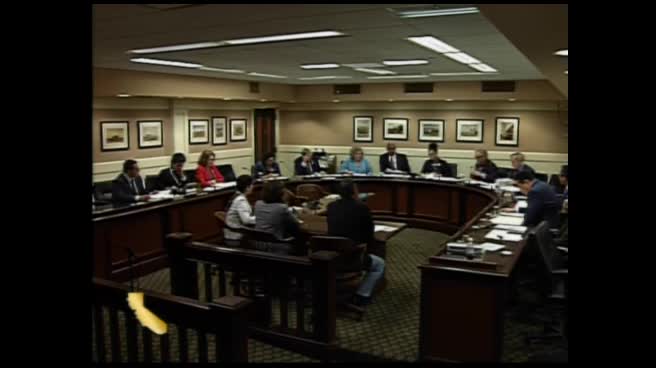 43MIN
Assembly Standing Committee on Utilities and Energy
Bill Author

Bill Co-Author(s):