AB 364: Information security: cybersecurity: economic impact study.
- Session Year: 2017-2018
- House: Assembly
- Latest Version Date: 2017-03-20
Existing law establishes the Governors Office of Business and Economic Development, and requires that office to serve the Governor as the lead entity for economic strategy and the marketing of California on issues relating to business development, private sector investment, and economic growth, and authorizes the office to exercise various powers, including, among others, making recommendations to the Governor and the Legislature regarding policies, programs, and actions to advance statewide economic goals.
This bill would require the office to, on or before July 1, 2018, commission and complete a study that would evaluate the economic impact of Californias cybersecurity industry, and would require that study to include certain information. The bill would require the office to provide the Legislature with the results of the study, along with recommendations for promoting the economic and workforce development of the states cybersecurity industry. The bill would repeal these provisions as of January 1, 2022.
Existing law establishes the Governors Office of Business and Economic Development, and requires that office to serve the Governor as the lead entity for economic strategy and the marketing of California on issues relating to business development, private sector investment, and economic growth, and authorizes the office to exercise various powers, including, among others, making recommendations to the Governor and the Legislature regarding policies, programs, and actions to advance statewide economic goals.
This bill would require the office to, on or before July 1, 2018, commission and complete a study that would evaluate the economic impact of Californias cybersecurity industry, and would require that study to include certain information.
(a)The Governors Office of Business and Economic Development shall, on or before July 1, 2018, commission and complete a study to evaluate the economic impact of Californias cybersecurity industry in order to better understand the nature of the industry itself, and its role in Californias economy so that the state can take more effective action to encourage and promote the growth of the cybersecurity industry in California.
(b)The economic impact study shall include, but not be limited to, the following information:
(1)A definition of the cybersecurity industry. industry, including the types of products and services provided by cybersecurity firms, as well as other companies that provide cybersecurity products and services.
(2)The number, size, and location of California companies that are a part of the cybersecurity industry. industry, including private, government, and military entities that are headquartered or have branches in California. This information shall include relevant employment data and salary data, as well as information about cybersecurity internships or other student training programs offered.
(3)The direct and indirect economic impact of the companies identified in paragraph (2). (2), including contribution to gross domestic product, average salaries, taxes paid, and any other metrics routinely utilized to measure economic impact.
(4)Any available data regarding difficulties that companies within the cybersecurity industry in California have with hiring and retaining employees. employees, or other impediments to operation and expansion.
(5)Employee job classifications in cybersecurity companies. companies, including educational degrees required for each classification, if any.
(6)The methodology used by the study.
(c)The Governors Office of Business and Economic Development shall provide the Legislature with the results of the study completed pursuant to this section, along with recommendations for promoting the economic and workforce development of the states cybersecurity industry, including how to utilize Californias Innovation Hubs in that process.
(d)(1)A report to be submitted pursuant to subdivision (c) shall be submitted in compliance with Section 9795 of the Government Code.
(2)Pursuant to Section 10231.5 of the Government Code, this section is repealed on January 1, 2022.
REVISIONS: HeadingLine 2.(a)The Governors Office of Business and Economic Development shall, on or before July 1, 2018, commission and complete a study to evaluate the economic impact of Californias cybersecurity industry in order to better understand the nature of the industry itself, and its role in Californias economy so that the state can take more effective action to encourage and promote the growth of the cybersecurity industry in California.
(b)The economic impact study shall include, but not be limited to, the following information:
(1)A definition of the cybersecurity industry.
(2)The number, size, and location of California companies that are a part of the cybersecurity industry.
(3)The direct and indirect economic impact of the companies identified in paragraph (2).
(4)Any available data regarding difficulties that companies within the cybersecurity industry in California have with hiring and retaining employees.
(5)Employee job classifications in cybersecurity companies.
(6)The methodology used by the study.
|
Date
|
Status
|
|---|---|
| Feb 1, 2018 | From committee: Filed with the Chief Clerk pursuant to Joint Rule 56. |
| Jan 31, 2018 | Died pursuant to Art. IV, Sec. 10(c) of the Constitution. |
| May 26, 2017 | In committee: Held under submission. |
| Apr 26, 2017 | In committee: Set, first hearing. Referred to APPR. suspense file. |
| Mar 28, 2017 | From committee: Do pass and re-refer to Com. on APPR. (Ayes 10. Noes 0.) (March 28). Re-referred to Com. on APPR. |
| Mar 27, 2017 | Coauthors revised. |
| Mar 21, 2017 | Re-referred to Com. on P. & C.P. |
| Mar 20, 2017 | From committee chair, with author's amendments: Amend, and re-refer to Com. on P. & C.P. Read second time and amended. |
| Feb 21, 2017 | Referred to Com. on P. & C.P. |
| Feb 9, 2017 | From printer. May be heard in committee March 11. |
| Feb 8, 2017 | Read first time. To print. |
|
Date
|
Description
|
Location
|
Votes
|
|
|---|---|---|---|---|
| Mar 28, 2017 | Do pass and be re-referred to the Committee on [Appropriations] | Assembly Standing Committee on Privacy and Consumer Protection |
Passed |
This list shows positions taken on this bill by organizations on the date displayed, which is linked to the original source.
Positions by individuals are not included.
|
Organization
|
Position
|
Date
|
|---|---|---|
| The Internet Association | * Support | Mar 28, 2017 |
Date of Hearing: April 26, 2017
ASSEMBLY COMMITTEE ON APPROPRIATIONS
Lorena Gonzalez Fletcher, Chair
ABPCA Bill Id:AB 364
Author:(Chau) – As Amended Ver:March 20, 2017
Policy Committee: | Privacy and Consumer Protection | Vote: | 10 - 0 |
|
| ||
|
|
Urgency: No State Mandated Local Program: No Reimbursable: No
SUMMARY:
This bill requires the Governor’s Office of Business and Economic Development (GO-Biz) to commission and complete a study to evaluate the economic impact of California’s cybersecurity industry by July 1, 2018. The study is required to include specified information, such as the number, size, and location of cybersecurity businesses in California and the contributions they make to the economy in terms of gross domestic product, salaries, and taxes paid.
FISCAL EFFECT:
GF costs of $400,000 to $500,000 for GO-Biz to commission the study.
COMMENTS:
- Purpose and Background. According to the author, “cyberattacks are a growing risk to businesses, with threats ranging from service disruption and the theft of intellectual property, to ransomware and large-scale data breaches. Cybersecurity—and well-trained cybersecurity professionals—are critical to protecting personal privacy, ensuring public safety and promoting economic and national security. As a technology pioneer, California should be leading the United States in developing and promoting the expansion of the cybersecurity workforce. However, no recent studies in the public domain have examined the economic impact of the cybersecurity industry on the state of California as a whole.”
- Timeline Likely to Increase Costs. As currently written, this bill requires GO-Biz to complete the required study on California’s cybersecurity industry by July 1, 2018. Given the assumed size and complexity of the state’s cybersecurity industry, it could be difficult to complete the study by the deadline established in the bill. For example, GO-Biz estimates it would take a minimum of 18 months to complete the study. As such, it would likely cost GO-Biz more in order to expedite the study. In addition, the quality of the information obtained in the study could be better if more time was available for GO-Biz to ensure comprehensive data collection and analysis. The author may wish to identify a later deadline for completion of the study in order to reduce costs and allow sufficient time for high-quality data collection and analysis.
Analysis Prepared by: Jessica Peters / APPR. / (916) 319-2081
Date of Hearing: March 28, 2017
ASSEMBLY COMMITTEE ON PRIVACY AND CONSUMER PROTECTION
Ed Chau, Chair
ABPCA Bill Id:AB 364 (
Author:Chau) – As Amended Ver:March 20, 2017
SUBJECT: Information security: cybersecurity: economic impact study
SUMMARY: Requires the Governor’s Office of Business and Economic Development (GO-Biz), on or before July 1, 2018, to commission and complete a study to evaluate the economic impact of California’s cybersecurity industry. Specifically, this bill:
- Requires GO-Biz, on or before July 1, 2018, to commission and complete a study to evaluate the economic impact of California’s cybersecurity industry in order to "better understand the nature of the industry itself, and its role in California’s economy so that the state can take more effective action to encourage and promote the growth of the cybersecurity industry in California."
- Requires the economic impact study to include, but not be limited to, the following information:
- A definition of the cybersecurity industry, including the types of products and services provided by cybersecurity firms, as well as other companies that provide cybersecurity products and services.
- The number, size, and location of California companies that are a part of the cybersecurity industry, including private, government, and military entities that are headquartered or have branches in California. This information shall include relevant employment data and salary data, as well as information about cybersecurity internships or other student training programs offered.
- The direct and indirect economic impact of the companies identified in paragraph (a), including contribution to gross domestic product, average salaries, taxes paid, and any other metrics routinely utilized to measure economic impact.
- Any available data regarding difficulties that companies within the cybersecurity industry in California have with hiring and retaining employees, or other impediments to operation and expansion.
- Employee job classifications in cybersecurity companies, including educational degrees required for each classification, if any.
- The methodology used by the study.
- Requires that GO-Biz provide the Legislature with recommendations for promoting the economic and workforce development of the state’s cybersecurity industry, including how to utilize California’s Innovation Hubs in that process.
- Requires a report to be submitted in compliance with Section 9795 of the Government Code.
EXISTING LAW:
- Establishes GO-Biz and requires that office to serve the Governor as the lead entity for economic strategy and the marketing of California on issues relating to business development, private sector investment, and economic growth, and authorizes the office to exercise various powers, including, among others, making recommendations to the Governor and the Legislature regarding policies, programs, and actions to advance statewide economic goals. (Government Code Sections 12096-12100)
FISCAL EFFECT: Unknown
COMMENTS:
- Purpose of this bill: This bill requires GO-Biz to commission and complete a study to evaluate the economic impact of the cybersecurity industry in California and provide the Legislature with recommendations to promote economic and workforce development. AB 364 is author-sponsored.
- Author's statement: According to the author, “Cyberattacks are a growing risk to businesses, with threats ranging from service disruption and the theft of intellectual property, to ransomware and large-scale data breaches. Cybersecurity – and well-trained cybersecurity professionals – are critical to protecting personal privacy, ensuring public safety and promoting economic and national security. As a technology pioneer, California should be leading the United States in developing and promoting the expansion of the cybersecurity workforce. However, no recent studies in the public domain have examined the economic impact of the cybersecurity industry on the state of California as a whole.”
“AB 364 would require the Governor's Office of Business and Economic Development (GO-Biz) to commission an economic impact study to better understand the current state of the cybersecurity industry in California. This study would be completed by July 2018, and provide baseline metrics that policymakers could use to understand this new, fast-growing industry and help promote its expansion through economic and workforce development.”
- California's cybersecurity challenges: Cybercrime can have wide reaching impacts including the damage and destruction of data, theft of intellectual property, theft of personal and financial data, fraud, disruption of normal business, revenue loss, and reputational harm. Securing personal, company and governmental data continues to be a challenge. The Theft Identity Resource Center reported that data breaches increased 40% in 2016, reaching an all-time record high of 1,093 breaches and exposing more than 36 million records. Hacking/skimming/phishing attacks were the leading cause of data breaches, accounting for 55% of breaches.
Cybersecurity Ventures, a research firm, estimated that global spending on cybersecurity reached $77 billion in 2015 and that it will reach $170 billion by 2020. The company also estimates that global annual cybercrime costs will grow from $3 trillion in 2015 to $6 trillion annually by 2021. This data indicates that cybercrimes will continue to have a large impact on the economy, both in the United States and in California. However, it is unclear how California is going to combat this escalation in cyberattacks or if the state is adequately investing in the cybersecurity industry.
- Workforce challenges: Cybersecurity threats are a growing problem to both the government and private sectors. Multiple sources report that the cybersecurity industry is having difficulty finding enough trained professionals to do the job. In a 2016 Deloitte survey of state chief information officers, 51% cite inadequate availability of cybersecurity professionals as a main challenge in combating cyber threats.
According to Burning Glass Technologies, a data analytics firm that analyzes job postings, “job postings for cybersecurity openings have grown three times as fast as openings for IT jobs overall and it takes companies longer to fill cybersecurity positions than other IT jobs.” Additionally, Burning Glass found that cybersecurity jobs require more education and experience and the industry is growing most quickly in Washington, DC, Virginia, Maryland and Colorado.
The website Cyberseek.org, which tracks cybersecurity job postings, estimates that there were more than 45,000 cybersecurity job openings in California between July 2015 and June 2016. However as the industry expands in California, it is unclear how many cybersecurity firms are in California and if the higher educational system is training an adequate number of students to fill the open positions.
- Confronting the "cyber challenge" and state-to-state competition: Governor Terry McAuliffe, Chair of the National Governor's Association, has launched an initiative called "Meet the Threat: States Confront the Cyber Challenge". In a March 15, 2017 press release, he states that "For far too long, cybersecurity has been seen as an information technology issue that requires technical solutions….[the initiative seeks to] highlight that cybersecurity is a whole-of-state issue that affects every level of government and every facet of our daily lives."
The initiative outlines four major challenges to the cybersecurity workforce gap in a recent whitepaper entitled “Building a Cybersecurity Workforce Pipeline.” These challenges include being unable to find or hire employees with the required skill, schools struggling to attract new students to the field, a gap in finding qualified teachers to educate cybersecurity students and cybersecurity specialists choosing more lucrative positions in the private sector, leaving government agencies struggling to fill basic positions.
In response, the report makes seven recommendations: craft a vision for a 21st century workforce, convene educators and private industry to assess the needs of businesses and students, treat cybersecurity as an industry-wide technology problem that demands more than just additional computer science courses, create and grow mid-career training programs, promote non-traditional conduits for new cybersecurity workers, boost supply of students by enhancing interest in computer science earlier in school, and expand the supply of educators trough training and drawing on adjunct talent.
It should also be noted that some states are actively competing to lure businesses and workers in the cybersecurity field to their states. As early as 2013, the state of Virginia was spending $520,000 for "cyber-security data analytics for the identification of strategies to bring cyber-security related jobs and industries to Virginia," and 2014 saw requests for a total of nearly $1 million for that purpose.
- Understanding California's cybersecurity industry: While the author is not aware of any recent and publically available studies that assess the overall impact of the cybersecurity industry in California, the city of San Diego has assessed the industry’s impact on the local economy and found impressive rates of growth in job and revenue impacts. Their 2016 Economic Impact and Analysis and Workforce Study found that San Diego is home to more than 10,000 cybersecurity employees. These employees spend their dollars in the local economy, which indirectly impacts over 16,000 jobs, a 25% increase from the previous economic impact study in 2014. Additionally, the study estimated a $1.9 billion contribution in GDP, a 26% increase from 2014. The study projected a 13% increase in cyber employment growth in the region, compared with a 2% overall regional job growth.
This bill would generate similar types of data about California and give the state a better picture of the cybersecurity industry. The San Diego study found that “access to clients, customers, vendors and suppliers are seen as San Diego’s greatest strengths among cyber employers.” Once the state has this type of data about the cybersecurity industry, it could help drive workforce development to spur further economic growth in California. - Arguments in support: According to the Internet Association, “AB 364 would provide California with necessary information on the burgeoning cybersecurity industry’s growth and economic impact. There are currently no recent studies that detail the impact of the industry statewide. The information produced by AB 364 will create a foundation for the state of California to further economic development and foster job creation in this essential new sector.”
- Related legislation: AB 276 (Medina) requests the Regents of the University of California, the Trustees of the California State University, the Chancellor’s Office of the California Community Colleges, and independent institutions of higher education to complete a report that evaluates the current state of cybersecurity education and training programs. AB 276 passed unanimously in the Assembly Higher Education Committee and is currently pending in the Assembly Privacy and Consumer Protection Committee.
AB 405 (Irwin) authorizes the board of Governors of the California Community Colleges to establish a baccalaureate degree cybersecurity pilot program at up to ten community college districts. AB 405 is currently pending in the Assembly Higher Education Committee.
REGISTERED SUPPORT / OPPOSITION:
Support
Internet Association
Opposition
None on file
Analysis Prepared by: Jennifer Chase / P. & C.P. / 916-319-2200
Discussed in Hearing
 1H
Assembly Standing Committee on Appropriations
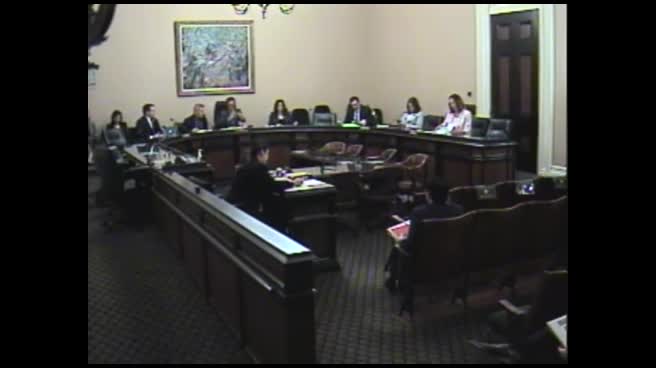 14MIN
Assembly Standing Committee on Privacy and Consumer Protection
Bill Author


