SR 126
- Session Year: 2017-2018
- House: Senate
- Latest Version Date: 2018-09-07
WHEREAS, Harvey Bernard Milk was born on May 22, 1930, in Woodmere, New York. He was the first openly LGBT man to be elected to public office in a major city of the United States and became endearingly known by his neighbors as the Mayor of Castro Street; and
WHEREAS, George Richard Moscone was born on November 24, 1929, in San Francisco, California. He served as a member of the Board of Supervisors of the City and County of San Francisco, as a California State Senator for over a decade, and as the 37th Mayor of San Francisco; and
WHEREAS, Harvey Milk and George Moscones lives were tragically ended on November 27, 1978, at San Francisco City Hall by a political rival, Dan White; and
WHEREAS, After San Francisco adopted a district election system in 1977, Harvey Milk was elected to the Board of Supervisors of the City and County of San Francisco, representing District 5. It was the first time in the history of the United States that an openly LGBT man was elected to a prominent political office; and
WHEREAS, As an openly LGBT leader, Harvey Milk encouraged LGBT individuals to be visible in society. During the Gay Freedom Day Parade of June 25, 1978, he told the crowd, Gay people, we will not win our rights by staying quietly in our closets; and
WHEREAS, Mayor George Moscone was integral to preventing the San Francisco Giants baseball team from moving away from the city and made strides in his appointments of women, LGBT leaders, and people of color to city commissions and boards; and
WHEREAS, In 1978, Dan White, who represented District 8 on the Board of Supervisors of the City and County of San Francisco, resigned from his seat due to financial hardship, thus allowing the Mayor of San Francisco, George Moscone, to appoint a successor; and
WHEREAS, Dan White later asked Mayor Moscone to be reappointed to his seat. Mayor Moscone declined after having been lobbied by several city leaders, including Harvey Milk, who often clashed with Dan White due to their political differences; and
WHEREAS, On November 27, 1978, Dan White went to San Francisco City Hall to meet with Mayor Moscone and make a final plea for reappointment. When the mayor declined the request, Dan White shot and killed Mayor Moscone, and then went to Harvey Milks office and shot and killed him before surrendering to the authorities; and
WHEREAS, In the aftermath of the assassinations, Dianne Feinstein became San Franciscos first female mayor and publicly announced the deaths of Supervisor Harvey Milk and Mayor George Moscone; and
WHEREAS, Harvey Milk had anticipated the possibility of assassination and had recorded several audio tapes to be played in that event. One of the tapes included his now famous quote, If a bullet should enter my brain, let that bullet destroy every closet door; and
WHEREAS, Dan Whites trial, which began four months after the killings, was one of the most closely watched trials in California at that time. The prosecution claimed that Dan Whites motive was revenge and that the killings were premeditated murders. However, Dan Whites attorney, Douglas Schmidt, claimed that Dan White, despite his confession, was a victim of pressure and had been depressed, a state exacerbated by his consuming a large quantity of junk food before the murders, which became known as the Twinkie Defense; and
WHEREAS, Dan White was convicted of voluntary manslaughter on the grounds of diminished capacity and sentenced to seven years and eight months in prison, a sentence widely denounced as lenient and motivated by homophobia. During the jury selection process in the criminal trial, defense attorneys had excluded candidates they deemed pro-gay; and
WHEREAS, In protest of the lenient sentence, San Franciscos LGBT community erupted in what came to be known as the White Night Riots. It began as a peaceful march from the Castro District to city hall, but turned into a riot when marchers clashed with the police force outside of city hall; and
WHEREAS, Harvey Milks legacy as a civil rights leader is still felt today. He was named one of Time Magazines most influential people of the 20th century. Many institutions and organizations are named for Harvey Milk, including the Harvey Milk Center for the Arts, the Harvey Milk Civil Rights Academy, the Eureka Valley/Harvey Milk Memorial Branch Library, and the Harvey Milk Lesbian/Gay/Bisexual/Transgender/Queer Democratic Club in San Francisco; and
WHEREAS, George Moscones legacy lives on through the George R. Moscone Convention Center, San Franciscos largest convention center, the Moscone Recreation Center, and the George R. Moscone Elementary School; and
WHEREAS, Harvey Milks story as Californias first openly LGBT elected official was the topic of a major motion picture released in 2008, which educated audiences worldwide about Milks place in history as a trailblazer and civil rights pioneer; and
WHEREAS, George Moscone and Harvey Milks lives and social contributions have left an indelible mark on the history of San Francisco and our nation, and hold a special meaning for the people of California; now, therefore, be it
Resolved by the Senate of the State of California, That the Senate recognizes the pioneering contributions of George Moscone and Harvey Milk and commemorates November 27, 2018, as the 40th anniversary of their assassination; and be it further
Resolved, That the Secretary of the Senate shall transmit copies of this resolution to the author for appropriate distribution.
|
Date
|
Status
|
|---|---|
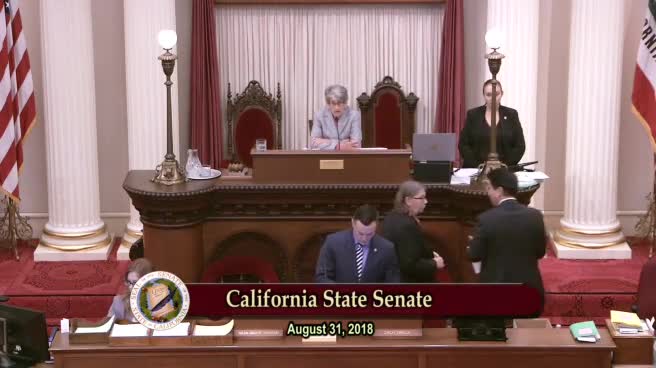
| Aug 31, 2018 | Read. Adopted. (Ayes 36. Noes 0.) |
| Aug 30, 2018 | From committee: Ordered to third reading. |
| Aug 29, 2018 | Introduced. Referred to Com. on RLS. |
|
Date
|
Description
|
Location
|
Votes
|
|
|---|---|---|---|---|
| Aug 31, 2018 | Senate 3rd Reading SR126 Wiener et al. | Senate Floor |
Passed |
This list shows positions taken on this bill by organizations on the date displayed, which is linked to the original source.
Positions by individuals are not included.
Office of Senate Floor Analyses (916) 651-1520 Fax: (916) 327-4478 | SR 126 |
THIRD READING
Bill No: SR 126
Author: Wiener (D), Atkins (D), Galgiani (D) and Lara (D)
Introduced: 8/29/18
SUBJECT: George Moscone and Harvey Milk
DIGEST:
This resolution recognizes the pioneering contributions of George Moscone and Harvey Milk and commemorates November 27, 2018, as the 40th anniversary of their assassination.
ANALYSIS: This resolution makes the following legislative findings:
- Harvey Bernard Milk was the first openly LGBT man to be elected to public office in a major U.S. city and became endearingly known by his neighbors as the “Mayor of Castro Street”. After San Francisco adopted a district election system in 1977, Harvey Milk was elected to the Board of Supervisors of the City and County of San Francisco, representing District 5. It was the first time in the history of the United States that an openly LGBT man was elected to a prominent political office; and as an openly LGBT leader, Harvey Milk encouraged LGBT individuals to be visible in society.
- George Richard Moscone served as a member of the Board of Supervisors of the City and County of San Francisco, as a California State Senator for over a decade, and as the 37th Mayor of San Francisco. Mayor George Moscone was integral to preventing the San Francisco Giants baseball team from moving away from the city and made strides in his appointments of women, LGBT leaders, and people of color to city commissions and boards.
- Harvey Milk and George Moscone’s lives were tragically ended on November 27, 1978, at San Francisco City Hall by a political rival, Dan White.
- In 1978, San Francisco Supervisor Dan White resigned from his seat, thus allowing Mayor Moscone to appoint a successor. Dan White later asked Mayor Moscone to be reappointed to his seat. Mayor Moscone declined after having been lobbied by several city leaders, including Harvey Milk, who often clashed with Dan White due to their political differences. On November 27, 1978, Dan White went to San Francisco City Hall to meet with Mayor Moscone and make a final plea for reappointment. When the mayor declined the request, Dan White shot and killed Mayor Moscone, and then went to Harvey Milk’s office and shot and killed him before surrendering to the authorities.
- In the aftermath of the assassinations, Dianne Feinstein became San Francisco’s first female mayor and publicly announced the deaths of Supervisor Harvey Milk and Mayor George Moscone.
- Harvey Milk had anticipated the possibility of assassination and had recorded several audio tapes to be played in that event. One of the tapes included his now famous quote, “If a bullet should enter my brain, let that bullet destroy every closet door.”
- Dan White was convicted of voluntary manslaughter on the grounds of diminished capacity and sentenced to seven years and eight months in prison, a sentence widely denounced as lenient and motivated by homophobia. During the jury selection process in the criminal trial, defense attorneys had excluded candidates they deemed “pro-gay”.
- Harvey Milk’s legacy as a civil rights leader is still felt today. He was named one of Time Magazine’s most influential people of the 20th century. Many institutions and organizations are named for Harvey Milk, including the Harvey Milk Center for the Arts, the Harvey Milk Civil Rights Academy, the Eureka Valley/Harvey Milk Memorial Branch Library, and the Harvey Milk Lesbian/Gay/Bisexual/ Transgender/Queer Democratic Club in San Francisco.
- George Moscone’s legacy lives on through the George R. Moscone Convention Center, San Francisco’s largest convention center, the Moscone Recreation Center, and the George R. Moscone Elementary School.
- George Moscone and Harvey Milk’s lives and social contributions have left an indelible mark on the history of San Francisco and our nation, and hold a special meaning for the people of California.
This resolution recognizes the pioneering contributions of George Moscone and Harvey Milk and commemorates November 27, 2018, as the 40th anniversary of their assassination.
FISCAL EFFECT: Appropriation: No Fiscal Com.: No Local: No
None received
OPPOSITION: (Verified 8/30/18)
None received
Prepared by: Melissa Ward / SFA / (916) 651-1520
8/30/18 20:54:22
**** END ****
Discussed in Hearing
View Older Hearings




Bill Co-Author(s):