SR 41
- Session Year: 2017-2018
- House: Senate
- Latest Version Date: 2017-06-21
WHEREAS, The Senate recognizes that the health care industry has added jobs at more than three times the rate of the rest of the economy and equals almost one-fifth of gross domestic product; and
WHEREAS, The Senate recognizes that numerous experts have cautioned that if the House-passed American Health Care Act of 2017 (AHCA) were to become law, overall economic growth could be undermined and result in the loss of approximately 200,000 jobs in California alone; and
WHEREAS, One-third of all Californians receive their health care coverage through Medi-Cal, Californias Medicaid program; and
WHEREAS, The AHCA would cut funding to Medicaid by an estimated $834 billion over the next decade; and
WHEREAS, The State Department of Health Care Services estimates that under the Medicaid per capita cap in the House bill, California will be responsible for a state share of approximately $690 million in 2020 growing to $5.3 billion by 2027; and
WHEREAS, An additional 1.5 million people are enrolled in Covered California, the state-based health benefit exchange; and
WHEREAS, The Legislature created Covered California and provided it with authority to act as an active purchaser and therefore Covered California has successfully negotiated modest rate increases for most enrollees; and
WHEREAS, The AHCA would effectively impose an age tax by dramatically increasing premiums and reducing tax credits for elderly Americans. The Center on Budget Policy and Priorities has estimated that the average tax credit for current Covered California enrollees would fall by an average of $1,500. Consumers in higher cost counties would suffer especially large losses, exceeding $3,000 in 23 counties. Because the AHCA allows insurers to charge older people much higher premiums and cut their tax credits, it is estimated that a typical 60-year old in California making $22,000 a year could see a premium rise of more than $5,000 in every county and over $10,000 in 38 counties; and
WHEREAS, The Congressional Budget Office (CBO) and the Joint Committee on Taxation estimate that the House-passed version of the AHCA would result in 14 million more people uninsured nationally than under current law. The increase in the number of uninsured people relative to the number under current law would reach 19 million people in 2020 and 23 million people in 2026; and
WHEREAS, The MacArthur amendment allows states to waive ACA essential health benefits, age rating limits, and community rating if states implement high risk pools or some other similar mechanism, and would allow health insurance issuers in states with a waiver to charge significantly more for older individuals and to set rates based on an individuals health status; and
WHEREAS, The CBO projects that premiums will go up in 2018 and 2019, after which time there would be significant variation depending on whether someone lives in a state that opts out of key ACA insurance rules. For premiums to decline a state would have to waive some of the ACA protections such as full coverage or nondiscriminatory pricing policies; and
WHEREAS, The CBO projects for those who live in a state that has obtained a waiver, on average, premiums probably would be lower but out-of-pocket costs would be higher. The CBO further estimates that if a state pursues a waiver, the benefits would not be comprehensive and could exclude essential health care services such as pregnancy coverage and preventative services. The CBO also finds that people who are less healthy, including those with preexisting or newly acquired medical conditions, would ultimately be unable to purchase comprehensive health insurance at premiums comparable to those under current law, if they could purchase it at all, despite the additional funding that would be available to help reduce premiums; and
WHEREAS, The CBO further projects for the one-sixth of the population that will reside in areas where the health insurance market becomes unstable due to community rating waivers, that premiums would be substantially higher than previously estimated for less healthy individuals and somewhat lower for healthier persons; and
WHEREAS, Policy analysts estimate that today there are approximately 2.2 million enrollees nationally in the individual market with some form of preexisting chronic condition, but that there would only be enough to cover 600,000 individuals with the amount of money allocated in the House-passed version of the AHCA for high-risk pools and the Patient and State Stability Fund; and
WHEREAS, The California experience with similar high risk pools resulted in long waiting lists, exorbitant premiums, low annual and lifetime benefit caps, coverage exclusions for preexisting conditions, and limited participation of health insurance carriers. In addition, the number of individuals covered when there is a limit on funding is a fraction of those eligible. An analysis of the April 26 AHCA found that the bills funding for high-risk pools would result in a shortfall of $2.5 billion in California alone and almost $20 billion nationwide, and there has been inadequate time to analyze the impact of the amendments adopted since then; and
WHEREAS, The House-passed bill was in print less than 24 hours and the official version was not released to the public until May 10, almost one week after the vote; and
WHEREAS, The United States Senate has not held a single public hearing to allow open analysis and debate on its version of the AHCA, no hearing is currently planned, and the Senate Finance Committee Chairman has refused to commit to any public hearings on the measure; and
WHEREAS, The United States Senates health care bill is being drafted in secret by a group of Senators that does not include a single woman or any member from states that expanded Medicaid under the ACA; and
WHEREAS, This process stands in stark contrast to the transparent public process leading to the passage of the ACA in both the United States House of Representatives and the United States Senate in 2009 and 2010, during which the United States Senate Finance Committee and Health, Education, Labor and Pensions Committee held a combined 100 public hearings on health care reform, considered hundreds of bipartisan amendments, posted the draft legislation online six days before the vote, and ultimately accepted 147 Republican amendments, and the United States House of Representatives held at least 79 bipartisan hearings and markups, accepted at least 30 Republican amendments, and posted the final bill online 72 hours before voting on it; now, therefore, be it
Resolved by the Senate of the State of California, That the California State Senate calls upon the Senate of the United States to thoughtfully and carefully consider the full impact of any measures that amend, revise, or repeal provisions of the ACA to ensure there is adequate public review and input from the health care industry, consumers, and other stakeholders, to ensure that the Congressional Budget Office has provided estimates of a final version, and that it is in print and available to the public for at least 72 hours prior to any vote; and be it further
Resolved, That the California State Senate calls upon the Senate of the United States to ensure that any legislation that is presented for a vote does not result in loss of coverage to the tens of millions of people who have benefited from the ACA, provides coverage for those with preexisting conditions, is affordable for older low-income adults, and contains adequate benefits; and be it further
Resolved, That the Secretary of the Senate transmit copies of this resolution to the Majority Leader of the Senate, to each Senator from California in the Congress of the United States, and to the author for appropriate distribution.
WHEREAS, The Senate recognizes that the health care industry has added jobs at more than three times the rate of the rest of the economy and equals almost one-fifth of gross domestic product; and
WHEREAS, The Senate recognizes that numerous experts have cautioned that if the House-passed American Health Care Act of 2017 (AHCA) were to become law, overall economic growth could be undermined and result in the loss of approximately 200,000 jobs in California alone; and
WHEREAS, One-third of all Californians receive their health care coverage through Medi-Cal, Californias Medicaid program; and
WHEREAS, The AHCA would cut funding to Medicaid by an estimated $834 billion over the next decade; and
WHEREAS, The State Department of Health Care Services estimates that under the Medicaid per capita cap in the House bill, California will be responsible for a state share of approximately $690 million in 2020 growing to $5.3 billion by 2027; and
WHEREAS, An additional 1.5 million people are enrolled in Covered California, the state-based health benefit exchange; and
WHEREAS, The Legislature created Covered California and provided it with authority to act as an active purchaser and therefore Covered California has successfully negotiated modest rate increases for most enrollees; and
WHEREAS, The AHCA would effectively impose an age tax by dramatically increasing premiums and reducing tax credits for elderly Americans. The Center on Budget Policy and Priorities has estimated that the average tax credit for current Covered California enrollees would fall by an average of $1,500. Consumers in higher cost counties would suffer especially large losses, exceeding $3,000 in 23 counties. Because the AHCA allows insurers to charge older people much higher premiums and cut their tax credits, it is estimated that a typical 60-year old in California making $22,000 a year could see a premium rise of more than $5,000 in every county and over $10,000 in 38 counties; and
WHEREAS, The Congressional Budget Office (CBO) and the Joint Committee on Taxation estimate that the House-passed version of the AHCA would result in 14 million more people uninsured nationally than under current law. The increase in the number of uninsured people relative to the number under current law would reach 19 million people in 2020 and 23 million people in 2026; and
WHEREAS, The MacArthur amendment allows states to waive ACA essential health benefits, age rating limits, and community rating if states implement high risk pools or some other similar mechanism, and would allow health insurance issuers in states with a waiver to charge significantly more for older individuals and to set rates based on an individuals health status; and
WHEREAS, The CBO projects that premiums will go up in 2018 and 2019, after which time there would be significant variation depending on whether someone lives in a state that opts out of key ACA insurance rules. For premiums to decline a state would have to waive some of the ACA protections such as full coverage or nondiscriminatory pricing policies; and
WHEREAS, The CBO projects for those who live in a state that has obtained a waiver, on average, premiums probably would be lower but out-of-pocket costs would be higher. The CBO further estimates that if a state pursues a waiver, the benefits would not be comprehensive and could exclude essential health care services such as pregnancy coverage, could exclude preventive services, or might not require any particular benefits. coverage and preventative services. The CBO also finds that people who are less healthy, including those with preexisting or newly acquired medical conditions, would ultimately be unable to purchase comprehensive health insurance at premiums comparable to those under current law, if they could purchase it at all, despite the additional funding that would be available to help reduce premiums; and
WHEREAS, The CBO further projects for the one-sixth of the population that will reside in areas where the health insurance market becomes unstable due to community rating waivers, that premiums would be substantially higher than previously estimated for less healthy individuals and somewhat lower for healthier persons; and
WHEREAS, Policy analysts estimate that today there are approximately 2.2 million enrollees nationally in the individual market with some form of preexisting chronic condition, but that there would only be enough to cover 600,000 individuals with the amount of money allocated in the House-passed version of the AHCA for high-risk pools and the Patient and State Stability Fund; and
WHEREAS, The California experience with similar high risk pools resulted in long waiting lists, exorbitant premiums, low annual and lifetime benefit caps, coverage exclusions for preexisting conditions, and limited participation of health insurance carriers. In addition, the number of individuals covered when there is a limit on funding is a fraction of those eligible. An analysis of the April 26 AHCA found that the bills funding for high risk pools would result in a shortfall of $2.5 billion in California alone and almost $20 billion nationwide, and there has been inadequate time to analyze the impact of the amendments adopted since then; and
WHEREAS, The House-passed bill was in print less than 24 hours and the official version was not released to the public until May 10, almost one week after the vote; now, therefore, be it vote; and
WHEREAS, The United States Senate has not held a single public hearing to allow open analysis and debate on its version of the AHCA, no hearing is currently planned, and the Senate Finance Committee Chairman has refused to commit to any public hearings on the measure; and
WHEREAS, The United States Senates health care bill is being drafted in secret by a group of Senators that does not include a single woman or any member from states that expanded Medicaid under the ACA; and
WHEREAS, This process stands in stark contrast to the transparent public process leading to the passage of the ACA in both the United States House of Representatives and the United States Senate in 2009 and 2010, during which the United States Senate Finance Committee and Health, Education, Labor and Pensions Committee held a combined 100 public hearings on health care reform, considered hundreds of bipartisan amendments, posted the draft legislation online six days before the vote, and ultimately accepted 147 Republican amendments, and the United States House of Representatives held at least 79 bipartisan hearings and markups, accepted at least 30 Republican amendments, and posted the final bill online 72 hours before voting on it; now, therefore, be it
Resolved by the Senate of the State of California, That the California State Senate calls upon the Senate of the United States to thoughtfully and carefully consider the full impact of any measures that amend, revise, or repeal provisions of the ACA, commends the Senate of the United States for acting independently by developing its own proposal, ACA to ensure there is adequate public review and input from the health care industry, consumers, and other stakeholders, and to ensure that the Congressional Budget Office has provided estimates of a final version version, and that it is in print and available to the public for at least 72 hours; hours prior to any vote; and be it further
Resolved, That the California State Senate calls upon the Senate of the United States to ensure that any legislation that is presented for a vote does not result in loss of coverage to the tens of millions of people who have benefited from the ACA, provides coverage for those with preexisting conditions, is affordable for older low-income adults, and contains adequate benefits; and be it further
Resolved, That the Secretary of the Senate transmit copies of this resolution to the Majority Leader of the Senate, to each Senator from California in the Congress of the United States, and to the author for appropriate distribution.
WHEREAS, The Senate recognizes that the health care industry has added jobs at more than three times the rate of the rest of the economy and equals almost one-fifth of gross domestic product; and
WHEREAS, The Senate recognizes that numerous experts have cautioned that if Congress passes the House-passed American Health Care Act of 2017 (AHCA) overall were to become law, overall economic growth could be undermined and result in the loss of approximately 200,000 jobs in California alone; and
WHEREAS, One-third of all Californians receive their health care coverage through Medi-Cal, Californias Medicaid program; and
WHEREAS, The AHCA would cut funding to Medicaid by an estimated $880 $834 billion over the next decade; and
WHEREAS, The State Department of Health Care Services estimates that under the Medicaid per capita cap in the House bill, California will be responsible for a state share of approximately $690 million in 2020 growing to $5.3 billion by 2027; and
WHEREAS, An additional 1.5 million people are enrolled in Covered California, the state-based health benefit exchange; and
WHEREAS, The Legislature created Covered California and provided it with authority to act as an active purchaser and therefore Covered California has successfully negotiated modest rate increases for most enrollees; and
WHEREAS, The Kaiser Family Foundation (KFF) has reported that in 2015, over 5.8 million Californians could have been declined coverage if it were not for the protections for preexisting conditions under the federal Affordable Care Act (ACA). In a poll, KFF found that most people (53 percent) report that they or someone in their household has a preexisting condition. KFF estimates that the number of people who are too young to be on Medicare with declinable preexisting conditions under pre-ACA practices, in California, is 5,865,000 people or 24 percent of that population. Nationally, the estimate is over 52.2 million people; andWHEREAS, The AHCA would effectively impose an age tax by dramatically increasing premiums and reducing tax credits for elderly Americans. The Center on Budget Policy and Priorities has estimated that the average tax credit for current Covered California enrollees would fall by an average of $1,500. Consumers in higher cost counties would suffer especially large losses, exceeding $3,000 in 23 counties. Because the AHCA allows insurers to charge older people much higher premiums and cut their tax credits, it is estimated that a typical 60-year old in California making $22,000 a year could see a premium rise of more than $5,000 in every county and over $10,000 in 38 counties; and
WHEREAS, The Congressional Budget Office (CBO) and the Joint Committee on Taxation estimate that the House-passed version of the AHCA would result in 14 million more people uninsured nationally than under current law. The increase in the number of uninsured people relative to the number under current law would reach 19 million people in 2020 and 23 million people in 2026; and
WHEREAS, The MacArthur amendment allows states to waive ACA essential health benefits, age rating limits, and community rating if states implement high risk pools or some other similar mechanism, and would allow health insurance issuers in states with a waiver to charge significantly more for older individuals and to set rates based on an individuals health status; and
WHEREAS, The CBO projects that premiums will go up in 2018 and 2019, after which time there would be significant variation depending on whether someone lives in a state that opts out of key ACA insurance rules. For premiums to decline a state would have to waive some of the ACA protections such as full coverage or nondiscriminatory pricing policies; and
WHEREAS, The CBO projects for those who live in a state that has obtained a waiver, on average, premiums probably would be lower but out-of-pocket costs would be higher. The CBO further estimates that if a state pursues a waiver, the benefits would not be comprehensive and could exclude essential health care services such as pregnancy coverage, could exclude preventive services, or might not require any particular benefits. The CBO also finds that people who are less healthy, including those with preexisting or newly acquired medical conditions, would ultimately be unable to purchase comprehensive health insurance at premiums comparable to those under current law, if they could purchase it at all, despite the additional funding that would be available to help reduce premiums; and
WHEREAS, The CBO further projects for the one-sixth of the population that will reside in areas where the health insurance market becomes unstable due to community rating waivers, that premiums would be substantially higher than previously estimated for less healthy individuals and somewhat lower for healthier persons; and
WHEREAS, Policy analysts estimate that today there are approximately 2.2 million enrollees nationally in the individual market with some form of preexisting chronic condition, but that there would only be enough to cover 600,000 individuals with the amount of money allocated in the House-passed version of the AHCA for high-risk pools and the Patient and State Stability Fund; and
WHEREAS, The California experience with similar high risk pools resulted in long waiting lists, exorbitant premiums, low annual and lifetime benefit caps, coverage exclusions for preexisting conditions, and limited participation of health insurance carriers. In addition, the number of individuals covered when there is a limit on funding is a fraction of those eligible. An analysis of the April 26 AHCA found that the bills funding for high risk pools would result in a shortfall of $2.5 billion in California alone and almost $20 billion nationwide, and there has been inadequate time to analyze the impact of the amendments adopted since then; and
WHEREAS, The Congressional Budget Office and the Joint Committee on Taxation estimated that the effect of the March 23 version of the AHCA was that in 2018, 14 million more people would be uninsured under the legislation than under current law. The increase in the number of uninsured people relative to the number under current law would reach 21 million people in 2020 and 24 million people in 2026. In 2026, an estimated 52 million people under 65 years of age would be uninsured, compared with 28 million people who would lack insurance that year under current law; andWHEREAS, The House-passed bill was in print less than 24 hours and the official version was not released to the public until May 10, almost one week after the vote; now, therefore, be it
Resolved by the Senate of the State of California, That the California State Senate calls upon the Senate of the United States to thoughtfully and carefully consider the full impact of any measures that amend, revise, or repeal provisions of the ACA, commends the Senate of the United States for acting independently by developing its own proposal, to ensure there is adequate public review and input from the health care industry, consumers, and other stakeholders, and to ensure that the Congressional Budget Office has provided estimates of a final version and that it is in print and available to the public for at least 72 hours; and be it further
Resolved, That the California State Senate calls upon the Senate of the United States to ensure that any legislation that is presented for a vote does not result in loss of coverage to the tens of millions of people who have benefited from the ACA, provides coverage for those with preexisting conditions, is affordable for older low-income adults, and contains adequate benefits; and be it further
Resolved, That the Secretary of the Senate transmit copies of this resolution to the Majority Leader of the Senate, to each Senator from California in the Congress of the United States, and to the author for appropriate distribution.
WHEREAS, The Senate recognizes that the health care industry has added jobs at more than three times the rate of the rest of the economy and equals almost one-fifth of gross domestic product; and
WHEREAS, The Senate recognizes that numerous experts have cautioned that if Congress passes the American Health Care Act of 2017 (AHCA) overall economic growth could be undermined and result in the loss of approximately 200,000 jobs in California alone; and
WHEREAS, One-third of all Californians receive their health care coverage through Medi-Cal, Californias Medicaid program; and
WHEREAS, The AHCA would cut funding to Medicaid by an estimated $880 billion over the next decade; and
WHEREAS, The State Department of Health Care Services estimates that under the Medicaid per capita cap in the House bill, California will be responsible for a state share of approximately $690 million in 2020 growing to $5.3 billion by 2027; and
WHEREAS, An additional 1.5 million people are enrolled in Covered California, the state-based health benefit exchange; and
WHEREAS, The Legislature created Covered California and provided it with authority to act as an active purchaser and therefore Covered California has successfully negotiated modest rate increases for most enrollees; and
WHEREAS, The Kaiser Family Foundation (KFF) has reported that in 2015, over 5.8 million Californians could have been declined coverage if it were not for the protections for preexisting conditions under the federal Affordable Care Act (ACA). In a poll, KFF found that most people (53 percent) report that they or someone in their household has a preexisting condition. KFF estimates that the number of people who are too young to be on Medicare with declinable preexisting conditions under pre-ACA practices, in California, is 5,865,000 people or 24 percent of that population. Nationally, the estimate is over 52.2 million people; and
WHEREAS, The AHCA would effectively impose an age tax by dramatically increasing premiums and reducing tax credits for elderly Americans. The Center on Budget Policy and Priorities has estimated that the average tax credit for current Covered California enrollees would fall by an average of $1,500. Consumers in higher cost counties would suffer especially large losses, exceeding $3,000 in 23 counties. Because the AHCA allows insurers to charge older people much higher premiums and cut their tax credits, it is estimated that a typical 60-year old in California making $22,000 a year could see a premium rise of more than $5,000 in every county and over $10,000 in 38 counties; and
WHEREAS, The MacArthur amendment allows states to waive ACA essential health benefits, age rating limits, and community rating if states implement high risk pools or some other similar mechanism, and would allow health insurance issuers in states with a waiver to charge significantly more for older individuals and to set rates based on an individuals health status; and
WHEREAS, The California experience with similar high risk pools resulted in long waiting lists, exorbitant premiums, low annual and lifetime benefit caps, coverage exclusions for preexisting conditions, and limited participation of health insurance carriers. In addition, the number of individuals covered when there is a limit on funding is a fraction of those eligible. An analysis of the April 26 AHCA found that the bills funding for high risk pools would result in a shortfall of $2.5 billion in California alone and almost $20 billion nationwide, and there has been inadequate time to analyze the impact of the amendments adopted since then; and
WHEREAS, The Congressional Budget Office and the Joint Committee on Taxation estimated that the effect of the March 23 version of the AHCA was that in 2018, 14 million more people would be uninsured under the legislation than under current law. The increase in the number of uninsured people relative to the number under current law would reach 21 million people in 2020 and 24 million people in 2026. In 2026, an estimated 52 million people under 65 years of age would be uninsured, compared with 28 million people who would lack insurance that year under current law; and
WHEREAS, The House-passed bill was in print less than 24 hours and the official version was not released to the public until May 10, almost one week after the vote; now, therefore, be it
Resolved by the Senate of the State of California, That the California State Senate calls upon the Senate of the United States to thoughtfully and carefully consider the full impact of any measures that amend, revise, or repeal provisions of the ACA, commends the Senate of the United States for acting independently by developing its own proposal, to ensure there is adequate public review and input from the health care industry, consumers, and other stakeholders, and to ensure that the Congressional Budget Office has provided estimates of a final version and that it is in print and available to the public for at least 72 hours; and be it further
Resolved, That the California State Senate calls upon the Senate of the United States to ensure that any legislation that is presented for a vote does not result in loss of coverage to the tens of millions of people who have benefited from the ACA, provides coverage for those with preexisting conditions, is affordable for older low-income adults, and contains adequate benefits; and be it further
Resolved, That the Secretary of the Senate transmit copies of this resolution to the Majority Leader of the Senate, to each Senator from California in the Congress of the United States, and to the author for appropriate distribution.
|
Date
|
Status
|
|---|---|
| Jun 19, 2017 | Amendments by Senator Bates tabled on motion of Senator Monning. (Ayes 27. Noes 12. Page 1606.) |
| Jun 15, 2017 | Read second time. Ordered to third reading. |
| Jun 14, 2017 | Read third time and amended. |
| Jun 5, 2017 | Read second time. Ordered to third reading. |
| Jun 1, 2017 | Read third time and amended. |
| May 17, 2017 | From committee: Ordered to third reading. |
| May 15, 2017 | Introduced. Referred to Com. on RLS. |
|
Date
|
Description
|
Location
|
Votes
|
|
|---|---|---|---|---|
| Jun 19, 2017 | Senate 3rd Reading SR41 De León et al. | Senate Floor |
Passed |
This list shows positions taken on this bill by organizations on the date displayed, which is linked to the original source.
Positions by individuals are not included.
|
Organization
|
Position
|
Date
|
|---|---|---|
| Health Access California | ** Support | Jun 16, 2017 |
Office of Senate Floor Analyses (916) 651-1520 Fax: (916) 327-4478 | SR 41 |
THIRD READING
Bill No: SR 41
Author: De León (D), Allen (D), Atkins (D), Beall (D), Bradford (D),
Dodd (D), Galgiani (D), Hernandez (D), Hertzberg (D), Hill (D), Hueso (D), Jackson (D), Lara (D), Leyva (D), McGuire (D),
Mendoza (D), Mitchell (D), Monning (D), Newman (D), Pan (D), Portantino (D), Roth (D), Skinner (D), Stern (D), Wieckowski (D), and Wiener (D)
Amended: 6/14/17
DIGEST:
This resolution calls upon the Senate of the United States to thoughtfully and carefully consider the full impact of any measures that amend, revise, or repeal provisions of the Affordable Care Act (ACA).
Senate Floor Amendments of 6/14/17 update the current legislative findings, make clarifying changes, and insert new legislative findings.
Senate Floor Amendments of 6/1/17 revise the amount the American Health Care Act of 2017 would cut funding to Medicaid over the next decade, and strike and replace several legislative findings relating to the impact of any measures that amend, revise, or repeal provisions of the ACA.
ANALYSIS: This resolution makes the following legislative findings:
- The Senate recognizes that the health care industry has added jobs at more than three times the rate of the rest of the economy and equals almost one-fifth of gross domestic product.
- The Senate recognizes that numerous experts have cautioned that if the House-passed American Health Care Act of 2017 (AHCA) were to become law, overall economic growth could be undermined and result in the loss of approximately 200,000 jobs in California alone.
- One-third of all Californians receive their health care coverage through Medi-Cal, California’s Medicaid program. The AHCA would cut funding to Medicaid by an estimated $834 billion over the next decade.
- An additional 1.5 million people are enrolled in Covered California, the state-based health benefit exchange. The Legislature created Covered California and provided it with authority to act as an active purchaser and therefore Covered California has successfully negotiated modest rate increases for most enrollees.
- The AHCA would effectively impose an “age tax” by dramatically increasing premiums and reducing tax credits for elderly Americans. The Center on Budget Policy and Priorities has estimated that the average tax credit for current Covered California enrollees would fall by an average of $1,500. Consumers in higher cost counties would suffer especially large losses, exceeding $3,000 in 23 counties. Because the AHCA allows insurers to charge older people much higher premiums and cut their tax credits, it is estimated that a typical 60-year old in California making $22,000 a year could see a premium rise of more than $5,000 in every county and over $10,000 in 38 counties.
- The Congressional Budget Office (CBO) and the Joint Committee on Taxation estimate that the House-passed version of the AHCA would result in 14 million more people uninsured nationally than under current law. The increase in the number of uninsured people relative to the number under current law would reach 19 million people in 2020 and 23 million people in 2026.
- The MacArthur amendment allows states to waive ACA essential health benefits, age rating limits, and community rating if states implement high risk pools or some other similar mechanism, and would allow health insurance issuers in states with a waiver to charge significantly more for older individuals and to set rates based on an individual’s health status.
- The CBO projects that premiums will go up in 2018 and 2019, after which time there would be significant variation depending on whether someone lives in a state that opts out of key ACA insurance rules. For premiums to decline a state would have to waive some of the ACA protections such as full coverage or nondiscriminatory pricing policies.
- The CBO projects for those who live in a state that has obtained a waiver, on average, premiums probably would be lower but out-of-pocket costs would be higher. The CBO further estimates that if a state pursues a waiver, the benefits would not be comprehensive and could exclude essential health care services such as pregnancy coverage and preventative services. The CBO also finds that people who are less healthy, including those with preexisting or newly acquired medical conditions, would ultimately be unable to purchase comprehensive health insurance at premiums comparable to those under current law, if they could purchase it at all, despite the additional funding that would be available to help reduce premiums. The CBO further projects for the one-sixth of the population that will reside in areas where the health insurance market becomes unstable due to community rating waivers, that premiums would be substantially higher than previously estimated for less healthy individuals and somewhat lower for healthier persons.
- Policy analysts estimate that today there are approximately 2.2 million enrollees nationally in the individual market with some form of preexisting chronic condition, but that there would only be enough to cover 600,000 individuals with the amount of money allocated in the House-passed version of the AHCA for high-risk pools and the Patient and State Stability Fund.
- The California experience with similar high risk pools resulted in long waiting lists, exorbitant premiums, low annual and lifetime benefit caps, coverage exclusions for preexisting conditions, and limited participation of health insurance carriers. In addition, the number of individuals covered when there is a limit on funding is a fraction of those eligible. An analysis of the April 26 AHCA found that the bill’s funding for high risk pools would result in a shortfall of $2.5 billion in California alone and almost $20 billion nationwide, and there has been inadequate time to analyze the impact of the amendments adopted since then.
- The House-passed bill was in print less than 24 hours and the official version was not released to the public until May 10, almost one week after the vote.
- The United States Senate has not held a single public hearing to allow open analysis and debate on its version of the AHCA, no hearing is currently planned, and the Senate Finance Committee Chairman has refused to commit to any public hearings on the measure. The United States Senate’s health care bill is being drafted in secret by a group of Senators that does not include a single woman or any member from states that expanded Medicaid under the ACA.
- This process stands in stark contrast to the transparent public process leading to the passage of the ACA in both the United States House of Representatives and the United States Senate in 2009 and 2010, during which the United States Senate Finance Committee and Health, Education, Labor and Pensions Committee held a combined 100 public hearings on health care reform, considered hundreds of bipartisan amendments, posted the draft legislation online six days before the vote, and ultimately accepted 147 Republican amendments, and the United States House of Representatives held at least 79 bipartisan hearings and markups, accepted at least 30 Republican amendments, and posted the final bill online 72 hours before voting on it.
This resolution call upon the Senate of the United States to:
- Thoughtfully and carefully consider the full impact of any measures that amend, revise, or repeal provisions of the ACA to ensure there is adequate public review and input from the health care industry, consumers, and other stakeholders, to ensure that the Congressional Budget Office has provided estimates of a final version, and that it is in print and available to the public for at least 72 hours prior to any vote.
- Ensure that any legislation that is presented for a vote does not result in loss of coverage to the tens of millions of people who have benefited from the ACA, provides coverage for those with preexisting conditions, is affordable for older low-income adults, and contains adequate benefits.
Comments
According to the author, the purpose of this resolution is to put the California Senate on record with regard to the current Congressional deliberations to make changes in the Affordable Care Act. Throughout the presidential campaign and since taking office, President Trump promised that every single American would have better, more affordable coverage than they had before. Yet the American Healthcare Act would rip insurance away from millions of Americans; make insurance more expensive; hurt people with pre-existing conditions; and hurt women specifically by defunding Planned Parenthood. It will completely undermine the vital legal protections that so many Americans – Democrat, Republican, and Independent alike – rely on. It also allows insurers to substantially increase premiums for elderly Americans to the point that coverage is out of reach. This irresponsible plan had no Congressional Budget Office analysis, was not heard in any committee hearings, and was in print for less than 24 hours before it was voted on by the House of Representatives. Senate Resolution 41 calls on Congress to preserve the historic healthcare reforms of the Affordable Care Act and to take no action that would make healthcare more expensive, less accessible or lower quality.
The 2016 election of Donald Trump as president, combined with a Republican-controlled Congress, could result in a partial or complete repeal of the Affordable Care Act (ACA). Here is a reminder of what has been achieved under the ACA — and what California now stands to lose:
- Nationally, the uninsured rate is at a historic low:
- 20 million Americans are covered as a result of the ACA.
- 90% of all Americans are now covered: The uninsured rate fell from 14.4% in 2013 to a historic low of 9.4% in 2015.
- Some of the ACA's biggest gains have been in California:
- Over 5 million Californians have insurance as a result of the ACA — roughly a quarter of all Americans covered under the law.
- 91% of Californians are now insured. The uninsured rate in California fell from 17.0% in 2013 to a historic low of 8.5% in 2015.
- In California, the uninsured rate dropped across all racial/ethnic groups, with the greatest gains seen among Latinos. Between 2013 and 2015, the number of California Latinos who were uninsured fell by 1.5 million, and the uninsured rate in this population fell from 23% to 12%.
- The sources of coverage for the more than 5 million Californians insured under the ACA include:
- 1.4 million bought insurance on Covered California.
- 3.7 million Californians enrolled in Medi-Cal under the ACA expansion — representing more than a quarter of the 13.6 million Californians now covered under Medi-Cal.
- Hundreds of thousands of young adults under the age of 26 were able to stay on their parents' plan.
- Over 1 million Californians receive financial assistance to afford coverage through Covered California:
- Of Covered California's 1.4 million consumers, 1.2 million receive federal subsidies to help them pay their monthly premiums.
- The average federal premium subsidy per household is $438/month.
FISCAL EFFECT: Appropriation: No Fiscal Com.: No Local: No
AFSCME
Health Access California
OPPOSITION: (Verified 6/16/17)
None received
Prepared by: Jonas Austin / SFA / (916) 651-1520
6/16/17 11:22:25
**** END ****
Office of Senate Floor Analyses (916) 651-1520 Fax: (916) 327-4478 | SR 41 |
THIRD READING
Bill No: SR 41
Author: De León (D), Allen (D), Atkins (D), Beall (D), Bradford (D),
Dodd (D), Galgiani (D), Hernandez (D), Hertzberg (D), Hill (D), Hueso (D), Jackson (D), Lara (D), Leyva (D), McGuire (D),
Mendoza (D), Mitchell (D), Monning (D), Newman (D), Pan (D), Portantino (D), Roth (D), Skinner (D), Stern (D), Wieckowski (D), and Wiener (D)
Amended: 6/1/17
DIGEST:
This resolution calls upon the Senate of the United States to thoughtfully and carefully consider the full impact of any measures that amend, revise, or repeal provisions of the Affordable Care Act (ACA).
Senate Floor Amendments of 6/1/17 revise the amount the American Health Care Act of 2017 would cut funding to Medicaid over the next decade, and strike and replace several legislative findings relating to the impact of any measures that amend, revise, or repeal provisions of the ACA.
ANALYSIS: This resolution makes the following legislative findings:
- The Senate recognizes that the health care industry has added jobs at more than three times the rate of the rest of the economy and equals almost one-fifth of gross domestic product.
- The Senate recognizes that numerous experts have cautioned that if the House-passed American Health Care Act of 2017 (AHCA) were to become law, overall economic growth could be undermined and result in the loss of approximately 200,000 jobs in California alone.
- One-third of all Californians receive their health care coverage through Medi-Cal, California’s Medicaid program. The AHCA would cut funding to Medicaid by an estimated $834 billion over the next decade.
- An additional 1.5 million people are enrolled in Covered California, the state-based health benefit exchange. The Legislature created Covered California and provided it with authority to act as an active purchaser and therefore Covered California has successfully negotiated modest rate increases for most enrollees.
- The AHCA would effectively impose an “age tax” by dramatically increasing premiums and reducing tax credits for elderly Americans. The Center on Budget Policy and Priorities has estimated that the average tax credit for current Covered California enrollees would fall by an average of $1,500. Consumers in higher cost counties would suffer especially large losses, exceeding $3,000 in 23 counties. Because the AHCA allows insurers to charge older people much higher premiums and cut their tax credits, it is estimated that a typical 60-year old in California making $22,000 a year could see a premium rise of more than $5,000 in every county and over $10,000 in 38 counties.
- The Congressional Budget Office (CBO) and the Joint Committee on Taxation estimate that the House-passed version of the AHCA would result in 14 million more people uninsured nationally than under current law. The increase in the number of uninsured people relative to the number under current law would reach 19 million people in 2020 and 23 million people in 2026.
- The MacArthur amendment allows states to waive ACA essential health benefits, age rating limits, and community rating if states implement high risk pools or some other similar mechanism, and would allow health insurance issuers in states with a waiver to charge significantly more for older individuals and to set rates based on an individual’s health status.
- The CBO projects that premiums will go up in 2018 and 2019, after which time there would be significant variation depending on whether someone lives in a state that opts out of key ACA insurance rules. For premiums to decline a state would have to waive some of the ACA protections such as full coverage or nondiscriminatory pricing policies.
- The CBO projects for those who live in a state that has obtained a waiver, on average, premiums probably would be lower but out-of-pocket costs would be higher. The CBO further estimates that if a state pursues a waiver, the benefits would not be comprehensive and could exclude essential health care services such as pregnancy coverage, could exclude preventive services, or might not require any particular benefits. The CBO also finds that people who are less healthy, including those with preexisting or newly acquired medical conditions, would ultimately be unable to purchase comprehensive health insurance at premiums comparable to those under current law, if they could purchase it at all, despite the additional funding that would be available to help reduce premiums. The CBO further projects for the one-sixth of the population that will reside in areas where the health insurance market becomes unstable due to community rating waivers, that premiums would be substantially higher than previously estimated for less healthy individuals and somewhat lower for healthier persons.
- Policy analysts estimate that today there are approximately 2.2 million enrollees nationally in the individual market with some form of preexisting chronic condition, but that there would only be enough to cover 600,000 individuals with the amount of money allocated in the House-passed version of the AHCA for high-risk pools and the Patient and State Stability Fund.
- The California experience with similar high risk pools resulted in long waiting lists, exorbitant premiums, low annual and lifetime benefit caps, coverage exclusions for preexisting conditions, and limited participation of health insurance carriers. In addition, the number of individuals covered when there is a limit on funding is a fraction of those eligible. An analysis of the April 26 AHCA found that the bill’s funding for high risk pools would result in a shortfall of $2.5 billion in California alone and almost $20 billion nationwide, and there has been inadequate time to analyze the impact of the amendments adopted since then.
- The House-passed bill was in print less than 24 hours and the official version was not released to the public until May 10, almost one week after the vote.
This resolution call upon the Senate of the United States to:
- Thoughtfully and carefully consider the full impact of any measures that amend, revise, or repeal provisions of the ACA, commends the Senate of the United States for acting independently by developing its own proposal, to ensure there is adequate public review and input from the health care industry, consumers, and other stakeholders, and to ensure that the Congressional Budget Office has provided estimates of a final version and that it is in print and available to the public for at least 72 hours.
- Ensure that any legislation that is presented for a vote does not result in loss of coverage to the tens of millions of people who have benefited from the ACA, provides coverage for those with preexisting conditions, is affordable for older low-income adults, and contains adequate benefits.
Comments
According to the author, the purpose of this resolution is to put the California Senate on record with regard to the current Congressional deliberations to make changes in the Affordable Care Act. Throughout the presidential campaign and since taking office, President Trump promised that every single American would have better, more affordable coverage than they had before. Yet the American Healthcare Act would rip insurance away from millions of Americans; make insurance more expensive; hurt people with pre-existing conditions; and hurt women specifically by defunding Planned Parenthood. It will completely undermine the vital legal protections that so many Americans – Democrat, Republican, and Independent alike – rely on. It also allows insurers to substantially increase premiums for elderly Americans to the point that coverage is out of reach. This irresponsible plan had no Congressional Budget Office analysis, was not heard in any committee hearings, and was in print for less than 24 hours before it was voted on by the House of Representatives. Senate Resolution 41 calls on Congress to preserve the historic healthcare reforms of the Affordable Care Act and to take no action that would make healthcare more expensive, less accessible or lower quality.
The 2016 election of Donald Trump as president, combined with a Republican-controlled Congress, could result in a partial or complete repeal of the Affordable Care Act (ACA). Here is a reminder of what has been achieved under the ACA — and what California now stands to lose:
- Nationally, the uninsured rate is at a historic low:
- 20 million Americans are covered as a result of the ACA.
- 90% of all Americans are now covered: The uninsured rate fell from 14.4% in 2013 to a historic low of 9.4% in 2015.
- Some of the ACA's biggest gains have been in California:
- Over 5 million Californians have insurance as a result of the ACA — roughly a quarter of all Americans covered under the law.
- 91% of Californians are now insured. The uninsured rate in California fell from 17.0% in 2013 to a historic low of 8.5% in 2015.
- In California, the uninsured rate dropped across all racial/ethnic groups, with the greatest gains seen among Latinos. Between 2013 and 2015, the number of California Latinos who were uninsured fell by 1.5 million, and the uninsured rate in this population fell from 23% to 12%.
- The sources of coverage for the more than 5 million Californians insured under the ACA include:
- 1.4 million bought insurance on Covered California.
- 3.7 million Californians enrolled in Medi-Cal under the ACA expansion — representing more than a quarter of the 13.6 million Californians now covered under Medi-Cal.
- Hundreds of thousands of young adults under the age of 26 were able to stay on their parents' plan.
- Over 1 million Californians receive financial assistance to afford coverage through Covered California:
- Of Covered California's 1.4 million consumers, 1.2 million receive federal subsidies to help them pay their monthly premiums.
- The average federal premium subsidy per household is $438/month.
FISCAL EFFECT: Appropriation: No Fiscal Com.: No Local: No
AFSCME
OPPOSITION: (Verified 5/17/17)
None received
Prepared by: Jonas Austin / SFA / (916) 651-1520
6/7/17 16:11:06
**** END ****
Office of Senate Floor Analyses (916) 651-1520 Fax: (916) 327-4478 | SR 41 |
THIRD READING
Bill No: SR 41
Author: De León (D), Allen (D), Atkins (D), Beall (D), Bradford (D),
Dodd (D), Galgiani (D), Hernandez (D), Hertzberg (D), Hill (D), Hueso (D), Jackson (D), Lara (D), Leyva (D), McGuire (D),
Mendoza (D), Mitchell (D), Monning (D), Newman (D), Pan (D), Portantino (D), Roth (D), Skinner (D), Stern (D), Wieckowski (D), and Wiener (D)
Introduced: 5/15/17
DIGEST:
This resolution calls upon the Senate of the United States to thoughtfully and carefully consider the full impact of any measures that amend, revise, or repeal provisions of the Affordable Care Act (ACA).
ANALYSIS: This resolution makes the following legislative findings:
- The Senate recognizes that the health care industry has added jobs at more than three times the rate of the rest of the economy and equals almost one-fifth of gross domestic product.
- The Senate recognizes that numerous experts have cautioned that if Congress passes the American Health Care Act of 2017 (AHCA) overall economic growth could be undermined and result in the loss of approximately 200,000 jobs in California alone.
- One-third of all Californians receive their health care coverage through Medi-Cal, California’s Medicaid program. The AHCA would cut funding to Medicaid by an estimated $880 billion over the next decade.
- An additional 1.5 million people are enrolled in Covered California, the state-based health benefit exchange. The Legislature created Covered California and provided it with authority to act as an active purchaser and therefore Covered California has successfully negotiated modest rate increases for most enrollees.
- The Kaiser Family Foundation (KFF) has reported that in 2015, over 5.8 million Californians could have been declined coverage if it were not for the protections for preexisting conditions under the federal Affordable Care Act (ACA). In a poll, KFF found that most people (53 percent) report that they or someone in their household has a preexisting condition. KFF estimates that the number of people who are too young to be on Medicare with declinable preexisting conditions under pre-ACA practices, in California, is 5,865,000 people or 24 percent of that population. Nationally, the estimate is over 52.2 million people.
- The AHCA would effectively impose an “age tax” by dramatically increasing premiums and reducing tax credits for elderly Americans. The Center on Budget Policy and Priorities has estimated that the average tax credit for current Covered California enrollees would fall by an average of $1,500. Consumers in higher cost counties would suffer especially large losses, exceeding $3,000 in 23 counties. Because the AHCA allows insurers to charge older people much higher premiums and cut their tax credits, it is estimated that a typical 60-year old in California making $22,000 a year could see a premium rise of more than $5,000 in every county and over $10,000 in 38 counties.
- The MacArthur amendment allows states to waive ACA essential health benefits, age rating limits, and community rating if states implement high risk pools or some other similar mechanism, and would allow health insurance issuers in states with a waiver to charge significantly more for older individuals and to set rates based on an individual’s health status.
- The California experience with similar high risk pools resulted in long waiting lists, exorbitant premiums, low annual and lifetime benefit caps, coverage exclusions for preexisting conditions, and limited participation of health insurance carriers. In addition, the number of individuals covered when there is a limit on funding is a fraction of those eligible. An analysis of the April 26 AHCA found that the bill’s funding for high risk pools would result in a shortfall of $2.5 billion in California alone and almost $20 billion nationwide, and there has been inadequate time to analyze the impact of the amendments adopted since then.
- The Congressional Budget Office and the Joint Committee on Taxation estimated that the effect of the March 23 version of the AHCA was that in 2018, 14 million more people would be uninsured under the legislation than under current law. The increase in the number of uninsured people relative to the number under current law would reach 21 million people in 2020 and 24 million people in 2026. In 2026, an estimated 52 million people under 65 years of age would be uninsured, compared with 28 million people who would lack insurance that year under current law.
- The House-passed bill was in print less than 24 hours and the official version was not released to the public until May 10, almost one week after the vote.
This resolution call upon the Senate of the United States to:
- Thoughtfully and carefully consider the full impact of any measures that amend, revise, or repeal provisions of the ACA, commends the Senate of the United States for acting independently by developing its own proposal, to ensure there is adequate public review and input from the health care industry, consumers, and other stakeholders, and to ensure that the Congressional Budget Office has provided estimates of a final version and that it is in print and available to the public for at least 72 hours.
- Ensure that any legislation that is presented for a vote does not result in loss of coverage to the tens of millions of people who have benefited from the ACA, provides coverage for those with preexisting conditions, is affordable for older low-income adults, and contains adequate benefits.
Comments
According to the author, the purpose of this resolution is to put the California Senate on record with regard to the current Congressional deliberations to make changes in the Affordable Care Act. Throughout the presidential campaign and since taking office, President Trump promised that every single American would have better, more affordable coverage than they had before. Yet the American Healthcare Act would rip insurance away from millions of Americans; make insurance more expensive; hurt people with pre-existing conditions; and hurt women specifically by defunding Planned Parenthood. It will completely undermine the vital legal protections that so many Americans – Democrat, Republican, and Independent alike – rely on. It also allows insurers to substantially increase premiums for elderly Americans to the point that coverage is out of reach. This irresponsible plan had no Congressional Budget Office analysis, was not heard in any committee hearings, and was in print for less than 24 hours before it was voted on by the House of Representatives. Senate Resolution 41 calls on Congress to preserve the historic healthcare reforms of the Affordable Care Act and to take no action that would make healthcare more expensive, less accessible or lower quality.
The 2016 election of Donald Trump as president, combined with a Republican-controlled Congress, could result in a partial or complete repeal of the Affordable Care Act (ACA). Here is a reminder of what has been achieved under the ACA — and what California now stands to lose:
- Nationally, the uninsured rate is at a historic low:
- 20 million Americans are covered as a result of the ACA.
- 90% of all Americans are now covered: The uninsured rate fell from 14.4% in 2013 to a historic low of 9.4% in 2015.
- Some of the ACA's biggest gains have been in California:
- Over 5 million Californians have insurance as a result of the ACA — roughly a quarter of all Americans covered under the law.
- 91% of Californians are now insured. The uninsured rate in California fell from 17.0% in 2013 to a historic low of 8.5% in 2015.
- In California, the uninsured rate dropped across all racial/ethnic groups, with the greatest gains seen among Latinos. Between 2013 and 2015, the number of California Latinos who were uninsured fell by 1.5 million, and the uninsured rate in this population fell from 23% to 12%.
- The sources of coverage for the more than 5 million Californians insured under the ACA include:
- 1.4 million bought insurance on Covered California.
- 3.7 million Californians enrolled in Medi-Cal under the ACA expansion — representing more than a quarter of the 13.6 million Californians now covered under Medi-Cal.
- Hundreds of thousands of young adults under the age of 26 were able to stay on their parents' plan.
- Over 1 million Californians receive financial assistance to afford coverage through Covered California:
- Of Covered California's 1.4 million consumers, 1.2 million receive federal subsidies to help them pay their monthly premiums.
- The average federal premium subsidy per household is $438/month.
FISCAL EFFECT: Appropriation: No Fiscal Com.: No Local: No
AFSCME
OPPOSITION: (Verified 5/17/17)
None received
Prepared by: Jonas Austin / SFA / (916) 651-1520
5/17/17 16:13:16
**** END ****
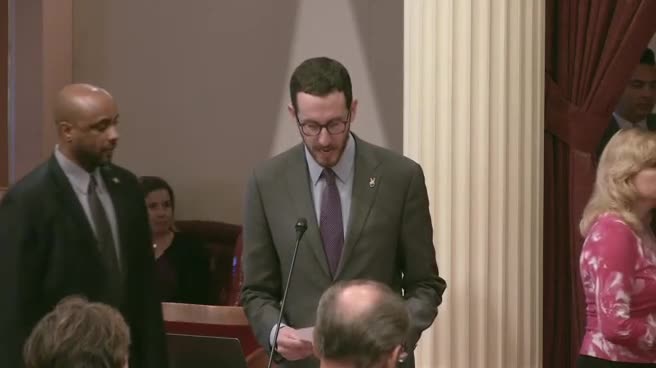
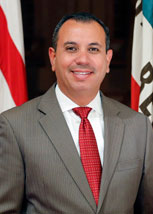
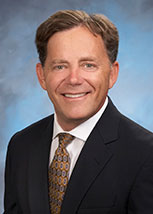
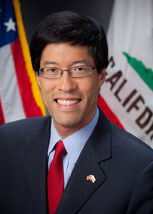
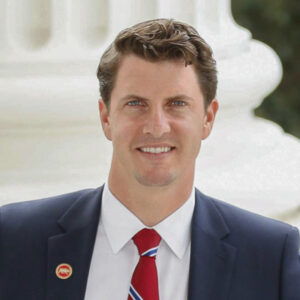
Bill Author
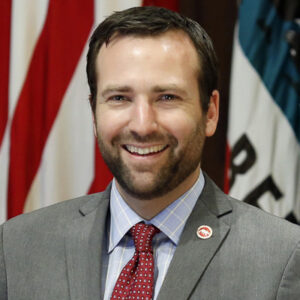
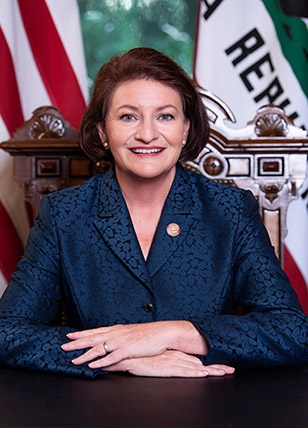













Bill Co-Author(s):