AB 1164: Hospitals: emergency departments: crowding score.
- Session Year: 2023-2024
- House: Assembly
- Latest Version Date: 2023-02-16
Current Status:
Failed
(2024-02-01: From committee: Filed with the Chief Clerk pursuant to Joint Rule 56.)
Introduced
In Committee
First Chamber
In Committee
Second Chamber
Enacted
Existing law requires the State Department of Public Health to license and regulate health facilities, including general acute care hospitals. A violation of those provisions is generally a crime.
This bill would require a licensed general acute care hospital with an emergency department to determine the range of crowding scores, as defined, that constitute each category of the crowding scale, as provided, for its emergency department. The bill would require the hospital to calculate and record a crowding score at a minimum every 4 hours, except as specified, to assess the crowding condition of the hospitals emergency department.
The bill would require, by January 1, 2025, the hospital to develop and implement a full-capacity protocol for each of the categories of the crowding scale, as specified. The bill would require the hospital to file its protocol with the Department of Health Care Access and Information and to annually report any revisions to its protocol.
By expanding the scope of a crime, the bill would impose a state-mandated local program.
The California Constitution requires the state to reimburse local agencies and school districts for certain costs mandated by the state. Statutory provisions establish procedures for making that reimbursement.
This bill would provide that no reimbursement is required by this act for a specified reason.
(a)For purposes of this section, crowding score means the score calculated using the following equation: 85.8 (total number of patients within the emergency department/total number of staffed beds in the emergency department, not to exceed the number of licensed beds) + 600 (total number of admissions waiting in the emergency department, including patients awaiting transfer/total number of acute inpatient hospital beds routinely in use by the hospital, excluding beds in the newborn nursery, neonatal intensive care unit, and obstetrics) + 13.4 (total number of patients in the emergency department admitted to the intensive care-critical care unit, with a maximum of four) + 0.93 (the longest admit time, in hours, including transfers) + 5.64 (the wait time for the last patient waiting the longest in the waiting room, in hours) - 20.
(b)For purposes of this section, crowding scale means a range of crowding scores that are divided into six categories of which level one is the lowest level of crowding and level six is the highest.
(c)A licensed general acute care hospital, as defined in subdivision (a) of Section 1250, with an emergency department shall determine the range of crowding scores that constitute each category of the crowding scale for its emergency department.
(d)(1)Except as otherwise provided in this subdivision, a licensed general acute care hospital with an emergency department shall calculate, and record, a crowding score at a minimum every four hours to assess the crowding condition of its emergency department.
(2)If, after calculating and recording a crowding score, the hospital does not have a crowding score in level four or higher for the previous 30 days, it may calculate and record a crowding score every eight hours rather than every four hours. If the hospital that is calculating and recording a crowding score every eight hours records a score in level four or higher, it shall again calculate and record a crowding score at a minimum every four hours.
(3)A licensed general acute care hospital that has an emergency department census of less than 14,000 visits annually shall calculate and record the crowding score daily between 4 p.m. and 8 p.m.
(e)A licensed general acute care hospital with an emergency department shall, by January 1, 2025, develop and implement, in consultation with its emergency department staff, a full-capacity protocol for each of the categories of the crowding scale that addresses all of the following factors, as applicable:
(1)Notification of hospital administrators, nursing staff, medical staff, and ancillary services of category changes on the crowding scale.
(2)Hospital operations, including bed utilization, transfers, elective admissions, discharges, supplies, and additional staffing.
(3)Emergency department operations, including diversion, triage, and alternative care sites.
(4)The planned response of the organized medical staff for rounds, discharges, coordination with the emergency department, and emergency consults for emergency department patients.
(f)A licensed general acute care hospital with an emergency department shall file its full-capacity protocol with the Department of Health Care Access and Information and shall annually report any revisions to its protocol.
SEC. 2.No reimbursement is required by this act pursuant to Section 6 of Article XIIIB of the California Constitution because the only costs that may be incurred by a local agency or school district will be incurred because this act creates a new crime or infraction, eliminates a crime or infraction, or changes the penalty for a crime or infraction, within the meaning of Section 17556 of the Government Code, or changes the definition of a crime within the meaning of Section 6 of Article XIIIB of the California Constitution.
|
Date
|
Status
|
|---|---|
| Feb 1, 2024 | From committee: Filed with the Chief Clerk pursuant to Joint Rule 56. |
| Jan 31, 2024 | Died pursuant to Art. IV, Sec. 10(c) of the Constitution. |
| May 18, 2023 | In committee: Held under submission. |
| May 10, 2023 | In committee: Set, first hearing. Referred to APPR. suspense file. |
| May 3, 2023 | In committee: Hearing postponed by committee. |
| Apr 19, 2023 | From committee: Do pass and re-refer to Com. on APPR. (Ayes 11. Noes 0.) (April 18). Re-referred to Com. on APPR. |
| Apr 4, 2023 | In committee: Set, first hearing. Hearing canceled at the request of author. |
| Mar 2, 2023 | Referred to Com. on HEALTH. |
| Feb 17, 2023 | From printer. May be heard in committee March 19. |
| Feb 16, 2023 | Read first time. To print. |
|
Date
|
Description
|
Location
|
Votes
|
|
|---|---|---|---|---|
| Apr 18, 2023 | Do pass and be re-referred to the Committee on [Appropriations] | Assembly Standing Committee on Health |
Passed |
This list shows positions taken on this bill by organizations on the date displayed, which is linked to the original source.
Positions by individuals are not included.
|
Organization
|
Position
|
Date
|
|---|---|---|
| American College of Emergency Physicians - California Chapter | * Support | Apr 18, 2023 |
| California American College of Emergency Physicians | * Support | Apr 18, 2023 |
| California ASAP | * Support | Apr 18, 2023 |
| California Children'S Hospital Association | * Against | Apr 18, 2023 |
| California Hospital Association | * Against | Apr 18, 2023 |
| California Professional Fire Firefighters | * Support | Apr 18, 2023 |
| City Of Los Angeles | * Support | Apr 18, 2023 |
| City Of Sacramento | * Support | Apr 18, 2023 |
| City Of San Diego | * Support | Apr 18, 2023 |
| Los Angeles County | * Support | Apr 18, 2023 |
| Orange County | * Support | Apr 18, 2023 |
| Stanford Healthcare Tri-Valley | * Against | Apr 18, 2023 |
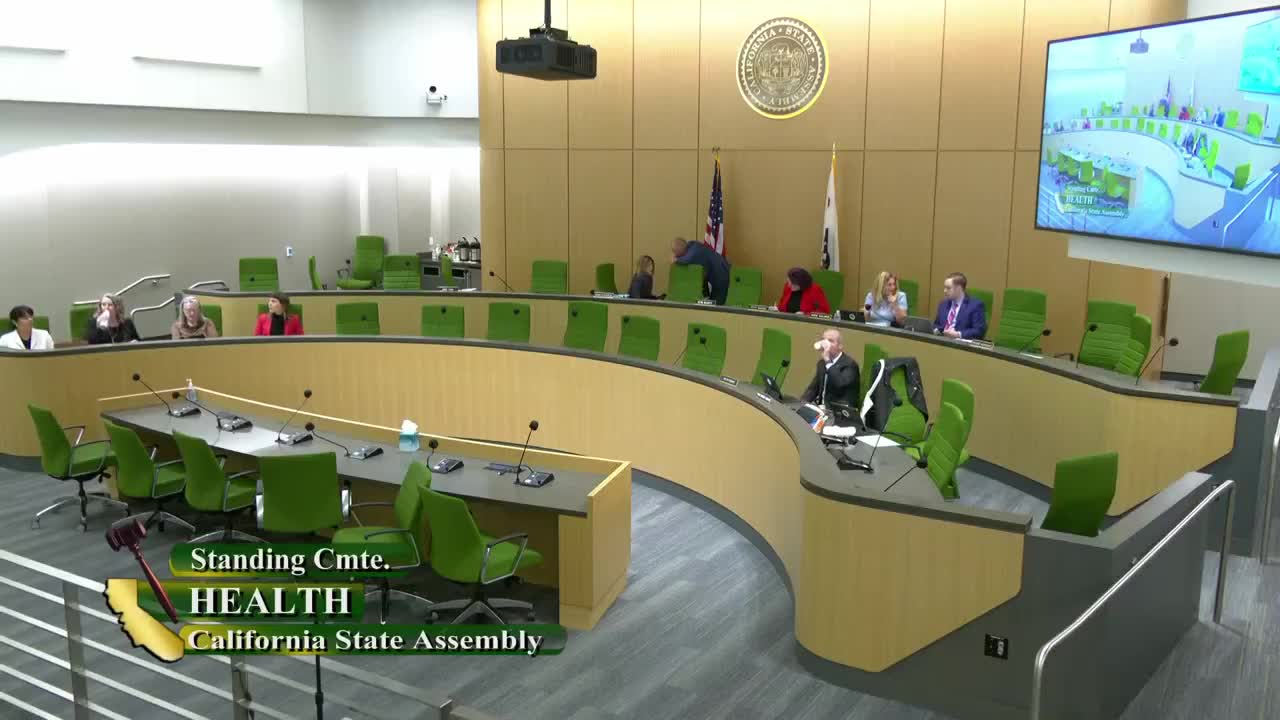
Date of Hearing: May 10, 2023
ASSEMBLY COMMITTEE ON APPROPRIATIONS
Chris Holden, Chair
ABPCA Bill Id:AB 1164
Author:(Lowenthal) – As Introduced Ver:February 16, 2023
Policy Committee: | Health | Vote: | 11 - 0 |
|
| ||
|
|
Urgency: No State Mandated Local Program: Yes Reimbursable: No
SUMMARY:
This bill requires a general acute care hospital (hospital) with an emergency department (ED) to use a specified protocol related to overcrowding.
Specifically, this bill:
- Defines emergency department (ED) “crowding score” as a score that is calculated from a specified equation, and a “crowding scale” as a range of six categories of crowding scores, ranging from one (least crowded) to six (most crowded).
- Requires a hospital to calculate and record its crowding score at least once every four hours or eight hours, depending on specified crowding conditions.
- Requires a hospital with an ED to develop and implement, for each category of the crowding scale, a full-capacity protocol that addresses notification of hospital personnel, hospital operations, ED operations, and other factors.
- Requires each hospital to file its full-capacity protocol with the Department of Health Care Access and Information (HCAI).
FISCAL EFFECT:
- Minor and absorbable costs to HCAI to collect the protocols.
- Minor costs to the California Department of Public Health, possibly in the low tens of thousands of dollars annually, to verify compliance with this bill in the course of conducting regular licensing surveys of hospitals with EDs (Licensing and Certification Fund).
- Based on estimates from previous legislation, one-time cost pressure to the University of California (UC) medical centers, in the low hundreds of thousands of dollars (General Fund).
- Indirect cost pressure, likely in the millions of dollars one-time, to the state and other purchasers of health care, related to hospitals’ costs to implement the provisions of this bill.
COMMENTS:
- Purpose. The California Chapter of the American College of Emergency Physicians (California ACEP) is the sponsor of this bill. According to the author:
California’s [EDs] have become the healthcare safety net and are the front lines of public health emergencies. ED crowding is no longer simply an uncomfortable, time-consuming burden for patients; it is jeopardizing the safety of the very patients for whom timely access to care is a matter of life and death. Crowding is often, inaccurately, considered a problem of ED operations and inefficiency. In truth, crowding is both reflective of hospital throughput,…and of health system dysfunction.
ED boarding occurs when a patient remains in the ED for more than two hours after the decision to admit them has been made. Boarding has been identified as a leading cause of ED crowding and a contributor to other problems including ambulance refusals, ambulance wall time, prolonged patient waiting times, and increased patient suffering. By requiring hospitals to develop and implement a response plan to alleviate crowding based on a real-time calculator that measures ED crowding every four hours.
AB 1164 provides an opportunity for relief that is both simple and proven. Under AB 1164, hospitals will develop individualized plans tailored to their own needs and capacities that allow for a rapid response with practical solutions based on the ever-changing conditions in any given ED, thereby providing flexibility, which will help ensure that plans will be adhered to and benefit all ED patients.
- Background.
ED Crowding and Patient Boarding. In 2007, the Institute of Medicine (now the National Academy of Medicine) reported that between 1993 and 2003, the number of hospitals and hospital beds decreased, while the number of ED visits increased dramatically. When hospital occupancy is at or near capacity, ED patient boarding occurs. Boarding is defined by the American College of Emergency Physicians as “a patient who remains in the ED after the patient has been admitted or placed into observation status at the facility, but has not been transferred to an inpatient or observation unit.”
Effect of Crowding on Patient Care. According to a 2007 study in the Academic Emergency Medicine Journal, boarding leads to increased patient morbidity and mortality for both intensive care and non-intensive care units, longer lengths of stay, and higher costs for the hospital. Insufficient availability of inpatient beds can also lead to loss of ED revenue.
Overcrowding Scores. The crowding score in this bill is similar to the National Emergency Department Overcrowding Study (NEDOCS) scoring system, which is a five-question tool created in 2004 to measure ED overcrowding. The score in this bill incorporates seven variables, including total patients in the ED, number of staffed ED beds, number of admissions waiting in the ED, wait time for the last patient waiting the longest in the waiting room, and several others.
Implementation of Overcrowding Scores. The sponsor of this bill indicates at least three UC medical centers have already implemented the crowding score protocol required by this bill. In addition, the sponsor provided data on crowding scores before and after the University of Southern California Los Angeles General Hospital’s implementation of the crowding scale. In four months before implementation, the monthly average ED scores were in the “dangerously overcrowded” (the highest level) category 29% to 38% of the time, and in six months after implementation, the monthly average ED scores were in the “dangerously overcrowded” level 0% to 1.6% of the time.
- Opposition. The California Hospital Association (CHA) opposes this bill, stating the fast-paced environment of the ED demands that scarce health care resources be primarily committed to patient care rather than to implementing superfluous and duplicative reporting requirements.
- Related Legislation. AB 40 (Rodriguez) requires the Emergency Medical Services Authority to develop procedures and standards to improve ambulance patient offload time. AB 40 is pending in this committee.
Analysis Prepared by: Allegra Kim / APPR. / (916) 319-2081
Date of Hearing: April 18, 2023
ASSEMBLY COMMITTEE ON HEALTH
Jim Wood, Chair
ABPCA Bill Id:AB 1164
Author:(Lowenthal) – As Introduced Ver:February 16, 2023
SUBJECT: Hospitals: emergency departments: crowding score.
SUMMARY: Requires a licensed general acute care hospital (GACH) with an emergency department (ED) to determine the range of crowding scores that constitute each category of the crowding scale, as provided, for its ED. Requires the GACH to calculate and record a crowding score at a minimum every four hours, except as specified, to assess the crowding condition of the GACH’s ED. Requires, by January 1, 2025, the GACH to develop and implement a full-capacity protocol for each of the categories of the crowding scale, and requires the GACH to file its protocol with the Department of Health Care Access and Information (HCAI) and to annually report any revisions to its protocol. Specifically, this bill:
- Defines the following terms for purposes of this bill:
- “Crowding score” means the score calculated using the following equation: 85.8 (total number of patients within the ED/total number of staffed beds in the ED, not to exceed the number of licensed beds) + 600 (total number of admissions waiting in the ED, including patients awaiting transfer/total number of acute inpatient hospital beds routinely in use by the hospital, excluding beds in the newborn nursery, neonatal intensive care unit, and obstetrics) + 13.4 (total number of patients in the ED admitted to the intensive care-critical care unit, with a maximum of four) + 0.93 (the longest admit time, in hours, including transfers) + 5.64 (the wait time for the last patient waiting the longest in the waiting room, in hours) - 20.
- “Crowding scale” means a range of crowding scores that are divided into six categories of which level one is the lowest level of crowding and level six is the highest.
- Requires a GACH with an ED to determine the range of crowding scores that constitute each category of the crowding scale for its ED.
- Requires, except as provided in 4) below, a GACH with an ED to calculate, and record, a crowding score at a minimum every four hours to assess the crowding condition of its ED.
- Allows a GACH, if, after calculating and recording a crowding score, the ED does not have a crowding score in level four or higher for the previous 30 days, to calculate and record a crowding score every eight hours rather than every four hours. Requires, if the GACH that is calculating and recording a crowding score every eight hours records a score in level four or higher, the GACH to again calculate and record a crowding score at a minimum every four hours.
- Requires a GACH that has an ED census of less than 14,000 visits annually to calculate and record the crowding score daily between 4 p.m. and 8 p.m.
- Requires a GACH with an ED to, by January 1, 2025, develop and implement, in consultation with its ED staff, a full-capacity protocol for each of the categories of the crowding scale that addresses all of the following factors, as applicable:
- Notification of hospital administrators, nursing staff, medical staff, and ancillary services of category changes on the crowding scale;
- Hospital operations, including bed utilization, transfers, elective admissions, discharges, supplies, and additional staffing;
- ED operations, including diversion, triage, and alternative care sites; and,
- The planned response of the organized medical staff for rounds, discharges, coordination with the ED, and emergency consults for ED patients.
- Requires a GACH with an ED to file its full-capacity protocol with HCAI and to annually report any revisions to its protocol.
EXISTING LAW:
- Licenses and regulates health facilities, including GACHs, by the Department of Public Health (DPH). Defines GACH to mean a health facility having a duly constituted governing body with overall administrative and professional responsibility and an organized medical staff that provides 24-hour inpatient care, including the following basic services: medical, nursing, surgical, anesthesia, laboratory, radiology, pharmacy, and dietary services. Permits GACHs, in addition to the basic services all hospitals are required to offer, to be approved by DPH to offer special services, including, among other services, an ED. [Health and Safety Code (HSC) § 1250 and § 1255 et seq.]
- Requires EDs, under the federal Emergency Medical Treatment and Active Labor Act (EMTALA) and also under similar provisions of state law (state EMTALA), to provide emergency screening and stabilization services without regard to the patient’s insurance status or ability to pay. Federal EMTALA imposes this requirement on any hospital that participates in Medicare. State EMTALA imposes this requirement on any hospital that operates an ED. [42 United States Code § 1395dd; HSC § 1317]
- Defines “emergency services and care,” under state EMTALA, as medical screening, examination, and evaluation by a physician to determine if an emergency medical condition or active labor exists and, if it does, the care, treatment, and surgery, if within the scope of that person’s license, necessary to relieve or eliminate the emergency medical condition, within the capability of the facility. [HSC § 1317.1 (a)(1)]
- Defines “emergency services and care,” under state EMTALA, to also mean an additional screening, examination, and evaluation by a physician, or other personnel to the extent permitted by the scope of their licensure and clinical privileges, to determine if a psychiatric emergency medical condition exists, and the care and treatment necessary to relieve or eliminate the psychiatric emergency medical condition, within the capability of the facility. Specifies that the care and treatment necessary to relieve or eliminate a psychiatric emergency medical condition may include admission or transfer to a psychiatric unit within a GACH, or to an acute psychiatric hospital. [HSC § 1317.1 (a)(2)]
- Defines “emergency medical condition” to mean a medical condition manifesting itself by acute symptoms of sufficient severity (including severe pain) such that the absence of immediate medical attention could reasonably be expected to result in any of the following:
a) Placing the patient’s health in serious jeopardy;
b) Serious impairment to bodily functions; or,
c) Serious dysfunction of any bodily organ or part. [HSC § 1317.1 (b)]
6) Prohibits a person needing emergency services and care from being transferred from a hospital to another hospital for any nonmedical reason (such as the person’s inability to pay for any emergency service or care) unless certain conditions are met, including that the person has been provided with emergency services so that it can be determined, within reasonable medical probability, that the transfer will not create a medical hazard to the person. [HSC § 1317.2]
7) Designates HCAI as the state agency designated to collect health facility data for use by all state agencies. [HSC § 128730, et seq.]
FISCAL EFFECT: Unknown. This bill has not yet been analyzed by a fiscal committee.
COMMENTS:
- PURPOSE OF THIS BILL. According to the author, California’s EDs have become the healthcare safety net and are the front lines of public health emergencies. ED crowding is no longer simply an uncomfortable, time-consuming burden for patients; it is jeopardizing the safety of the very patients for whom timely access to care is a matter of life and death. The author contends that crowding is often, inaccurately, considered a problem of ED operations and inefficiency. In truth, crowding is both reflective of hospital throughput, called boarding, and of health system dysfunction. ED boarding occurs when a patient remains in the ED for more than two hours after the decision to admit them has been made. Boarding has been identified as a leading cause of ED crowding and a contributor to other problems including ambulance refusals, ambulance wall time, prolonged patient waiting times, and increased patient suffering. By requiring hospitals to develop and implement a response plan to alleviate crowding based on a real-time calculator that measures ED crowding every four hours, this bill provides an opportunity for relief that is both simple and proven. Under this bill hospitals will develop individualized plans tailored to their own needs and capacities that allow for a rapid response with practical solutions based on the ever-changing conditions in any given ED, thereby providing flexibility, which will help ensure that plans will be adhered to and benefit all ED patients.
- BACKGROUND. According to a February 2023 American Academy of Pediatrics policy statement, ED crowding occurs when the need for emergency services outstrips available resources in the ED. ED crowding negatively impacts patient safety, patient experience, and staff engagement. Hospital fiscal stability and community access to health care are also affected by ED crowding. EDs are the safety net for health care services in a community and must also remain prepared for disasters and pandemics.
- National Emergency Department Overcrowding Study (NEDOCS) scoring system. The NEDOCS score is a scoring system that measures the severity of ED overcrowding based on specific criteria. The score was created by Dr. Steven Weiss in 2004 to help EDs and hospitals provide resources and reduce delays in care and boarding, which can affect patient outcomes. The score ranges from 0 to 200 and is calculated using the number of total patients in the ED, the number of ED beds, the longest admit time, the number of admits waiting, the number of ventilated patients, and the level of diversion.
The crowding score in this bill is similar to the NEDOCS which is a five-question tool to measure ED overcrowding. The score uses variables found to be statistically significant in ED overcrowding and the score corresponds to a given level of operational capacity. The score in this bill uses the following variables in its calculation of a score:- Total patients in the ED;
- Number of staffed ED beds;
- Number of admissions waiting in the ED;
- Number of hospital beds excluding beds in newborn nursery, neonatal intensive care unit, and obstetrics;
- Number of patients in the ED admitted to an intensive care unit or critical care unit, with a maximum of four;
- Longest admit times (in hours including transfers); and,
- Wait time for the last patient waiting the longest in the waiting room.
- ED crowding and patient boarding. ED crowding is a problem in the delivery of emergency care. In 2007, the Institute of Medicine (now the National Academy of Medicine) reported that between 1993 and 2003, the number of hospitals and hospital beds decreased, while the number of ED visits increased dramatically. More recently, the National Hospital Ambulatory Medical Care Survey evaluated ED characteristics for 2017, and reported 139 million visits with 10.4% requiring hospital admission. When hospital occupancy is at or near capacity, ED patient boarding occurs. Boarding is defined by the American College of Emergency Physicians as “a patient who remains in the ED after the patient has been admitted or placed into observation status at the facility, but has not been transferred to an inpatient or observation unit.”
- Effect of crowding on patient care. According to a 2007 study in the Academic Emergency Medicine Journal, “The opportunity loss of boarding admitted patients in the ED,” boarding leads to increased patient morbidity and mortality for both intensive care and non-intensive care units, longer lengths of stay, and higher costs for the hospital. Insufficient availability of inpatient beds can also lead to loss of ED revenue estimated at millions of dollars.
- NEDOCS studies. A 2020 National Institute of Health (NIH) Study, “NEDOCS: is it really useful for detecting emergency department overcrowding today?” notes that NEDOCS scores were first described in 2004, and after that, it was used in many EDs, however, the acceptability results of the NEDOCS score were mixed in the literature. The NIH study found a significant difference between the NEDOCS score and the crowdedness perception of the ED staff. The NIH study also notes that NEDOCS scores were higher than the ED staff's crowdedness perception, and the correlations were weak. The study concluded that the NEDOCS score overestimated the crowdedness and did not reflect the ED crowdedness.
However another 2020 study published in the Journal of Emergency Medicine, “Validation of the NEDOCS in a UK non-specialist emergency department,” found that NEDOCS demonstrated good discriminatory power for clinical perception of crowding. However, prior to implementation, determining individual unit ED cut-off point(s) would be important as published thresholds may not be generalizable. The study also noted that future studies could explore refinement of existing variables or addition of new variables, including acute physiological data, which may improve performance.
- National Emergency Department Overcrowding Study (NEDOCS) scoring system. The NEDOCS score is a scoring system that measures the severity of ED overcrowding based on specific criteria. The score was created by Dr. Steven Weiss in 2004 to help EDs and hospitals provide resources and reduce delays in care and boarding, which can affect patient outcomes. The score ranges from 0 to 200 and is calculated using the number of total patients in the ED, the number of ED beds, the longest admit time, the number of admits waiting, the number of ventilated patients, and the level of diversion.
- SUPPORT. The California Chapter of the American College of Emergency Physicians (California ACEP) is the sponsor of this bill and states that ED crowding has been a documented problem for well over a decade. California ACEP contends that EDs have become the healthcare safety net in California and are the front lines of public health emergencies. ED crowding is no longer simply an uncomfortable, time-consuming burden for patients; it is jeopardizing the safety of the very patients for whom timely access to care is a matter of life and death. California ACEP notes that boarding has been identified as a leading cause of ED crowding and a contributor to other problems including ambulance refusals, ambulance wall time, prolonged patient waiting times, and increased patient suffering. California ACEP states that this provides an opportunity for relief that is both simple and proven by requiring hospitals to develop and implement a response plan to alleviate crowding based on a real-time calculator that measures ED crowding every four hours. This plan allows for a rapid response with practical solutions based on the ever-changing conditions in any given ED. California ACEP concludes that under this bill, hospitals will develop individualized plans tailored to their own needs and capacities thereby providing flexibility which will go far in ensuring that plans will be adhered to, to the benefit of all ED patients.
- SUPPORT IF AMENDED. The California Nurses Association/National Nurses United has a support if amended position on this bill and requests that the following language be added:
- To ensure that additional burdens are not placed onto ED patient care staff to report crowding scores and to ensure uniform standards on ED overcrowding are set and enforced by oversight agencies;
- To add language to establish the crowding scale categories by enumerating the crowding scale in this bill, by adopting an existing crowding score and scale, or by requiring DPH to establish by regulation uniform categories of ED crowding under the crowding score;
- To ensure that hospitals have effective protocols to address ED overcrowding identified through the crowding score. This would ensure that hospitals, in their protocols, devote the resources necessary to increase ED staffing and capacity and address ED overcrowding;
- To ensure transparency in the inputs used to calculate the crowding score, this bill should be amended to ensure that hospitals maintain records of all the inputs used to calculate the crowding score and should be required to make those records public and available to direct care staff in the ED as well as the public; and,
- To ensure that direct care staff can intervene to elevate or review the calculation of a crowding score, particularly during the interim periods between each four hour report. Many ED crowding score systems are calibrated to capture the judgment of the nurses and other health care professionals who work there, because health care professional judgment is the best.
- OPPOSITION. The California Hospital Association (CHA) is opposed to this bill and states that the fast-paced environment of the ED demands that scarce health care resources be primarily committed to patient care rather than to implementing superfluous and duplicative reporting requirements. CHA notes that this bill would require hospitals to develop and implement six individual full-capacity (crowding score) protocols and require these protocols to be filed with HCAI. CHA states that of significant concern is the requirement that each ED calculate and record a crowding score at least every four hours to assess its volume and capacity. Hospitals currently use various methods to assess patient volume and need the flexibility to use methods that work best for each hospital rather than be restricted to the sole protocol specified in this bill. Growing ED volume is a significant issue facing California’s health care delivery system. Recently, both the Centers for Medicare & Medicaid Services (CMS) and The Joint Commission revised hospital ED requirements to ensure safe and accessible emergency services for all. Hospitals continuously evaluate the utilization patterns of their ED services to ensure compliance with these CMS and commission requirements in addition to compliance with state-mandated staffing ratios and DPH licensing standards. CHA notes that adding yet another administrative reporting duty every four hours will not lead to significant improvements and will instead divert lifesaving staff time away from direct patient care.
- RELATED LEGISLATION.
- AB 40 (Rodriguez) requires the Emergency Medical Services Authority (EMSA) to develop a public education campaign related to the use of the 911 service, and to develop a system requirement for an electronic signature for use between the ED and an Emergency Medical Technician that captures the points in time when a hospital receives notification of ambulance arrival and when transfer of care is executed for documentation of ambulance patient offload time (APOT). Requires EMSA to develop a statewide standard of 20 minutes, 90% of the time for APOT. Requires a GACH with an ED, by June 1, 2024, to develop an APOT reduction protocol, that addresses specified factors. Requires EMSA, on or after March 1, 2024, to monitor APOT for each facility that is required to report. AB 40 is pending in the Assembly Health Committee.
- AB 1001 (Lackey) requires GACHs to adopt policies to respond to a patient requiring behavioral health emergency services, as defined. Requires that these protocols meet standards established by the DPH and consist of various parameters such as minimum staffing requirements for behavioral health emergency services, procedures for response by behavioral health emergency services personnel in a timely manner, and annual training. Creates the Behavioral Health Emergency Response and Training Fund to provide grants to fund new programs or support existing programs that increases the staffing of direct care personnel who are trained in behavioral health care and behavioral health emergency services response or intervention, in specified hospitals. AB 1001 is pending in the Assembly Appropriations Committee
- AB 1316 (Irwin and Ward) revises the definition of “psychiatric emergency medical condition” to apply that definition regardless of whether the patient is voluntary, or is involuntarily detained for evaluation and treatment. Authorizes a hospital to transfer a patient on a 5150 hold prior to the patient receiving an assessment as mandated by the Lanterman-Petris-Short Act. Requires the Medi-Cal program to cover emergency services and care necessary to treat an emergency medical condition, as defined, including all professional physical, mental, and substance use treatment services, including screening examinations necessary to determine the presence or absence of an emergency medical condition and, if an emergency medical condition exists, for all services medically necessary to stabilize the beneficiary. AB 1316 is pending in the Assembly Health Committee.
- PREVIOUS LEGISLATION.
- SB 336 (Lieu) of 2012, would have required, until January 1, 2016, every GACH to assess the condition of its ED, using a crowding score, every four or eight hours, and to develop and implement capacity protocols for overcrowding. SB 336 also required every GACH that operates an ED to develop and implement full capacity protocols, and requires these protocols to be filed with the Office of Statewide Health Planning and Development (now HCAI). SB 336 was vetoed by Governor Edmund G. Brown, Jr., who stated in part, “I appreciate the author's and the proponents' desires to alleviate emergency room overcrowding and the harms that come with it. This bill, however, is too prescriptive in its approach. Requiring emergency departments to calculate a "crowding score" every four or eight hours, depending on how crowded they are, is a decision best left to hospital governing boards.”
- AB 2153 (Lieu) of 2010 was substantially similar to SB 336. AB 2153 died on the Senate Floor inactive file.
- AB 911 (Lieu) of 2009 also contained provisions identical to SB 336. AB 911 was vetoed by Governor Schwarzenegger, who stated in part, “…it is not necessary and I do not believe it would provide any significant improvement to the underlying problem.”
- AB 2207 (Lieu) of 2008 would have required hospitals to assess the condition of an ED via the NEDOCS score every three hours, and would have authorized hospitals to use hallways, conference rooms, and waiting rooms as temporary patient areas pursuant to hospital full-capacity protocols. AB 2207 was held in the Assembly Appropriations Committee.
- SB 336 (Lieu) of 2012, would have required, until January 1, 2016, every GACH to assess the condition of its ED, using a crowding score, every four or eight hours, and to develop and implement capacity protocols for overcrowding. SB 336 also required every GACH that operates an ED to develop and implement full capacity protocols, and requires these protocols to be filed with the Office of Statewide Health Planning and Development (now HCAI). SB 336 was vetoed by Governor Edmund G. Brown, Jr., who stated in part, “I appreciate the author's and the proponents' desires to alleviate emergency room overcrowding and the harms that come with it. This bill, however, is too prescriptive in its approach. Requiring emergency departments to calculate a "crowding score" every four or eight hours, depending on how crowded they are, is a decision best left to hospital governing boards.”
- POLICY COMMENT. The requirement in this bill for a GACH with an ED to develop and implement, in consultation with its ED staff, a full-capacity protocol to address the factors in the crowding score is very similar to the APOT reduction protocol required in AB 40. Moving forward, the author of this bill may wish to work with the author of AB 40 to ensure that the protocols are not duplicative, or in conflict.
REGISTERED SUPPORT / OPPOSITION:
Support
California Chapter of the American College of Emergency Physicians
Opposition
California Children's Hospital Association
California Hospital Association
Stanford Health Care
Analysis Prepared by: Lara Flynn / HEALTH / (916) 319-2097
Bill Author

Bill Co-Author(s):