AB 2726: Specialty care networks: telehealth and other virtual services.
- Session Year: 2023-2024
- House: Assembly
- Latest Version Date: 2024-04-25
Current Status:
Failed
(2024-05-16: Joint Rule 62(a), file notice suspended. (Page 5215.))
Introduced
In Committee
First Chamber
In Committee
Second Chamber
Enacted
Existing law establishes, under the Medi-Cal program, certain time and distance standards for specified Medi-Cal managed care covered services, consistent with federal regulations relating to network adequacy standards, to ensure that those services, including certain specialty care, are available and accessible to enrollees of Medi-Cal managed care plans in a timely manner. Existing law sets forth other timely access requirements for health care service plans and health insurers, including with regard to referrals to a specialist.
Existing law establishes various health professions development programs, within the Department of Health Care Access and Information, for the promotion of education, training, and recruitment of health professionals to address workforce shortage and distribution needs. Existing law sets forth various provisions for the authorized use of telehealth in the delivery of health care services.
This bill would, subject to an appropriation, require the California Health and Human Services Agency, in collaboration with the Department of Health Care Access and Information and the State Department of Health Care Services, to establish a demonstration project for a grant program. Under the bill, the grant program would be aimed at facilitating a telehealth and other virtual services specialty care network that is or networks that are designed to serve patients of safety-net providers consisting of qualifying providers, defined to include, among others, rural health clinics and community health centers. The as defined.
Under the bill, the purpose of the demonstration project would be to improve access to specialty care for Medi-Cal beneficiaries through development of a financially sustainable specialty care network or networks that are focused on serving the needs of the health care safety net. The bill would authorize the focus of the project to include increasing access to behavioral and maternal health services and additional specialties prioritized by the agency. The bill would state the intent of the Legislature that implementation of the demonstration project would facilitate compliance with any applicable network adequacy standards.
The bill would require the demonstration project to include a grant program to award funding to grantees, as defined, that meet specified conditions relating to specialist networks and health information technology. Under the bill, the purpose of the grant program would be to achieve certain objectives, including, among others, reducing structural barriers to access experienced by patients, improving cost-effectiveness, and optimizing utilization. The bill would require a grantee to evaluate its performance on the objectives and to submit a report of its findings to the agency.The bill would require the agency to administer the grant program to award grant funds to one or more grantees based on an application process and by meeting specified conditions. The bill would require a grantee to use the funds to develop a network or networks by, among other things, providing health information technology and technical assistance to support both the specialists and any primary care provider care coordination, referral, or electronic consultations.
The bill would require the agency to arrange an independent evaluation of the demonstration project. The bill would require the evaluation to examine the extent to which the project was successful in achieving certain objectives, including, among others, reducing structural barriers to access experienced by patients. The bill would require a grantee to report data and information to allow for monitoring and evaluation of the project. The bill would require the agency to ensure that lessons learned, recommendations, and best practices from the project are publicly disseminated to inform the development of a telehealth and specialty care network or networks to serve the needs of the health care safety net.
Existing law establishes, under the Medi-Cal program, certain time and distance standards for specified Medi-Cal managed care covered services, consistent with federal regulations relating to network adequacy standards, to ensure that those services, including certain specialty care, are available and accessible to enrollees of Medi-Cal managed care plans in a timely manner. Existing law sets forth other timely access requirements for health care service plans and health insurers, including with regard to referrals to a specialist.
Existing law establishes various health professions development programs, within the Department of Health Care Access and Information, for the promotion of education, training, and recruitment of health professionals to address workforce shortage and distribution needs. Existing law sets forth various provisions for the authorized use of telehealth in the delivery of health care services.
This bill would, subject to an appropriation, require the California Health and Human Services Agency, in collaboration with the Department of Health Care Access and Information and the State Department of Health Care Services, to establish a demonstration project for a telehealth and other virtual services specialty care network that is designed to serve patients of safety-net providers consisting of qualifying providers, defined to include, among others, rural health clinics and community health centers. The bill would authorize the focus of the project to include increasing access to behavioral and maternal health services and additional specialties prioritized by the agency. The bill would state the intent of the Legislature that implementation of the demonstration project would facilitate compliance with any applicable network adequacy standards.
The bill would require the demonstration project to include a grant program to award funding to grantees, as defined, that meet specified conditions relating to specialist networks and health information technology. Under the bill, the purpose of the grant program would be to achieve certain objectives, including, among others, reducing structural barriers to access experienced by patients, improving cost-effectiveness, and optimizing utilization. The bill would require a grantee to evaluate its performance on the objectives and to submit a report of its findings to the agency.
Existing law, the Knox-Keene Health Care Service Plan Act of 1975, provides for the licensure and regulation of health care service plans by the Department of Managed Health Care and makes a willful violation of the act a crime. Existing law requires health care service plans to meet specified requirements, including establishing a procedure by which a covered individual may receive a standing referral to a specialist.This bill would state that it is the intent of the Legislature to enact legislation to increase access to specialty care to support whole-person care among Californias most medically complex patients facing significant adverse social drivers of health.Existing law, the Knox-Keene Health Care Service Plan Act of 1975, provides for the licensure and regulation of health care service plans by the Department of Managed Health Care and makes a willful violation of the act a crime. Existing law requires health care service plans to meet specified requirements, including establishing a procedure by which a covered individual may receive a standing referral to a specialist.
This bill would state that it is the intent of the Legislature to enact legislation to increase access to specialty care to support whole-person care among Californias most medically complex patients facing significant adverse social drivers of health.
For purposes of this division, the following definitions apply:
(a)Agency means the California Health and Human Services Agency, unless otherwise specified.
(b)Demonstration project means the project established in Section 151102, also known as Equal Access to Specialty Care Everywhere.
(c)Grantee means an entity that meets all of the following conditions:(1)Consisting of, or partnering with, a network of health care providers, including at least 50 qualifying providers that serve individuals who are uninsured, individuals who are covered under the Medi-Cal program or other state public programs serving expansion populations, and individuals who are covered under the federal Medicare Program or other federal health care programs.(2)Ensuring interoperable electronic health record bidirectional communication with primary care providers.(3)Coordinating services, furnished through health information technology tools to individuals, with the primary care providers of those individuals.(4)Offering evaluation and analysis on specialty service access among underserved communities.(5)Having a demonstrated record of supporting the delivery of health care services and addressing social determinants of health in underserved communities in multiple regions throughout the state.(d)Qualifying provider means a(c)Qualifying provider means a provider that meets both of the following criteria:
(1)The provider is a rural health clinic, federally qualified health center, critical access hospital, or other community health center, including, but not limited to, an Indian health clinic.
(2)At least 50 percent of the providers patient population is either uninsured or enrolled in the Medi-Cal program, or the provider is located in a medically underserved area, as designated by the Health Resources and Services Administration of the United States Department of Health and Human Services.
(e)(d)Telehealth has the same meaning as set forth in Section 2290.5 of the Business and Professions Code, including, but not limited to, store and forward modalities.
151101.Implementation of this division shall be subject to an appropriation made by the Legislature for this purpose in the annual Budget Act or another statute.
151102.(a)The California Health and Human Services Agency, in collaboration with the Department of Health Care Access and Information and the State Department of Health Care Services, shall establish a demonstration project for a grant program, aimed at facilitating a telehealth and other virtual services specialty care network that is or networks that are designed to serve patients of safety-net providers consisting of qualifying providers, as defined in Section 151100. The demonstration project shall be known, and may be cited, as Equal Access to Specialty Care Everywhere.
(b)(1)The purpose of the demonstration project shall be to improve access to specialty care for Medi-Cal beneficiaries through development of a financially sustainable specialty care network or networks that are focused on serving the needs of the health care safety net.
(b)(2)The focus of the demonstration project may include increasing access to behavioral and maternal health services and additional specialties prioritized by the agency.
(c)Funding under this division shall be used for establishing the demonstration project for purposes of the network described in subdivision (a) and the grant program described in Section 151103, grant program and network or networks described in subdivision (a), and for any reasonable administrative costs resulting from the demonstration project. Funding under this division shall not be used for payment or reimbursement for any health services delivered to patients.
(d)It is the intent of the Legislature that implementation of the demonstration project will facilitate compliance with any network adequacy standards set forth under existing law as applicable for health care service plans, health insurers, Medi-Cal managed care plans, or other entities providing health care coverage.
151103.(a)The demonstration project shall include a grant program, administered by the agency, to award funding to grantees agency shall administer the grant program described in Section 151102 to award grant funds to one or more grantees based on an application process, subject to an appropriation as described in Section 151101. To
(b)(1)To be eligible for grant funding under this division, the applicant shall meet both of the following conditions:
(A)The applicant consists of, or partners with, a network of health care providers, including at least 10 qualifying providers.
(B)The applicant has a demonstrated record of supporting the delivery of health care services and addressing social determinants of health in underserved communities.
(2)The agency shall determine whether an applicant is in compliance with the conditions described in paragraph (1).
(c)A grantee shall use grant funds allocated under this division to develop a specialty care network or networks, in accordance with Section 151102, focused on serving the needs of the health care safety net, including all of the following:
(1)Establishing, through contracting, direct hire, or partnering, a network of clinical specialists.
(2)Providing health information technology and technical assistance to support both the specialists and any primary care provider care coordination, referral, or electronic consultations.
(b)The purpose of the grant program is to achieve all of the following objectives:(3)Ensuring interoperable electronic health record bidirectional communication, and coordination of services, between primary care providers and specialty care providers.
(d)Grant funding under this division shall be used for the purposes described in subdivision (c) and shall not be used for payment or reimbursement for any health services delivered to patients.
(e)The agency shall arrange an independent evaluation of the demonstration project. The evaluation shall examine the extent to which the demonstration project was successful in achieving all of the following objectives:
(1)Increasing capacity and efficiencies to address endemic and growing workforce shortages of specialists through enhanced triage capabilities and reduction in missed appointments.
(2)Reducing structural barriers to access experienced by patients, particularly those who have health-related social needs or disabilities, and those experiencing significant health disparities, including by reducing waiting times.
(3)Increasing financial sustainability of health care providers in rural and underserved areas.
(4)Strengthening public health resiliency, including surveillance capabilities and mitigation.
(5)Improving cost-effectiveness and optimizing utilization.
(6)Improving interoperability, inter-clinician care coordination, and enhanced care management.
(c)A grantee shall evaluate its performance on the objectives described in subdivision (b) and shall submit a report of its findings to the agency.(f)A grantee shall report data and information, in a manner and frequency determined by the agency, to allow for monitoring and evaluation of the demonstration project.
(g)The agency shall ensure that lessons learned, recommendations, and best practices from the demonstration project are publicly disseminated to inform the development of a telehealth and specialty care network or networks to serve the needs of the health care safety net.
For purposes of this division, the following definitions apply:
(a)Agency means the California Health and Human Services Agency, unless otherwise specified.
(b)Demonstration project means the project established in Section 151102, also known as Equal Access to Specialty Care Everywhere.
(c)Grantee means an entity that meets all of the following conditions:
(1)Consisting of, or partnering with, a network of health care providers, including at least 50 qualifying providers that serve individuals who are uninsured, individuals who are covered under the Medi-Cal program or other state public programs serving expansion populations, and individuals who are covered under the federal Medicare Program or other federal health care programs.
(2)Ensuring interoperable electronic health record bidirectional communication with primary care providers.
(3)Coordinating services, furnished through health information technology tools to individuals, with the primary care providers of those individuals.
(4)Offering evaluation and analysis on specialty service access among underserved communities.
(5)Having a demonstrated record of supporting the delivery of health care services and addressing social determinants of health in underserved communities in multiple regions throughout the state.
(d)Qualifying provider means a rural health clinic, federally qualified health center, critical access hospital, or other community health center, including, but not limited to, an Indian health clinic.
(e)Telehealth has the same meaning as set forth in Section 2290.5 of the Business and Professions Code, including, but not limited to, store and forward modalities.
151101.Implementation of this division shall be subject to an appropriation made by the Legislature for this purpose in the annual Budget Act or another statute.
151102.(a)The California Health and Human Services Agency, in collaboration with the Department of Health Care Access and Information and the State Department of Health Care Services, shall establish a demonstration project for a telehealth and other virtual services specialty care network that is designed to serve patients of safety-net providers consisting of qualifying providers, as defined in Section 151100. The demonstration project shall be known, and may be cited, as Equal Access to Specialty Care Everywhere.
(b)The focus of the demonstration project may include increasing access to behavioral and maternal health services and additional specialties prioritized by the agency.
(c)Funding under this division shall be used for establishing the demonstration project for purposes of the network described in subdivision (a) and the grant program described in Section 151103, and for any reasonable administrative costs resulting from the demonstration project. Funding under this division shall not be used for payment or reimbursement for any health services delivered to patients.
(d)It is the intent of the Legislature that implementation of the demonstration project will facilitate compliance with any network adequacy standards set forth under existing law as applicable for health care service plans, health insurers, Medi-Cal managed care plans, or other entities providing health care coverage.
151103.(a)The demonstration project shall include a grant program, administered by the agency, to award funding to grantees based on an application process, subject to an appropriation as described in Section 151101. To be eligible for grant funding under this division, the applicant shall meet both of the following conditions:
(1)Establishing, through contracting, direct hire, or partnering, a network of clinical specialists.
(2)Providing health information technology and technical assistance to support both the specialists and any primary care provider care coordination, referral, or electronic consultations.
(b)The purpose of the grant program is to achieve all of the following objectives:
(1)Increasing capacity and efficiencies to address endemic and growing workforce shortages of specialists through enhanced triage capabilities and reduction in missed appointments.
(2)Reducing structural barriers to access experienced by patients, particularly those who have health-related social needs or disabilities, and those experiencing significant health disparities, including by reducing waiting times.
(3)Increasing financial sustainability of health care providers in rural and underserved areas.
(4)Strengthening public health resiliency, including surveillance capabilities and mitigation.
(5)Improving cost-effectiveness and optimizing utilization.
(6)Improving interoperability, inter-clinician care coordination, and enhanced care management.
(c)A grantee shall evaluate its performance on the objectives described in subdivision (b) and shall submit a report of its findings to the agency.
SECTION 1.It is the intent of the Legislature to enact legislation to increase access to specialty care to support whole-person care among Californias most medically complex patients facing significant adverse social drivers of health.It is the intent of the Legislature to enact legislation to increase access to specialty care to support whole-person care among Californias most medically complex patients facing significant adverse social drivers of health.
|
Date
|
Status
|
|---|---|
| May 16, 2024 | In committee: Held under submission. |
| May 16, 2024 | Joint Rule 62(a), file notice suspended. (Page 5215.) |
| May 15, 2024 | In committee: Set, first hearing. Referred to APPR. suspense file. |
| Apr 29, 2024 | Re-referred to Com. on APPR. |
| Apr 25, 2024 | Read second time and amended. |
| Apr 24, 2024 | From committee: Amend, and do pass as amended and re-refer to Com. on APPR. with recommendation: To Consent Calendar. (Ayes 16. Noes 0.) (April 23). |
| Apr 11, 2024 | In committee: Hearing postponed by committee. |
| Mar 19, 2024 | Re-referred to Com. on HEALTH. |
| Mar 18, 2024 | From committee chair, with author's amendments: Amend, and re-refer to Com. on HEALTH. Read second time and amended. |
| Mar 18, 2024 | Referred to Com. on HEALTH. |
| Feb 15, 2024 | From printer. May be heard in committee March 16. |
| Feb 14, 2024 | Read first time. To print. |
|
Date
|
Description
|
Location
|
Votes
|
|
|---|---|---|---|---|
| Apr 23, 2024 | Do pass as amended, and be re-referred to the Committee on [Appropriations] with recommendation: To Consent Calendar | Assembly Standing Committee on Health |
Passed |
This list shows positions taken on this bill by organizations on the date displayed, which is linked to the original source.
Positions by individuals are not included.
|
Organization
|
Position
|
Date
|
|---|---|---|
| OCHIN, INC. | ** Support |
Date of Hearing: May 15, 2024
ASSEMBLY COMMITTEE ON APPROPRIATIONS
Buffy Wicks, Chair
ABPCA Bill Id:AB 2726
Author:(Flora) – As Amended Ver:April 25, 2024
Policy Committee: | Health | Vote: | 16 - 0 |
|
| ||
|
|
Urgency: No State Mandated Local Program: No Reimbursable: No
SUMMARY:
This bill, subject to an appropriation, requires the California Health and Human Services Agency (CalHHS) to establish a demonstration project for a grant program aimed at facilitating a telehealth and other virtual services network to improve access to specialty care for Medi-Cal beneficiaries.
Specifically, this bill:
- Requires CalHHS, in collaboration with the Department of Health Care Access and Information (HCAI) and the Department of Health Care Services (DHCS), to establish “Equal Access to Specialty Care Everywhere,” a demonstration project for a telehealth and other virtual services specialty care network that is designed to improve access to specialty care for Medi-Cal beneficiaries through development of a financially sustainable specialty care network or networks that are focused on serving the needs of the health care safety net.
- Authorizes the demonstration to focus on increasing access to behavioral and maternal health services and additional specialties prioritized by CalHHS.
- Requires CalHHS to administer a grant program to award funding based on an application process.
- Establishes eligibility criteria for a grant applicant, including a network of at least 10 qualifying providers and a demonstrated record of supporting the delivery of health care services and addressing social determinants of health in underserved communities.
- Requires an applicant for a grant to use funds for the following:
- Establishing, through contracting, direct hire, or partnering, a network of clinical specialists.
- Providing health information technology and technical assistance to support both the specialists and any primary care provider care coordination, referral, or electronic consultations.
- Ensuring interoperable electronic health record bidirectional communication, and coordination of services, between primary care providers and specialty care providers.
- Establishing, through contracting, direct hire, or partnering, a network of clinical specialists.
- Requires a grantee to report data and information to allow for monitoring and evaluation of the demonstration project.
- Requires CalHHS to ensure lessons learned, recommendations, and best practices from the demonstration project are publicly disseminated to inform the development of a telehealth and specialty care network or networks to serve the needs of the health care safety net.
- Conditions implementation on an appropriation made by the Legislature for this purpose in the annual Budget Act or another statute.
FISCAL EFFECT:
General Fund costs of an unknown amount to CalHHS, likely exceeding $1 million.
COMMENTS:
- Purpose. OCHIN, Inc. is the sponsor of this bill. According to the author:
Everyone should have access to timely specialty care in order to be healthy, but patients in rural communities face unique challenges. We need to build clinical capacity, improve patient access, and curtail rising health care costs for rural communities.
By allowing patients to utilize telehealth when finding specialty care, rural and underserved communities can quickly access quality, low-cost health care. This commonsense step found in AB 2726 is critical in reducing costly emergency room visits by allowing patients to address the root cause of health concerns before they grow worse.
According to OCHIN, the demonstration authorized by the bill would support the launch of a dedicated safety net virtual specialty care network through an integrated electronic health record platform focused on primary care providers serving rural and underserved communities. The network would provide services to patients who have coverage through federal and state programs such as Medi-Cal and Medicare as well as those who are underinsured. The demonstration would seek to improve access to specialty care by establishing and testing a virtual network to provide specialty care through a range of digital modalities, such as eConsults, telehealth, and electronic health record-based clinical decision support. The demonstration would test the impact of timely specialty care access that is coordinated with primary care on access, health outcomes, and costs. OCHIN states that a similar pilot on a smaller scale at an OCHIN member rural clinic in Oregon found that dermatology eConsults were effective in reducing follow-up time for patients by an average of 45 business days with significant savings through avoided specialty referrals.
- Related Legislation. AB 1943 (Weber) requires DHCS to produce a public report on telehealth in the Medi-Cal program. AB 1943 is pending in the Senate.
Analysis Prepared by: Allegra Kim / APPR. / (916) 319-2081
Date of Hearing: April 23, 2024
ASSEMBLY COMMITTEE ON HEALTH
Mia Bonta, Chair
ABPCA Bill Id:AB 2726
Author:(Flora) – As Amended Ver:March 18, 2024
SUBJECT: Specialty care network: telehealth and other virtual services.
SUMMARY: Requires the California Health and Human Services Agency (CHHSA), in collaboration with the Department of Health Care Access and Information (HCAI) and Department of Health Care Services (DHCS), to establish a demonstration project for a telehealth and other virtual services specialty care network that is designed to serve patients of safety-net providers consisting of qualifying providers, defined as a rural health clinic (RHC), federally qualified health center (FQHC), critical access hospital (CAH), or other community health center, including, but not limited to, an Indian health clinic. Specifically, this bill:
- Requires CHHSA to establish a demonstration project for a telehealth and other virtual services specialty care network that is designed to serve patients of safety-net providers consisting of clinics and hospitals.
- Authorizes the demonstration to focus on increasing access to behavioral and maternal health services and additional specialties prioritized by CHHSA.
- Requires the demonstration project to include a grant program, administered by CHHSA, to award funding to grantees based on an application process.
- Requires an applicant for a grant to meet both of the following conditions:
- Establishing, through contracting, direct hire, or partnering, a network of clinical specialists; and,
- Providing health information technology and technical assistance to support both the specialists and any primary care provider care coordination, referral, or electronic consultations.
- Defines a grantee as an entity that meets the all of the following conditions:
- Consisting of, or partnering with, a network of health care providers, including at least 50 clinics or hospitals that serve individuals who are uninsured, individuals who are covered under the Medi-Cal program or other state public programs serving expansion populations, and individuals who are covered under the federal Medicare Program or other federal health care programs;
- Ensuring interoperable electronic health record bidirectional communication with primary care providers;
- Coordinating services, furnished through health information technology tools to individuals, with the primary care providers of those individuals;
- Offering evaluation and analysis on specialty service access among underserved communities; and,
- Having a demonstrated record of supporting the delivery of health care services and addressing social determinants of health in underserved communities in multiple regions throughout the state.
- Establishes the purpose of the grant program as follows:
- Increasing capacity and efficiencies to address endemic and growing workforce shortages of specialists through enhanced triage capabilities and reduction in missed appointments;
- Reducing structural barriers to access experienced by patients, particularly those who have health-related social needs or disabilities, and those experiencing significant health disparities, including by reducing waiting times;
- Increasing financial sustainability of health care providers in rural and underserved areas;
- Strengthening public health resiliency, including surveillance capabilities and mitigation;
- Improving cost-effectiveness and optimizing utilization; and,
- Improving interoperability, inter-clinician care coordination, and enhanced care management.
- Requires a grantee to evaluate its performance on the objectives described in 6) above, and submit a report of its findings to CHHSA.
- States the intent of the Legislature that implementation of the demonstration project will facilitate compliance with any network adequacy standards set forth under existing law as applicable for health care service plans, health insurers, Medi-Cal managed care plans, or other entities providing health care coverage.
- Conditions implementation on an appropriation made by the Legislature for this purpose in the annual Budget Act or another statute.
EXISTING LAW:
- Establishes the Medi-Cal Program, administered by DHCS, to provide comprehensive health benefits to low-income individuals who meet specified eligibility criteria. [Welfare and Institutions Code (WIC) § 14000 et seq.]
- Establishes a schedule of benefits under the Medi-Cal program, including physician, hospital or clinic outpatient, surgical center, respiratory care, optometric, chiropractic, psychology, podiatric, and therapy services, subject to utilization controls. [WIC § 14132]
- Defines “telehealth” to:
- Mean the mode of delivering health care services and public health via information and communication technologies to facilitate the diagnosis, consultation, treatment, education, care management, and self-management of a patient’s health care; and,
- Include synchronous interactions and asynchronous store and forward transfers. [Business and Professions Code § 2290.5 (a)(6)]
- Establishes Medi-Cal coverage for health care services provided through telehealth, including specifying that in-person, face-to-face contact between a health care provider and a patient is not required under the Medi-Cal program for covered health care services and provider types designated by DHCS, when those services and settings meet the applicable standard of care and meet the requirements of the service code being billed. [WIC §14132.725 and §14132.100]
- Establishes time and distance standards by which Medi-Cal managed care plans must demonstrate network adequacy. Allows DHCS to authorize a Medi-Cal managed care plan to use clinically appropriate synchronous video telehealth as a means of demonstrating compliance with time or distance standards. [WIC § 14197 and 14197(e)]
- Establishes HCAI to collect and analyze health data, administer health workforce programs, oversee hospital and health facility building programs, and administer the Office of Healthcare Affordability. [Health and Safety Code 127000]
FISCAL EFFECT: Unknown. This bill has not yet been analyzed by a fiscal committee.
COMMENTS:
- PURPOSE OF THIS BILL. According to the author, everyone should have access to timely specialty care, but patients in rural communities face unique challenges. The author asserts the state needs to build clinical capacity, improve patient access, and curtail rising health care costs for rural communities. By allowing patients to use telehealth when finding specialty care, the author notes, rural and underserved communities can quickly access quality, low-cost health care. The author concludes that the bill is a commonsense step that will reduce costly emergency room visits by allowing patients to address the root cause of health concerns before they grow worse. This bill is sponsored by OCHIN, a nonprofit provider of electronic health records systems (EHR) and health information exchange and technology support to safety net providers who collectively serve 2.2 million patients (including 674,300 who are covered under Medi-Cal). OCHIN’s client network includes FQHCs, RHCs, critical access hospitals, local public health agencies, and school-based health programs.
- BACKGROUND.
- Specialty Care Access. Delays and difficulty accessing specialty care in Medicaid programs are well-documented. In a 2019 survey of community health center medical directors in nine states that expanded Medicaid pursuant to the federal Patient Protection and Affordable Care Act (including California) and Washington, D.C., nearly 60% reported difficulty obtaining new specialist visits and multiple access barriers. Although specialty care access can be difficult in rural areas regardless of coverage and can be challenging even with commercial coverage due to general provider shortages, the problem is more acute in Medicaid programs, including Medi-Cal, posing equity concerns. A 2023 study published in JAMA (Journal of the American Medical Association) Network Open found caregivers of children insured by Medicaid were more than twice as likely as caregivers of children with private insurance to report feeling frustrated trying to find specialty medical care for their children.
- Managed Care Network Adequacy Requirements. Federal law requires Medicaid managed care plans to assure that they have capacity to serve expected enrollment in their service area and maintain a sufficient number, mix, and geographic distribution of providers. A Medicaid managed care plan must make covered services accessible to its enrollees to the same extent that such services are accessible to other state residents with Medicaid who are not enrolled with that plan. State law establishes specific time and distance standards by which a plan must demonstrate that their enrollees can access an adequate network of providers.
SB 184 (Committee on Budget and Fiscal Review), Chapter 47, Statutes of 2022, authorized DHCS to allow telehealth providers to count towards compliance with time or distance standards. Previously, DHCS allowed telehealth as an alternative access standard only if a managed care plan was not able to demonstrate compliance with time or distance standards. Pursuant to All-Plan Letter 23-001, if a plan is able to cover at least 85% of the members in a ZIP code and they can show that they have additional capacity through the use of telehealth providers to serve the remaining members, the plan would be deemed compliant with time or distance standards and no alternative access standard submission is required.
DHCS allows plans to use telehealth providers for purposes of demonstrating adequacy of their networks for primary care and the following specialty provider types: cardiology/interventional cardiology, neurology, dermatology, non-specialty mental health, endocrinology, obstetrics and gynecology; ear, nose, and throat/otolaryngology; oncology; gastroenterology; ophthalmology; hematology; HIV/AIDS specialists; infectious diseases; psychiatry; nephrology; and pulmonology.
Plans must provide access to in-person services rather than telehealth if a Medi-Cal beneficiary requests it, including access to transportation and out of network services when necessary.
- Need for This Bill. The sponsor of this bill, OCHIN, notes safety net providers with the most clinically and socially complex patients have the greatest need for timely specialty care services to manage patients with co-morbid chronic conditions. OCHIN notes these providers, such as FQHCs and RHCs, expend significant resources trying to identify specialty referral pathways. A recent analysis of safety net providers in the OCHIN network in California found the average wait time to see a specialist is 62 days. The average wait time varies significantly by specialty and is 51 days for behavioral health, 62 days for cardiology, 75 days for neurology, 80 days for dermatology. OCHIN reports within their network, only about 27% of all patient specialty referrals closed between October 2022 and September 2023 because the patient was seen by a specialist.
OCHIN argues efforts to improve maternal health, mental and behavioral health, complex chronic disease management, and transitions to new value-driven payment and delivery models will be hamstrung by this endemic lack of access. OCHIN notes access to virtual modalities such as telehealth, store and forward, and eConsults (provider-to-provider transactions) should have improved access to specialists as it did for primary care during the COVID-19 public health emergency, but that it has not, and will not, without a network of specialist dedicated to serving patients in the safety net. - What This Bill Proposes. According to OCHIN, the demonstration authorized by the bill would support the launch of a dedicated safety net virtual specialty care network through an integrated electronic health record platform focused on primary care providers serving rural and underserved communities. The network would provide services to patients who have coverage through federal and state programs such as Medi-Cal and Medicare as well as those who are underinsured. The demonstration would seek to improve access to specialty care by establishing and testing a virtual network to provide specialty care through a range of digital modalities, such as eConsults, telehealth, and EHR-based clinical decision support. While there is a significant evidence base to support the use of virtual modalities to improve access to care, OCHIN notes, this demonstration focuses on testing a virtual delivery model tailored to the payment and specific needs of rural and underserved communities. The demonstration would test the impact of timely specialty care access that is coordinated with primary care on access, health outcomes, and costs. OCHIN offers that a similar pilot on a smaller scale at an OCHIN member rural clinic in Oregon found that dermatology eConsults were effective in reducing follow-up time for patients by an average of 45 business days with significant savings through avoided specialty referrals.
- More Details. In response to inquiries from the Committee, OCHIN stated it believes this model could be financially sustainable long-term with limited margins as long as the model is mission-driven and the up-front costs are covered by the grant funding. This demonstration is meant to scale to the next level a broader specialty network similar to the initial successful proof of concept for the dermatology pilot described above.
- Need for This Bill. The sponsor of this bill, OCHIN, notes safety net providers with the most clinically and socially complex patients have the greatest need for timely specialty care services to manage patients with co-morbid chronic conditions. OCHIN notes these providers, such as FQHCs and RHCs, expend significant resources trying to identify specialty referral pathways. A recent analysis of safety net providers in the OCHIN network in California found the average wait time to see a specialist is 62 days. The average wait time varies significantly by specialty and is 51 days for behavioral health, 62 days for cardiology, 75 days for neurology, 80 days for dermatology. OCHIN reports within their network, only about 27% of all patient specialty referrals closed between October 2022 and September 2023 because the patient was seen by a specialist.
OCHIN points out California’s large number of retired clinicians offers an opportunity for contracting arrangements with individuals who are experienced and are more likely to be motivated by building a legacy while managing demands on their time. OCHIN notes this creates a unique opportunity to create capacity that does not currently exist. In addition, OCHIN notes opportunities to partner with CAHs and other rural hospitals that lack volume for a specialist currently, but where partnerships such as this demonstration could create sufficient volume to increase specialty access in rural communities (both virtual and in-person).
OCHIN notes the demonstration grantee would be responsible for creating the network of specialists including negotiating partnerships, contracting, and hiring; negotiating agreements with payors; managing the training and change management to support clinics; and conducting the evaluation. In addition, there will be technical assistance and addressing technology needs. The goal would be to contract with the payers for patients of clinics to seek reimbursement, as well as employ sliding scale pricing for patients who are underinsured. Staffing levels would be dependent on the number of specialties and clinics involved in the demonstration.
- SUPPORT. OCHIN supports this bill, noting the importance of access to timely specialty care, the dire state of current access, and the opportunities to improve timely access to many types of specialty care for patients of safety net providers through this demonstration.
- RELATED LEGISLATION.
- AB 1943 (Weber) requires DHCS to produce a public report on telehealth in the Medi-Cal program that includes analyses of telehealth access and utilization; the effect of telehealth on timeliness of, access to, and quality of care, including specialty care, for Medi-Cal enrollees; among other things; and requires data to be stratified by geographic, demographic, and social determinants of health categories to identify disparities. Allows DHCS, in consultation with CHHSA, to issue policy recommendations based on the report’s findings. AB 1943 passed the Assembly Health Committee on a 15-0 vote on April 2, 2024, and is pending in the Assembly Appropriations Committee.
- AB 2239 (Aguiar-Curry) expands the situations in which health care providers can be reimbursed by Medi-Cal for services rendered to new patients through asynchronous store and forward telehealth. This is potentially important for specialty care access through telehealth, as many patients would be new patients to a specialist, given it is not their regular source of care, and asynchronous store and forward is commonly used for dermatology and ophthalmology. AB 2339 passed the Assembly Health Committee on a 15-0 vote on April 2, 2024, and is pending in the Assembly Appropriations Committee.
- AB 1943 (Weber) requires DHCS to produce a public report on telehealth in the Medi-Cal program that includes analyses of telehealth access and utilization; the effect of telehealth on timeliness of, access to, and quality of care, including specialty care, for Medi-Cal enrollees; among other things; and requires data to be stratified by geographic, demographic, and social determinants of health categories to identify disparities. Allows DHCS, in consultation with CHHSA, to issue policy recommendations based on the report’s findings. AB 1943 passed the Assembly Health Committee on a 15-0 vote on April 2, 2024, and is pending in the Assembly Appropriations Committee.
- PREVIOUS LEGISLATION. SB 184 authorized DHCS to allow Medi-Cal managed care plans to count telehealth providers for purposes of establishing compliance with time or distance standards, established permanent telehealth policy following the COVID-19 pandemic, and also required DHCS to develop a research and evaluation plan addressing, among other things, the relationship between telehealth and access to care.
- AMENDMENTS. In response to a number of concerns and questions raised by the Committee, the author and committee have agreed to amend this bill to broaden the pool of potential applicants; require that providers served through the demonstration serve underserved populations; require an independent evaluation; require lessons learned, recommendations, and best practices from the demonstration to be publicly disseminated to inform the development of telehealth and specialty care networks to serve the safety net; and clarify a number of aspects, including the purpose of the grant, the distinction between conditions required for an applicant to apply versus the program activities funded by the grant, and that the grantee must report data and information as requested by CHHSA.
REGISTERED SUPPORT / OPPOSITION:
Support
OCHIN, Inc.
Opposition
None on file.
Analysis Prepared by: Lisa Murawski / HEALTH / (916) 319-2097
Bill Author
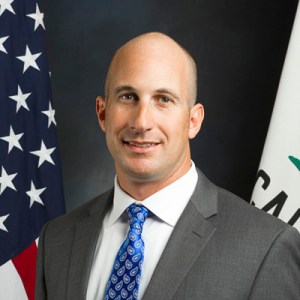
Bill Co-Author(s):